Introduction & Analysis
This collection of open-source news articles published over the past week highlights significant events and issues concerning Myanmar. They present a snapshot of the country's safety and security landscape.
- Conflict: Fighting along the Mandalay–Myitkyina Highway stranded roughly 1,000 travelers with 500 vehicles, while junta forces deployed multiple rocket launchers near Myawaddy and launched a counteroffensive pressuring Karenni resistance.
- Diplomacy & Regional: The 48th ASEAN Summit's joint statement described Myanmar's disputed three-phase election without challenge, as China pressured the TNLA to withdraw from four northern Shan State towns and 66 civil society groups urged QUAD nations to treat Myanmar as an urgent security matter.
- Cybercrime & Accountability: Satellite imagery confirmed rapid construction of at least eight new scam compounds inside DKBA territory near Myawaddy, while a Chinese court began proceedings against Wei family members on fraud and gambling charges exceeding 14 billion yuan.
- Humanitarian & Economy: Arakan State prices surged sharply after the junta blocked the Saw–Magway trade corridor in late April, compounding a food crisis in which 57% of Rakhine families cannot afford basic needs and an estimated 16.2 million people require assistance nationwide.

ASEAN
Why ASEAN must stop lending legitimacy and drop the Myanmar junta
Myanmar's military junta has killed over 17,871 civilians, displaced 3.7 million people, and conducted a disputed three-phase election between December 2025 and January 2026 in which an estimated 10.5 million voters were deliberately excluded. At the 48th ASEAN Summit on May 8, the bloc's joint statement described the vote as "the conclusion of the three phases of Myanmar's general elections" and omitted the official titles of President Win Myint and State Counsellor Aung San Suu Kyi, moves critics characterise as quiet endorsements of junta legitimacy. The summit also refused to name Rohingya refugees by their identity in discussions on repatriation, raising questions about whether ASEAN's diplomatic deference to the military is deepening the crisis rather than resolving it.
mizzima.com
Conflict
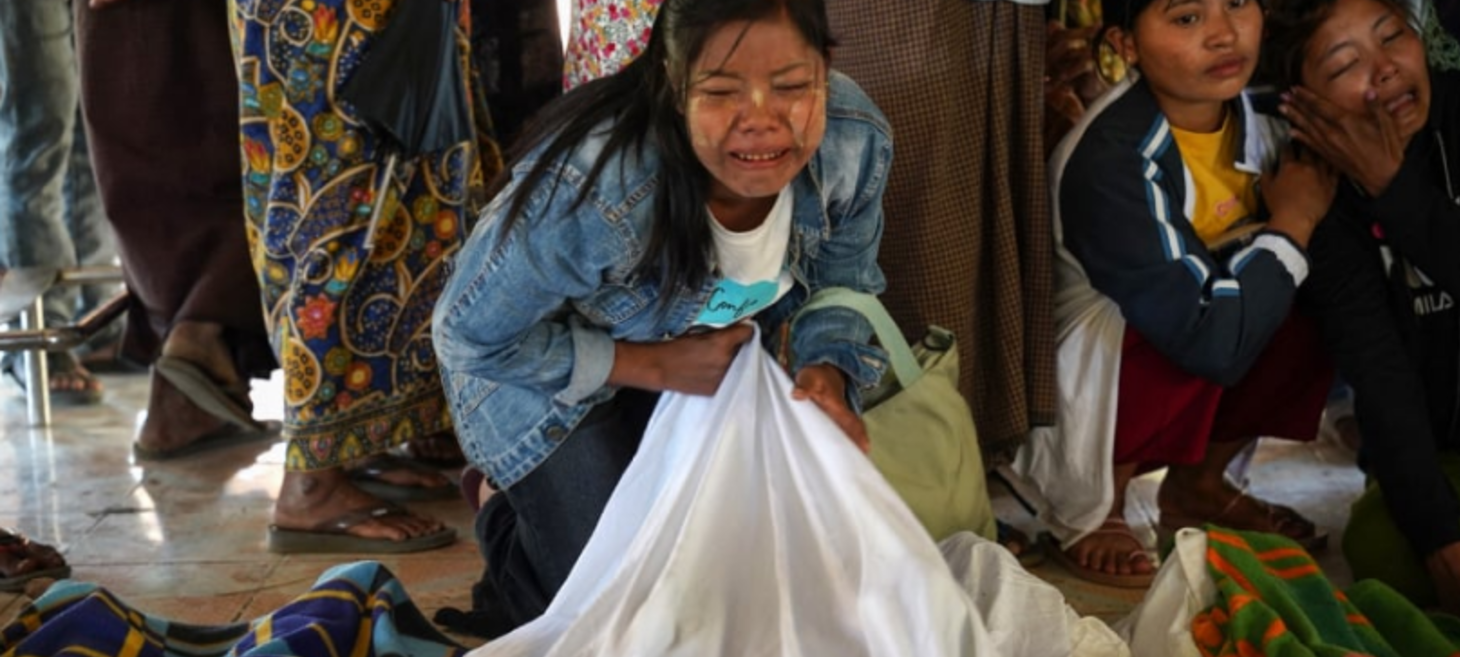
Around 1,000 travelers stranded on Mandalay–Myitkyina Highway amid fighting
Around 1,000 travelers are stranded at two points on the Mandalay–Myitkyina Highway — between Tigyaing and Katha towns and near Katha town in Sagaing Region — after ongoing fighting prompted road closures by both the military junta and the resistance-aligned National Unity Government, which announced an indefinite closure of the Tigyaing–Katha–Indaw–Maw Luu–Namseeawng section on May 24. Approximately 500 vehicles are caught in the standoff, with passengers sheltering in monasteries in Katha Town, as junta helicopters make frequent flights from the area. The highway had only recently reopened on May 6 following junta advances, and its renewed closure raises questions about military supply lines to Kachin State's capital, Myitkyina.
bnionline.net
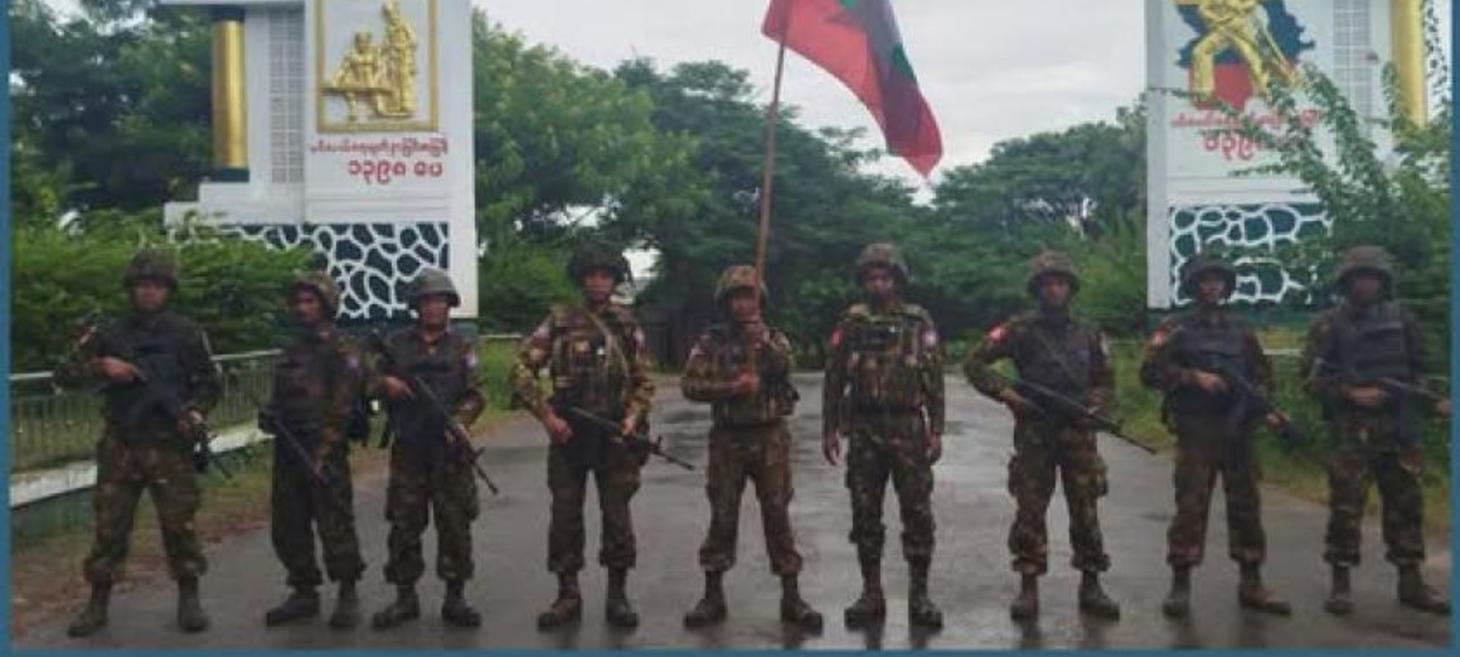
Revolutionary Forces Capture Military Camp in Myaing Area, Magway Region, a People's Militia Stronghold
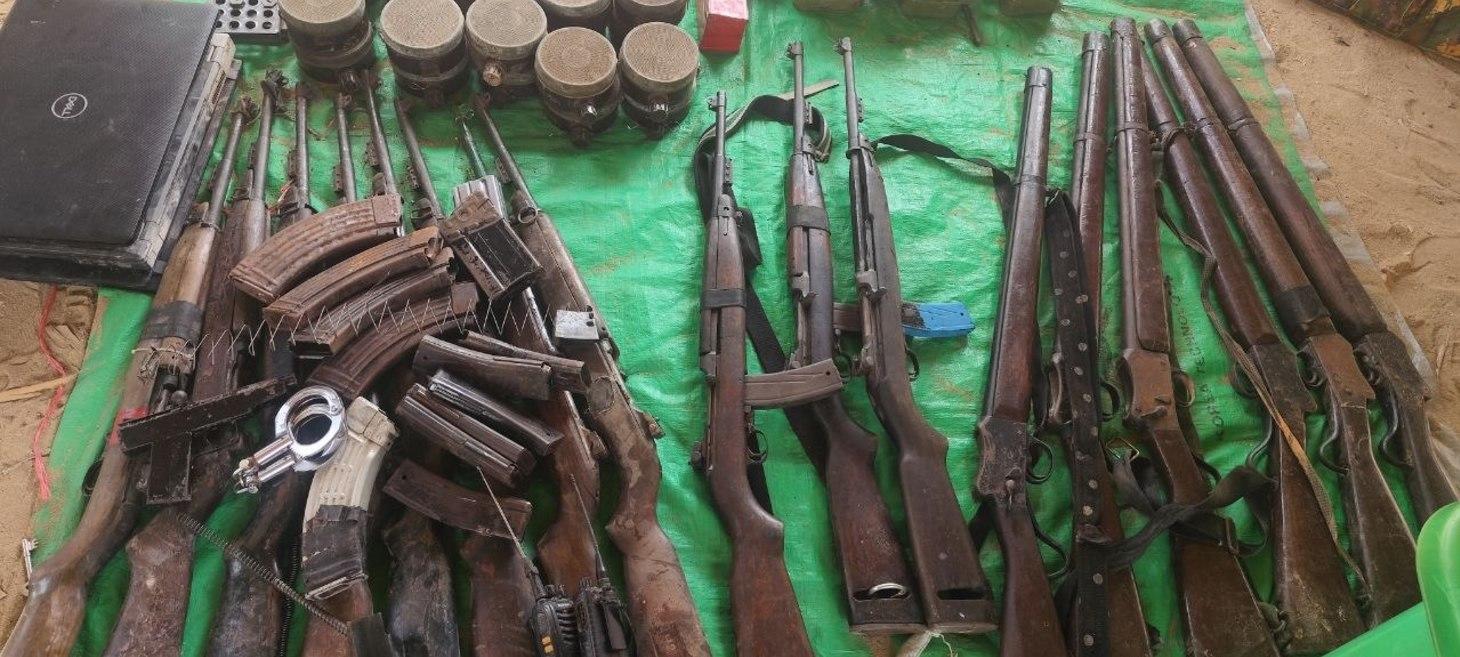
Revolutionary allied forces attacked and fully captured a People's Militia camp in Tharakan Village, Myaing Township, Magway Region on May 22–23, overrunning a position where roughly 150 junta-aligned personnel had been entrenched since shortly after the 2021 coup. The camp sits near the Pathein–Monywa highway and key oilfield roads, making it a strategically significant logistics node; four junta-side fighters were killed and weapons seized, while two revolutionary fighters died and four were wounded. With the military subsequently airlifting nearly 100 personnel to a nearby ordnance factory, it remains unclear how the loss of this longtime People's Militia stronghold will reshape control across the broader Myaing area.
myanmar-now.org

Thousands flee as Myanmar regime forces raid villages near Bagan
Regime forces have raided villages near Bagan, displacing nearly 20,000 people in what local residents describe as the worst displacement they have ever witnessed in the area. The mass exodus has left thousands homeless as military operations continue to target communities in the region. It remains unclear when residents will be able to return or what humanitarian support will reach those affected.
myanmar-now.org
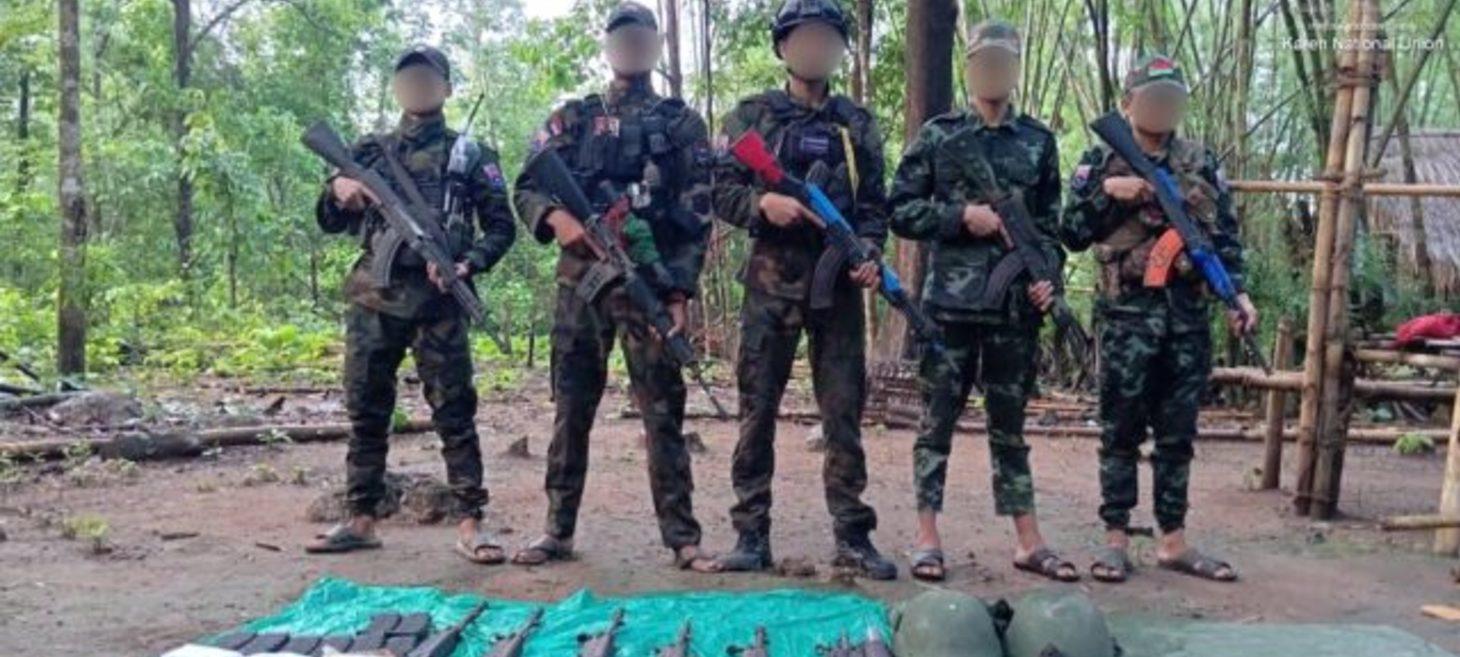
KNLA Attacks Two Junta Positions in Moo Township, Killing 6 and Seizing Weapons
The Karen National Liberation Army (KNLA) attacked two Myanmar junta military positions in Moo Township, Kler Lwee Htoo District on May 22 and 23, 2026, killing at least six soldiers, including one sergeant, and wounding others. The assaults, conducted by KNLA Brigade 3, Battalion 8, targeted Light Infantry Battalions 582 and 584 under Operations Command 20, with revolutionary forces suffering no casualties. Among the weapons seized were 11 MA-series rifles, 207 rounds of ammunition, 18 M-79 grenades, four bulletproof vests, and communications equipment.
kicnews.org
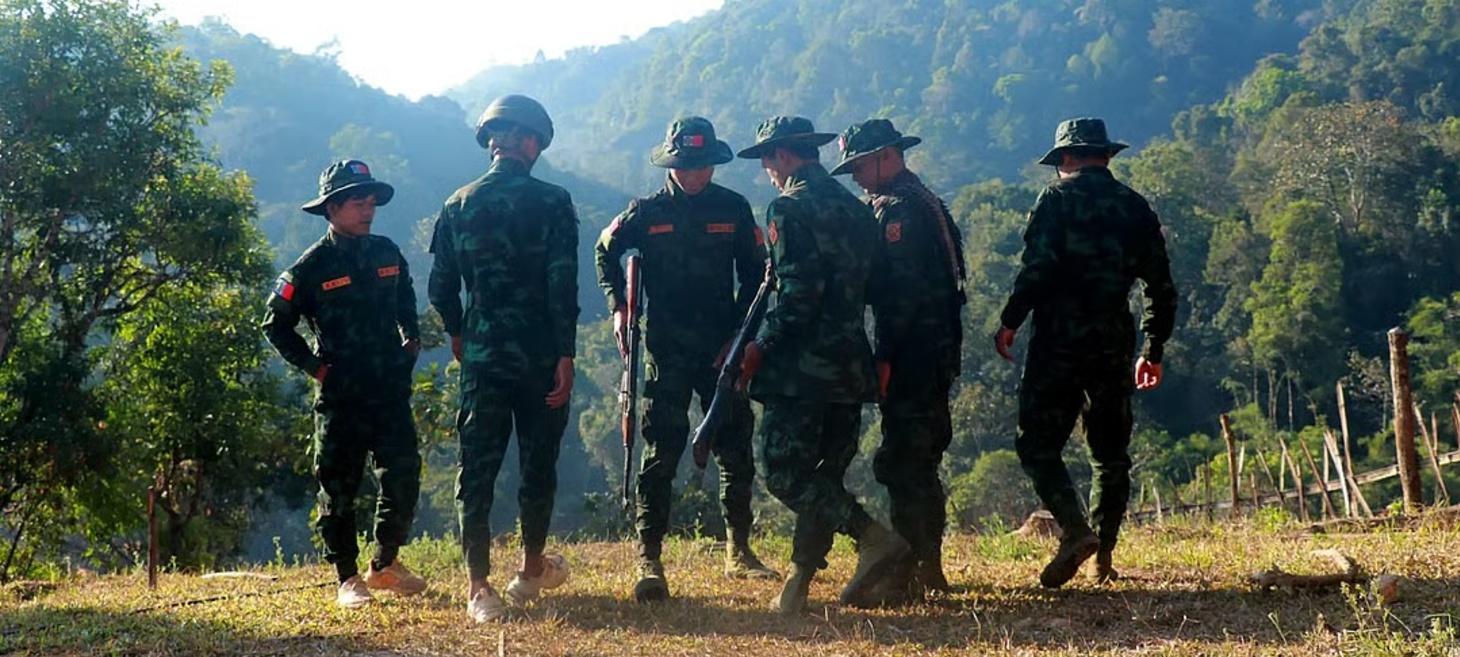
Myanmar's military steps up fight for rare earth area, border routes - FMT
Myanmar's new military chief Ye Win Oo, who took office in March 2025, has launched aggressive offensives targeting strategic border areas including Kachin State's rare-earth mining belts along the Chinese border, Chin State on the Indian frontier, and a key trade corridor in Karen State near Thailand. Ye Win Oo claimed the military has secured Falam town in Chin State and an arterial route between Mandalay and Myitkyina in Kachin State, though Reuters could not independently verify battlefield developments. The offensives raise questions about whether the military can reverse ethnic armed groups' territorial gains since the 2021 coup, even as most rebel factions have rejected Min Aung Hlaing's 100-day peace talks proposal.
freemalaysiatoday.com
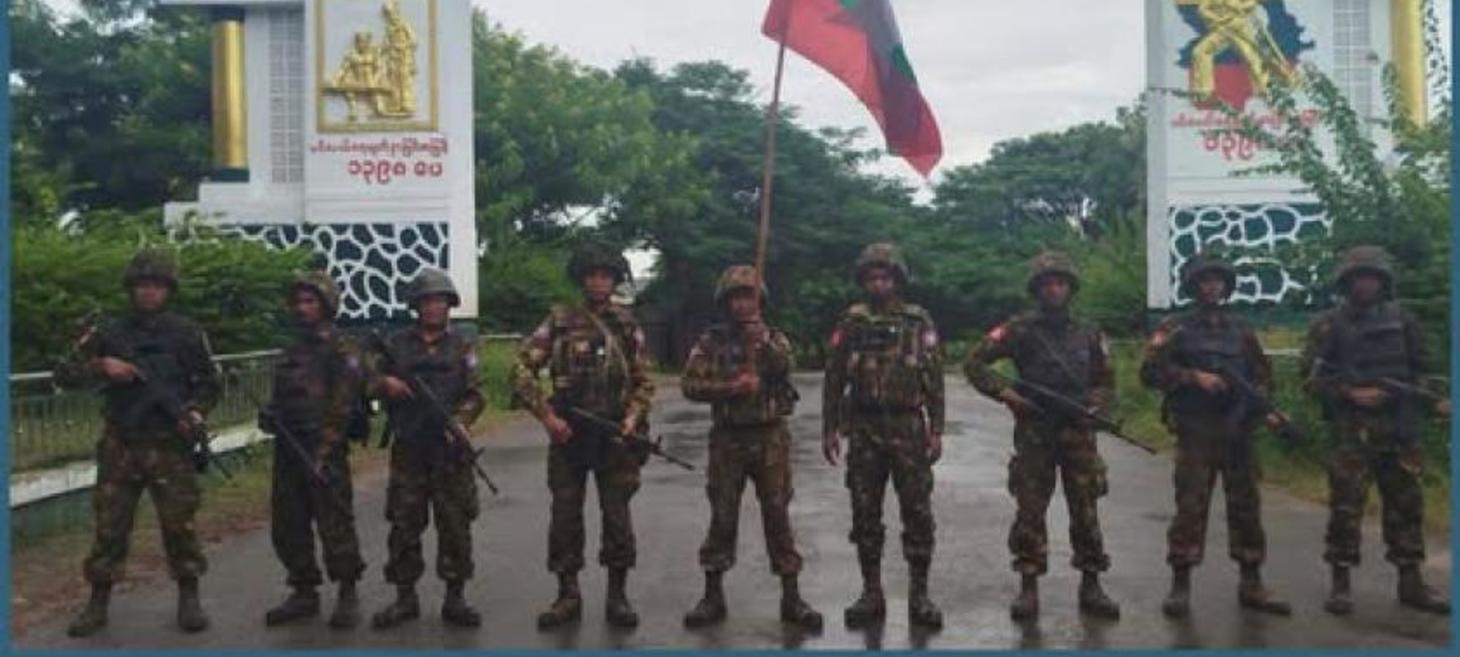
Thibaw, retaken by the junta, struck by improvised rocket attack
Two improvised rockets struck Thibaw (Hsipaw) town in northern Shan State on the evening of May 24, causing panic among residents but no reported injuries. The town was recaptured by the junta in October 2025 following reported Chinese pressure on the Ta'ang National Liberation Army (TNLA), though junta control remains limited to the town center while resistance forces from the TNLA, MNDAA, and SSPP surround the area. No group has claimed responsibility for the attack, and the incident raises questions about the durability of the junta's tenuous hold on Thibaw.
bnionline.net
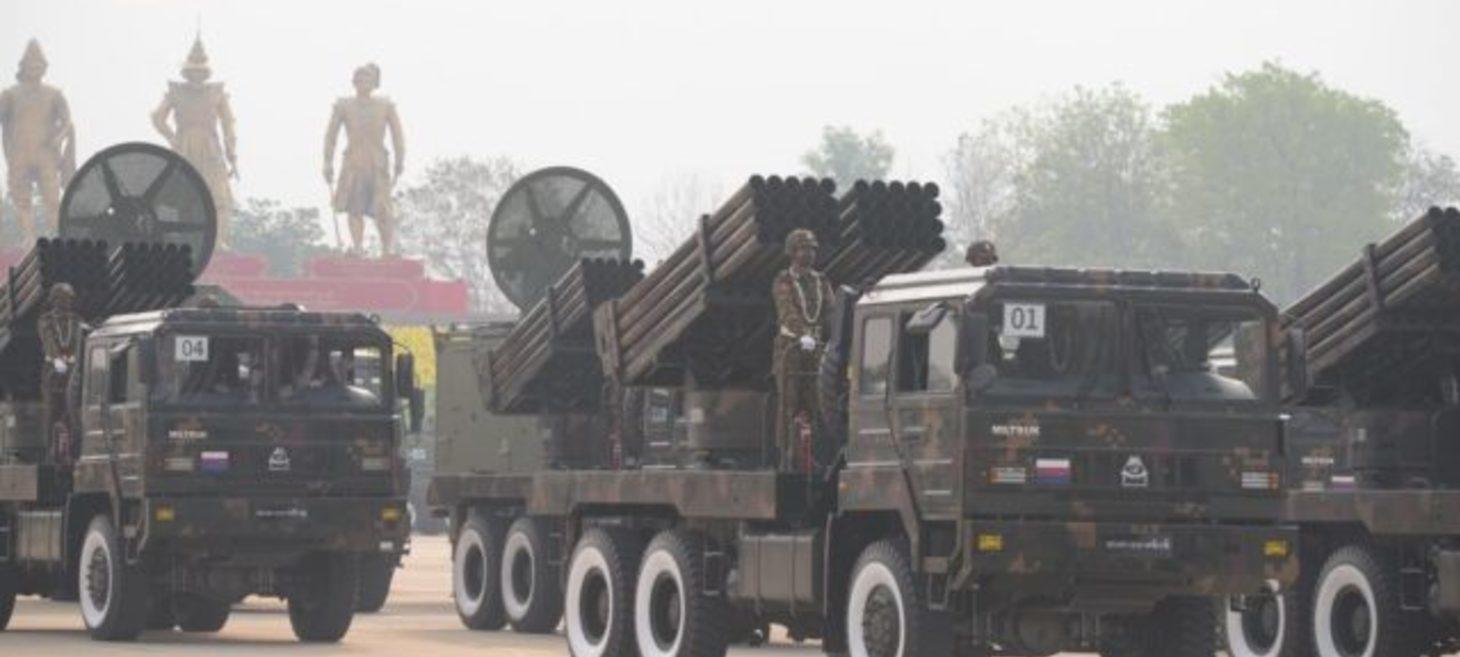
Junta Reinforces Troops, Provides Artillery Support with Multiple Rocket Launchers During Fighting in Phalu and Minglakaung
Junta forces have been reinforcing troop strength and deploying multiple rocket launchers from Infantry Battalion LIB-275 in Myawaddy since May 20 to support an offensive in the Phalu–Minglakaung area south of Myawaddy, Kayin State. The campaign, which began in September 2025, aims to relieve a junta hilltop camp in the Wawlay area over 20 miles away, with junta casualties reportedly numbering in the hundreds and at least ten revolutionary fighters killed. Civilians have fled to border displacement camps, with residents of Phalu Gyi village unable to farm as fighting, drones, and artillery continue; KIC is seeking to independently verify casualty figures from both sides.
kicnews.org
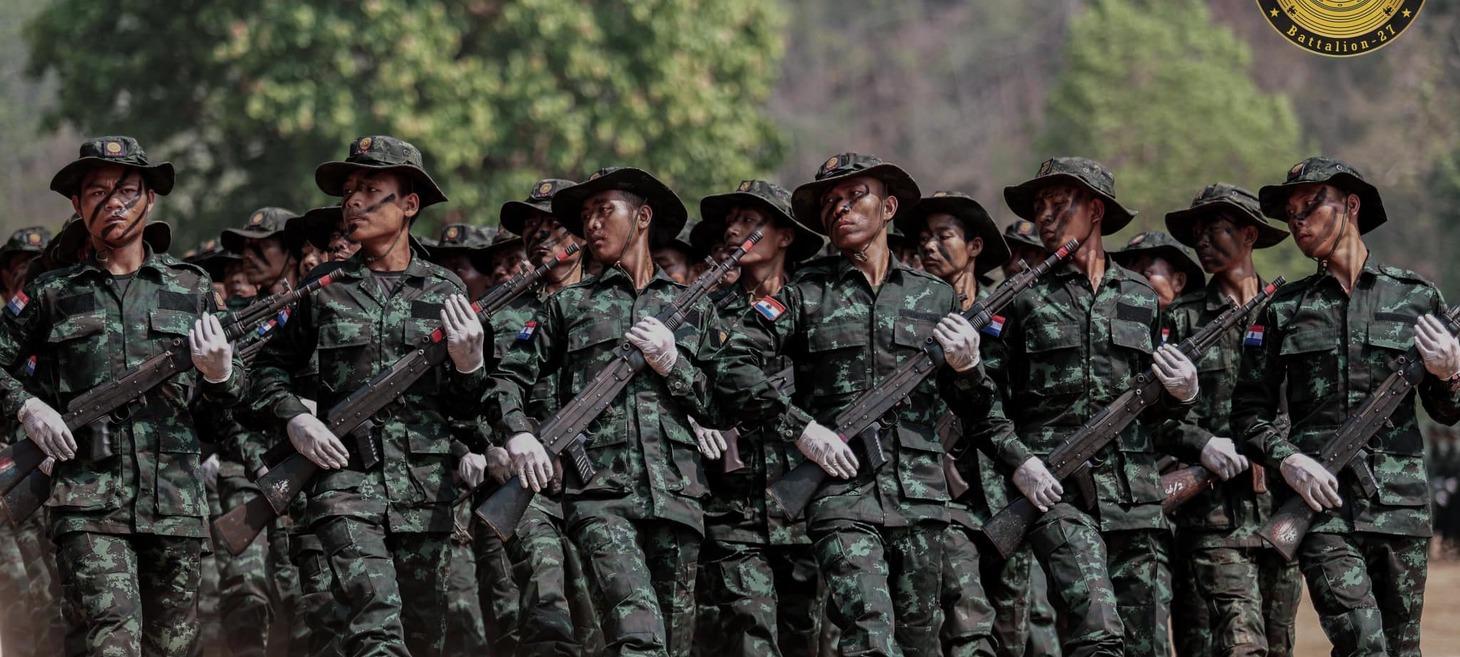
Myanmar junta counteroffensive pushes Karenni resistance into new phase of war
Myanmar's military junta has launched a counteroffensive against Karenni resistance forces, pushing the conflict into what analysts describe as a new phase of war. Anti-regime fighters are under sustained pressure and must adapt their tactics as the junta seeks to claw back territory in Karenni State. The escalating fighting has deepened an already severe humanitarian crisis in the region, raising urgent questions about civilian protection and the resistance's long-term viability.
myanmar-now.org
Conscription
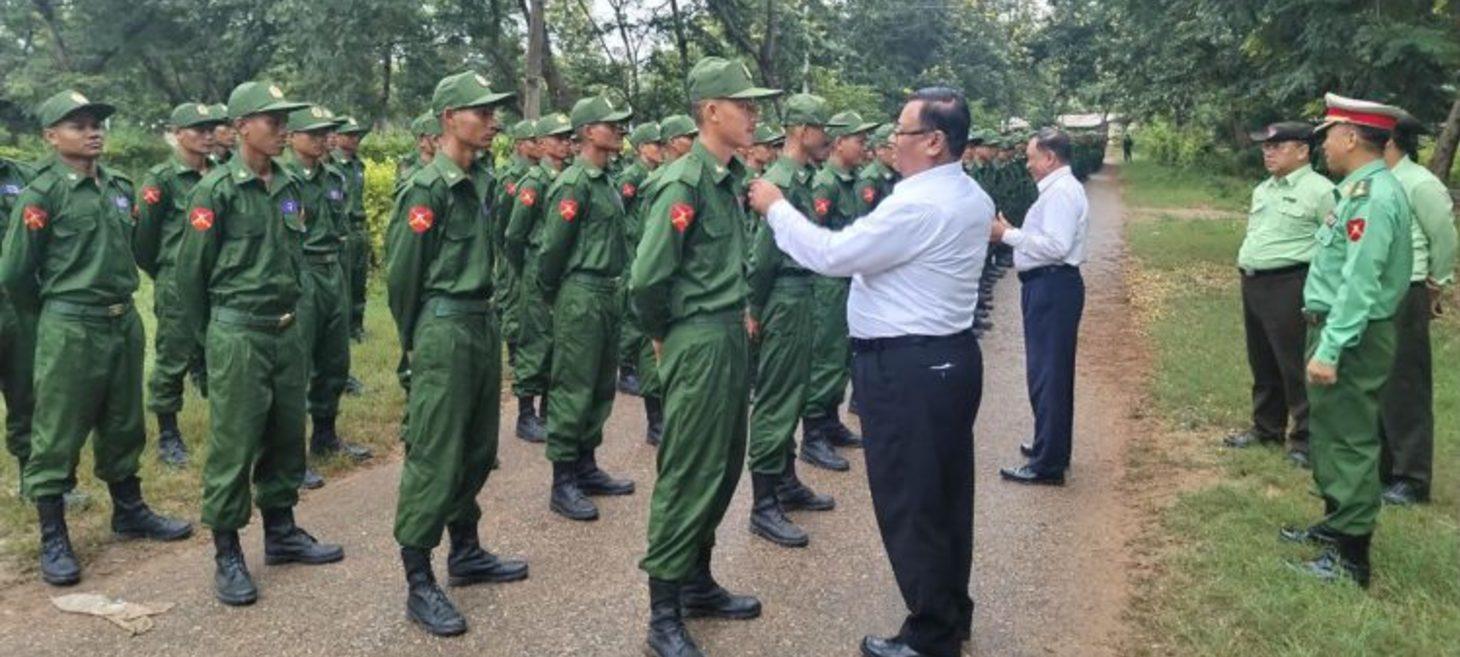
Conscription Fueling ‘Rampant’ Human Trafficking in Myanmar - The Irrawaddy
Myanmar's military conscription law is driving a surge in human trafficking, as families pay brokers to smuggle young men out of the country to avoid forced military service. Traffickers are exploiting widespread fear of the draft, charging high fees to move people across borders into Thailand and other neighboring countries, often leaving victims in debt bondage or dangerous conditions. Observers warn that without an end to conscription, the trafficking crisis will continue to deepen, raising urgent concerns about the safety of Myanmar's civilian population.
irrawaddy.com
Crime & Narcotics
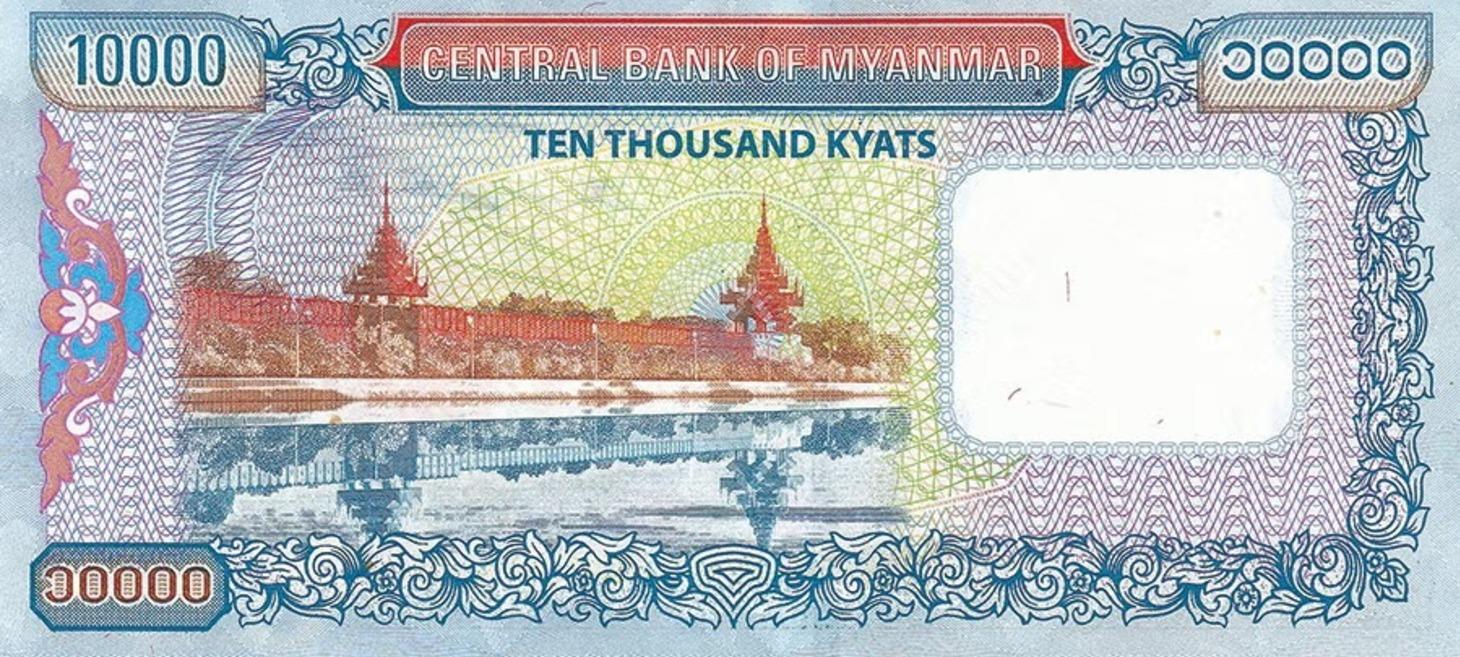
Myanmar Counterfeit Notes Persist - Numismatic News
Counterfeit 10,000-kyat banknotes are increasingly circulating in Myanmar's Rakhine State, with residents reporting that fake and genuine notes are difficult to distinguish during everyday transactions, according to a March 25 report by Development Media Group. The forgeries can be identified by uneven edges, washed-out colors, thin paper, and a printed color line substituting for a genuine security thread. The problem compounds existing economic pressures, including a nearly 30% inflation rate and an 80% decline in the kyat against the US dollar since the 2021 coup.
numismaticnews.net
Cybersecurity & Cybercrime
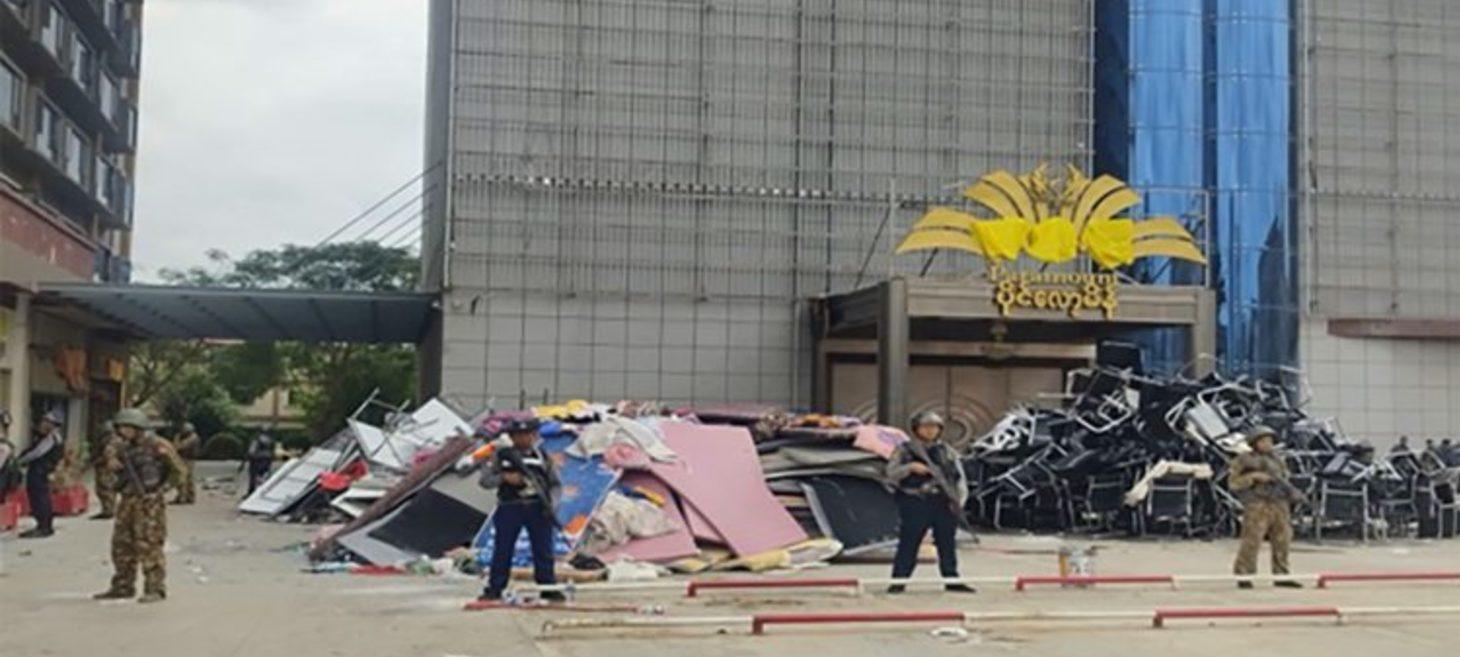
Shwe Kokko Almost Untouched by Myanmar Regime’s Scam Crackdown - The Irrawaddy
Shwe Kokko, a notorious scam compound in Karen State controlled by Chinese-Thai tycoon She Manjiang's Yatai International, has remained largely unaffected by the Myanmar military regime's recent crackdown on cyber-scam operations. While the regime has conducted raids and arrests at other fraud hubs, Shwe Kokko's operations appear to continue with minimal disruption, raising questions about its protected status. The compound's apparent immunity highlights concerns over selective enforcement and the depth of ties between certain scam operators and military authorities.
irrawaddy.com
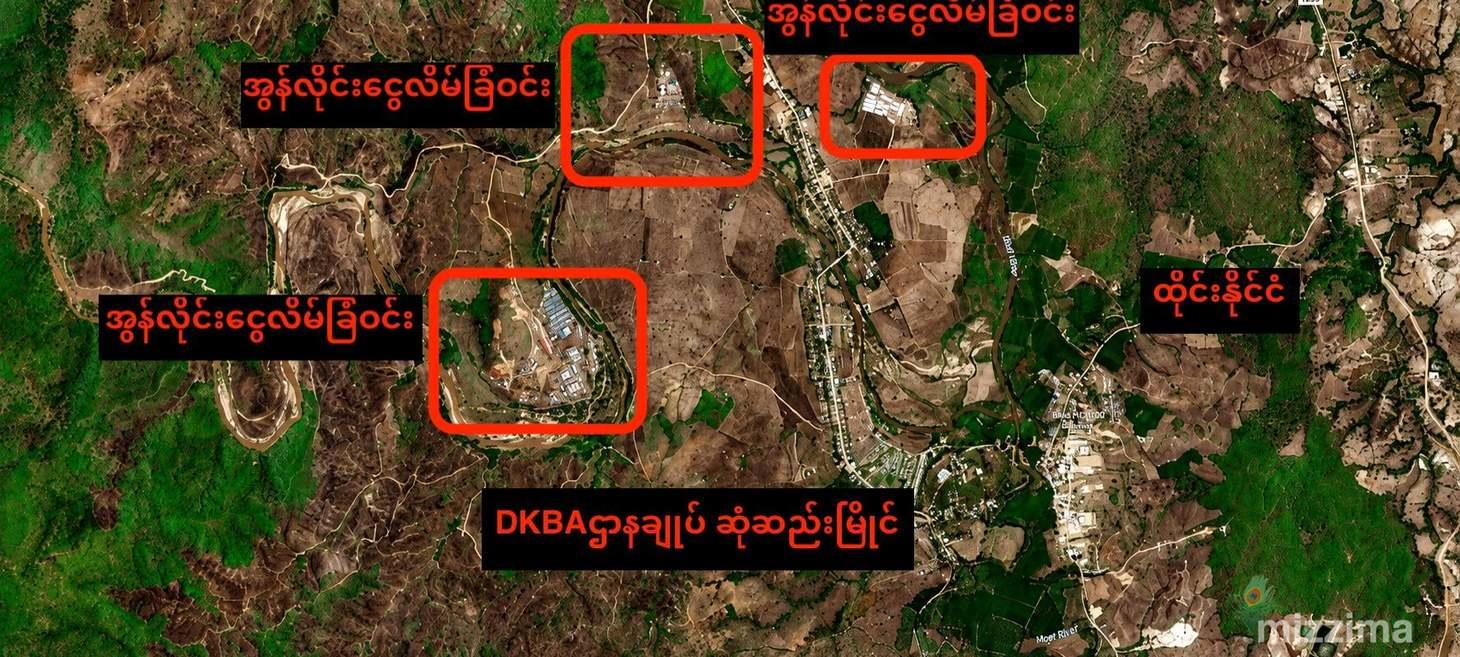
Satellite imagery confirms expansion of Myanmar cyber-scam infrastructure at DKBA headquarters
Satellite imagery from March 28 and ground verification on April 3 confirm that at least eight new high-security online scam compounds are under rapid construction inside Democratic Karen Benevolent Army (DKBA) territory at Sone See Myaing village and Shwe Taung Ni, roughly 34 miles south of Myawaddy in southern Karen State. The compounds feature high brick walls, watchtowers, Starlink terminals, and armed DKBA security checkpoints, with witnesses reporting large numbers of confined foreign nationals, including Chinese nationals, working on computers inside. The findings raise pressing questions about accountability for industrial-scale cyber-scam infrastructure operating under the protection of an established armed group.
mizzima.com
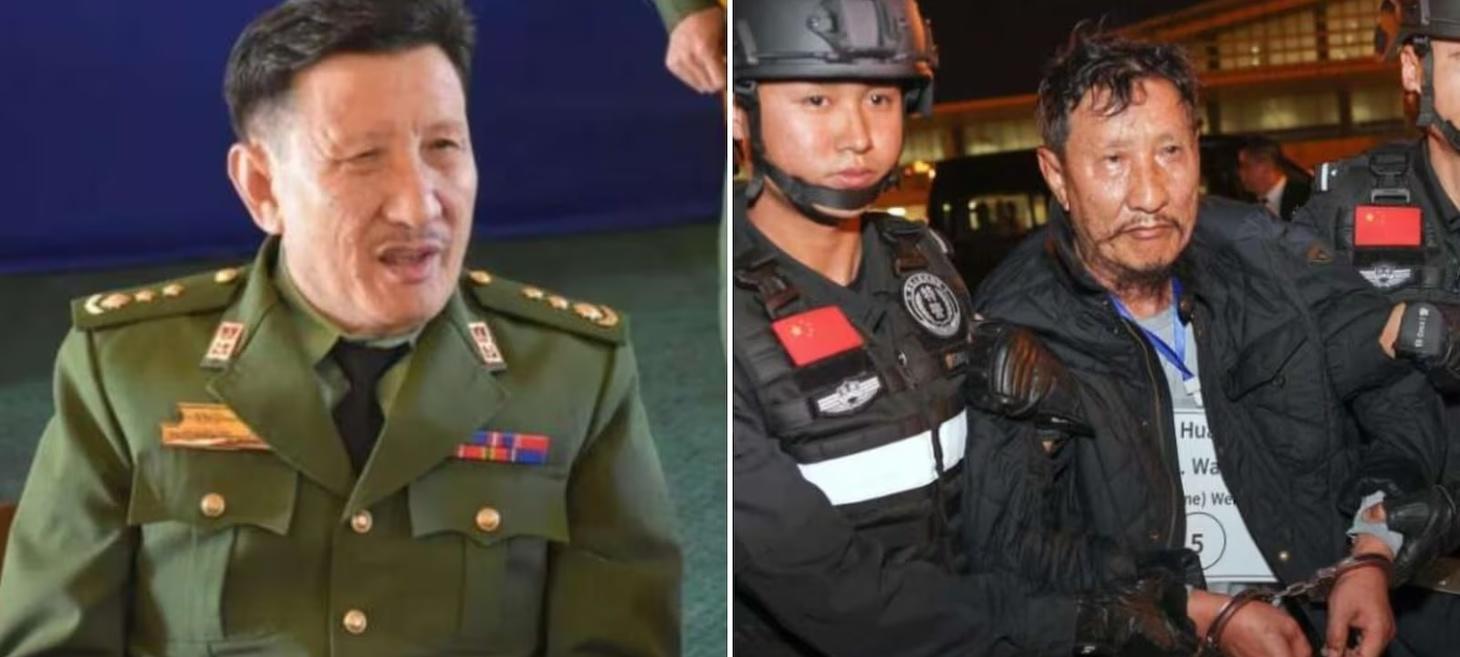
Kokang Wei Family Prosecuted in Chinese Court
A Chinese court began proceedings this week against members of Myanmar's Kokang Wei family clan, including former BGF Battalion 1006 chairman Wei Huairen (Wei Cen) and three relatives, on charges encompassing online fraud generating over 5 billion yuan, illegal gambling generating over 9 billion yuan, prostitution businesses generating over 19 million yuan, and responsibility for the deaths of eight Chinese nationals. Wei Cen reportedly testified that the family exploited Myanmar military backing to build a criminal syndicate in Kokang from 2009 onward. The Wei prosecution follows the earlier execution of 27 members of the Kokang Ming and Bai family clans by Chinese courts in late January and early February 2025.
rfa.org
Economy
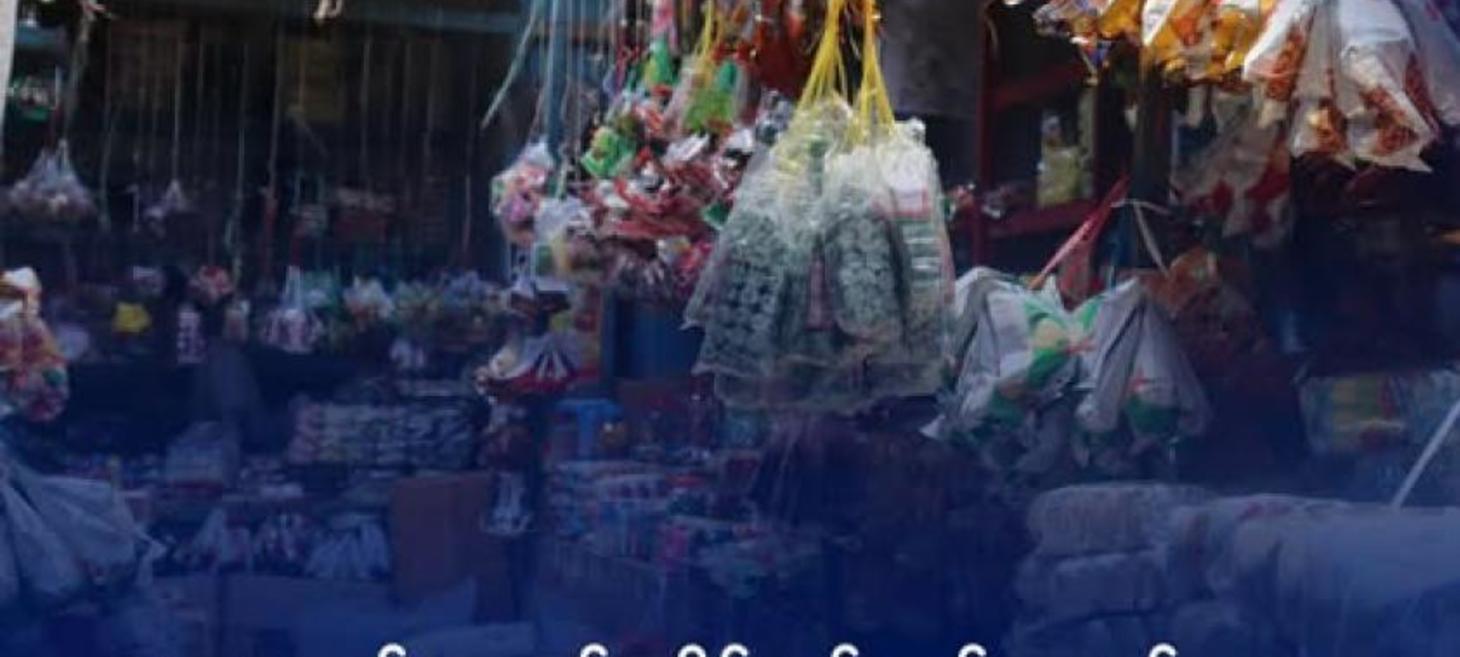
Prices surge across Arakan State after junta blocks trade route linking Magway Region
Arakan State is facing sharp price increases on essential goods after the junta blocked the key trade corridor linking Saw Township in Magway Region to the state since late April, deploying troops along the Arakan–Saw route that has long served as the primary supply lifeline. Prices for everyday items have surged dramatically — menstrual pads rose from 24,000 to 35,000 MMK, soap cartons climbed by up to 60,000 MMK, and tobacco bundles nearly doubled — while medicines including contraceptives and multivitamins also increased. With the India border route now the only remaining supply line and early monsoon conditions causing landslides and transport delays, traders warn that a complete goods shortage could follow if Yangon shipments do not resume.
bnionline.net
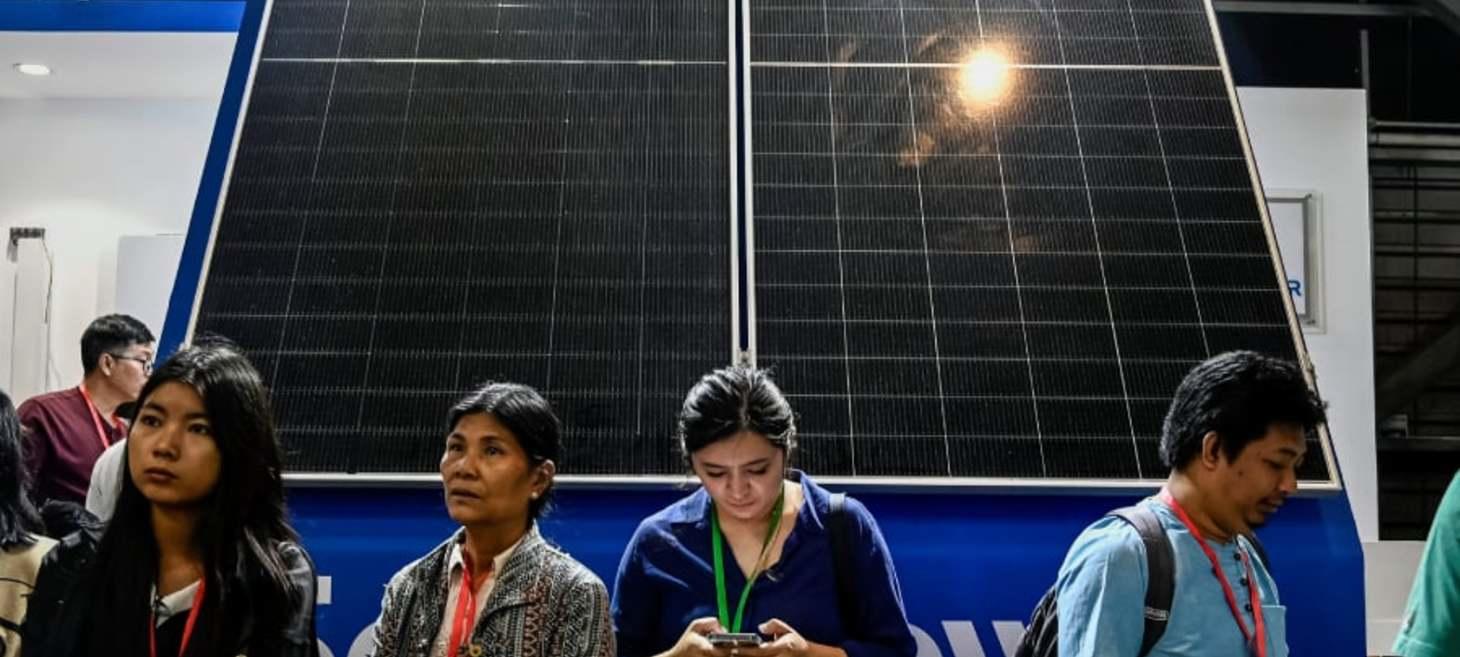
Junta pushes energy self-sufficiency drive amid Myanmar power shortages - eng.mizzima.com
Myanmar's junta is accelerating an energy self-sufficiency drive through hydropower, solar, LNG, and domestic oil and gas production, with officials describing electricity as a "key driving force" for national economic development. New projects include the 40-megawatt Thazi and Thabyaywa solar plants connected to the national grid, a 500-megawatt LNG facility that began commercial operations in January, and plans to reopen the No. 1 Refinery at Thanlyin. Whether these initiatives can meaningfully reduce chronic daily blackouts affecting households and businesses remains uncertain given ongoing conflict, damaged infrastructure, and economic turmoil since the 2021 coup.
mizzima.com
Ethnic Issues
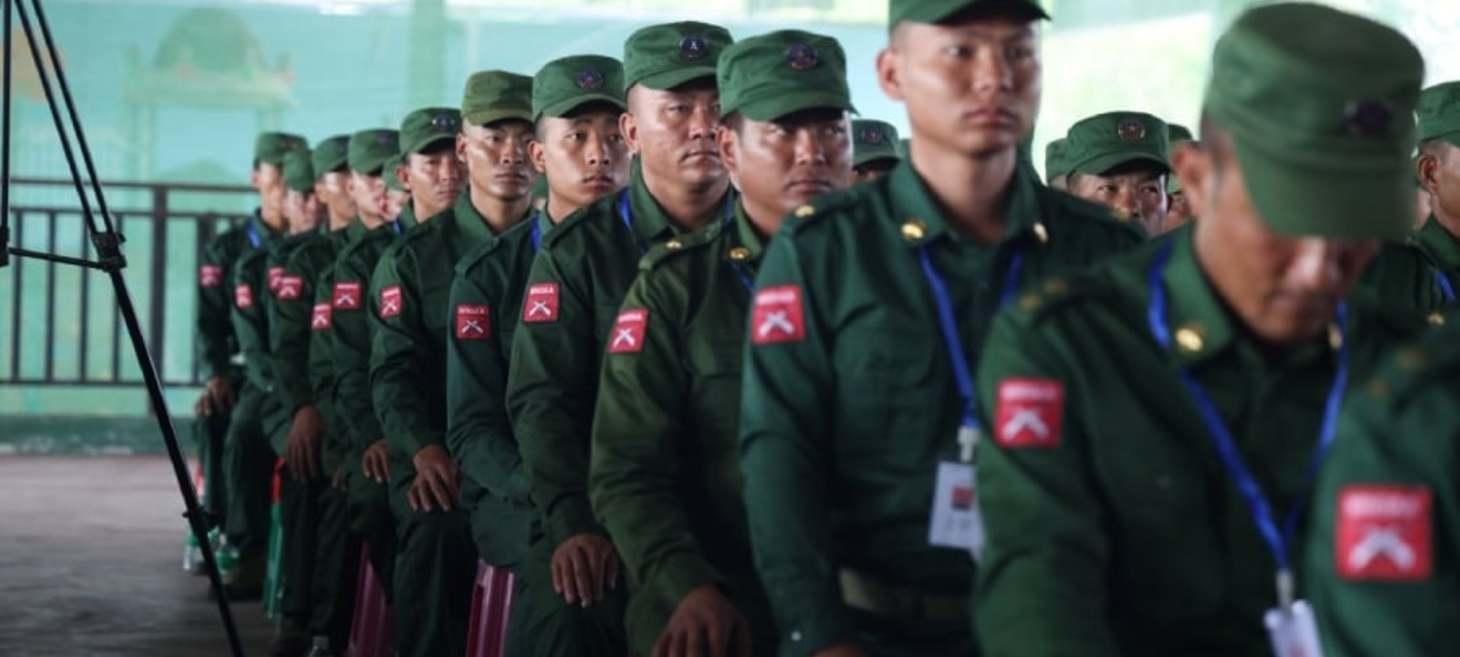
Shan Youth Call for Review of MNDAA's Territorial Expansion and Governance System
On May 25, the Shan Youth Congress publicly called for a review of the Myanmar National Democratic Alliance Army's (MNDAA) territorial expansion and governance practices in northern Shan State following the first and second phases of Operation 1027. The group documented concerns across two categories — governance and land confiscation, and human rights and socioeconomic issues — alleging armed intimidation, flawed administration, and policies favouring citizens of a neighbouring country. An MNDAA member acknowledged differing views exist among northern Shan State's many ethnic armed organizations but offered no direct response to the specific allegations.
mizzima.com
Foreign Affairs
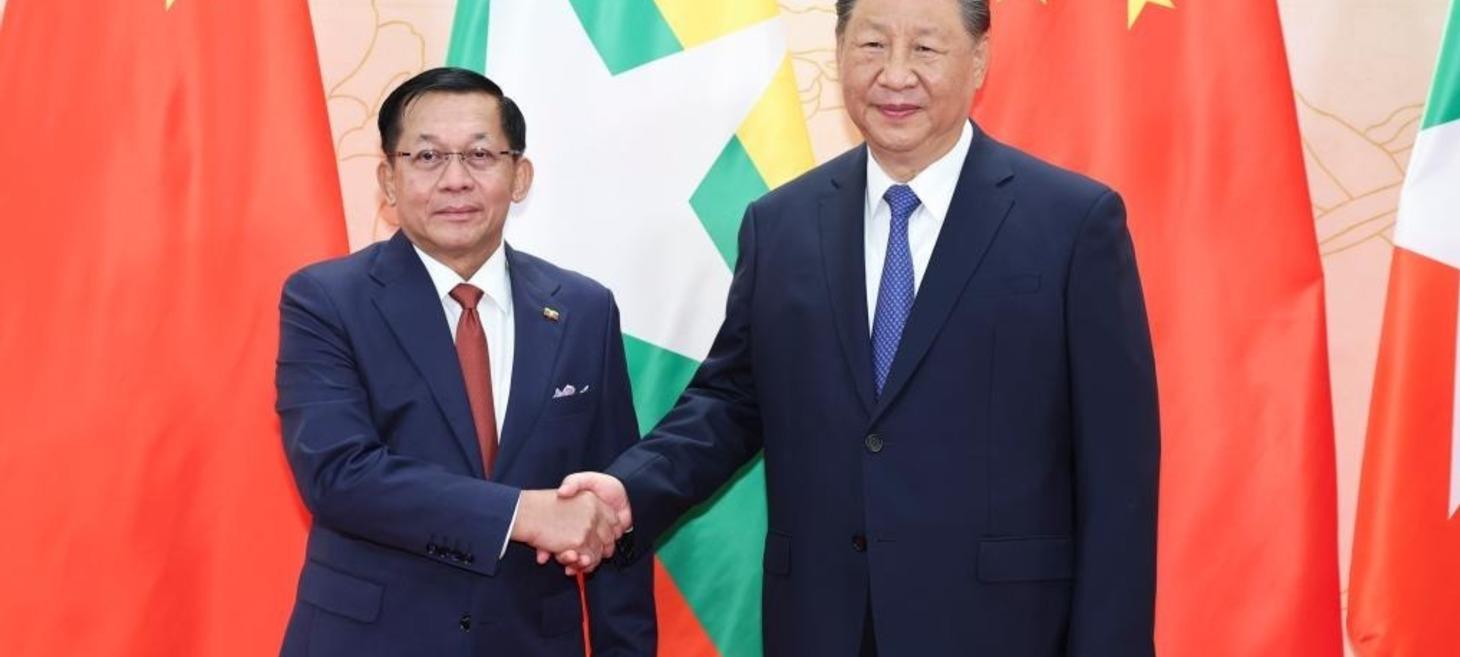
CHINA’S SILENT HAND: How Pressure on TNLA Has Shattered Myanmar’s Anti-Junta Front
China-brokered talks in Kunming resulted in Myanmar's military junta demanding that the Ta'ang National Liberation Army withdraw from four captured towns in northern Shan State and return to its originally allotted two townships within one month. The ultimatum has reportedly fractured the broader anti-junta coalition, with pressure from Beijing seen as a decisive factor in compelling the TNLA's compliance. The episode raises questions about China's role in shaping the balance of power among armed groups resisting Min Aung Hlaing's regime.
shannews.org
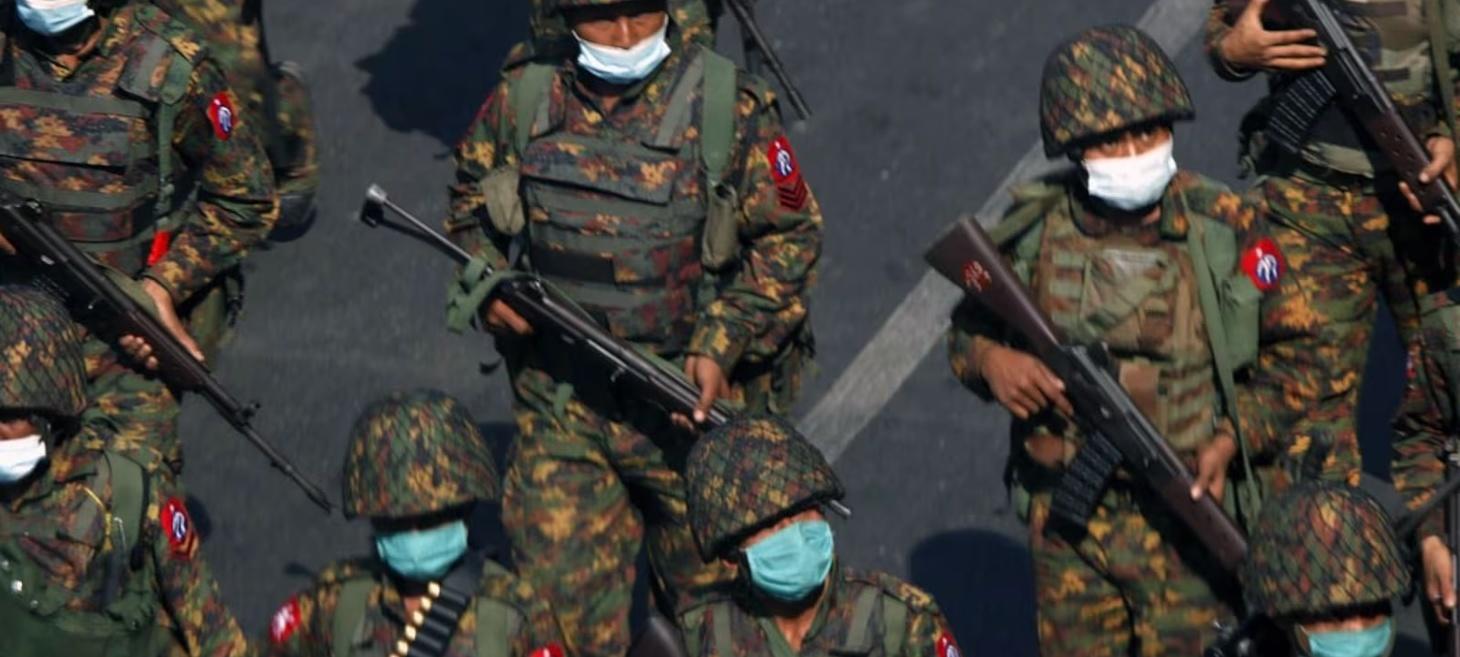
QUAD Urged to Address Myanmar as an Urgent Security Matter
Sixty-six civil society organizations, led by People Movement Platform Myanmar and India for Myanmar, sent an open letter on May 23 to the foreign ministers of the United States, India, Japan, and Australia urging QUAD nations to treat Myanmar as an urgent Indo-Pacific security matter. The letter argues that since the 2021 military coup, cross-border online fraud, human trafficking, drug networks, and transnational crime have worsened significantly, and calls on QUAD members to reject political legitimacy for the junta's planned elections and to increase cross-border humanitarian aid. Whether the four QUAD governments will respond to the appeal — signed by groups including Progressive Voice and Burma Campaign UK — remains to be seen.
rfa.org
General News
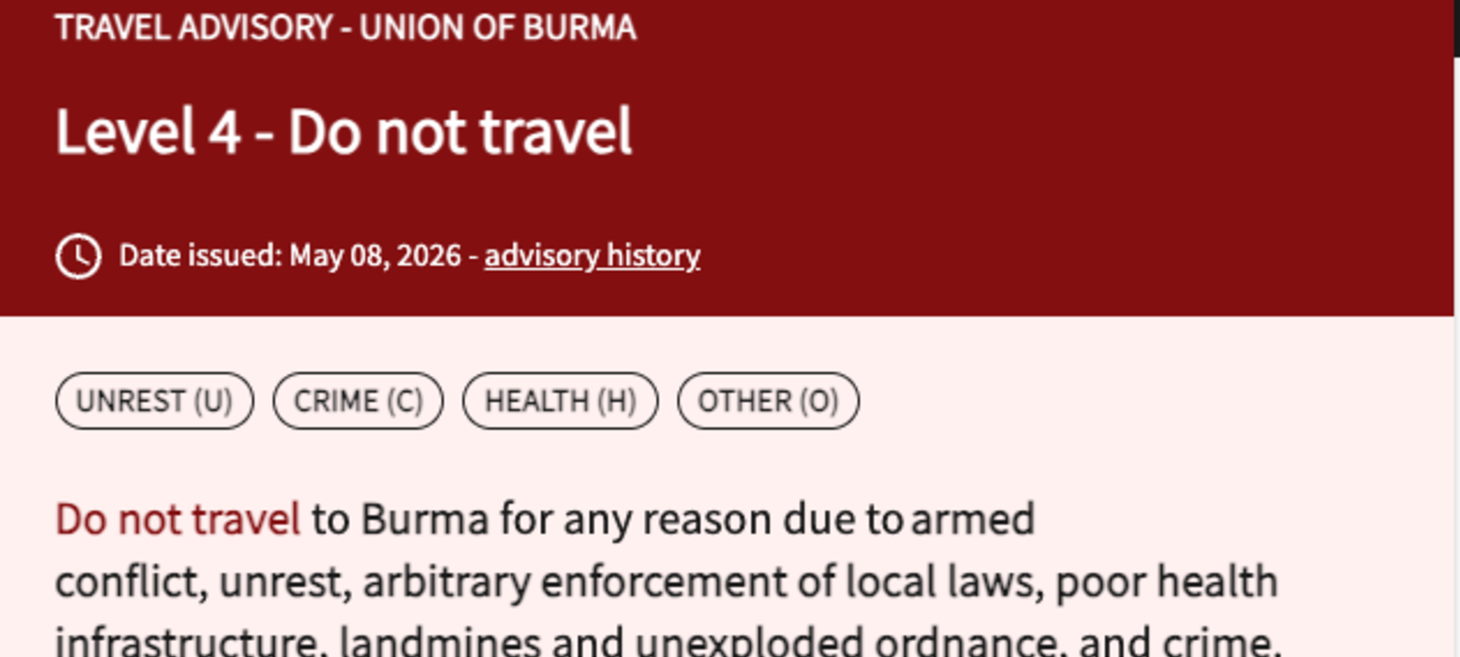
Burma Travel Advisory | Travel.State.gov
The U.S. State Department has updated the summary of its travel advisory for Burma, maintaining its existing advisory level, which warns Americans against traveling there for any reason. Ongoing armed conflict, civil unrest, arbitrary enforcement of laws by the military regime, landmines, poor healthcare infrastructure, and crime all contribute to the warning, which has been in place since the February 2021 coup.
state.gov
Governance & Rule of Law
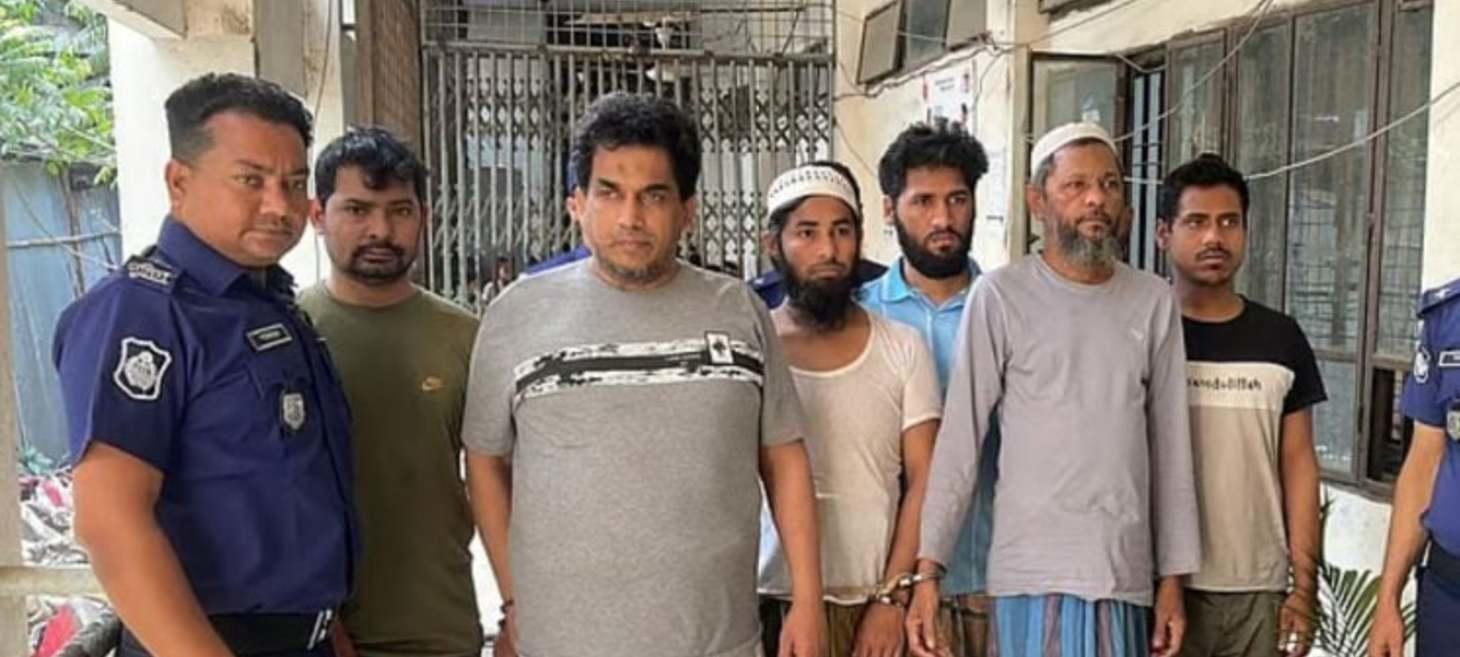
Fortify Rights, Rohingya groups press ICC for arrest warrant against ARSA leader
On 22 May, Fortify Rights Leadership Council members and seven Rohingya-led organizations issued parallel statements urging the ICC Office of the Prosecutor to seek an arrest warrant for ARSA leader Ata Ullah abu Ammar Jununi for alleged war crimes and crimes against humanity against Rohingya civilians in Myanmar and Bangladesh. The calls come amid concern that Ata Ullah, arrested in Bangladesh on 18 March 2025, could be released without facing prosecution for the full scope of alleged international crimes. Signatories include prominent legal figures such as Sir Geoffrey Nice KC and former U.S.
mizzima.com
Humanitarian

On the brink: the deepening hunger crisis in Myanmar - European Civil Protection and Humanitarian Aid Operations
Myanmar is experiencing what EU humanitarian aid officer Veronica Collins calls "one of the worst food crises in recent history," with an estimated 16.2 million people in need of humanitarian assistance in 2026. In Rakhine State, 57% of families cannot afford basic food needs — up from roughly one-third at end of 2024 — as conflict, the 7.7-magnitude 2025 earthquake, economic collapse, and access restrictions drive rising malnutrition, particularly among children. Aid operations remain severely underfunded and hampered by bureaucratic obstacles and violence, leaving the true scale of the crisis difficult to assess.
europa.eu
Natural Disaster
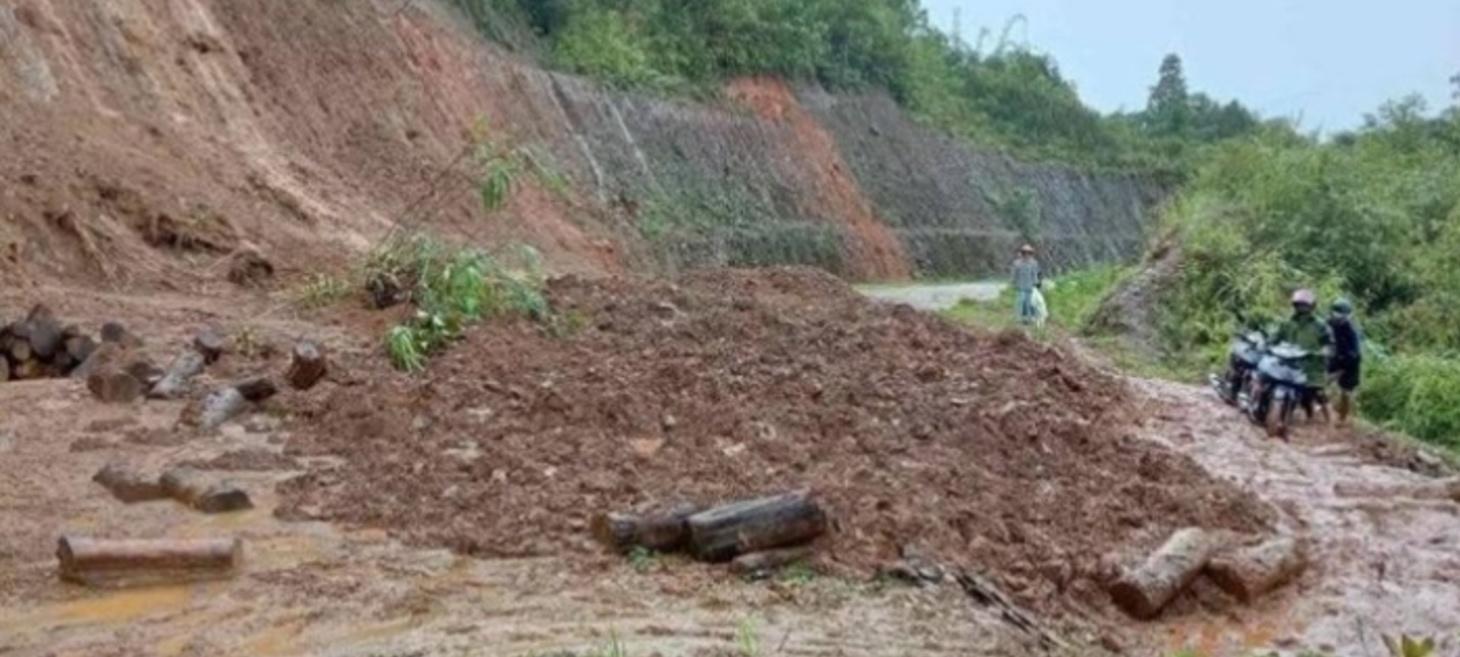
Heavy rain in Myanmar triggers landslide, blocks Putao–Naungmon road | The Star
Heavy rainfall triggered a landslide that has blocked part of the Putao–Machanbaw–Naungmon road in Naungmon Township, Putao District, Myanmar. The obstruction has disrupted travel and transport along this route in the country's far northern Kachin State. It remains unclear when the road will be cleared or what relief efforts are underway to restore access.
thestar.com.my
Politics

Members of Parliament in Naypyidaw Forced Into Silence
Members of parliament and political party figures in Myanmar have confirmed to IMNA that they were required to sign written pledges prohibiting them from freely expressing opinions, criticizing military officials, or communicating with organizations designated as unlawful associations. Phones are reportedly monitored, and restrictions appear designed to block interviews with exile media and prevent leaks about military conduct; U Ko Ko Gyi, Chair of the People's Party, is among those said to have signed such agreements. Despite coup leader Senior General Min Aung Hlaing's repeated claims that his government upholds democratic standards, parliamentarians say the reality is a system governed entirely by one man's orders.
bnionline.net
Sanctions
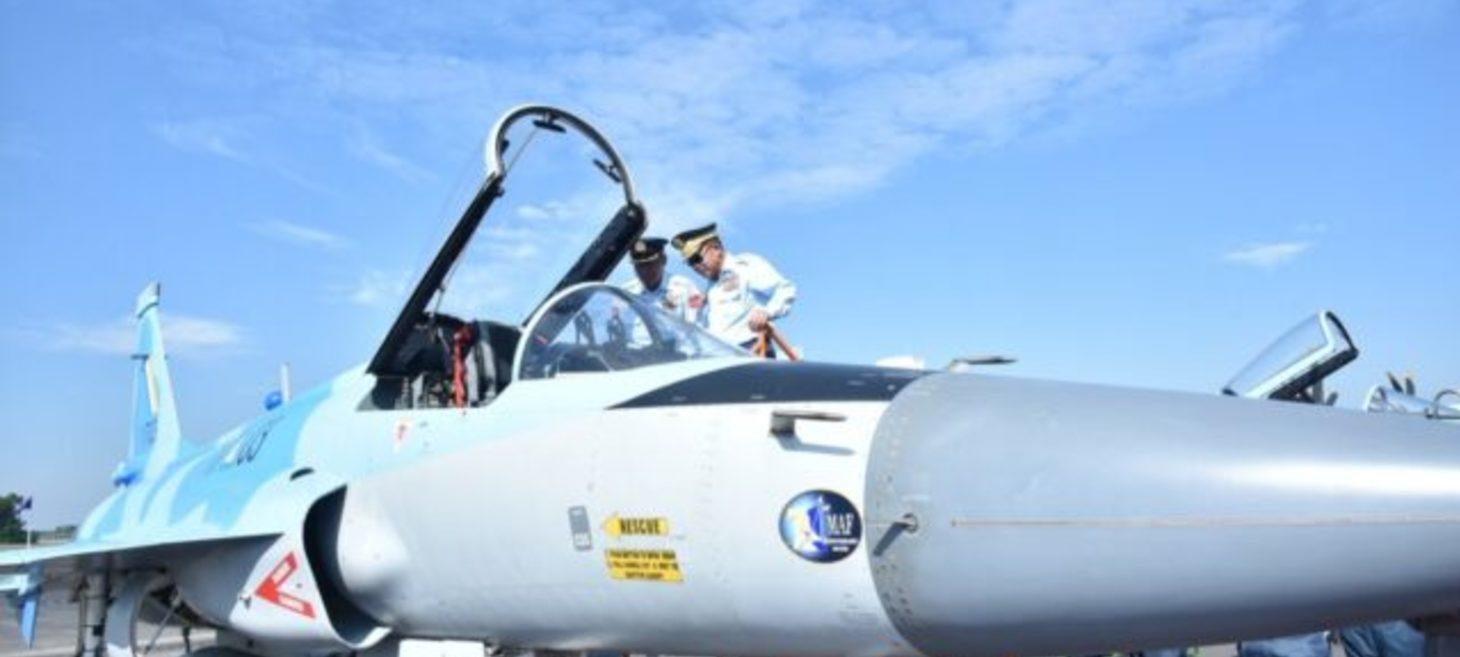
JFM Welcomes Thai SEC's Suspension of Share Sale to Junta's Arms-Broker Network
Thailand's Securities and Exchange Commission has suspended a share sale by Thai-listed conglomerate ACC to Sky Aviator, a Myanmar military arms-broker network led by Kyaw Min Oo, following a letter from Justice for Myanmar (JFM) warning that the transaction appeared to involve money laundering. The SEC cited ACC's failure to provide material disclosures at its shareholders' meeting, while JFM noted that the U.S., EU, UK, and Canada have sanctioned Kyaw Min Oo but that the broader Sky Aviator network remains outside sanctions coverage. ACC has indicated it will appeal the suspension, and JFM is calling on international bodies to close the remaining sanctions gaps that allow network-linked individuals to pursue investments in Thailand.
kicnews.org
Telecommunications

Meta removes against Myanmar military accounts following advocacy report
Meta removed 109 Facebook pages, profiles, and groups linked to Myanmar's military junta, including accounts tied to telecom networks Mytel and MECtel, junta-controlled media outlets MRTV and MWD, and their agents, following a report by advocacy group Justice For Myanmar. The removals were made under Meta's 2021 ban on military-controlled businesses and media; Mytel and MECtel are part of the EU, UK, US, Australia, and Canada-sanctioned Myanmar Economic Corporation. Military-linked accounts have repeatedly resurfaced after prior removals, sometimes under different names, raising questions about the effectiveness of platform enforcement ahead of the junta's planned election.
mizzima.com