Introduction & Analysis
This collection of open-source English-language news articles published over the past week highlights significant events and issues concerning Myanmar. They present a snapshot of the country's safety and security landscape.
- Attempting to legitimize its rule and ease international isolation, the military junta has orchestrated a political facade by transitioning leader Min Aung Hlaing to a civilian presidency, transferring Aung San Suu Kyi to house arrest as a strategic bargaining chip, and hiring US lobbyist Roger Stone.
- Despite the junta's superficial offers for peace talks, the bloody civil war continues as a weakened military shifts to the offensive against steadfast resistance forces, such as the Arakan Army, who reject disarmament.
- The regime maintains a brutal grip on the population through forced conscription that traumatizes youth, arbitrary arrests of the urban poor, crippling extortion at local checkpoints, and severe crackdowns on press freedom.
- Myanmar's instability is further exacerbated by worsening environmental crises, including severe droughts, deforestation, and unregulated toxic mining spills, alongside thriving illicit economies driven by cybercrime syndicates and rising synthetic drug use.

Conflict
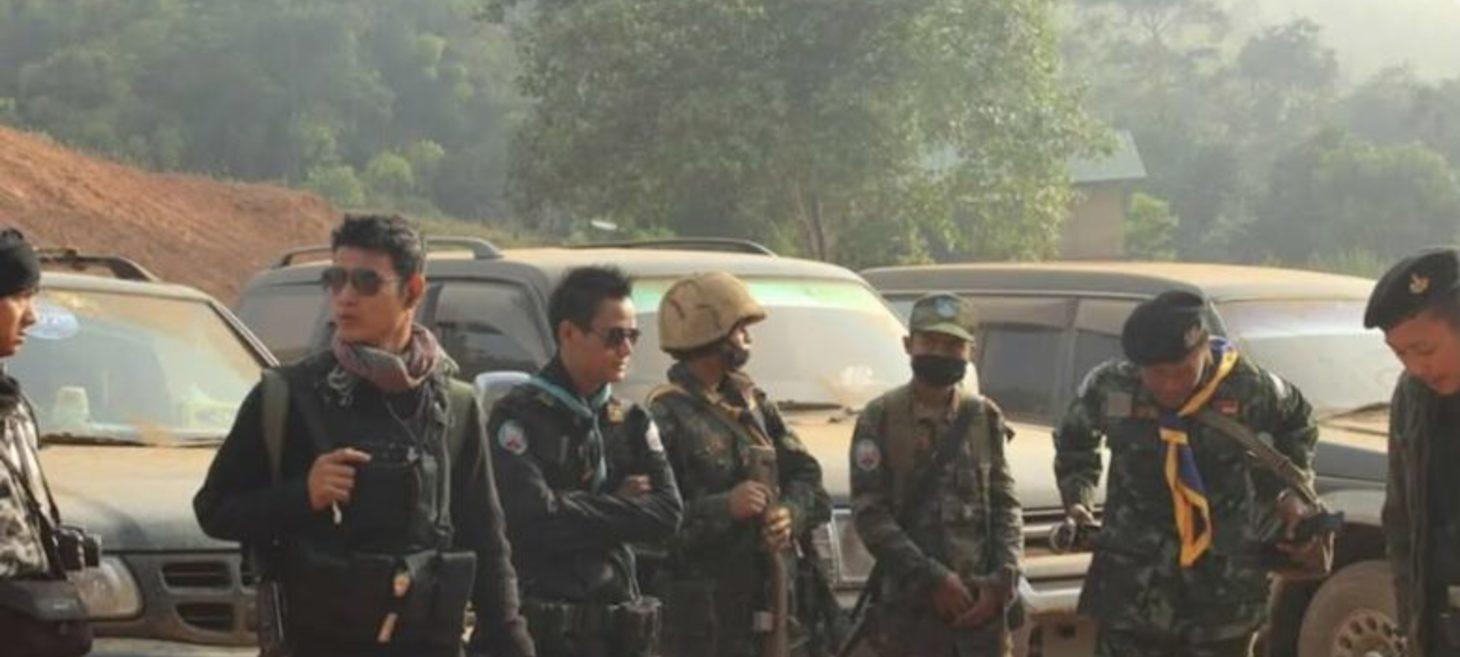
Junta warns of action against weapon possession in Myawaddy
Myanmar's military junta has issued stern warnings against civilian weapon possession in the strategic border town of Myawaddy, threatening severe action against anyone found with arms as resistance forces continue to challenge military control in the region. The warning comes amid ongoing clashes between junta troops and ethnic armed groups along the Thai-Myanmar border, where Myawaddy serves as a crucial trade gateway and has seen intensified fighting in recent months. Local residents report increased military patrols and house-to-house searches as the junta attempts to maintain its grip on the economically vital crossing point that generates significant revenue through cross-border commerce.
karennews.org
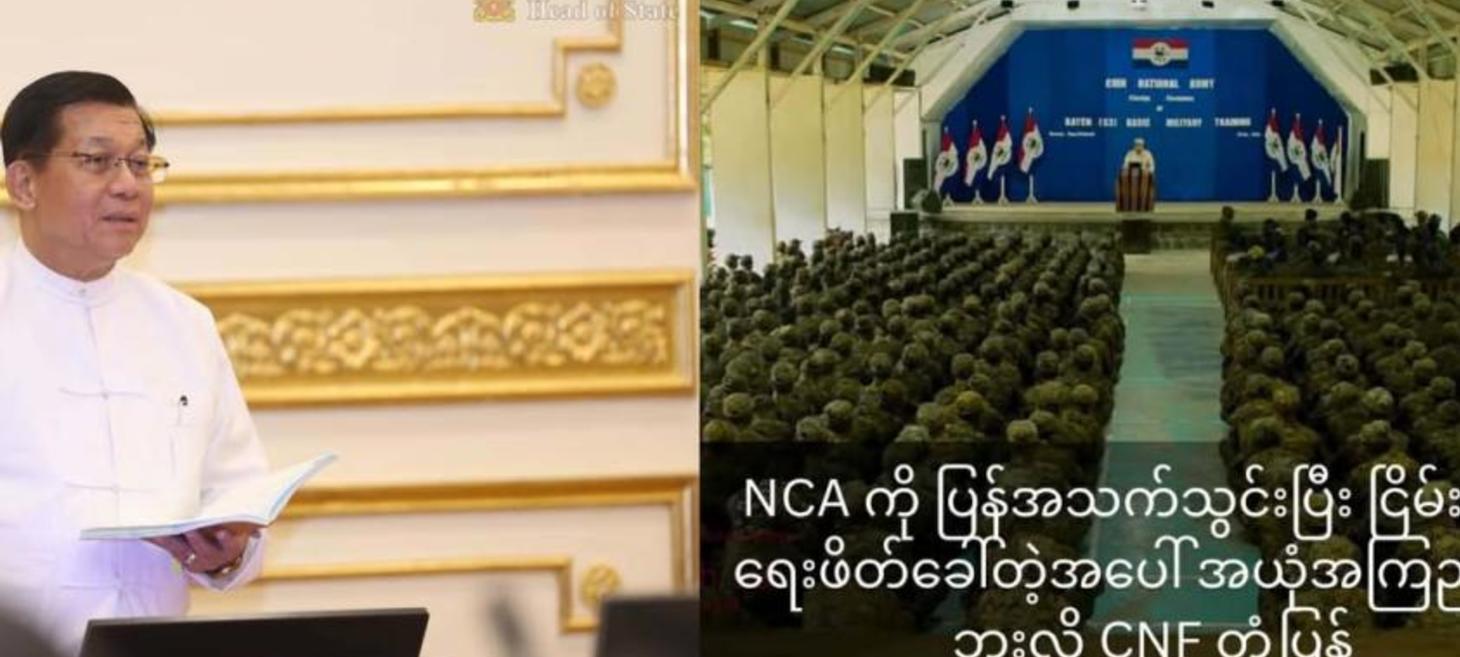
CNF dismisses coup leader’s call for talks, citing lack of trust
Myanmar's Chin National Front (CNF) has rejected junta leader Min Aung Hlaing's recent overtures for dialogue, stating they cannot trust the military regime that seized power in 2021 and has since killed thousands of civilians. The CNF, which represents the Chin ethnic minority and controls significant territory in western Myanmar, joins other major resistance groups in dismissing the coup leader's calls for negotiation as a desperate attempt to legitimize his failing rule. This rejection comes as the military junta faces mounting pressure from coordinated resistance forces across multiple fronts, with ethnic armed organizations and pro-democracy groups continuing to gain ground against government troops.
bnionline.net
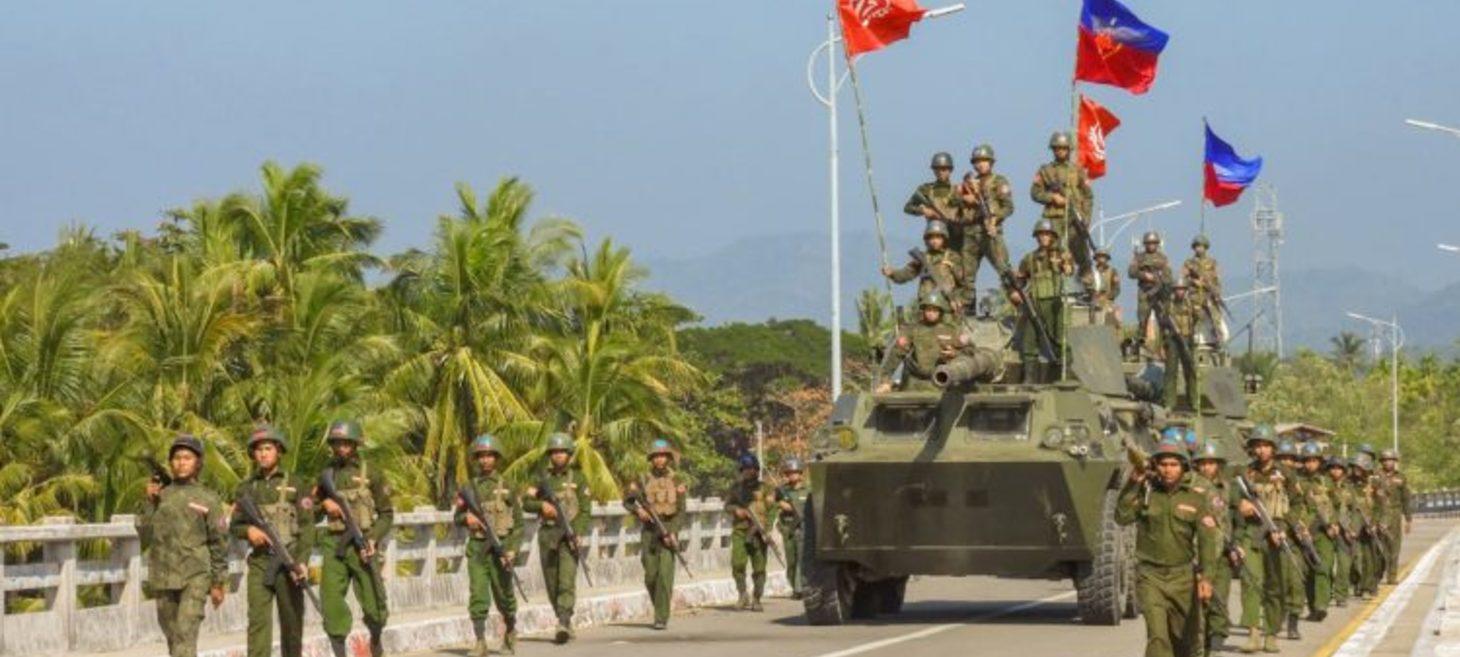
Why the AA’s Armed Struggle Will Continue
The Arakan Army (AA) has intensified its military operations in Rakhine State, seizing multiple towns and strategic positions from Myanmar's military junta while declaring its commitment to establishing autonomous governance in the region. Recent clashes have displaced tens of thousands of civilians as the AA consolidates control over key transportation routes and border crossings with Bangladesh, significantly weakening the military's presence in western Myanmar. Despite calls for ceasefire negotiations, AA leadership has stated they will continue their armed resistance until achieving meaningful political autonomy for the Rakhine people, positioning this conflict as a long-term struggle that could reshape Myanmar's western regions.
irrawaddy.com
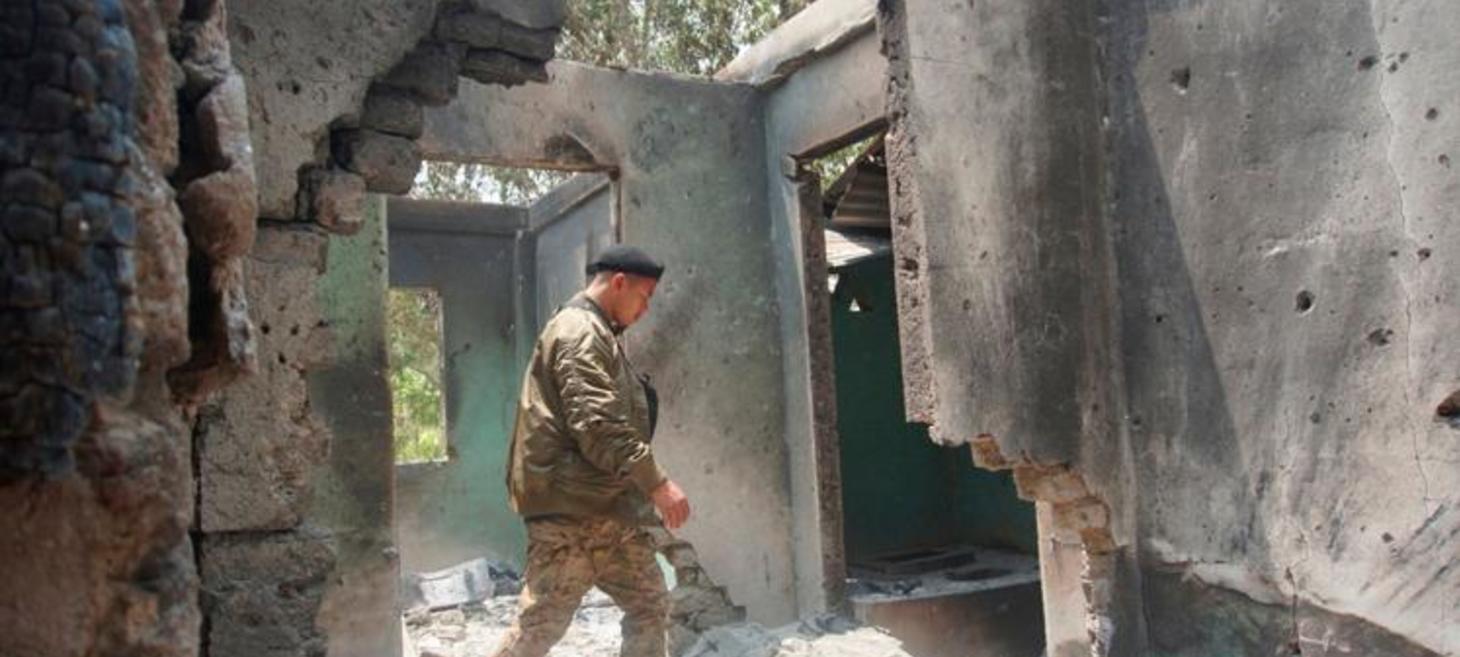
Myanmar army shifts to offense as resistance weakens in bloody civil war - dnronline.com
Myanmar's military junta has launched a series of coordinated offensive operations across multiple regions as armed resistance groups face mounting challenges from depleted resources, internal divisions, and reduced international support. The army has reportedly recaptured several strategic towns and supply routes that had been under opposition control since the 2021 coup, dealing significant blows to the National Unity Government and ethnic armed organizations. This shift in momentum marks a concerning escalation in the civil war that has already displaced over 1.5 million people and threatens to further destabilize the region's humanitarian crisis.
dnronline.com
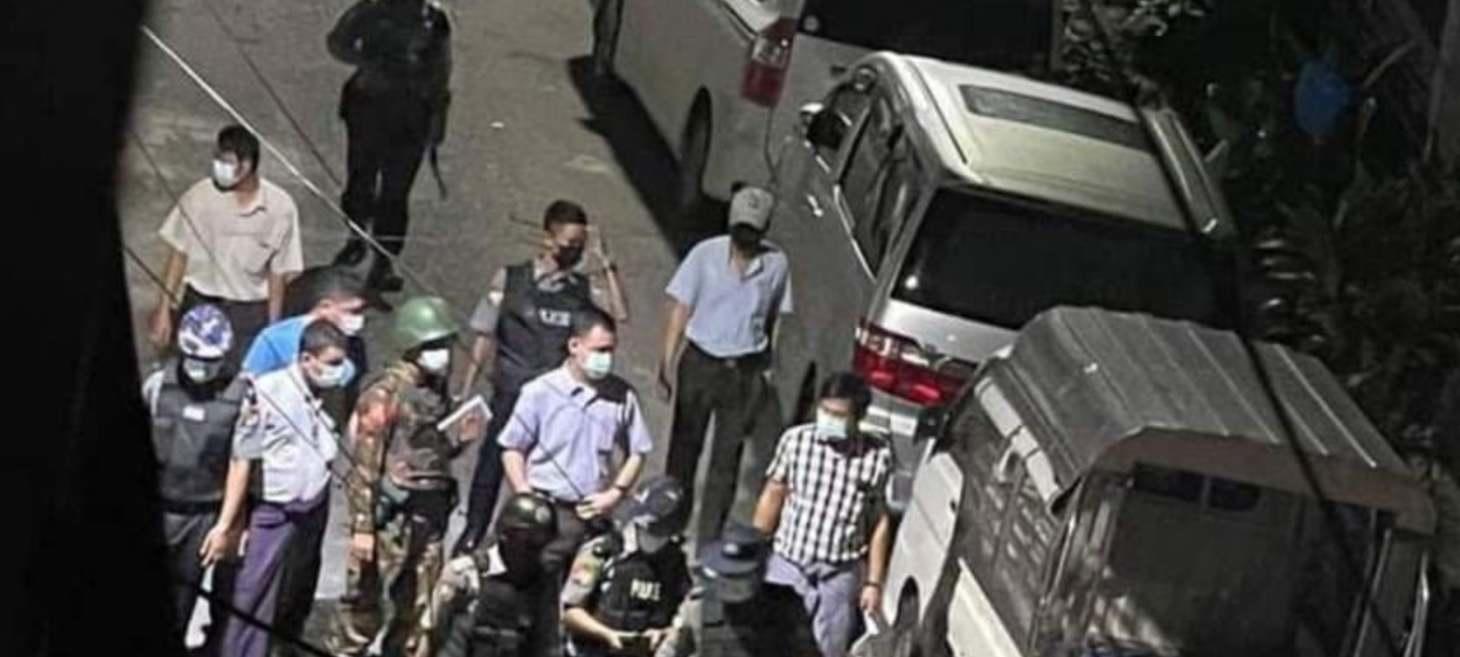
Myanmar's Military Escalates Urban Crackdown
Myanmar's ruling junta and allied militia forces detained at least 30 people in Yangon during April as part of an intensified campaign targeting ordinary citizens suspected of opposing military rule. The arrests focused on grassroots activists and residents in the country's largest city, marking a significant expansion of the regime's crackdown beyond rural resistance areas into urban centers where anti-coup sentiment remains strong. This wave of detentions demonstrates the junta's continued efforts to suppress dissent more than three years after seizing power, despite persistent nationwide opposition to military rule.
mizzima.com
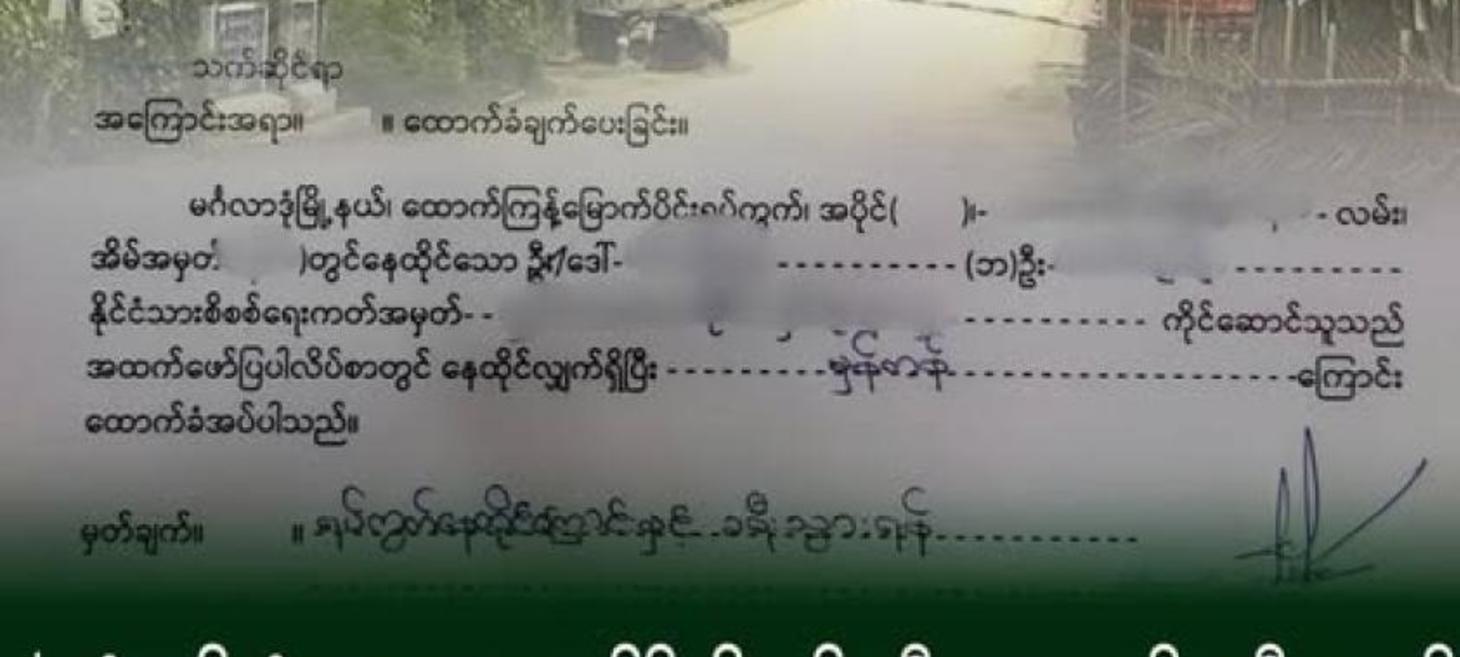
Women traveling to Tachileik stopped at junta checkpoint without clear reason
Women attempting to travel to Tachileik, a key trading town on Myanmar's border with Thailand, are being detained at military checkpoints without justification, according to Burma News International. The arbitrary stops represent another escalation in the junta's restrictions on civilian movement, particularly targeting women in border areas that serve as crucial economic lifelines and potential escape routes. These checkpoint detentions highlight the military regime's increasing paranoia about cross-border activities and its systematic efforts to control the population through intimidation and restricted mobility.
bnionline.net
Conscription
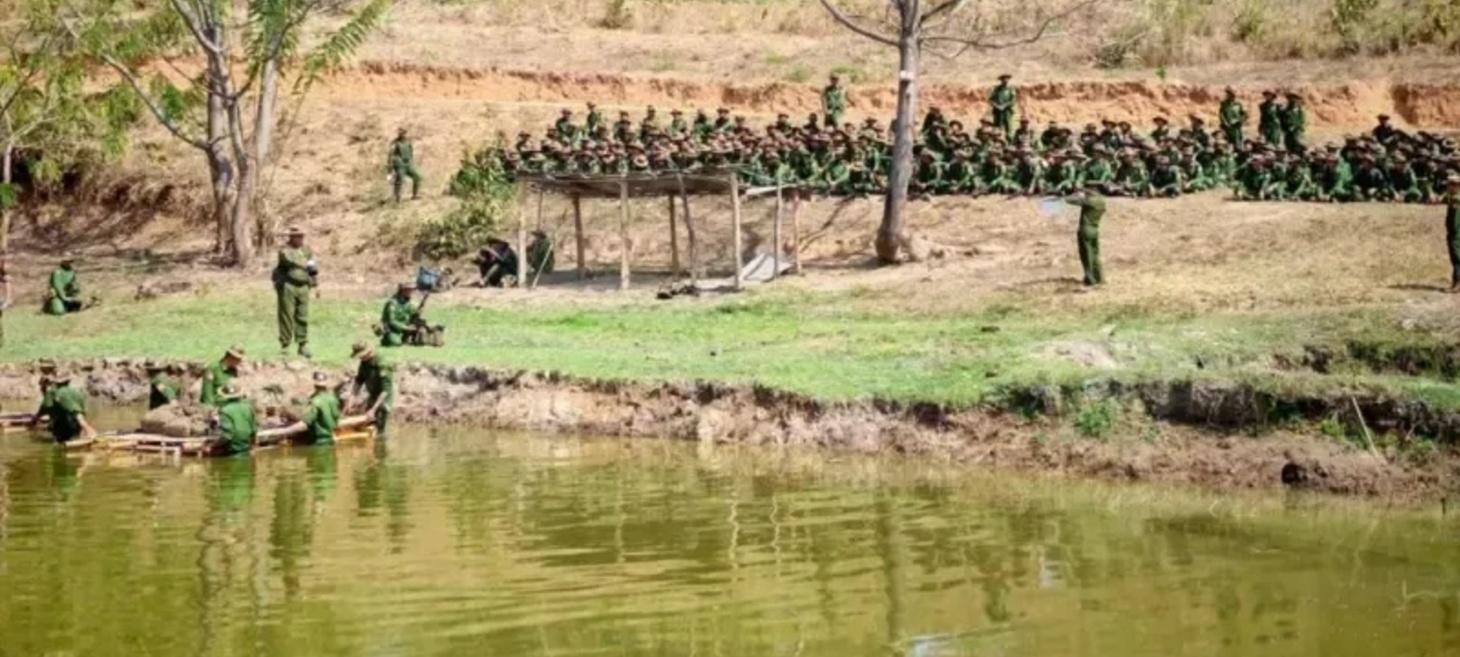
Two Dead, Three Return: Ywangan Families Count Cost of Conscription
Myanmar's military junta has implemented forced conscription in Ywangan Township, resulting in at least two deaths among conscripted men and the return of three others to their families, highlighting the deadly toll of the regime's mandatory military service law. The conscription drive, which targets young men and women across Myanmar, has torn apart families in the region as parents face the devastating choice between sending their children to serve the military or risk punishment for non-compliance. This latest development underscores the human cost of the junta's efforts to bolster its forces amid ongoing resistance from pro-democracy groups and ethnic armed organizations across the country.
shannews.org
Crime & Narcotics

“Happy Pods” Drug Use Rising Among Youth in Shan State Despite E-Cigarette Ban
Myanmar's youth in Shan State are increasingly turning to "Happy Pods" - modified e-cigarette devices containing synthetic drugs like methamphetamine and ketamine - despite the country's official ban on e-cigarette products implemented in 2020. Local health officials report a surge in emergency room visits linked to these devices, which are often disguised as regular vaping products and sold through social media networks, making enforcement particularly challenging for authorities. The trend highlights the ongoing drug crisis in Shan State, a region that borders China and Thailand and sits within the notorious Golden Triangle drug trafficking zone, where young people face limited economic opportunities amid political instability following the 2021 military coup.
shannews.org
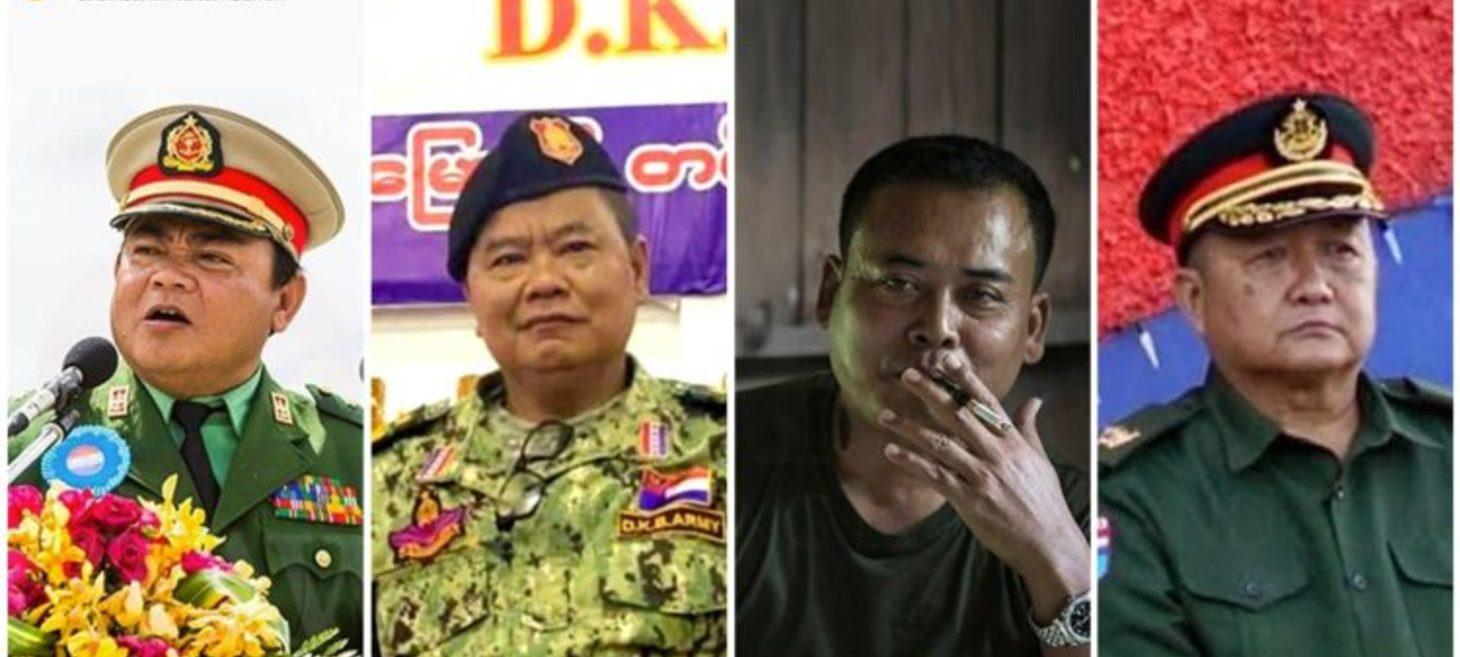
Myanmar’s Scam Warlords Form Regime-Backed ‘Peace Panel’ in Karen State
Myanmar's military junta has established a so-called "peace panel" in Karen State that includes notorious scam operation leaders who have been running fraudulent online businesses targeting international victims from fortified compounds along the Thai border. The panel, which claims to promote regional stability, legitimizes the very criminal networks that have generated millions in illicit revenue while exploiting thousands of trafficked workers in cybercrime operations. This move represents the junta's continued strategy of co-opting criminal enterprises to maintain control over border regions, particularly in Karen State where armed ethnic groups have been resisting military rule since the 2021 coup.
irrawaddy.com
Cybersecurity & Cybercrime
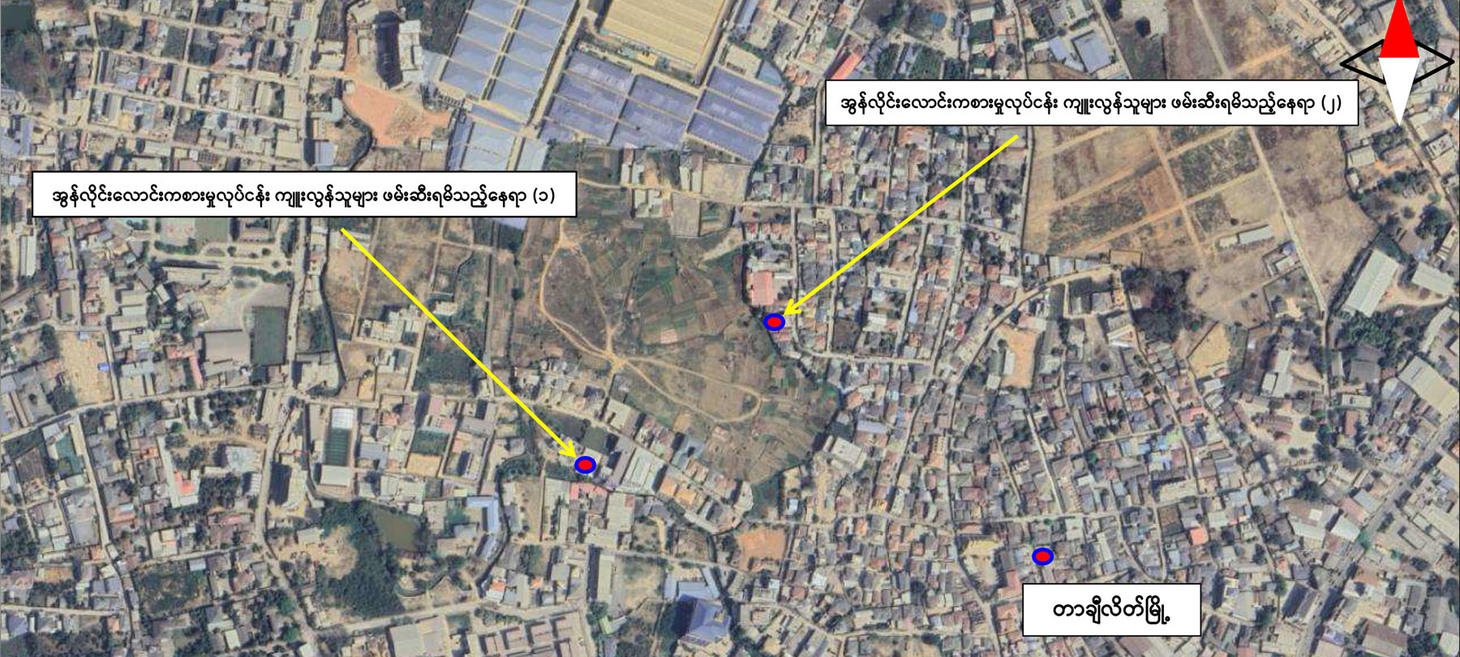
52 arrested in Tachilek telecom fraud, online gambling crackdown
Authorities in Tachilek, a key border town with Thailand, have arrested 52 individuals in a major operation targeting telecommunications fraud and illegal online gambling operations that have been operating across the Myanmar-Thailand border. The crackdown represents one of the largest enforcement actions against cybercrime networks in the region, as these operations have been increasingly using Myanmar's border areas as bases for scamming victims across Southeast Asia. This arrest wave signals intensified efforts by Myanmar authorities to combat the growing problem of transnational digital crimes that have flourished in border regions amid the country's ongoing political instability.
mdn.gov.mm

Ex-China soldier flees Myanmar scam centre, scales wall, masks scent with cow dung
A former Chinese soldier escaped from a heavily guarded scam compound in Myanmar's lawless border region by scaling a wall and using cow dung to mask his scent from tracking dogs, highlighting the extreme conditions faced by trafficking victims in the area. The incident underscores the ongoing crisis of forced labor in Myanmar's cyber-scam operations, where thousands of foreign nationals are held against their will and forced to run online fraud schemes targeting victims worldwide. His dramatic escape exposes the prison-like conditions and sophisticated security measures employed by criminal syndicates operating with relative impunity in Myanmar's border regions since the military coup destabilized law enforcement.
scmp.com
Economy
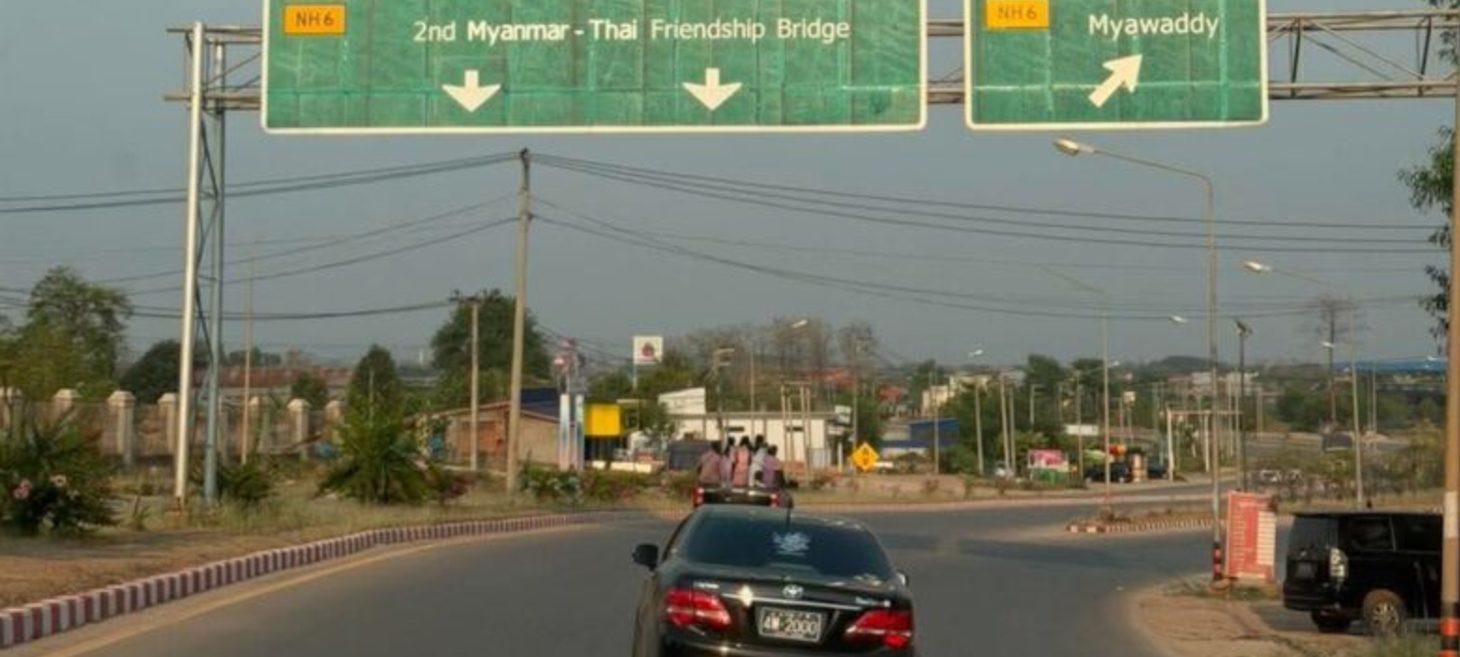
Junta tightens security on Kyondoe-Kawkareik Road
Myanmar's military junta has significantly increased security operations along the strategic Kyondoe-Kawkareik Road in Karen State, deploying additional troops and establishing new checkpoints in response to escalating resistance activities in the region. The road serves as a critical supply route connecting Myawaddy on the Thai border to major population centers, making it a key target for opposition forces seeking to disrupt junta logistics and revenue flows. Local residents report restricted movement and increased military patrols, reflecting the junta's growing concerns about losing control over this vital corridor that facilitates both legitimate trade and illicit smuggling operations.
karennews.org
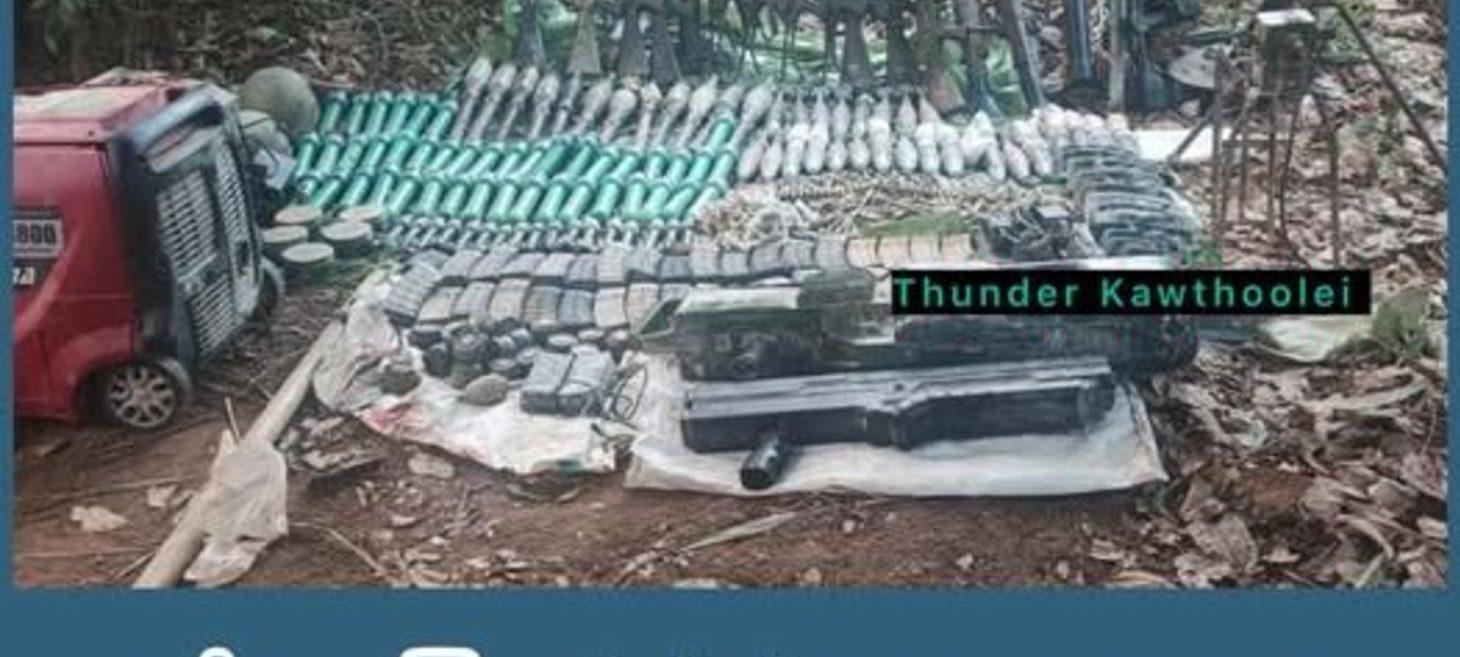
Junta shut down most ferry jetties, impose toll on remaining crossing in Kyondoe
Myanmar's military junta has forcibly closed the majority of ferry jetties in Kyondoe township, severely restricting civilian movement across waterways that serve as crucial transportation links for local communities. The remaining operational crossing points are now subject to newly imposed tolls, creating additional financial burdens for residents who depend on these ferries for daily commerce, medical access, and family connections. This latest infrastructure control measure represents another tactic in the junta's systematic effort to limit civilian mobility and tighten economic pressure on communities in areas where anti-coup resistance remains active.
karennews.org
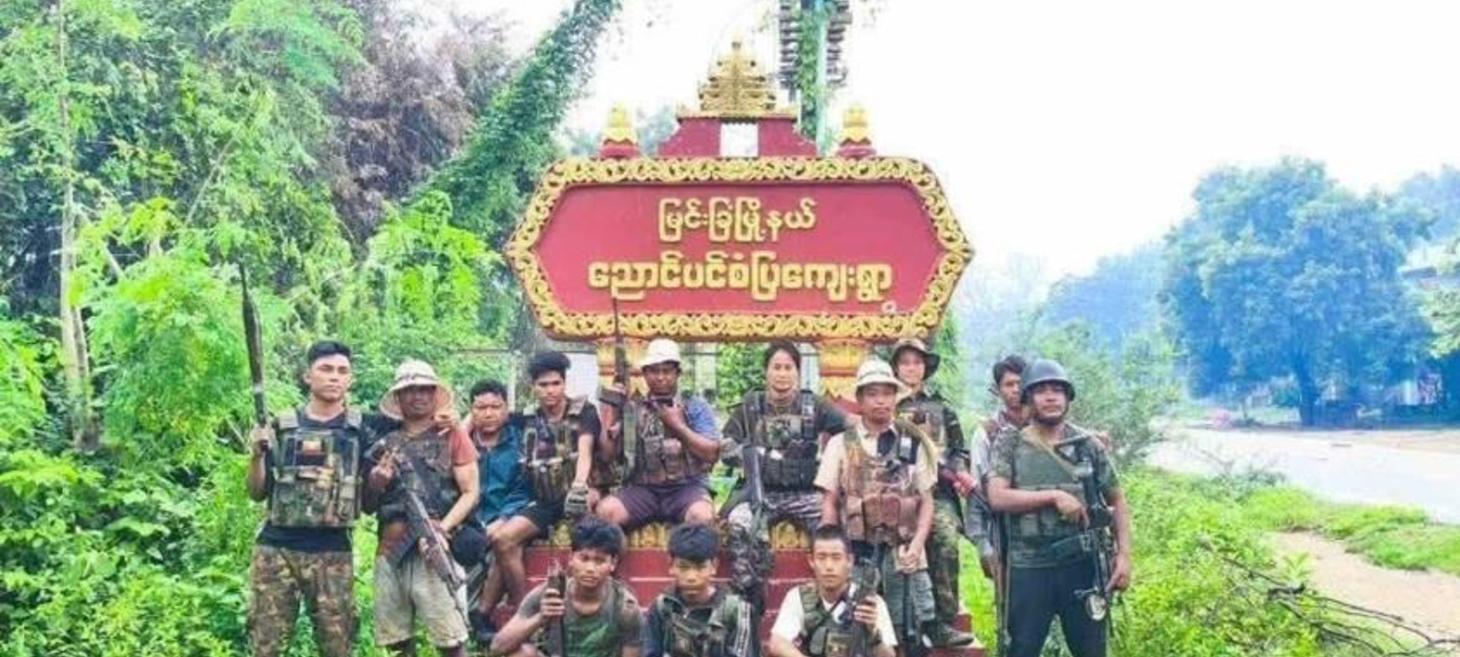
Myanmar Update: Economic Pressure Mounts in Central Region
A pro-military militia in Myingyan, located in Myanmar's central Mandalay Region, has begun imposing heavy tolls on trucks carrying essential goods, including rice, cooking oil, and medical supplies, creating severe economic hardship for local residents. The toll system represents a new tactic by junta-aligned forces to generate revenue while simultaneously restricting the flow of vital resources to areas where anti-regime sentiment runs high. This development adds another layer of economic warfare to Myanmar's ongoing crisis, as civilians face increasingly limited access to basic necessities amid the country's deteriorating humanitarian situation.
bnionline.net
Foreign Affairs
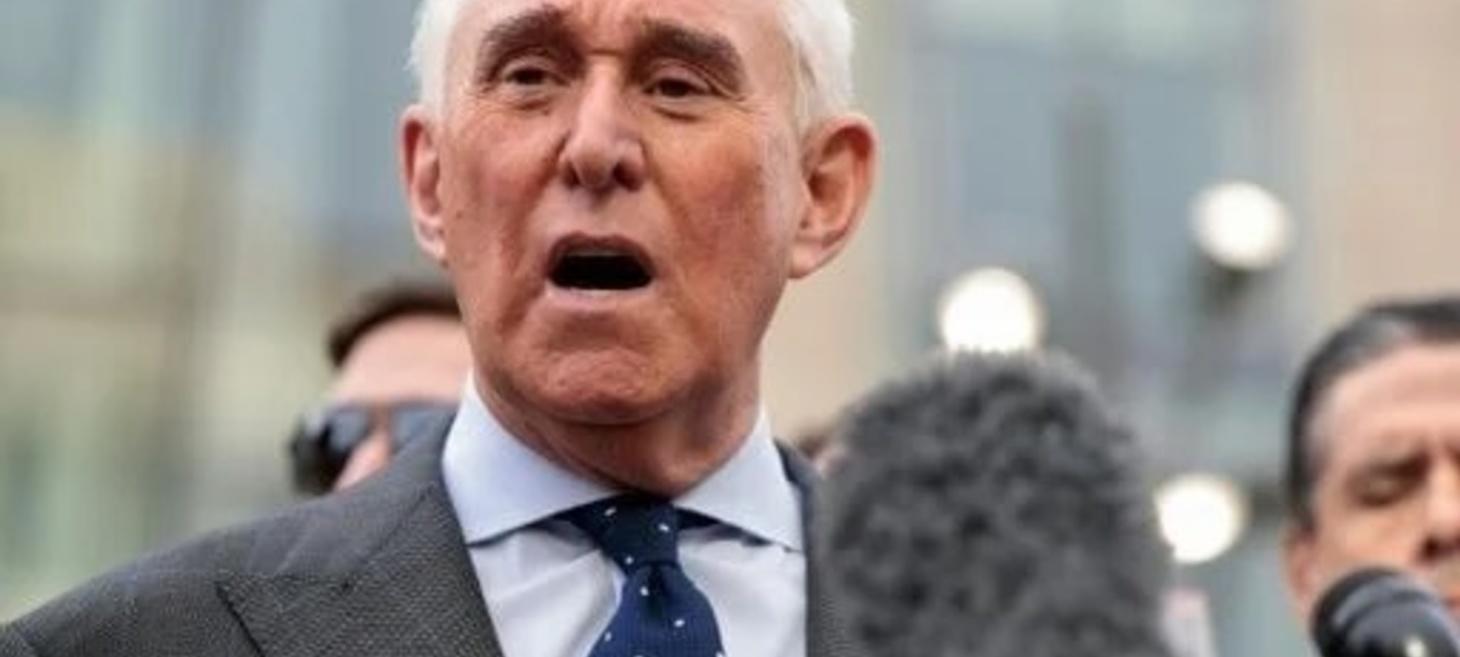
Myanmar activists blast Trump ally Stone for lobbying role - Community Newspaper Group
Myanmar pro-democracy activists are condemning Roger Stone, a close ally of former President Trump, for his recent lobbying work on behalf of Myanmar's military junta that seized power in the 2021 coup. Stone's involvement has drawn sharp criticism from exile groups and human rights advocates who argue that legitimizing the military regime undermines efforts to restore civilian rule and accountability for widespread atrocities. The controversy highlights ongoing international debates over engagement with Myanmar's generals, who have killed thousands of civilians and detained tens of thousands more since overthrowing the elected government.
communitynewspapergroup.com
Governance & Rule of Law
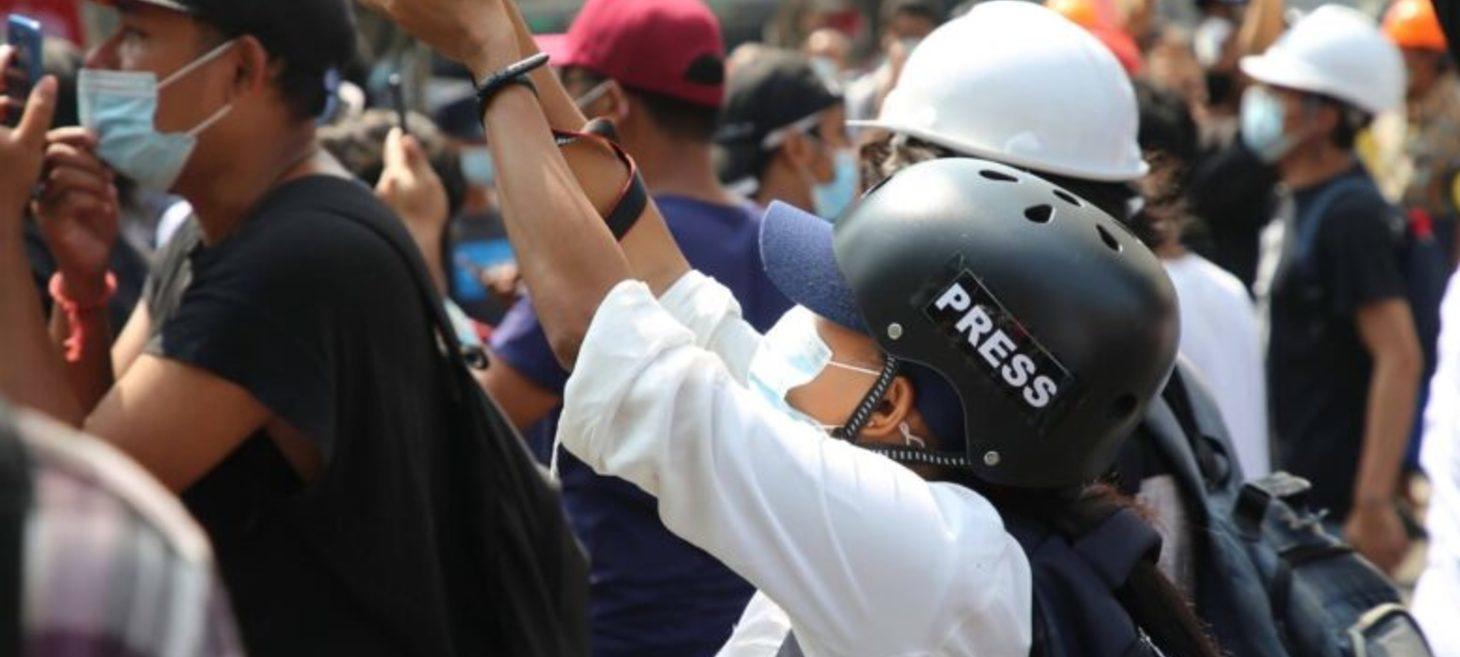
Myanmar’s press freedom faces rapid decline, IPCM warns
Myanmar's press freedom has deteriorated dramatically since the military coup in February 2021, with the International Press Council of Myanmar (IPCM) reporting systematic crackdowns on independent journalism across the country. The military junta has detained dozens of journalists, revoked media licenses, and imposed severe restrictions on internet access and news reporting, effectively silencing critical coverage of the ongoing political crisis. This escalating suppression of media freedom has left Myanmar's population increasingly isolated from reliable information sources while the international community struggles to maintain visibility into the country's deteriorating human rights situation.
karennews.org
Natural Resources
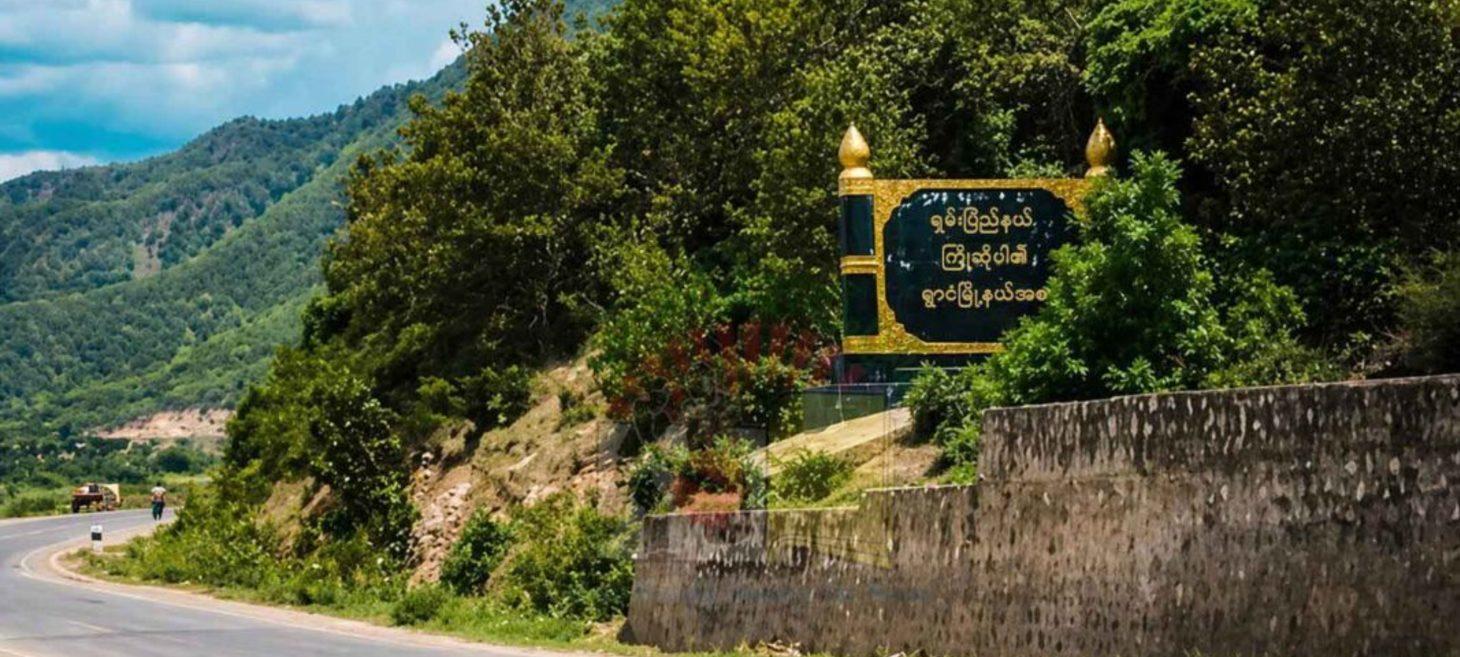
Mining Returns to Ywangan, Prompting Fears Over Land and Water
Mining operations have resumed in Myanmar's Ywangan Township in Shan State, raising alarm among local communities who fear contamination of their agricultural land and water sources. The restart comes despite prior environmental damage from mining activities in the region, with residents reporting concerns that heavy metals may be affecting their crops and drinking water. Local advocacy groups are calling for stricter environmental oversight and community consultation before mining permits are granted, as tensions mount between economic development needs and environmental protection in the conflict-affected area.
shannews.org

Toxic Overspill: Why Thailand Can No Longer Ignore Myanmar’s Poisoned Rivers
Industrial pollution from Myanmar's unregulated mining operations and chemical factories is increasingly contaminating shared river systems along the Thai-Myanmar border, forcing Thailand to confront a growing environmental crisis that threatens local communities and agricultural production. The Moei River, which forms part of the international boundary, has shown alarming levels of heavy metals and toxic chemicals that have killed fish populations and contaminated drinking water supplies in Thai border provinces like Tak and Mae Hong Son. Thai environmental officials are now pressing for urgent bilateral talks with Myanmar's military government to address the pollution crisis, though diplomatic challenges following the 2021 coup have complicated efforts to establish effective cross-border environmental monitoring and enforcement mechanisms.
irrawaddy.com
Politics
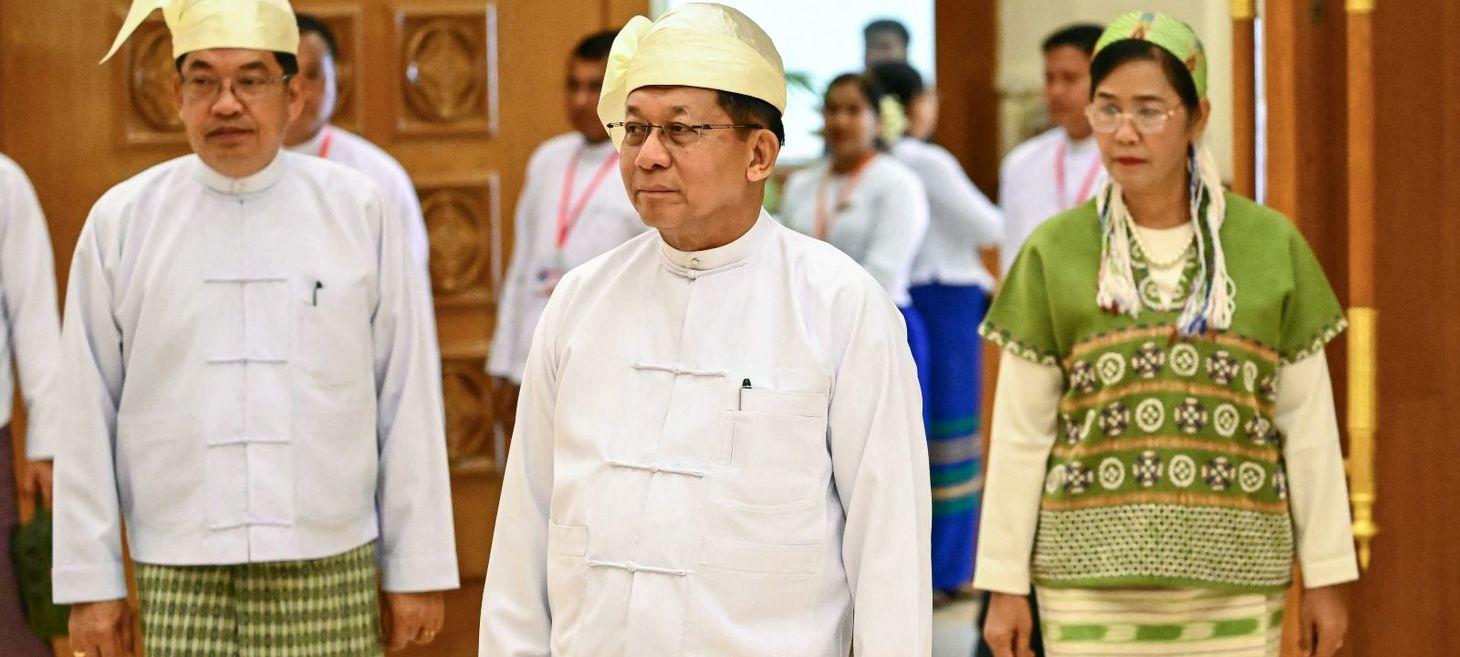
Reading the tea-leaves: A new order in Nay Pyi Taw?
Myanmar's military junta appears to be consolidating power through a series of strategic appointments and policy shifts that signal a potential restructuring of the ruling apparatus in the capital. Recent personnel changes within the State Administration Council, coupled with new economic directives and adjusted diplomatic outreach to regional partners, suggest the regime is attempting to legitimize its authority while addressing mounting internal pressures from resistance groups and economic instability. These developments indicate the military leadership may be preparing for a prolonged governance strategy rather than the temporary administration they initially promised, raising critical questions about Myanmar's political trajectory and the effectiveness of international sanctions.
frontiermyanmar.net
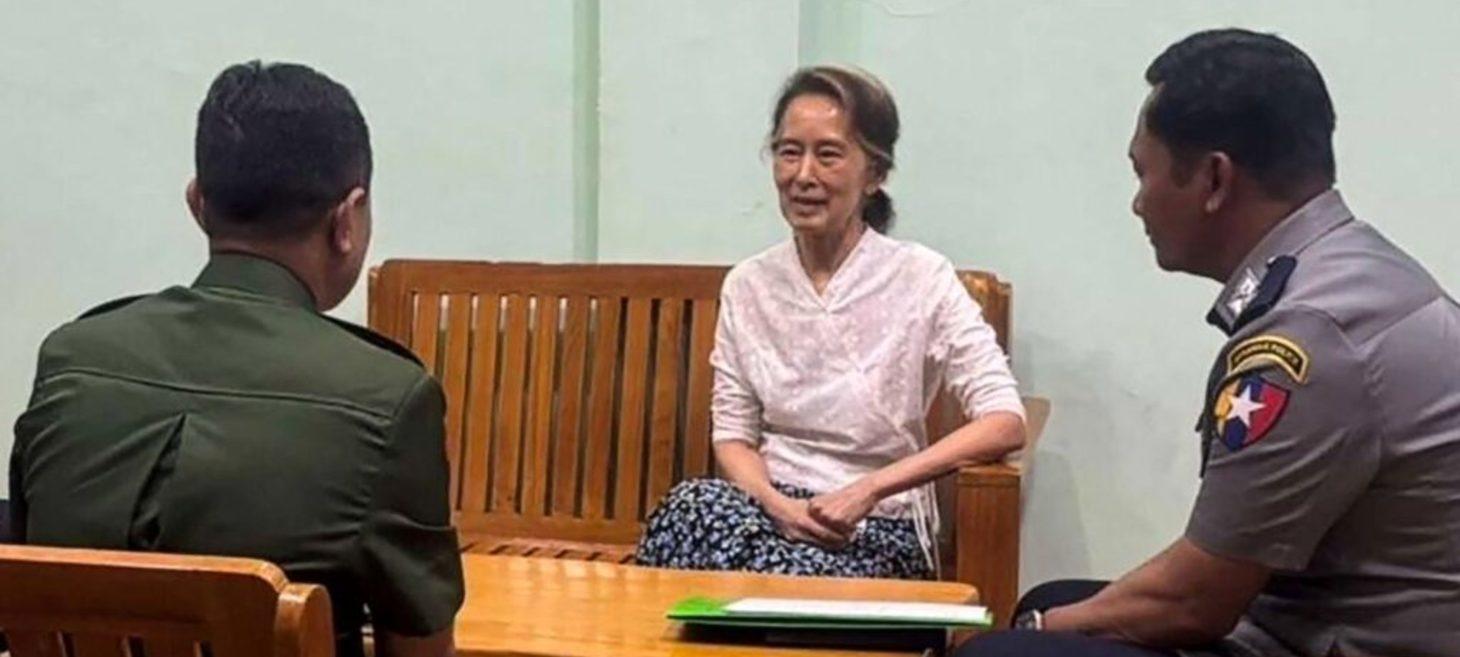
House arrest sparks little hope of Aung San Suu Kyi reclaiming limelight
Myanmar's deposed leader Aung San Suu Kyi has been transferred from prison to house arrest amid ongoing health concerns, though analysts believe this shift signals little chance of her political rehabilitation under the military junta. The 79-year-old Nobel laureate, who has been detained since the February 2021 coup, remains convicted on multiple charges, including corruption and incitement, with sentences totaling decades in prison. Her move to house arrest appears primarily motivated by the junta's concerns about her advanced age and deteriorating health rather than any meaningful political concession, as Myanmar's military continues to face widespread armed resistance and international isolation.
frontiermyanmar.net
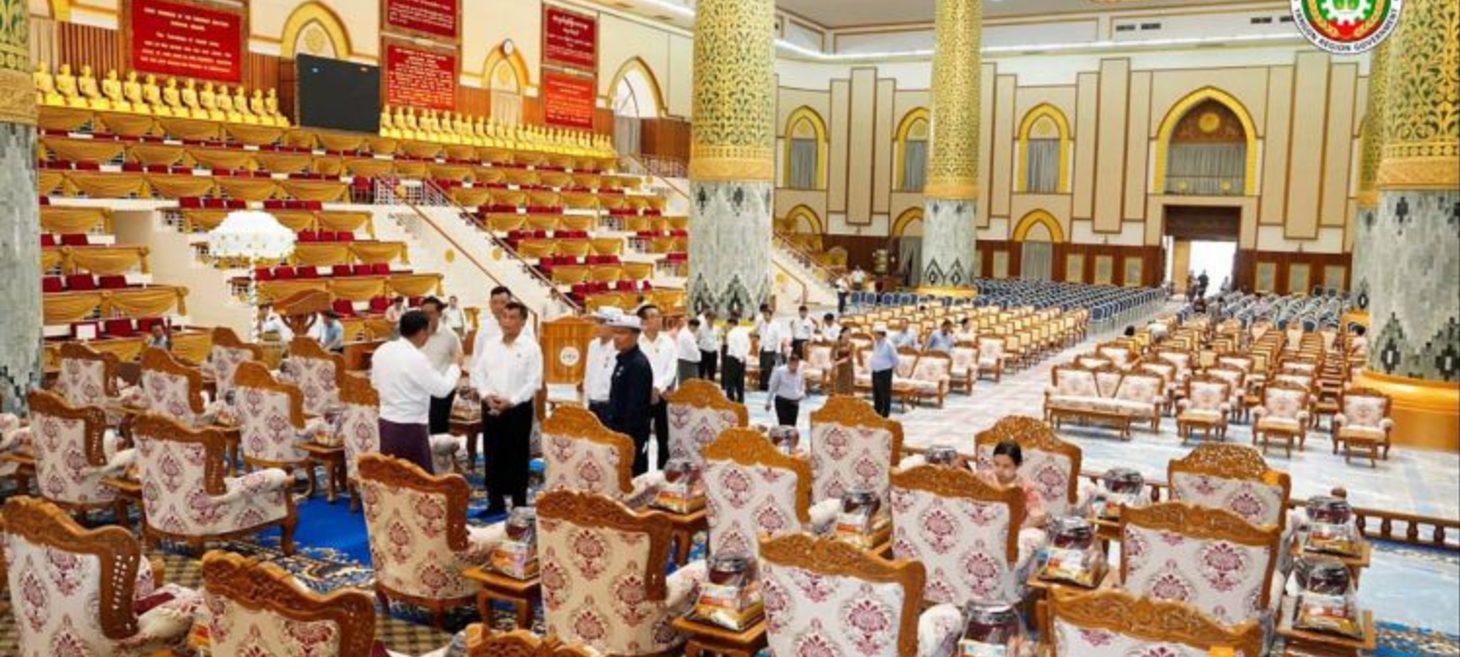
Myanmar Regime Plans Buddhist Spectacle as Min Aung Hlaing Seeks to Project Piety
Myanmar's military junta is organizing an elaborate Buddhist ceremony featuring thousands of monks as junta leader Min Aung Hlaing attempts to legitimize his rule through displays of religious devotion. The regime's carefully orchestrated spectacle comes amid ongoing resistance from pro-democracy forces and widespread international condemnation following the 2021 coup that ousted the elected government. Critics view the religious theater as a desperate attempt to invoke traditional Buddhist authority while the military continues its violent crackdown on dissent, including attacks on monasteries and arrest of monks who have opposed the junta.
irrawaddy.com
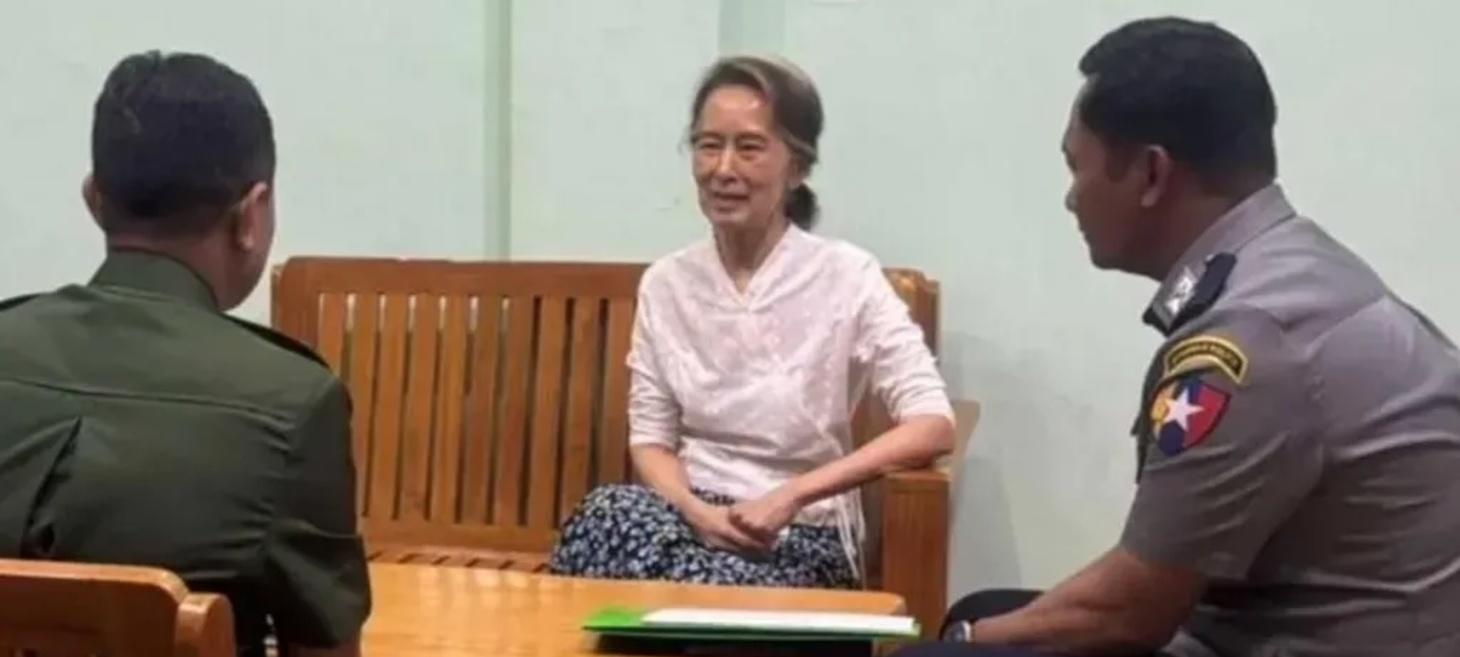
THE GILDED CAGE: Min Aung Hlaing’s Calculated Move on Aung San Suu Kyi
Myanmar's military junta leader Min Aung Hlaing has made a strategic decision regarding detained former civilian leader Aung San Suu Kyi, potentially signaling a shift in the regime's approach to legitimizing its grip on power since the February 2021 coup. The move appears calculated to appease international pressure while maintaining control over Myanmar's pro-democracy movement, as Suu Kyi remains under house arrest facing multiple charges that have kept her from public view for nearly three years. This development comes amid ongoing armed resistance across the country and growing economic isolation, suggesting the military leadership may be testing new tactics to break the current political stalemate without genuinely relinquishing authority.
shannews.org
United Nations
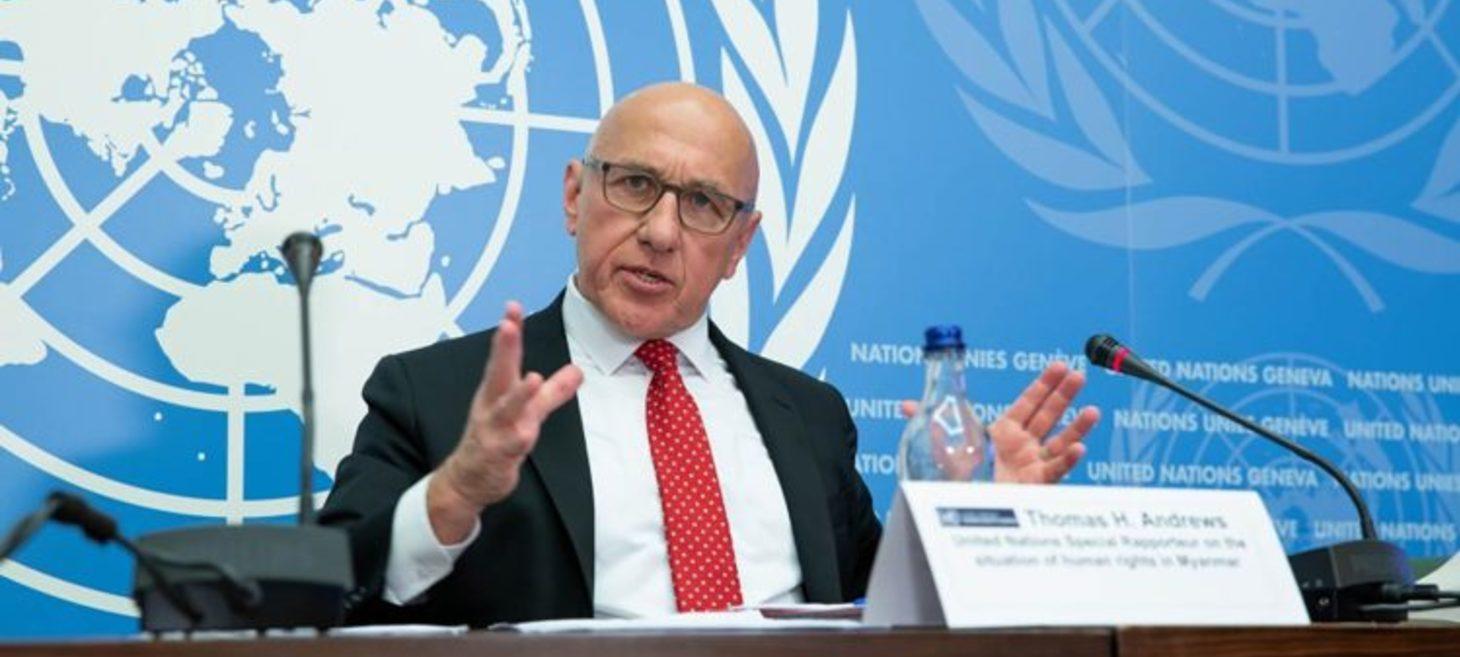
Global Inaction Fueling Human Rights Catastrophe in Myanmar: UN Rapporteur
Myanmar's military junta has intensified its brutal crackdown on civilians, with UN Special Rapporteur Tom Andrews reporting systematic executions, forced disappearances, and the use of children as human shields by armed forces since the 2021 coup. The humanitarian crisis has deepened as over 1.5 million people remain internally displaced and the military continues blocking international aid to opposition-controlled areas, while neighboring countries struggle with hundreds of thousands of refugees fleeing across borders. Andrews condemned the international community's inadequate response, arguing that the lack of coordinated sanctions and arms embargoes has emboldened the junta to escalate its campaign of terror against the Myanmar people with virtual impunity.
irrawaddy.com
Weather & Environment
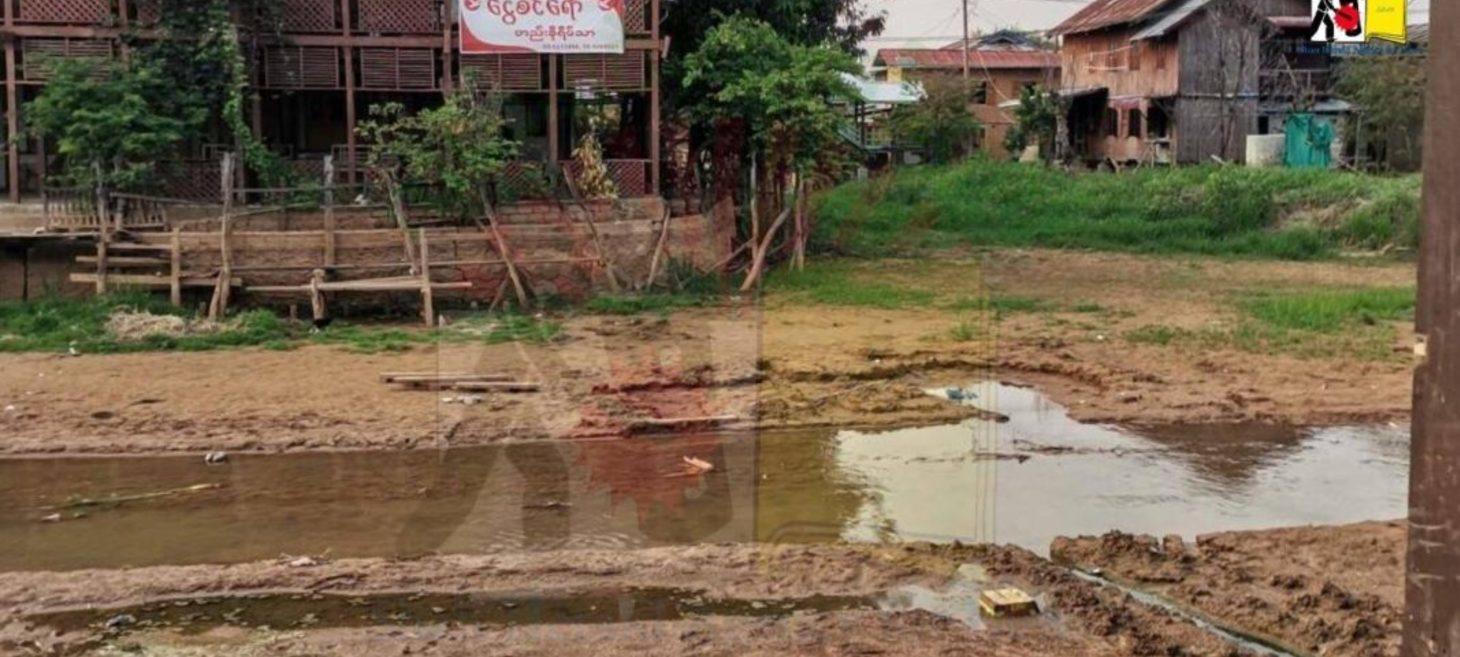
Drought, Deforestation Worsen Conditions at Myanmar’s Inle Lake
Myanmar's iconic Inle Lake faces an environmental crisis as severe drought and rampant deforestation have caused water levels to drop dramatically, threatening the livelihoods of thousands of Intha fishermen and floating garden farmers who depend on the lake's ecosystem. The UNESCO Biosphere Reserve, once spanning 116 square miles, has shrunk by nearly 60% over the past two decades due to illegal logging in surrounding watersheds, agricultural encroachment, and climate change-induced water scarcity. Local communities report that traditional fishing boats can no longer navigate large sections of the lake, while the famous leg-rowing fishermen struggle to find adequate depths for their nets, forcing many families to abandon their ancestral homes and migrate to already overcrowded urban areas.
shannews.org