Introduction & Analysis
This collection of open-source English-language news articles published over the past week highlights significant events and issues concerning Myanmar. They present a snapshot of the country's safety and security landscape.
- The Myanmar military regime has expanded martial law and escalated its campaign of airstrikes, arbitrary arrests, and atrocities against civilians, even as coordinated resistance forces continue to capture strategic junta bases in areas like Lewe, Indaw, and Waw Lay.
- While entities like the EU extend sanctions and civil society organizations urge ASEAN to reject the junta's legitimacy, China continues to provide the regime with a vital diplomatic shield to secure Chinese-backed infrastructure projects—such as the Myitsone Dam and Kyaukphyu port—that frequently displace local populations.
- Transnational cyber-scam syndicates originally concentrated in large Myanmar border compounds are adapting to U.S. and regional law enforcement pressure by dispersing into smaller, residential networks in towns like Shwe Kokko, and even expanding their operations to new countries like Sri Lanka.
- The ongoing crisis is severely impacting everyday life and regional identities, evidenced by the forced conscription of ethnic minorities, agricultural failures due to inadequate state-supplied diesel, and the forced Sinicization of Ta'ang villages by the Chinese-backed MNDAA.

ASEAN
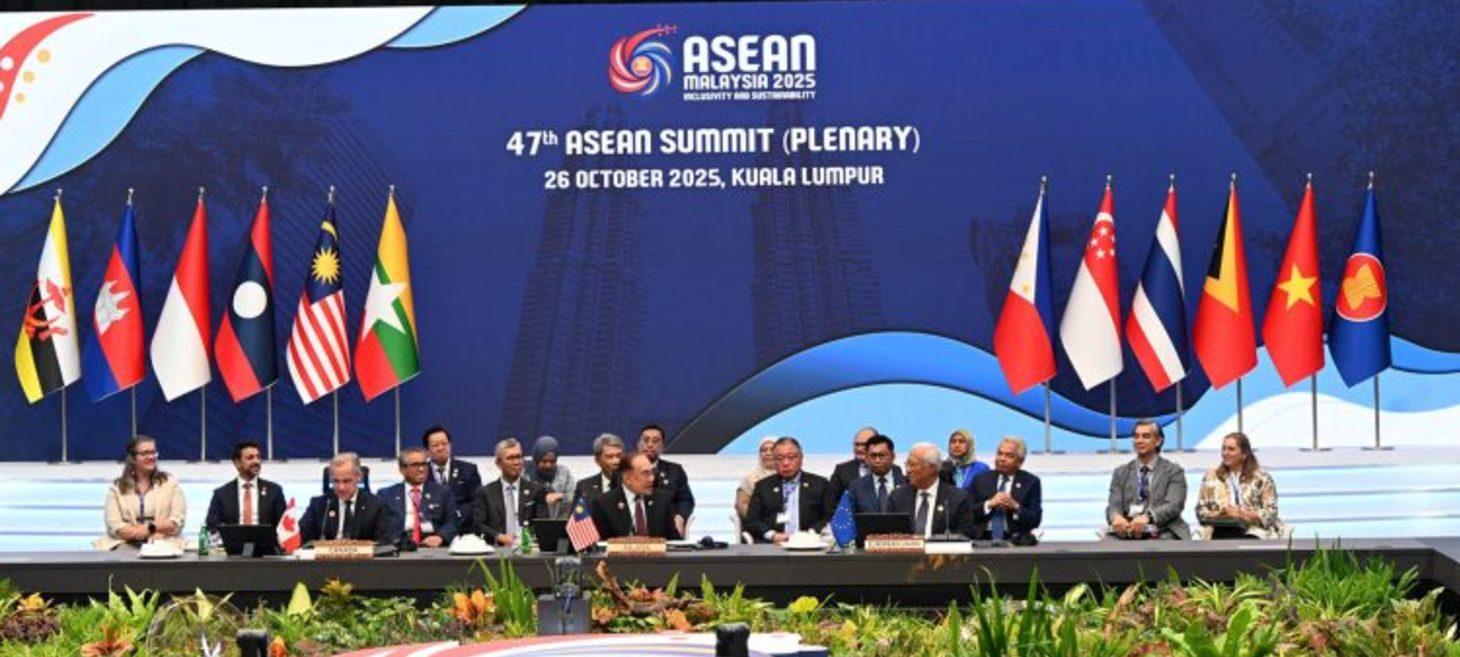
Hundreds of Myanmar CSOs Demand ASEAN Rejects Pseudo-Civilian Regime
Over 400 Myanmar civil society organizations have jointly called on ASEAN to reject the military junta's attempts to legitimize its rule through sham civilian appointments and electoral processes. The coalition argues that the regime's recent establishment of a nominally civilian government represents a facade designed to maintain international engagement while continuing systematic oppression of the Myanmar people. This coordinated appeal comes as ASEAN faces mounting pressure to take stronger action against Myanmar's military leadership, which seized power in February 2021 and has since killed thousands of civilians and displaced over one million people.
irrawaddy.com
Conflict
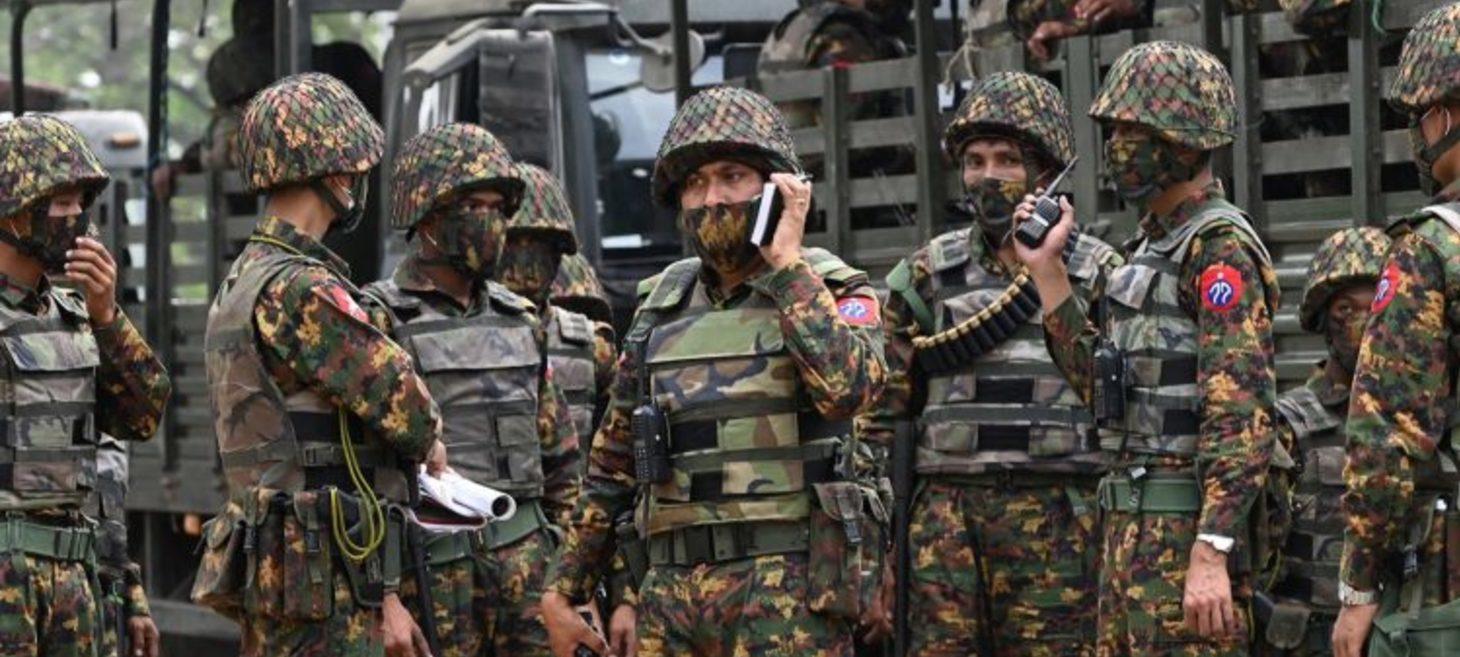
Myanmar Regime Expands Military Rule Despite Calling for ‘Peace’
Myanmar's military junta has extended its state of emergency for another six months while simultaneously launching fresh airstrikes against opposition strongholds in Chin and Kayah states, contradicting recent calls for national reconciliation. The regime's latest extension, announced this week, marks nearly three years since the February 2021 coup that ousted the elected government and plunged the country into civil war. Despite facing significant territorial losses to pro-democracy resistance forces and ethnic armed groups, junta leader Min Aung Hlaing continues to consolidate power while over 1.5 million people remain internally displaced across the conflict-torn nation.
irrawaddy.com
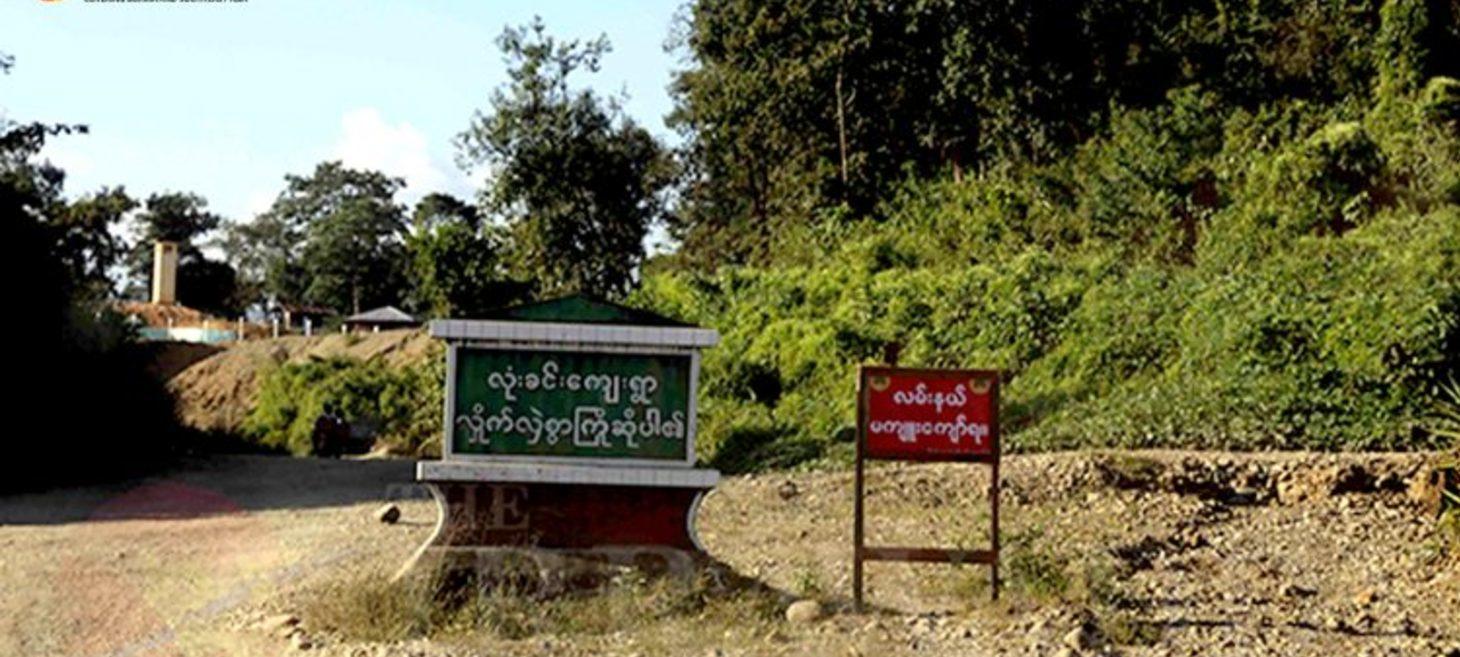
Rampaging Regime Troops Abduct 21 People From Kachin Hospital
Myanmar's military forces stormed a hospital in Kachin State this week, forcibly abducting 21 civilians including patients and medical staff in what human rights observers are calling a brazen violation of international humanitarian law. The raid on the healthcare facility represents an escalation in the junta's brutal crackdown against ethnic minorities in northern Myanmar, where Kachin independence fighters have been resisting military rule since the 2021 coup. Local sources report that the detained individuals include wounded civilians seeking medical treatment, raising serious concerns about their safety and highlighting the military's systematic targeting of essential services in opposition-controlled areas.
irrawaddy.com
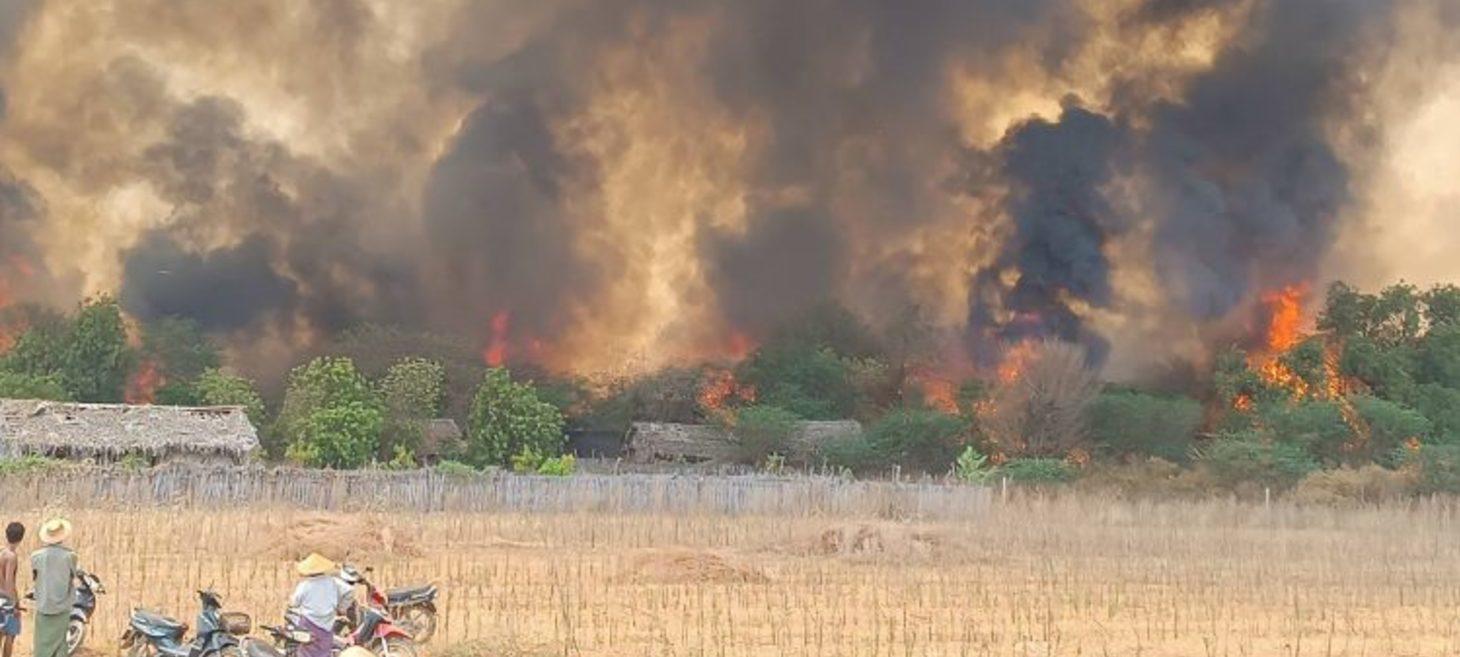
Myanmar Regime Ratchets Up Atrocities Against Civilians in Heartland
Myanmar's military junta has intensified its brutal campaign against civilians in the country's central regions, deploying airstrikes and artillery against villages suspected of supporting opposition forces, resulting in hundreds of casualties and mass displacement. The regime's forces have systematically targeted civilian infrastructure including schools, hospitals, and markets in areas where the People's Defense Forces maintain strong resistance networks, marking a significant escalation from previous tactics. International observers report that over 50,000 people have fled their homes in the past month alone as the military abandons restraint in its effort to crush the pro-democracy movement that has persisted since the 2021 coup.
irrawaddy.com
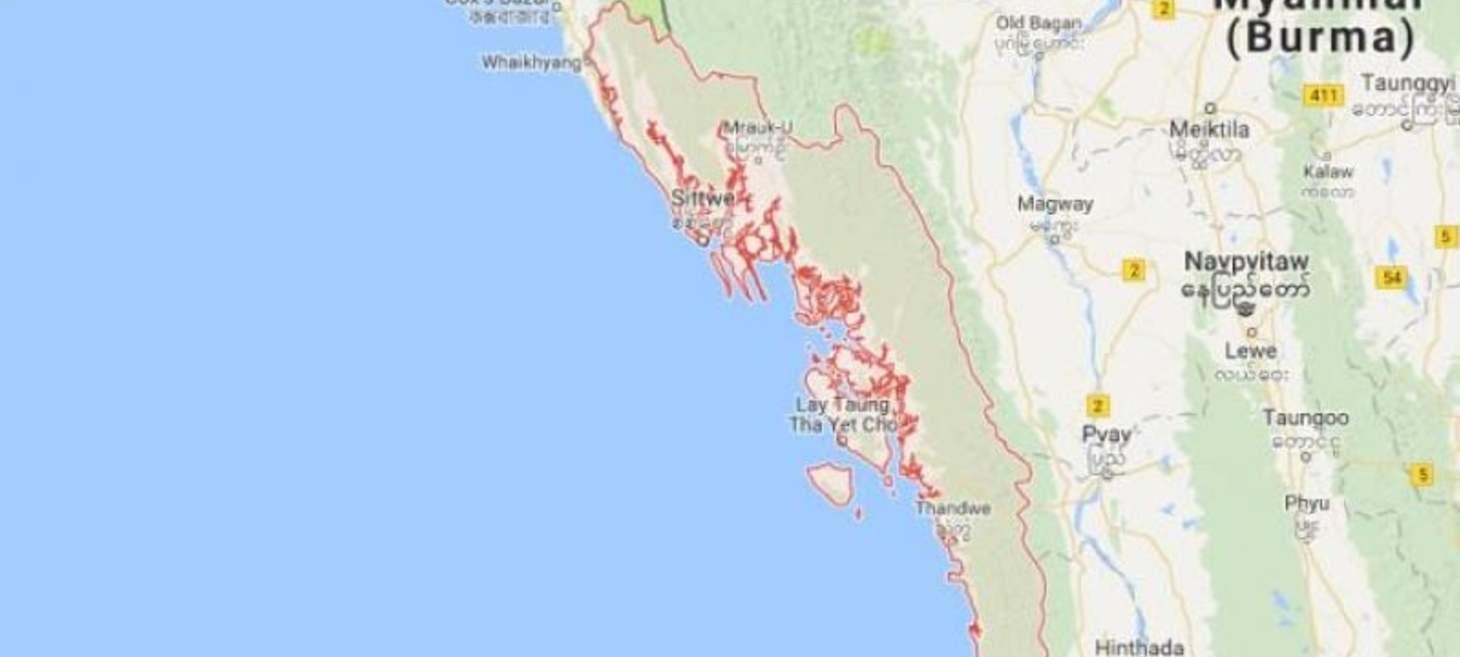
Revolutionary allied forces seize Myanmar junta camp in Lewe, Naypyidaw Territory, killing 10 including a major
Revolutionary allied forces have captured a military junta camp in Lewe township within Naypyidaw Territory, marking a significant escalation in resistance operations near Myanmar's capital city. The assault resulted in the deaths of 10 junta personnel, including a major, demonstrating the growing capability of opposition forces to conduct coordinated attacks on military installations. This latest victory represents a strategic advance for the revolutionary alliance, bringing anti-junta operations closer to the heart of Myanmar's military government than ever before since the 2021 coup.
mizzima.com
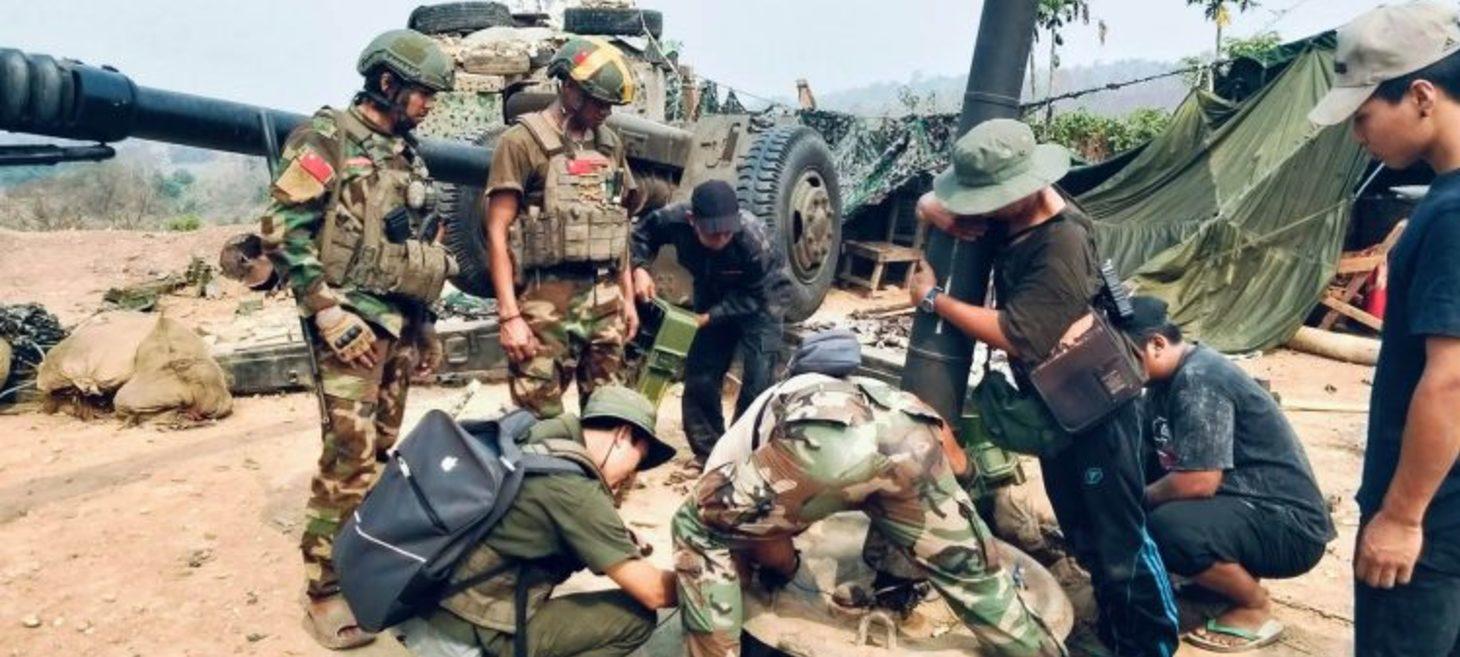
Regime Forces Advance Toward Resistance-Held Indaw in Sagaing Offensive
Junta troops have launched a major offensive toward the resistance-controlled town of Indaw in Sagaing Region, marking a significant escalation in the military's efforts to reclaim territory from anti-coup forces. The strategic location of Indaw, which serves as a key supply route and administrative center for local People's Defense Forces, has made it a priority target as the regime seeks to break resistance strongholds in the northwest. Heavy fighting has been reported in surrounding villages as civilian populations flee the advancing military columns, which have been conducting airstrikes and artillery bombardments to soften resistance positions.
irrawaddy.com
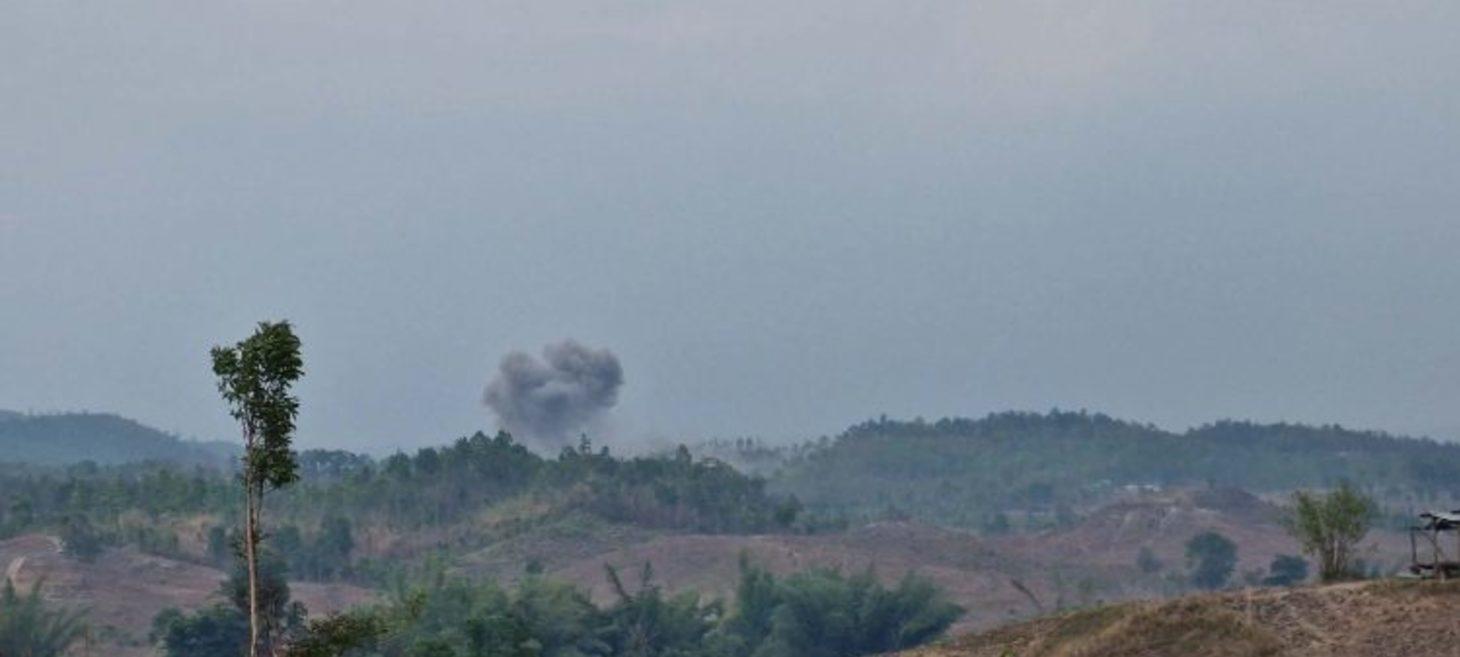
Myanmar Regime Stronghold Teeters as Karen Forces Launch Waw Lay Assault
Myanmar's military junta faces a critical threat to its southeastern stronghold as Karen National Union forces launched a major offensive against the strategic town of Waw Lay, marking the most significant challenge to regime control in Karen State since the 2021 coup. The assault represents a coordinated push by ethnic armed groups who have increasingly united against the military government, with Waw Lay serving as a key supply route and administrative center for junta operations in the region. If successful, the offensive could severely disrupt the regime's ability to project power across southeastern Myanmar and potentially inspire similar uprisings in other contested territories.
irrawaddy.com
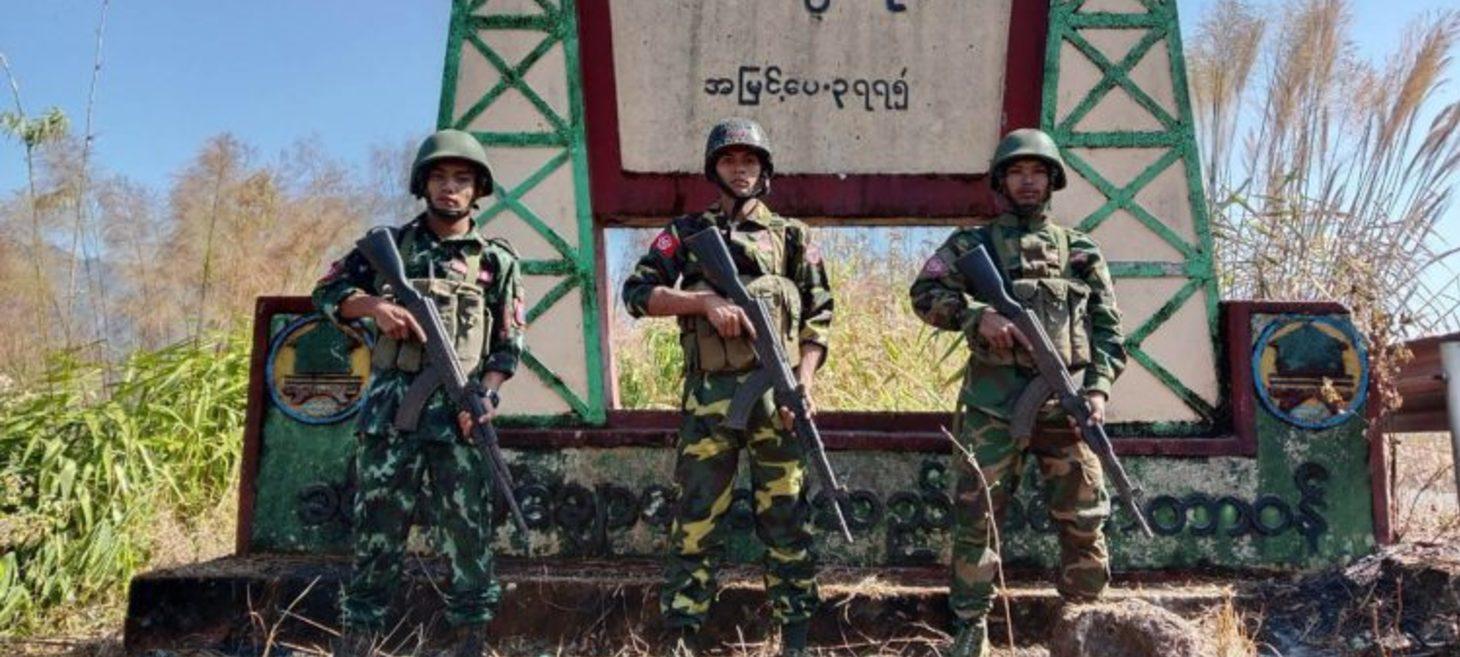
Myanmar Military Tightens Blockade on Rakhine After Seizing Magwe Junction
Myanmar's military has intensified its blockade of Rakhine State following the capture of a strategic junction in neighboring Magwe Region, cutting off critical supply routes that rebel forces had been using to transport weapons and resources. The military's control of the Magwe junction represents a significant tactical victory in their efforts to isolate the Arakan Army and other opposition groups operating in Rakhine, where fighting has escalated dramatically since the 2021 coup. This tightened blockade threatens to worsen the humanitarian crisis in Rakhine State, home to the persecuted Rohingya minority and other communities already facing severe restrictions on movement and access to basic supplies.
irrawaddy.com
Conscription
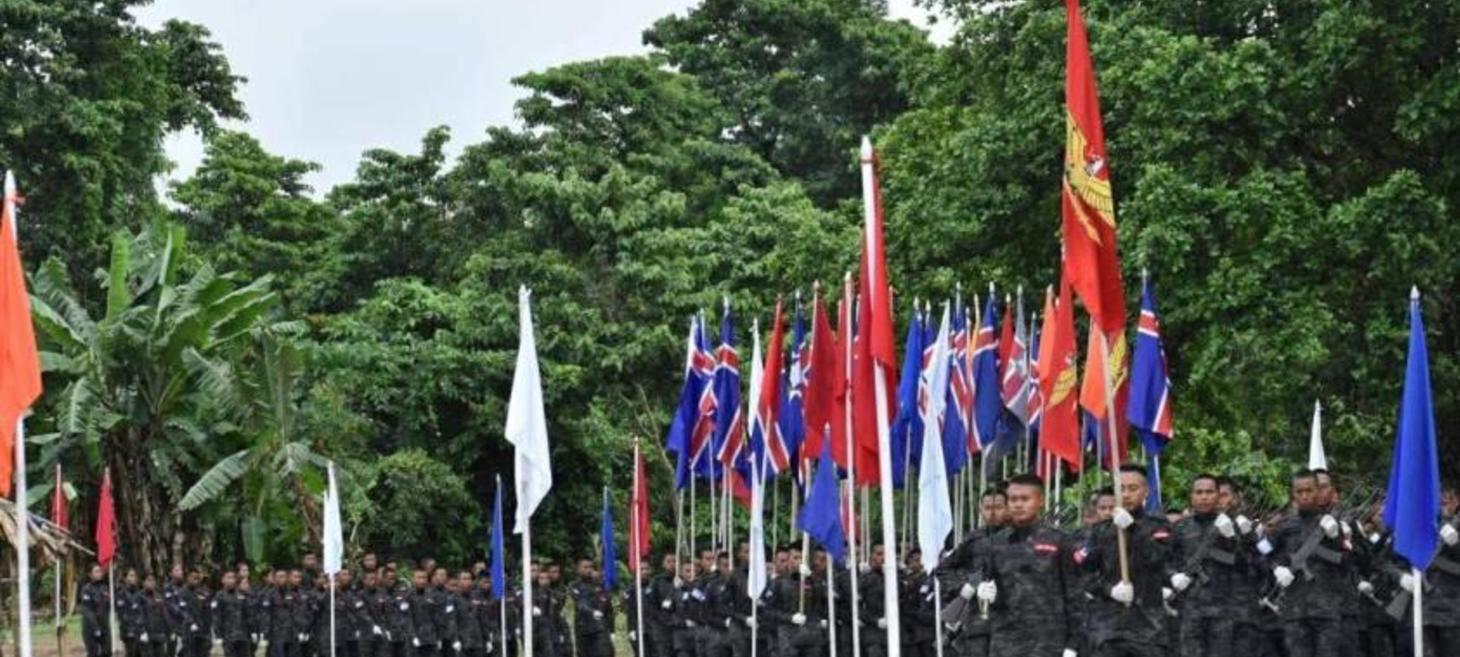
All adult Mara people required to serve in armed resistance
Myanmar's military junta has reportedly issued a mandate requiring all adult members of the Mara ethnic minority to participate in armed resistance activities, marking an unprecedented escalation in the regime's tactics against indigenous communities in Chin State. The Mara people, who primarily inhabit the remote mountainous regions along Myanmar's border with India, have faced intensified military pressure as the junta struggles to maintain control over ethnic territories that have joined the broader resistance movement. This forced conscription order represents a significant shift from previous military strategies and could further inflame ethnic tensions while potentially driving more civilians to flee across international borders.
bnionline.net
Crime & Narcotics
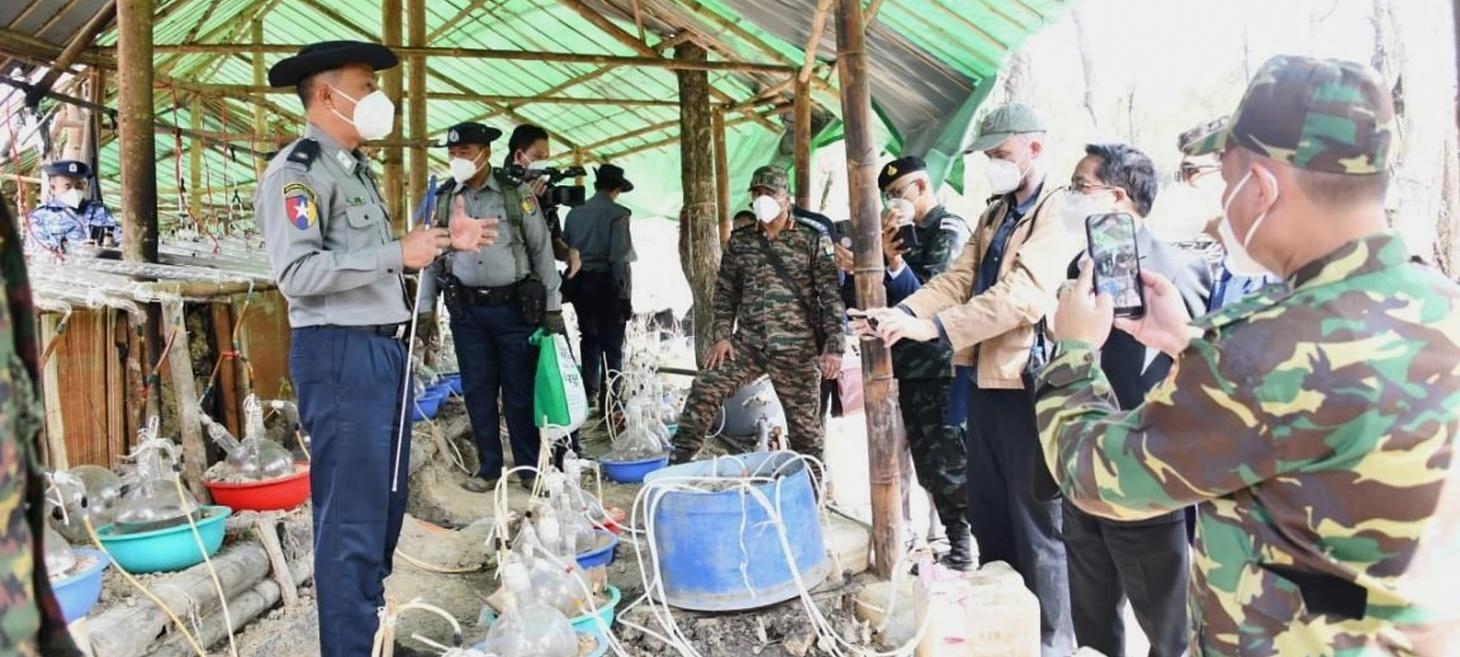
Myanmar’s military government claims a record seizure of illicit drugs at production sites - 朝日新聞
Myanmar's military junta announced what it claims is a record-breaking seizure of illicit drugs at multiple production facilities across the country, highlighting the escalating narcotics crisis that has plagued the region since the 2021 coup. The reported bust comes as the Golden Triangle region, where Myanmar borders Thailand and Laos, has become a major hub for methamphetamine and synthetic drug production, with output surging dramatically under military rule. Critics argue that while the junta publicizes these seizures for legitimacy, many military officials and allied militias are actually complicit in the drug trade that generates billions in revenue annually.
asahi.com
Cybersecurity & Cybercrime
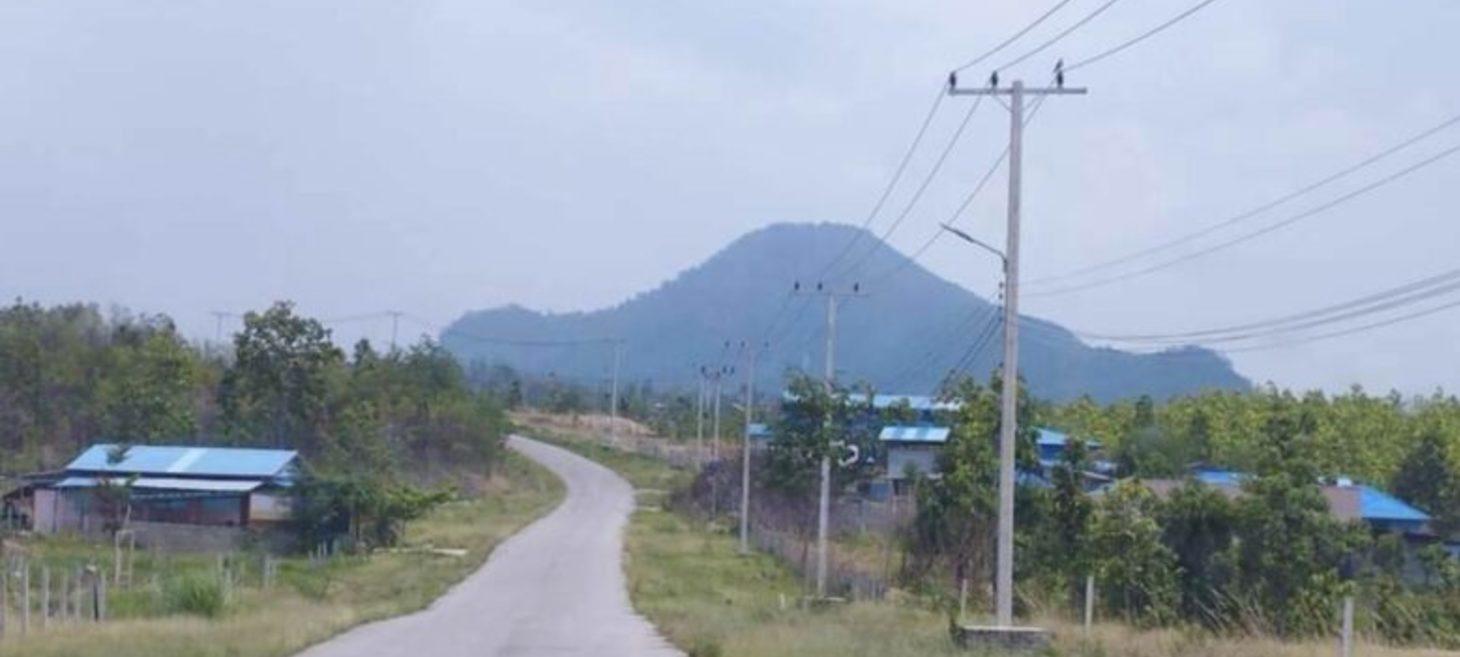
Telecom scam networks in Myawaddy Township preparing to resume operations after relocation
Telecom fraud networks operating along Myanmar's eastern border in Myawaddy Township are preparing to restart their sophisticated scam operations after temporarily relocating their infrastructure following recent law enforcement pressure. These criminal organizations, which have been running romance scams, cryptocurrency fraud, and other online schemes targeting victims across Southeast Asia and beyond, had briefly suspended operations while moving equipment and personnel to new locations within the border region. The anticipated resumption of activities raises concerns about continued exploitation of trafficked workers and the targeting of international victims through these well-organized cybercrime networks that have flourished in Myanmar's lawless border areas.
karennews.org
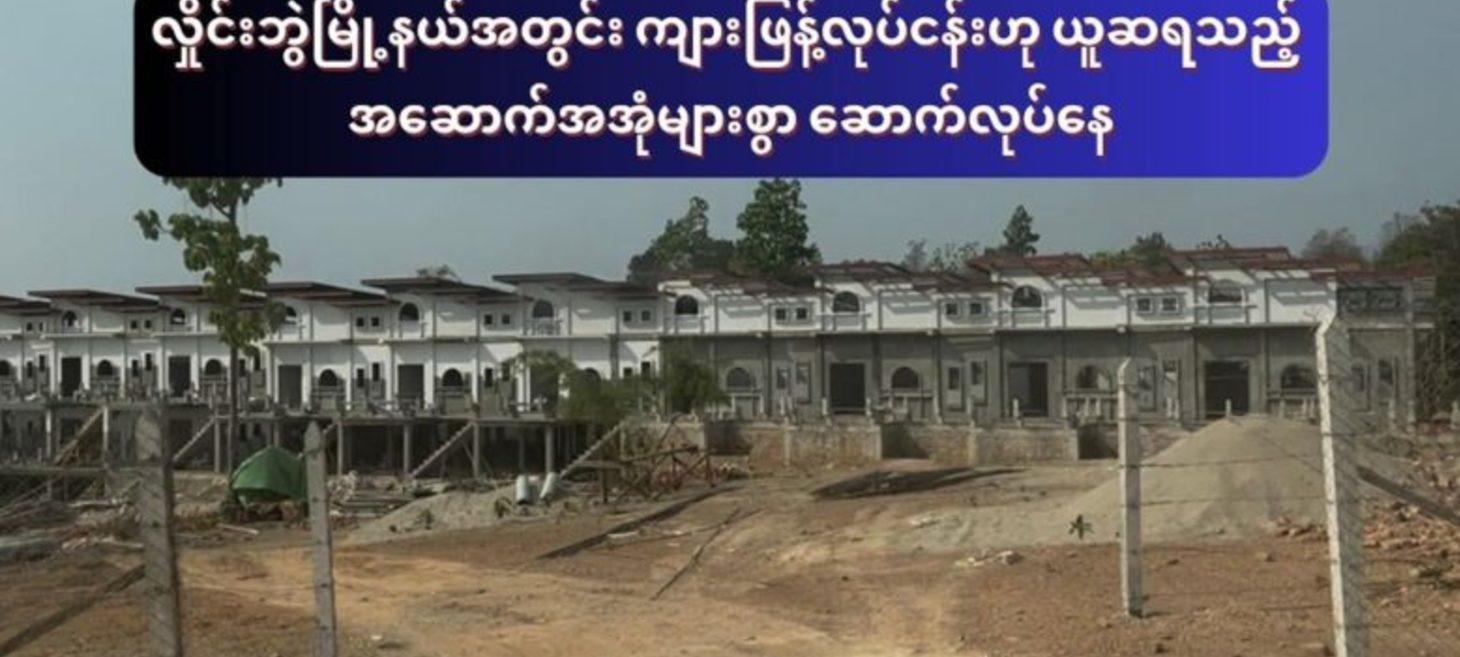
Buildings suspected of telecom scam use under construction in Hlaingbwe
Construction activity has been detected in Hlaingbwe township involving buildings suspected of being designed for telecom fraud operations, highlighting the continued expansion of scam centers across Myanmar's border regions. These facilities typically house large-scale online fraud operations targeting victims internationally, often using forced labor and contributing to Myanmar's growing reputation as a hub for cybercrime syndicates. The development underscores ongoing challenges for regional authorities attempting to combat transnational organized crime networks that have proliferated since Myanmar's military coup in 2021.
karennews.org
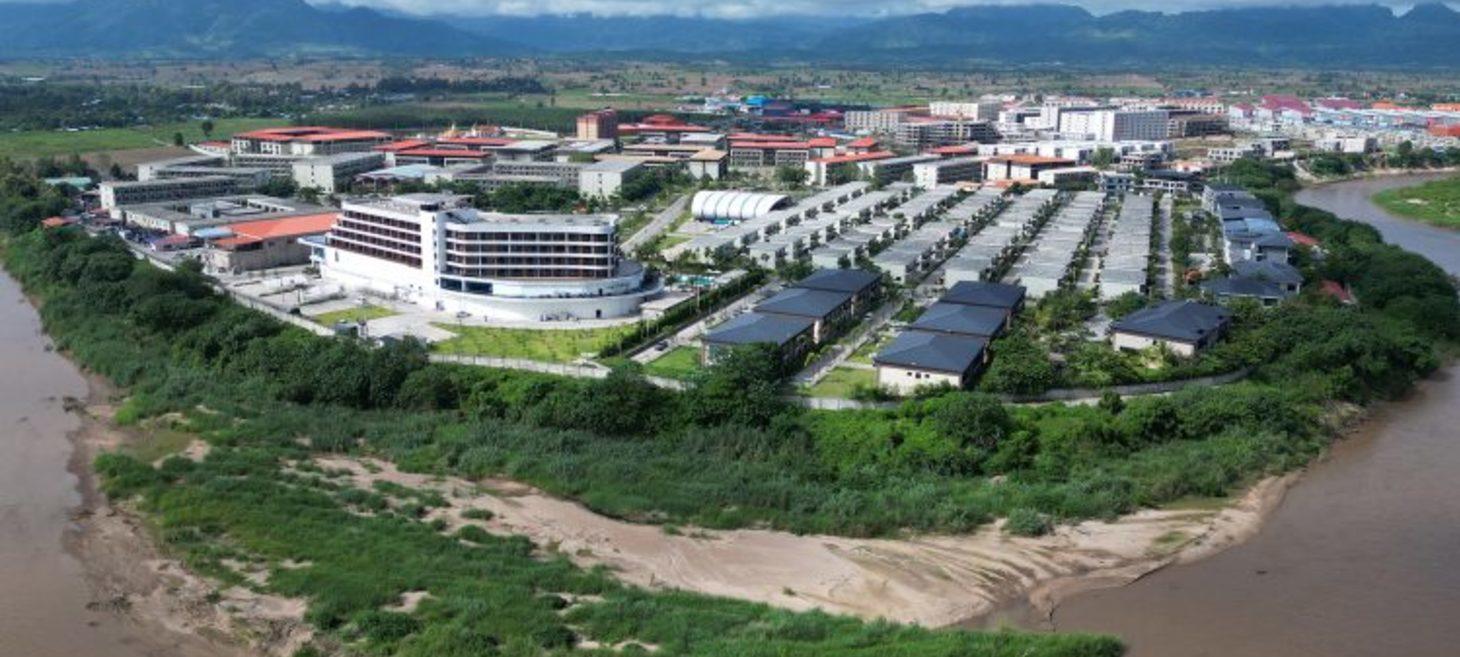
Myanmar ‘Remains Focus’ of U.S. Anti-Scam Operations
The United States continues to prioritize Myanmar as a key battleground in its fight against transnational cybercrime syndicates, with American authorities targeting the country's sprawling scam compounds that have defrauded billions from victims worldwide. These operations, often run by Chinese criminal organizations and using forced labor including trafficked workers, have turned Myanmar into a global hub for romance scams, cryptocurrency fraud, and investment schemes since the 2021 military coup created a lawless environment. U.S. Treasury sanctions and coordinated international law enforcement efforts are intensifying pressure on the networks, though the military junta's limited control over border regions continues to hamper comprehensive crackdowns.
irrawaddy.com
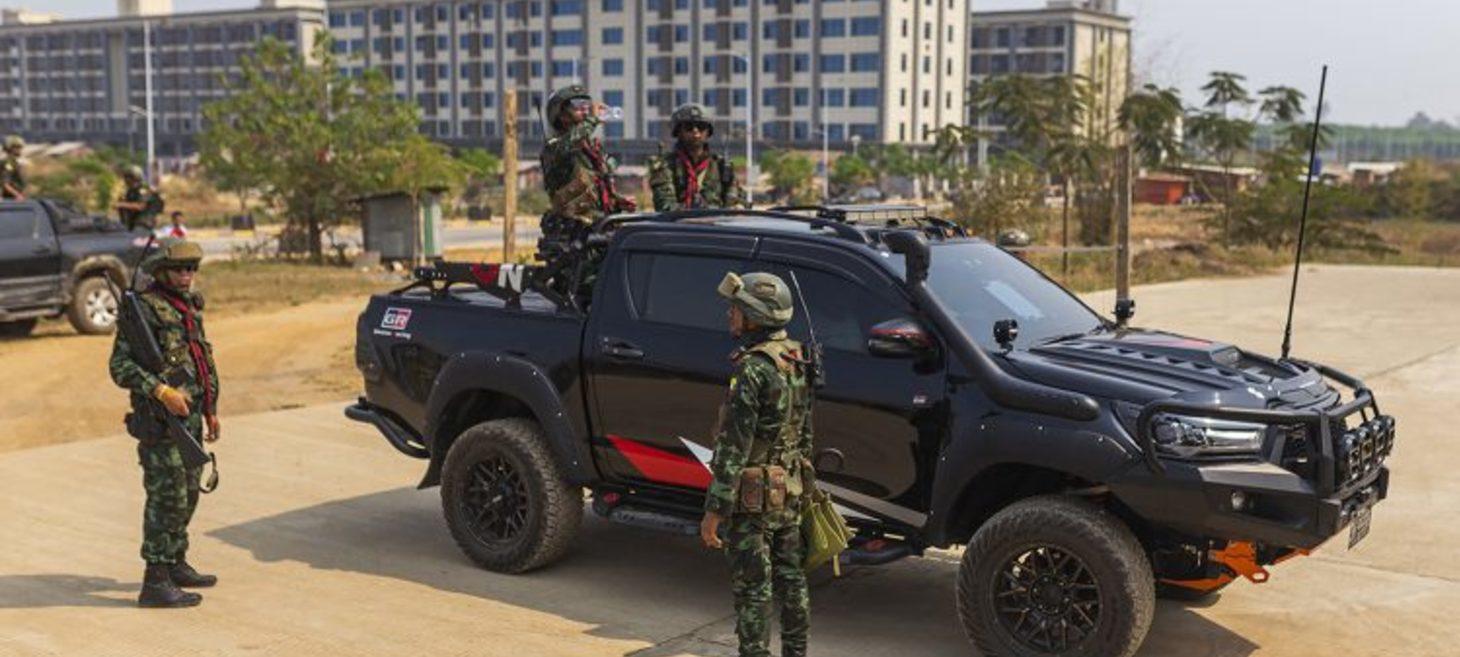
Scam Operations Stage Comeback in Shwe Kokko Despite Crackdown Claims
Myanmar's notorious Shwe Kokko special economic zone has seen a resurgence of cryptocurrency and romance scam operations despite government claims of a successful crackdown earlier this year. Intelligence reports indicate that several major scam compounds have quietly resumed operations in recent weeks, with trafficked workers from across Southeast Asia being forced to defraud victims worldwide through fake investment schemes and dating apps. The comeback undermines Myanmar's military government's assertions that it had dismantled the billion-dollar criminal networks that have made the border region a global hub for cyber fraud since the 2021 coup.
irrawaddy.com

US charges 2 Chinese nationals with managing cyberscam compound in Myanmar - FOX 56 News
The US Department of Justice has filed federal charges against two Chinese nationals accused of overseeing a large-scale cyberscam operation from a fortified compound in Myanmar, marking a significant escalation in international efforts to combat the region's booming fraud industry. The charges highlight how Myanmar's lawless border regions have become global hubs for sophisticated online scams targeting victims worldwide, with operations often involving forced labor and human trafficking. This prosecution represents the first major US legal action against the leadership structure of these cyber-slavery compounds that have proliferated across Southeast Asia since Myanmar's military coup in 2021.
fox56news.com
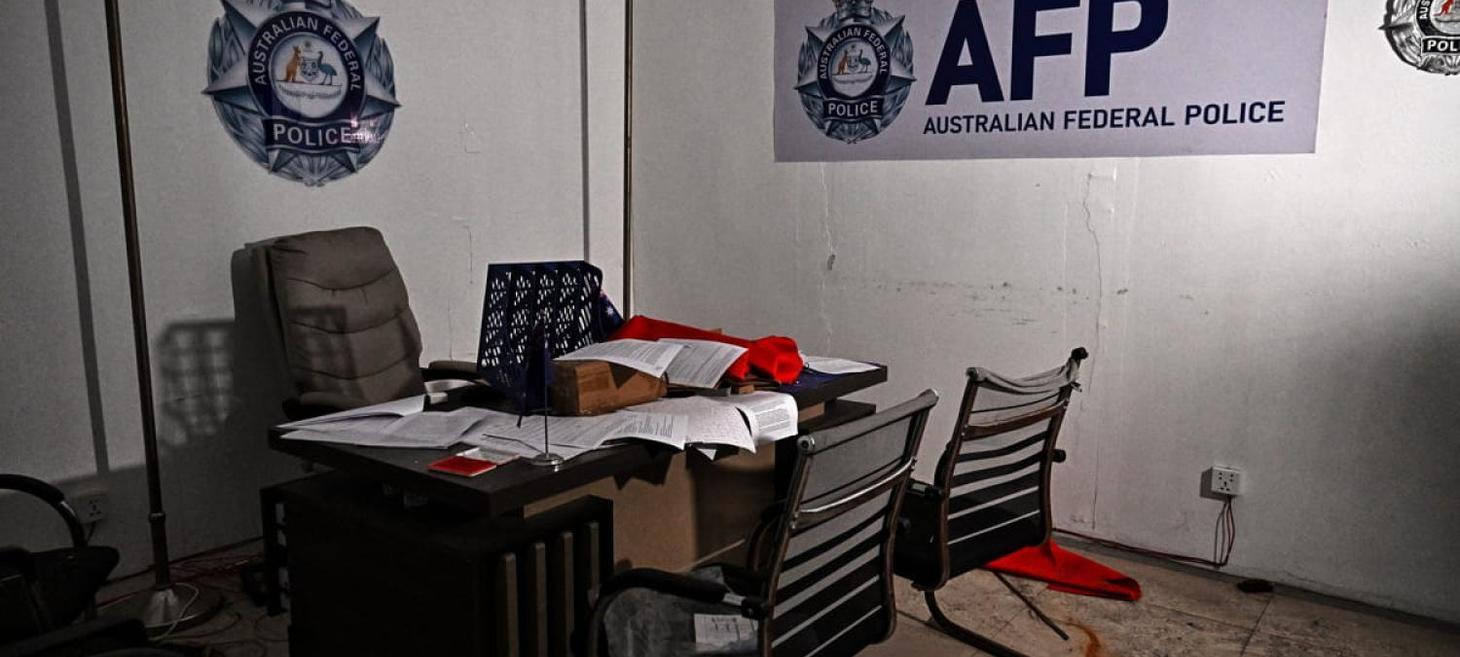
Asia’s scam centre problem is moving on, not shutting down - Lowy Institute
Large-scale cybercrime syndicates that flourished in Myanmar's lawless border regions are now relocating their billion-dollar online fraud operations to other Southeast Asian countries as local authorities increase pressure following international scrutiny. These sophisticated scam centers, which have trafficked tens of thousands of workers and defrauded victims globally, are establishing new bases in countries like Cambodia, Laos, and the Philippines rather than ceasing operations entirely. The migration highlights the transnational nature of organized crime in the region and suggests that without coordinated international enforcement efforts, the displacement of these criminal networks will continue to exploit regulatory gaps across national borders.
lowyinstitute.org
Economy
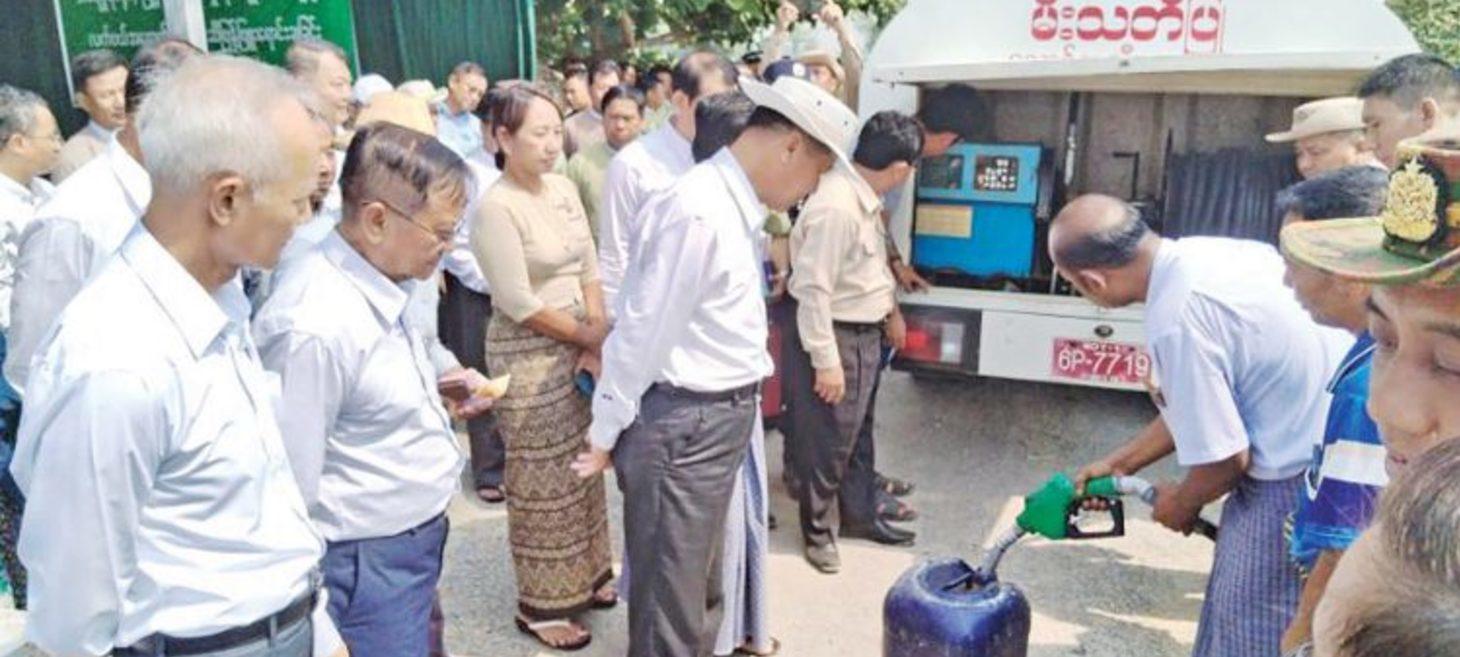
Regime-Supplied Diesel Fails Myanmar Farmers Amid Fuel Crisis
Myanmar's military regime has distributed substandard diesel to farmers nationwide, with the contaminated fuel damaging tractors and irrigation equipment during the critical planting season for rice and other staple crops. The faulty diesel, which contains excessive water and sediment, has forced farmers to spend scarce resources on equipment repairs while facing an already severe fuel shortage that has driven black market prices up to three times the official rate. Agricultural experts warn this latest crisis could devastate Myanmar's food production and worsen hunger in a country where millions already face food insecurity following the 2021 military coup.
irrawaddy.com
Ethnic Issues
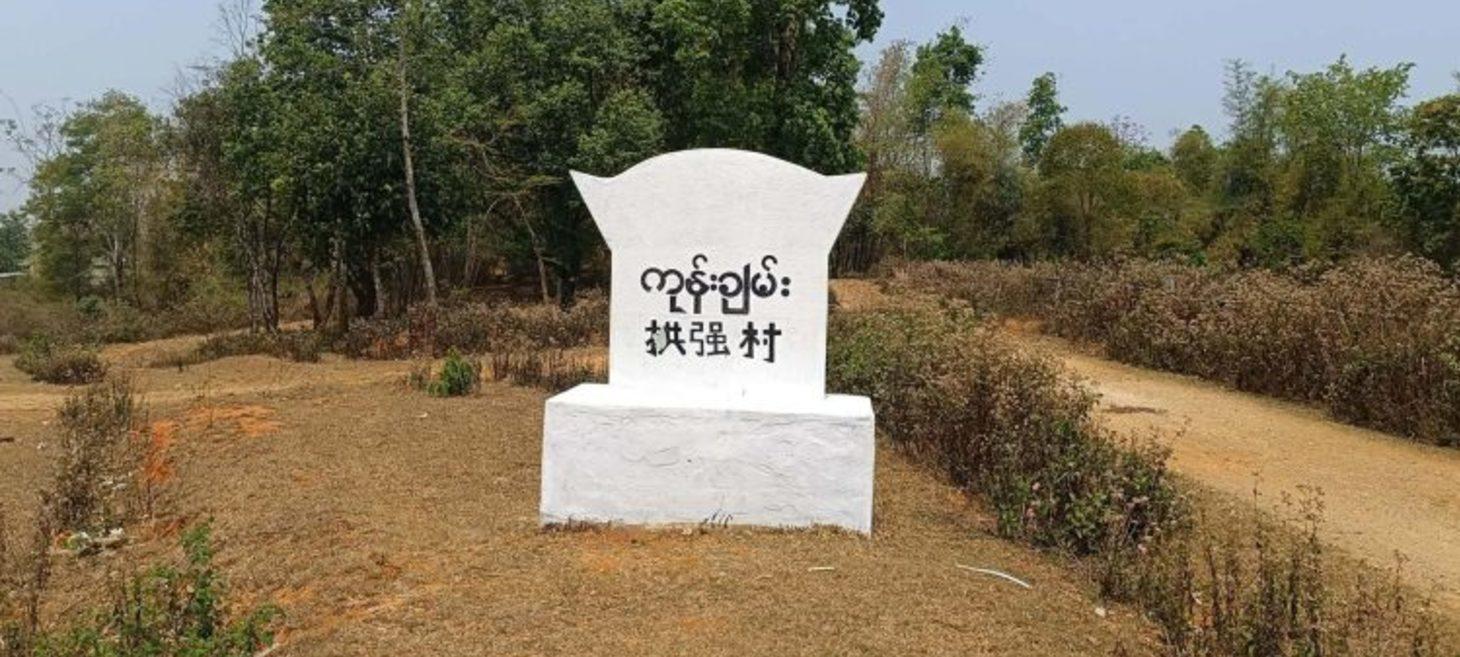
Sinicization of Myanmar’s Borderlands Spreads as MNDAA Erases Ta’ang Identity
Myanmar's ethnic Ta'ang communities face systematic cultural erasure as the Myanmar National Democratic Alliance Army (MNDAA) implements aggressive sinicization policies across northern Shan State's borderlands. The MNDAA has reportedly banned Ta'ang language instruction in schools, replaced traditional place names with Chinese equivalents, and forced local populations to adopt Chinese cultural practices while establishing Mandarin as the primary administrative language. This cultural suppression campaign represents a significant escalation in Myanmar's complex ethnic conflicts, as the Ta'ang—numbering approximately one million people—struggle to preserve their distinct identity amid broader geopolitical pressures from neighboring China's expanding influence in the region.
irrawaddy.com
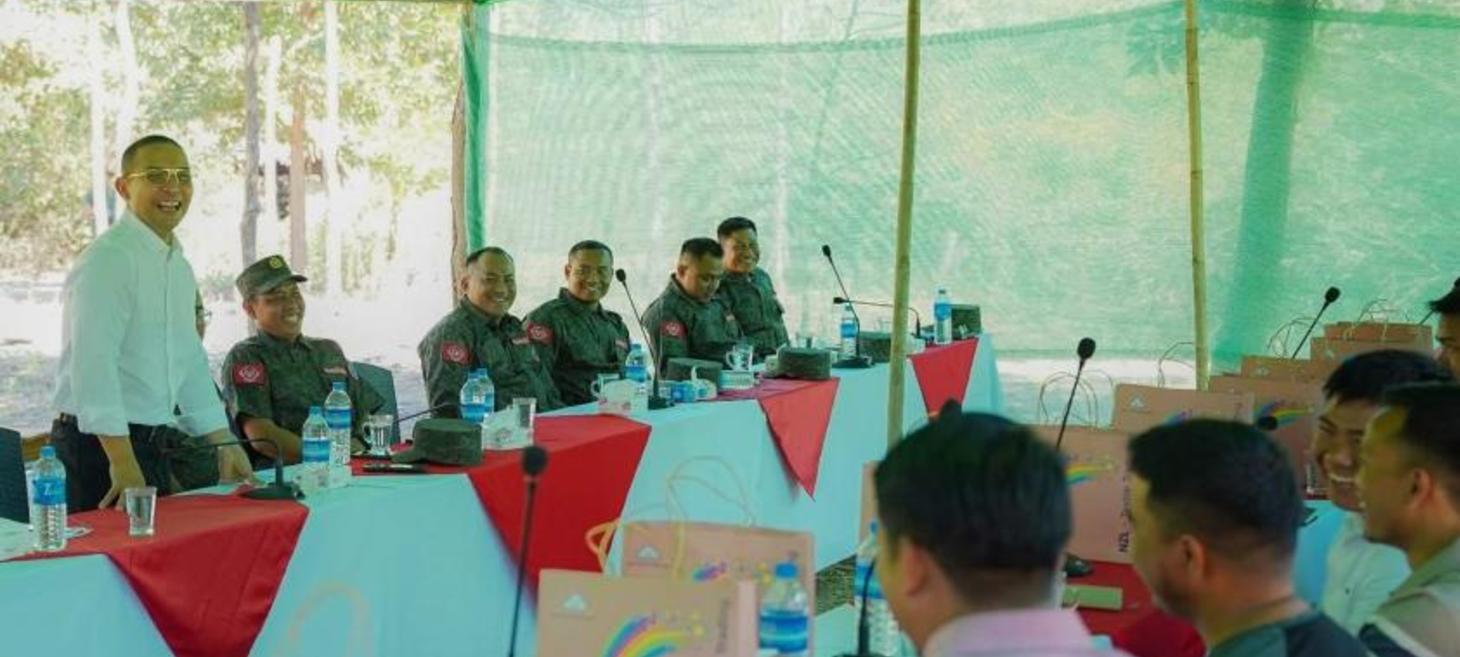
CPU/CPA holds talks with ULA/AA on welfare of Chin and Arakan communities
The Chin Progressive Union (CPU) and Chin Progressive Association (CPA) have initiated crucial discussions with the United League of Arakan/Arakan Army (ULA/AA) regarding the protection and welfare of Chin and Arakan ethnic communities amid Myanmar's ongoing civil conflict. These talks represent a significant diplomatic effort between two major ethnic resistance groups to coordinate humanitarian assistance and security measures for their respective populations, who have faced displacement and violence since the military coup in February 2021. The negotiations could potentially establish new frameworks for inter-ethnic cooperation and resource sharing as both communities continue to resist military junta control in western Myanmar's Chin State and Rakhine State.
bnionline.net
Foreign Affairs

CHINA’S CALCULATED EMBRACE: China’s Foreign Minister Visit’s Impact on Myanmar
Chinese Foreign Minister Wang Yi's recent visit to Myanmar marks Beijing's most significant diplomatic engagement with the military junta since the 2021 coup, signaling China's strategic decision to deepen ties despite international isolation of the regime. During the visit, China pledged continued support for Myanmar's infrastructure projects under the Belt and Road Initiative while securing commitments for enhanced border security cooperation and trade agreements that bypass Western sanctions. This diplomatic embrace effectively undermines international efforts to pressure Myanmar's military leadership and demonstrates China's willingness to prioritize regional influence and economic interests over global calls for democratic restoration.
shannews.org
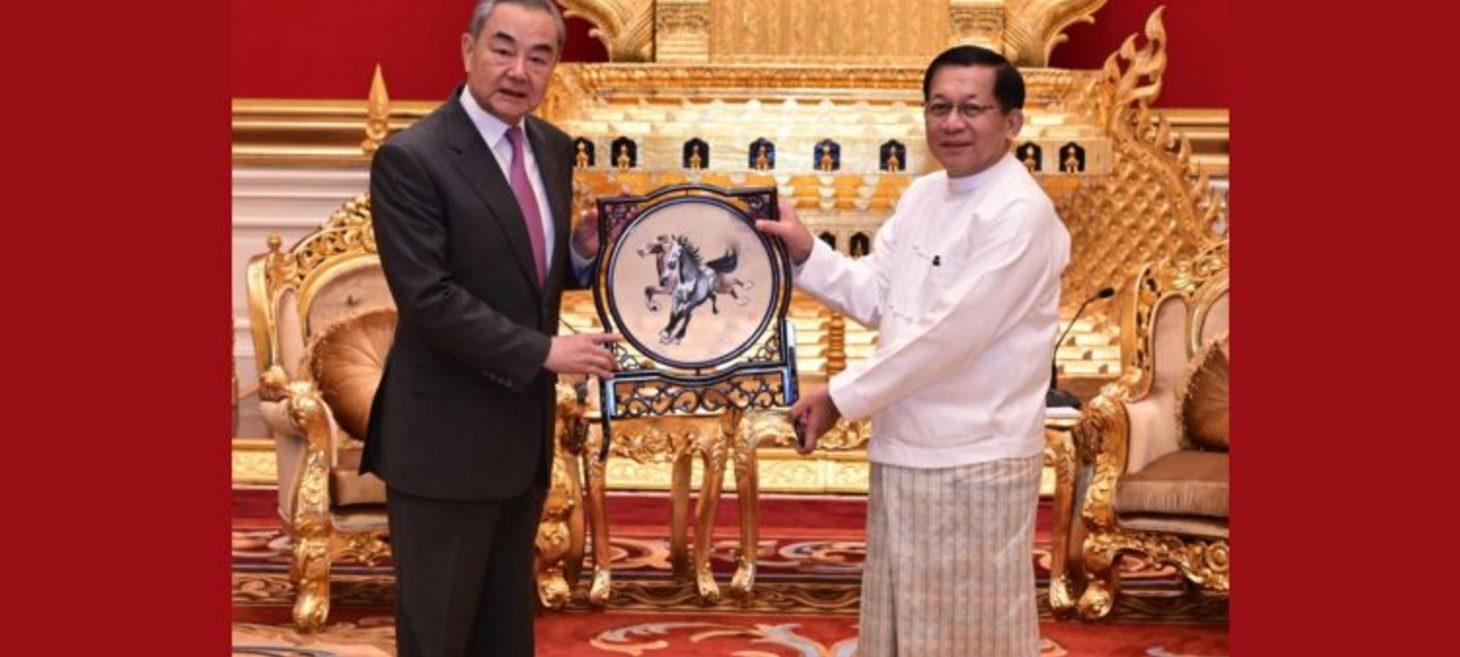
Wang Yi Reaffirms China’s Backing for Myanmar Regime in Naypyitaw Visit
Chinese Foreign Minister Wang Yi concluded a high-profile visit to Myanmar's capital Naypyitaw this week, where he met with junta leader Min Aung Hlaing and reaffirmed Beijing's continued diplomatic and economic support for the military regime. The visit signals China's commitment to maintaining strategic ties with Myanmar despite ongoing international sanctions and widespread condemnation of the military government's human rights violations since the 2021 coup. Wang's meetings focused on advancing bilateral trade agreements and infrastructure projects under China's Belt and Road Initiative, effectively legitimizing the junta's authority while further isolating Myanmar from Western-led diplomatic efforts.
irrawaddy.com
Governance & Rule of Law

KWO calls on ICC to investigate junta
The Karen Women's Organisation (KWO) has formally petitioned the International Criminal Court to launch investigations into the Myanmar military junta for alleged war crimes and crimes against humanity committed since the February 2021 coup. The women's rights group documented systematic attacks on civilian populations in Karen State, including forced displacement, sexual violence, and the destruction of villages by junta forces. This appeal adds to mounting international pressure for accountability as the ICC continues to examine whether it has jurisdiction to prosecute Myanmar military leaders for atrocities against the country's ethnic minorities.
karennews.org
Government Media Sources
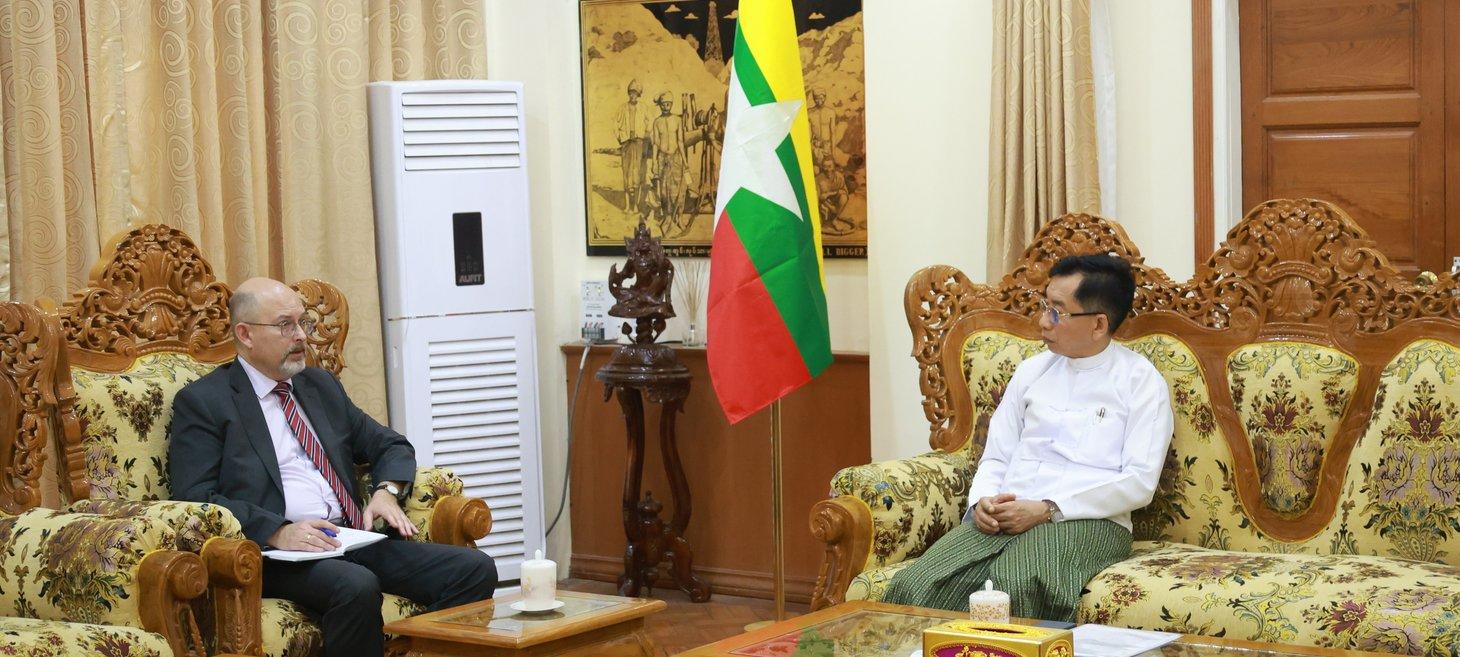
Myanmar, Russia Eye Deeper Cooperation in Power, Energy Sectors
Myanmar and Russia are expanding their strategic partnership with new agreements focused on power generation and energy infrastructure development, as announced by Myanmar's state-run Global New Light media outlet. The deepening cooperation comes as Myanmar's military government seeks alternative international partners following widespread sanctions imposed by Western nations after the 2021 coup. This energy alliance could provide Myanmar with crucial technical expertise and financing for power projects while offering Russia another avenue to strengthen ties with Southeast Asian nations amid its own international isolation.
gnlm.com.mm
Humanitarian
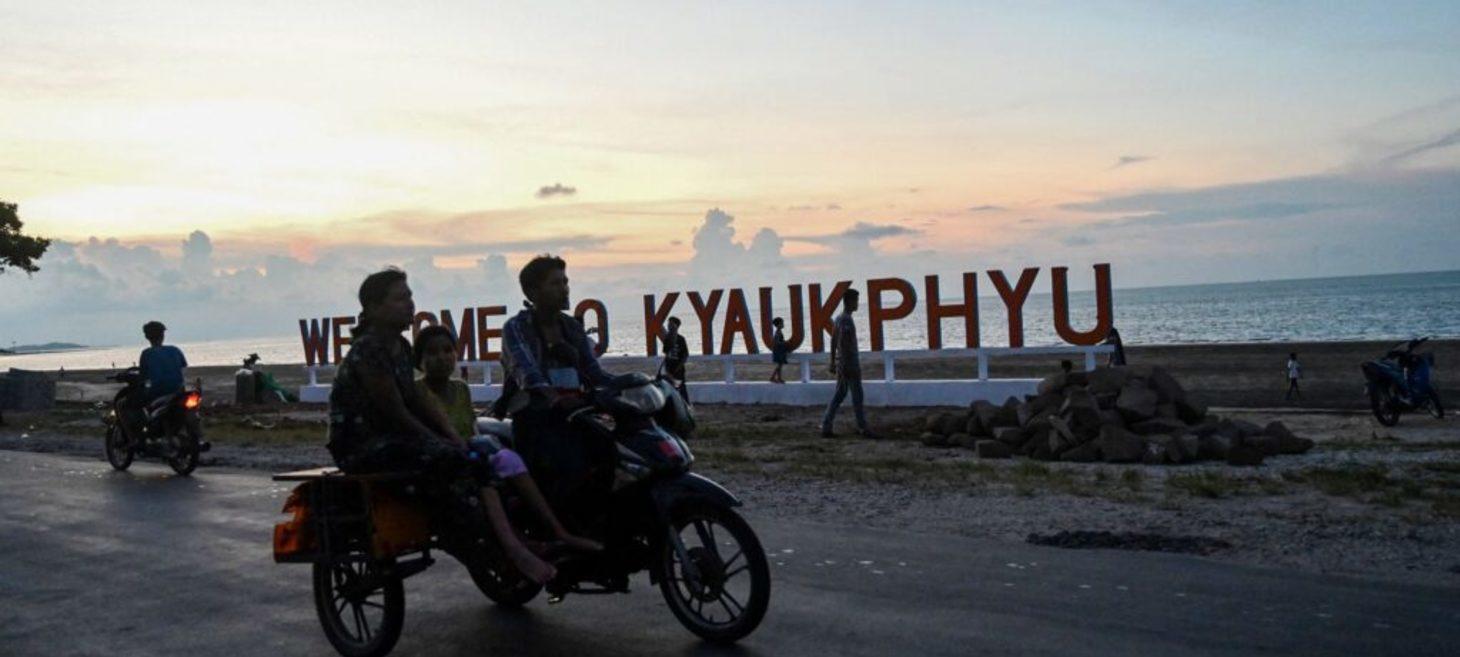
Displaced for development: Kyaukphyu residents pay heavy toll for Chinese projects
Myanmar's Kyaukphyu residents face mass displacement as Chinese-backed infrastructure projects, including a deep-sea port and special economic zone, advance despite the ongoing political crisis. Local fishing communities report losing ancestral lands and livelihoods with minimal compensation, while Beijing continues to push forward with Belt and Road Initiative developments worth billions of dollars along Myanmar's strategic coastline. The displacement highlights how international megaprojects proceed largely unimpeded by Myanmar's internal turmoil, leaving vulnerable populations caught between military rule and foreign economic interests.
frontiermyanmar.net
Natural Resources
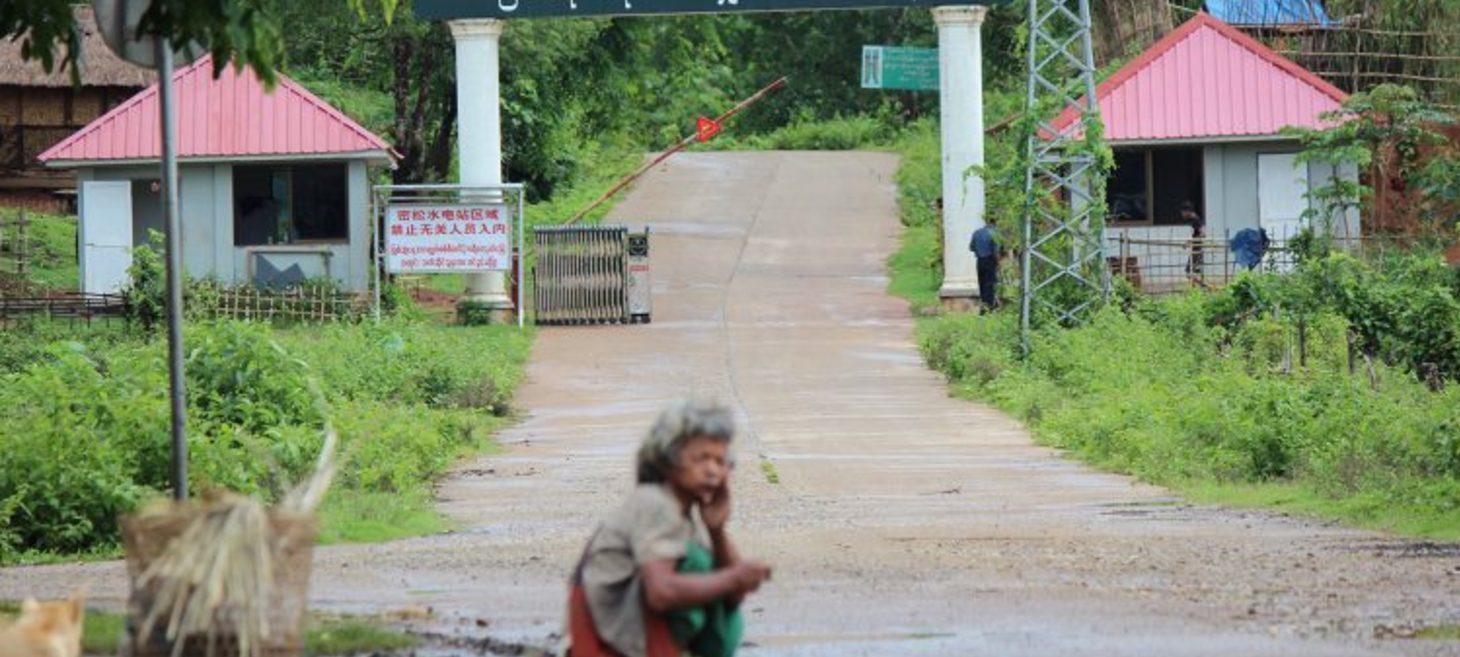
Myanmar Regime Ramps Up Myitsone Push as China Pours On Support
Myanmar's military junta is accelerating efforts to restart the controversial $3.6 billion Myitsone Dam project on the Irrawaddy River, backed by increased Chinese investment and diplomatic support despite widespread domestic opposition. The hydroelectric megaproject, which would flood sacred cultural sites and displace thousands in Kachin State, was suspended in 2011 but has gained new momentum as the regime seeks Chinese backing to consolidate power amid ongoing civil unrest. Environmental groups and ethnic Kachin organizations are mobilizing fierce resistance against the dam, warning that its completion would devastate the Irrawaddy's ecosystem and further marginalize indigenous communities already suffering under military rule.
irrawaddy.com
Sanctions
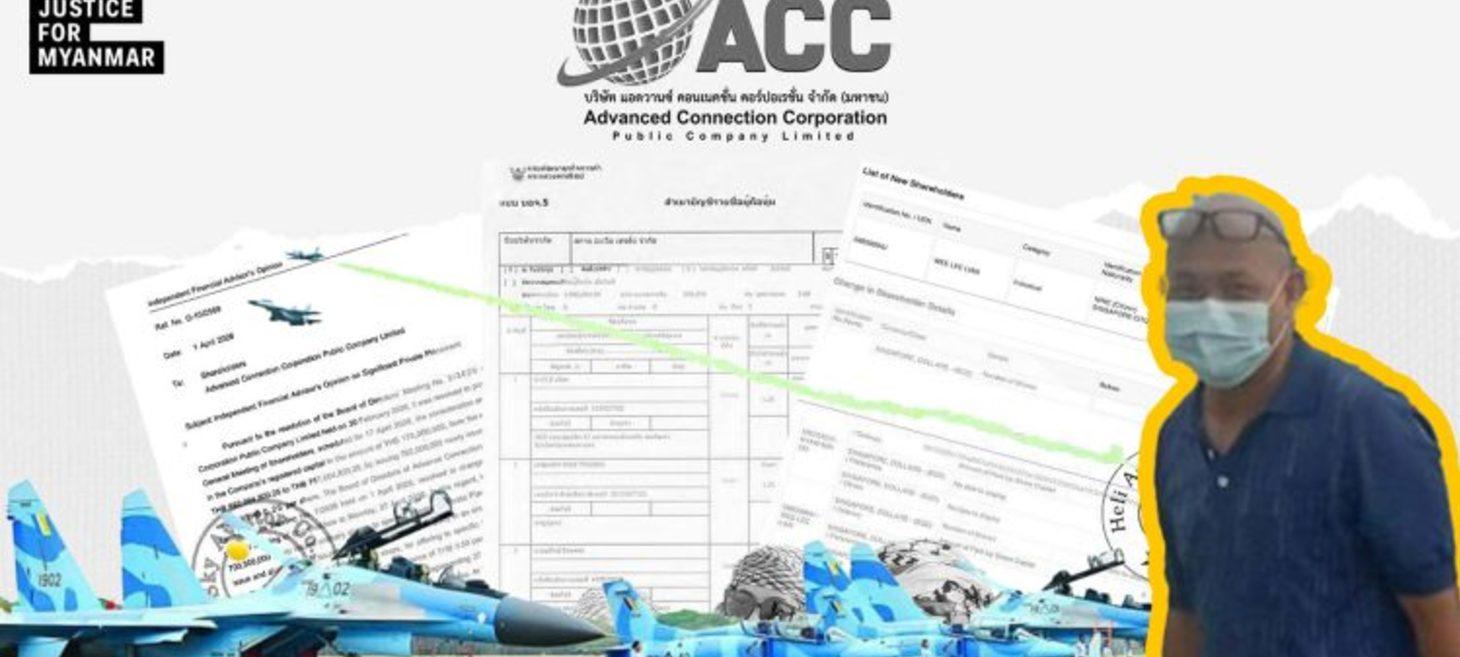
Notorious Myanmar Arms Broker Seeks Stake in Thai Firm
A Myanmar arms dealer with extensive ties to the military junta is attempting to acquire ownership in a Thai manufacturing company, raising concerns about sanctions evasion and cross-border weapons procurement networks. The broker, who has been instrumental in facilitating weapons purchases for Myanmar's armed forces since the 2021 coup, appears to be using the Thai firm as a front to circumvent international arms embargoes and financial restrictions. Thai authorities are now investigating the transaction amid pressure from international partners to prevent Myanmar's military regime from accessing foreign assets and supply chains.
irrawaddy.com

EU extends sanctions against Myanmar by a year
The European Union has extended its comprehensive sanctions against Myanmar for another year, maintaining pressure on the military junta that seized power in February 2021. The sanctions package includes asset freezes and travel bans targeting military leaders, arms embargoes, and restrictions on equipment that could be used for internal repression or surveillance of civilians. This extension reflects the EU's continued condemnation of the ongoing human rights violations and the junta's failure to restore democratic governance following the coup that ousted the elected civilian government.
thestar.com.my