Introduction & Analysis
This collection of open-source English-language news articles published over the past week highlights significant events and issues concerning Myanmar. They present a snapshot of the country's safety and security landscape.
- Military Escalation and Airstrikes: Amidst fierce resistance offensives that have captured strategic military bases, the Myanmar junta has significantly escalated its retaliatory airstrikes and naval operations across Karen, Kachin, and Rakhine states, frequently targeting civilian infrastructure in areas subjected to internet blackouts.
- Scam Centers and Human Trafficking: Transnational criminal syndicates continue to operate massive, highly securitized online scam and fraud centers along the Thai-Myanmar border using trafficked labor, prompting joint international crackdowns and the deactivation of thousands of Starlink satellite internet devices used by the facilities.
- Political Maneuvering: Politically, junta leader Min Aung Hlaing has appointed himself president and issued a 100-day peace ultimatum to armed groups—which has fractured some resistance alliances—while simultaneously intensifying surveillance on recently paroled National League for Democracy leaders to suppress political opposition.
- Humanitarian and Environmental Crises: The ongoing conflict is compounding severe emergencies across the region, highlighted by a looming hunger crisis driven by fuel and fertilizer shortages, dangerous arsenic contamination in the Salween River from unregulated mining, and the tragic capsizing of a vessel carrying 250 Rohingya refugees.

Conflict
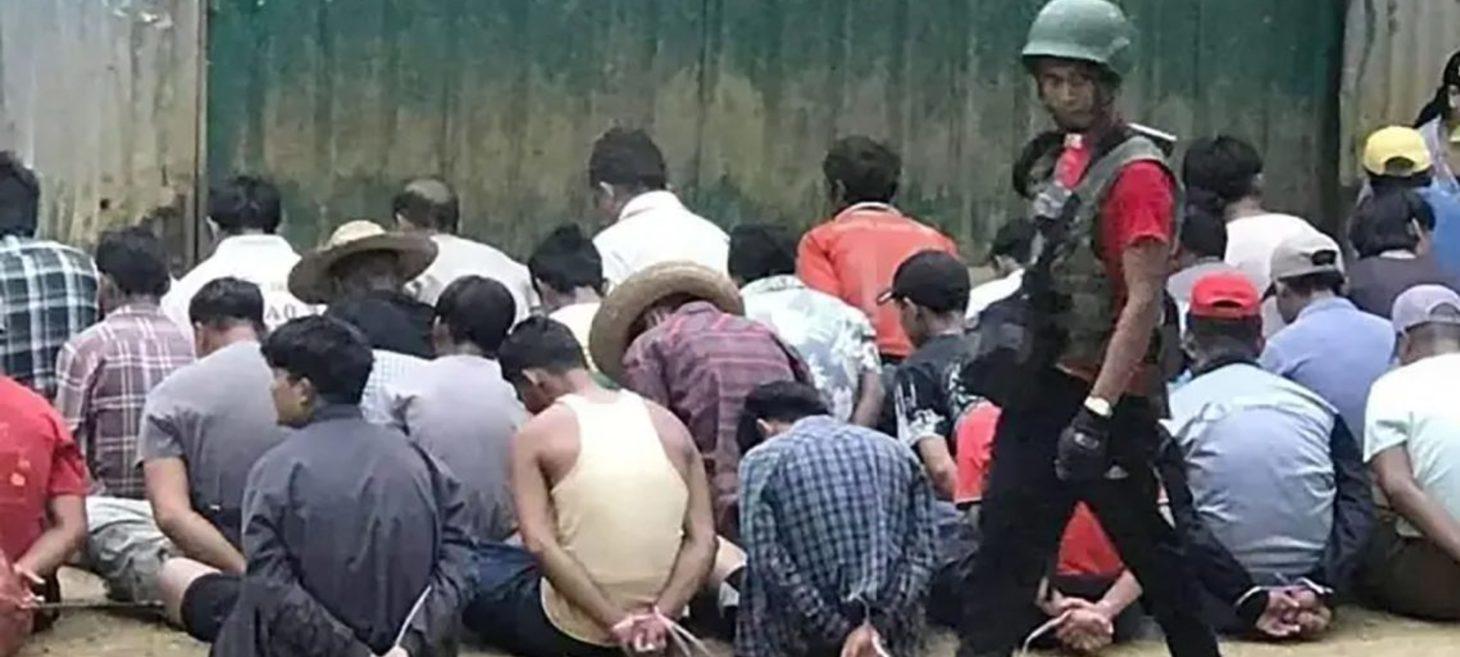
Looting Rampant as Myanmar Regime Battles for Control of Jade Mining Hub
Myanmar's military junta is losing ground in the strategic jade mining town of Hpakant as ethnic armed groups and pro-democracy forces intensify their assault on one of the regime's most lucrative revenue sources. Reports indicate widespread looting of jade mines and processing facilities as government troops withdraw from key positions, with locals and armed groups seizing valuable stones worth millions of dollars. The battle for Hpakant represents a critical blow to the military's finances, as jade exports to China have traditionally generated billions in revenue that helps fund the junta's operations against opposition forces.
irrawaddy.com
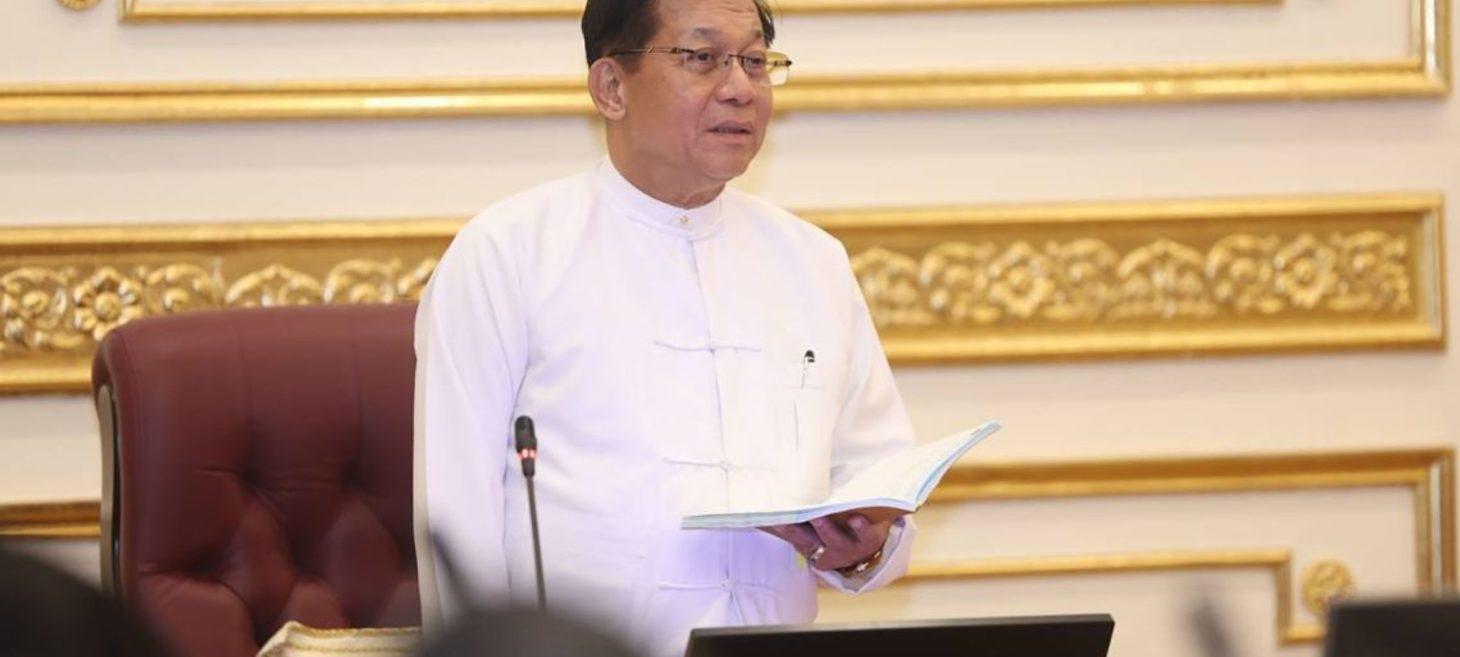
Min Aung Hlaing Gives Armed Groups 100 Days to Join Peace Talks
Myanmar's military junta leader Min Aung Hlaing has issued a 100-day ultimatum to armed resistance groups, demanding they participate in peace negotiations or face intensified military operations. The deadline comes as the junta struggles to contain widespread opposition from pro-democracy forces and ethnic armed organizations that have gained significant territory since the 2021 coup. This ultimatum represents the military's latest attempt to regain control through a combination of diplomatic overtures and threats of escalated violence against groups that have successfully challenged junta authority across multiple regions.
irrawaddy.com
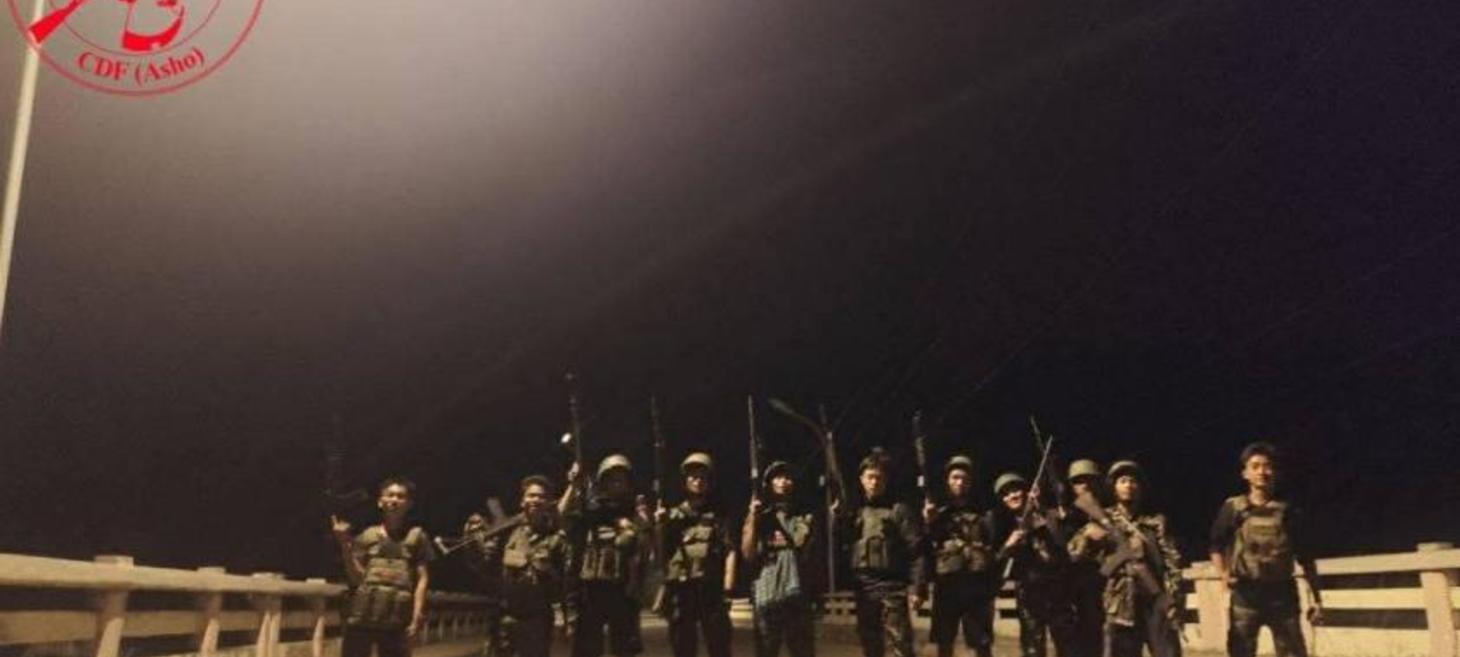
CDF-Asho announces show-of-force operation in Ngape
The Chin Defense Force-Asho (CDF-Asho) has declared a major show-of-force operation targeting military positions in Ngape Township, located in Myanmar's Magway Region, as resistance groups continue to challenge junta control across the country. The announcement comes amid escalating conflicts between pro-democracy armed groups and Myanmar's military regime, which seized power in February 2021, with resistance forces increasingly coordinating operations to pressure military installations and supply lines. This operation represents part of the broader nationwide armed resistance movement that has emerged since the coup, with local defense forces like CDF-Asho working to establish liberated territories and demonstrate their growing organizational capacity against junta forces.
bnionline.net
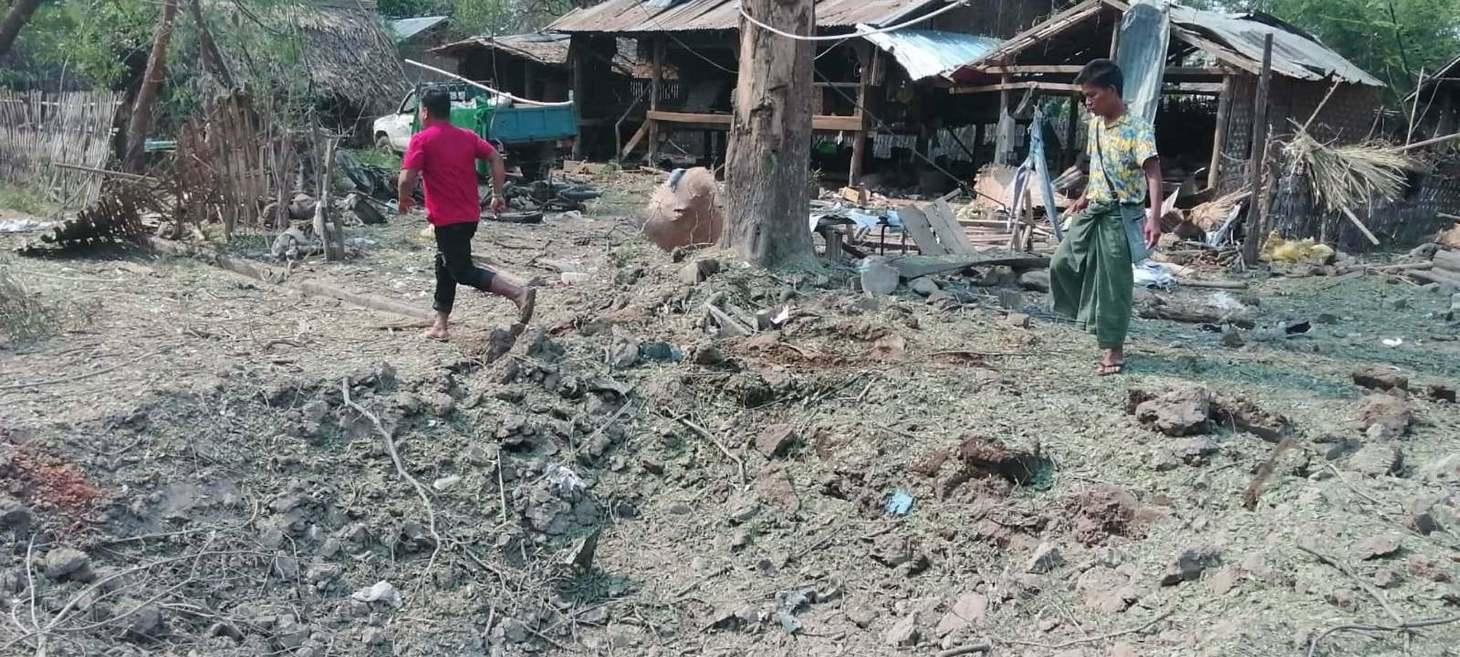
Myanmar junta air strikes hit hard in areas cut off from the internet
Myanmar's military junta has intensified airstrikes in regions where internet access has been severed, making it extremely difficult to verify casualty figures and document human rights violations, according to a new report. The coordinated strategy of cutting communications before launching aerial bombardments appears designed to limit international scrutiny and prevent real-time reporting of civilian casualties in opposition-controlled territories. Human rights organizations warn that the information blackouts are enabling the military to escalate violence with impunity, as residents in affected areas cannot effectively communicate the scale of attacks to the outside world.
mizzima.com
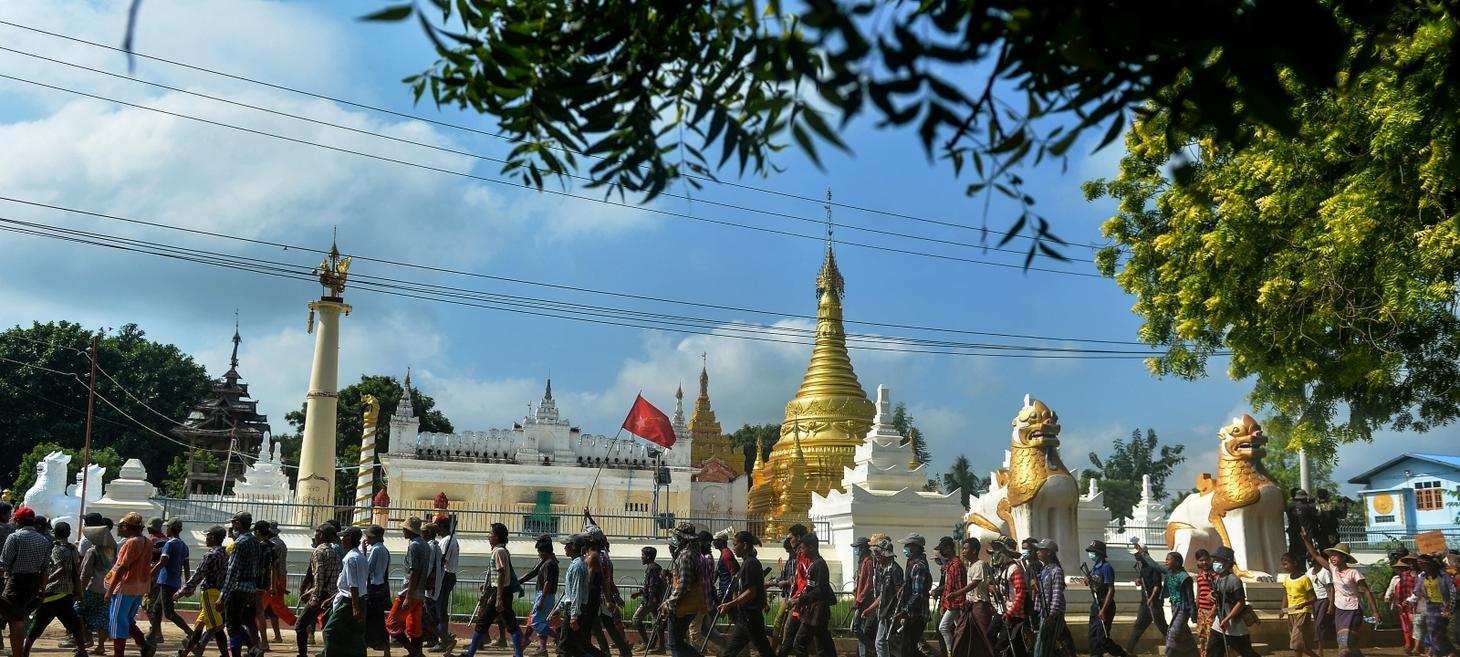
After the fall: PDFs seek unity following resistance shakeup
Myanmar's pro-democracy People's Defense Forces (PDFs) are working to consolidate their fragmented resistance networks after significant leadership changes and tactical shifts in their fight against the military junta that seized power in 2021. The armed civilian groups, which emerged from the civil disobedience movement, are now focusing on creating unified command structures and coordinated strategies following internal disputes over resource allocation and operational priorities that have weakened their effectiveness in recent months. This reorganization effort comes as the junta continues its crackdown on opposition forces, with PDFs seeking to transform from loosely affiliated local militias into a more cohesive resistance movement capable of sustained opposition to military rule.
frontiermyanmar.net

Regime Steps Up Naval, Drone Operations in Southern Rakhine
Myanmar's military junta has significantly intensified its naval patrols and drone surveillance operations along the coastal areas of southern Rakhine State, targeting supply routes used by the Arakan Army (AA) insurgent group. The escalated military activity comes as the AA continues to consolidate territorial gains across Rakhine, having captured several strategic towns and military outposts since breaking a ceasefire with the junta in November 2023. Local residents report increased restrictions on fishing activities and civilian maritime movement as regime forces attempt to cut off the AA's access to weapons and supplies potentially arriving via Bangladesh's coast.
irrawaddy.com
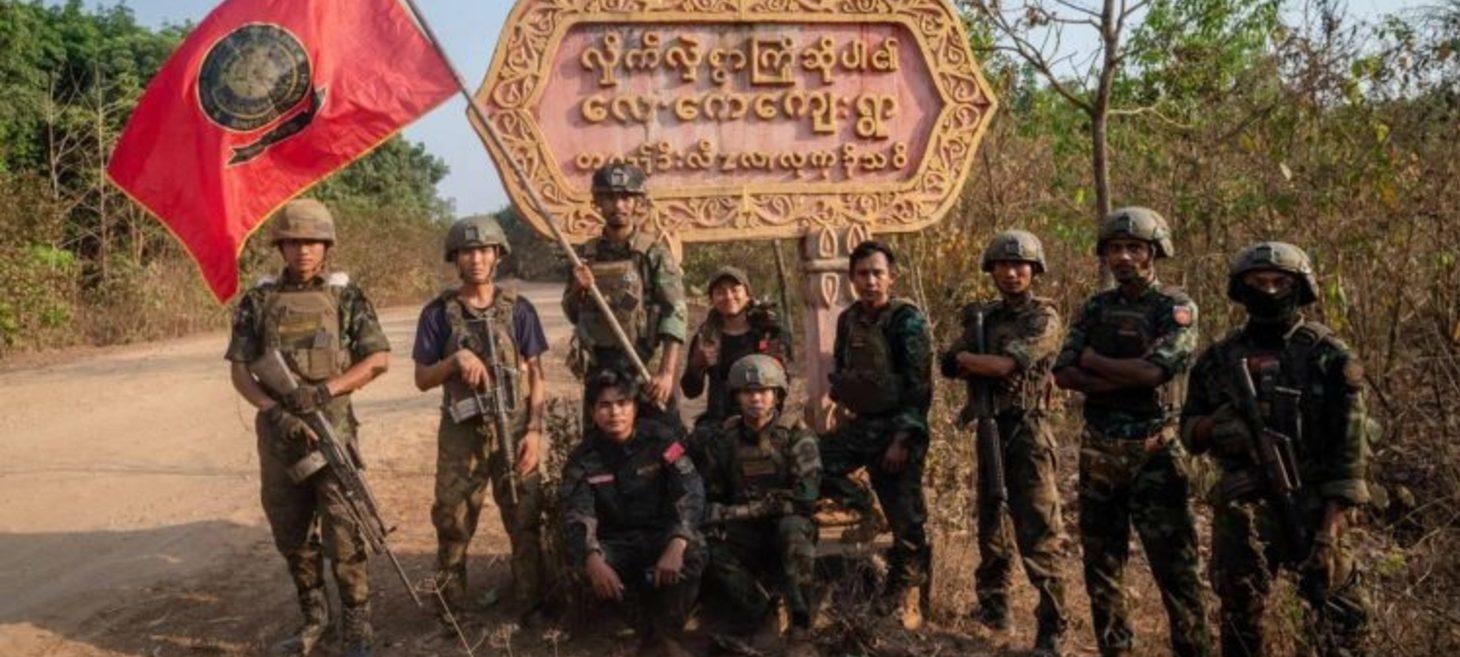
Karen Resistance Captures Two Regime Bases Over Thingyan Holidays
Karen National Union (KNU) fighters captured two Myanmar military bases in Karen State during the Thingyan water festival holidays, marking a significant escalation in resistance operations while the country observed its traditional New Year celebrations. The coordinated attacks targeted regime outposts in areas where the KNU has been steadily expanding territorial control since the 2021 military coup, forcing junta troops to retreat and abandon key defensive positions. This latest victory adds to the mounting pressure on Myanmar's military government, which continues to lose ground to ethnic armed organizations and pro-democracy resistance groups across multiple frontlines throughout the country.
irrawaddy.com

Myanmar military regime widens sanitary towel ban, claiming rebels use them for first aid
Myanmar's military junta has expanded its nationwide ban on sanitary towels, alleging that resistance fighters are repurposing the feminine hygiene products as makeshift bandages and medical supplies for wounded rebels. The restriction, which began in select regions earlier this year, now affects women and girls across the country who already face severe shortages of basic necessities due to ongoing civil unrest and economic collapse. This latest move represents another example of how Myanmar's military government is weaponizing access to essential goods against its own population, with women bearing a disproportionate burden of the regime's authoritarian crackdown since the February 2021 coup.
theguardian.com
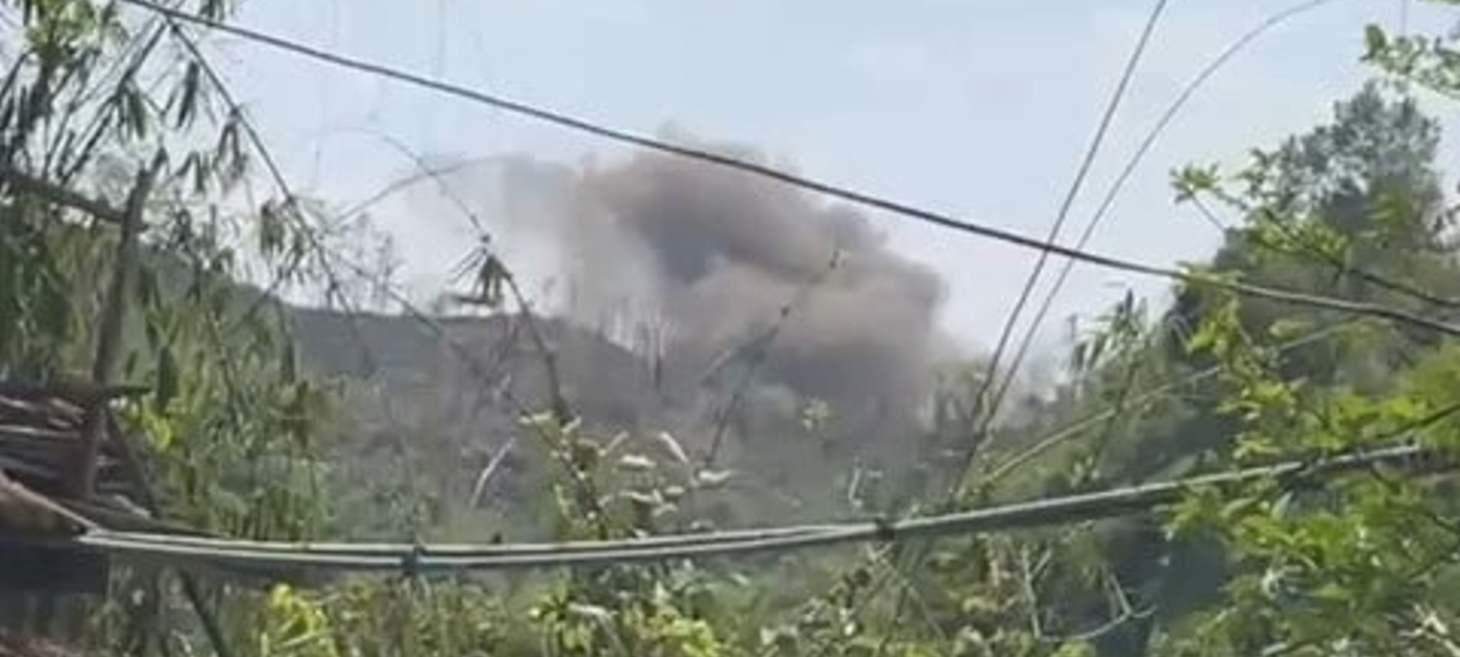
Myanmar military airstrikes hit Hpakant on Thingyan eve as tensions escalate
Myanmar's military junta launched devastating airstrikes on Hpakant, the heart of the country's lucrative jade mining region in Kachin State, just hours before the traditional Thingyan Water Festival marking the Buddhist New Year. The attacks come as resistance forces have gained significant territorial control in northern Myanmar, threatening the military's access to jade revenues that help fund their operations since the 2021 coup. Local reports indicate civilian casualties and widespread displacement as families who hoped to celebrate the most important holiday of the year were forced to flee their homes amid the escalating violence.
mizzima.com
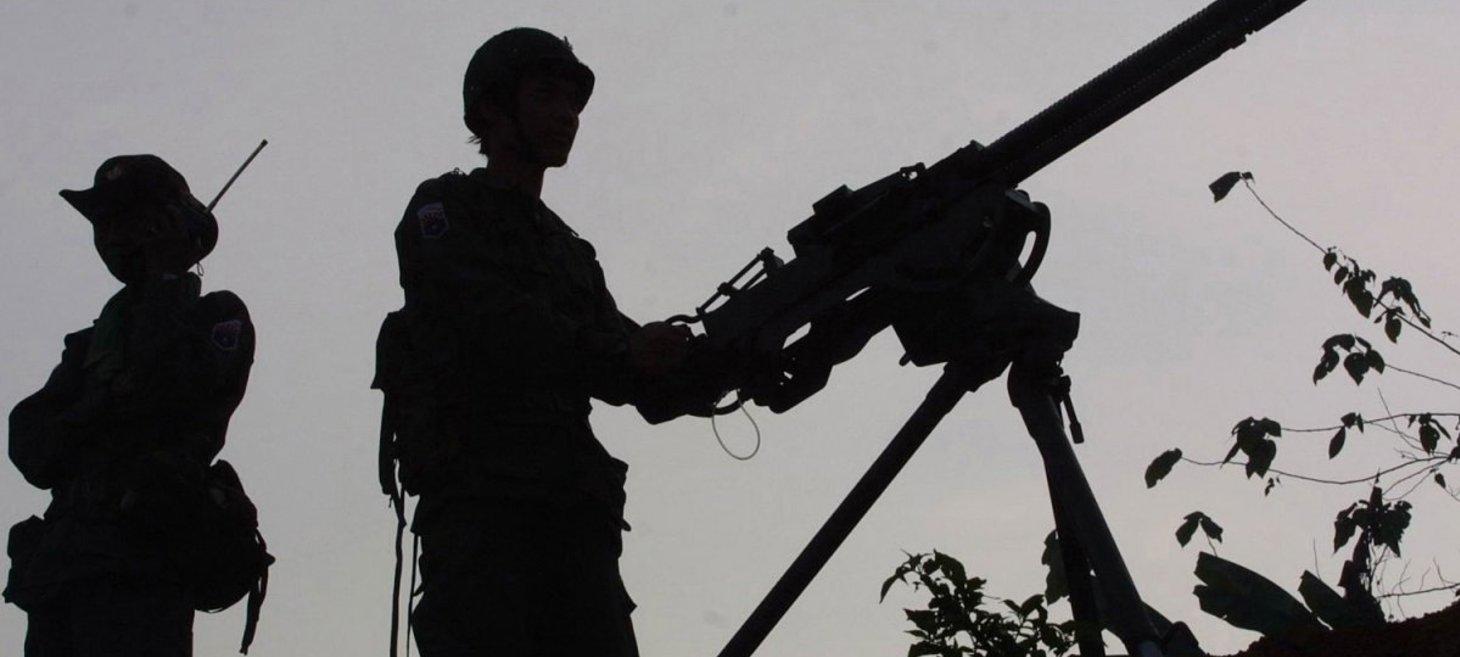
Border on alert amid Myanmar raids
Thai authorities have placed border regions on high alert following intensified military raids by Myanmar's junta forces targeting opposition groups and civilian areas near the frontier. The cross-border operations have prompted increased security measures along Thailand's western provinces, with officials monitoring potential refugee influxes and spillover violence from Myanmar's ongoing civil conflict. These latest developments mark a significant escalation in border tensions as Myanmar's military continues its crackdown against pro-democracy resistance forces that have been operating from areas adjacent to the Thai border.
bangkokpost.com
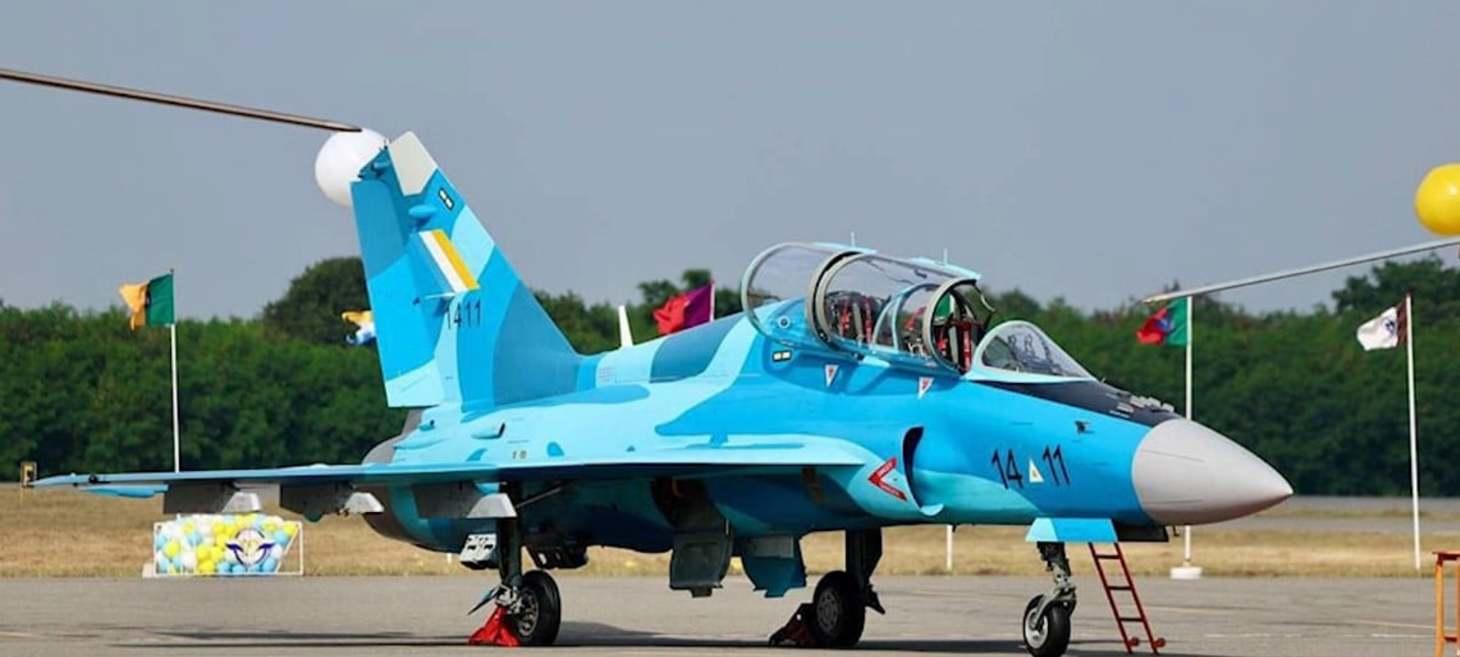
KPSN calls for arms embargo and jet fuel sanctions as Myanmar junta airstrikes hit northern Karen State hard
The Karen Peace Support Network (KPSN) is urgently demanding international arms embargos and jet fuel sanctions against Myanmar's military junta following intensified airstrikes targeting civilians in northern Karen State. The aerial bombardments have escalated violence in the ethnic minority region, forcing thousands of residents to flee their homes and seek shelter in displacement camps or across the border into Thailand. This latest offensive represents a significant escalation in the junta's campaign against ethnic armed groups and pro-democracy forces, highlighting the military's continued reliance on airpower to suppress resistance nearly three years after the February 2021 coup.
mizzima.com
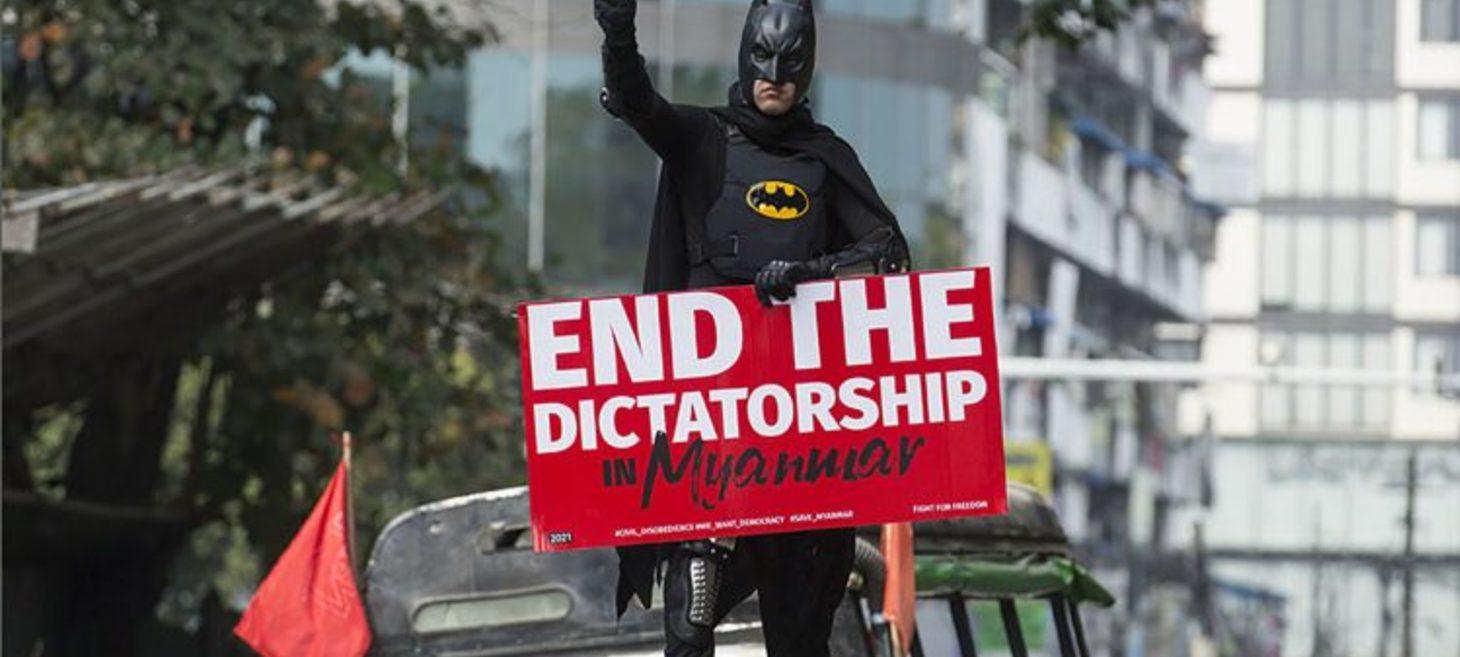
Laying Myths About Myanmar’s 2021 Coup to Rest
**Myanmar's military junta continues to face widespread resistance two years after seizing power in February 2021, dispelling early assumptions that the coup would quickly establish stable authoritarian control. Contrary to predictions that economic pressure and international sanctions would force a swift resolution, the military has proven willing to endure severe economic decline while maintaining its grip through increasingly brutal crackdowns on civilians and opposition groups. The persistent strength of pro-democracy movements, ethnic armed organizations, and civilian resistance networks has fundamentally challenged the narrative that Myanmar's population would eventually accept military rule, instead revealing a deeper structural crisis that shows no signs of resolution.
irrawaddy.com
Cybersecurity & Cybercrime
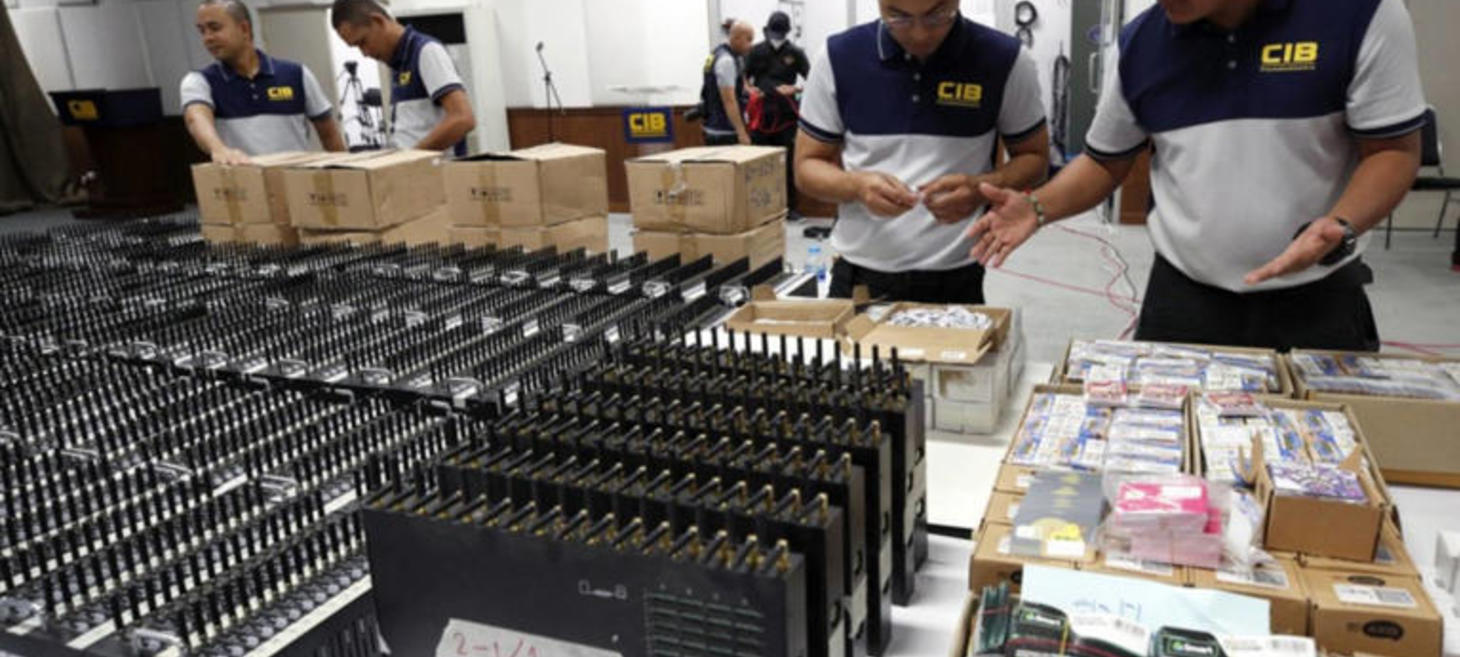
Myanmar junta raids scam compound, seizes 30 Starlink receivers
Myanmar Military Cracks Down on Cross-Border Scam Operations
Myanmar's military junta conducted a major raid on a suspected online scam compound near the Chinese border, confiscating 30 Starlink satellite internet receivers that were being used to facilitate international fraud operations. The seizure highlights how criminal networks have been exploiting Elon Musk's satellite internet service to run sophisticated romance and investment scams targeting victims across Asia and beyond, often operating with impunity in Myanmar's lawless border regions. This rare enforcement action by the junta appears to be a response to mounting pressure from neighboring countries, particularly China, which has been demanding crackdowns on scam centers that have proliferated since Myanmar's 2021 military coup created a governance vacuum.
msn.com
Economy

Myanmar signs deal with Chinese operator to increase oil production
Myanmar's military government has signed a significant agreement with Chinese state-owned operator CNOOC to boost oil production, marking another step in the country's deepening energy ties with Beijing since the 2021 coup. The deal comes as Myanmar's junta seeks alternative revenue sources and international partnerships amid widespread Western sanctions that have isolated the regime from traditional markets and investors. This expansion of Chinese energy operations in Myanmar reflects Beijing's continued support for the military government and its efforts to secure strategic access to Southeast Asian energy resources, despite international condemnation of the coup.
upstreamonline.com
Ethnic Issues
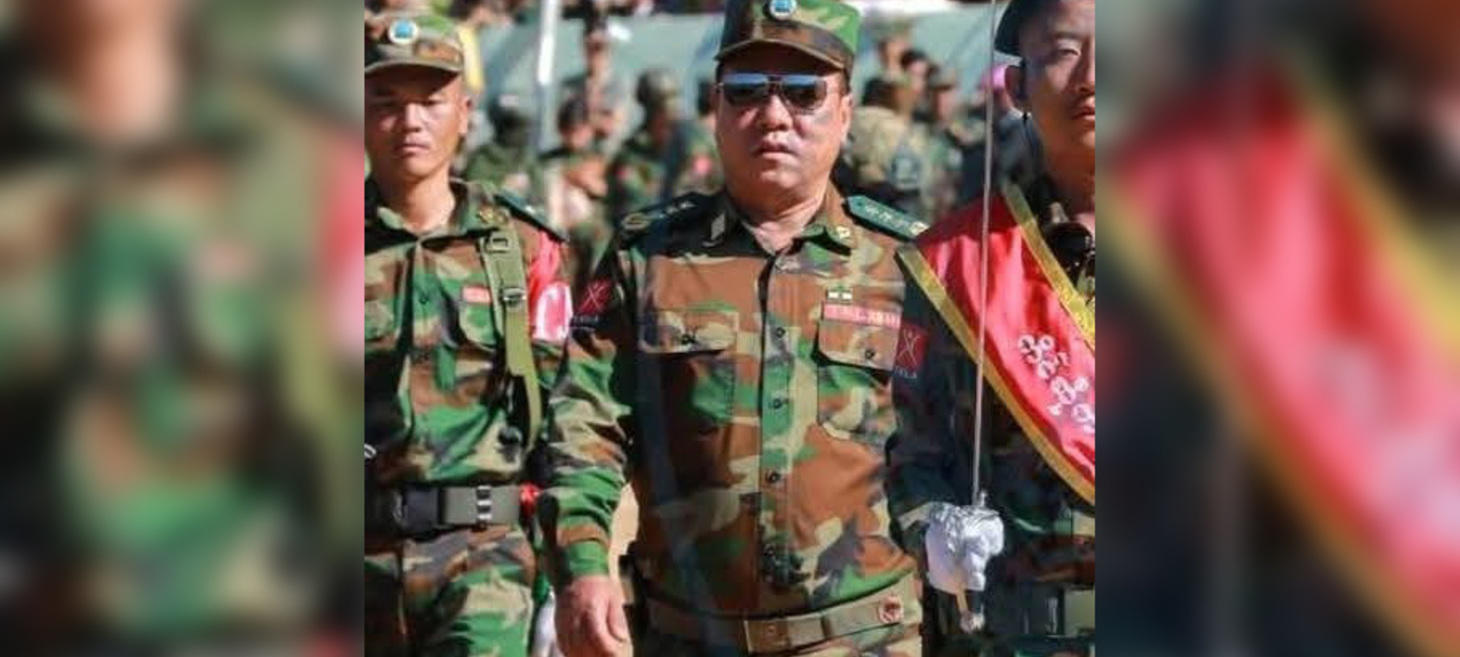
TNLA ABOUT-FACE: Survival Strategy or Political Betrayal?
The Ta'ang National Liberation Army (TNLA) has dramatically shifted its stance by entering into ceasefire negotiations with Myanmar's military junta, marking a stark departure from its previous alliance with other ethnic armed groups fighting the regime since the 2021 coup. This unexpected pivot has sent shockwaves through the resistance movement, particularly given the TNLA's recent participation in coordinated offensives that had successfully captured significant territory from junta forces in northern Shan State. Critics within the opposition are questioning whether this represents a pragmatic survival strategy for the Ta'ang ethnic minority or a betrayal of the broader democratic revolution that could fracture the unity among anti-junta forces at a critical moment in the conflict.
shannews.org
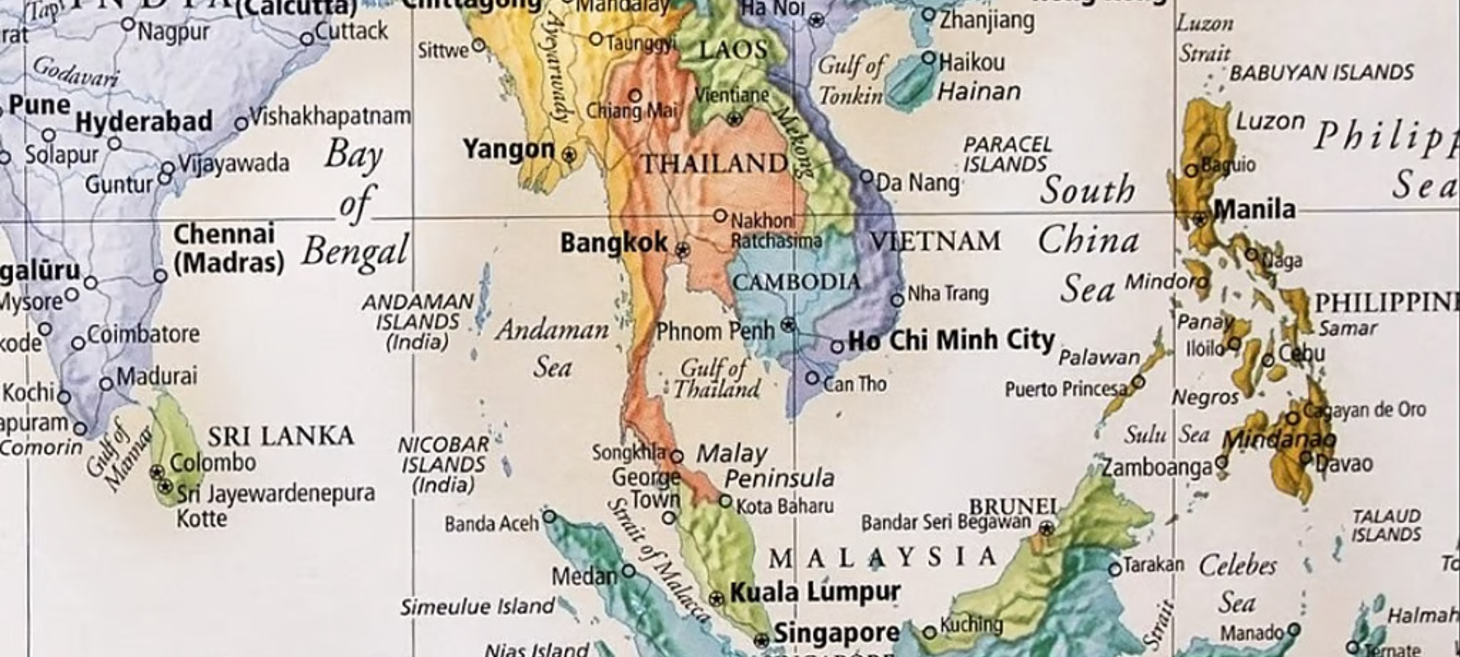
Internal exploitation grows as Rohingya turn to trafficking their own
Myanmar's Rohingya crisis has taken a disturbing turn as desperate community members increasingly exploit their own people through human trafficking networks. Economic desperation and continued persecution have forced some Rohingya to become traffickers themselves, preying on fellow refugees seeking escape routes from Myanmar's camps and border regions. This internal exploitation represents a dangerous evolution in the humanitarian crisis, as traditional community bonds fracture under the extreme pressures of statelessness and survival.
bairdmaritime.com
Foreign Affairs
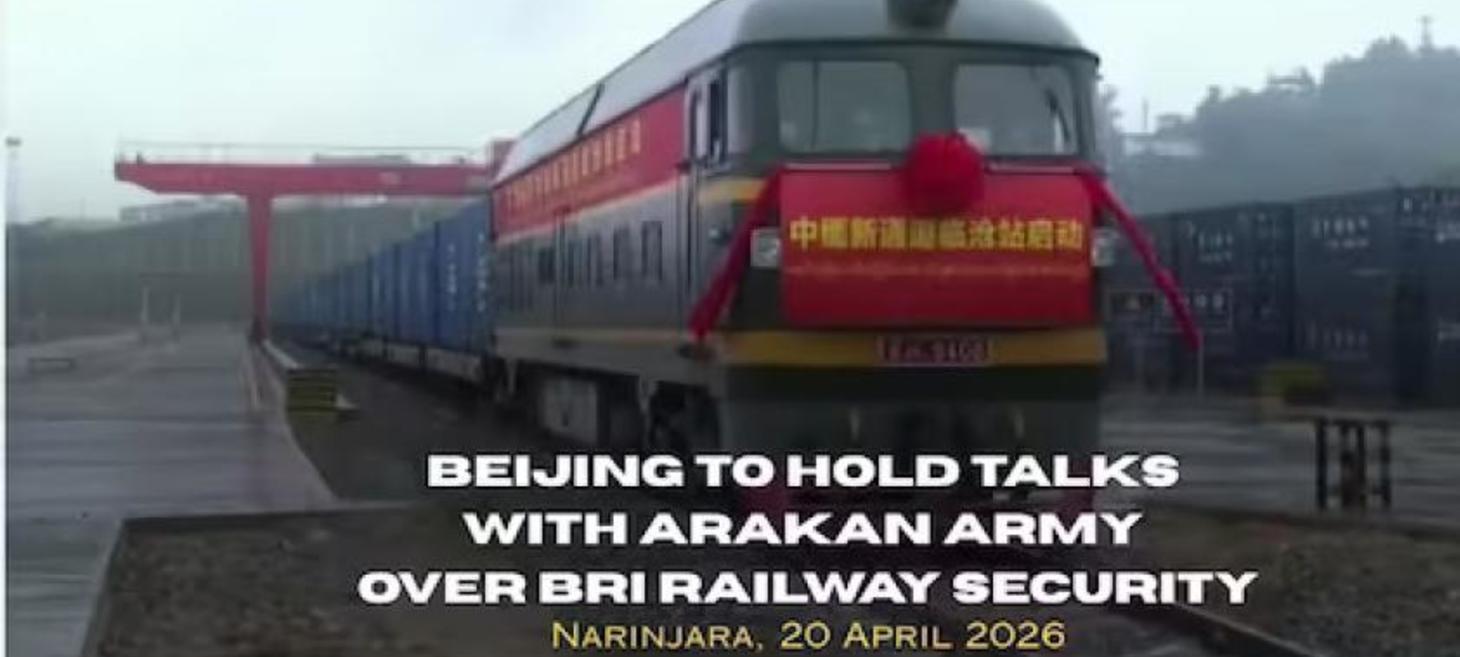
Beijing to hold talks with Arakan Army over BRI railway security
Myanmar Update: China Engages Arakan Army on Infrastructure Security
Beijing is reportedly preparing to hold direct talks with the Arakan Army, one of Myanmar's most powerful ethnic armed groups, specifically regarding security arrangements for the China-Myanmar Economic Corridor railway project that runs through Rakhine State. The discussions highlight China's pragmatic approach to protecting its Belt and Road Initiative investments in Myanmar, as the railway has faced disruptions due to ongoing conflict between the Arakan Army and Myanmar's military junta. This diplomatic outreach signals Beijing's willingness to engage with non-state actors to safeguard its strategic infrastructure projects, potentially legitimizing the Arakan Army's de facto control over significant portions of western Myanmar.
bnionline.net
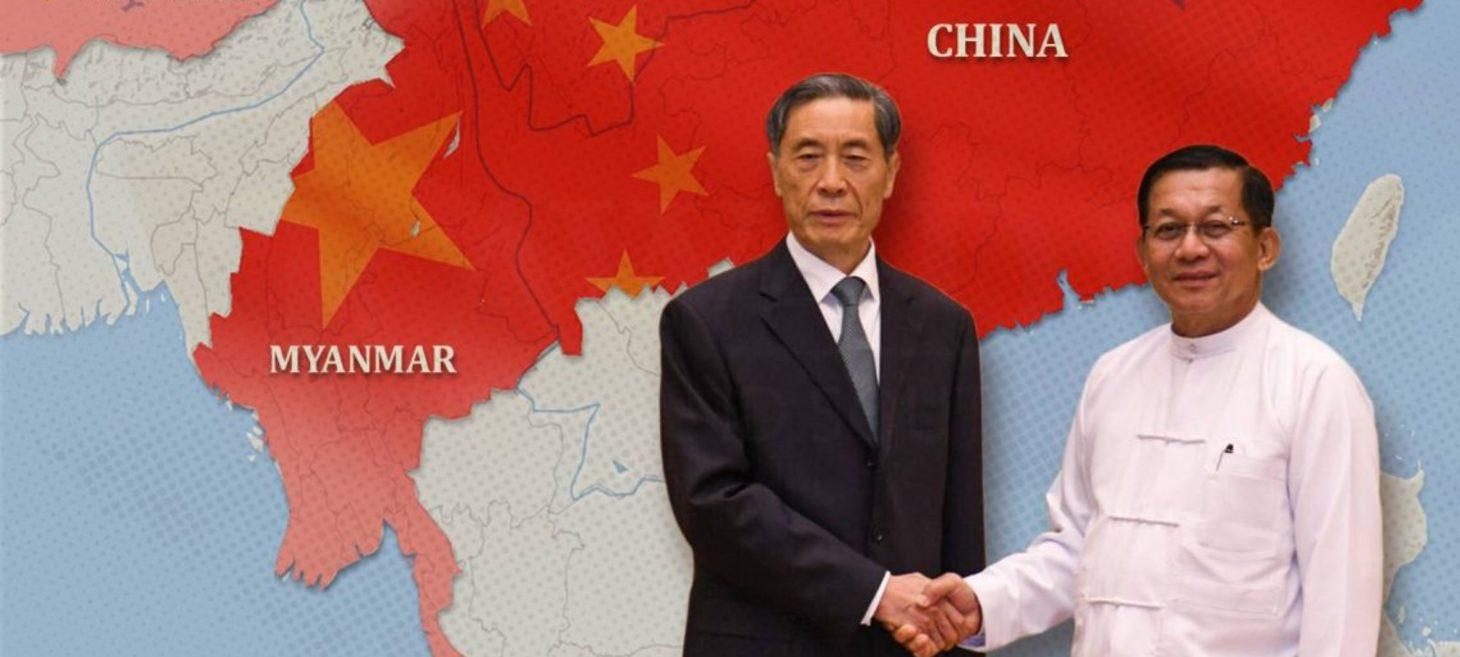
In Myanmar Under Min Aung Hlaing, China Is Back With a Vengeance
China has significantly expanded its economic and political influence in Myanmar since the military junta led by Senior General Min Aung Hlaing seized power in 2021, leveraging the regime's international isolation to secure favorable trade deals and infrastructure projects. Beijing has emerged as Myanmar's primary diplomatic shield at the United Nations while dramatically increasing bilateral trade and investment, including major pipeline and port development along the strategic Bay of Bengal coastline. This deepening relationship has effectively reversed the previous civilian government's efforts to balance Chinese influence with Western partnerships, positioning Myanmar firmly within China's sphere of influence as the junta struggles with ongoing armed resistance and economic sanctions.
irrawaddy.com
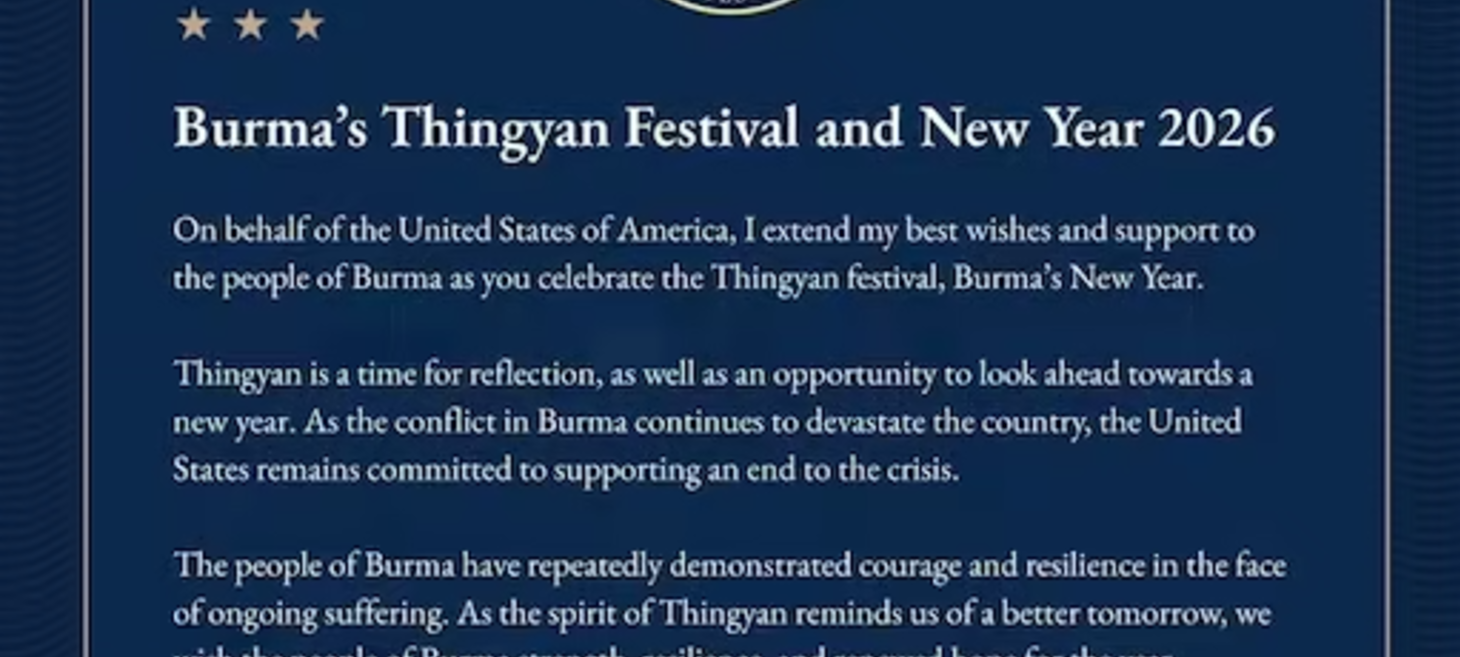
'US remains committed to support Myanmar as conflicts continue'
The United States has reiterated its commitment to supporting Myanmar's pro-democracy movement and civil society as the country remains engulfed in armed conflicts three years after the military coup that overthrew the elected government in February 2021. The pledge comes as fighting intensifies between the ruling junta forces and various resistance groups, including ethnic armed organizations and the People's Defense Forces, with civilians continuing to bear the brunt of the violence through displacement and humanitarian crises. US support likely encompasses continued sanctions against military leaders, humanitarian aid for displaced populations, and diplomatic backing for Myanmar's democratic opposition forces operating both domestically and in exile.
narinjara.com
General News
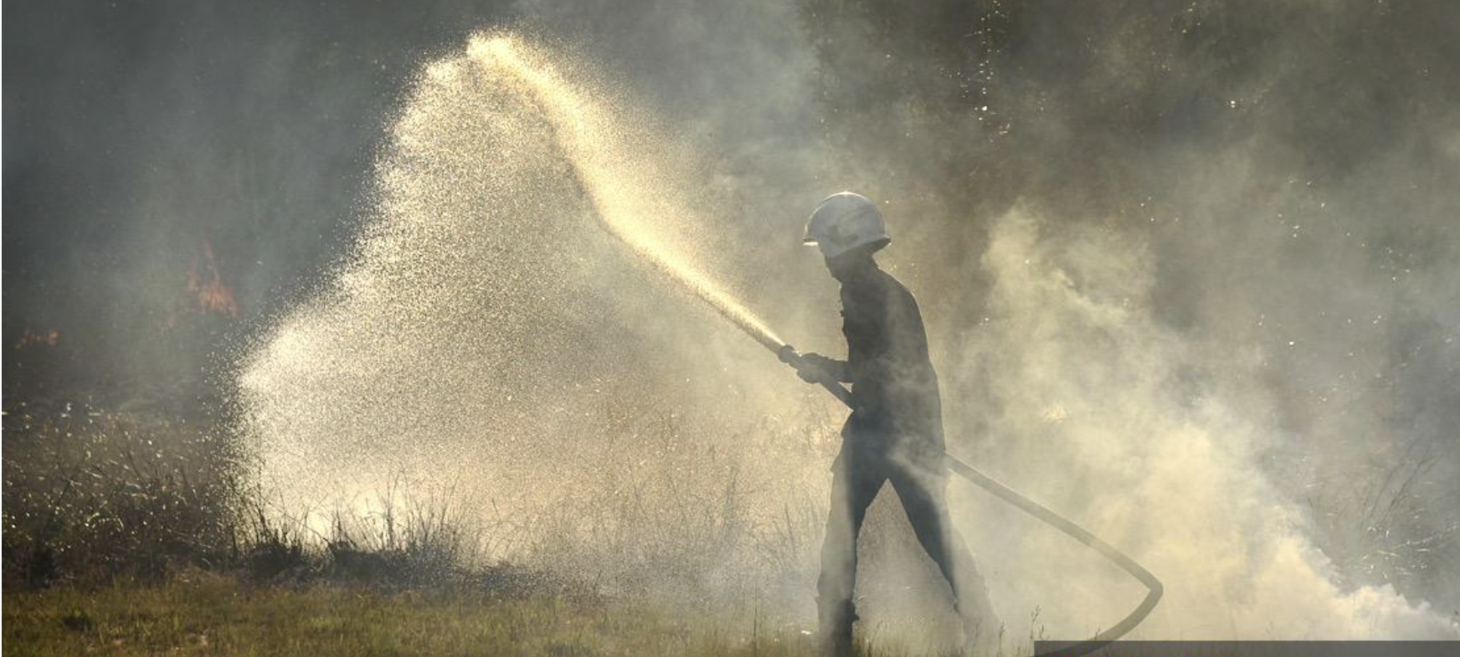
2 Killed, 11 Injured In Massive Fire At River Port In Myanmar
A devastating fire erupted at a major river port in Myanmar, claiming two lives and leaving eleven people injured in what authorities are calling one of the most severe port incidents in recent months. The blaze, which required extensive firefighting efforts to contain, has disrupted critical river transport operations that serve as vital supply lines for both commercial goods and humanitarian aid in the region. Local emergency services are investigating the cause of the fire while working to assess the full extent of damage to port infrastructure and surrounding facilities.
bernama.com
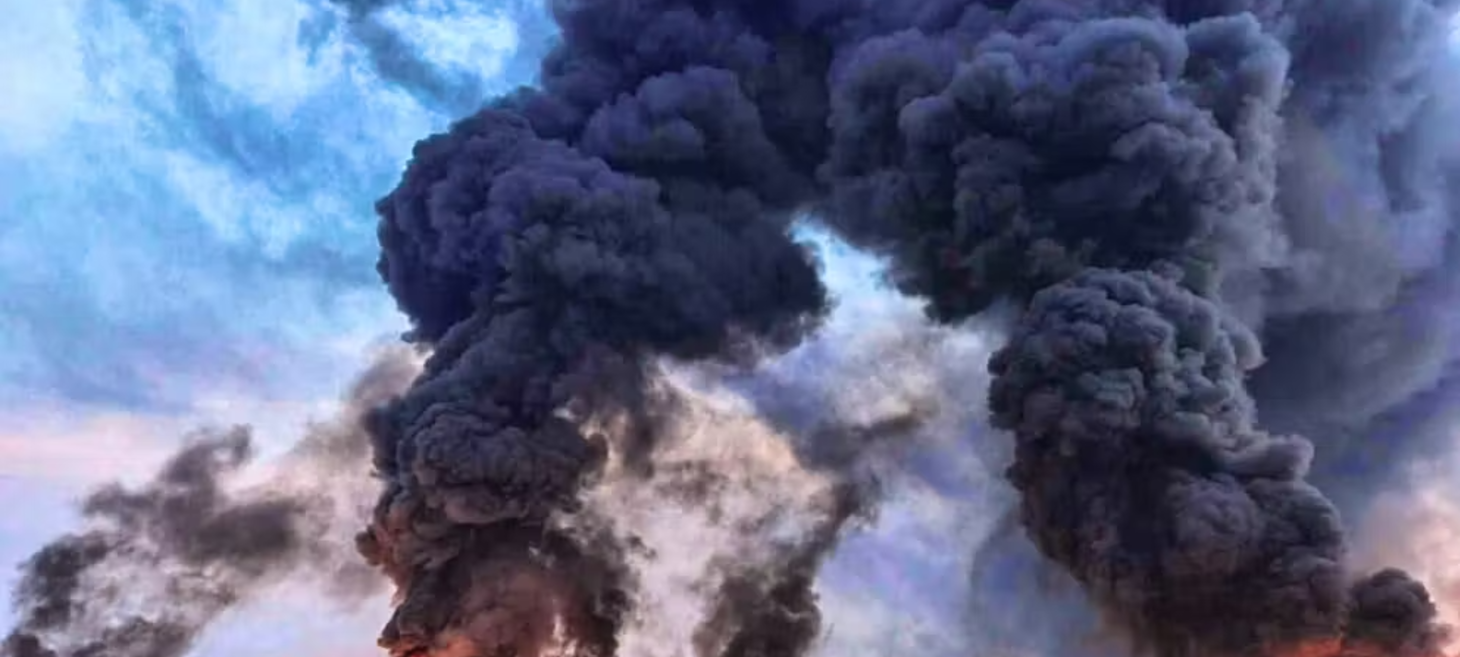
Latest news: Major fire in Myanmar: Oil tanker sets port on fire
A massive fire erupted at a major Myanmar port after an oil tanker caught flames, creating a significant industrial emergency that threatens critical infrastructure and shipping operations. The blaze has prompted emergency response teams to battle the inferno while authorities work to contain potential environmental damage and ensure the safety of port workers and nearby communities. This incident adds to Myanmar's ongoing challenges as the country continues to grapple with political instability and economic disruption since the military coup in 2021.
bluewin.ch
Governance & Rule of Law

Junta Steps Up Surveillance of NLD After Prisoner Releases
Myanmar's military junta has intensified surveillance operations targeting National League for Democracy (NLD) members following the recent release of several political prisoners, including former party officials and civil servants detained since the 2021 coup. Intelligence sources report increased monitoring of communications, movement restrictions, and surprise raids on homes of former NLD legislators in Yangon and Mandalay, suggesting the regime fears renewed political organizing despite its apparent goodwill gesture. The crackdown highlights the junta's continued paranoia about opposition activities, as released prisoners face the impossible choice between remaining politically silent or risking re-arrest for any perceived anti-government activity.
irrawaddy.com
Humanitarian
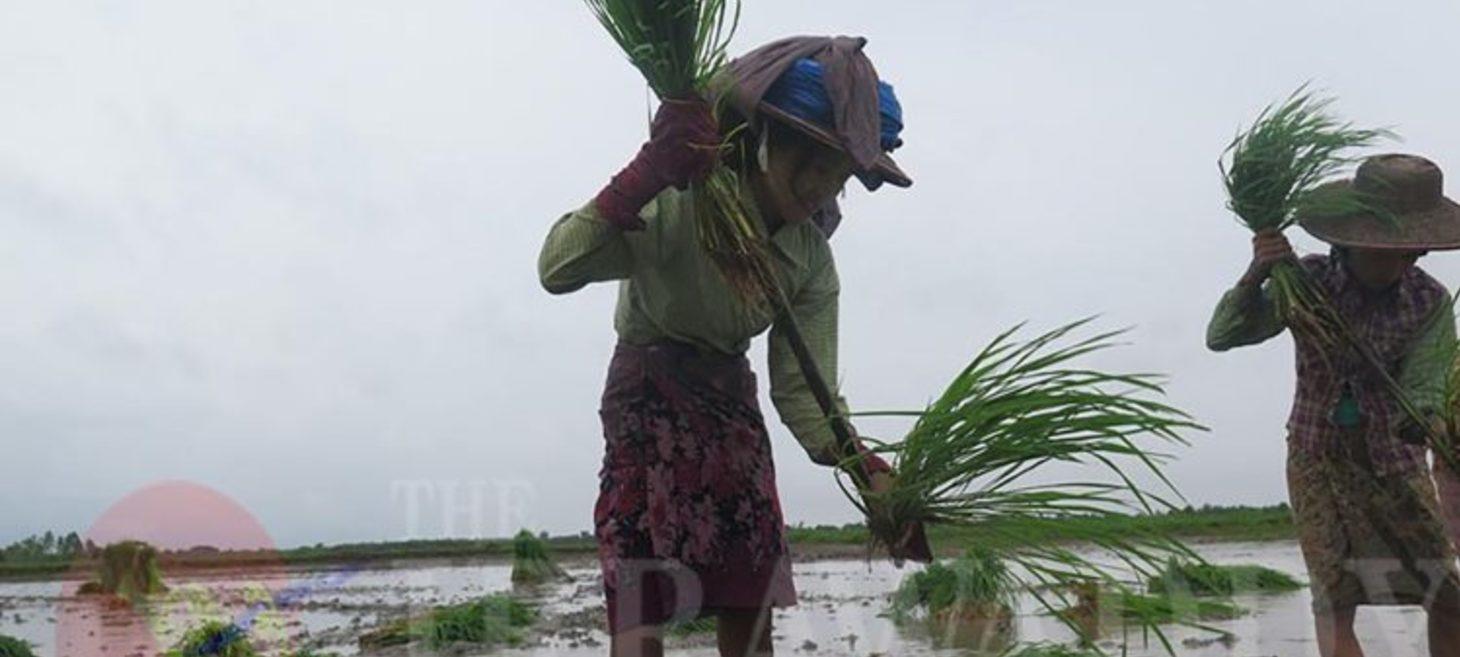
UN Warns of ‘Catastrophic Hunger’ as Myanmar Runs Low On Fertilizer, Fuel
Myanmar faces an unprecedented agricultural crisis as the UN warns that severe shortages of fertilizer and fuel are pushing the country toward "catastrophic hunger" levels that could affect millions of civilians. The crisis has been exacerbated by the military junta's mismanagement since the 2021 coup, combined with international sanctions that have disrupted supply chains and left farmers unable to access essential resources for crop production. With the next planting season approaching, humanitarian officials estimate that food insecurity could reach emergency levels across rural areas where 70% of Myanmar's population depends on agriculture for their livelihoods.
irrawaddy.com
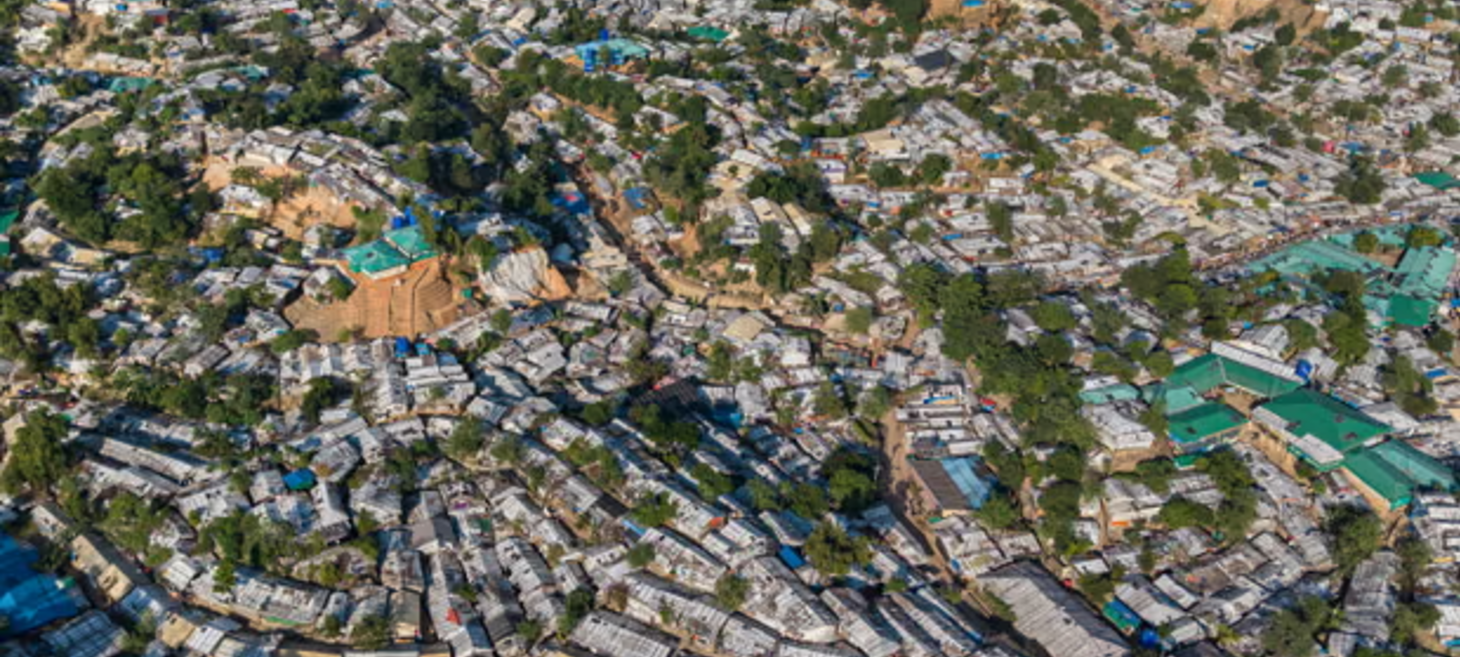
About 250 missing after boat carrying Rohingya refugees capsizes in Andaman Sea
Approximately 250 Rohingya refugees are feared dead after their overcrowded boat capsized in the treacherous waters of the Andaman Sea while attempting to flee Myanmar's ongoing persecution and violence. The tragedy highlights the desperate conditions driving thousands of Rohingya to risk dangerous sea journeys, as they continue to face systematic oppression and restricted movement within Myanmar's Rakhine State. This incident marks one of the deadliest maritime disasters involving Rohingya refugees in recent years, underscoring the urgent humanitarian crisis that has displaced over one million Rohingya since 2017.
theguardian.com
Natural Resources
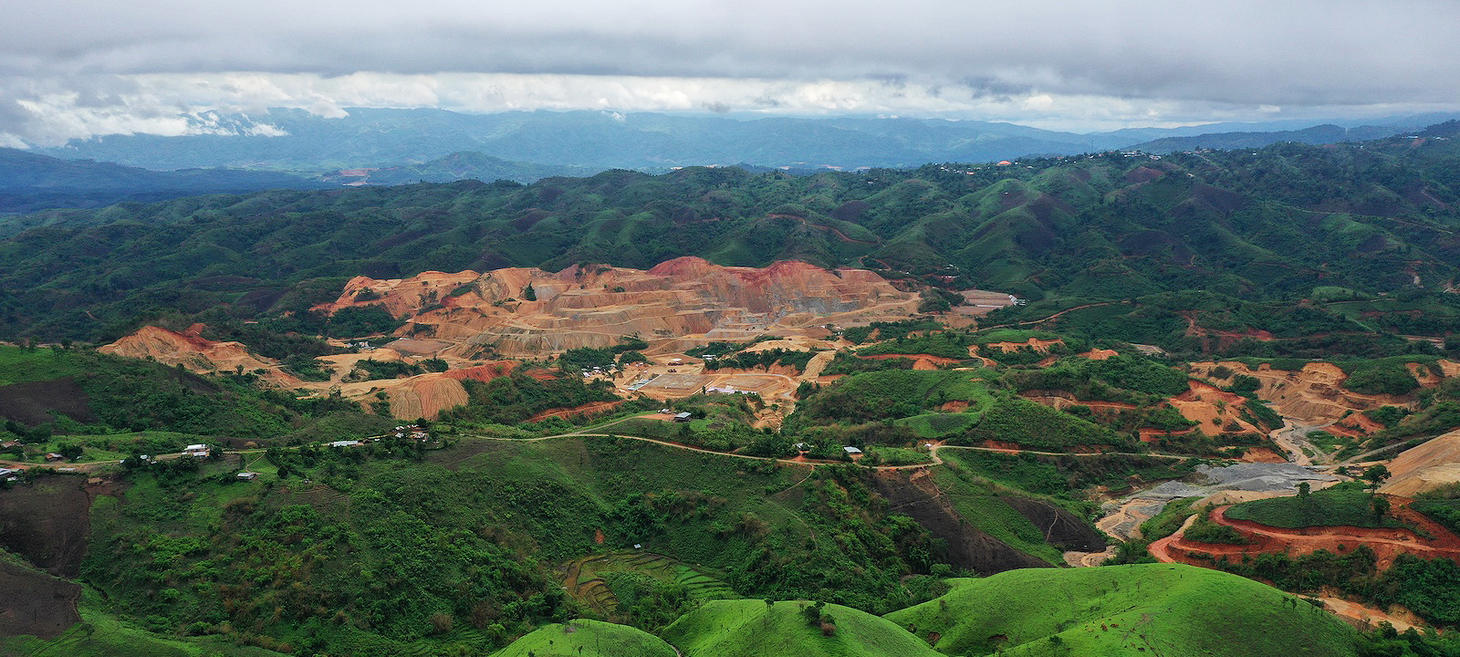
Asia’s longest free-flowing river contaminated by arsenic linked to Myanmar mines
New research has revealed that arsenic contamination from Myanmar's mining operations is polluting the Salween River, Asia's longest free-flowing waterway that supplies fresh water to millions across Myanmar, Thailand, and China. The contamination poses serious health risks to downstream communities that depend on the river for drinking water, agriculture, and fishing, with arsenic exposure linked to cancer, skin diseases, and developmental problems. This environmental disaster highlights the growing impact of Myanmar's unregulated mining industry, which has expanded rapidly since the military coup as the junta seeks new revenue sources amid international sanctions.
mongabay.com
Telecommunications

Here are Google’s plans to put itself at the core of Myanmar’s nascent internet infrastructure
Google is positioning itself as a central player in Myanmar's developing internet ecosystem through strategic investments in data centers, submarine cable projects, and cloud services infrastructure. The tech giant's plans include partnering with local telecommunications companies to improve connectivity speeds and reliability across the country, particularly in rural areas where internet access remains limited. These initiatives represent Google's broader strategy to establish early market dominance in Southeast Asia's emerging digital economies, potentially giving the company significant influence over Myanmar's digital transformation.
qz.com