Introduction & Analysis
This collection of open-source English-language news articles published over the past week highlights significant events and issues concerning Myanmar. They present a snapshot of the country's safety and security landscape.
Junta's "Civilian" Transition: Min Aung Hlaing was elected president by Myanmar's junta-controlled parliament in what critics widely dismissed as a sham, transitioning from military uniform to a quasi-civilian role while appointing a cabinet stacked with military figures implicated in human rights abuses, including the suppression of protests and the Rohingya genocide; China and the United Wa State Army were among the first to congratulate him, while resistance groups and ordinary citizens expressed deep skepticism that anything will meaningfully change.
Battlefield Setbacks & Internal Resistance Strife: Anti-junta forces suffered significant military setbacks, including the loss of Tigyaing town in Sagaing Region due to junta drone warfare and ammunition shortages, surging desertions within PDF ranks driven by lack of weapons and family pressures, and a damaging outbreak of fighting between nominal Brotherhood Alliance allies - the MNDAA and TNLA - over territorial control in northern Shan State, with the Kokang group ultimately seizing Kutkai; separately, junta airstrikes killed at least six PDF fighters at a contested Magway oilfield.
Resistance Political Organizing & Ethnic Affairs: The Steering Council for the Emergence of a Federal Democratic Union (SCEF) was formed by the NUG, KNU, KNPP, CNF, and KIO to counter the junta's legitimacy and build a unified federal military; the KNU also expanded its administrative capacity by designating a new Myawaddy Township, though internal resistance tensions flared as the NUG moved to seize Magway oilfields from local forces; meanwhile, Shan State National Day drew multi-ethnic delegations to Loi Tai Leng, and Kachin rights groups opposed junta efforts to revive the controversial, China-backed Myitsone Dam.
Economic Collapse & Humanitarian Crisis: A global oil shock triggered by Middle East conflict is battering Myanmar's already-fragile economy, driving fuel prices up over 50%, depreciating the kyat, and worsening food insecurity for millions - a crisis Min Aung Hlaing cynically exploited by promoting an EV trade-in scheme that enriches his own children's businesses; humanitarian conditions on the ground are dire, with Kutkai residents facing 2-million-kyat emergency transport costs due to fuel shortages, Demoso IDP camps suffering a scabies outbreak from severe water scarcity, and telecom scams devastating Karen communities - even as thousands of Myanmar's educated middle class have fled to Chiang Mai, where they are quietly reshaping the local economy.
Myanmar Current Events
Conflict
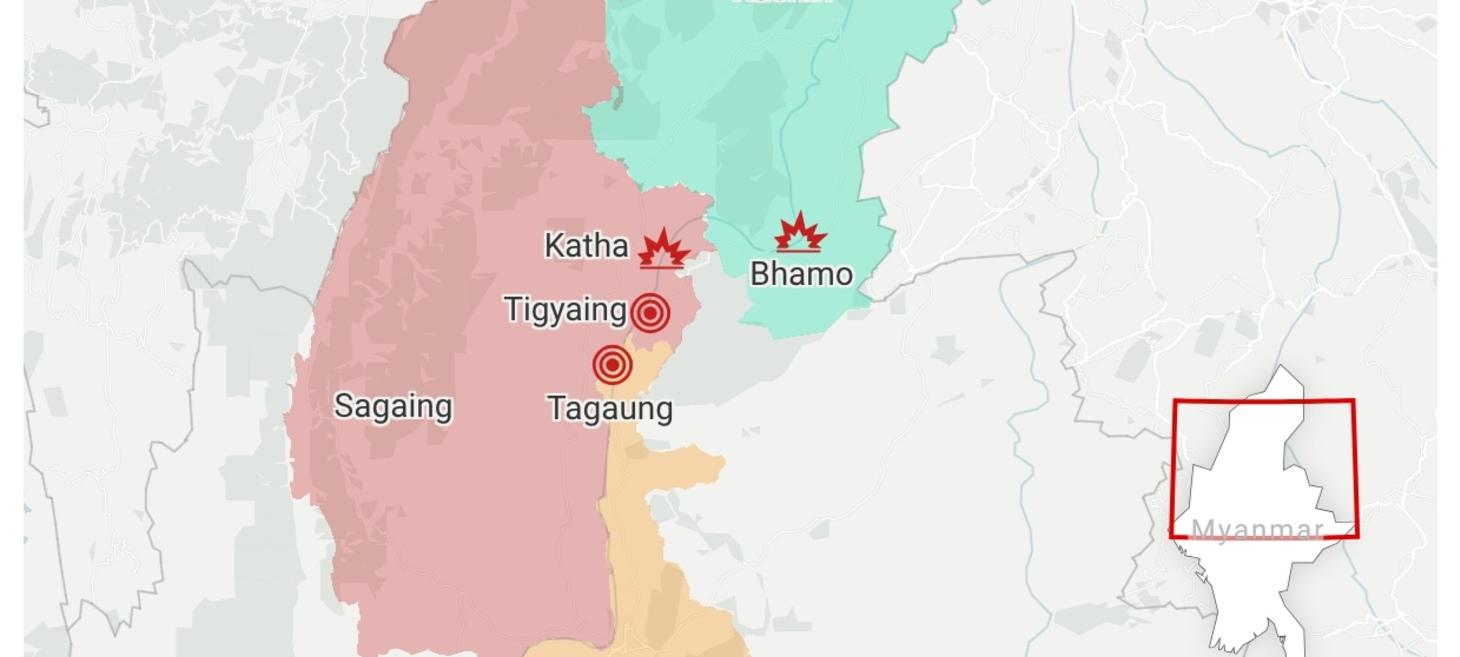
Resistance withdraws from Tigyaing as junta advances in Sagaing
Anti-junta resistance forces have withdrawn from Tigyaing, a strategically important town in Myanmar's Sagaing Region, after a sustained junta offensive that was aided by prior gains in nearby Tagaung. The retreat was driven by critical ammunition shortages and the military's increasingly effective use of drones, while key allies like the Kachin Independence Army were tied down on other fronts. With Tigyaing now under junta control, the military is expected to push further north and west toward townships such as Katha, Indaw, and Banmauk, deepening pressure on resistance forces across the region.
myanmar-now.org
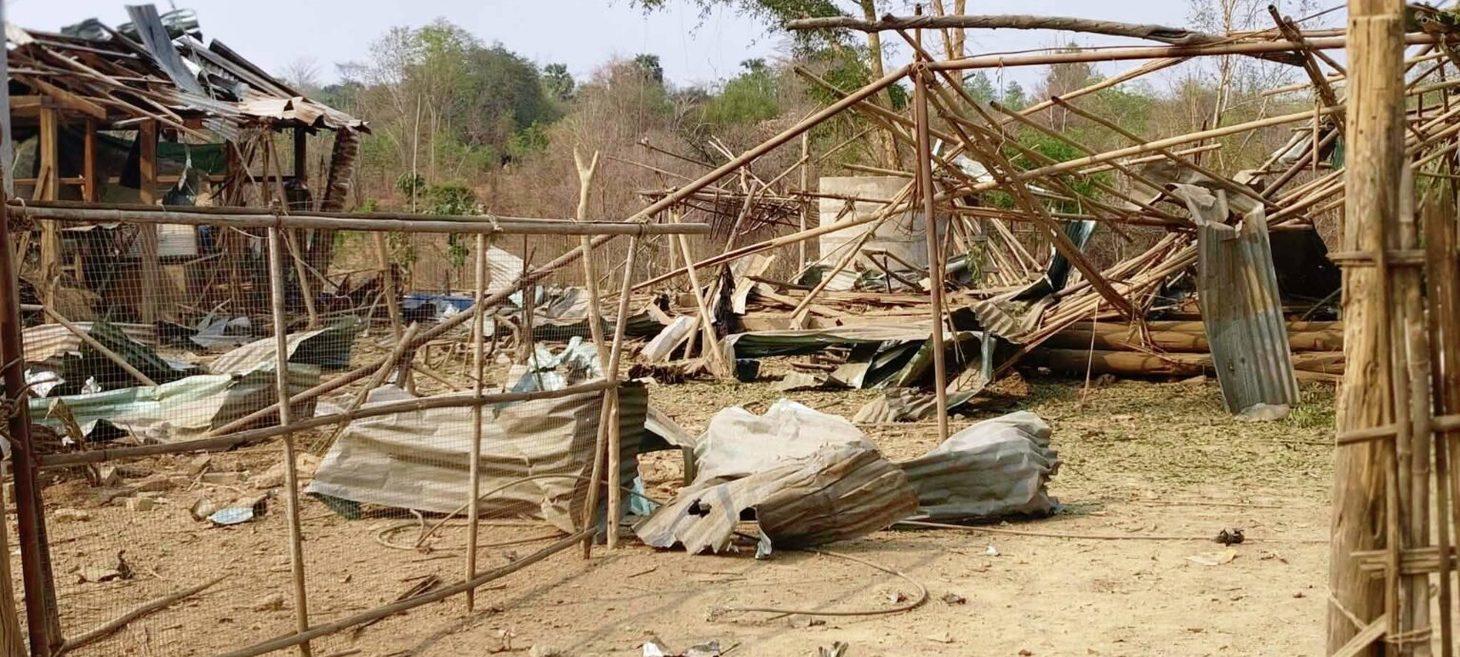
At least six PDF fighters killed in airstrikes on Magway oilfield
Myanmar's military carried out airstrikes on the Hpalankaing oilfield in Magway Region's Pauk Township on April 4, 2026, killing at least six People's Defence Force (PDF) fighters and injuring ten others. The strikes were triggered by tensions after hundreds of NUG-affiliated PDF troops arrived to occupy oilfields previously held by local resistance groups, without prior coordination with the Magway Federal Unit Hluttaw. Talks between the NUG and the interim regional government have since produced an agreement to establish a joint supervisory committee to manage the oilfields, with both sides describing the discussions as a constructive step toward power-sharing.
myanmar-now.org
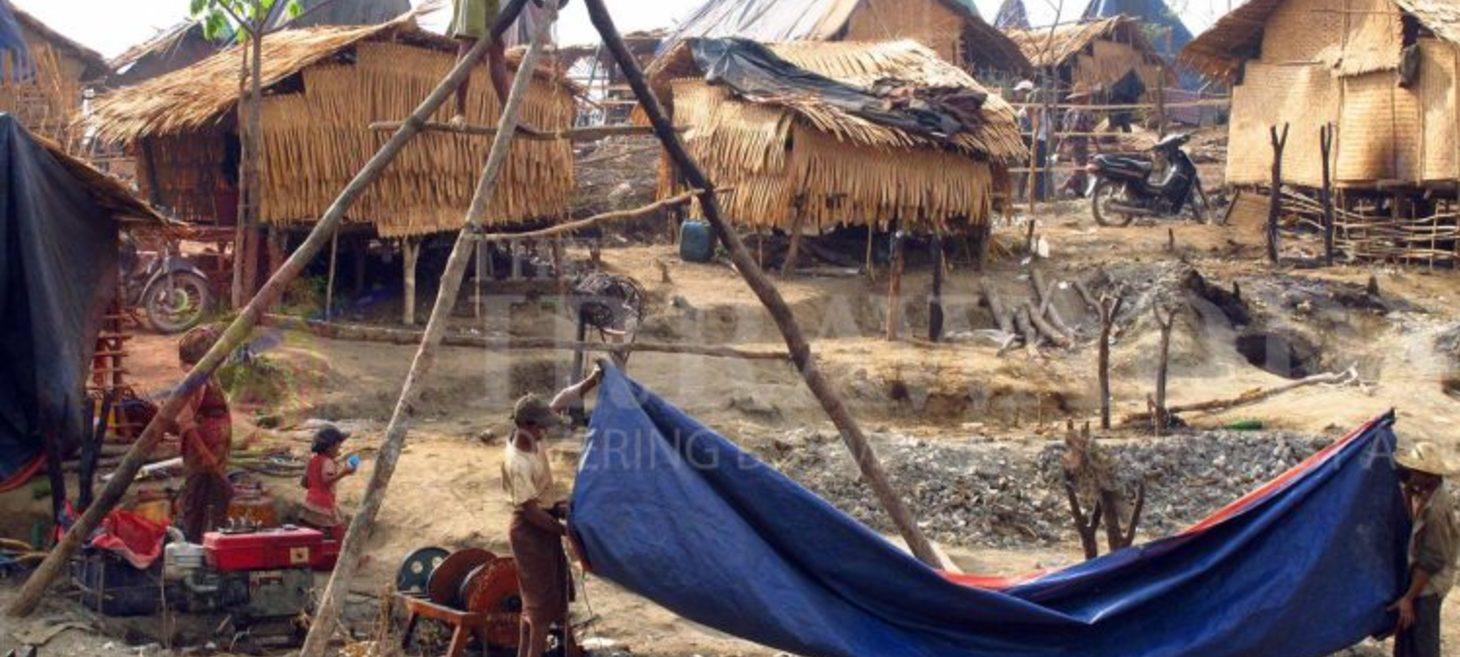
Magwe Resistance Tensions Mount as Myanmar’s NUG Moves to Control Oilfields
Tensions have flared in Myanmar's Magwe Region after over 300 National Unity Government (NUG) troops moved to seize the Thayetkan oilfields from local resistance forces led by Bo Let Yar, the defense minister of the Magwe Region interim government. The standoff was further inflamed by the NUG's detention of its own Magwe natural resources minister, with the dispute centering on oilfield taxation and power-sharing, and by unconfirmed reports that the NUG seeks to arrest Bo Let Yar himself. Mediation efforts are underway, and 21 local anti-regime groups have jointly called for de-escalation, while nearby villagers have fled their homes fearing armed clashes.
irrawaddy.com
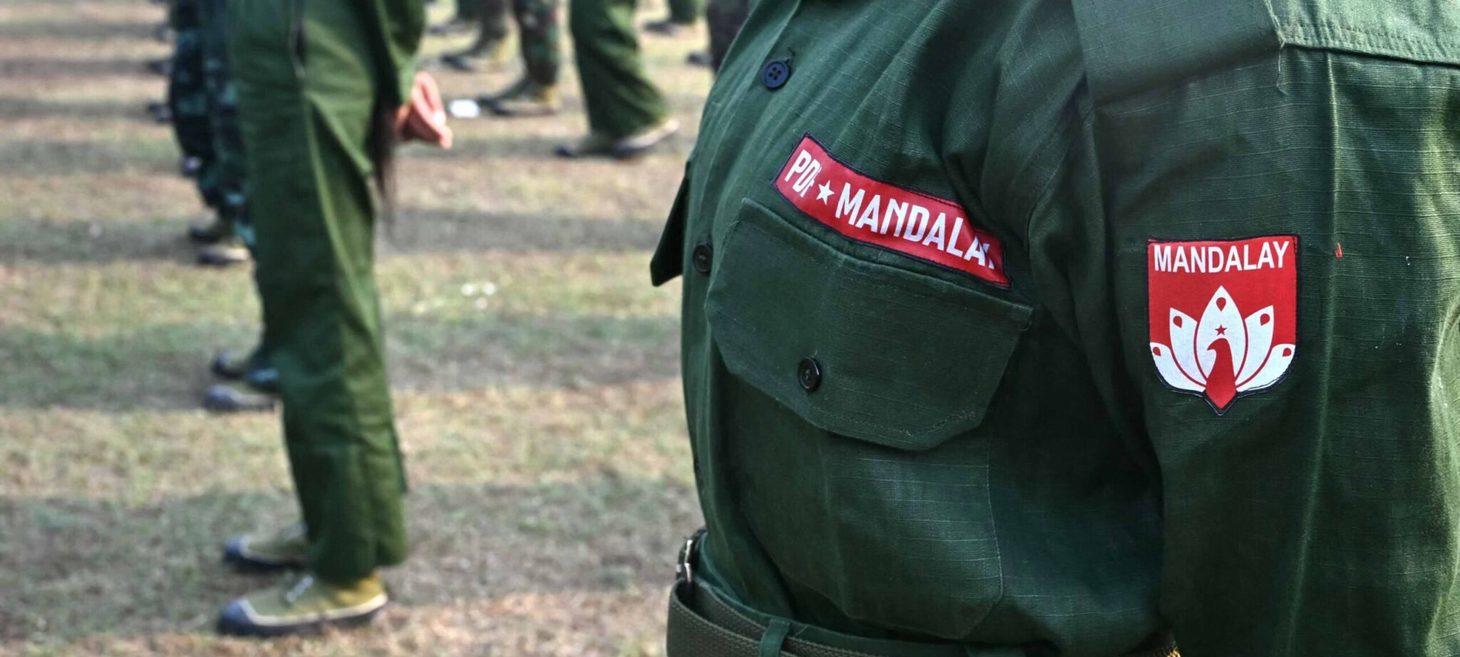
Myanmar resistance hit by rising desertions
Myanmar's anti-junta resistance forces, particularly the People's Defence Force (PDF), are experiencing a sharp rise in desertions driven by chronic shortages of weapons, ammunition, food, family pressure, and the psychological toll of territorial retreats. The military junta is exploiting these defections through high-profile surrender ceremonies - claiming over 500 defectors in March 2026 alone - though resistance leaders and the NUG dismiss the figures as inflated propaganda. Both sides are struggling to maintain troop levels: the junta is forcibly conscripting civilians, while resistance groups are naming and shaming deserters, even as defectors have leaked camp locations, leading to deadly raids on resistance bases.
myanmar-now.org
Corruption
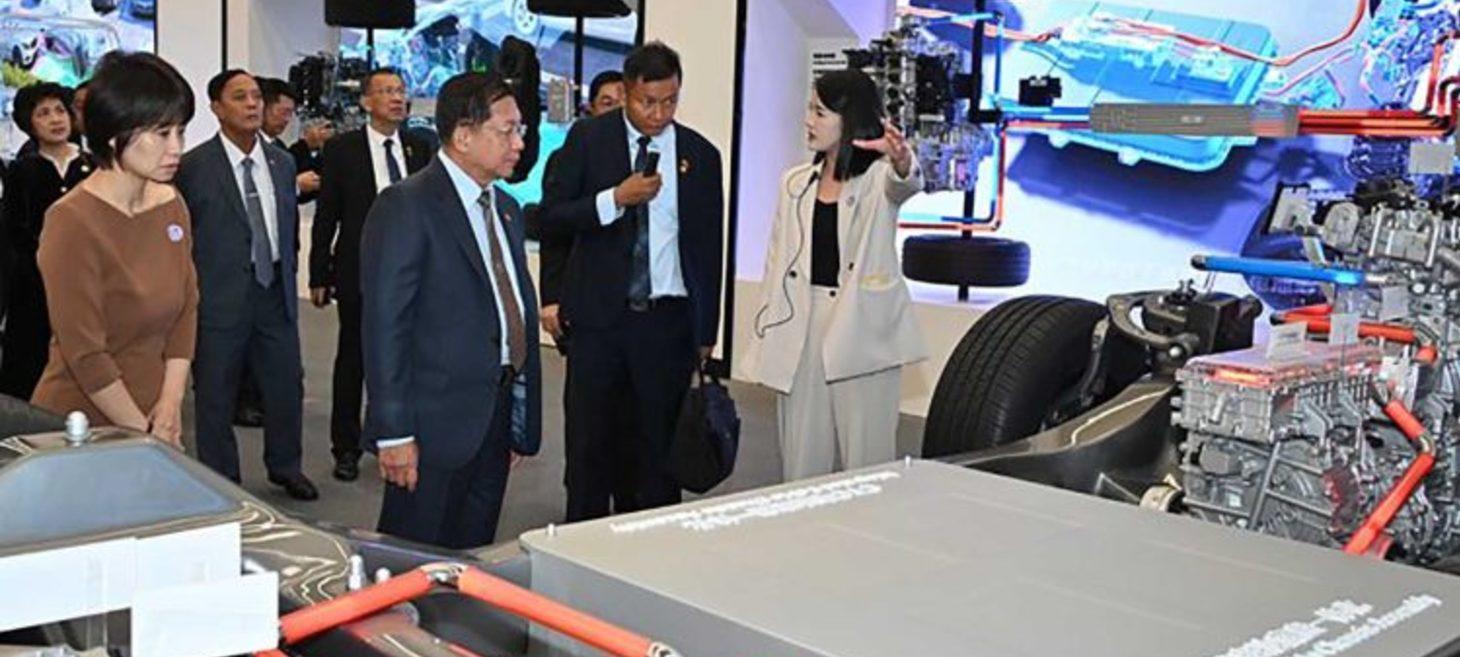
Myanmar Junta Chief Unveils EV Trade-In Plan for Market Led by His Children
Myanmar junta chief Min Aung Hlaing has proposed a vehicle trade-in scheme that would require citizens to exchange old combustion-engine cars for EVs, ostensibly to reduce fuel dependency amid rising global oil prices. The plan directly benefits his own children, Aung Pyae Sone and Khin Thiri Thet Mon, who dominate Myanmar's EV import market - particularly Chinese brands like BYD and MG - and stand to profit enormously from increased demand. Meanwhile, the junta leaves soaring EV prices unregulated, in stark contrast to its crackdowns on other markets, and continues promoting EVs despite the country suffering chronic electricity shortages since the 2021 coup.
irrawaddy.com
Crime & Narcotics
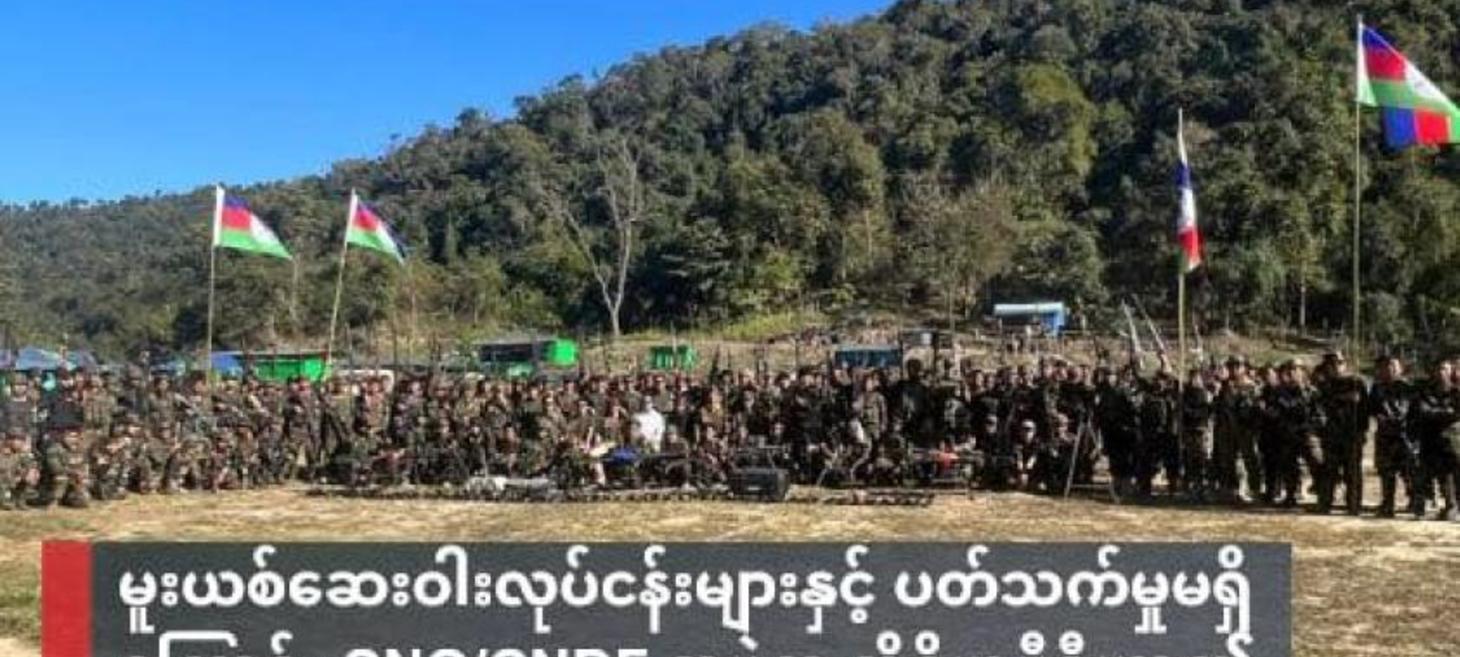
CNO/CNDF denies any involvement in drug trafficking
The Chin National Organisation (CNO) and its military wing, the Chin National Defence Force (CNDF), issued a statement on March 24 categorically denying allegations made by Indian outlet The Quint that their operations are financed through drug trafficking. The article had also alleged ties between senior CNDF leadership and a drug empire, as well as links to foreigners recently arrested by India's National Investigation Agency (NIA) - all of which the CNO/CNDF dismissed as baseless fabrications. The organization demanded that The Quint retract the claims and issue an official correction, warning that further action would be taken if the allegations are not addressed.
bnionline.net
Cybersecurity & Cybercrime
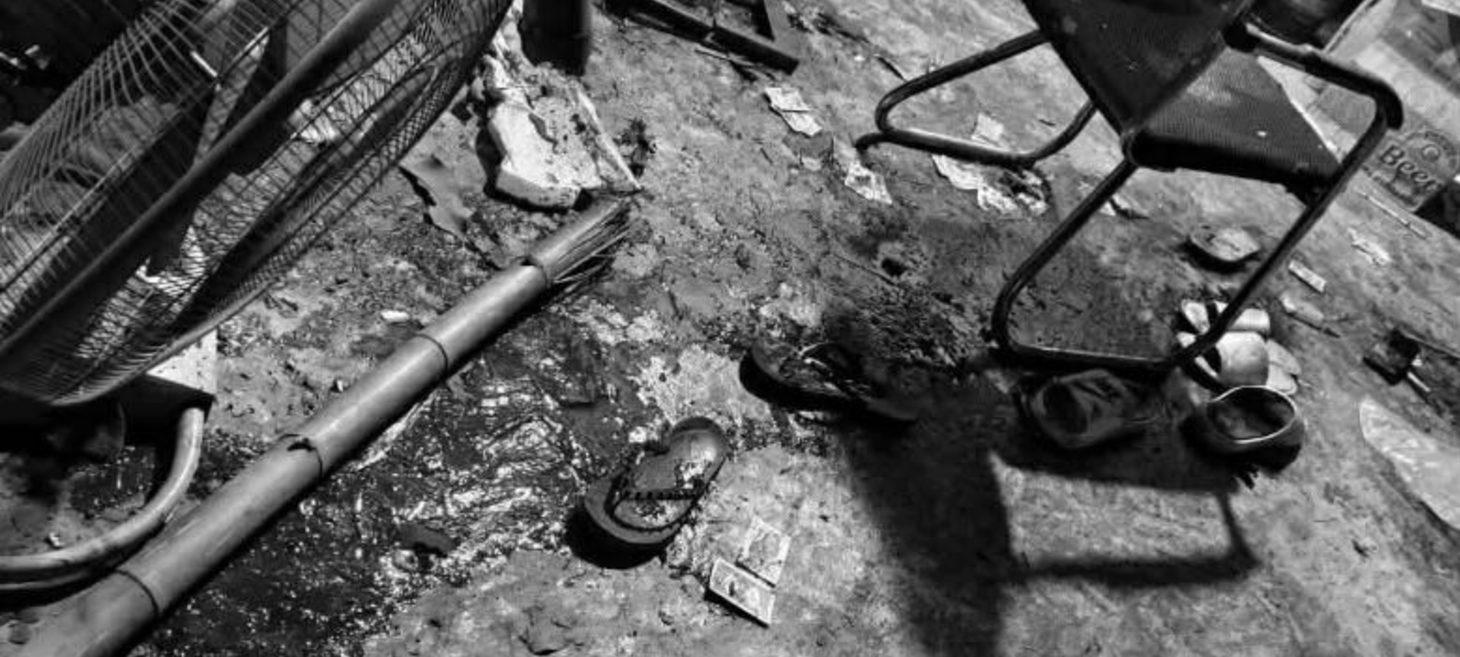
Junta drone strike on telecom scam compound south of Myawaddy kills 3 Chinese nationals
A telecom scam compound operated by Chinese criminals near Hpalulay Village in Karen State, Myanmar, was struck by a Myanmar junta kamikaze drone on the night of March 26, killing 3 Chinese nationals and injuring 13 others. The compound sits within territory controlled by the DKBA, a Karen armed group aligned with the junta, and had already been hit by a similar attack in January, bringing total casualties to 10 dead and at least 20 injured. Despite two strikes, the compound has not been evacuated and continues to operate, and at least five such scam compounds remain active in the surrounding area.
karennews.org
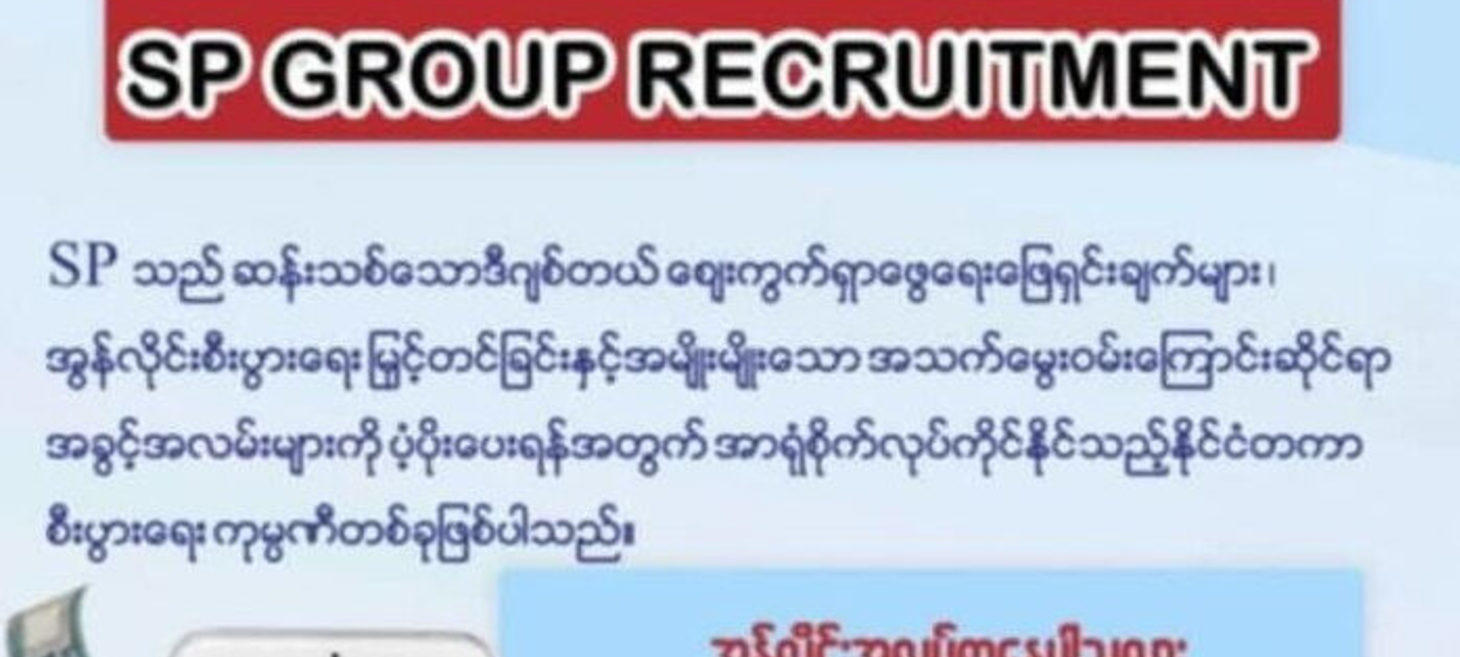
Dooplaya District residents increasingly targeted by telecom scammers
Residents in Dooplaya District, Myanmar (KNU-controlled territory) are falling victim to telecom scams that lure participants with promises of easy income for watching online video ads on a site called Spfilm.vip. Scammers build trust by initially paying small returns, then abruptly shutting down accounts and seizing all deposited funds, leaving some victims financially devastated and forced to sell farmland to cover their debts. The KNU is aware of the problem but has yet to act at the central level, with officials calling for stronger public education efforts to combat the growing fraud.
karennews.org
Economy
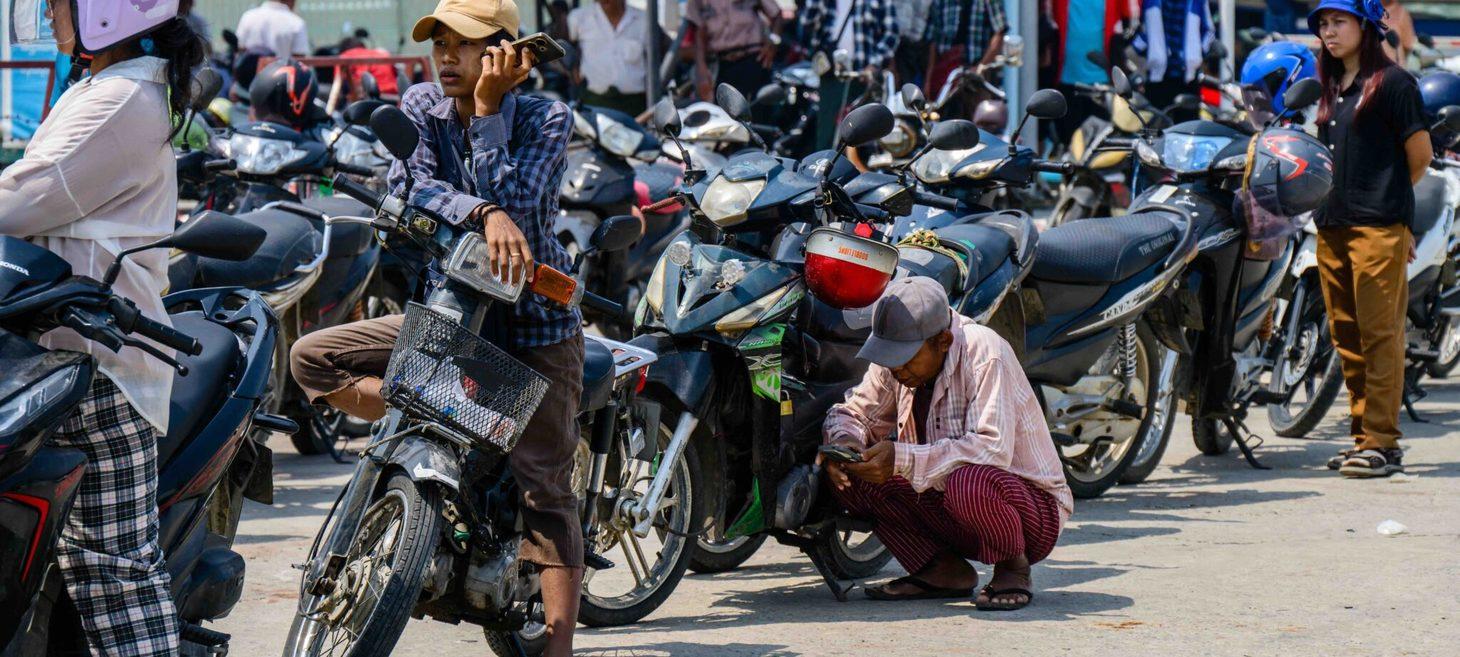
Myanmar faces deepening crisis as global oil shock bites
Myanmar's already fragile economy - weakened since the 2021 military coup - is being hit hard by a global oil price surge triggered by Middle East conflict, causing fuel prices to rise over 50% and the kyat to lose nearly 10% of its value in just one week. The military junta has virtually no capacity to respond, burdened by high public debt, limited foreign reserves, and exclusion from international financial institutions like the Asian Development Bank. With fuel shortages spreading to transport and agriculture, and a pre-existing humanitarian crisis affecting 22 million people, the oil shock threatens to accelerate economic collapse and worsen conditions nationwide.
myanmar-now.org
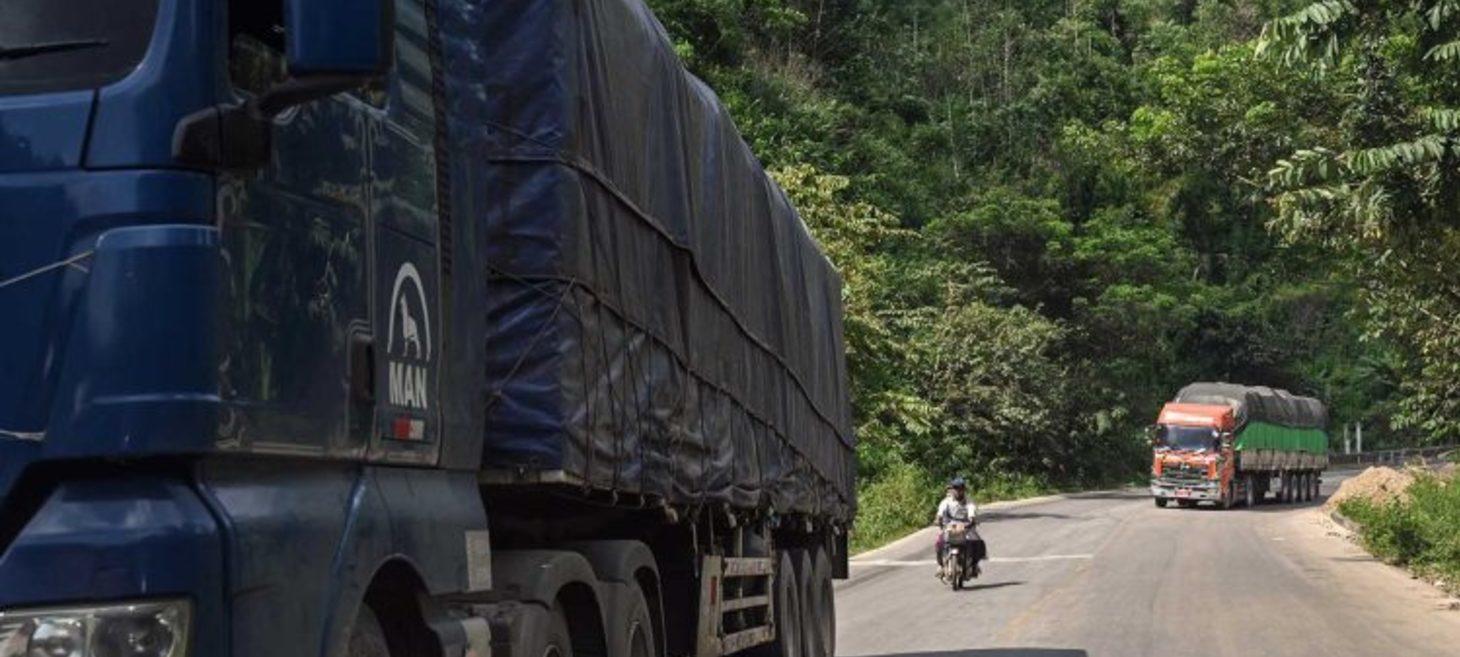
Myanmar Junta Reopens Key Thai Border Trade Route Amid Security Concerns
Myanmar's military junta has reopened the Myawaddy-Hpa-an stretch of the Asian Highway to non-commercial traffic after more than two years of closure due to fighting with resistance forces, but locals and business owners remain too fearful to use it as clashes continue along the route. Commercial truck traffic is still prohibited, key trade infrastructure - including the Thingan Nyinaung Trade Zone and the No. 2 Thai-Myanmar Friendship Bridge - remains closed or damaged, leaving significant cargo stuck and trade flows disrupted. Karen resistance groups dispute the junta's control of the road, warn they can still launch guerrilla attacks at any time, and suggest the reopening is partly a political move to shift blame for any future violence onto resistance forces in Thailand's eyes.
irrawaddy.com
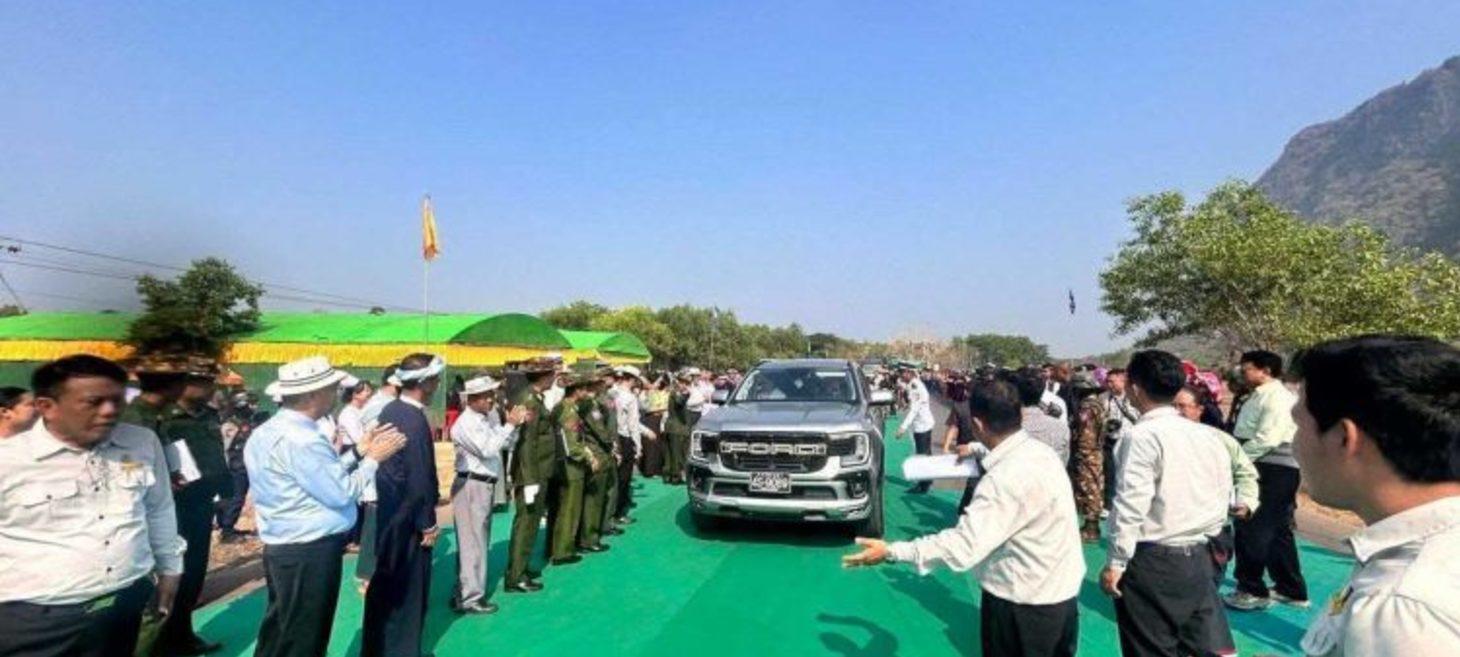
Tensions Rise as Myanmar Junta Reopens Asian Highway, Blocks Karen-Controlled Routes
Myanmar's military junta reopened the Myawaddy-Kawkareik section of the Asian Highway on April 3, 2026, after a two-year closure caused by fighting, but simultaneously blocked the mountain detour routes through the Dawna Hills that had been controlled by ethnic Karen armed groups. Despite the formal reopening, the junta continues to ban official imports along the route, forcing traders to rely on smuggling through Karen-controlled back roads - a practice that now comes with even greater difficulty due to tightened checks. Tensions remain high, as resistance forces have not withdrawn from the area, fighting could resume at any time, and the closure of the Karen-operated trade gates threatens to cut off millions of kyats in daily revenue for armed groups along the border.
irrawaddy.com
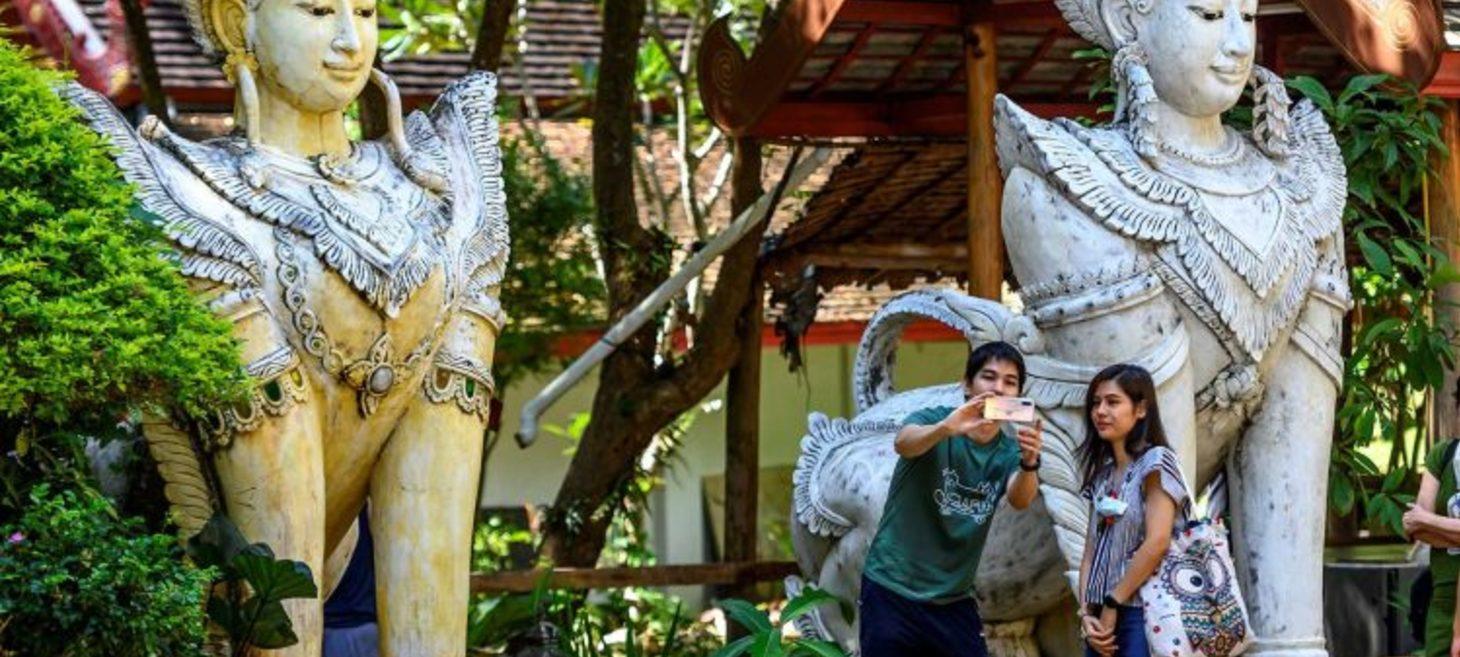
Myanmar’s Middle Class Fuels Chiang Mai’s Economy
Since Myanmar's 2021 military coup and the 2024 conscription laws, at least 6,000 middle-class professionals, entrepreneurs, and students have settled in Chiang Mai, injecting capital into its service-driven economy through businesses, healthcare spending, and international school enrollment. These migrants - unlike traditional low-skilled laborers - bring financial resources and expertise, with over 110 Myanmar-owned businesses established since 2021 and 95% of their operational spending circulating back into the local Thai economy. A report by the Surin Pitsuwan Foundation recommends policy reforms, such as flexible visas and recognition of foreign qualifications, so Thailand can fully leverage this "semi-survival migration" as a strategic asset for its long-term, knowledge-based economic development.
irrawaddy.com
Ethnic Issues
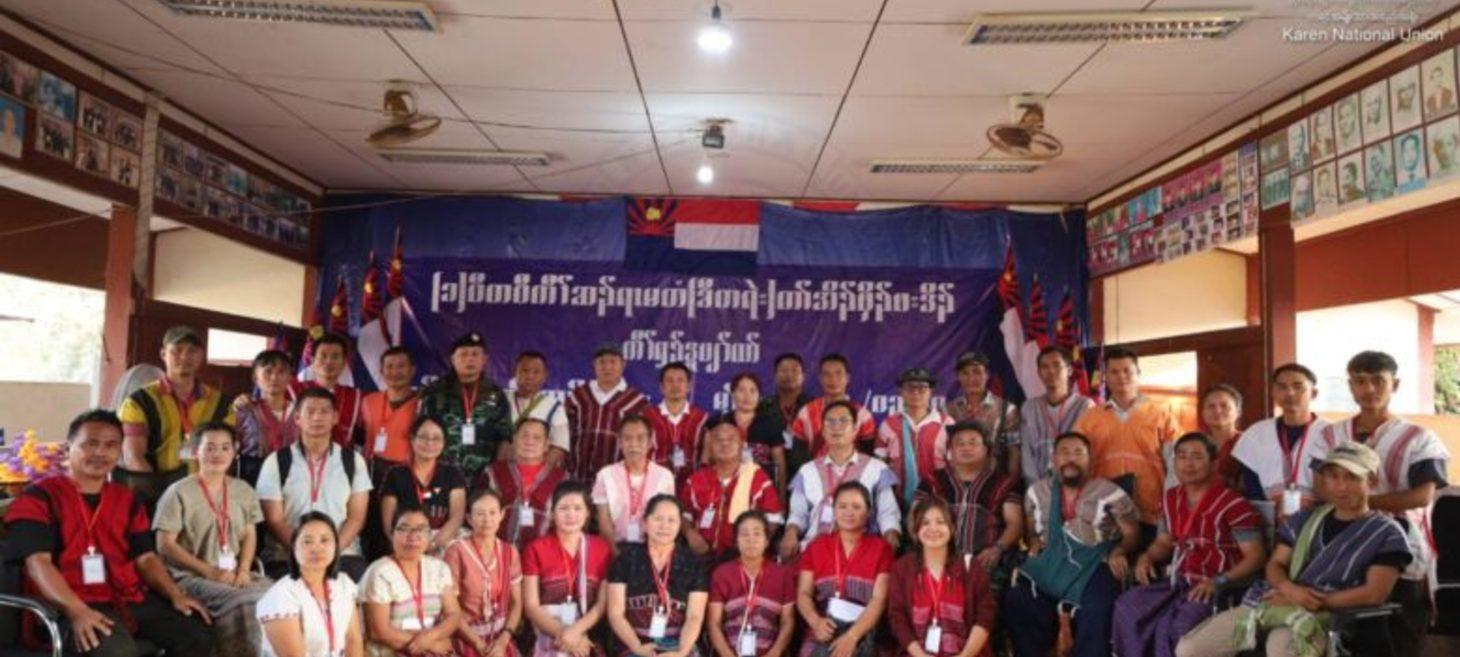
KNU designates areas east of Dawna Range as Myawaddy Township
The Karen National Union (KNU) officially designated a new administrative unit - Myawaddy (Ramati) Township - covering areas east of the Dawna Mountain Range in its Dooplaya District, expanding the district from four to five townships. A founding congress was held from March 23-25, during which 159 delegates and 31 standing committee members were elected, as well as key leadership, including a chairman, vice chairman, secretary, and judge. The new township established eight administrative departments and multiple subcommittees to strengthen the KNU's governance capacity and improve direct delivery of public services in an area where conflict has been intensifying.
karennews.org
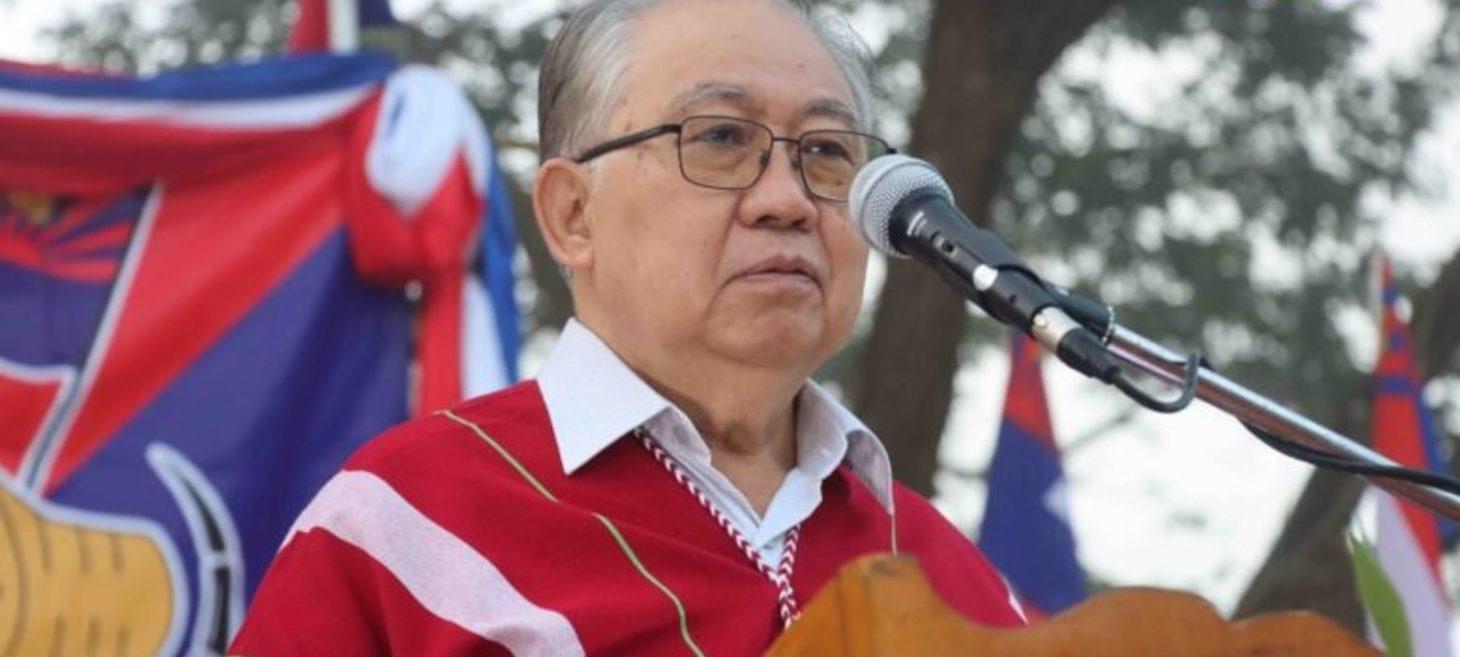
KNU calls for collective effort to build a federal union
The Karen National Union (KNU) Chair Padoh Saw Kwe Htoo Win has urged groups to join the Steering Council for the Emergence of a Federal Democratic Union (SCEF), a resistance coalition founded on March 30, 2025, comprising four ethnic armed organizations (KNU, KNPP, CNF, KIO), the NUG, and the CRPH. The SCEF is built on three core pillars - representation of federal units, representation of armed and public groups, and women's representation - with the KNU chair emphasizing that inclusive female leadership is essential to building a genuine federal union. While several groups that previously cooperated under the K3C framework have joined the SCEF, notable actors such as the Arakan Army and Mon EAOs have not yet signed on, as the military junta simultaneously moves to consolidate power through a new parliament formed via a widely condemned sham election.
karennews.org
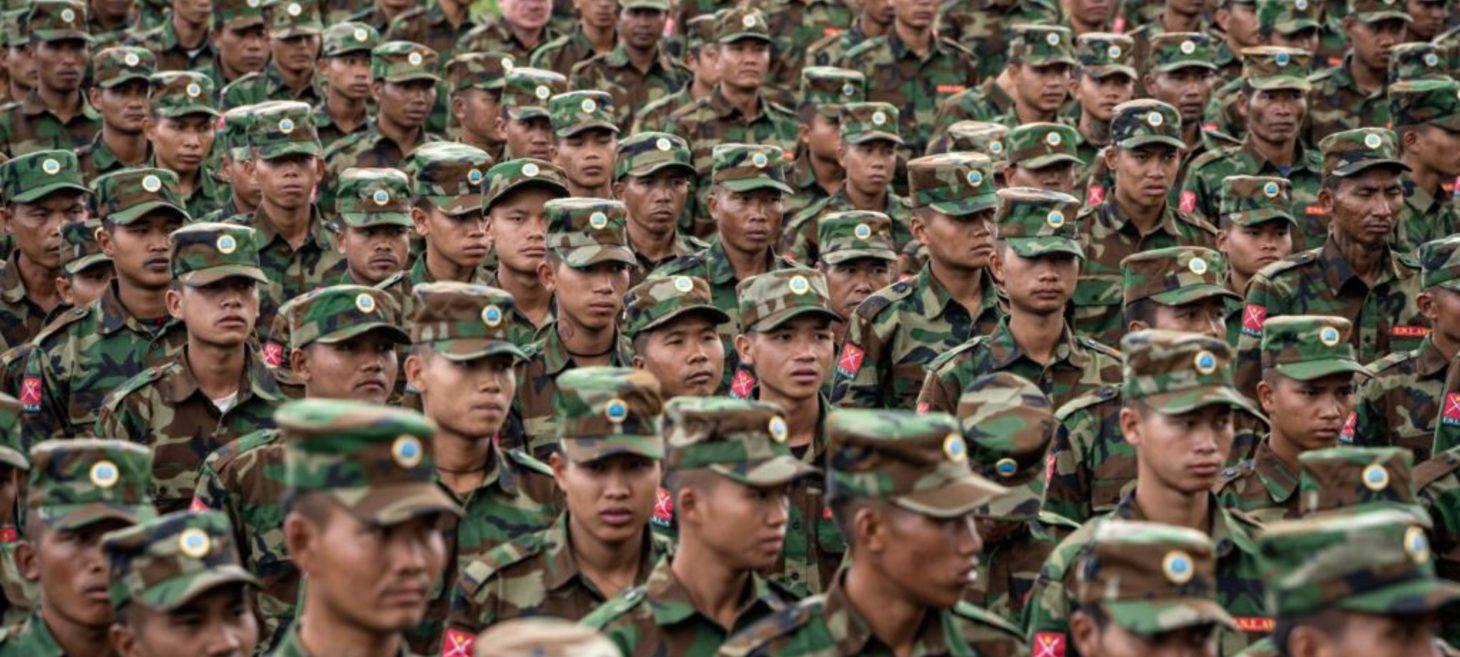
Brotherhood infighting: Allies spar in northern Shan
Two members of Myanmar's Three Brotherhood Alliance - the Myanmar National Democratic Alliance Army (MNDAA/Kokang) and the Ta'ang National Liberation Army (TNLA) - clashed in mid-March 2026 over control of Kutkai and the 105 Mile Trade Zone in northern Shan State, with the MNDAA ultimately seizing Kutkai before both sides agreed to a ceasefire. The fighting stems from months of simmering tensions over territory, resources, trade routes, and governance disputes, compounded by China's apparent tacit approval of the MNDAA's actions - likely to reopen cross-border trade along Union Highway 3 and weaken the TNLA, which Beijing views as too close to the West-aligned National Unity Government. The conflict has badly fractured the Brotherhood alliance, handed a strategic win to the military junta, and raised broader concerns about inter-group fighting and fragmentation among anti-regime forces across Myanmar.
frontiermyanmar.net
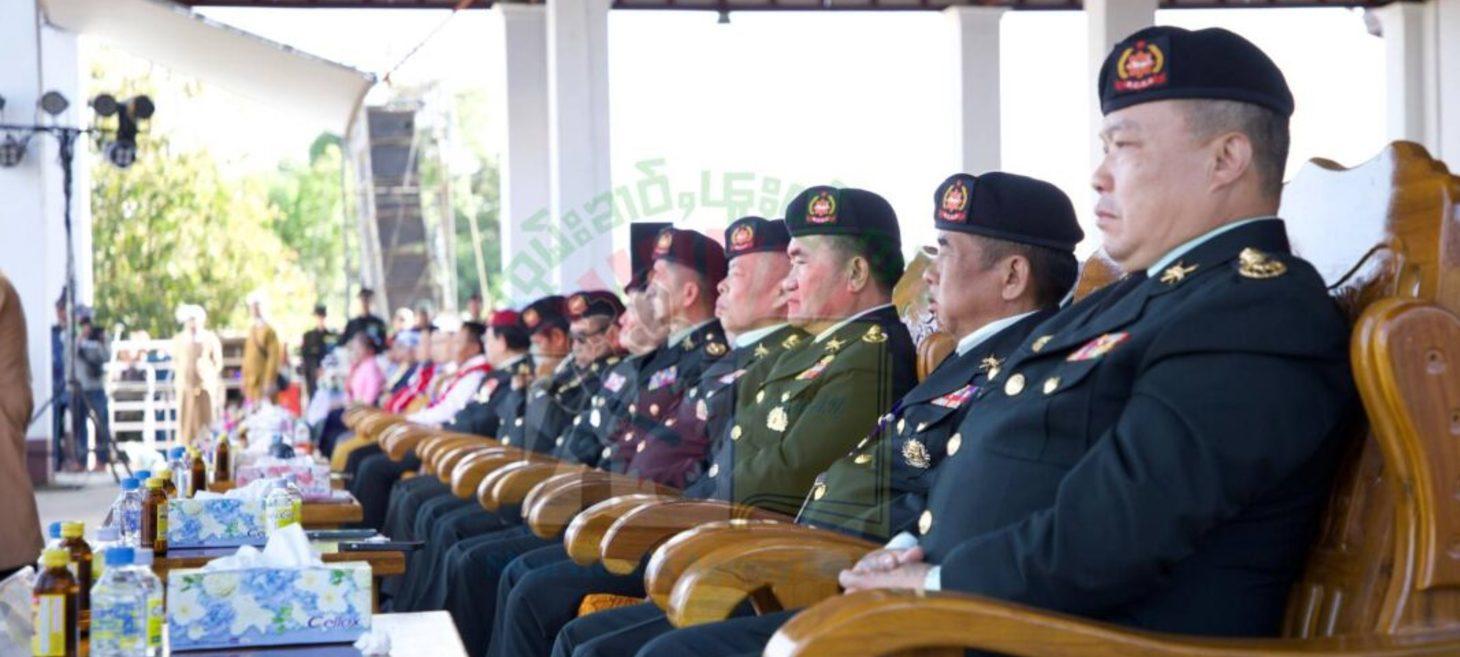
Above the Clouds: A Journey to Loi Tai Leng, Where Hope and Conflict Meet
The article is a first-hand account of a journalist's visit to Loi Tai Leng, the remote mountain headquarters of the Restoration Council of Shan State/Shan State Army (RCSS/SSA) in Myanmar, to cover the 79th Shan State National Day celebrations in February 2026. The event brought together over a thousand troops, ethnic armed groups, and civil society representatives, with RCSS Chairman General Yawd Serk calling for federal democracy, a Federal Army, and renewed political dialogue - while distancing the RCSS from the military junta's planned elections. Despite the RCSS's ongoing peace efforts and a newly established Shan State Federal Steering Council, tensions persist, including unresolved clashes with rival armed groups and the broader human cost of Myanmar's continuing civil war.
shannews.org
Wa Become First Ethnic Force to Congratulate Min Aung Hlaing on Presidency
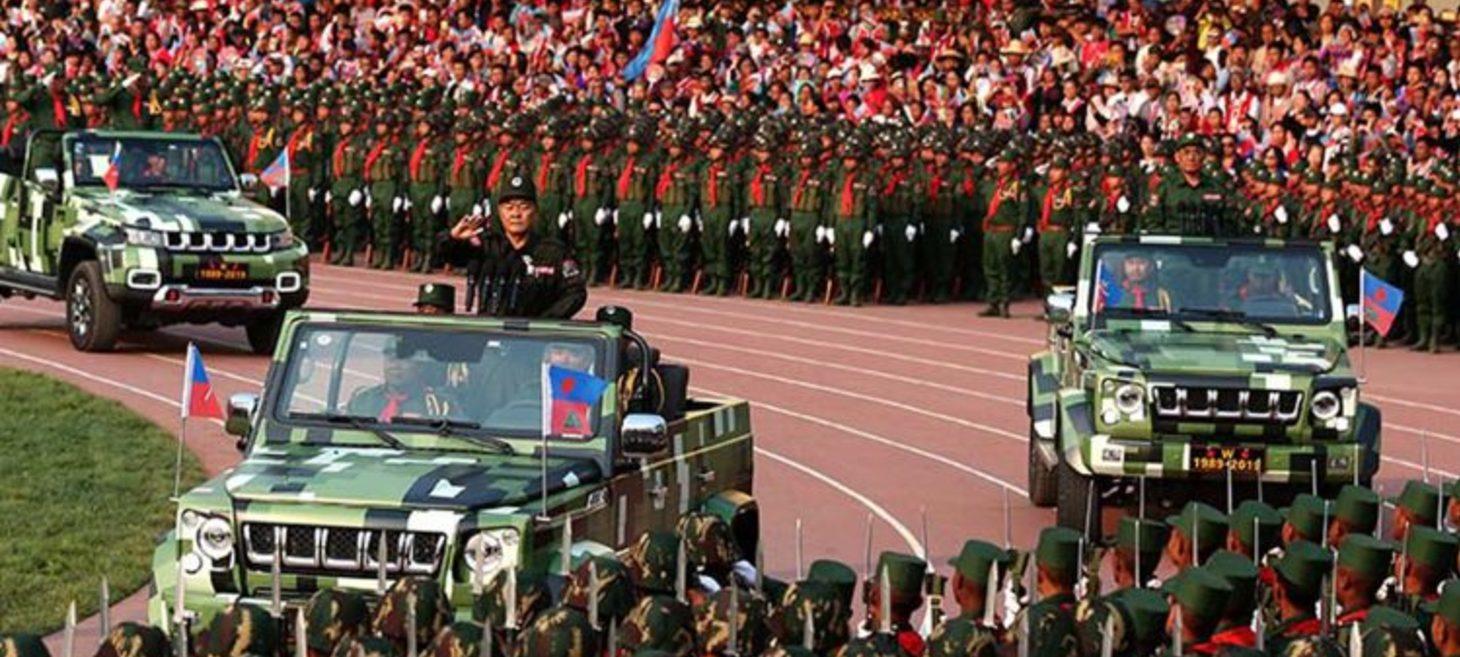
The United Wa State Army (UWSA) became the first ethnic armed group to congratulate Myanmar junta chief Min Aung Hlaing on his assumption of the presidency, with the Mongla-based NDAA quickly following with its own congratulatory message. Analysts say both groups' swift endorsements are driven by pragmatism - maintaining good relations with the military to protect their autonomous border enclaves and economic ties with China. Despite their declared neutrality during the anti-regime Operation 1027, the UWSA and NDAA retain de-facto control over their territories and continue to pursue their own political interests, including the UWSA's longstanding demand for official statehood.
irrawaddy.com
Foreign Affairs
Myanmar, China Underscore Need for Border Peace and Stability
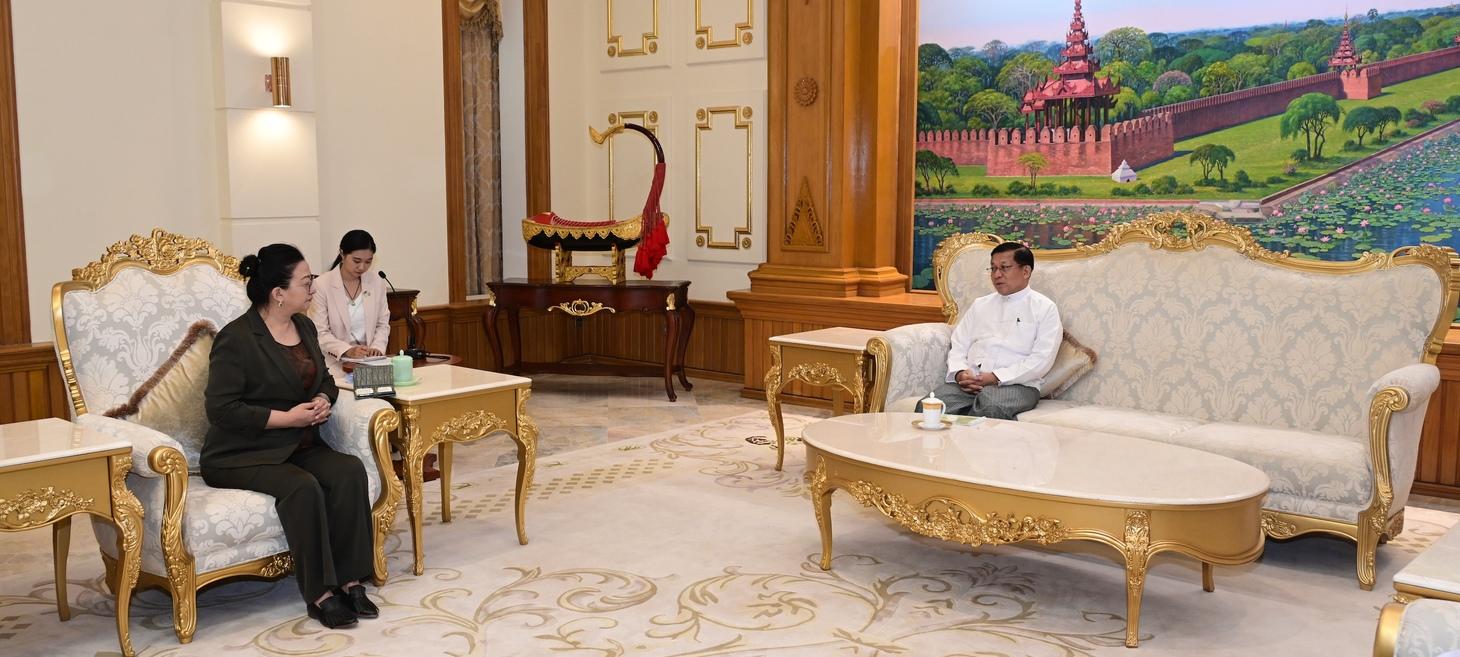
Chinese Ambassador Ma Jia met with Myanmar's President-Elect, Senior General Min Aung Hlaing, in Nay Pyi Taw to deliver a congratulatory message from President Xi Jinping, making her the first foreign envoy to meet him following his election. The two sides discussed strengthening diplomatic and security cooperation, ensuring peace and stability along the shared border, and reopening trade routes. China also pledged support for Myanmar's rehabilitation and reconstruction efforts in the wake of the devastating Mandalay earthquake.
gnlm.com.mm
Healthcare
Emergency Patients Struggle as Transport Costs Surge in Kutkai
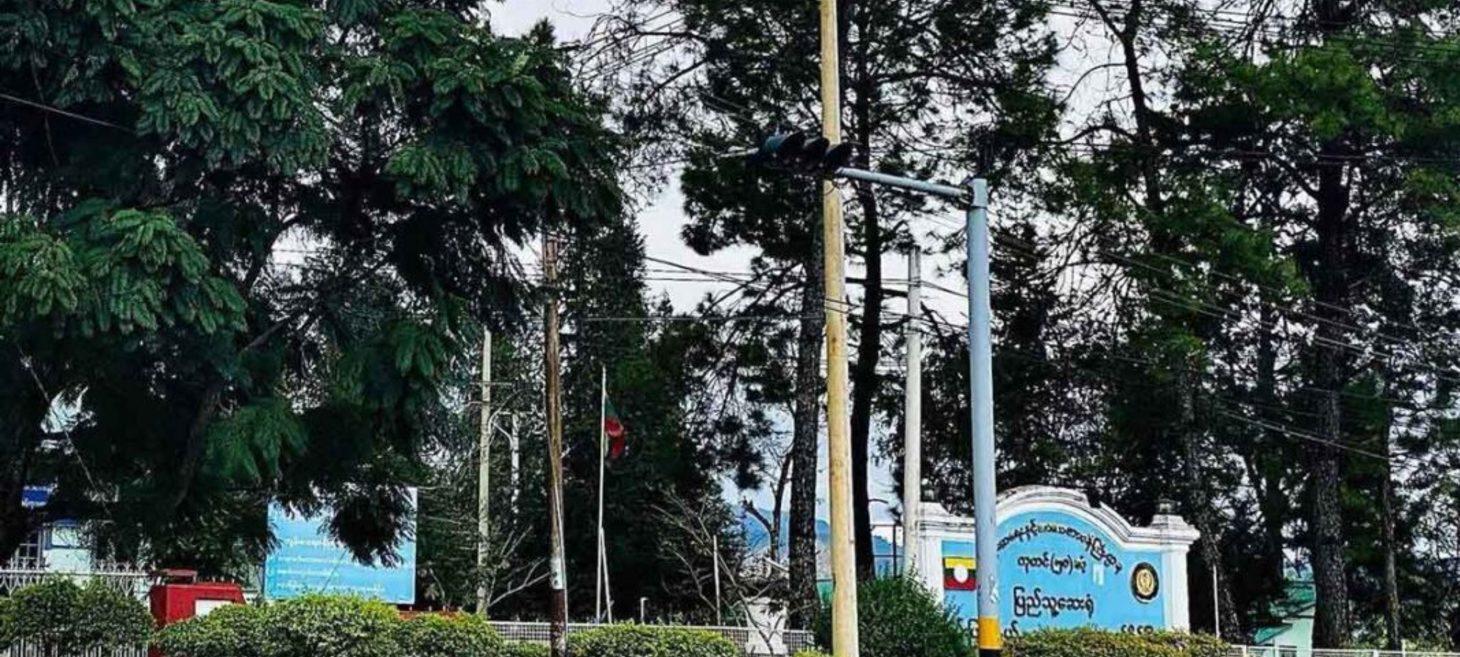
Residents of Kutkai Township in northern Shan State, Myanmar, are facing a severe healthcare crisis as the cost of emergency transport to hospitals in Mandalay has surged to around 2 million kyats (~USD 510), more than double previous rates, due to acute fuel shortages. The local township hospital, despite the area being under MNDAA control, lacks the capacity to treat critical cases, forcing patients with serious conditions such as kidney failure and heart disease to undertake the long journey to Mandalay. Volunteer groups and local residents warn that rising fuel prices - reaching up to 20,000 kyats per liter - combined with inadequate healthcare infrastructure, are putting lives at risk and deepening the humanitarian crisis in the region
shannews.org
Humanitarian
Water Shortage Triggers Skin Disease Outbreak in Demoso IDP Camps
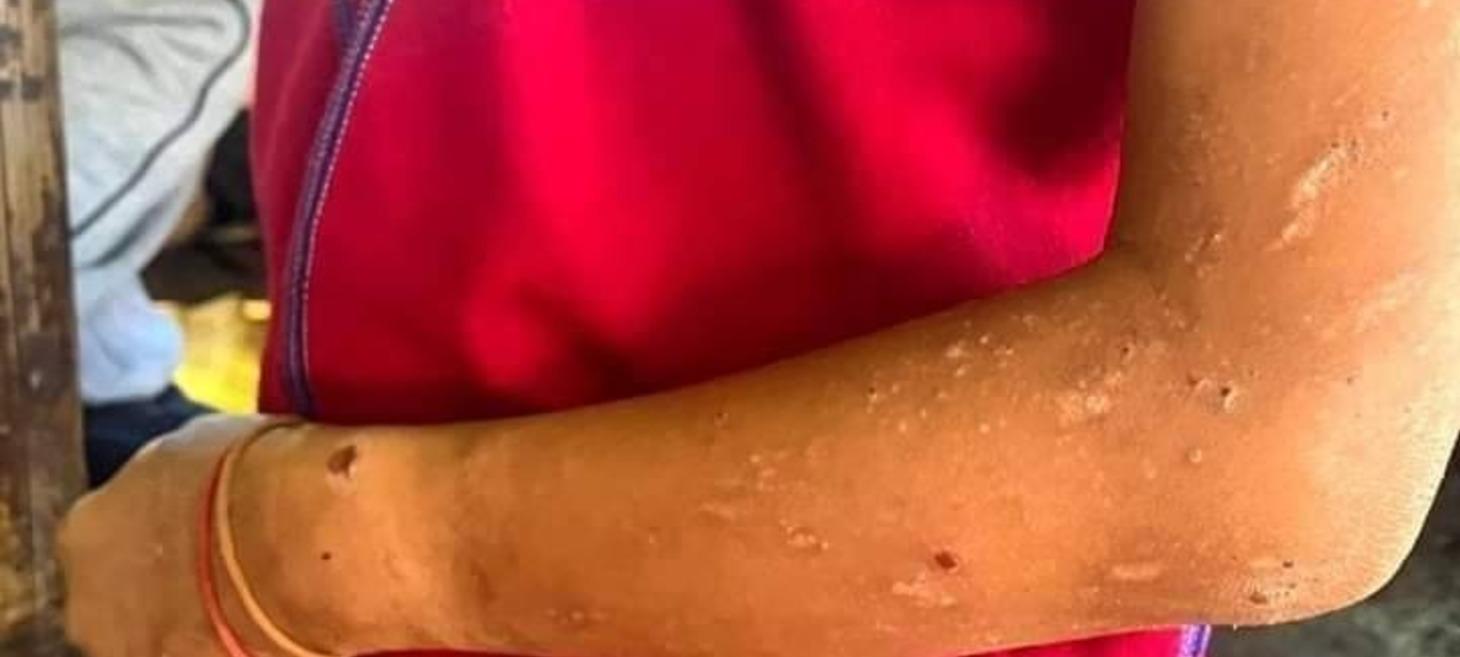
Internally displaced persons (IDPs) in Demoso Township, Karenni State, are facing a severe humanitarian crisis as dry-season water shortages have caused a widespread outbreak of skin diseases, particularly scabies, with children and the elderly most affected. With natural water sources dried up and well-digging efforts failing, families are forced to buy water from private vendors at costs exceeding 100,000 kyats per delivery, imposing a heavy financial burden on vulnerable households. Compounding the water crisis, residents also face food and medicine shortages due to military blockades, limited livelihood opportunities, and extreme weather conditions - all of which have made 2026 the most difficult year yet for these displaced communities.
shannews.org
National Unity Government
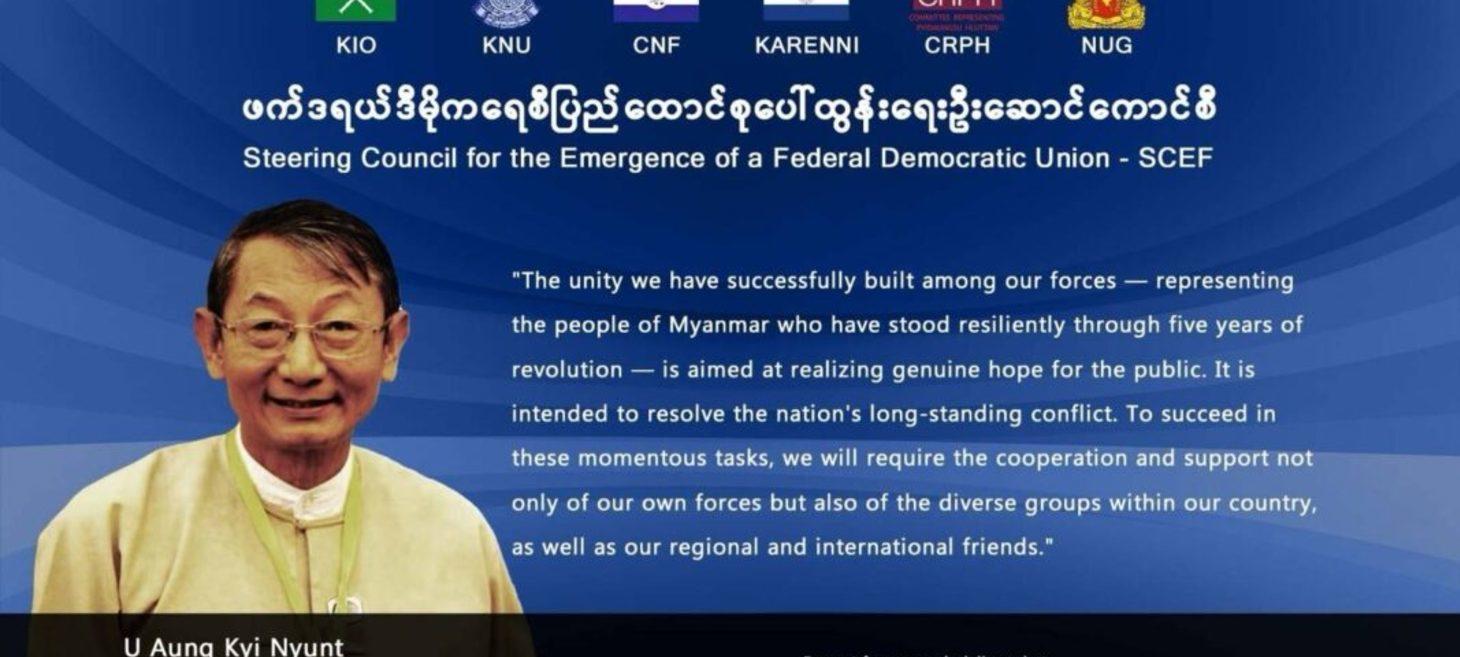
TUG OF WAR: SCEF Rises to Counter Myanmar Military’s Attempt to Rebrand Rule as Civilian
On March 30, 2026, Myanmar's major resistance forces - including the NUG, CRPH, KNU, KNPP, KIO, and CNF - formed the Steering Council for the Emergence of a Federal Democratic Union (SCEF) to counter the military junta's cosmetic civilian transition and coordinate armed, political, and administrative efforts toward a new federal democratic constitution. SCEF complements rather than replaces the existing NUCC, focusing on practical implementation where the NUCC has struggled, though the latter's diminished role remains unresolved. Key challenges ahead include integrating powerful holdouts like the Arakan Army and China-aligned groups (UWSA, SSPP), while building credible governance and humanitarian capacity in liberated areas to rival junta rule.
shannews.org
Natural Resources
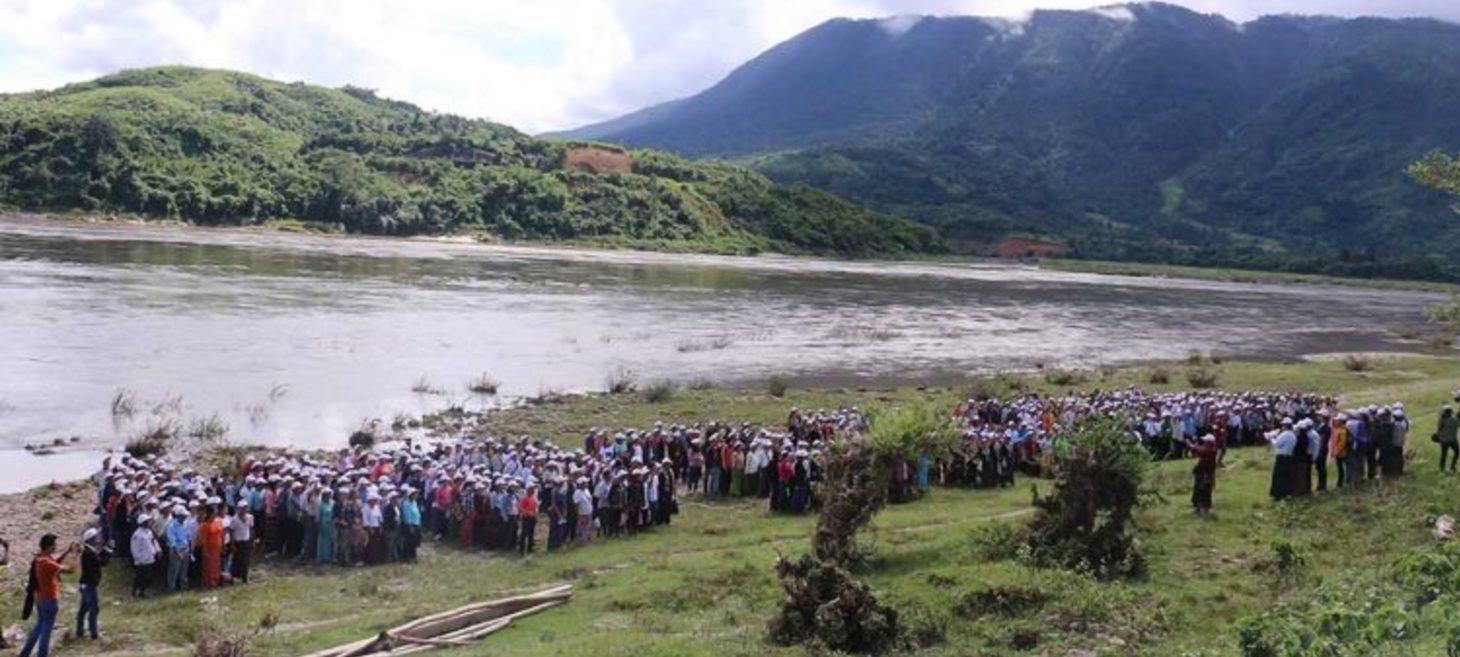
Junta Charged With Human Rights Violations in Push for Myitsone Dam
Myanmar's military junta is pushing to revive the long-suspended Myitsone Dam - a China-backed megaproject on the Irrawaddy River - using coercive tactics to pressure Kachin residents and representatives into accepting the plan. The Kachin State Human Rights Defender Network (KSHRDN) has condemned these actions, calling for a complete termination of the project and an end to legal threats against local opponents. Critics and environmentalists warn that reviving the dam would cause massive displacement of Kachin communities already affected by armed conflict, while also posing serious seismic and ecological risks to millions of people downstream.
irrawaddy.com
Politics
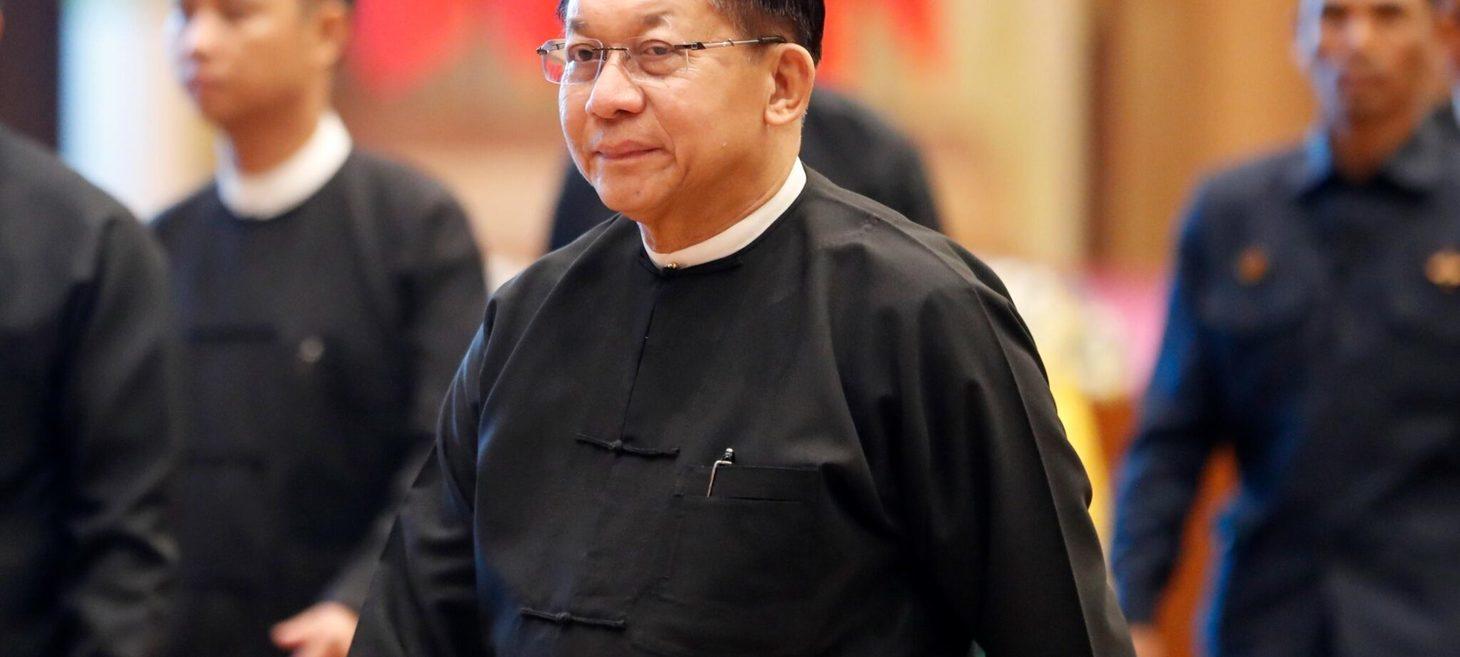
Myanmar junta chief Min Aung Hlaing becomes president
Myanmar's junta leader Min Aung Hlaing has been named president following a vote in the junta-controlled Union Parliament, completing his transition from military strongman to nominal civilian leader after stepping down as armed forces commander-in-chief. He rose to power through the 2021 coup and also oversaw the 2017 Rohingya genocide, and is expected to fill his new cabinet with close military associates. Public reaction is largely skeptical, with citizens doubting any real change, while opposition groups demand the release of political prisoners - including Aung San Suu Kyi - and an end to military violence against civilians.
myanmar-now.org
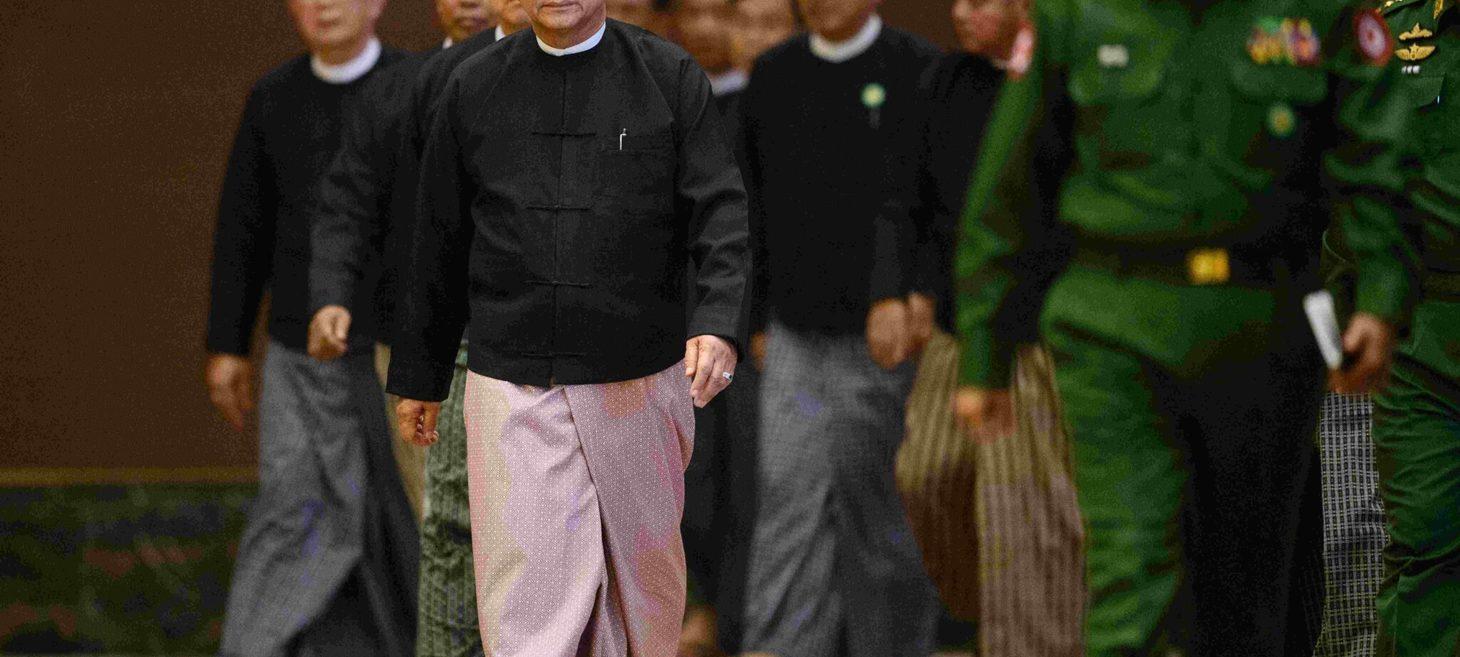
Officials tied to brutal killings fill cabinet of self-styled ‘President’ Min Aung Hlaing
Senior military and police figures linked to deadly crackdowns on protesters get key posts, cementing the junta’s grip on power
myanmar-now.org
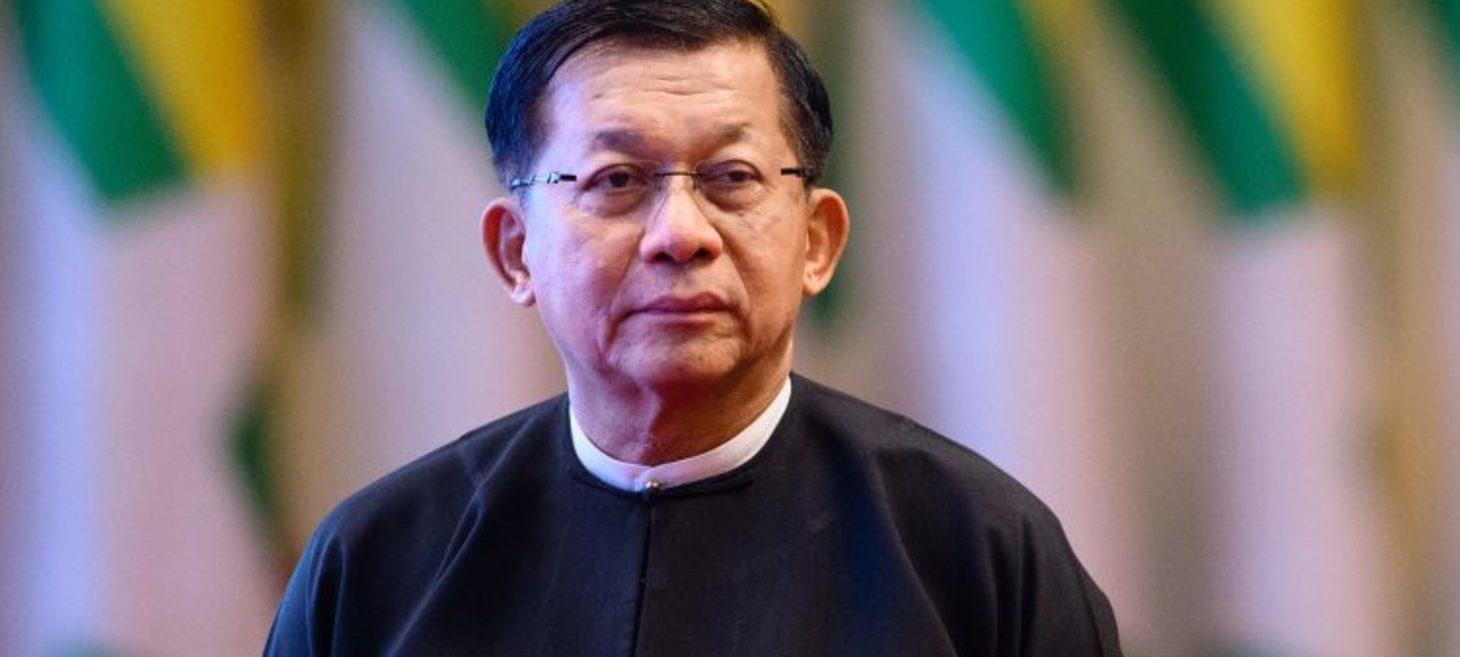
In or Out of Uniform, Min Aung Hlaing Remains Chief Obstacle to Peace in Myanmar -
Myanmar's parliament has elected former military chief Min Aung Hlaing as president with an overwhelming majority, formally ending direct military rule - a process widely dismissed inside and outside the country as a staged, illegitimate exercise designed solely to legitimize his grip on power. Unlike the reformist Thein Sein, who oversaw genuine political and economic opening after 2010, Min Aung Hlaing is seen as lacking vision, unwilling to share power, and continuing to wage war on civilians, making him the chief obstacle to peace and democratic reform. Regional actors - particularly China and Thailand - are cautiously engaging with his new government, while resistance forces and democracy advocates refuse any negotiation with him, and hopes for a breakthrough hinge largely on whether international visitors can extract meaningful concessions, such as access to the imprisoned Aung San Suu Kyi.
irrawaddy.com