Introduction & Analysis
This collection of open-source English-language news articles published over the past week highlights significant events and issues concerning Myanmar. They present a snapshot of the country's safety and security landscape.
- Junta airstrikes & civilian atrocities: Myanmar's military has conducted relentless airstrikes across Chin, Karen, Kachin, Sagaing, and Rakhine states, killing hundreds of civilians - including children, monks, and POWs in a detention camp - while deliberately targeting schools, hospitals, monasteries, and gold mining sites in clear violation of international humanitarian law.
- Fracturing ethnic alliances: The Brotherhood Alliance has shattered in northern Shan State as the MNDAA seized Kutkai from former ally the TNLA, detained nearly 100 TNLA personnel, and is now pressing the KIA to dismantle its checkpoints on the China-Myanmar trade route, while ceasefire talks remain fragile and China's role as mediator is conspicuously passive.
- Junta consolidates political control: Myanmar's military convened its first parliament since the 2021 coup, packing it with ex-generals and USDP proxies, with two former generals elected as speakers in a stage-managed process that the NUG, UN experts, and democracy advocates have unanimously condemned as a fraudulent "puppet parliament" designed to legitimize continued military rule.
- Ineffective international response & deepening humanitarian crisis: Debates over the U.S. BRAVE Burma Act, rare earths diplomacy, India's arrest of foreign fighters, and EU sanctions have yielded little tangible relief, while Myanmar's civilian population endures forced conscription, fuel rationing, expanding scam city networks, environmental destruction from unregulated mining, and a collapsing economy.

Conflict
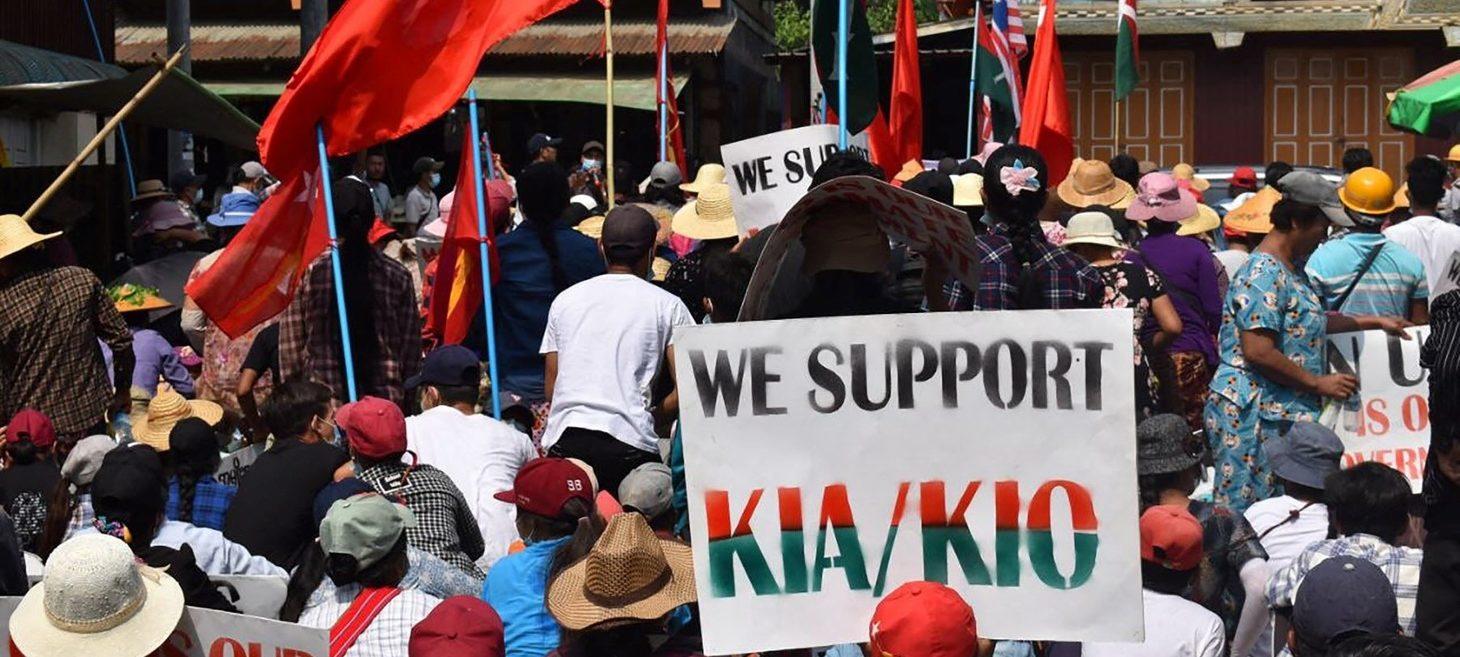
KIA captures army, SNA security bases in Kachin State
The Kachin Independence Army (KIA) and its allies captured two junta-held security outposts near Indawgyi Lake in Myanmar's Mohnyin Township last weekend, overcoming forces from Infantry Battalion 389 and the junta-allied Shanni Nationalities Army (SNA). The Myanmar military responded with airstrikes targeting both military positions and nearby civilian villages. The fighting is part of a broader KIA-led offensive ongoing since March 2024, during which the KIA has seized control of over a dozen towns across Kachin and northern Shan State.
myanmar-now.org
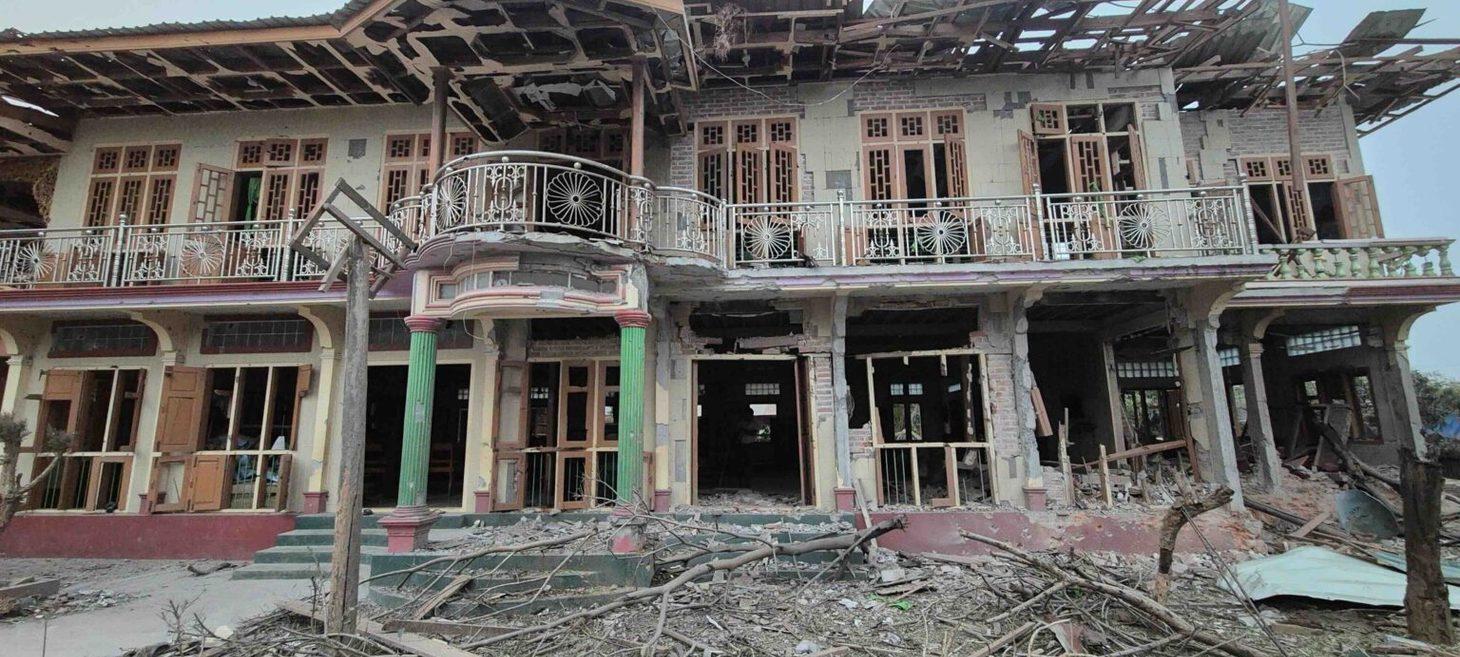
More than a dozen killed in three days of airstrikes in Tigyaing
Over three consecutive days, the Myanmar air force conducted multiple airstrikes on Tigyaing Township in Sagaing Region, killing more than a dozen people - including five monks and an eight-year-old girl - and injuring many more. The strikes targeted civilian infrastructure such as monasteries, hospitals, and shelters for displaced people, with the most devastating attack destroying a monastery compound in Zee Kone village. Resistance sources and local residents believe the bombings are a deliberate terror strategy, timed to coincide with the junta's ground advance following its recapture of the nearby town of Tagaung.
myanmar-now.org
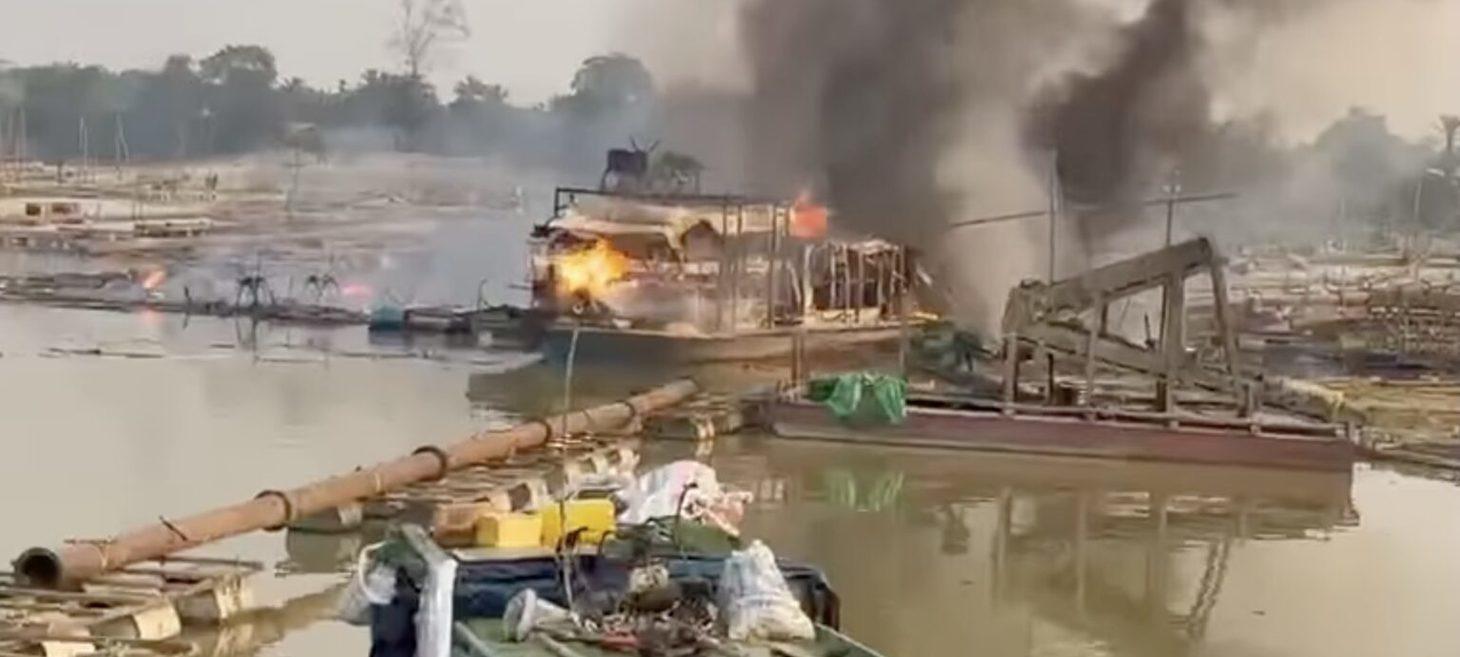
Junta airstrike on gold mining block in Kachin State kills dozens
On March 10, 2026, Myanmar's military junta conducted a multi-hour airstrike on gold mining boats and platforms along the Ayeyarwady River near Hsin Hkan village in Kachin State, killing an estimated 30 people and destroying at least five vessels. Recovery efforts have been hampered by rising tides carrying bodies downstream, leaving the exact death toll unconfirmed, with only six bodies recovered and 20 injured rescued as of two days after the attack. On the same day, junta aircraft also struck gold mining sites on the Chindwin River in Sagaing Region's Homalin Township, injuring six miners, one critically.
myanmar-now.org
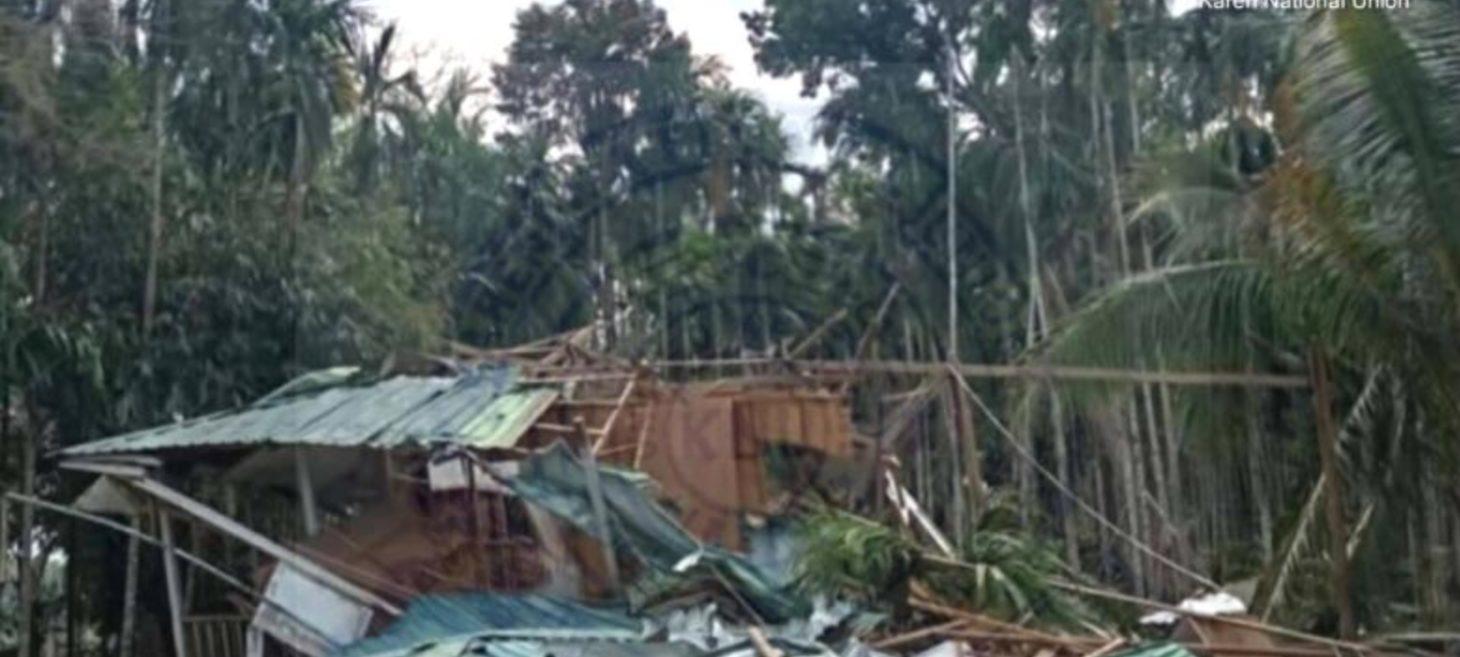
Junta airstrikes in KNU’s Myeik-Dawei District kill 10, injure 15
On March 9-10, 2025, Myanmar's military junta carried out airstrikes on two villages in the KNU's Myeik-Dawei District (Palaw Township), dropping heavy bombs on civilian areas. The attacks killed 10 civilians - including multiple children - and injured 15 others. The Karen National Union condemned the strikes as deliberate, unprovoked attacks on civilians and a serious violation of human and children's rights.
karennews.org
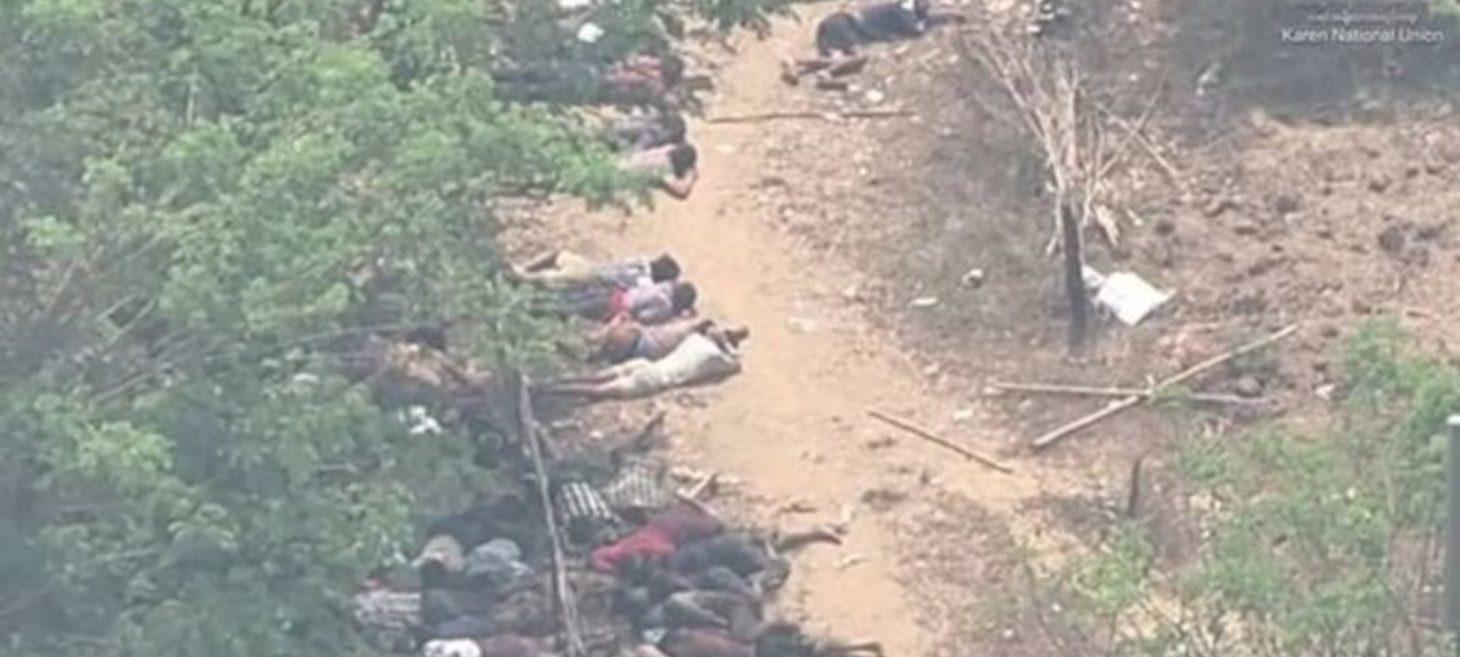
Over 30 civilians killed in junta attacks in Kyaukkyi
On March 5, Myanmar junta forces carried out airstrikes and ground attacks on villages in Kyaukkyi Township, killing at least 30 civilians - including children - through airstrikes and executions. Approximately 160 villagers were rounded up and used as human shields, though the Karen National Liberation Army (KNLA) managed to rescue more than 100 of them. Junta troops remain in the area, and the death toll is expected to rise.
karennews.org
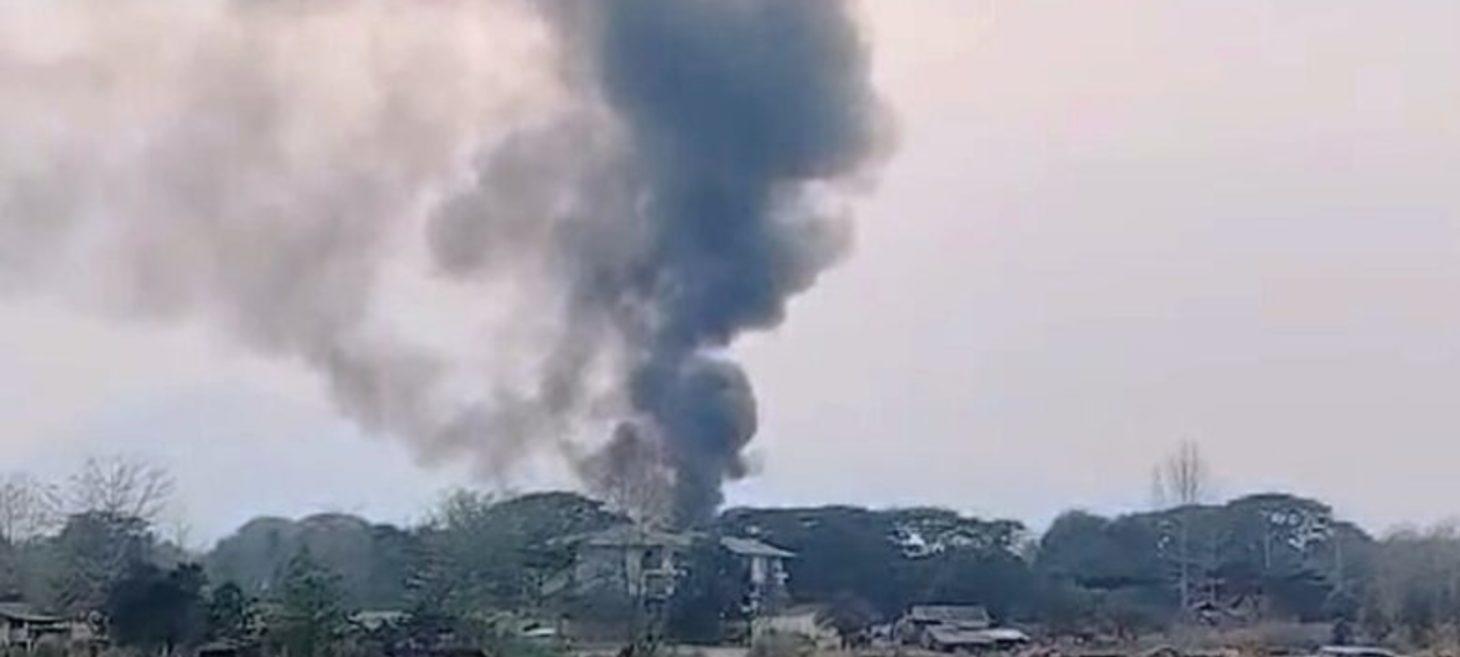
Houses destroyed in Hpalu and Minletpan villages after five days of airstrikes
The Myanmar junta conducted five consecutive days of airstrikes (March 8-12) on Hpalu and Minletpan villages in Myawaddy Township, Karen State, destroying homes, monasteries, schools, and clinics after ground troops suffered heavy losses and were forced to retreat. The Karen National Liberation Army (KNLA) and allied forces hold the area, and since February the junta has launched at least 10 airstrikes and drone attacks against their positions. The ongoing fighting has caused widespread displacement, food shortages, and road disruptions, prompting aid from Thai donors and heightened border security on the Thai side due to the risk of stray bombs crossing the border.
karennews.org
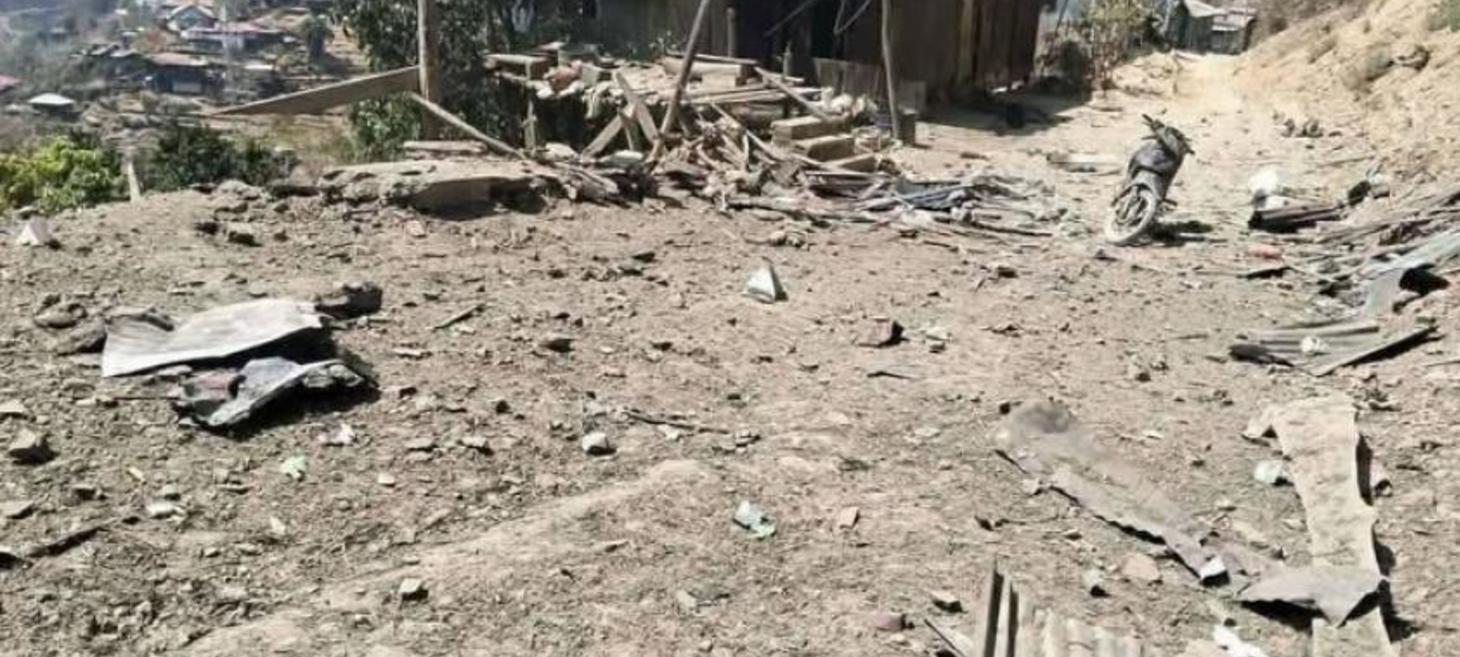
Airstrikes in Falam kill 42 resistance fighters in four months
Over four months (October 2025-February 2026), Myanmar's military junta launched approximately 2,500 airstrikes in Falam Township, Chin State, killing 42 resistance fighters, wounding over 100, and causing significant civilian casualties - at least 15 civilians killed, 30+ injured, and more than 60 buildings destroyed. Unable to advance on Falam Town by ground, the junta has increasingly shifted to aerial assaults, including drone and suicide drone strikes, while aiming to seize control of Surbung Airport as a key strategic objective. In contrast, Chin resistance forces have inflicted heavy losses on the junta, killing over 200 troops, wounding 250, and capturing more than 40, with the Institute of Chin Affairs condemning the indiscriminate airstrikes as violations of international humanitarian law.
bnionline.net
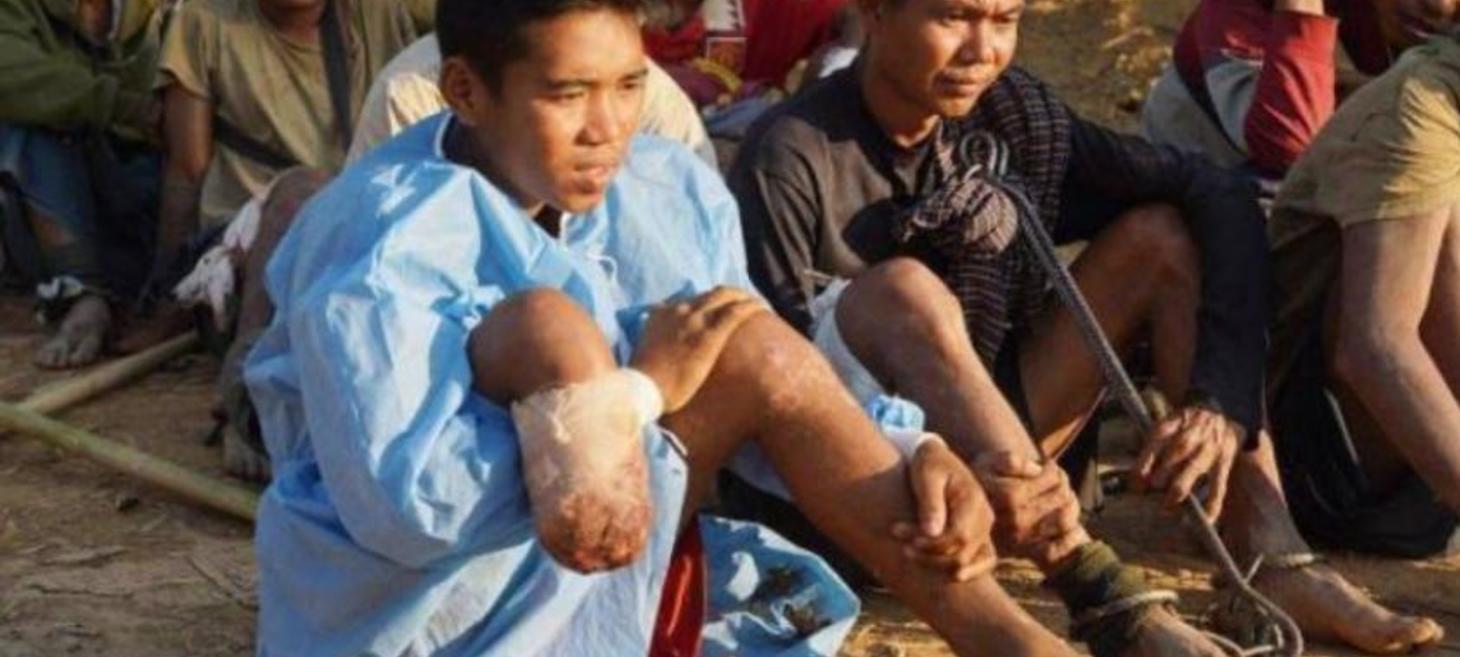
High-ranking Myanmar junta officers killed in “ruthless” airstrike on prisoners of war camp in Rakhine State
On March 8, 2026, Myanmar's military junta carried out a four-hour airstrike on an Arakan Army (AA) prisoner of war camp in Ann Township, Rakhine State, killing 116 people - including Brigadier General Myint Shwe and several majors from the junta's own ranks. The attack, involving four jet fighters and four Y-12 transport planes, struck prison wards and a clinic, burning many detainees alive, among them military doctors and nurses. Surviving POW Brigadier General Thaung Htun condemned it as a "calculated and ruthless act," stating the military had conducted multiple reconnaissance flights and was fully aware the site was a detention facility before launching the assault.
bnionline.net
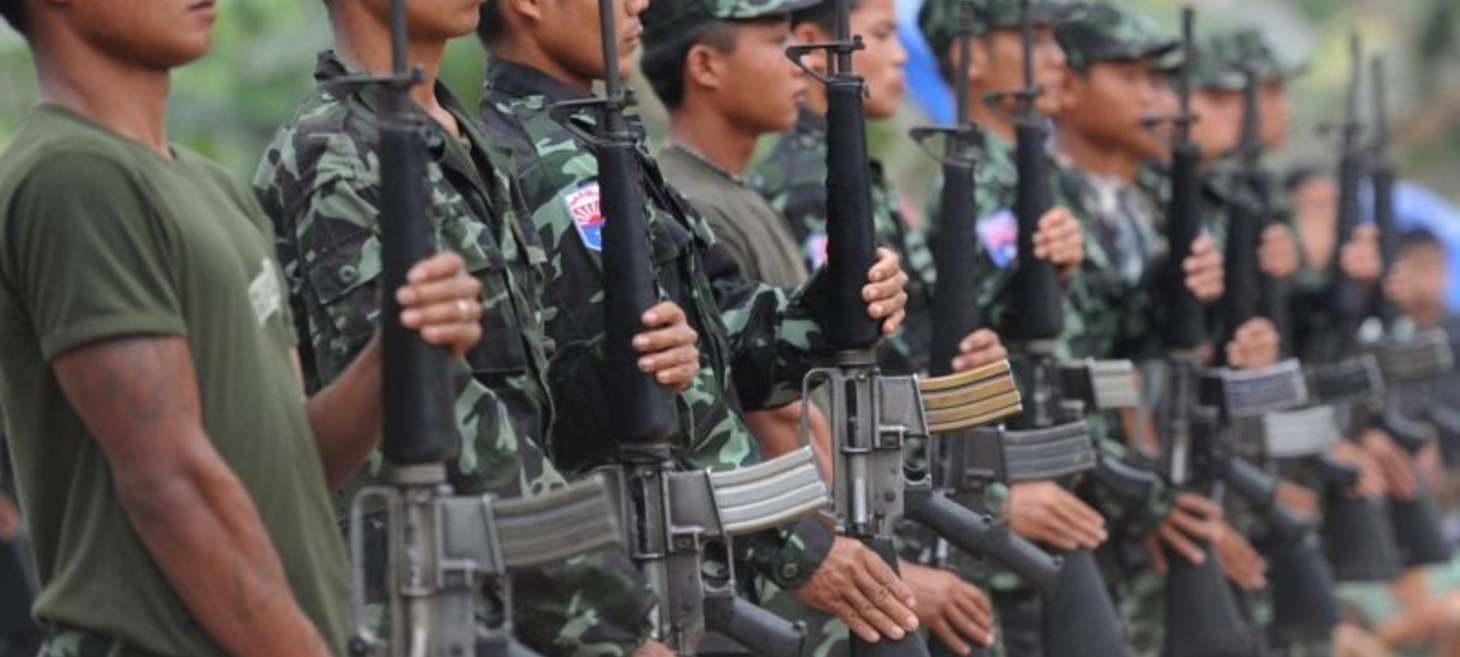
Myanmar junta airstrikes kill two and injure 18 across KNU Brigade 5 territory
On 11-12 March 2026, Myanmar's military junta conducted coordinated airstrikes on multiple villages in Dweiloe Township, Hpapun District - an area controlled by the Karen National Union (KNU) Brigade 5 - using at least four jet fighters. The strikes killed two residents and injured 18 others, also damaging a church and a seminary in Hpapun Township. The KNU Brigade 5 spokesperson condemned the attacks, stating the junta treats any territory outside its control as enemy territory, while tensions between junta forces and the Karen National Liberation Army (KNLA) in the region remain high.
mizzima.com
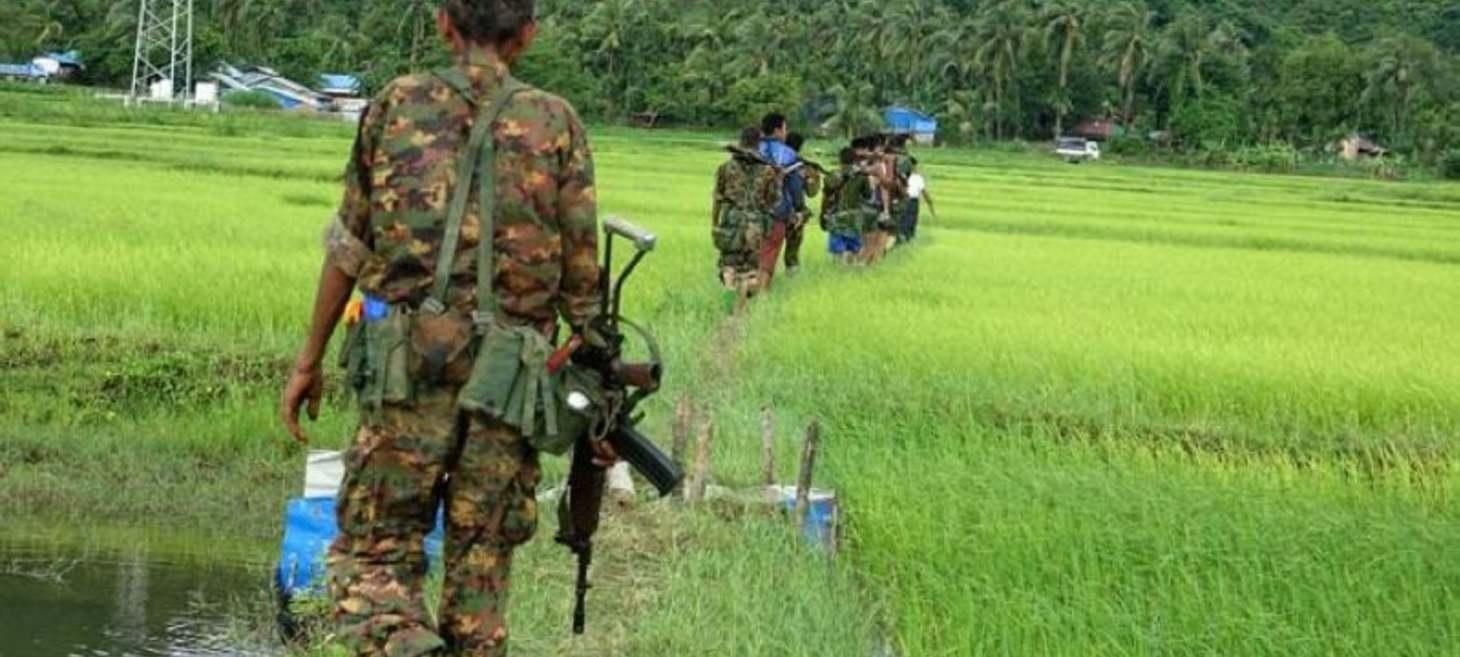
Myanmar junta jet bombs strategic Kissapanadi bridge at Kyauktaw entrance in Rakhine
On the night of 12 March 2026, a Myanmar junta jet fighter dropped two 500-pound bombs on the Kissapanadi Bridge at the entrance of Kyauktaw in Rakhine State. The bridge, which spans the Kaladan River and links several key townships, suffered minor damage and remains passable, though a nearby building was destroyed; no injuries were reported. The attack follows a more deadly junta strike on 8 March, in which a prisoner-of-war camp in Ann Township was bombed, killing 116 people.
mizzima.com
Conscription
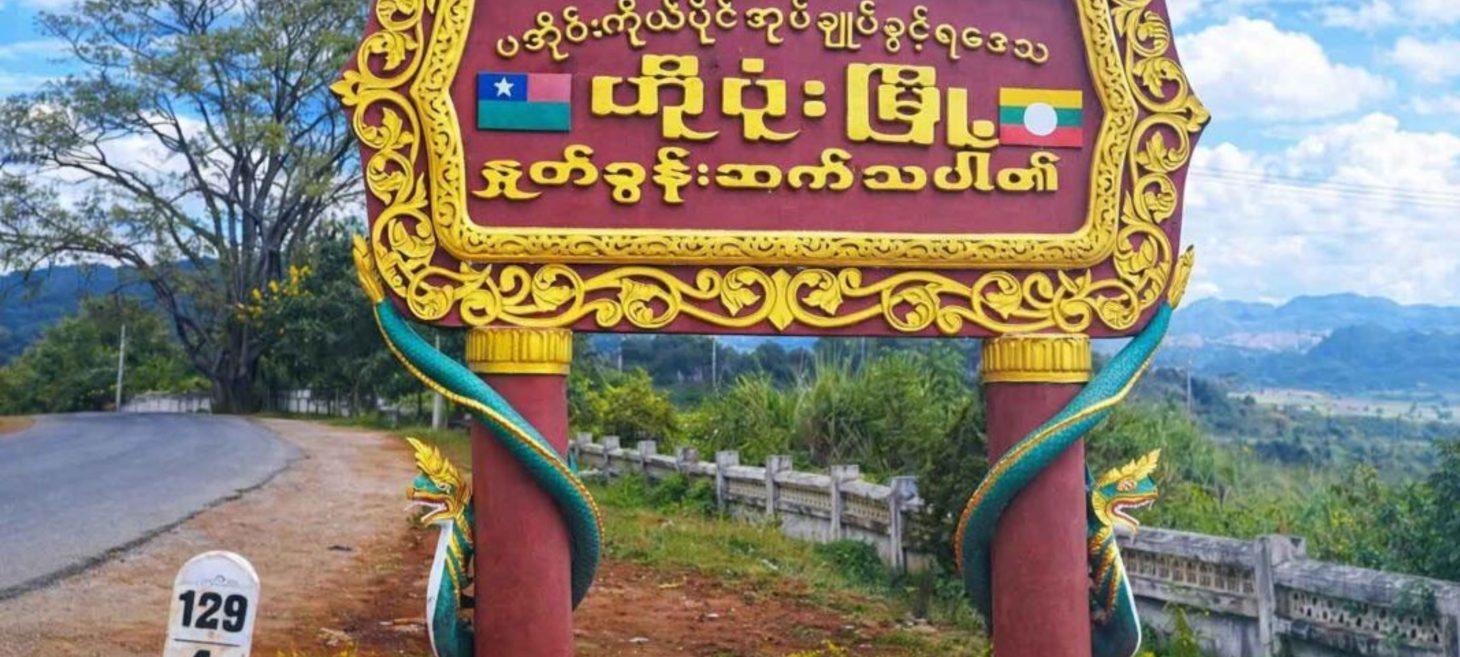
Junta Troops Detain Youths for Portering in Southern Shan State
Junta forces in Hopong Township, southern Shan State, have detained at least eight young people for forced labor (portering), targeting youths traveling home by motorcycle in the evenings, with some families paying large ransoms for release while others are sent directly to military training centers. The PNO militia, aligned with the junta, is also extorting households with monthly "military service fees" of 50,000-100,000 kyats, deepening an atmosphere of fear that is preventing people from working and moving freely. A similar situation is occurring in the Inle region, where conscription threats and economic hardship - worsened by recent floods and earthquakes - are leaving daily wage workers unable to support their families.
shannews.org
Crime & Narcotics
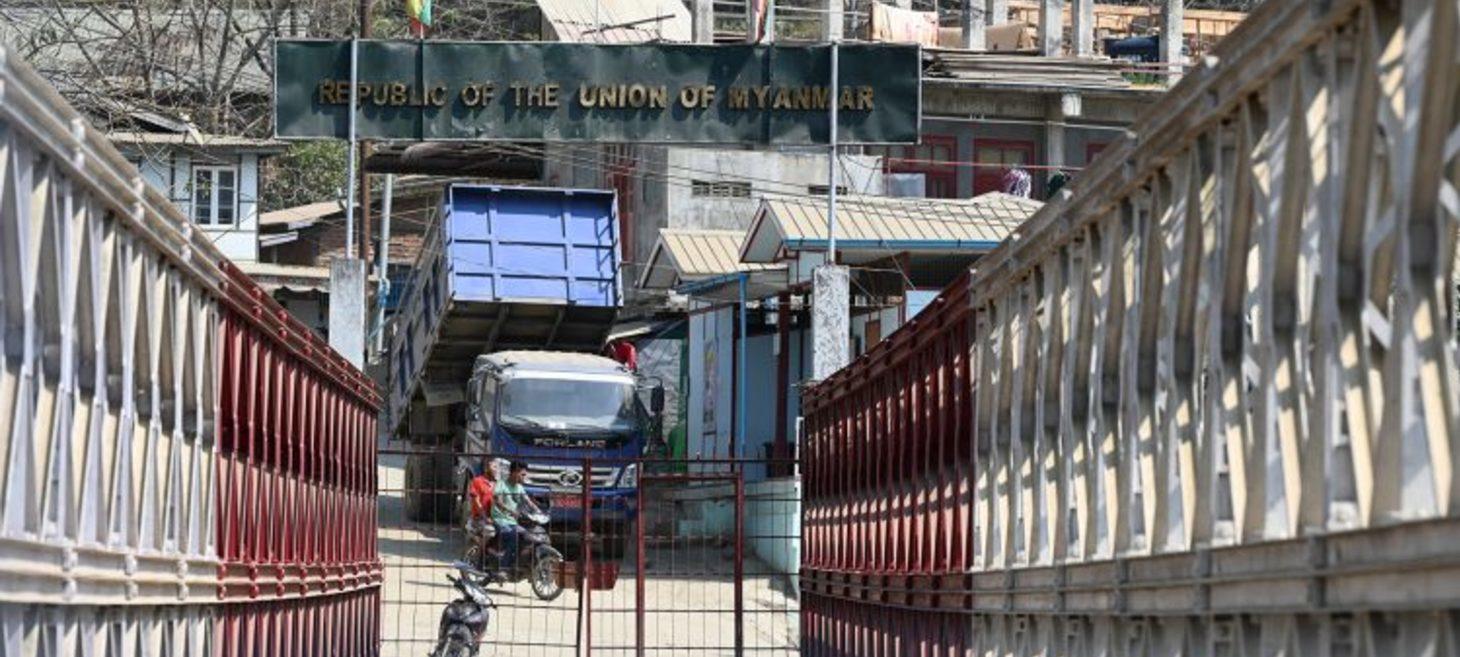
India Arrests Seven Foreigners for Allegedly Training Myanmar Rebels
Indian authorities arrested six Ukrainians and one American for allegedly entering Myanmar illegally via Mizoram state to train armed militia and insurgent groups. The seven were remanded in custody for 11 days and are also suspected of smuggling a large consignment of drones from Europe into India for use in Myanmar. They face charges of conspiring to commit terrorist acts against the Indian state, which carries a maximum penalty of life imprisonment.
irrawaddy.com
Cybersecurity & Cybercrime
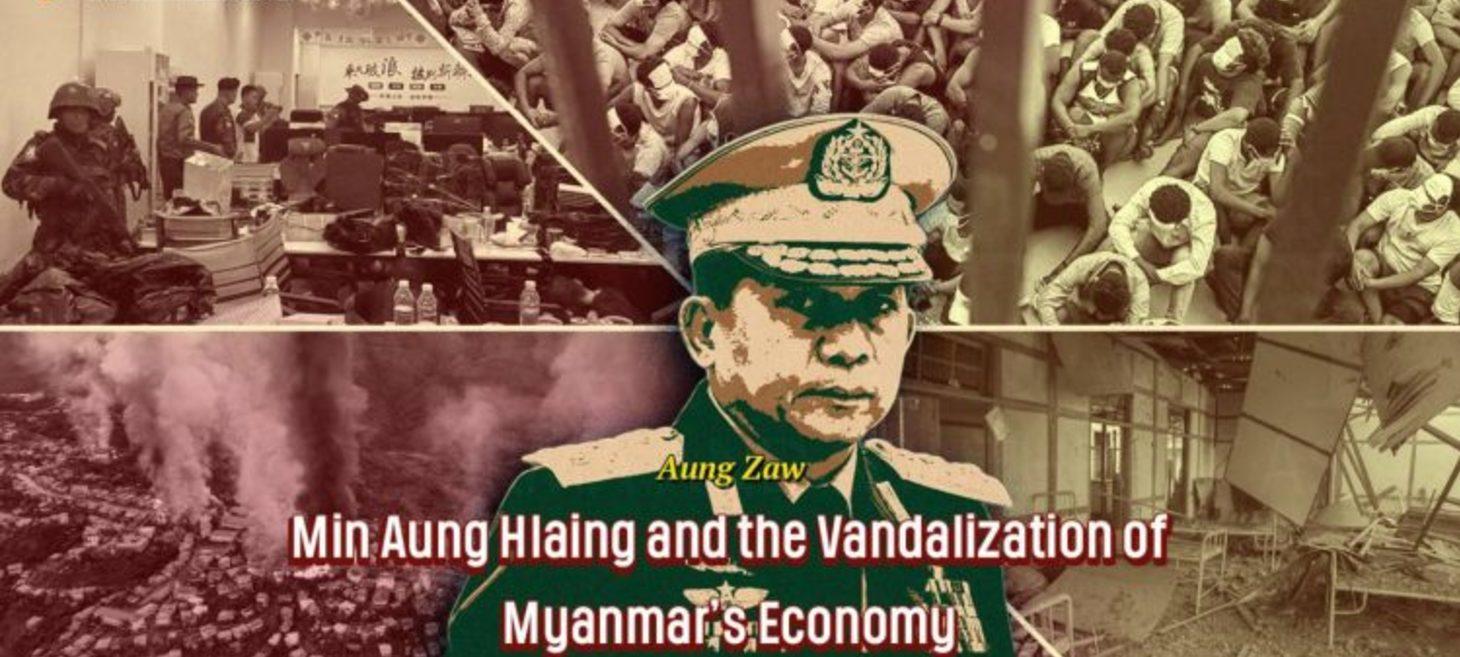
Scam Cities, Smuggling and State Collapse: The Inevitable Toll of Military Rule
Since Myanmar's military coup, the country has become the world's leading opium producer - with output exceeding 1,000 metric tons - and a major source of synthetic drugs like methamphetamine and ketamine trafficked across the region. The collapse of the legal economy has enabled the rise of so-called "scam cities" in lawless border areas near China and Thailand, where Chinese-run criminal syndicates traffic hundreds of thousands of people from across Asia and Africa into cyber fraud and cryptocurrency scam operations. The article argues that this explosion of illicit trade and state-sponsored criminality is the direct and inevitable consequence of military rule in Myanmar.
irrawaddy.com
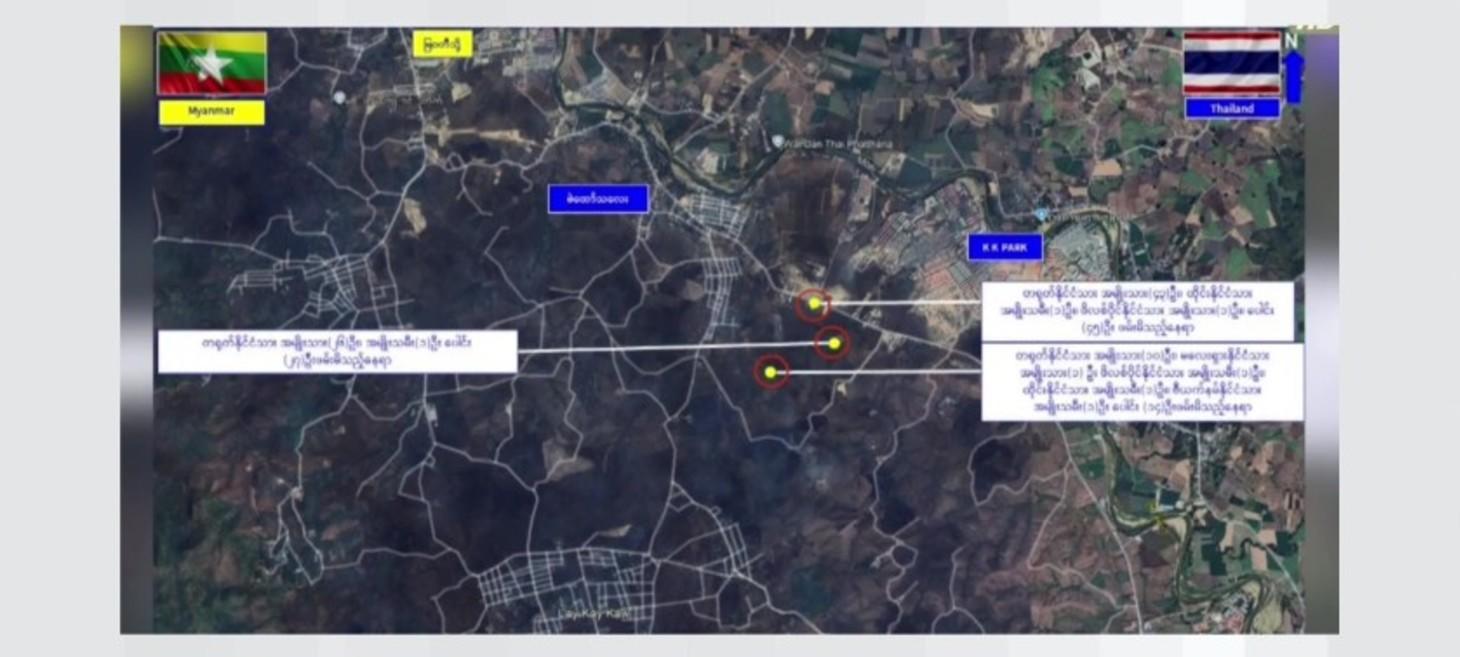
Eradicating Online Scams: Detainment of illegally entered foreign nationals
The government is intensifying efforts to combat online gambling and scams through joint task forces operating in collaboration with local and neighboring countries' security forces. Acting on a tip-off, joint forces conducted inspections of several buildings southeast of Mae Htaw Tha Lay Village in Myawaddy Township, Kayin State, resulting in the detention of foreign nationals. In total, 86 individuals - predominantly Chinese nationals, along with nationals from the Philippines, Thailand, Malaysia, and Vietnam - were apprehended and are currently being held in the township while records and personal information are compiled.
myanmaritv.com
Economy
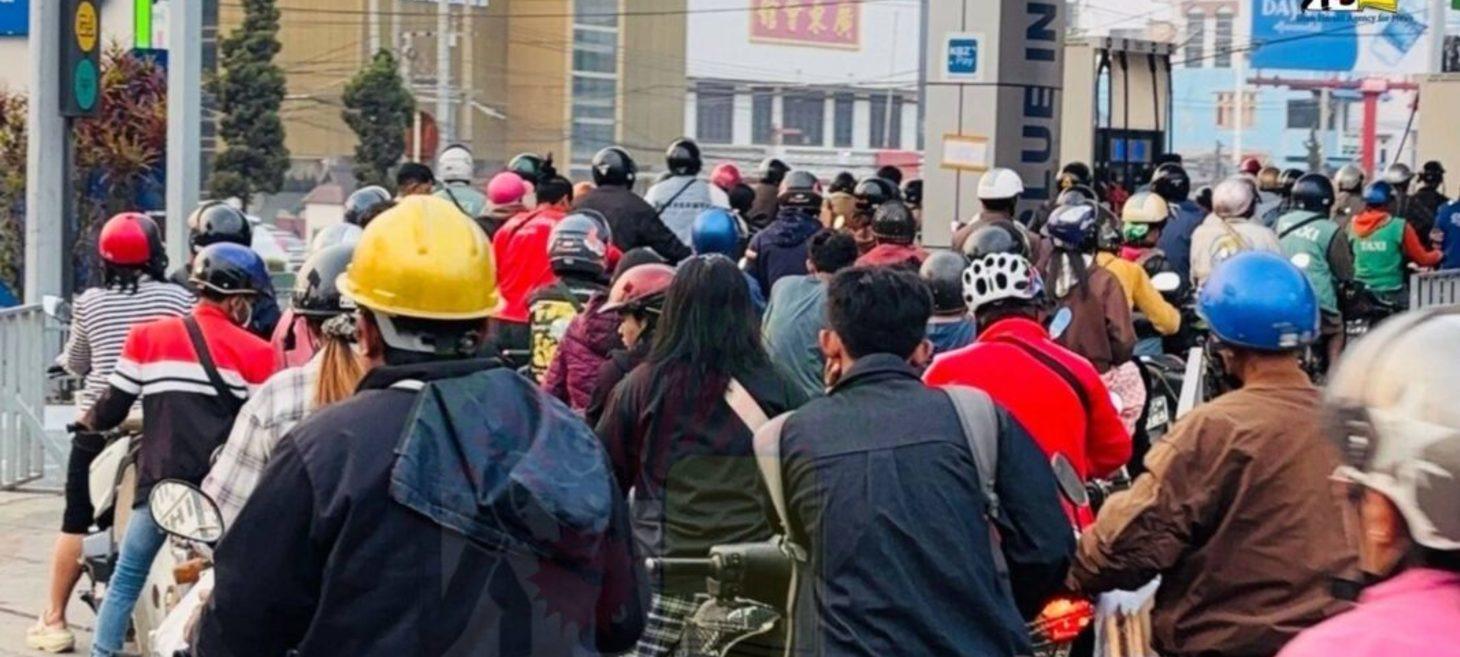
Fuel Crisis and Driving Restrictions Disrupt Daily Life Across Shan State
Myanmar's military regime introduced an even-odd license plate system on March 3, 2026, restricting private vehicles to operating only on designated days in response to fuel shortages linked to Middle East conflicts. The policy has created significant hardships for residents of Shan State - particularly daily wage workers, parents, and small vendors - who depend on personal vehicles to earn income and fulfill family responsibilities. Enforcement, which carries penalties of up to one month in prison or a 20,000 kyat fine, began on March 14, while fuel supplies in border towns remain critically limited, leaving many struggling to maintain basic daily routines.
shannews.org
Ethnic Issues
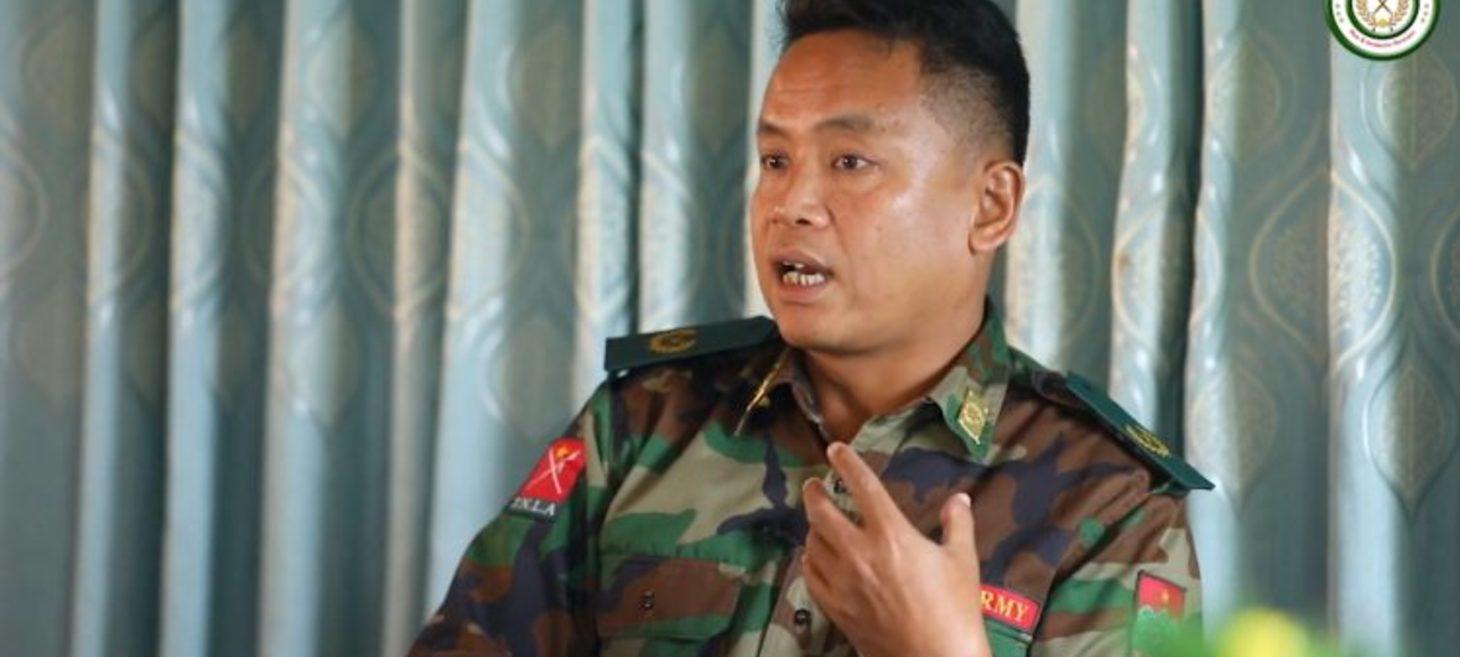
TNLA Secretary: ‘Big Political Ambitions’ Behind Split With MNDAA
Clashes erupted on March 14, 2026, between two Brotherhood Alliance members - the Ta'ang National Liberation Army (TNLA) and the Myanmar National Democratic Alliance Army (MNDAA) - over administrative control of Kutkai in northern Shan State, a town the TNLA has governed since capturing it in early 2024. According to TNLA Secretary Major General Tar Bong Kyaw, the conflict was driven by the MNDAA's expansive political ambitions and its tendency to resort to force rather than dialogue, as evidenced by its seizure of TNLA positions, detention of nearly a hundred TNLA personnel, and administrative encroachment through measures like issuing Kokang ID cards and installing CCTV cameras. The TNLA insists on a negotiated settlement - including territorial power-sharing in Kutkai - and maintains that China did not sanction the MNDAA's offensive, while regional actors including China, the AA, and the FPNCC all favor a return to dialogue.
irrawaddy.com
MNDAA Turns on Kachin Army as Shan Alliances Break Under China Border Pressure
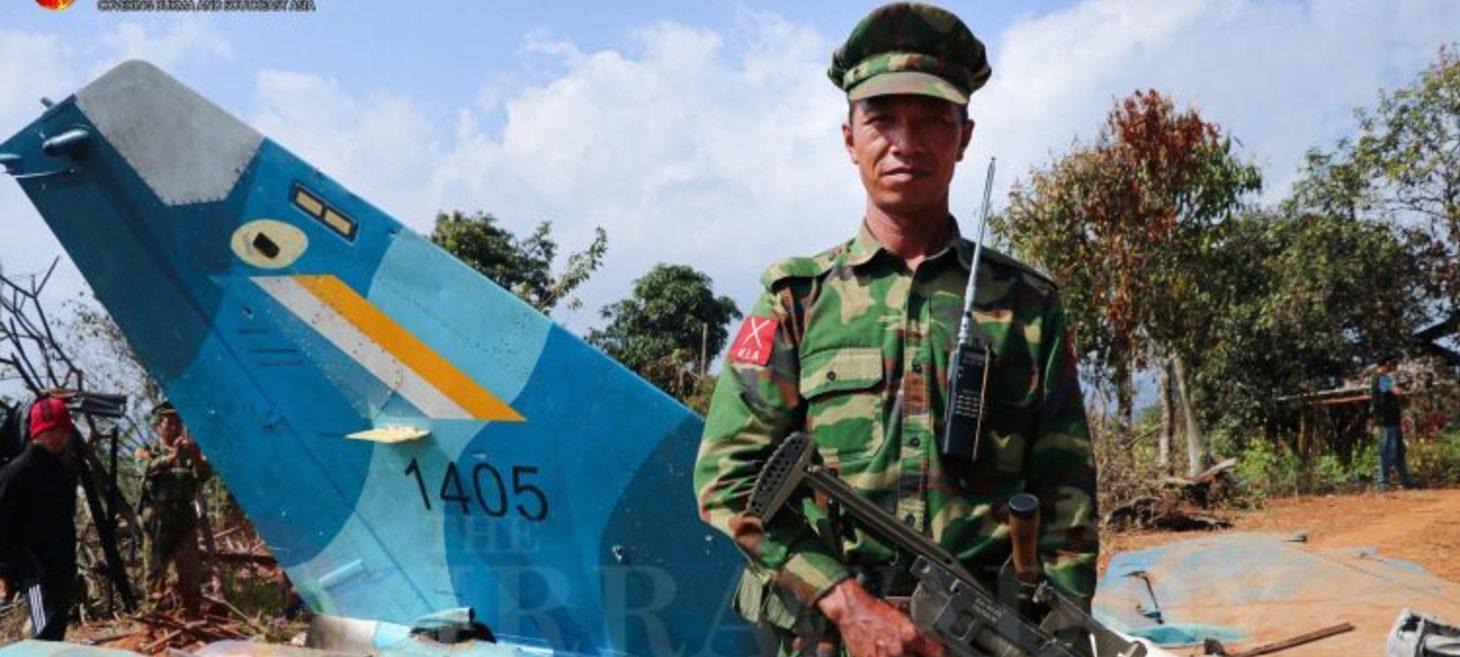
The Myanmar National Democratic Alliance Army (MNDAA) has seized the key Lashio-Muse trade route in northern Shan State from its former Brotherhood Alliance partner, the Ta'ang National Liberation Army (TNLA), capturing the strategic town of Kutkai and pressing toward Namkham on the Chinese border. The MNDAA is now also pressuring the Kachin Independence Army (KIA) to remove its checkpoints from the same road, though analysts consider a KIA-MNDAA armed confrontation unlikely given that the two groups have no overlapping territorial claims. The broader collapse of the Brotherhood Alliance is seen as part of China's effort to restore border trade - disrupted since Operation 1027 in 2023 - with Beijing having brokered a ceasefire between the MNDAA and the military junta in January.
irrawaddy.com
ETHNIC STRIFE IN NORTHERN SHAN: Understanding the TNLA-MNDAA Rift
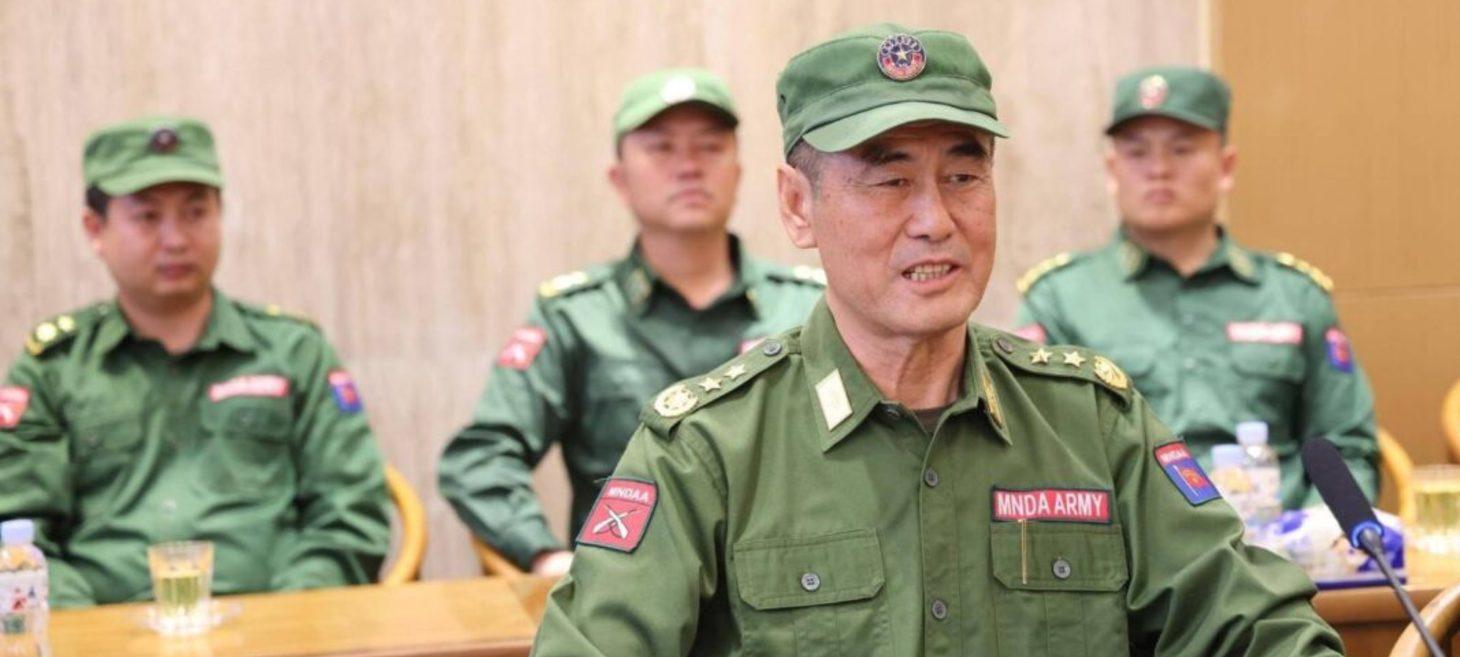
Intense fighting broke out on March 14, 2026, between two allied ethnic armed groups - the Ta'ang National Liberation Army (TNLA) and the Myanmar National Democratic Alliance Army (MNDAA/Kokang) - in Kutkai Township, northern Shan State, stemming from long-standing disputes over territorial control and administration of areas captured from the Myanmar military junta. The MNDAA swiftly seized full control of Kutkai, capturing or routing over 100 TNLA soldiers, while also reopening the strategically vital Muse-Lashio Union Highway for cross-border trade with China. Analysts suggest the conflict reflects China's broader geopolitical interest in stabilizing trade routes through compliant proxies like the MNDAA, potentially at the expense of revolutionary momentum and to the benefit of the military junta, leaving the future role of groups such as the TNLA and KIA increasingly uncertain.
shannews.org
Allied Kokang, Ta’ang armies to discuss ceasefire following clashes
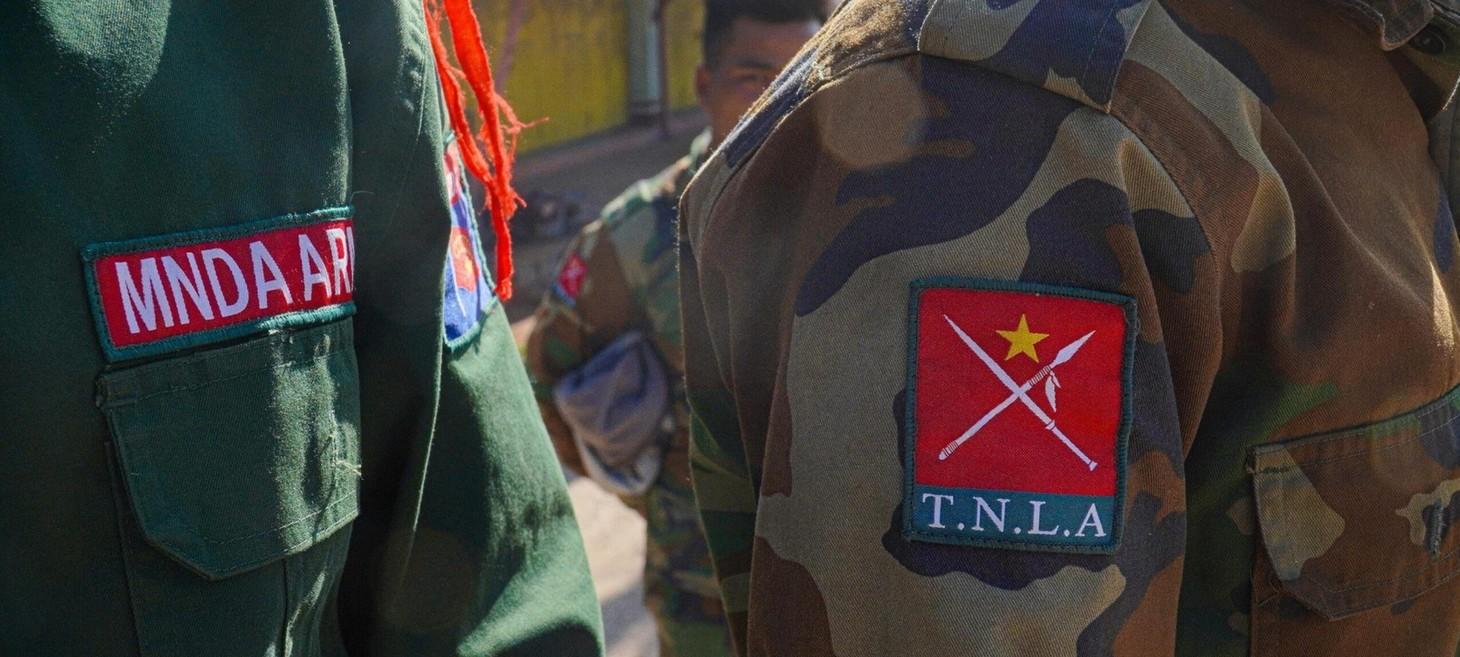
The Myanmar National Democratic Alliance Army (MNDAA/Kokang Army) and the Ta'ang National Liberation Army (TNLA) - former allies in the 2023 Brotherhood Alliance offensive against Myanmar's military - clashed over the weekend after a month-long dispute, resulting in the MNDAA seizing the strategically important town of Kutkai from TNLA control. The conflict began when the TNLA closed MNDAA offices over a dispute over a security camera, prompting the MNDAA to blockade TNLA-held towns before launching a full assault on March 14. Leaders of both sides are now scheduled to meet in Laukkai to negotiate a ceasefire, with fighting reported to have calmed by Monday evening.
myanmar-now.org
DKBA dismisses two officers over alleged ties to resistance forces
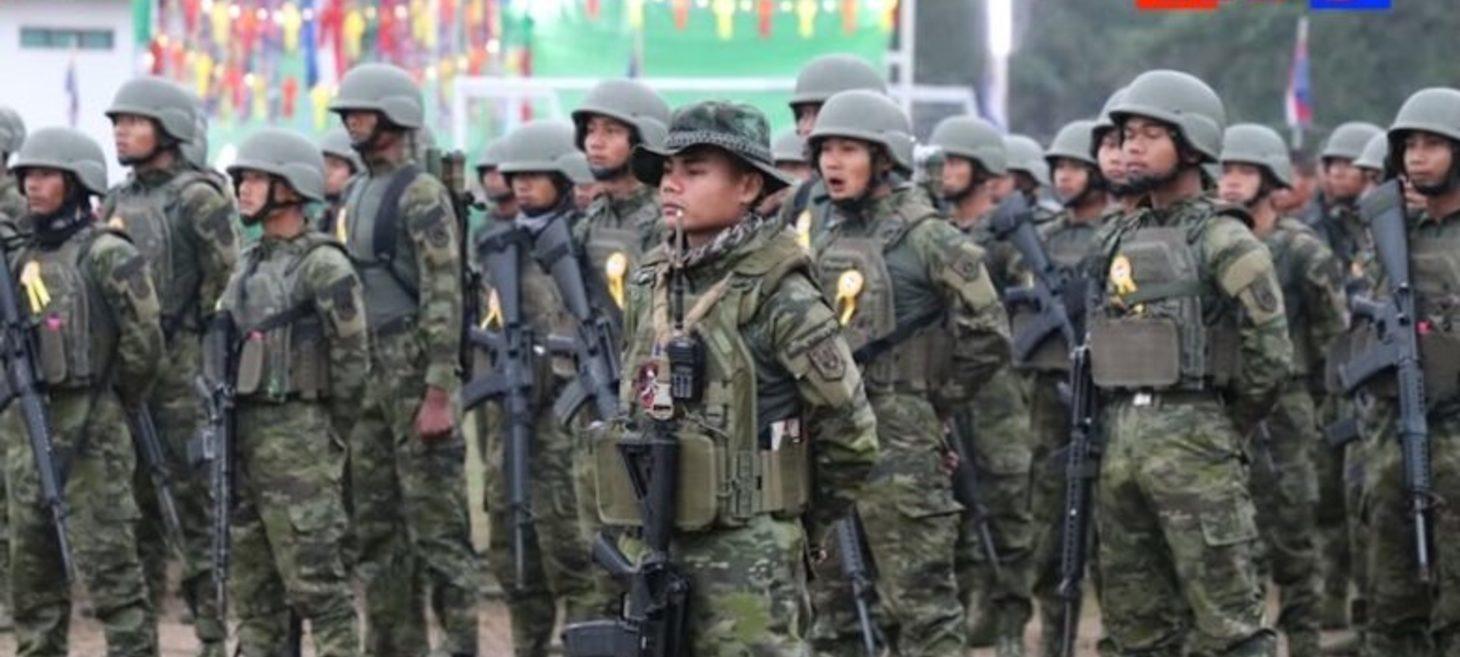
The Democratic Karen Benevolent Army (DKBA), a junta-aligned Karen armed group and NCA signatory, expelled two officers - Major Saw Hto Lwi and Captain Saw Karen Lay - for allegedly collaborating with resistance forces in Myawaddy Township, Karen State. The DKBA insists the decision was independent and rooted in the officers' violation of its NCA commitments and organizational rules. However, public suspicion is growing that the dismissals were made under junta pressure, amid ongoing clashes between resistance forces and the military in the area.
karennews.org
Foreign Affairs
Myanmar’s salvation will not come from Washington
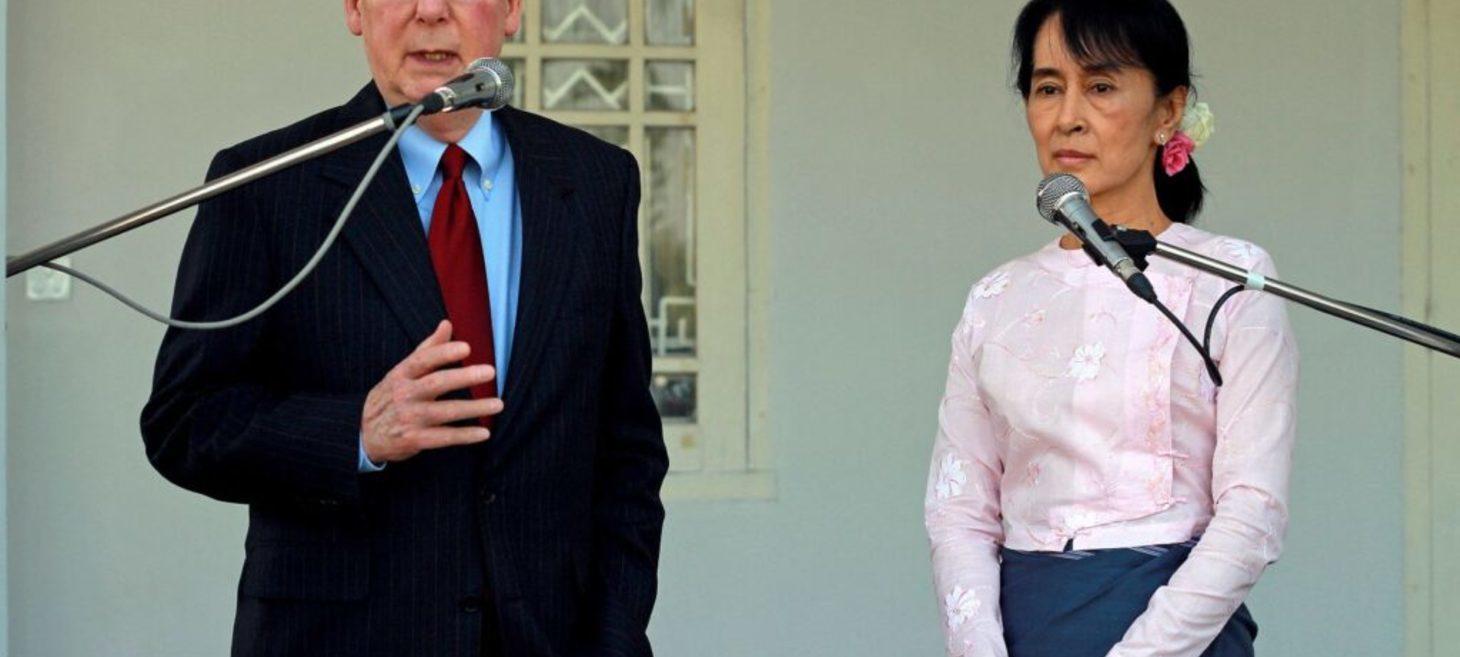
The US BRAVE Act, introduced in March 2026 and backed by bipartisan senators including Mitch McConnell, aims to pressure Myanmar's military junta through stronger sanctions on its financial sector, IMF lending restrictions, and the appointment of a special envoy. However, the author argues that the legislation is largely rhetorical and ineffective, as prior sanctions have failed to stop junta airstrikes, the IMF threat is moot, and the Trump administration has gutted US foreign aid capacity. Ultimately, the piece contends that Myanmar's freedom struggle cannot rely on Washington - whose engagement has long been driven by mixed motives and is now further weakened under Trump - and that raising false hopes through symbolic gestures is itself irresponsible.
frontiermyanmar.net

A Rebuttal: Why the BRAVE Burma Act Is Exactly What Washington and Brussels Need
James Shwe's rebuttal defends the BRAVE Burma Act as a targeted sanctions toolkit - focused on specific junta revenue streams like MOGE and aviation fuel suppliers - rather than the blanket punishment of Myanmar's people that critics claim. He challenges the portrayal of Myanmar's generals as guardians of Buddhist civilization, citing USCIRF data showing the Tatmadaw destroyed 379 religious sites and killed 259 clergy in 2025, while also implicating the regime in transnational cyber-scam networks and its dependence on Iranian jet fuel to conduct airstrikes. Shwe concludes that both U.S. and EU sanctions share a coherent, interest-driven architecture, and that normalizing relations with the junta would only deepen China's dominance over Myanmar rather than counter it.
moderndiplomacy.eu
Mizoram government insists on good ties with the AA
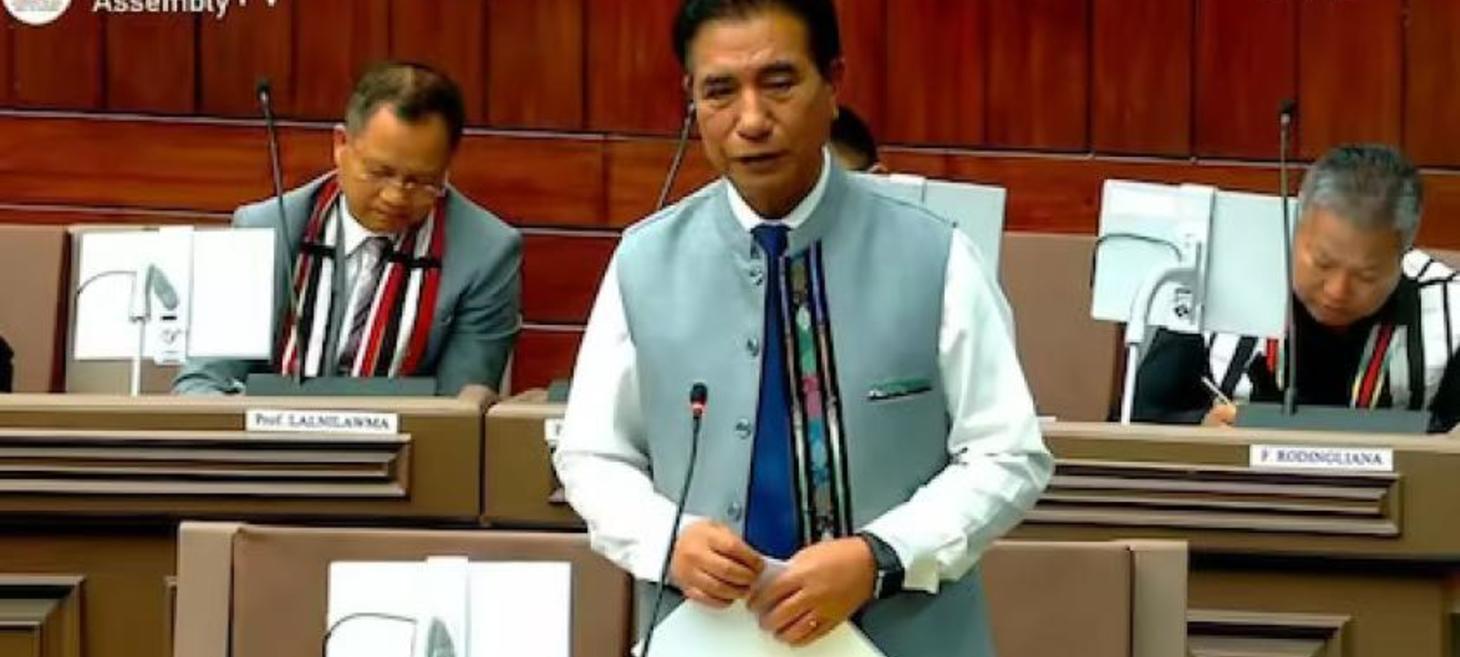
Mizoram Chief Minister Lalduhoma confirmed during a March 2026 assembly session that his state maintains good relations with the Arakan Army (AA), which has controlled key townships in Myanmar's Rakhine State since 2024, resulting in a significant influx of Myanmarese refugees into Mizoram's Lawngtlai district. A central topic of discussion was the Kaladan Multi-Modal Transit Transport Project (KMMTTP), a 2008 India-Myanmar initiative worth ₹5,000 crore (~$582.5M) that aims to link Mizoram to Sittwe port via river, sea, and land routes through AA-controlled territories, with full operationality expected by 2027. A Rakhine politician viewed the chief minister's public acknowledgment of ties with the AA as a significant, quasi-diplomatic recognition of the group's de facto regional authority.
bnionline.net
Natural Resources
‘Not for sale’: Rare earths pitch ignites debate over US-Myanmar engagement
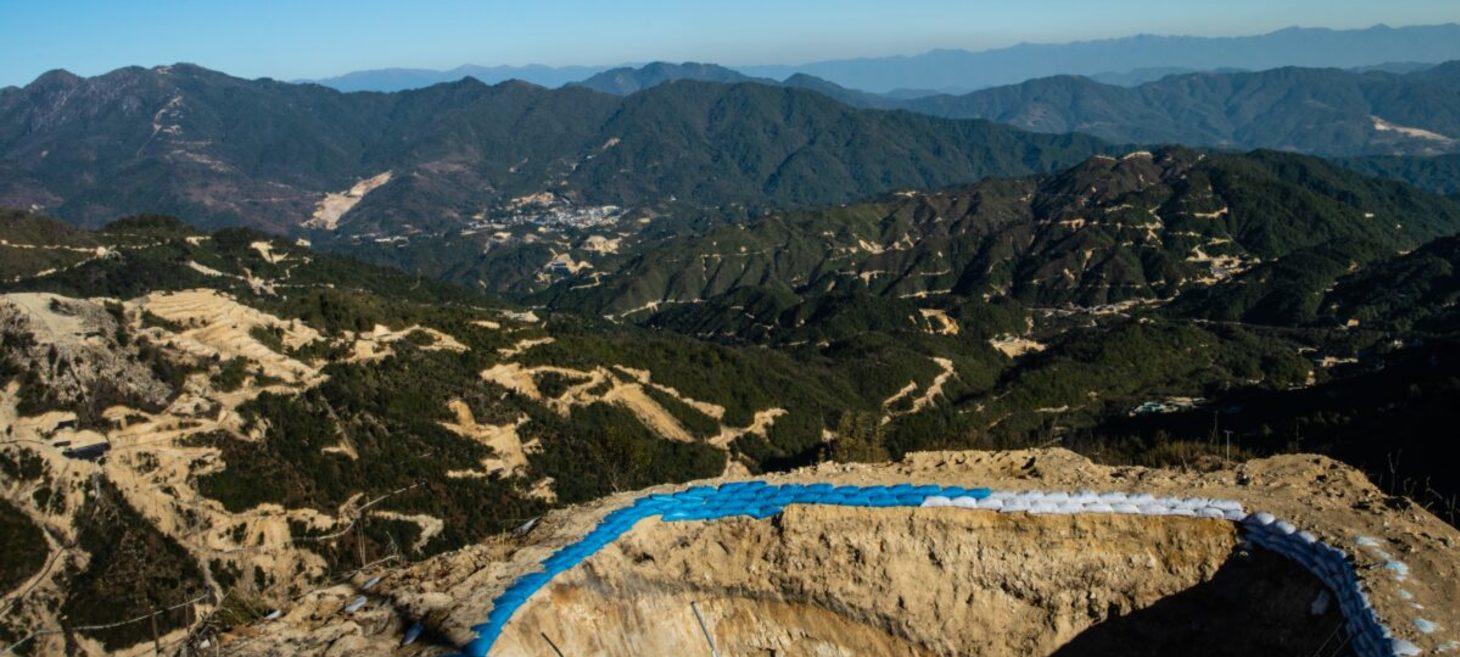
An American businessman pitched White House advisors on securing U.S. access to Myanmar's rare earths - strategically vital minerals dominated by China - by brokering a deal involving the Kachin Independence Army and routing material through India for processing. Experts warn the plan faces enormous logistical, geopolitical, and legal obstacles, including Myanmar's FATF blacklist status, active armed conflict, and India's lack of rare earth processing capacity. The episode reflects a broader concern that, under the Trump administration, U.S.-Myanmar policy is shifting away from democracy and human rights toward transactional resource interests, while cuts to foreign aid and State Department downsizing erode the oversight needed to prevent harmful outcomes.
mekongeye.com
Karen Rivers Watch calls for protection of rivers in Myanmar
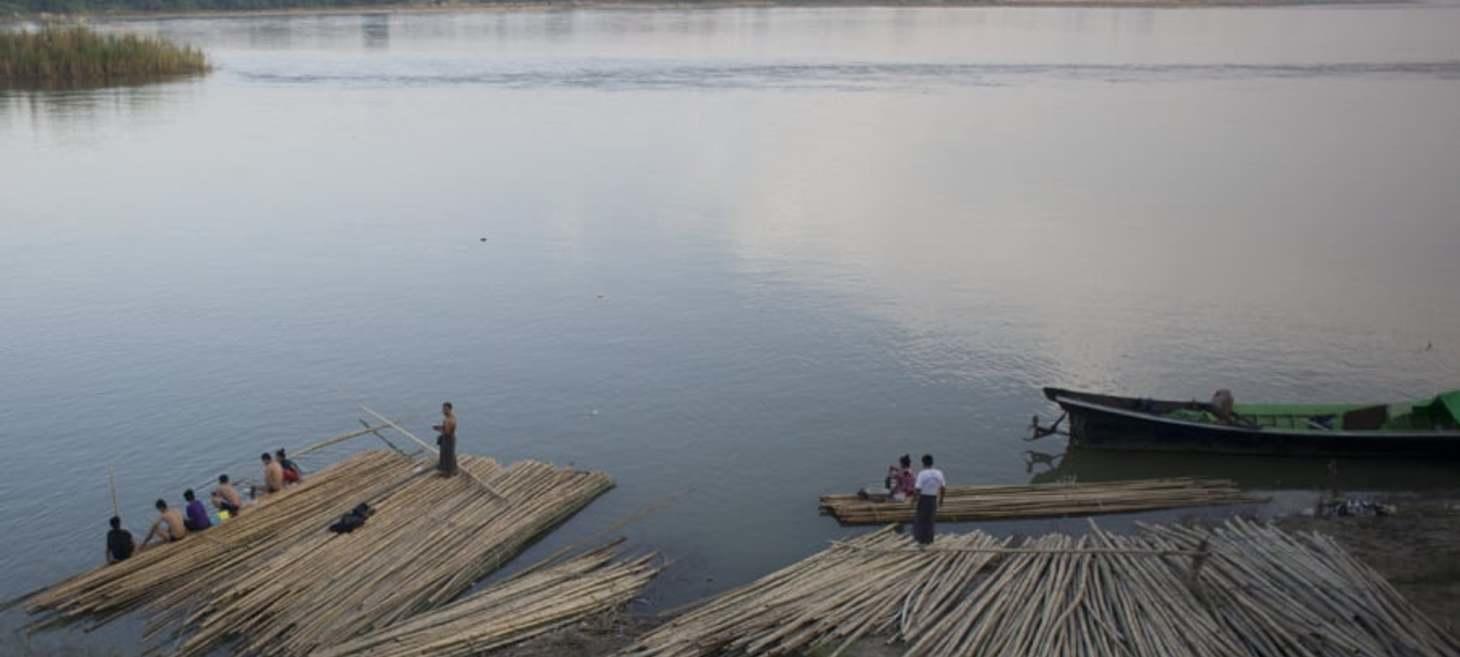
On the International Day of Action for Rivers and Against Dams (March 14), Karen Rivers Watch issued a declaration urging the protection of Myanmar's major rivers - including the Salween and Irrawaddy - which are vital to the livelihoods, culture, and spiritual identity of Indigenous communities. These rivers face severe threats from large-scale dam projects, illegal mining, and rare-earth mineral extraction driven by the military junta (SAC), resulting in toxic contamination (arsenic levels up to 55× the safe limit in the Salween), biodiversity loss, forced displacement, and deteriorating community health. The statement calls on ethnic de facto governments, the National Unity Government, the international community, and ASEAN to halt destructive extraction projects, impose legal sanctions on the SAC, and develop inclusive, federal-level environmental and water governance policies grounded in free, prior, and informed consent of Indigenous peoples.
mizzima.com
Politics
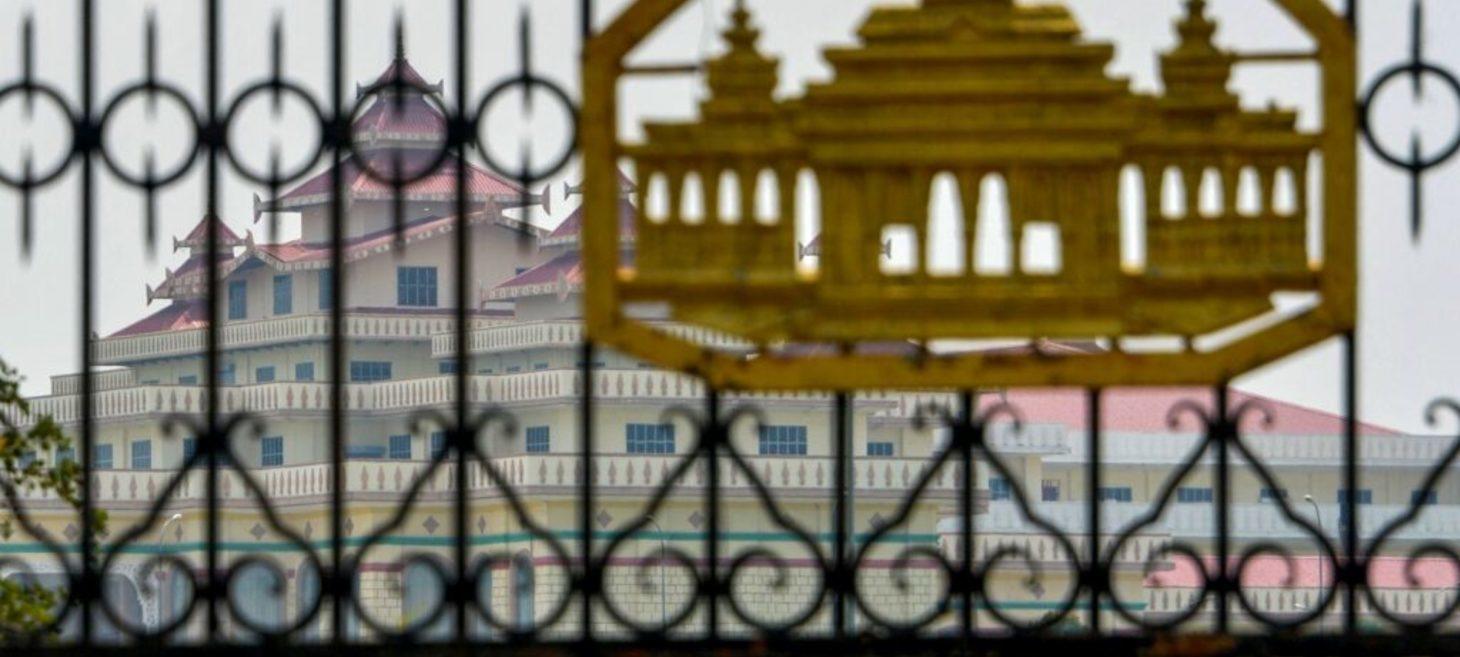
Myanmar’s post-coup parliament sits packed with junta allies
Myanmar's military junta has convened parliament for the first time since its 2021 coup, filling it with pro-military lawmakers from the Union Solidarity and Development Party and members of the active armed forces, following a stage-managed election held in December and January. The vote was boycotted by resistance forces controlling large parts of the country, and democracy watchdogs have condemned it as illegitimate, with analysts describing the new MPs as a proxy designed to give military rule a civilian veneer. Junta chief Min Aung Hlaing is widely expected to transition into the presidency or continue pulling strings behind the scenes, effectively maintaining military control under the guise of a civilian government.
frontiermyanmar.net
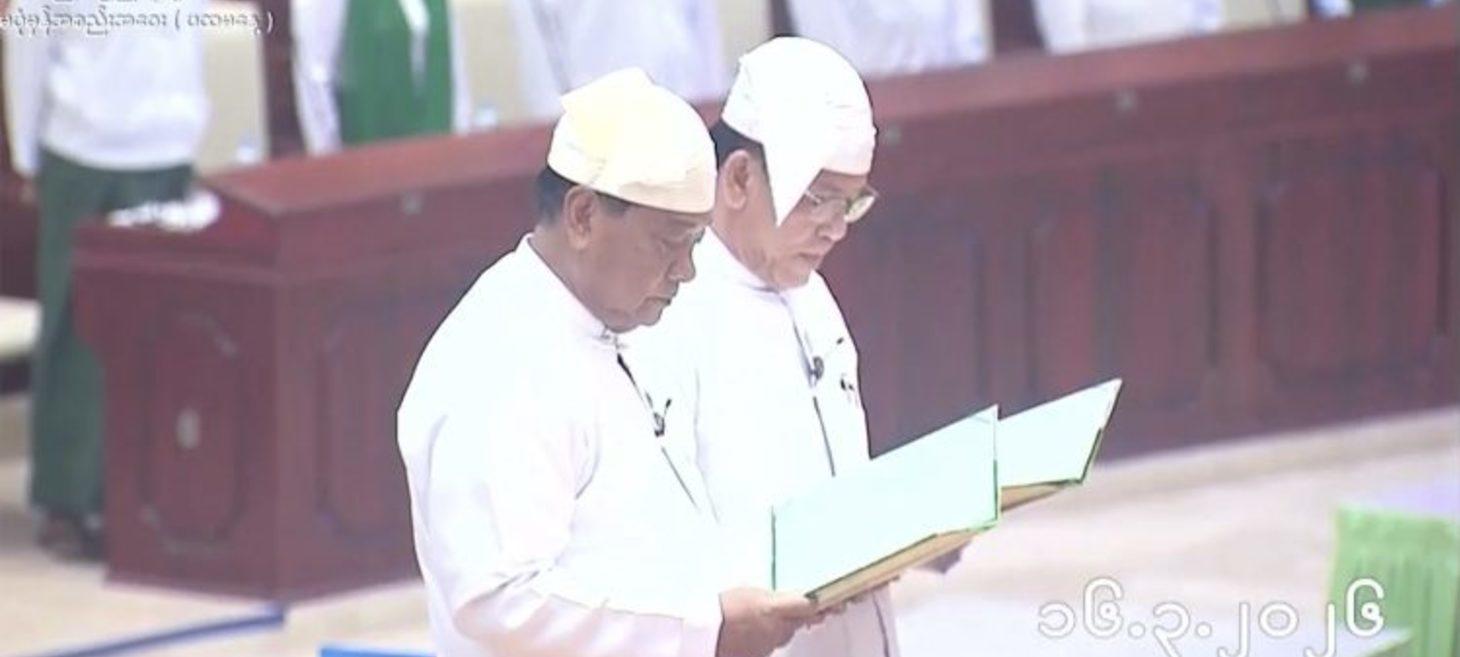
Two Ex-Generals Elected Speakers of Myanmar’s Martial Parliament
Myanmar's military proxy party (USDP) convened its first parliamentary session since the 2021 coup in Naypyitaw, with two former generals - Khin Yi and Maung Maung Ohn - elected as speaker and deputy speaker of the Lower House. The parliament was formed through a December-January election widely seen as rigged, with meaningful opposition barred and a quarter of seats reserved for uniformed soldiers under the 2008 military-drafted constitution. In response, the shadow National Unity Government (NUG) held its own online session, rejecting the new legislature as illegitimate and warning against treating it as a normal political development.
irrawaddy.com