Introduction & Analysis
This collection of open-source English-language news articles published over the past week highlights significant events and issues concerning Myanmar. They present a snapshot of the country's safety and security landscape.
- Civil War & Junta Atrocities: Myanmar's military junta continues offensive operations across multiple fronts - including a drone-heavy push toward Tagaung in Mandalay Region, an airstrike on a Karenni POW detention centre killing an 8-year-old girl, and looting of civilian villages in Kyaikto Township - while resistance forces, ethnic armed organizations like the Arakan Army, and Shan groups (RCSS/SSPP) navigate an increasingly complex and brutal conflict landscape.
- Junta Power & Surveillance: Min Aung Hlaing is consolidating personal loyalists, most notably promoting his intelligence chief Ye Win Oo to Army Chief ahead of a nominal civilian government transition in April; simultaneously, the regime is implementing a mandatory IMEI registration system (CEIR) that digital rights experts warn will enable total communication surveillance of activists, journalists, and resistance networks.
- Economic Collapse & Cronyism: Myanmar's economy is in freefall - with the junta's banking restrictions eroding public trust and trapping citizen savings, a Middle East war-driven fuel crisis forcing odd-even vehicle restrictions, and Yangon's property market paradoxically booming as a inflation hedge - while Min Aung Hlaing's children exploit EV import monopolies and fuel rationing exemptions to profit directly from the crisis, deepening Myanmar's dependence on China and Russia.
- Scams, Drugs & Transnational Crime: China intensified its crackdown on Myanmar-based scam operations, executing 16 members of the "Four Major Families" and prosecuting hundreds more, while online fraud complaints also rose in Thailand; meanwhile, Myanmar's civil war has supercharged drug production in the Golden Triangle - tripling hard drug use rates in northern Thailand - and a US court sentenced a Yakuza member to 20 years for trafficking nuclear material and weapons to Myanmar armed groups.

Conflict
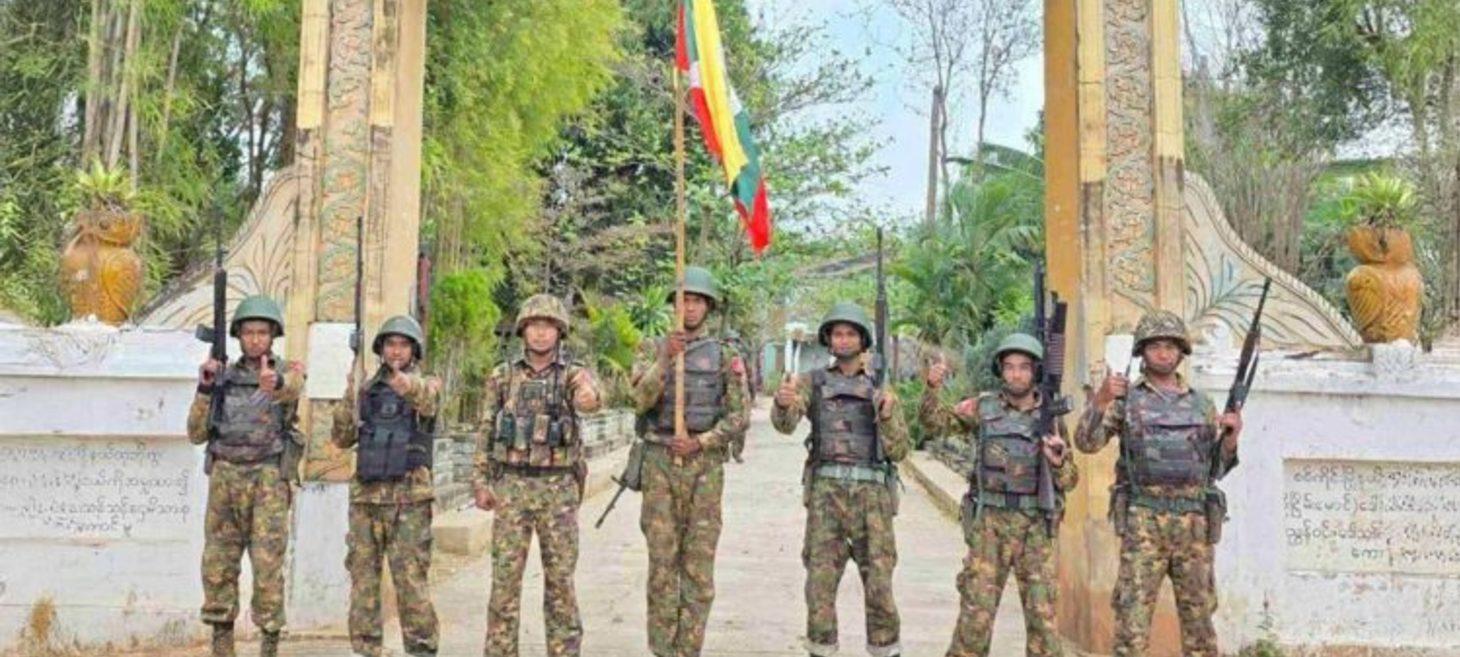
Junta Troops Close In on Resistance’s Last Stand in Mandalay Region
Myanmar's military junta has been conducting a month-long offensive in the Mandalay Region, recently seizing Min Kone village, roughly 21 km south of Tagaung, relying heavily on drone warfare to push back resistance forces. Tagaung is a strategically critical town on the Irrawaddy River, serving as a gateway to neighboring regions and home to a Chinese-backed nickel plant worth $800 million - widely seen as the junta's primary motivation for the offensive. Resistance forces, led by People's Defense Force battalions, are under increasing pressure and may ultimately be forced to withdraw, potentially handing the junta control of the valuable facility, which observers believe Beijing has been pressuring the regime to reclaim.
irrawaddy.com
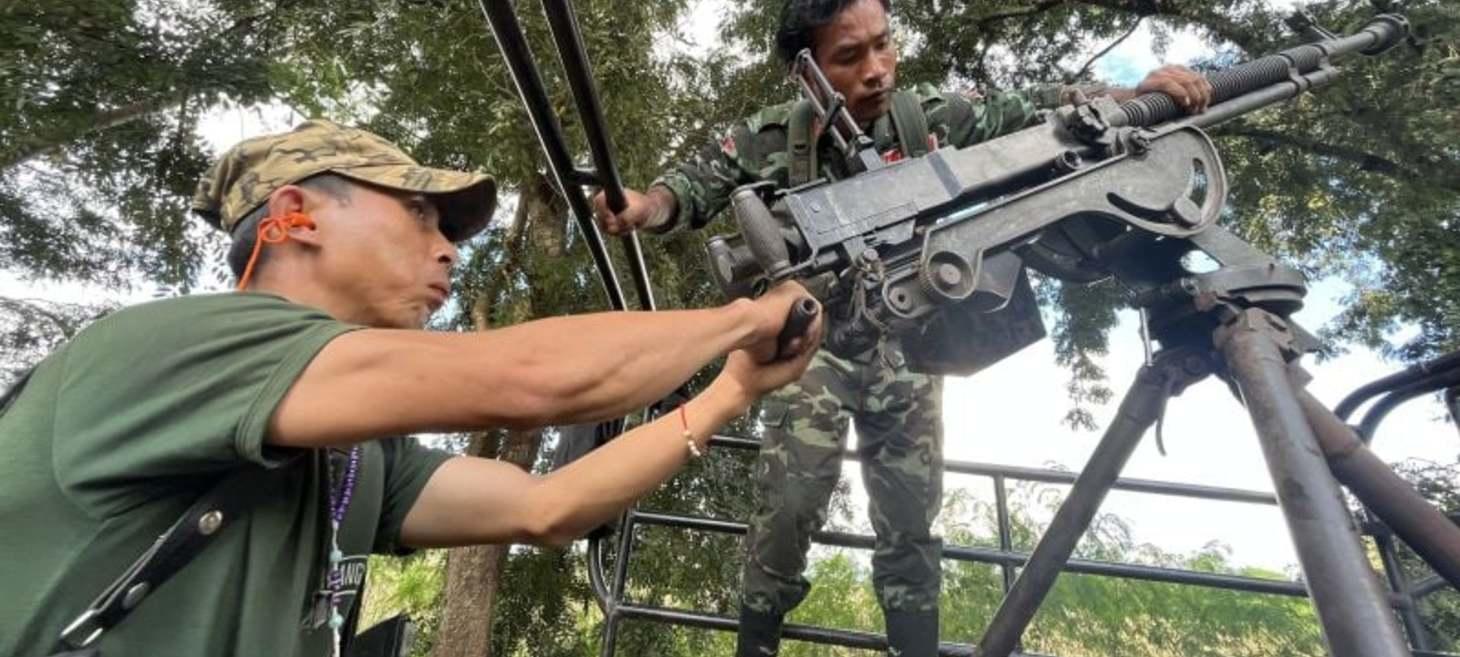
Myanmar junta airstrike on Karenni detention centre kills detainees' families and eight-year-old child
On 5 March 2026, the Myanmar military carried out an airstrike on a POW detention centre in Mese Township, Karenni State, dropping approximately eight 200-pound bombs and killing five people - including an eight-year-old girl - all of whom were family members of captured junta personnel. The Karenni State Interim Executive Council (IEC) confirmed the deaths and reported an unconfirmed number of additional injuries. The attack comes weeks after a January prison break at the same facility, in which 83 detainees escaped, eight were killed during the subsequent manhunt, and the remaining escapees who fled to Thailand were eventually handed back to the junta by Thai authorities.
mizzima.com

Withdrawal of Myanmar junta troops reveals widespread looting and civilian deaths in Kyaikto township
Myanmar junta forces from the 207th Infantry Regiment and 310th Artillery Regiment withdrew from multiple villages in Kyaikto Township on March 5, 2026, after an offensive along the Sittaung River near the Mon-Bago border. During their retreat, the troops looted homes and destroyed remaining property to prevent its use by others. The operation resulted in casualties on both sides due to clashes with revolutionary forces, and four civilians from Moke Ka Maut village were killed during fighting and arrests.
mizzima.com
Conscription
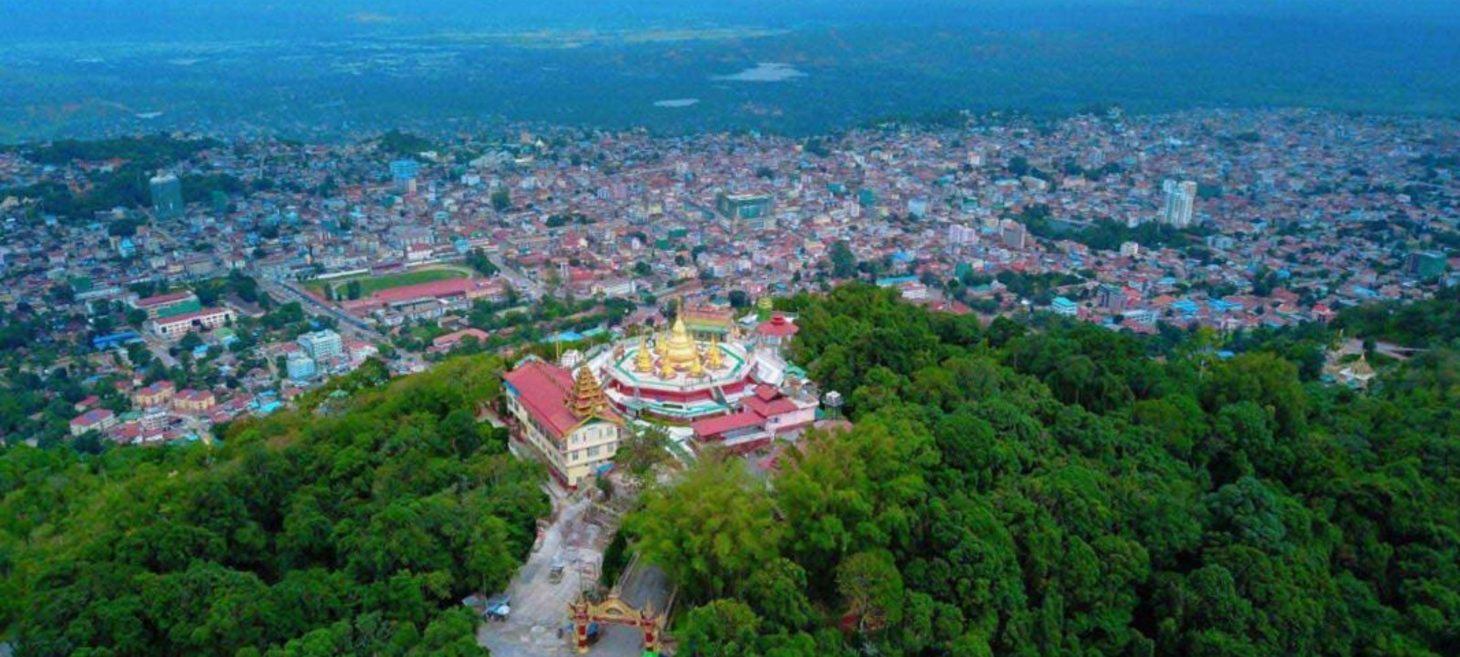
Civilians in Taunggyi Targeted for Portering and Forced Military Service
Myanmar military troops are ambushing civilians - including women - in secluded areas of Taunggyi, southern Shan State, forcibly detaining them for portering duties and military service. Regime forces also conduct surprise nighttime inspections of boarding houses, arresting young men, and have been reported seizing individuals on the street and passing them into military ranks, cutting off all contact with their families. The crackdown stems from the enforcement of the 2024 People's Military Service Law, targeting men aged 18-35 and women aged 18-27, and has driven widespread fear that keeps residents confined to their homes after dark.
shannews.org
Crime & Narcotics
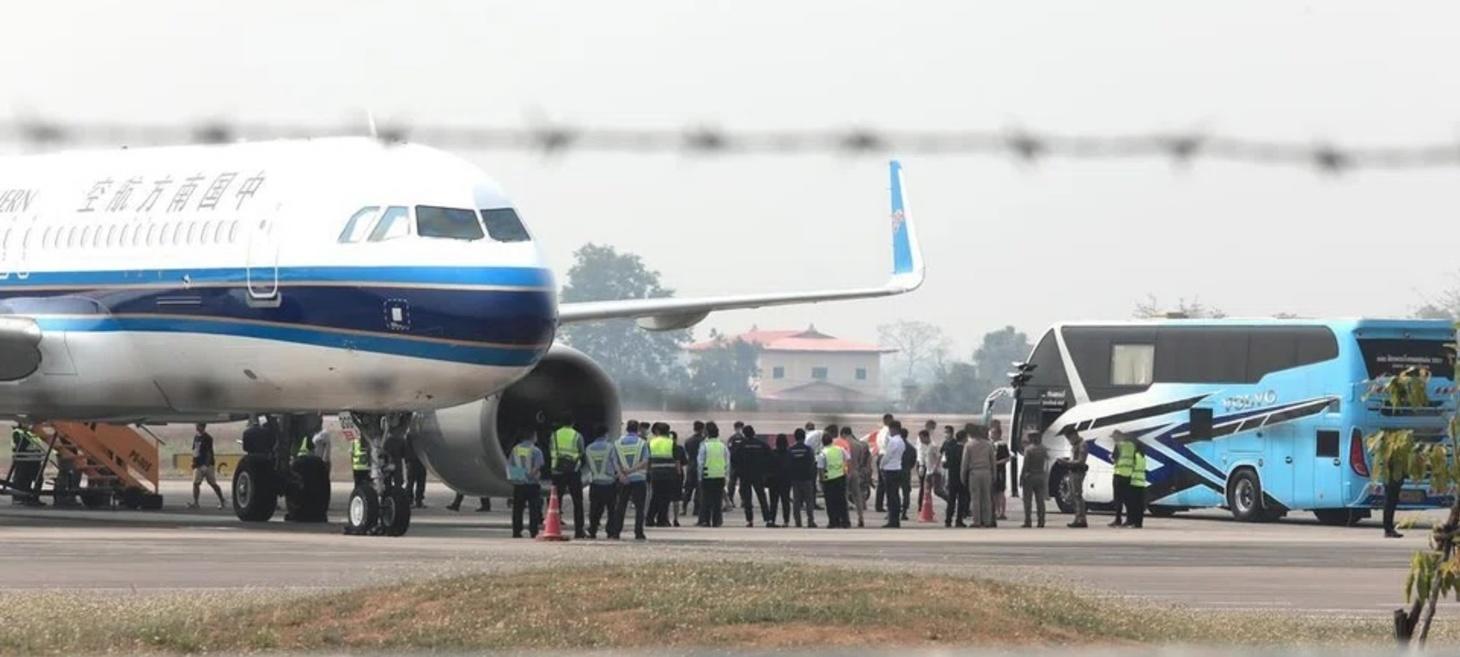
Four crime families in Myanmar in spotlight as China deepens fraud crackdown
China has intensified its crackdown on Myanmar-based "telco fraud" scam operations, focusing on four powerful crime families - known as the Four Major Families - whose members were convicted in 2025 for crimes including fraud, murder, and unlawful detention, resulting in 16 executions and numerous life sentences. Despite overall criminal cases in China declining by nearly 8% in 2025, fraud was the only top-10 crime to increase, with courts closing 95,600 cheating cases - up 6.55% from 2024. Cybersecurity crimes also surged sharply, rising 158.5% over five years, prompting both the Supreme People's Procuratorate and the Supreme People's Court to pledge further crackdowns on online crime and telco fraud in 2026.
straitstimes.com
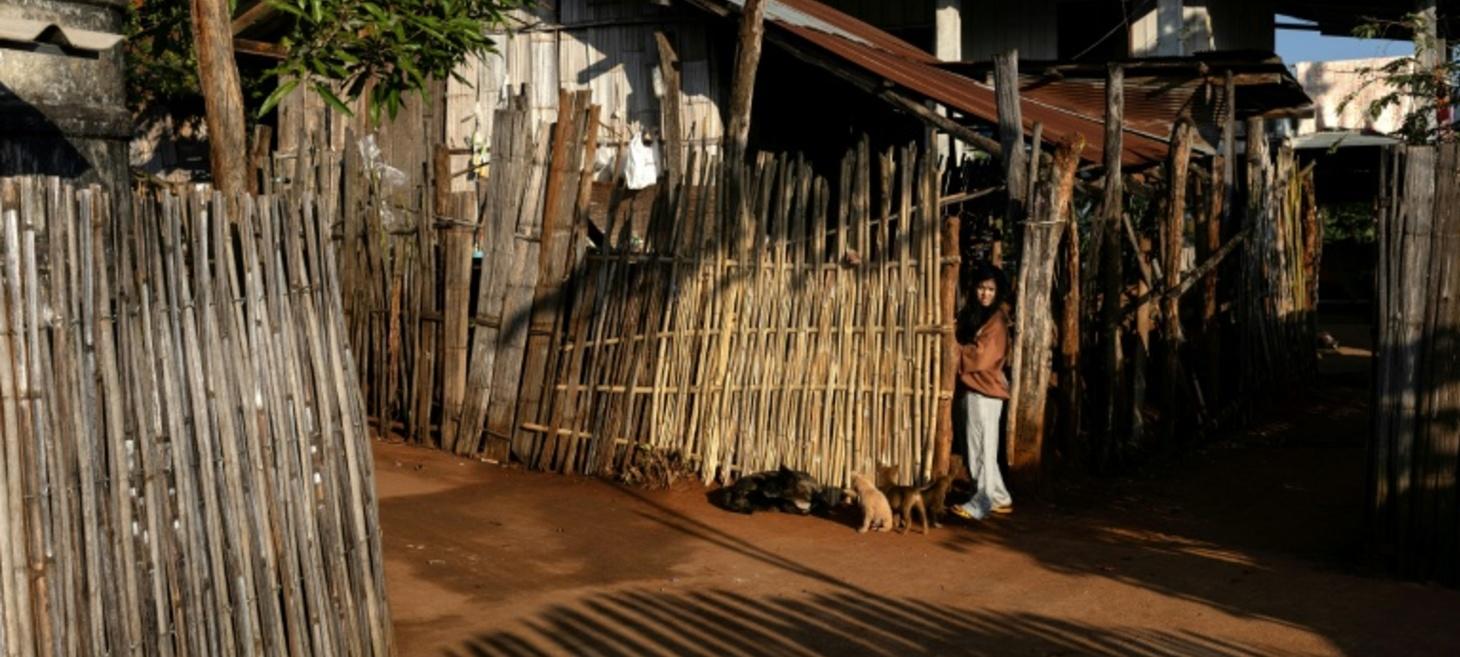
Myanmar civil war drives drugs epidemic in Thai hills
Myanmar's ongoing civil war has fueled a dramatic surge in drug production in the Golden Triangle region, with opium cultivation and methamphetamine manufacturing expanding as conflict weakens law enforcement and creates economic instability. Northern Thailand bears the brunt of this spillover, with hard drug usage among residents of its eight northernmost provinces tripling between 2019 and 2024. The Lahu hill tribe communities along the Thai-Myanmar border are especially vulnerable, as poverty and lack of opportunities push many - including teenagers - into drug use or low-level trafficking.
digitaljournal.com
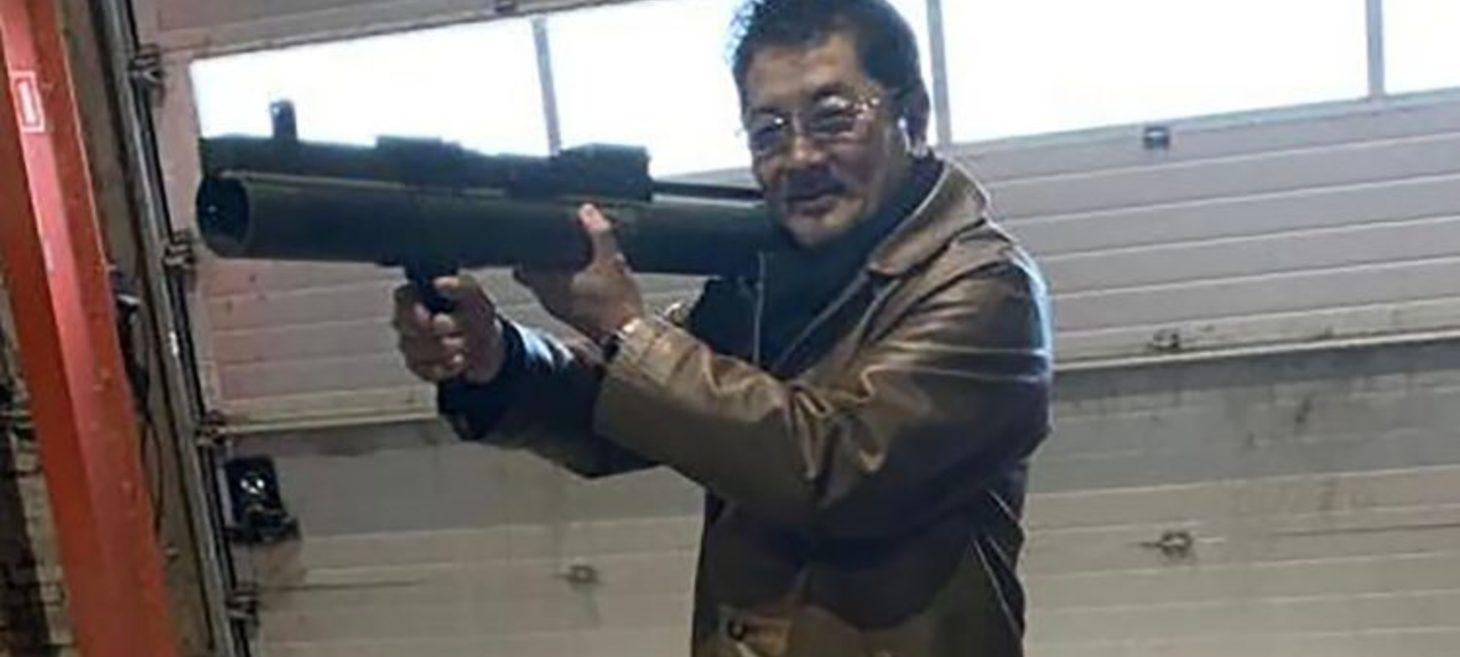
US Court Convicts Yakuza of Trafficking Nuclear Material for Myanmar Armed Groups
Takeshi Ebisawa, a 61-year-old Japanese Yakuza member, was sentenced to 20 years in prison by a New York court after being convicted of trafficking nuclear material, drugs, and weapons. He had been under investigation by the U.S. Drug Enforcement Administration since at least 2021, and was arrested in April 2022 alongside his Thai co-defendant Somphop Singhasiri. Among his crimes were attempts to sell weapons-grade plutonium to Iran and to procure surface-to-air missiles for armed groups in Myanmar - charges to which he pleaded guilty across six counts in January 2025.
irrawaddy.com
Cybersecurity & Cybercrime
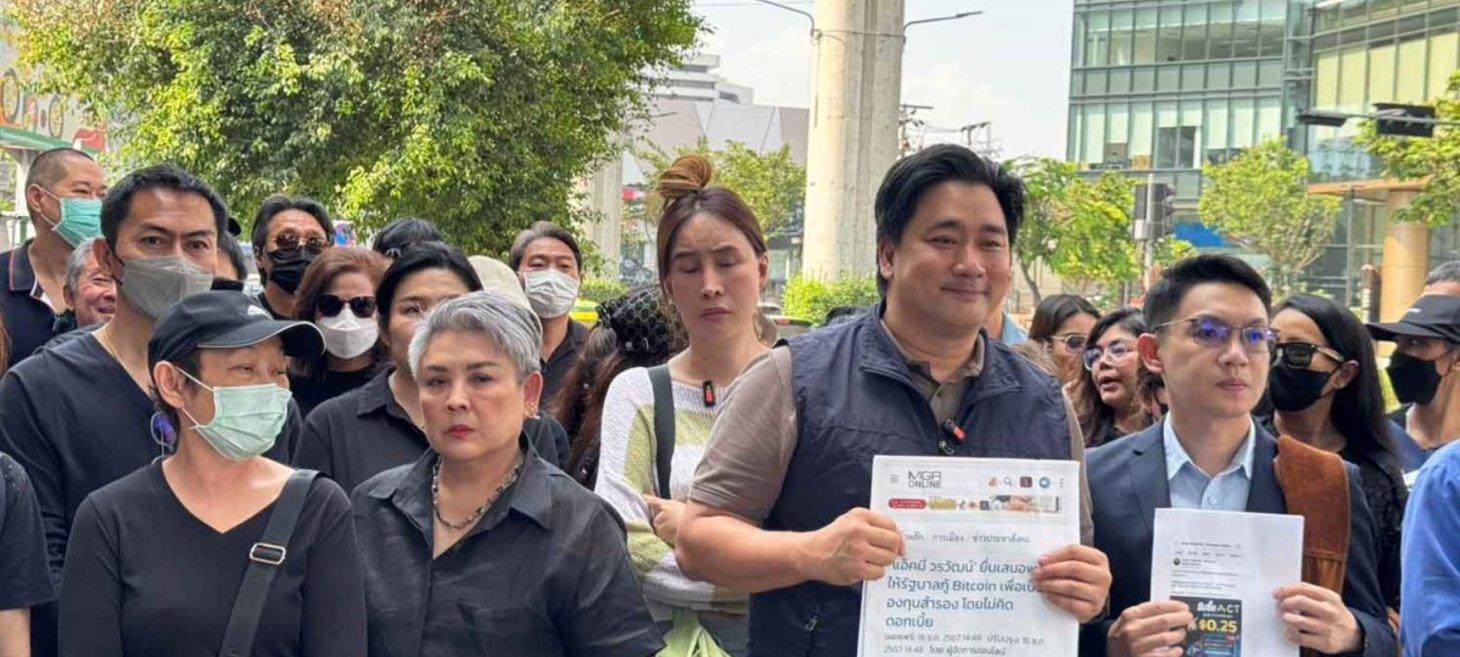
Online scams up again, investment fraud worst
Online scam complaints in Thailand rose 4% in the first week of March 2026, totalling 7,682 reports, though overall financial damage fell 5.6% to 433.86 million baht. Investment fraud caused the most financial harm, accounting for 146.6 million baht in losses, and police intercepted 2.89 billion baht in transactions destined for scammers' accounts. A high-profile case involved around 30 victims who collectively lost 1.37 billion baht in a cryptocurrency scheme allegedly run by a businessman who has since fled to the United Arab Emirates.
bangkokpost.com
Economy

Business | Myanmar Junta Chief’s Family Cash In as Fuel Restrictions Spark EV Frenzy
Myanmar's military junta has imposed an odd-even fuel restriction on private vehicles to address nationwide fuel shortages, while exempting electric vehicles, triggering a surge in EV demand and prices. The policy directly benefits junta chief Min Aung Hlaing's children, Aung Pyae Sone and Khin Thiri Thet Mon, who control two of the country's largest EV import businesses and had already imported over 1,200 vehicles combined by May 2024. Despite the EV boom, industry experts warn that scarce charging infrastructure and chronic power blackouts mean EVs cannot realistically solve the fuel crisis, leaving ordinary citizens to bear the brunt of the shortages while the ruling family profits.
irrawaddy.com
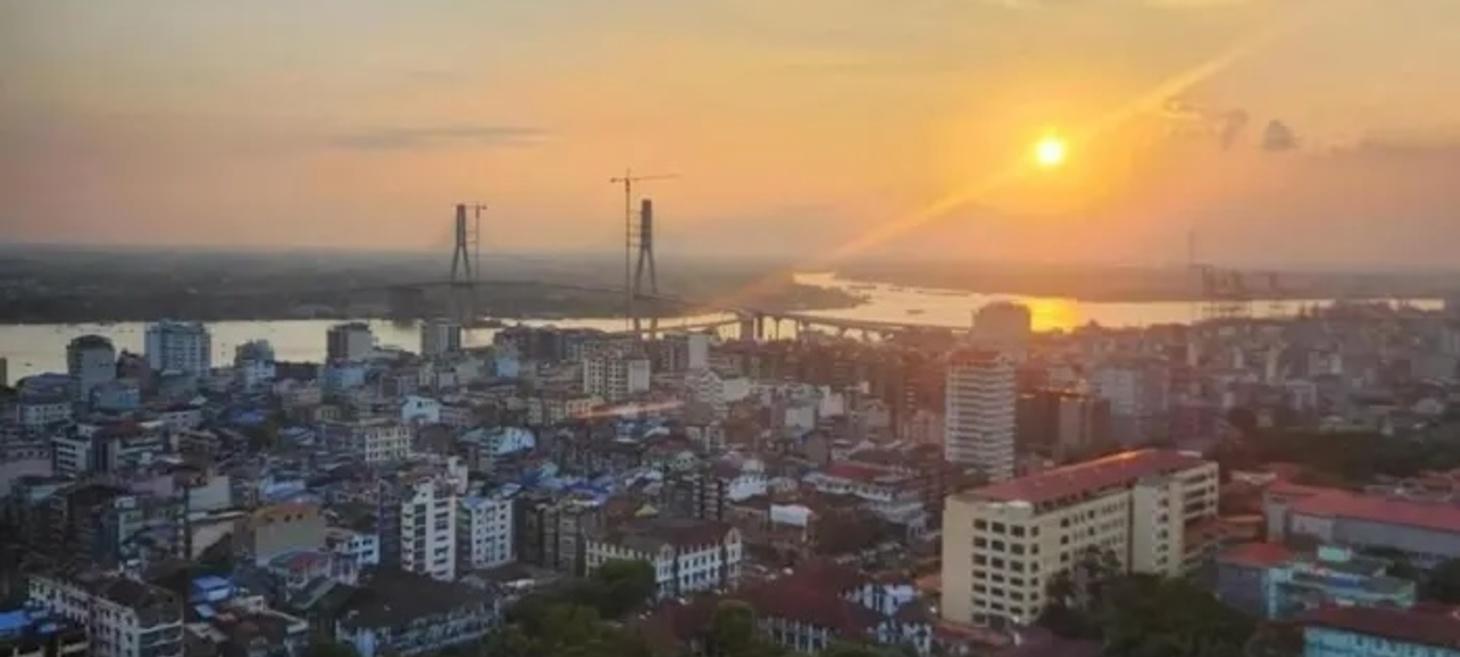
‘Crazy’ Yangon property prices despite struggling economy, civil war in Myanmar
Yangon is experiencing a paradoxical property boom, with condominium prices roughly doubling since 2020 despite Myanmar's ongoing civil war, a contracting economy, and inflation exceeding 20%. The surge is largely driven not by genuine demand or income growth, but by risk-hedging behaviour - citizens are parking wealth in real estate to escape a volatile kyat, an untrustworthy banking system, and military-imposed restrictions on foreign currency and capital outflows. Internal migration from conflict zones, limited supply of high-quality housing, a speculative "flipping" culture, and the psychological aftermath of the 2025 earthquake have further fuelled demand, pushing prices to levels even industry insiders describe as "crazy."
thestar.com.my
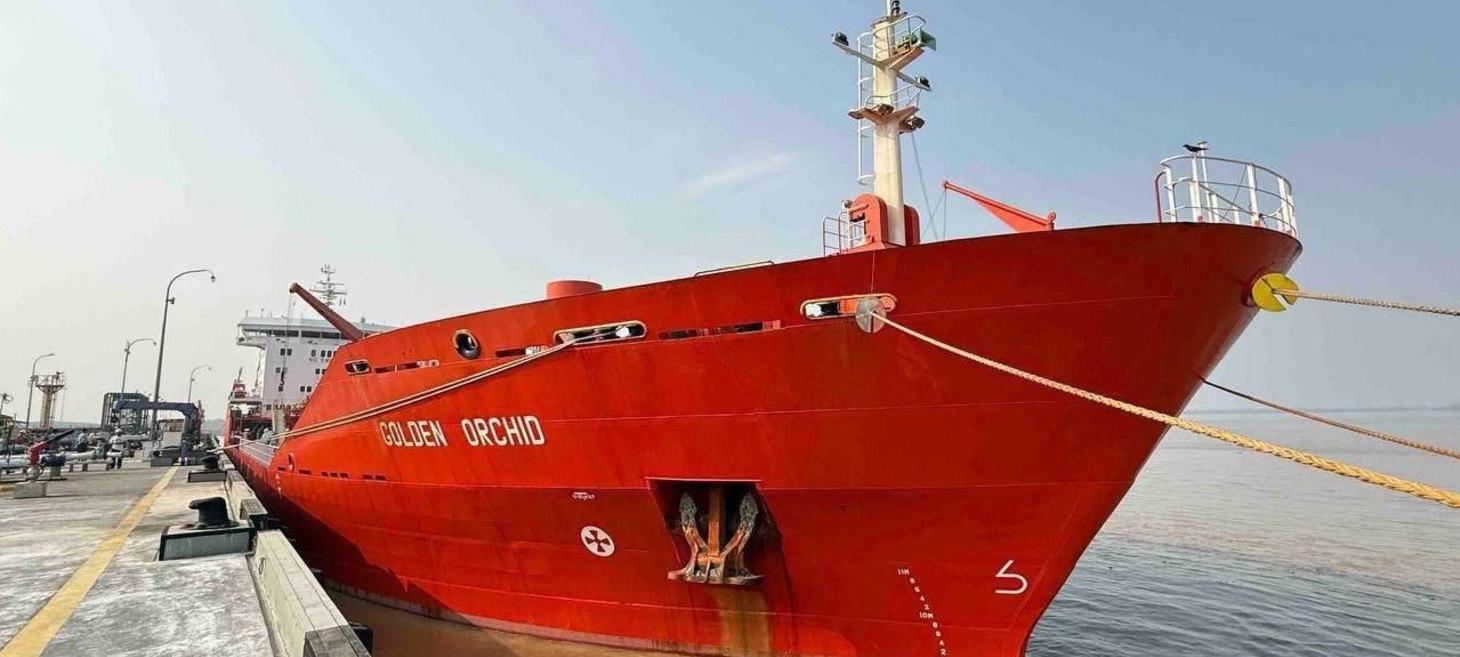
Dozen More Fuel Tankers Bound for Myanmar
Myanmar's Ministry of Energy is actively managing fuel supply stability, with two tankers already docked at Thilawa Port and 12 more in various stages of loading or transit. The government holds approximately 40 days of fuel reserves and is distributing supplies regularly to stations nationwide to prevent shortages. Officials have dismissed rumors of a fuel crisis, clarifying that Myanmar imports fuel from Singapore and Malaysia, not Thailand, and urging the public to avoid panic buying.
gnlm.com.mm
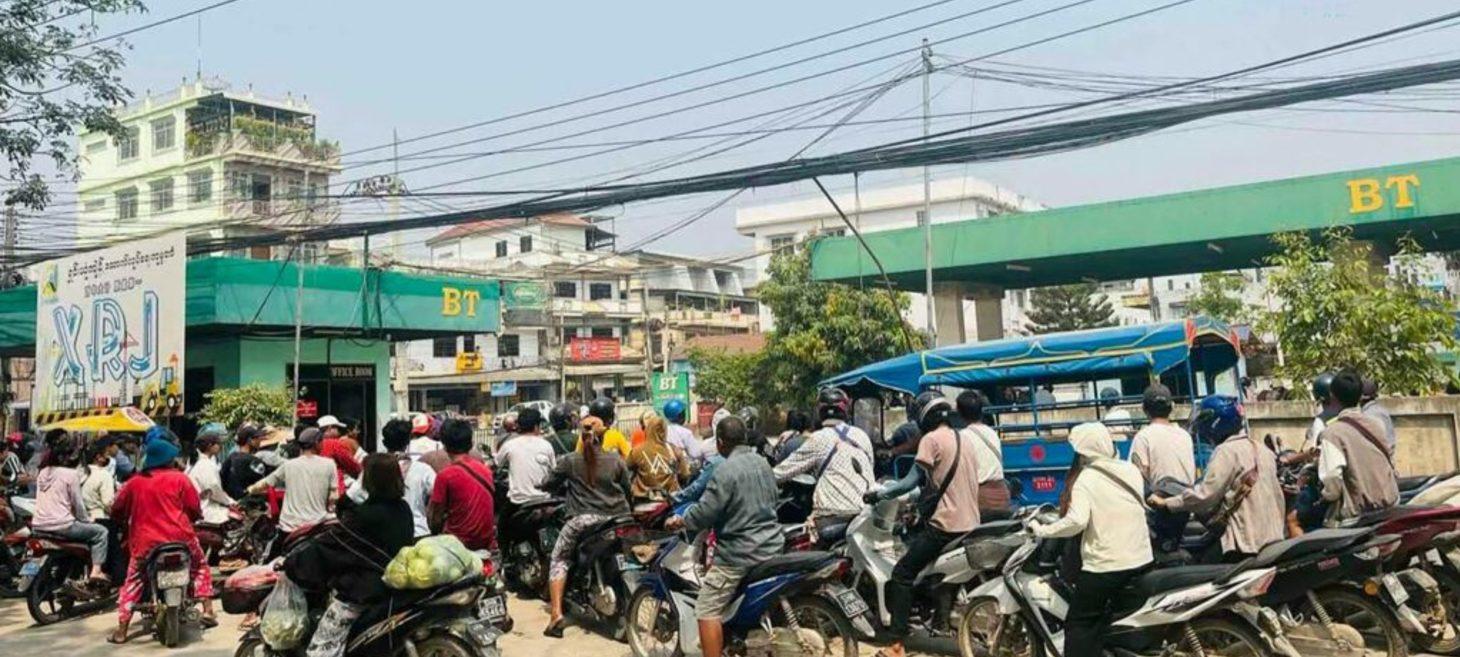
Myanmar drivers scramble for fuel as Mideast war cuts supply
The ongoing U.S.-Israeli war against Iran and broader Middle East conflict has disrupted global oil supplies, hitting fuel-dependent Myanmar particularly hard, as the country imports 90% of its fuel. Long queues have formed at petrol stations across the country, with some stations shutting down entirely while fuel tankers wait to dock. In response, Myanmar's military junta announced it would restrict half of all private vehicles from the roads each day based on licence plate numbers, claiming the country has about 40 days of fuel stockpiles remaining
frontiermyanmar.net
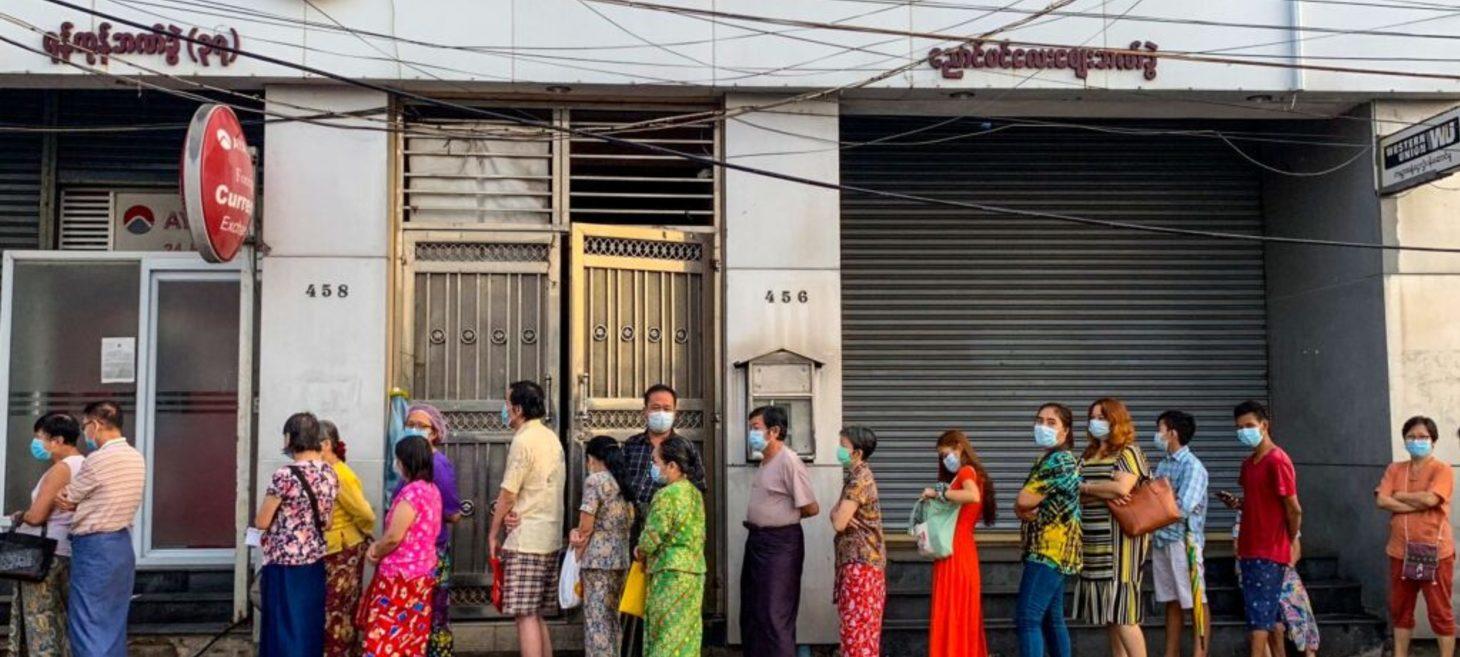
The dismantling of Myanmar’s banking system
Since Myanmar's military coup in February 2021, the junta has imposed strict withdrawal caps on bank accounts, trapping citizens' savings and effectively undermining the banking progress made during the democratic transition period of 2011-2021. Public trust in the banking system has collapsed as a result - the kyat has depreciated sharply (from ~K1,350 to ~K4,000 per US dollar by 2024), an informal cash-discount market emerged, and most people reverted to large cash transactions rather than using banks. Attempts to restore confidence, such as the introduction of "special accounts" in April 2021, ultimately failed when the regime imposed the same withdrawal restrictions on those accounts too, leaving the banking sector in a state of near paralysis.
frontiermyanmar.net
Myanmar vehicles with fake and decorative licence plates must register by deadline or face action
Myanmar's Ministry of Transport and Communications has issued a notice requiring vehicles with fake or decorative licence plates (imported legally but never officially registered) to complete their initial registration. Deadlines are staggered by import year: vehicles imported in 2018 must register by April 30, 2026; those imported in 2019 by May 31, 2026; and those imported in 2020 by June 30, 2026. After these deadlines, no further registrations will be accepted, and unregistered vehicles will be subject to legal action under the Road Safety and Motor Vehicle Management Law (2020).
thestar.com.my
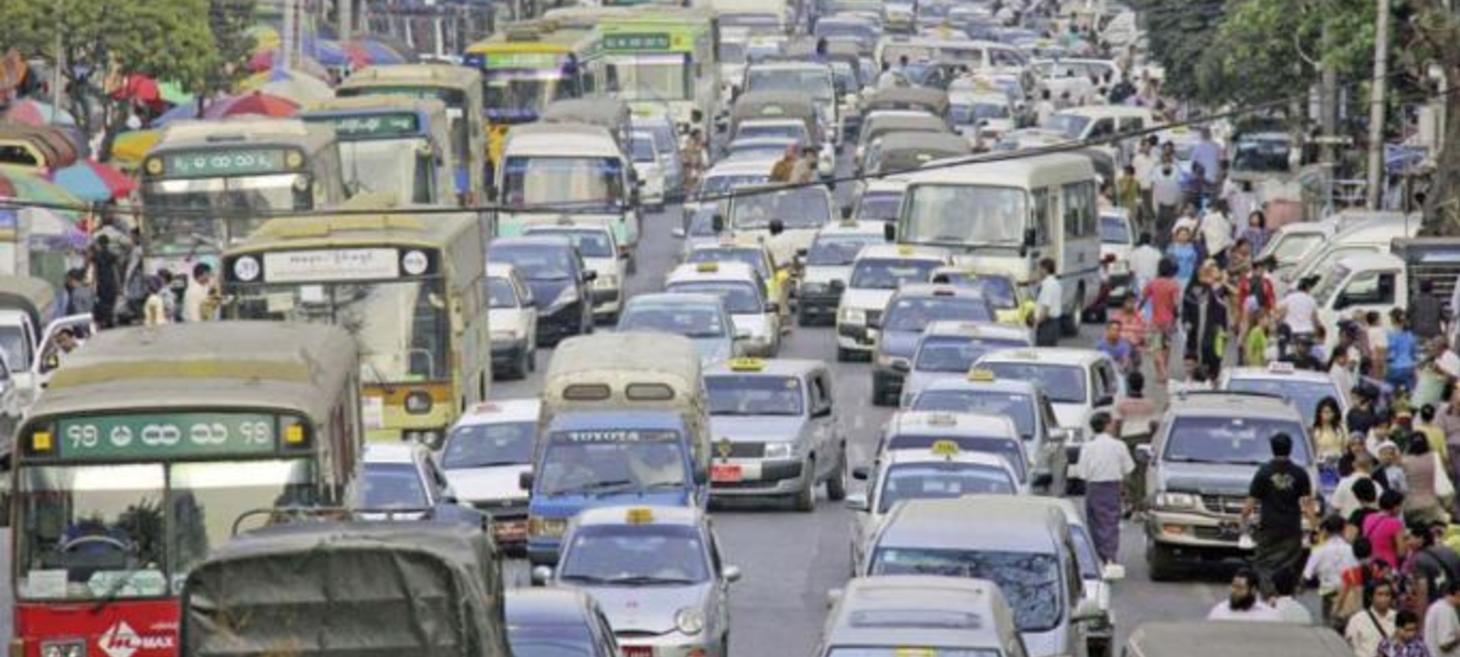
MYANMAR Fuel shortages: Myanmar limits traffic, promotes Chinese electric vehicles
Myanmar's military junta has introduced an odd-even licence plate system to ration fuel for private vehicles, a response to severe shortages caused by the Middle East war and reduced supplies from Thailand. Electric vehicles are exempt from the restriction, but this exemption primarily benefits the junta's inner circle, as General Min Aung Hlaing's children directly control companies importing Chinese EVs. The policy places a heavy burden on ordinary citizens who rely on private transport for daily life, with no compensation offered and no end date announced, while widespread blackouts make EV adoption impractical for most people.
asianews.it
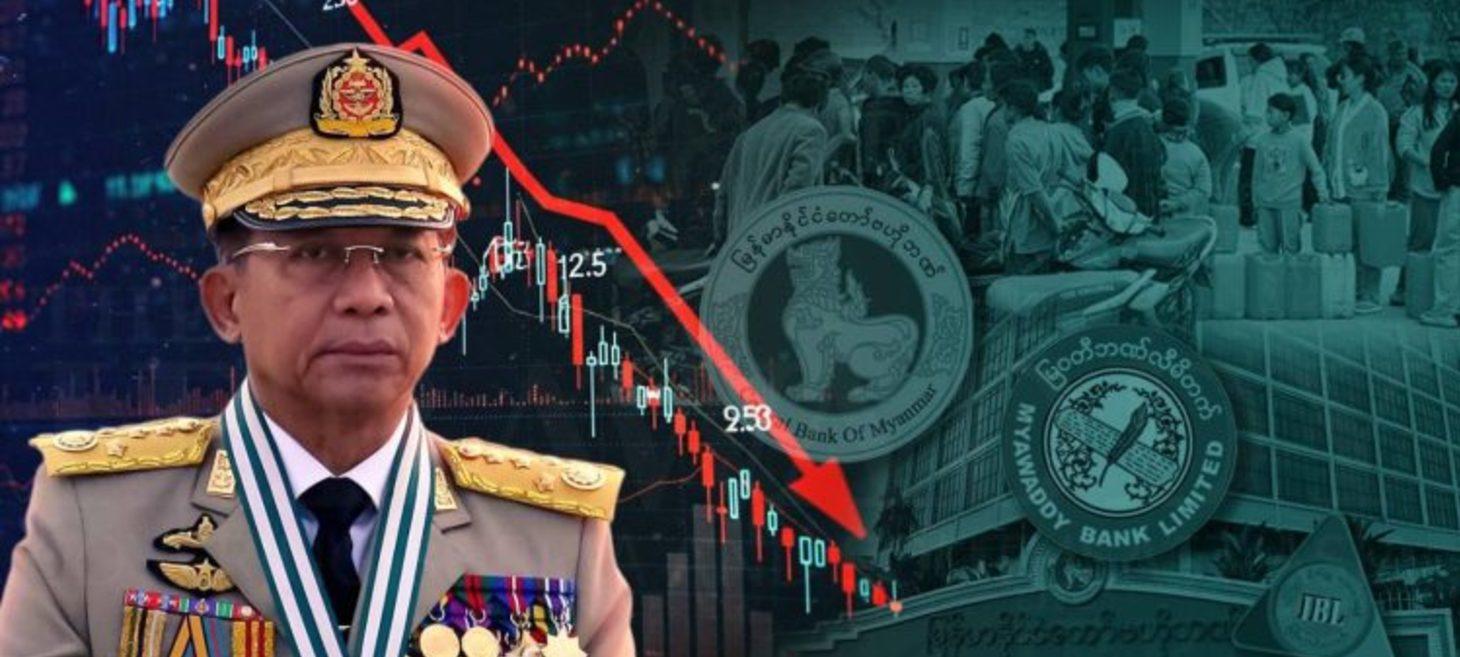
Analysis | Min Aung Hlaing and the Vandalization of Myanmar’s Economy
Myanmar's military, led by Senior General Min Aung Hlaing, staged a coup on February 1, 2021, using fraudulent election claims as a pretext, but the deeper motivation was the NLD government's sweeping economic reforms that threatened the military's vast business empire and reduced the privileges of its crony network. Under Aung San Suu Kyi, the NLD had introduced transparent procurement, tax reforms, banking oversight, and land policies that directly curtailed the profitability of military conglomerates MEC and MEHL, while stripping generals of guaranteed government positions and unchecked influence. Cronies and generals, fed up with shrinking profit margins and growing civilian oversight, convinced Min Aung Hlaing that the economy was collapsing - a narrative he readily believed - and many celebrated the coup, even as Myanmar's economy has since deteriorated sharply under junta rule.
irrawaddy.com
Ethnic Issues
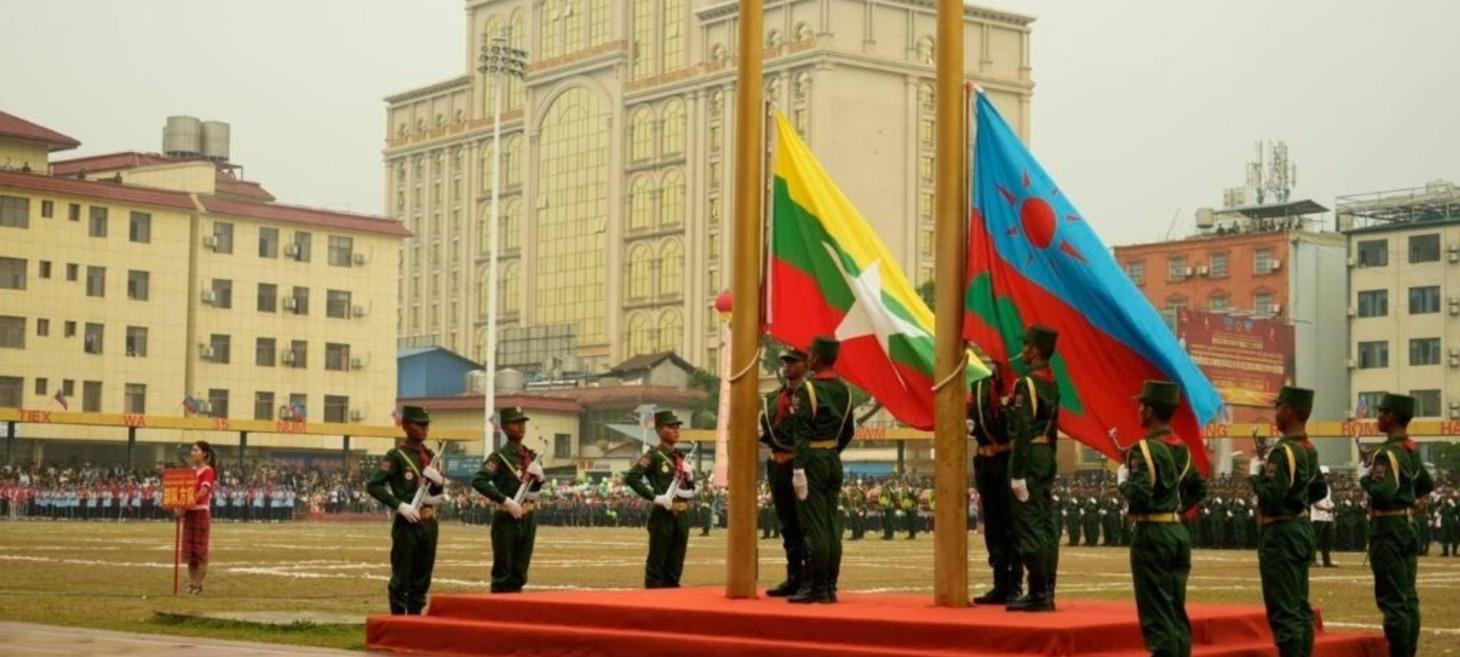
UWSA Tells Schools to Emphasize Burmese and Wa Languages
The United Wa State Army (UWSA) has issued a new education directive instructing schools in its administered areas of Shan State to teach Burmese as the primary language and Wa as a secondary one, signaling the group's stated commitment to remaining part of the Union of Myanmar. The directive was announced at a March 3 year-end coordination meeting in Hopang Township, which also addressed other policy priorities such as prohibiting administrative abuse, drug trade involvement, and online scam operations. Despite these policies, residents in UWSA-controlled border regions report that the Chinese language and yuan remain dominant in daily life and commerce.
shannews.org
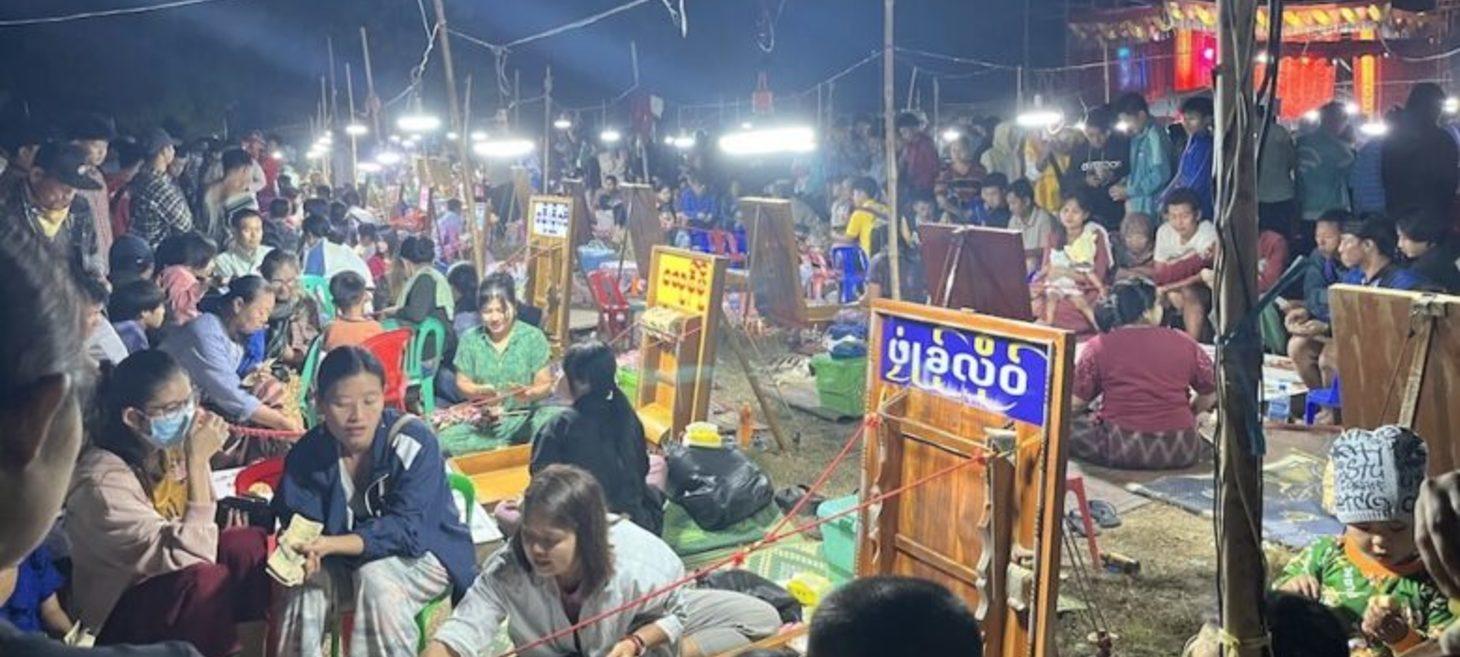
Gambling stalls guarded by BGF and KNU/KNLA-PC flourish at Mount Zwegabin Pagoda festival
The annual Sandawship Pagoda Festival at Mount Zwegabin in Hpa-An, Karen State, was held from March 1-3, 2026, under the security of junta-aligned Karen armed groups, the BGF and KNU/KNLA-PC. The event featured nearly 100 gambling stalls attracting large crowds, with concerns raised over children as young as 10 participating in gambling activities. The festivities have drawn public criticism given the ongoing armed conflict in Karen State, which has displaced residents from townships such as Kawkareik and Kyainseikgyi.
karennews.org
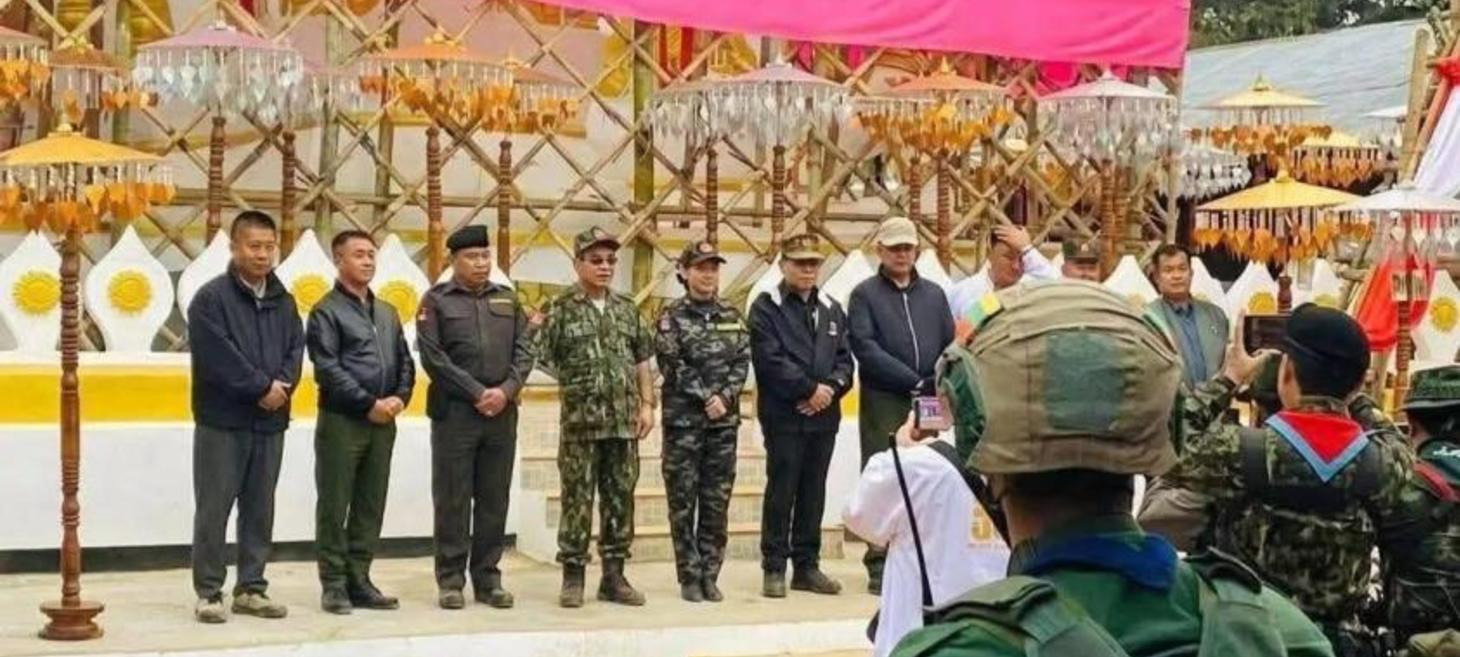
RCSS and SSPP leaders meet in Kunhing
Leaders of two major Shan ethnic armed organizations, the RCSS/SSA and SSPP/SSA, held an informal meeting in Kunhing Township, Shan State, on the sidelines of a pagoda ceremony on March 2. The talks, which included a dinner and a speech by RCSS Chairman General Yawd Serk, focused on building friendship and trust, with Yawd Serk emphasizing that outside forces are responsible for stirring conflict among Shan State's ethnic groups. The meeting was welcomed by Shan youth as a positive step, coming roughly two years after the two former rivals signed a ceasefire agreement in November 2023.
bnionline.net
Foreign Affairs
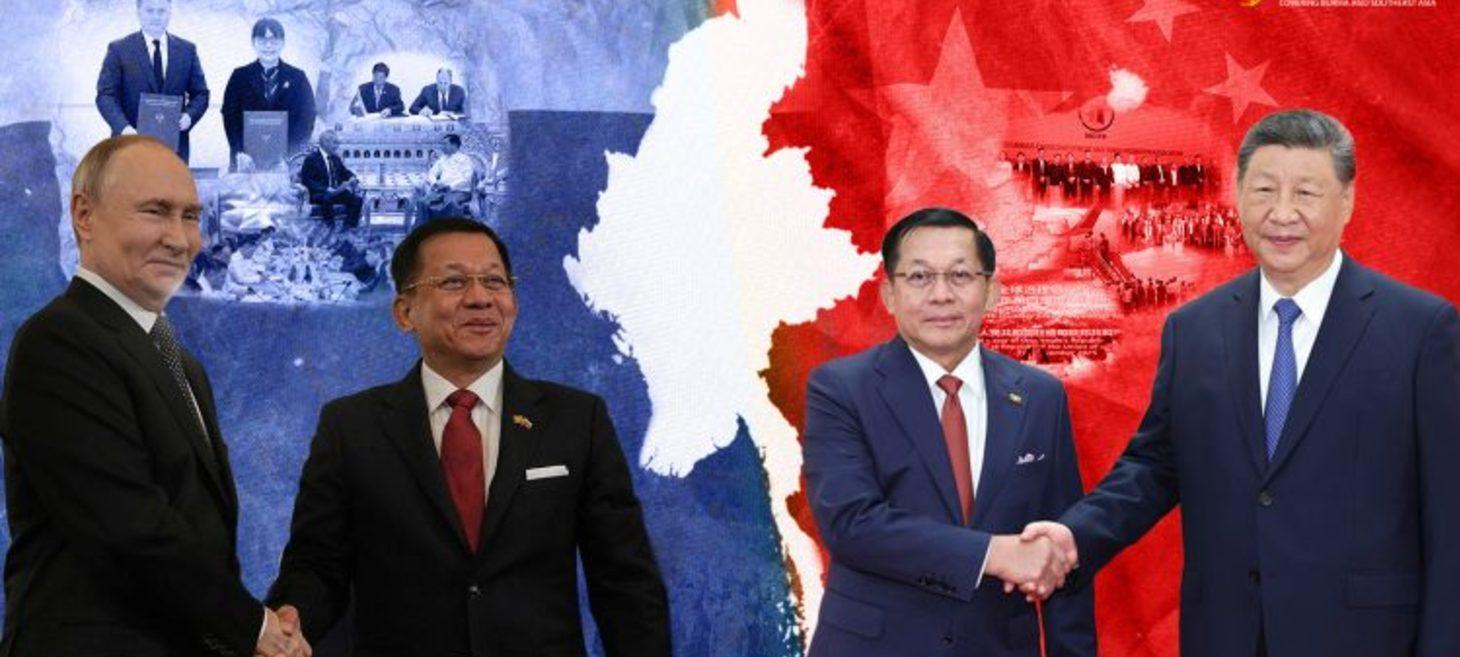
Myanmar’s Dependence on China, Russia Will Only Deepen Under New Gov’t: Analysts
Since the 2021 military coup, Myanmar's junta has abandoned its historic policy of non-alignment and grown deeply dependent on China and Russia for diplomatic cover, weapons, economic investment, and political legitimacy in the face of sweeping Western sanctions. Under junta chief Min Aung Hlaing - significantly weakened by armed resistance - Myanmar has become increasingly servile toward Beijing, fast-tracking Belt and Road projects, echoing China's positions on Taiwan, and openly endorsing Russia's invasion of Ukraine. A nominally civilian government is expected to take power in April 2026, but analysts see no change in course: the military-backed USDP seeks BRICS and SCO membership, and the next administration is widely expected to remain a puppet of Min Aung Hlaing, deepening ties with China and Russia even further.
irrawaddy.com
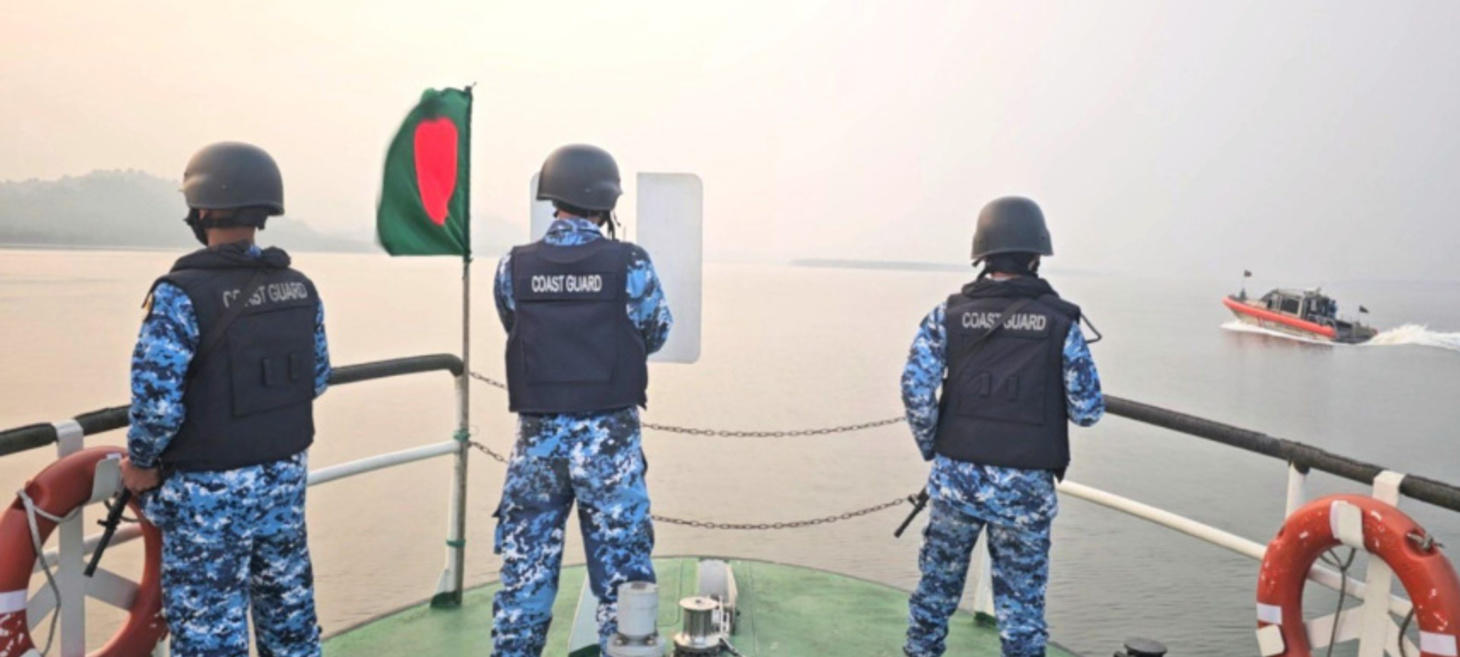
Coast guard intensifies patrols to prevent fuel smuggling to Myanmar
Bangladesh's Coast Guard has been placed on maximum alert due to concerns that fuel and daily essentials are being illegally smuggled from Bangladesh into Myanmar amid the global energy crisis. Intensified patrols and intelligence surveillance have been deployed along coastal borders, river routes, and waterways, operating day and night. The Coast Guard has vowed to sustain its anti-smuggling operations to protect the national economy and domestic market, while also urging citizens to report suspicious activity.
thedailystar.net
Humanitarian
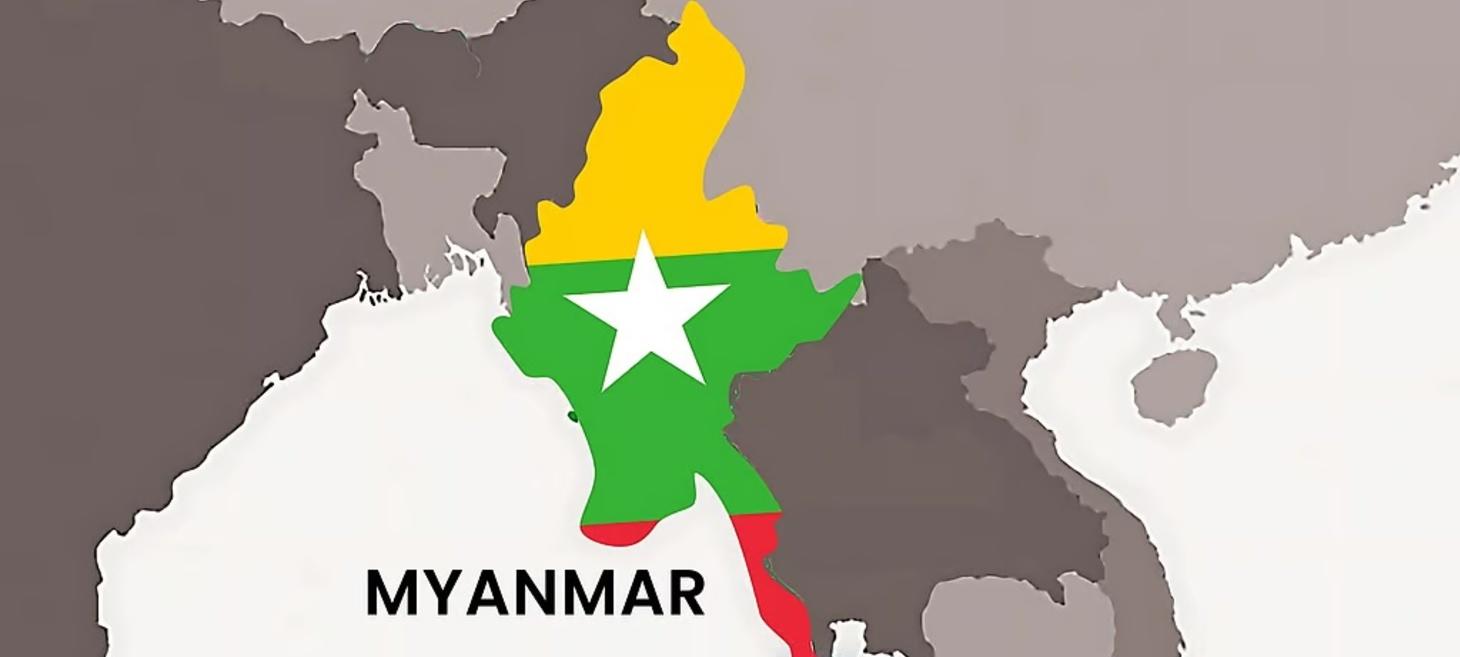
Five years on: Myanmar’s civil war sparks urgent call for aid
Five years after Myanmar's military coup in February 2021, the Philippines - as 2026 ASEAN Chair - has called on the UN Security Council to urgently deliver humanitarian aid to the country, emphasizing ASEAN's commitment to the Five-Point Consensus peace framework. The humanitarian situation is dire, with the WHO reporting increasingly blocked access to aid in conflict-hit regions such as Chin, Rakhine, and Sagaing, severely disrupting health services. Human rights conditions remain grave, with over 30,000 activists and civilians arrested since the coup, nearly 23,000 still detained, and thousands confirmed killed or facing the death penalty.
tribune.net.ph
Politics
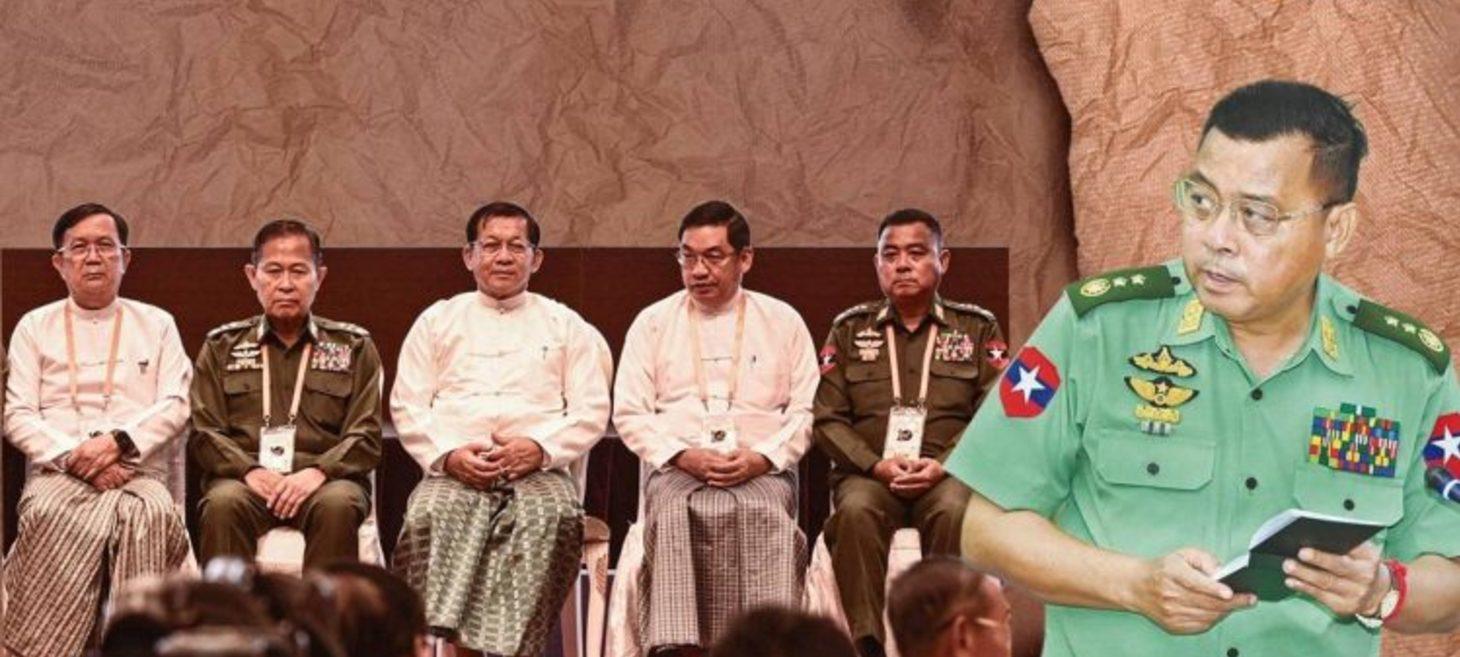
Myanmar Junta Boss’ ‘Eyes and Ears’ Ye Win Oo Promoted to Army Chief
Myanmar junta boss Min Aung Hlaing's closest aide, General Ye Win Oo, long regarded as his "eyes and ears," has been promoted to Army Chief just weeks before the regime transitions to a nominally civilian government. The appointment has sparked speculation that Ye Win Oo is being groomed as a future commander-in-chief should Min Aung Hlaing assume the presidency. Analysts attribute his rapid rise to personal loyalty to Min Aung Hlaing, family connections between their wives, and his key role overseeing military intelligence, rather than traditional military seniority.
irrawaddy.com
Sanctions
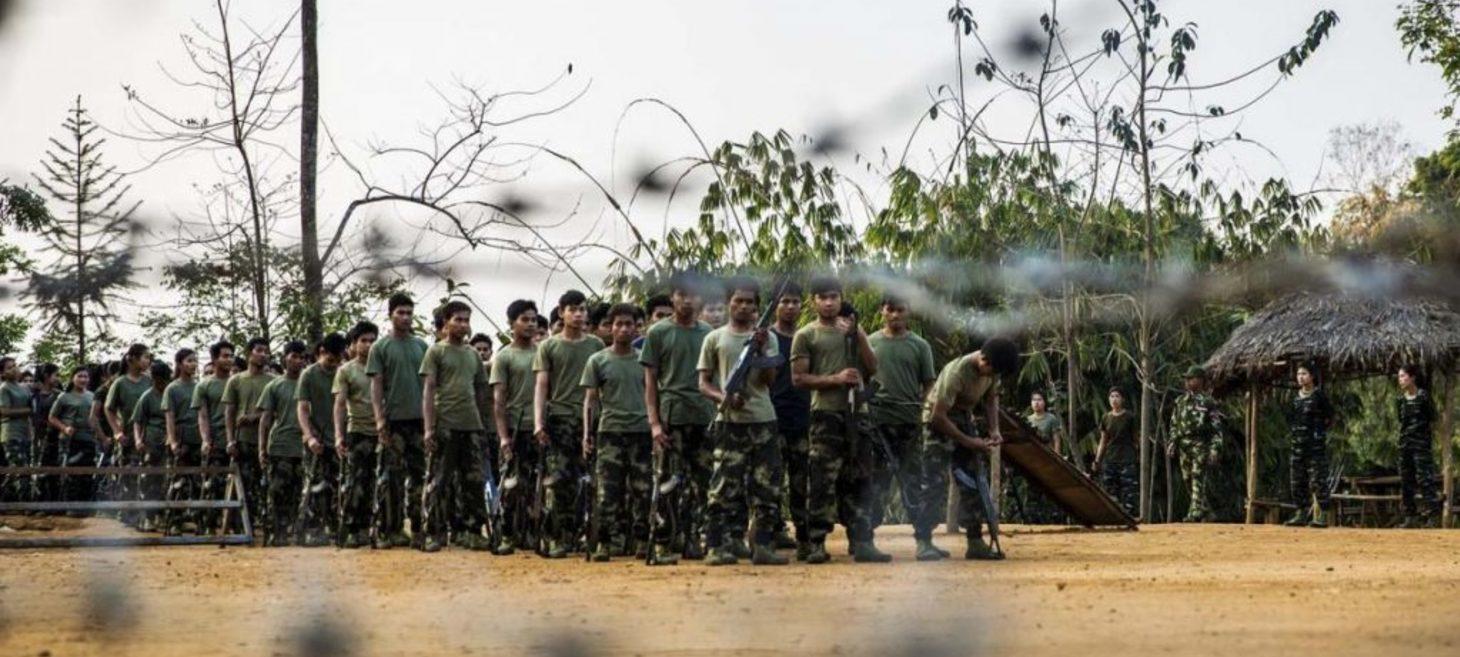
Is sanctioning the Arakan Army logical?
The article argues that calls by Burma Campaign UK for the British government to sanction the Arakan Army (AA) are misguided, given the poor track record of international sanctions in curbing abuses in Myanmar's civil war. The author contends that the evidence behind the sanctions demand is insufficient, the conflict landscape in Rakhine is far more complex than BCUK acknowledges, and that sanctioning the AA could undermine the broader anti-military resistance coalition - particularly the newly formed Spring Revolutionary Alliance. While not dismissing AA accountability, the piece concludes that equating the AA with the Myanmar military junta is misleading, and that symbolic sanctions risk doing more harm than good to both rights protection and the revolutionary struggle.
frontiermyanmar.net
Telecommunications
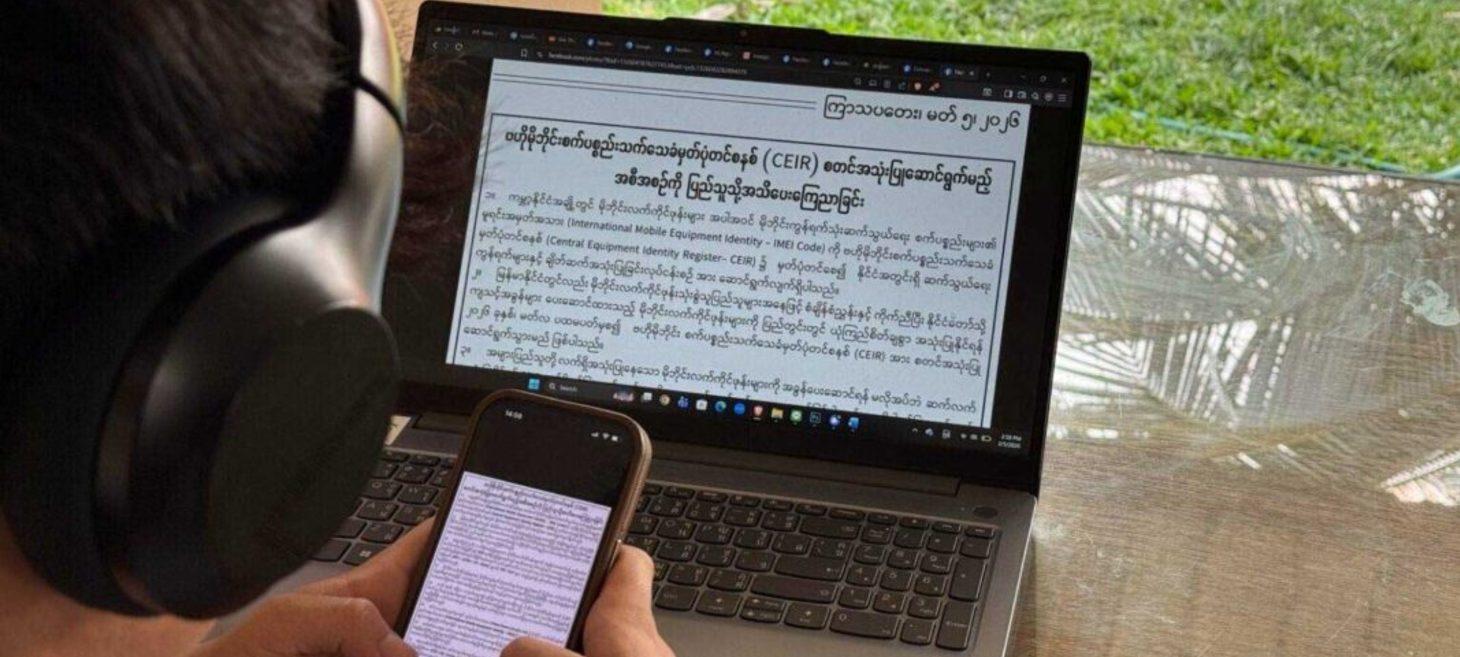
Junta Introduces Mobile Tracking System as Experts Warn of Expanded Digital Surveillance
Myanmar's military junta has announced the rollout of the Central Equipment Identity Register (CEIR), a system that links each mobile device's permanent IMEI number to its SIM card and the user's national ID, creating a centralized tracking database. While authorities claim the system is intended to combat phone theft and illegal device smuggling, technical experts warn it could become a powerful tool for mass digital surveillance of activists, journalists, resistance forces, and ordinary citizens. Phones currently in use will be automatically enrolled by March 31, and unregistered new devices will be blocked from networks after a 30-day grace period starting April 1.
shannews.org
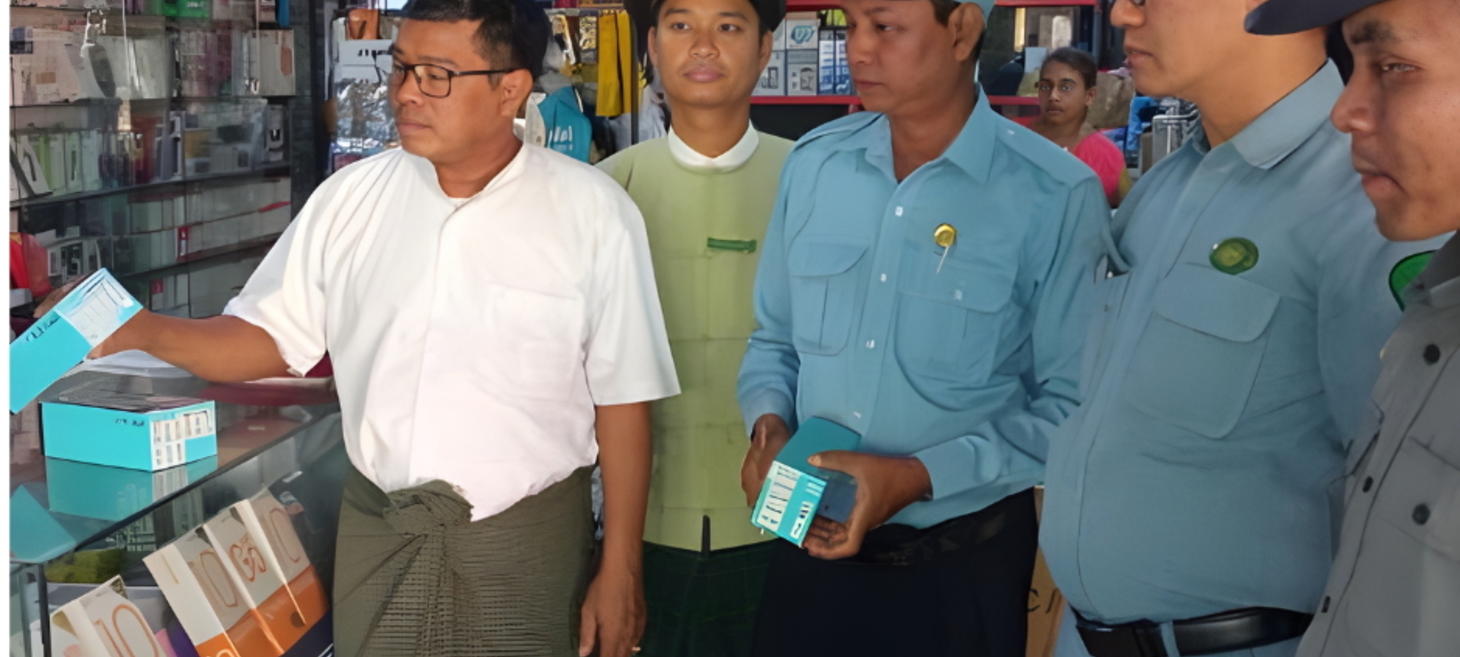
Myanmar military to tighten digital surveillance via mandatory phone IMEI registration
Myanmar's military junta has announced a mandatory IMEI registration system for all mobile phones, linking devices to individual users via a Central Equipment Identity Register (CEIR). The regime claims the initiative targets tax collection and illegal imports, but the registration is automatic once a local SIM card is inserted, meaning the state instantly captures a user's identity and location. Digital rights groups warn that, combined with existing biometric and SIM-card data, the system gives the military a comprehensive surveillance profile of every phone user in the country - posing severe risks to activists and vulnerable individuals.
myanmar-now.org