Introduction & Analysis
This collection of open-source English-language news articles published over the past week highlights significant events and issues concerning Myanmar. They present a snapshot of the country's safety and security landscape.
- Myanmar Civil War & Civilian Harm: Myanmar's military junta has dramatically escalated airstrikes on civilian targets-including a truck stop (25 killed), a village in Sagaing (9 killed), and a market in Rakhine-while the Arakan Army advances to within 2 km of Sittwe and junta forces mass to retake the Mawchi mines from Karenni resistance; simultaneously, civilians face landmine casualties at a record-high rate (2,029 killed in 2024, the worst globally), arbitrary executions in Tanintharyi, forced military conscription raids in Shan State, and kidnappings in Lashio.
- Fuel & Energy Crisis: The US-Israeli war on Iran (beginning February 28) caused a 10-13% spike in global oil prices and raised fears over Strait of Hormuz disruptions, prompting Thailand to halt fuel exports to Myanmar; this triggered immediate shortages in eastern Shan State and border towns, forcing the junta to impose a nationwide odd-even license plate driving ban starting March 7, while the Central Bank of Myanmar continued injecting tens of millions in foreign currency to stabilize exchange rates.
- Politics, Diplomacy & Governance: The junta released ~9,000 political prisoners-widely seen as a PR move ahead of a new military-dominated parliament convening March 16-while keeping Aung San Suu Kyi imprisoned; it also formed a psychological warfare task force to counter independent media, as Thailand recalibrated its diplomatic engagement with Myanmar's post-election regime, and the UK imposed an emergency visa ban on Myanmar nationals (among others) citing asylum abuse.
- Chinese Economic Influence & Shadow Fleets: China's deep economic footprint across Myanmar is expanding through mining operations linked to the UWSA in northern Shan State, a new gems trade MoU with the junta, and a surge in Chinese businesses driving Chinese-language learning in border towns; meanwhile, sanctioned Iranian oil tankers and "zombie" dark-fleet ships transit the Singapore Strait freely, protected by UNCLOS transit passage rights, ferrying heavily discounted Iranian crude to China-which accounts for 90% of Iranian oil exports.

Conflict
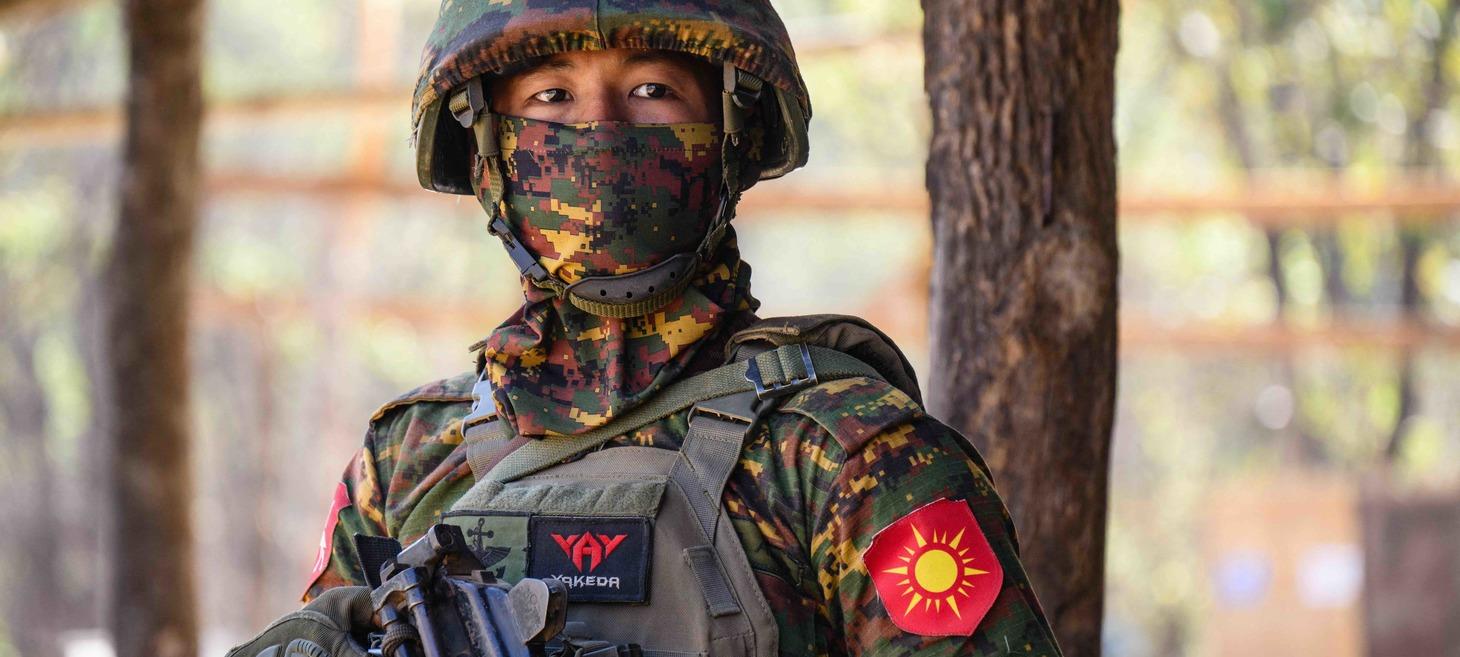
Junta troops kill seven civilians in Tanintharyi Region
On February 27, 2026, junta troops from Infantry Battalion 409 killed seven civilians - including a couple, a woman in her 40s, and others - near a rubber plantation in Thayetchaung Township, Tanintharyi Region, Myanmar. Several victims had fled to Dawei after their village was bombed on February 24 and were returning to assess the damage when they were intercepted and shot. The killings occurred amid intensifying clashes between resistance forces and the military, which has carried out near-daily airstrikes, displaced thousands of civilians, and cut off phone lines, leaving locals fearful of further arbitrary killings.
myanmar-now.org
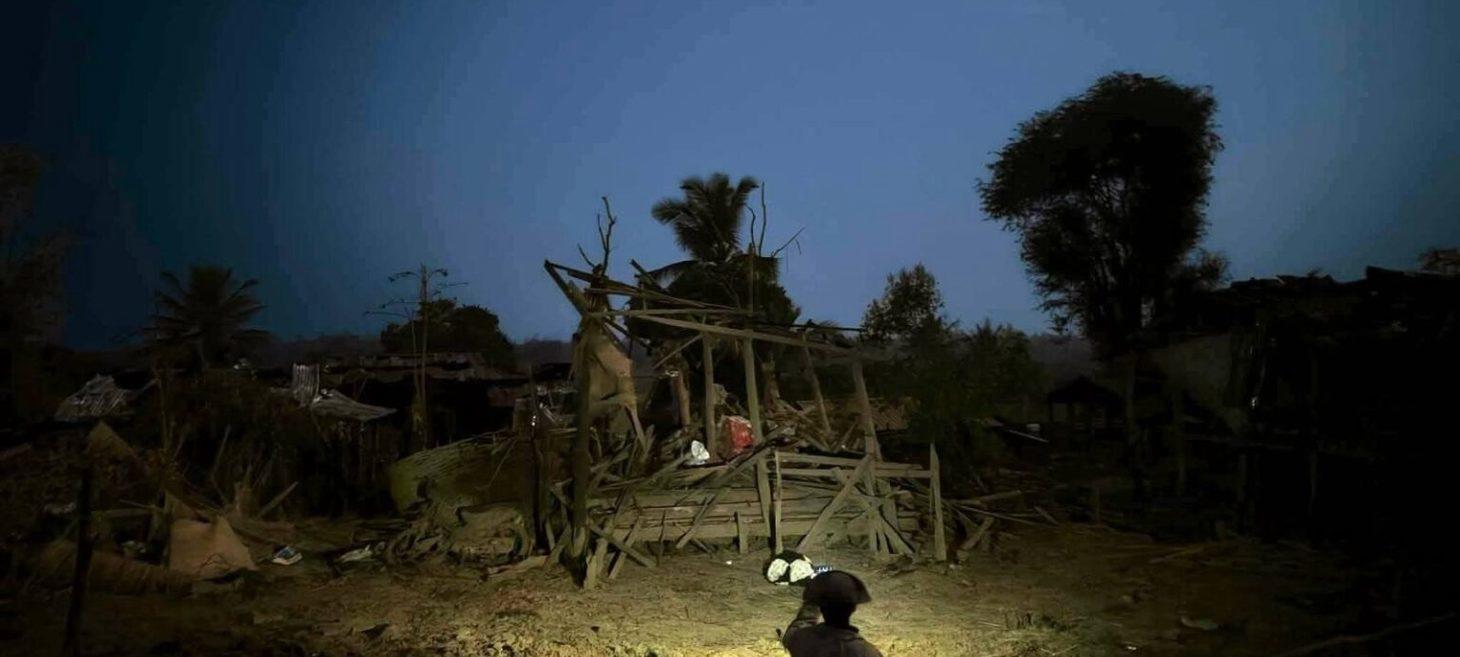
Regime airstrikes kill nine in NUG-controlled Pinlebu Township
On the night of March 1, 2026, Myanmar's military junta carried out airstrikes on Leikpoke village in Sagaing's Pinlebu Township - a resistance-controlled area - killing nine civilians and wounding nine others, with no military activity reported in the area at the time. The strikes are part of a broader intensification of junta attacks on resistance-held territories since the military held elections late last year, with at least five mass-casualty incidents recorded across the country in February alone. Resistance sources and a former Myanmar army officer suggest these attacks deliberately target civilian areas - including villages, markets, monasteries, and restaurants - with the aim of terrorising the population rather than achieving any strategic military objective.
myanmar-now.org
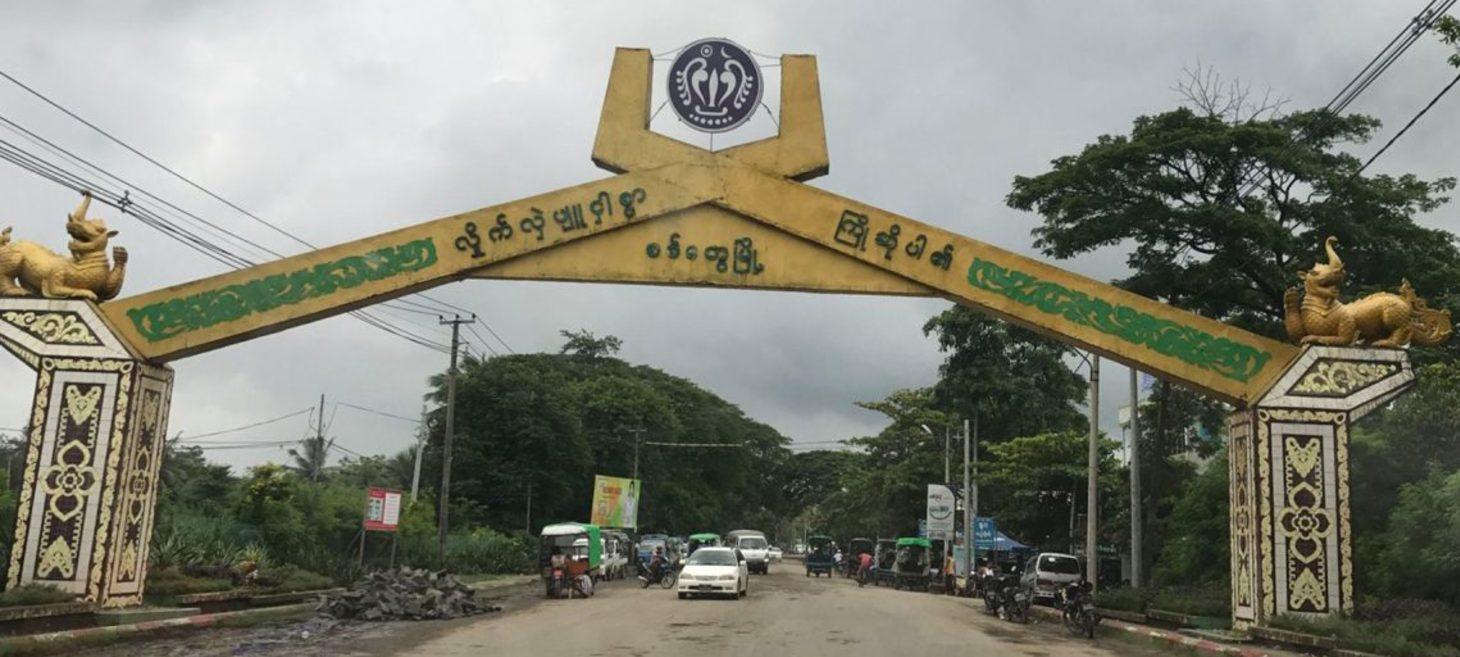
Arakan Army Advances to Edge of Sittwe as Fighting Intensifies
The Arakan Army (AA) has advanced to within 2 kilometers of Sittwe, the Rakhine State capital and one of only three towns in Myanmar still under junta control, with heavy clashes involving gunfire and artillery ongoing for nearly a week. The junta has deployed approximately 3,000 troops across infantry and naval forces to defend the city, while retaliating with airstrikes on AA-held territory that have killed dozens of civilians, including 20 people in a single bombing of Ponnagyun Township. The AA, which already controls 14 of 17 Rakhine townships, has declared its intent to seize full control of the state and is simultaneously fighting regime forces in Kyaukphyu, home to major Chinese infrastructure projects.
irrawaddy.com
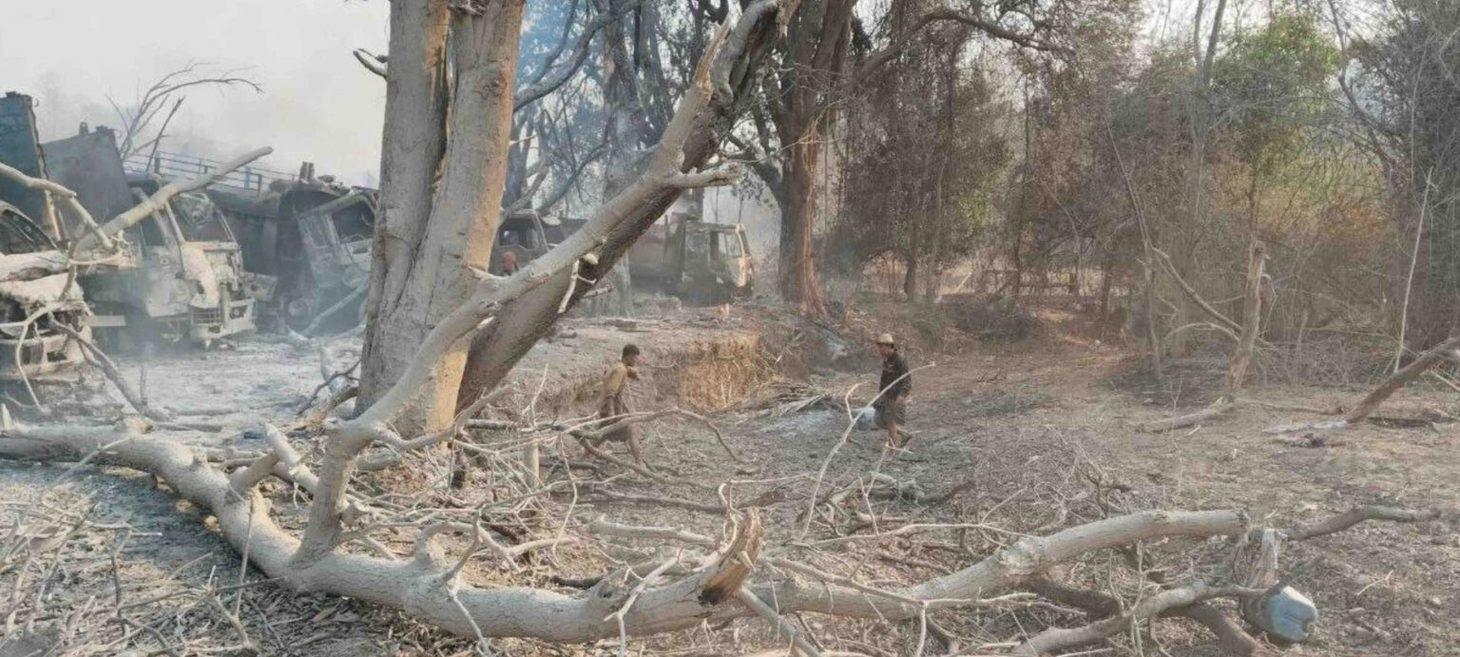
Junta airstrike kills at least 25 at truck stop in Magway
On March 1, 2026, Myanmar junta fighter jets conducted at least eight bombing and strafing runs on a commercial truck stop near Pyaung village in Mindon Township, Magway Region, killing at least 25 civilians - mostly truck drivers - and injuring around 20 more, several of whom lost limbs. The attack deliberately targeted a busy civilian transit hub with no active ground fighting nearby, resulting in nearly 2 billion kyat (~$500,000 USD) in economic losses. The strike is part of an escalating pattern of junta airstrikes on civilian areas, with at least five mass-casualty incidents recorded across Sagaing, Magway, and Rakhine State in February alone.
myanmar-now.org
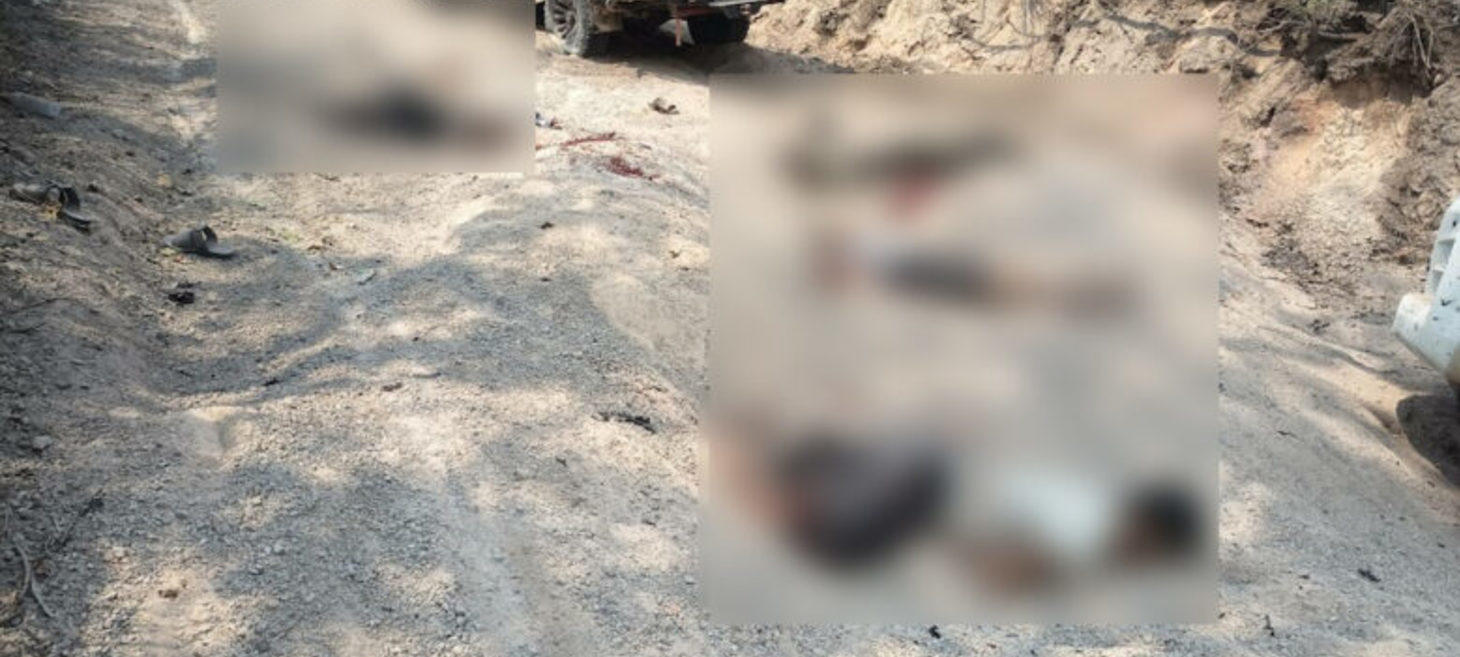
Five killed in drone attack on DKBA and civilian vehicles in southern Myawaddy
On February 24, the Myanmar junta launched a drone strike on a DKBA vehicle and a civilian car on Hpalu-Mekanei Road in Karen State, killing five people (two DKBA troops and three civilians) and injuring five others. The attack occurred while DKBA soldiers were assisting a broken-down civilian vehicle, with no active clashes in the area at the time. The incident is notable because the DKBA generally maintains close ties with the junta, and the reason for the strike remains unclear amid escalating military tensions in the region.
karennews.org
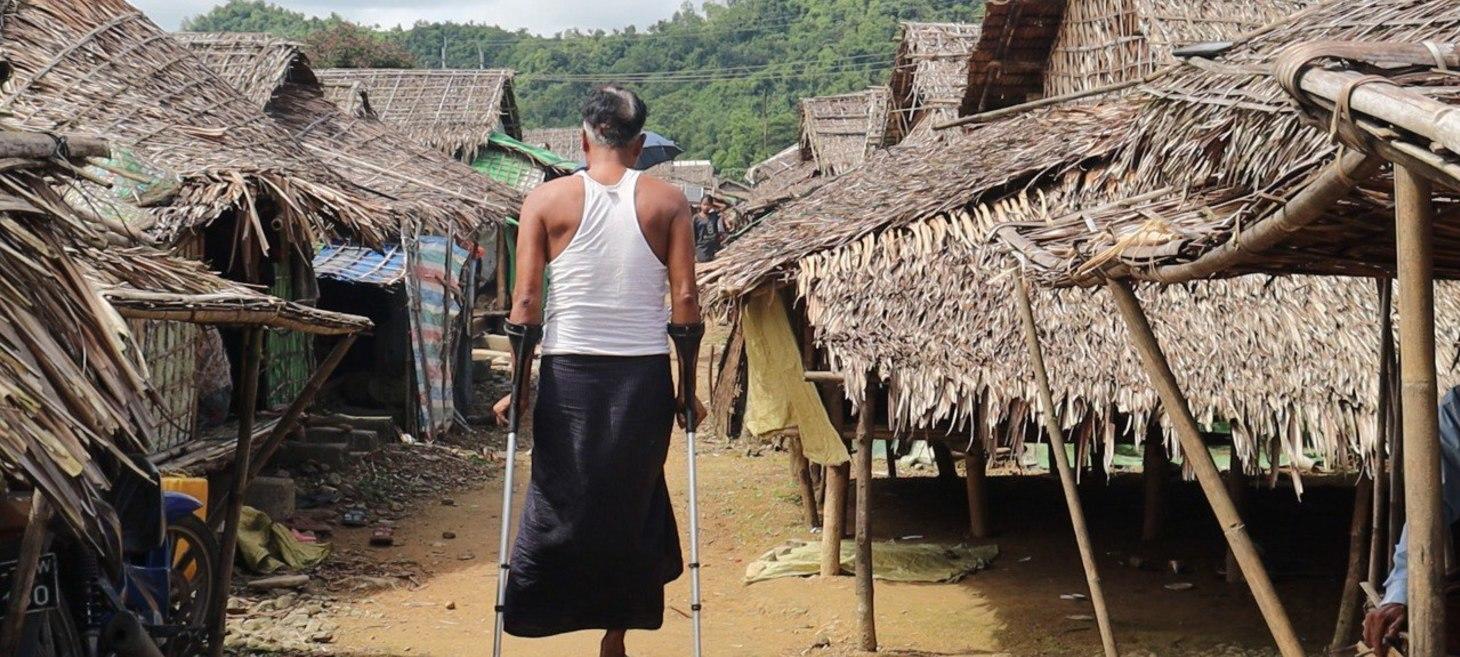
War is turning Rakhine State into a mine field
Rakhine State in Myanmar is severely contaminated by landmines and unexploded ordnance (UXO) left behind by both the military junta and the Arakan Army, posing a constant deadly threat to civilians in their everyday lives - near their homes, on farmland, and along paths to work. A report by Development Media Group covering three townships (Kyauktaw, Mrauk-U, and Ponnagyun) found that nearly half of all landmine injuries occurred at or near victims' homes, devastating families, severing livelihoods, and causing widespread psychological trauma. Compounding the crisis, the junta blocks international aid organizations from the region, local civil society faces repression, and 50% of surveyed villages have never received mine risk education - leaving civilians to navigate the dangers entirely on their own.
frontiermyanmar.net
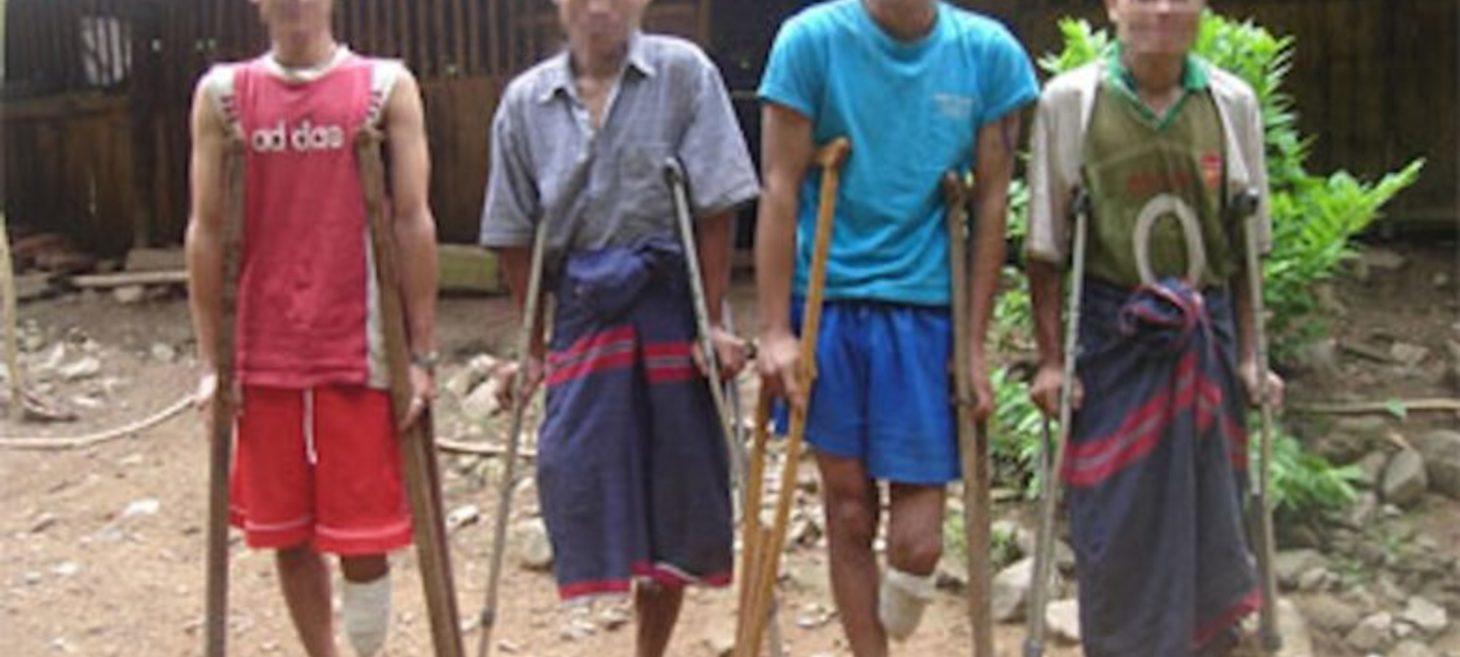
Myanmar tops global casualty list from landmines and UXO
Since Myanmar's 2021 military coup, deaths from landmines and unexploded ordnance (UXO) have risen sharply each year, reaching 2,029 in 2024 - making Myanmar the world's deadliest country for landmine casualties, surpassing Syria, Afghanistan, and Ukraine. The vast majority of victims (86%) are civilians, with Shan State recording the highest number of casualties, and both the military junta and armed resistance groups have been identified as deployers of these devices. Landmine Monitor is calling for expanded civilian awareness programs, the establishment of mine-free zones, and pressure on all armed parties to halt landmine use.
karennews.org
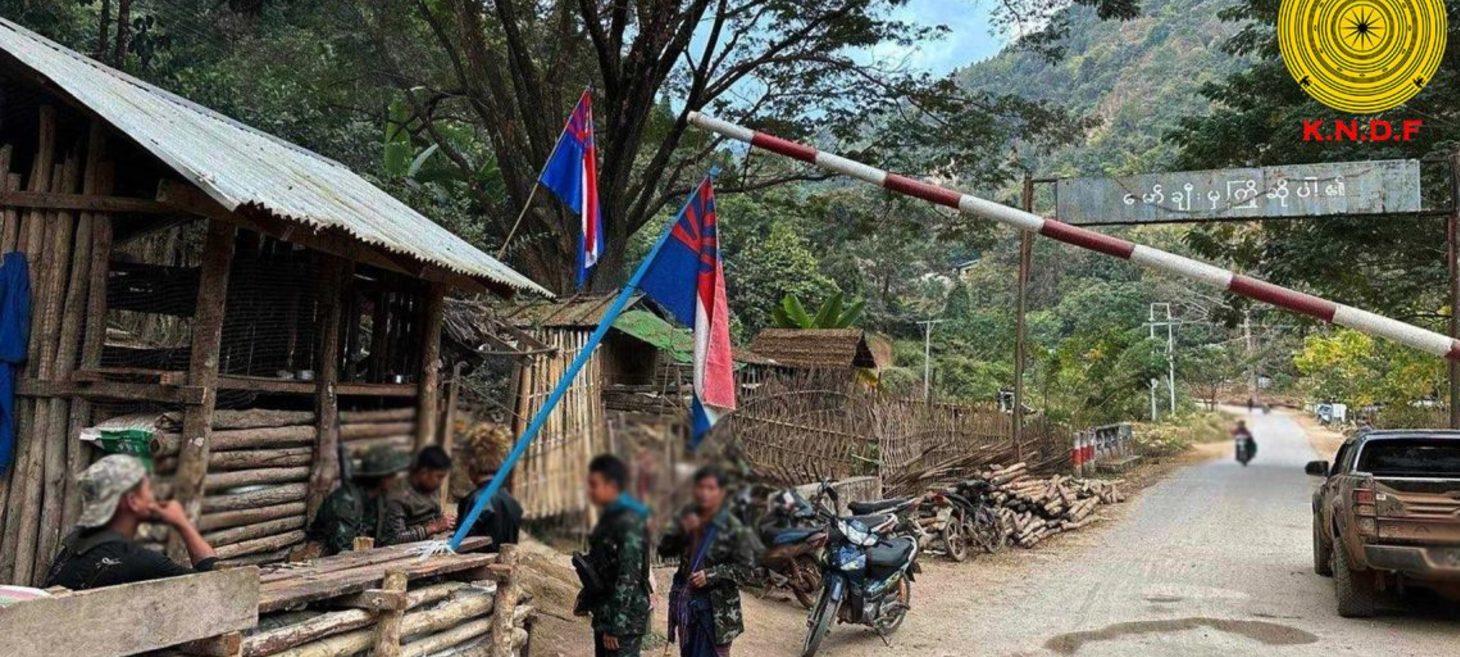
Myanmar Army Massing to Retake Mawchi Mines Funding Karenni Resistance
Myanmar junta forces, totalling around 1,000 troops, have massed around Hpasawng town in Karenni (Kayah) State with the objective of retaking the strategically vital Mawchi tin-and-tungsten mines, which have been under Karenni resistance control since early 2024. The resistance destroyed key bridges over the Salween River to slow the junta's advance, but junta troops have erected a temporary replacement and continue receiving reinforcements from Loikaw, while conducting daily airstrikes and ground clashes. Control of the mines is a major financial stakes issue - the Karenni forces currently sell ore through Mese to Thailand, and the junta aims to sever that revenue stream and reclaim the mines for itself, while the fighting has already caused severe supply shortages and price spikes for local residents.
irrawaddy.com
Conscription
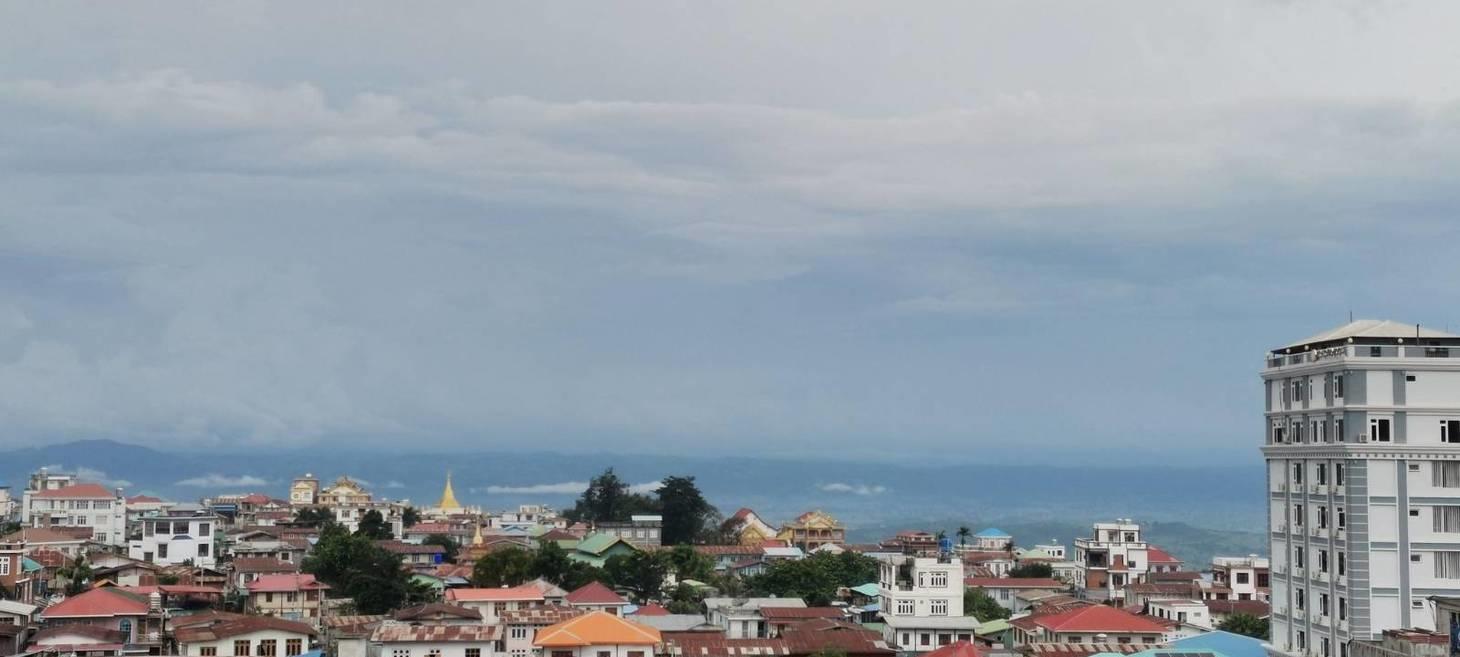
Night Raids and Street Detentions Surge in Taunggyi Under Conscription Drive
Myanmar's military regime has intensified enforcement of the People's Military Service Law in Taunggyi, Shan State, conducting surprise nighttime raids on boarding houses and street patrols to detain young men and women for compulsory military service. Students near Taunggyi University and rural migrants are being particularly targeted, with many too fearful to leave their residences after dark, and similar detentions of over 30 people reported in nearby Yawnghwe. The crackdown resumed immediately after January's elections, with Batch 20 conscription training already underway, fueling widespread anxiety among students and migrant workers far from their families.
shannews.org
Crime & Narcotics

Unidentified Armed Group Kidnaps Young Woman in Lashio
On February 24, 2026, an unidentified armed group abducted a 23-year-old woman, Ma Yin Yin Tun, at gunpoint from a grocery store in Lashio, northern Shan State, Myanmar, with her whereabouts still unknown. The incident is part of a broader pattern of violence in the city, which also saw an armed gold and cash robbery in early February, reflecting deepening insecurity despite the presence of military commission forces. Lashio's fragmented governance - split between the military commission and the MNDAA - has created persistent security gaps that, compounded by the collapse of institutions since the 2021 coup, have left civilians increasingly exposed to kidnappings, robberies, and extortion.
shannews.org
Economy

Myanmar junta responds to fuel crisis with bizarre alternate-day driving order
Myanmar's military junta has issued an "alternate-day driving" order, restricting most privately owned vehicles to the road only every other day based on their registration numbers, starting March 7, in response to a looming fuel shortage. The crisis was triggered locally by Thailand's sudden suspension of fuel exports to neighboring countries, causing panic buying and long queues at petrol stations, particularly in eastern Shan State. The shortage is compounded by a global oil price surge of 10-13% following US-Israeli strikes on Iran that began on February 28, raising fears of disruptions to Strait of Hormuz shipping - a critical supply route for Myanmar, which is heavily dependent on imported fuel.
myanmar-now.org
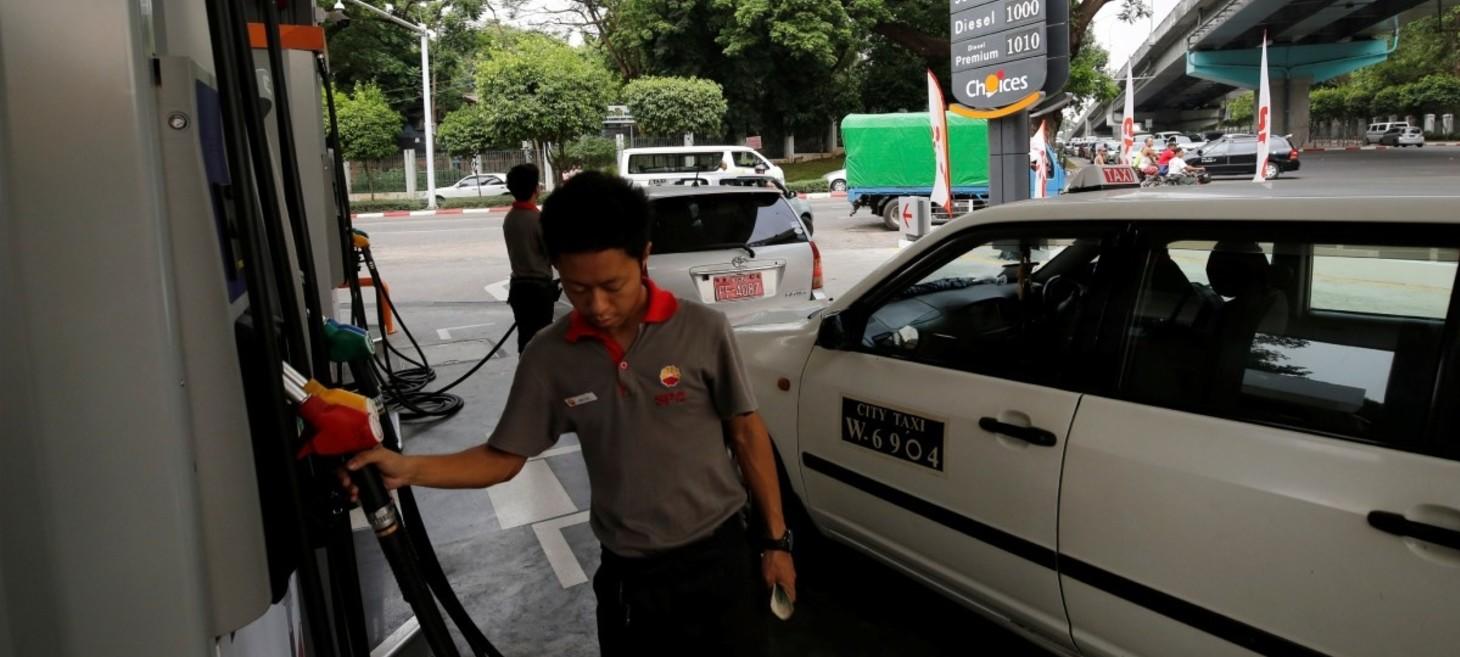
Myanmar junta to ration fuel for private vehicles, blaming Middle East shipping disruptions, Asia News
Myanmar's military junta announced a fuel rationing system effective March 7, 2026, restricting private vehicles to drive only on days matching their even or odd license plate numbers, citing disruptions to global oil shipping caused by escalating hostilities in the Middle East. The crisis stems from a US-Israeli war against Iran and the effective closure of the Strait of Hormuz, which has severely impacted tanker routes to Asian ports, leaving Myanmar - heavily dependent on fuel imports from Singapore and Malaysia - facing acute shortages. Residents in Yangon have raised fears over rising living costs, while in border areas like Myawaddy fuel has already run out entirely, forcing locals to cross into Thailand to fill their tanks.
asiaone.com
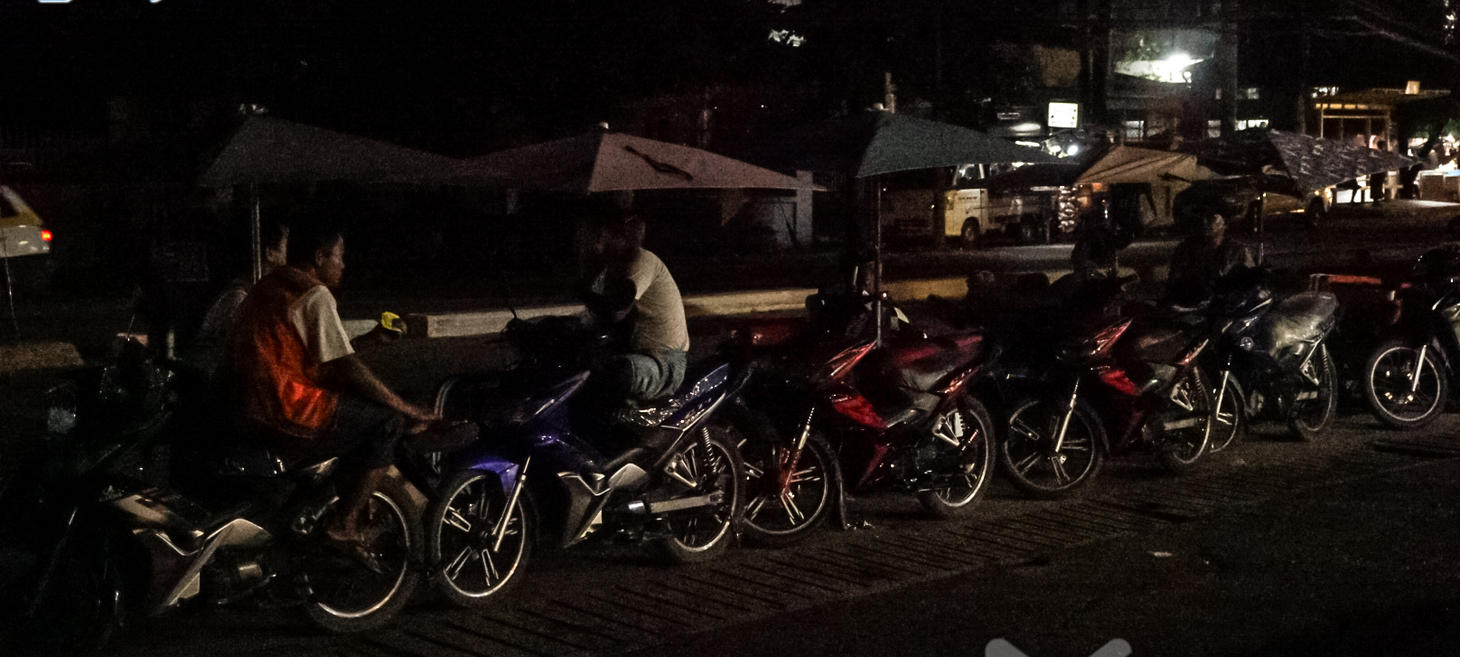
Fuel shortage hits Shan State as imports from Thailand halt over Iran conflict
Escalating conflict in the Middle East - specifically the US-Israel war on Iran that began on February 28 - has prompted Thailand to halt fuel exports to its neighbors, triggering acute shortages in eastern Shan State, Myanmar, where residents depend heavily on Thai fuel. With current supplies expected to last no more than 10 days and no new shipments arriving, residents in towns like Tachileik and Kengtung are scrambling to stock up, while traffic police have had to manage crowds at gas stations. The broader concern is that Iran's threats to close the Strait of Hormuz - through which roughly one-fifth of the world's oil passes - could severely worsen Myanmar's already fragile energy situation, as the country imports much of its oil from Iran, the Middle East, and Russia.
myanmar-now.org

‘Zombie’ Tankers in the Singapore Strait
An increasing number of Iranian-flagged and "zombie" tankers are transiting the Singapore Strait, carrying sanctioned crude oil to China, which accounts for 90% of Iranian oil exports and benefits from steep discounts. Singapore is legally constrained from seizing these vessels because UNCLOS grants an inviolable right of "transit passage" through internationally used waterways, though "zombie" ships sailing under fraudulent identities could technically be detained, as demonstrated by the US seizure of the tanker Bella 1. A British hobbyist named Remy Osman has turned ship-spotting into a popular Instagram page, using just his smartphone and open-source AIS tracking data to document the dark fleet, illustrating both how accessible surveillance has become and how limited the practical enforcement of international sanctions remains.
asiasentinel.com
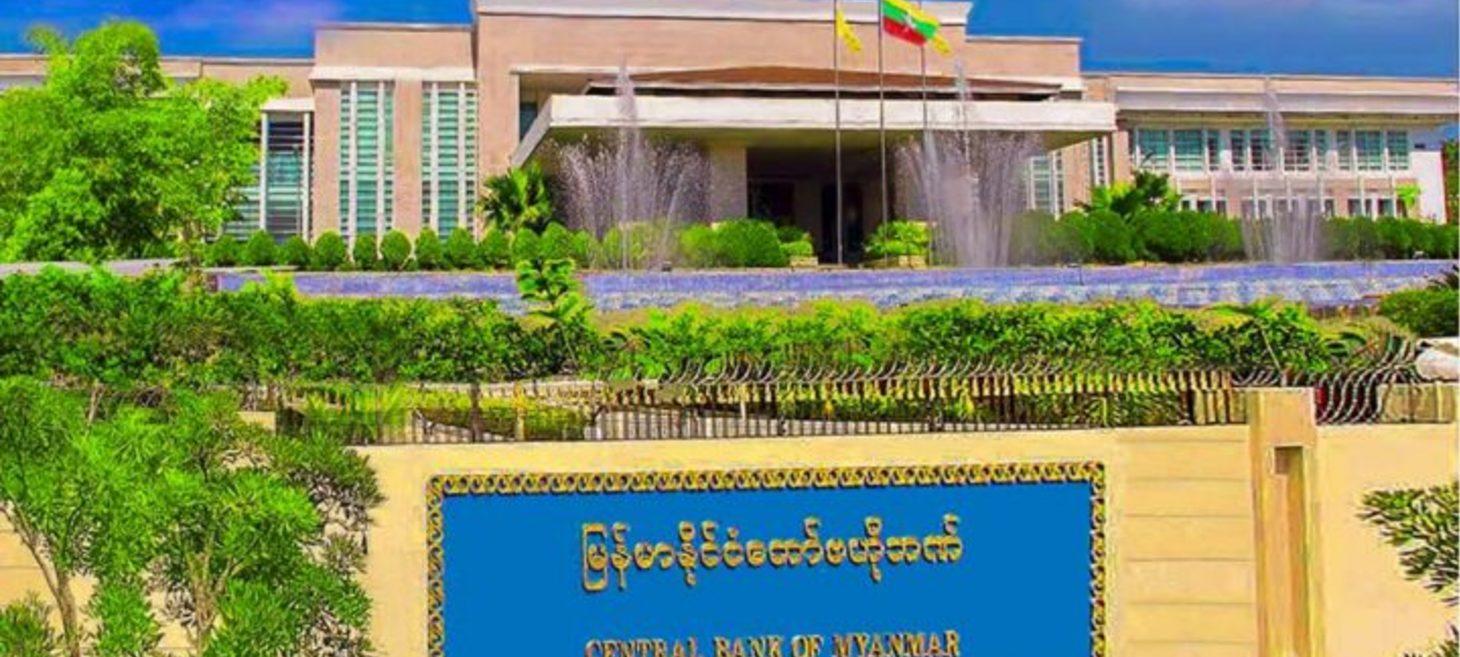
CBM injects US$35M, THB34M, CNY3M in Feb
In February 2026, the Central Bank of Myanmar (CBM) injected over US43 million, 65 million baht, and 4 million yuan into the market. The funds were directed primarily at edible oil and fuel oil importers through multiple rounds of sales throughout the month. These measures are part of CBM's ongoing efforts to stabilize the foreign exchange market, combat currency manipulation, and support free online forex trading by authorized private banks since December 2023.
gnlm.com.mm
Education

UK stops issuing student visas for 4 countries
The UK Home Office has introduced an "emergency brake" halting study visas for nationals from Afghanistan, Cameroon, Myanmar, and Sudan, citing concerns that people were using student visas as a route to claim asylum. The policy also reduces refugee status from a five-year grant to a two-year reviewable status, modelled on Denmark's immigration system, though unaccompanied children and existing asylum seekers are temporarily exempt. The move comes amid growing political pressure from the hard-right Reform UK party, which has surged in opinion polls on an anti-migration platform.
dw.com
Ethnic Issues
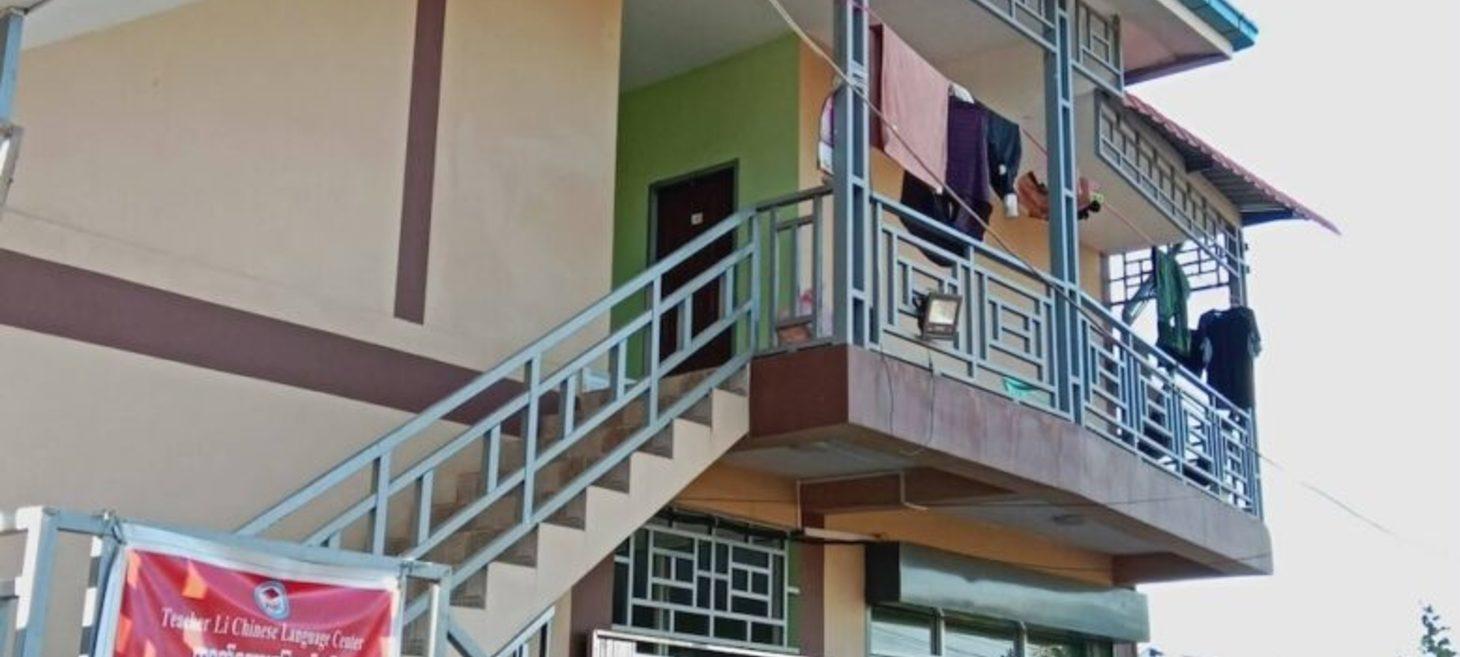
Chinese business boom sparks popularity of Chinese language courses in Payathonzu
Since early 2026, Chinese language courses have surged in popularity in Payathonzu (Three Pagodas Pass), a Thai-border town in Karen State, Myanmar, driven by an influx of Chinese-owned businesses relocating from Myawaddy and Shwe Kokko. Proficiency in Chinese significantly improves employment prospects and wages - interpreters can earn over 30,000 THB per month, while non-speakers are typically limited to manual labor such as construction or carrying goods. Despite ongoing security concerns from clashes between the military junta and armed groups along key access roads, workers from mainland Myanmar are migrating to Payathonzu in search of better-paying opportunities.
karennews.org
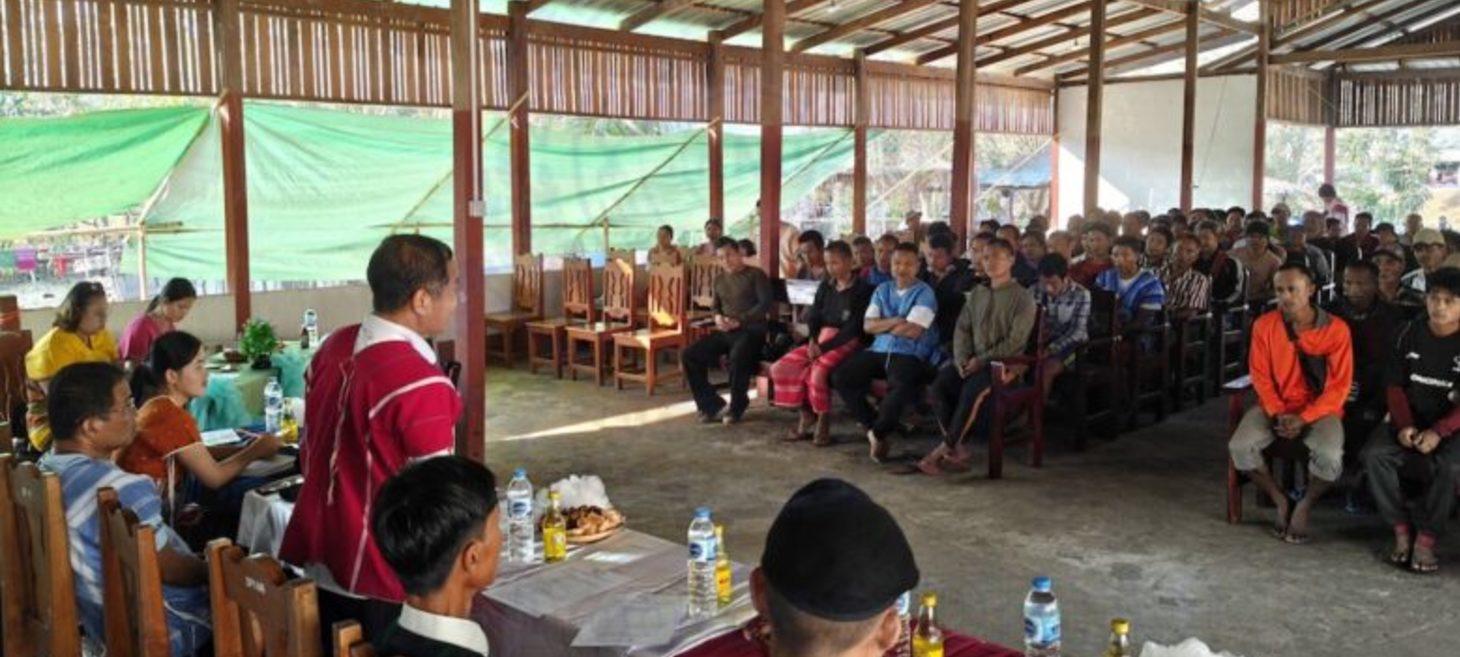
KNU grants amnesty to over 100 prisoners
The Karen National Union (KNU) granted amnesty to 104 prisoners - 92 men and 12 women - held in Dooplaya District (Brigade 6 territory), with the ceremony taking place on February 23. Those convicted of serious crimes such as rape, murder, or drug trafficking with sentences exceeding seven years were excluded, while other non-amnestied inmates had their sentences reduced by one-fourth. Released prisoners were warned that any new offenses would result in the revocation of their amnesty and the reinstatement of their original sentence, along with any new punishment.
karennews.org
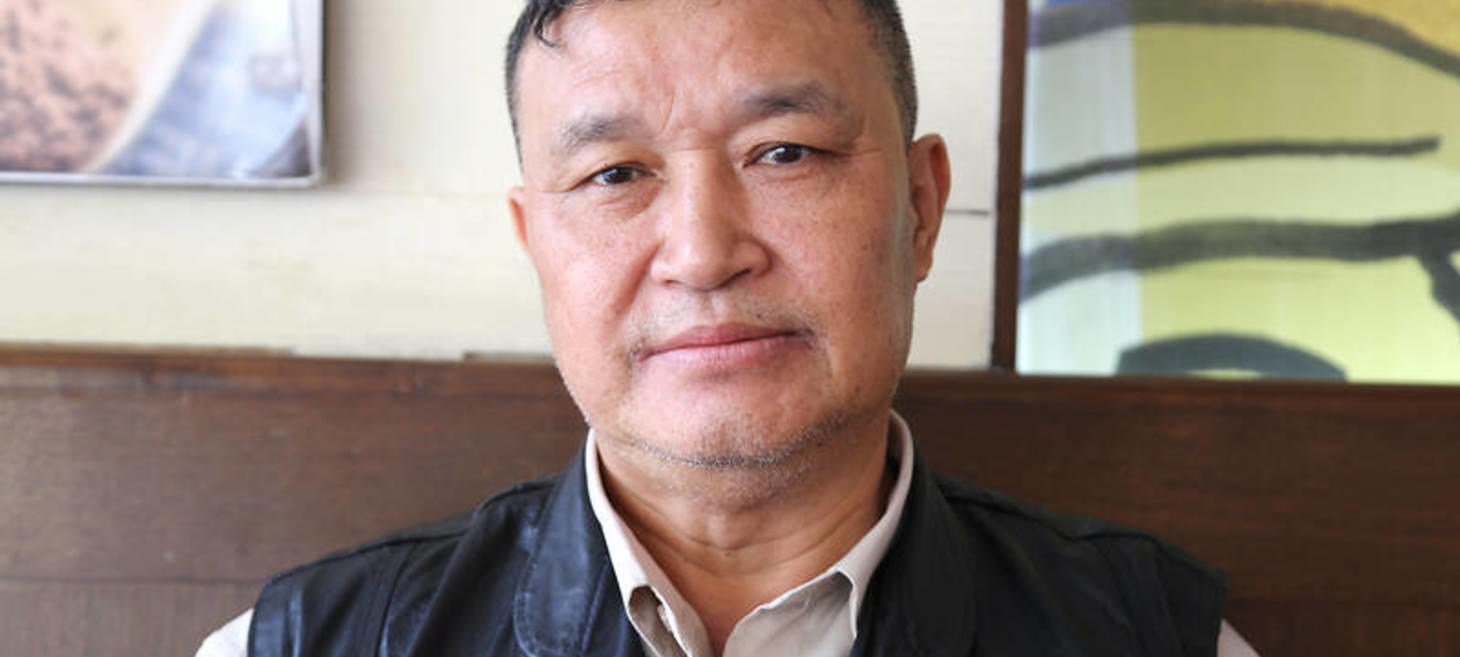
A controversial Karen warlord’s quiet stop in Taipei
General Nerdah Bomya, leader of the small Karen splinter faction KTLA in Myanmar, made a quiet visit to Taipei in early February 2026, where he met informally with a member of President Lai's staff and several academics, drawing on historical Cold War ties between the Karen people and Taiwan. Despite commanding only a few hundred soldiers and a tiny strip of territory along the Thai border, Nerdah made headlines by unilaterally proclaiming the independent "Republic of Kawthoolei," a move widely ridiculed by other Karen groups and analysts as illegitimate. Nerdah is also a highly controversial figure accused of overseeing the summary execution of 25 Myanmar government POWs in 2021 - a charge he denies - for which he was expelled from the Karen National Union.
taipeitimes.com
Foreign Affairs
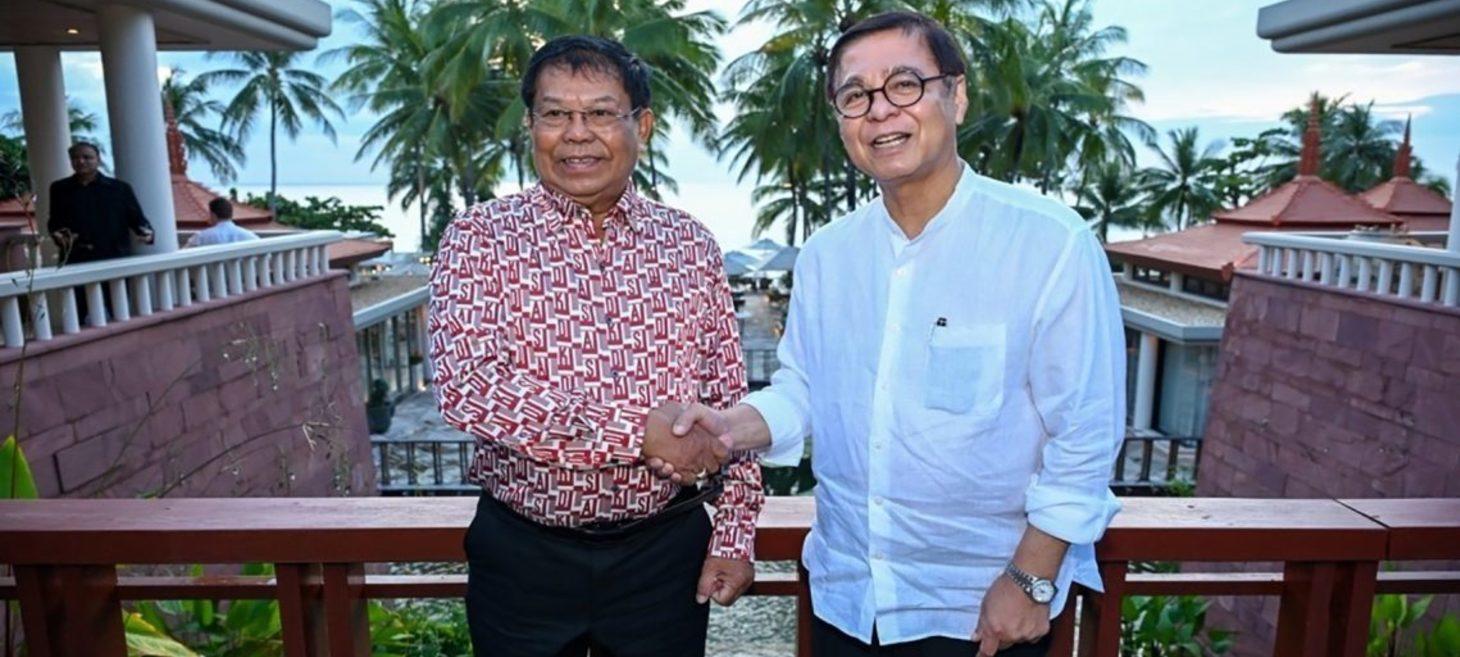
Thailand Maps Out a Practical Strategy Toward Myanmar
Thailand is recalibrating its foreign policy toward Myanmar with a pragmatic, gradual engagement approach driven by its own security and economic interests, following a flawed junta-orchestrated election in which the pro-military party secured a commanding legislative majority. Thai Foreign Minister Sihasak met his Myanmar counterpart in Phuket to urge positive steps under ASEAN's Five-Point Consensus, including reducing violence, allowing humanitarian aid, and initiating dialogue, as a condition for helping reintegrate Myanmar into the regional bloc. Beyond diplomacy, Thailand is also pressing for cross-border cooperation on practical issues such as online scam networks, drug trafficking, river pollution, and trade and energy investment along its shared 2,400-km border.
irrawaddy.com
Governance & Rule of Law
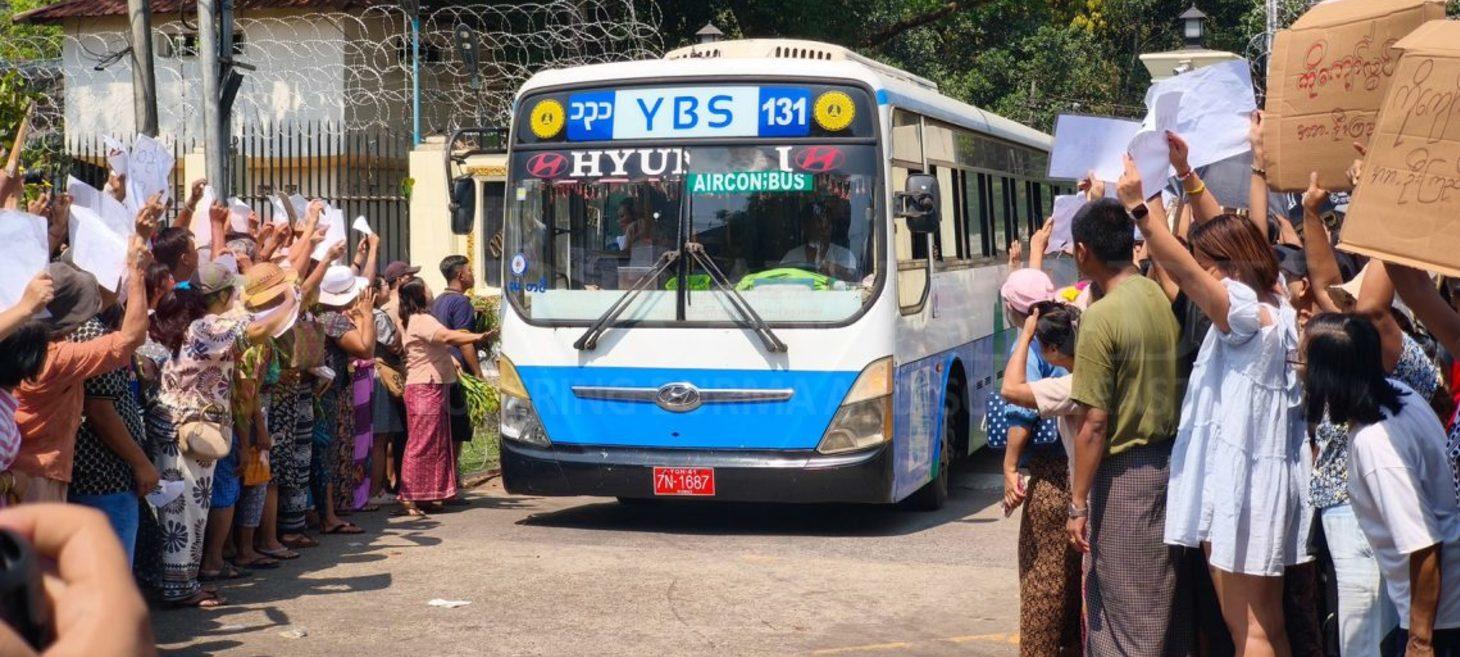
No Amnesty for Myanmar’s Top Political Prisoner as Junta Orchestrates Power Transition
Myanmar's military junta released over 9,000 prisoners, including several prominent NLD figures, student activists, and journalists, as part of a mass amnesty announced on Monday. However, key political prisoners - most notably 80-year-old democracy icon Daw Aung San Suu Kyi and President U Win Myint - remain behind bars, with 22,818 detainees still imprisoned in total. Critics argue the amnesty is a strategic move to gain international legitimacy ahead of the junta's military-dominated parliament convening on March 16, rather than a genuine act of goodwill.
irrawaddy.com
Military
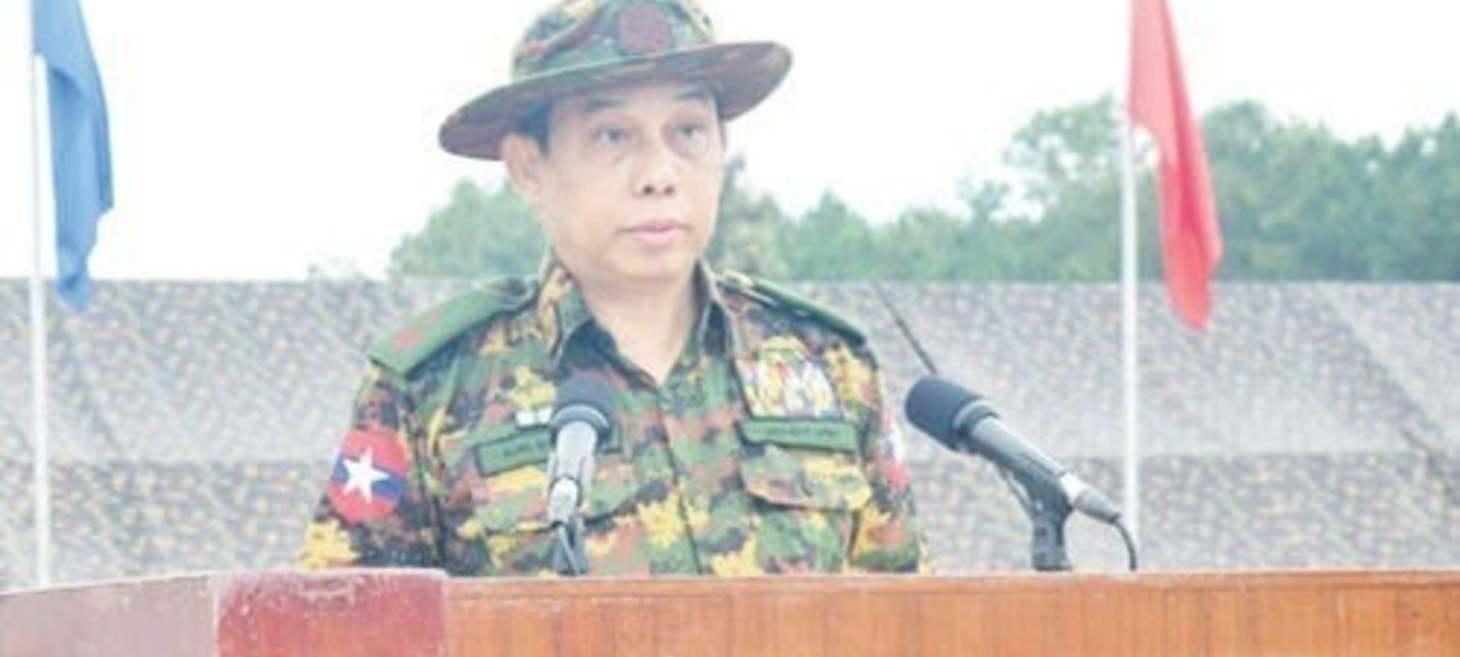
Myanmar junta forms major general-led task force to launch global psychological warfare and disinformation campaign
Myanmar's military junta established a 12-member task force in late January 2026, led by Major General Aung Myo Thant, to conduct psychological warfare and information operations against armed insurgent groups and independent media. The group, formally called the "Information Sheet Publication and Counter-Information Dissemination Group," will publish pro-junta content in Myanmar, English, Russian, and Chinese for distribution to embassies and military offices worldwide. It will also leverage social media to promote the junta's narrative domestically and internationally while actively refuting reports from opposition media outlets.
mizzima.com
Natural Resources
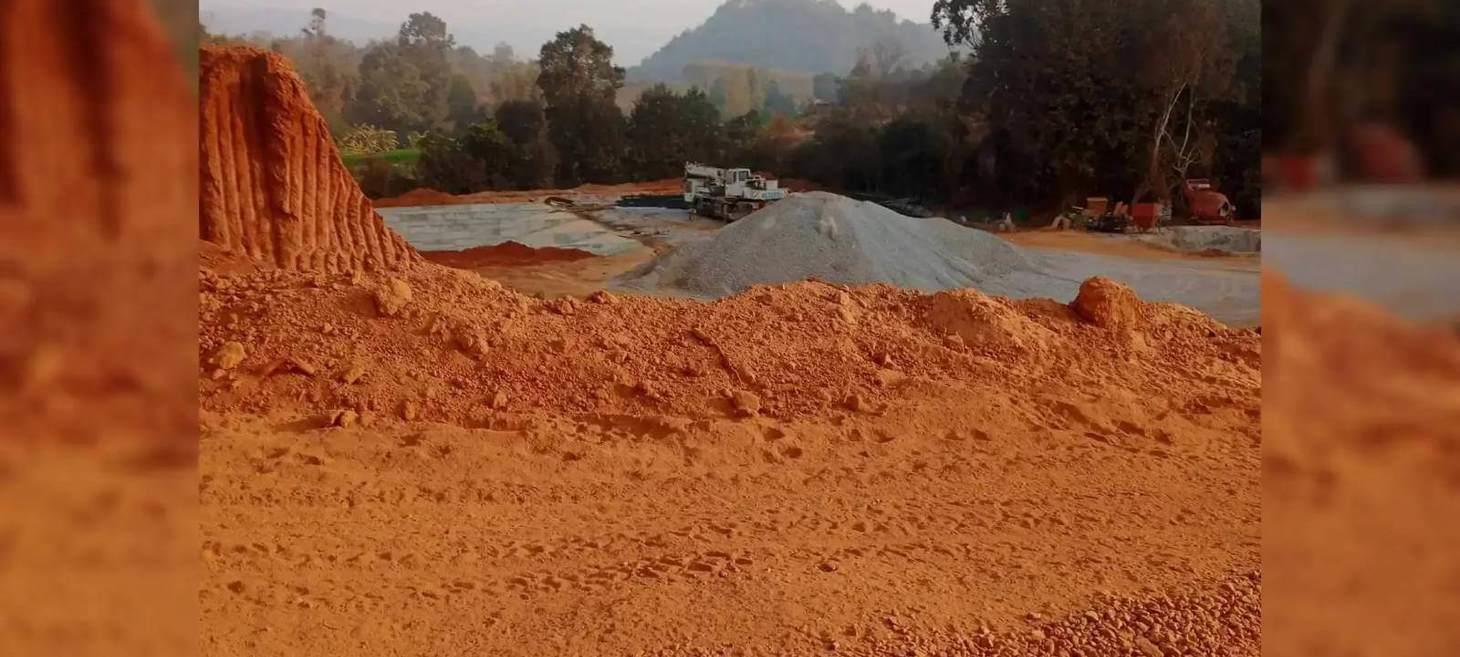
UWSA Linked to Quartz Mining Operation in Northern Shan State
Residents in Tangyan Township, northern Shan State, allege that the United Wa State Army (UWSA) is partnering with Chinese investors to mine quartz from Loi Lao Mountain, with the extracted material processed at a creek-side facility and exported to China through UWSA-controlled territory - claims the UWSA denies. The operation, reportedly underway since November 2025, involved the seizure of civilian farmland with little or no compensation, and has triggered landslides, erosion, and the destruction of paddy fields. Over 150 downstream households are now facing severe water pollution and agricultural losses, with residents feeling unable to protest due to the military nature of those involved.
shannews.org
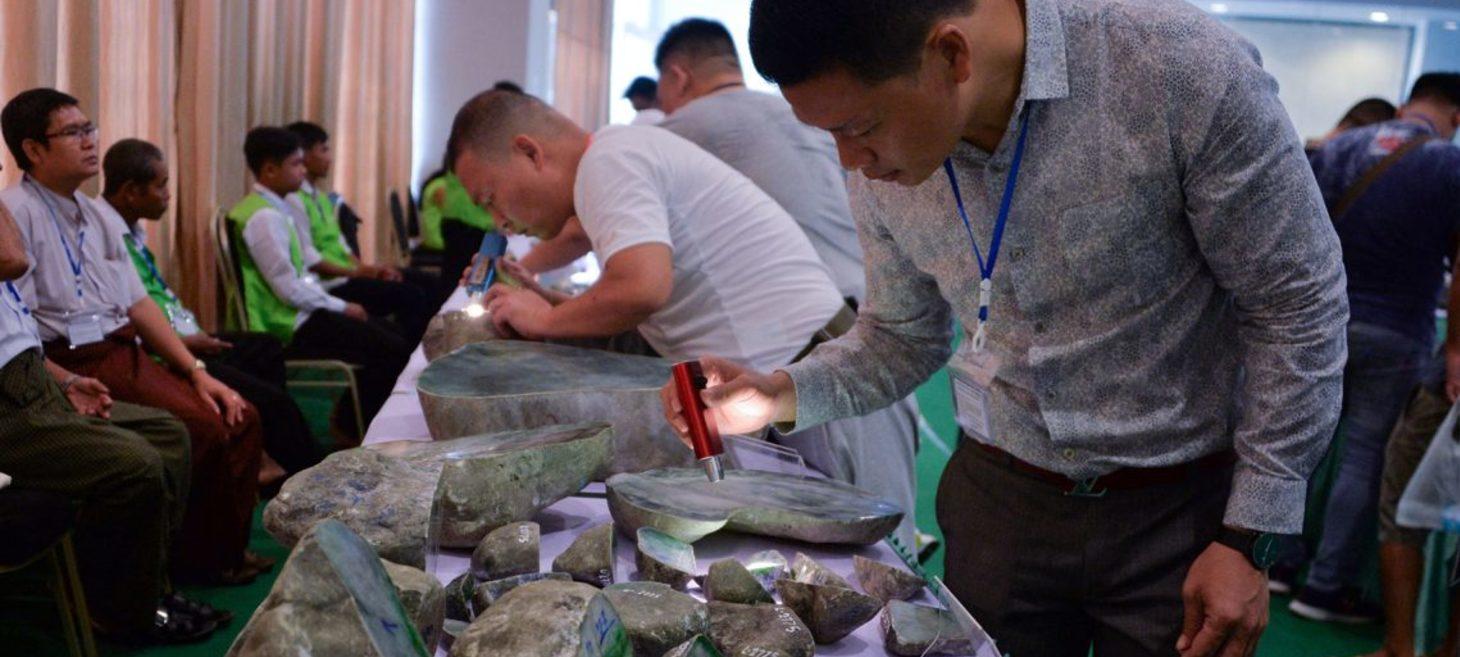
Myanmar Junta Turns to China to Prop Up Crisis-Hit Gemstone Sector
Myanmar's military junta signed a memorandum of understanding with Chinese officials in Yunnan to jointly organize a gems exhibition in Jiegao, China, reflecting its growing dependence on Beijing to sustain its embattled gemstone sector. The industry has been crippled by a combination of Western sanctions, armed conflict over mining regions, and a Chinese crackdown on illicit cross-border payments that caused jade demand to collapse in mid-2024. With few remaining options, the junta is increasingly orienting its jade, ruby, and sapphire trade toward China - its last major market - while also diversifying outreach through events in Hong Kong, Nanning, and Hainan.
irrawaddy.com