Introduction & Analysis
This collection of open-source English-language news articles published over the past week highlights significant events and issues concerning Myanmar. They present a snapshot of the country's safety and security landscape.
- Military violence & humanitarian crisis: Myanmar's military junta has intensified airstrikes, naval bombardments, and ground offensives across Rakhine, Kachin, Karen, and Mon states, killing dozens of civilians, displacing tens of thousands, and burning nearly 120,000 homes since the 2021 coup; the country also recorded the world's highest landmine casualty rate in 2024, with over 2,000 killed or injured.
- Scam networks persist despite crackdowns: Chinese-run online fraud operations continue to flourish across the Myanmar-Thailand-Laos border region, including the Golden Triangle SEZ and new BGF-controlled compounds near Myawaddy, as syndicates simply relocate when raided rather than disband, prompting the UN to call on governments to prosecute the criminal networks and the entrenched corruption enabling them.
- Junta political transition & deepening China ties: Myanmar's junta has set mid-March dates to convene parliament following a contested election that handed the military-backed USDP 81% of elected seats, with speculation that Min Aung Hlaing may assume the presidency; simultaneously, China is accelerating the Dali-Ruili railway, launching the Myanmar-China Investment and Trade Promotion Association, and exploring revival of the long-suspended Myitsone Dam project.
- Armed group tensions, detentions & recruitment: Across multiple states, both pro-junta and resistance-aligned armed groups are detaining civilians and escalating recruitment drives, including the Arakan Army holding Bangladeshi fishermen, the MNDAA imprisoning anti-mining protesters in Shan State, the PNO mobilizing fighters in southern Shan State, and NUG-aligned PDF units clashing with fellow resistance group BNRA in Sagaing Region.

Conflict
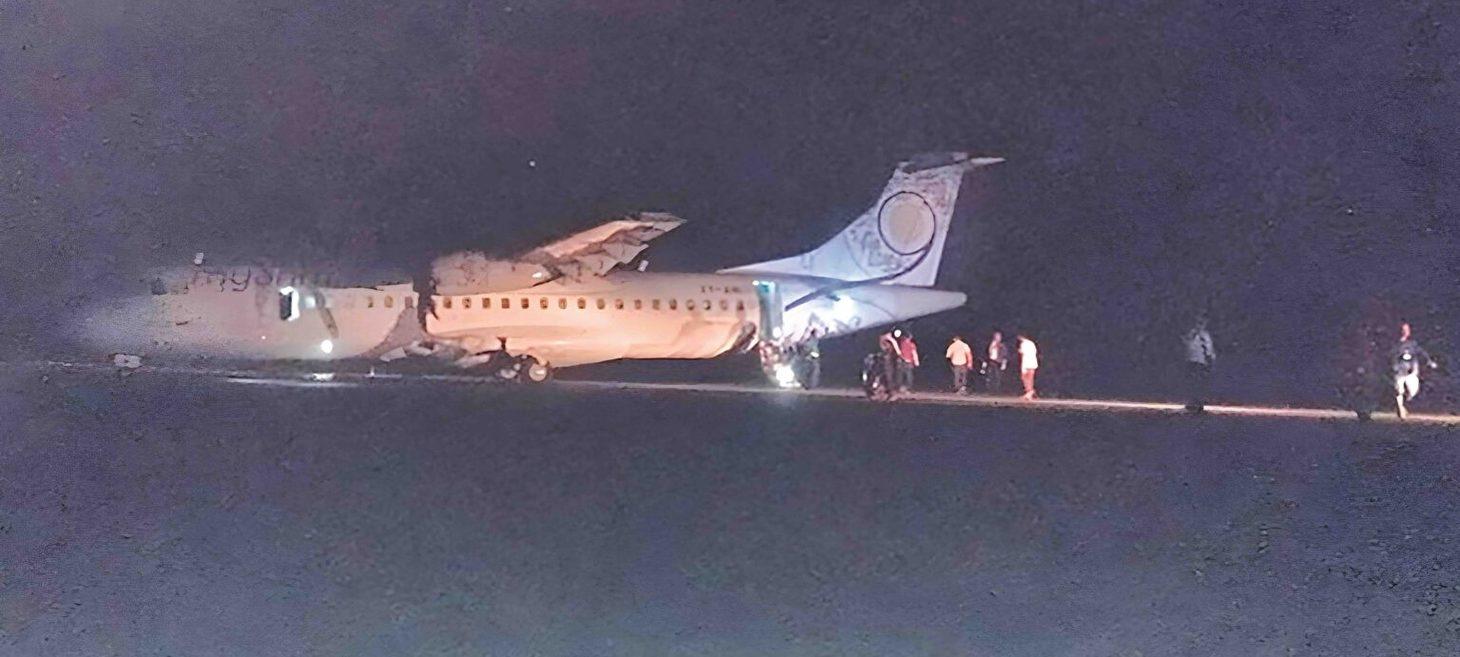
Myanmar junta carries out eight airstrikes in Kachin State after attack on Myitkyina Airport
Following a drone strike on Myitkyina Airport on February 20, 2026 - which damaged a Myanmar National Airlines plane and was blamed on the Kachin Independence Army (KIA) - Myanmar's military junta launched eight retaliatory airstrikes on KIA-controlled territory across Kachin State. The strikes targeted multiple townships and included kamikaze drones, helicopter attacks, and conventional bombing, causing civilian casualties, such as the killing of a 79-year-old in Momauk Township, and injuries to residents in Myitkyina. Broader fighting between junta forces and KIA-allied resistance has been intensifying over the past two months across Kachin State, with resistance forces reportedly capturing several military checkpoints and seizing weapons.
myanmar-now.org
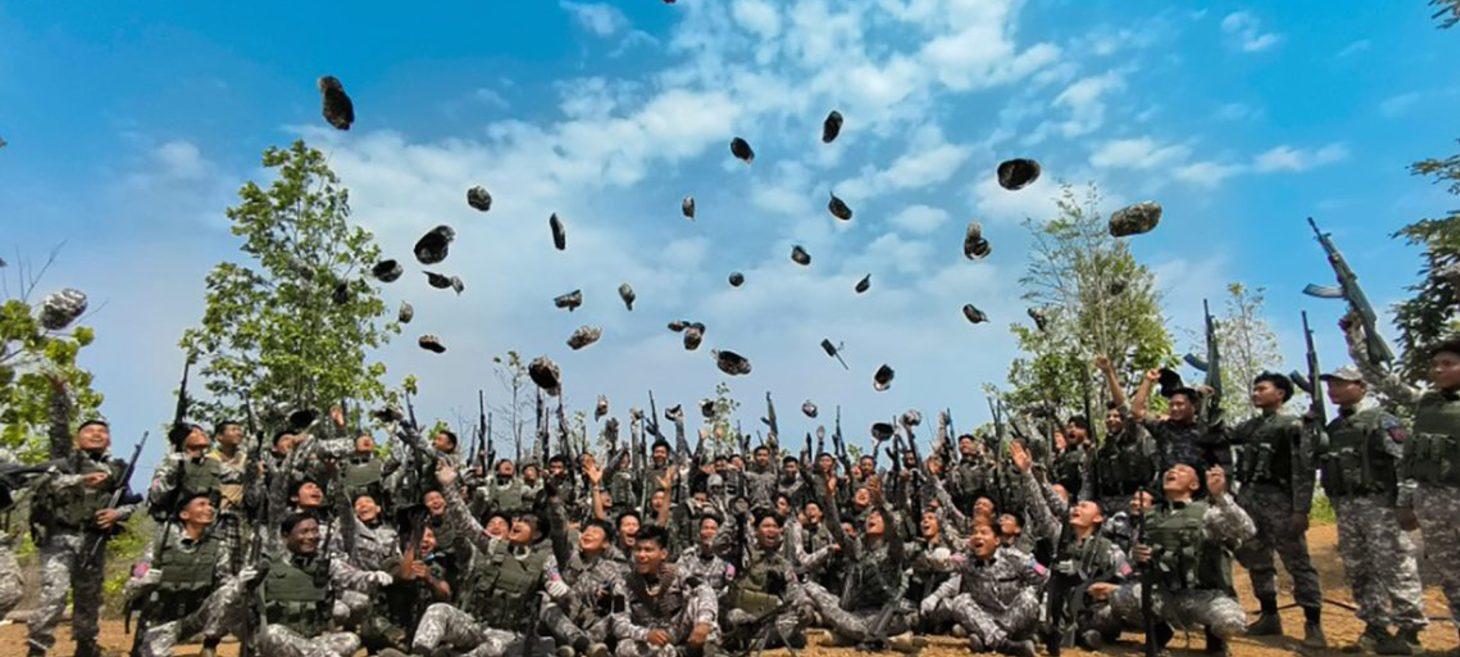
Resistance Infighting Erupts in Sagaing as PDF Attacks BNRA
In Pale Township, Sagaing Region, troops from the NUG-aligned People's Defense Force (PDF) attacked bases of the Burma National Revolutionary Army (BNRA) on Tuesday, killing around 10 BNRA members, after a BNRA soldier had shot dead a PDF fighter days earlier over a weapons dispute. The underlying tensions stem from a long-running rivalry: the BNRA had set up toll-collecting checkpoints in the area, which the PDF raided and closed in January 2026, triggering a series of escalating confrontations between the two anti-regime groups. The clashes displaced thousands of civilians and drew further chaos when Myanmar military gyrocopters bombed the clash sites; the Generation Z Army condemned the NUG's use of force, while the NUG cited BNRA abuses against civilians as justification for its actions.
irrawaddy.com
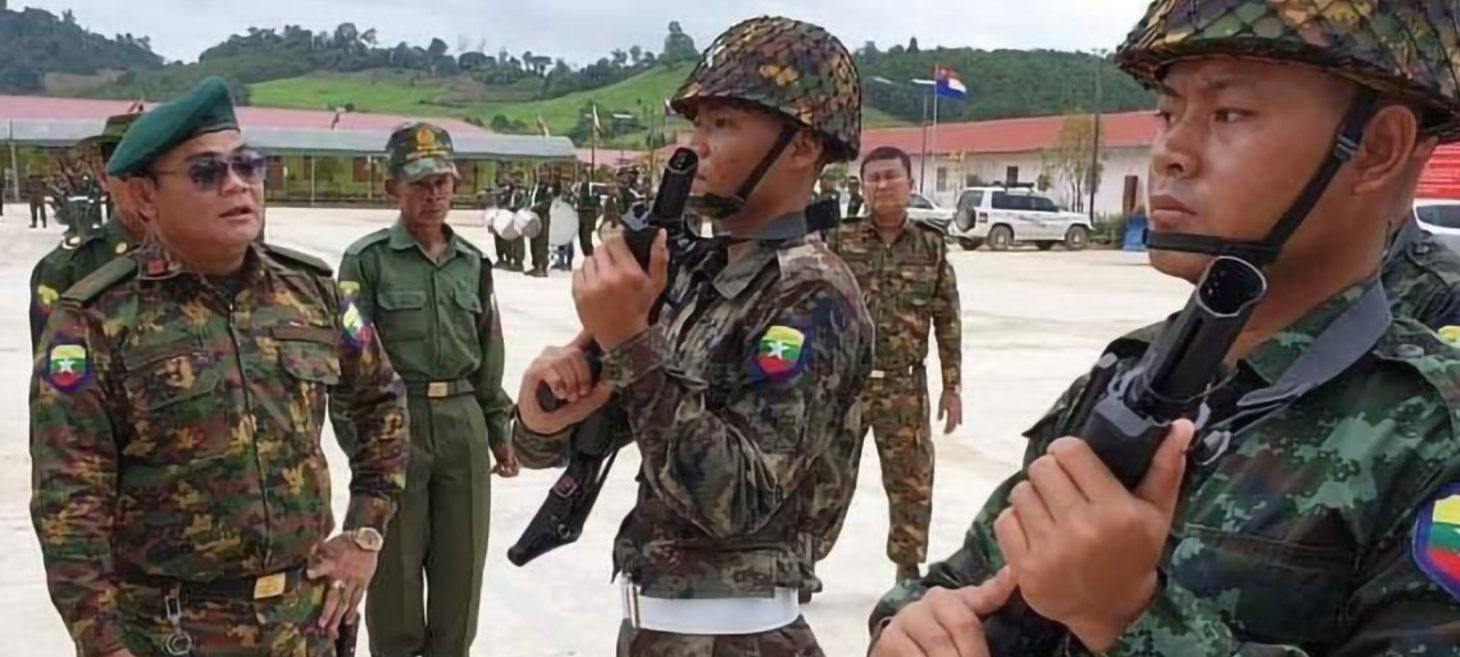
Scam Warlords Send Thousands to Aid Myanmar Junta Troops in Karen Siege
Two junta-aligned Karen armed groups - the Karen National Army (KNA), led by scam-linked warlords, and the Karen National Liberation Army-Peace Council (KPC) - are mobilizing thousands of reinforcements to support Myanmar junta troops besieged in Hpapun for nearly two years. The KNA, recently rebranded from the Border Guard Force (BGF), remains a key regime ally along the Thai-Myanmar border, with suspicions that its earlier "crackdown" on scam compounds was staged to relieve international pressure. The influx of reinforcements, arriving via river and jungle routes to avoid ambushes, is expected to intensify fighting and drive up casualties on both sides.
irrawaddy.com
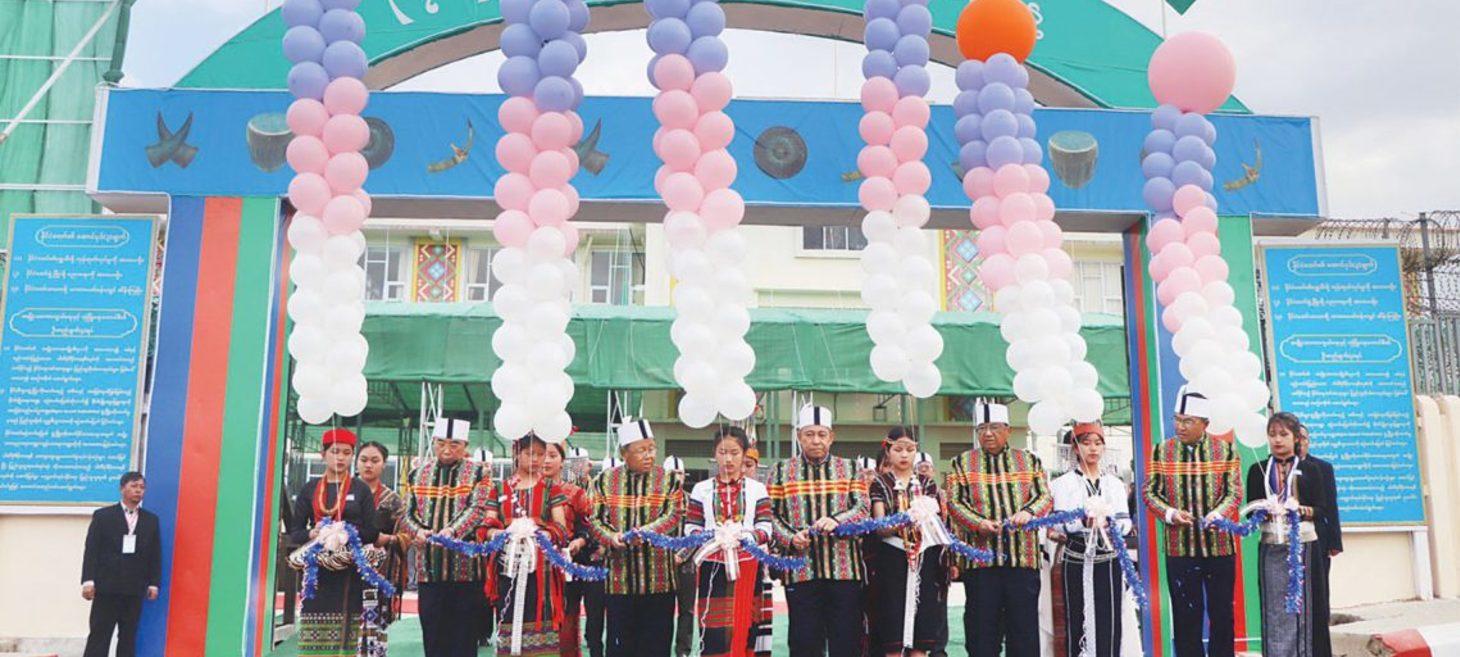
Border Affairs Minister Escapes Suicide Drone Attack in Chin State
Myanmar's Minister for Border and Ethnic Affairs, Yar Pyae, narrowly escaped a suicide drone attack by the resistance group CDF-Hakha during a Chin National Day ceremony in Hakha on Friday, February 21, 2026. State media claimed their air defense units shot down the drones with no casualties or damage, while the resistance published video footage of the attack and said the minister subsequently fled the city. In the aftermath, regime forces raided an electricity office suspected of being a drone control site, killing one government worker and arresting two others.
irrawaddy.com
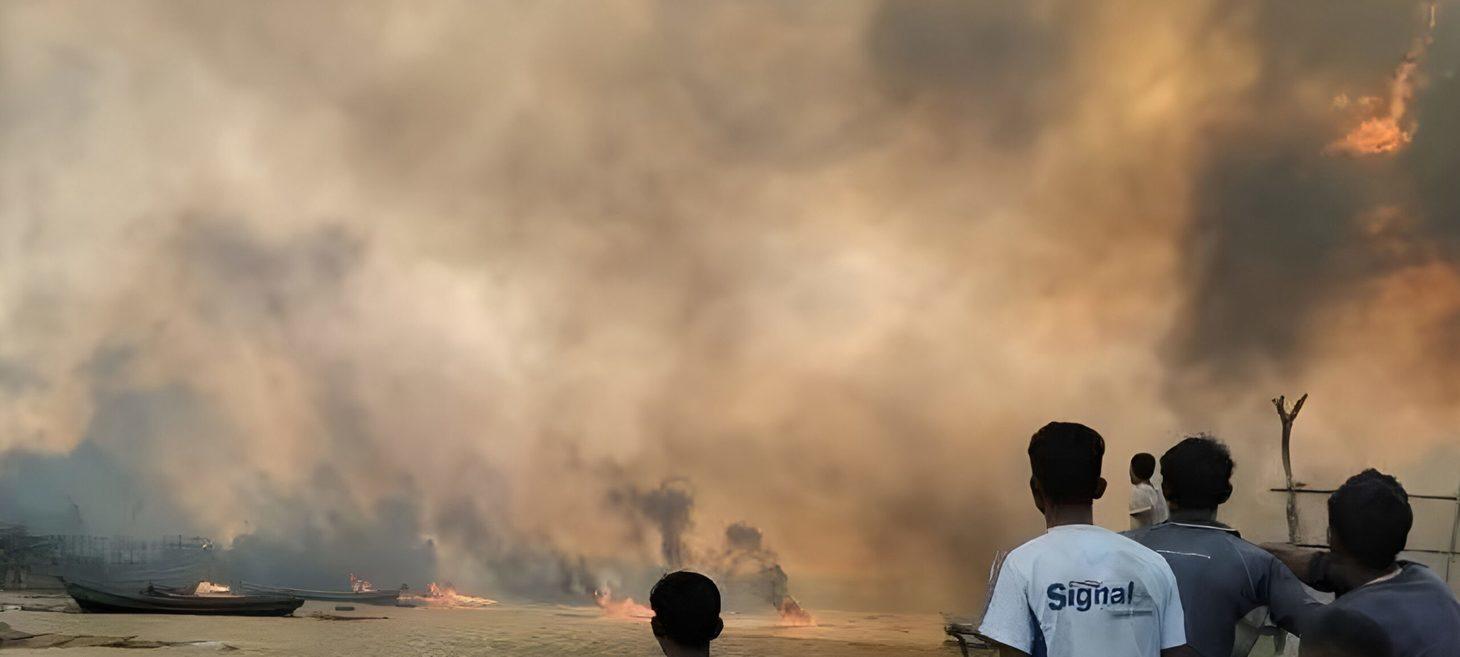
Air and naval strikes kill at least 15 civilians in Kyaukphyu
Myanmar's military has intensified air and naval strikes over the past two weeks across southern Rakhine State - particularly in Kyaukphyu, Ramree, Mrauk-U, and Thandwe townships - killing at least 15 civilians, including infants, women, and elderly residents, with over 30 more wounded. The attacks appear to be retaliatory, following heavy junta losses in clashes with the Arakan Army (AA), and have targeted civilian areas such as villages and a crowded market. Rights groups and local sources warn that the escalating bombardments have caused mass casualties and widespread displacement, with residents forced to shelter constantly in fear of daily strikes.
myanmar-now.org
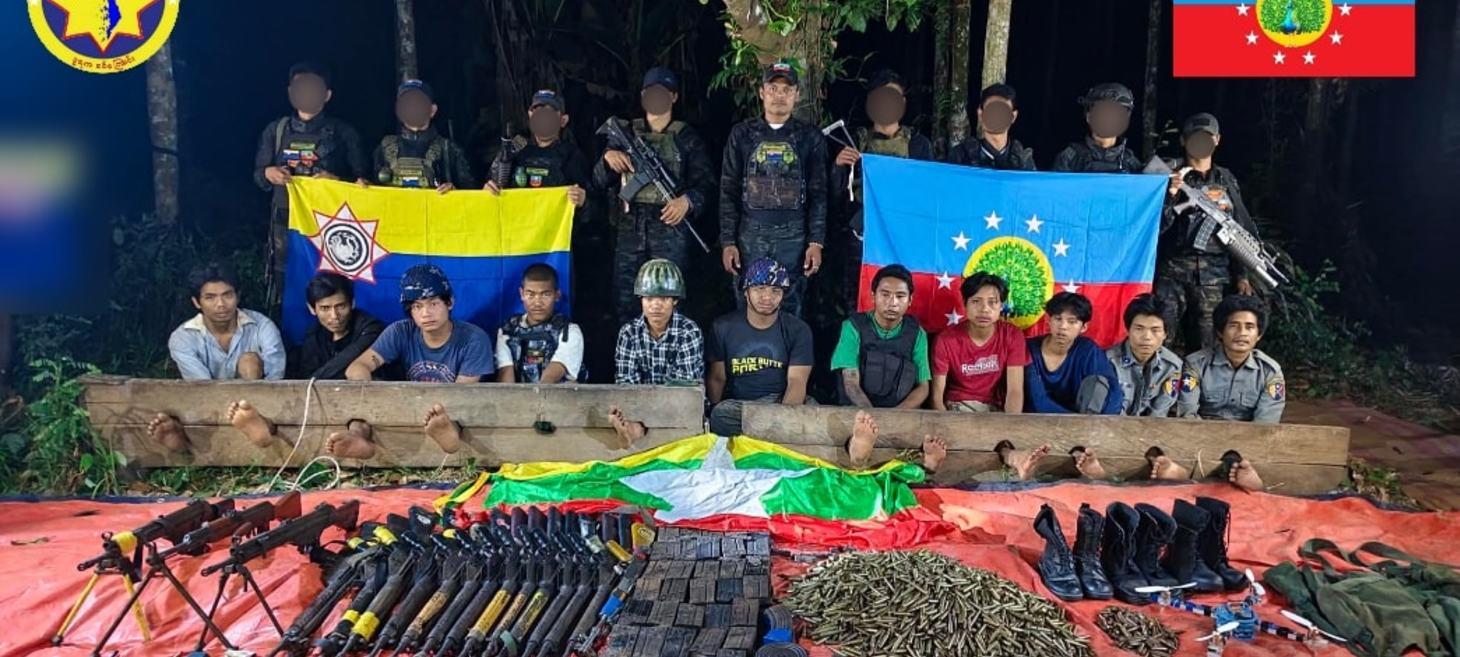
More than 20 Myanmar junta troops, including officers, killed in Tanintharyi clashes
Resistance forces from the Dawei National Liberation Army's Duraka Column launched a two-day offensive in Tanintharyi Region, southern Myanmar, killing over 20 junta soldiers - including a captain and a major - and capturing 11 prisoners along with large quantities of weapons. The junta responded with ground and air assaults, including artillery strikes, and has since sent reinforcements to the area, where fighting is ongoing. The clashes have intensified an already dire humanitarian situation, with road closures, mass displacement of villagers, and over 90,000 people displaced across Tanintharyi Region in the past year.
myanmar-now.org
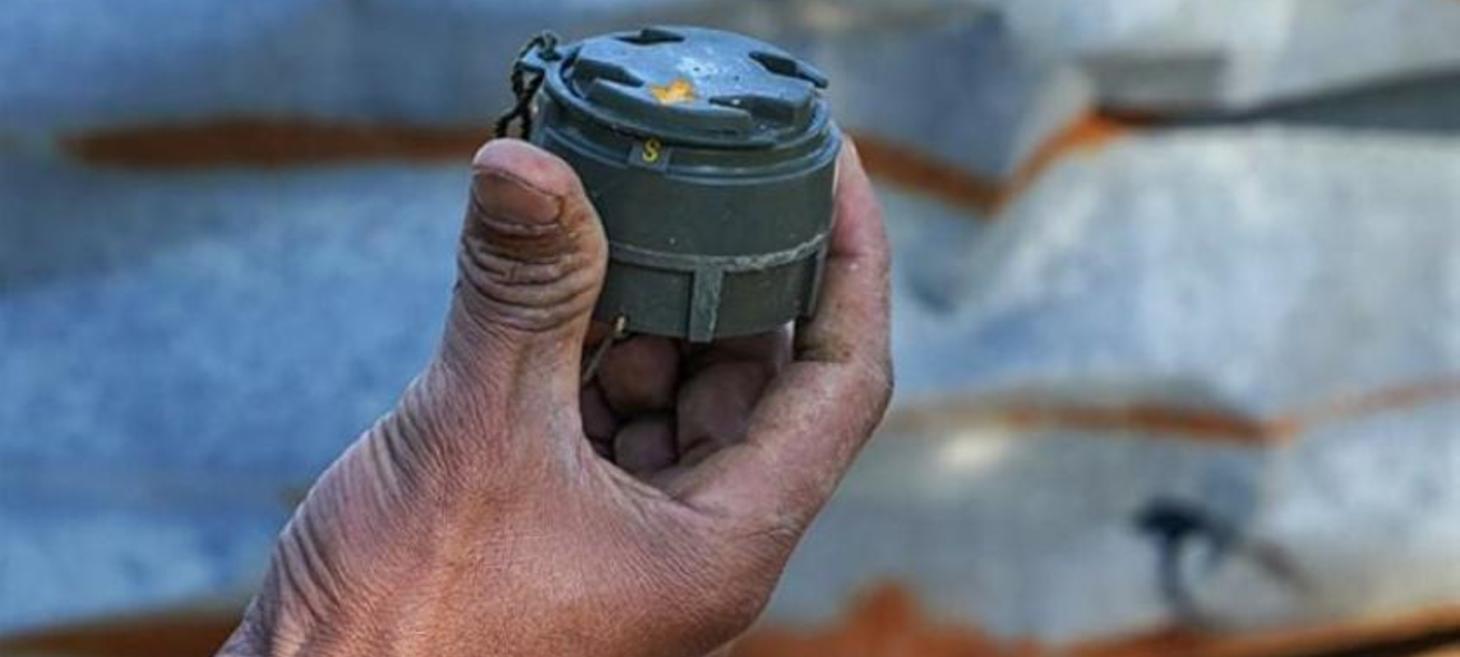
Myanmar records world’s highest landmine casualties as conflict intensifies, says Landmine Monitor
Myanmar recorded the highest landmine and explosive remnants of war (ERW) casualties in the world in 2024, with 2,029 people killed or injured - more than double the 2023 figure - predominantly civilians, as conflict has sharply escalated since the 2021 military coup. Both Myanmar's armed forces and non-state armed groups are actively laying mines, with contamination now reported in 211 of the country's 330 townships, and the military is additionally accused of forcing civilians to act as human minesweepers. Despite the worsening crisis, Myanmar is not a party to the Mine Ban Treaty, international de-mining organizations remain barred from operating, and access to medical care for survivors has severely deteriorated.
bnionline.net

Myanmar junta troops entrench in Kyaikto township villages, leaving thousands displaced and unable to return
Since early February 2026, Myanmar junta troops from Light Infantry Battalion 207 and Artillery Battalion 310 have advanced into and entrenched themselves in multiple villages in Kyaikto Township, Mon State, forcing thousands of civilians to flee into forests or nearby towns. Clashes between junta forces and resistance groups have resulted in at least four resistance fighters and four civilians killed, with additional civilian casualties and property destruction - including burned homes and looted belongings - reported in other affected villages along the Kyaikto-Bilin Township border. Displaced residents remain unable to return home as both sides continue to confront each other, with many taking refuge in territory controlled by the Karen National Union (KNU) Brigade 1.
mizzima.com
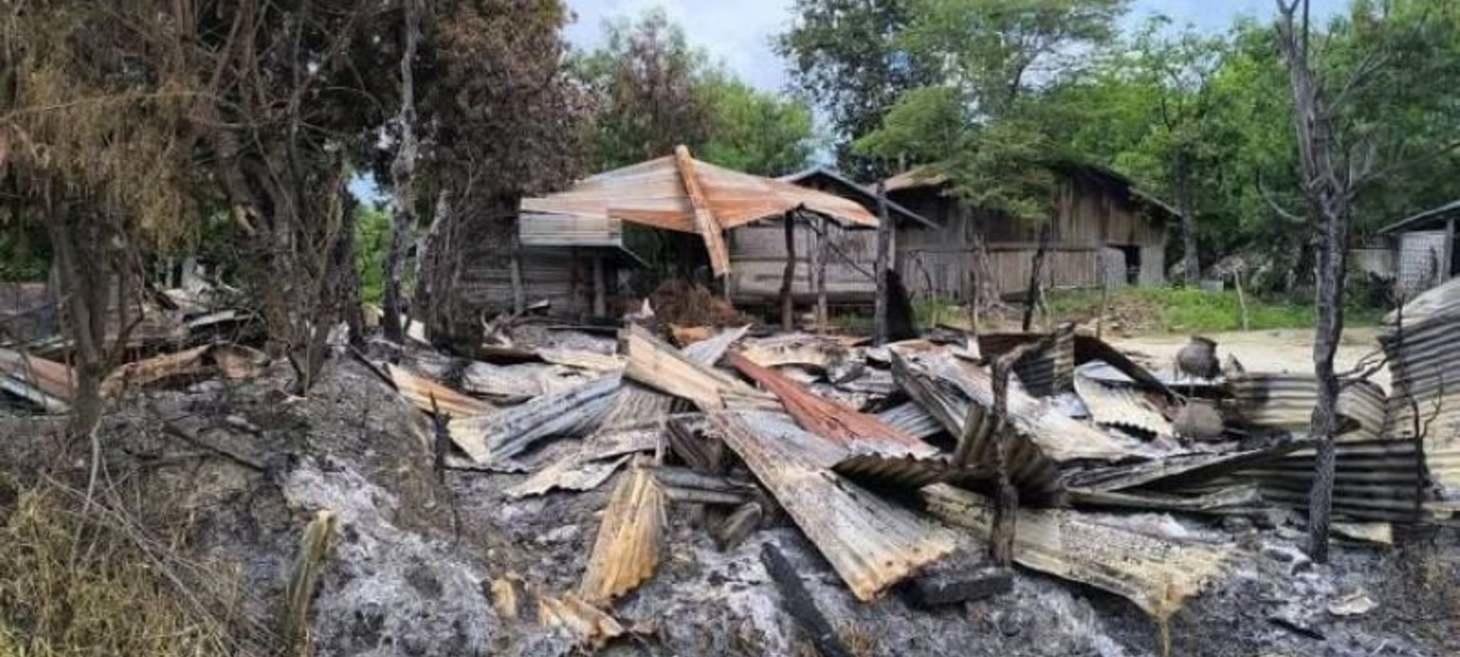
Nearly 120,000 civilian homes torched across Myanmar since 2021 coup as arson attacks intensify
Since February 2021, Myanmar's military junta and its affiliates have burned down nearly 120,000 civilian homes, with Sagaing Region accounting for over 65% of all destruction. Arson attacks have intensified, with more than 2,500 homes torched across 81 villages in just three months (June-August 2025). The NGO Data for Myanmar has called on all armed groups to immediately stop targeting civilians and urged the international community to intervene, while also noting that actual figures are likely higher than reported due to verification challenges.
mizzima.com
Conscription
Mandalay teen beaten to death after forced conscription, family Says
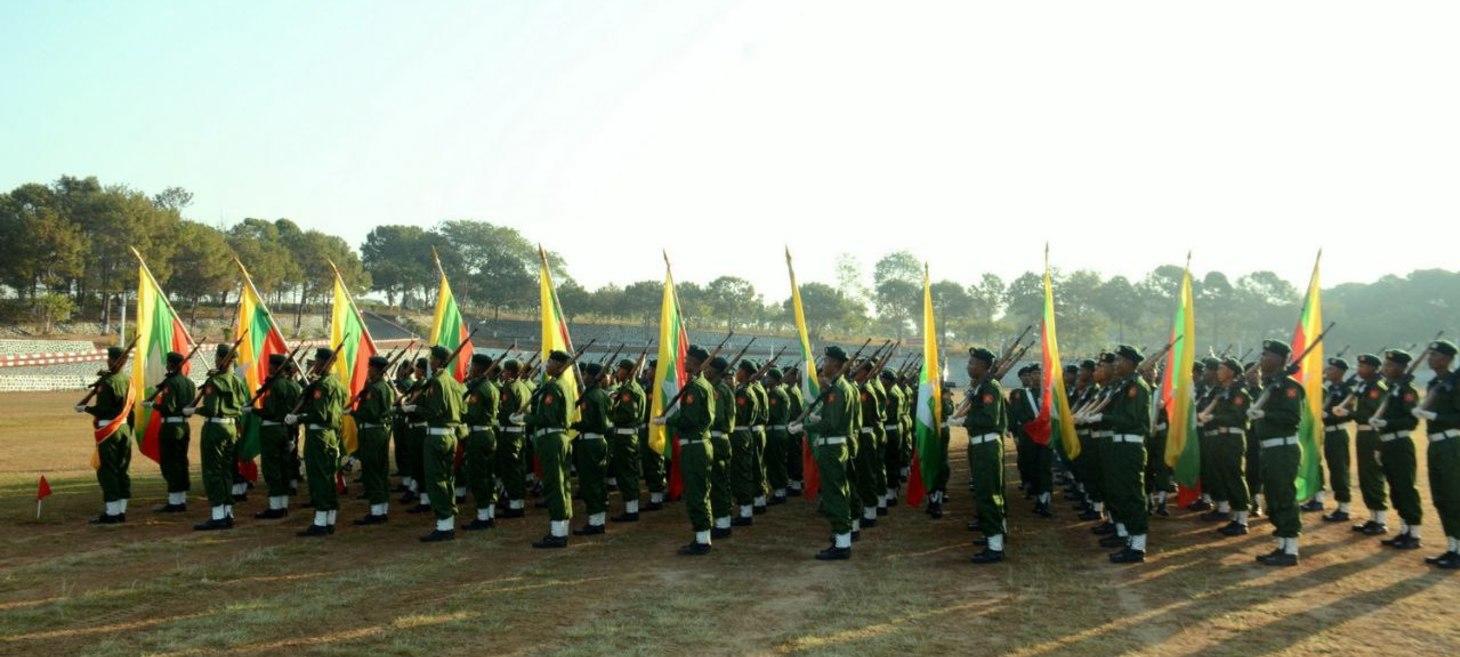
A 17-year-old named Phoe Thar from Mandalay, Myanmar, was forcibly conscripted and detained at a ward administration office on January 26, where he was beaten to death after refusing to comply with the conscription order. His mother was denied the chance to see his body, which was quietly buried by ward officials, and she received only 100,000 kyat (~$25) as compensation. Myanmar's military has resumed and expanded conscription drives in Mandalay, with reports of ward officials accepting bribes, and documented cases of forced conscription surging in early 2026.
myanmar-now.org
Crime & Narcotics
Mining magnate who funded ultranationalists to serve five more years for money laundering
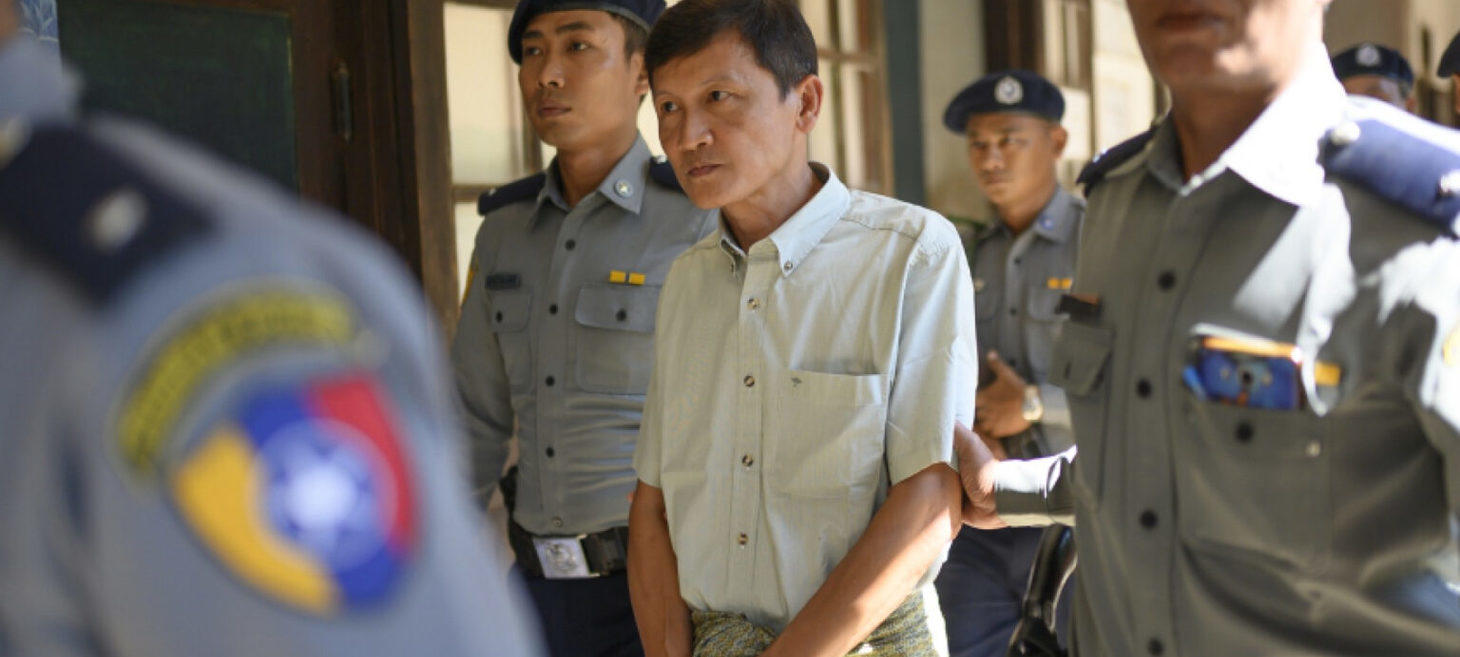
Mining magnate Soe Htun Shein, imprisoned for unlicensed mining, received an additional five-year sentence for money laundering after failing to transfer 23 viss (83 lbs) of gold to authorities as required. The junta court also ordered the confiscation of his Naypyitaw property, and his attempted appeal backfired by lengthening his original six-month penalty to five years. Known for funding Buddhist ultranationalist organizations, Soe Htun Shein's gold mining project was taken over by the military-owned Myanmar Economic Corporation in 2023.
myanmar-now.org
Myanmar seizes over 175 tons of illegal timber, arrests 19 offenders
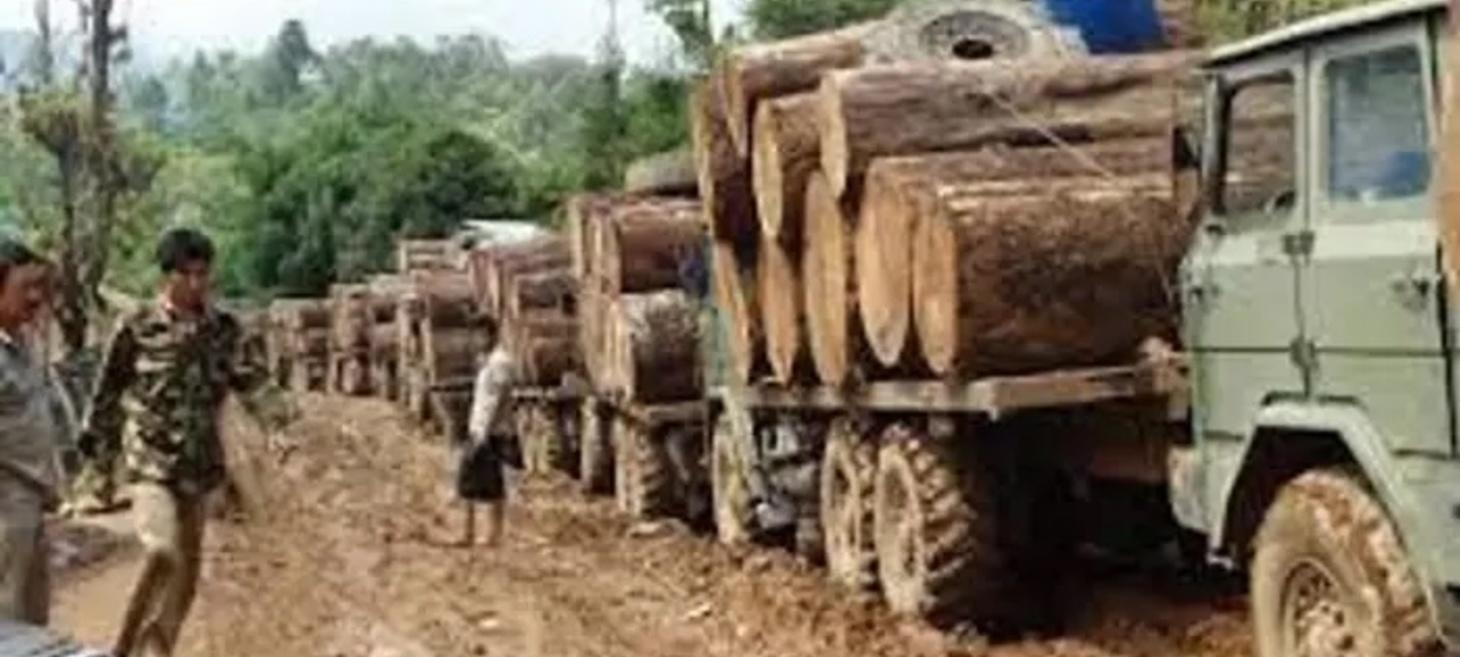
Myanmar authorities conducted a week-long crackdown on illegal logging from February 9-15, 2026, seizing over 175 tons of timber, including teak, hardwood, and other wood types across the country's regions, states, and Naypyidaw Union Territory. The operation resulted in 19 suspects charged and the confiscation of four vehicles and machines. The Forest Department, under the Ministry of Natural Resources and Environmental Conservation, is carrying out these enforcement actions in collaboration with local communities to combat the illegal timber trade.
thestar.com.my
Cybersecurity & Cybercrime
New Scam Hubs Rise in BGF Areas Near Myawaddy Despite ‘Crackdown’
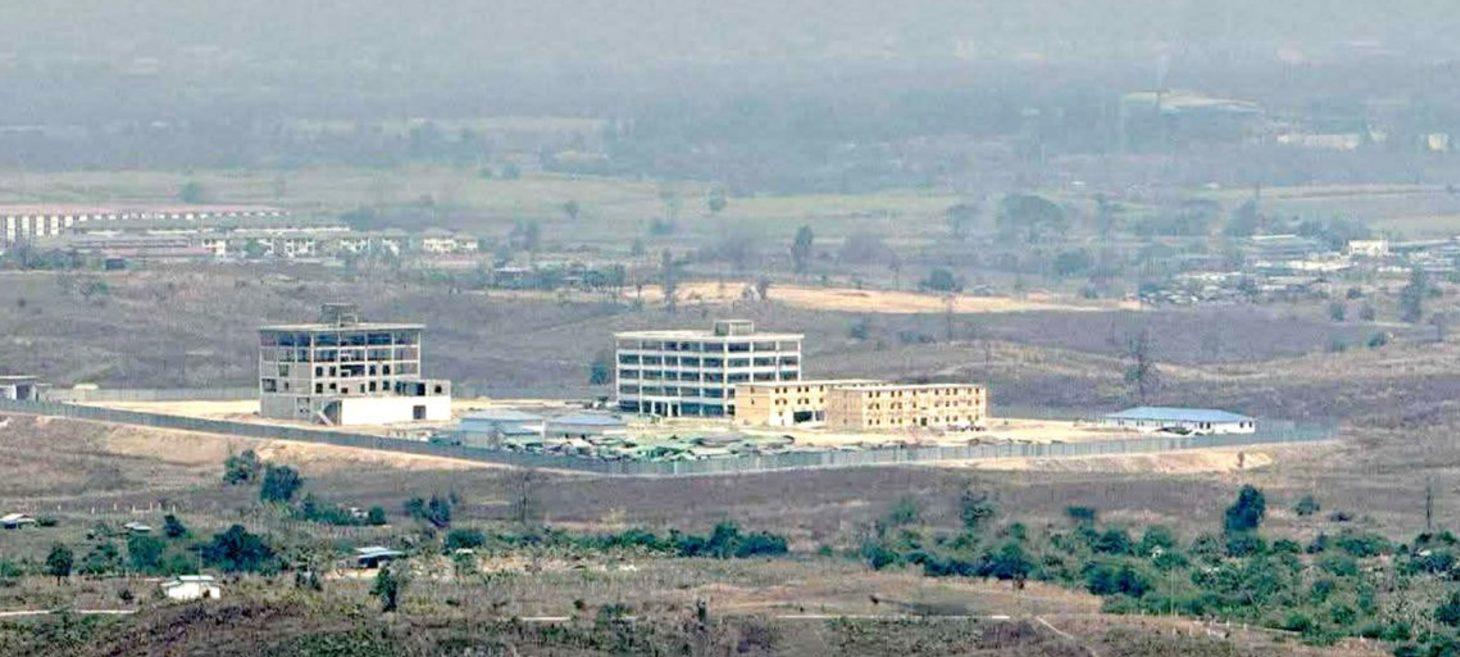
Chinese-run online scam compounds are rapidly expanding in Myanmar near Myawaddy in Karen State, with criminal networks displaced from the notorious KK Park simply relocating to more remote, fortified sites designed to evade scrutiny. At least seven new buildings, including multi-story structures, have been built in Mitta Lin Myaing since junta operations in October 2025, with one site, "KK Park 2.0," undergoing rapid expansion. Junta-aligned militias are allegedly facilitating these relocations in exchange for payments, while the scam syndicates continue recruiting thousands of foreign workers openly on messaging platforms, contradicting official claims of cracking down on the illegal operations.
irrawaddy.com
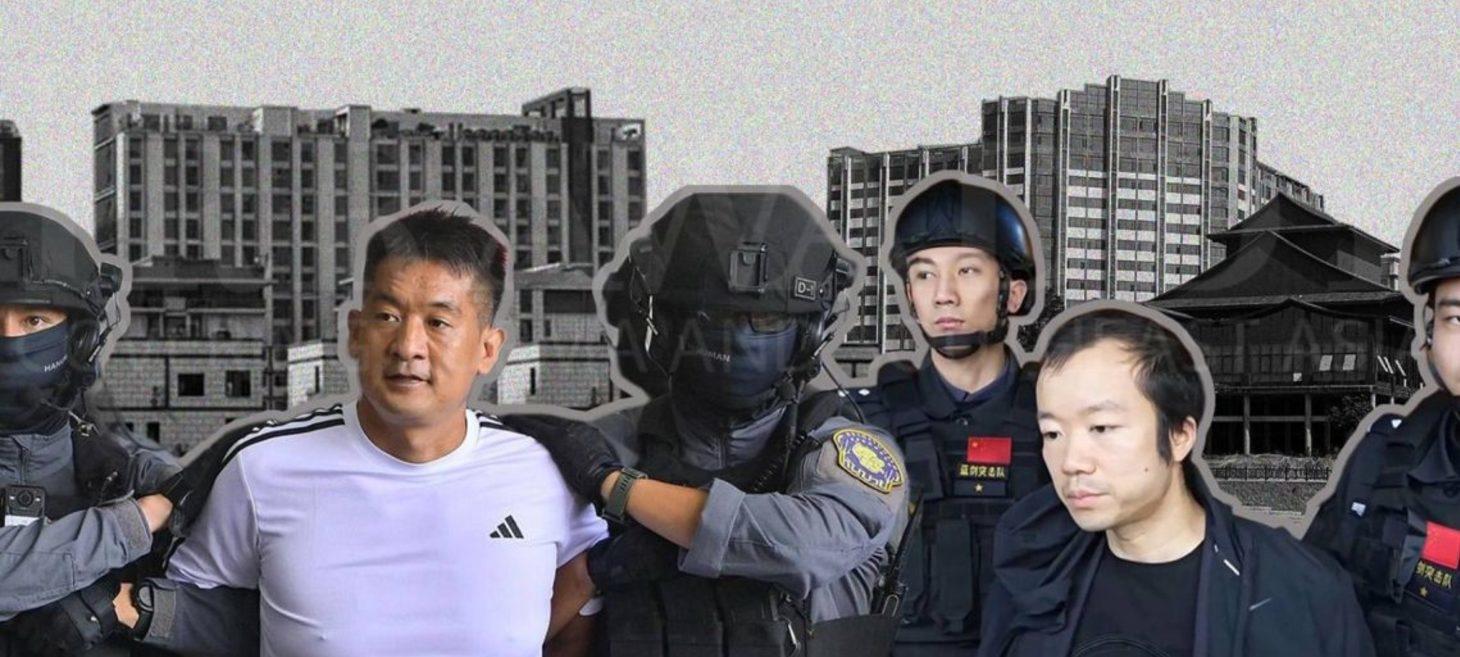
Reassessing Claims of Chinese State Complicity in Transnational Telecom Fraud
In a letter to the editor, Liu Yun critically examines Bertil Lintner's thesis that Chinese state organs have maintained covert ties with transnational telecom fraud networks in Southeast Asia, arguing that Lintner's five main pillars - delayed media coverage, network longevity, historical analogies, BRI grey-zone actors, and factional politics - rely heavily on circumstantial inference rather than concrete evidence. Liu systematically dismantles each claim, pointing out that delayed reporting can reflect diplomatic caution, that the persistence of criminal networks in foreign jurisdictions reflects enforcement limitations rather than endorsement, and that geographic overlap between BRI investment and fraud hubs does not establish operational coordination. The letter concludes that China's recent crackdowns on figures like Chen Zhi and She Zhijiang are more plausibly explained by mounting domestic fraud losses and international pressure than by internal factional maneuvering or a reversal of deliberate state complicity.
irrawaddy.com

Border Raids and Moving Targets: How Scam Networks Thrive in the Golden Triangle
Online scam networks in the Golden Triangle - spanning Myanmar, Thailand, and Laos - have developed a survival strategy of cross-border relocation, simply shifting operations from one jurisdiction to another whenever raids or crackdowns occur. Rooted in zones like the Chinese-run Golden Triangle Special Economic Zone in Laos, these networks have evolved from large, centralized compounds into dispersed, small-group operations that are harder to detect, while continuing to generate monthly quotas of up to $15,000 per worker. Despite high-profile enforcement actions by Chinese, Lao, Thai, and U.S. authorities, analysts and residents agree the industry keeps expanding - driven by youth unemployment, armed conflict, corruption, and the economic logic that no single arrest or raid can dismantle a transnational criminal economy.
shannews.org
Economy

Chinese Investment in Myanmar to Pivot to Cutting-Edge Consumer Markets
The Myanmar-China Investment and Trade Promotion Association (MCITP) was officially launched in Yangon in January 2026, timing its debut to coincide with the junta-led election and cementing China's role as Myanmar's primary economic partner. Rather than pursuing large-scale infrastructure projects, China is now pivoting toward systemic market penetration in digital retail, financial infrastructure, and healthcare, aiming to embed Myanmar's economy within Chinese-controlled platforms, payment systems, and supply chains. Despite ambitious five-year targets - including 100 billion in bilateral trade - analysts dismiss these figures as unrealistic, citing ongoing conflict, political instability, sanctions, and structural barriers such as extortionate "informal fees" along key trade routes.
irrawaddy.com
Ethnic Issues
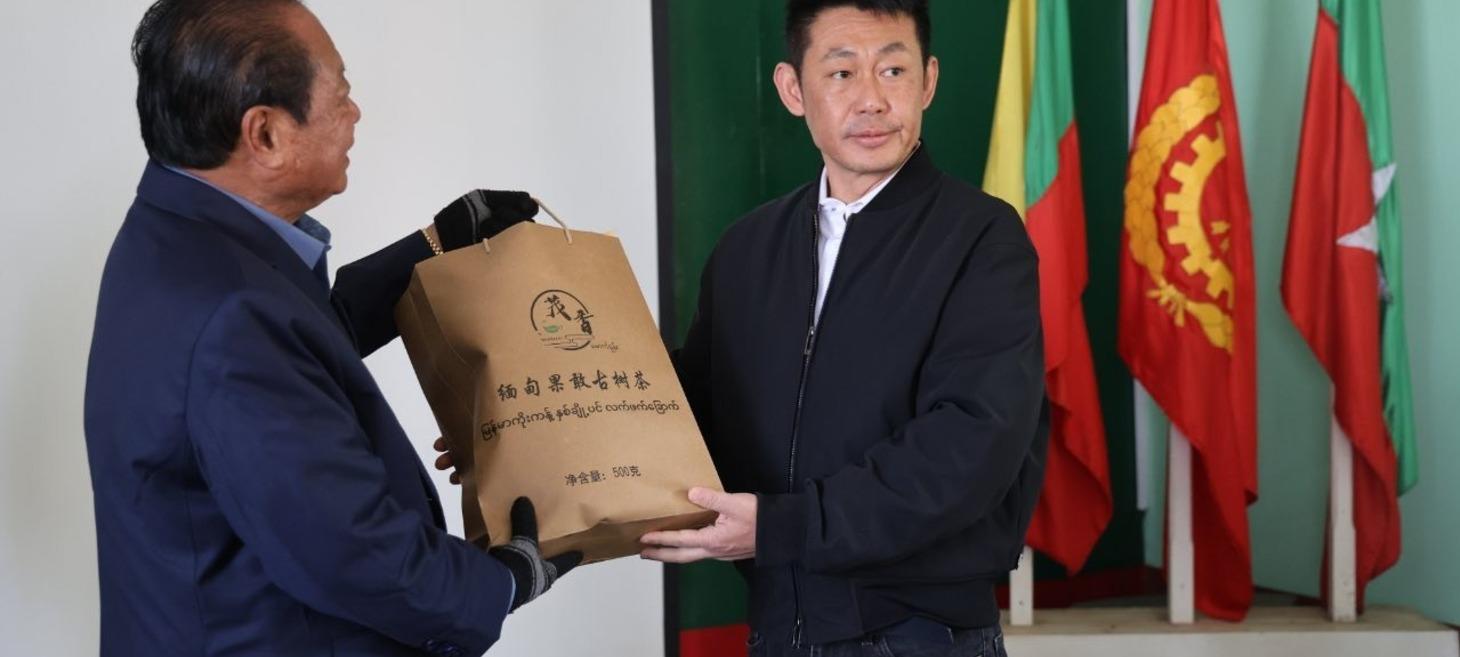
Five Villagers Still Held by MNDAA After Anti-Mining Protest in Northern Shan
On February 1, 2026, MNDAA (Kokang Army) forces arrested 36 villagers in northern Shan State who were protesting against MNDAA-linked gold mining operations, reportedly beating and interrogating them to identify protest organizers. Following negotiations and partial releases, five villagers remain in detention, with authorities reportedly withholding their release until senior MNDAA leaders return from a meeting in Laukkai. Multiple Shan civil society organizations and the SSPP/SSA have called for the detainees' unconditional release, while local residents have voiced growing fears that dissent against resource extraction projects will increasingly be suppressed by force.
shannews.org
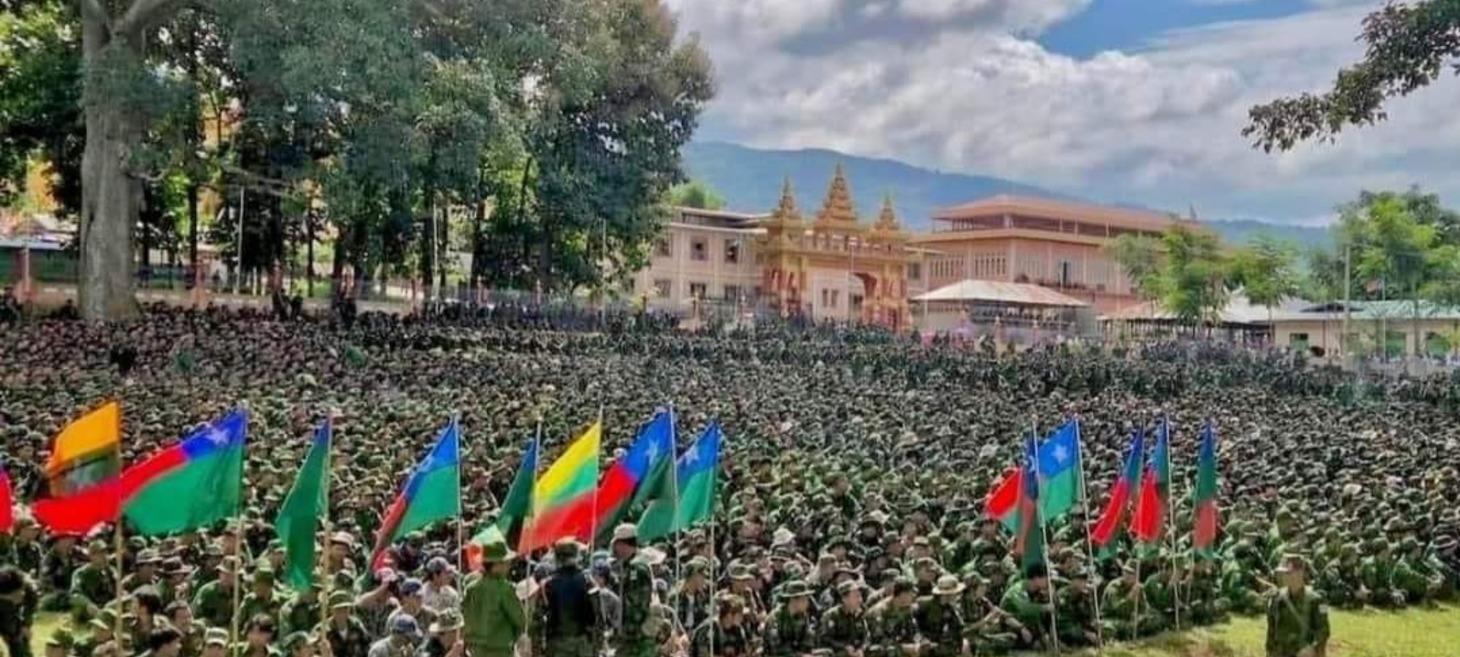
Civilians Caught Between Armed Groups as Violence Escalates in Ywangan
Ywangan Township in southern Shan State has become a volatile conflict zone since the 2021 military coup, with both pro-junta forces (military troops, Pyu Saw Htee militias, and the PNO) and resistance groups (DSNDA, DPLA, and PDF units) operating simultaneously. Civilians bear the brunt of the violence, facing arbitrary arrests, forced portering, extortion, and beatings by junta troops, as well as killings by resistance forces who suspect informants and abductions by unidentified armed groups. With little protection and no end to the conflict in sight, residents describe daily life as defined by fear and a constant struggle to survive under competing threats.
shannews.org
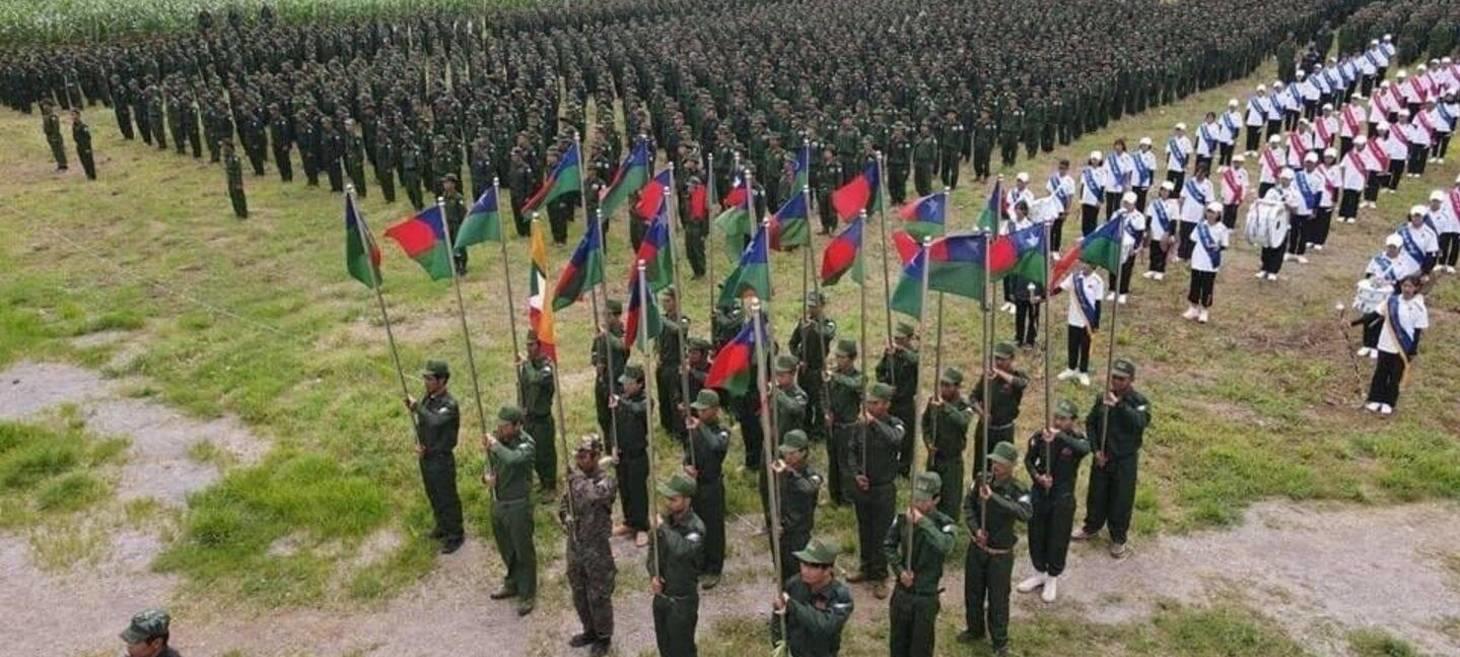
PNO Expands Recruitment After Clashes in Mawkmai
Following recent clashes with the Pa-O National Liberation Army (PNLA) in Mawkmai Township, southern Shan State, the Pa-O National Army (PNO) has launched an urgent recruitment drive targeting men aged 18-35, particularly those who already completed prior "village defense" training. While the PNO denies forced conscription, residents in Taunggyi, Yawnghwe, and Hopong townships report growing fear, with some previously recruited youths believed to have died in combat and civilians being arbitrarily detained for portering duties. The situation is compounded by financial pressure - households were reportedly required to pay 500,000 kyats as a "military service fee" in August 2025, with those unable to pay being forcibly deployed - leaving civilians increasingly trapped between competing armed actors.
shannews.org
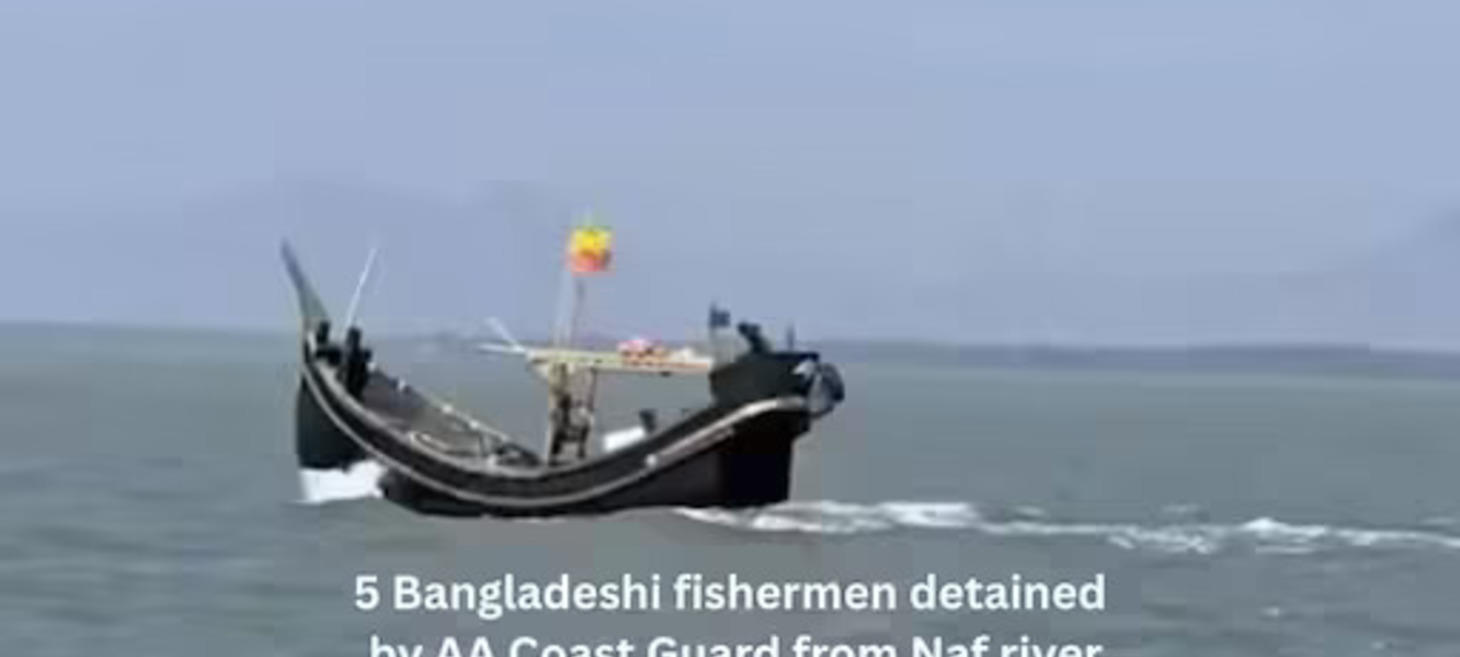
5 Bangladeshi fishermen detained by AA fighters from Naf river
Five Bangladeshi fishermen were detained by Arakan Army (AA) coast guards while returning from fishing on the Naf River near Shah Porir Island, and were taken to Rakhine State in western Myanmar. A witness who escaped reported that armed men intercepted their boats, while four other vessels managed to flee. Local community members have called on Bangladeshi authorities to secure the fishermen's release, and Teknaf police say they are investigating - though the AA has yet to issue any statement on the matter.
bnionline.net
Foreign Investment
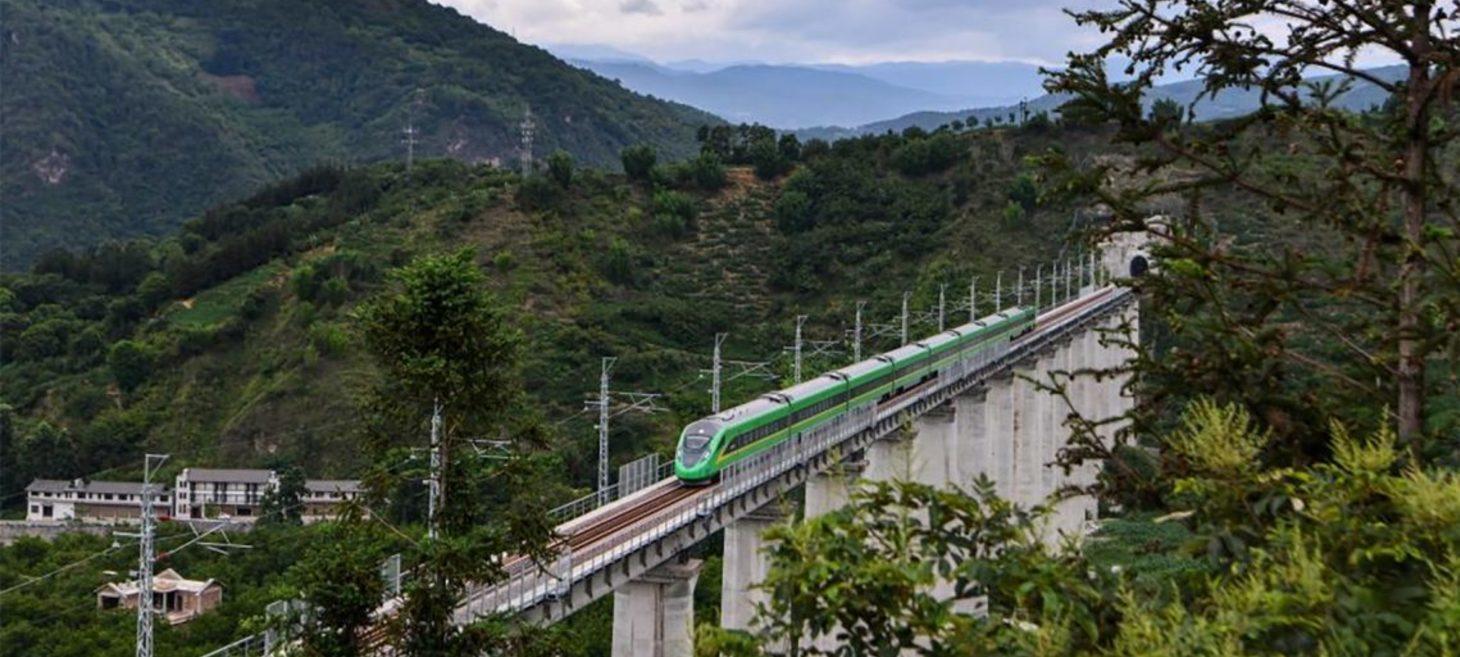
China Speeds Up Railway That Will Cut Swathe Through Myanmar
China is accelerating the final phase of its 330-km Dali-Ruili Railway in Yunnan Province, expected to be completed in 2028, which is intended to eventually connect with Myanmar's planned Mandalay-Muse railway as part of the broader China-Myanmar Economic Corridor (CMEC). Once complete, the corridor would give Beijing a strategic overland route to the Indian Ocean via the Kyaukphyu deep-sea port, bypassing the Strait of Malacca and transforming landlocked Yunnan into a key economic hub. However, the Myanmar portion of the project faces severe obstacles - including armed ethnic groups controlling key sections of the proposed route, ongoing civil conflict since the 2021 coup, and fears that the estimated ~$9 billion price tag could plunge Myanmar into unsustainable debt - casting serious doubt on whether the railway will ever be completed.
irrawaddy.com
Military

Who Will Succeed Min Aung Hlaing as Myanmar’s Commander-in-Chief?
As Myanmar prepares to form a new government in late March 2026, speculation is mounting that Senior General Min Aung Hlaing may move into the presidency, leaving the commander-in-chief post vacant. The two leading candidates to succeed him are Deputy Commander-in-Chief Soe Win and Chief of General Staff Kyaw Swar Lin, though Myanmar's military successions have a history of producing surprise outcomes - as when the obscure Min Aung Hlaing was unexpectedly chosen by Than Shwe in 2011. The article also traces the broader history of Myanmar's military leadership, noting that since General Ne Win's 1962 coup, successive commanders have progressively damaged the military's reputation through dictatorship, atrocities, and the suppression of democracy, culminating in Min Aung Hlaing's 2021 coup and its devastating humanitarian consequences.
irrawaddy.com
Natural Resources
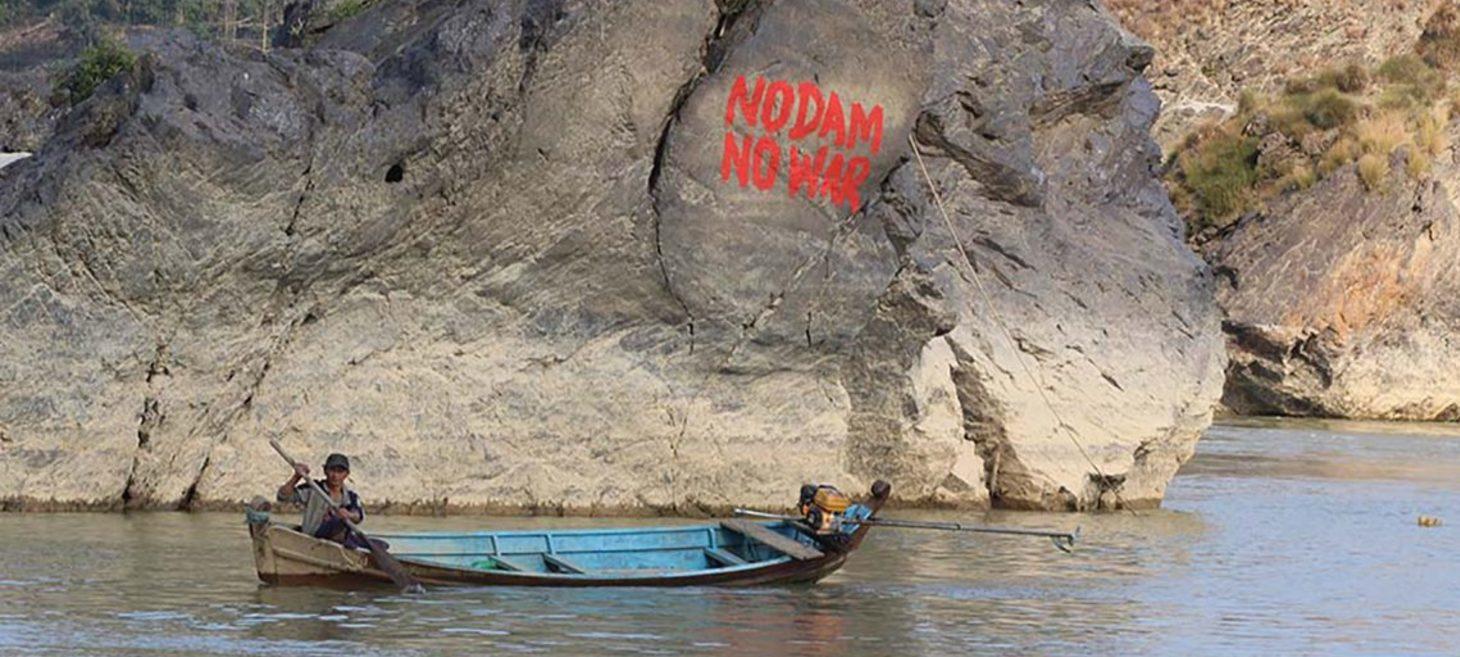
Myitsone’s Dangerous Return: Does Beijing Need the Dam?
The Myanmar military regime seeks to revive the long-suspended Myitsone Dam as a diplomatic bargaining chip with China to secure protection and economic concessions, but Beijing remains cautious due to widespread public opposition and the KIA's continued resistance. China does not actually need the electricity from the project-it has excess generation capacity- and understands that pushing Myitsone openly would damage its image and destabilize its long-term interests in Myanmar. The revival poses major risks, including potential earthquake catastrophe near the Sagaing Fault, intensified public conflict, and substantial financial liabilities of up to $800 million in compensation or annual suspension costs, effectively trapping Myanmar in deeper dependence on Chinese financing.
irrawaddy.com
Politics
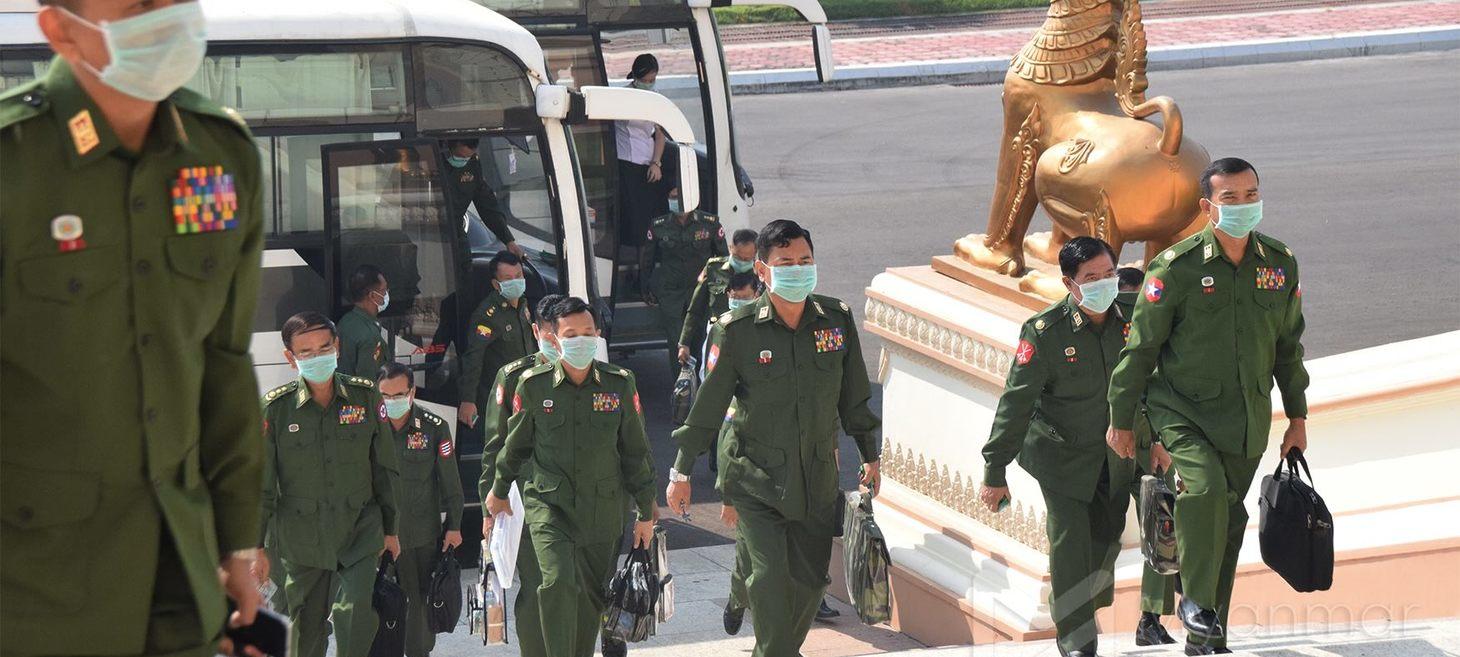
Junta sets dates to convene parliament after contested election
Myanmar's military junta has announced that parliamentary sessions will begin on March 16, 2026, following a controversial multi-phase general election that concluded on January 25. The military-backed USDP won a landslide victory, securing 339 of 420 elected seats (≈81%), enough to form a government without relying on the 166 constitutionally guaranteed military-appointed seats. Once parliament convenes, a president will be selected through a nomination and vote process, with speculation mounting that junta chief Min Aung Hlaing may use the arrangement to assume the presidency.
myanmar-now.org
United Nations

UN urges scam centre clampdown amid 'staggering' abuses; cases in Myanmar among the worst
The United Nations has urged governments to crack down on scam centres in South-East Asia, where hundreds of thousands of trafficked people are forced into online fraud operations under brutal conditions, including torture, sexual abuse, and food deprivation. A new UN report reveals these heavily fortified compounds have expanded beyond the Mekong region to Pacific island nations, South Asia, the Gulf states, West Africa, and the Americas. Victims, many of whom were lured through trusted contacts under economic pressure, are often wrongly treated as criminals after being freed, prompting the UN to call for better rescue operations, trauma rehabilitation, and stricter oversight of online job recruitment platforms.
thestar.com.my