Introduction & Analysis
This collection of open-source English-language news articles published over the past week highlights significant events and issues concerning Myanmar. They present a snapshot of the country's safety and security landscape.
• Military Conflict: Myanmar's civil war continues with intense fighting across multiple regions, including resistance gains in Mawdaung and Sagaing offset by junta counteroffensives retaking Hpasawng in Karenni State, while battles rage in Kachin, Mandalay, and northern Shan with heavy casualties on both sides.
• Civilian Crisis: Junta airstrikes and ground operations have killed dozens of civilians, burned hundreds of homes in Natogyi and Nattalin townships, and displaced over 80,000 people in various regions who face severe shortages of food, shelter, and medical care while fleeing to forests or across borders.
• Economic Collapse: Myanmar's economy is in crisis with banks capping daily withdrawals amid currency speculation, gold prices reaching record highs, and controversial NUG-approved gold mining operations along the Chindwin River threatening agricultural livelihoods, while opium cultivation spreads in Karenni State.
• Geopolitics and Governance: China pledged to deepen ties with the junta following its disputed 2026 election marked by internet censorship and nearly 50 arrests for social media posts, while international pressure mounts with Timor Leste pursuing war crimes charges, corruption scandals involving scam center protection payments, and debates over US engagement with Myanmar's mineral sector.
Myanmar Current Events
Conflict
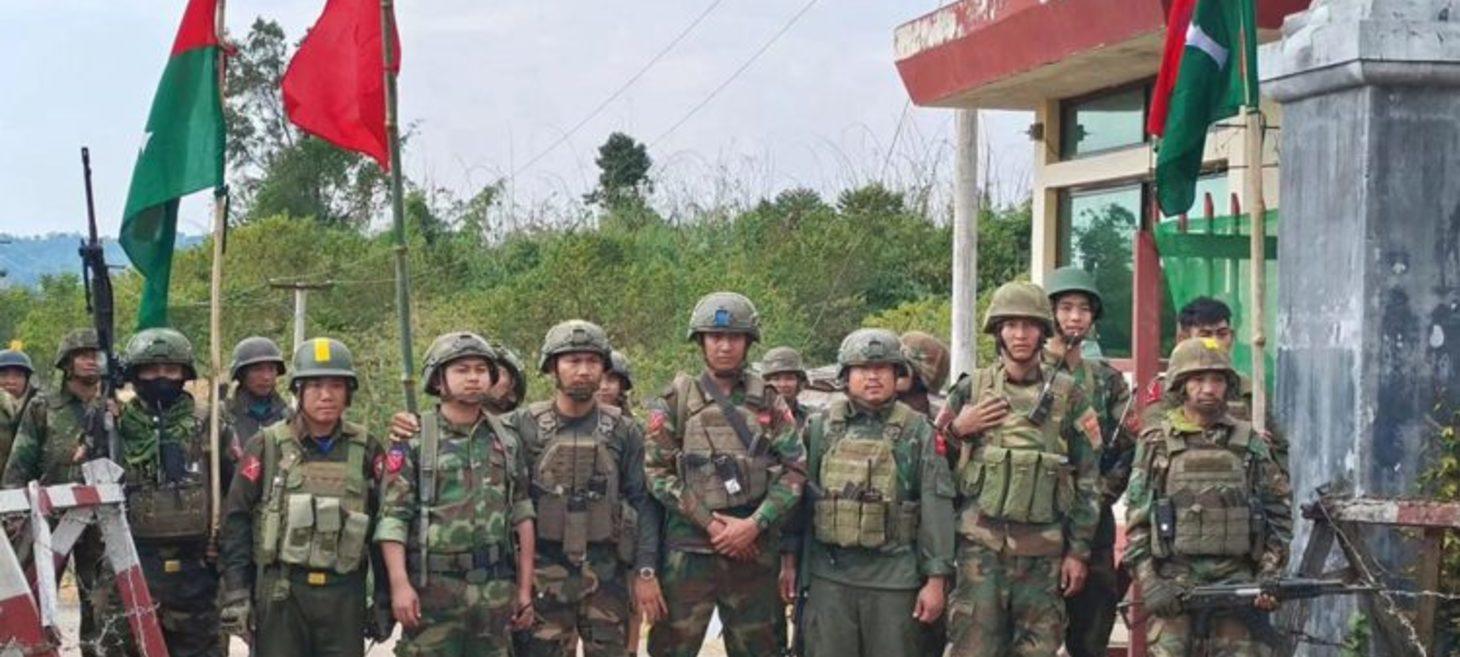
Myanmar Junta Battalion Caught In Kachin Stranglehold
The Kachin Independence Army (KIA) has surrounded Myanmar junta Infantry Battalion 58 in Waingmaw, Kachin State, pushing to within 100 meters of the base and triggering near-daily clashes, though no large-scale assault order has been issued. The encirclement has resulted in casualties, including two military officers, while junta forces are responding with shelling from Myitkyina and airstrikes. The KIA has been seizing multiple towns across Kachin State, including border crossings and mining hubs, and is conducting a broader campaign to capture strategic locations such as Myitkyina and Bhamo as part of its long-term objectives.
irrawaddy.com
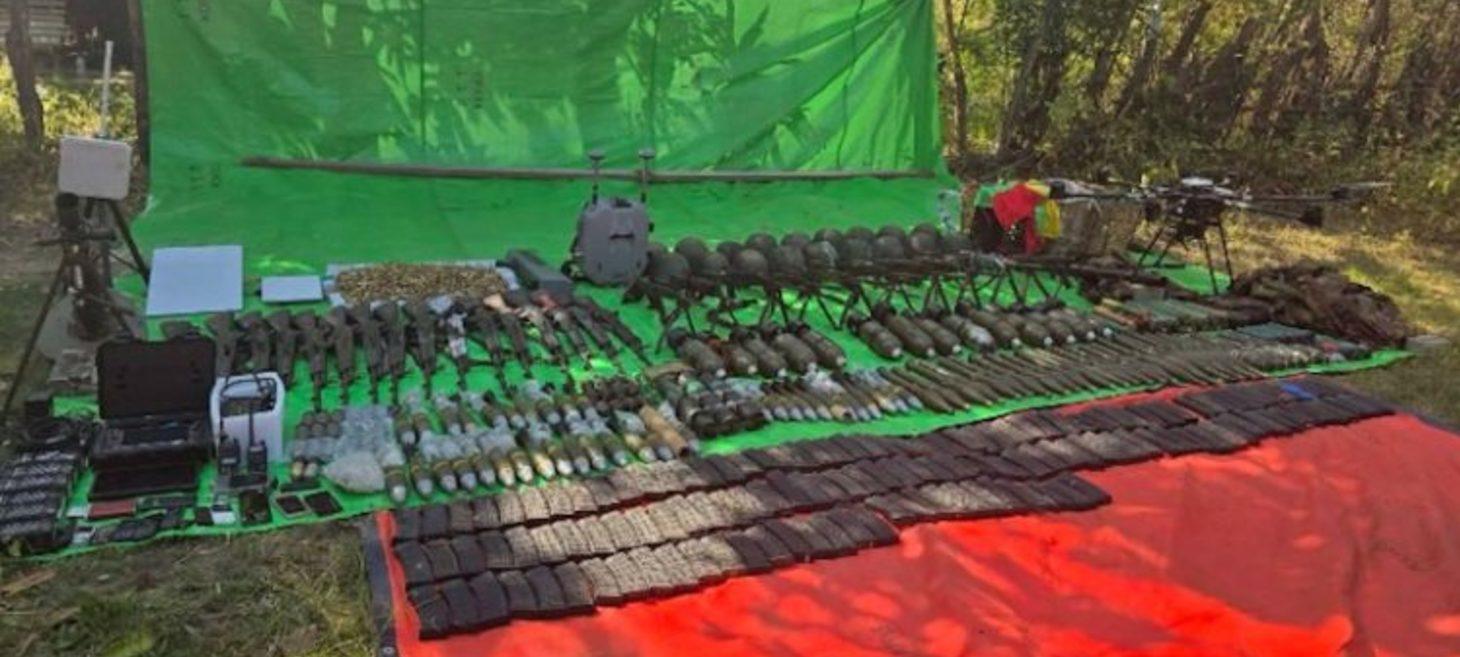
Myanmar Junta Suffers Heavy Losses as Four Bases Fall in Sagaing
Resistance forces, including the National Unity Government's People's Defense Force and allied Arakan Army, have captured four junta military bases in Myanmar's Sagaing Region over the past three months. The offensive resulted in 96 regime personnel killed, 38 wounded, and 101 detained, while resistance forces seized 187 weapons and substantial ammunition. The campaign included major clashes in early February when PDF and AA forces ambushed over 200 junta soldiers, and is part of a broader effort by ethnic armies, including the Kachin Independence Army, to control districts serving as gateways to Kachin State.
irrawaddy.com
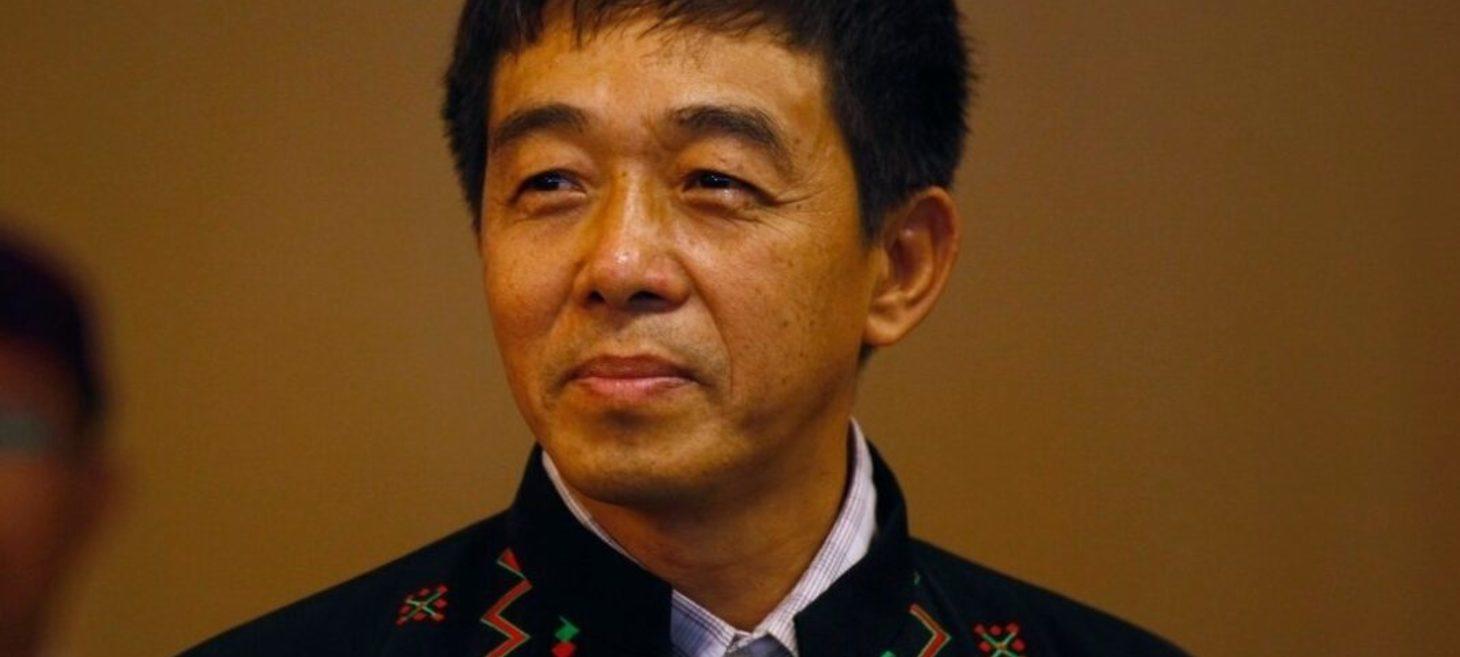
UNDERSTANDING KIO’S POLITICAL AGENDA: Key Highlights
Lieutenant General Gun Maw, Vice Chairman of the Kachin Independence Organization (KIO/KIA), stated that the organization has, from the first day of the 2021 military coup, committed to joining forces with pro-democracy movements to oppose the junta and build a federal democratic state. The KIO/KIA is actively engaged in strategic military operations, particularly the year-long Battle of Bhamo involving multiple ethnic groups, while coordinating with the NUG and other ethnic armed organizations through the five revolutionary groups alliance. The KIO rejects bilateral negotiations with the military regime, instead advocating multilateral talks with all stakeholders, and prioritizes liberating the northern theater (Kachin, Chin, Naga, and Sagaing regions) as a strategic pathway to nationwide success.
shannews.org
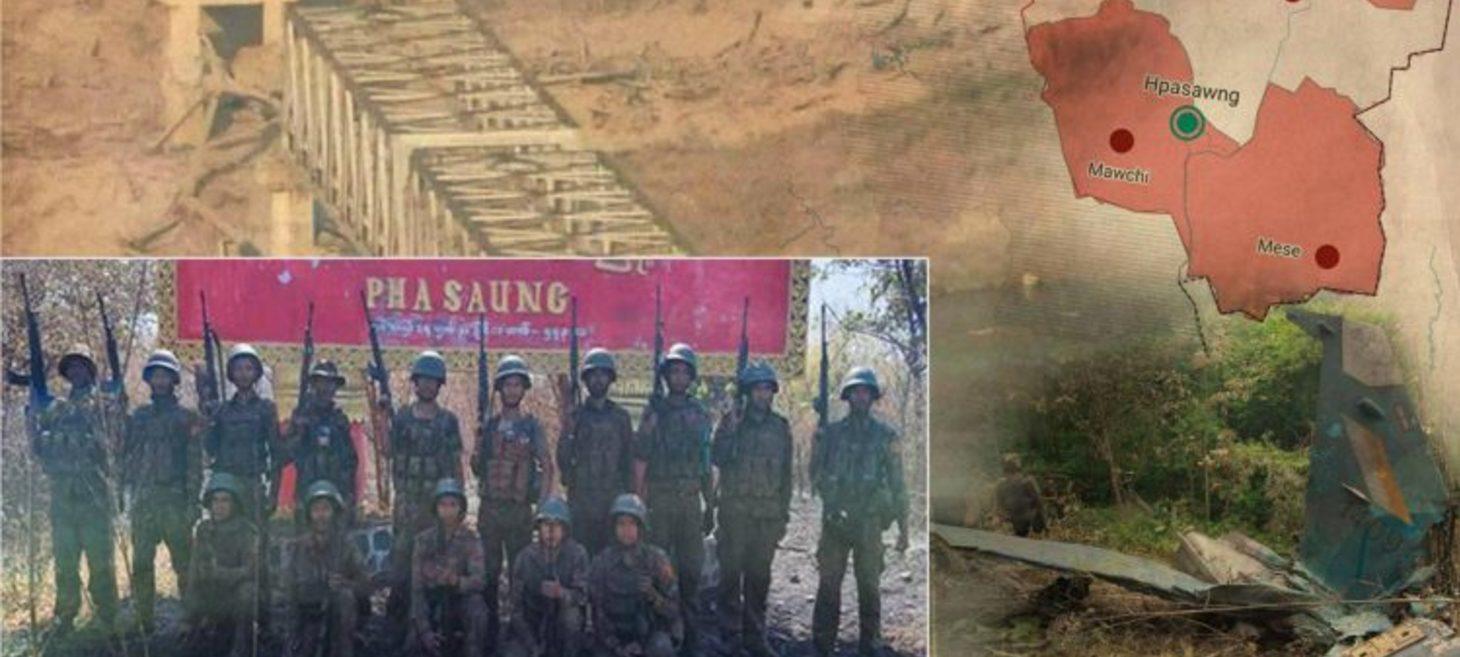
Myanmar Junta Claims Major Gain in Karenni Counteroffensive
Myanmar's military regime claims to have retaken the strategic town of Hpasawng in Karenni State on Sunday, eight months after resistance forces captured it in June 2025. The junta says three columns of troops advanced along the Bawlakhe-Hpasawng road and entered the town, though resistance sources indicate that full control has not yet been secured. The town lies near the resistance-controlled Mawchi mining hub and Karenni Army headquarters, and analysts expect the regime to target the mining zone next rather than risk overextending supply lines.
irrawaddy.com
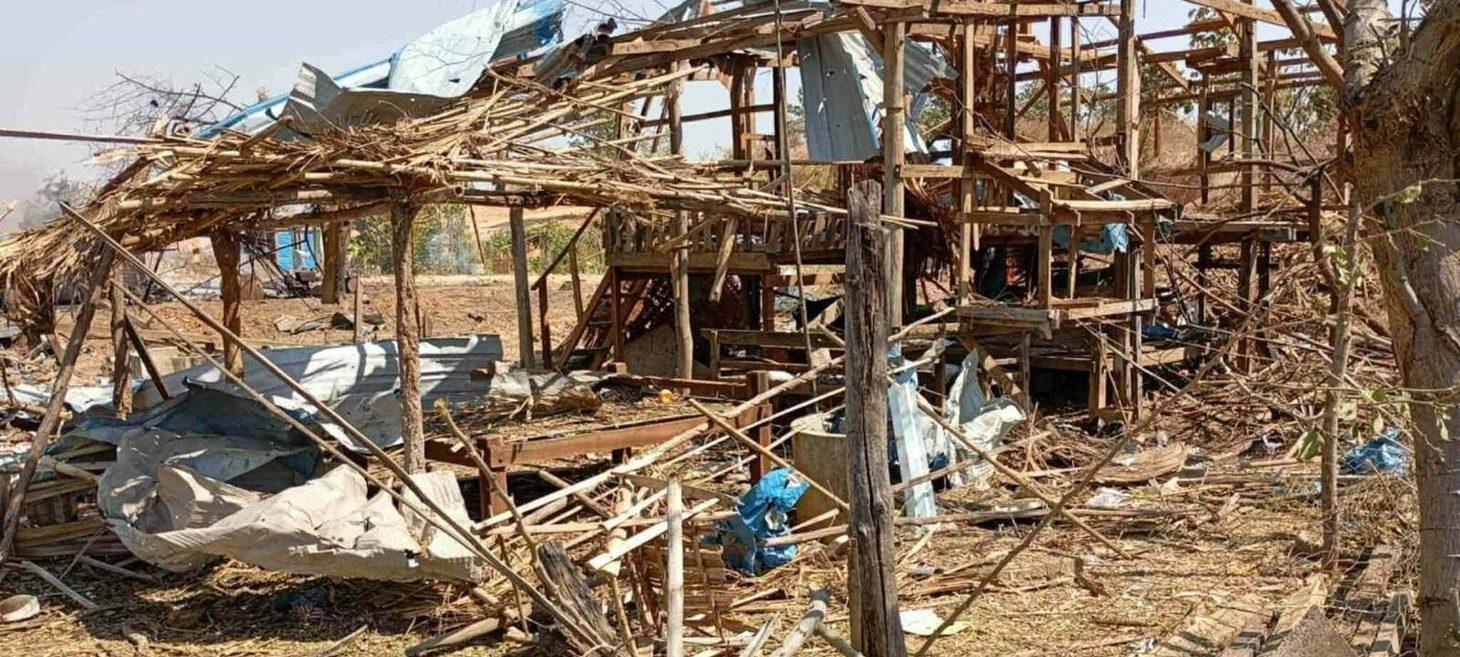
Five killed in junta airstrike on civilians’ shops in Magway Region
Five civilians, including two teenagers, were killed when Myanmar's military junta conducted an airstrike on roadside shops in Pauk Township, Magway Region on Tuesday morning. The attack targeted a row of shops along a major highway in a resistance-controlled area, with no recent fighting reported nearby at the time. Airstrikes in the region are frequent as the military relies on air supremacy to combat armed resistance forces that control rural areas surrounding the junta-held urban centers and military armament factories.
myanmar-now.org
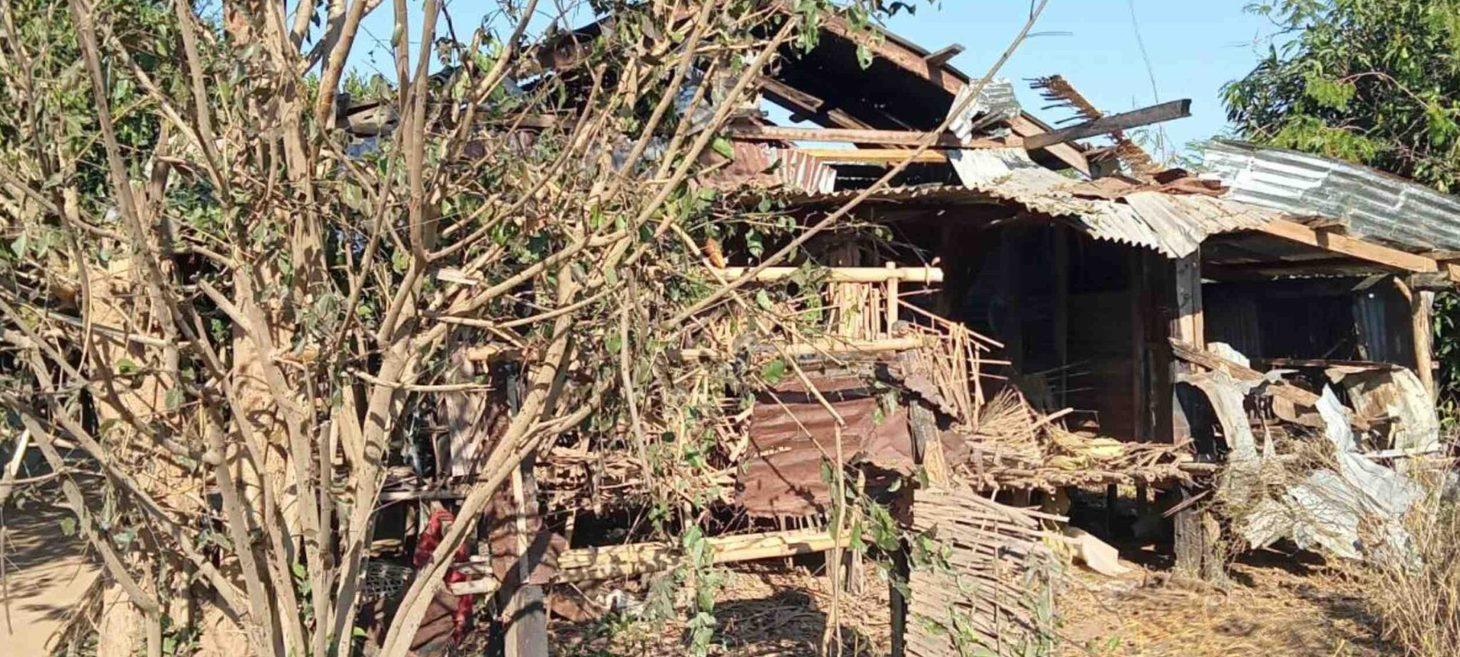
Junta airstrike kills mother, wounds child in Bago
A Myanmar military airstrike on February 12, 2026, killed 31-year-old Aye Aye Toe and wounded her husband and son in Nattalin Township, Bago Region, as they sheltered near Saw Phyu Hill. The strike occurred amid intensifying fighting between approximately 300 advancing junta troops and local People's Defence Force (PDF) fighters, who control about 20 of the township's 84 village tracts. The ongoing daily clashes and airstrikes have forced thousands to flee, with over 50 households burned and displaced families hiding in forests with limited resources.
myanmar-now.org
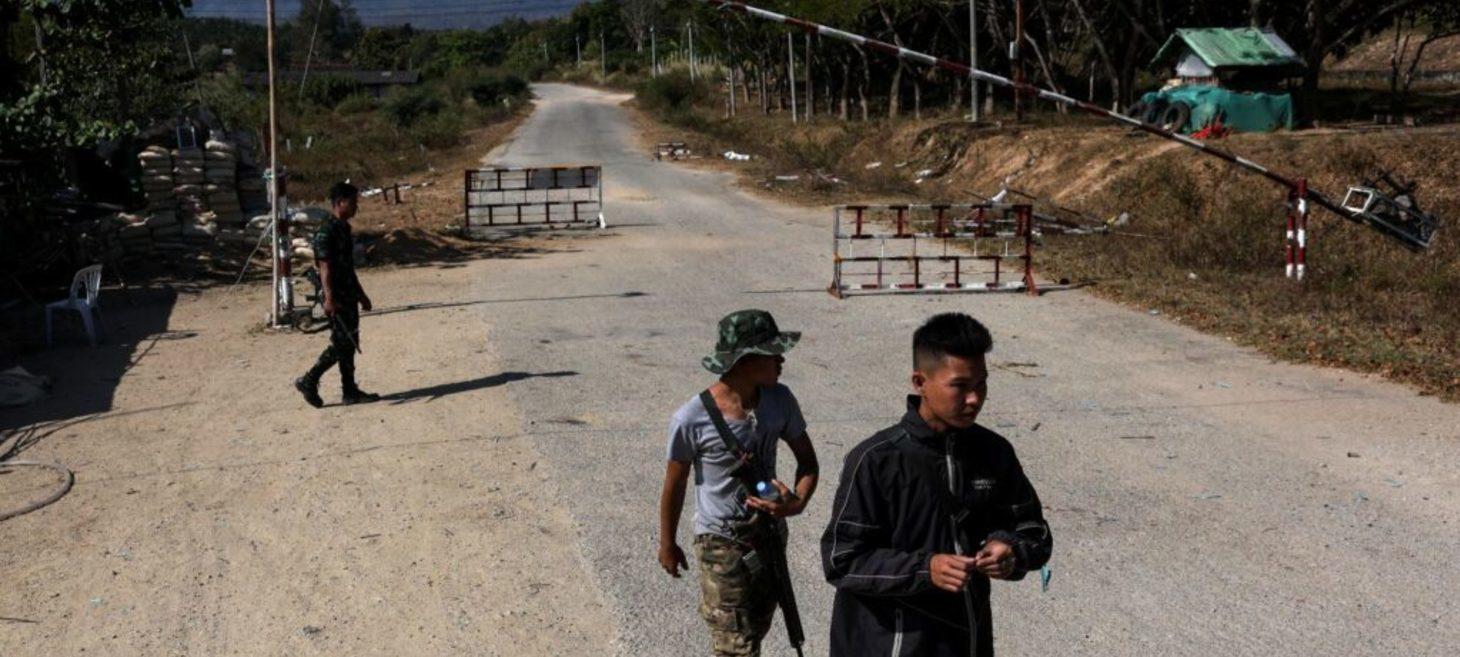
‘We survive one day at a time’: The resistance holds on to Mawdaung
In November 2025, Karen National Union-led resistance forces captured the strategic border town of Mawdaung in Myanmar's Tanintharyi Region, marking a rare victory against the military regime's recent territorial gains. However, life has become increasingly difficult for the approximately 1,000 remaining residents who face junta blockades, constant airstrike threats, economic collapse, and a closed border with Thailand that has cut off their economic lifeline. Despite being freed from junta control, civilians struggle to survive day-to-day with dwindling resources and many are leaving as the KNU administration works to consolidate control over border areas while providing minimal services.
frontiermyanmar.net
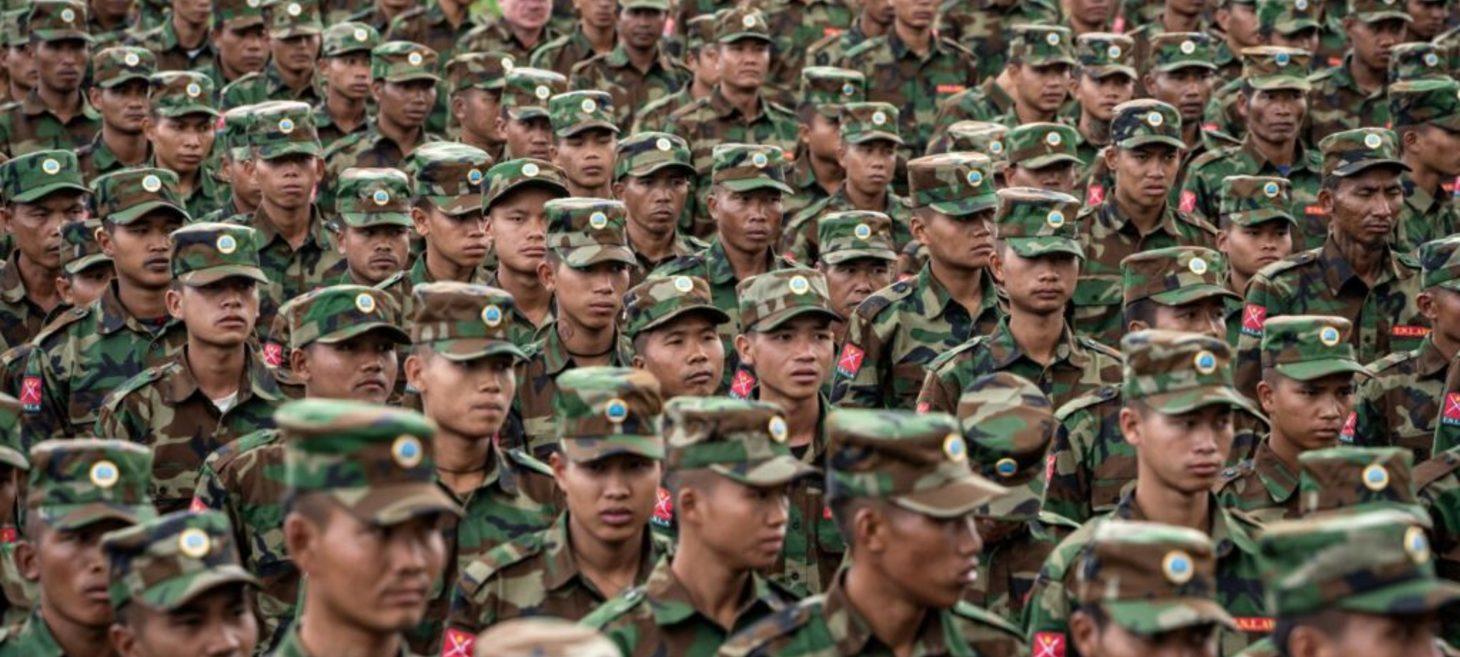
The poverty of ‘conflict studies’ in Myanmar
The article critiques the flood of conflict reporting on Myanmar's civil war, arguing that despite millions spent on data collection and analysis by international organizations, it has done little to clarify the situation or provide solutions to end the conflict. Much of this "conflict studies" work is directed at Western officials and donors, often produced by foreign practitioners who prioritize access to elites over meaningful engagement with the Myanmar people, while the actual risky research is done by underpaid local colleagues. The author contends that these efforts squander resources that could support Myanmar organizations, rely heavily on scraping data from embattled local media, and often produce dehumanizing metrics that mislead rather than illuminate understanding of the war.
frontiermyanmar.net
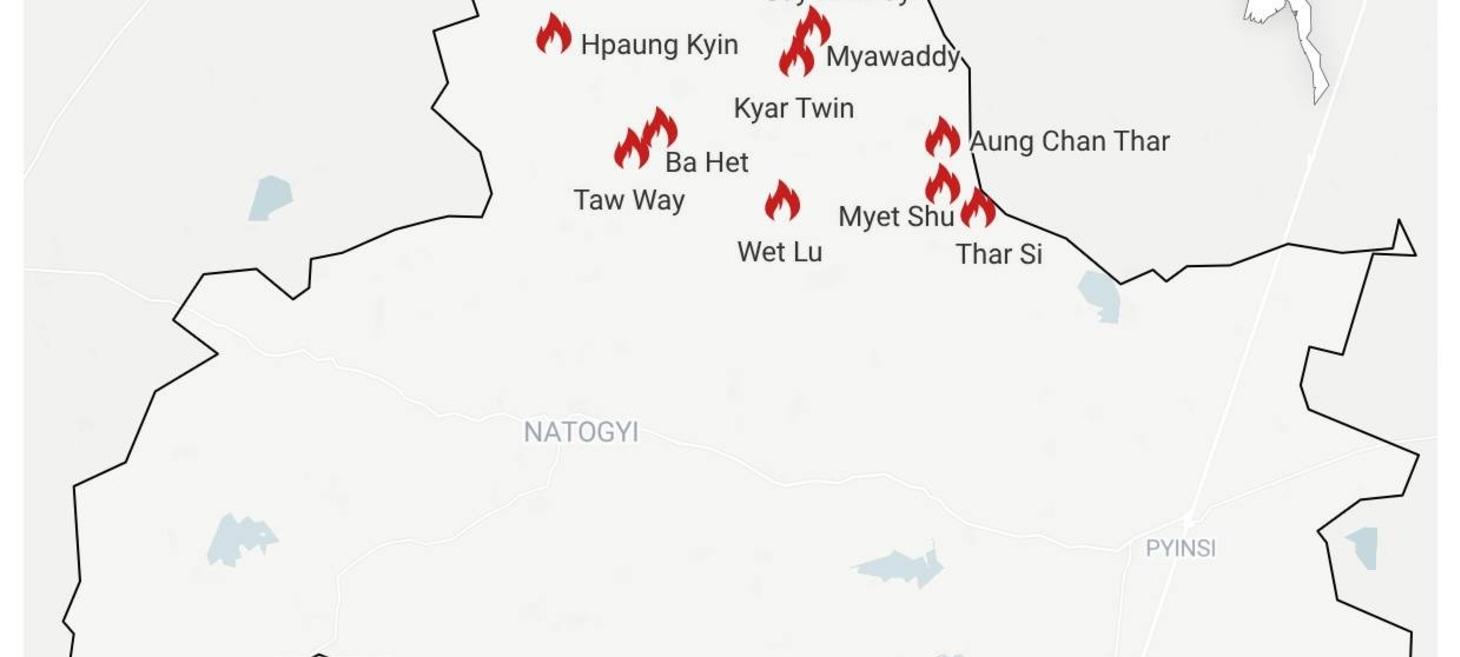
10,000 flee as Myanmar junta forces torch villages in Natogyi Township
Myanmar's military has burned at least 12 villages in northern Natogyi Township, Mandalay Region, forcing approximately 10,000 residents to flee their homes since early February 2026. Hundreds of junta troops advancing in three columns have carried out drone strikes, looted property, and systematically torched homes while searching for resistance fighters in this area of strong anti-regime presence. Displaced civilians are sheltering in forests, monasteries, and neighboring areas, facing dire humanitarian conditions as they cannot return to their destroyed homes and require urgent assistance.
myanmar-now.org
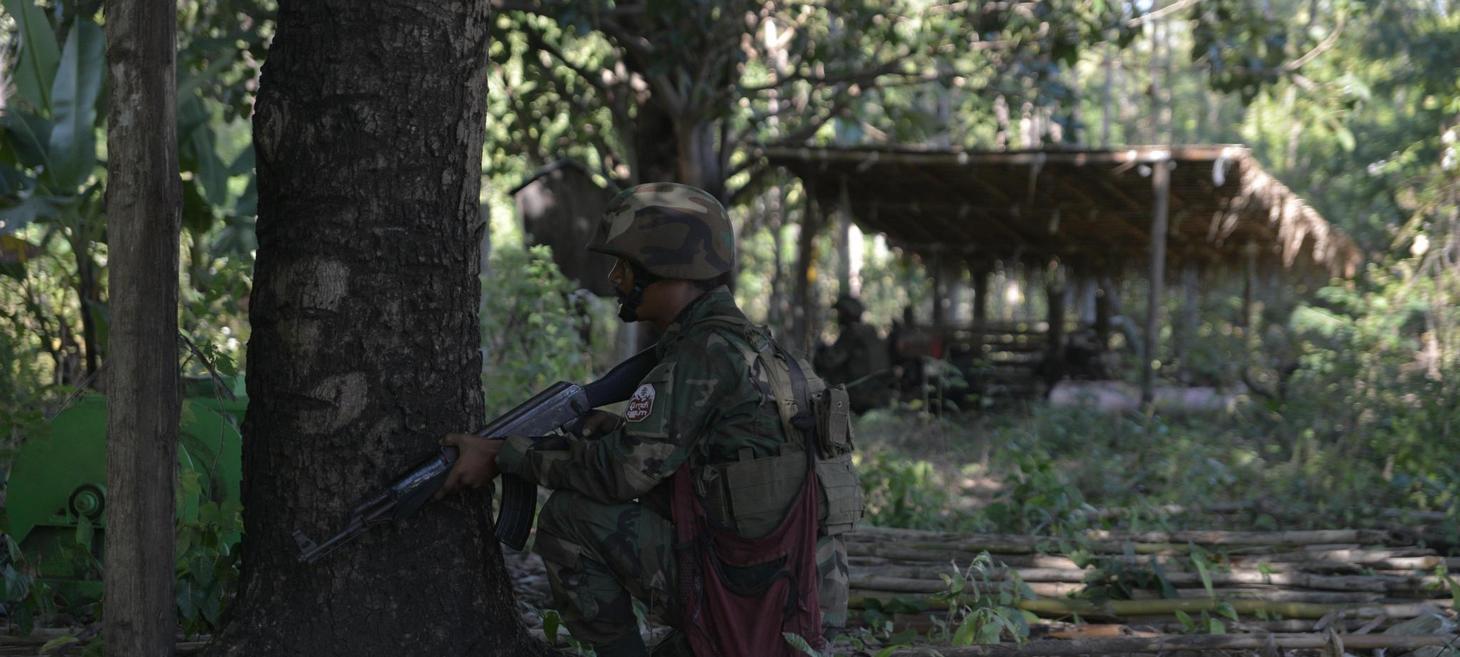
Myanmar military struggling to secure Mogok’s surroundings
The Myanmar military is struggling to secure the areas surrounding Mogok, a ruby-mining town, despite regaining control after the TNLA withdrew under a Chinese-brokered ceasefire in late 2025. Resistance forces under the NUG continue to clash with junta troops in nearby villages and have launched drone and rocket attacks on military positions within the town itself. The ongoing fighting has prevented the military regime from fully resuming civil administration and has displaced much of Mogok's population while halting the gemstone mining that drives the local economy.
myanmar-now.org
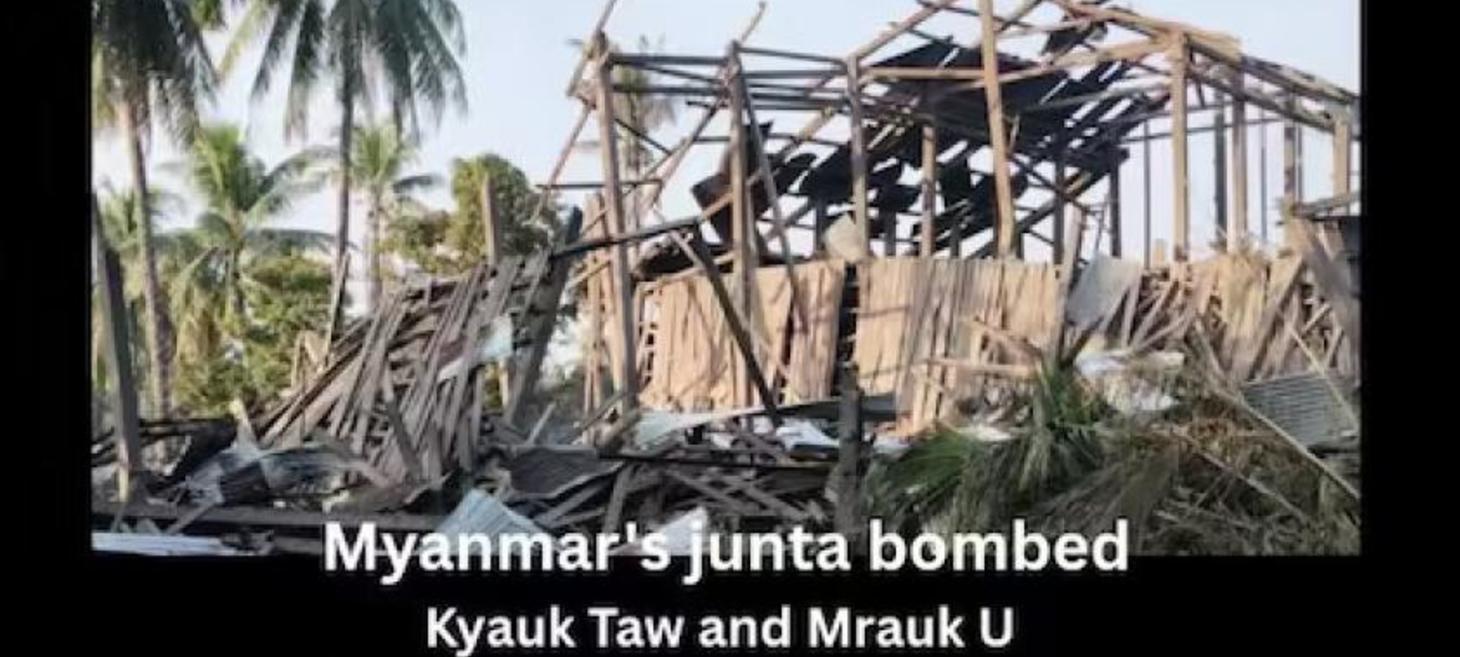
Myanmar's junta bombed Kyauk Taw and Mrauk U, killing 7 civilians and injuring 10
On Myanmar's 79th Union Day anniversary (February 12), the military junta conducted airstrikes on Kyauk Taw and Mrauk U townships in Rakhine State, killing at least seven civilians including a month-old infant and injuring ten others. The attacks targeted residential areas and marketplaces around 9:15-9:20 pm, with victims including both local residents and internally displaced persons who had fled from other areas. The military commission regularly targets civilian areas unrelated to Arakan Army operations in order to intimidate locals who sympathize with revolutionary forces.
bnionline.net
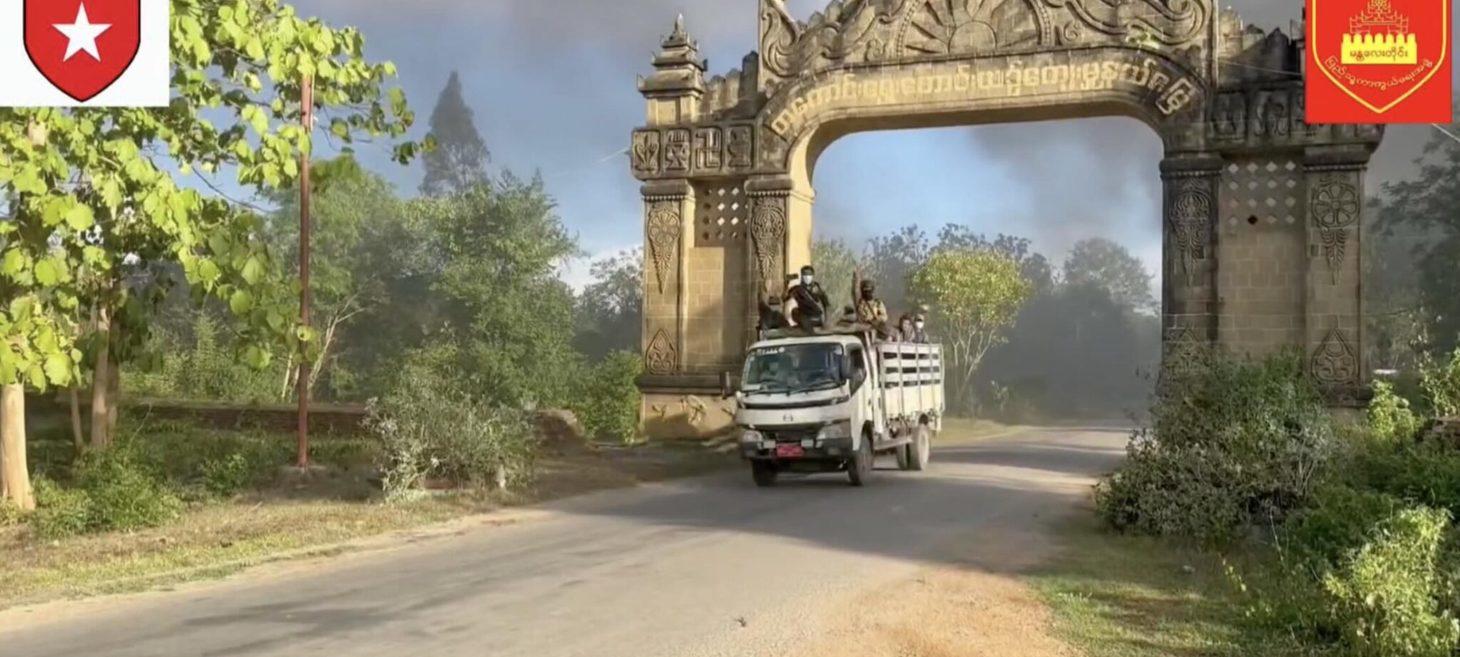
Myanmar military moves to take last resistance-held town in Mandalay Region
The Myanmar military has launched a large-scale offensive to recapture Tagaung, the last town in Mandalay Region still controlled by National Unity Government resistance forces, deploying thousands of troops, armored vehicles, and militias since early February 2026. The historically significant town, which is Myanmar's largest nickel source and once served as an ancient capital, was captured by resistance forces in August 2024. Meanwhile, the junta has begun restoring its administration in the recently recaptured towns of Singu and Thabeikkyin to the south, detaining suspected resistance members and forcing civilians to flee through ongoing airstrikes and persecution.
myanmar-now.org
Conscription
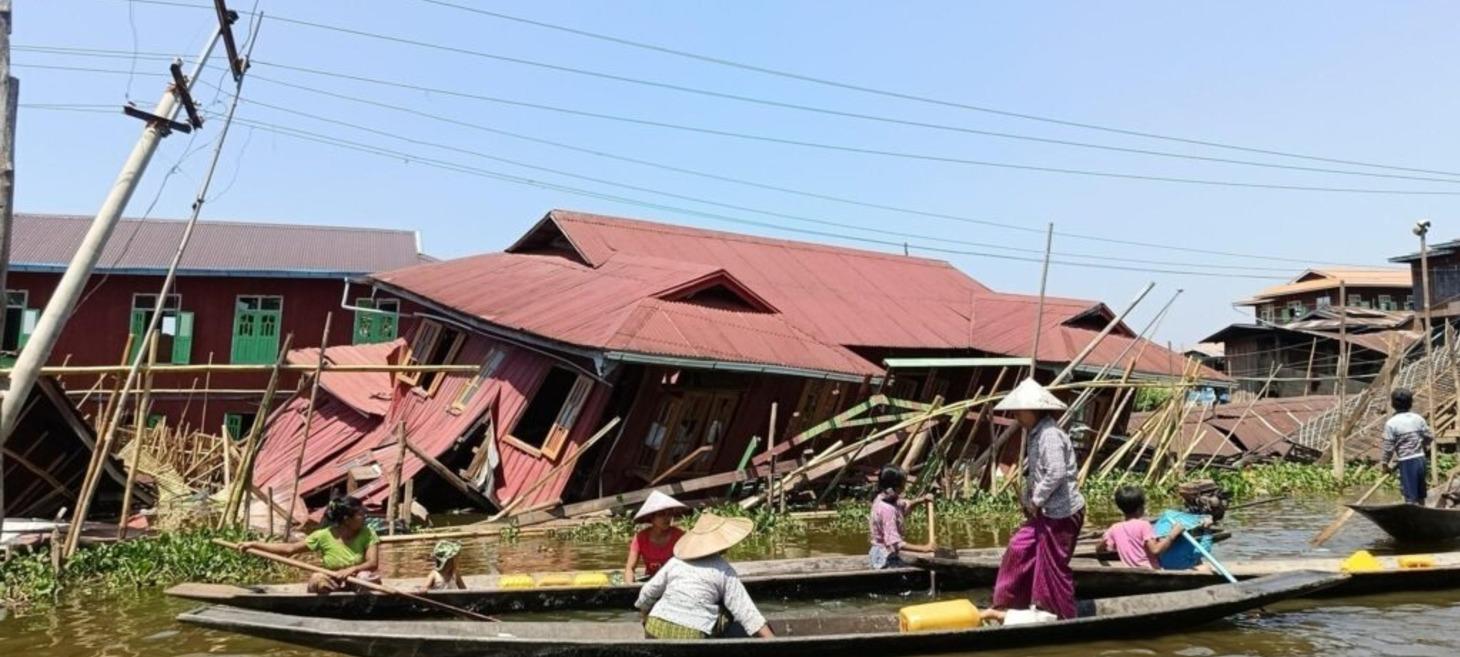
Forced Conscription Restarts in Southern Shan’s Inle Area
The military regime in Myanmar has resumed forced conscription in the Inle region of southern Shan State immediately after concluding January elections, causing widespread anxiety among residents. The previously common "proxy" system-where families pay substitutes to serve-has largely collapsed because trainees from earlier batches haven't returned, and even offers of 10 million kyats can no longer attract volunteers. Families face severe financial strain from ongoing monthly fees for previous recruitment batches, irregular payment handling, and growing fears that women may soon be included in the draft.
shannews.org
Corruption
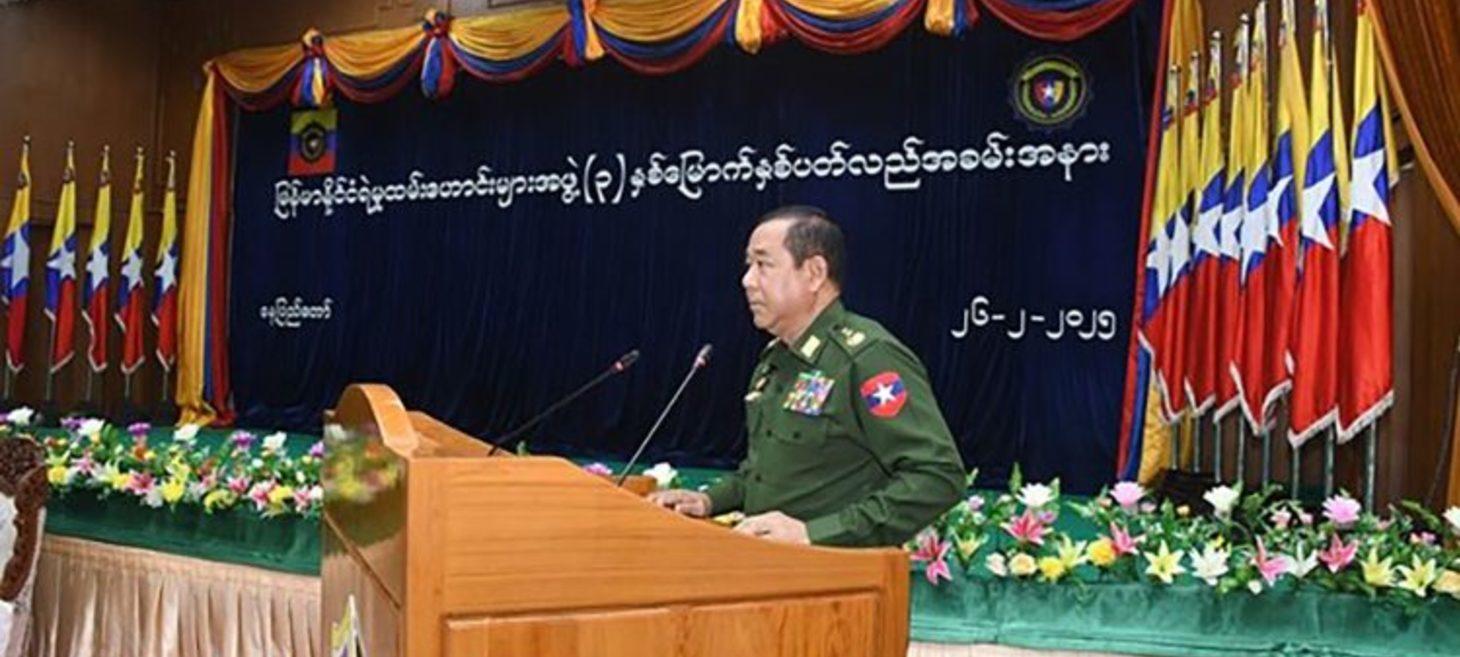
Myanmar Junta’s Anti-Scam Czar Purged in Bribery Scandal
Lieutenant General Tun Tun Naung, Myanmar's former Home Affairs Minister who led the junta's crackdown on telecom fraud and online gambling, has been expelled from the military for allegedly accepting bribes from scam syndicates. The investigation was launched after Beijing informed Naypyitaw that he was profiting from scam centers in northern Shan State, despite his official role combating such operations. As a trusted protégé of junta chief Min Aung Hlaing, he had risen rapidly through military ranks, but sources indicate he has now been formally dismissed without pension, though he may avoid the harsher court-martial fate of previous corrupt officials.
irrawaddy.com
Crime & Narcotics

Military Council arrests nearly 50 internet users during election period
During Myanmar's military junta election period from November 2025 to January 2026, at least 49 people were arrested for social media posts and online expression, according to the Myanmar Internet Project. Most arrests (29 cases) were made under a law protecting the junta's elections from "disruption," with charges targeting criticism of the military leadership and references to the 2021 uprising. The junta employed extensive digital surveillance and control measures during this period, including internet shutdowns, VPN blocking, checkpoint phone inspections using facial recognition systems, and blocking over 1,300 bank accounts.
mizzima.com
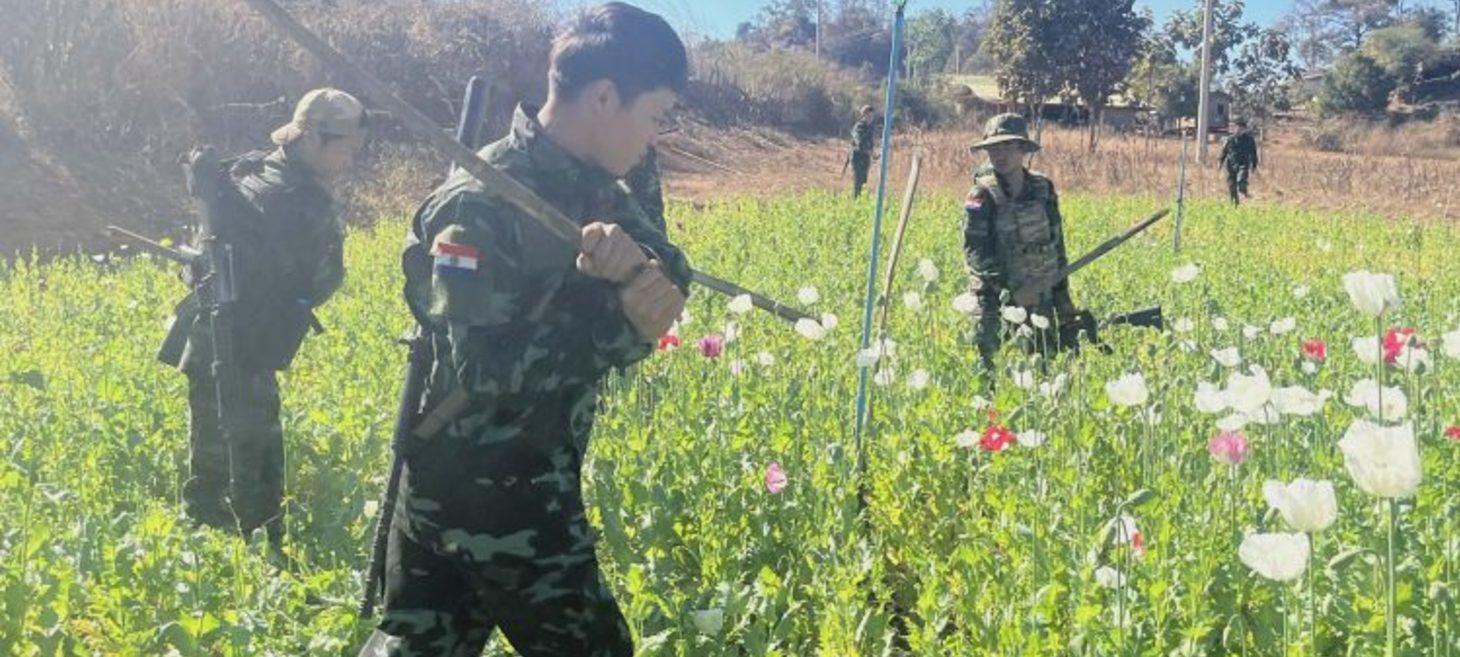
Karenni Rebels Vow to Stamp Out Opium Cultivation
The Karenni Nationalities Defense Force (KNDF) has issued a final warning to residents about opium cultivation, which has spread across Karenni State since Myanmar's 2021 military coup, and has vowed to destroy all poppy fields if planting continues. The resistance group blames poverty from armed conflict and crop failures for driving farmers to grow opium, but notes that cultivation has worsened social problems including drug addiction, theft, and robbery rather than improving livelihoods. According to the UN, poppy cultivation in Karenni State increased by 21 percent from 2024 to 2025, rising from nearly 1,300 acres to about 1,550 acres.
irrawaddy.com
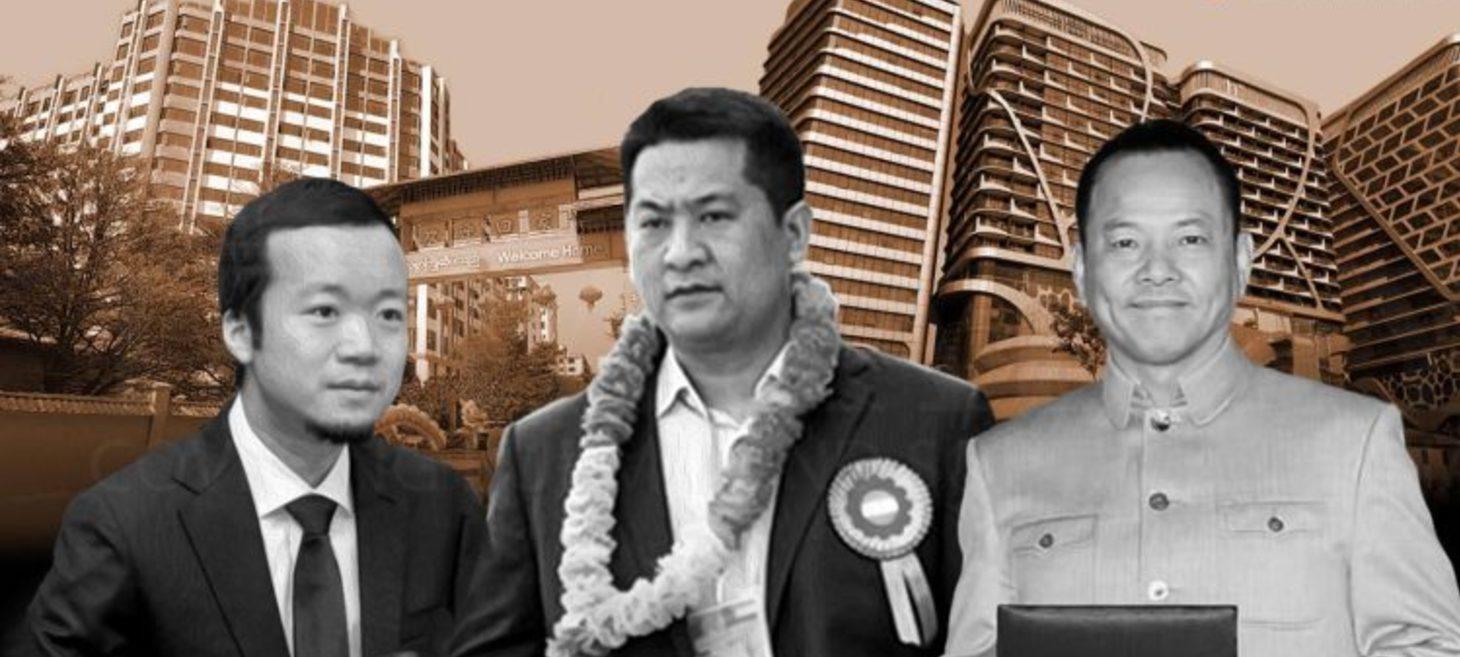
Untangling Scam Kingpins’ Ties to the Chinese Government
The article examines the complex relationship between Chinese organized crime figures and the Chinese government, focusing on scam kingpins She Zhijiang and Chen Zhi, who operated along the Thai-Myanmar border and in Cambodia before being extradited to China. Despite years of criminal activity, these figures enjoyed protection from Chinese authorities and maintained close ties to government agencies, reflecting a historical pattern in which "patriotic" triads and organized crime serve Beijing's interests in exchange for official protection. Their eventual arrests suggest they either became too publicly embarrassing or were caught in internal CCP power struggles, demonstrating that criminals can prosper in China only as long as they remain useful and controllable to the state.
irrawaddy.com
Cybersecurity & Cybercrime
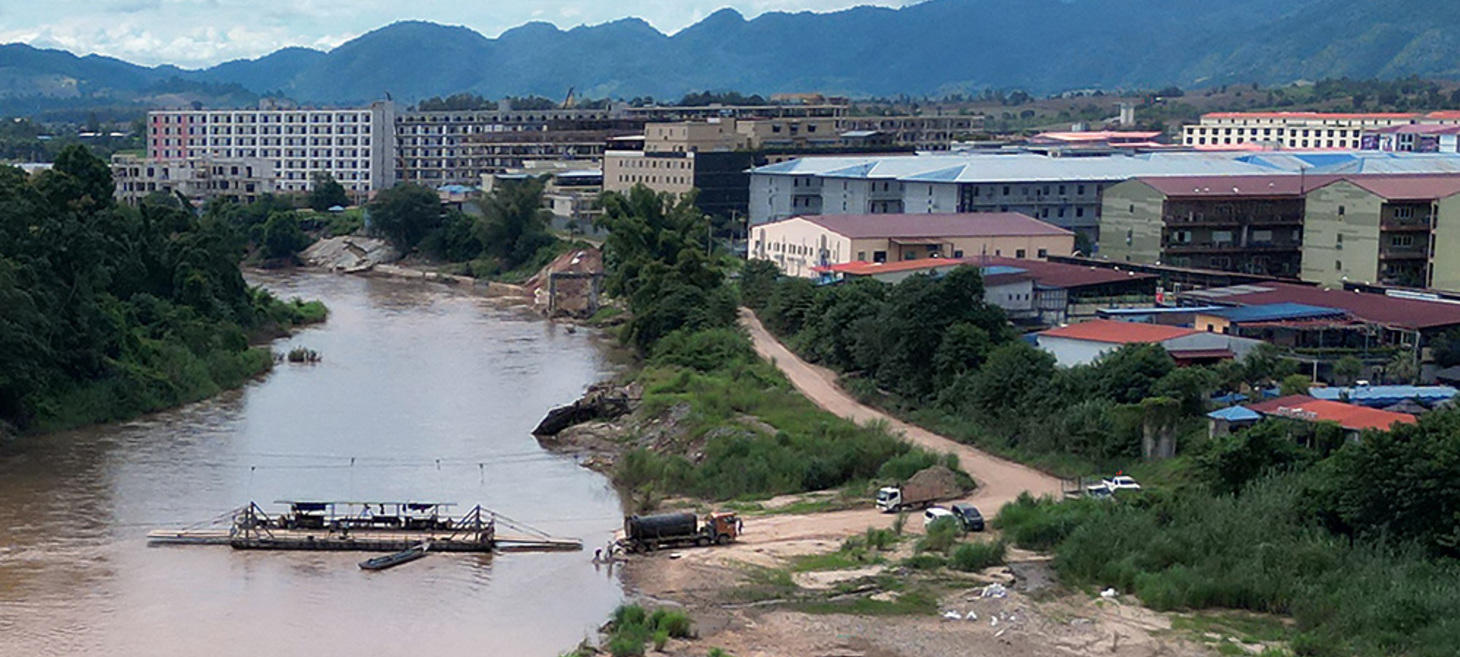
Want to Break the Scam Centers? Follow the Money
This article examines the complex network of scam centers along the Thailand-Myanmar border where thousands of trafficked workers defraud victims worldwide of billions of dollars through cryptocurrency schemes. The operations involve collaborations between Chinese organized crime groups and ethnic Karen armed forces in Myanmar, with local militias providing protection and infrastructure in exchange for profit shares while Chinese syndicates run the actual scam operations through layers of shell companies. Despite international crackdowns, arrests, and even military bombings, the centers persist by relocating because they generate approximately $6-7 billion annually, and law enforcement agencies have failed to effectively trace the money through the intricate network of financial institutions beyond the border operations.
irrawaddy.com
Economy
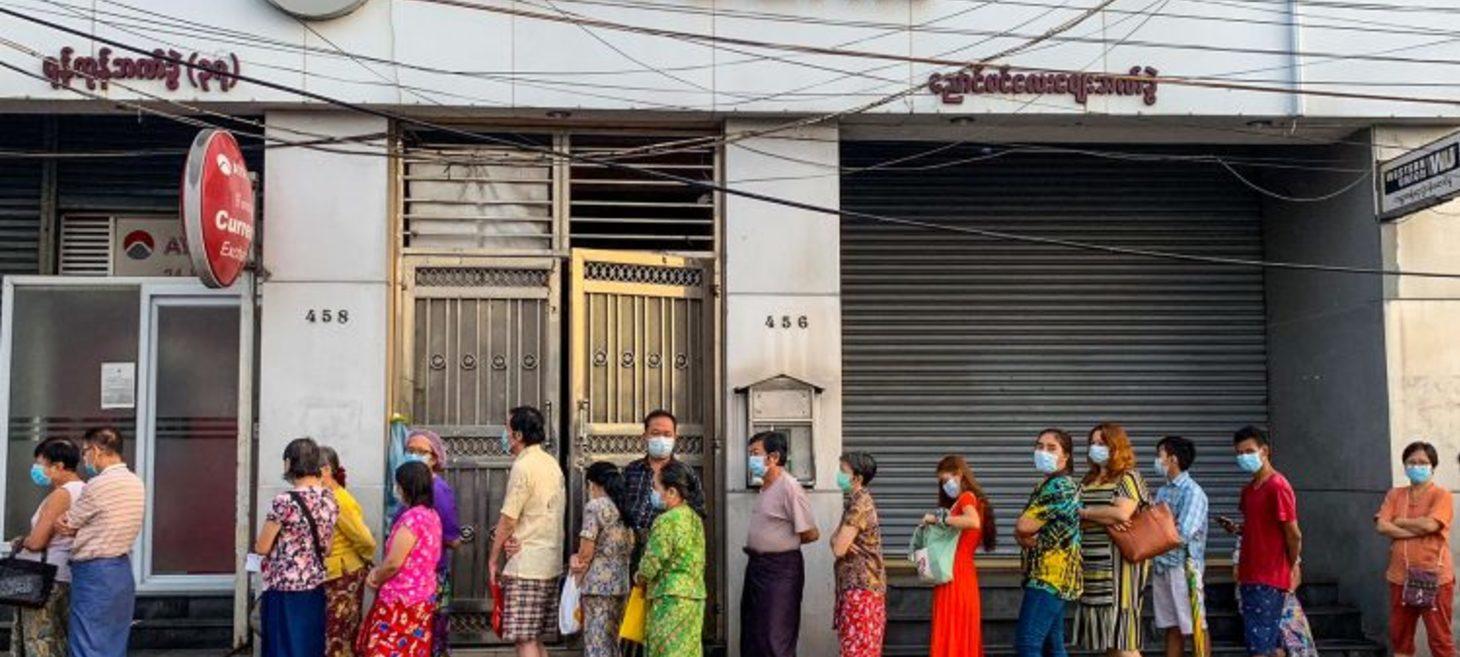
Customers Struggle to Access Cash as Myanmar Banks Cap Withdrawals
Private banks in Myanmar have been capping daily cash withdrawals for nearly two weeks following a Central Bank order aimed at curbing speculation on dollars and gold. The restrictions, which limit withdrawals to as little as 1-5 million kyats per day depending on the bank, have caused significant inconvenience to the public, forcing customers to visit multiple branches or pay third-party agents fees of 3-4% to access their own money. While the Central Bank claims the policy is intended to prevent speculation and encourage productive use of funds, critics argue that ordinary citizens who are not involved in speculation are bearing the brunt of these restrictions.
irrawaddy.com
Ethnic Issues
Residents Reject Authorities’ “Vacant Land” Seizure in Hopong
The military regime in Myanmar's Pa'O Self-Administered Zone has ordered residents of Long Hkoke village tract to vacate 561.75 acres of land declared as "vacant" state property by February 27, threatening forced removal. Residents strongly dispute this classification, asserting that the land has been continuously farmed and inhabited by their families for generations. Locals allege they are being coerced to pay approximately USD 1,020 to remain on their own land, with suspicions that the Pa-O National Organization and land brokers are collaborating in the eviction scheme.
shannews.org
Foreign Affairs
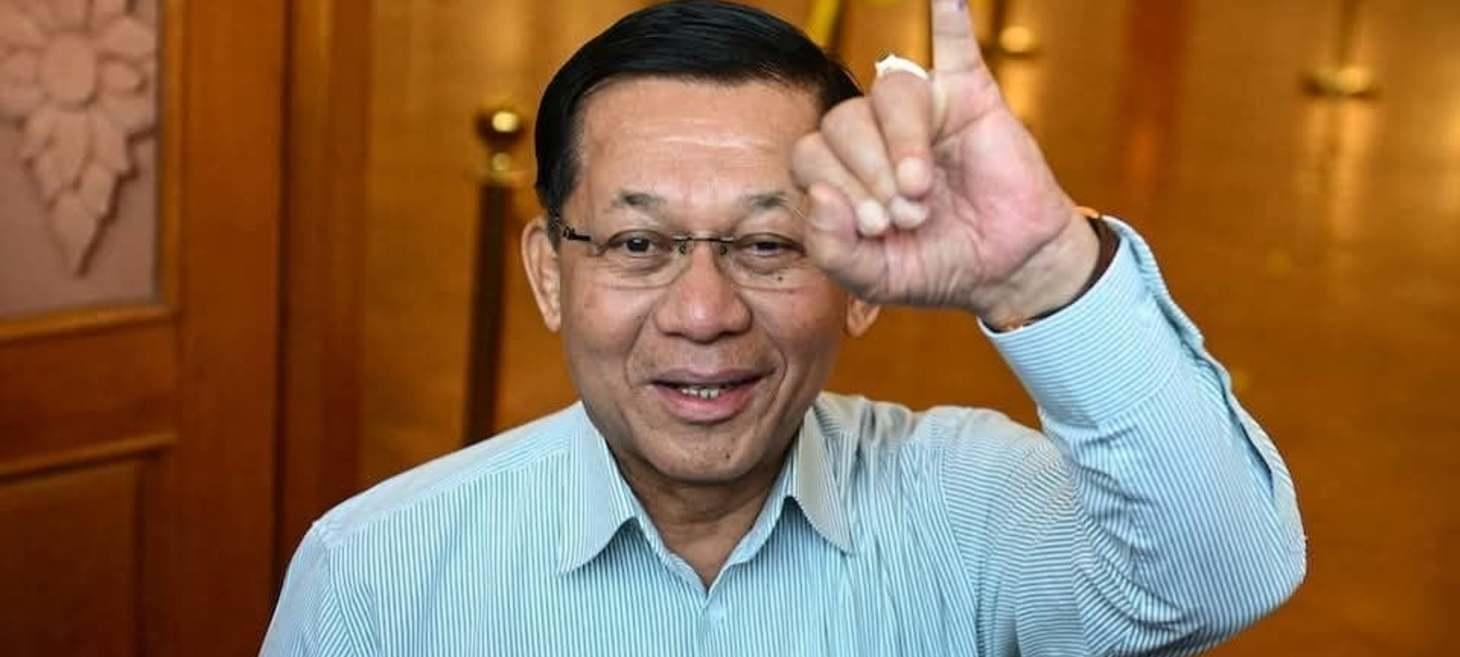
Myanmar junta pledges deeper China ties after disputed election
Following Myanmar's disputed January 2026 elections, the military junta pledged to deepen strategic and economic cooperation with China, its key diplomatic partner since the 2021 coup. The junta-backed Union Solidarity and Development Party won the elections, which were widely condemned as a sham by opposition groups and UN experts due to barred democratic parties, martial law restrictions, and millions of displaced voters. While bilateral trade and Chinese investment have surged significantly, the junta continues to face battlefield losses and international isolation, with rights groups urging non-recognition of any government formed through this process.
mizzima.com
Myanmar expels Timor Leste’s representative over war crimes case
Myanmar's military junta on Sunday expelled Timor-Leste's chargé d'affaires, giving the diplomat one week to leave the country after being summoned on Friday. The expulsion followed reports that Timor-Leste opened a legal case against Myanmar's military for war crimes and crimes against humanity, with a senior Timorese prosecutor appointed to investigate evidence, including gang rape, massacres, and hospital airstrikes. The diplomatic action escalates tensions between the two ASEAN member countries.
myanmar-now.org
America First in Myanmar means rejecting China’s election ploy
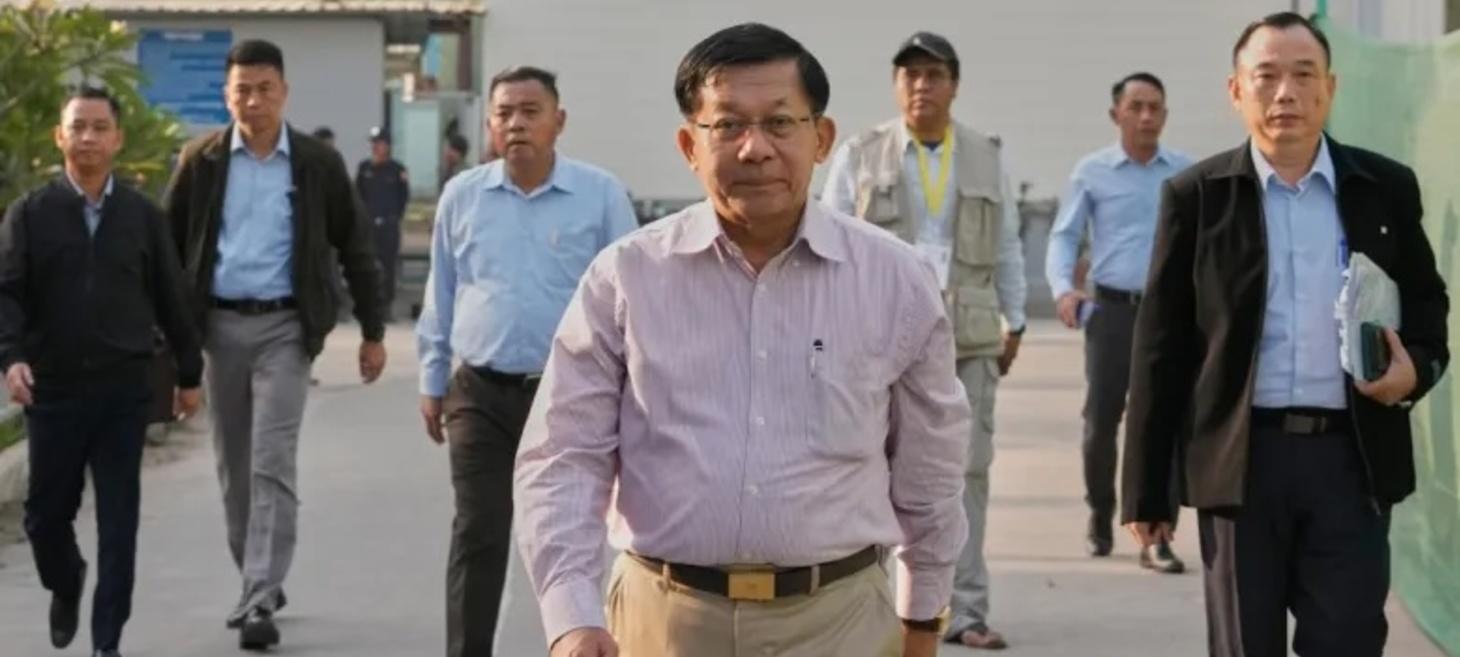
This article critiques a Forbes proposal suggesting the U.S. should engage with Myanmar's military junta to access critical minerals, arguing that Myanmar hasn't completed a legitimate electoral cycle but remains trapped in a civil war following the 2021 coup. The author contends that Myanmar's rare-earth mining operates within a conflict economy controlled by Chinese firms, militias, and the military, making responsible U.S. engagement impossible. The proposal to use over $1 billion in frozen Myanmar sovereign assets to finance junta-linked mining would contradict existing U.S. sanctions and congressional mandates supporting pro-democracy forces.
asiatimes.com
Foreign Investment

JFM welcomes finding that Nordic Aviation Capital failed to meet human rights expectations in its dealings in Myanmar
Justice For Myanmar welcomed the Danish OECD National Contact Point's finding that Nordic Aviation Capital (NAC) failed to conduct adequate human rights due diligence in its Myanmar operations, particularly regarding aircraft leased to Air KBZ that were later operated by the Myanmar Air Force for military purposes. The NCP found NAC did not adequately assess risks in its downstream business relationships, failed to prevent human rights impacts, and only introduced a human rights policy in November 2023. However, Justice For Myanmar criticized the investigation for limiting its scope due to a five-year statute of limitations and for excluding key evidence showing that multiple ATR aircraft transferred by NAC were used by the military to commit international crimes.
mizzima.com
General News
The Junta’s Colorful Apologist
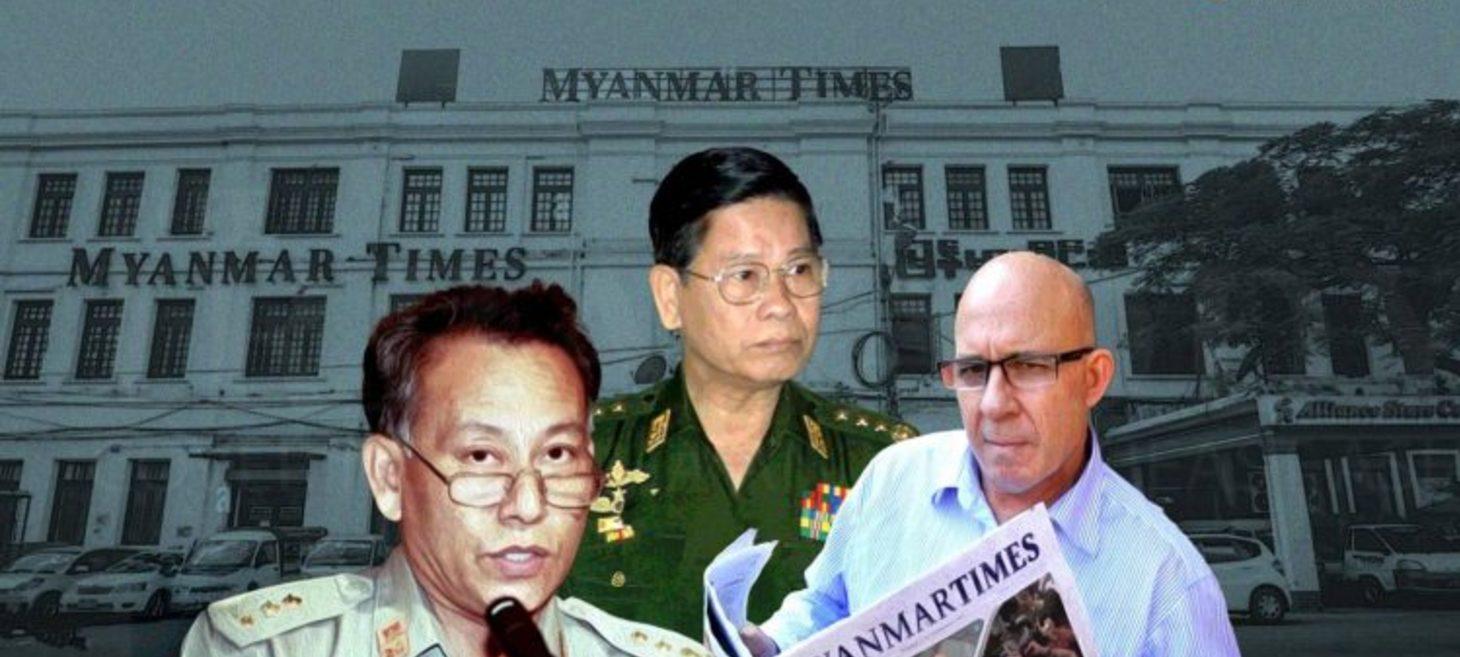
This 2003 commentary by Aung Zaw examines the Myanmar Times, which was launched in 2000 as Burma's supposedly first independent news source but is argued to be a propaganda instrument of the military junta's intelligence apparatus. The newspaper, led by Australian editor Ross Dunkley, consistently followed the official government line on sensitive political issues and was closely controlled by senior junta officials who screened content and rejected up to 15 stories weekly. Dunkley's paper served to project an image of a "normal" and business-friendly Myanmar to foreign audiences while whitewashing the regime's political repression and human rights abuses.
irrawaddy.com
Natural Resources
In the shadow of conflict, a gold rush erupts on the Chindwin River
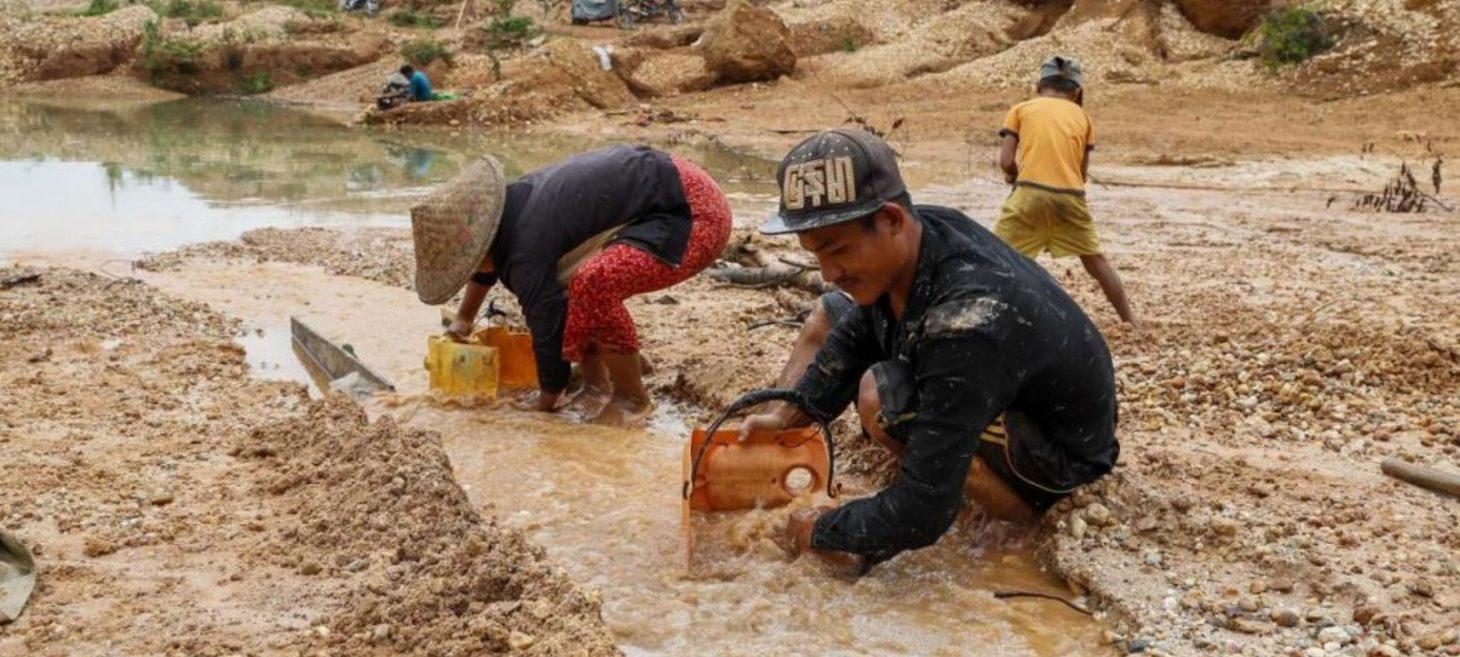
National Unity Government-aligned forces in Myanmar's Sagaing Region have licensed gold mining operations along the Chindwin River to fund the resistance movement, despite strong opposition from local communities who depend on agricultural land and fear environmental destruction from mercury pollution and riverbed dredging. Gold mining has exploded across Sagaing and Kachin since the 2021 coup, with both resistance forces and regime-aligned groups issuing permits and collecting taxes, leading to widespread allegations of corruption and environmental damage. The mining operations have made communities military targets, exemplified by November 2025 airstrikes on rafts near Laung Pyae Island that killed at least four workers, confirming residents' fears that the revenue-generating operations would attract junta attacks.
frontiermyanmar.net
Politics
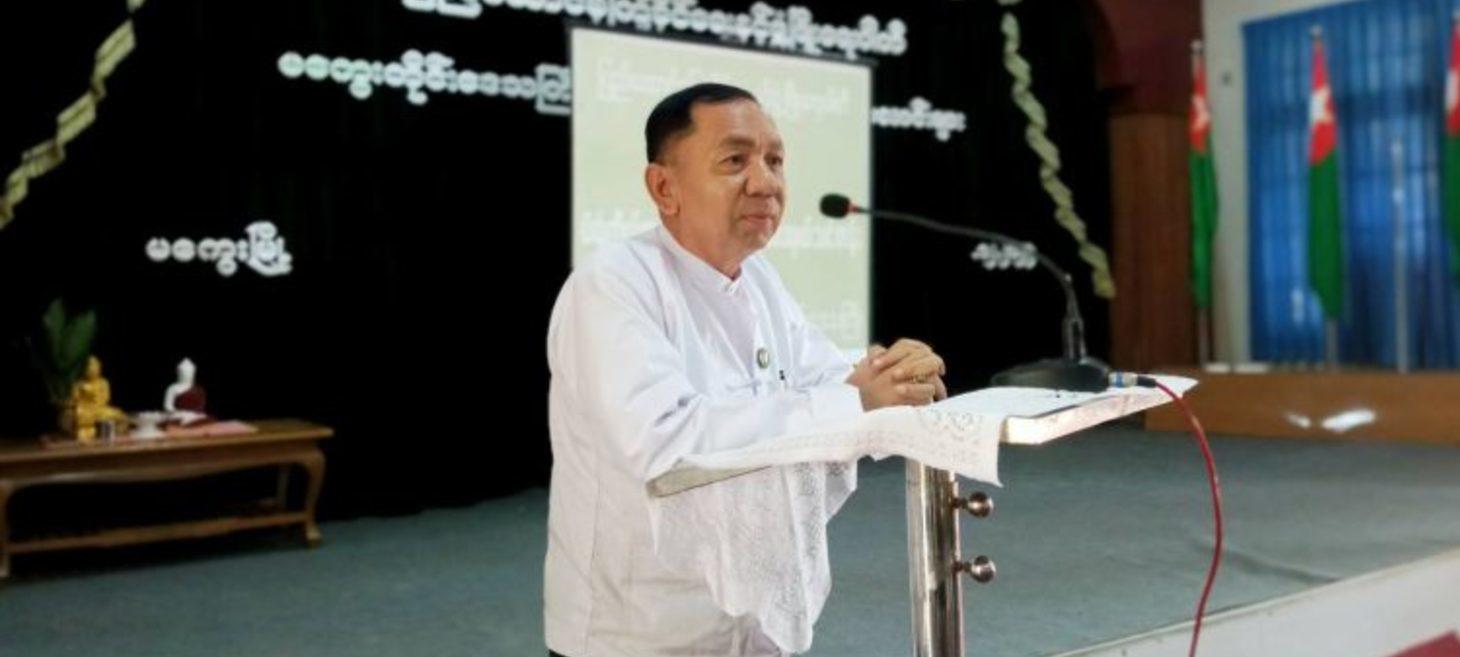
Ex-Cop Tied to Rohingya Massacre Wins Seat in Magwe Parliament
Ex-Major General Tin Ko Ko, a former senior police officer who ordered the arrest of two Reuters journalists investigating the 2017 Rohingya massacre in Inn Din village, has won a seat in Magwe Region's parliament through the junta's proxy party USDP. Despite his role in attempting to silence the journalists and facing allegations of corruption during his tenure in Shan State, no charges were ever brought against him as he rose through police ranks to deputy police chief. He secured his parliamentary seat through proportional representation in the heavily rigged December-January election without facing voters directly, and may be positioned for a senior role in the military-controlled administration forming in April.
irrawaddy.com