Introduction & Analysis
This collection of open-source English-language news articles published over the past week highlights significant events and issues concerning Myanmar. They present a snapshot of the country's safety and security landscape.
Military consolidation and political maneuvering: Myanmar's junta is solidifying control through a new parliament with 166 military appointees (28% of seats), creating a Union Consultative Council that may allow Min Aung Hlaing to retain power while remaining military chief, and completing sham elections that drew international condemnation, even as the coup leader narrowly escaped a rocket attack in Mandalay.
Ongoing civil war and ethnic resistance: Fighting continues across multiple fronts with mixed results, as the military retook Banmauk with allied forces while the Arakan Army maintains control of most Rakhine State, the KIA rejects one-on-one peace talks demanding inclusion of the NUG and other revolutionary groups, and ethnic leaders like RCSS chairman Yawd Serk call for a federal army to end Myanmar's crisis caused by "ego, pride, and greed" of leadership.
Humanitarian crisis and forced recruitment: The conflict has created severe humanitarian impacts, including the closure of schools in Rakhine State due to airstrikes that killed students and displaced millions, while armed groups like the MNDAA enforce harsh forced recruitment policies requiring one person per household (ages 16-36) and violently suppress protests against mining operations and land confiscation in Shan State.
International engagement and economic interests: The U.S. extended sanctions and provided $121 million in humanitarian aid while foreign investment continues from Singapore, China, and Thailand, debates emerge over ASEAN's engagement policy versus isolation, and interest grows in Myanmar's critical mineral reserves amid scam center raids and junta arrests of gold association officials accused of market manipulation.
Myanmar Current Events
ASEAN
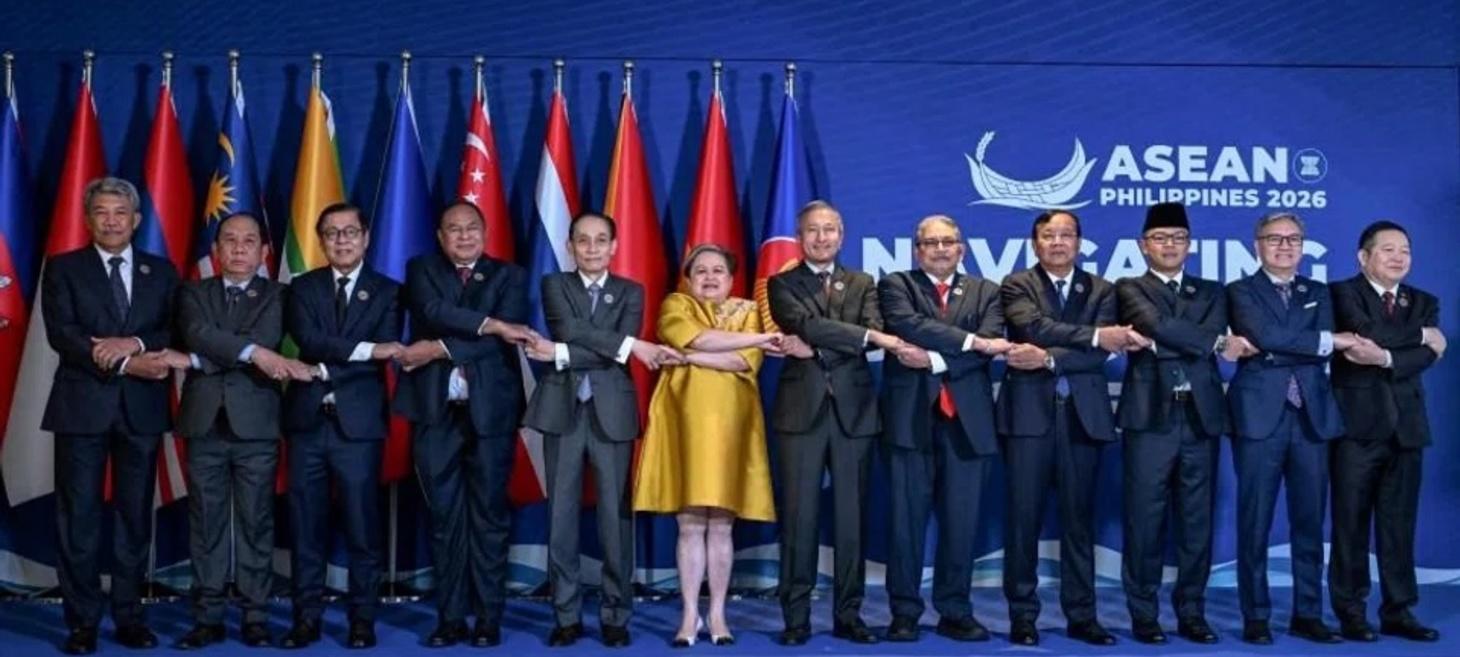
The Philippines’ ASEAN chairmanship comes at a perilous time
The Philippines assumed the ASEAN chairmanship in 2026 and faces three major regional security challenges: the South China Sea dispute, the volatile situation in Myanmar under junta rule, and the fragile peace between Thailand and Cambodia following border clashes. Manila aims to expedite negotiations for a binding Code of Conduct in the South China Sea while engaging with Myanmar's various stakeholders and mediating the Thailand-Cambodia border tensions. However, the article suggests that these complex issues are unlikely to be resolved within a year and that the Philippines may have limited influence, particularly given China's divide-and-conquer strategy at sea and the involvement of extra-regional powers in other conflicts.
thinkchina.sg
Conflict
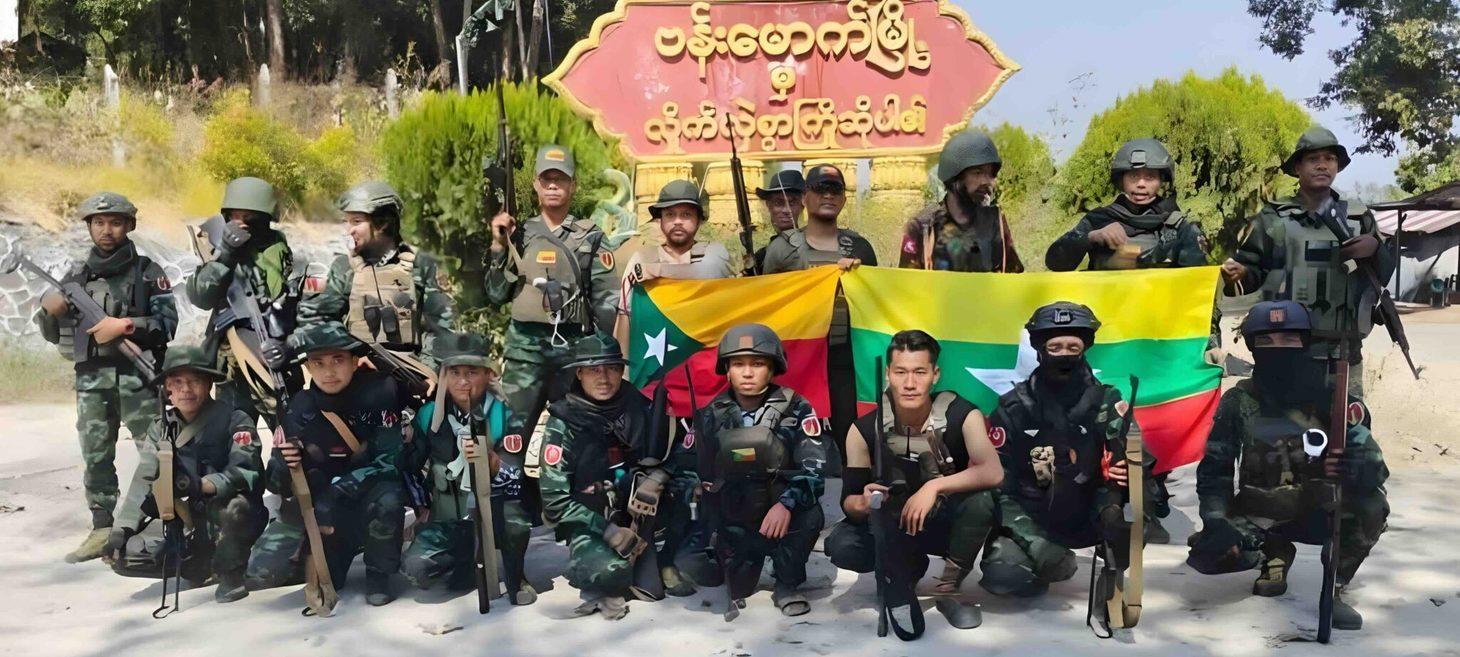
Myanmar military takes full control of Banmauk
Myanmar's military, allied with the Shanni Nationalities Army (SNA), fully recaptured the town of Banmauk in northern Sagaing Region on February 8, 2026, three weeks after retaking half the town from resistance forces. The town, which had been captured by National Unity Government-led forces in September 2025, fell after intense fighting involving fighter jets, heavy artillery, and kamikaze drones, with resistance forces citing ammunition shortages as a critical factor in their withdrawal. The battle resulted in heavy casualties on both sides, including 11 members of the Banmauk People's Defence Force killed in airstrikes on February 1.
myanmar-now.org
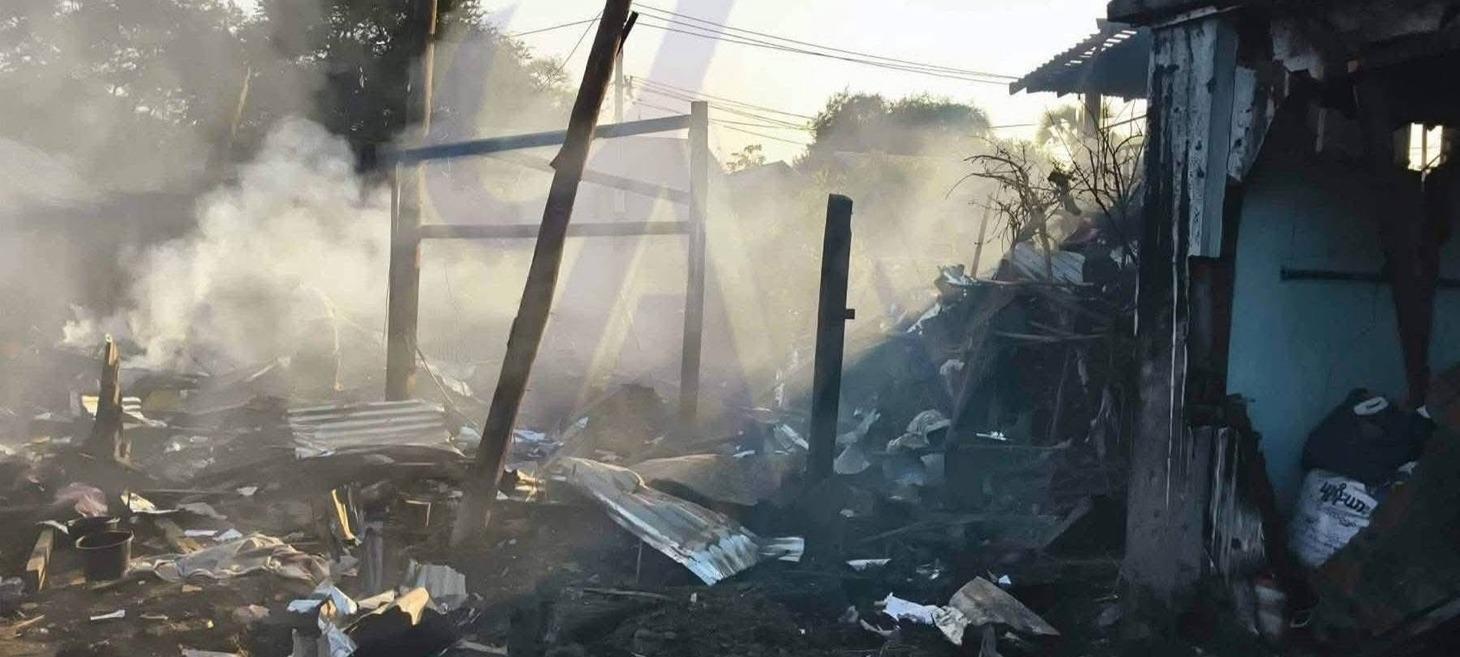
Junta airstrikes cause casualties across four states, regions over two days
At least eight people have been killed and more injured in a wave of Myanmar junta airstrikes across Magway and Sagaing regions, as well as Karenni and Kachin states, since Wednesday. The attacks, occurring February 5-6, 2026, included a bombing in Saw Township that killed five civilians including two children and destroyed dozens of homes in an area with no recent fighting. Local sources and resistance groups indicate the military appeared to deliberately target civilian villages rather than active combat zones, despite ongoing clashes between junta forces and anti-regime resistance groups in several townships.
myanmar-now.org
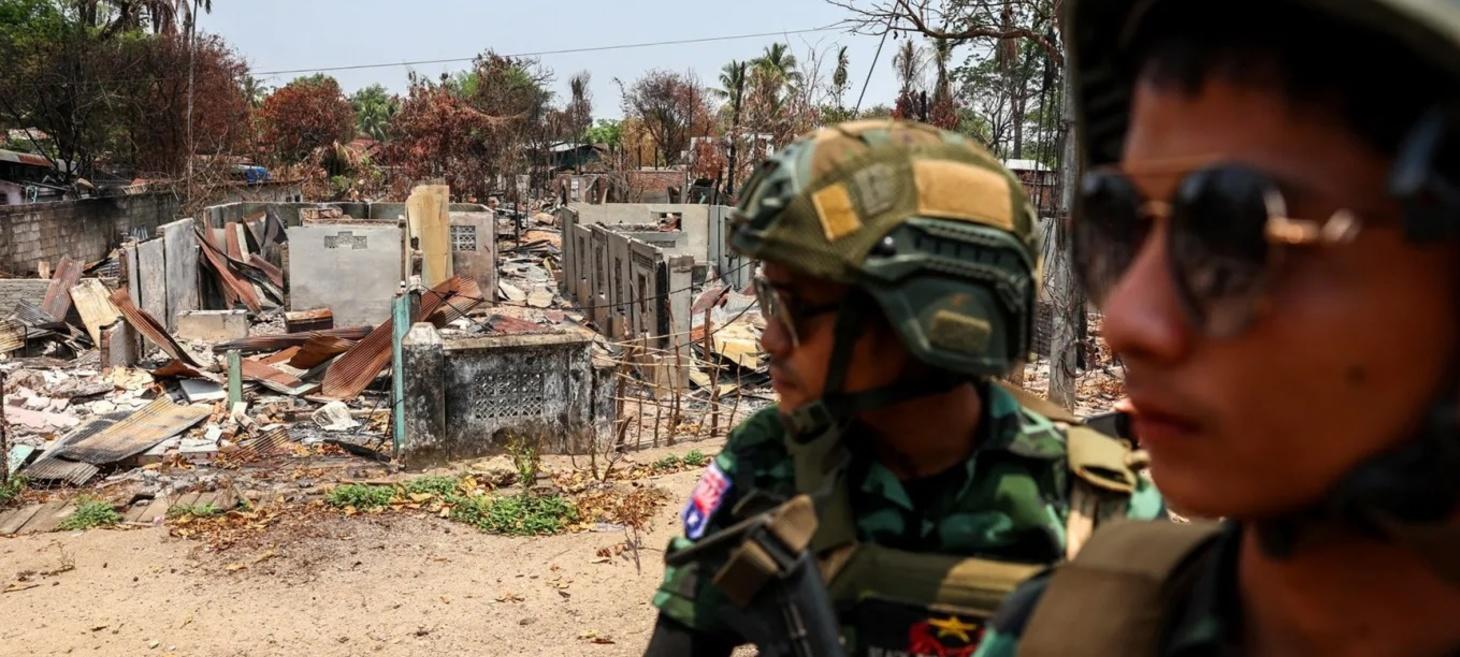
No Letup in Myanmar’s Brutal Civil War
Five years after Myanmar's 2021 coup, the civil war continues with over 3.5 million displaced, 90,000 deaths, and the junta's recent sham election doing nothing to address international condemnation or the country's economic crisis. The Myanmar military's counteroffensives have produced mixed results, recapturing some towns in northern Shan State while losing ground elsewhere, particularly in Rakhine State, where the Arakan Army has advanced close to the state capital. The formation of the Spring Revolution Alliance in December 2025, uniting 19 rebel groups trained by the Arakan Army, represents a significant development that could strengthen resistance across multiple regions, although the conflict shows no signs of de-escalation.
asiasentinel.com
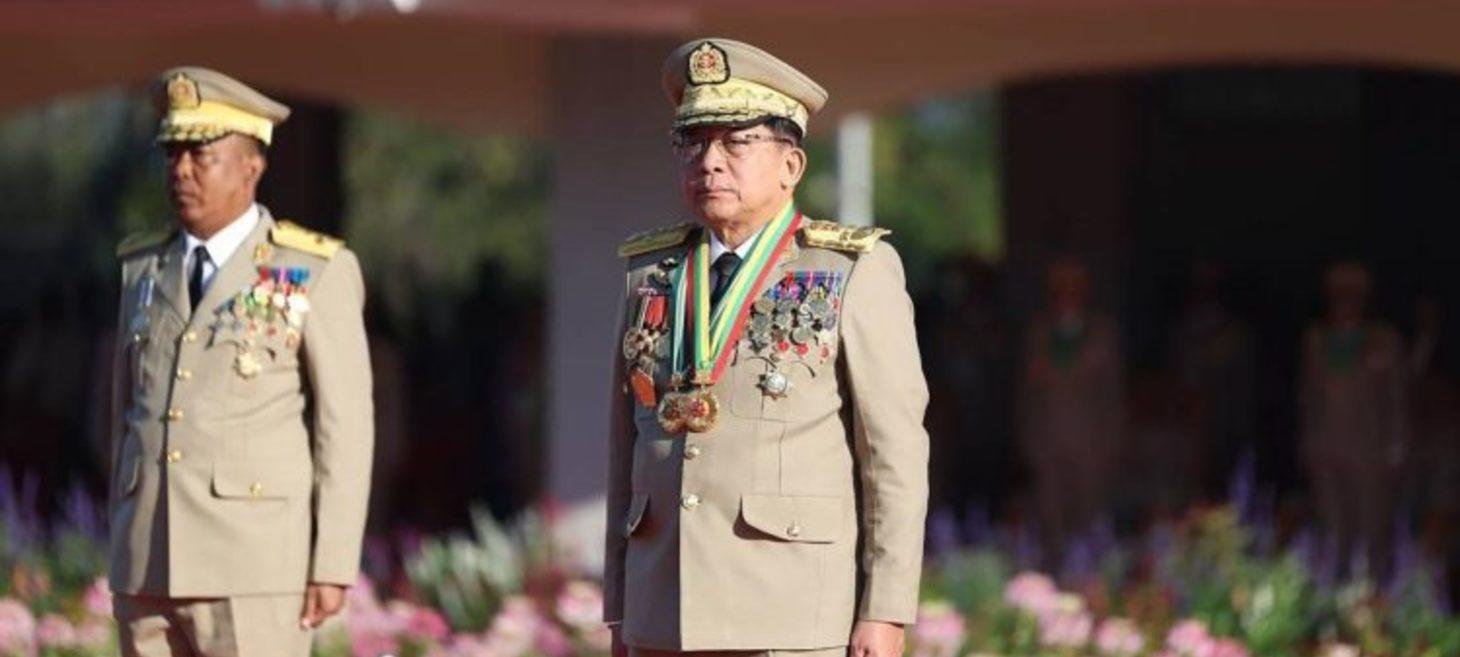
Min Aung Hlaing Narrowly Escaped Rocket Attack in Mandalay: Military Sources
Myanmar junta leader Min Aung Hlaing narrowly escaped an improvised rocket attack on January 27 at Mandalay's Central Military Command, where he had been preparing to perform a traditional yadaya ritual in royal regalia to bring himself luck amid the ongoing civil war. The Brave Warriors, a Myanmar resistance group, claimed responsibility for the attack, which caused Min Aung Hlaing to disappear from public view for a week, sparking rumors about his well-being. He reappeared on February 3 to meet a Russian official, demonstrating he survived the attack, an incident that highlights both the ongoing resistance to his regime and his well-known superstitious beliefs.
irrawaddy.com
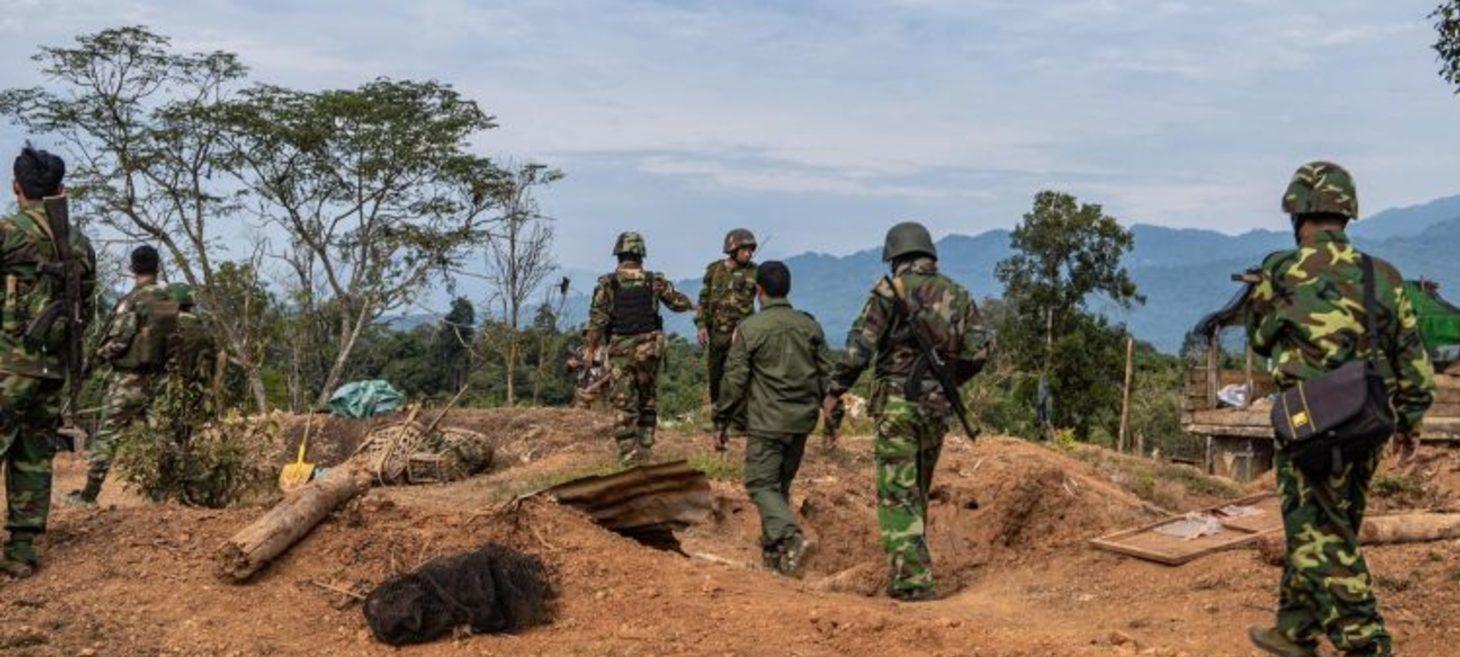
KIA Rejects One-to-One Peace Talks With Myanmar Junta
The Kachin Independence Organization/Army (KIO/KIA) has rejected political dialogue with Myanmar's military regime unless other revolutionary groups, including the National Unity Government (NUG), are included in talks. Since the 2021 coup, the KIA has allied with the NUG's People's Defense Forces and other resistance groups to conduct anti-regime offensives across northern Myanmar, including operations in Kachin, Sagaing, and Chin states. KIA Vice Chairman Gun Maw emphasized that unity among all revolutionary groups is essential and that the organization is coordinating with Chin resistance forces to liberate territory while continuing the difficult battle for Bhamo, Kachin's second-largest city.
google.com
Conscription
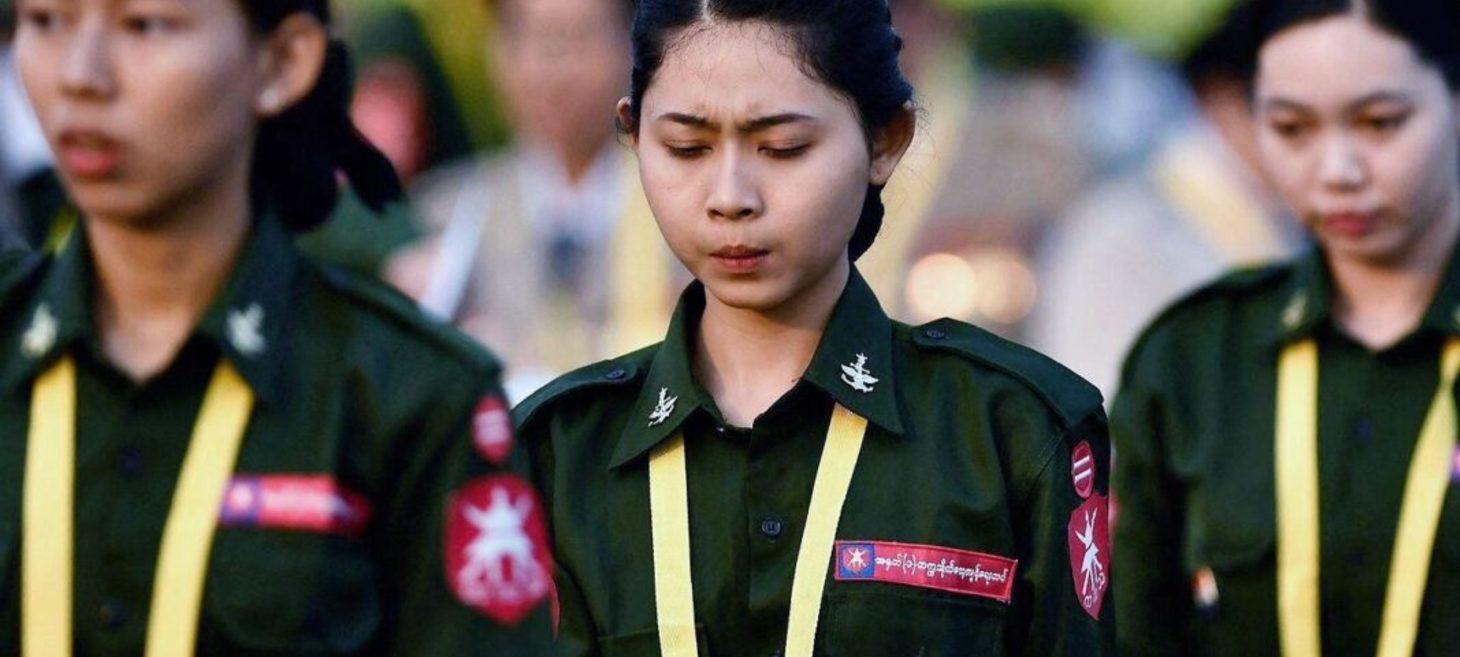
Junta Expands Draft to Teenage Women in Hsihseng as Forced Conscription Intensifies
The Myanmar military junta has begun forcibly conscripting women aged 18 to 27 in Hsihseng Township, southern Shan State, as part of Military Service Batch 21, marking a significant escalation in its manpower drive since January 2026. Ward administrators are delivering summons door-to-door, including to current students, while families are being told they can pay bribes for exemptions that many cannot afford. This expansion of forced recruitment to include young women, combined with nightly patrols detaining people found outside after dark, signals the junta's severe manpower shortage and willingness to conscript civilians regardless of age, gender, or student status.
shannews.org
Corruption
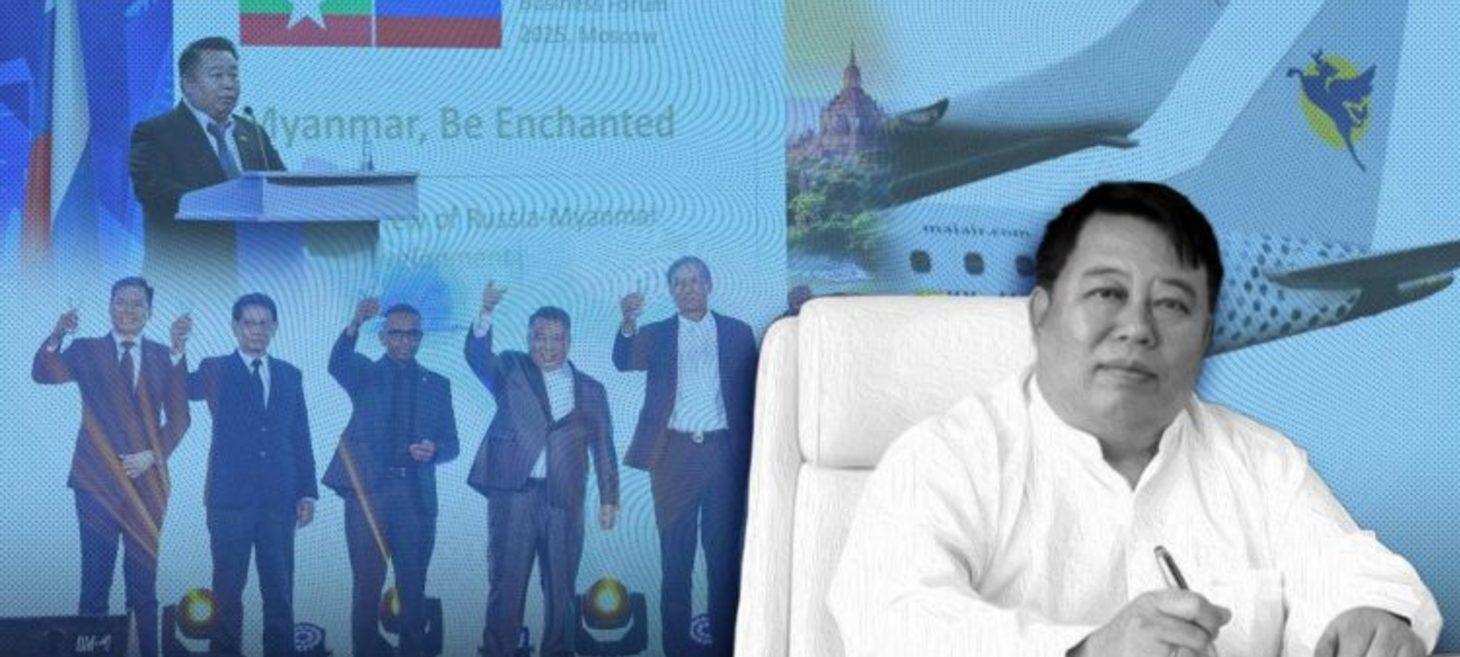
24 Hour Group Tycoon Aung Aung Zaw—New-Generation Myanmar Crony
Myanmar junta leader Min Aung Hlaing has sought to cultivate a new generation of loyal cronies since his 2021 coup, distrusting the old guard who became wealthy under the previous military regime. Chief among these new cronies is Aung Aung Zaw, founder of the 24 Hour Group of Companies, which operates coal, gold, tin, and tungsten mines across Myanmar and is involved in construction. Aung Aung Zaw expanded into aviation in 2019 by taking over Myanmar Airways International and Air KBZ (now Mingalar Aviation Services), despite having no background in the aviation industry.
irrawaddy.com
Cybersecurity & Cybercrime
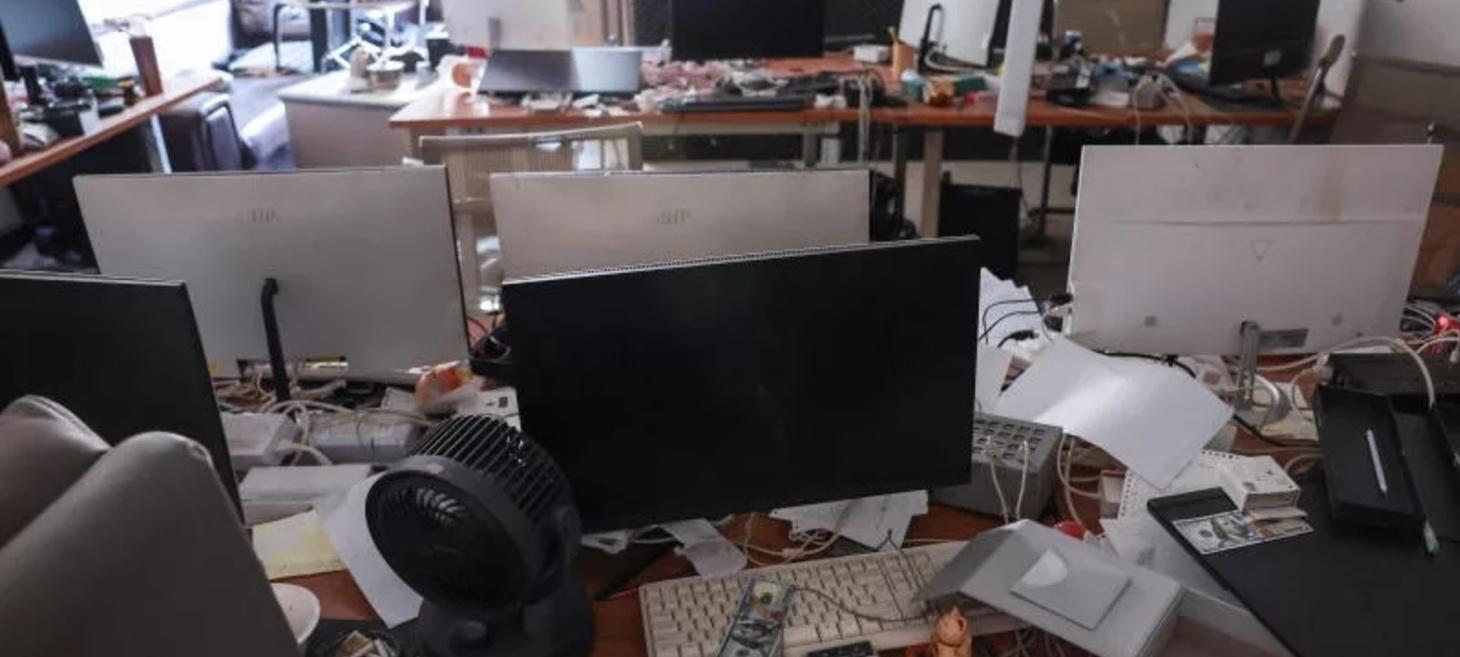
AI helps scam centres evade crackdown in Asia, dupe more victims
Criminals in Southeast Asia are using inexpensive AI tools like large language models and deepfake technology to make scams more sophisticated, creating realistic job ads, authentic-sounding messages, and voice/video impersonations that are harder to detect. Despite crackdowns by governments in Cambodia, China, and Thailand, AI allows scam operations to scale up at low cost and shift quickly to new targets and locations, with centers now expanding to the Americas, Africa, and the Middle East. Interpol officials warn that AI may eventually reduce the need for trafficked workers in scam centers while increasing efficiency, though experts estimate these operations steal around $64 billion annually worldwide.
bangkokpost.com
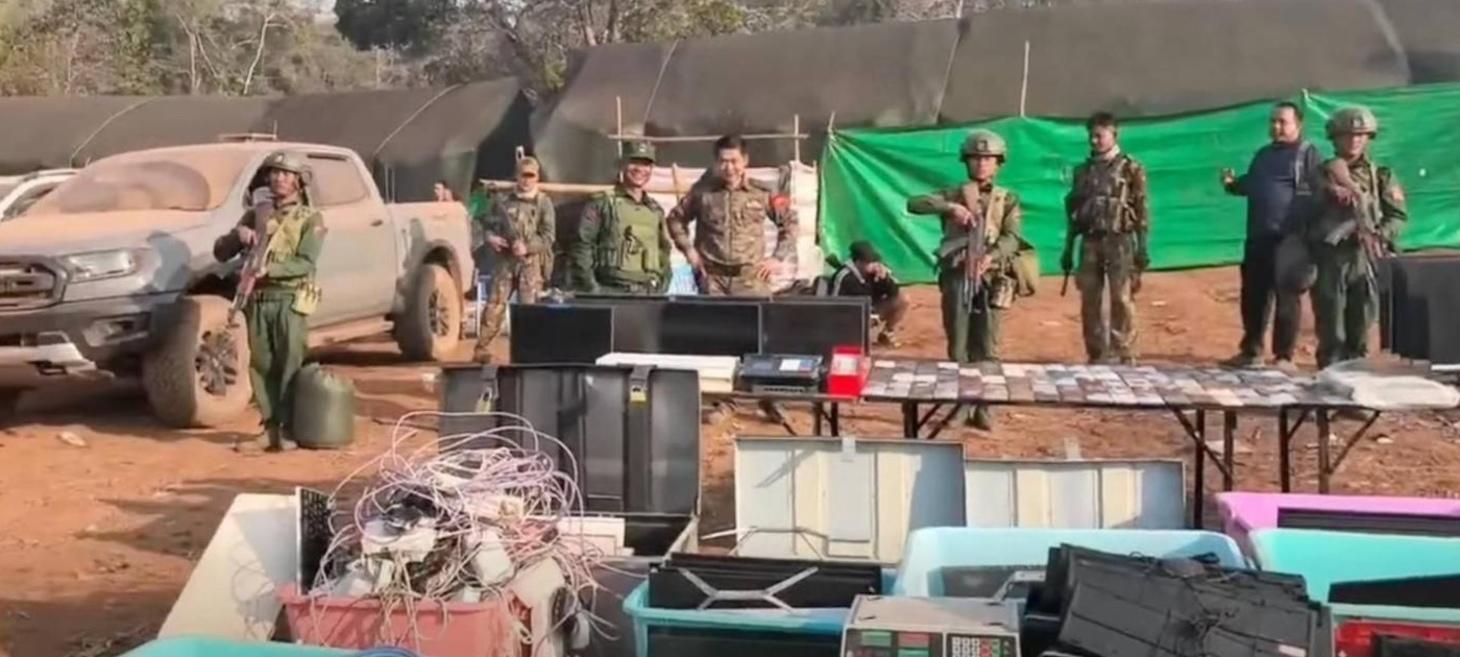
Wa troops join Myanmar military in raid on northern Shan State scam centre
The United Wa State Army (UWSA) collaborated with Myanmar's military junta to raid an alleged online scam center in northern Shan State's Mongyai Township on Tuesday, arresting approximately 330 Chinese nationals and seizing buildings, vehicles, and equipment. Online fraud operations have proliferated along Myanmar's borders since the military coup in 2021, with scam centers frequently relocating between areas controlled by the junta's ethnic allies to evade detection. Since December, increased regime raids have pushed some operations further south, including into territories controlled by the Shan State Progress Party, though that group denies involvement in illicit activities.
myanmar-now.org
Economy

Top gold association officials arrested by Myanmar junta officials
Myanmar's military junta arrested three top officials of the Yangon Region Gold Entrepreneurs Association on February 5, 2026, including the chairman and vice-chairman. The officials are accused of purchasing and hoarding gold bars, then reselling them at inflated prices to destabilize the domestic gold market, in violation of prohibitions issued by the Ministry of Natural Resources and Environmental Conservation. The Military Commission has warned other gold traders to comply with all directives or face legal action.
bnionline.net
Singapore, China and Thailand lead foreign investment in Myanmar
As of December 2025, Singapore, China, and Thailand are the leading sources of foreign investment in Myanmar among 53 countries and regions, with the power sector (28.29%), oil and gas (24.64%), and manufacturing (14.65%) receiving the largest shares of investment. In January 2026, the Myanmar Investment Commission approved 20 new projects worth US$62.911 million, including four foreign and 16 local investments across various sectors such as electric vehicle assembly, hotels, housing, and power generation. These approved projects are expected to create more than 3,300 jobs.
thestar.com.my
Education
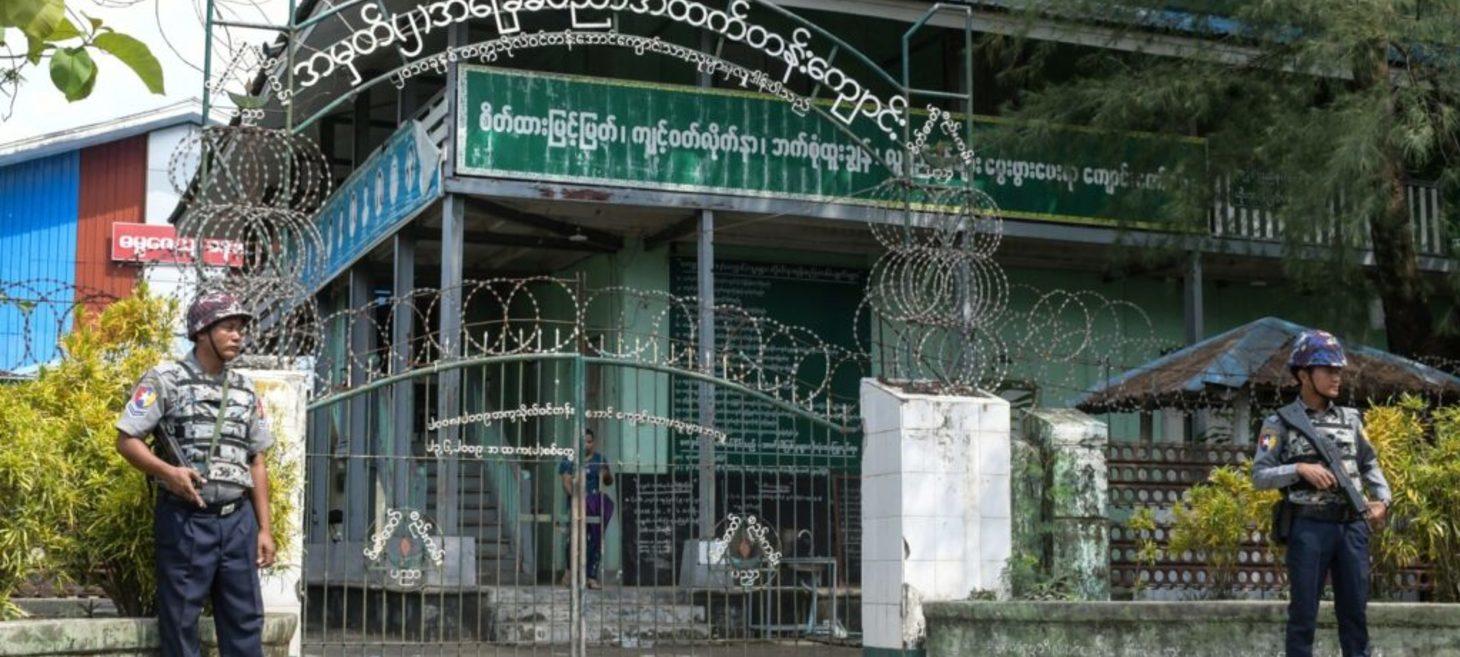
‘I’m losing so much’: Classrooms fall silent in embattled Rakhine State
Education in Myanmar's Rakhine State has collapsed due to ongoing conflict between the Arakan Army and the military junta, with frequent airstrikes on schools, closures, and travel restrictions, leaving millions of students unable to attend classes. Students face multiple barriers, including unaffordable school fees (up to $15/month), military conscription threats, poverty, and the trauma of witnessing bombings that have killed teachers and classmates. While the Arakan Army has established schools in the 14 townships it controls, the education system remains inadequate, forcing families to choose between sending children abroad for education, joining armed groups, or abandoning schooling altogether.
frontiermyanmar.net
Ethnic Issues
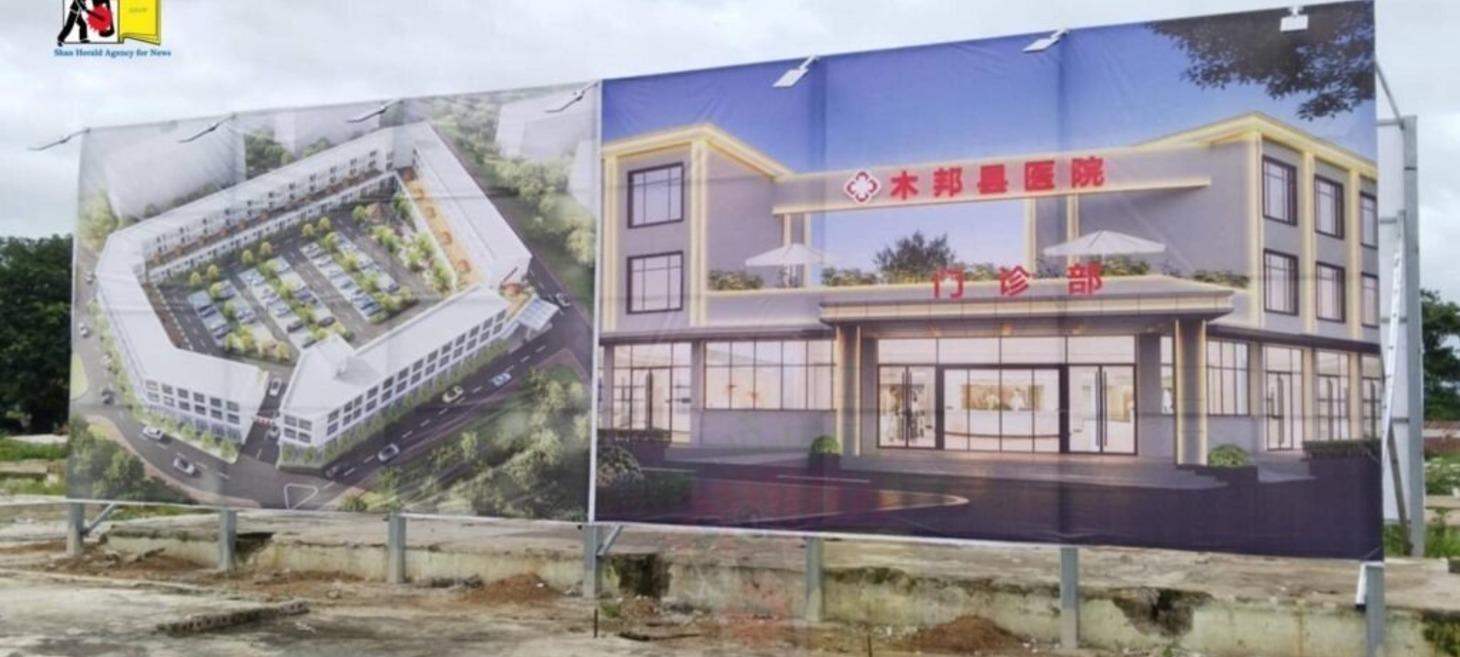
Hsenwi Transformed Under MNDAA Rule: From Saopha Heartland to a De Facto China Annex
Hsenwi, a historically significant Shan town in northern Myanmar, has undergone dramatic Sinicization since the MNDAA (Myanmar National Democratic Alliance Army) seized control following Operation 1027 in 2023. The MNDAA has mandated Chinese signage, renamed the town using its Chinese name "Mupang," facilitated large-scale Chinese business investment and land leasing, and begun issuing new Kokang identification cards to residents. Local Shan residents express deep concern about the erasure of their cultural identity and fear that Hsenwi is becoming a de facto Chinese border town serving China's Belt and Road Initiative rather than remaining a Shan community.
shannews.org
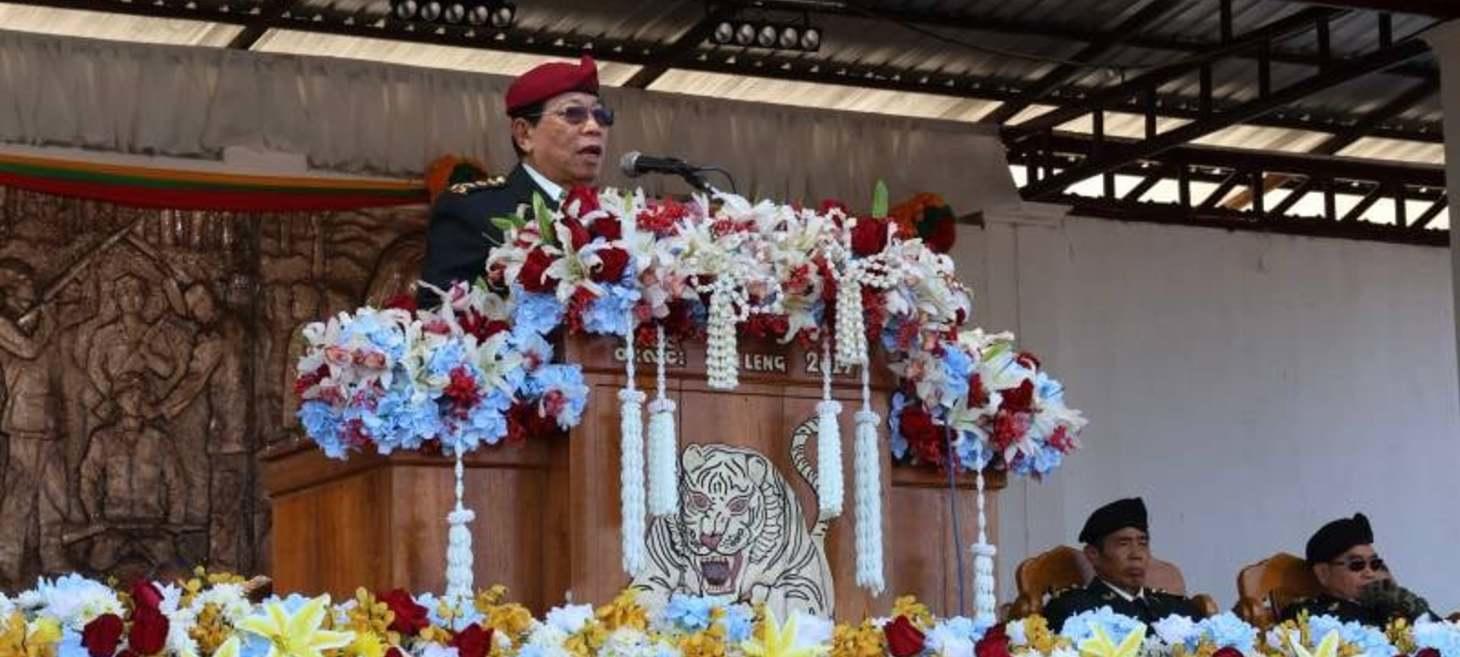
RCSS chairman calls for federal army and blames leadership ego for Myanmar’s national crisis
General Yawd Serk, Chairman of the Restoration Council of Shan State/Shan State Army (RCSS/SSA), marked the 79th Shan National Day by calling for the establishment of a Federal Army to ensure Myanmar's national security. He attributed the country's ongoing crisis to the "ego, pride, and greed" of a single leader who acted on personal will rather than public interest, resulting in the 2021 military coup and subsequent Spring Revolution. The RCSS Chairman offered four recommendations, including learning from past mistakes, implementing the 1947 Panglong Agreement, seeking solutions through dialogue, and establishing a Federal Army, all aimed at resolving Myanmar's national turmoil.
google.com
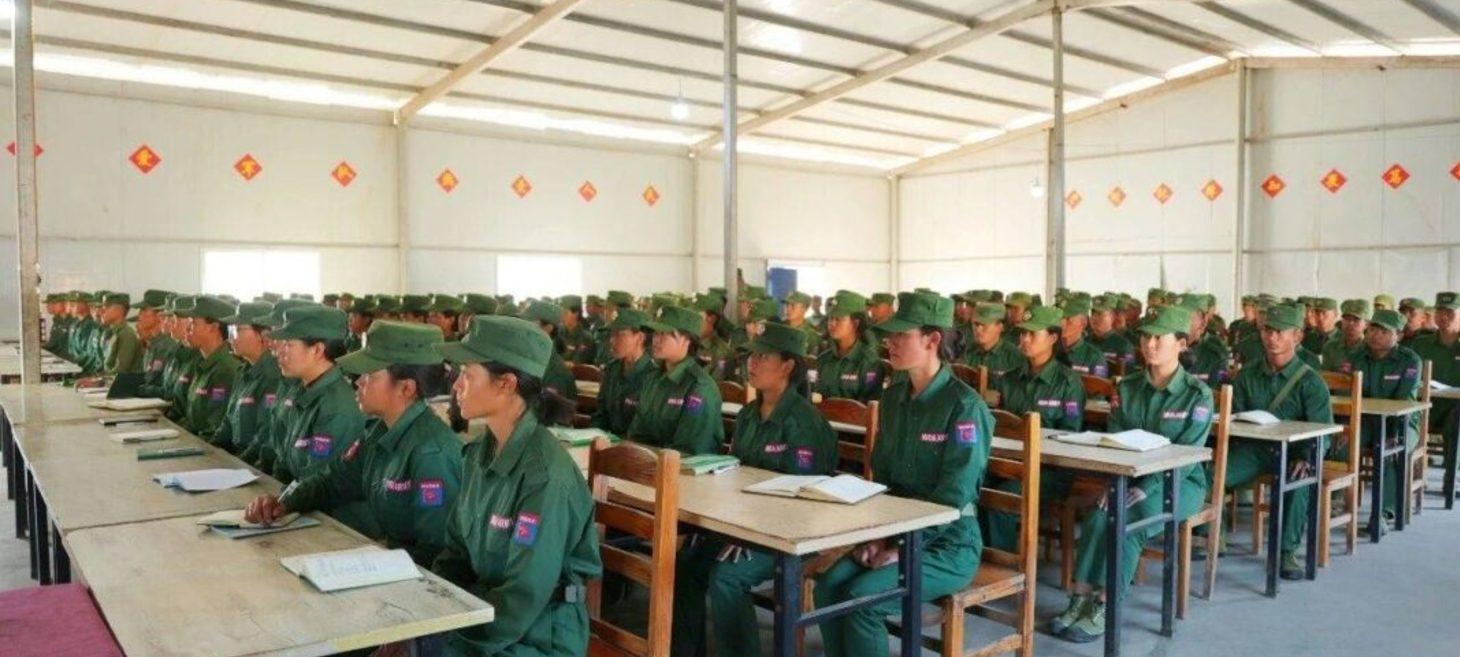
MNDAA Enforces One-Recruit-Per-Household Rule Across Lashio Villages
The Myanmar National Democratic Alliance Army (MNDAA) is conducting forced recruitment across villages in Lashio Township, requiring one person aged 16-36 from each household to undergo military training, regardless of ethnicity or religion. The campaign, which began in late January 2026, targets areas under MNDAA control outside the city center, with only students, teachers, and certain staff exempted from the mandatory service lists. Meanwhile, the military commission in Lashio is conducting population checks and collecting military service fees, trapping residents between two competing armed authorities demanding forced service and payments.
shannews.org
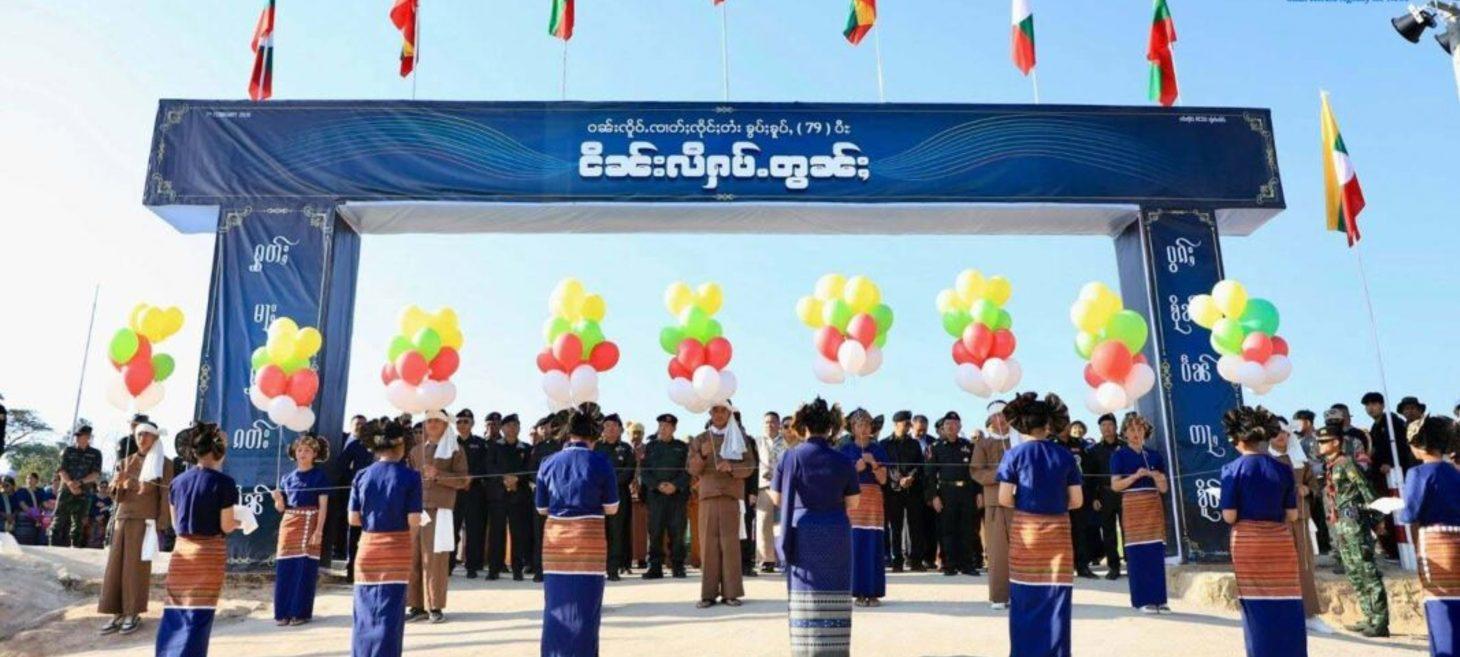
RCSS/SSA Marks Opening of 79th Shan National Day
The Restoration Council of Shan State/Shan State Army held an opening ceremony for the 79th Shan National Day on February 7 at their headquarters, attended by Chairman General Yawd Serk and guests. Despite the military junta's 1962 attempt to rename it "Shan State Day," the Shan people continue to observe it as Shan National Day to preserve their national identity and commemorate the formal recognition of their flag, anthem, and unity. The day is celebrated as a historic milestone representing equal rights for all ethnic groups living in Shan State, including the Pa-O, Palaung, Danu, Intha, Lahu, Akha, Kachin, and Karen peoples.
shannews.org

Kokang army detains nine protesters against mining, land confiscation outside Lashio
The Myanmar National Democratic Alliance Army (MNDAA) detained 35 villagers from Mansei village who were protesting the expansion of a gold mining site onto their farmland, releasing 26 but keeping nine in custody who have reportedly been beaten during interrogation. The conflict stems from the MNDAA's solicitation of Chinese investment in gold mining and infrastructure projects in northern Shan State after capturing Lashio Township in 2024, creating tensions with local Shan-speaking populations who rely on agriculture. Similar incidents have occurred, including one resulting in the death of a 63-year-old farmer, highlighting growing ethnic and linguistic tensions between the Mandarin-speaking Kokang army and local Shan communities over land use.
myanmar-now.org
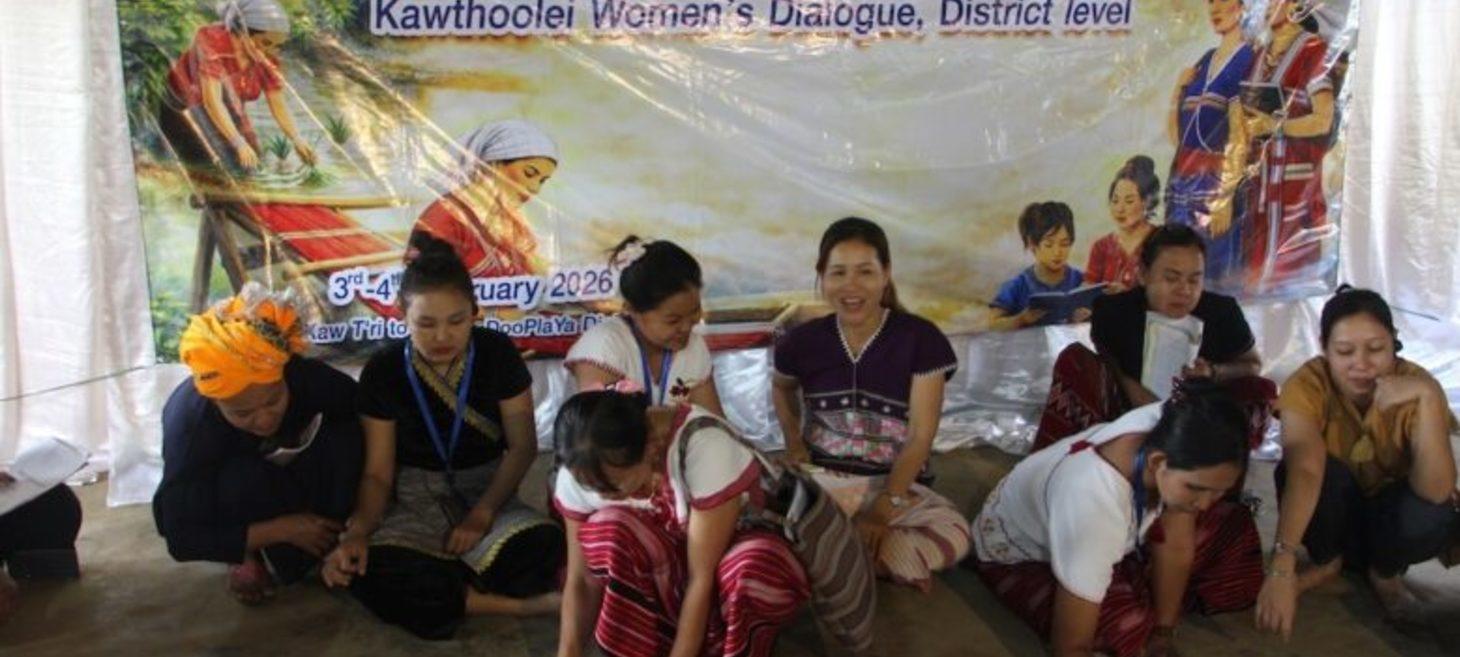
Kawthoolei women demand greater participation and leadership rights
The Kawthoolei Women's Dialogue issued a statement demanding greater participation and leadership rights for women in the administrative, judicial, and legislative sectors of the Kawthoolei region, and calling for the Karen National Union (KNU) to adopt gender equality policies. The February 3-4 district-level dialogue, attended by 112 representatives, including KNU leaders and civil society organizations, addressed women's limited opportunities in decision-making roles and set a goal of 30% women's participation at the upcoming 18th KNU Congress. The statement also called for measures including public access to the draft Kawthoolei charter, elimination of telecom scam businesses, and greater women's participation in natural resource management.
karennews.org
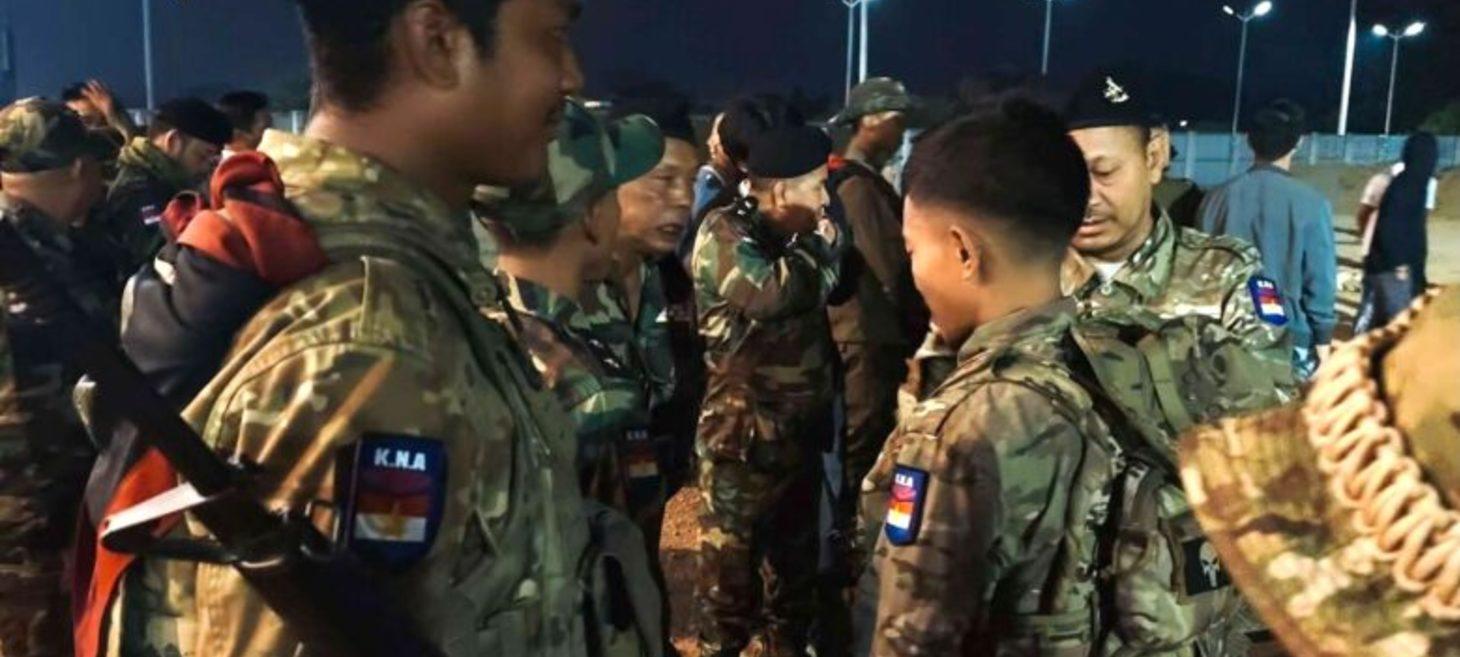
Some Myawaddy BGF members revert to original badges from KNA emblem
In Myawaddy, Karen State, some members of the Karen Border Guard Force (BGF) who transitioned to the Karen National Army (KNA) on January 1 are now reverting to their original BGF badges under pressure from the Myanmar junta. The junta responded to the KNA shift by ordering KNA-uniformed personnel to withdraw from Myawaddy by January 25, deploying reinforcements, and threatening severe retaliation, forcing some KNA troops to either leave, wear BGF badges, or remove badges altogether. The situation has raised concerns about potential military conflict in this strategically important Thai-Myanmar border trade town, with some residents preparing to evacuate if necessary.
karennews.org
Foreign Affairs
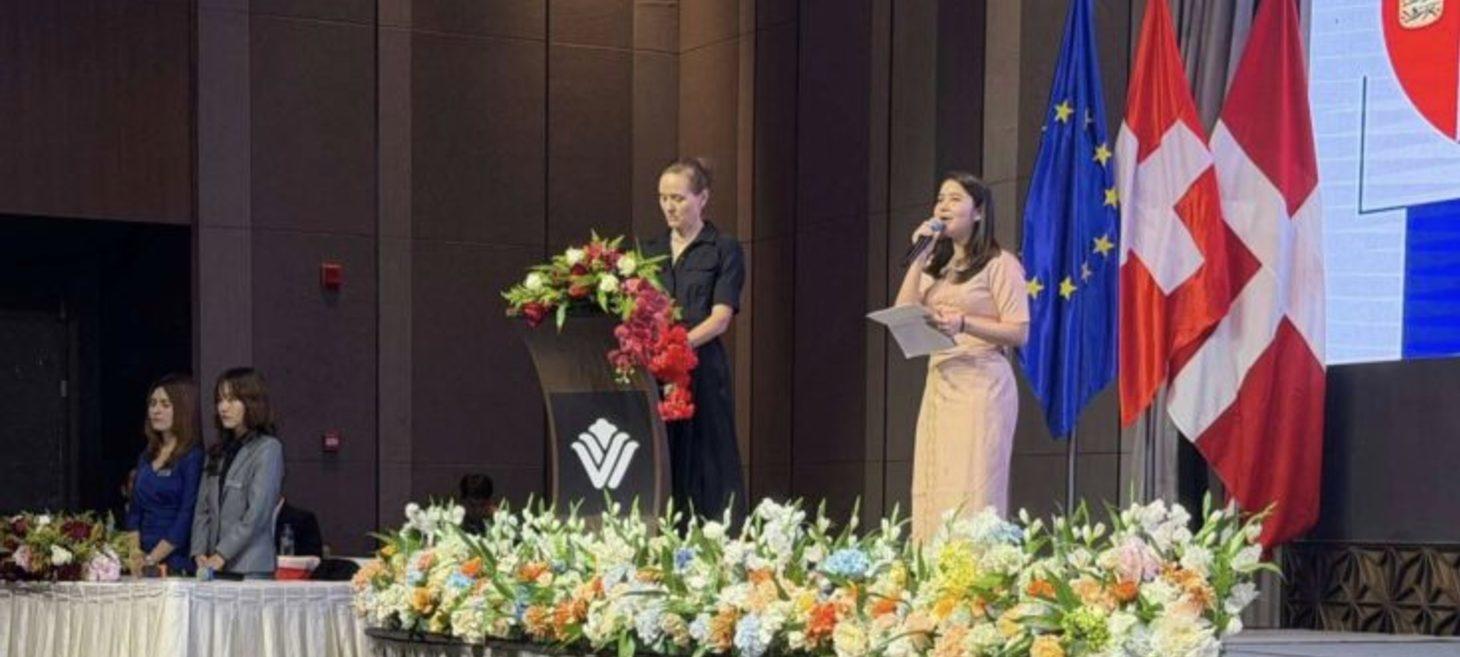
Danish funding supports hundreds of local businesses in Myanmar
Denmark, the European Union, and Switzerland have supported 461 small and medium-sized enterprises (SMEs) in Myanmar through the RBF Plus programme, which provides grants and technical assistance for responsible and sustainable business practices. The funding aims to help local businesses continue operating under challenging economic conditions, including political instability and limited access to finance, while sustaining economic activity at the community level. The Responsible Business Fund has operated in Myanmar since 2017, with the current phase focusing on sustainability and high-impact sectors such as agrifood. A third funding round is planned for 2026.
scandasia.com
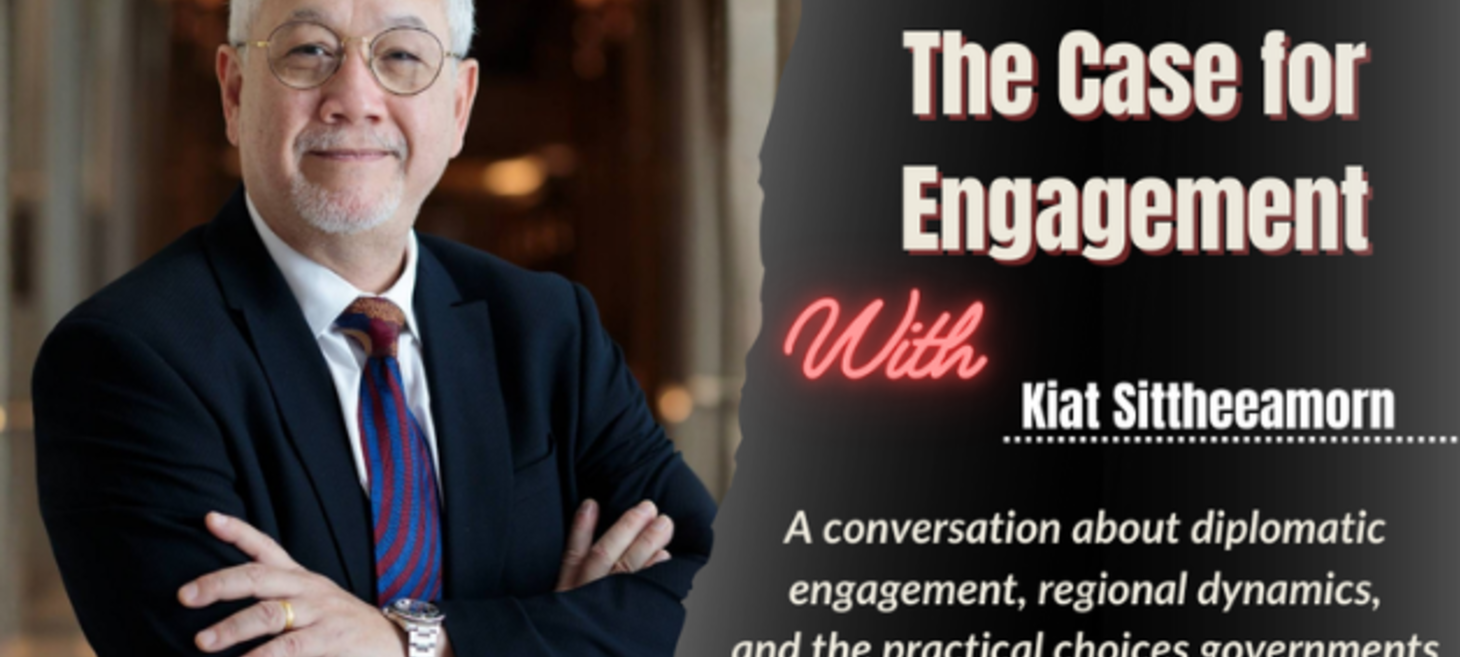
Myanmar: The Case for Engagement
Former Thai Deputy Prime Minister Kiat Sittheeamorn argues that ASEAN's strategy of engaging with Myanmar is more effective than sanctions and disengagement imposed by other countries. Drawing on his journey from electrical engineer to politician, Kiat emphasizes the importance of maintaining personal integrity in politics, having personally fought corruption that recovered over 60 billion baht from dishonest politicians. Throughout the interview, he warns against the "confusion" of ethical compromises and bureaucratic excuses, stressing that politicians must maintain a strong internal moral compass to resist bribes, intimidation, and rationalizations that undermine principled action.
mizzima.com
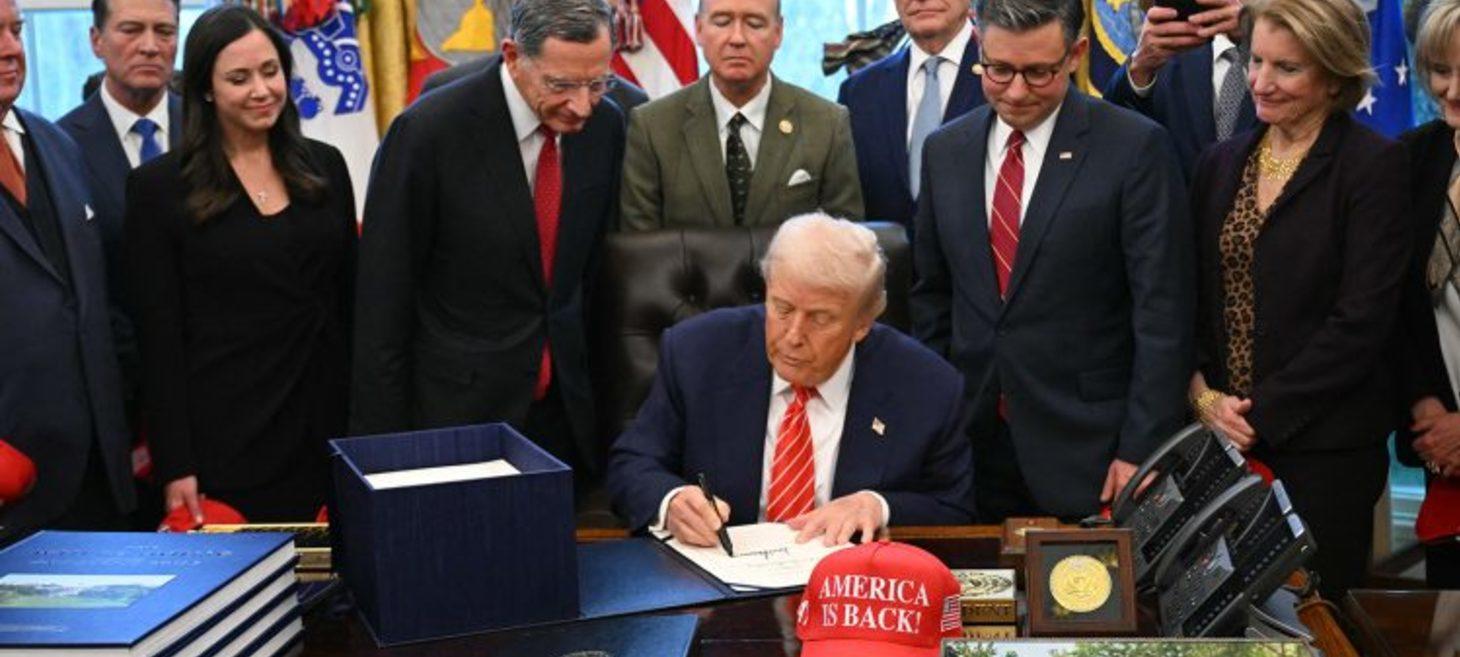
U.S. Extends Myanmar ‘Emergency’ so Sanctions Against Junta Can Continue
U.S. President Donald Trump has extended the national emergency declaration for Myanmar for another year, allowing sanctions against the military junta to continue due to ongoing threats to American national security and foreign policy. The sanctions, which began after the 2021 military coup, include bans on jet fuel sales and blacklisting of banks doing business with the regime. Additionally, Trump signed a spending bill allocating $121 million in humanitarian aid for Myanmar, with strict provisions ensuring none of the funds reach the military regime, and instead supporting democracy, human rights, and cross-border assistance.
irrawaddy.com
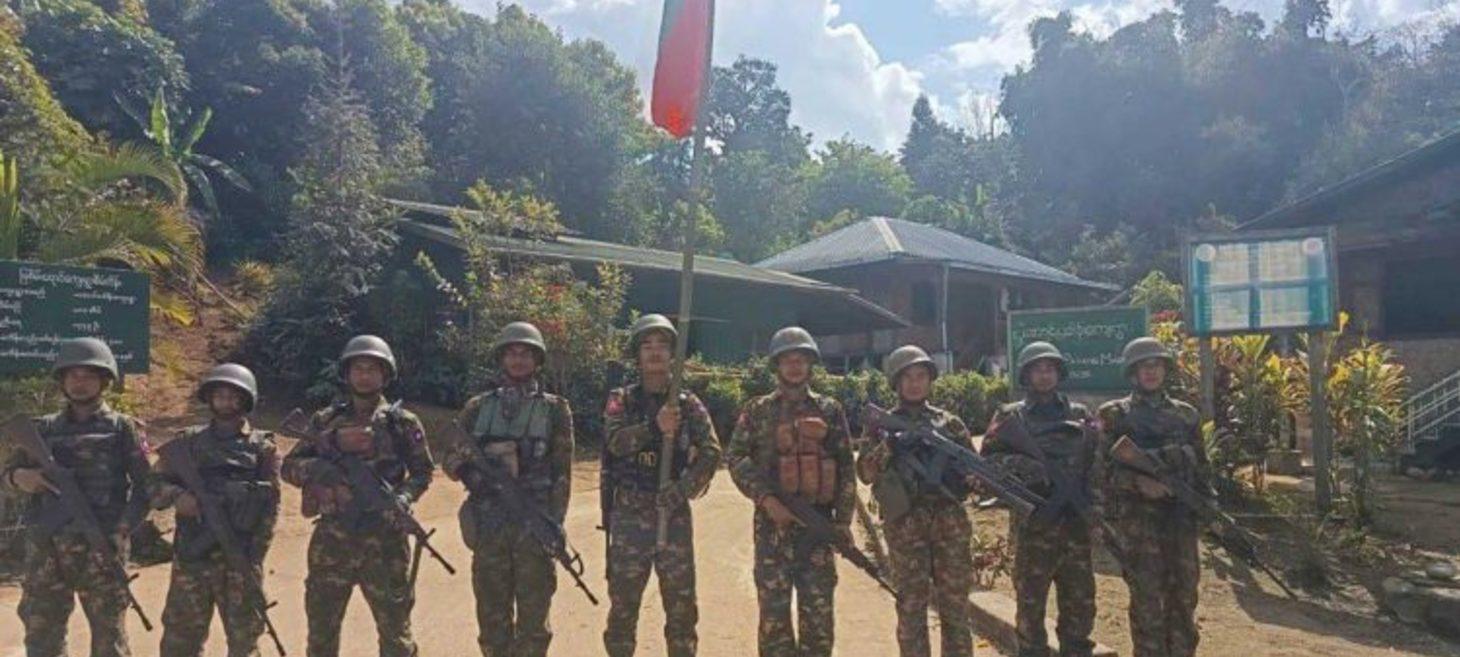
How Chinese Intervention Reversed Resistance Gains in Myanmar’s Heartland
China's intervention in Myanmar, including supplying weapons to the junta and pressuring ethnic armed groups through economic measures and border closures, has reversed major battlefield gains by pro-democracy forces that were advancing on Mandalay. Beijing forced key ethnic armies like the MNDAA and TNLA to halt offensives and hand back captured territory through ceasefires, cutting supply lines to the People's Defense Force (PDF), which subsequently lost almost all of northern Mandalay Region in a regime counteroffensive. The Chinese pressure, which included detaining the MNDAA leader and threatening the powerful UWSA with asset seizures, has proven to be the biggest obstacle to the resistance movement's ability to retake lost territory and capture Myanmar's second-largest city.
irrawaddy.com
General News
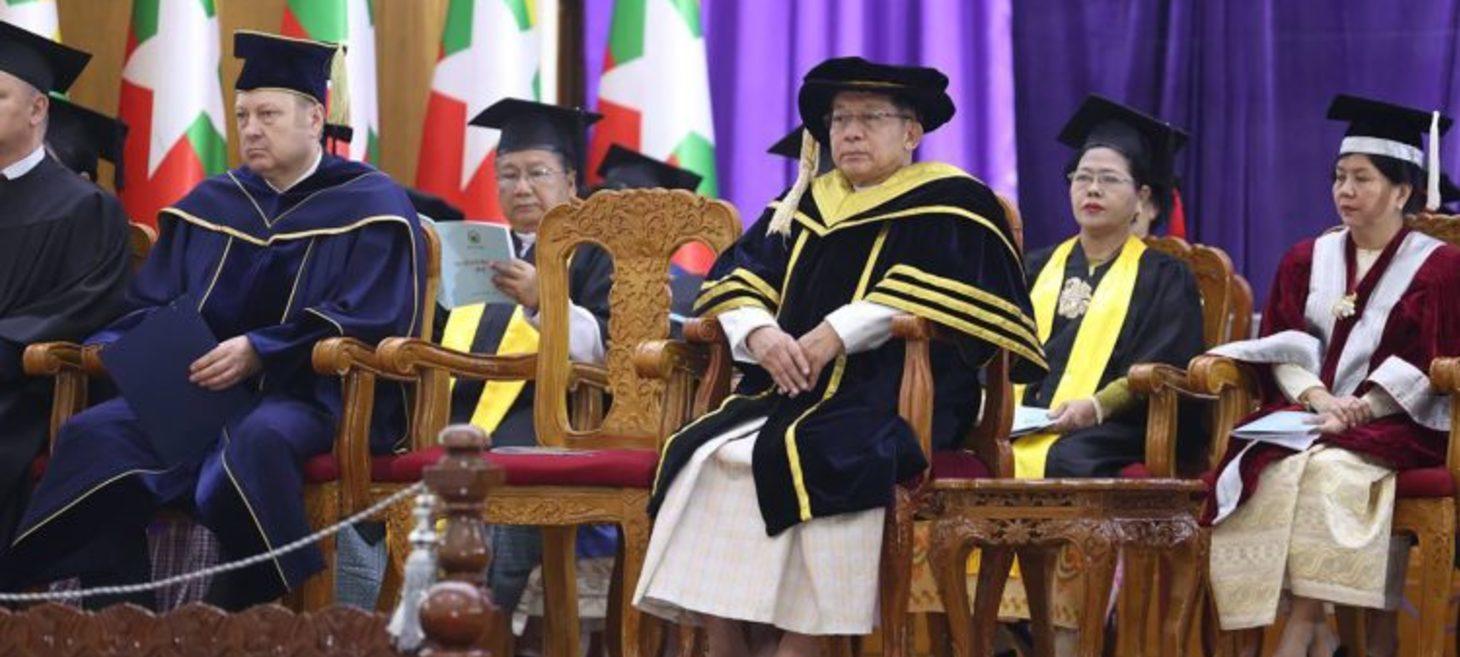
‘Hellhound in Robes’: Yangon University Slammed for Honoring Coup-Maker
Myanmar junta chief Min Aung Hlaing received an honorary doctorate in public administration from Yangon University on February 5, 2026, sparking widespread public disgust and disbelief. The junta's Education Minister praised his "leadership" and achievements, including managing sanctions and holding elections, while ignoring the humanitarian crisis his coup has caused. Since seizing power five years ago, Min Aung Hlaing's rule has resulted in 3.6 million internally displaced people and over 15 million facing acute food insecurity, according to Human Rights Watch.
irrawaddy.com

Junta Enforces NRC-Based Travel Restrictions Across Multiple Regions
Myanmar's military regime has imposed travel restrictions on residents from conflict-affected areas based on their National Registration Card (NRC) numbers, requiring them to obtain recommendation letters from local authorities at least one week before traveling. The restrictions affect people from Northern Shan State, Mandalay Region, Sagaing Region, Magway Region, and Rakhine State, with bus companies refusing to sell tickets without proper documentation. The policy has created severe hardships for students, business travelers, and those needing medical care, while also enabling extortion at military checkpoints.
shannews.org

Frontier Myanmar’s new foreign owner engaging with Myanmar military junta officials
Frontier Myanmar's new owner, Thai national Pichai Chuensuksawadi, has been engaging with Myanmar military junta officials but refuses to identify them, citing "source confidentiality" despite not working as a journalist since 2016. Pichai quietly acquired 93% of Frontier's publisher in April 2025 from co-founder Sonny Swe, whose father is a former military intelligence officer now linked to a junta-connected think tank. The outlet, which is a member of the Independent Press Council Myanmar, failed to inform the council about the ownership transfer that removed all Myanmar ownership from the publication.
myanmar-now.org
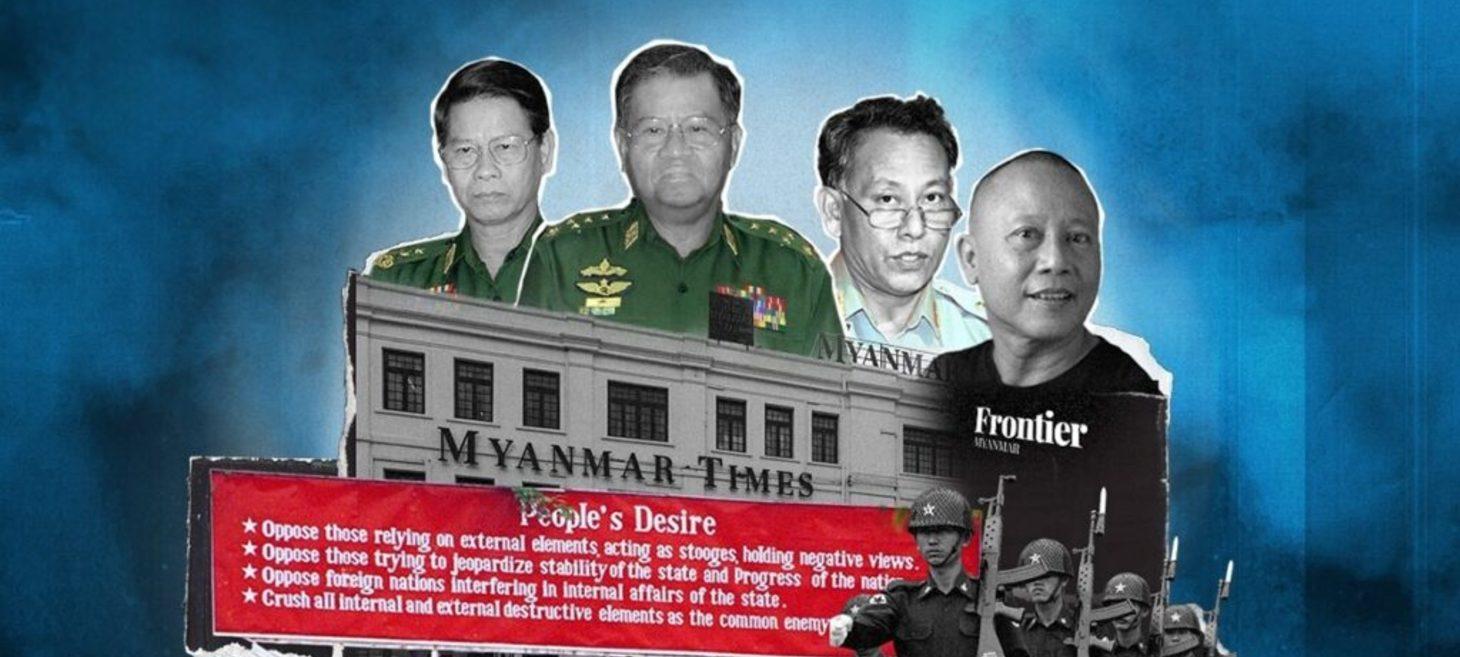
The shadowy past—and present—of the Myanmar Times and Frontier
A Myanmar Now investigation reveals that Sonny Swe, long celebrated as a champion of press freedom, co-founded the Myanmar Times in 2000 with backing from Myanmar's military intelligence apparatus, where his father, Thein Swe, led the international propaganda office. Rather than being independent, the Myanmar Times functioned as a sophisticated propaganda vehicle that allowed military intelligence to shape international perceptions of the brutal junta through Western-style journalism, with Thein Swe personally censoring content and even providing stories for publication. When Sonny Swe launched Frontier Myanmar in 2015 after his release from prison, his father, Thein Swe, secretly held ownership stakes in the publication, raising ongoing concerns about the magazine's connections to Myanmar's military establishment.
myanmar-now.org
Humanitarian
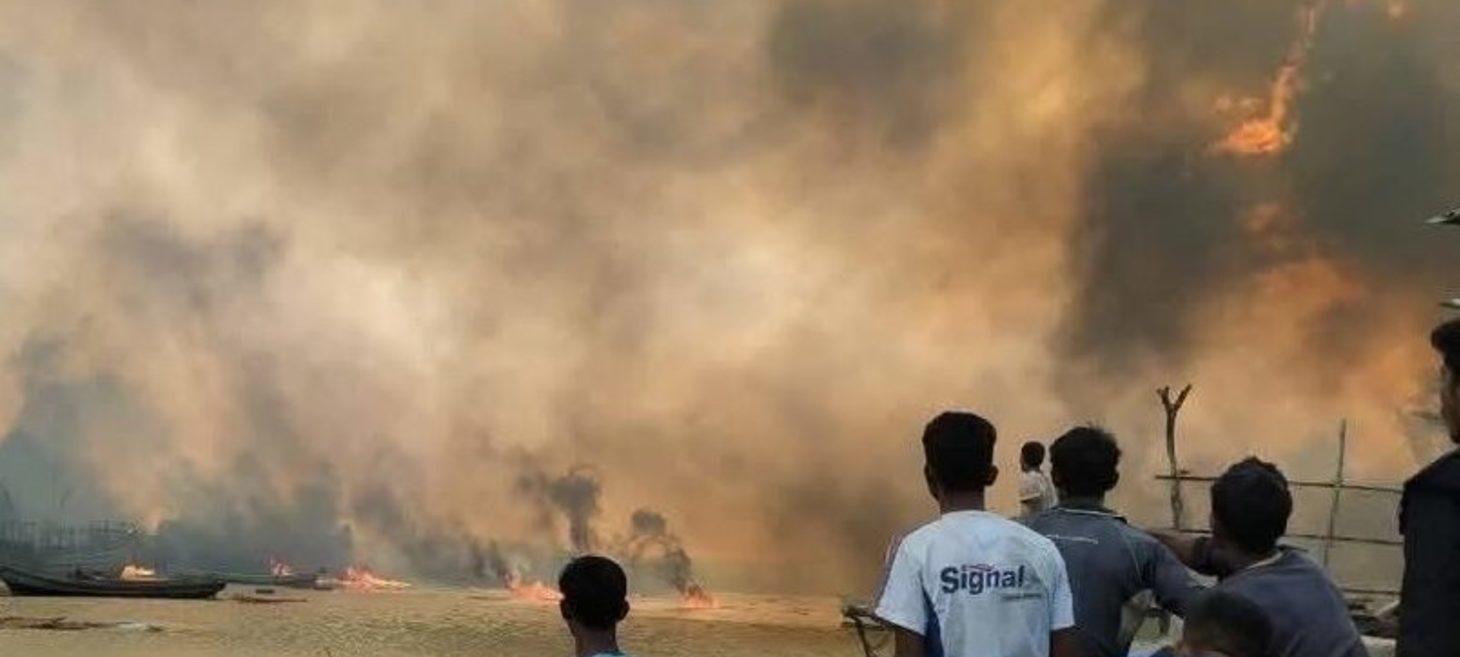
‘New levels of depravity’: Myanmar’s crisis worsens five years after coup, Human Rights Watch warns
Human Rights Watch warns that Myanmar's human rights crisis has reached "new levels of depravity" five years after the military coup, with the junta continuing to commit war crimes and crimes against humanity through relentless attacks on civilians, schools, hospitals, and other civilian infrastructure. The country now faces a severe humanitarian catastrophe with 3.6 million internally displaced people, widespread food insecurity, and collapsed healthcare systems, worsened by the military blocking aid after a devastating March 2025 earthquake that killed thousands. HRW calls for urgent international action, including UN Security Council measures such as a binding arms embargo and ICC referral, expanded sanctions, and humanitarian support through local organizations.
myanmar-now.org
Natural Resources

New U.S. Minerals Stockpile Creates Opportunities In Myanmar
The article discusses how the Trump Administration's effort to build a strategic stockpile of critical minerals creates an opportunity to rethink U.S.-Myanmar relations, as Myanmar possesses significant reserves of rare-earth elements essential for defense and technology. The author argues that the continued isolation of Myanmar has failed to produce democratic reforms and has instead allowed China to consolidate its influence over Myanmar's mineral resources. The article proposes a new approach that combines targeted sanctions with structured economic engagement, using the minerals stockpile program to incentivize Myanmar to adhere to transparency and international norms while securing the United States' strategic supply chain.
forbes.com
Politics
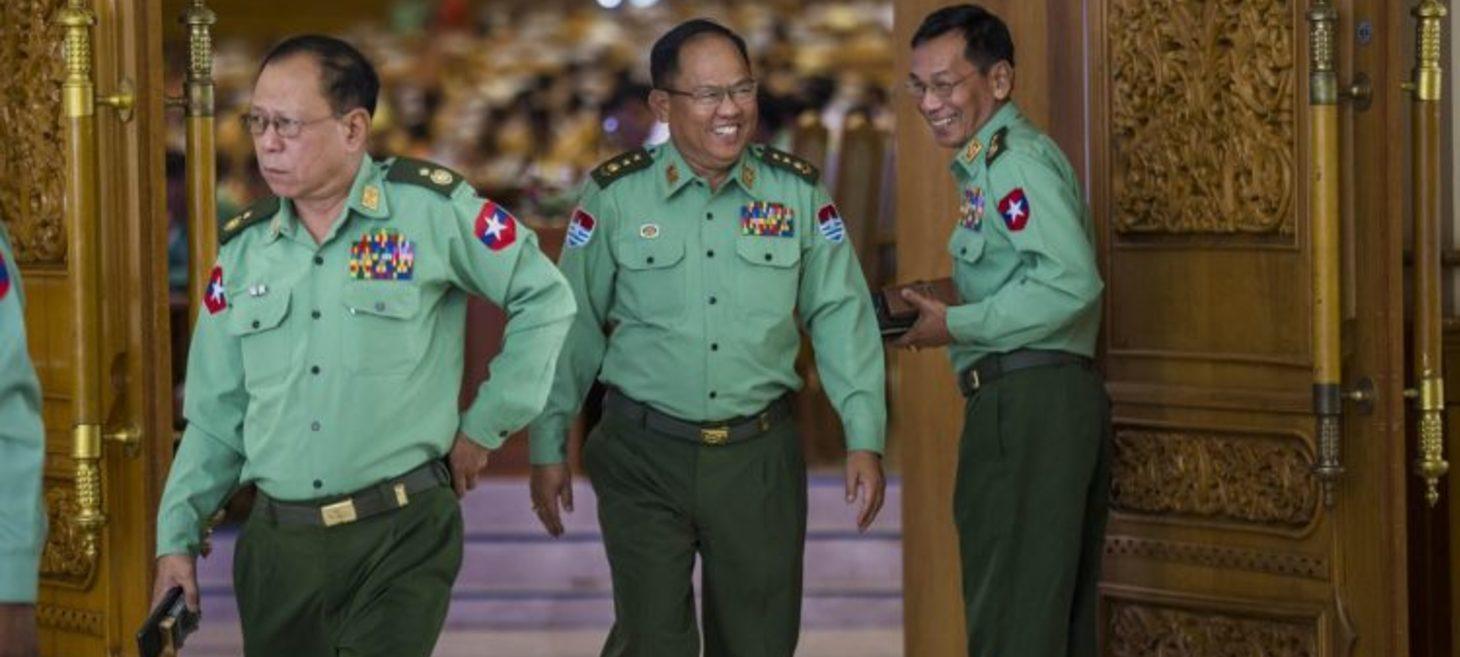
Myanmar Junta Names 166 Military Appointees to New Parliament
Myanmar's military junta has released the names of 166 military appointees to the new parliament scheduled to convene in March, following the military-proxy USDP's victory in recent elections. Due to ongoing conflict preventing voting in large parts of the country, only 420 elected MPs will serve alongside the military appointees, meaning the military will control 28% of seats rather than the constitutional minimum of 25%. This arrangement, combined with the USDP's majority of elected seats, virtually guarantees that junta leader Min Aung Hlaing can assume the presidency if he chooses.
irrawaddy.com

Newly created advisory council opens path for Myanmar military to retain power
Myanmar's military junta has announced a new law establishing a "Union Consultative Council" that will operate within the government set to be formed in April, following a military-managed election. The new council, whose chair and secretary will be appointed by the president, could enable junta chief Senior General Min Aung Hlaing to retain his position as commander-in-chief while simultaneously assuming a formal leadership role over the civilian administration. This arrangement would allow him to avoid the constitutional requirement to resign from military command if he were to assume the presidency directly.
myanmar-now.org