Introduction & Analysis
This collection of open-source English-language news articles published over the past week highlights significant events and issues concerning Myanmar. They present a snapshot of the country's safety and security landscape.
Five years after the 2021 coup, Myanmar remains engulfed in civil war, with nearly 14,000 killed last year alone, over 3.6 million displaced, massive economic collapse, and the military junta controlling less than 40% of the country while continuing massacres, airstrikes, and arbitrary detentions, including Aung San Suu Kyi.
The junta's recent sham elections have been rejected by ASEAN and international observers, failing to legitimize military rule; meanwhile, legal proceedings against the regime advance at the ICJ, ICC, and through universal jurisdiction cases in Timor-Leste and Argentina.
Foreign support sustains the junta: Russia signed a new 5-year military alliance, Iran supplies jet fuel enabling airstrikes against civilians, and China provides surveillance technology and diplomatic cover, while also cracking down on Myanmar-linked telecom scam operations that have extracted billions globally.
Resistance forces continue to gain ground, with ethnic armed organizations and the People's Defense Forces capturing territory and military camps. Opposition groups, including the NUG, are working to form a unified "Federal Council," while organizations such as the KNPP are modernizing leadership with greater youth and women participation.
Myanmar Current Events
ASEAN
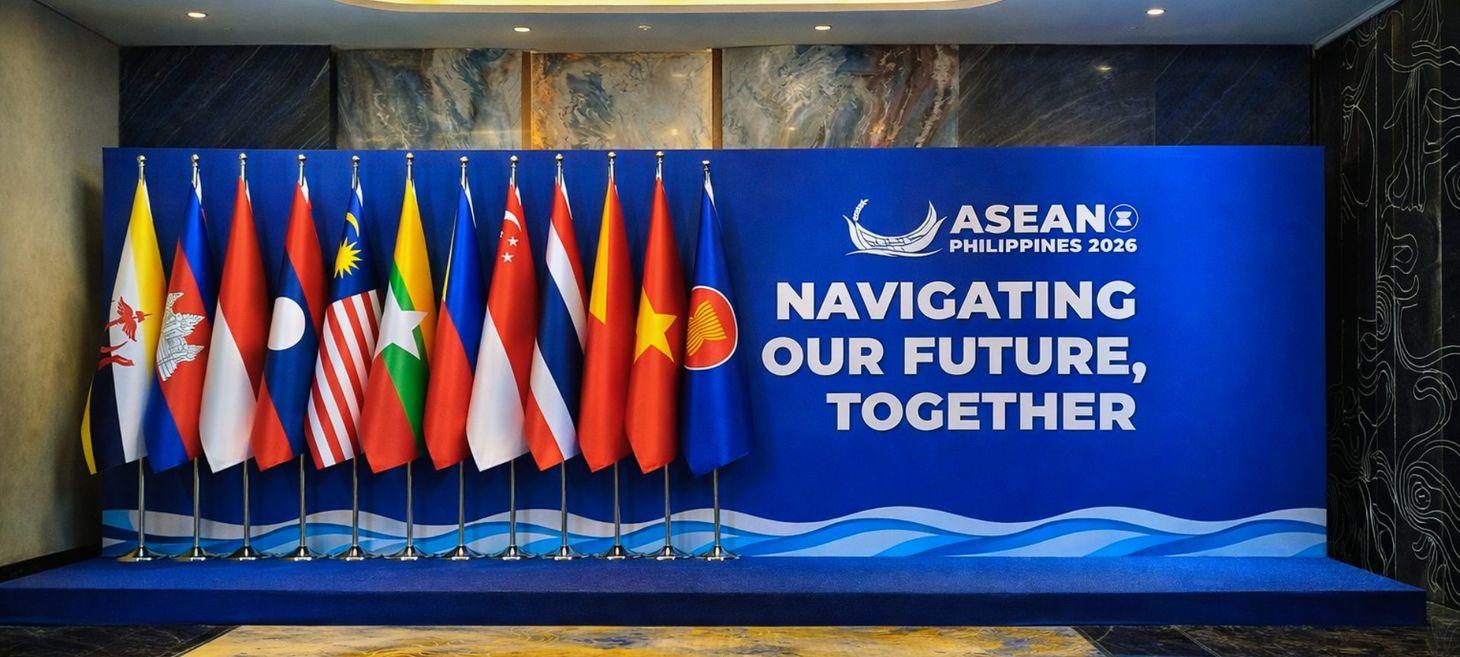
Southeast Asian bloc refuses to recognize Myanmar elections
The Association of Southeast Asian Nations (ASEAN) announced it will not recognize the recent elections held in Myanmar, which many international observers have condemned as "sham elections." These were Myanmar's first elections since the military coup in February 2021, and UN experts described them as an "orchestrated election" designed to entrench military rule rather than reflect the will of the people. The elections took place amid widespread repression, mass arrests, restrictions on political participation, and continued detention of elected leaders, with human rights groups calling them a "fraudulent claim for credibility."
jurist.org
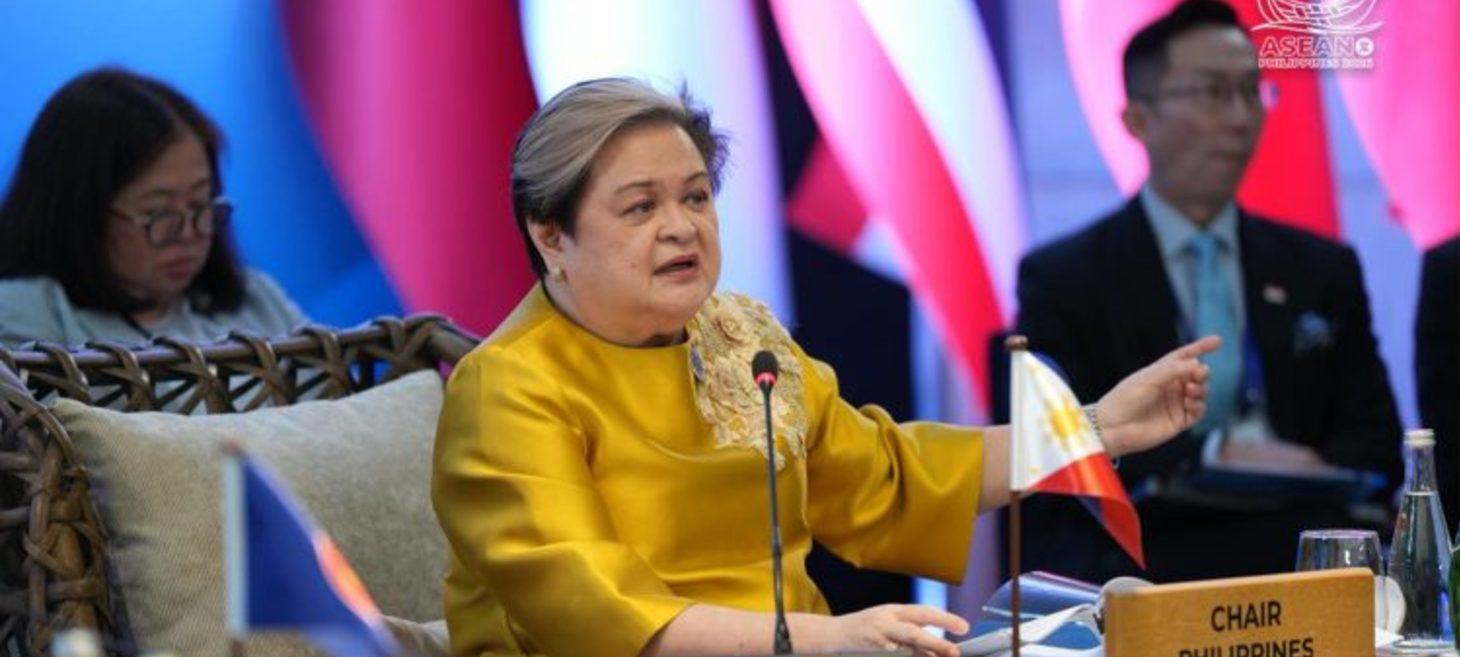
ASEAN Does Not Recognize Myanmar Junta’s Election ‘As of Now’
ASEAN has announced it does not recognize Myanmar's recent three-phase election (held December 2024 - January 2025), the first since the military coup in 2021, with Philippine Foreign Secretary Theresa Lazaro stating there is no collective endorsement from the bloc. The regional organization continues to withhold recognition from the military regime and bars junta cabinet members from its meetings, a policy that can only be changed by consensus among ASEAN leaders. ASEAN reaffirmed its commitment to the Five-Point Consensus, emphasizing that meaningful political progress requires an end to violence and inclusive dialogue among all stakeholders.
irrawaddy.com
Conflict
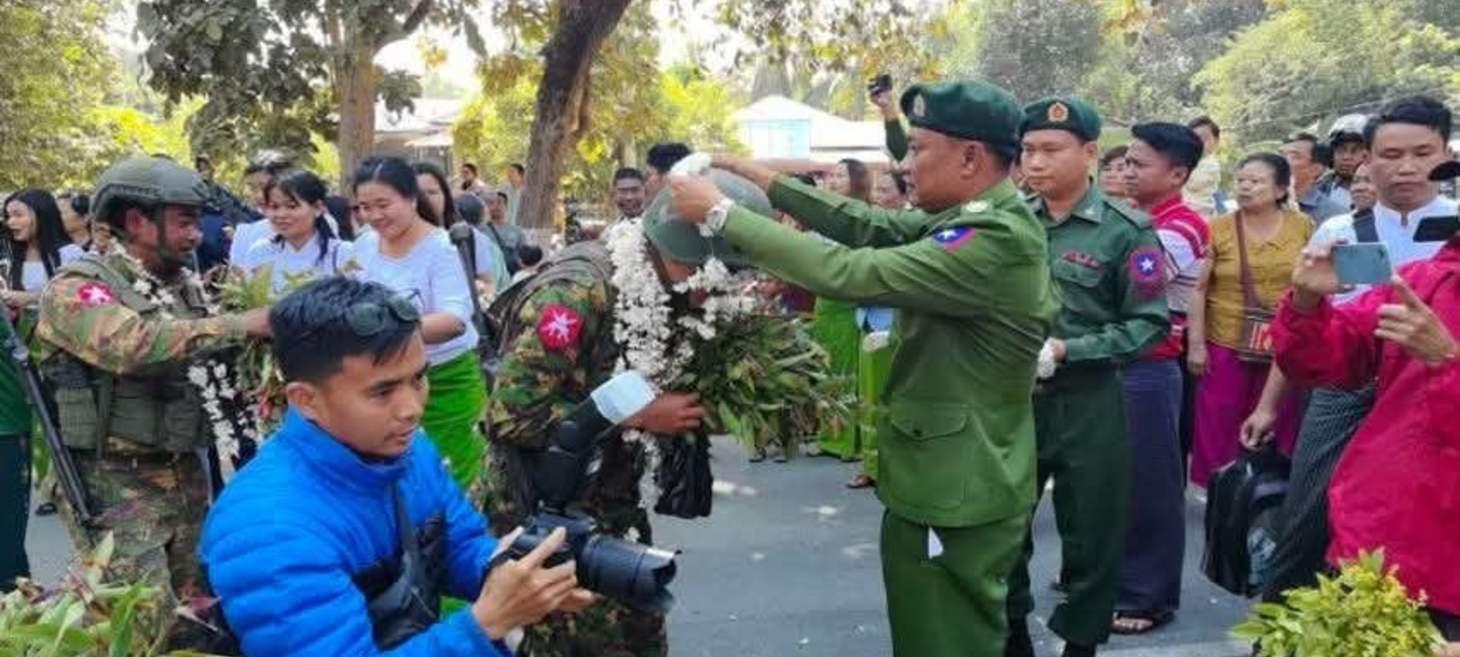
Deputy Regional Commander of Central Command and Commander of Myanmar’s LID 99 arrested
Two senior Myanmar military commanders have reportedly been arrested by resistance forces, according to internal military sources. The arrested officers are Brigadier General Lin Naing Soe, Deputy Commander of the Central Regional Military Command based in Mandalay, and Brigadier General Soe Win Tun, Commander of the 99th Light Infantry Division in Meiktila. The reports have not been independently verified, though Lin Naing Soe was last seen publicly on January 27th at a ceremony in Minbu Township.
mizzima.com

Resistance forces destroy Minbu police station in rapid assault targeting hometown of Myanmar junta leader
Revolutionary fighters from the Minbu District People's Defense Force seized and destroyed a police station in Mong Taung village on January 16, 2026, in a 15-minute assault that forced the entire garrison to flee. The attack targeted a strategic location in the hometown district of Myanmar junta leader Min Aung Hlaing and was carried out in response to repeated police abuses, including extortion, arbitrary arrests, and forced conscription of young people. After the assault, approximately 20 police personnel returned and began conducting intensive inspections and questioning of residents in the village and surrounding areas through January 30.
mizzima.com
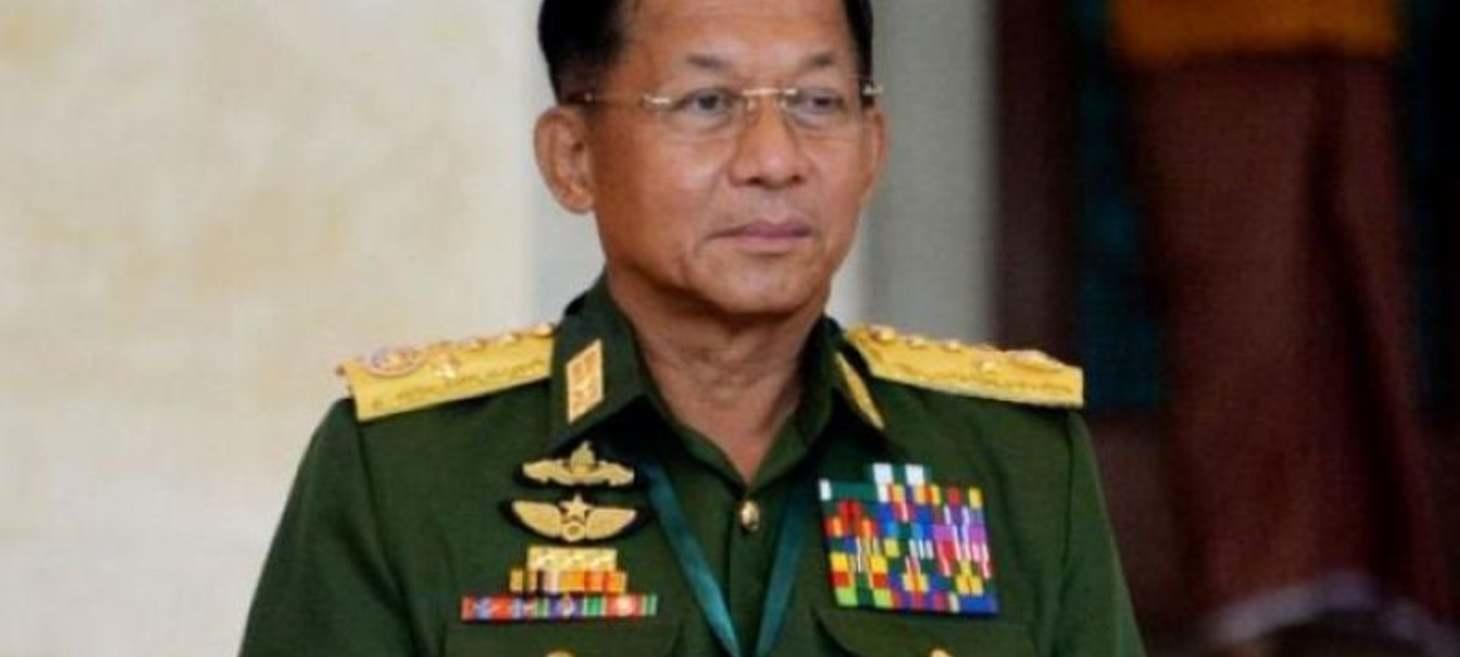
Myanmar Acting President extends state of emergency, martial law across 63 conflict-hit townships
Myanmar's Acting President and military chief Min Aung Hlaing has extended the state of emergency and martial law in 63 townships across 10 states and regions for another 90 days, granting full executive and judicial authority to the military in conflict-affected areas. The extension follows the conclusion of a three-phase general election and affects townships where resistance forces have made territorial gains or where fighting remains intense. The humanitarian crisis continues to worsen, with internally displaced persons reaching a record 3.68 million since the 2021 coup, while the martial law extension indicates the regime lacks effective control over large parts of the country.
mizzima.com

After five years of mass killing, it is time for a radical rethink on Burma
Five years after the military coup in Myanmar, the junta has intensified its violence against civilians, with nearly 14,000 people killed in 2024 alone-making it the world's deadliest conflict-through airstrikes, massacres, and forced conscription. Despite this brutality, resistance forces have captured over half the country, and a recent sham election only deepened the junta's crisis of legitimacy both domestically and internationally. The article argues that the international community must radically rethink its approach, as the military is pursuing annihilation rather than transition, while the people of Myanmar continue to fight for freedom and dignity.
the-independent.com
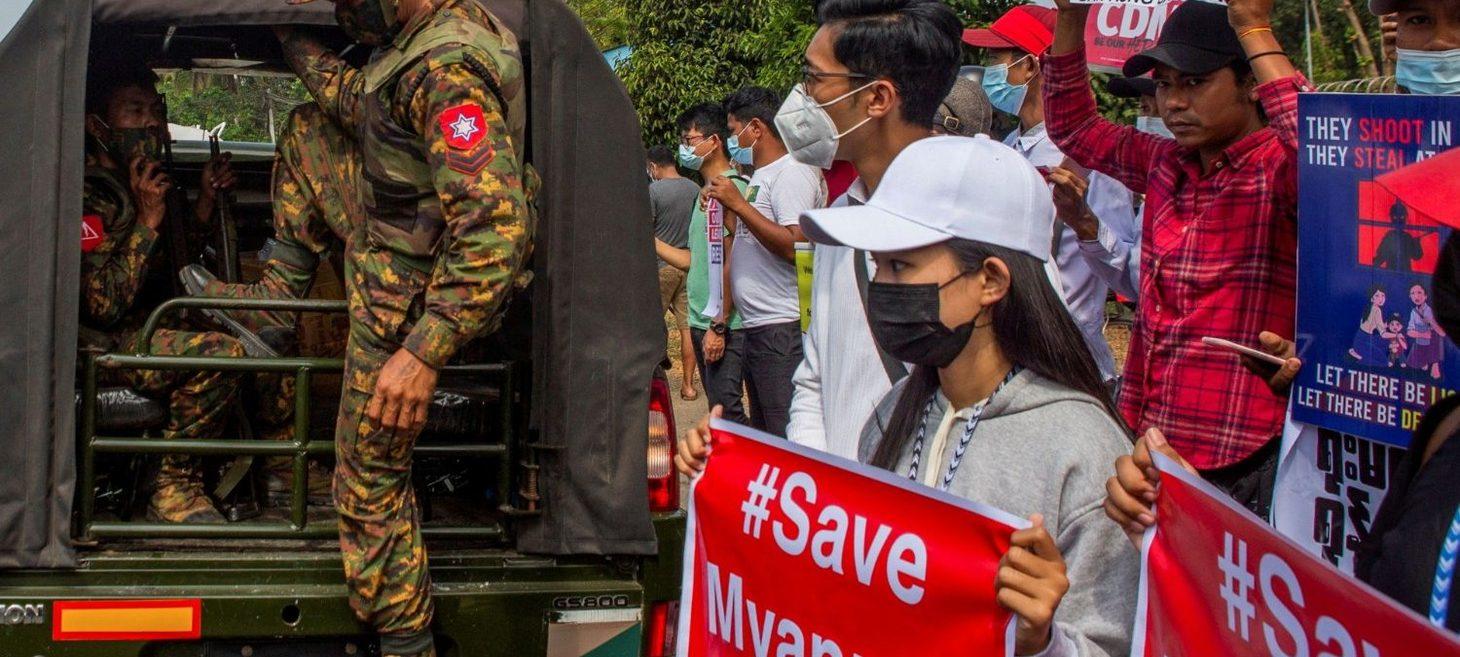
Myanmar exhausted by war five years after a military coup
Five years after Myanmar's 2021 military coup, the country remains devastated by civil war, with the junta controlling less than 40% of the territory, over 5 million people displaced, and more than 22,000 political prisoners detained, including Aung San Suu Kyi. The economy has lost $100 billion, democratic gains have been erased, and China continues to support the regime while the opposition National Unity Government in exile struggles with weak leadership and limited international recognition. Ethnic armed groups remain divided in their goals, and the exhausted civilian population bears the heaviest burden as fighting continues in rural areas.
asianews.it
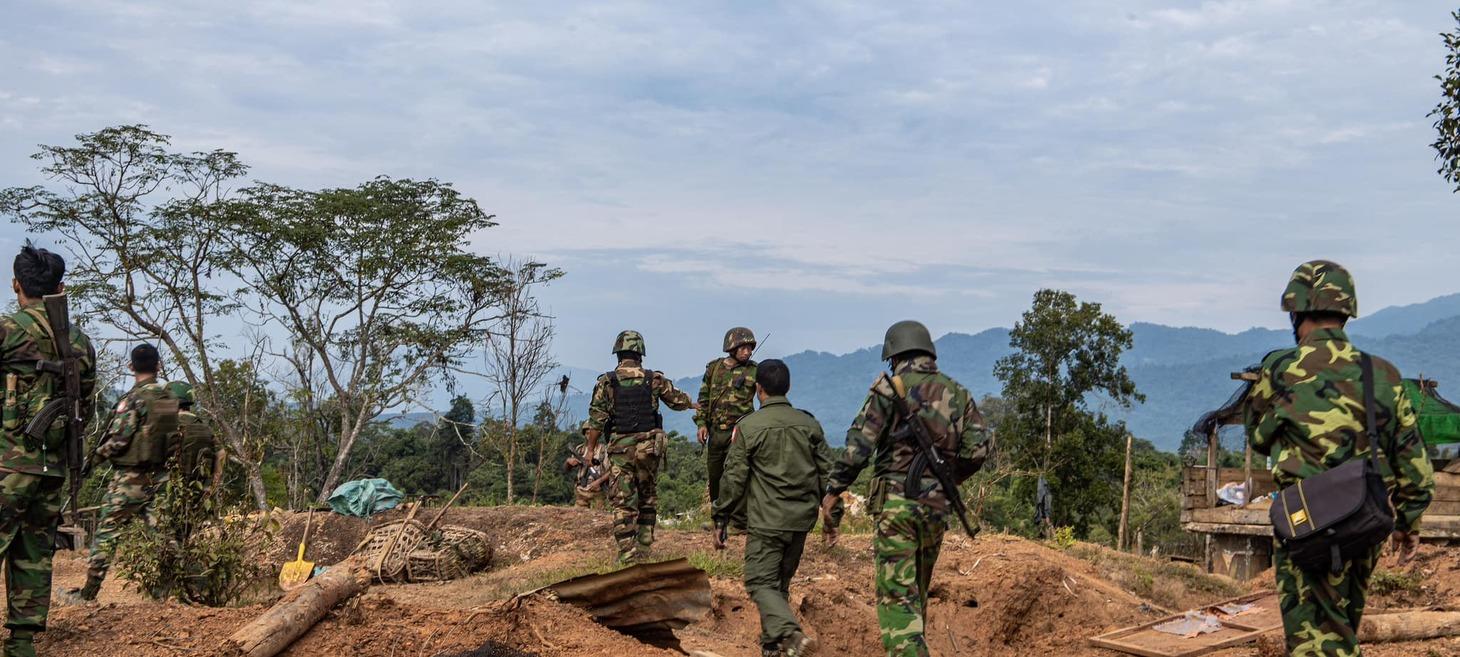
KIA retakes camps in northern Myanmar mining zone after junta offensive
The Kachin Independence Army (KIA) has recaptured two military camps in Tanai Township's gold and amber mining region of northern Myanmar after junta forces seized them in a December offensive. The ongoing conflict is driven by control over valuable natural resources, with the junta using heavy weapons and airstrikes while displacing thousands of civilians and miners from the area. Since launching a statewide offensive in March 2025, the KIA has captured over a dozen towns across Kachin State, and fighting continues in multiple townships, including Tanai, Waingmaw, and Bhamo.
myanmar-now.org
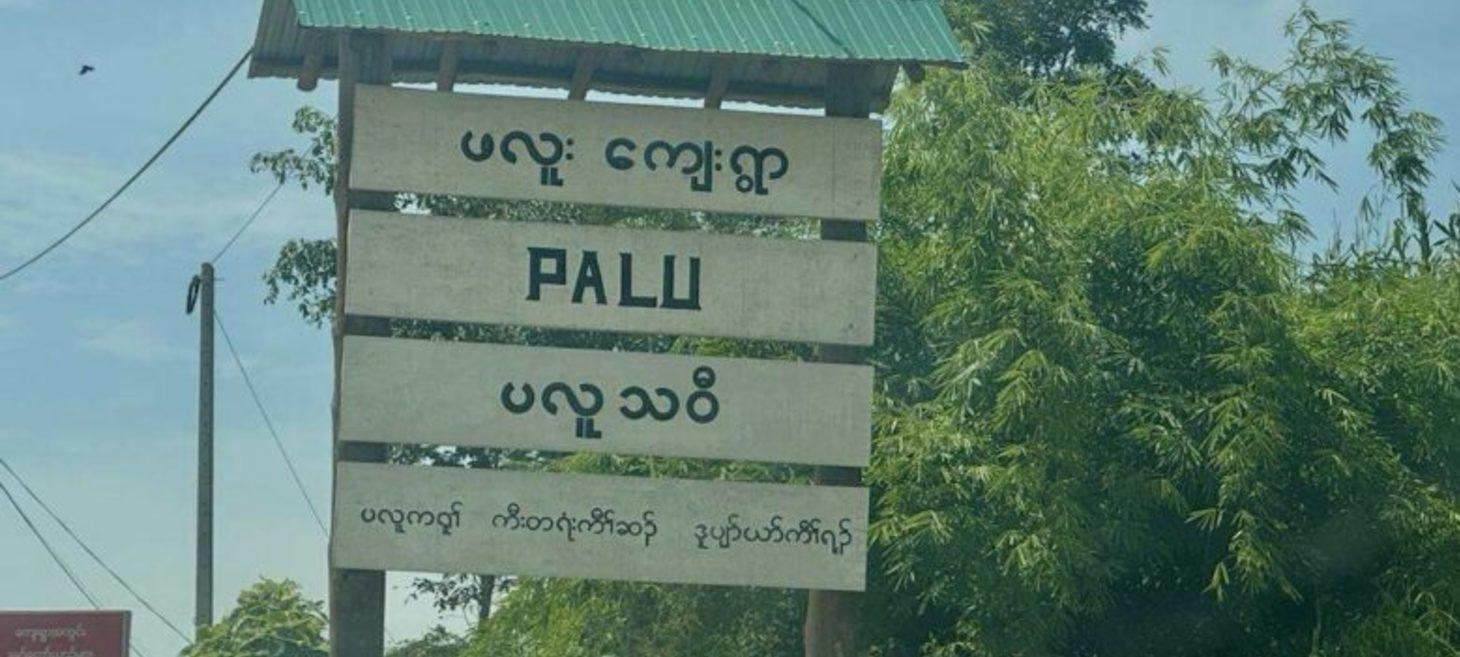
Fighting rages on in southern Myawaddy
Heavy fighting and airstrikes continue in southern Myawaddy, Karen State, as Myanmar's military junta attempts to advance on areas held by the Karen National Liberation Army (KNLA) and allied resistance groups. Despite over three months of sustained offensive operations, including airstrikes with 500-pound bombs, artillery shelling, and drone surveillance, junta forces have failed to capture key villages like Hpalu and Minletpan. More than 5,000 people have been displaced from the affected areas and are in urgent need of humanitarian assistance, including food and shelter.
karennews.org
Cybersecurity & Cybercrime
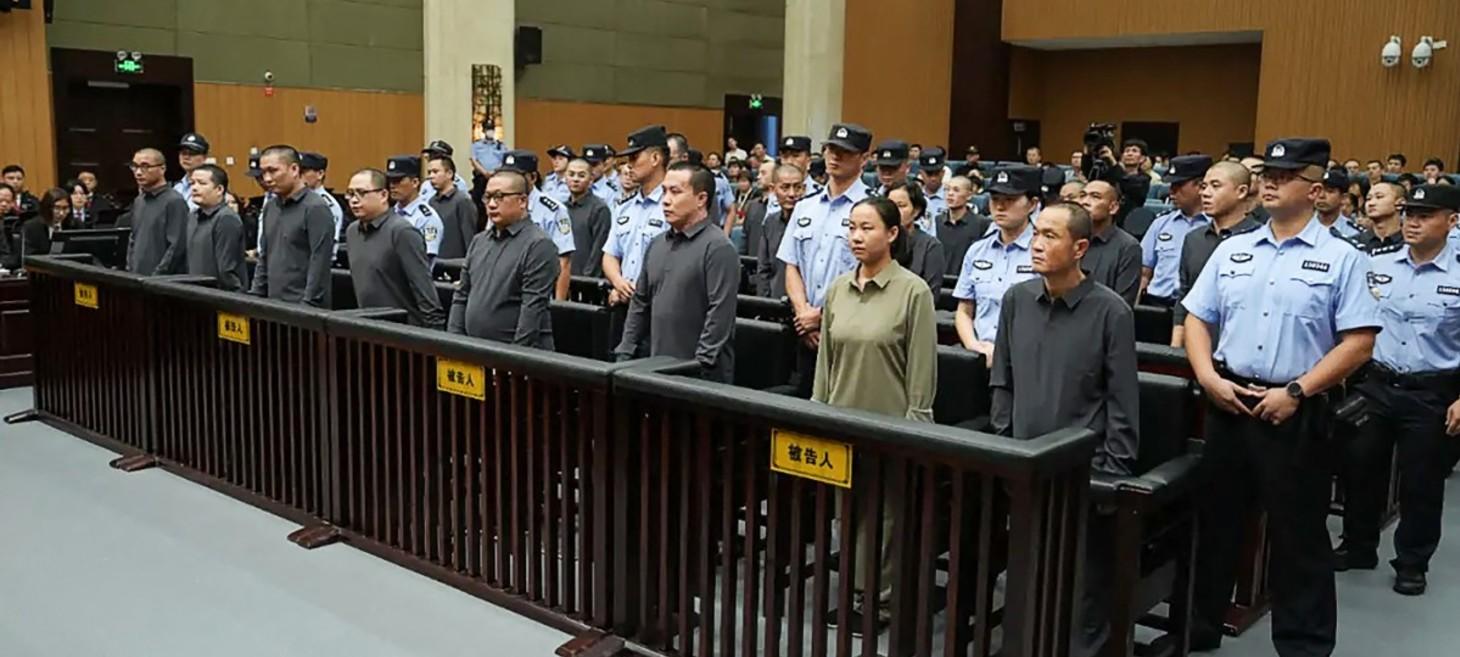
China executes 11 linked to Myanmar scam compounds
China executed 11 people on January 30, 2026, who were linked to telecom scam operations run from Myanmar's border regions, including key members of the notorious "Ming family" criminal syndicate. The scam compounds, which have flourished across Southeast Asia, use both willing participants and trafficked workers to conduct romance and cryptocurrency fraud targeting victims worldwide. Beijing is intensifying international cooperation to combat what it calls the "cancer of gambling and fraud," with dozens more defendants receiving lengthy prison sentences or suspended death sentences.
myanmar-now.org
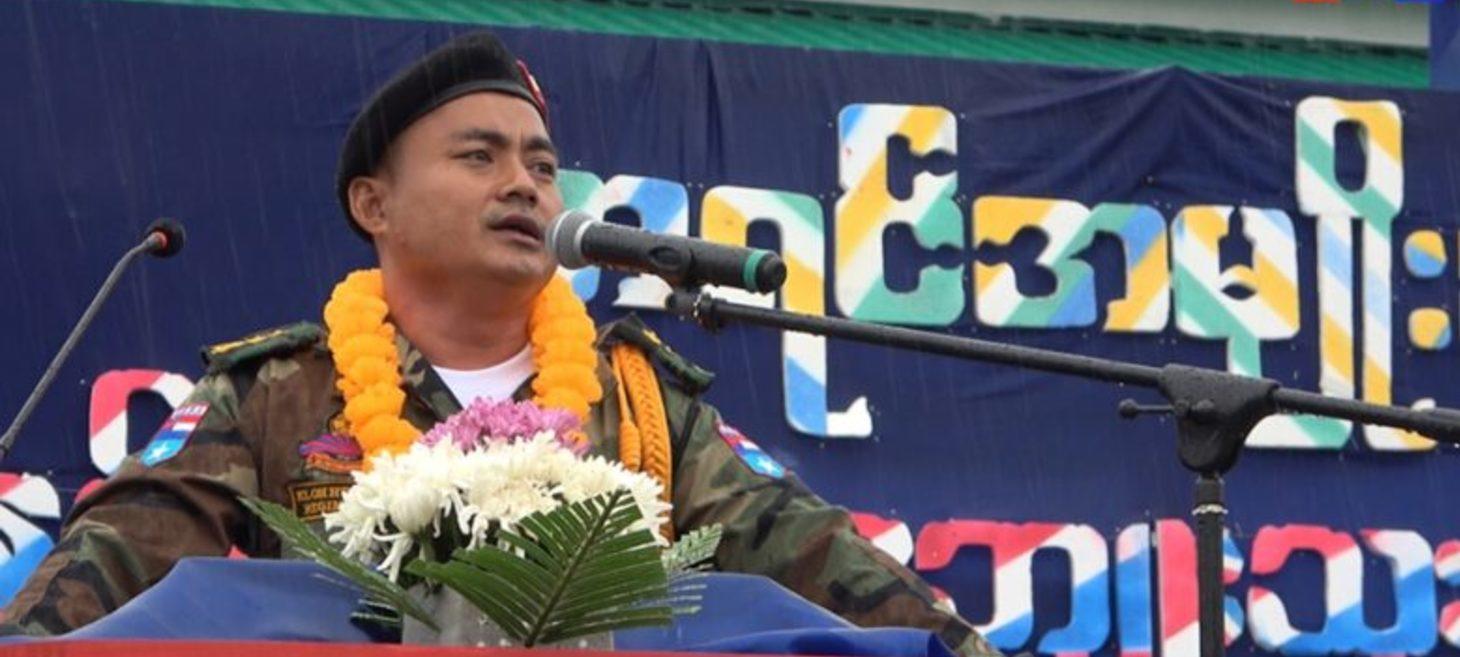
DKBA rejects reports of new telecom scam compound constructions in Payathonzu
The Democratic Karen Benevolent Army (DKBA) has denied media reports that new buildings are being constructed in Payathonzu Town, Karen State, to serve as telecom scam (Zhapian) operation hubs. DKBA spokesperson Colonel Saw A Wan claims the Chinese nationals present are only building legitimate factories for tapioca flour and animal feed processing, not high-rise scam compounds, and accuses the reports of being intended to divide Karen armed groups. However, a local resident contradicts this, confirming that Chinese individuals are constructing multiple guarded buildings in cleared forest areas with restricted access.
karennews.org
Economy
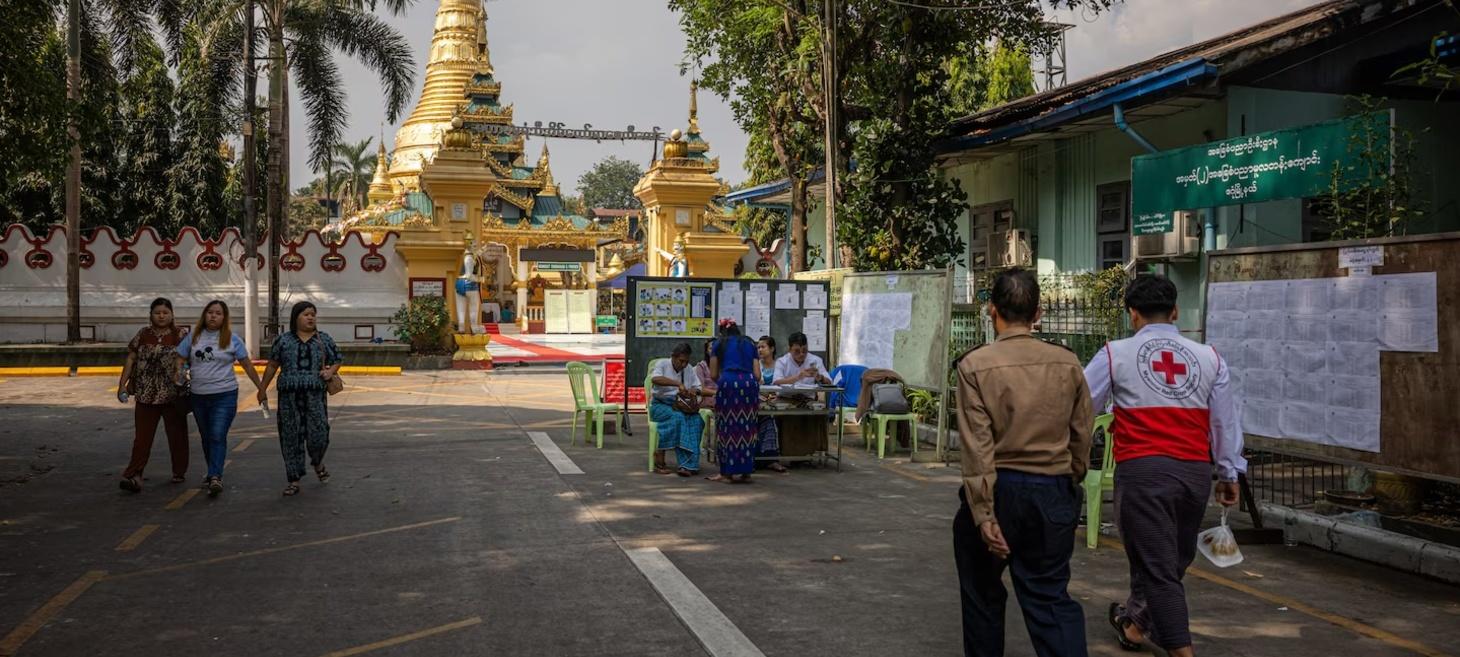
Coca-Cola, cat food, tampons. The missing goods of military-run Myanmar.
Myanmar's military regime has drastically tightened import restrictions over the past year to combat rebel groups, creating severe shortages of everyday goods ranging from Coca-Cola and KFC sauces to tampons and cat food, with residents forced to rely on black markets or smugglers. The restrictions have suffocated Yangon's economy, with traders facing months-long delays for import licenses and extortionate bribes, while inflation hovers between 20-40% since the 2021 coup. Despite international journalists being allowed back to observe a military-controlled election, the visit revealed widespread exhaustion among Myanmar's population as economic pressures mount and international support for the pro-democracy movement crumbles.
washingtonpost.com
Ethnic Issues
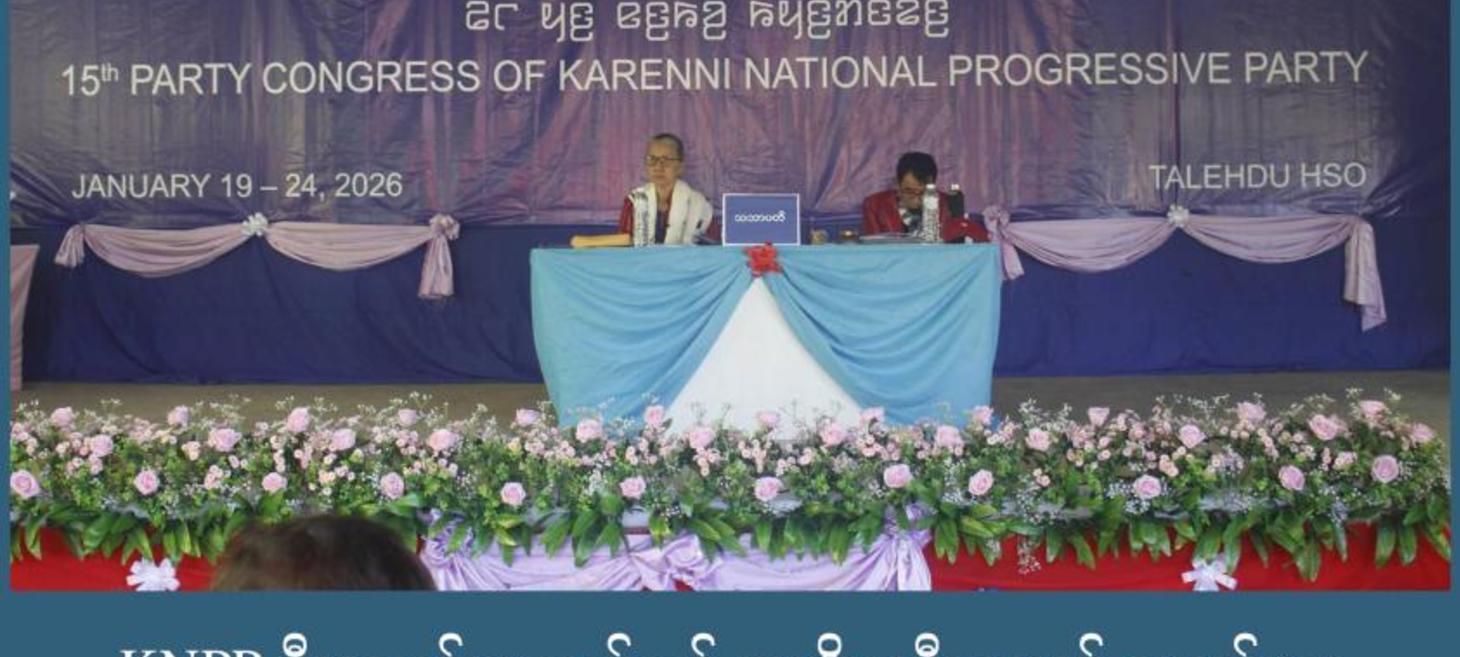
Reformed KNPP leadership brings more women and youth to the fore
The Karenni National Progressive Party (KNPP) held a congress in January 2026 that significantly increased women and youth representation, with women now comprising 50% of the 12-member Central Committee and five young people under 35 joining the 30-member body. While the top leadership (Chairman Khu Oo Reh, Vice Chairman Khu Hte Bu, and General Secretary U Aung San Myint) remains unchanged, Vice Chairman Khu Hte Bu resigned from his NUG deputy minister position to focus on Karenni State affairs. The KNPP, founded in 1957 and a key player in the post-2021 coup resistance, is pursuing a bottom-up federalism approach and continues working with allied forces to establish a federal democratic union.
bnionline.net
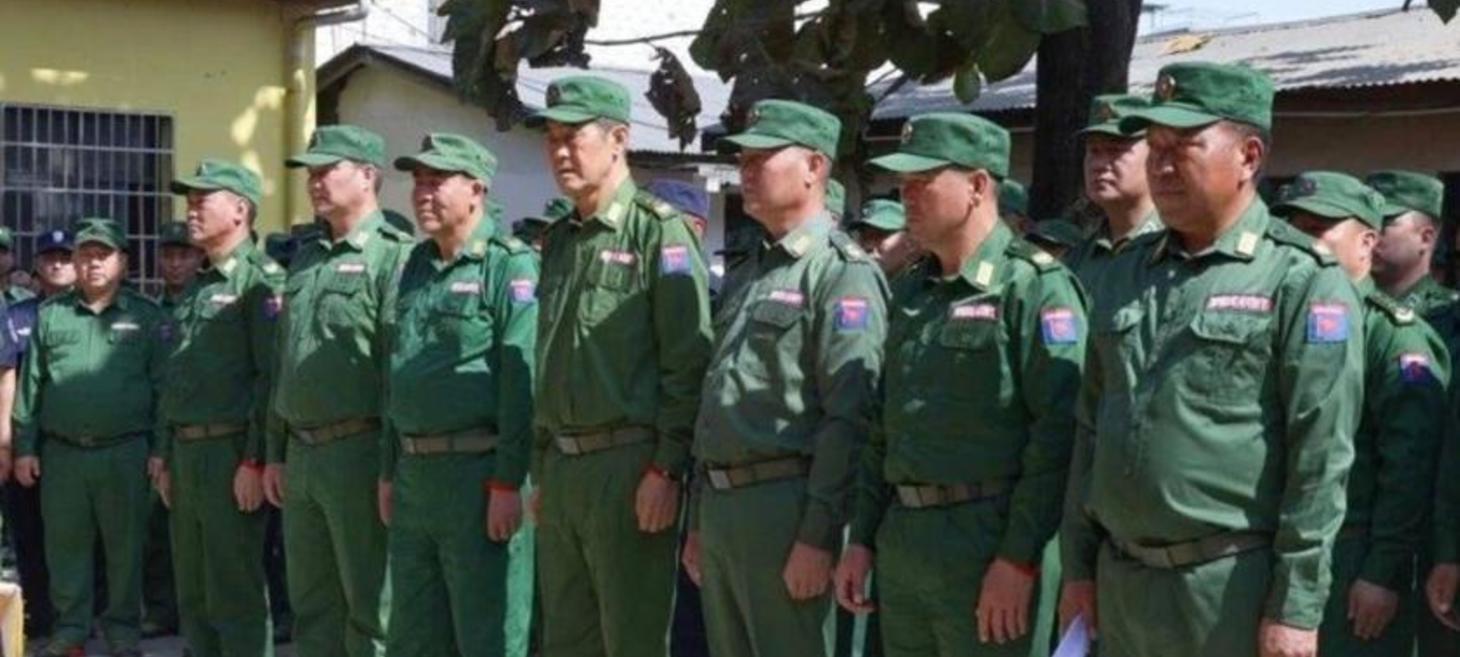
Junta, MNDAA hold another meeting in Lashio
The Myanmar junta and the Kokang ethnic armed group MNDAA held another meeting in Lashio on January 30, 2026, following earlier negotiations that had led to the removal of MNDAA checkpoints along the Lashio-Thibaw Road. After the meeting, MNDAA troops unexpectedly redeployed and reactivated their checkpoints along the highway, reversing the previous withdrawal agreement. Both sides continue frequent negotiations under Chinese pressure while simultaneously conducting parallel military conscription drives-the junta targeting young people in downtown Lashio and the MNDAA forcibly drafting villagers in rural areas under its control.
bnionline.net
Foreign Affairs
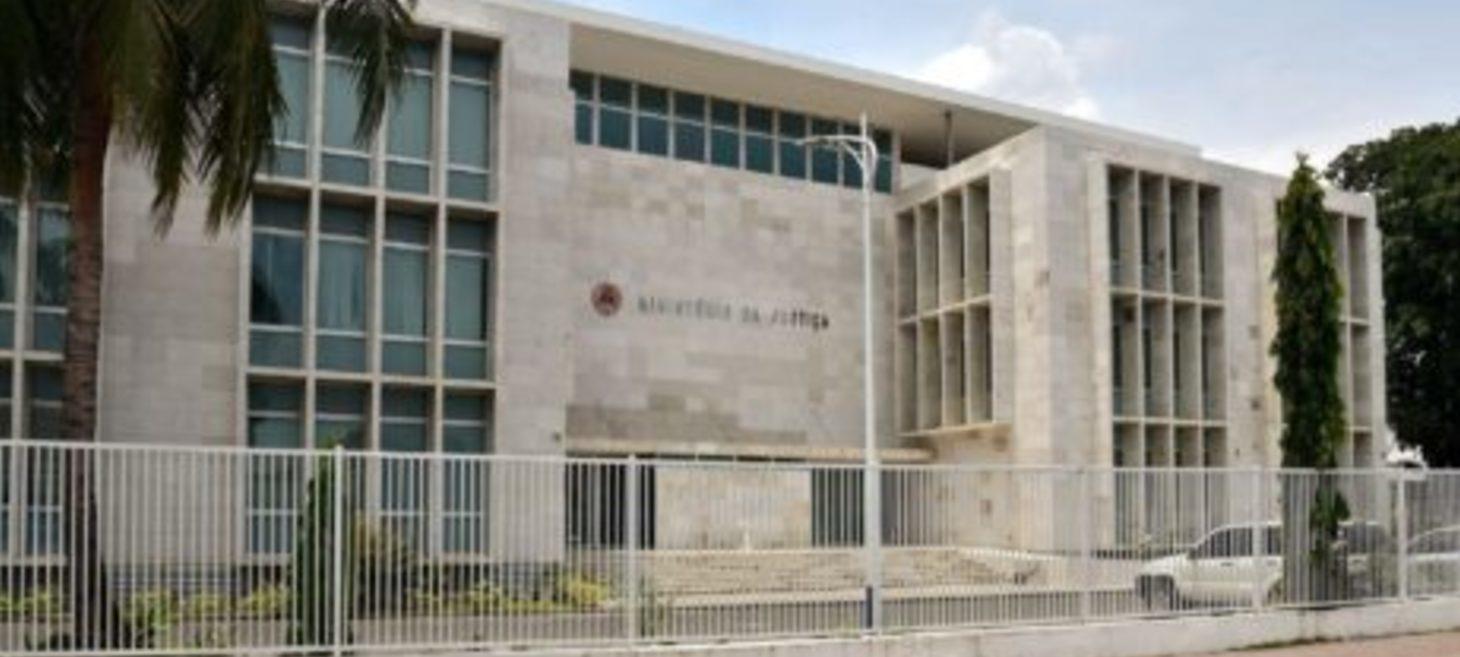
Timor-Leste Opens Legal Proceedings Against Myanmar’s Military Junta
Timor-Leste has initiated legal proceedings against Myanmar's military junta, including leader Gen. Min Aung Hlaing, for war crimes and crimes against humanity following a criminal complaint filed by the Chin Human Rights Organization detailing atrocities such as rape, murder, and attacks on civilians in Chin State. This marks the first time an ASEAN member state has taken such action against a fellow member, breaking with the bloc's traditional "non-interference" principle. The case adds to mounting legal pressure on Myanmar's military, which already faces charges at international courts and universal jurisdiction cases in several countries, primarily related to the 2017 Rohingya genocide and post-2021 coup abuses.
thediplomat.com
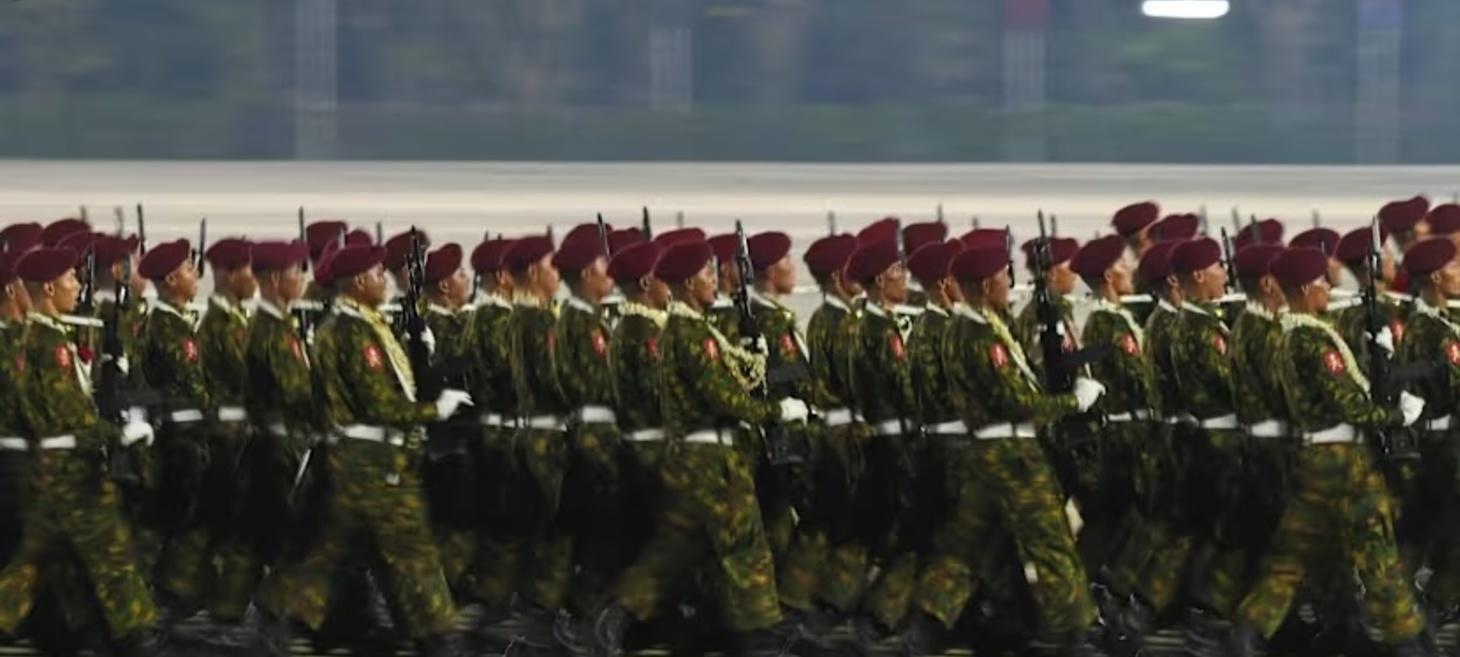
Myanmar and Russia agree to new military alliance
Myanmar and Russia have signed a five-year military cooperation pact lasting until 2030, following a visit by Russia's top security official Sergei Shoigu. Russia has been crucial to Myanmar's military junta maintaining power since its 2021 coup, providing fighter jets that have been used against rebels and civilians in the ongoing civil war. Both nations, isolated by Western sanctions, pledged to support each other against international pressure, with Russia promising comprehensive assistance to Myanmar, including in the international arena.
channelnewsasia.com
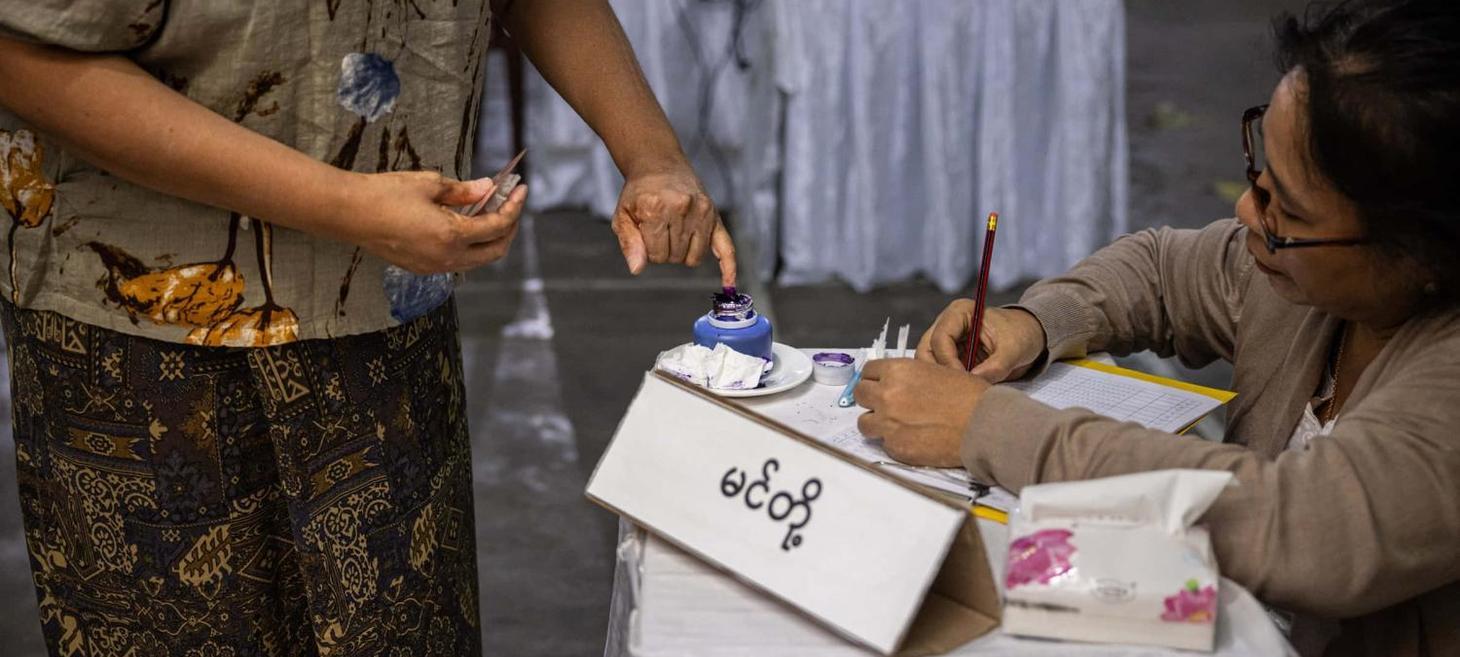
US policy in post- election Myanmar
This article discusses President Trump's silence on Myanmar's widely condemned sham elections held in January 2026, five years after a military coup. Despite Myanmar presenting several issues that align with Trump's foreign policy priorities, including narcotics trafficking, rare earth deposits, and Chinese influence, the administration has not taken action or issued condemnation. The only US response has been immigration-related measures targeting Myanmar nationals, which penalize the people rather than the military regime, highlighting a growing divergence between US and other Western nations' approaches to Myanmar.
lowyinstitute.org
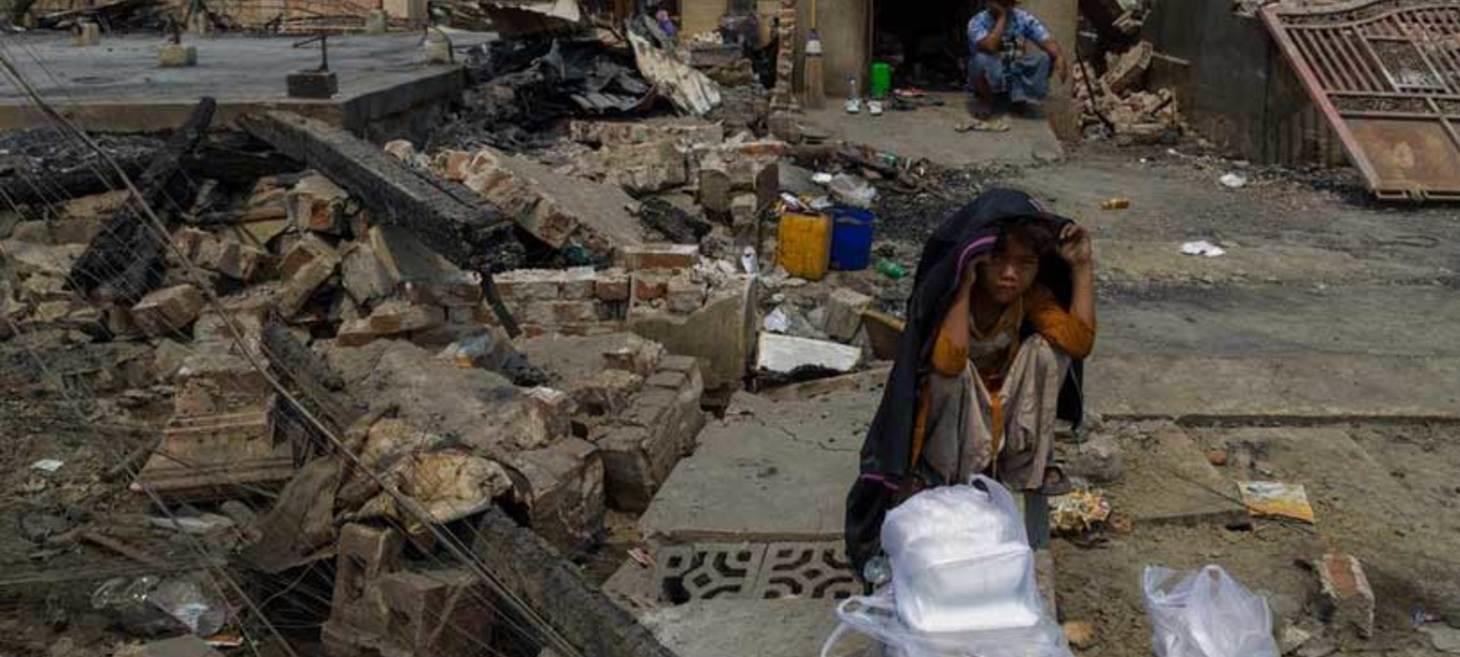
Iran Fueling Atrocities in Myanmar Despite Internal Chaos
Despite facing economic collapse and domestic unrest, Iran has delivered approximately 175,000 tons of jet fuel to Myanmar's military junta since late 2024, enabling a brutal air campaign that has killed at least 1,700 civilians and doubled airstrikes on schools, hospitals, and villages. This partnership serves Iran's strategic goal of remaining an indispensable partner to isolated authoritarian regimes, generating desperately needed hard currency (over $120 million from confirmed shipments) while projecting influence in a world increasingly seeking to isolate Tehran. The fuel deliveries, conducted through a shadow fleet to evade sanctions and overseen by entities linked to Iran's Revolutionary Guard Corps, demonstrate how Iran's external aggression intensifies rather than diminishes as its internal weakness grows.
moderndiplomacy.eu

Trump’s ‘America First’ Policy Pushes Allies Toward China
A global survey by the European Council on Foreign Relations finds that Trump's "America First" policies are pushing US allies-including Canada, South Korea, and European nations-toward closer ties with China. In January 2026, leaders from Canada, Ireland, Finland, South Korea, and Britain all visited Beijing, seeking economic partnerships and stability amid Washington's tariff threats and unpredictable diplomacy. The shift reflects pragmatic risk management rather than affection for Beijing, as allies diversify relationships to protect their markets and security interests.
irrawaddy.com
General News
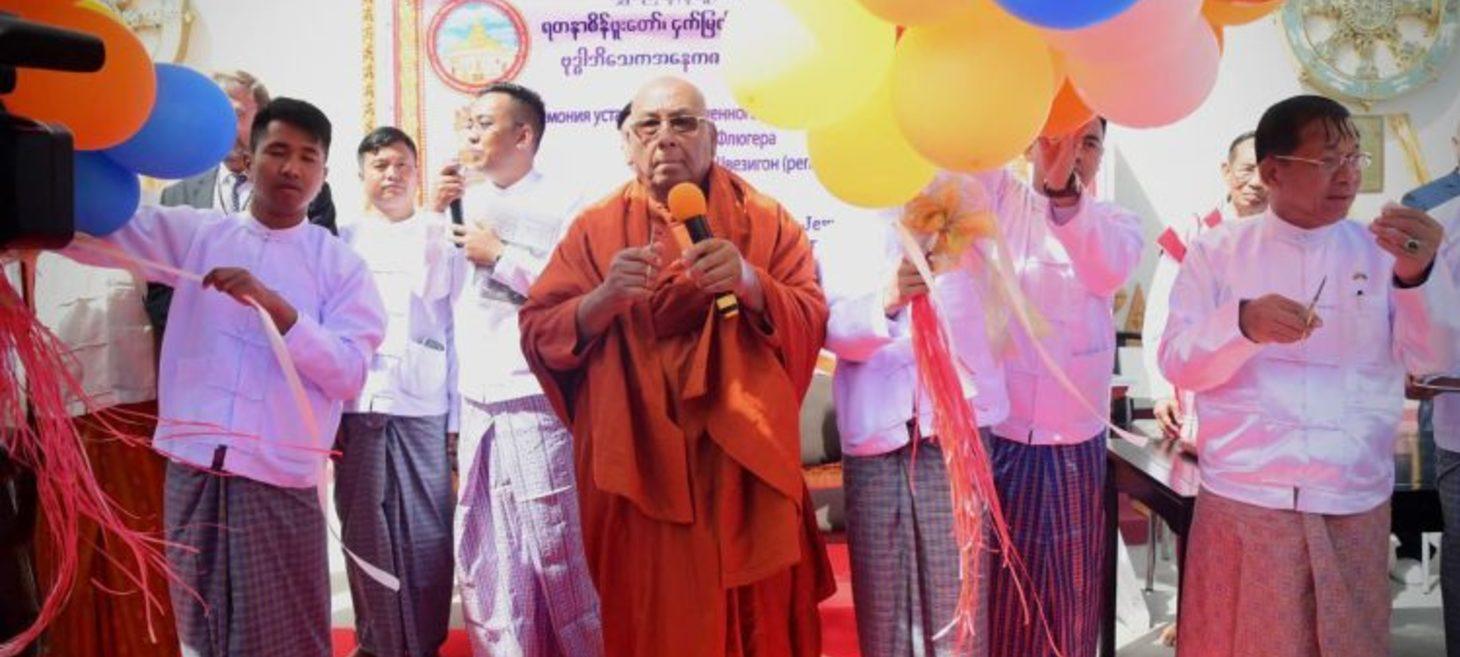
Nationalist Monk Shrugs Off Accusations in Rohingya Genocide Case
Prominent pro-junta monk Sitagu Sayadaw has dismissed accusations at the International Court of Justice that his 2017 sermon-which likened non-Buddhists to animals-helped legitimize genocide against the Rohingya. The Gambia's legal team cited the sermon as evidence that religious figures provided "absolution for genocide" during the military's violent crackdown in Rakhine State, which drove hundreds of thousands of Rohingya to flee to Bangladesh. The 89-year-old monk, who has close ties to coup leader Min Aung Hlaing, claimed his words were merely taken from an ancient Buddhist chronicle and that there is "no case" against him.
irrawaddy.com
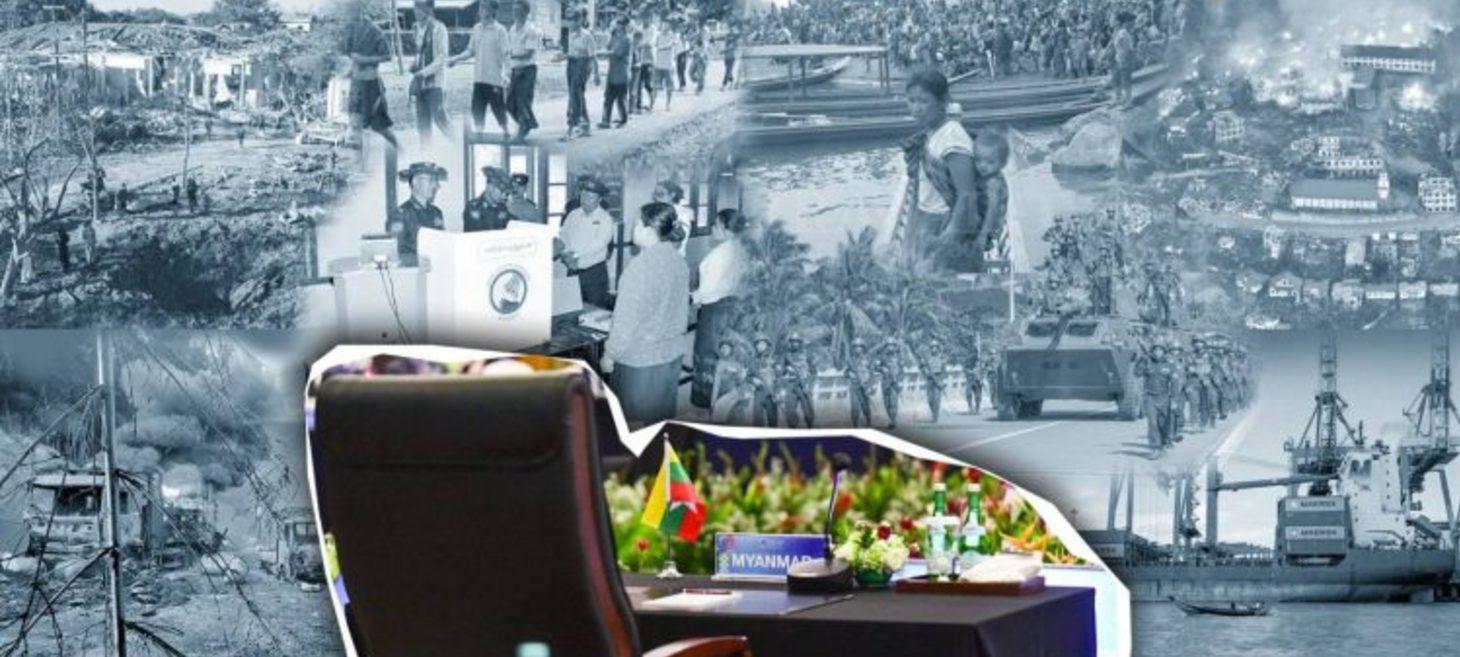
Five Years After the Coup, Myanmar Is Worse Off Than Ever
Five years after Myanmar's 2021 military coup, the country faces a devastating humanitarian crisis with nearly 7,800 killed, over 30,000 arrested, 3.6 million displaced, and 113,000 homes destroyed in junta arson attacks. The economy has collapsed, with foreign investment falling to a quarter of pre-coup levels and inflation rising nearly tenfold, while the regime has become increasingly isolated internationally and excluded from ASEAN summits. Despite holding widely rejected elections in late 2025 and early 2026, the junta faces ongoing armed resistance that controls roughly 90 towns and large rural areas across the country.
irrawaddy.com
Governance & Rule of Law
Myanmar junta calls coup-protesting civil servants back to work
Myanmar's military junta is calling civil servants who quit in protest after the 2021 coup to return to work, promising to remove their names from blacklists if they haven't committed offenses. The appeal comes after the junta completed elections last week that democracy watchdogs criticized as rigged to maintain military control, while fighting continues across much of the country. Aung San Suu Kyi remains detained, her party has been dissolved, and over 22,000 political prisoners are currently jailed.
ujyaalonepal.com
National Unity Government
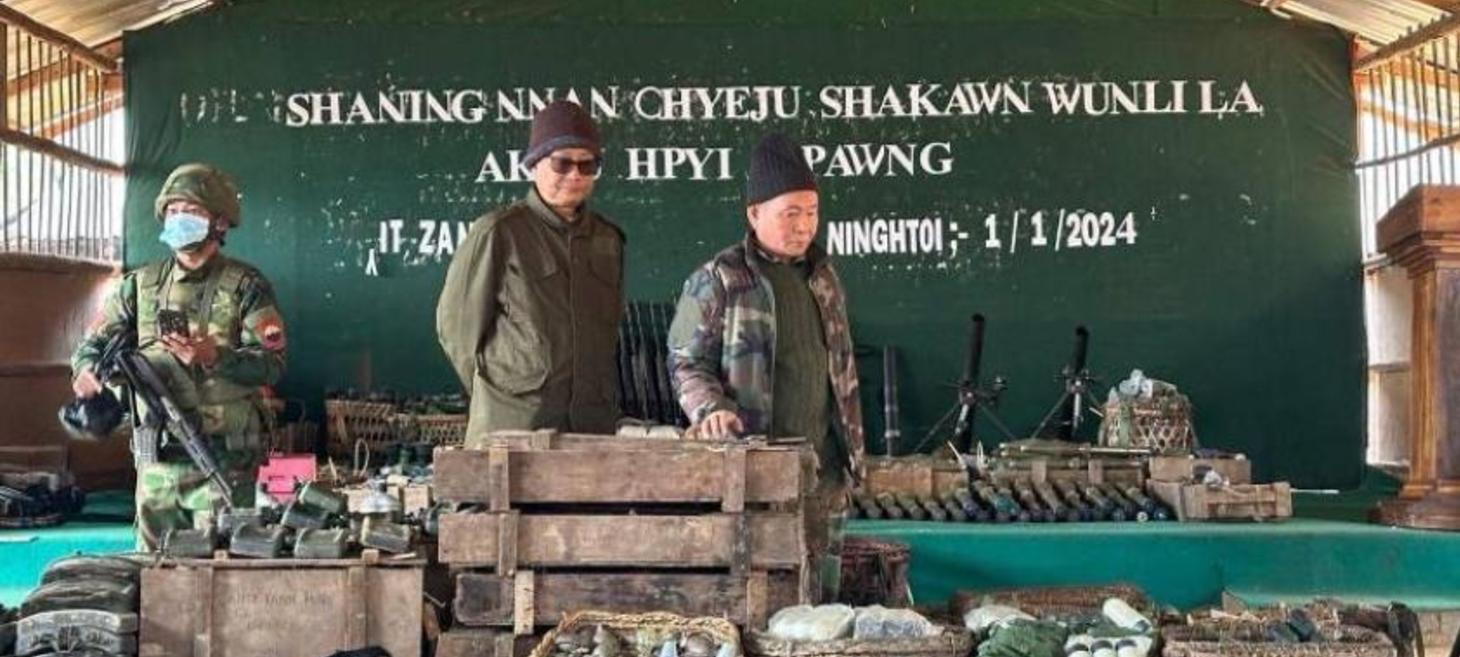
NUG and ethnic groups discuss formation of “federal council” to unite Myanmar revolutionary leadership
The National Unity Government (NUG) and major ethnic revolutionary organizations in Myanmar are negotiating to establish a unified coalition, tentatively called the "Federal Council," to provide joint leadership for the resistance movement in 2026. High-level meetings were held from January 23-25 involving the NUG, the National Unity Consultative Council, and regional interim administrations. The proposed coalition aims to consolidate the diverse governance and military structures of various resistance groups, including territorial authorities from Kachin, Kayah, Karen, and Chin states.
bnionline.net
Natural Disaster
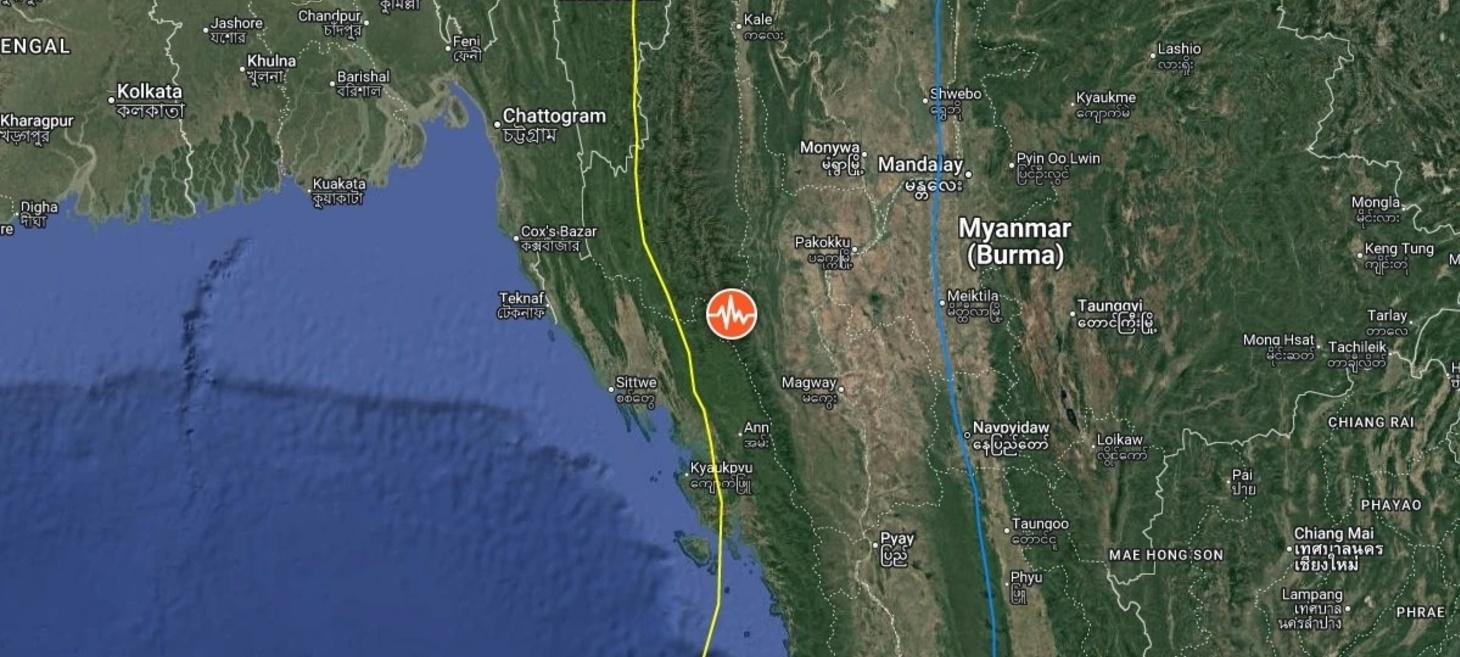
M5.9 earthquake hits Rakhine-Magway border region, Myanmar
A magnitude 5.9 earthquake struck the Rakhine-Magway border region of Myanmar on February 3, 2026, at a depth of approximately 55-63 km. Over 15 million people experienced shaking ranging from weak to moderate, with the epicenter located about 95 km west of Yenangyaung. The USGS issued a Green alert indicating a low likelihood of casualties and damage, though buildings in the region are generally vulnerable to earthquake shaking.
watchers.news
Telecommunications
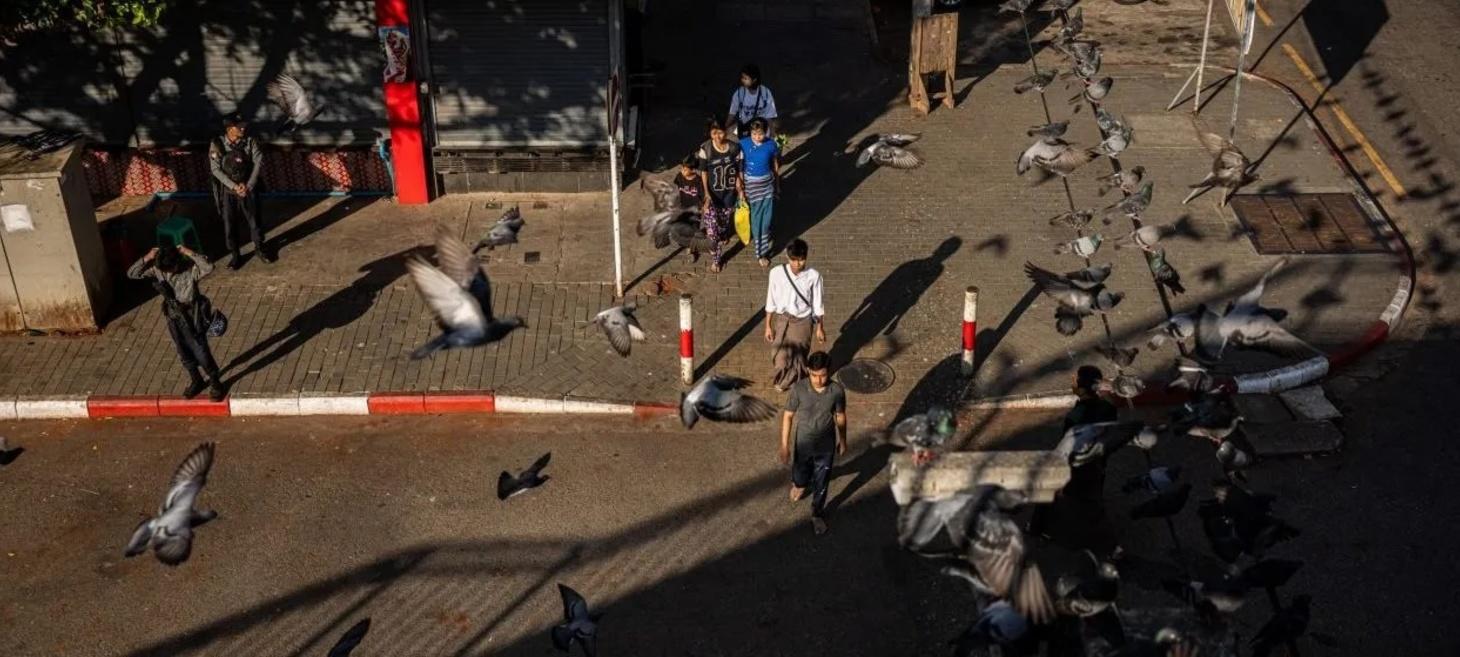
Myanmar’s Digital Authoritarianism: Building a Surveillance State with Chinese Technology Transfers
Myanmar's military junta has built an advanced digital surveillance state using Chinese technology, including the "Person Scrutinization and Monitoring System" (PSMS) that integrates AI-enabled cameras, biometric databases, and real-name SIM registration to track and monitor the population. Chinese companies such as Huawei, Hikvision, and Dahua supplied facial recognition CCTV systems, monitoring software, and internet filtering tools that form the infrastructure, which has digitized more than 52 million biometric identity records, covering nearly the entire population. This surveillance apparatus is primarily used to suppress political opposition, with the system reportedly flagging at least 1,657 people for arrest between March and May 2025, demonstrating how imported Chinese surveillance technology enables authoritarian control even in countries with weak governing capacity.
fulcrum.sg