Introduction & Analysis
This collection of open-source English-language news articles published over the past week highlights significant events and issues concerning Myanmar. They present a snapshot of the country's safety and security landscape.
The military regime is consolidating its authority through a three-phase election process aimed at installing Senior General Min Aung Hlaing as president, a strategy that has forced Myanmar to shift from a non-aligned foreign policy to one of deep asymmetric dependence on China for economic survival and diplomatic cover.
While the Arakan Army has effectively ended the military's presence in most of Rakhine State and is closing in on strategic port cities, the junta has managed to recapture the critical Mandalay-Mogok supply route, prompting resistance forces to form the new "Spring Revolution Alliance" to coordinate operations free from Chinese border pressure.
U.S. policy toward Myanmar is undergoing a significant shift under the Trump administration, characterized by a suspension of visas and a move toward "flexible realism" that prioritizes geopolitical competition over pro-democracy aid, even as bipartisan congressional efforts emerge to restore Temporary Protected Status for Burmese nationals.
The governance vacuum has empowered transnational criminal networks, with the junta conducting performative raids on drug and scam centers in Shan State to appease Beijing while powerful Wa networks systematically infiltrate Thailand's political and economic structures to launder illicit proceeds.
Myanmar Current Events
Conflict
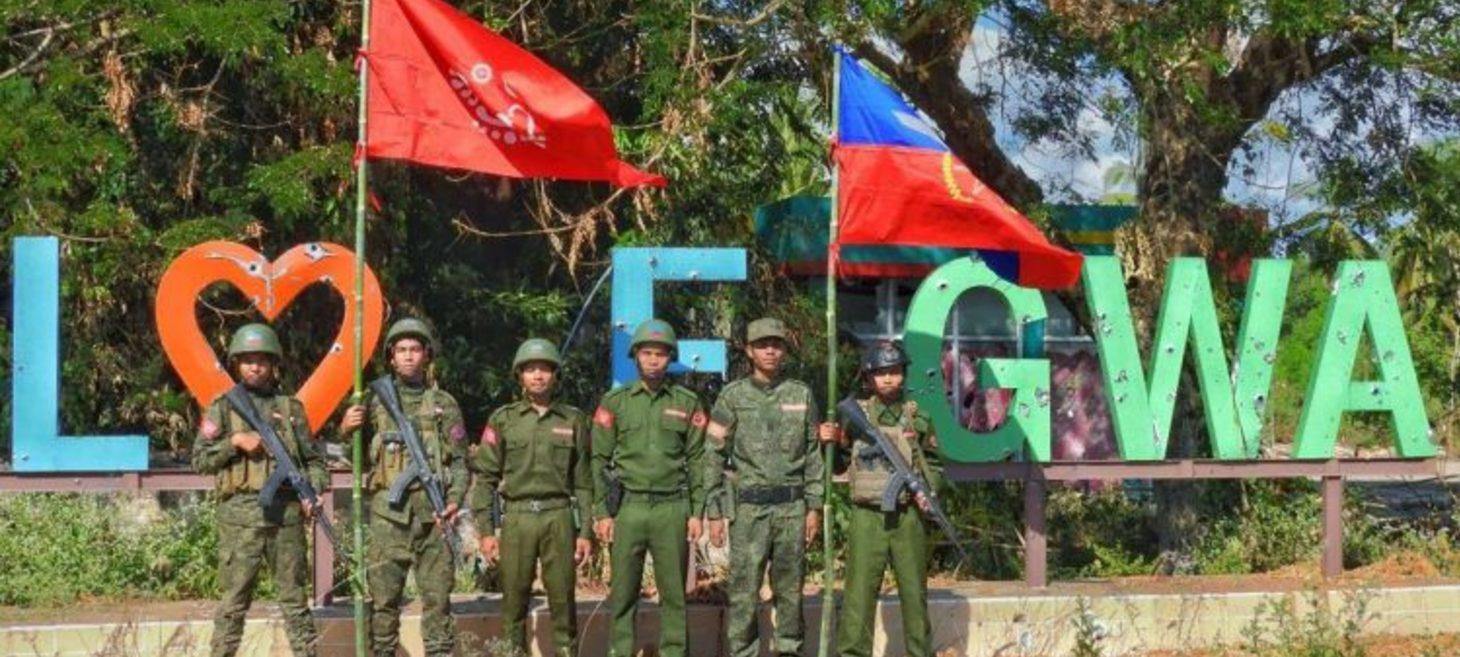
Charting the Arakan Army’s Battles in 2025
Since renewing its offensive in late 2023, the Arakan Army (AA) has captured 14 of 17 townships in Rakhine State while expanding its operations into central Myanmar and along the Bangladeshi border throughout 2025. Conflict dynamics vary across six active fronts, ranging from a tense standoff in the capital of Sittwe and civilian protection efforts in Maungdaw–Buthidaung to intense, reciprocal battles in strategically vital areas like Kyaukphyu and Nat Yay Kan. Despite the junta deploying massive reinforcements, airstrikes, and heavy artillery, it has failed to recapture any strategic positions from the AA, which is actively collaborating with local resistance groups in the Magwe, Bago, and Ayeyarwady regions.
irrawaddy.com
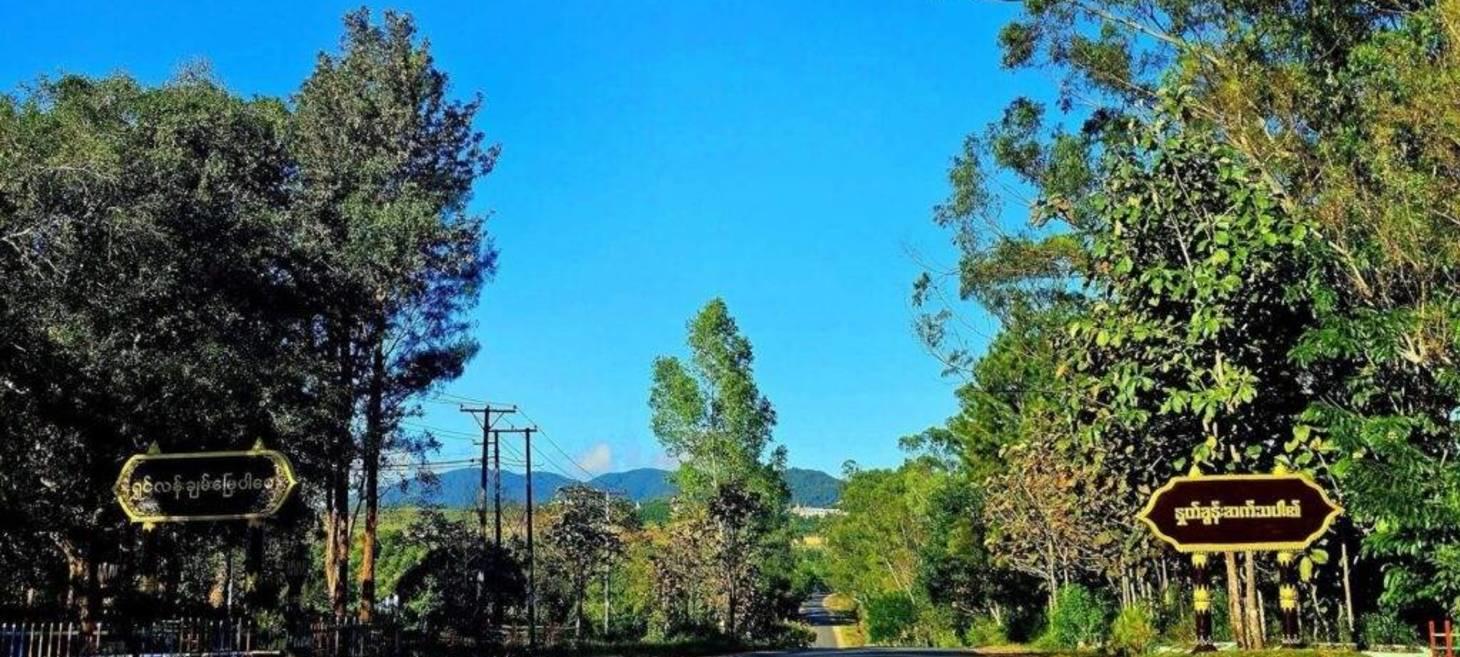
Residents Say Junta and PNO Soldiers Demand Food in Ywangan Villages
Residents of Ywangan Township are being compelled to provide meals and livestock to military regime troops and allied PNO militia members who stationed themselves in local monasteries under the pretext of providing election security. This demand for supplies occurs within a heavily militarized environment established since the 2021 coup, where struggling villagers are forced to support soldiers despite their own food shortages. Civilians in the region face ongoing distress from military operations targeting non-combatants, which have included the destruction of homes and granaries, forced labor, and the constant threat of violence from various armed groups.
shannews.org
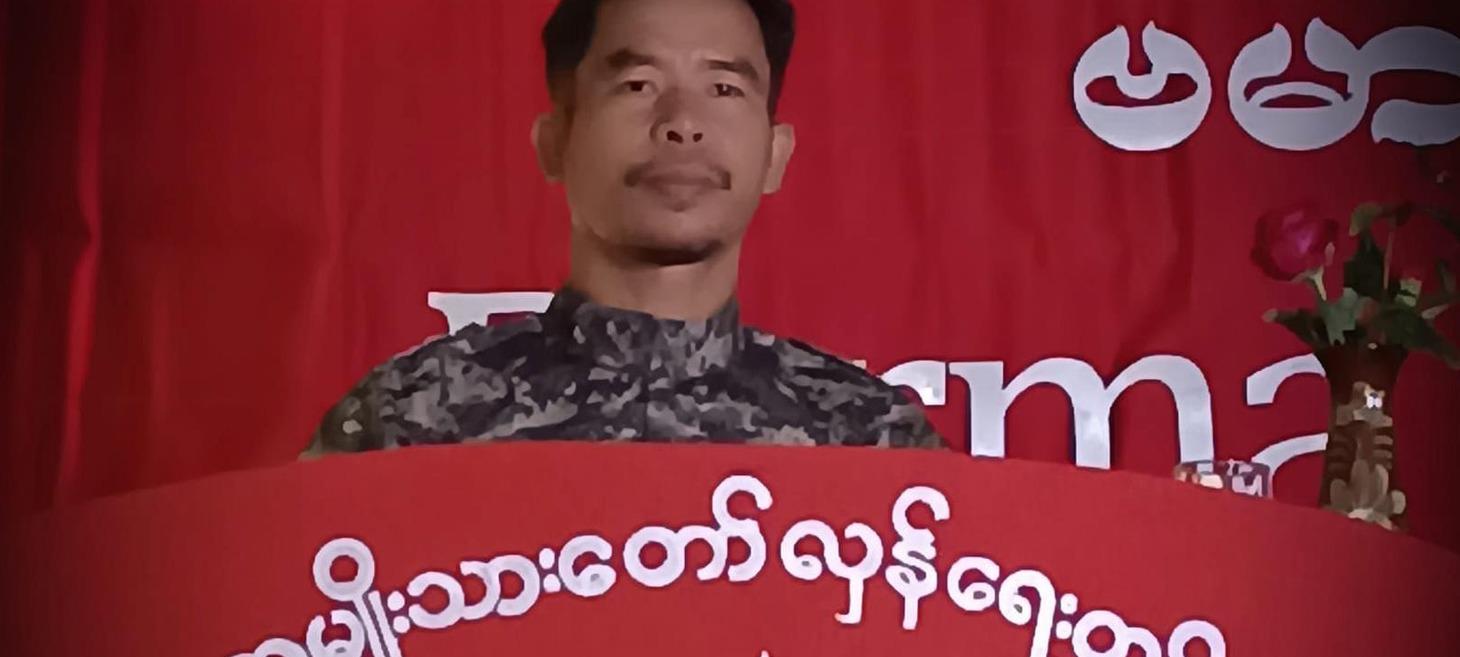
Tensions flare as Myanmar resistance forces clash over checkpoint in Sagaing’s Pale Township
Tensions between the National Unity Government (NUG) and the independent Burma National Revolutionary Army (BNRA) escalated into armed conflict at a security checkpoint in Sagaing’s Pale Township, resulting in the BNRA seizing weapons and tax revenue while detaining an NUG officer. Conflicting narratives surround the incident: the NUG asserts the gate was a legitimate, authorized tax collection point, while BNRA leader Bo Nagar claimed his forces intervened following civilian complaints about an unauthorized checkpoint. This clash highlights a broader trend of friction among resistance groups competing for limited financial resources to fund operations, a challenge exacerbated by intensified junta offensives in central Myanmar following ceasefires with ethnic armed organizations elsewhere.
myanmar-now.org
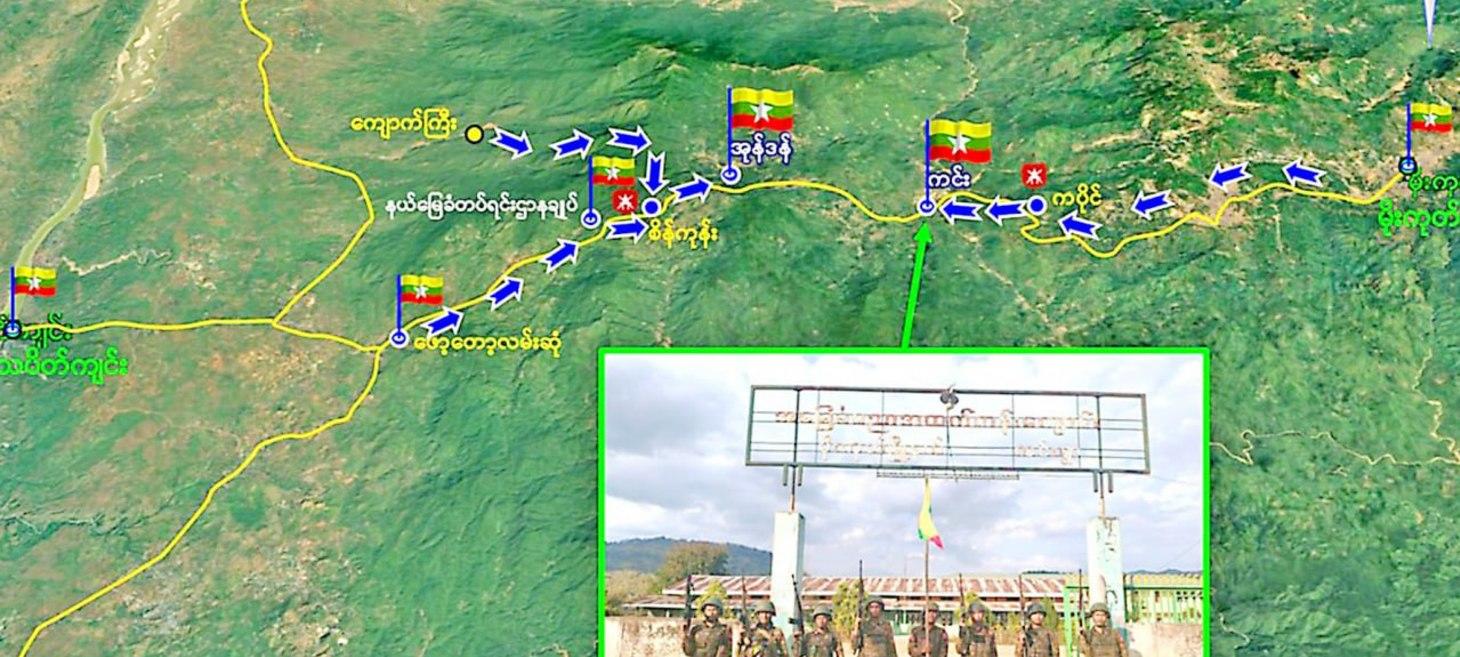
Myanmar junta recaptures key route into Mandalay
By January 2026, the Myanmar military successfully recaptured the critical Mandalay-Thabeikkyin-Mogok corridor, effectively severing the armed resistance's access to Mandalay City from the north and east and reversing significant territorial gains made during Operation 1027. Resistance sources attribute this strategic defeat to poor coordination among defense battalions and the junta's overwhelming counteroffensive, which utilized massed infantry, high-tech drones, and heavy airstrikes to force a retreat into the Sagaing Region. While the regime moves to hold controlled elections in reclaimed areas like Thabeikkyin, it continues to maintain strict travel restrictions and launch deadly artillery and air attacks against displaced civilians and retreating forces in neighboring Sagaing.
myanmar-now.org
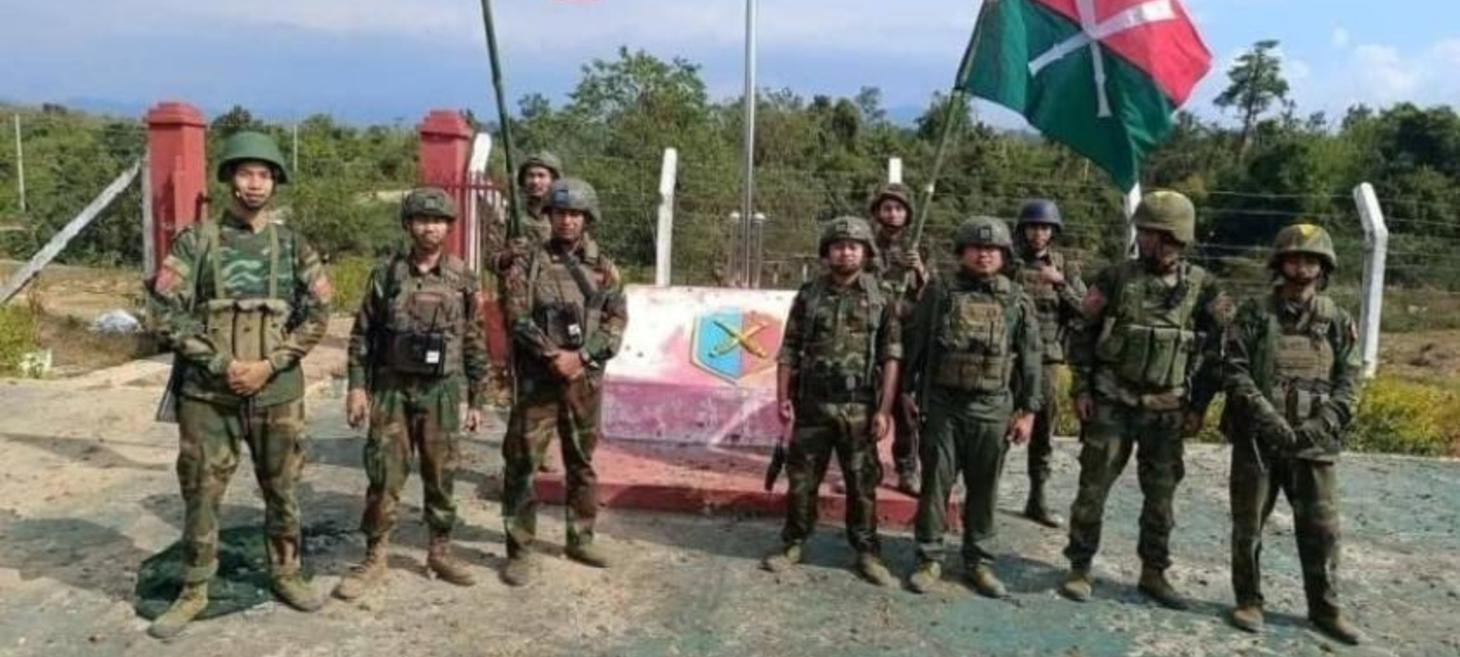
KIA forces seize Myanmar junta outpost in Bhamo, 20 soldiers surrender
On January 14, 2026, the Kachin Independence Army (KIA) captured a junta guard post located in front of Supply and Transport Battalion 933 in Bhamo, resulting in the surrender of 20 soldiers from Light Infantry Division (LID) 88. Although a KIA spokesperson confirmed that intense fighting is occurring daily in the area, communication difficulties prevented him from immediately verifying the specific details of the outpost seizure. This operation marks a significant advancement in the months-long battle for Kachin State’s second-largest city, where resistance forces continue to engage junta troops at multiple locations, including Infantry Battalion 47.
bnionline.net
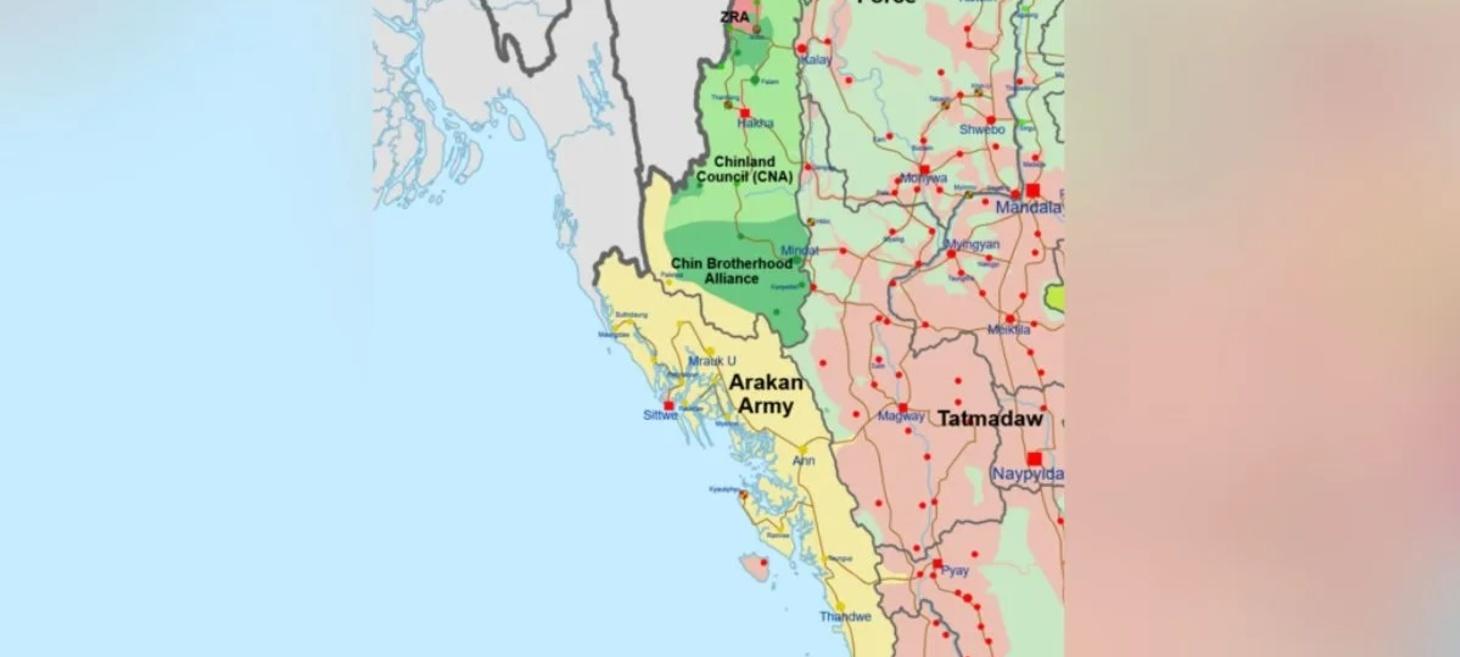
Renewed fighting in Myanmar’s Rakhine over strategic port cities
Fresh fighting has erupted between the Arakan Army (AA) and Myanmar’s military junta for control of the strategic port cities of Sittwe and Kyaukpyu, a significant escalation occurring after the AA secured 14 of Rakhine's 17 townships. These ports hold immense regional importance, as Sittwe is central to India's Kaladan Multimodal Transit Transport Project and Kyaukpyu is a cornerstone of China's Belt and Road Initiative. While the AA aims to consolidate its territory, the Myanmar military, emboldened by a junta-aligned bloc's recent electoral success, intends to use these cities as a bridgehead for further operations in the region.
thestatesman.com
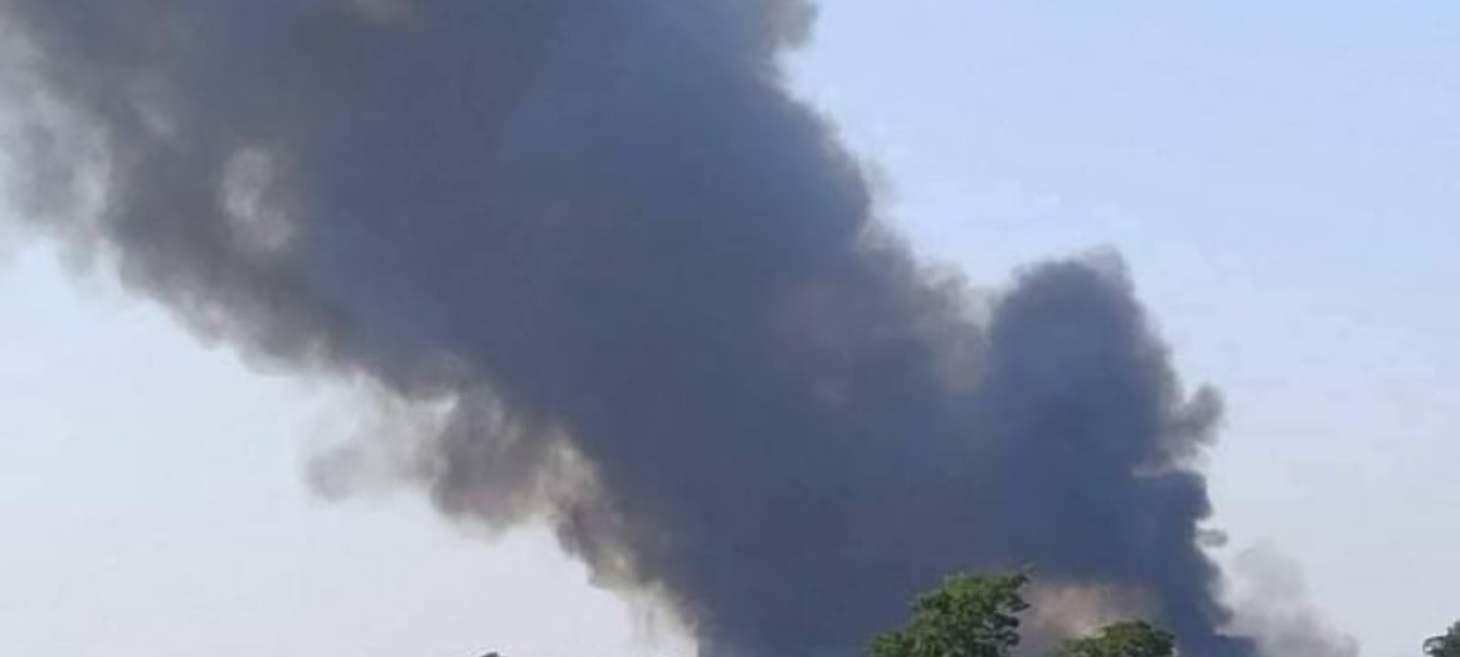
Joint Myanmar resistance offensive intensifies across Bago region as multiple fronts collapse
In early January 2026, joint resistance forces under the National Unity Government launched the "Sittaung River Valley Victory Operation," a massive, coordinated offensive that has since expanded into 26 townships across the eastern and western districts of the Bago Region. The campaign features intense combat along strategic arteries like the Yangon–Mandalay and Yangon–Pyay roads, including an urban capture effort in Tawkyweinn and new fronts opened by the Arakan Army in Padaung Township. These synchronized attacks have inflicted significant casualties on junta troops and high-ranking officers, exposing the Southern Regional Military Command's severe lack of combat-ready personnel.
mizzima.com
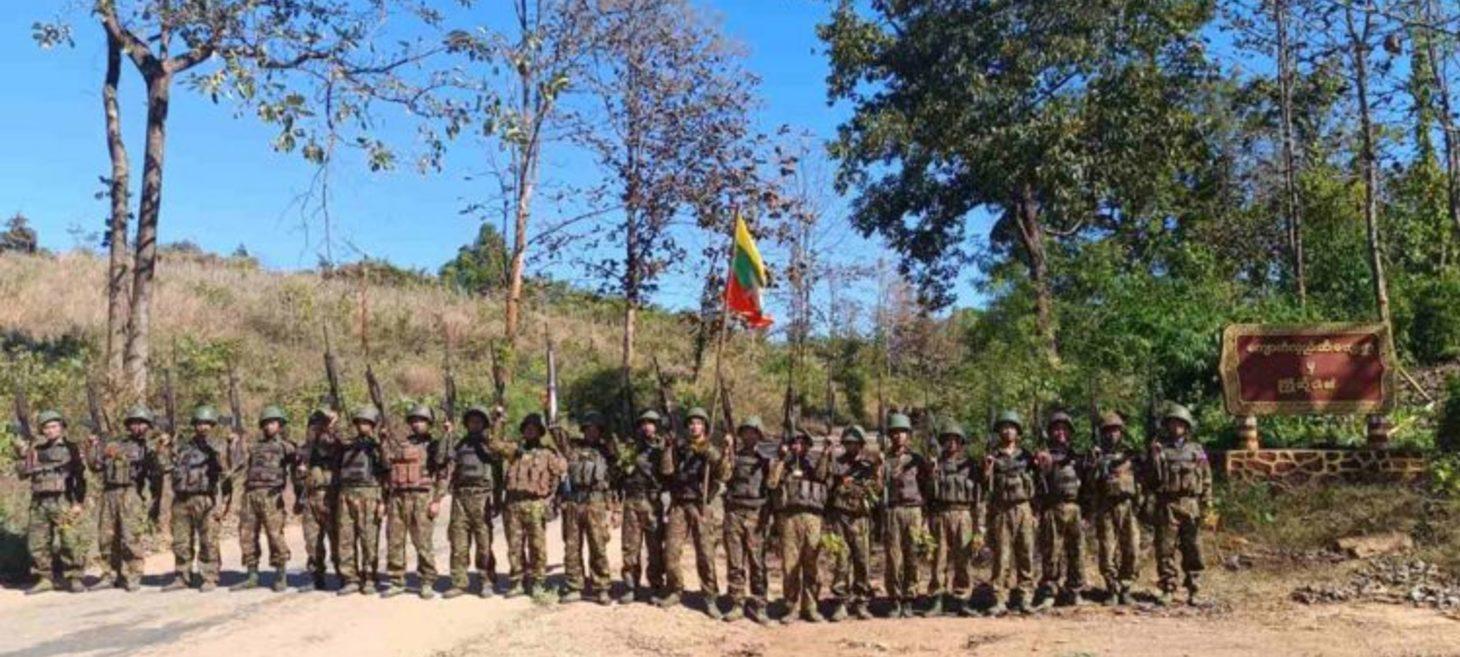
Myanmar Junta Unleashes Reign of Terror in Recaptured Mandalay Towns
After recapturing the northern Mandalay townships of Madaya, Singu, and Thabeikkyin, the Myanmar military regime has unleashed a "reign of terror" characterized by the sealing of civilian homes and the arrest of at least 40 residents. Junta troops are reportedly targeting families of the Mandalay People’s Defense Force (MDY–PDF) for arrest or execution, while press-ganging young men, extorting travelers, and punishing business owners who previously cooperated with resistance forces. This military resurgence, enabled by aerial bombardments and troop redeployments from northern Shan State following China-brokered ceasefires, has forced resistance groups to relinquish key positions and resulted in strict movement restrictions for returning villagers.
irrawaddy.com
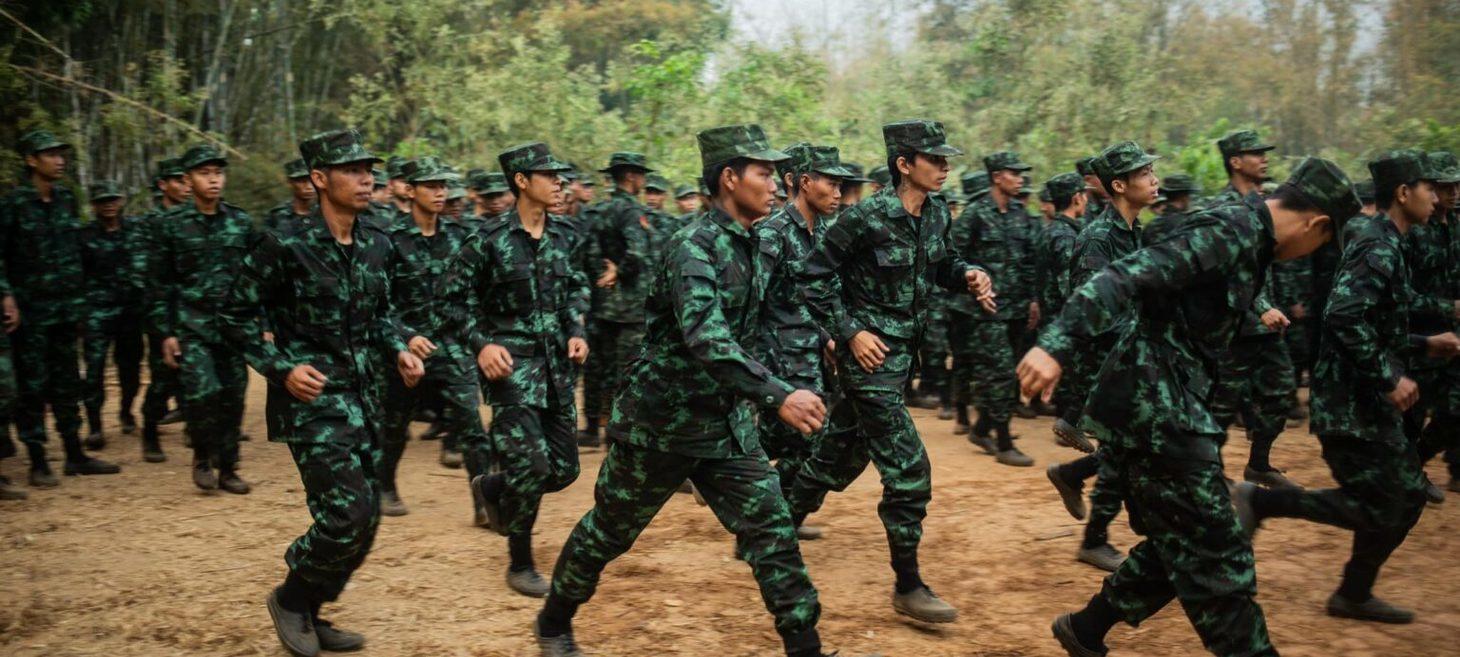
Beyond Beijing’s reach, a new resistance alliance takes shape in Myanmar
The Spring Revolution Alliance (SRA) emerged in late 2025 as a coalition of 19 armed groups seeking to unite resistance forces that operate independently of the National Unity Government and major ethnic armed organizations. By consolidating fighters largely outside the Chinese border, the alliance aims to pursue military objectives without being subject to the external pressure from Beijing that previously stalled the Brotherhood Alliance's Operation 1027. The SRA, which coordinates at least 15,000 active fighters through a joint military committee, intends to use this strategic distance to sustain revolutionary momentum and secure military victory against the junta.
myanmar-now.org
Crime & Narcotics
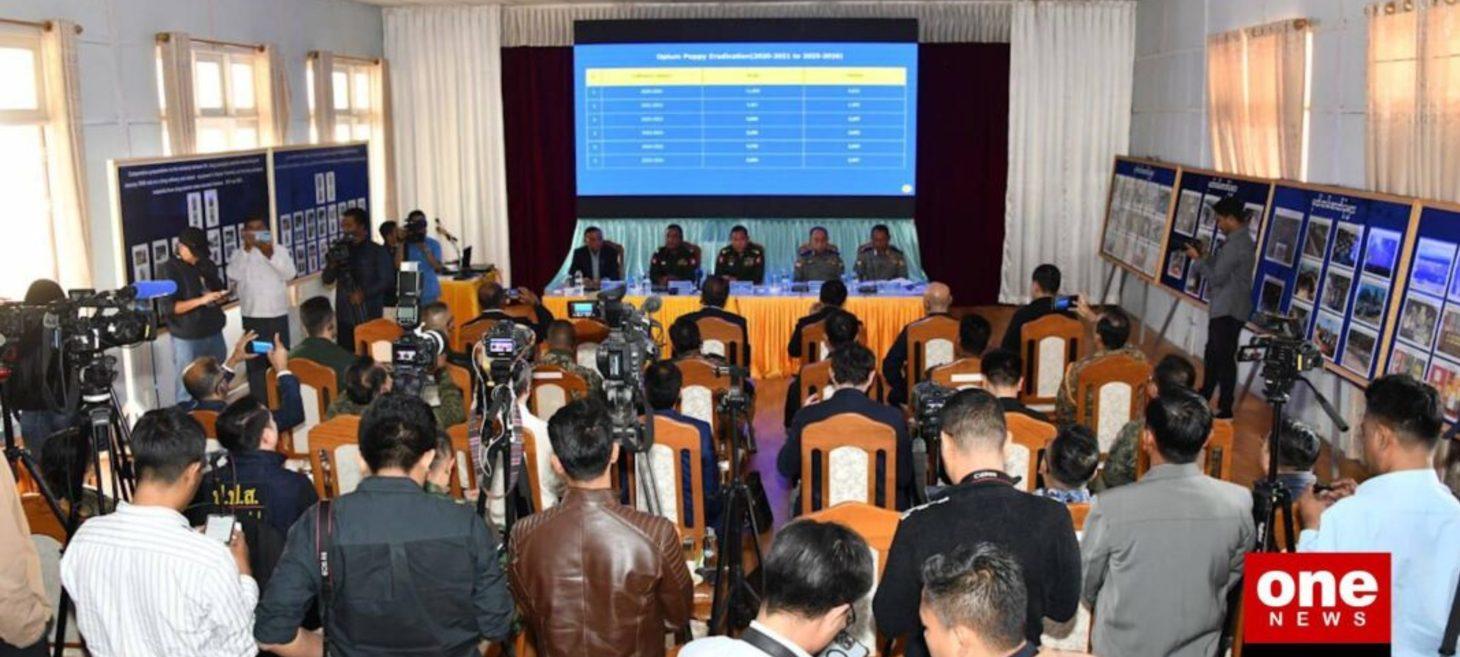
Myanmar Junta Highlights Drug Seizures in Northern Shan, Makes No Arrests
The Myanmar military regime recently conducted raids targeting alleged drug production sites in northern Shan State’s Hsipaw and Mongyai townships, reportedly seizing equipment and narcotics worth an estimated 1.62 trillion kyats, yet they have failed to identify or arrest any suspects. To validate the operation, the junta transported foreign diplomats and UNODC officials to inspect the seized sites, claiming the crackdown relied on intelligence-sharing with China and targeted "unscrupulous greedy individuals" working with ethnic armed groups. Despite these high-profile displays and broad accusations against groups like the AA, KNU, and PDF for allegedly financing their activities through drug trafficking, residents remain skeptical of the operation's true intent due to the complete absence of named perpetrators.
shannews.org
Deputy leader of Myanmar’s notorious Myingyan Militia arrested with methamphetamine
Sein Lwin, the deputy leader of the Myingyan Pyu Saw Htee militia, was arrested on drug charges by revolutionary forces on January 14 while traveling to Bagan with 200 methamphetamine pills and official junta credentials. Following the capture, his wife and militia leader Thida Yu Mon conducted a frantic search through the town, prompting the resistance battalion to issue a stern warning against using the incident to disturb local residents. This arrest is considered a significant blow to the influence of the pro-junta group, which has been accused of committing atrocities such as arson and the killing of civilians since the 2021 coup.
mizzima.com
Cybersecurity & Cybercrime
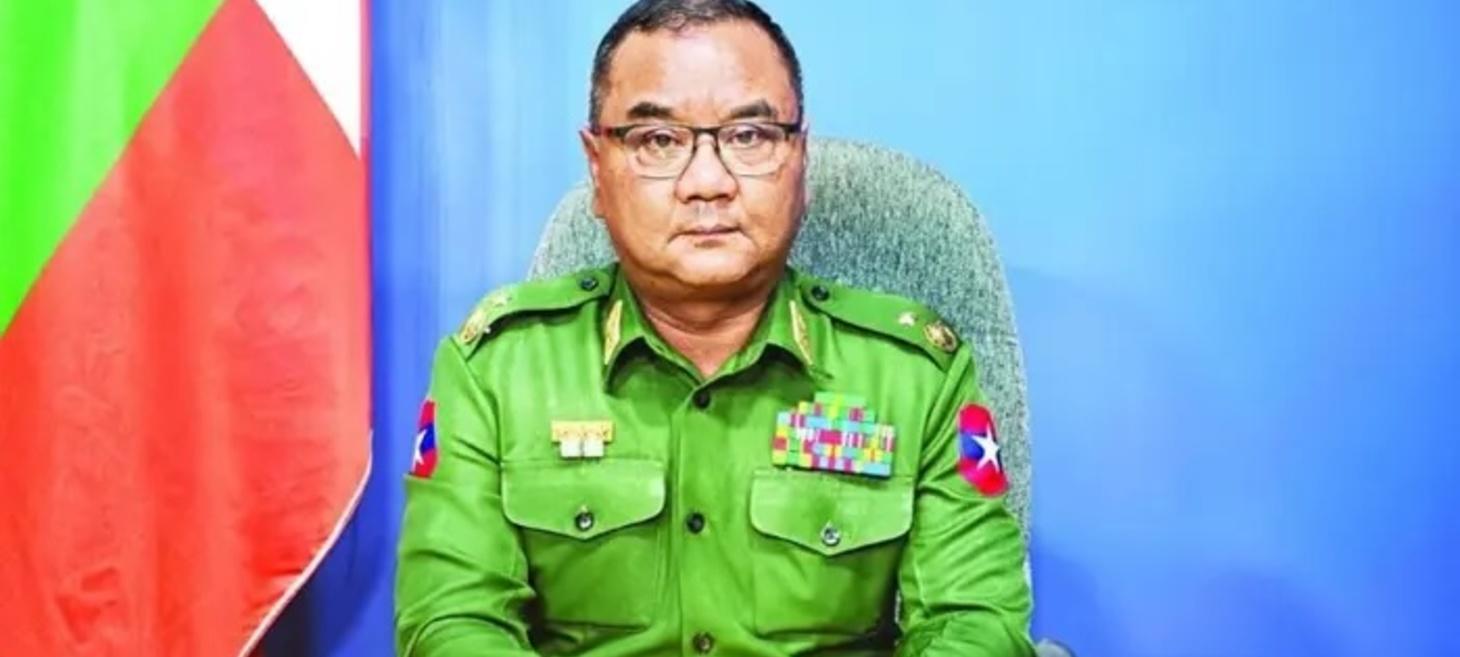
Myanmar dismantles tele-fraud dens
Myanmar's security forces recently dismantled multiple telecommunications fraud and illegal online gambling operations in northern Shan state, seizing a significant amount of equipment, including Starlink satellite devices. A government spokesperson described the raids in Hsipaw and Mongyai townships as targeting criminal groups and Ethnic Armed Organizations that exploit security gaps, while also noting the destruction of drug production sites in the country's largest-ever clearance operation. Viewing these crackdowns as a vital national duty for maintaining security, Myanmar is collaborating with neighboring nations to eradicate cross-border networks involved in scams, gambling, and drug trafficking.
thestar.com.my
Economy
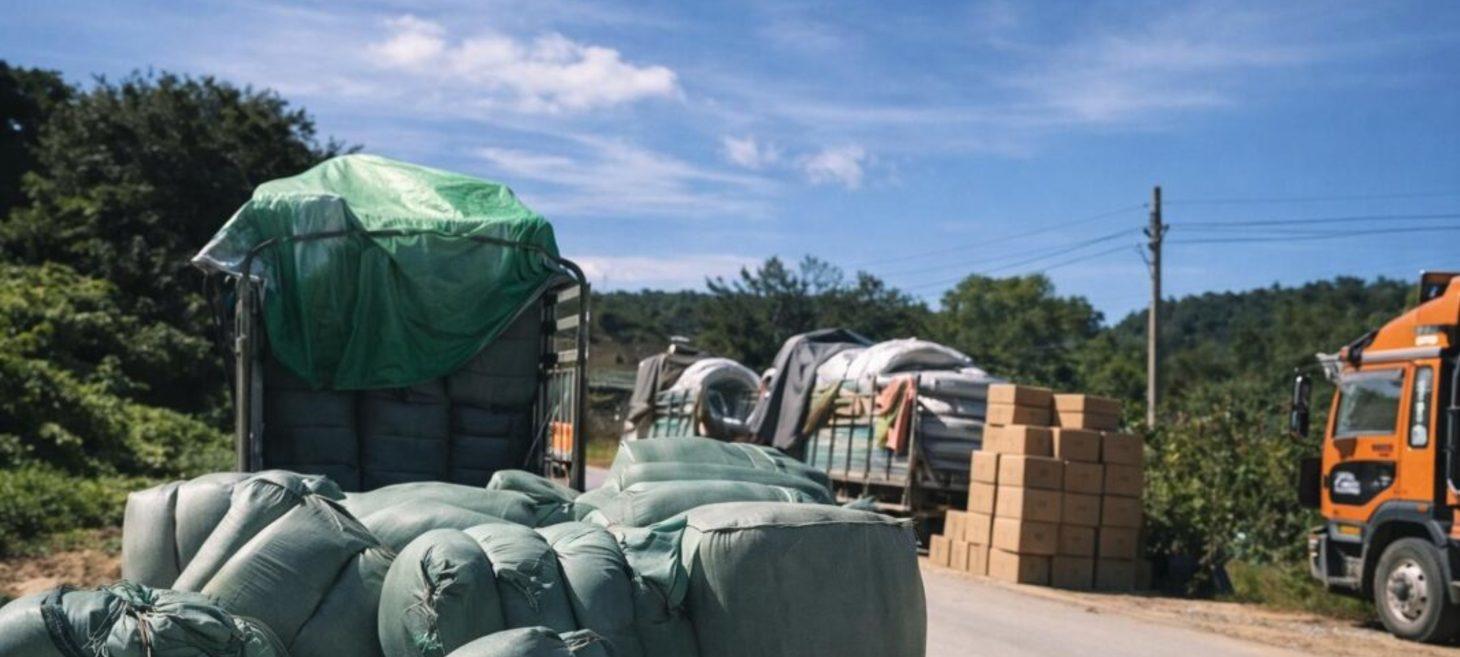
China-Border Seizures Rise Under Junta Enforcement
Since August 2025, the Myanmar junta has intensified inspections and seizures of Chinese goods along the border to prevent tax revenue from reaching ethnic armed groups like the Brotherhood Alliance. Although these goods are taxed by armed groups at border crossings, the regime classifies them as illegal imports once they travel beyond Lashio Township, leading to the confiscation of vehicles and the detention of drivers. Consequently, traders face the burden of double taxation and soaring transportation costs, which drives up commodity prices for the public while the vital Union Highway remains effectively closed due to these territorial disputes.
shannews.org
Education
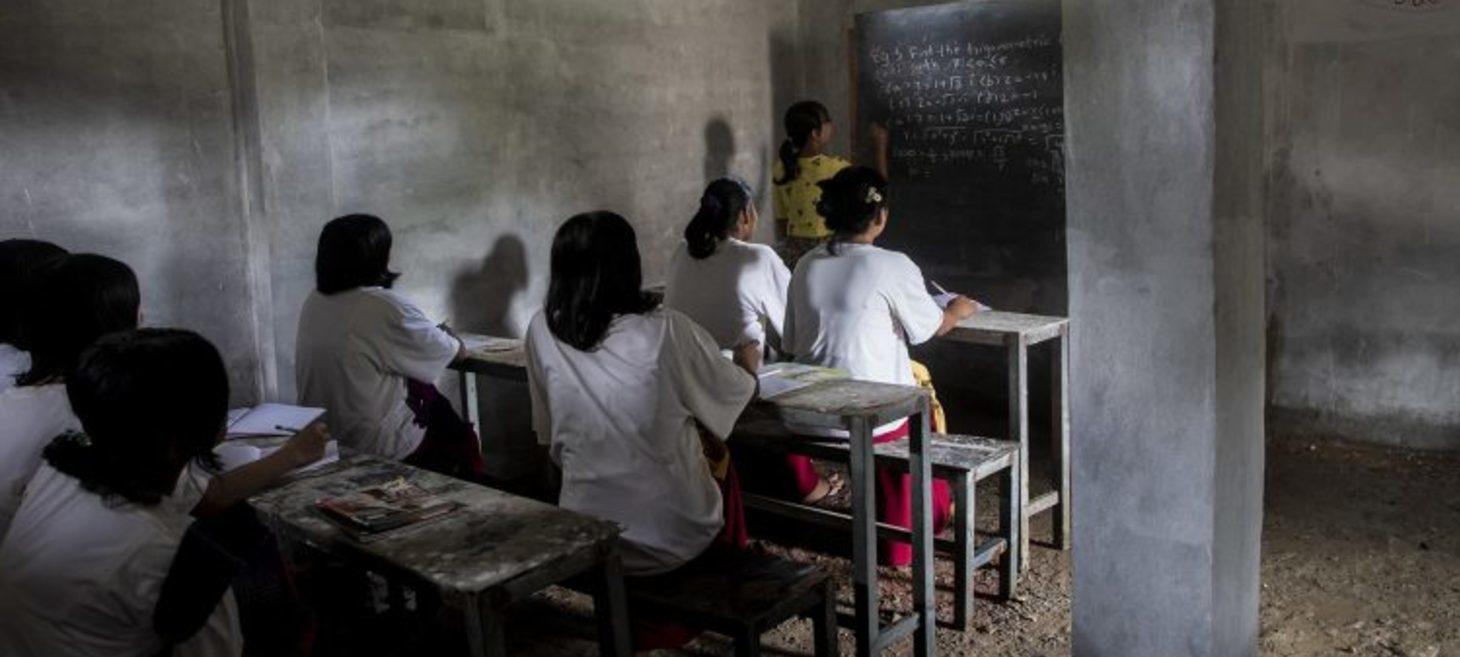
The Quiet Revolution: Myanmar’s Bottom-Up Federal Education Movement
Following the 2021 coup and the collapse of the junta's centralized education system, a bottom-up federal structure has emerged in resistance-controlled areas driven by Local Education Boards (LEBs) that adapt policies to fit local realities. A landmark study by the Institute for Peace and Social Justice (IPSJ) reveals that these schools rely on a "gift model" funded by direct community donations rather than taxes, a resilient but potentially unsustainable system dependent on the sacrifice of Civil Disobedience Movement teachers. Ultimately, these boards are establishing the foundation for a future federal democracy by shifting authority to the community level, though they face ongoing challenges in coordinating with ethnic organizations and in uneven resource distribution.
irrawaddy.com
Elections

Beyond the 'Sham' tag: Myanmar's first phase polls offer first signs of stability
Despite Western skepticism labeling the polls a sham, Myanmar successfully conducted the first phase of its national elections on December 28, 2025, achieving over 60% voter participation in a process the author witnessed as well-planned and largely incident-free. To ensure greater inclusivity and balance across the ethnic spectrum, the election commission introduced a Mixed Member Proportional (MMP) system for the upper house and state assemblies while retaining the First Past the Post system for the House of Representatives. Although the second phase saw increased violence despite higher turnout, the author views these elections as a potential first step toward restoring stability in the civil war-torn nation and advises India to adopt a "wait and watch" approach while maintaining relations with the government.
economictimes.com
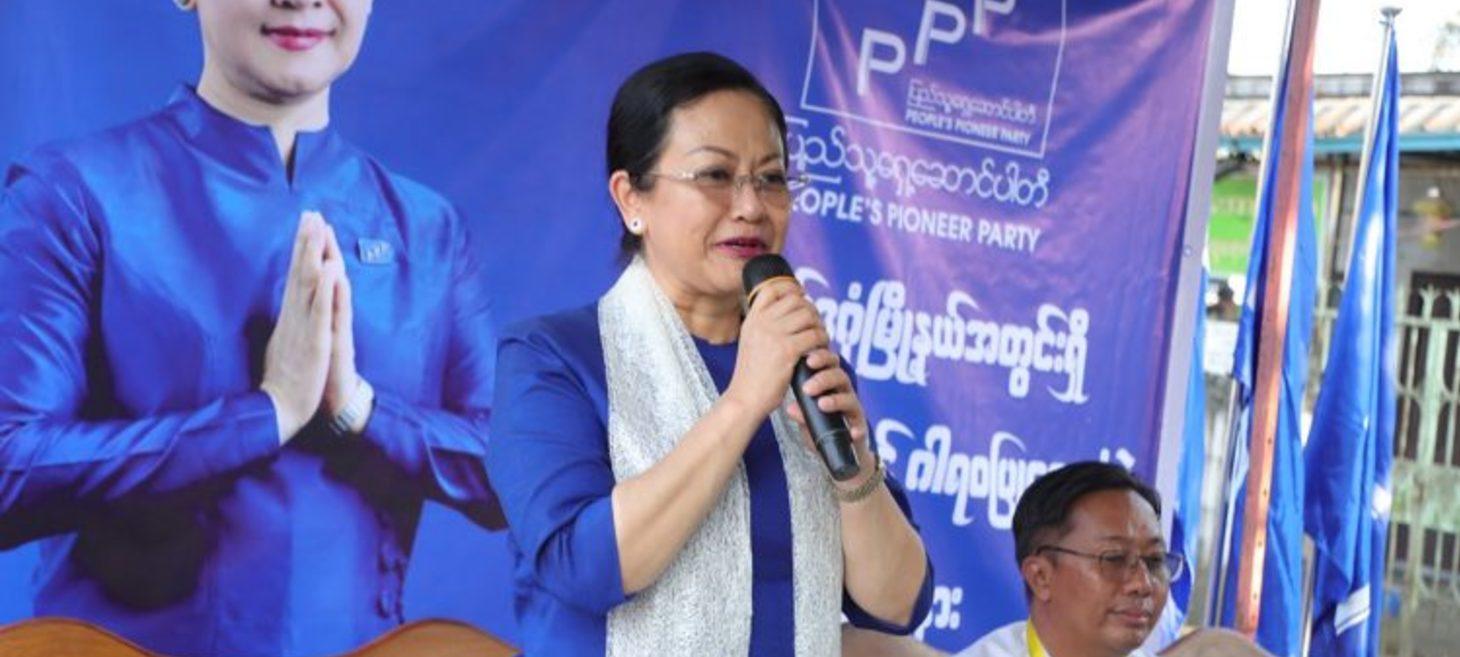
Junta Election Body Moves Against PPP Leader Over Alleged Embassy Meeting
Myanmar’s junta-appointed Union Election Commission (UEC) announced punitive action against People’s Pioneer Party leader Daw Thet Thet Khine for allegedly holding an unauthorized "secret" meeting with foreign embassy representatives in December. The commission justified the move by citing constitutional articles and the Political Parties Registration Law, which prohibit foreign influence, and claimed that the former regime minister confessed to the violation during interrogation. This development follows Daw Thet Thet Khine’s disqualification from the ongoing election and her recent public criticism of the military regime for unfairly favoring its proxy party, the Union Solidarity and Development Party.
irrawaddy.com
Ethnic Issues
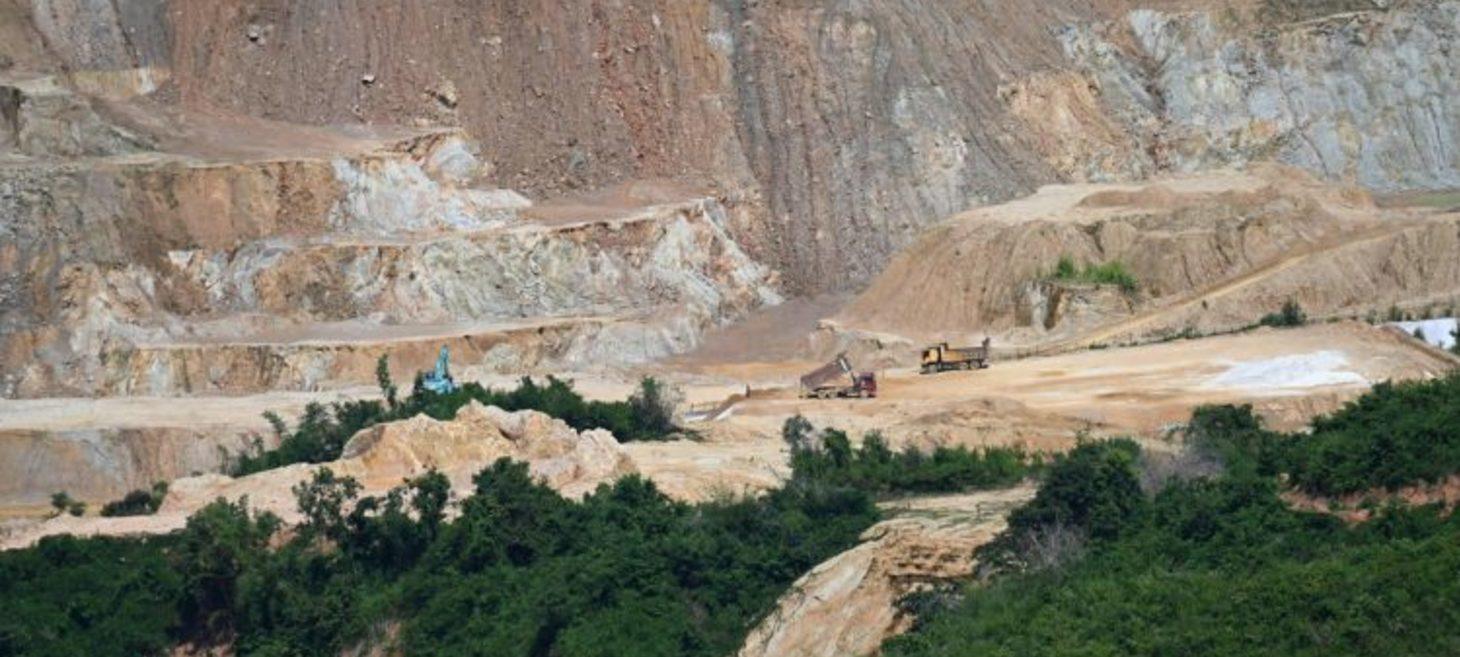
The Infiltration of Thailand’s State Power Structure by Wa Networks
Funded by narcotics, scam centers, and illegal mining operations that contaminate border rivers, the United Wa State Army (UWSA) has amassed sophisticated military capabilities while expanding its influence from Myanmar into Thailand. Wa networks are systematically infiltrating Thailand’s administrative and political systems by using bribery to secure citizenship and fielding candidates in local and national elections with the backing of "gray-capital" politicians. This entrenched corruption poses a critical security threat to Thailand's integrity, fueling fears that the nation is becoming a "gray-zone state" that acts as a hub for transnational crime.
irrawaddy.com
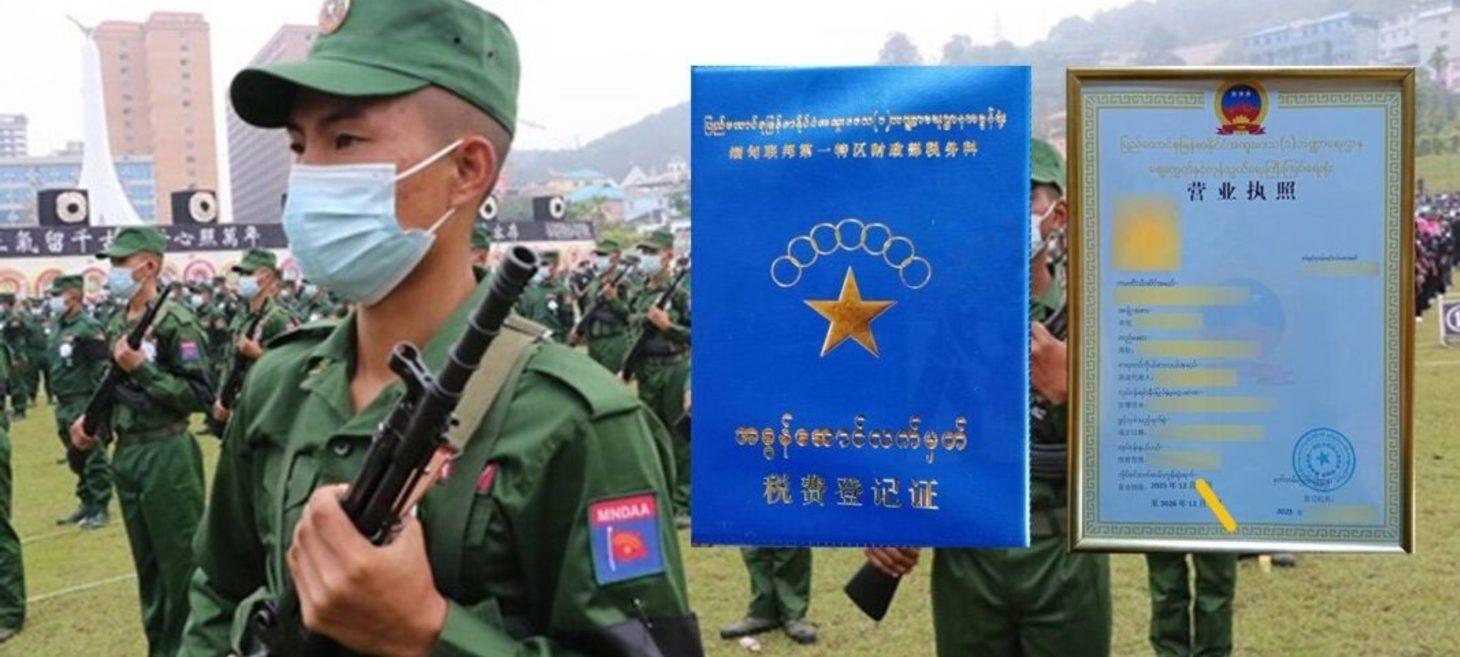
MNDAA Imposes Monthly Shop Taxes in Northern Shan State
The Myanmar National Democratic Alliance Army (MNDAA) initiated a mandatory monthly tax regime in January 2026 for businesses along the Lashio–Mongyai route, requiring shop owners to purchase receipt booklets and pay recurrent fees. Local vendors are charged between 50 and 100 Chinese yuan (roughly 30,000 to 60,000 Myanmar kyats) depending on their shop's size, a cost that is forcing some small-scale operators to consider ceasing operations due to financial strain. Although the MNDAA officially closed its checkpoints in the region on January 1, armed troops continue to operate freely in the area, driving compliance among residents who fear retribution.
shannews.org
Foreign Affairs
Myanmar needs American engagement
Dave Brat argues that the United States must abandon its failed policy of sanctions and disengagement toward Myanmar, which has created a power vacuum eagerly filled by adversaries like China and Russia. To protect national security and diversify supply chains, the author urges a " strategic recalibration" that secures access to Myanmar’s indispensable oil, gas, and rare earth minerals rather than ceding these resources to state-backed Chinese firms. Supporting the Trump administration's doctrine of "Flexible Realism," the commentary concludes that regaining a diplomatic seat at the table is necessary to promote regional stability and advance American interests without necessarily endorsing Myanmar's governance.
washingtontimes.com
Long-standing GOP support for democracy in Myanmar crumbles under Trump
Long-standing American support for Myanmar's democracy movement is rapidly eroding under President Trump, who has dismantled aid to pro-democracy groups and ordered the State Department to stop critiquing the integrity of the military junta's elections. While China deepens its influence by validating the regime's "rigged" voting process, the U.S. has reduced its diplomatic presence and ended temporary protected status for Myanmar nationals despite reports of scorched-earth campaigns and persecution. This drastic policy shift has left advocates fearing the removal of financial sanctions and a permanent loss of U.S. leverage, forcing local activists to pledge to continue their revolution without international assistance.
washingtonpost.com

Rep. Huizenga's bipartisan bill seeks to restore Burma's Temporary Protected Status
U.S. Representative Bill Huizenga introduced bipartisan legislation on January 12, 2026, aiming to redesignate Burma for Temporary Protected Status (TPS) before the Trump administration's termination of the designation takes effect on January 26, 2026. Huizenga argues that the Department of Homeland Security misjudged the situation, asserting that the military junta's violence against civilians and "sham" elections demonstrate that Burma still meets the necessary criteria for designation. Co-led by several Democrats, including Rep. Ami Bera, the bill seeks to extend protection to Burmese nationals fleeing violence and repression as a matter of "basic humanity".
wwmt.com
Visa suspension tests US priorities in Southeast Asia
The Donald Trump administration has included Cambodia, Myanmar, Laos, and Thailand in an indefinite visa suspension covering 75 countries, a move aimed at restricting immigration by barring foreign nationals deemed likely to rely on public welfare. While Myanmar and Laos have historically faced restrictions due to high visa overstay rates, Thailand’s inclusion surprised officials, given its status as a long-standing US ally with relatively compliant immigration data. Analysts characterize this policy as a reflection of an "America First" approach that prioritizes domestic nativist goals over foreign diplomacy, treating certain Southeast Asian partners as strategically insignificant despite simultaneous US efforts to address regional conflicts.
scmp.com
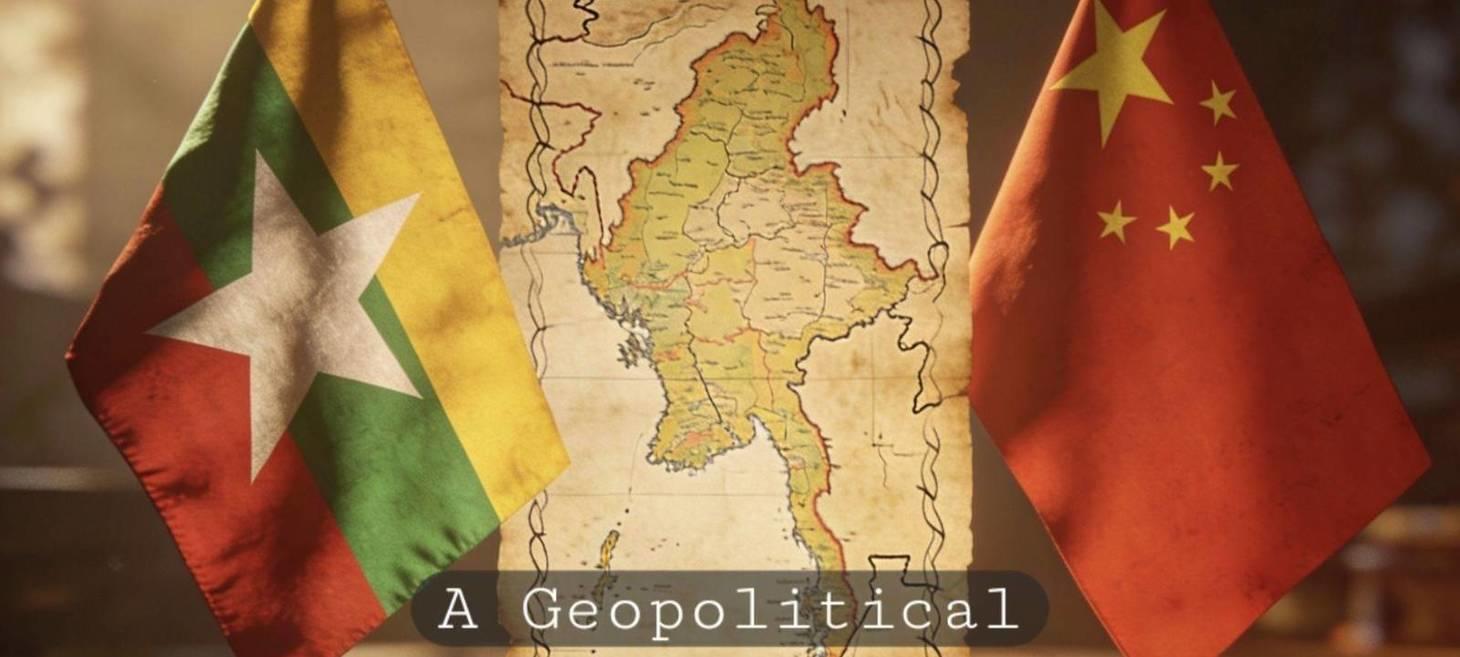
"The Waning of Myanmar’s Sovereignty" A Geopolitical Analysis of Post‑2021 Dependence on China
Following the 2021 coup, Myanmar's military regime abandoned its traditional non-aligned foreign policy in favor of asymmetric dependency on China to secure the economic support and political protection necessary for its survival,. Beijing has exploited this vulnerability to advance critical geostrategic assets, such as the Kyaukphyu Deep Sea Port and energy pipelines, which mitigate its "Malacca Dilemma" by providing access to the Indian Ocean,. While the National Unity Government attempts to propose a "Redefined Alignment" to China, the junta's reliance on Beijing has eroded Myanmar's sovereignty, risking the country's permanent reduction to the status of a client state,,.
mizzima.com
Governance & Rule of Law
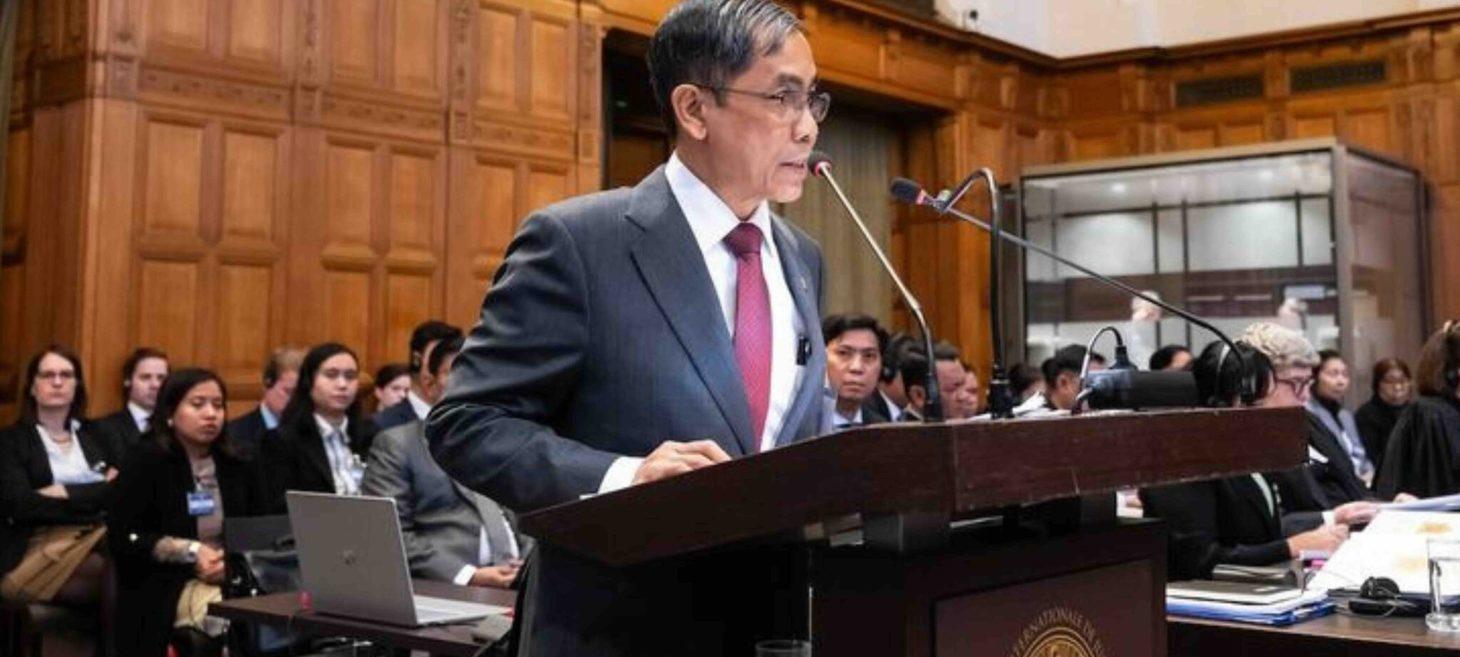
Myanmar nationalist stands by calls to kill Rohingya during genocide hearings
Amidst 2026 International Court of Justice hearings where Myanmar’s junta denied genocide allegations, pro-military politician Nay Myo Wai publicly reaffirmed his support for violent policies, explicitly standing by past calls to "shoot, kill, dump, and bury" Rohingya Muslims. Human rights experts argue that the junta's failure to condemn such exterminatory rhetoric from its political allies demonstrates that the ideology driving the 2017 mass killings remains normalized and unmitigated. Consequently, observers contend that this unchecked hate speech serves as evidence of ongoing genocidal intent and a continued failure by the state to prevent violence against the Rohingya minority.
myanmar-now.org
Politics
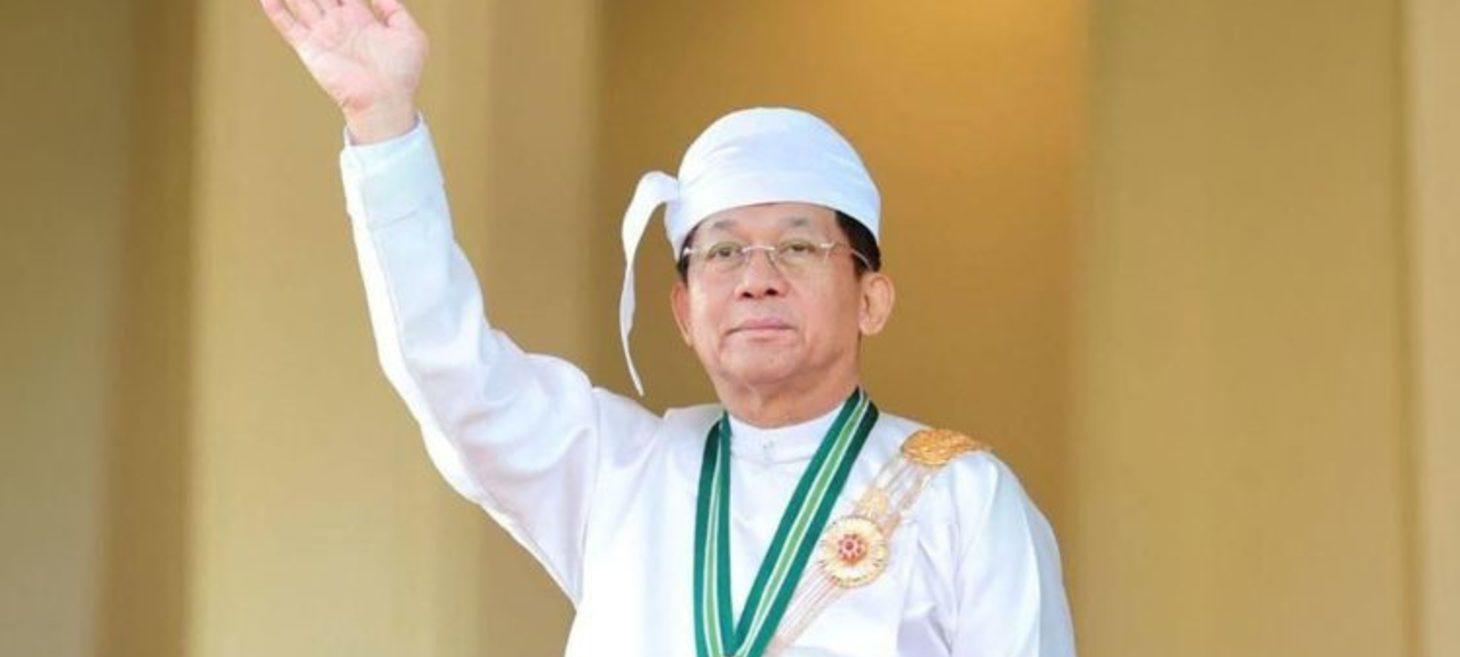
Propaganda Machine Lines Up Behind Min Aung Hlaing Presidency
Junta leader Min Aung Hlaing has launched an orchestrated propaganda campaign, using the military proxy, the Union Solidarity and Development Party (USDP), and various media mouthpieces to promote his bid for the presidency in the post-election government. Pro-regime figures are amplifying the narrative that the commander-in-chief is the "most suitable" choice and the only person capable of "saving the nation". Unlike former dictator Than Shwe, Min Aung Hlaing appears determined to retain power through a "sham democracy" by leveraging the military’s parliamentary bloc and the 2008 Constitution to secure the position without contesting a seat.
irrawaddy.com
Weather & Environment
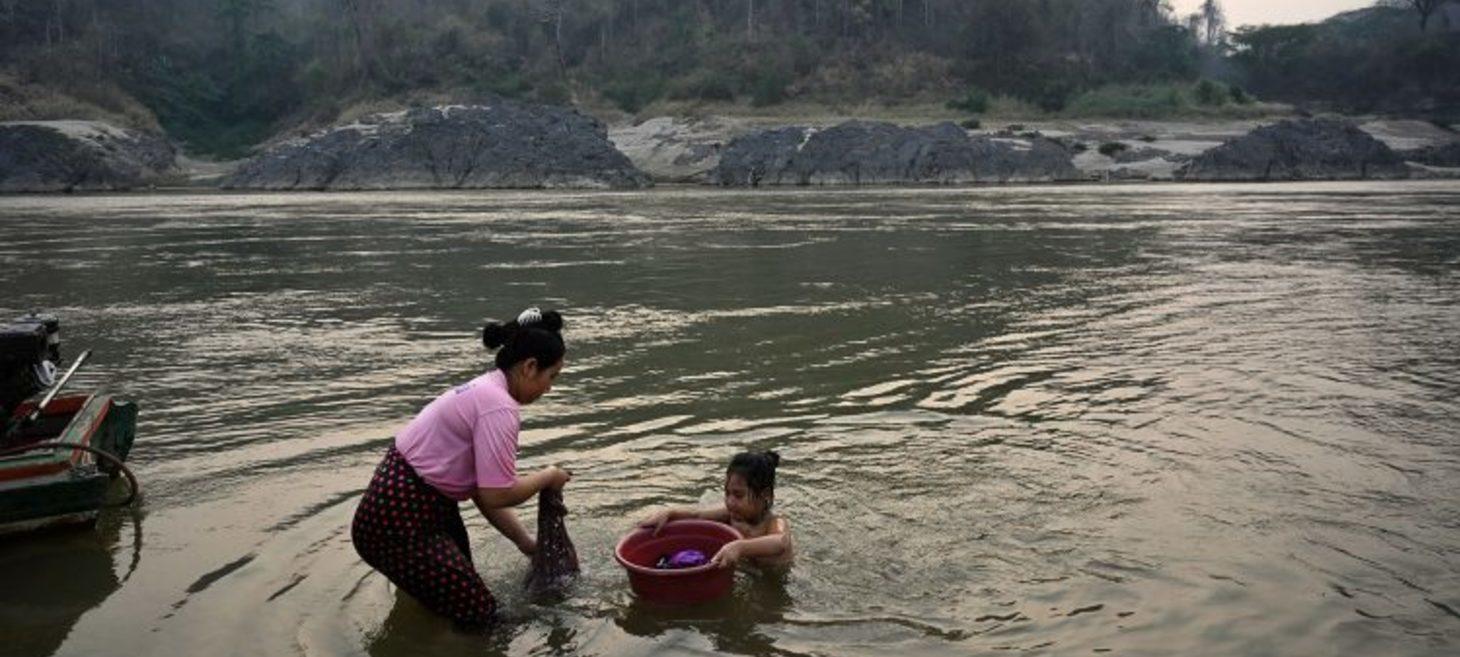
The Political Economy of Polluted Rivers in Mainland Southeast Asia
Pollution in the Mekong and Salween rivers is increasingly driven by the global demand for strategic minerals, leading to toxic arsenic contamination that flows from upstream extraction sites in Myanmar and Laos into downstream communities. Accountability for this environmental damage is severely hindered by weak governance in conflict zones, opaque supply chains, and geopolitical competition between the US and China that prioritizes mineral access over environmental safeguards. To address these challenges, Thailand is encouraged to lead regional protection efforts by treating water quality as a national security issue and pragmatically engaging with the ethnic armed organizations that effectively control the territories where mining occurs.
irrawaddy.com