Introduction & Analysis
This collection of open-source English-language news articles published over the past week highlights significant events and issues concerning Myanmar. They present a snapshot of the country's safety and security landscape.
- The Myanmar military junta is currently conducting a three-phase election heavily dominated by its proxy, the Union Solidarity and Development Party (USDP), amidst reports of low voter turnout and coercive tactics such as threatening residents with travel bans or audits to force participation.
- Simultaneously, armed resistance groups like the Arakan Army and People’s Defence Forces have launched strategic offensives to disrupt these "engineered" polls, leading to intense fighting in Rakhine and Bago and prompting the military to respond with indiscriminate airstrikes and the reinforcement of key port towns.
- Under intense diplomatic pressure from China, the junta and regional authorities have begun dismantling transnational cyberscam hubs like "KK Park" and "Shwe Kokko," resulting in the extradition of high-profile tycoons and a displacement of scam operators that has spiked local hotel prices in state capitals.
- While the International Court of Justice proceeds with genocide hearings regarding the Rohingya, the country continues to face severe human rights challenges including forced military conscription, brutal violence surrounding China-backed mining projects, and internal ethnic splintering like the declaration of an independent "Republic of Kawthoolei".

Conflict
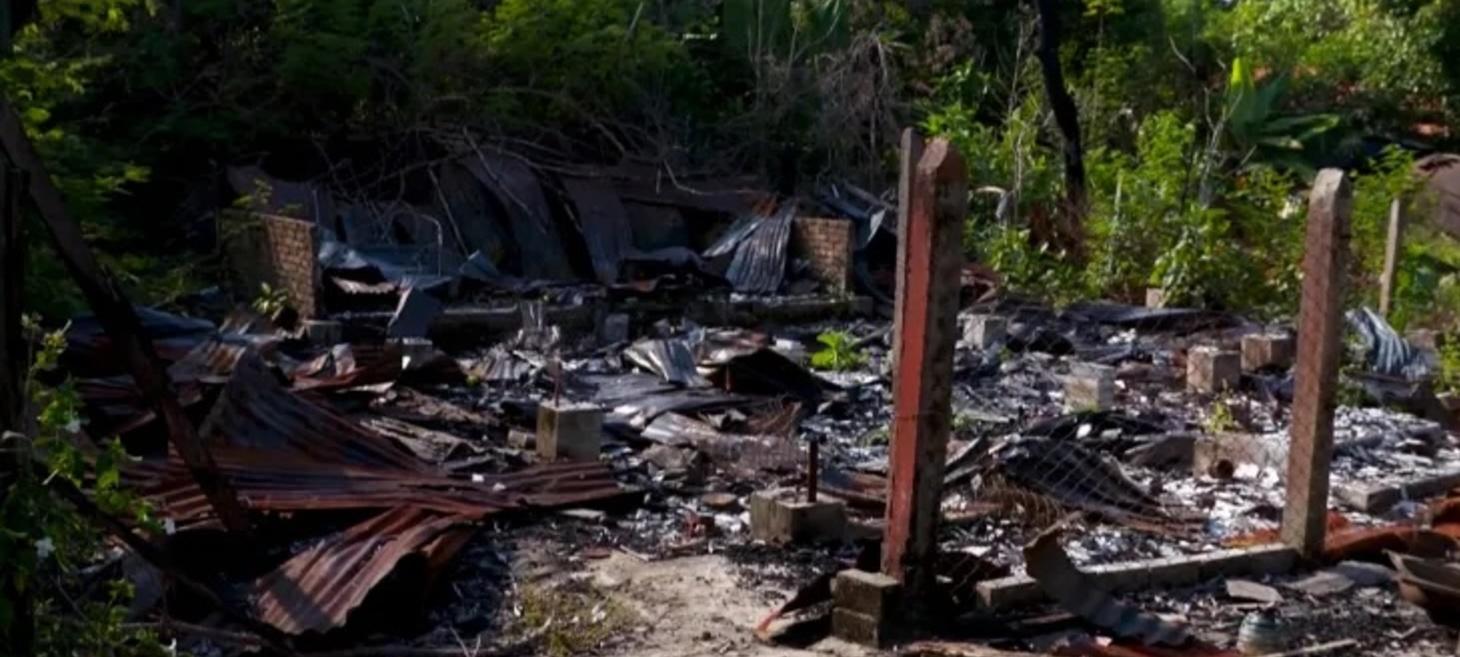
Abandoned Myanmar town shows problem of election in wartime
Myanmar’s military government is holding an election despite the nation being ravaged by an ongoing war with rebel forces. The abandoned town of Hpapun illustrates the logistical failures of this vote, as it currently has no residents remaining to cast ballots. Field reports from rebel-held territory further emphasize the disputed and problematic nature of conducting an election under such wartime conditions.
aljazeera.com
Is Myanmar military junta set to lose Rakhine?
The Arakan Army (AA) has launched a decisive offensive to seize Sittwe, the capital of Rakhine State, encircling key ports and leaving the Myanmar military struggling with low morale and desertions despite having numerical superiority,,,. This escalation directly threatens the India-backed Kaladan Multimodal Transit Transport Project (KMTTP), as Sittwe serves as a vital hub for the alternative corridor intended to connect eastern India to its landlocked northeastern states,,. If the junta loses control of the region, New Delhi will be forced to navigate complex diplomatic relations with multiple insurgent groups, such as the AA and Chin rebels, to secure and operationalize the transit route,.
thefederal.com

Arakan Army Mounts Post-Election Battle for Key Rakhine Towns
Following a December election that established a military-dominated legislature without genuine public representation, the Arakan Army (AA) has launched a major offensive to seize the strategic strongholds of Sittwe and Kyaukphyu. The AA is currently targeting key naval bases and infantry battalions in Kyaukphyu while intensifying attacks around Sittwe, where the junta has reinforced its positions and regrouped troops fleeing from previous defeats. This escalation has displaced over 50,000 residents and indicates a move toward a decisive military confrontation, as the junta utilizes airstrikes and heavy weaponry to maintain its last administrative seats in the state.
irrawaddy.com
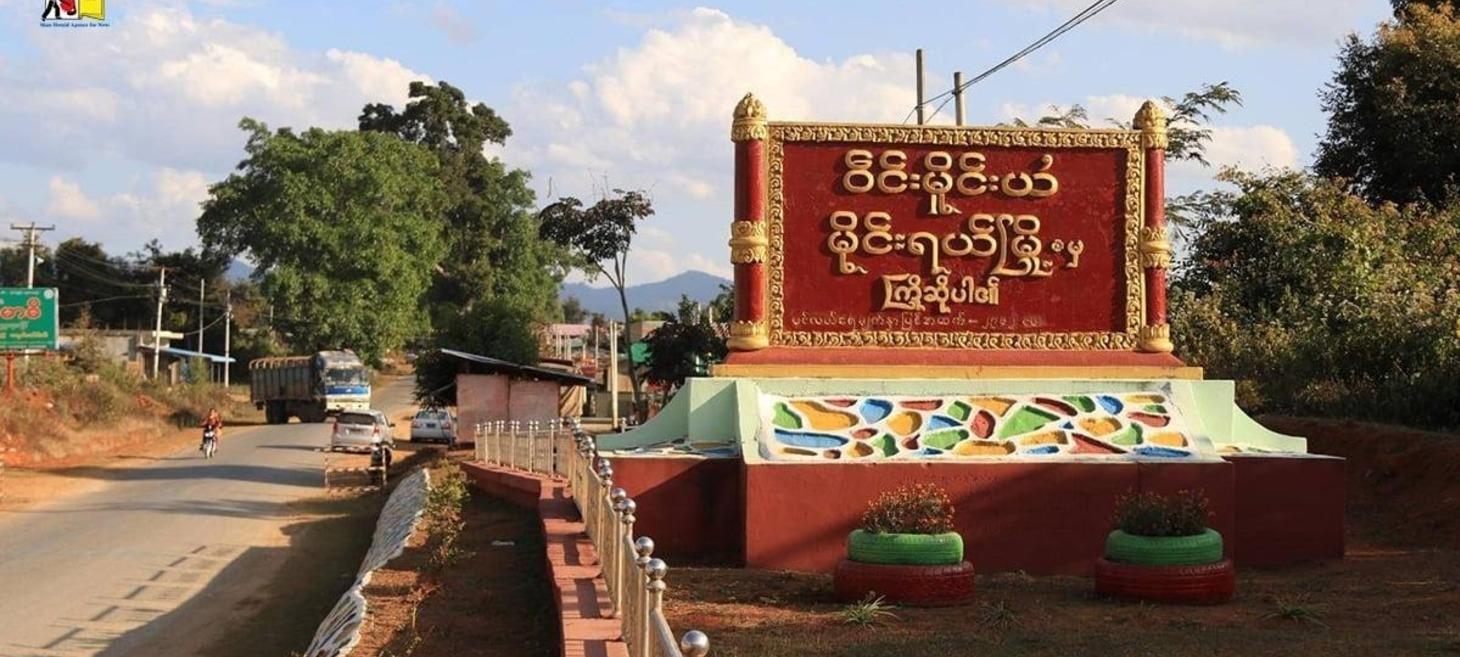
Airstrike Hits Mong Yai Amid Phase Two Election in Shan State
Myanmar junta authorities launched airstrikes on a suspected former scam center in Mong Yai Township on January 9, 2026, just two days before the area was scheduled for the second phase of the junta-led elections. These attacks took place in a strategically sensitive zone involving multiple armed actors, further intensifying the heightened military activity and security tensions throughout northern Shan State. Combined with previous reports of coerced voter turnout and travel bans, this military escalation highlights the volatile and unstable environment surrounding the 2026 electoral process.
shannews.org
Myanmar election official escapes ambush near Naypyitaw; several others dead
TAung Lwin Oo, a member of the Union Election Commission, narrowly escaped a deadly ambush near Naypyitaw on January 6, 2026, an incident that underscored the intense security risks surrounding the junta's stage-managed elections. The second phase of these elections has been marked by widespread violence, including military airstrikes in Sagaing and the assassination of a junta administrator, even as the military’s proxy party maintains a lead in the results. Beyond the polling stations, Myanmar continues to face profound instability characterized by persistent power shortages, land seizures, and a determined resistance movement fighting against the regime's campaign of terror.
myanmar-now.org
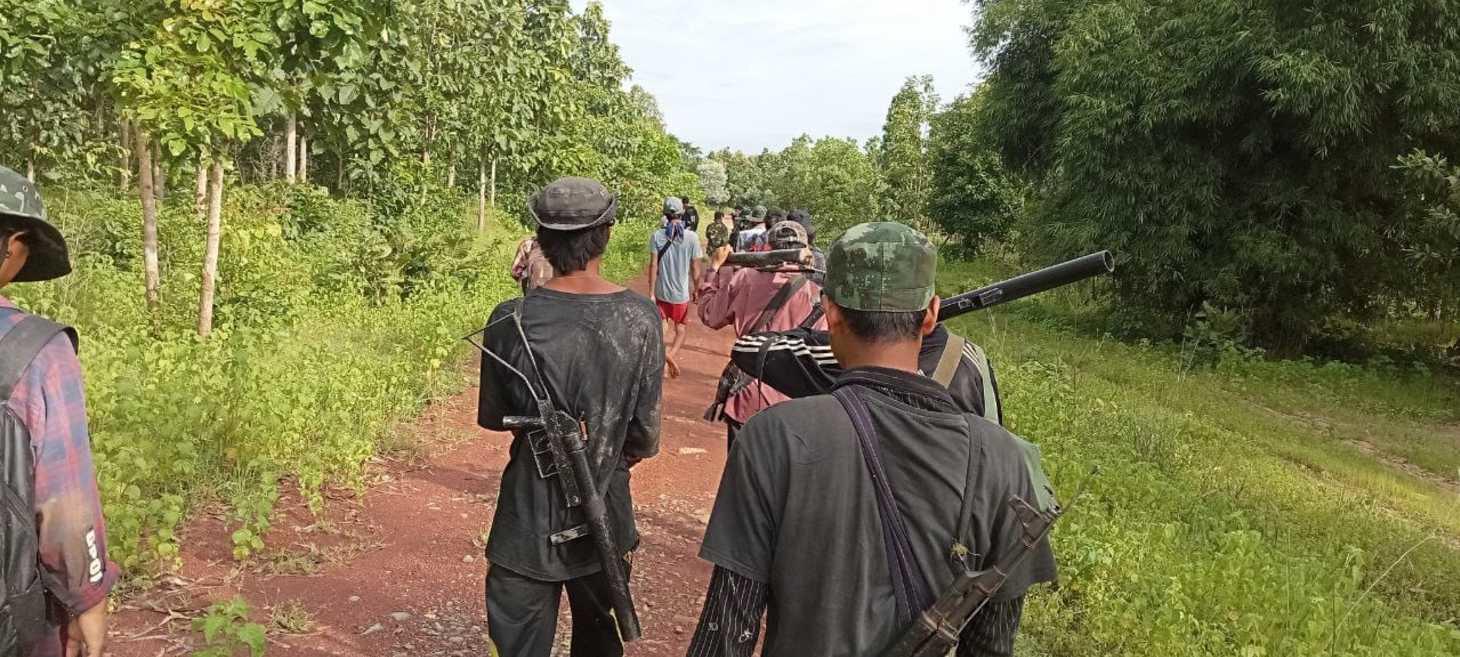
Resistance forces raid bases in western Bago Region
Resistance forces under the National Unity Government (NUG) conducted simultaneous pre-dawn raids on military and militia outposts across western Bago Region, utilizing drones and heavy weaponry to successfully capture and burn a base in Zigon Township,,,. These strategic strikes aimed to disrupt junta-controlled elections and halt the oppression and forced military recruitment of civilians, though the resistance was eventually forced to withdraw from most locations following junta airstrikes,,,. While the operations inflicted significant casualties on pro-junta forces, they also resulted in mass civilian displacement as locals fled the area ahead of an expected junta offensive to retake lost ground,,.
myanmar-now.org
Conscription
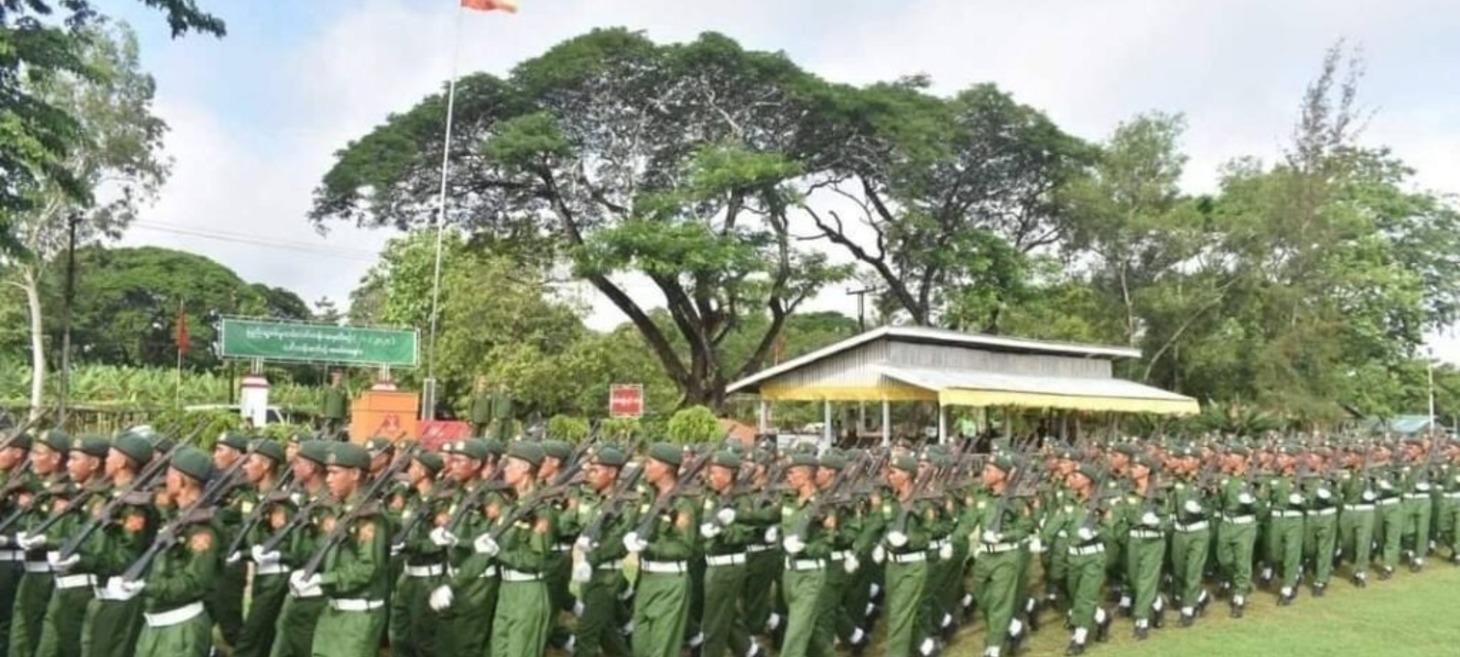
Forced Conscription Set to Expand After Military-Staged Election, Local Sources Say
Following significant battlefield losses and the upcoming conclusion of military-staged elections, the Myanmar junta plans to expand forced conscription to replace the first batch of recruits completing their two-year service in April 2026. Authorities are reportedly using household registration and voter lists compiled during the election to identify potential recruits among men aged 18 to 35 and women aged 18 to 27. This enforcement of the People’s Military Service Law has already resulted in approximately 100,000 conscripts and driven over 1.1 million people to flee the country, with a vast majority seeking refuge in neighboring Thailand.
shannews.org
Cybersecurity & Cybercrime
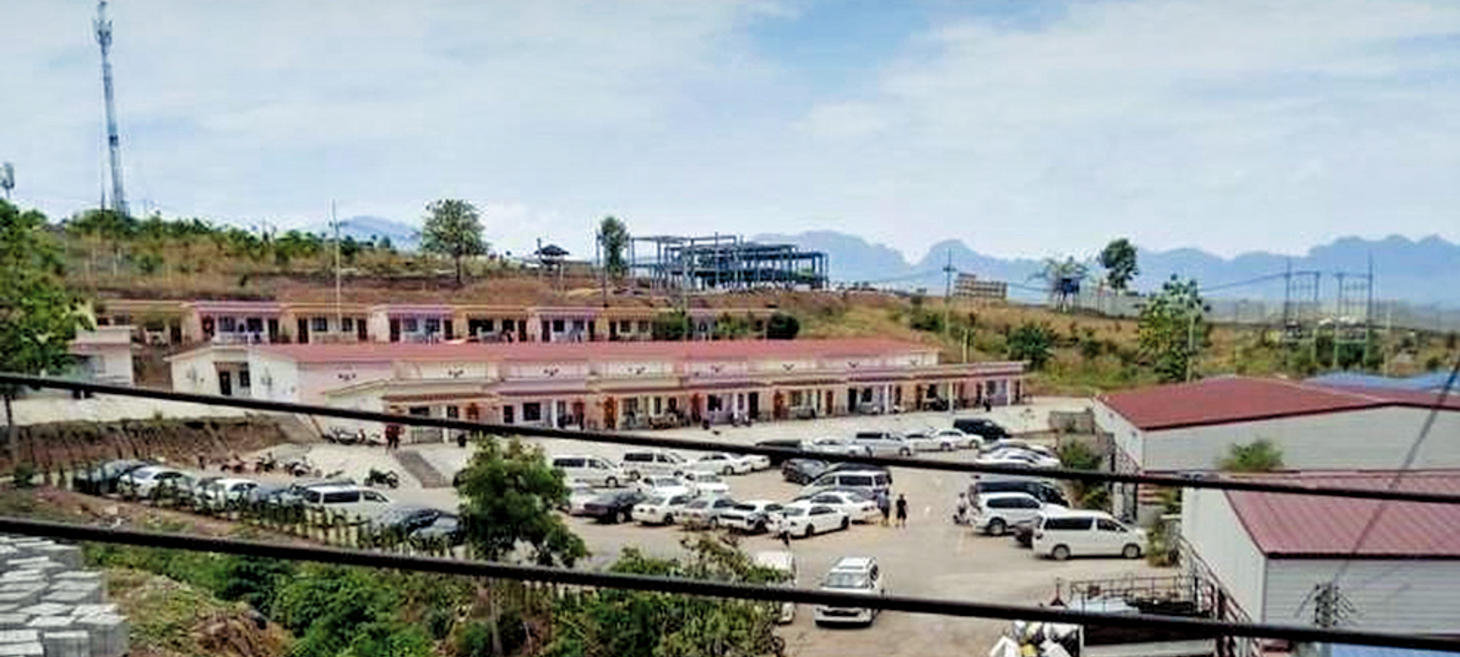
“KK Park” fraud base completely bombed by Myanmar military
The Myanmar military junta recently dismantled the "KK Park" and "Shwe Kokko" fraud bases on the Thai-Myanmar border to combat long-standing human trafficking and telecom fraud. This large-scale operation, which coincided with junta-run elections, was intended to demonstrate Myanmar's determination to fight transnational crime to the international community. However, while key leaders were previously extradited to China for trial, reports suggest that the main criminal organizations have successfully relocated to continue their operations elsewhere.
thestandard.com.hk
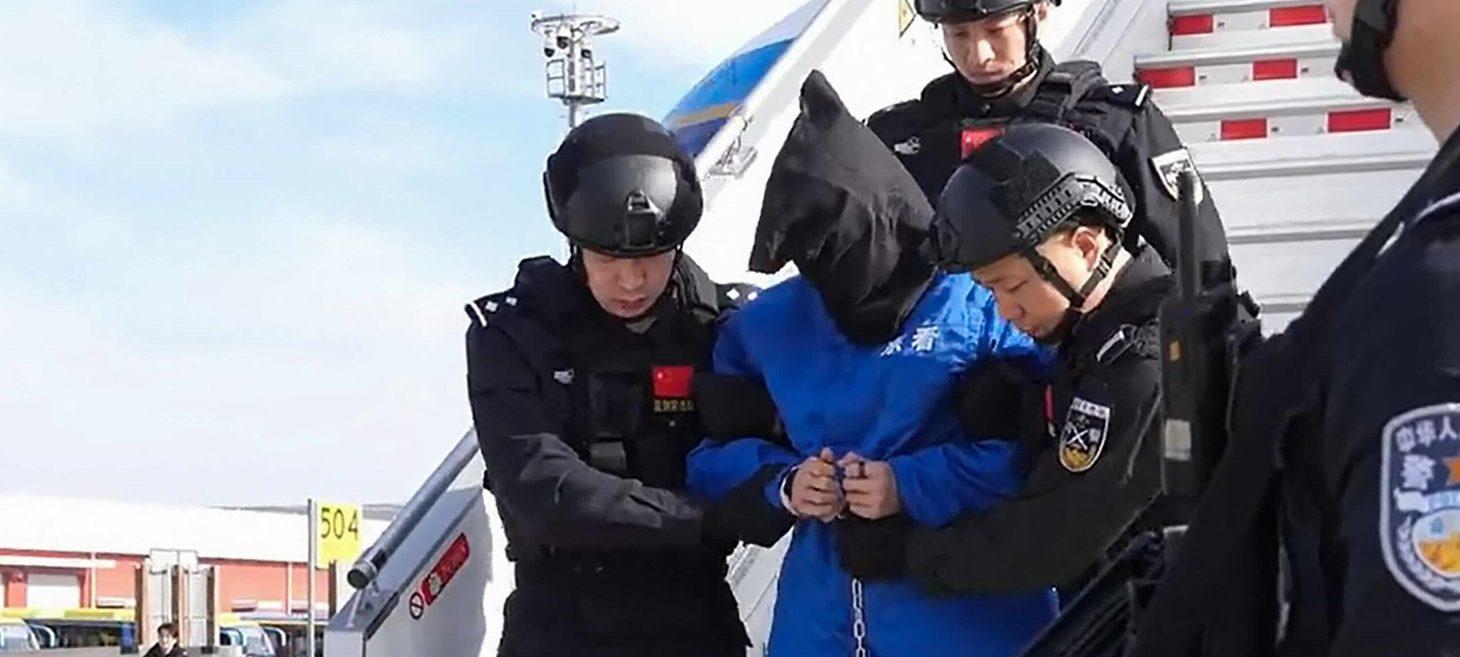
‘Sever the chain’: Scam tycoons in China’s crosshairs
China is aggressively pursuing and extraditing high-level cyberscam tycoons from Southeast Asia to maintain judicial control and address public anger over multi-billion dollar fraud operations. These criminal empires utilize human trafficking and forced labor to conduct global cryptocurrency scams, prompting Beijing to use its diplomatic influence to secure suspects like Chen Zhi and avoid the potential "embarrassment" of foreign trials. Although China has issued warrants for 100 additional fugitives to "sever the chain" of crime, experts warn that the industry may persist due to local government corruption and the opacity of the Chinese legal system.
myanmar-now.org
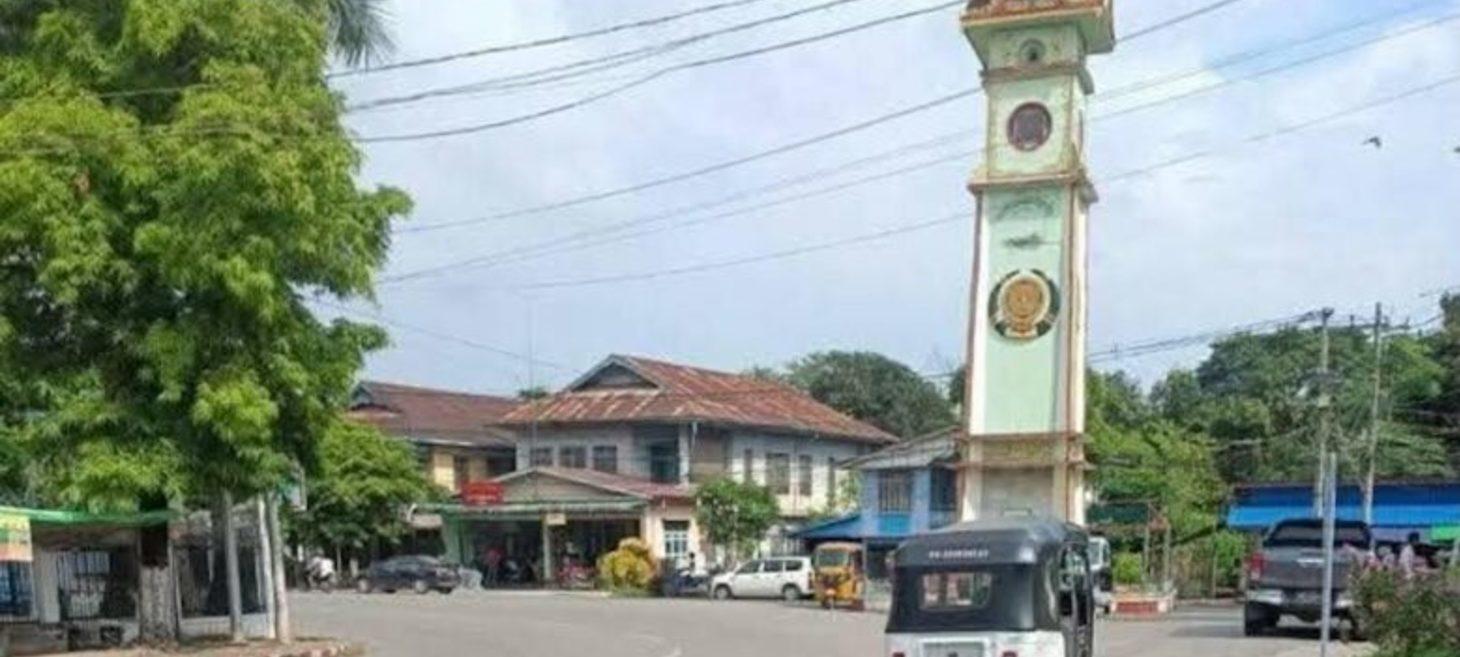
Influx of fleeing telecom scammers drives up hotel prices in Hpa-An
Following a military crackdown on telecom scam hubs in Myawaddy and Shwe Kokko, many members of the "Zhapian" gangs have relocated to Hpa-An, the capital of Karen State. This influx of scammers, primarily Chinese nationals who rent rooms for months at a time, has caused local hotel and guesthouse prices to double while making it difficult for domestic tourists to find accommodation. Current reports indicate that some of these individuals are suspected scam ringleaders who have secured their lodgings with armed guards, impacting several of the approximately 60 hotels and guesthouses in the city.
karennews.org
Economy
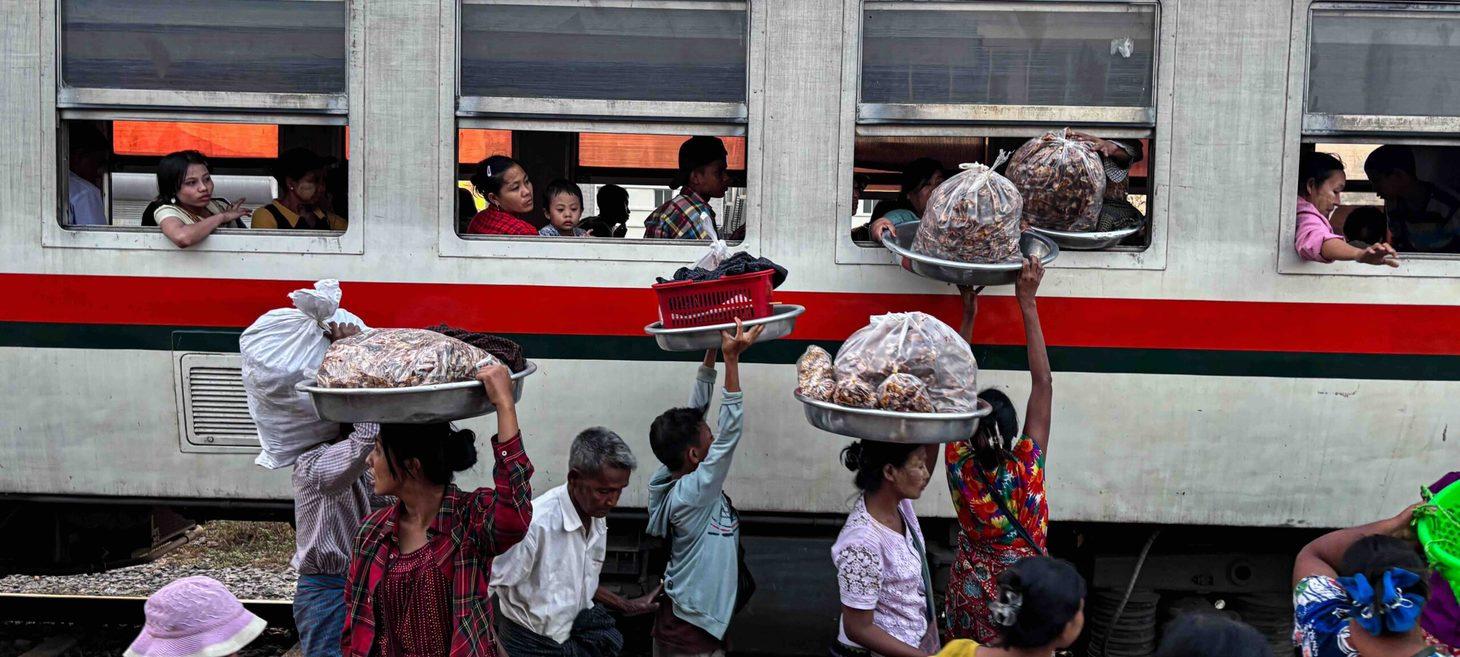
Junta eases compulsory conversion rules for export earnings amid currency crunch
The Myanmar junta has recently eased compulsory conversion rules for export earnings to address a severe foreign currency crunch, though traders indicate these lightened requirements offer little relief for their struggling businesses. Simultaneously, the regime is proceeding with phased, junta-controlled elections despite escalating violence, which has included military airstrikes in Sagaing and the assassination of a junta administrator at a polling station. These political and economic shifts occur alongside broader national instability, characterized by persistent power shortages affecting factories, high debt among farmers, and continued territorial losses to anti-junta forces.
myanmar-now.org
Elections
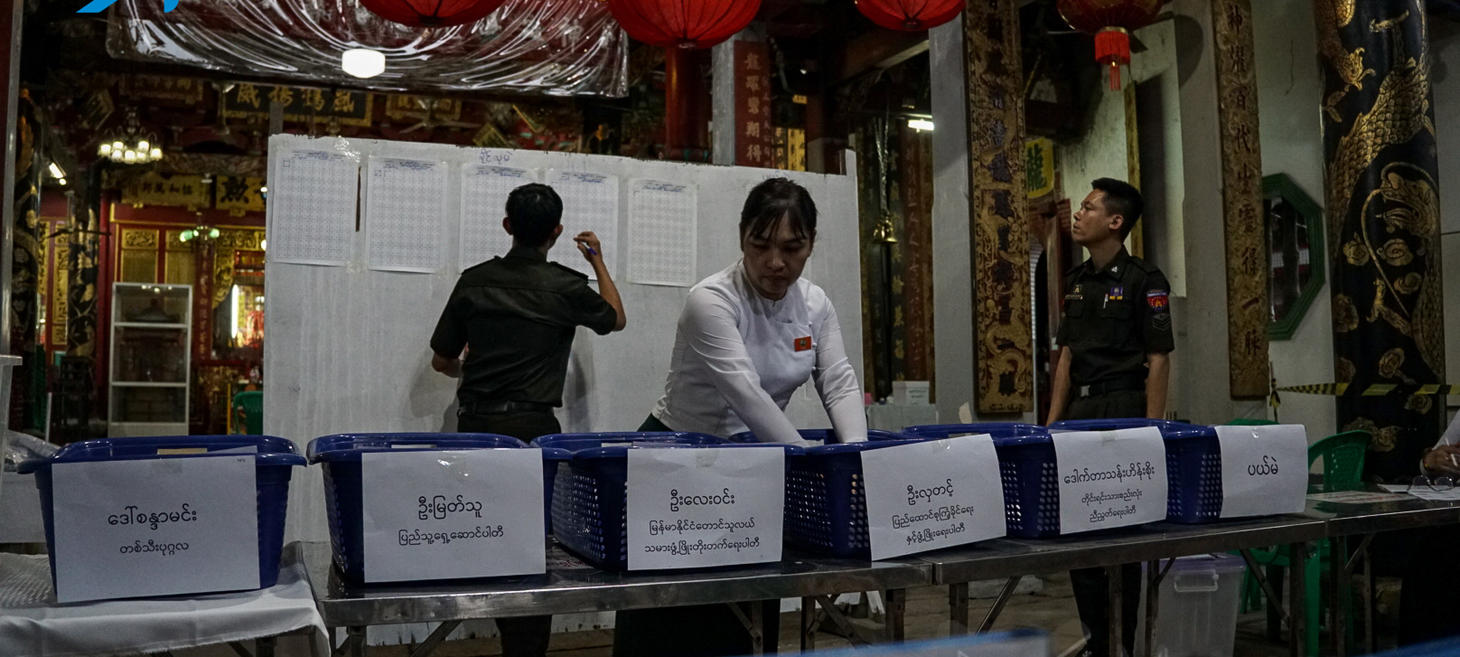
Military proxy party leads in second phase of junta-controlled elections
The military-backed Union Solidarity and Development Party (USDP) and its allies dominated the second phase of Myanmar's junta-controlled elections, winning 76 of the 100 townships contested across 12 regions and states. Retired senior military officers were among the victors, while independent and pro-democracy candidates attributed their losses to low voter turnout and strict military restrictions on campaigning. Although political allies like the Mon Unity Party also gained seats, the third and final phase of the election is scheduled for January 25 in the remaining townships where the military maintains enough control to provide security.
myanmar-now.org
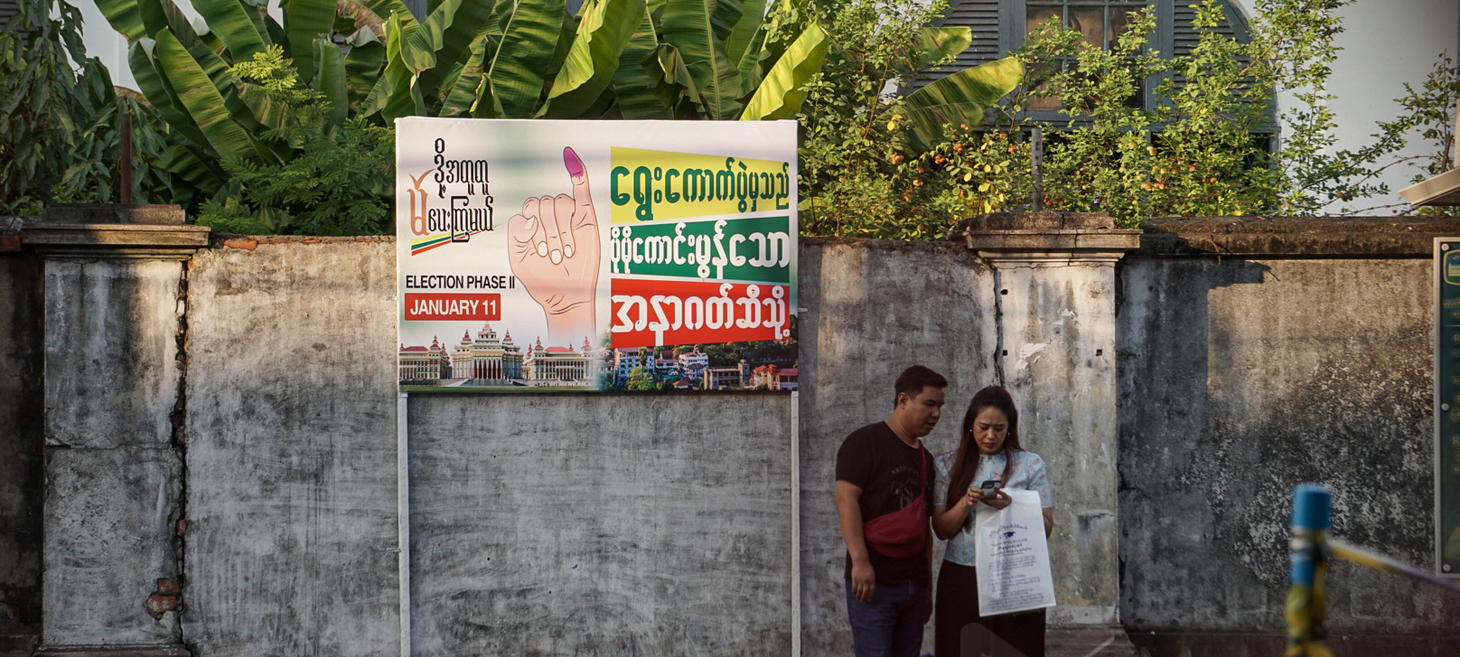
Myanmar junta administrator shot dead while inspecting polling stations
During the second phase of Myanmar's controversial elections, junta-appointed administrator Zaw Min Naing was fatally shot while inspecting polling stations in Magway Region on January 11, 2026. This assassination marks the second violent incident targeting election officials in the region within five days, following a January 6 ambush that killed a police officer and a personal aide. Despite these risks and ongoing armed resistance, the military regime is proceeding with its three-phase voting process, with the final stage scheduled for late January.
myanmar-now.org
Myanmar votes in second phase of junta-run election
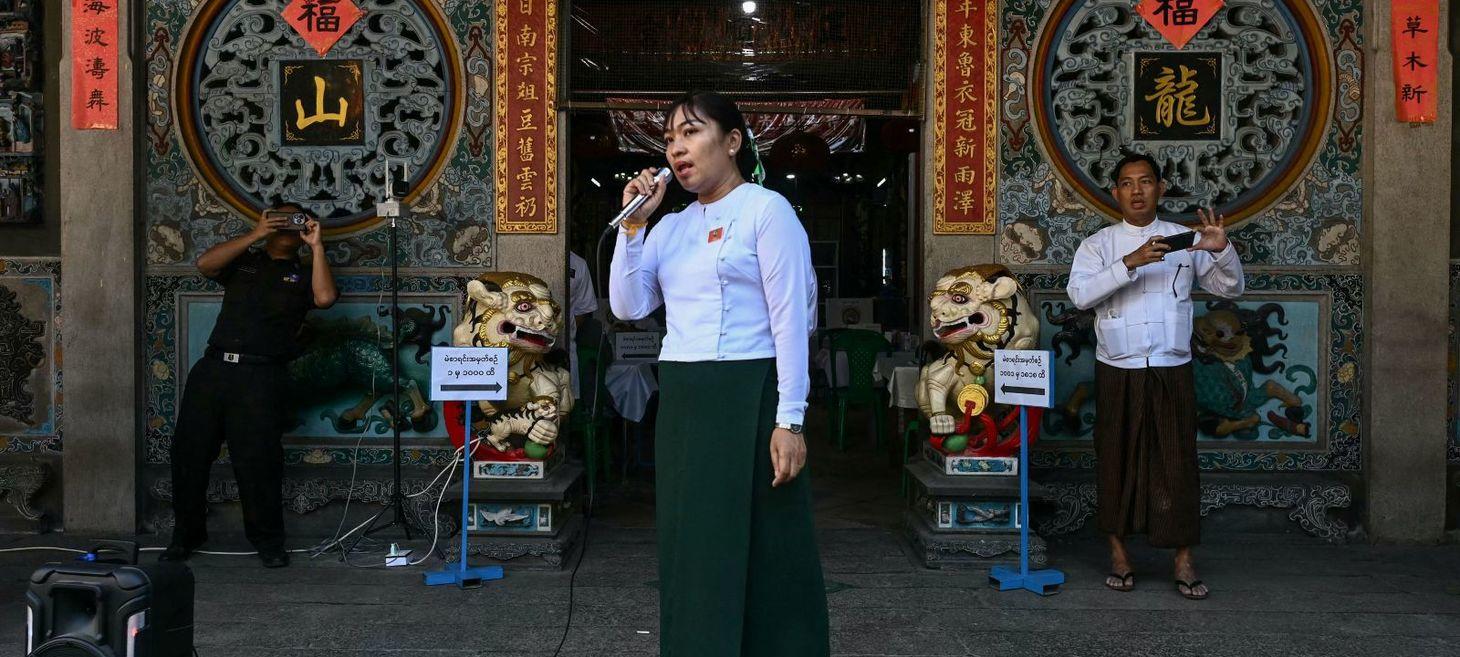
Myanmar's military junta is conducting a three-phase election in early 2026, which critics and international observers warn is an "engineered" effort to legitimize its rule following the 2021 coup and the dissolution of popular democratic parties. While the military's proxy party won nearly 90 percent of seats in the first phase, the process has been marred by significantly lower voter turnout than in 2020, the exclusion of conflict-ridden rebel territories, and the imprisonment of thousands of political opponents. Despite the junta's claim that the vote will return power to the people, advocates argue the election acts as a facade of legitimacy that ignores the reality of a country gripped by a civil war that has claimed an estimated 90,000 lives.
frontiermyanmar.net
Myanmar Military Boss Stuffs Senior Posts With Loyalists Mid-Election
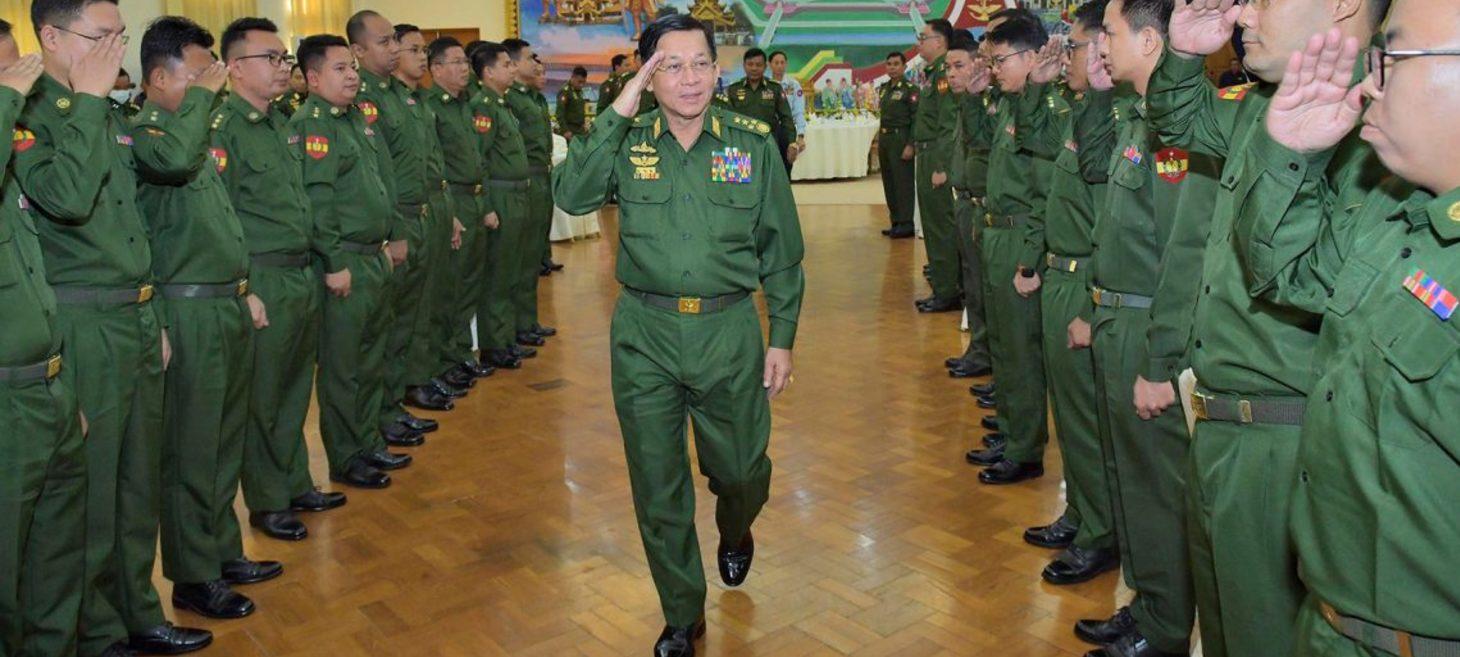
Junta leader Min Aung Hlaing has reshuffled key military leadership positions mid-election to install loyalists and trusted associates, a move strategically designed to secure his future presidency. Notable appointments include placing former aides in roles like adjutant-general and quartermaster general, while the former Air Defense chief was named ambassador to Russia to maintain ties with a major arms supplier. While a younger generation of officers is rising to power, analysts believe they will continue to prioritize military dominance and absolute loyalty to Min Aung Hlaing, mirroring the mindset and nationalist ideology of their predecessors.
irrawaddy.com
Junta Threatens Travel Bans to Force Turnout Ahead of Phase 2 Election in Shan State
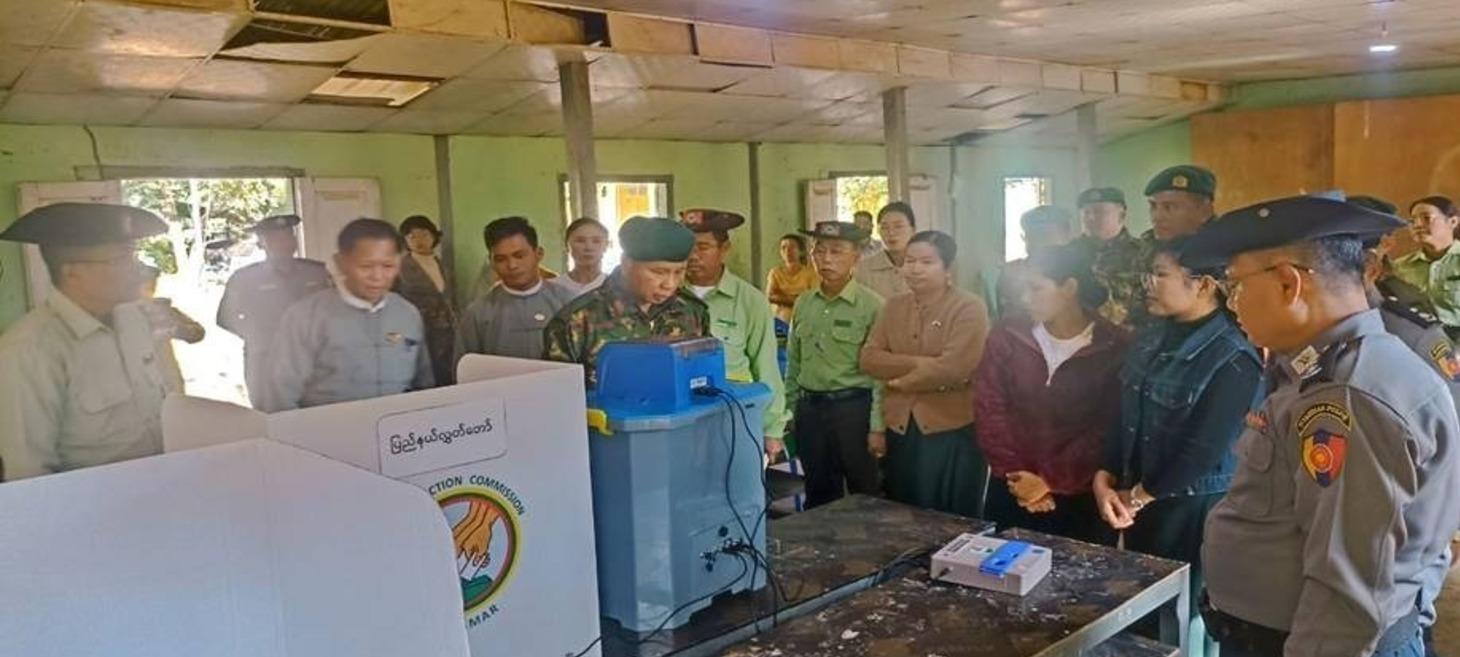
Junta authorities and local administrators in Shan State are coercing voter turnout for the 2026 elections by threatening residents with travel bans and denial of passage through security checkpoints. These elections are held under direct military oversight in townships that remain heavily militarized and subject to shifting control between the military and various Ethnic Armed Organizations. Consequently, residents describe an atmosphere of fear and surveillance, with mandatory participation and threats of punishment having severely undermined the credibility of the electoral process.
shannews.org
Myanmar junta imprisons candidate who made ‘Spring Revolution’ reference
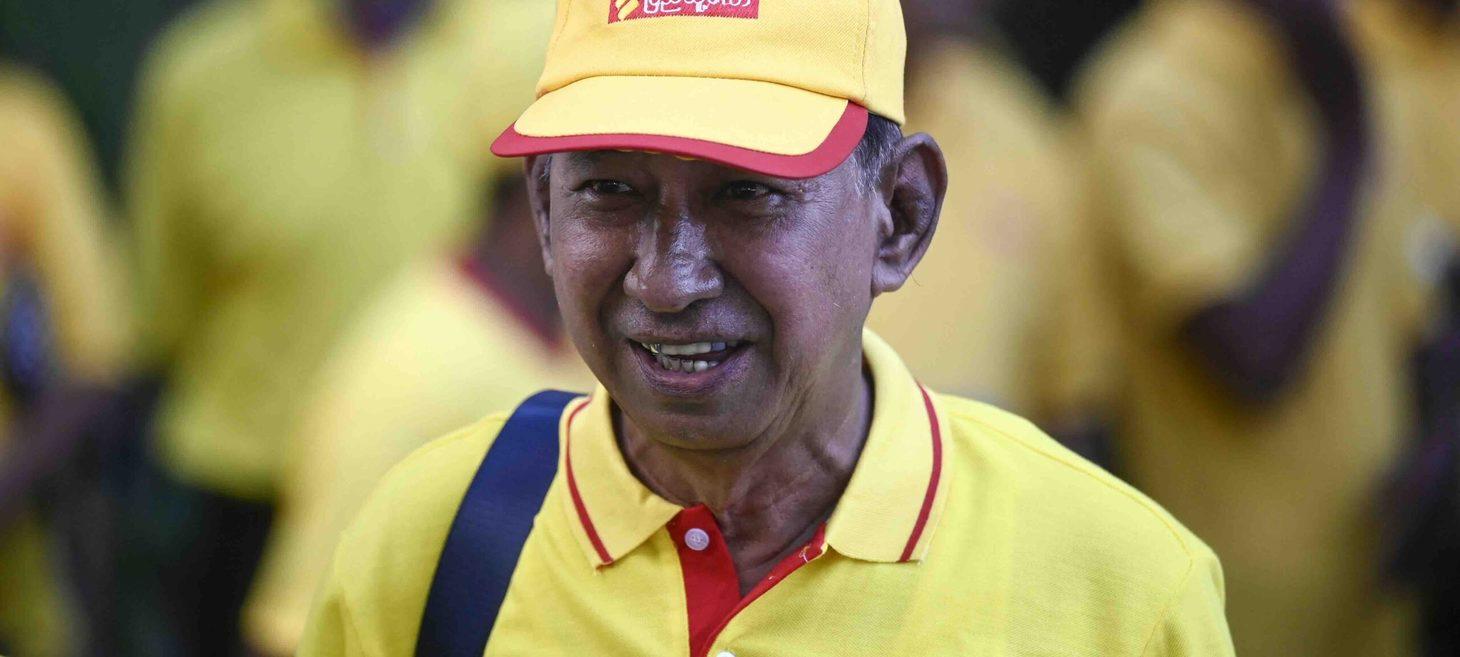
Lwin Myint, a 68-year-old candidate for the People’s Party and veteran activist, was sentenced to one year of imprisonment and hard labor for referencing the "2021 Spring Revolution" and "popular uprising" in his campaign materials. His conviction under Article 58c—a regulation amended by the junta in July 2025—is part of a broader crackdown involving draconian laws that have led to the arrest of over 300 individuals for election-related offenses. These punitive measures, alongside manipulated registration processes, created a political environment where the military-proxy Union Solidarity and Development Party (USDP) could dominate the 2025 election phases with little viable opposition.
myanmar-now.org
Ethnic Issues
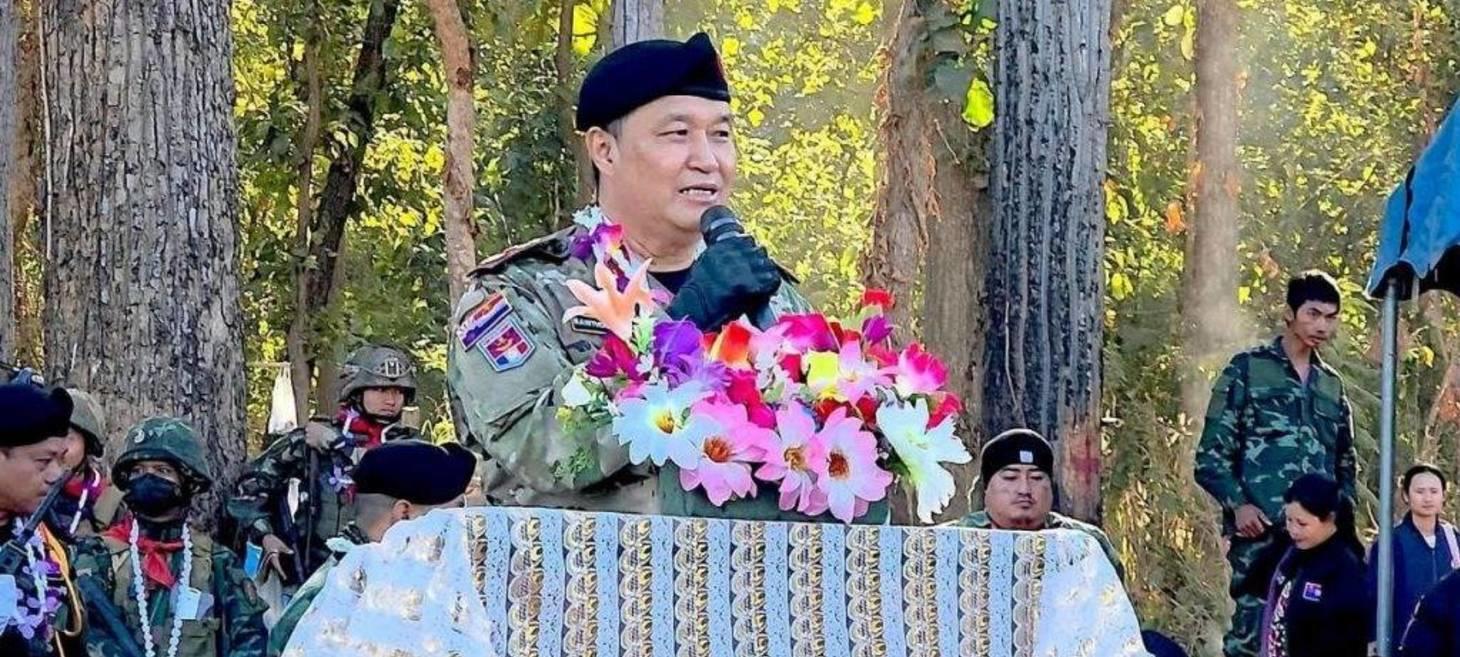
GOVERNMENT OF KAWTHOOLEI FORMED: An act of necessity, defiance or political survival of General Saw Nerdah Mya
General Saw Nerdah Mya, who was previously dismissed from the Karen National Union (KNU) for alleged war crimes, has declared the formation of the independent Republic of Kawthoolei, citing Myanmar's national disintegration. The KNU has officially denounced the declaration, stating it lacks legitimacy and does not represent the Karen revolution’s goals or the reality of territorial control. This development is viewed by analysts as a continuation of long-standing factional divisions and a tactical move to secure Nerdah Mya’s political survival in the face of his expulsion and prior charges.
shannews.org
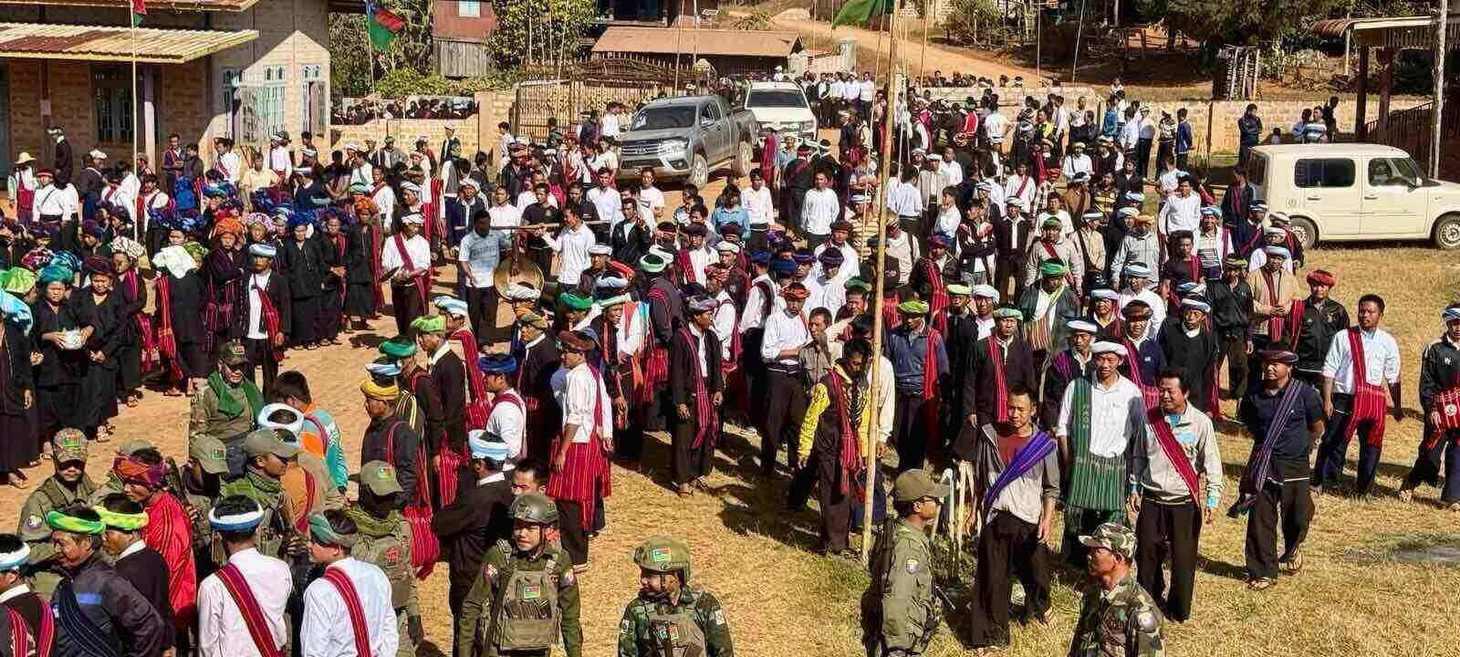
Fear of Extortion Looms as PNO Enters Kalaw Election Race
Residents of Kalaw Township express deep concern that a victory for the Pa-O National Organization (PNO) in the military-led election will lead to increased extortion, "war taxes," and forced recruitment. *While the PNO uses *nationalism to appeal to voters, it faces serious allegations of drug trafficking, land confiscation, and civilian killings during joint operations with the military junta., Given the history of voter intimidation in previous election phases, residents view the upcoming poll as a pathway to deeper insecurity and coercion rather than a legitimate political process.
shannews.org
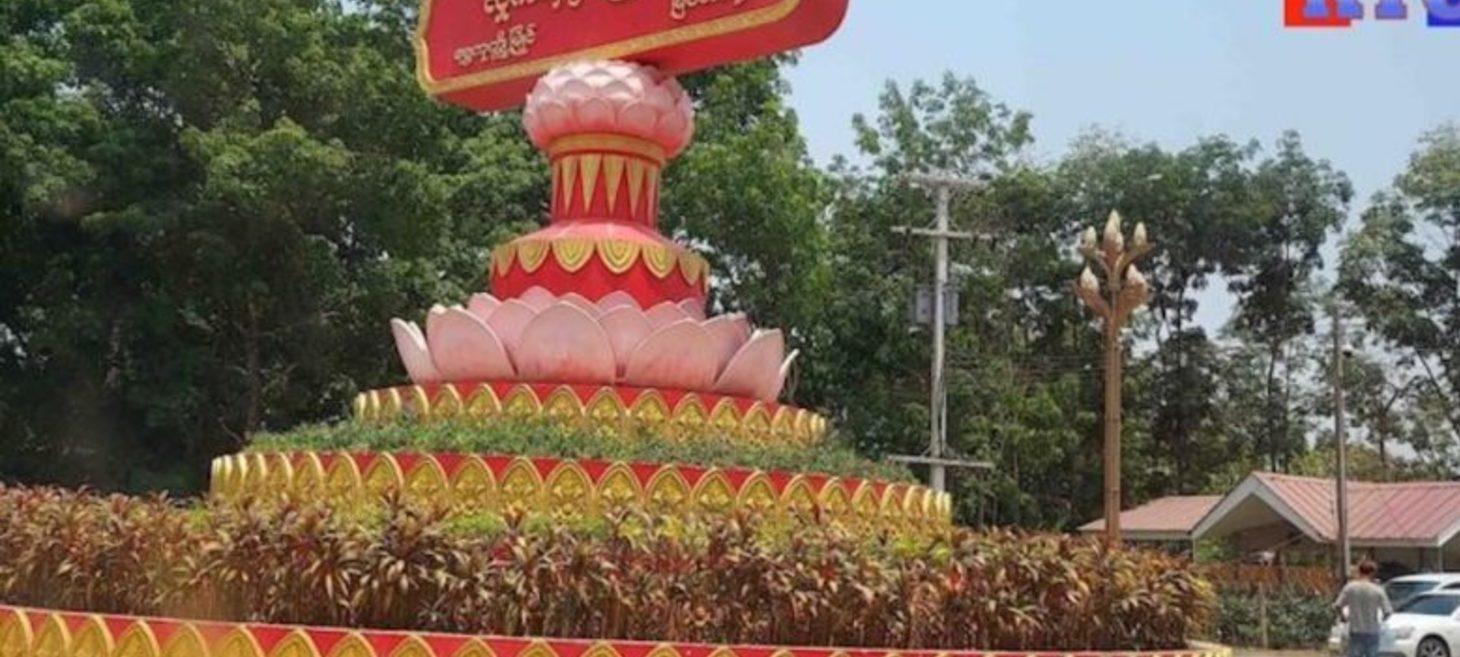
Locals fear fighting may erupt in Shwe Kokko
The Karen Border Guard Force (BGF) has officially broken away from the Myanmar junta command to reform as the Karen National Army (KNA), asserting its independence to focus more freely on Karen national issues. Consequently, residents of Shwe Kokko are preparing for potential conflict by packing essentials, while the KNA warns that clashes are likely despite the town remaining under its firm control. Although some junta forces were recently recalled, three battalions of the junta's Light Infantry Battalion 44 remain stationed in Shwe Kokko following their initial deployment to address telecom scam operations.
karennews.org
Humanitarian
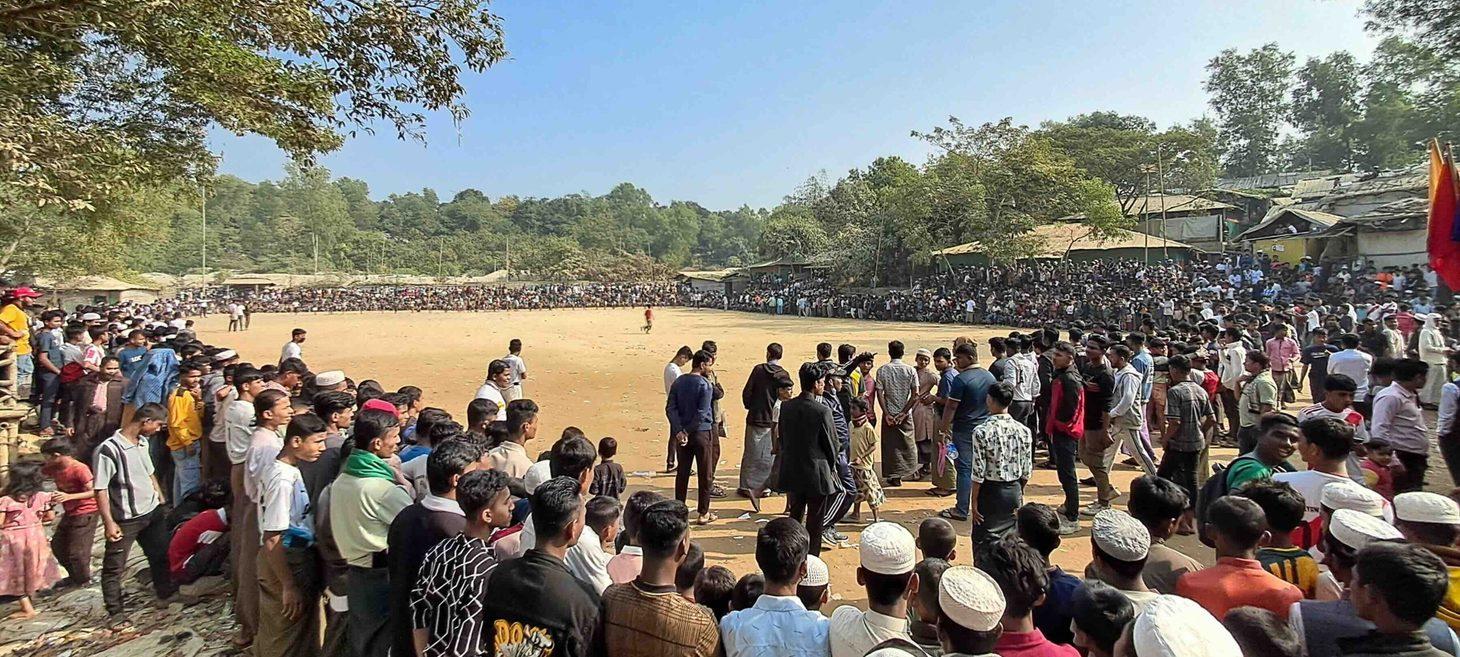
In grim camps, Rohingya hope UN genocide hearing can bring justice
Rohingya refugees living in squalid conditions in Bangladesh are pinning their hopes for justice on an International Court of Justice (ICJ) case brought by The Gambia, which accuses the Myanmar military of violating the 1948 Genocide Convention during a 2017 crackdown. Survivors describe harrowing accounts of state-led violence, including the burning of villages and systematic killings, and they maintain that holding perpetrators accountable is a necessary prerequisite for any future repatriation process. Although the court has limited enforcement power, victims and activists believe a formal recognition of genocide would restore their dignity and provide the legal foundation for a safe, voluntary, and dignified return to their homeland.
myanmar-now.org
Natural Resources
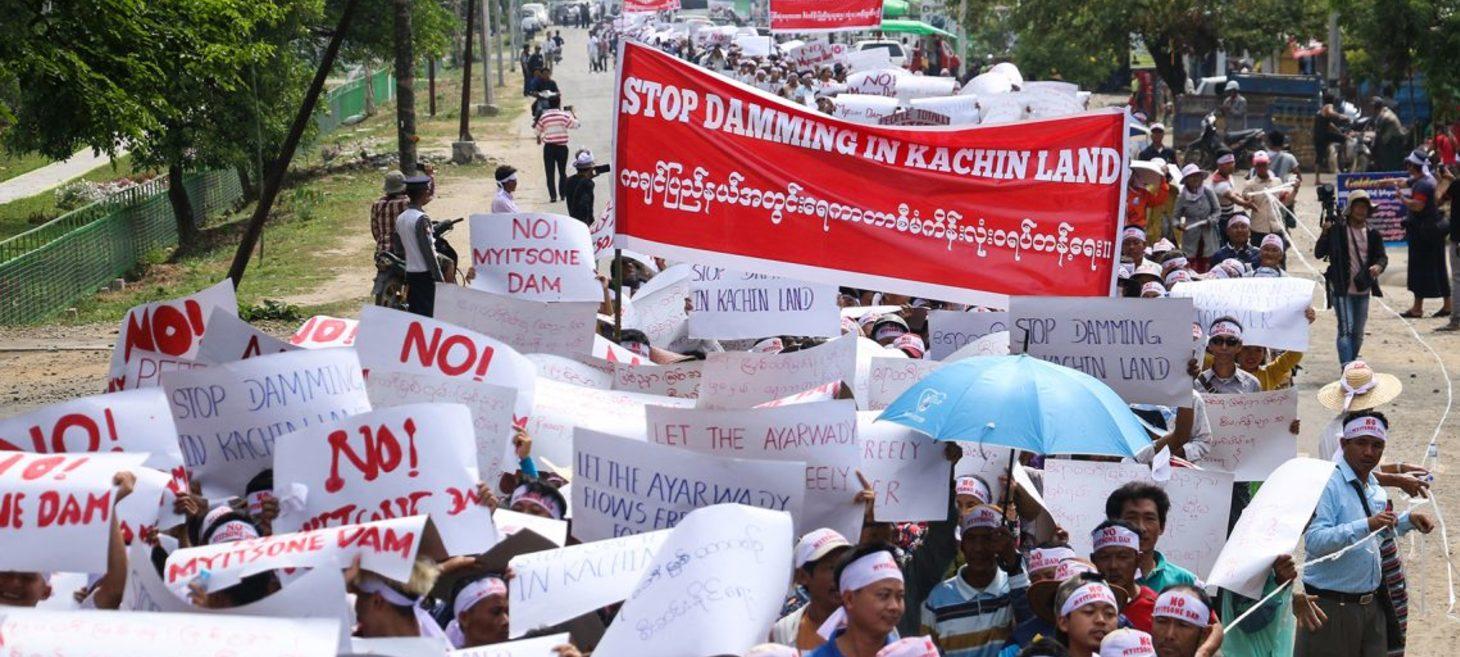
Myanmar Junta Keeps Pushing Revival of China-Backed Hydropower Project
The Myanmar junta is aggressively pushing to revive the China-funded Myitsone Dam project, arguing that the massive hydropower scheme is a cost-effective solution that will deliver long-term benefits and boost power generation for the nation. While officials insist that updated technical assessments and scaled-down designs can mitigate flood risks and withstand major earthquakes, environmental experts and seismologists warn of catastrophic risks to the Irrawaddy’s flow and biodiversity due to the site's proximity to the active Sagaing Fault. This renewed effort is met with firm resistance from local residents, the Kachin Independence Army, and the shadow National Unity Government, the latter of which has declared the confluence a protected heritage site to legally ban large-scale hydropower development in the region,,.
irrawaddy.com
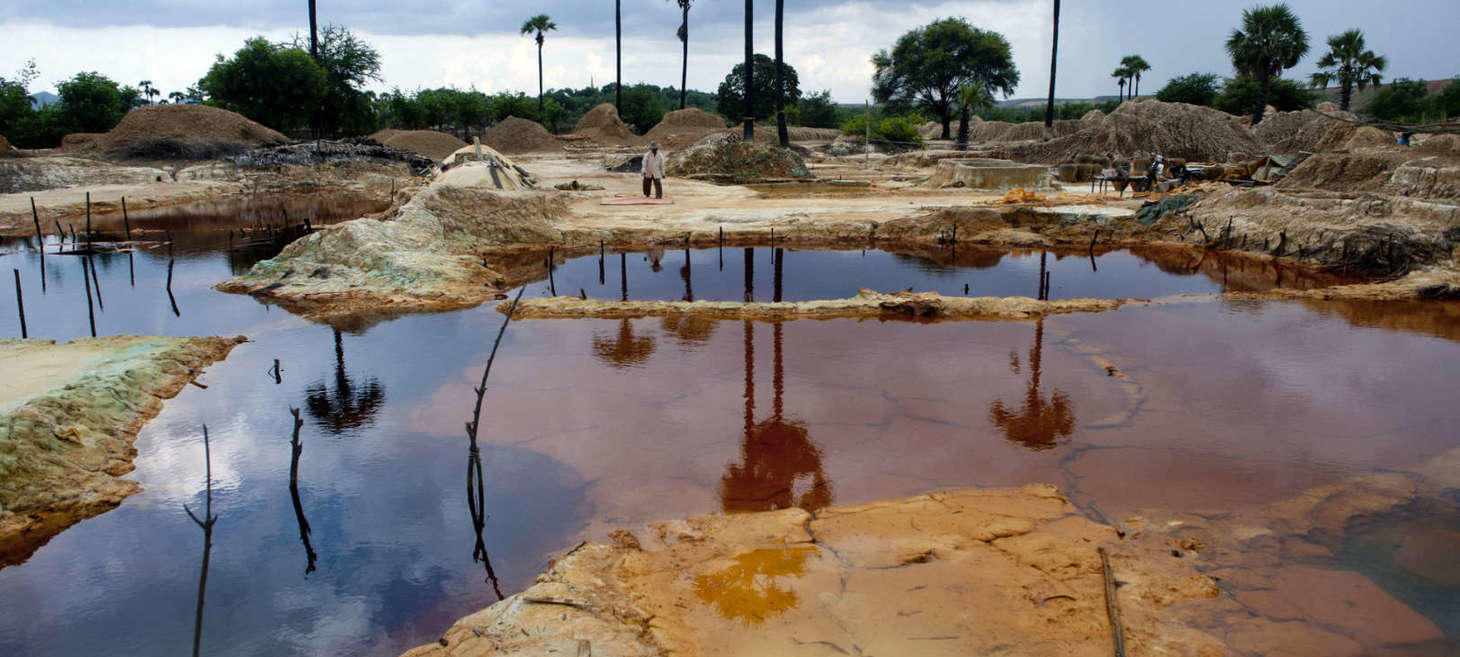
Costs of copper: Residents near mines suffer under junta’s heavy hand
Chinese-operated copper mines in Myanmar's Sagaing Region, run by Wanbao Mining Ltd in partnership with the military, have become central to the ongoing conflict and severe human rights abuses, such as the Done Taw massacre and the use of villagers as human shields. The military provides armed security for the mines to ensure copper production continues, as exports generate hundreds of millions of dollars for the regime and provide raw materials for manufacturing weapons and ammunition. Local residents face indiscriminate shelling, frequent displacement, and brutal torture during military sweeps intended to clear the area for convoys, leading many to demand the complete cessation of mining to protect their communities.
frontiermyanmar.net
Telecommunications

Facebook takes down 1,000+ Mytel accounts linked to Myanmar military, says JFM
Meta has removed over 1,000 pages, groups, and accounts linked to the Myanmar military-controlled telecom company Mytel for circumventing an existing 2021 ban on military-owned businesses. According to Justice For Myanmar, the telecom provider generates hundreds of millions of dollars in revenue and provides technology used for surveillance and censorship, effectively aiding the military's ongoing war crimes. Following Meta’s purge, activists are now calling on other major tech firms, specifically Alphabet and Apple, to remove Mytel’s applications from their digital storefronts.
google.com