Introduction & Analysis
This collection of open-source English-language news articles published over the past week highlights significant events and issues concerning Myanmar. They present a snapshot of the country's safety and security landscape.
- Myanmar’s military junta is conducting a phased national election that is widely dismissed as a "sham" designed to rehabilitate the regime's image while its proxy party, the USDP, secures engineered victories through coercion and the exclusion of opposition leaders.
- Even as the polls proceed, the military has escalated its brutal air campaign, targeting hospitals, monasteries, and villages, and using a mandatory conscription law to force thousands of young people into service.
- The regime's territorial control is rapidly shrinking as resistance forces like the KIA and AA capture key strategic towns, forcing the cancellation of voting in at least 65 townships deemed unsafe.
- China has emerged as a key architect of the election process to protect its economic interests through a military-dominated governance model, a move that has fueled domestic resentment and led many to view the junta as a puppet state.

Conflict
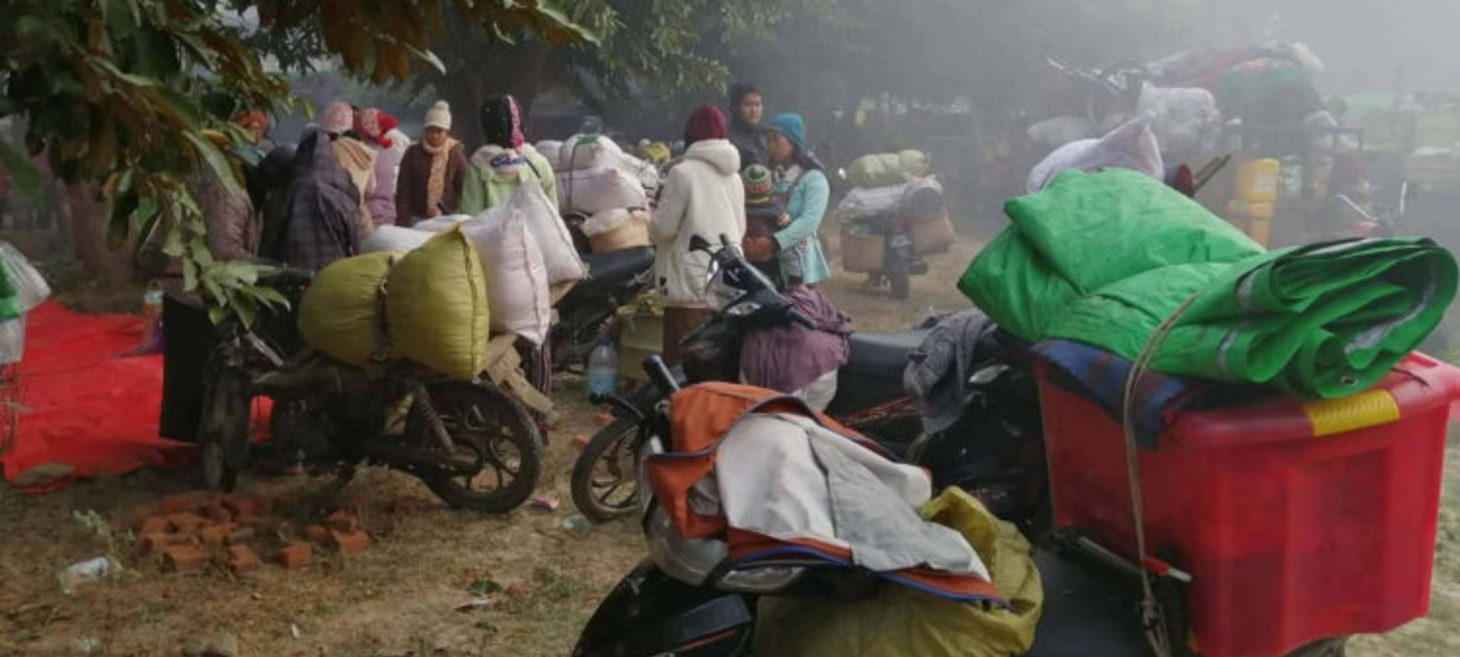
Myanmar Junta Losing Grip on Key Sagaing Stronghold as KIA-Led Forces Advance
Resistance forces led by the Kachin Independence Army (KIA) have advanced into the strategic town of Katha, capturing key entry points and outposts despite ongoing combat near main military bases. The Myanmar junta has responded with airstrikes and heavy shelling to defend Infantry Battalion 309, which is being supported by allied militias and local firefighters. Controlling Katha is a critical military objective because it sits at a regional crossroads and serves as a vital hub for the junta to resupply troops via the Irrawaddy River.
irrawaddy.com
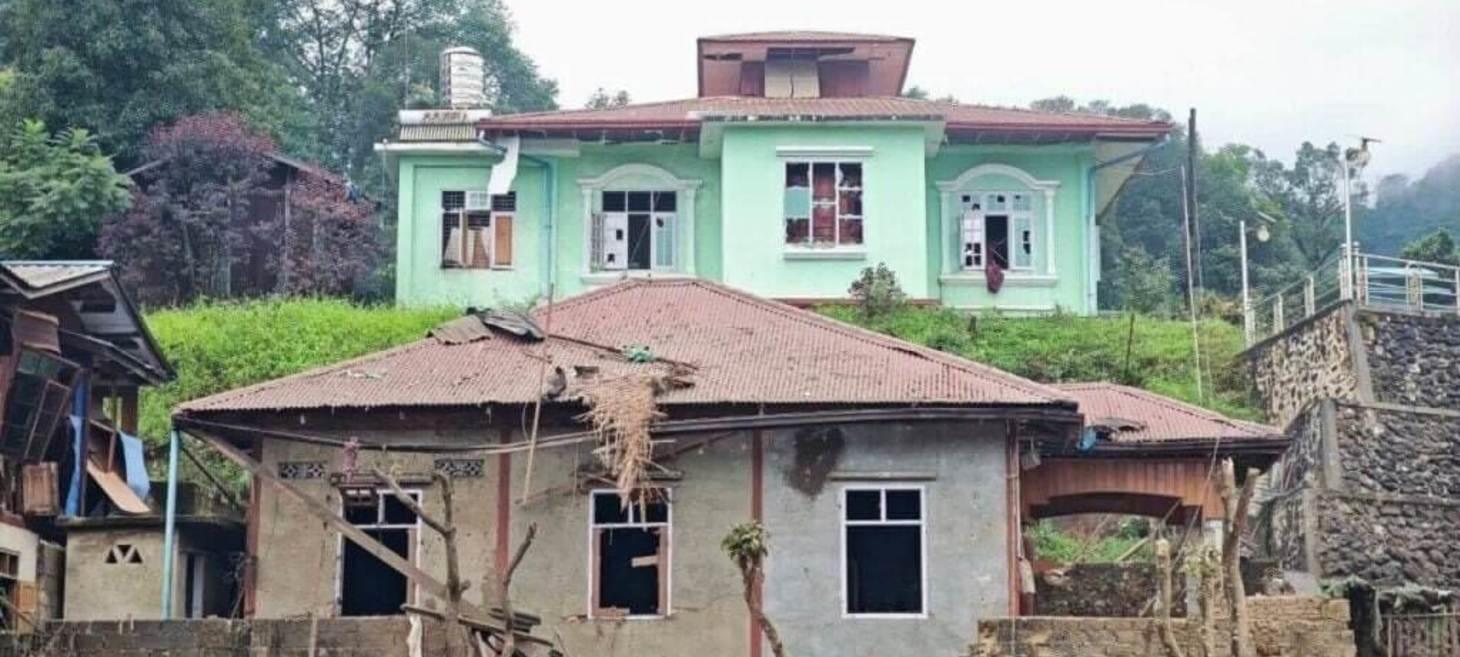
Artillery Strikes Kill Monk and Displaced Woman in Mongkut
On January 4, 2026, artillery strikes hit Yadanar Thiri Monastery and a local high school in eastern Mongkut, resulting in the deaths of a Buddhist monk and a displaced woman. While pro-military sources blame the People’s Defense Force (PDF), residents suspect the military targeted the site to frame the PDF following the regime's recent withdrawal from the monastery. These events occur against a backdrop of renewed clashes and airstrikes triggered by the military's re-entry into the area under Chinese mediation in late 2025.
shannews.org
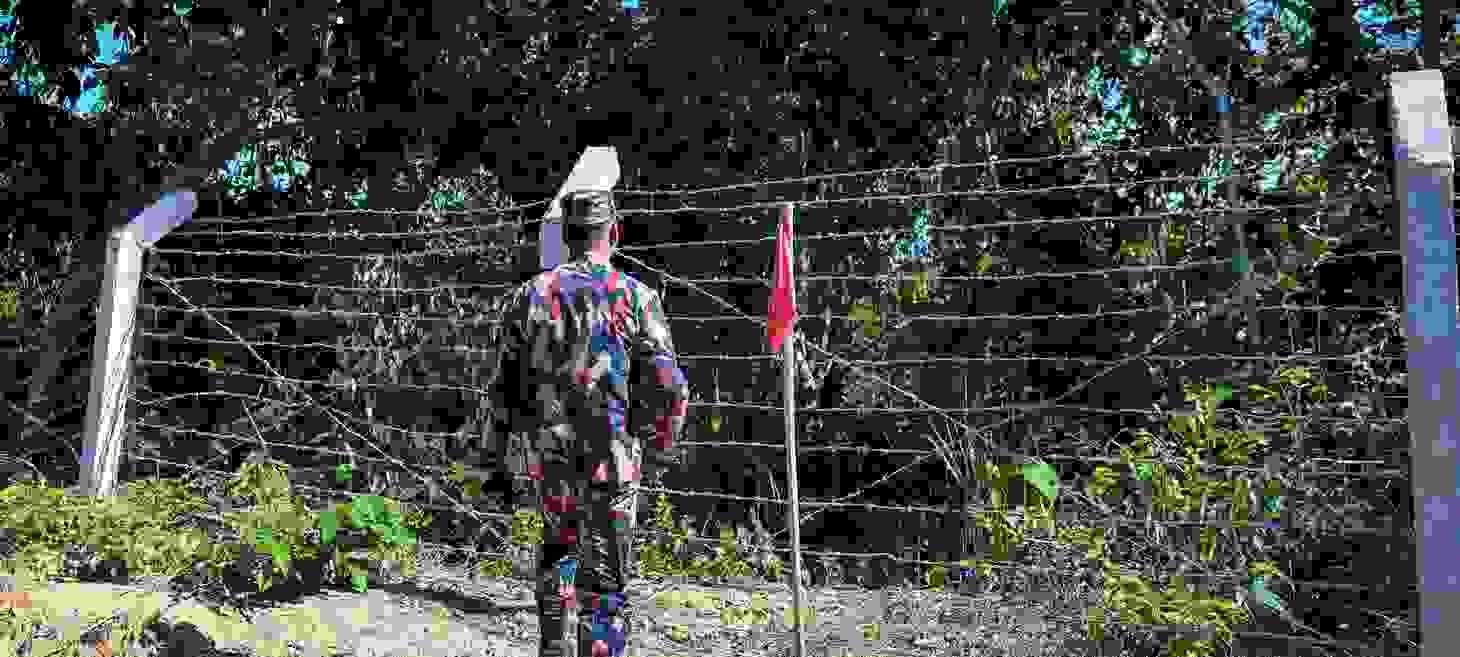
Landmines destroy limbs and lives on Bangladesh-Myanmar border
The dense forests along the 271-kilometer border between Bangladesh and Myanmar have become increasingly deadly due to a surge in landmine use, making Myanmar the world’s most dangerous country for mine casualties with over 2,000 recorded in 2024 alone. Local villagers suffer life-altering injuries and severe economic ruin while performing daily survival tasks like collecting firewood, often forcing their young children to drop out of school to support the family. While the Border Guard Bangladesh (BGB) attempts to mitigate the danger through mine-sweeping and warning flags, residents remain at risk because their livelihoods depend on accessing farmlands and forests seeded with explosives by warring factions across the border.
myanmar-now.org

Four members of single family killed in Hakha Township village airstrike
On January 4 and 5, 2026, junta airstrikes targeted Halta and Haiphai villages in Hakha Township, resulting in the deaths of four members of a single family despite there being no active military clashes in the area. The attack in Halta village killed a mother and her two young sons, ages three and six, while the father succumbed to shrapnel wounds during a grueling six-hour transport to a hospital 70 miles away. While the strike on Haiphai village caused only property damage, the Halta community buried the deceased family on the evening of January 5, marking another tragedy for a village that had been previously targeted by airstrikes in February 2025.
bnionline.net
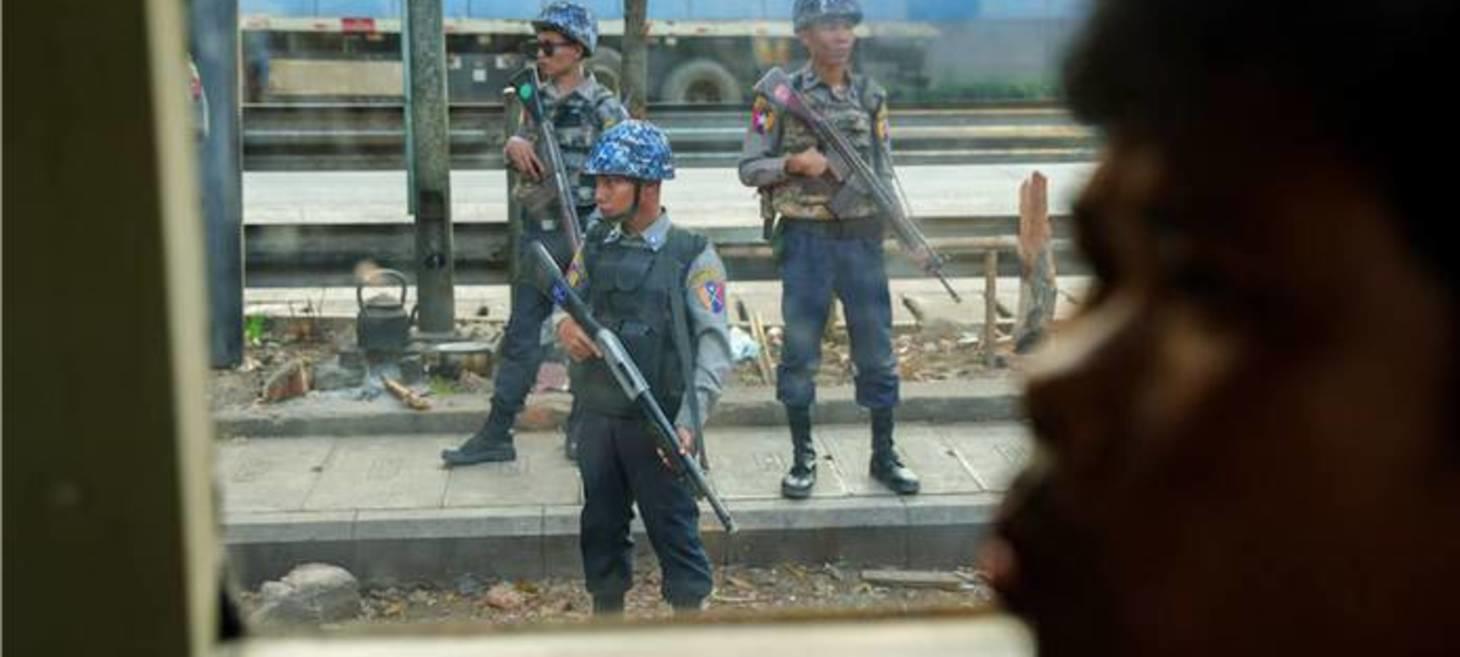
New data shows scale of Myanmar junta war crimes despite sham election
The Myanmar military junta continues to commit widespread war crimes and human rights violations, including thousands of aerial attacks and massacres, even as it conducts what the National Unity Government (NUG) labels a "sham" illegal election. Updated data indicates that these operations have resulted in thousands of civilian fatalities, the destruction of hundreds of schools and hospitals, and the forced recruitment of over 31,000 individuals. These incidents, most notably extrajudicial killings, have increased numerically and continue without pause, with the Sagaing Region identified as the area with the highest number of violations.
mizzima.com
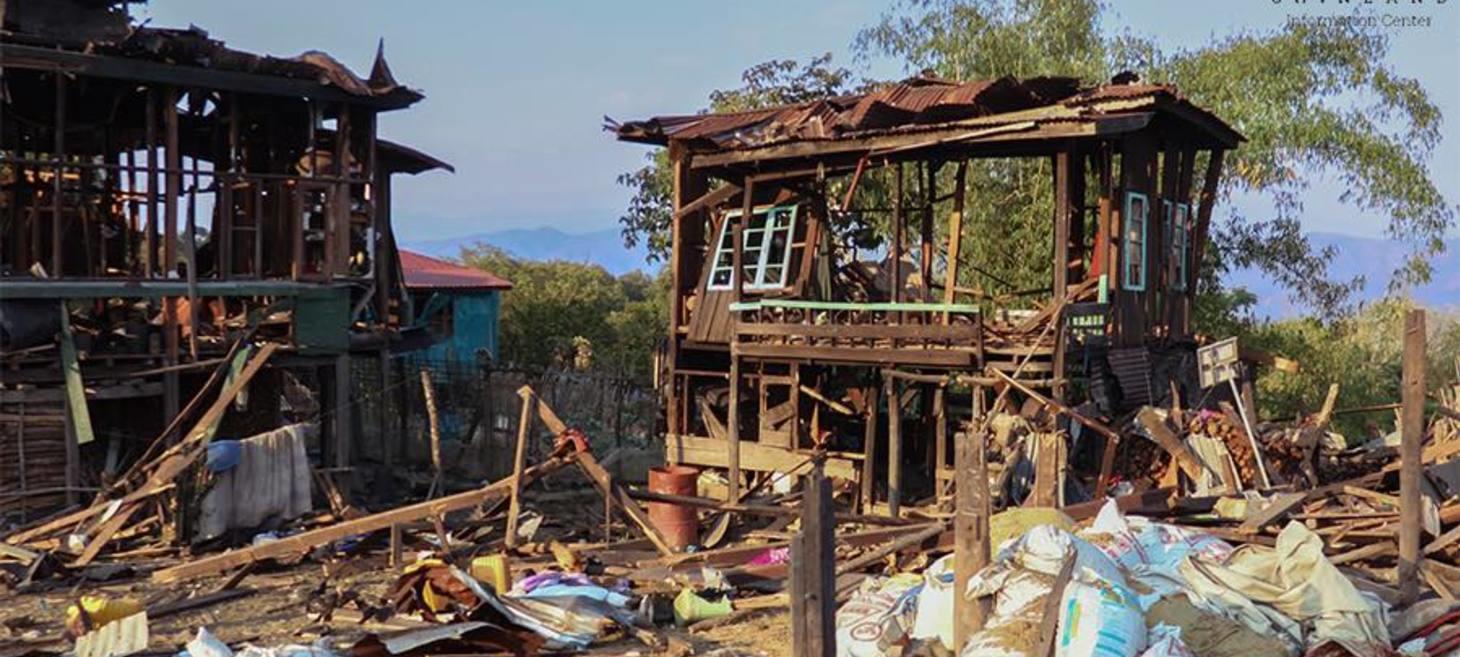
Myanmar airstrikes, shelling kill at least 10 on Independence Day
The provided sources document the fragmentation of Myanmar’s military junta as it loses territorial control to ethnic resistance forces and pro-democracy groups. Ongoing conflict has forced the regime to curtail its planned elections, with voting restricted to a few isolated urban centers in Chin and Rakhine states. While the military faces a multi-front civil war and is losing strategic hubs like Katha, civilian populations suffer from indiscriminate artillery strikes and a surge in landmine casualties along the Bangladesh border. In response to this instability and alleged war crimes, Myanmar’s citizens are increasingly petitioning for international intervention, specifically calling on the United States to apprehend the junta's leadership. Collectively, these reports portray a nation struggling with political illegitimacy, a humanitarian crisis, and a shifting balance of power toward revolutionary coalitions.
myanmar-now.org
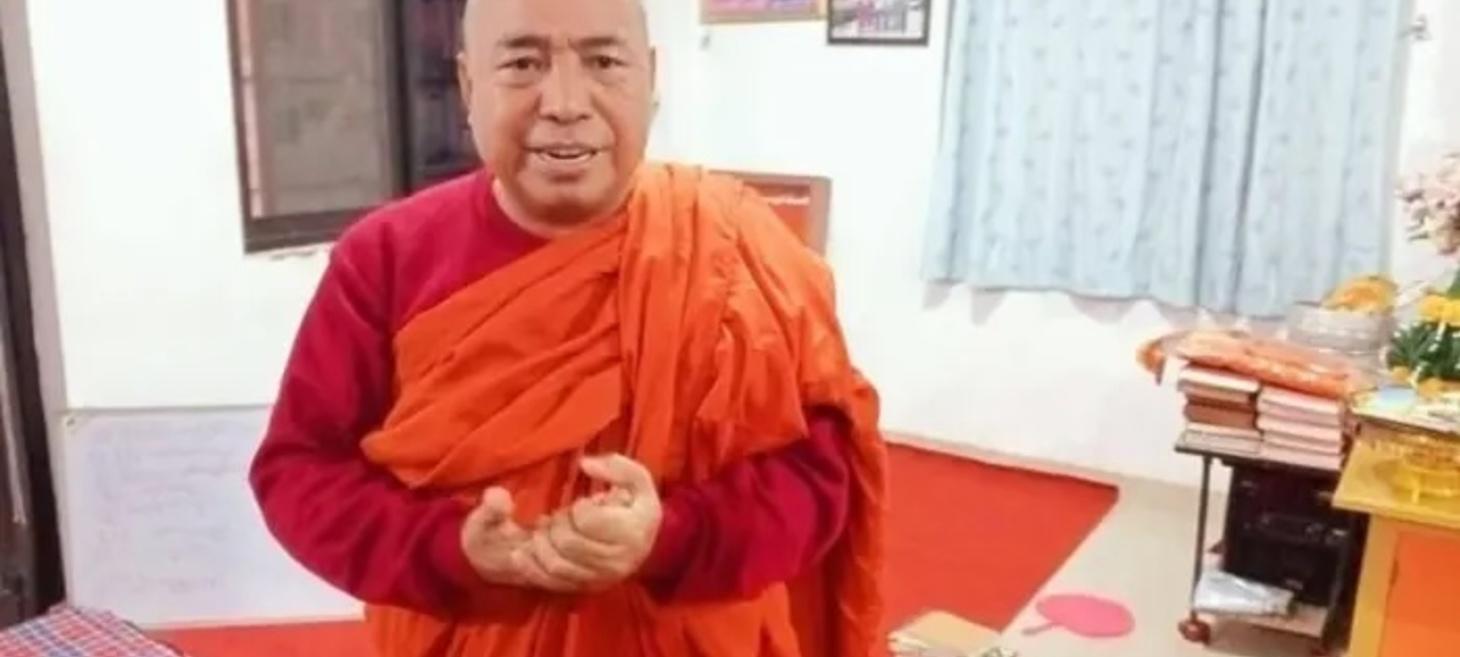
Monk freed after two-month detention by armed resistance group in Myanmar
Dr. Visuta, a senior abbot based in India, was released on January 4, 2026, after being held for two months by the People's Defence Force (PDF) following his detention during a visit to his hometown of Shwebo. The abbot was initially apprehended on November 6, 2025, alongside a novice and a lay devotee during a vehicle stop where valuables were seized. However, it remains unclear if specific negotiations or payments led to his eventual freedom. While Dr. Visuta has safely reached Yangon, he is avoiding public statements for security reasons, reflecting a dangerous period in Myanmar where more than 100 monks have reportedly been killed during the ongoing political upheaval since 2021.
thestar.com.my
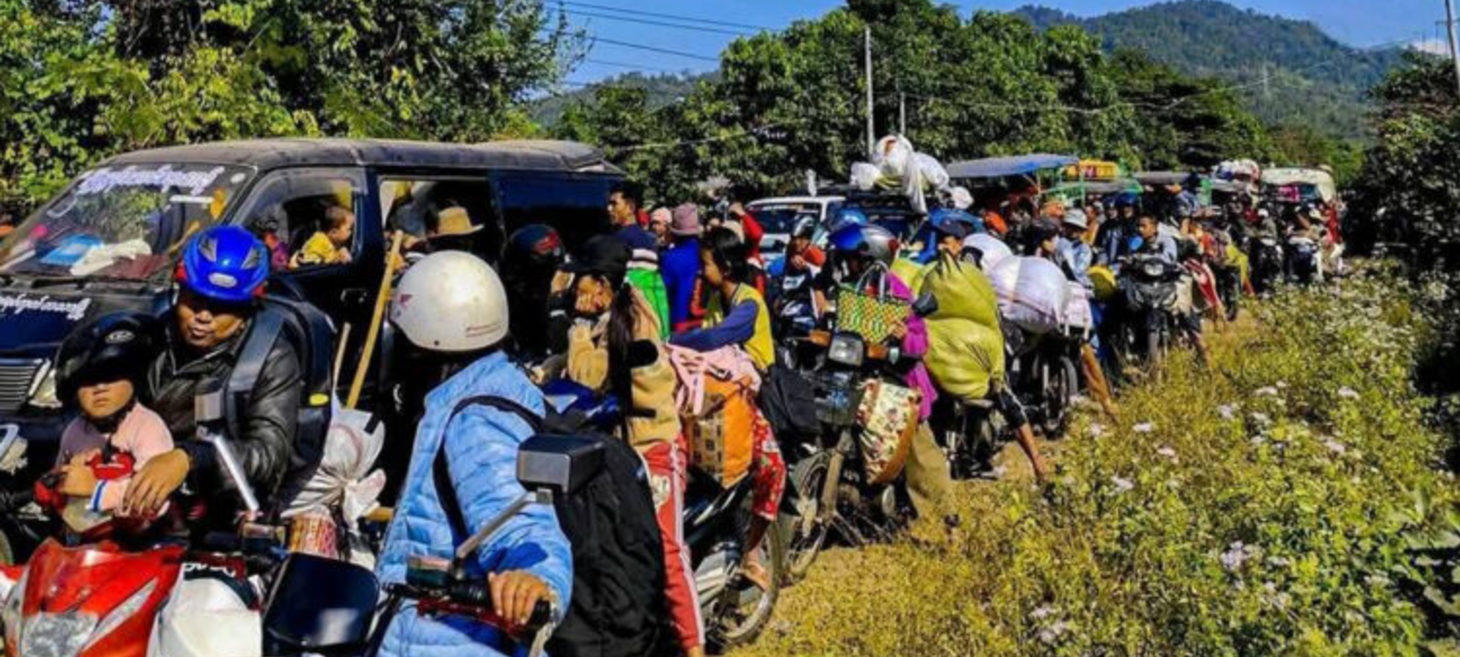
Resistance Forces March Into Katha on the Irrawaddy
Resistance forces including the KIA and PDF have launched a New Year offensive to encircle the junta’s Light Infantry Battalion 309 in the strategic town of Katha despite heavy regime airstrikes and artillery fire,,,,. The resulting urban combat and intense bombardment have displaced almost the entire population, with many residents fleeing to the forest or nearby townships while others remain trapped at checkpoints. Capturing Katha is viewed as a critical move that would provide the resistance a strategic gateway to Kachin State and potentially shift the military balance in their favor.
irrawaddy.com
Elections
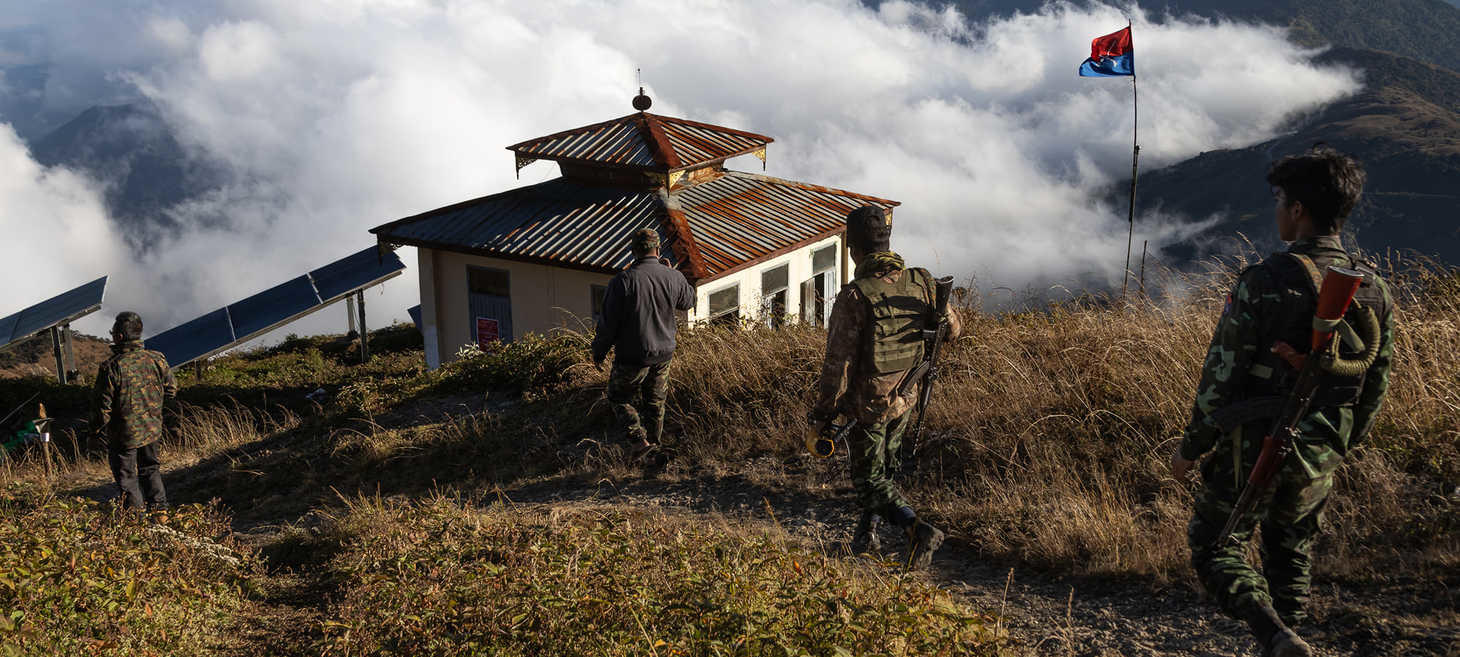
Junta election stalls in Chin and Rakhine states as military control shrinks
Myanmar’s junta-organized elections have ground to a halt in Chin and Rakhine states because the military has lost control over most regions, forcing voting to be limited to only a handful of urban centers. Despite widespread cancellations in resistance-held townships, the military-backed USDP achieved sweeping victories in the limited first-phase polls, often aided by decisive advance ballots that narrowly defeated local party candidates. Ultimately, international observers and rights groups have dismissed the election as neither free nor fair, citing intense ongoing conflict, airstrikes, and mass displacement as factors that prevent the vote from reflecting the true will of the people.
myanmar-now.org
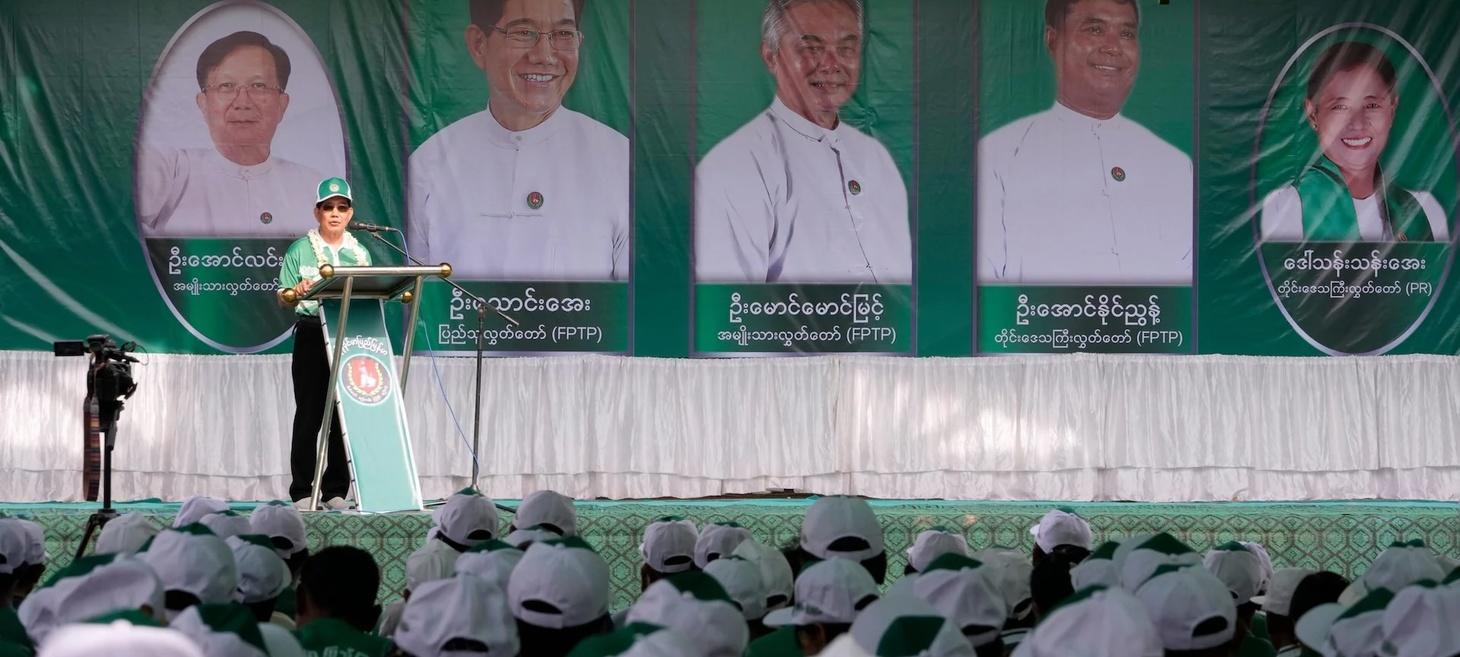
Sphere of influence: Why China is forcing Myanmar’s brutal junta to stage a pantomime election
Backed by China to protect its regional economic interests, Myanmar's military junta is staging a "pantomime election that international observers view as a fraudulent attempt to secure a veneer of international legitimacy. The electoral process is defined by fear and repression, as citizens feel coerced into voting to avoid being blacklisted. At the same time, the regime enforces harsh penalties—including the death penalty—for criticizing the polls. This political theater unfolds amidst a catastrophic humanitarian crisis where five years of civil war have decimated the middle class, doubled the poverty rate, and left essential systems like healthcare and education on the brink of collapse.
telegraph.co.uk
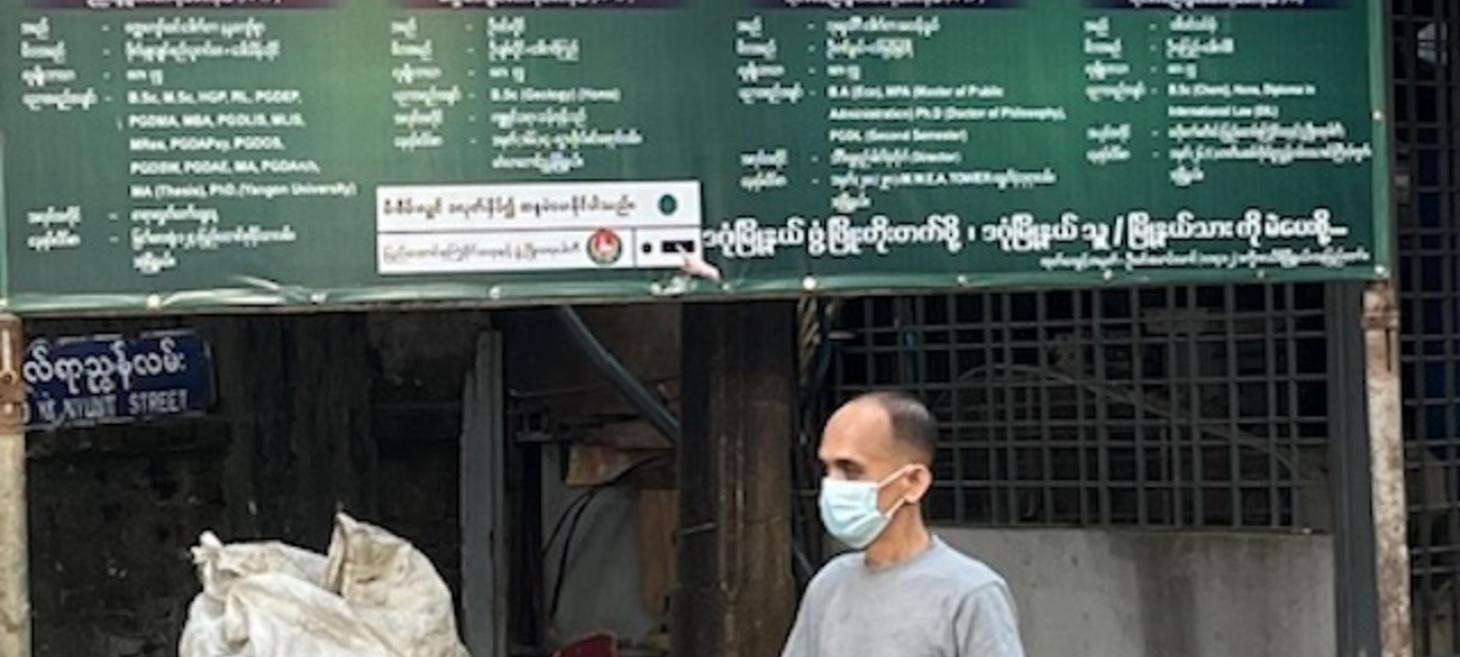
Bombing and Ballots, Myanmar’s Contentious Election
According to the sources, Myanmar’s military junta is conducting a series of tightly controlled elections that resistance forces and civil rights activists have condemned as "sham" polls because they exclude major opposition parties and take place amidst ongoing civil war. While the military's proxy party, the USDP, is already reporting sweeping victories, the regime continues to carry out ruthless air strikes on civilian targets in resistance-held areas, resulting in significant casualties in locations such as Tabayin and Mrauk-U. Although the UN has criticized the process as neither free nor fair, the junta aims to use the elections to project a façade of legitimacy while maintaining power through military and diplomatic support from China and Russia.
globalissues.org
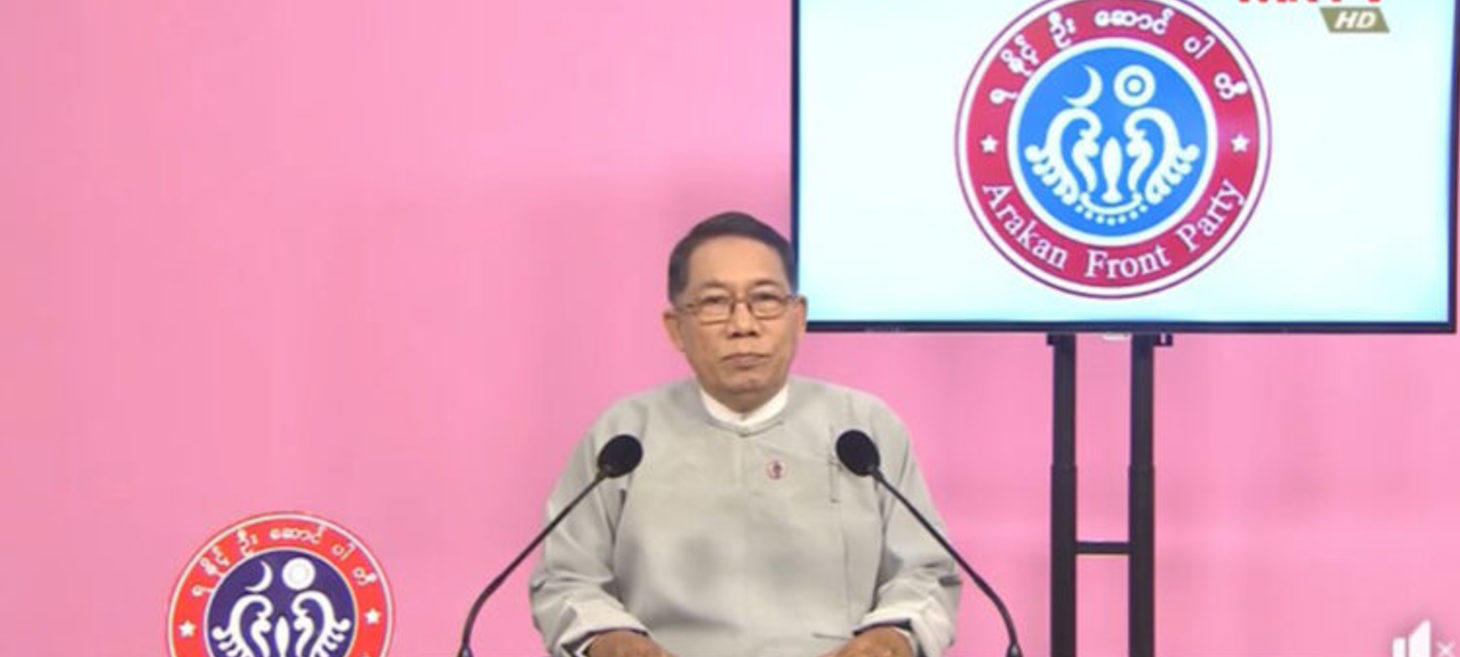
Myanmar Junta Proxy Party Dominates Rakhine Elections
In the December 2026 elections, the military-backed Union Solidarity and Development Party (USDP) secured dominant victories in Rakhine’s junta-controlled strongholds, resulting in major defeats for veteran ethnic politicians like Dr. Aye Maung and U Ba Shein. Opposition figures who boycotted the polls characterized the outcome as a decisive rejection by the public, asserting that the political careers of these ethnic candidates are effectively over. Furthermore, the electoral process was marred by low voter turnout and reports of forced participation. At the same time, 14 out of 17 townships were excluded from the vote because they had been captured by the Arakan Army.
irrawaddy.com
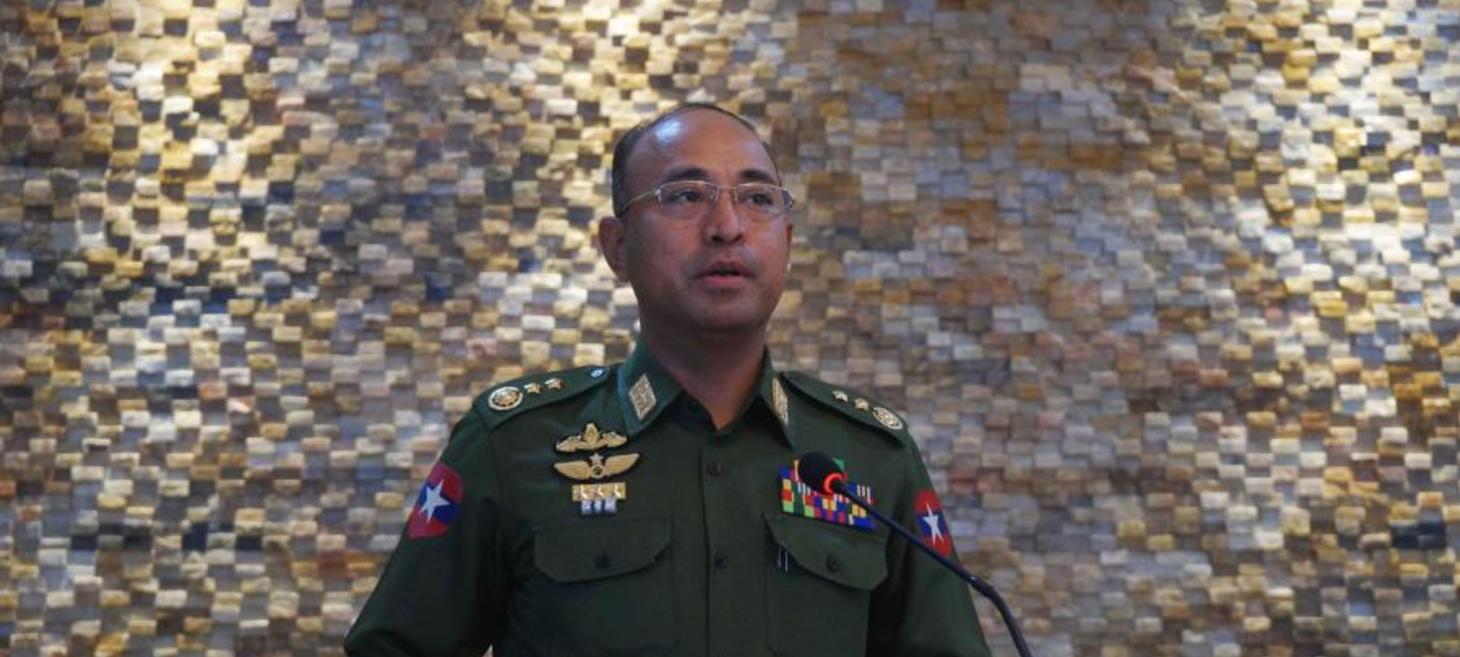
Myanmar general linked to Rohingya atrocities loses bid for election
Lt-Gen Aung Aung, an internationally sanctioned figure linked to Rohingya war crimes and the regime-appointed chief minister of Shan State, suffered a significant defeat in the recent junta-controlled elections. Despite his military pedigree and the backing of the Union Solidarity and Development Party, he lost by over 10,000 votes to Nan Kyin of the Pa-O National Organisation, an ethnic party whose militia wing currently fights alongside the military. While this outcome is not expected to shift the political status quo, it serves as a stinging public rebuke to the regime, as even forced participation and advance military ballots failed to secure a victory in a city hosting a regional military command.
myanmar-now.org
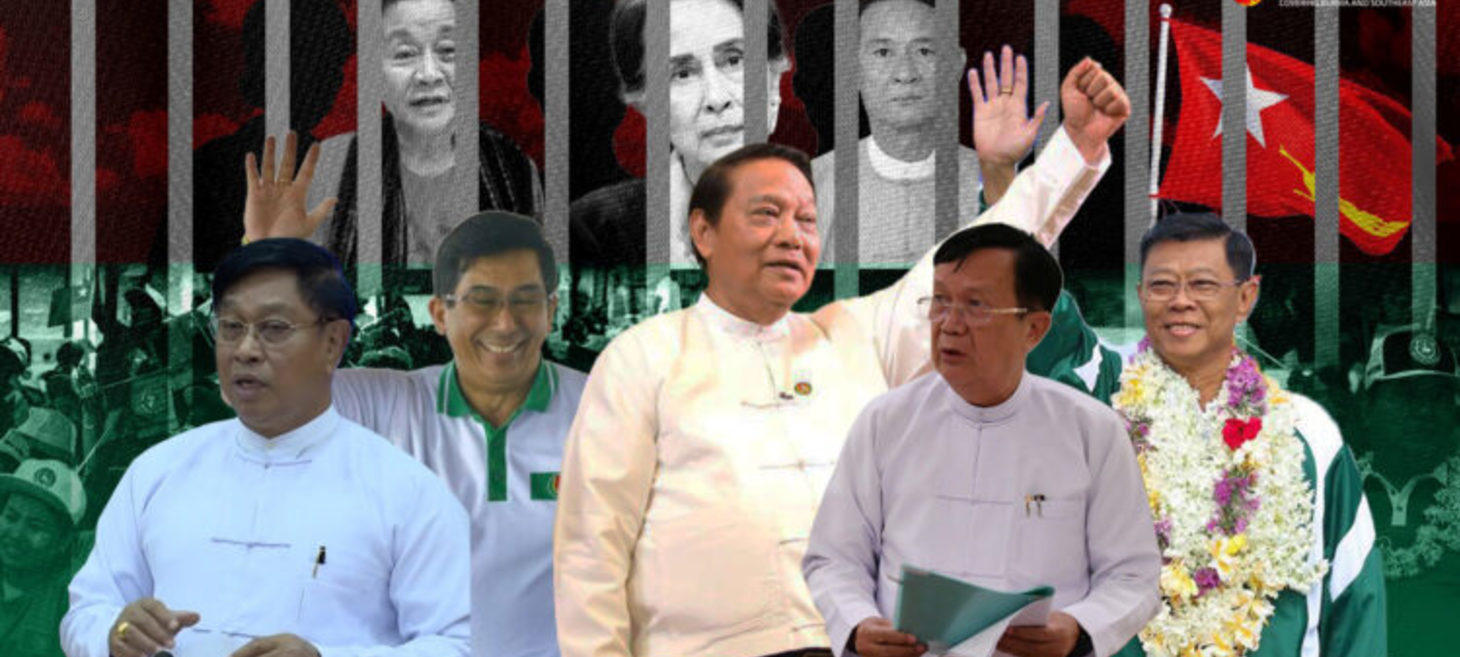
Why Military Parties Win Elections in Myanmar
Historical evidence demonstrates that while the National League for Democracy (NLD) has won landslide victories in every competitive election since 1990, military-backed parties like the USDP achieve "landslides" only when the pro-democracy opposition is legally barred and its leaders are imprisoned. The 2025 election continues this established "blueprint" of political engineering, manufacturing a victory for the military's proxy party while the country remains fractured by civil war and the forced dissolution of the NLD. Ultimately, these staged processes are designed to sustain the military dictatorship under a "civilian costume," failing to resolve Myanmar's crisis because they offer a system of controlled outcomes rather than a genuine choice.
irrawaddy.com

DECEPTIVE BALLOTS : Myanmar’s False Democracy
The Myanmar elections were orchestrated through a direct agreement between Xi Jinping and General Min Aung Hlaing to transition the military junta into a legitimate-appearing government that can protect Chinese economic interests, such as the BRI and CMEC projects. Beijing’s preferred model is a one-party system in which the military maintains a "51 percent formula" for control, a strategy that has led the domestic population to view the regime as a Chinese puppet state and has ignited further resistance. This alignment risks deepening the civil war and humanitarian crisis, as the international community remains divided between Chinese-led recognition and Western condemnation of the voting process as a fraudulent sham.
shannews.org
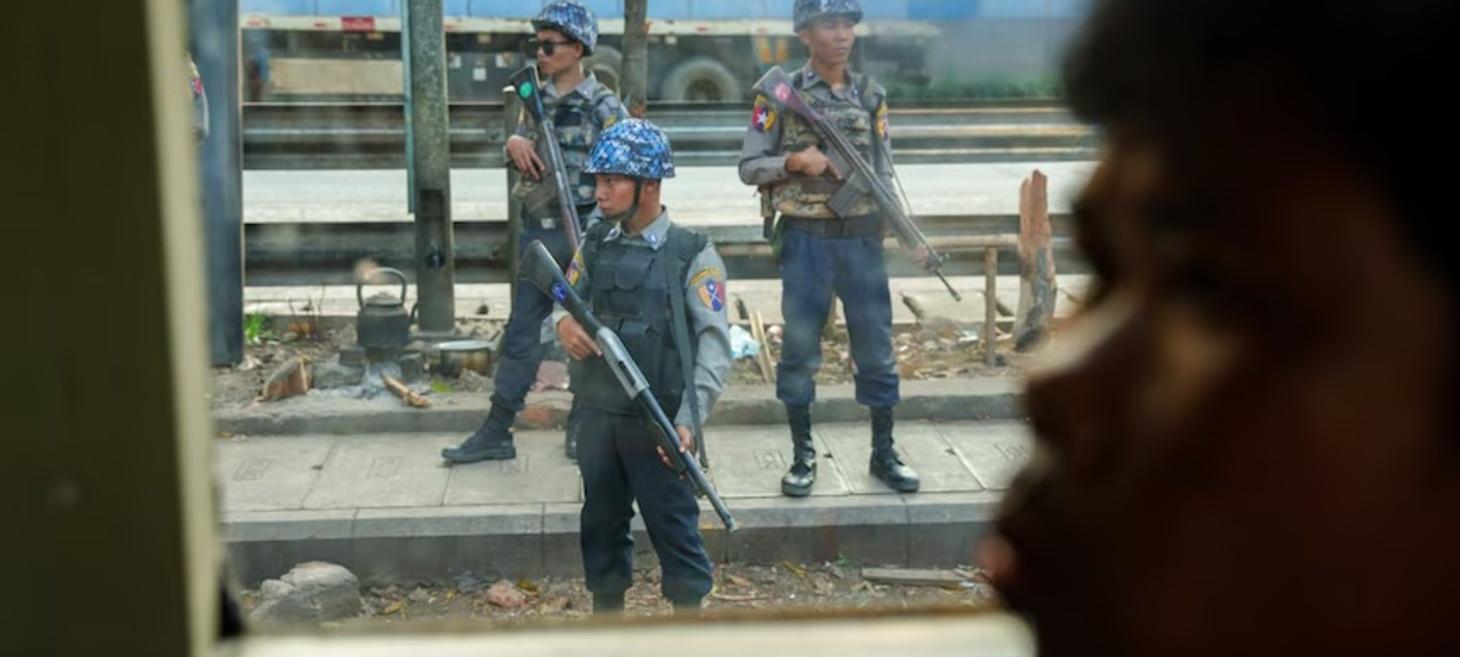
The parts of Myanmar the military junta don't want you to see
Myanmar’s military junta is conducting a multi-phase national election that experts and residents label a "sham" designed to rehabilitate the regime's international image and ease sanctions following the 2021 coup. Although the junta claims a successful voter turnout, journalists on the ground witnessed low participation, intense surveillance of the press, and the ongoing violence of a civil war marked by aerial attacks on villages. To secure victory for its proxy party, the military is reportedly coercing citizens into voting by threatening them with a mandatory conscription law that has already forced tens of thousands of young people into service.
abc.net.au
Foreign Affairs
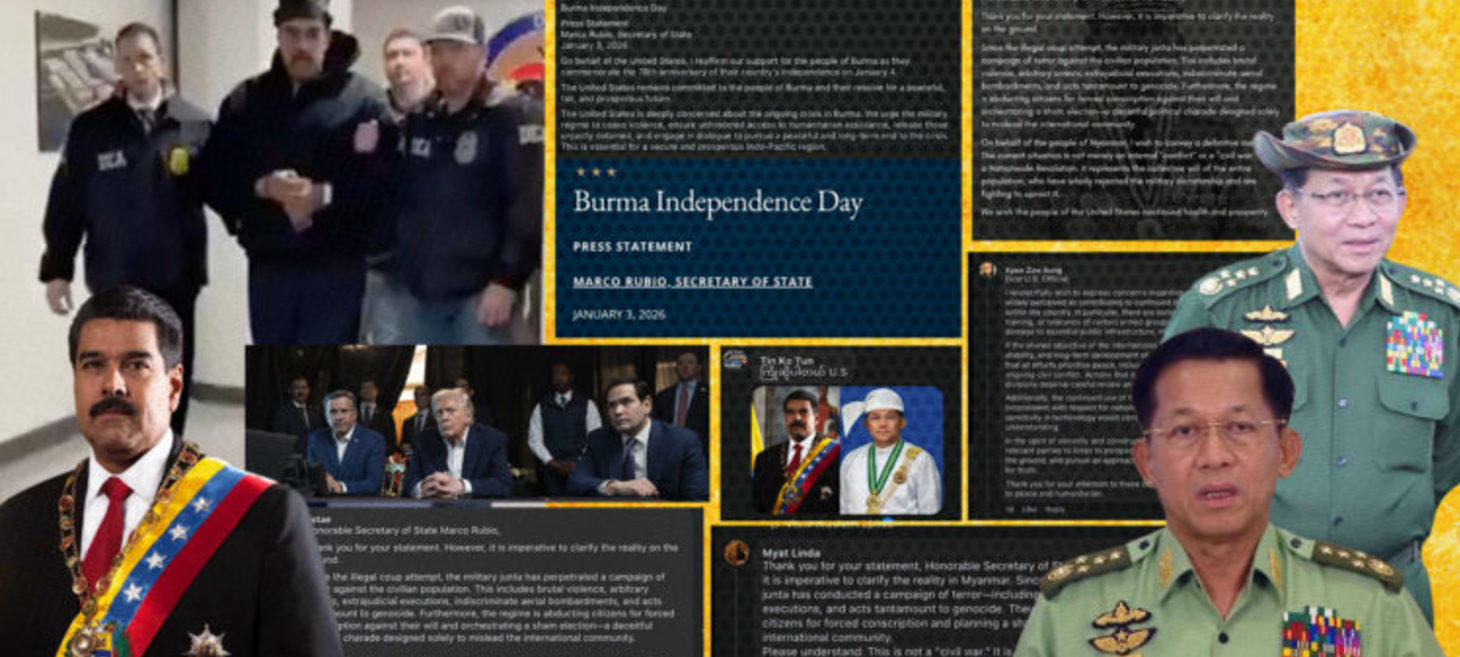
Envious Myanmar Netizens Seek U.S. Action on Min Aung Hlaing After Maduro Arrest
Following the early 2026 U.S. military intervention that ousted Venezuelan leader Nicolas Maduro, Myanmar netizens have flooded the U.S. Embassy's social media demanding that Washington similarly arrest junta chief Min Aung Hlaing. In response to the ongoing crisis, U.S. Secretary of State Marco Rubio urged the military regime to "cease violence" and "release those unjustly detained" while reaffirming Washington's commitment to the people's "resolve for a peaceful, fair, and prosperous future". Although U.S. officials described a resolution to the conflict as "essential for a secure and prosperous Indo-Pacific region," the U.S. has focused its current "concrete action" on deploying strike forces and FBI agents to dismantle regional scam operations protected by the junta.
irrawaddy.com
General News
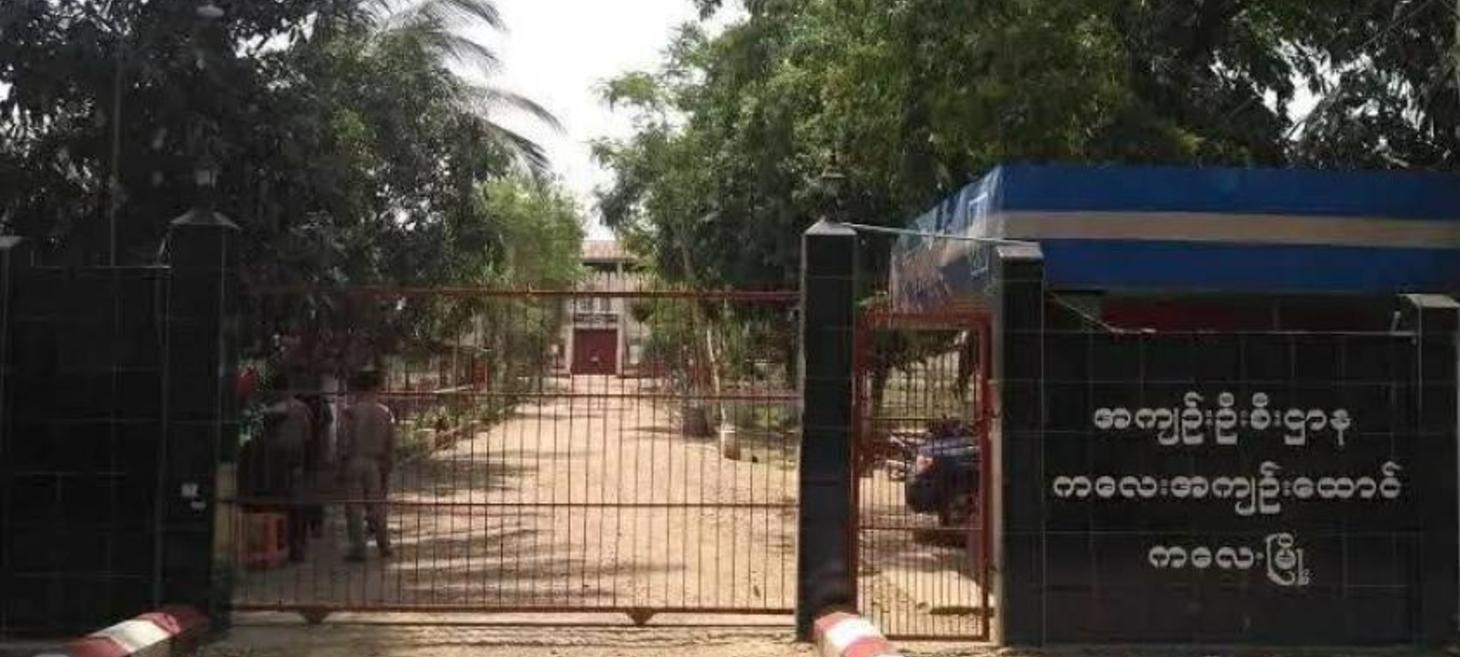
Political prisoners excluded from Kale Prison amnesty release
To mark Myanmar's 78th Independence Day, the junta announced a nationwide amnesty that released 6,134 inmates and reduced sentences for most crimes by one-sixth. Although more than 20 inmates were released from Mawlaik (Kale) Prison in the Sagaing Region, residents confirmed that no political prisoners were among them. Currently, more than 500 political prisoners continue to be held at the Kale facility, despite the broader junta-led amnesty initiative.
bnionline.net
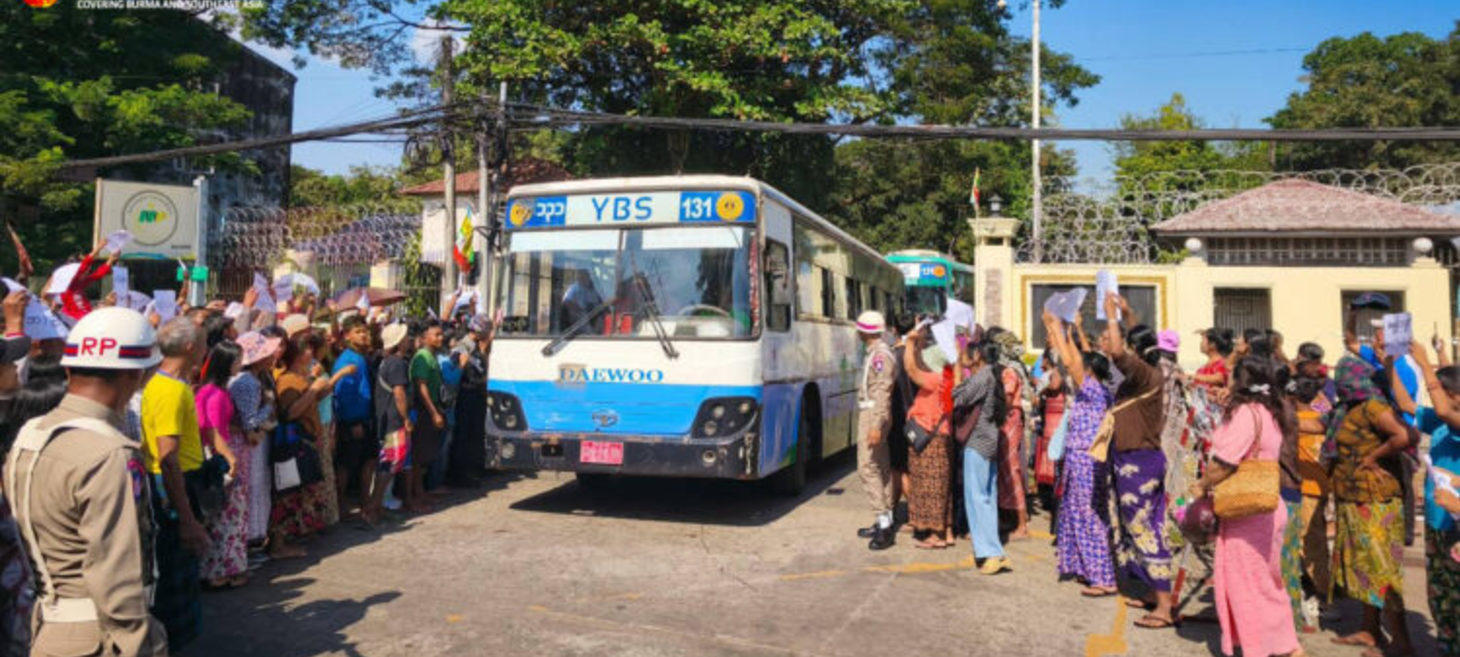
Myanmar junta says to release over 6,000 prisoners in annual amnesty
To mark 78 years of independence from British rule, Myanmar’s military junta has announced the amnesty of 6,134 imprisoned nationals and 52 foreign prisoners, many of whom were detained following the 2021 coup. This humanitarian gesture occurs alongside a phased month-long election where the military-proxy Union Solidarity and Development Party (USDP) has already secured 90 percent of the lower house seats announced in the first stage. Despite the junta's claims that these steps will restore democracy, the process is widely condemned as a sham and a rebranding of martial rule, particularly as the popular National League for Democracy remains dissolved and excluded from the ballot.
irrawaddy.com
Governance & Rule of Law
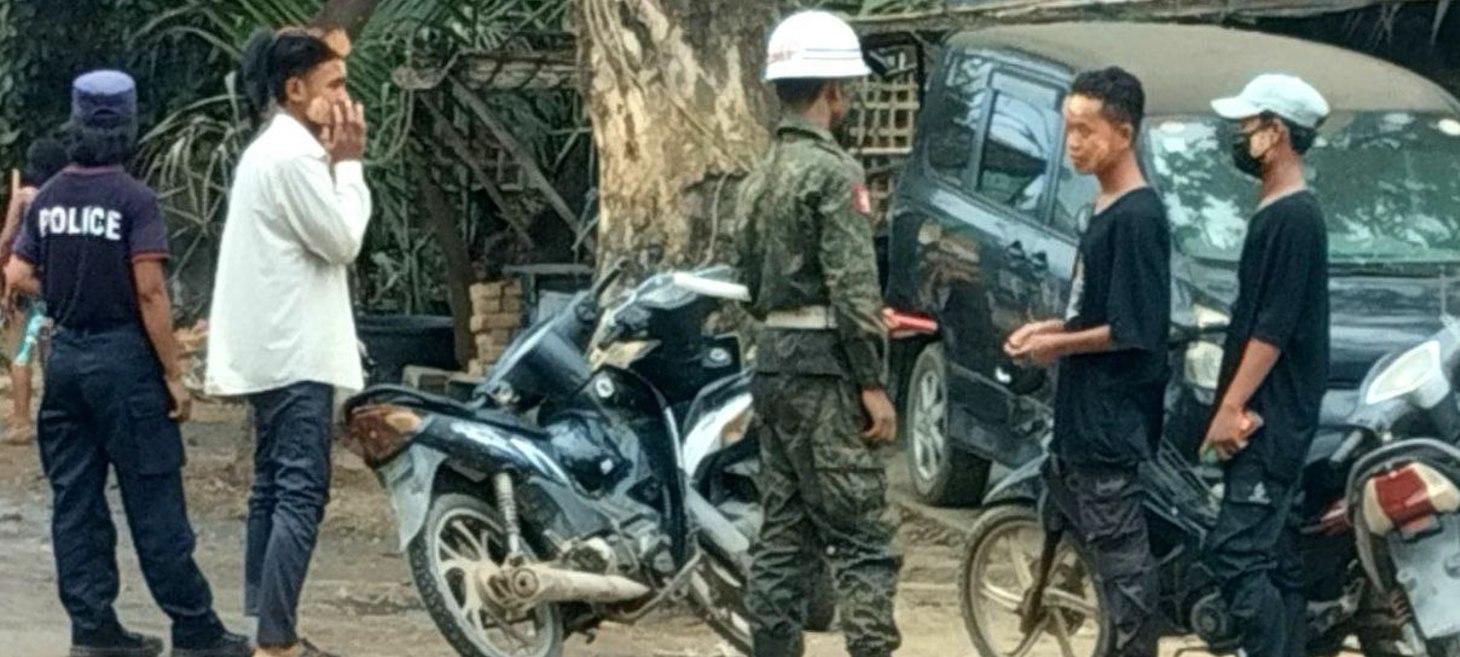
Two local administrators sentenced in killing of civilian in AA-controlled township
A court managed by the United League of Arakan (ULA) sentenced two local administrators to 10 years in prison for the death of a man who was placed in wooden stocks in Pauktaw Township. While the Minbya District Court acquitted a third defendant, the village administrator, the victim’s family expressed dissatisfaction with this release and plans to appeal the decision. These proceedings highlight the ULA’s broad authority over law enforcement and the judiciary across 14 townships in Rakhine State, where they also manage prisoner amnesties and the release of prisoners of war.
myanmar-now.org
Politics
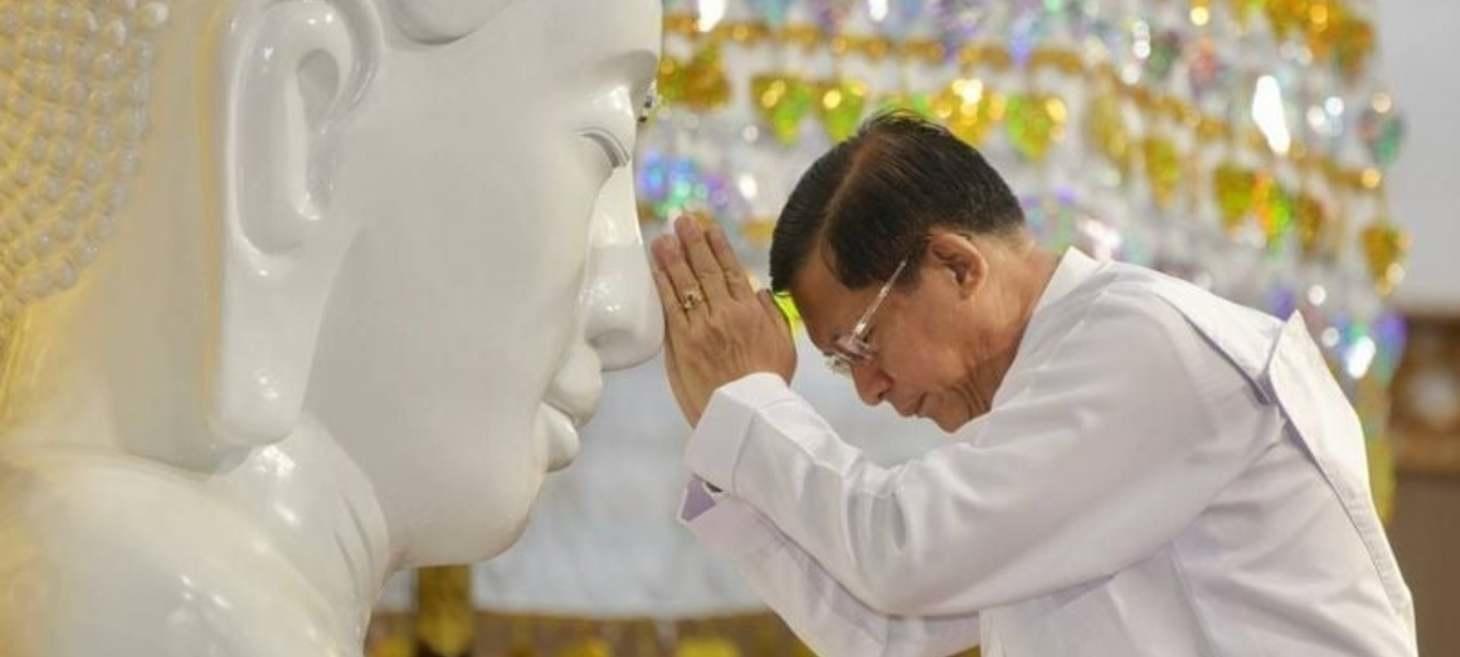
Myanmar junta leader reiterates the military’s political role in 78th Independence Day anniversary message
During his 78th Independence Day address, Senior General Min Aung Hlaing reasserted the military’s role as the sole guarantor of national stability, attributing Myanmar's ongoing crisis to "ethnic extremism," ideological rigidity, and foreign interference. He defended the 2021 coup as a constitutional necessity. He promoted the current phased election process as a return to multiparty democracy, despite widespread international condemnation and official results showing the pro-military USDP winning the first phase. Finally, the junta leader tied future economic development and social programs to the requirement of nationwide stability, insisting that progress is contingent upon the public’s alignment with the military’s political roadmap and "three national causes".
mizzima.com