Introduction & Analysis
This collection of open-source English-language news articles published over the past week highlights significant events and issues concerning Myanmar. They present a snapshot of the country's safety and security landscape.
- The Myanmar military junta is conducting a three-phase general election beginning in December 2025 that resistance groups and international critics have widely dismissed as a fraudulent "sham" intended to legitimize continued military rule.
- Despite the use of coercive tactics, such as requiring civil servants to provide photographic proof of voting and threatening to deny travel permits to non-voters, reports highlight low voter turnout and persistent violence involving both junta airstrikes and resistance attacks.
- The electoral process is deeply polarized, as allies like China, Russia, and Belarus have provided observers to lend the vote legitimacy, while domestic monitors were barred and most democratic nations and regional bodies like ASEAN have refused to recognize the proceedings.
- Amidst the political turmoil, Myanmar faces a severe economic "poly-crisis" and a humanitarian disaster, further complicated by the proliferation of massive online scam centers and the displacement of millions of citizens.

Conflict
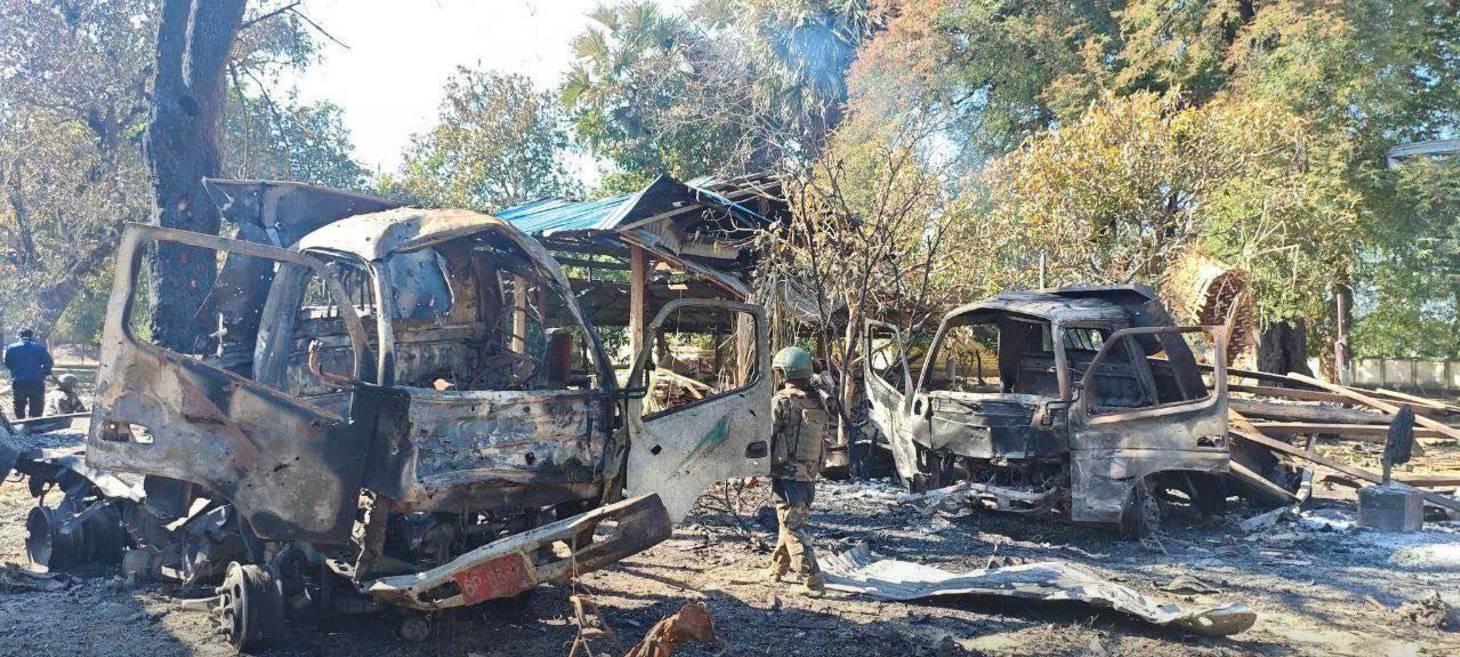
NUG fighters launch offensive, besiege two towns in Magway Region
Resistance forces led by the National Unity Government have initiated a major offensive in Magway Region, besieging the towns of Salin and Sinphyukyun to block supply routes and target junta military bases. The operation has successfully disrupted armaments production by destroying around 100 power poles supplying Defense Industry factories that manufacture critical munitions like aerial bombs and small arms. This offensive serves the dual purpose of crippling weapon manufacturing and undermining junta-led elections, forcing the military to rely on airlifts for supplies as ground routes remain compromised.
myanmar-now.org
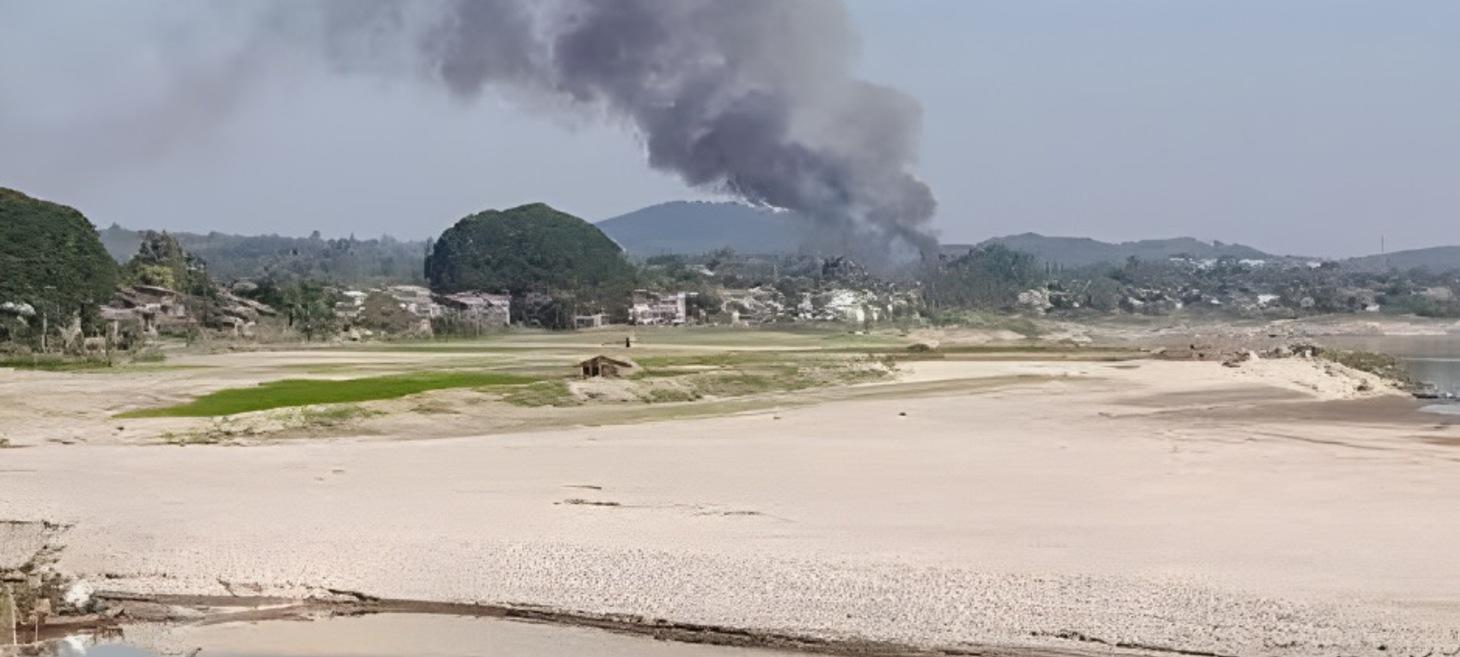
Resistance forces enter Katha after clashes spread on junta election day
Following the military junta's widely criticized elections, resistance forces captured two hilltop outposts and advanced into the urban wards of Katha, a strategically important transport hub on the Ayeyarwady River. The Myanmar military responded to the offensive with airstrikes and heavy artillery fire from the LIB 309 base, causing significant damage to homes and monasteries while trapping thousands of civilians within the town. Led by the National Unity Government and allied groups like the KIA and ABSDF, this operation aims to tighten pressure on junta strongholds and secure vital supply routes connecting the Sagaing Region and Kachin State.
myanmar-now.org

Myanmar Nationals Caught With 10 Drones in Bangkok
Four Myanmar nationals were arrested at a hotel near Bangkok’s Suvarnabhumi Airport after authorities discovered 10 unlicensed DJI heavy-lift drones they intended to smuggle into Myanmar in pieces. These drones, which can carry up to 30 kilograms, were reportedly ordered by an unidentified "boss" to be used in Myanmar’s civil war. This conflict currently ranks third globally for the total number of drone sorties. Following the seizure, the suspects were detained for deportation because they had violated Thai immigration laws, including overstaying their stay or failing to enroll in school while on student visas.
irrawaddy.com
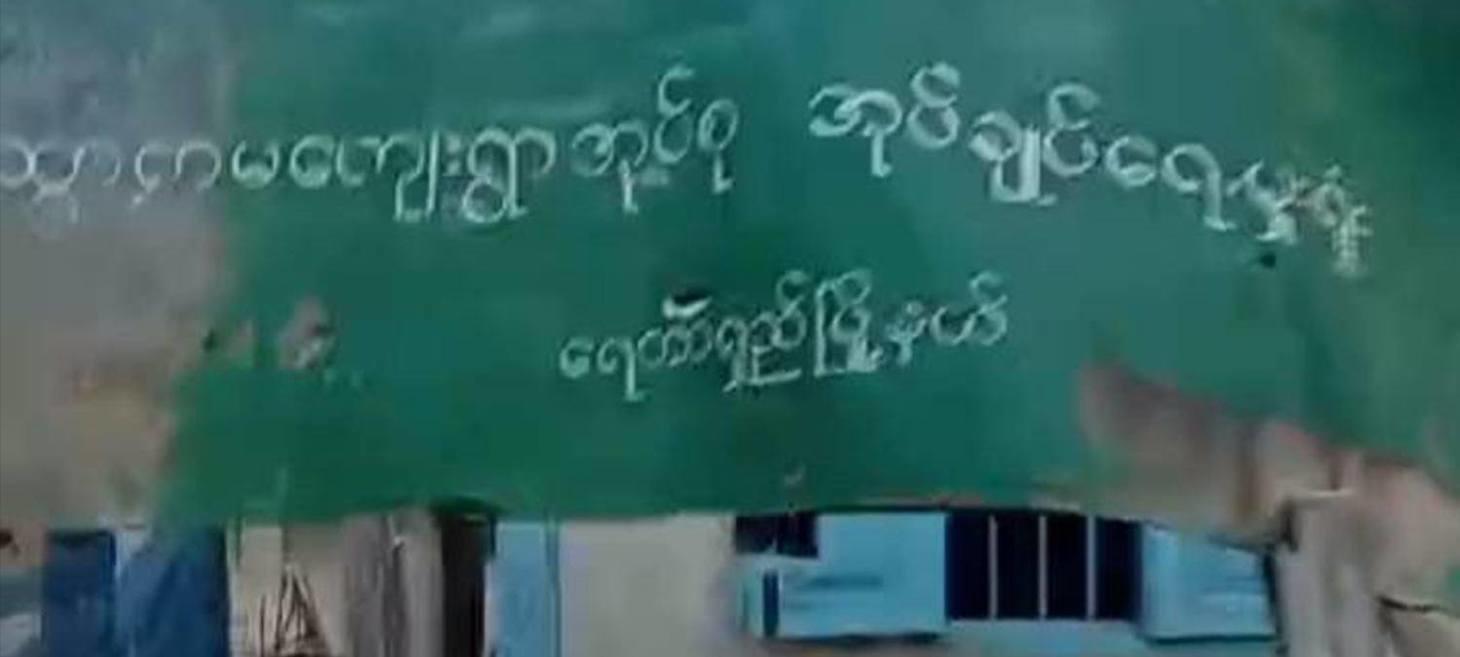
Myanmar resistance forces attack junta bases, polling station south of Naypyitaw
The Naypyitaw People’s Defence Force (PDF) launched coordinated attacks on junta bases and a polling station in Yedashe Township to disrupt upcoming elections intended to solidify the regime's power. During the assaults, resistance fighters destroyed polling site materials and killed at least 10 soldiers, according to group claims, while urging the public to boycott the vote. Following the disruption, the junta retaliated with airstrikes and heavy artillery fire, forcing residents living east of the Sittaung River to evacuate the area.
myanmar-now.org
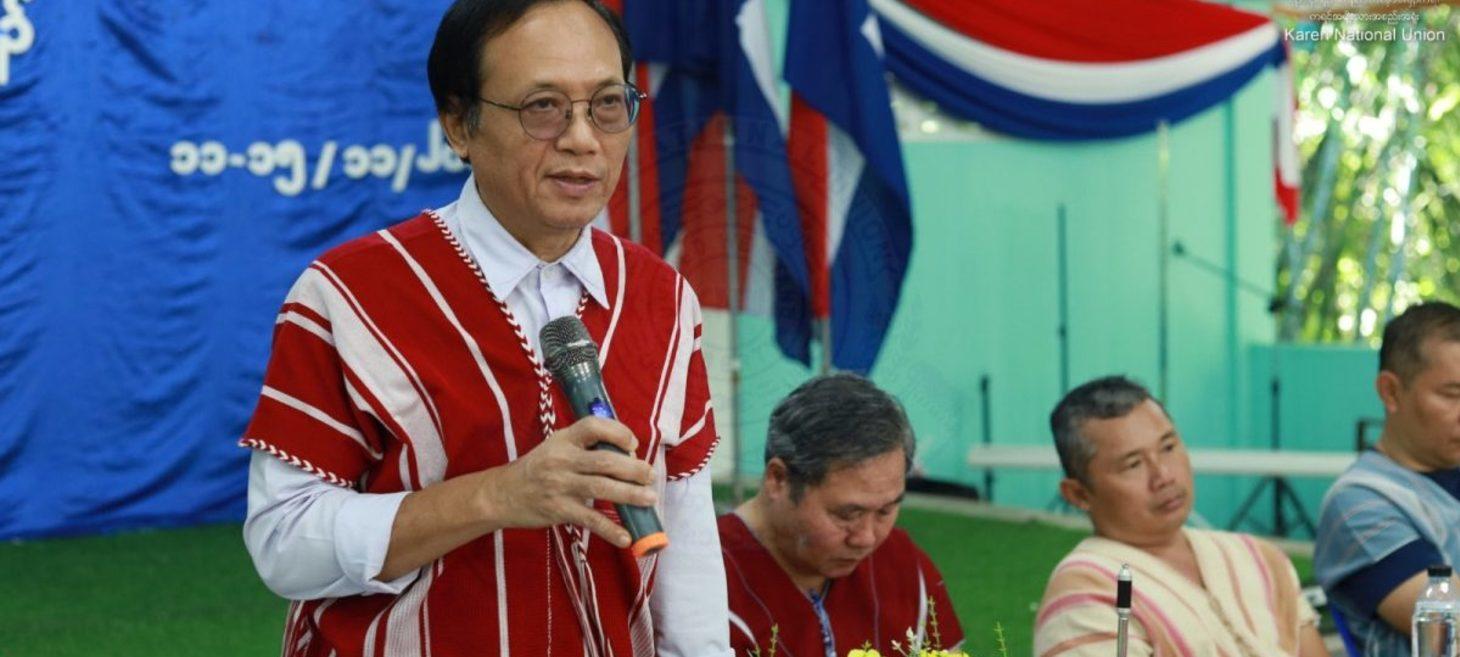
Myanmar Election Will Escalate War, Says Karen National Union, Key Ethnic Armed Group
The Karen National Union (KNU) has dismissed Myanmar's phased general elections as a "sham" designed to provide the military junta with a veneer of legitimacy, warning that the polls will likely escalate the ongoing civil war. While the junta made territorial gains in 2025 through Chinese military support and forced conscription, the KNU continues to resist by blocking key infrastructure projects like the Asian Highway and dismantling illegal cyber scam centers. Despite the military’s reliance on airstrikes to maintain urban footholds, the KNU asserts that the junta remains unable to secure rural regions or the loyalty of its inexperienced conscripted soldiers.
thewire.in
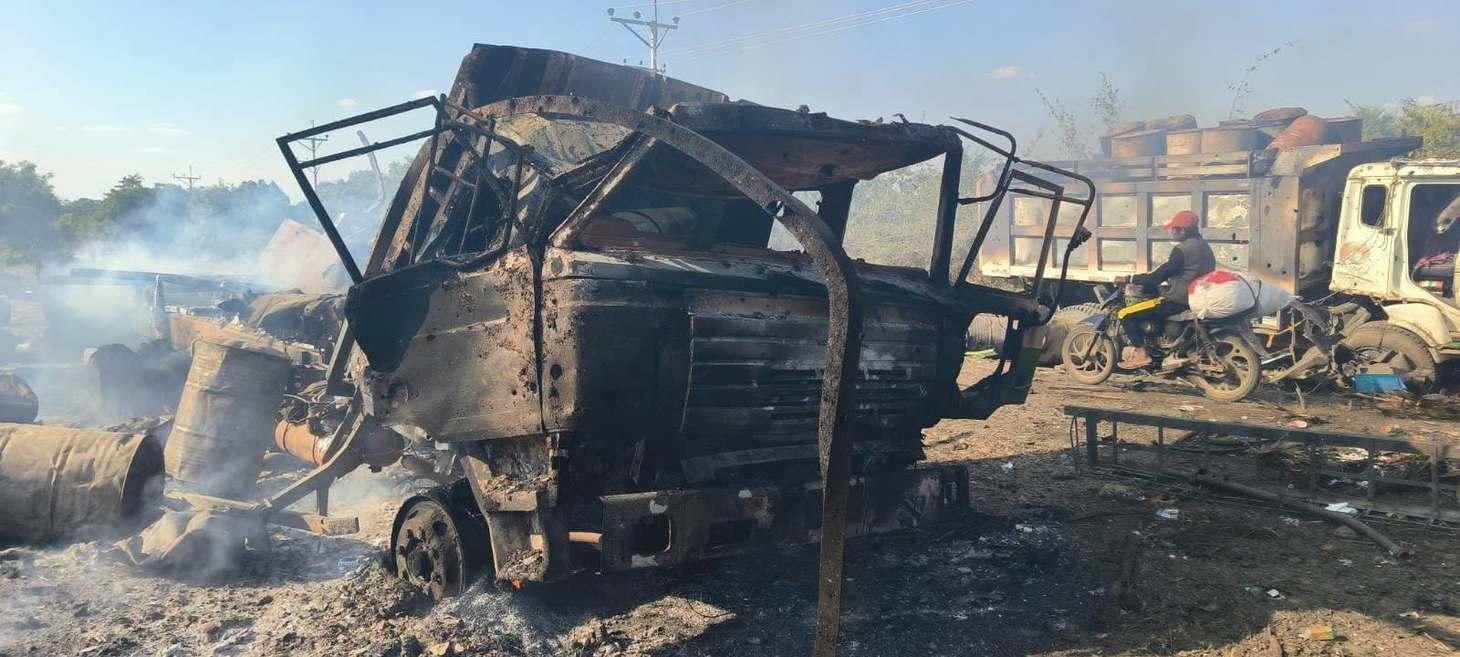
Airstrikes and attacks continue as Myanmar junta presses ahead with election
Myanmar’s military junta is conducting the first phase of its national election amidst a backdrop of widespread violence, including airstrikes, artillery fire, and explosions across multiple regions. In Sagaing, regime forces utilized aircraft and engine-powered paragliders to drop bombs, while a separate deadly strike in Khin-U Township killed at least nine people and injured more than ten others. Concurrently, anti-junta resistance groups launched rocket and drone attacks in Mandalay and Myawaddy, where some residents reportedly felt pressured to participate in the polls due to rumors they would be "forcibly taken" if they failed to vote.
myanmar-now.org
Cybersecurity & Cybercrime
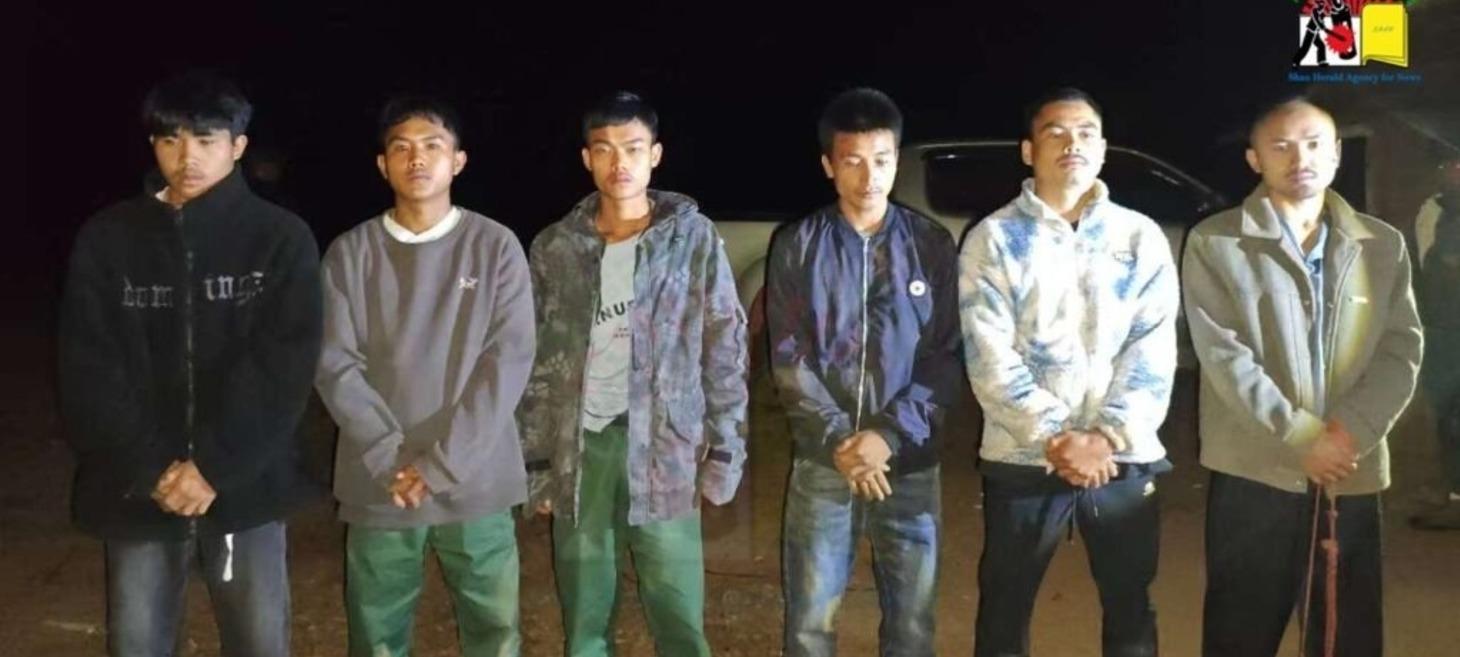
Fake Job Offer Leads to Kidnapping and Ransom in Shan State
An 18-year-old woman in Shan State was kidnapped and held for a 500 million kyat ransom after being lured to Tangyan Township by individuals linked to scam networks who used "sweetheart" tactics and fake job offers on TikTok to gain her trust. While authorities from the Shan State Progress Party/Shan State Army (SSPP/SSA) successfully rescued her and arrested six suspects, the victim has been left with severe psychological trauma. Activists warn that this incident reflects a broader, alarming trend of internal human trafficking within Myanmar, driven by a collapsed economy and ongoing conflict that leaves young people increasingly vulnerable to criminal networks.
shannews.org
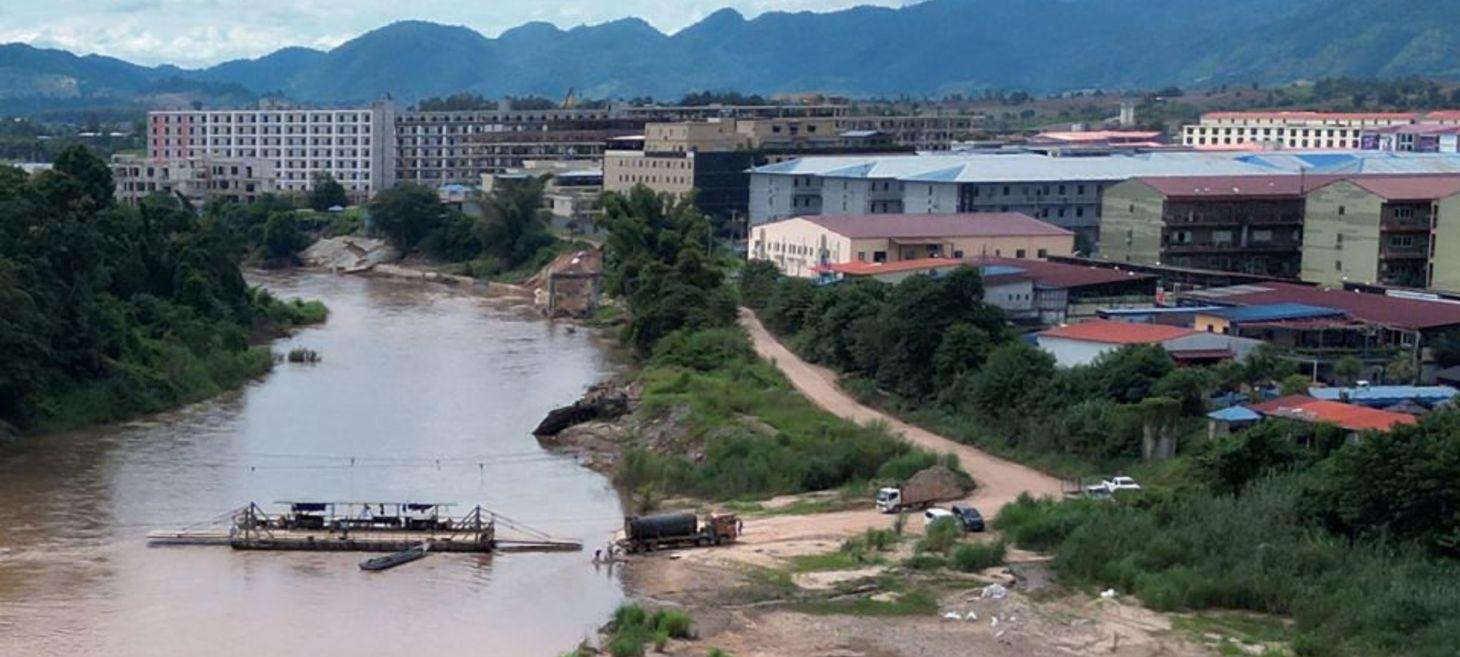
In Myanmar and Thailand, river divides hotbed of scam centres on one side, safe haven from military oppression on the other
The Moei River serves as a border between the Myawaddy township in Myanmar, a lawless hub for China-linked organized crime groups conducting global internet scams, and Thailand's Mae Sot district. Although Myanmar's military has recently begun demolishing scam compounds like KK Park under international pressure, critics argue these actions are largely performative facades that allow ringleaders to escape. Across the river, Mae Sot acts as a critical sanctuary for thousands of refugees, pro-democracy activists, and wounded anti-junta fighters who have fled military oppression following the 2021 coup.
asianews.network
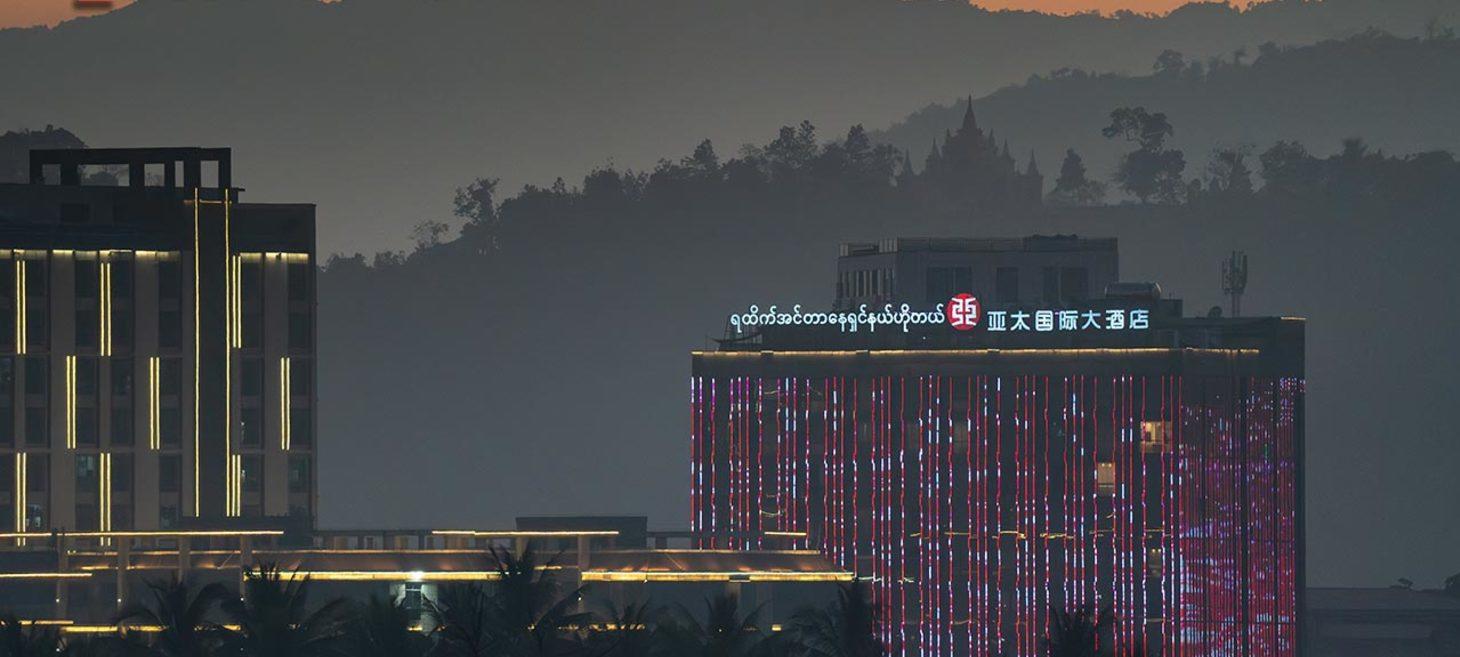
Why Massive Online Scam Networks Keep Growing in War-Torn Myanmar
Despite international crackdowns and military raids, massive online scam networks run by Chinese crime syndicates continue to flourish within Myanmar's conflict-ridden border regions,. The industry has increasingly clustered in areas like Karen State because asymmetric border controls make the Thai-Myanmar border far more accessible for traffickers and recruiters than the heavily securitized and restricted Chinese border,,. Ultimately, the fragmented control of internal checkpoints by various ethnic militias allows scam operators to relocate or receive advance warning of raids in exchange for fees, ensuring the industry remains resilient by simply shifting locations,,.
boomlive.in
Economy
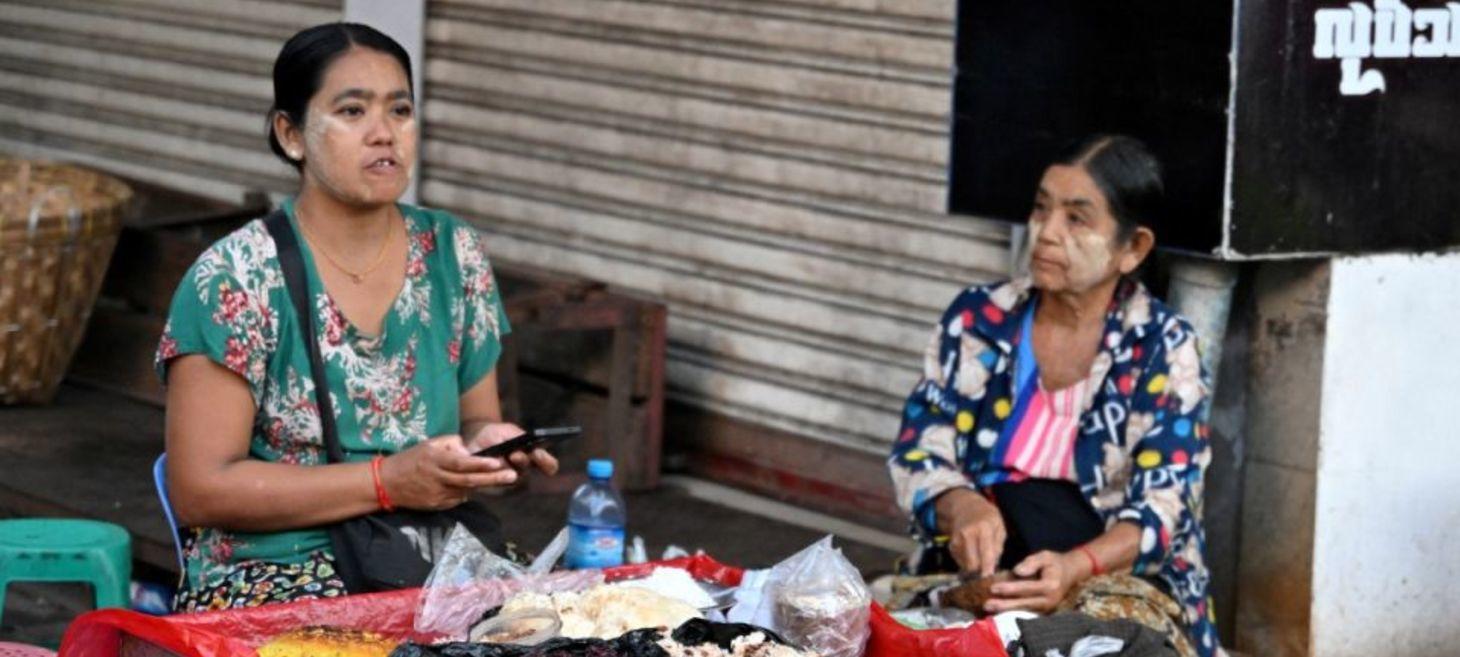
Businesses fighting for survival amid Myanmar’s political limbo hope for reset with polls
Since the 2021 coup, Myanmar’s economy has been crippled by a "poly crisis" of hyperinflation, severe currency devaluation, and a mass exodus of skilled workers driven by national conscription and ongoing conflict. While many citizens dismiss the 2025 general election as a sham, some business leaders view the polls as a pragmatic step toward restoring operational stability and creating a functional environment that could re-engage with the global community. However, analysts remain skeptical of a full recovery, warning that economic growth will likely stay narrow and fragile if the new government remains dominated by military-linked individuals who have already overseen a significant contraction in the country's GDP.
asianews.network
Elections
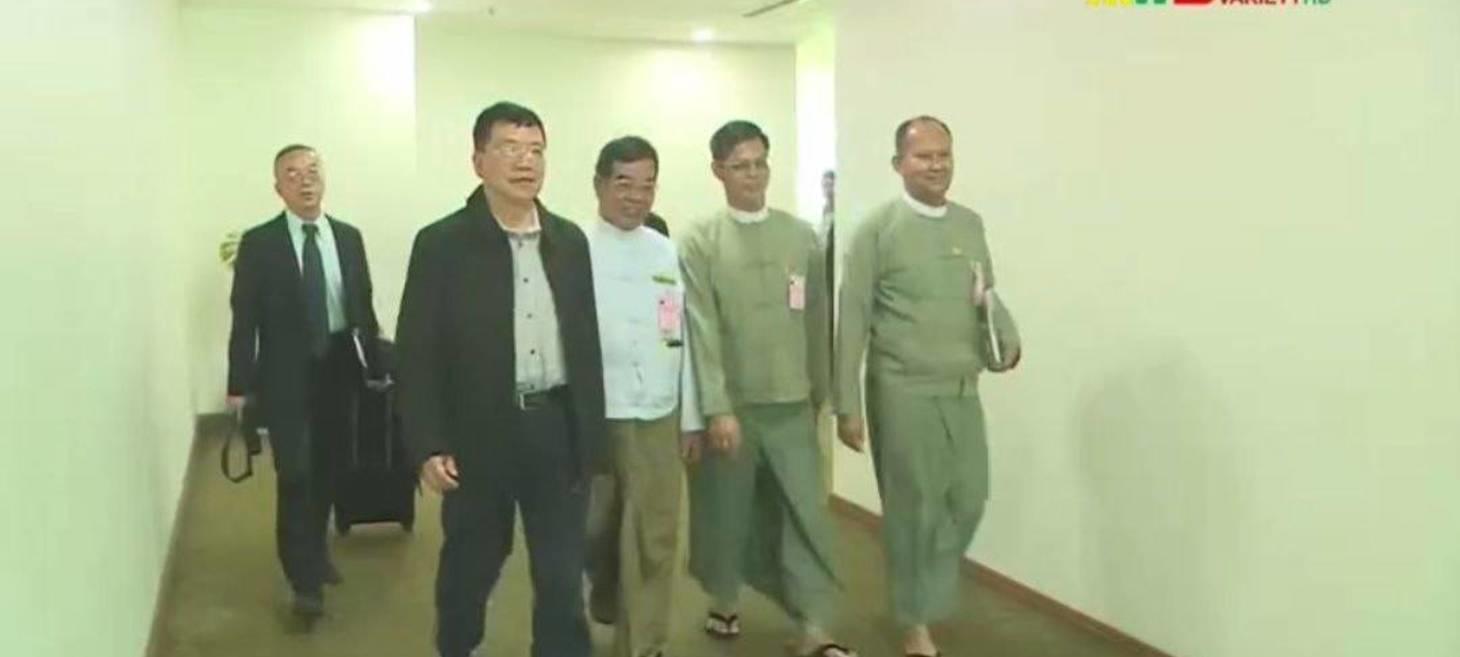
Myanmar’s junta thanks international observers for their impartiality
The Myanmar junta conducted the first phase of its general election on December 28, 2025, hosting 162 international observers from countries like Russia, China, and India to monitor polling stations and the use of electronic voting machines. While the military-led Union Election Commission argues that this foreign participation proves the process is "free, fair, and transparent," opposition groups and human rights organizations have condemned the event as a "sham election" designed solely to entrench military rule. Amid reports of security threats and resistance attacks that forced some voting to occur exclusively within military bases, the pro-military USDP has already claimed a massive lead ahead of the remaining election phases scheduled for January 2026.
mizzima.com
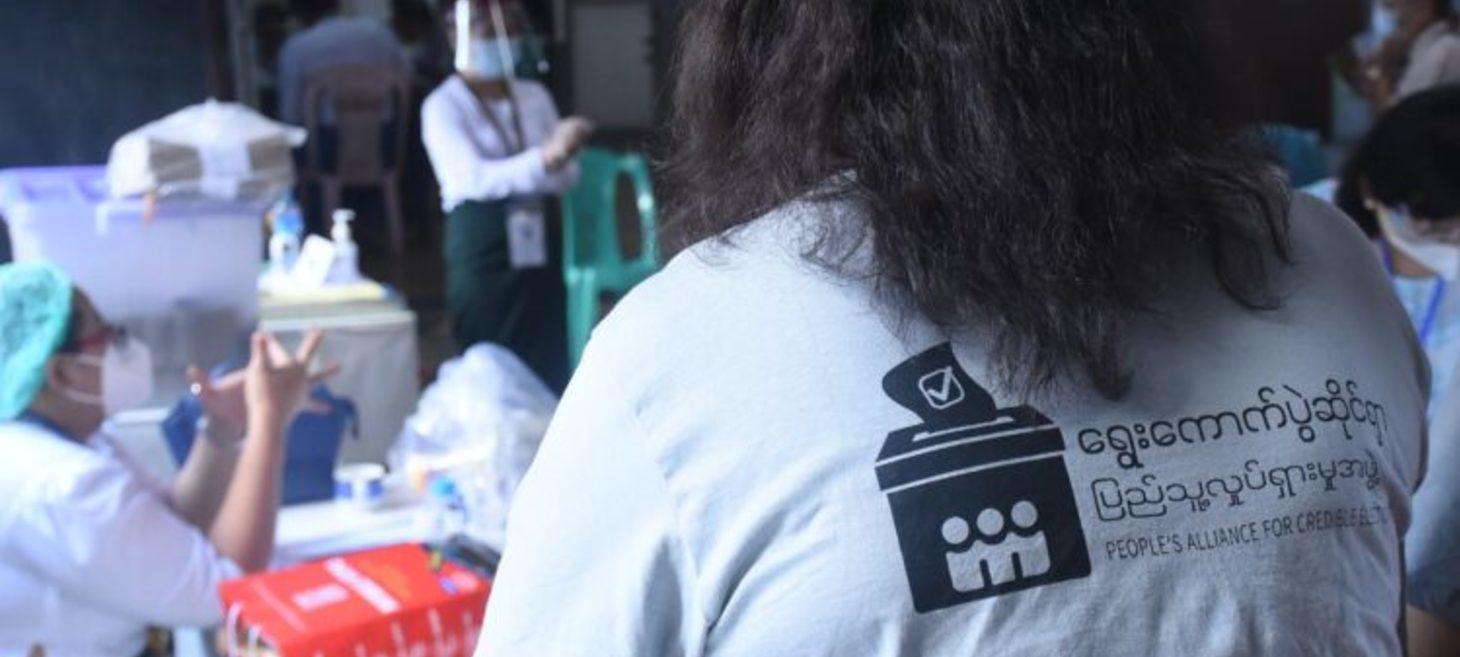
Myanmar Junta Bars Independent Domestic Monitors From Sunday’s Election
Myanmar’s military regime has barred independent domestic monitoring groups from the upcoming election, rejecting applications from local organizations and facing boycotts from groups like PACE, citing deep distrust of the junta-run process. In place of local oversight, the junta is relying on approximately 60 observers from allied or autocratic nations, including Belarus, Russia, China, and India. At the same time, major international bodies like the EU and ASEAN have declined to participate. Critics and political parties argue that these foreign monitors lack impartiality and cannot provide a credible assessment because they are restricted to embassy-appointed polling sites and lack the local context needed to identify problems.
irrawaddy.com

The Generals’ Election Offers Fake ‘Civilian Rule’ for Myanmar
Myanmar’s military junta is conducting a month-long phased election that is widely condemned as a sham designed to legitimize military dominance under the facade of civilian rule. This exclusionary process occurs amid an ongoing civil war and airstrikes, with the regime imprisoning over 22,000 political opponents and implementing a proportional representation system specifically designed to ensure victory for the military-backed Union Solidarity and Development Party. While international observers and domestic critics highlight low voter turnout and state-sponsored intimidation, the junta seeks to use this "transition" to secure deeper engagement from allies such as China and Russia and to move Senior General Min Aung Hlaing into a civilian presidency.
irrawaddy.com
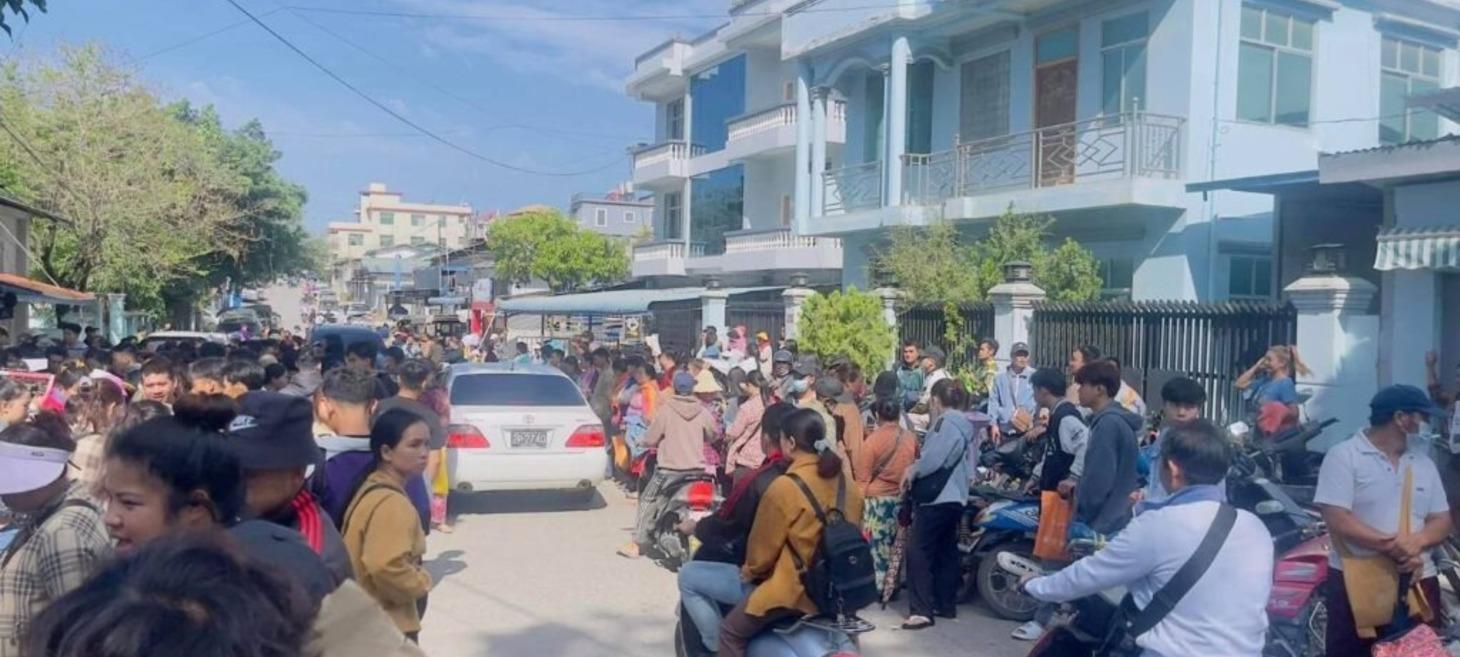
No Vote, No Documents: Muse Residents Threatened Ahead of Junta-Staged Election
Military authorities in Muse Township are coercing residents to vote in the upcoming junta-led election by threatening to deny essential travel documents, such as passports and Temporary Border Passage Permits, to those who do not participate. Officials have already begun linking border pass applications to voter list serial numbers, warning that records will be reviewed after the election to ensure compliance. Because the local population depends heavily on cross-border trade and labor in China for survival, residents feel they have no choice but to comply with these demands to protect their livelihoods.
shannews.org
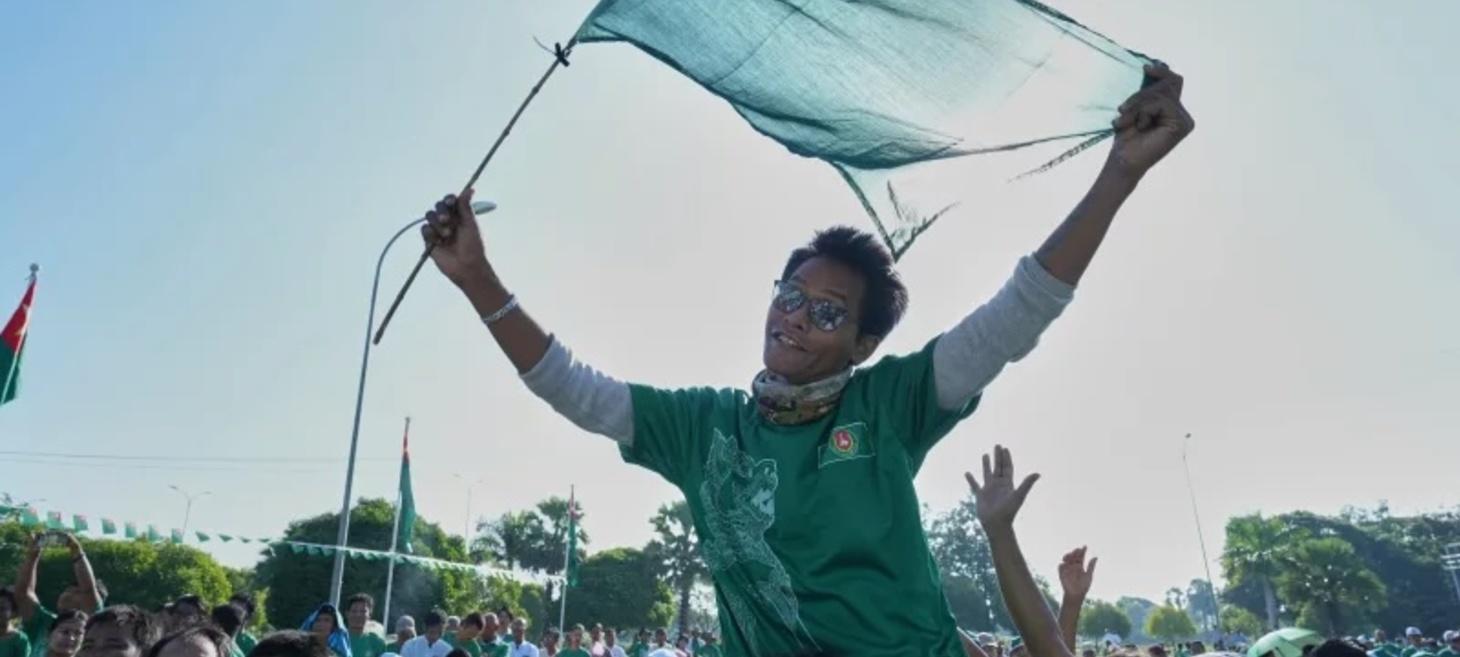
Myanmar is holding phased elections. Here's why they're being called a 'sham'
Myanmar's military junta is conducting a phased general election from December 28 through January, aiming to restore domestic stability and alleviate international diplomatic isolation following the 2021 coup. The United Nations and Western governments have labeled the vote a "sham" because the main opposition party is banned, leaders like Aung San Suu Kyi remain imprisoned, and the military has detained hundreds for criticizing the process. While the military has recently regained momentum with help from China and Russia, opposition forces face fragmentation and fatigue, leaving some citizens to favor any plan that might offer relief from the ongoing civil war.
npr.org
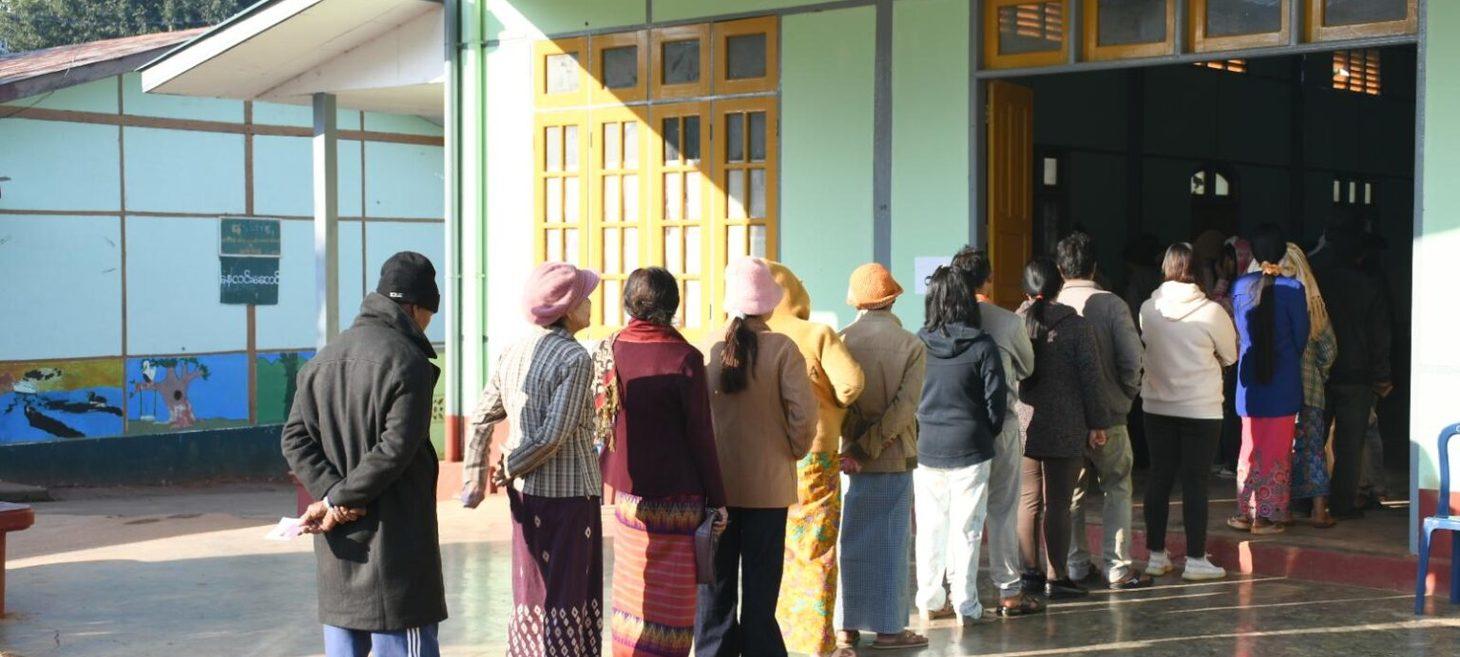
Kokang army blocks sham elections outside Lashio
During the December 2025 elections, the MNDAA (Kokang army) permitted voter registration in their controlled territories but ultimately blocked the establishment of polling stations in at least ten village tracts. Consequently, residents of these outlying areas were forced to travel into the military-controlled urban center of Lashio to cast ballots at specifically designated sites, such as the Yan Taing Aung Pagoda. Although the junta claimed there were over 130,000 eligible voters in the region, the election was only feasible in Lashio’s 12 urban wards and 14 village tracts, leaving 64 other tracts without a vote.
myanmar-now.org
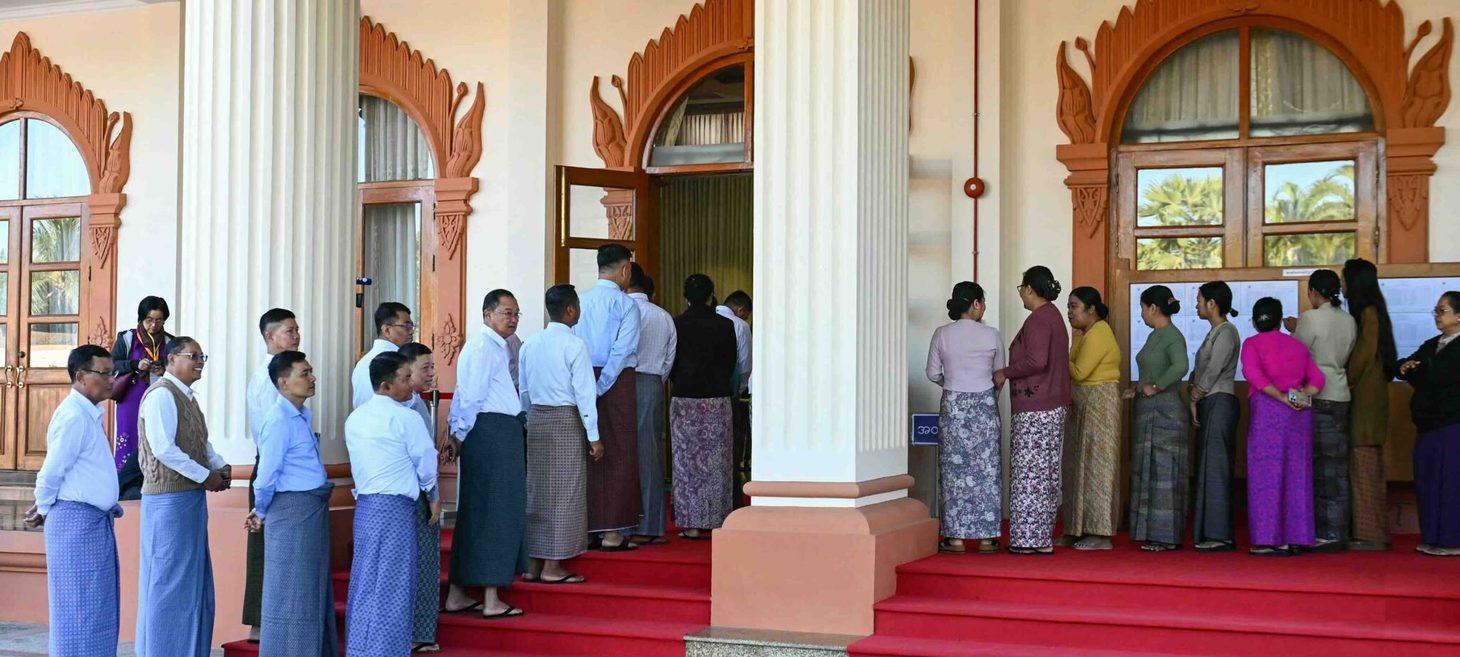
Myanmar civil servants pressured to prove they voted in junta’s elections
During the junta-run elections, civil servants have been pressured to provide proof of voting, such as photos of ink-stained fingers or lines at polling stations, as many fear the repercussions of abstaining. Ahead of the vote, resistance forces launched rocket attacks from Sagaing into Mandalay, injuring two people and reinforcing their calls for a nationwide boycott of the electoral process. In response to these threats, security measures were significantly increased, including roadblocks and restrictions on mobile phones. At the same time, voter turnout has remained concentrated in areas with large populations of military and government employees.
myanmar-now.org
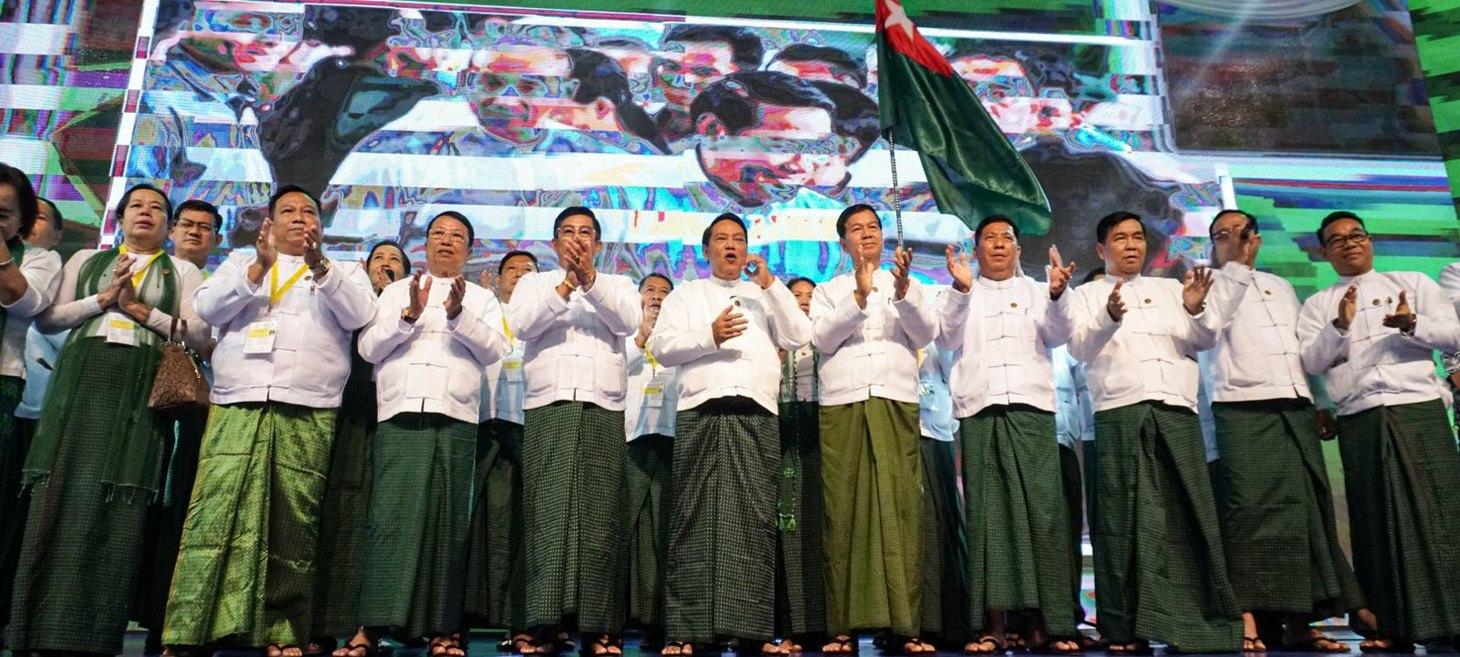
Army proxy party claims win in first phase of Myanmar’s junta-orchestrated election
The military-backed Union Solidarity and Development Party (USDP) has claimed sweeping victories in the first phase of Myanmar’s junta-organized elections, reportedly leading in most constituencies, including the capital, Naypyitaw. Although junta chief Min Aung Hlaing guarantees the process is free and fair, the National League for Democracy (NLD) has dismissed the vote as a sham due to restrictive laws, low turnout in major cities, and the exclusion of conflict-torn regions. This initial phase of polling, which saw prominent former military officials like Mya Tun Oo secure seats, is the first of three scheduled phases intended to conclude by late January.
myanmar-now.org
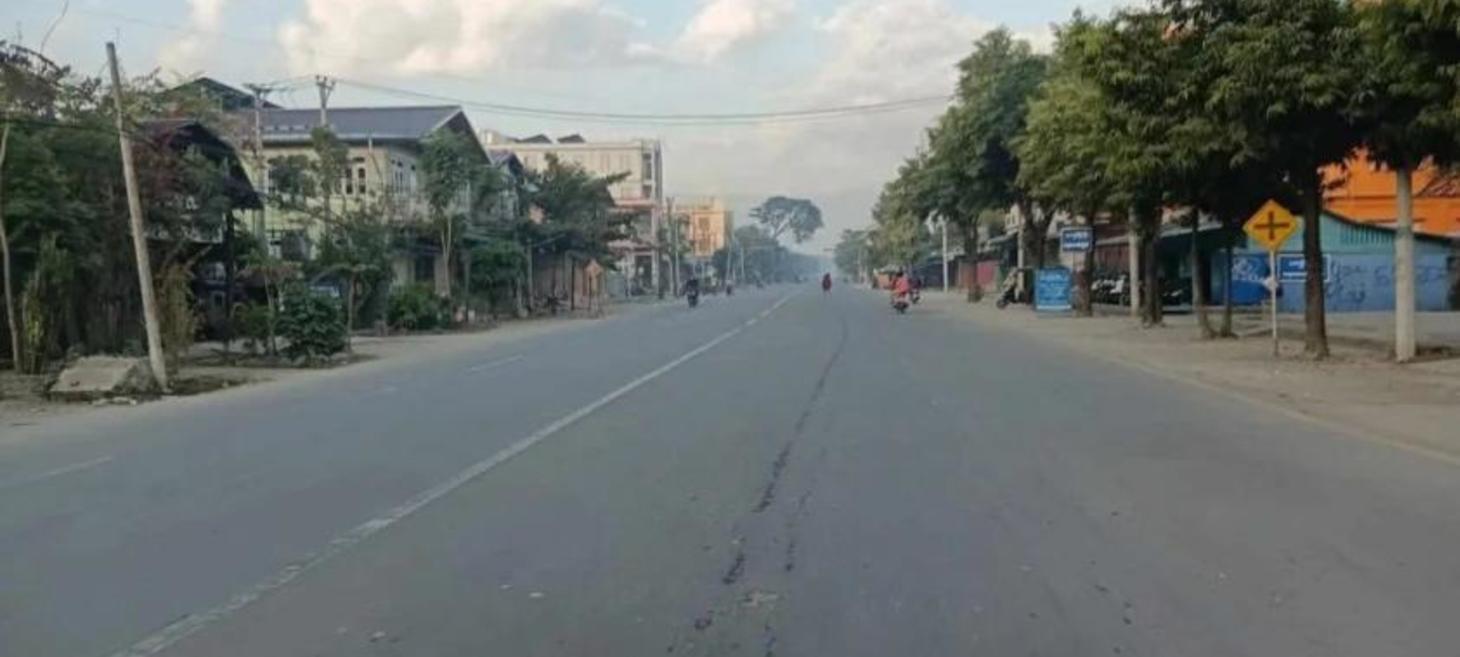
Kale Town experiences unusually quiet election day
On December 28, 2025, Kale Town in the Sagaing Region experienced an unusually quiet election day as residents staged a silent protest by staying indoors and closing shops to demonstrate their defiance against the junta's military dictatorship. Although the junta established polling stations at four schools guarded by heavily armed troops, local witnesses reported that the streets remained deserted and that only a few supporters participated in the first of three scheduled election phases. This localized resistance reflects a broader trend of low voter turnout across other regions like Pathein and Myawaddy, occurring amidst a backdrop of military airstrikes and forced conscription.
bnionline.net
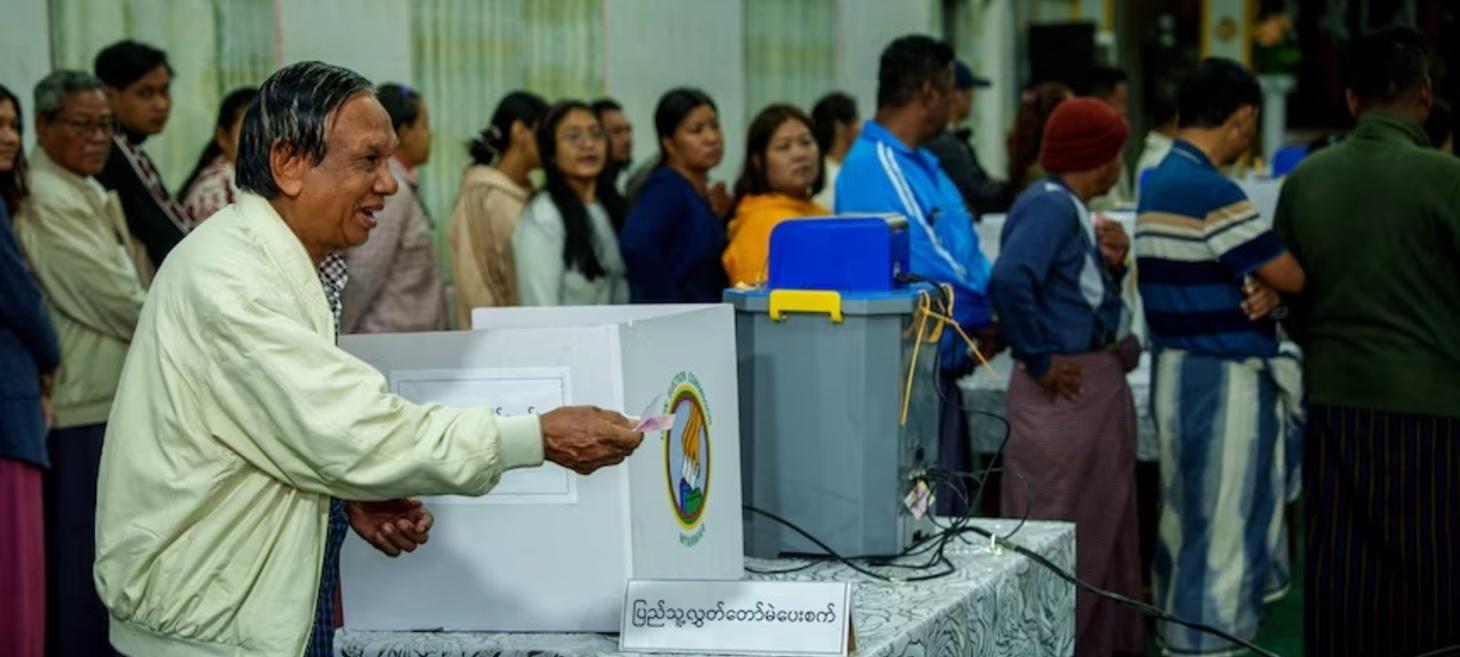
Low voter turnout for first Myanmar elections since military coup
Myanmar has commenced its first multi-phase national election since the 2021 military coup, with initial polling held on December 28, 2025, in approximately one-third of the country's townships. Voter turnout was significantly lower than in the 2020 election, likely due to an opposition boycott and widespread international condemnation of the process as a "sham" intended to legitimize the junta. While the military-backed Union Solidarity and Development Party is the strongest contender to secure power for Senior General Min Aung Hlaing, final results are not expected until February after two additional rounds of voting.
abc.net.au
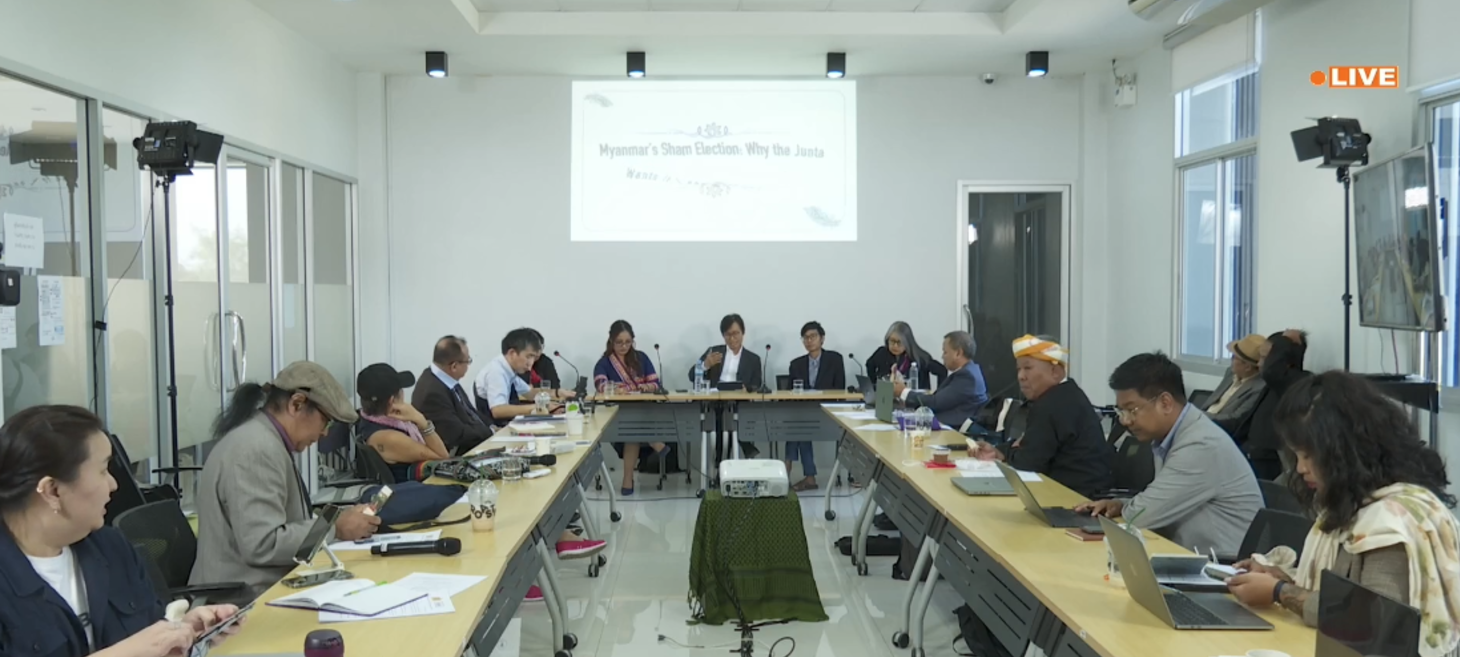
Panel discussion examines what the Myanmar junta wants and what comes next
The Myanmar junta’s 2025 election is condemned as a “sham” designed to legitimize military rule through the strategic disenfranchisement of one-fifth of the country's townships, gerrymandered boundaries, and an electoral system specifically favoring the military-backed USDP. To enforce this transition, the regime utilizes pervasive digital repression—including surveillance infrastructure from China and propaganda narratives from Russia—while the vast majority of the population maintains resistance through silent strikes and active revolutionary defiance,,,,. Panelists emphasize that current resistance forces exercise more effective territorial control than in 2010 and urge the international community to renounce the election results and to increase targeted sanctions, rather than prioritizing business interests over human rights.
google.com
Foreign Affairs
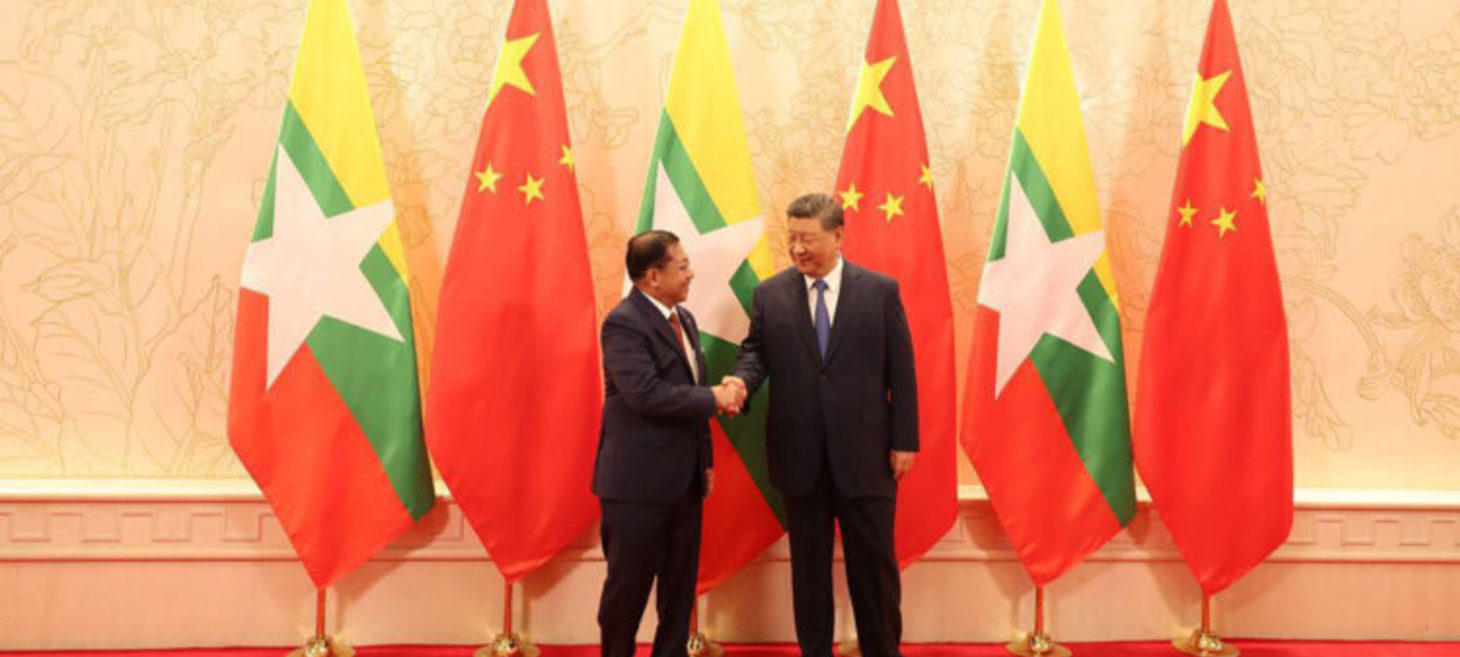
China Says Myanmar Junta Election Stems From Xi-Min Aung Hlaing Deal
The ongoing junta-organized election in Myanmar is presented as a direct result of an agreement between Chinese President Xi Jinping and military leader Min Aung Hlaing, with Beijing sending observers to lend the process a "veneer of legitimacy". Beijing’s support for these polls, which cover less than half the country, aims to establish a semi-legitimate regime capable of restoring stability and resuming stalled Belt and Road Initiative (BRI) projects. Ultimately, China's sponsorship of the election is driven by a desire to secure vital corridors to the Indian Ocean and to protect its multi-billion-dollar investments, rather than by a commitment to democratic values.
irrawaddy.com
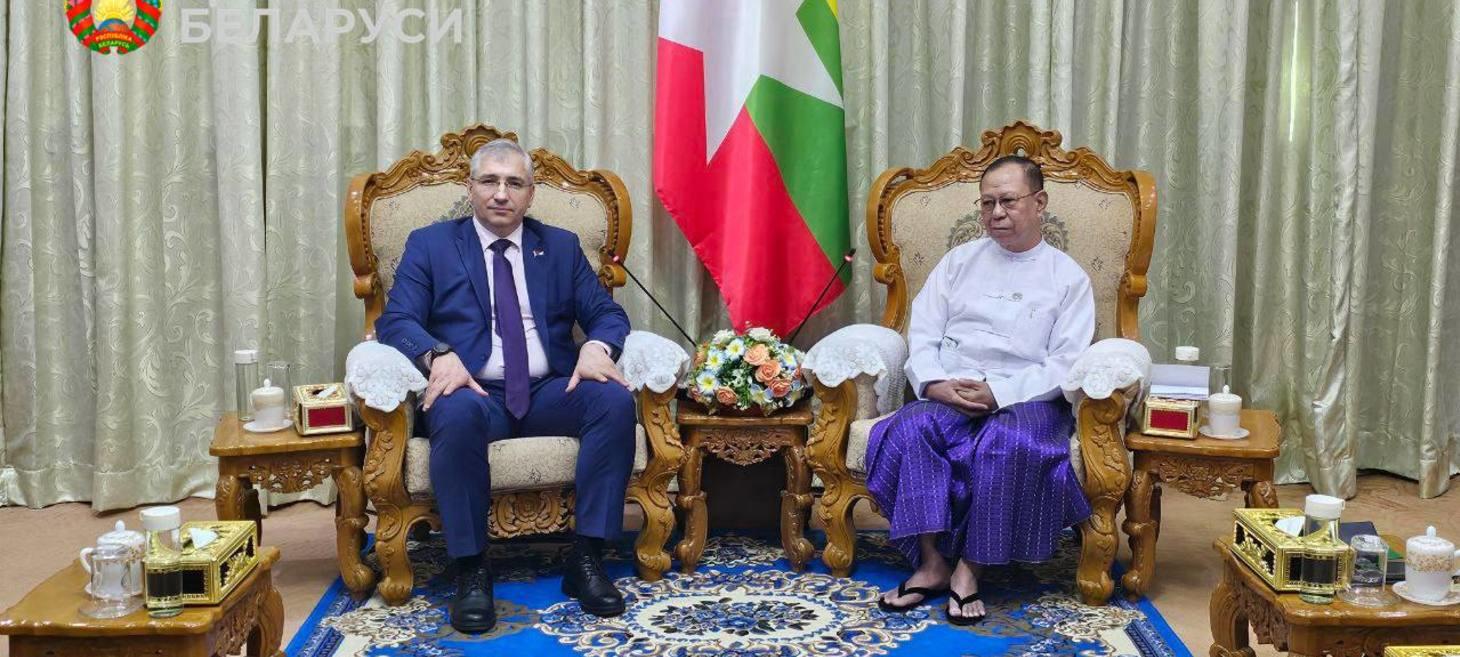
Belarus, Myanmar agreed to strengthen bilateral co-operation in electoral sphere
Belarus and Myanmar have committed to strengthening bilateral electoral cooperation through collaboration within the Association of World Election Bodies and shared efforts to protect electoral sovereignty from external interference. Representatives from Belarus are currently serving as international observers for Myanmar's parliamentary elections, which are being conducted in three phases across December 2025 and January 2026, as an internal mechanism to promote social harmony and dialogue. Beyond these electoral ties, recent developments in Belarus include the adoption of a socio-economic development programme for 2026–2030, high-level diplomatic meetings with Russia, and the launch of AI-powered robotic TV production.
sb.by
Humanitarian
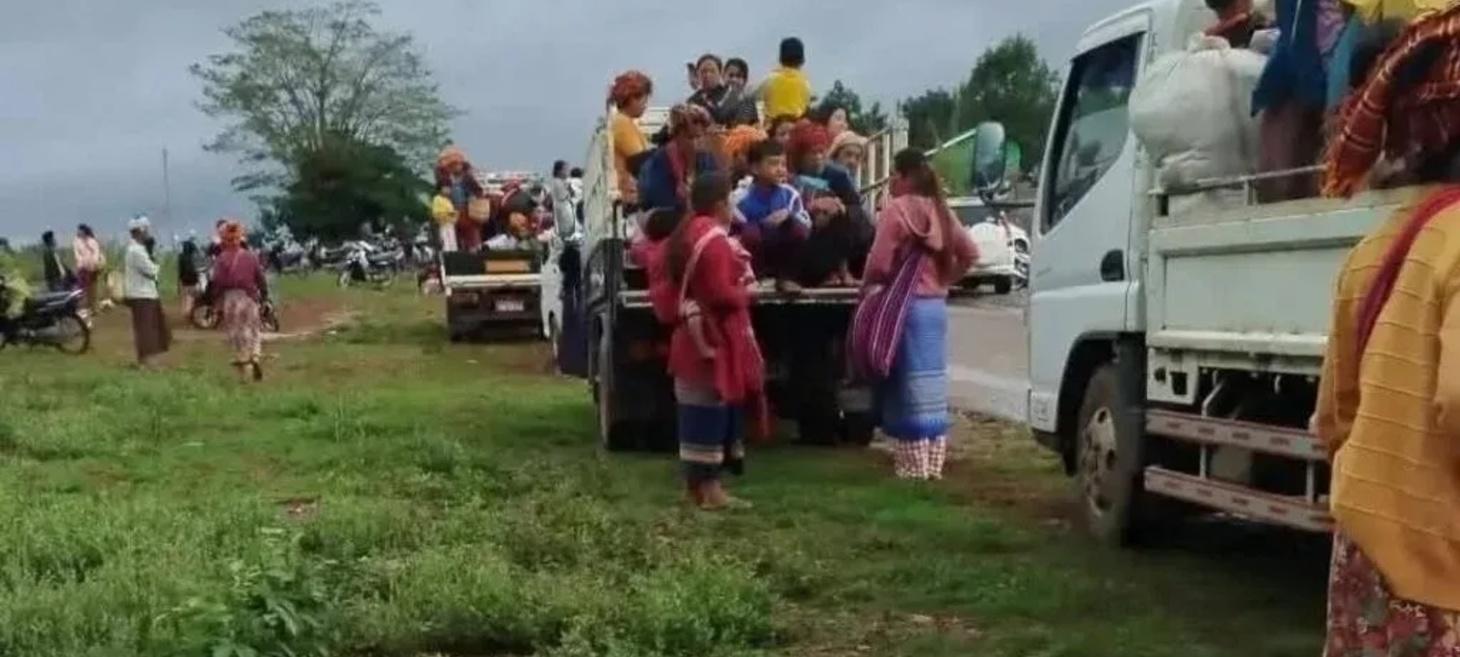
Returning IDPs Struggle to Rebuild Homes in Southern Shan State
Internally Displaced Persons returning to Nanneint Village in southern Shan State are struggling to rebuild homes and monasteries destroyed by artillery shelling while lacking the financial resources to recover from years of displacement. Security concerns persist as residents fear unexploded landmines in surrounding farmlands, leading many elderly and children to remain in displacement camps. At the same time, those who have returned face strict inspections at military checkpoints. The regional situation remains volatile, with joint military offensives in late 2025 displacing an additional 5,000 people along the Pang Laung–Pai Khun corridor.
shannews.org