Introduction & Analysis
This collection of open-source English-language news articles published over the past week highlights significant events and issues concerning Myanmar. They present a snapshot of the country's safety and security landscape.
- The Myanmar military is proceeding with a phased election starting December 28, 2025, which is enthusiastically backed by China as a means to prevent state collapse, despite being condemned as a "sham" by international monitors and facing widespread domestic boycotts.
- While the junta is coordinating with some ethnic groups like the MNDAA to facilitate voting, its actual control is limited to roughly 30 percent of the country, forcing it to rely on waterway transport for conscripts and face a newly formed independent military coalition called the Spring Revolution Alliance.
- To secure continued Chinese economic backing, the regime has criminalized opposition to megaprojects such as the Myitsone Dam and staged high-profile raids on cyberscam centers, though evidence suggests these criminal operations are often merely relocated with the help of junta-aligned militias.
- The conflict has resulted in a humanitarian catastrophe characterized by a collapsing public healthcare system, systemic labor abuses in the garment sector, and growing international anxiety over the health and whereabouts of 80-year-old leader Daw Aung San Suu Kyi, who remains held incommunicado.

Conflict
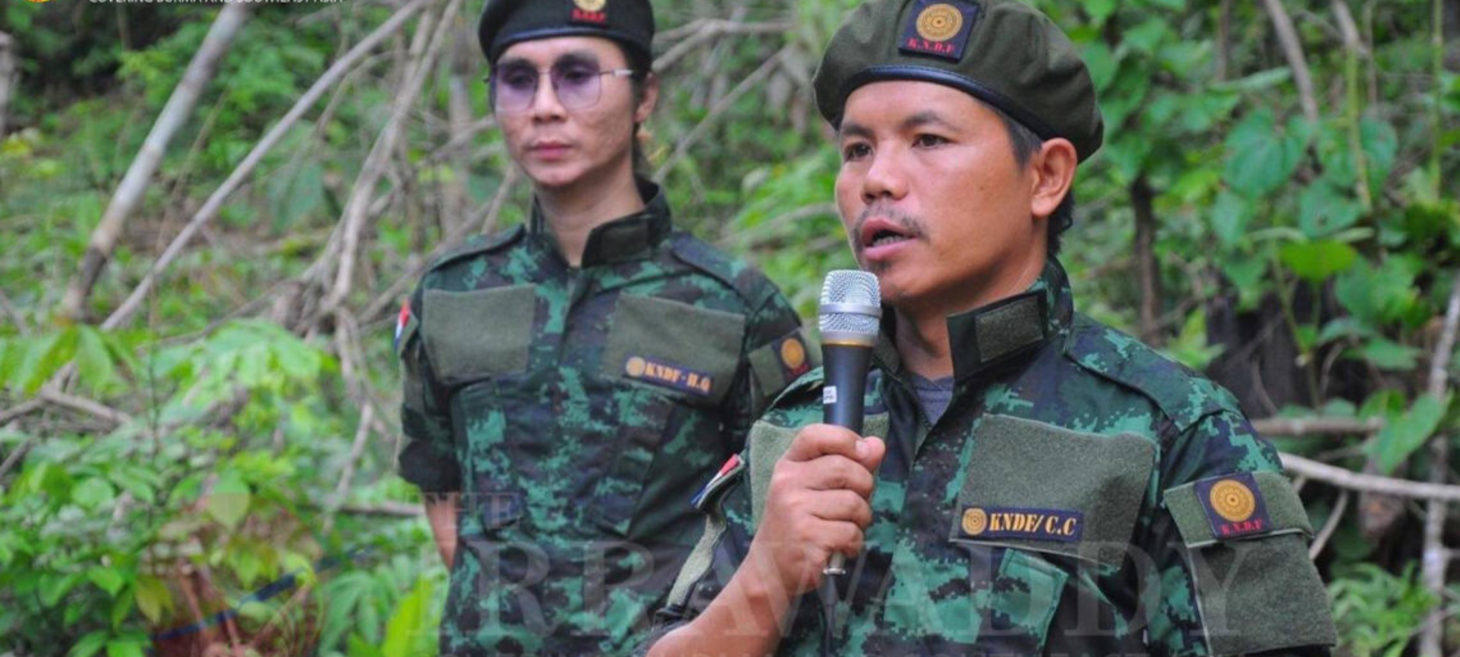
Interview: What Is the New Spring Revolution Alliance?
The Spring Revolution Alliance (SRA) is a newly established military coalition of 19 independent resistance groups that operates outside the direct command of the National Unity Government (NUG) and major ethnic armed organizations. With a combined strength of 10,000 to 15,000 fighters, the SRA focuses on enhancing military coordination and technological capabilities, such as drone warfare, to sustain the revolution against the junta's territory-specific strategies and sham elections. This alliance seeks to strengthen the broader revolutionary structure by serving as a unified platform for independent forces, which the SRA’s leadership believes could eventually provide the foundation for a future federal army.
irrawaddy.com
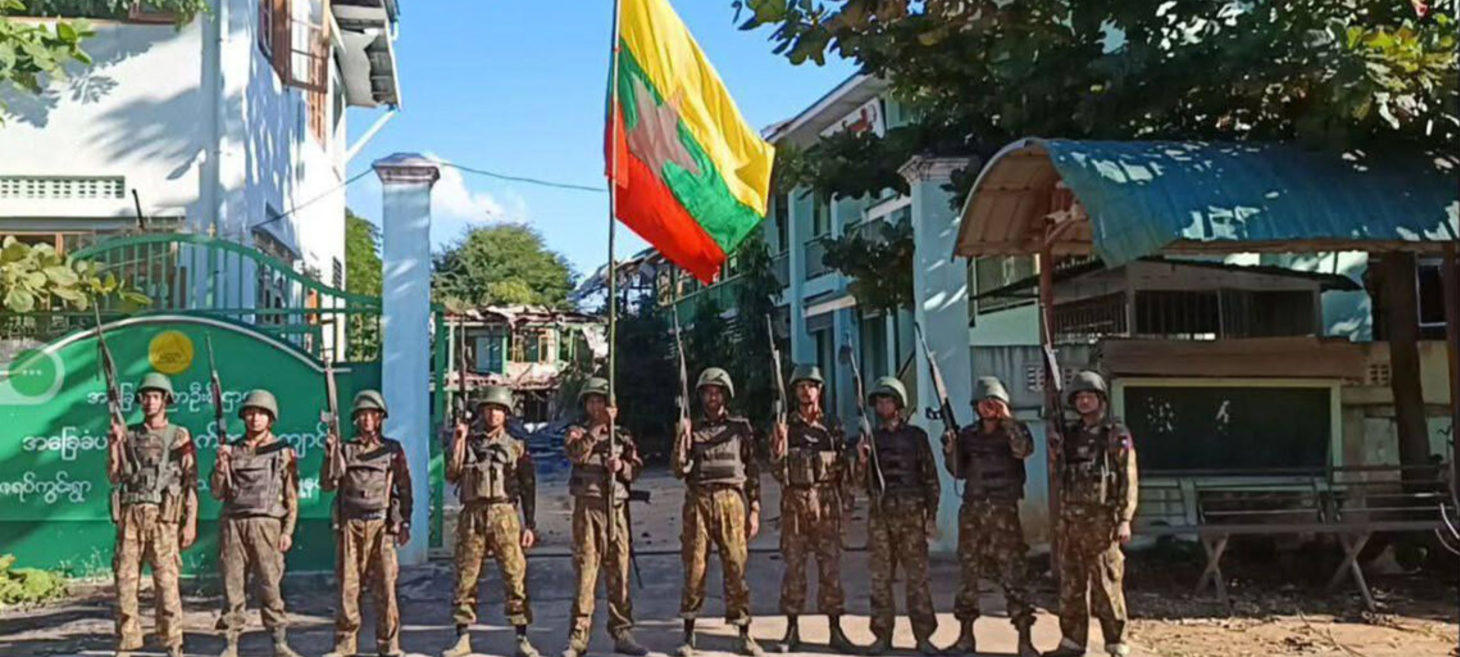
Mandalay Resistance Caught in Claws of Myanmar Junta Pincer
Myanmar junta forces are executing a pincer movement with roughly 3,000 troops to retake Singu, a key resistance stronghold located north of Mandalay along the Irrawaddy River. Supported by airstrikes and heavy artillery, the regime has successfully recaptured strategic villages and critical road and river routes, significantly disrupting trade and travel to northern Sagaing and Kachin State. While the Mandalay People’s Defense Force maintains its resistance, military analysts predict the fall of Singu is imminent as junta forces close in on the strategically vital Letpanhla junction, reclaiming territory they lost earlier in 2024.
irrawaddy.com
Conscription
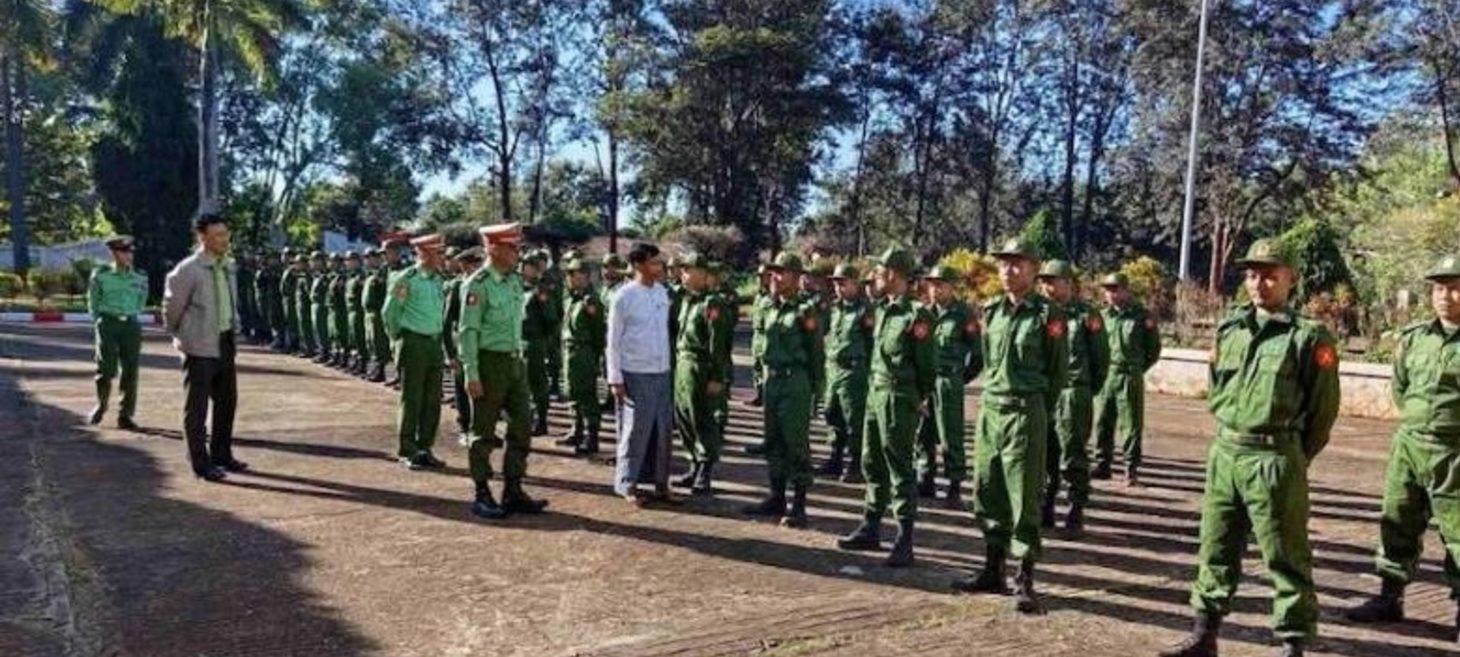
Junta sends Dawei conscripts to military training via waterway
In Dawei, the Myanmar junta is forcibly drafting young men for military service, often abducting them during local festivals and transporting them to training facilities via waterways. This maritime route to Military Advanced Training Depot 12 is used because resistance forces control the main highway, making land travel highly susceptible to ambushes. These draftees comprise the 20th training batch launched since February 2024 to address severe manpower shortages resulting from the military's recent setbacks in the region.
karennews.org
Cybersecurity & Cybercrime
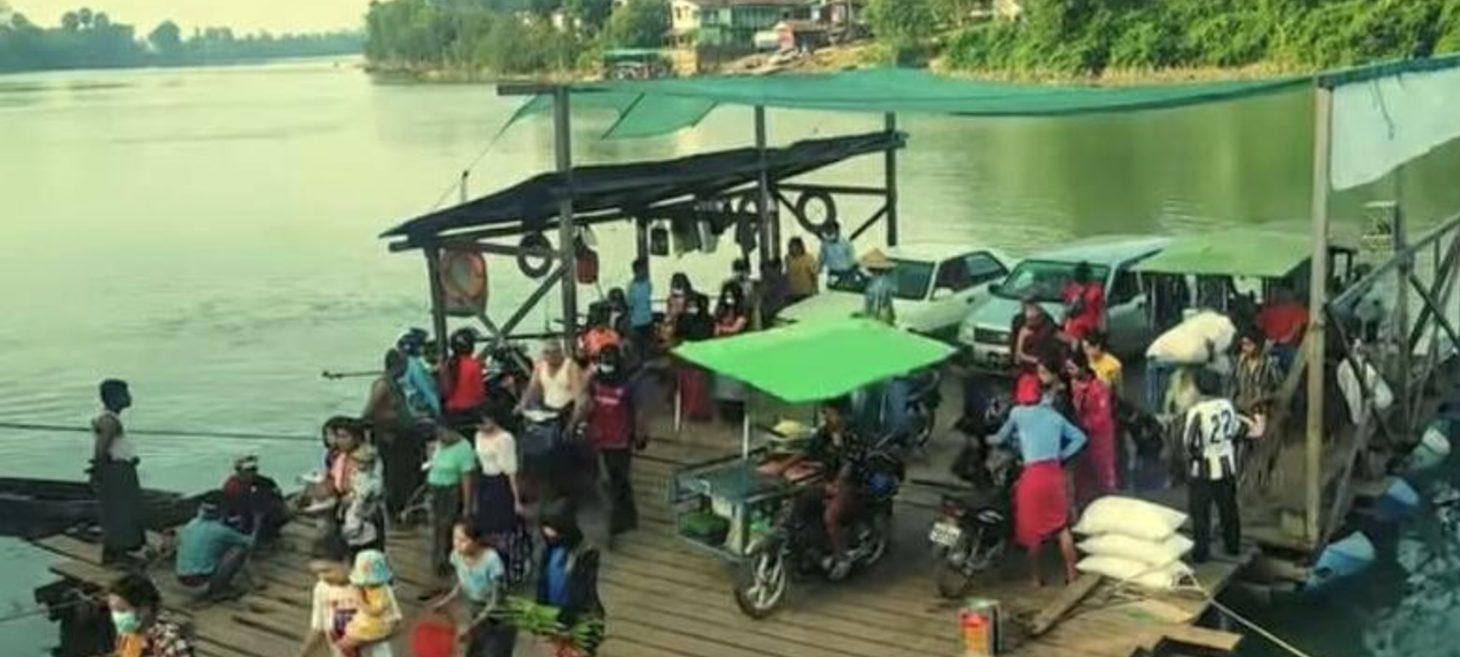
BGF and militia transport Chinese telecom scam operators from Kyondoe to Mawlamyine
Due to intensified crackdowns in Myawaddy, Chinese telecom scam operators are relocating to Mawlamyine and other areas, with logistical support from the junta-aligned Karen Border Guard Force (BGF) and Mon militia groups. These operators navigate checkpoints through bribery and river transport. However, one recent attempt led to junta troops firing on a boat and killing four Chinese nationals who failed to stop for inspection. Despite the junta’s public promises to uproot these criminal enterprises and punish complicit allies, the scam operations continue to thrive in their new locations without any actual enforcement taken against the involved militias to date.
karennews.org
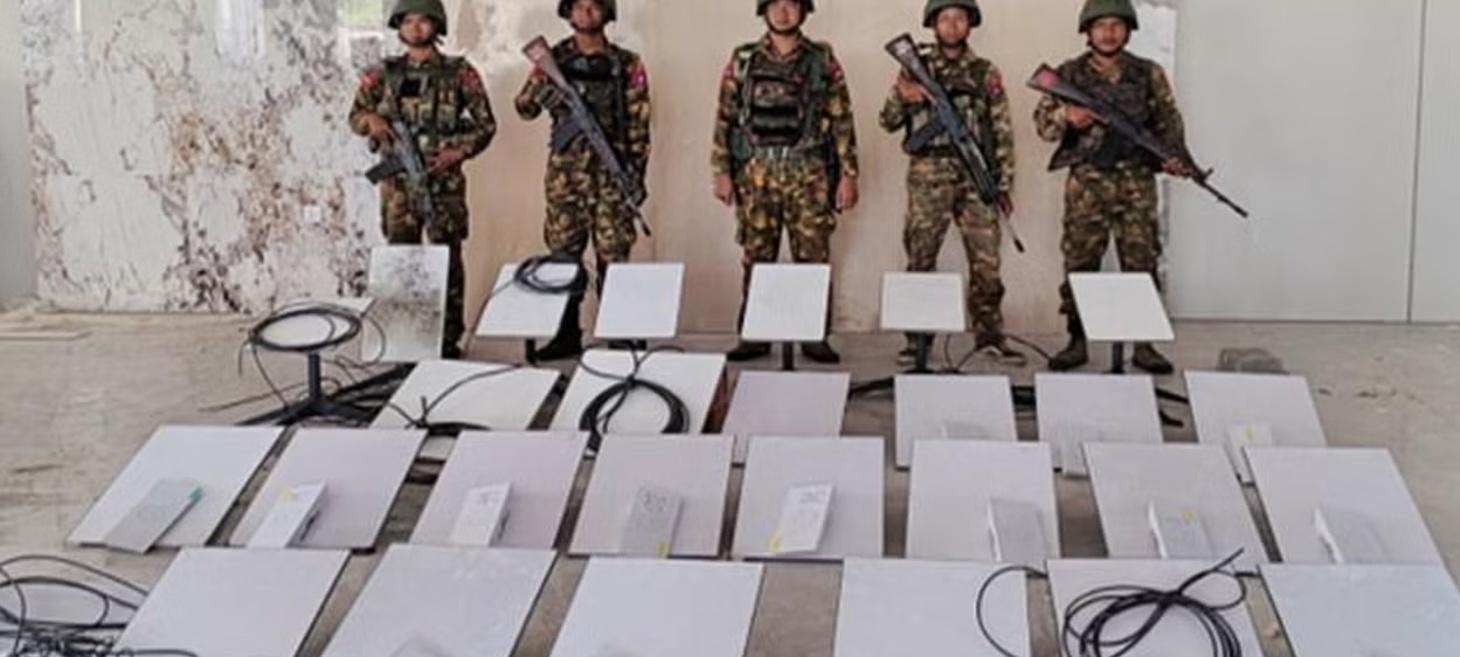
Takeaways from The Associated Press report on Myanmar's crackdown on cyberscam centers
Myanmar’s military leadership has announced a “zero tolerance” policy and initiated a crackdown on lucrative cyberscam centers, explicitly targeting the notorious KK Park compound through raids and demolition. However, detailed visual analysis reveals that the demolition was incomplete, with many structures remaining intact or partially damaged, leading investigators to suggest an intention to reconstruct and reuse the buildings. While the government claims success, recent reports indicate that thousands of workers have merely relocated to other compounds or countries, and many sites continue to operate uninterrupted using satellite internet services such as Starlink.
independent.co.uk
Economy
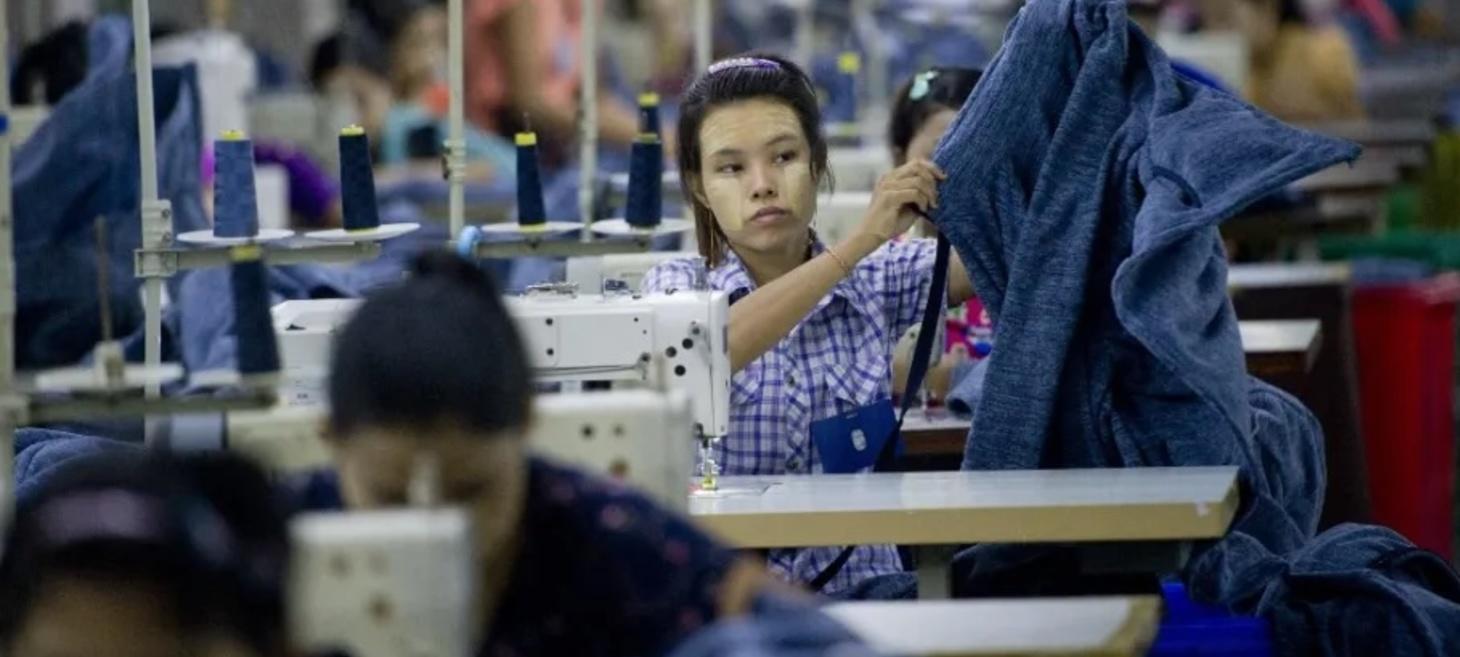
Myanmar Elections Could Spur Global Business Appetites, But Will They Be Legitimate?
Myanmar’s military is preparing for elections on December 28, 2025, which critics and human rights groups have denounced as a "sham" designed to consolidate power and manufacture legitimacy following the 2021 coup,,. Despite systemic labor abuses in the garment sector—including wage theft, child labor, and fatal violence against strikers—the prospect of a new parliament is encouraging a "pragmatic" urge among neighboring countries and global businesses to normalize relations,,,. However, international observers warn that prioritizing low labor costs and commercial interests over human rights risks rewarding the military’s violence and ignoring the ongoing humanitarian crisis,,.
sourcingjournal.com

Myanmar garment industry accused of operating with ‘near-total impunity’
Since the 2021 military coup, Myanmar's garment sector has faced systemic human rights violations including forced labour, widespread gender-based violence, and the suppression of unions, often occurring with "near-total impunity". Exploitation is further intensified by military repression and the 2024 People’s Military Service Law, which subjects workers to dangerous conditions, mandatory overtime, and the threat of forced conscription. International organizations recommend that brands sourcing from the region either implement rigorous conflict-sensitive due diligence or undertake a "responsible exit" if they cannot guarantee worker safety and uphold global labour standards.
just-style.com
Elections
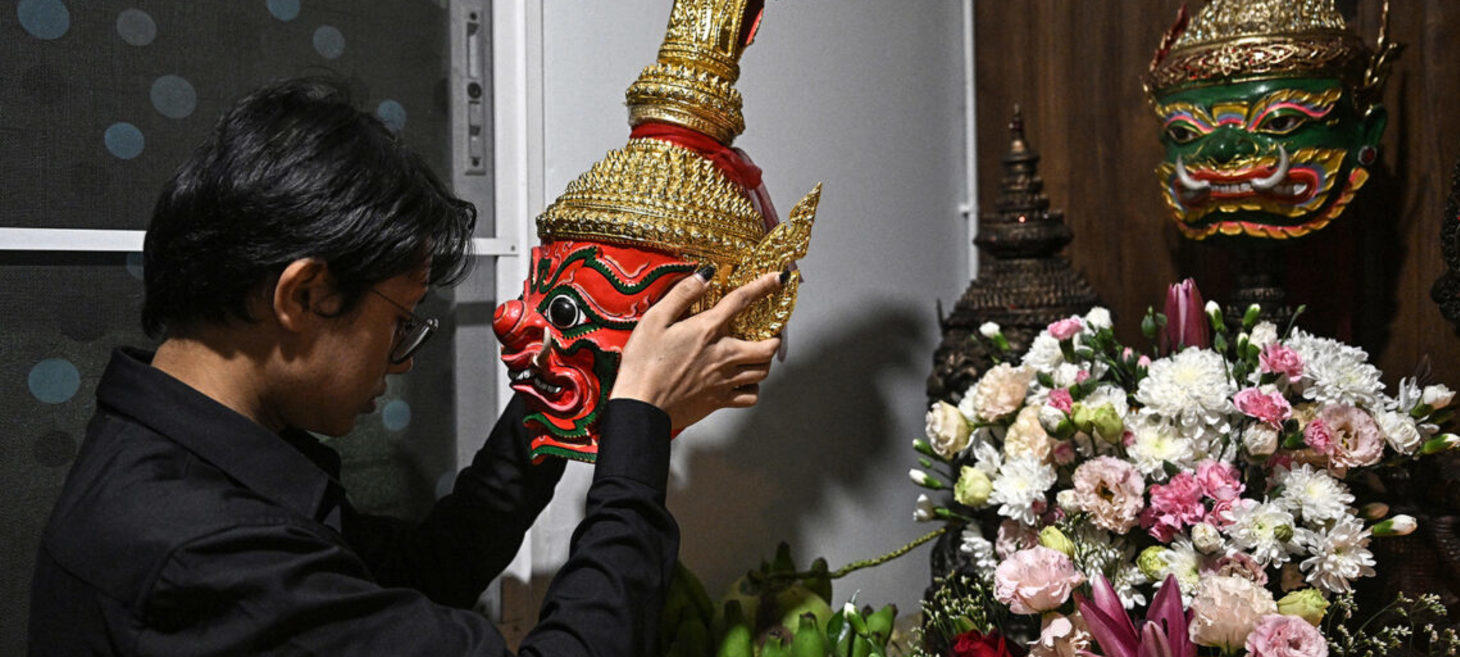
Myanmar Mystics Divine Future After Ill-Augured Election
Amid the uncertainty of a phased election following the 2021 military coup, many in Myanmar turn to astrologers and "Yadaya" magic rituals to navigate crises and seek a secure future. This tradition of mysticism has historically shaped the country's political landscape, influencing decisions on currency and traffic laws, while continuing today through both state-sanctioned predictions and dissident hexes. Looking toward 2026, clashing portents suggest that key political rivals may thrive despite opposition, though mystics emphasize that national success requires wisdom and morality from those in power.
irrawaddy.com
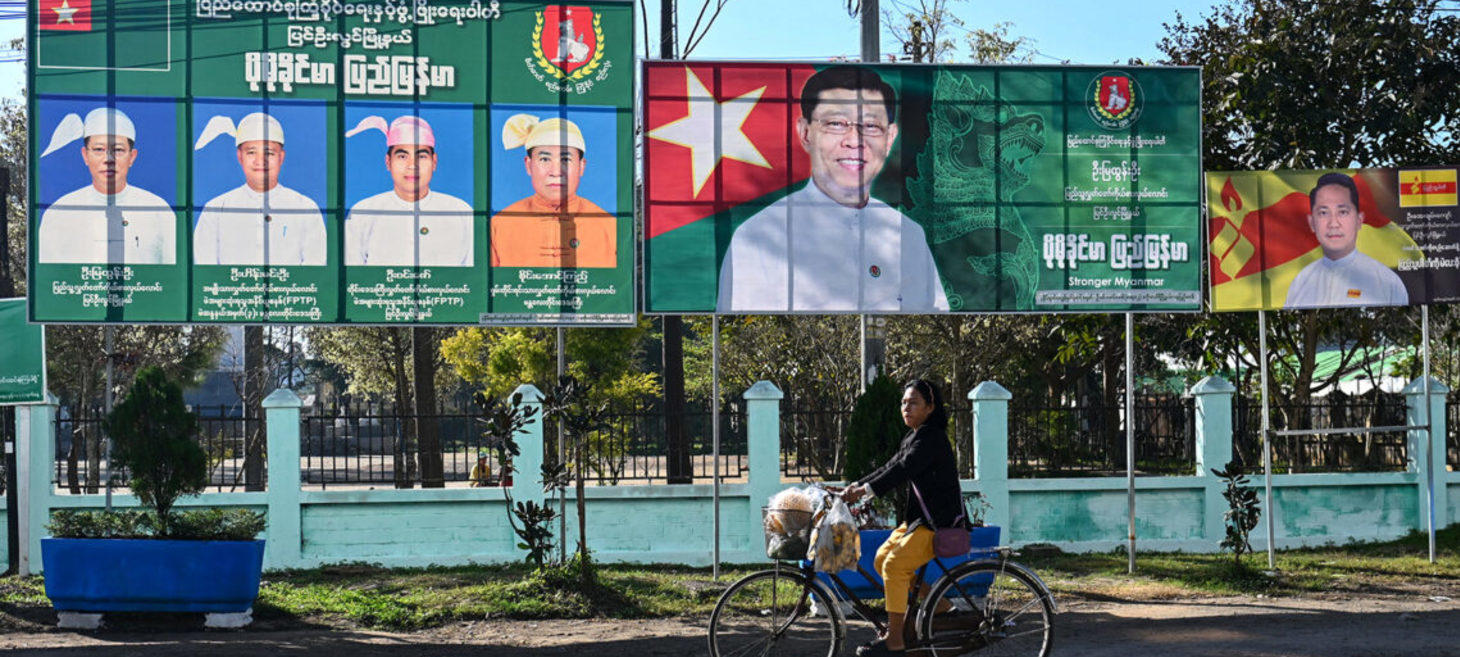
Analysis | Junta-Organized Election Will Reach Barely Half of Myanmar
The Myanmar junta’s scheduled three-phase 2025 election is geographically fragmented, with voting fully viable in only about half of the country’s townships and downright impossible in 56 others due to widespread restrictions on movement. Public and international rejection of the process is profound, as evidenced by a nationwide "silent strike," the junta leader's admission of flaws in the electoral rolls, and the formal refusal of organizations such as ASEAN and the EU to recognize the results. While the military maintains a facade of stability in urban hubs like Yangon and Naypyitaw, it realistically controls only 30% of Myanmar's soil, ensuring the election will fail to resolve the political crisis or represent the millions of people displaced by conflict.
irrawaddy.com
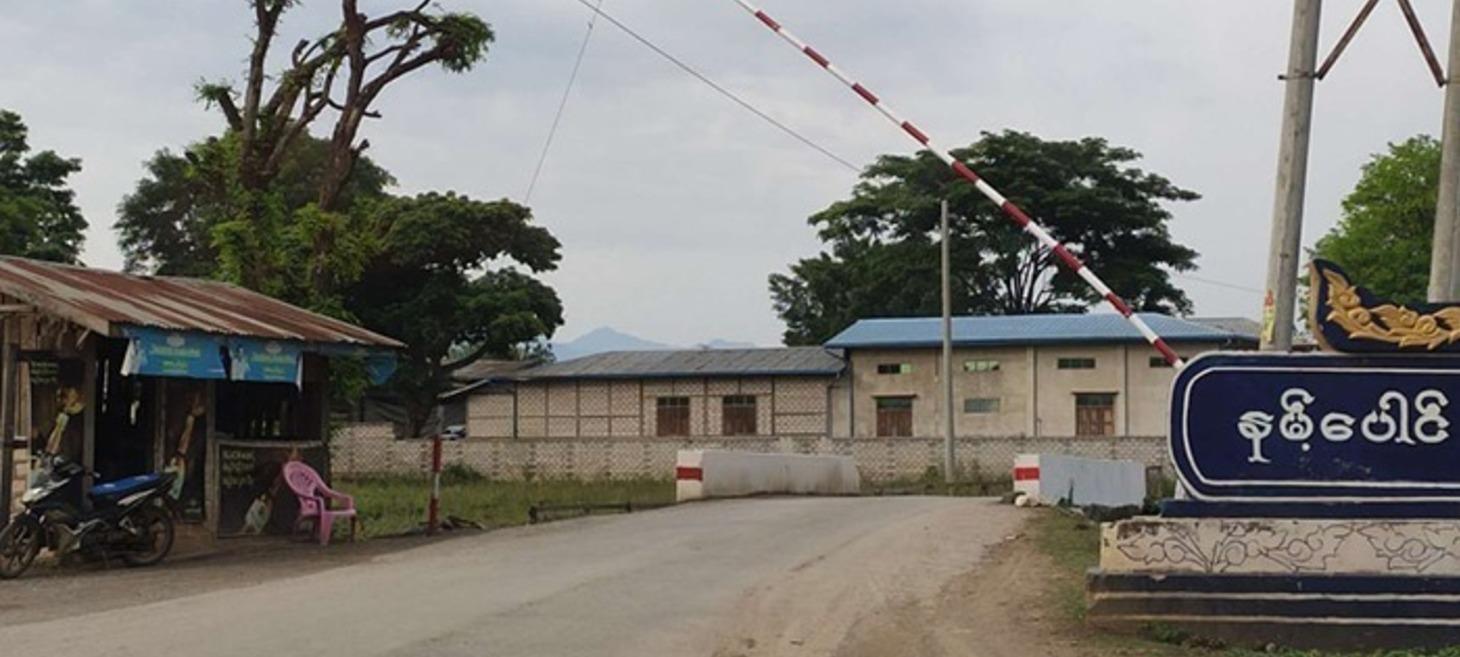
Junta and Kokang Army Coordinate Preparations for Military-Planned Vote
The Myanmar military regime and the Kokang Army (MNDAA) are coordinating to establish polling stations and collect voter lists in Lashio Township village tracts currently under MNDAA control. Logistical preparations include joint site inspections of schools and voter education sessions on electronic voting machines, even in areas where the military lacks full territorial control. Although the junta has excluded dozens of village tracts from the process, it has authorized five specific political parties to field candidates in the Lashio constituency for the upcoming staged vote.
shannews.org
Ethnic Issues
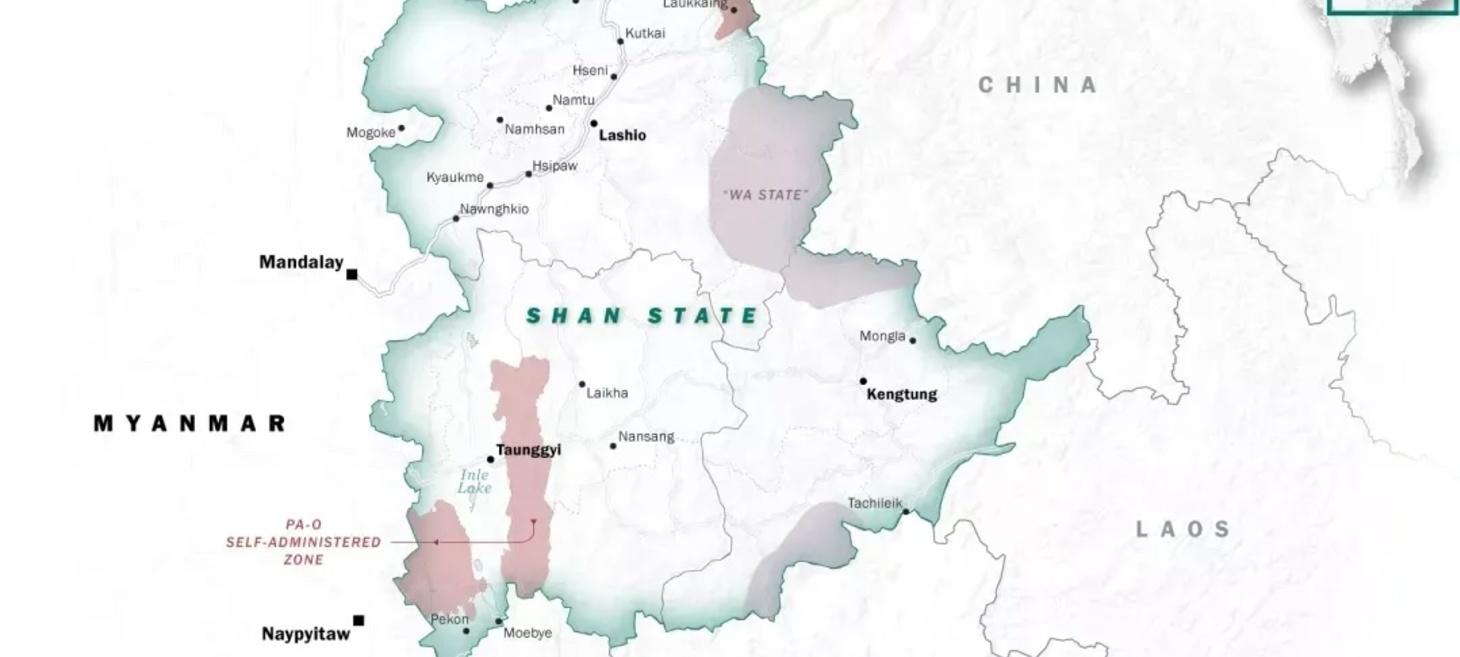
FRACTURED SHAN STATE: Side-lining Shan majority from Shan State polity could exacerbate the country’s disintegration faster
Since the 2021 coup, non-Shan ethnic armed groups like the MNDAA and TNLA have seized significant territory in Shan-majority areas, a shift facilitated by China's role as a power broker and the Myanmar junta's overstretched forces. Despite possessing substantial military strength, the two primary Shan armies—the RCSS and SSPP—have remained mainly inactive against the junta due to bitter internal rivalries, economic interests, and external pressures, resulting in deep frustration and a sense of marginalization among Shan youth. This sidelining of the Shan majority from political decision-making and the perceived "neocolonialism" of non-Shan groups in their heartland risk inflaming exclusionary nationalism, potentially destabilizing the prospects for a peaceful post-regime future. The current political landscape of Shan State is like a ticking time bomb at the country's core, where the suppression of the majority's identity and heritage creates a pressure cooker of resentment that threatens to explode into wider inter-ethnic conflict.
shannews.org
Foreign Affairs
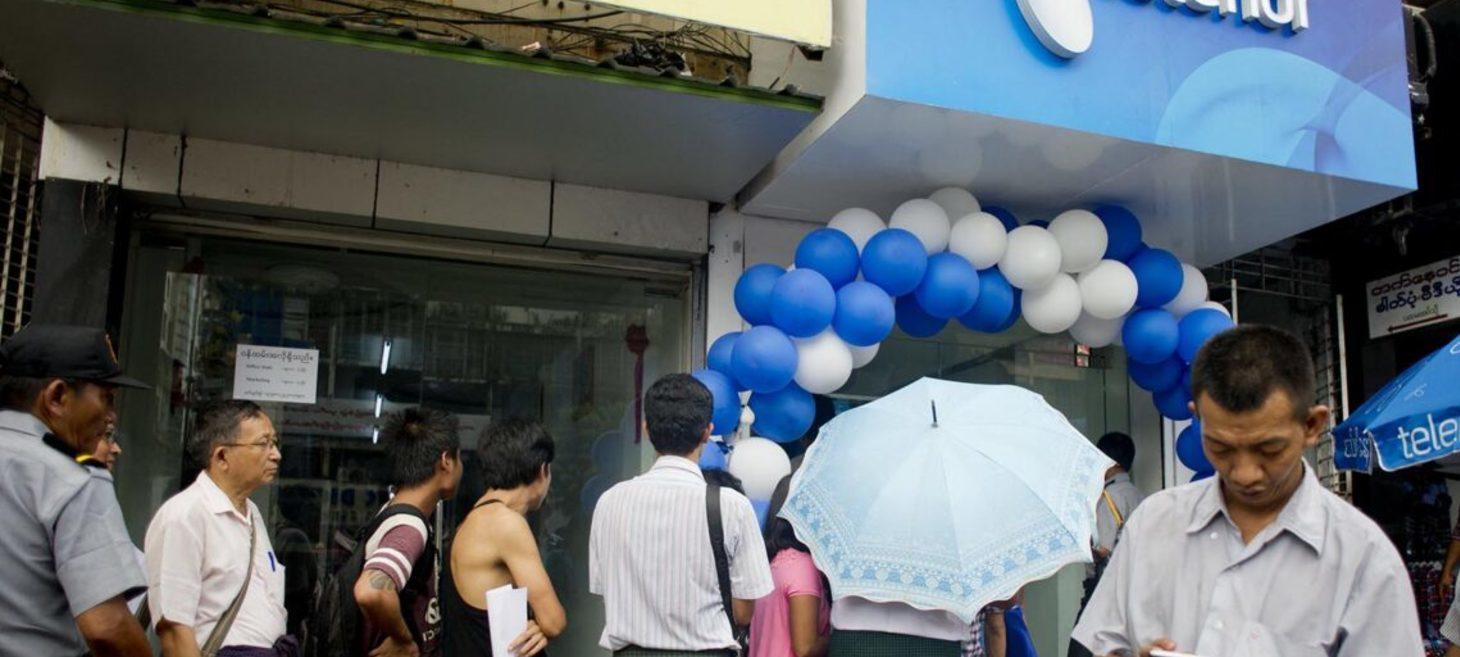
Norway Parliament Probes Telenor for Handover of Myanmar Opposition Data
Norway’s Parliament is investigating the state-controlled telecom giant Telenor for handing over the personal data of 1,300 customers, including Daw Aung San Suu Kyi, to the Myanmar junta following the 2021 coup. Despite warnings from activists, the company sold its Myanmar operations and surveillance equipment to a regime-linked firm partially owned by the daughter of junta leader Min Aung Hlaing. Consequently, human rights organizations have filed a legal complaint with Norwegian police, alleging that Telenor violated sanctions and shared responsibility for the subsequent arrest and detention of opposition figures.
irrawaddy.com
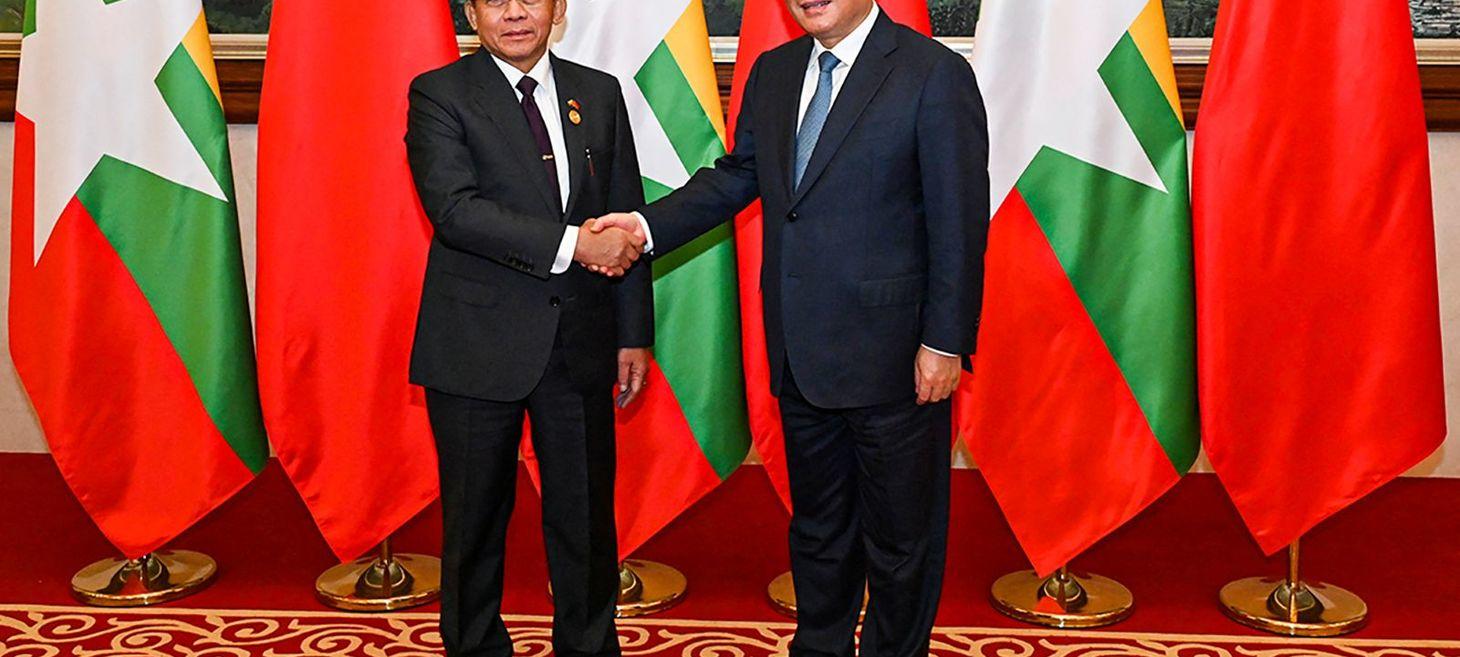
Disputed Myanmar election wins China’s vote of confidence
China has shifted its support toward Myanmar’s military-led elections to prevent state collapse, utilizing its influence to secure truces and territory returns that strengthen the junta's hand ahead of the vote. Although international monitors dismiss the poll as a "sham" intended to rebrand military rule, Beijing views the process as a means to protect its private interests and potentially dilute the power of military chief Min Aung Hlaing. This strategic pivot was primarily driven by China's desire to dismantle cyber scam centers along the border and restore stability, even as residents express resentment over foreign interference in their internal affairs.
frontiermyanmar.net

US Immigration Policy and the Normalization of Military Rule in Myanmar
The U.S. Department of Homeland Security recently terminated Temporary Protected Status (TPS) for Burmese nationals, citing "notable progress in governance" despite contradicting reports from other U.S. institutions and experts who describe the military junta’s rule as a violent, illegitimate regime. While the country remains unsafe due to systematic airstrikes and mass displacement, a "perverse inversion" has emerged where individuals with financial means use fraudulent documentation to enter the U.S. In contrast, the most at-risk pro-democracy activists remain trapped inside Myanmar. To rectify this, the author argues the U.S. must dismantle visa-fraud networks and collaborate with the National Unity Government to ensure that protection pathways are reserved for those facing genuine political persecution rather than normalizing military rule.
thediplomat.com
General News

Myanmar Junta Denies Daw Aung San Suu Kyi Is Dead – Without Offering Proof
The Myanmar military junta has officially denied rumors regarding the death of 80-year-old Daw Aung San Suu Kyi, yet it continues to withhold verifiable proof of her health or current location from the public. Concerns are mounting as her son and human rights organizations point out she has been held incommunicado for over two years and reportedly suffers from various medical issues involving her heart, bones, and gums. Opposition figures argue that the regime’s claims are untrustworthy propaganda aimed at protecting its upcoming elections, and they insist that only independent verification or her unconditional release can resolve the international anxiety surrounding her fate.
irrawaddy.com
Governance & Rule of Law
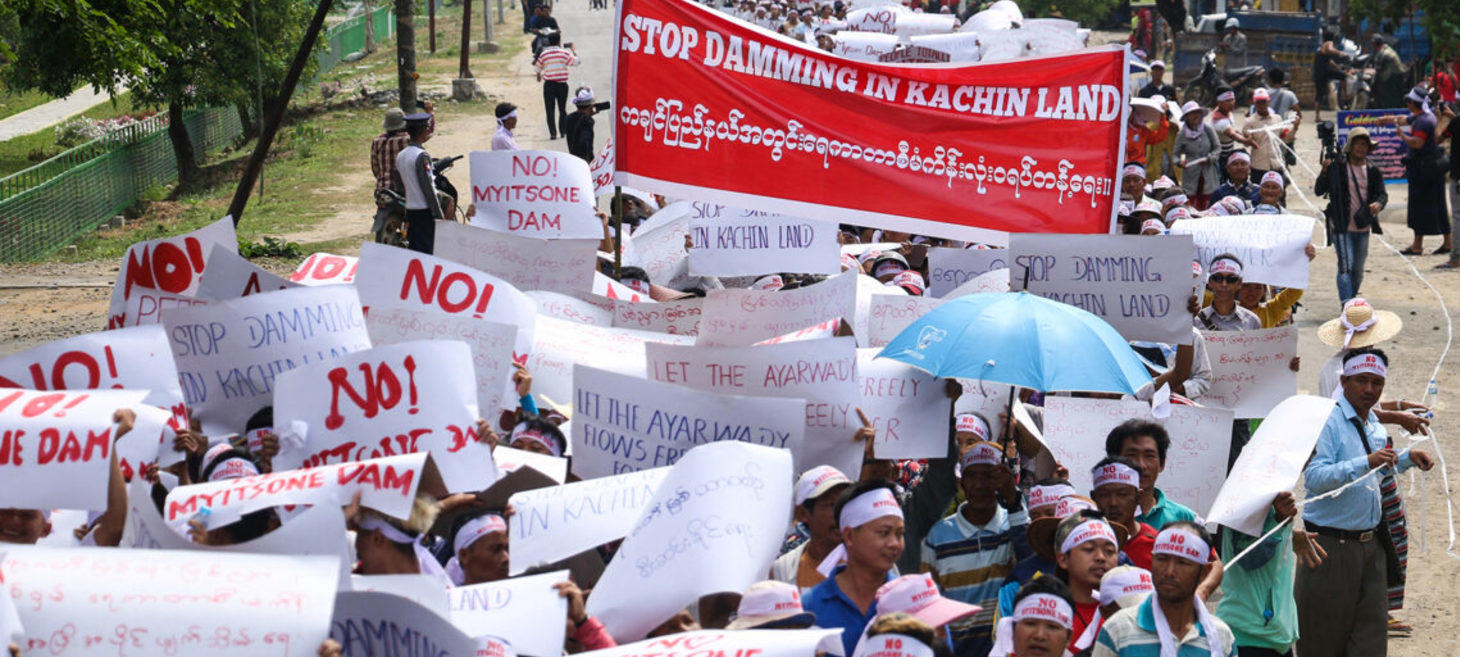
Myanmar Junta Moves to Criminalize Opposition to China-Backed Megaprojects
The Myanmar junta has criminalized opposition to "government-approved" projects, a move primarily intended to shield controversial Chinese investments like the Myitsone Dam and copper mines from public resistance. Increasingly isolated following the 2021 military coup, the regime is using these measures to secure Beijing’s diplomatic and economic backing ahead of a controversial election that has already faced calls for a mass boycott. Although the junta plans to accelerate strategic projects such as the Kyaukphyu deep-sea port after the election, analysts suggest that ongoing civil war and ethnic opposition make the actual implementation of these megaprojects nearly impossible.
irrawaddy.com
Healthcare
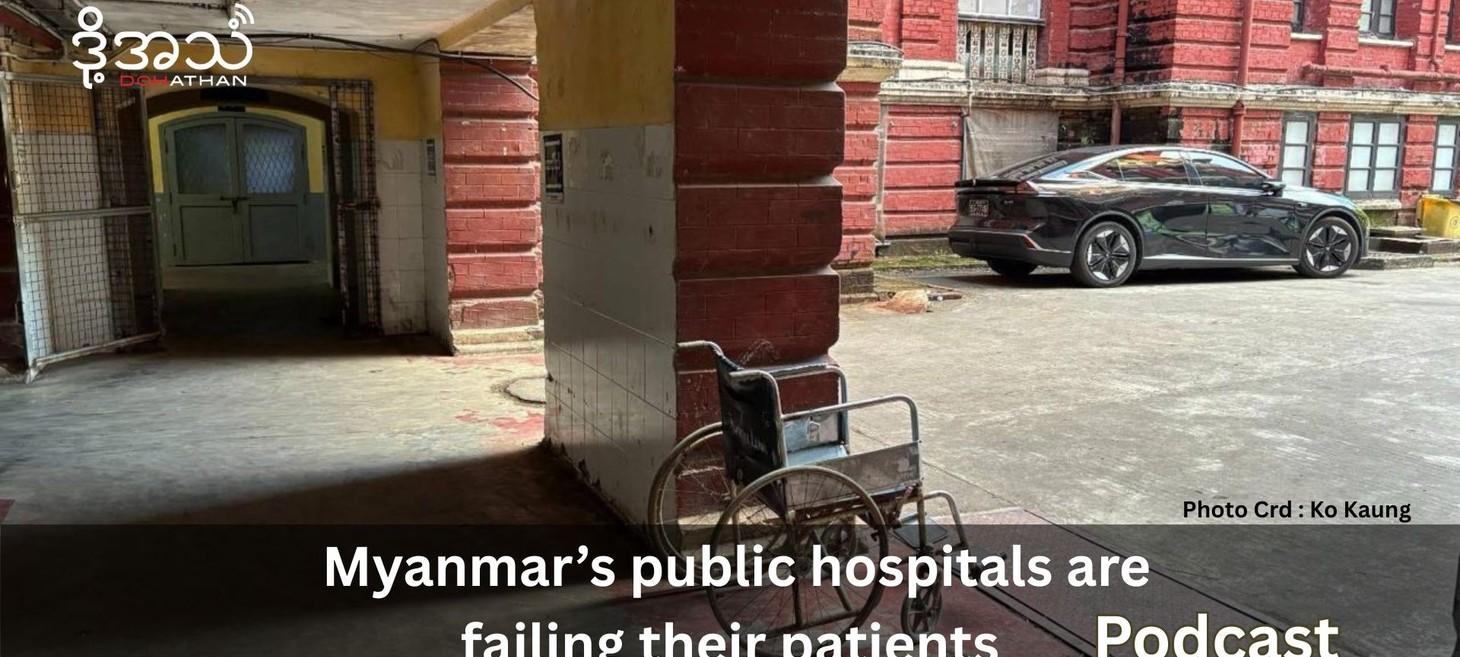
Myanmar’s public hospitals are failing their patients
Since the 2021 military coup, Myanmar’s public hospitals have faced drastic budget cuts and a loss of international aid, shifting the financial burden of healthcare onto the country's most vulnerable citizens. Patients are frequently forced to purchase their own basic medical supplies, such as gloves and syringes, while facing long delays for essential surgeries and life-saving treatments like chemotherapy. Furthermore, a severe staffing shortage caused by the Civil Disobedience Movement (CDM) has left the remaining healthcare workers overwhelmed, resulting in deteriorated patient care, burnout, and a lack of timely vaccinations for children.
frontiermyanmar.net
Natural Resources
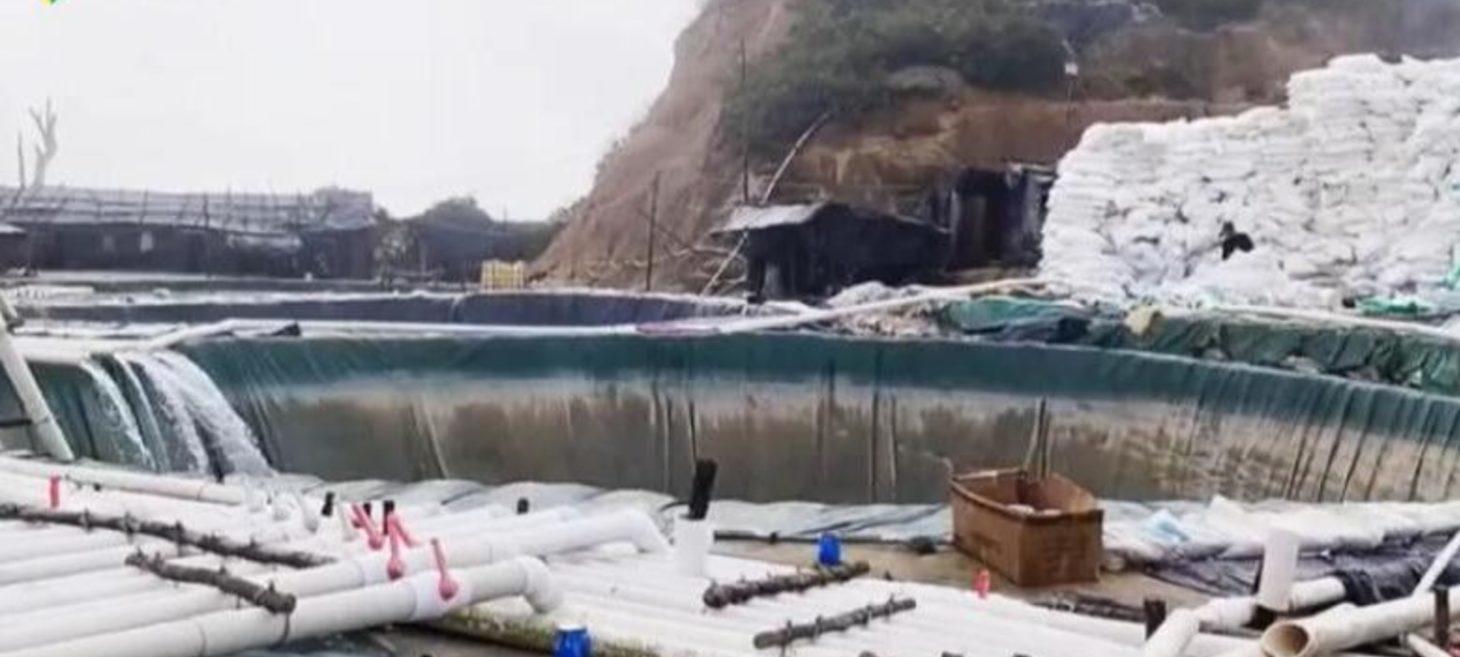
KIO denies reports of secret rare-earth mining deal with India
The Kachin Independence Organisation (KIO) has categorically denied reports from the Silicon Valley Times claiming it signed a secret agreement with the Indian government to extract rare-earth minerals (REM) in Kachin State,. These dismissed reports suggested that India was constructing a 365-km highway to link Arunachal Pradesh with Myanmar’s mining hubs to exchange arms and aid for mineral access. KIO spokesperson Colonel Naw Bu described these claims as fabricated political propaganda involving U.S. and Chinese interests, noting that current REM mining in the region is primarily operated by Chinese companies,.
karennews.org

MYANMAR Military junta revives Myitsone dam to boost ties with Beijing
The Myanmar military junta is attempting to revive the $3.6 billion Myitsone dam project to strengthen political ties with Beijing ahead of upcoming elections, despite its suspension in 2011 due to mass protests. While the military claims the dam will prevent flooding, the project would displace 18,000 people and deliver 90 percent of its energy to China, prompting residents to view the plan as a "death sentence" for the Irrawaddy River. Implementation remains controversial and dangerous due to ongoing conflict with the Kachin Independence Army, the risk of catastrophic damage from nearby fault lines, and potential threats to downstream food security.
asianews.it
Telecommunications
Twitch, Facebook, YouTube and MediaFire removed Myanmar junta propaganda accounts
Several tech platforms, including Twitch, Facebook, YouTube, and MediaFire, have removed propaganda accounts operated by the Myanmar junta’s Ministry of Information and military wings in response to pressure from advocacy groups on human rights and sanctions compliance. These state-controlled channels have been used to disseminate hate speech against the Rohingya, spread disinformation about upcoming sham elections, and attempt to justify international crimes such as indiscriminate airstrikes on civilians. While these removals are a significant step, Justice For Myanmar continues to urge other companies like Apple, Google, and TikTok to take action against remaining accounts to block the junta's "campaign of terror" and manufacture of false legitimacy.
justiceformyanmar.org
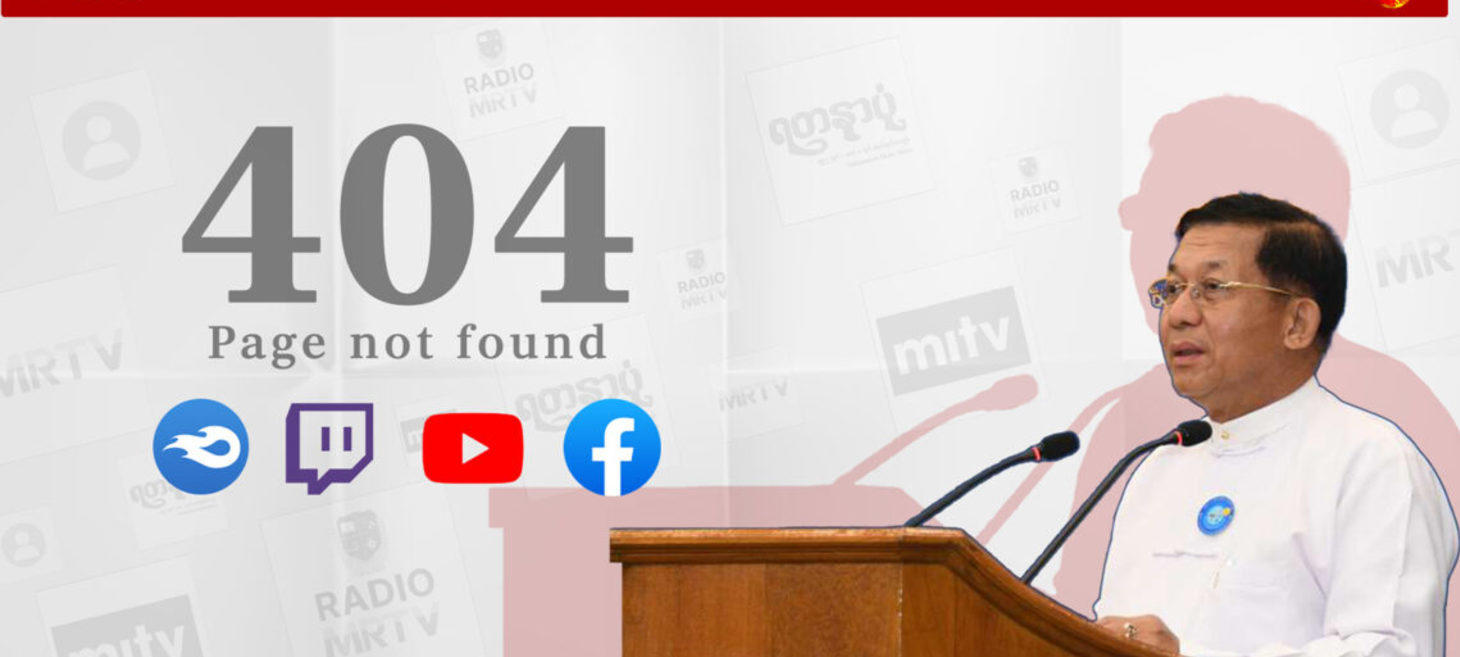
Facebook, YouTube Take Down Myanmar Junta Propaganda Accounts
Major platforms, including Facebook, YouTube, Twitch, and MediaFire, have removed several propaganda accounts and channels operated by the Myanmar junta’s sanctioned Ministry of Information and the army’s psychological warfare department. These actions followed complaints from Justice for Myanmar, which highlighted the regime's use of social media to disseminate disinformation and label democratic resistance as "terrorists" ahead of a heavily rigged election. While these removals limit the junta's reach, activists continue to push for further action against remaining military-linked apps and accounts that are still active on platforms like Google, Apple, and TikTok.
irrawaddy.com
United Nations
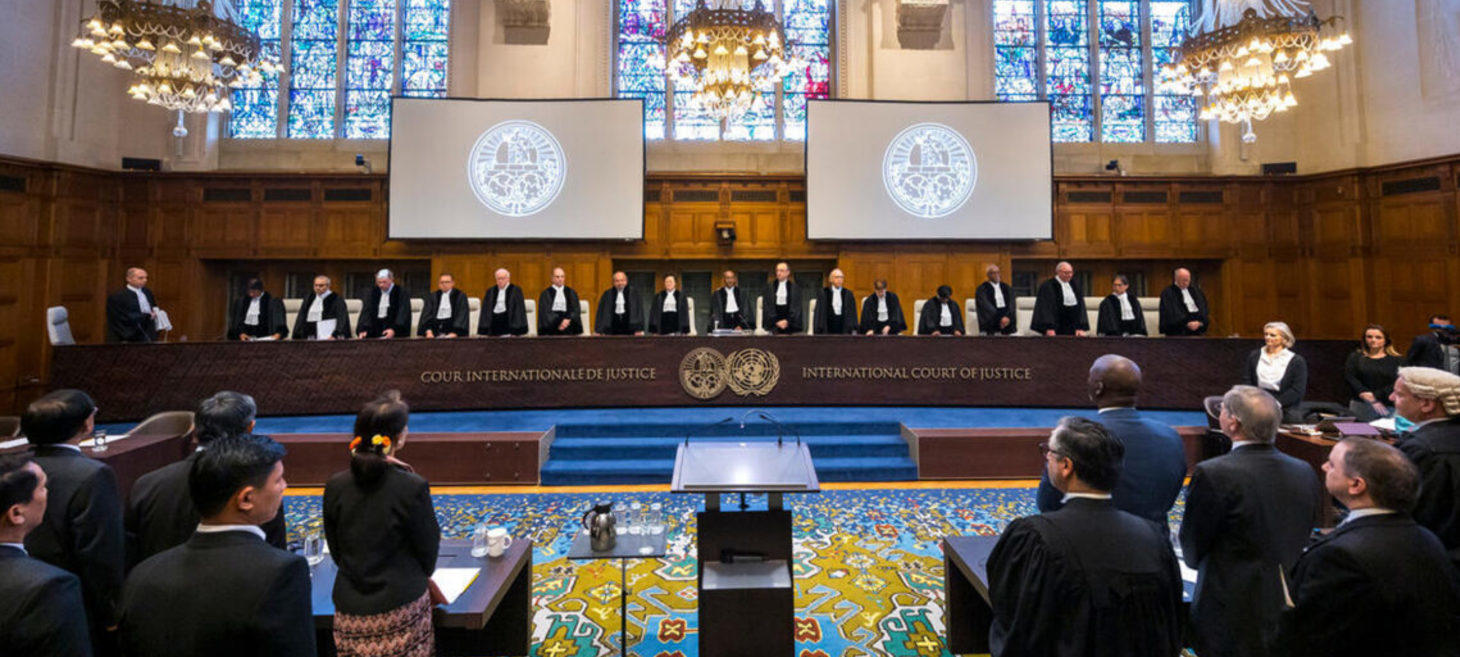
UN Court to Hold Myanmar Genocide Hearings in January
The International Court of Justice (ICJ) is scheduled to hold public hearings in January 2026 to examine the merits of a case accusing Myanmar of genocide against the Rohingya minority. The Gambia, which filed the case in 2019, seeks reparations for victims and guarantees of non-repetition following a 2017 military crackdown characterized by reports of murder, rape, and arson. Although the court previously ordered Myanmar to prevent genocide and its ultimate decisions are legally binding, the ICJ notably lacks the power to enforce its judgments.
irrawaddy.com