Introduction & Analysis
This collection of open-source English-language news articles published over the past week highlights significant events and issues concerning Myanmar. They present a snapshot of the country's safety and security landscape.
- Sham Elections and Political Repression: The military junta is proceeding with phased general elections scheduled to begin in late December 2025, a move widely rejected as illegitimate by 75% of the public and international bodies, accompanied by draconian laws that have led to the arrests of candidates and critics.
- Internal Conflict and Resistance Struggles: Intensified fighting continues as the Arakan Army targets Chin youths for conscription and the TNLA withdraws from northern towns under pressure. At the same time, the opposition National Unity Government faces internal criticism over restructuring and the disappearance of a senior official.
- Crackdown on Transnational Crime: Regional authorities are targeting cyber-scam operations, resulting in the demolition of centers like Shwe Kokko, the arrest of Chinese nationals, and the seizure of over $300 million in assets by Thailand. However, Myanmar remains the world's highest-risk jurisdiction for money laundering.
- Drug Trade and Border Security: Opium cultivation has reached a decade high, and methamphetamine production is surging to fund the civil war, creating severe national security threats for neighbors like India and Thailand, who are engaging the junta on border stability.

Conflict
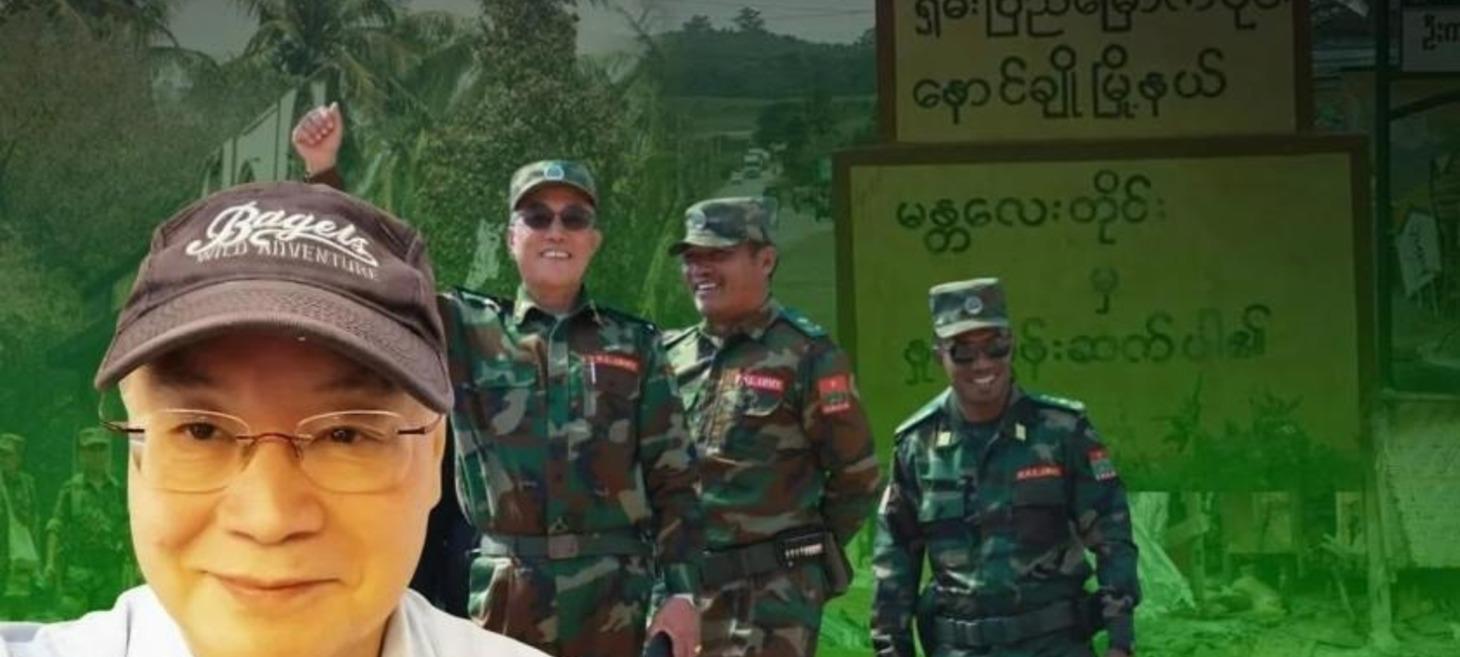
Why Our Hope Lies in Unity, Not the Election
Following pressure from China and intense junta counteroffensives, the TNLA agreed to a ceasefire that requires withdrawing from Mongkut and Mongmit to prevent further territorial losses. Analyst Sai Wansai attributes the group's setbacks to severe strategic errors, including the alienation of allies like the UWSA and PDFs, resource depletion, and friction caused by expansionist policies. Ultimately, Wansai argues that the junta's upcoming election will not improve lives, emphasizing that a unified alliance among ethnic and resistance groups is the only viable path to victory.
shannews.org
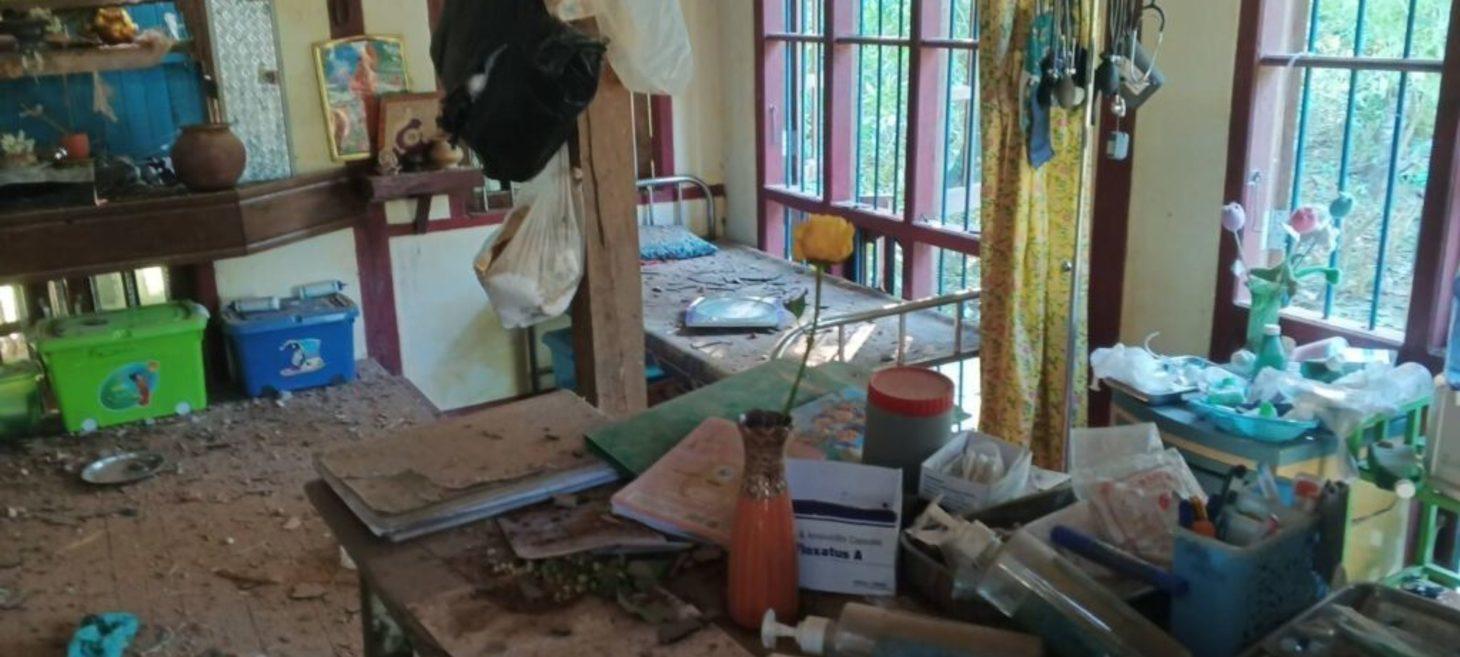
Five killed in junta gyrocopter and artillery assault on Bago clinic
On December 4, 2025, the Myanmar junta launched an assault using gyrocopters and artillery against a healthcare clinic in Kyaukkyi Township, Bago Region. Local resistance groups reported that the strike destroyed the facility, which served as a key medical center for the area. The attack resulted in the deaths of five people, including medical staff, and left several others critically injured.
myanmar-now.org
Conscription
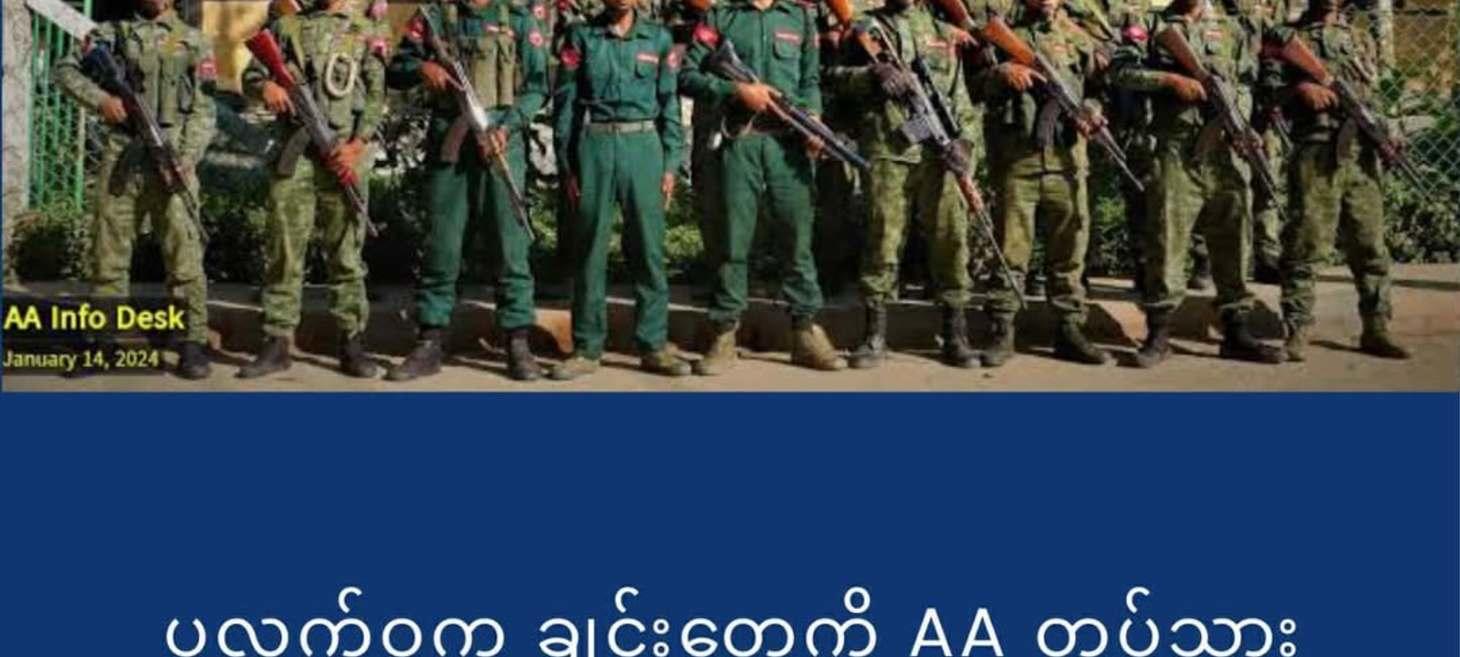
Chin youths flee Paletwa as AA targets Chin community for conscription
The United League of Arakan (ULA) and the Arakan Army (AA) have instated a mandatory conscription policy in AA-controlled Paletwa Township, requiring every Chin household to provide one male recruit between the ages of 18 and 40. While the group previously only recruited ethnic Rakhine individuals, this marks the first instance of targeting the Chin community, with residents reporting that boys as young as 14 or 15 are also being detained. As a result of these forced recruitments, many youths are fleeing the region to other towns in Chin State or crossing the border into India’s Mizoram State.
bnionline.net
Crime & Narcotics
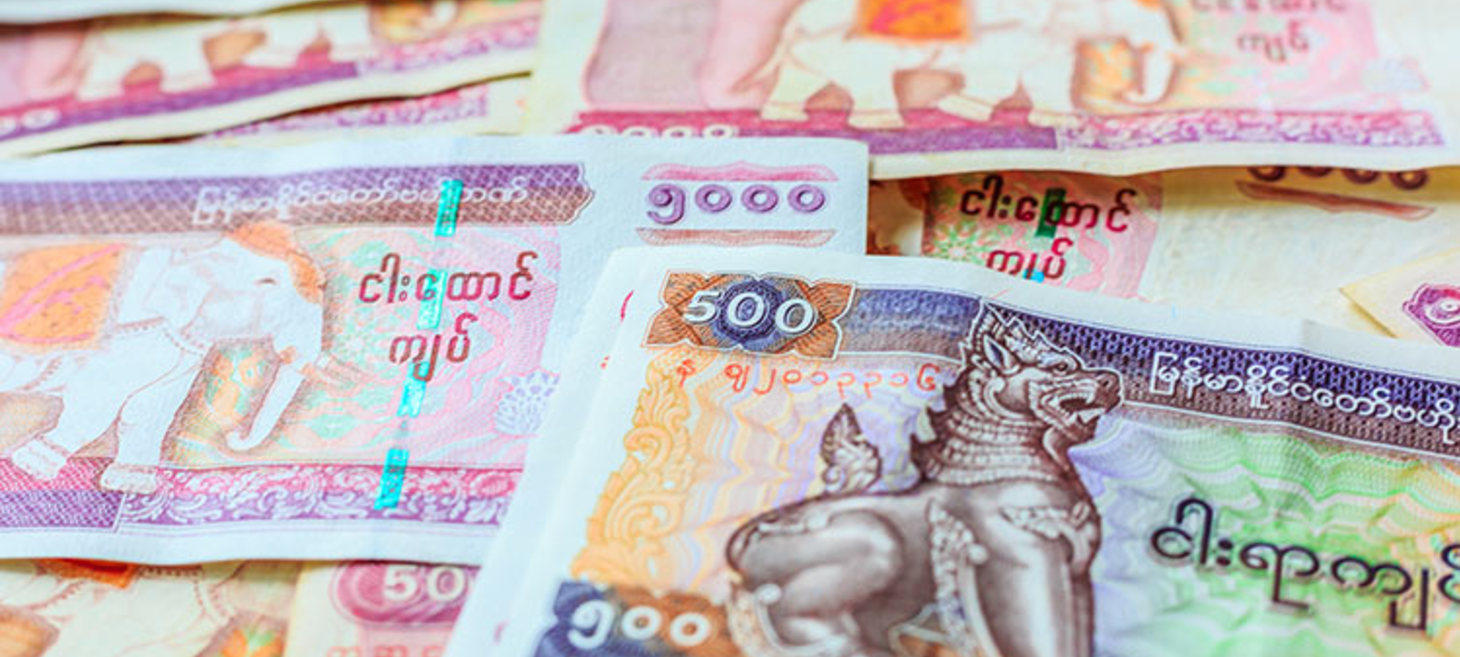
Finland tops global anti-money-laundering index as Myanmar ranks highest risk
According to the Basel AML Index 2025, Finland has been named the world's lowest-risk country for money laundering, while Myanmar is ranked as the highest-risk jurisdiction globally. Finland’s leading position is a result of its strong institutions, strict financial sector supervision, and low perceived corruption, reflecting the broader success of Nordic nations in maintaining high standards for the rule of law. Conversely, Myanmar's placement at the bottom of the index is driven by ongoing political instability, international sanctions, and weak governance, conditions that significantly increase the likelihood of illicit financial flows.
scandasia.com
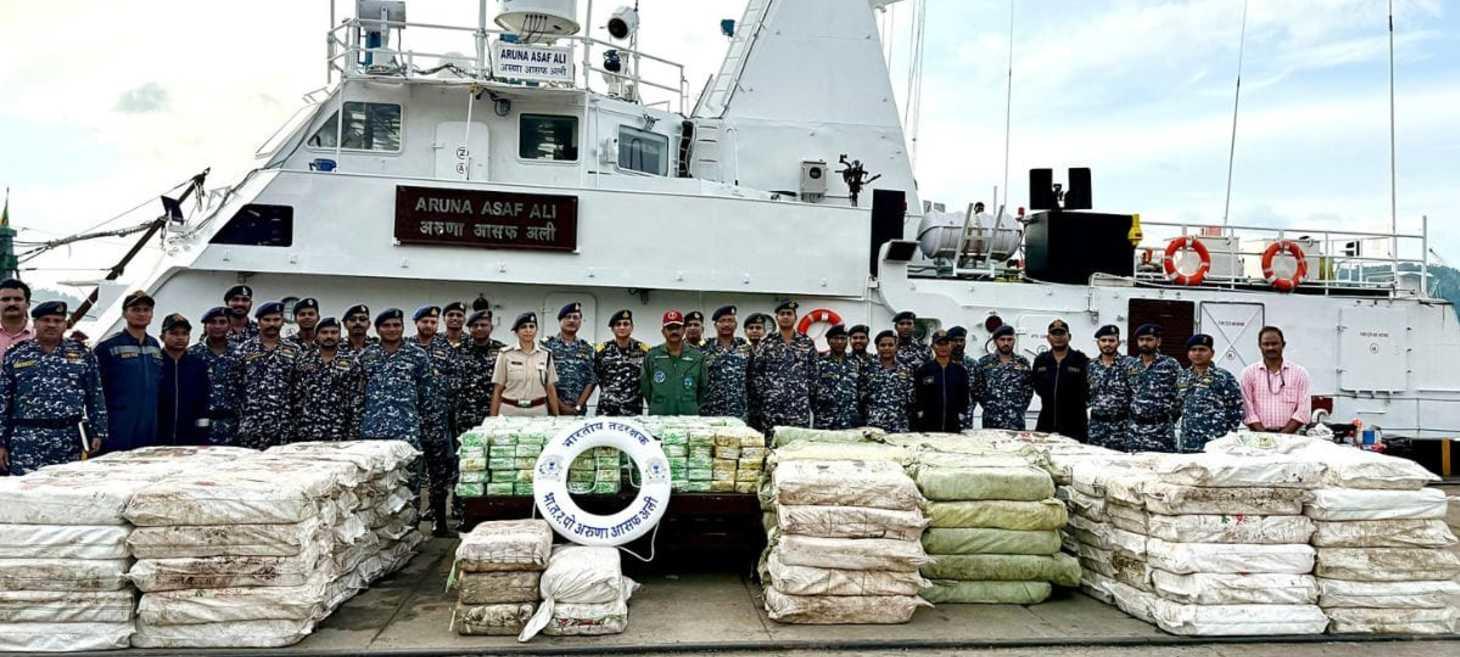
Drugs from Myanmar are taking over Northeast. India must recognise national security threat
Following the 2021 military coup, Myanmar has emerged as a global epicenter for heroin and methamphetamine production, as Ethnic Armed Organisations ramped up illicit manufacturing to fund their operations amidst the collapse of state governance,. This surge has led to a massive influx of drugs into India's Northeast, resulting in record-breaking seizures, a public health crisis characterized by high HIV rates, and a new revenue stream for local insurgent groups and transnational militias,,. Consequently, the author argues that New Delhi must stop viewing drug trafficking merely as a law and order issue and instead treat it as a critical national security threat, demanding cooperation from Myanmar's armed factions to curb the flow.
theprint.in
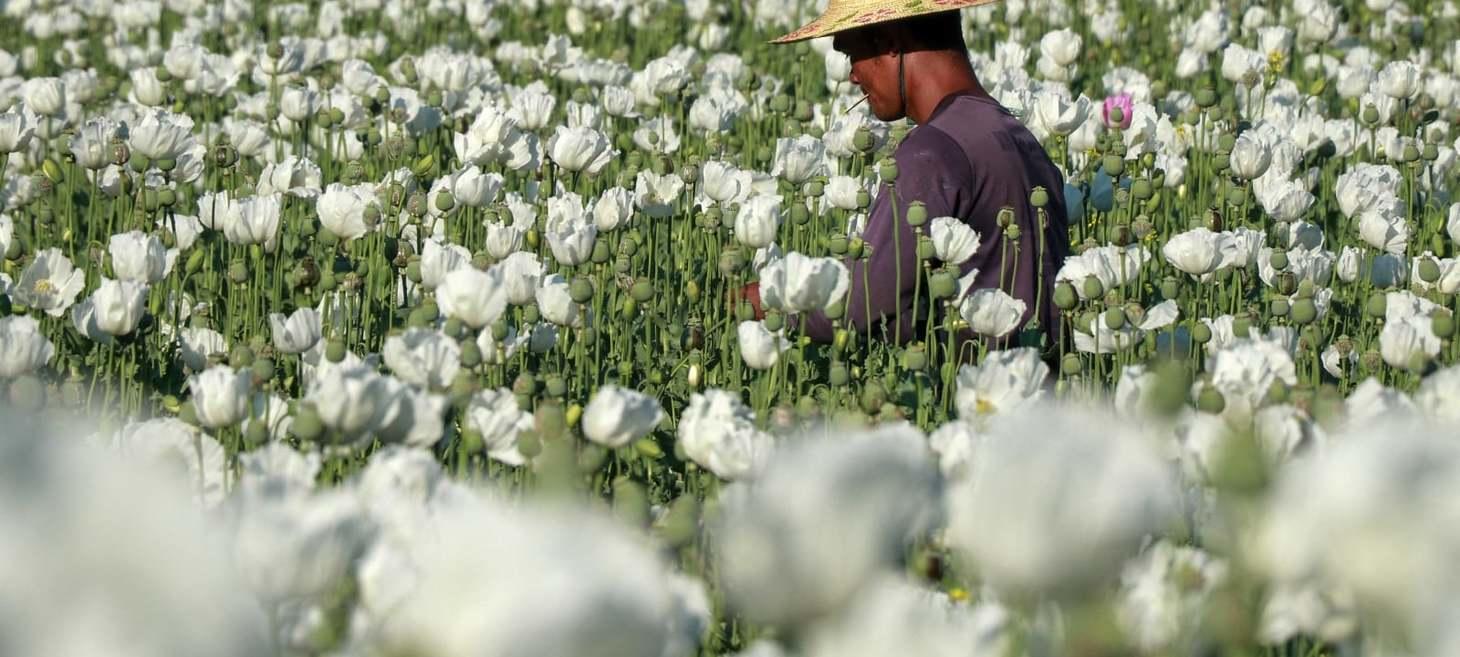
Opium poppy farming hits 10-year high in war-torn Myanmar
Myanmar’s opium poppy cultivation has surged to a decade-long high, covering over 53,000 hectares, as the country solidifies its status as the world's top producer following a crackdown on the trade in Afghanistan. The ongoing civil war and economic desperation following the 2021 coup have supercharged this black market, serving as a key income source for both farmers and armed groups despite the logistical challenges posed by the fighting. While yields remained largely static, the UN reports emerging signs of Myanmar-origin heroin reaching Western markets like the European Union, warning that the changing global environment could encourage even more cultivation.
frontiermyanmar.net

Myanmar: Drug production booming amid civil war
Following the 2021 military coup, Myanmar has surpassed Afghanistan as the world's leading opium producer, as ethnic armed organizations and criminal syndicates have dramatically increased the production of heroin and methamphetamine to finance the ongoing civil war,,,. This surge has transformed the region into a significant national security threat for India, flooding the Northeast with narcotics that are driving a public health crisis and funding insurgent activities,,. The crisis has global repercussions, with the destabilized "Golden Triangle" now acting as the epicenter for an illicit trade network that supplies Southeast Asia and is expanding its reach to markets in Africa and Europe,.
indiatimes.com
Cybersecurity & Cybercrime
China Issues Warrant For 100 Fugitives Involved In Myanmar Crime Syndicate
China’s Ministry of Public Security has issued a wanted notice for 100 fugitives accused of funding and directing telecom and online fraud operations, including high-profile suspects connected to crime syndicates in northern Myanmar. These suspects allegedly recruited personnel and operated under the protection of foreign forces to execute long-running fraud schemes that targeted Chinese citizens and caused vast financial losses. To facilitate the arrests, authorities have announced a reward of 200,000 yuan (approximately 28,259 U.S. dollars) for valid information regarding any of the wanted individuals.
businesstoday.com.my
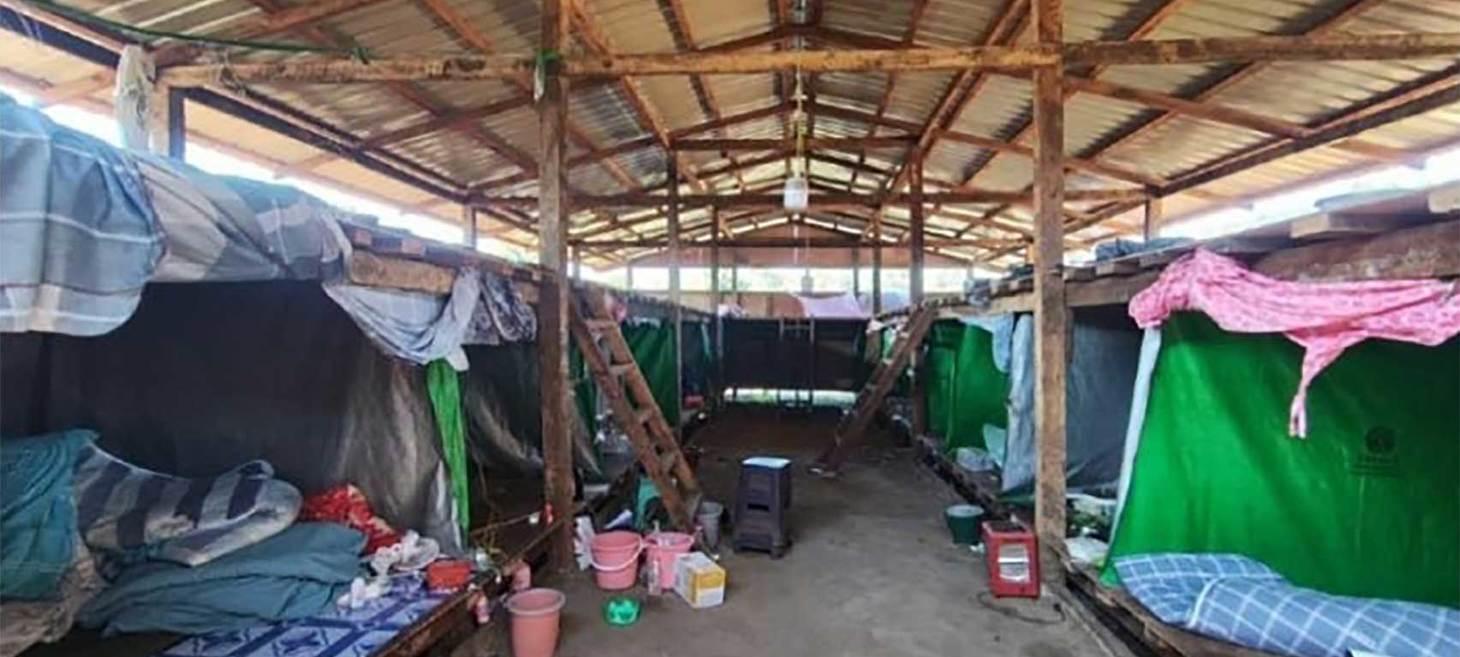
Junta Raids Cyber-Scam Compounds in Kyaukme, Arrests 28 Chinese Nationals
Junta troops raided cyber-scam compounds situated in a forested area of Kyaukme Township on November 30 and December 1, resulting in the arrest of 28 Chinese nationals and the seizure of operational equipment. The military utilized drones to survey the site before the ground operation, confiscating items such as computers, a Starlink dish, and money-counting machines from the makeshift facilities. This crackdown occurred shortly after intense fighting with the Shan State Progress Party (SSPP) in the region and follows similar raids in late November where 34 individuals were arrested near Mong Nawng Town.
shannews.org

Thailand seizes more than $300m in assets and issues 42 arrest warrants in cyberscam crackdown
Thailand has executed a significant crackdown on transnational cyber scam networks, seizing assets totaling over $300 million and issuing arrest warrants for 42 individuals, 29 of whom have already been detained. The operation targets high-profile figures, including Chinese-Cambodian tycoon Chen Zhi, whose US-sanctioned Prince Group is accused of operating forced-labor scam compounds, and Cambodian nationals Kok An and Yim Leak, whose seized assets include shares in the energy firm Bangchak Corporation, valued at approximately $188 million. While the Prince Group has denied any unlawful activity, this move follows recent asset freezes by Hong Kong and Singapore and a US indictment of Chen for wire fraud and money laundering.
theguardian.com
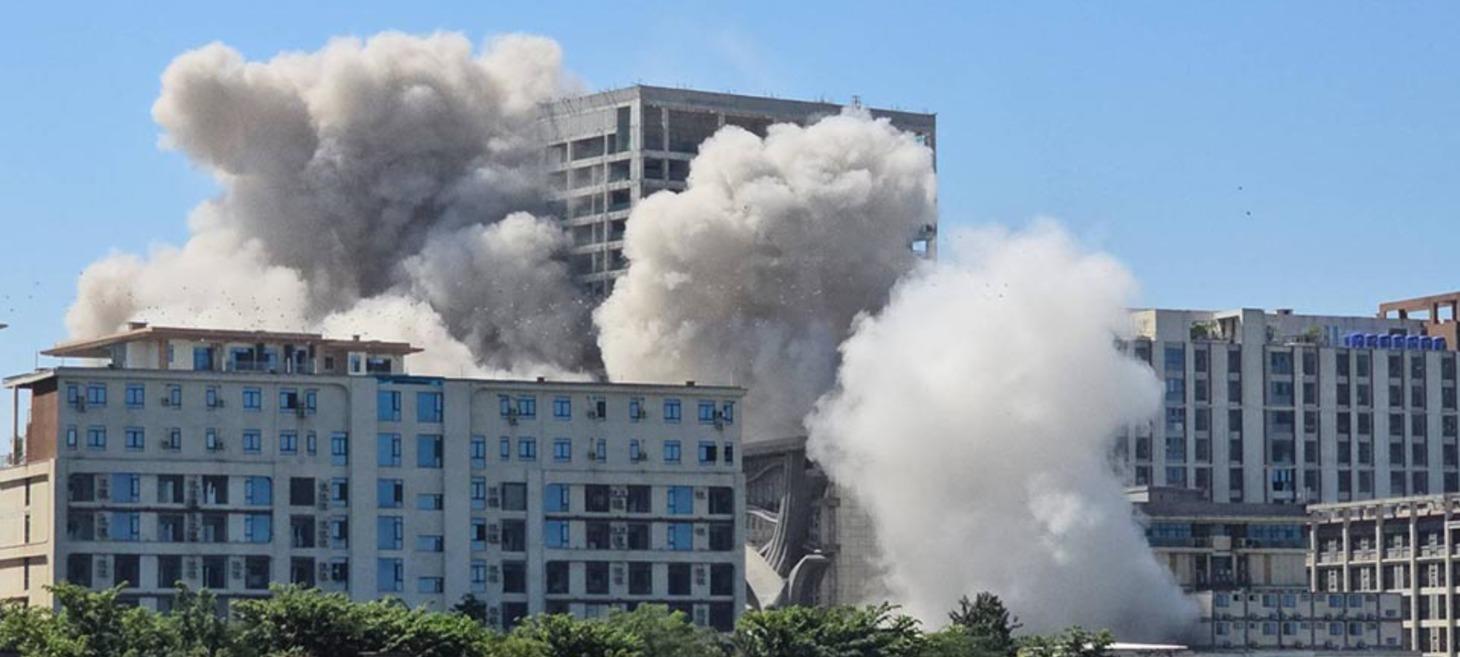
Myanmar demolishes scam center in Shwe Kokko SEZ as Thailand repatriates suspected Chinese scammers
Myanmar military forces and the Border Guard Force demolished a 12-story building in the Shwe Kokko special economic zone (SEZ) to destroy a major center linked to transnational Chinese organized crime. Coinciding with this operation, Thai authorities are facilitating the repatriation of 1,208 Chinese suspects who fled the compounds, transferring them via charter flights for prosecution in their home country. This massive crackdown involves six daily flights scheduled over four days to transport the detainees, signaling a firm commitment to eradicating the scam operations that have flourished along the border.
pattayamail.com
Elections
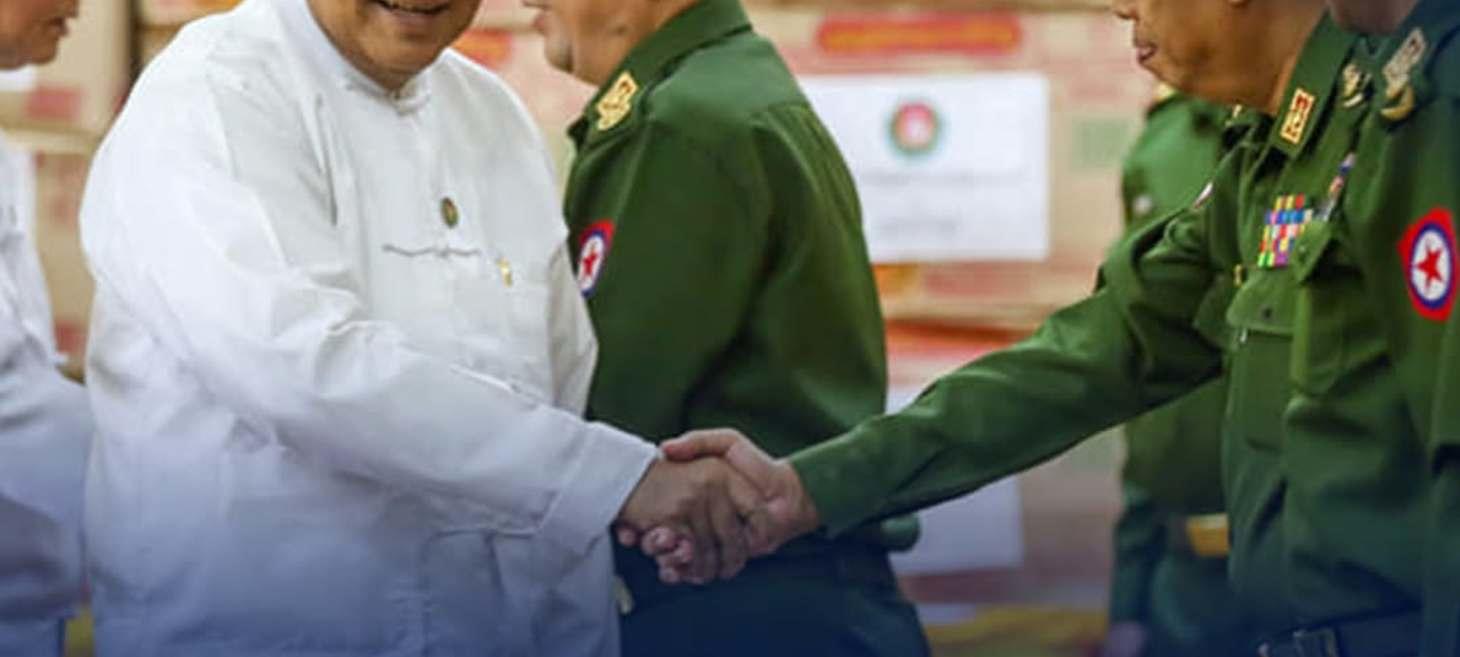
Junta orders servicemen’s families to vote for allied party
The Myanmar junta has issued strict orders requiring troops and their families to vote exclusively for the Union Solidarity and Development Party (USDP), threatening severe punishment and effective action against those who fail to comply. Analysts attribute this coercion to the junta's fear of repeating the "humiliating defeats" the party suffered in 2015 and 2020, highlighting a desperate attempt to secure a win in what is described as a "sham election". The USDP is fielding the highest number of candidates for the phased election set to begin on December 28, 2025, which is being overseen by the junta-controlled Union Election Commission.
bnionline.net
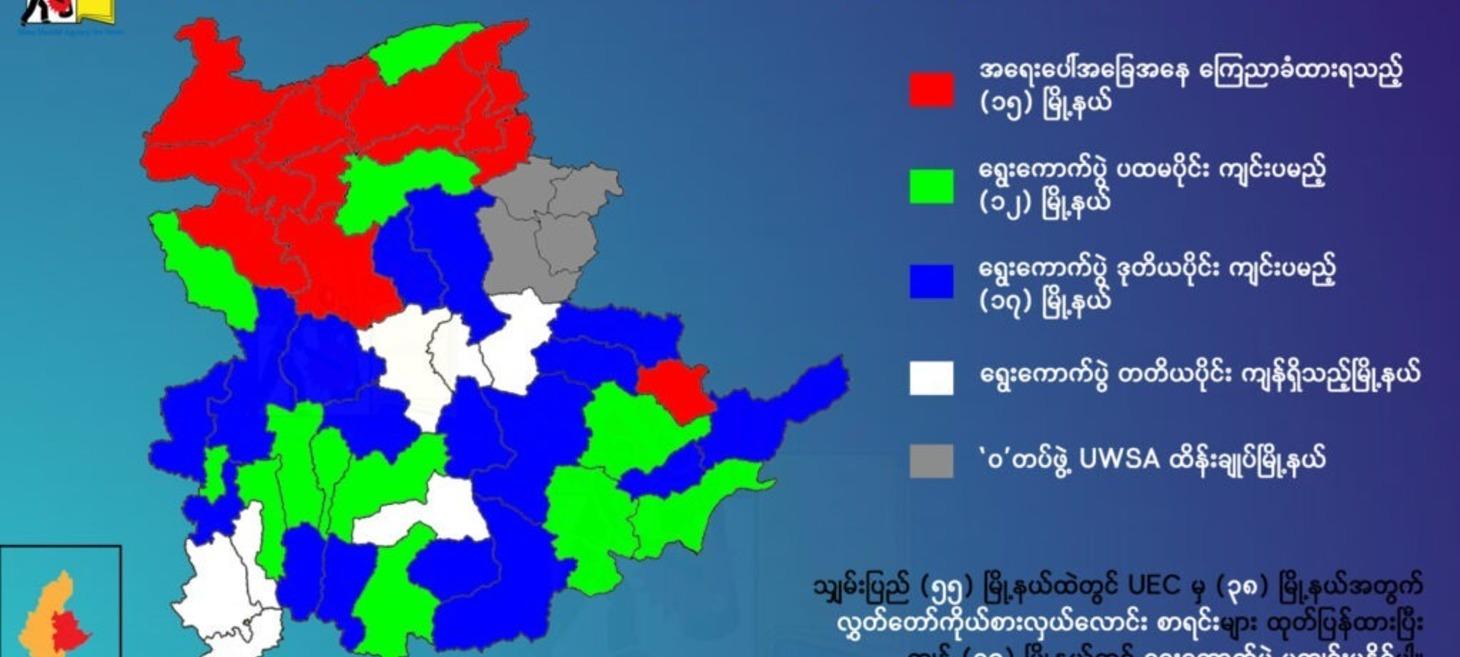
The Junta’s Sham Election: A Threat to Public Security
Five years after the military coup, Myanmar’s junta is proceeding with a phased election widely condemned as a sham intended to legitimize its rule, despite lacking control over significant portions of the country. The regime has implemented oppressive security measures, including the use of surveillance technology to identify critics and the enforcement of harsh laws that punish online dissent with severe penalties. Consequently, international bodies and local experts warn that the poll poses a significant threat to public security, likely worsening the humanitarian crisis and exposing civilians to forced voting, conscription risks, and violence at polling sites.
shannews.org
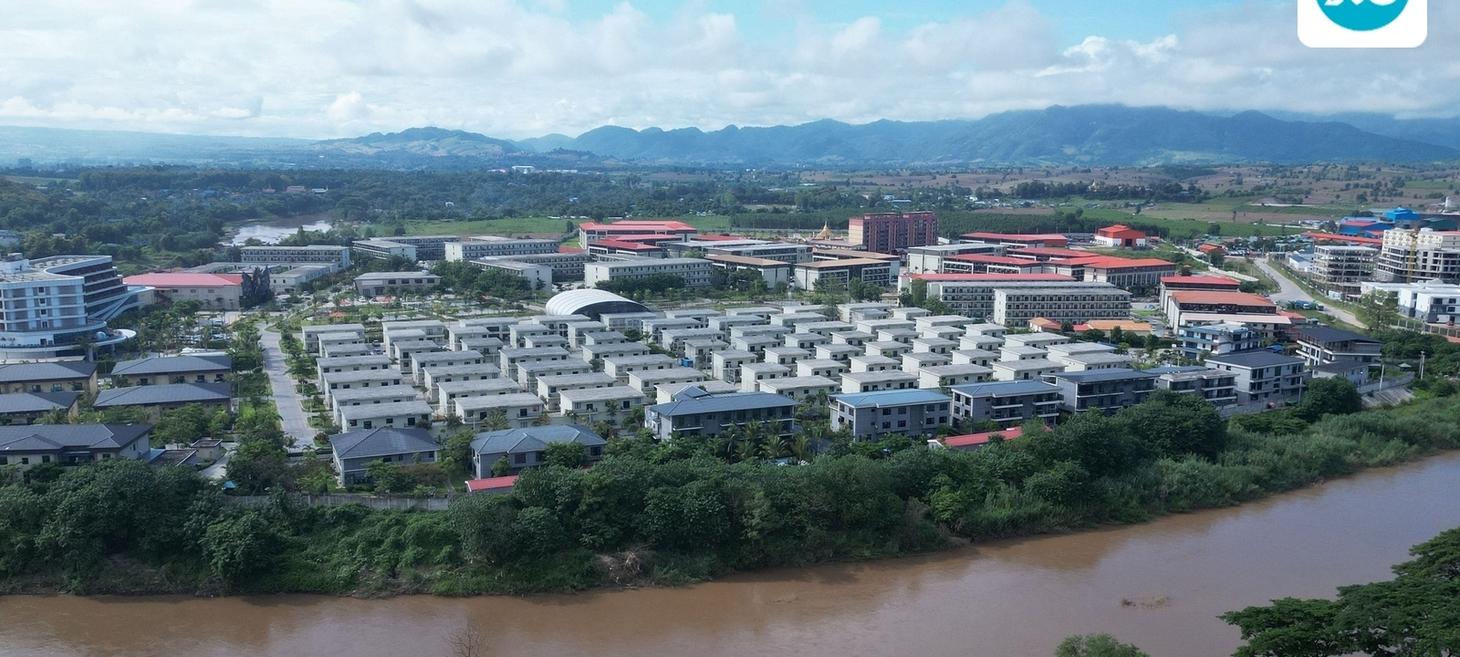
Why Myanmar’s elections offer no simple off-ramp to crisis | Hindustan Times
Myanmar's upcoming elections, scheduled for December 2025, are widely denounced by international bodies like the UN as a "sham" intended to legitimize military rule amidst an escalating civil war and severe humanitarian crisis. The military has heavily manipulated the process by banning forty opposition parties, imprisoning leaders such as Aung San Suu Kyi, and altering the electoral system to favor the military-backed Union Solidarity and Development Party. Consequently, the elections are unlikely to stabilize the country, as the conflict remains a fragmented power struggle in which the military controls only limited territory and continues to block genuine federal reforms.
hindustantimes.com
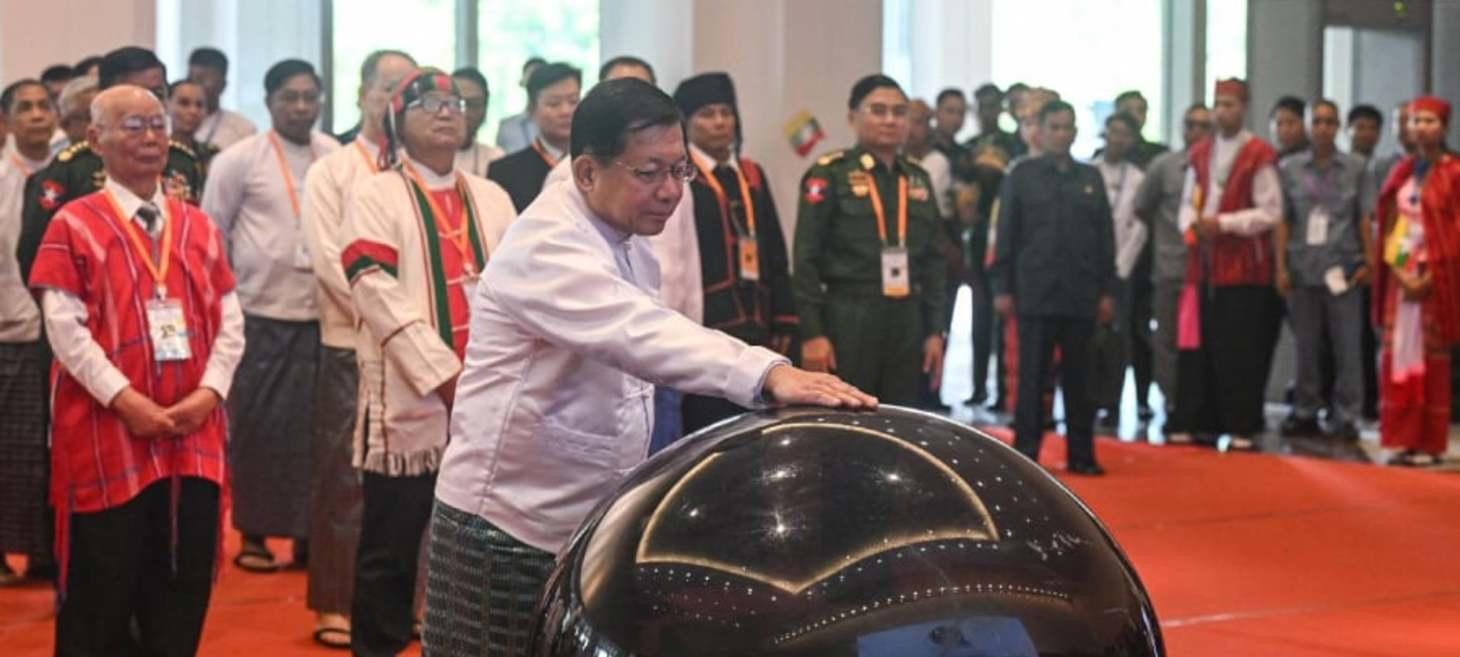
Sham Election by the Myanmar Military Junta
The Myanmar military junta is orchestrating an election scheduled for late 2025 and early 2026 that critics denounce as a "sham" designed to legitimize its authority and evade accountability for atrocities committed since the 2021 coup. To ensure a favorable outcome, the regime has used a junta-appointed Union Election Commission and restrictive registration laws to dissolve major opposition groups such as the National League for Democracy, thereby clearing the path for the military-backed Union Solidarity and Development Party. The process is characterized by the suppression of dissent through strict security laws, widespread voter list errors, and strategic maneuvers by Senior General Min Aung Hlaing to secure the presidency, all of which threaten to intensify the ongoing civil war rather than resolve it.
mizzima.com
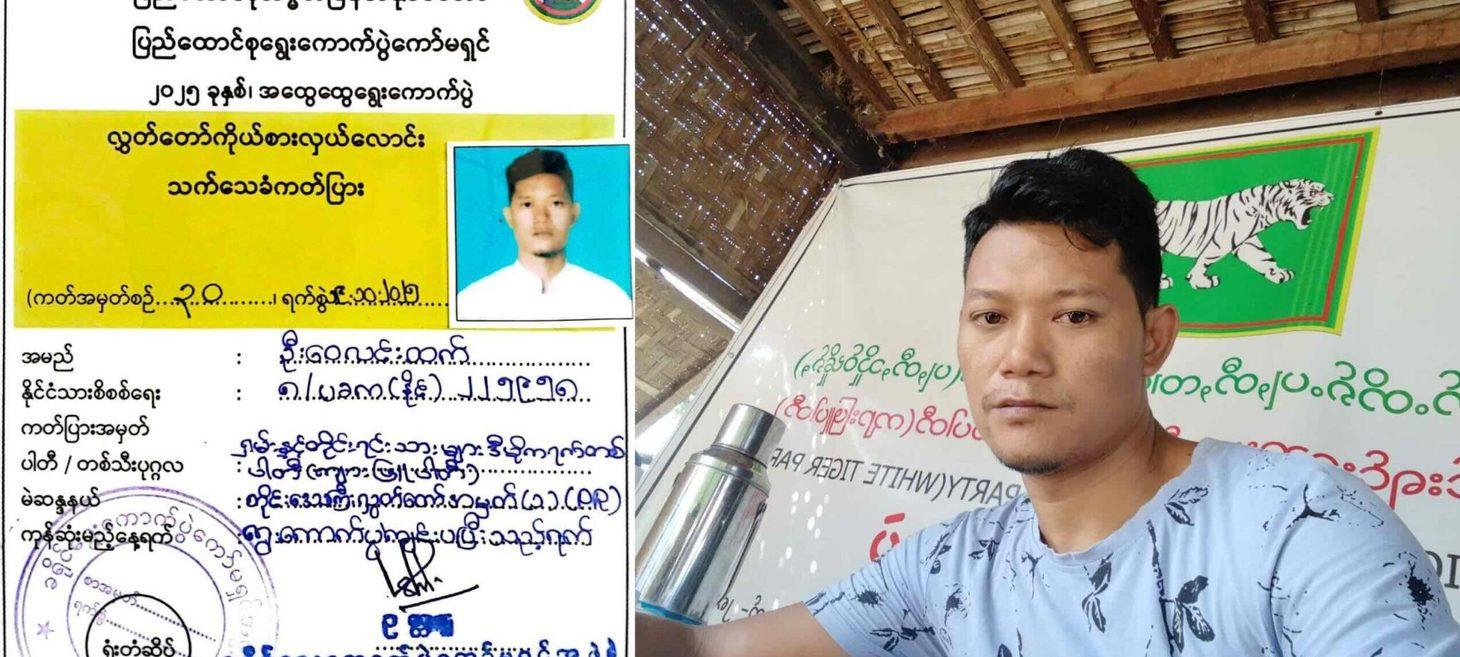
SNDP candidate arrested in Pakokku as disputed election nears
Wai Lin Htet, a regional MP candidate for the Kyar Phyu Party (SNDP), was arrested in Pakokku Township on December 8, 2025, ahead of the upcoming disputed election. This detention contributes to a total of more than 100 election-related arrests as the military junta pushes forward with a vote that has been widely dismissed. Amidst this crackdown, the regime has cancelled polling in thousands of administrative areas and continues to engage in intense conflict, including deadly airstrikes in the Sagaing Region.
myanmar-now.org
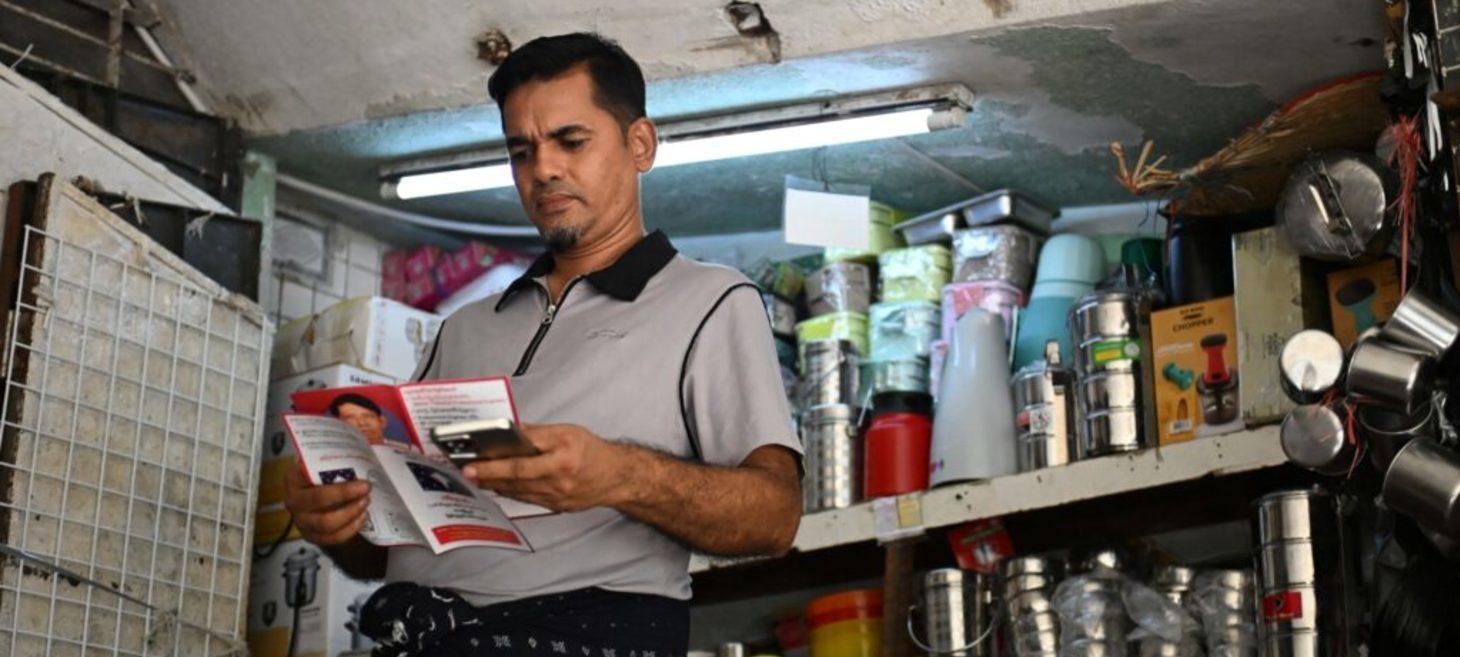
Myanmar junta arrests man for anti-election Facebook chat
The Myanmar junta arrested a man for participating in an anti-election Facebook chat, announcing plans to impose an "effective penalty" under strict laws that forbid criticizing the polls. This arrest occurs as the regime cancels voting in thousands of wards and village tracts while simultaneously advancing military operations into areas like Singu after seizing Madaya. Concurrently, violence continues to escalate, with recent airstrikes killing 18 people in the Sagaing Region and another 11 in northern Shan State.
myanmar-now.org
Foreign Affairs

US senators press Rubio for action as Burma crisis worsens
Nine Democratic senators, led by Chris Van Hollen, urged Secretary of State Marco Rubio to address the escalating violence and "sham elections" in Burma, warning that the crisis strengthens China's strategic foothold and threatens regional stability. Highlighting the junta's weakening control and intensified brutality, the lawmakers detailed a humanitarian disaster involving over 7,100 civilian deaths, massive displacement, and targeted airstrikes on civilians following a major earthquake. To counter this, the senators pressed the administration to fully implement the BURMA Act, support international accountability, and reverse the "inconsistent" decision to end Temporary Protected Status for nearly 4,000 Burmese nationals.
ianslive.in
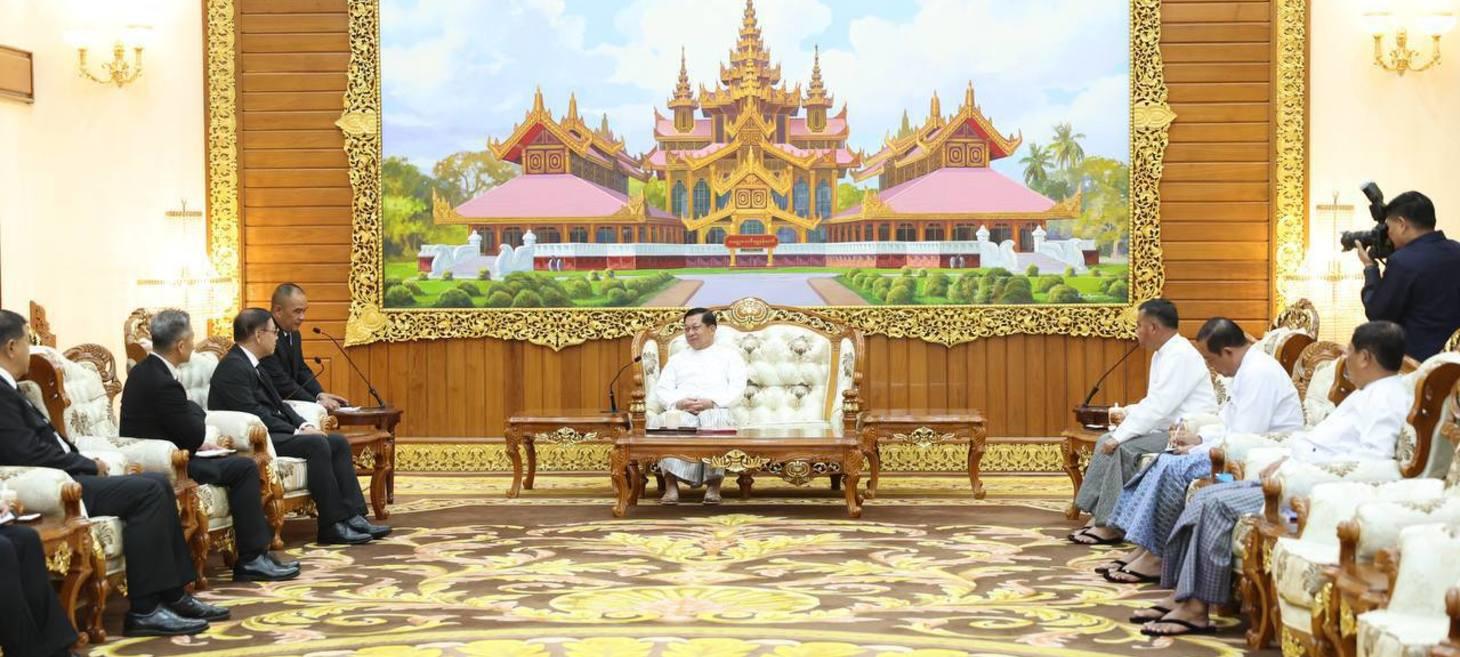
Myanmar's Acting President meets Thai Foreign Minister in Nay Pyi Taw
Acting President Senior General Min Aung Hlaing met with Thai Foreign Minister Sihasak Phuangketkeow in Nay Pyi Taw on December 7 to discuss bilateral relations, emphasizing the need for stability and peace in border areas to facilitate trade. The leaders focused on security cooperation to combat illegal arms trafficking and online scam operations, with Myanmar officials briefing the Thai delegation on the demolition of illegal structures in KK Park and Shwe Kokko. Additionally, the meeting covered cooperation within ASEAN and preparations for Myanmar’s upcoming general election later this month, as well as Thailand’s planned elections in January 2026.
elevenmyanmar.com
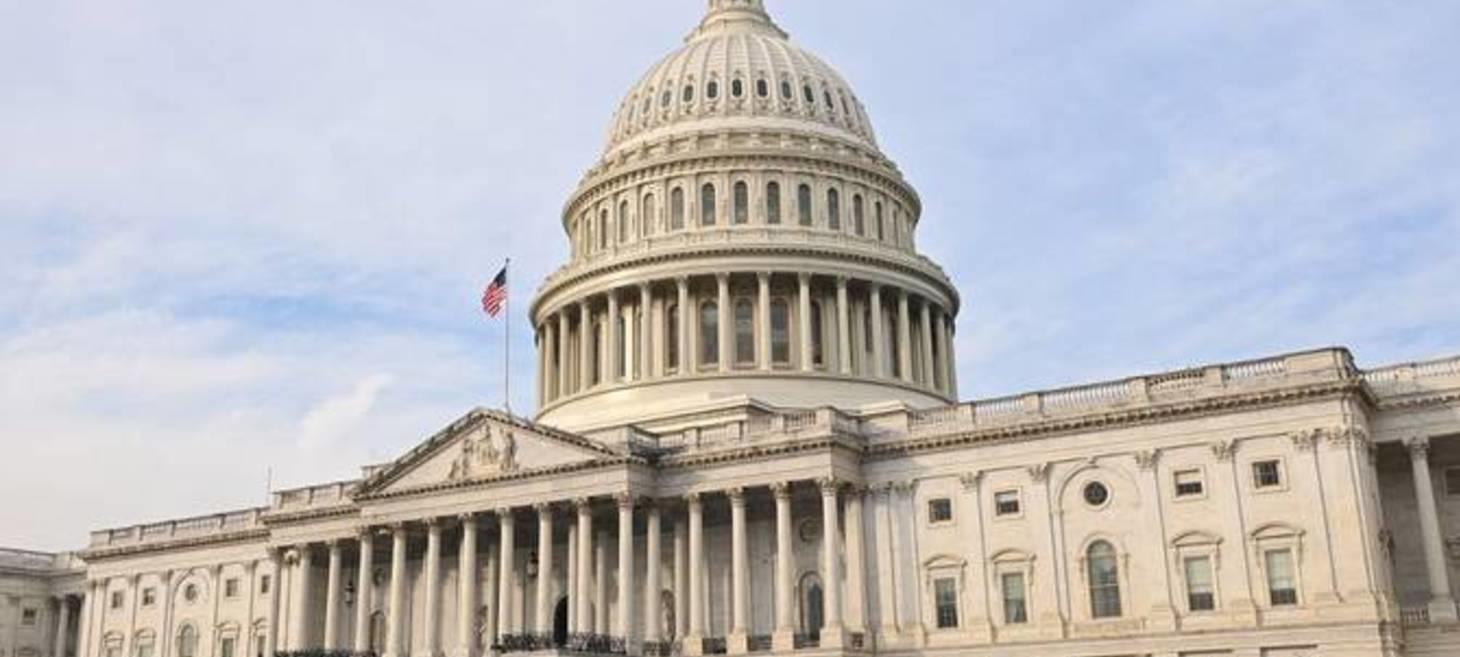
US’ renewed focus on Burma Act offers hope
Washington has re-engaged with the crisis in Myanmar by renewing its focus on the Burma Act, shifting from a purely punitive stance to a constructive approach aimed at supporting humanitarian access and political inclusivity. This strategic pivot arrives at a decisive moment as the military junta faces economic collapse and intensifying resistance, while the Rohingya population endures deteriorating conditions and funding shortages. By leveraging economic measures alongside diplomatic coordination with regional partners, the United States aims to stabilize the trajectory of the conflict and protect vulnerable groups without attempting to solve the crisis unilaterally.
arabnews.com
General News

Fighting in Mogok & A Climate Plan for Kawthoolei
Episode 56 of "What's Happening in Myanmar" features guests Ah Oo and Paul Sein Twa discussing the Kawthoolei Climate Action Plan and current events, including intensifying election pressures and battles in Mogok. The episode also details the military regime's widening crackdown on scams across the region. Related content from October 2025 links these regional issues to broader global topics, including the COP30 climate talks and the future of Mogok.
frontiermyanmar.net
Governance & Rule of Law
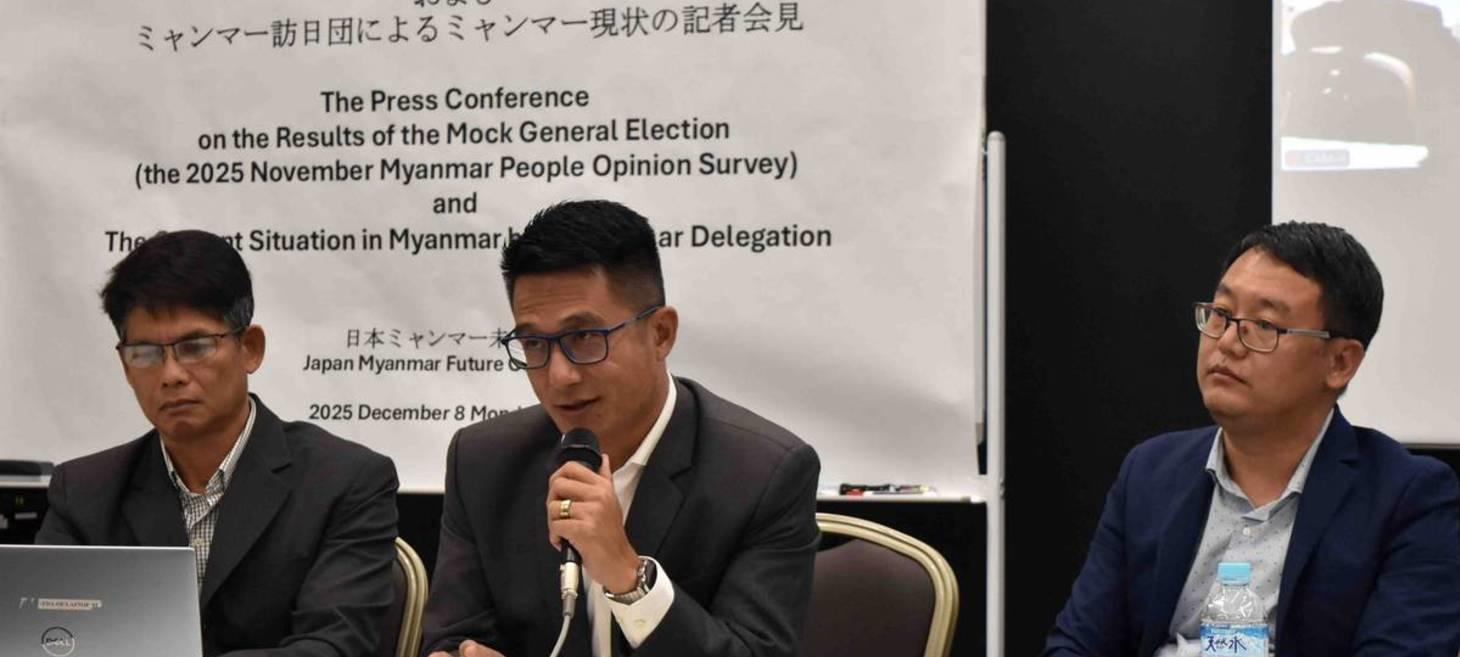
75% of Myanmar People Reject Army’s Political Involvement, According to Survey Conducted by Aid Organization
A survey conducted by the Japan Myanmar Future Conference found that 75% of respondents oppose the military's involvement in governance, while 99% view the junta's upcoming general elections as illegitimate. Opposition leaders, including representatives from the National Unity Government and the Karen National Union, welcomed the findings as crucial evidence to counter the international recognition of the military regime and its election plans. The poll, which surveyed approximately 32,000 people, further indicated that 99% of respondents believe the military lacks the ability to resolve the political crisis that has gripped the country since the 2021 coup.
yomiuri.co.jp
National Unity Government
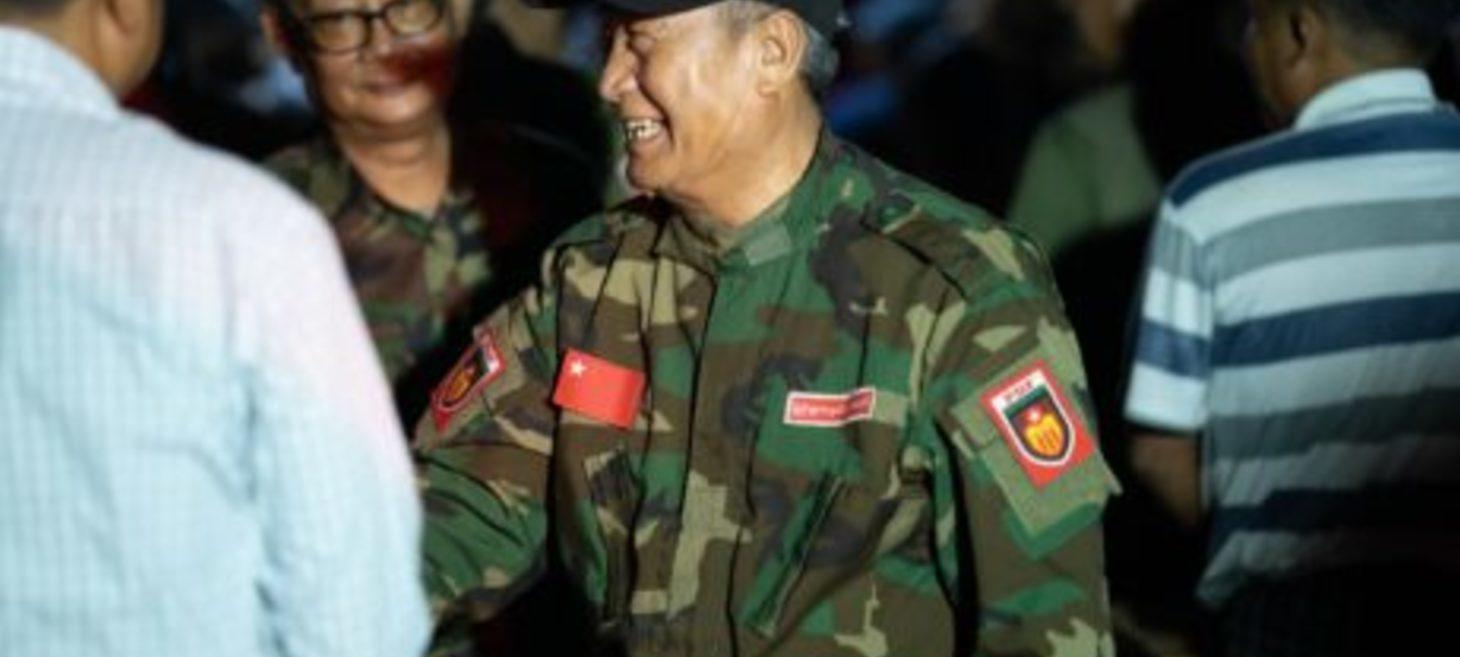
Myanmar’s National Unity Government in 2025: A Series of Unfortunate Events?
In late 2025, Myanmar’s National Unity Government (NUG) faces severe internal instability characterized by a corruption scandal, the resignation of high-profile minister Dr. Sasa, and a restructuring effort that critics have dismissed as merely cosmetic. Simultaneously, the opposition has suffered major external setbacks, including the military junta's territorial gains supported by China and a drastic reduction in U.S. support marked by funding cuts and the revocation of Temporary Protected Status for Myanmar nationals. Consequently, analysts warn that the NUG's failure to enact effective reforms or heed advisory warnings over the last five years risks rendering it a "National Uncertainty Government" as the military consolidates power.
thediplomat.com
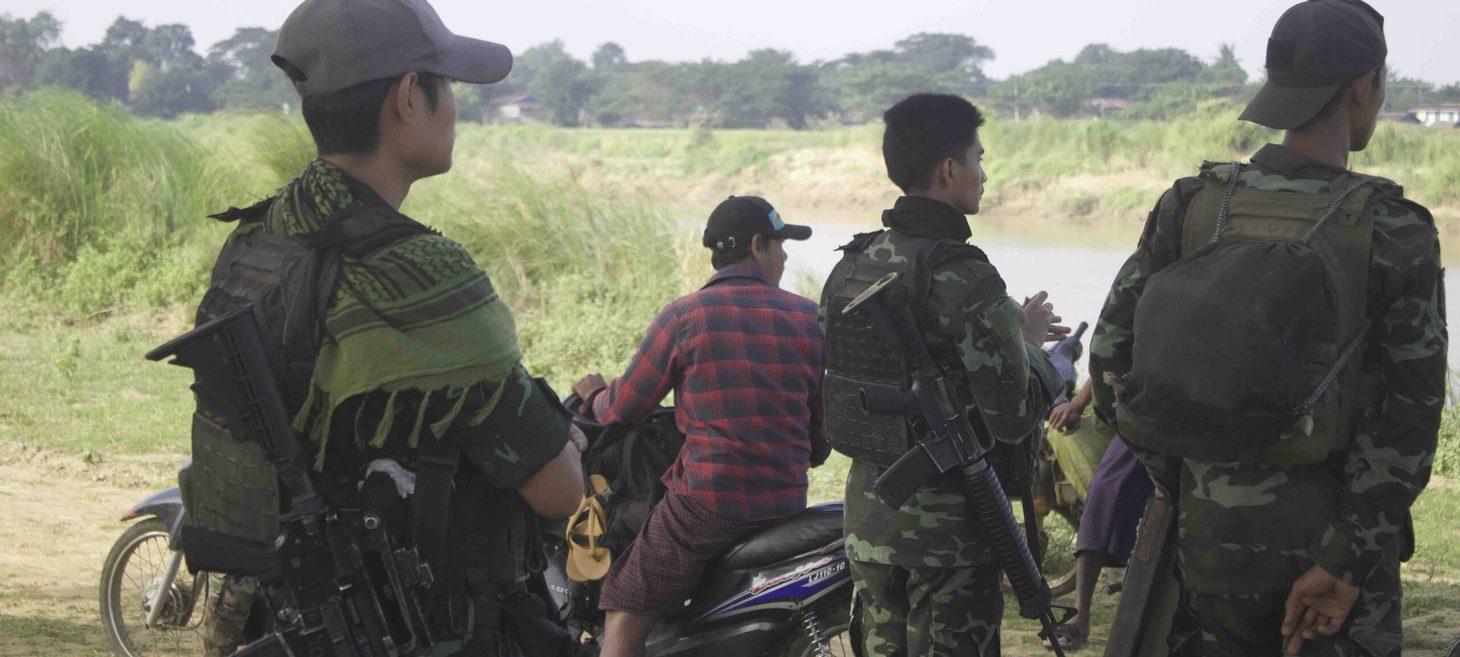
Senior resistance official missing, feared captured by Myanmar military
Kwan Min, a key National Unity Government (NUG) official serving as permanent secretary for home affairs and immigration, has been missing for over a week and is feared to have been detained by the Myanmar military near the border of Sagaing Region and northern Shan State. In response to this "serious security concern," NUG Prime Minister Mahn Win Khaing Than ordered the immediate suspension of Kwan Min’s duties and the severing of communications, while the ministry launched an emergency investigation into his status. Kwan Min is considered a priority target for the junta due to his critical operational role, which included organizing underground resistance in Yangon and directing earthquake rescue efforts in NUG-controlled areas.
myanmar-now.org