Introduction & Analysis
This collection of open-source English-language news articles published over the past week highlights significant events and issues concerning Myanmar. They present a snapshot of the country's safety and security landscape.
- Intensified fighting continues across Shan, Karen, and Sagaing states as the military regime attempts to recapture strategic towns like Mogok through Chinese-mediated agreements, while the resistance movement faces internal challenges including the arrest of a CDM doctor and the withdrawal of ethnic armed groups from the NUCC.
- The junta is seeking legitimacy through upcoming elections supported by allies like Belarus and facilitated by alleged Chinese surveillance technology, a move that coincides with a controversial US decision to end Temporary Protected Status for Myanmar nationals based on disputed claims of improved stability.
- Illicit economies have proliferated under the protection of junta-aligned militias, with widespread cyber-scam compounds and drug production facilities triggering violent raids and forcing Thailand to close border trade ports due to spillover violence.
- Humanitarian crises are deepening as aid cuts threaten the survival of Rohingya refugees in Bangladesh, while inside Myanmar, civilians face airstrikes and the MNDAA imposes strict administrative measures, including mandatory Chinese-language signage, in its captured territories.

Conflict
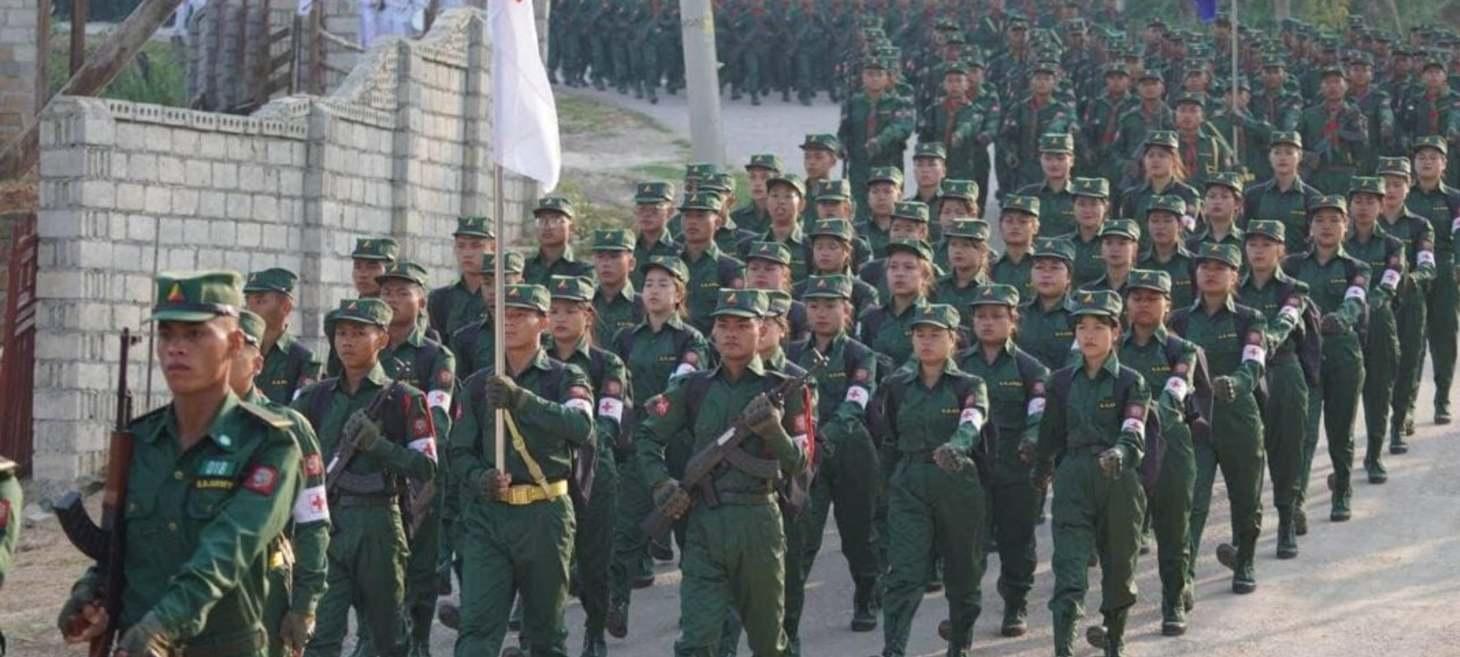
FIGHTING IN NORTHERN SHAN STATE: Junta’s offensive against SSPP in Kyaukme Township
On November 29, 2025, the military junta launched a fierce offensive against the Shan State Progress Party (SSPP) in Kyaukme Township using ground troops and drones, reportedly targeting a cyberscam hideout despite the SSPP's recent resolutions to eradicate illegal operations. Concurrently, regional dynamics are shifting as the TNLA returns territories like Mogok to the junta under a China-brokered deal. At the same time, the MNDAA remains in a tense standoff with regime forces around Lashio and Hsipaw over withdrawal demands. Amidst this instability, cyberscam centers continue to operate within junta-controlled areas of Southern Shan State, contributing to an unpredictable political landscape with no clear resolution in sight for 2026.
shannews.org
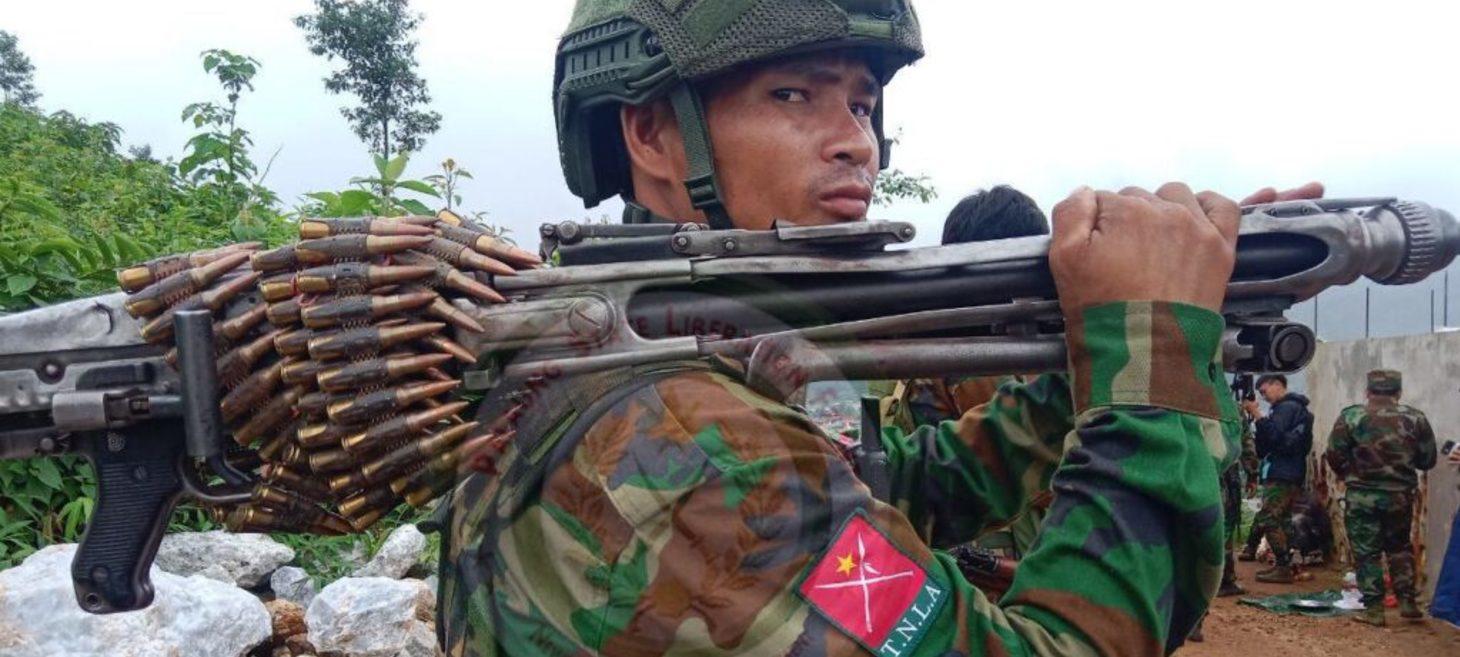
Fighting erupts in Mogok after junta takes over from TNLA
Clashes erupted in Mogok on December 1, 2025, after Myanmar regime troops advanced into territory held by resistance forces on the town's outskirts. Elsewhere in the country, resistance forces captured a junta stronghold in Sagaing’s Taze Township, while a junta airstrike in a Rakhine village resulted in the deaths of six civilians. The intensifying conflict has had regional repercussions, leading Thailand to close border trade ports after shells fired from Myanmar landed on Thai territory.
myanmar-now.org
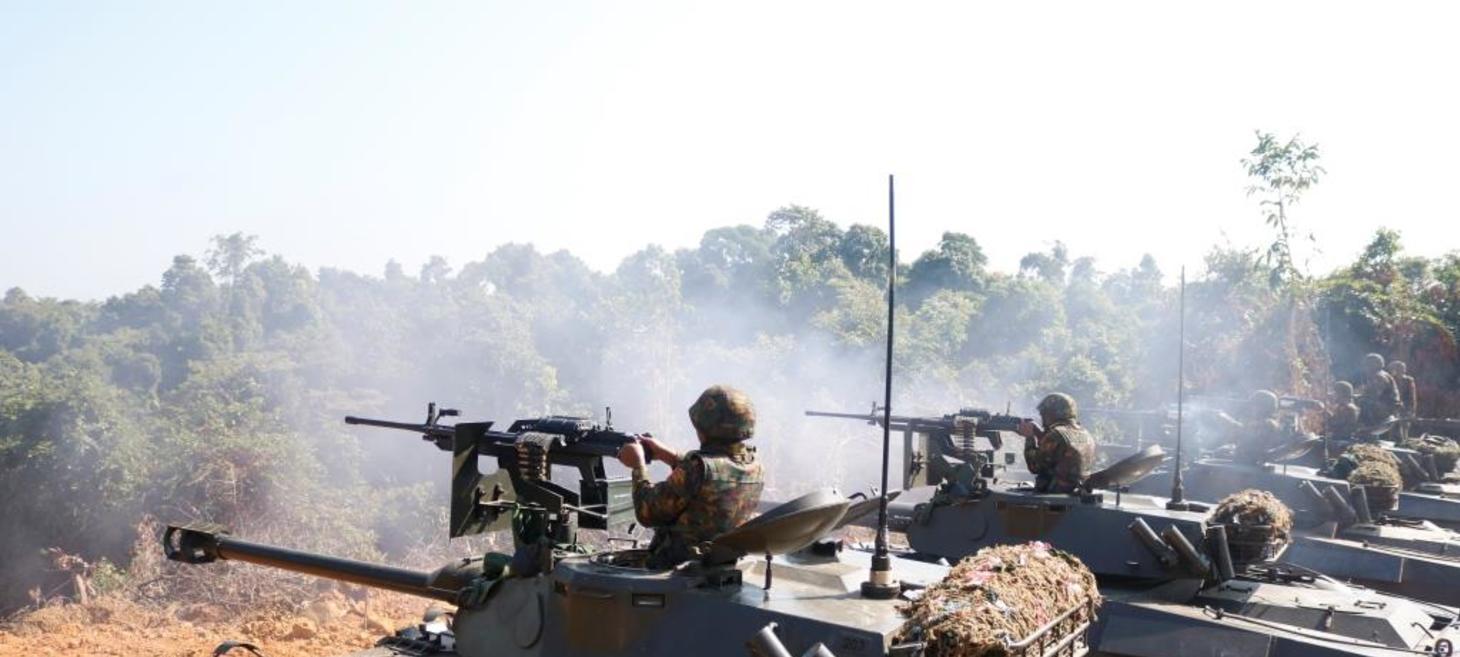
Among three Kachin State battlefronts, clashes in Bhamo remain fiercest
Myanmar regime forces are intensifying their military operations through ground deployments, artillery barrages, and drone strikes to recapture the Kachin State townships of Bhamo, Waingmaw, and Hpakant. This military escalation aims to secure these specific areas for elections that the junta has announced plans to hold within the next two months. Amidst this fiercest fighting in Bhamo, broader instability continues as Thailand has closed border trade ports due to shelling, and resistance forces have seized a junta stronghold in Sagaing’s Taze Township.
myanmar-now.org
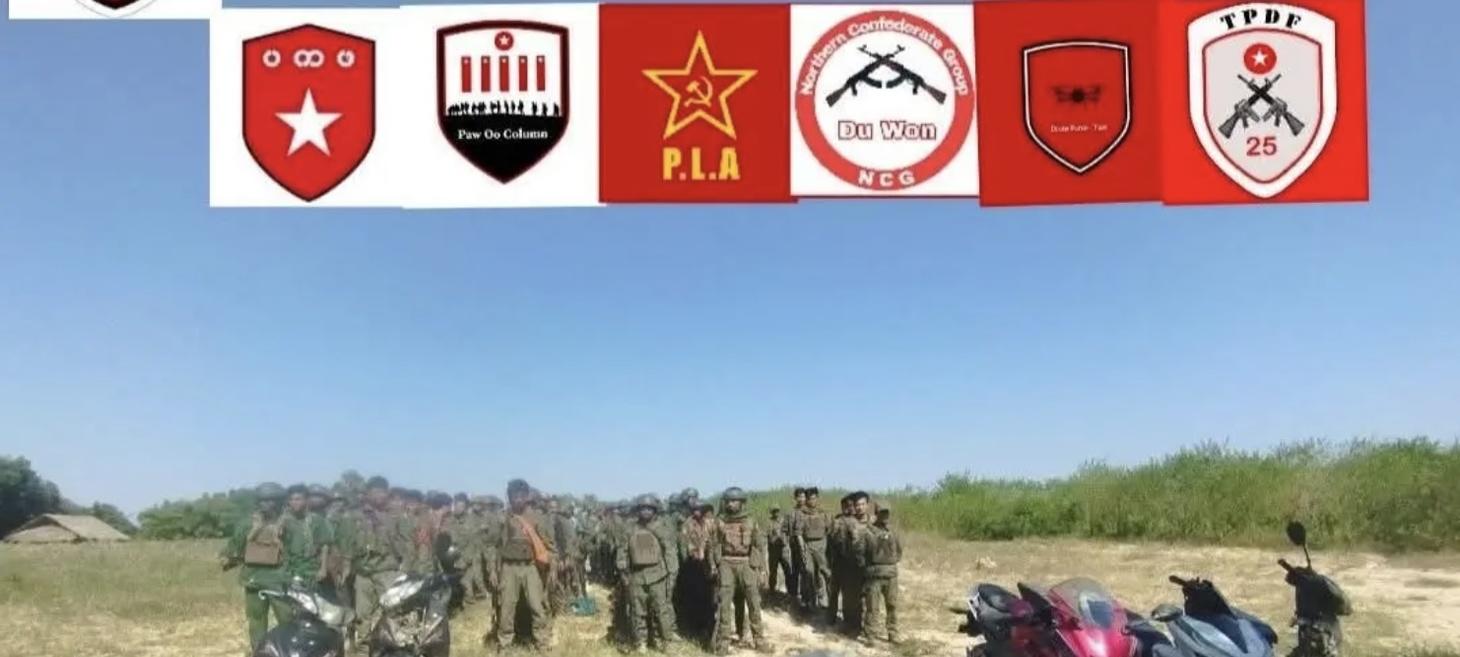
Myanmar resistance forces capture junta stronghold in Sagaing’s Taze Township
Myanmar resistance forces captured a junta stronghold in the Pyu Saw Htee-dominated village of Mutein in Sagaing’s Taze Township following an attack initiated on November 28, 2025. The military regime attempted to defend its position by deploying airstrikes to support ground troops during the conflict. Photos from the resistance groups confirm they seized weapons during the battle for control of the village.
myanmar-now.org
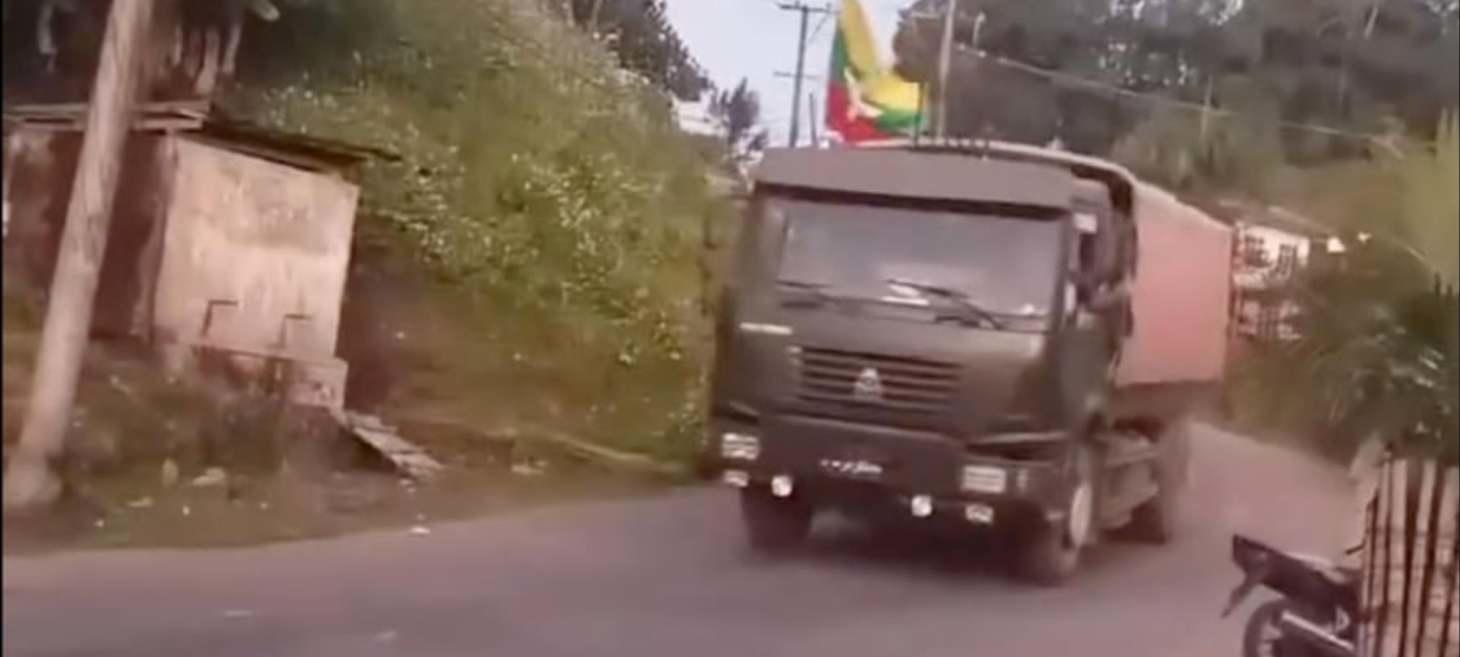
Fighting renews in Mogok after Myanmar junta troops enter under Chinese mediation
Renewed fighting has erupted in the ruby-mining town of Mogok following the entry of Myanmar junta troops under a China-mediated agreement. Although resistance forces initially withdrew to facilitate this entry, clashes involving heavy weapons quickly resumed between junta soldiers, People’s Defence Force (PDF) units, and the Kachin Independence Army (KIA). The junta has subsequently established positions at strategic locations such as schools and hospitals, resulting in a sharp rise in tension and fear among residents.
bnionline.net
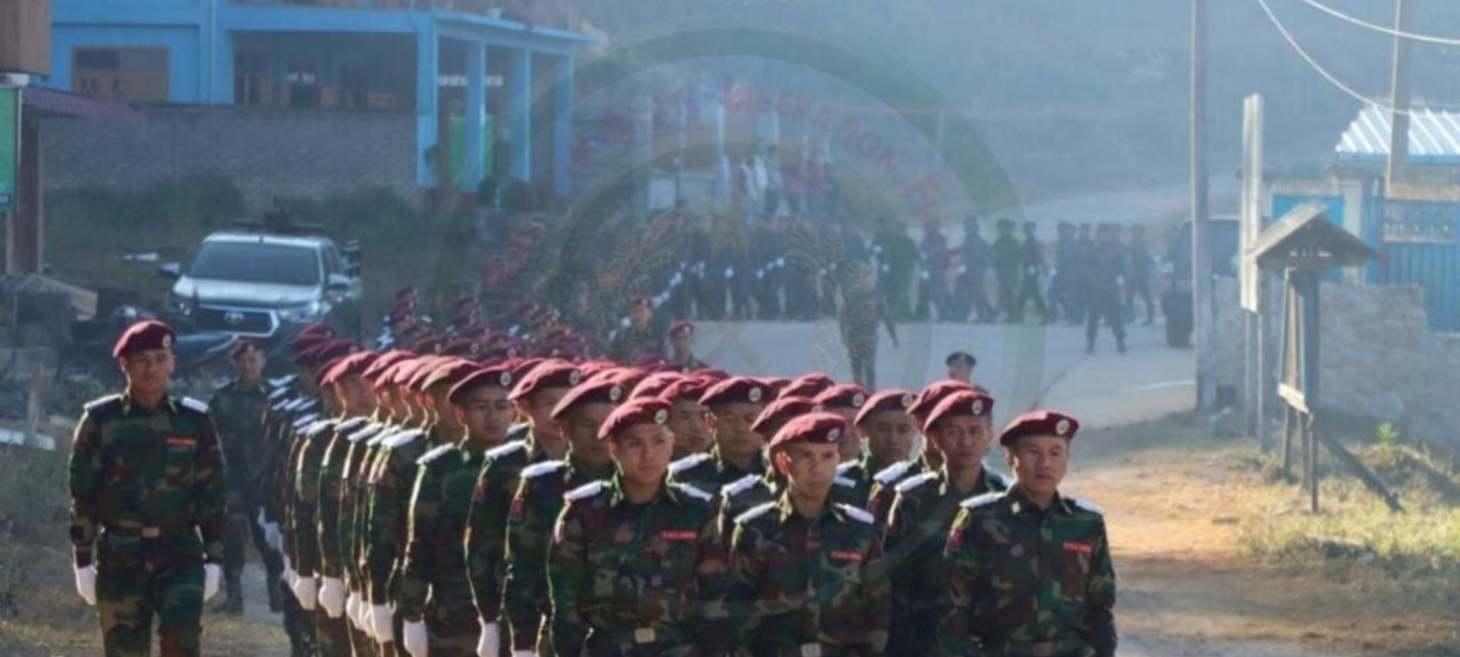
TNLA Prepares to Bring Junta Forces Back Into Mongkut, Mongmit
Despite a previously announced withdrawal, the Ta’ang National Liberation Army (TNLA) is actively reinforcing its positions to provide security for the Myanmar junta's planned reoccupation of Mongkut and Mongmit, a move stemming from Chinese-mediated negotiations held in late October. To ensure a smooth transition, the TNLA has instructed allied People’s Defense Force (PDF) units to retreat to the outskirts and refrain from engaging the returning military troops. This strategic shift has triggered a wave of civilian evacuations, as residents fear the junta's return will lead to reprisals, arbitrary arrests, and renewed conflict similar to previous crackdowns in the region.
shannews.org
Crime & Narcotics
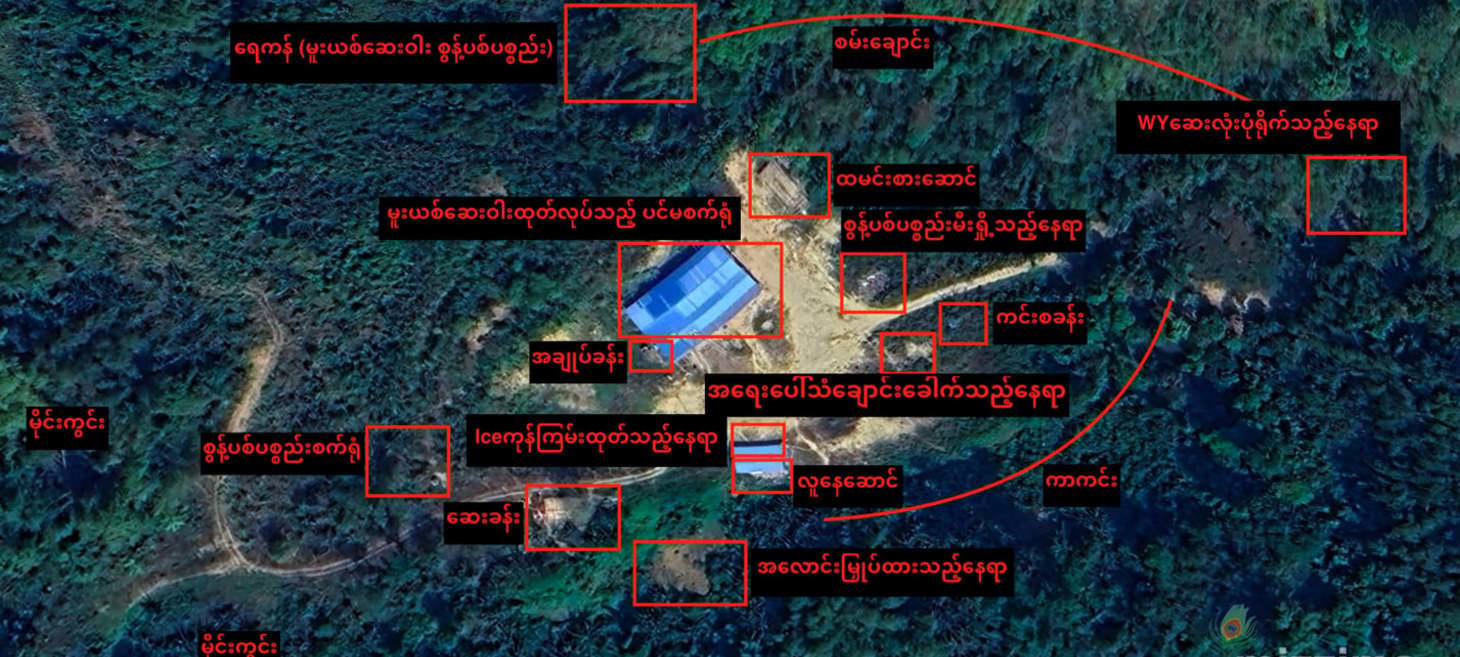
DKBA-linked drug factory uncovered in Karen State forested ravine - eng.mizzima.com
Based on reports from resistance fighters and satellite imagery, a massive clandestine drug-manufacturing complex linked to the Democratic Karen Benevolent Army (DKBA) was discovered in a forested ravine near the Thai-Myanmar border. First identified by the late Cobra Battalion Commander Ko Shine, the industrial-scale facility reportedly contains machinery for processing methamphetamine and 'ice,' as well as evidence of forced labor, prison cells, and mass graves. While the site was constructed around 2021, recent satellite data suggests continued activity, and the operation has been linked to DKBA leaders who were recently sanctioned by the US for involvement in border scam centers.
mizzima.com
Cybersecurity & Cybercrime
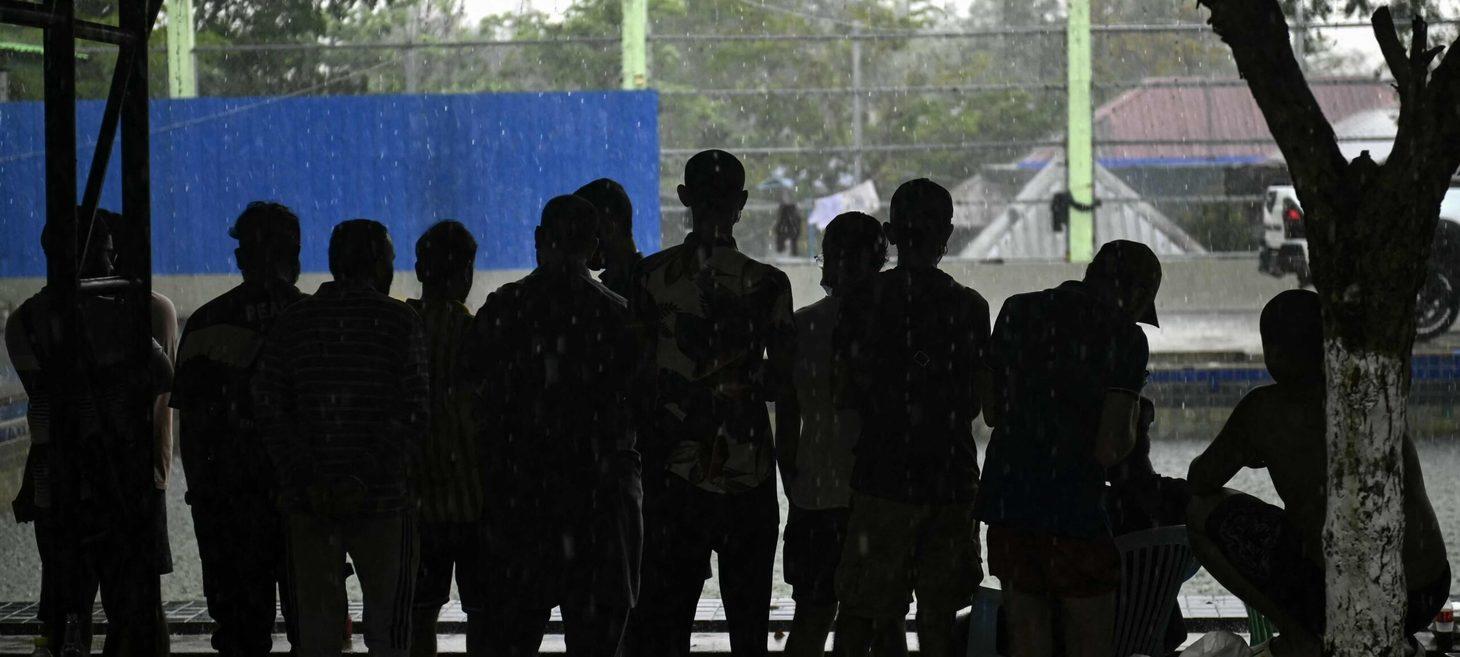
Scam workers killed in border raid at Myanmar scam hub
A recent raid on a suspected scam compound in Myanmar resulted in the deaths of at least five civilians. This incident represents a rare and deadly spillover of violence affecting workers trapped inside these border cyber-fraud zones. The casualties occurred during a crackdown on illicit activity involving the Karen Border Guard Force (BGF) in eastern Myawaddy township near the border with Thailand.
myanmar-now.org
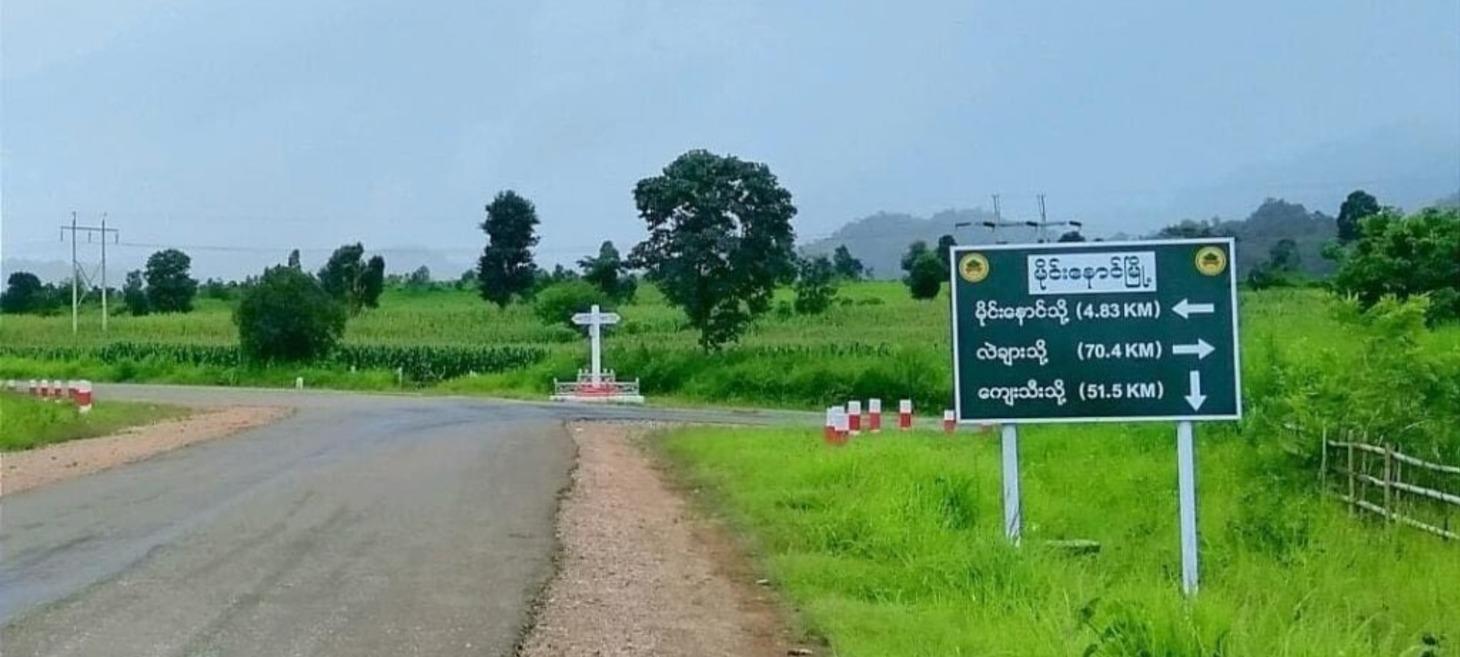
Cyber-Scam Compounds Continue Operating in Central Shan State Under Junta-Aligned Militias
Cyber-scam compounds have expanded operations since April 2025 in Central Shan State, functioning within remote forested areas under the direct protection of the military regime and its allied militias. These restricted facilities are openly supplied and located just 10 miles from the junta’s Operation Command Headquarters 2, where locals frequently observe expensive vehicles transporting provisions. Despite international pressure and enforcement efforts, these centers remain active in the jungle regions of Southern and Eastern Shan State due to the security provided by armed organizations.
shannews.org
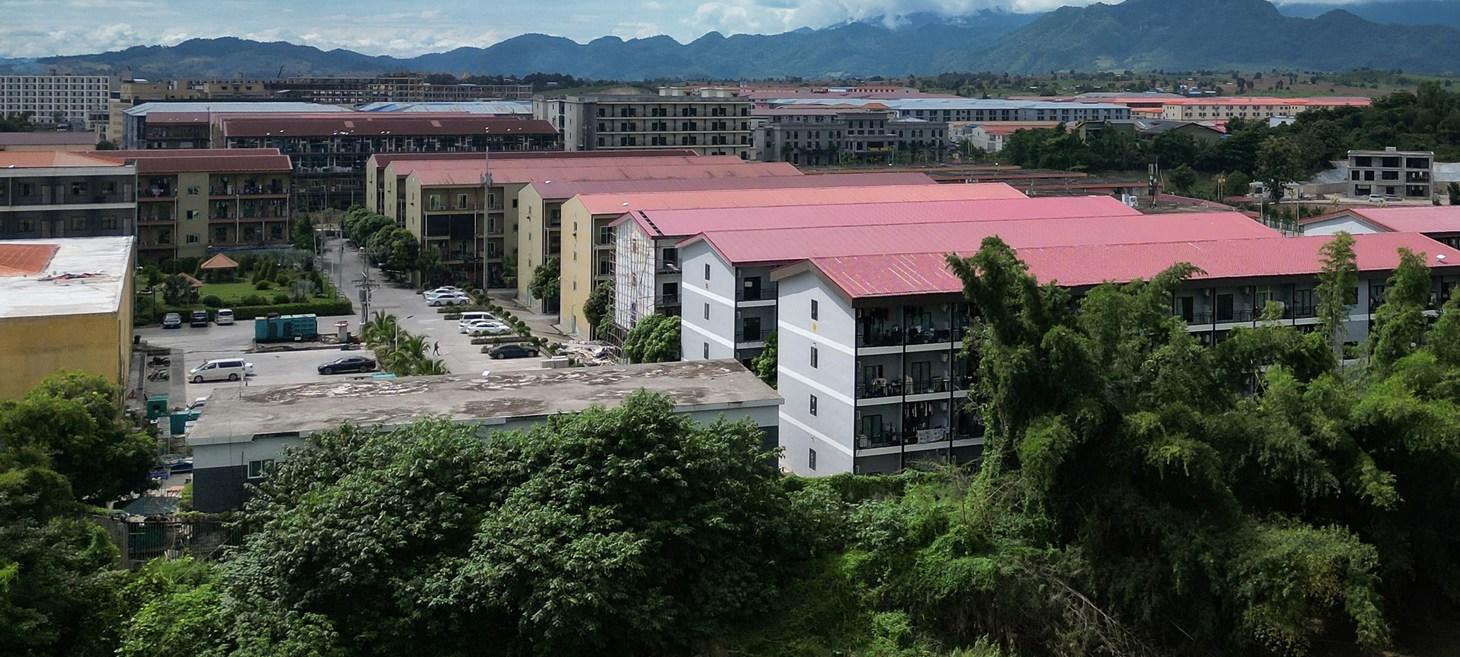
The junta isn’t cracking down on scam compounds—it’s protecting them
An investigation by Saw Kapi alleges that the Myanmar junta is actively protecting scam compounds, such as the KK Park complex, rather than dismantling them. The military regime reportedly uses public demolitions and "selective diplomacy" to hide a criminal economy from which it continues to profit. This illicit protection racket operates amidst broader instability, including lethal junta airstrikes across central Myanmar and escalating clashes with resistance forces.
myanmar-now.org
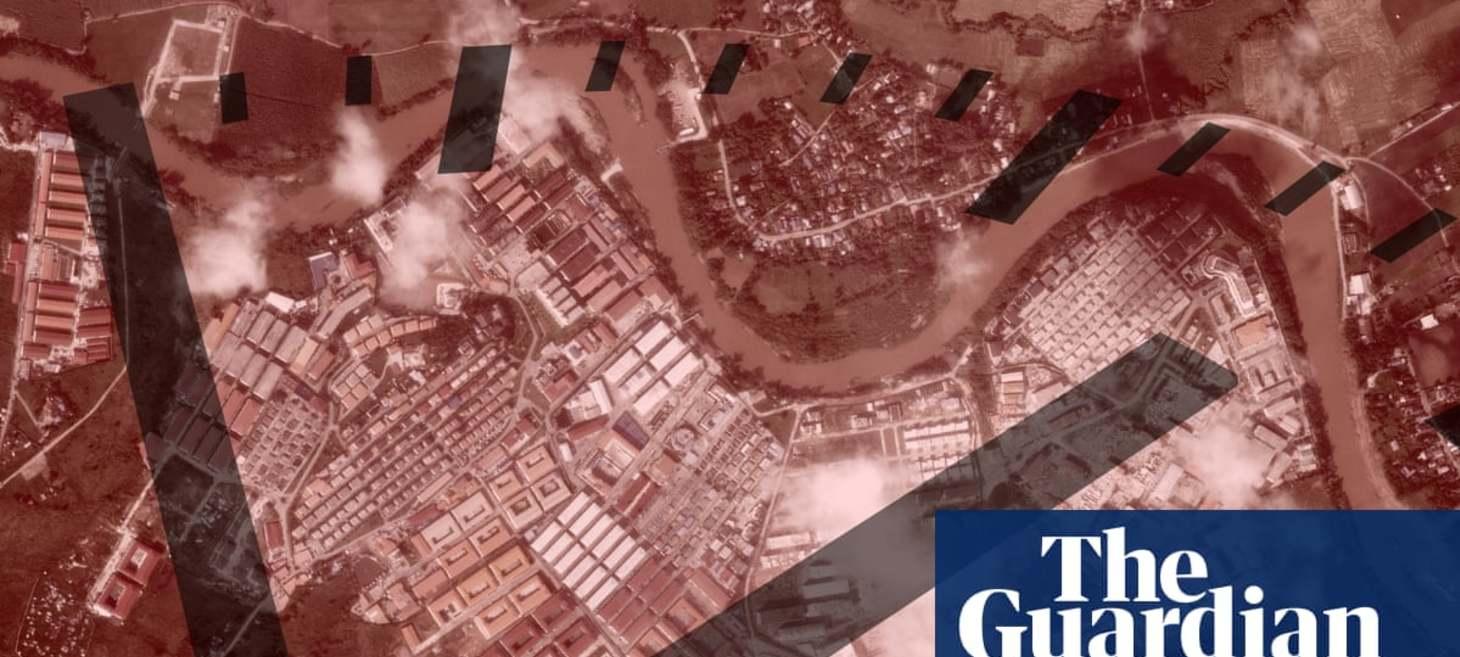
What are scam centres – explained in 30 seconds
Southeast Asia has emerged as the "ground zero" for a multibillion-dollar scam industry, with Myanmar, Cambodia, and Laos serving as havens for transnational criminal networks involved in fraud and money laundering. Hundreds of thousands of individuals from across the globe are trafficked into these compounds under false job pretenses, where they are imprisoned, tortured, and forced to execute online scams. Despite the rapid proliferation of these centers in lawless border areas since 2021, regional authorities have recently initiated crackdowns involving military raids and the severing of essential utilities like electricity and internet.
theguardian.com
Economy
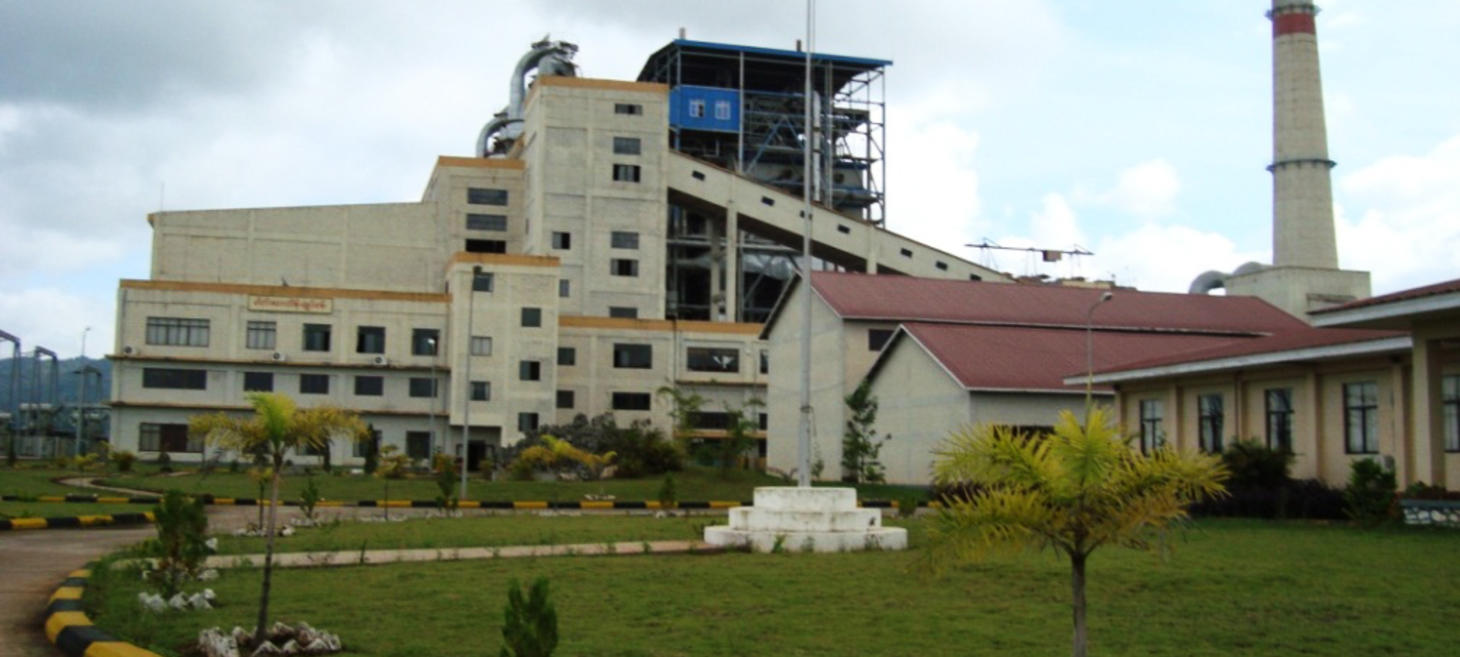
China-backed coal plant in southern Shan State to operate at full capacity
The Tigyit coal-fired power plant in Pinlaung Township, southern Shan State, is scheduled to reopen and operate at full capacity with Chinese backing. This resumption of operations is proceeding despite opposition from local communities. Residents are resisting the project due to concerns about the facility's environmental impact and its impact on their quality of life.
myanmar-now.org

Thailand closes border trade ports after shells from Myanmar fall on Thai territory
Thailand has ordered the closure of cargo ports along the Moei River for one week after five mortar shells fired from Myanmar landed in Tak Province, injuring at least two civilians and prompting the Royal Thai Army to return fire with smoke rounds. This violence is part of intensifying clashes that began in late November when the Karen National Union (KNU) raided an online scam compound near the border, triggering airstrikes by the military junta. The shutdown exacerbates trade disruptions that began in mid-August, when the junta closed a major bridge to deprive anti-regime forces of revenue. However, goods had previously continued to flow through river ports operated by other armed groups.
myanmar-now.org
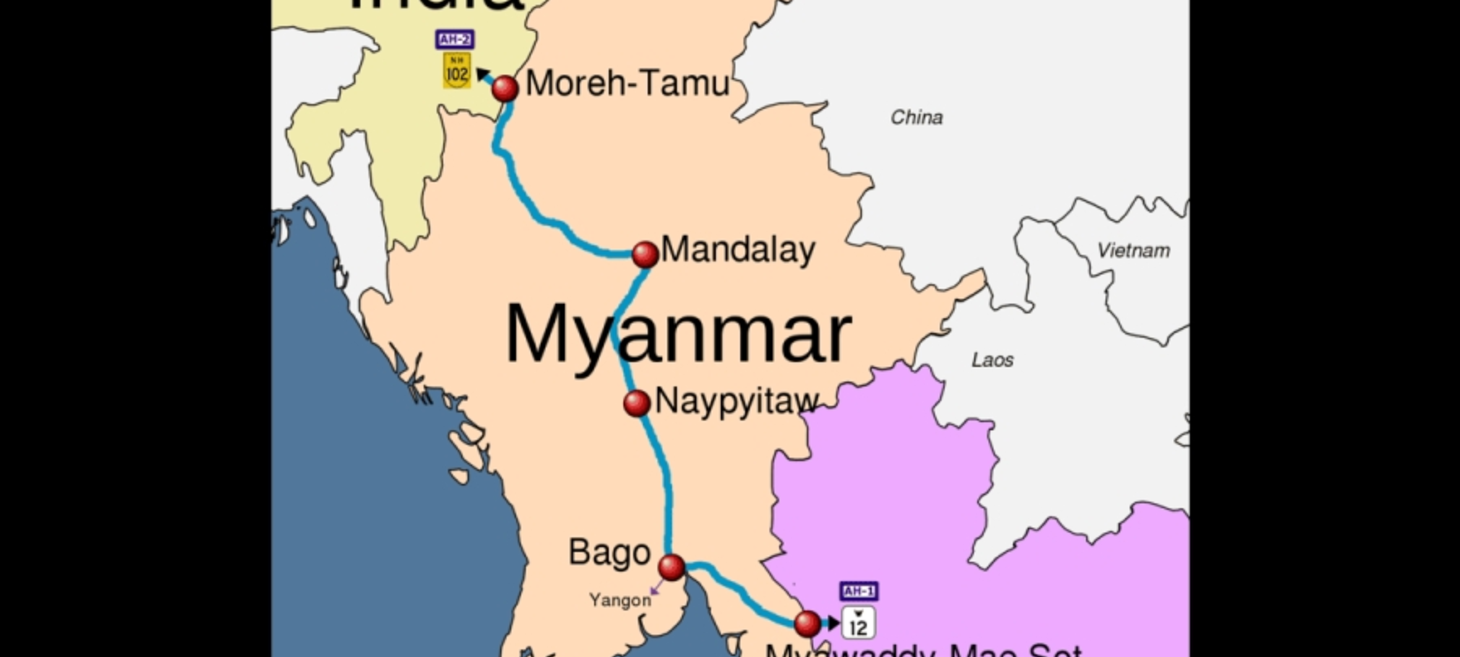
Thailand Says India–Myanmar–Thailand Highway Ready On Its Side, Calls For Stability In Myanmar To Revive Stalled Project
Thailand has confirmed the completion of its section of the 1,360 km India–Myanmar–Thailand (IMT) Trilateral Highway, noting that India has also finished its part while assisting with financing for segments within Myanmar. However, the project has stalled due to political instability and civil conflict in Myanmar following the 2021 military coup, particularly affecting the route through the Sagaing region. Both nations are urging a return to stability to finalize the corridor, which India considers a vital component for establishing seamless east–west connectivity linking the Indian Ocean to the Pacific and Atlantic.
swarajyamag.com
Elections
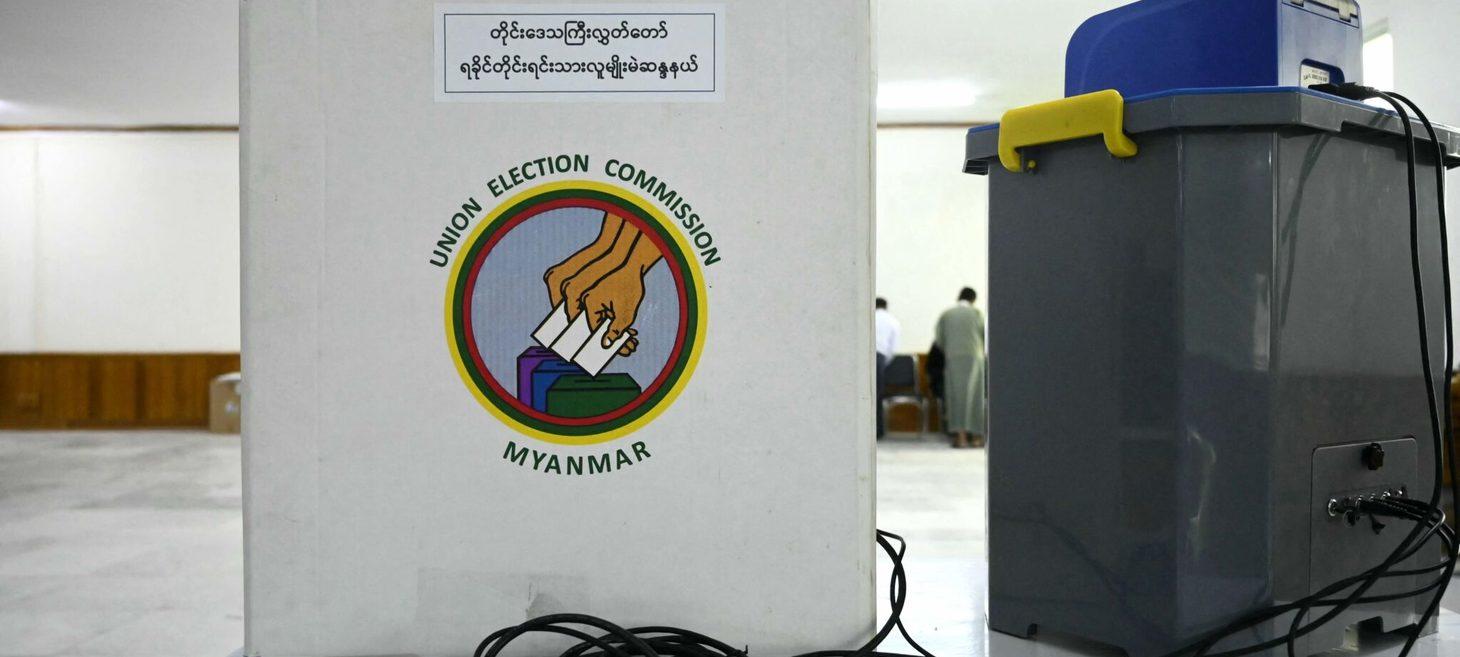
UN fears mass-electronic surveillance during Myanmar vote
The United Nations has expressed apprehension regarding the potential for mass electronic surveillance during the upcoming election in Myanmar. The implementation of electronic-only voting raises significant concerns that individual ballots could become traceable rather than anonymous. Consequently, this lack of secrecy leaves civilians exposed and vulnerable to targeted reprisals based on their voting behavior.
myanmar-now.org
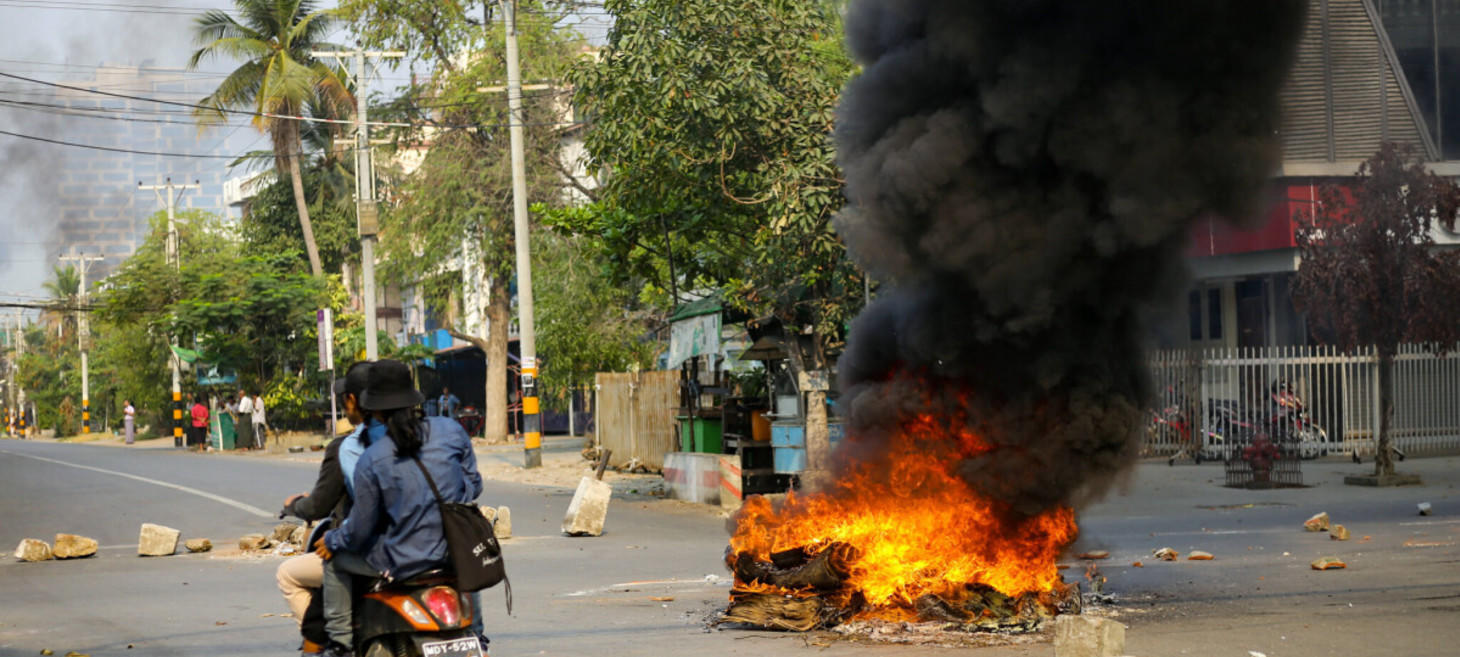
Myanmar: AI helps to identify opposition members
Myanmar's military junta is attempting to legitimize its rule through upcoming elections by utilizing electronic voting machines and AI surveillance to identify opposition members and potentially monitor how individuals vote. This coercive process forces voters to select a candidate without the option to spoil their ballots, trapping civilians between mandatory military-run training and threats from armed groups warning them not to participate. To maintain this control amidst a violent civil war, the regime relies heavily on Chinese technology to censor the internet, track locations, and suppress dissent.
table.media
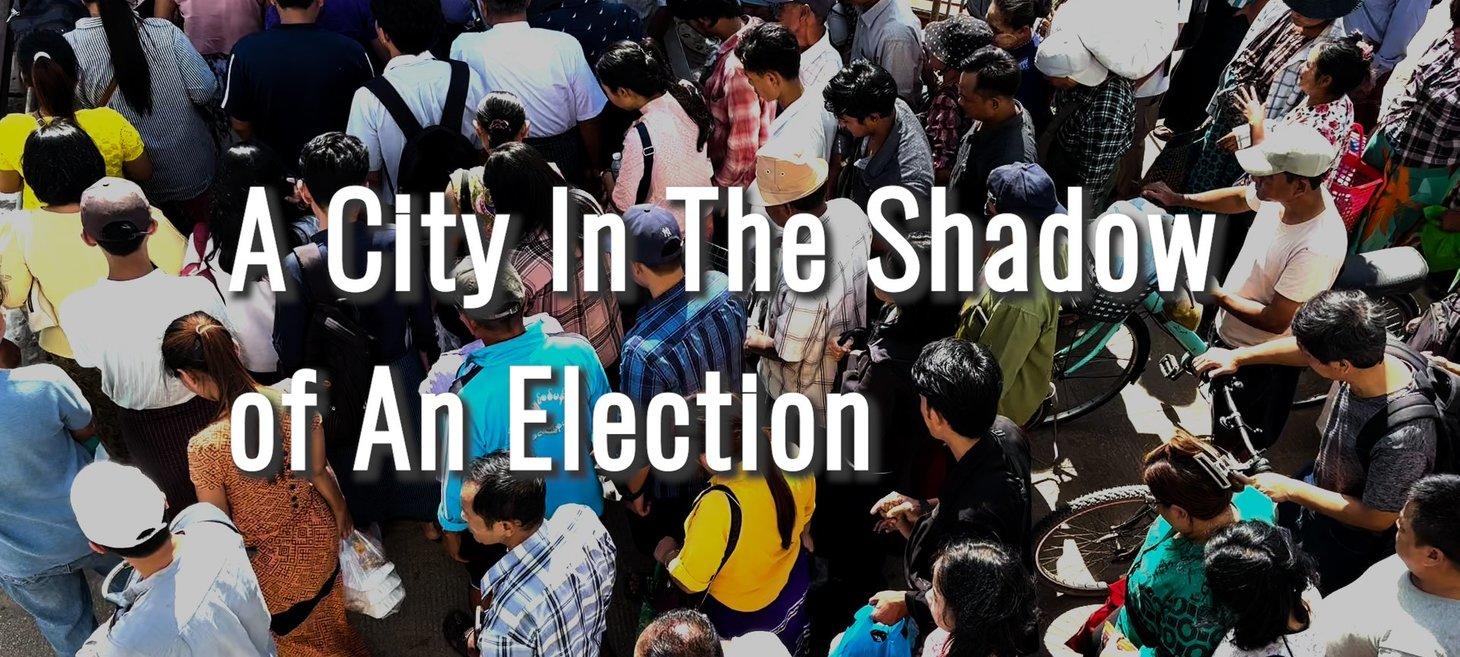
‘A city in the shadow of an election’
Based on the provided transcript, civilians are experiencing intense stress and insecurity regarding an upcoming election, viewing it as an unjust process where participation is coerced through threats of imprisonment rather than being an exercise of free will. Due to the complete loss of personal freedoms and rights, many feel their dreams for the future have vanished, forcing them to focus solely on immediate survival and on sustaining themselves in the present moment. Although people deeply desire a peaceful country and family life, they face a reality stripped of autonomy and basic necessities like electricity, leaving them hopeless and fearful for their children during this period of military conflict.
frontiermyanmar.net
Ethnic Issues
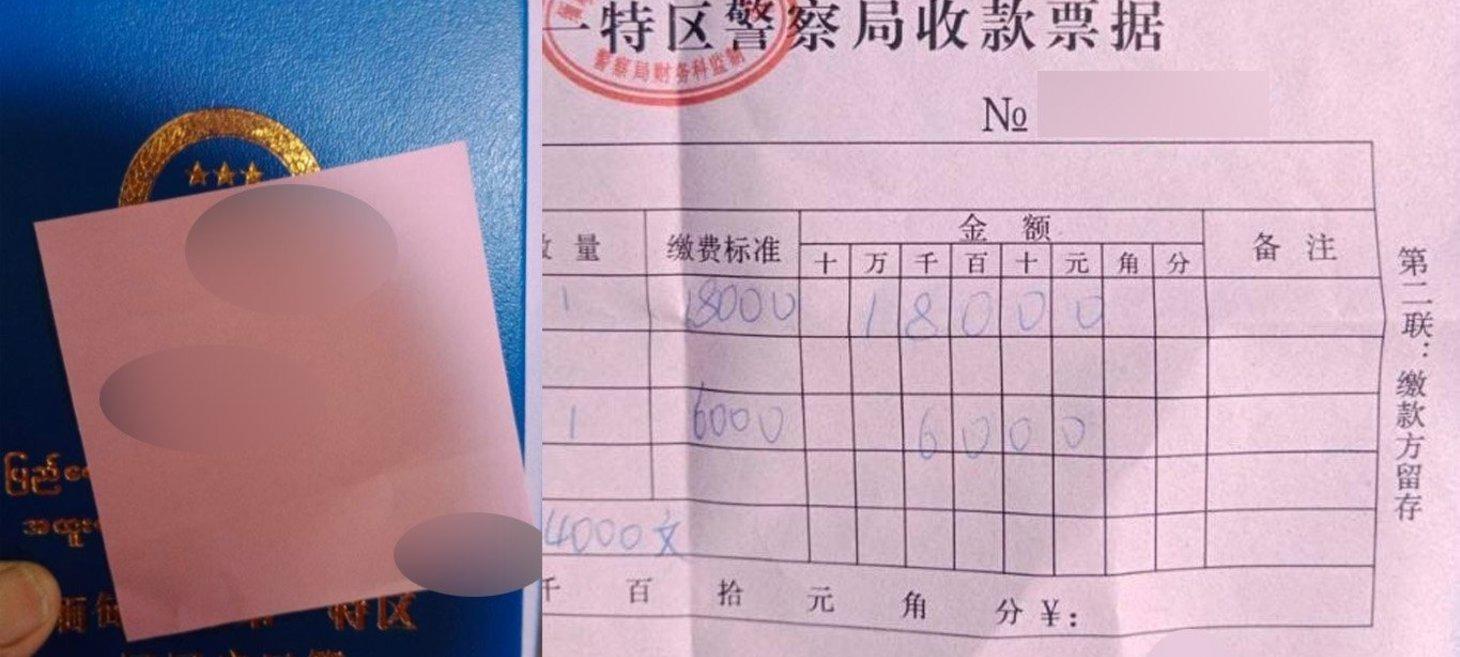
MNDAA Starts Issuing Identification and Household Registration Cards to Residents in Hsenwi
The Myanmar National Democratic Alliance Army (MNDAA) has begun issuing identification cards and household registration documents to residents of Hsenwi, a town captured by the group in late 2023. While these documents cost between MMK 20,000 and MMK 25,000 and reportedly facilitate easier entry into China, residents fear interrogation or arrest if they carry these cards into junta-controlled regions. Additionally, the armed group is enforcing revenue collection in the area by levying a monthly "garbage tax" and requiring households to pay shop license fees up to a year in advance.
shannews.org
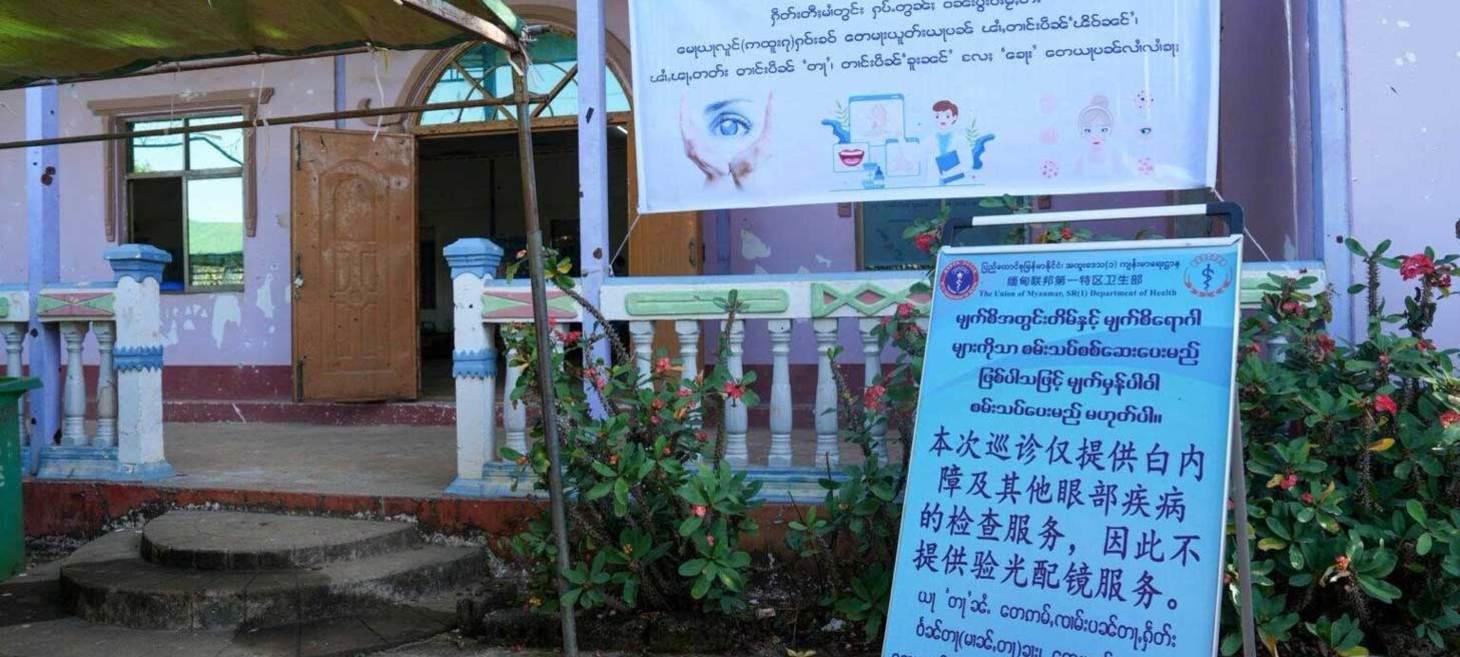
MNDAA Orders Shops Between Lashio and Mong Yai to Use Chinese on Signboards
The MNDAA has ordered shop owners between Lashio and Mong Yai to display Chinese on their signboards—specifically positioned between Burmese and Shan text—within three days or face potential business closure. This directive forces merchants to replace signs they were instructed to install just weeks earlier, creating additional expenses and frustration among residents. In contrast to these measures, junta forces at the Ho Ya checkpoint are strictly blocking Chinese goods, confiscating any items or packaging displaying Chinese characters amidst rising tensions and travel restrictions.
shannews.org
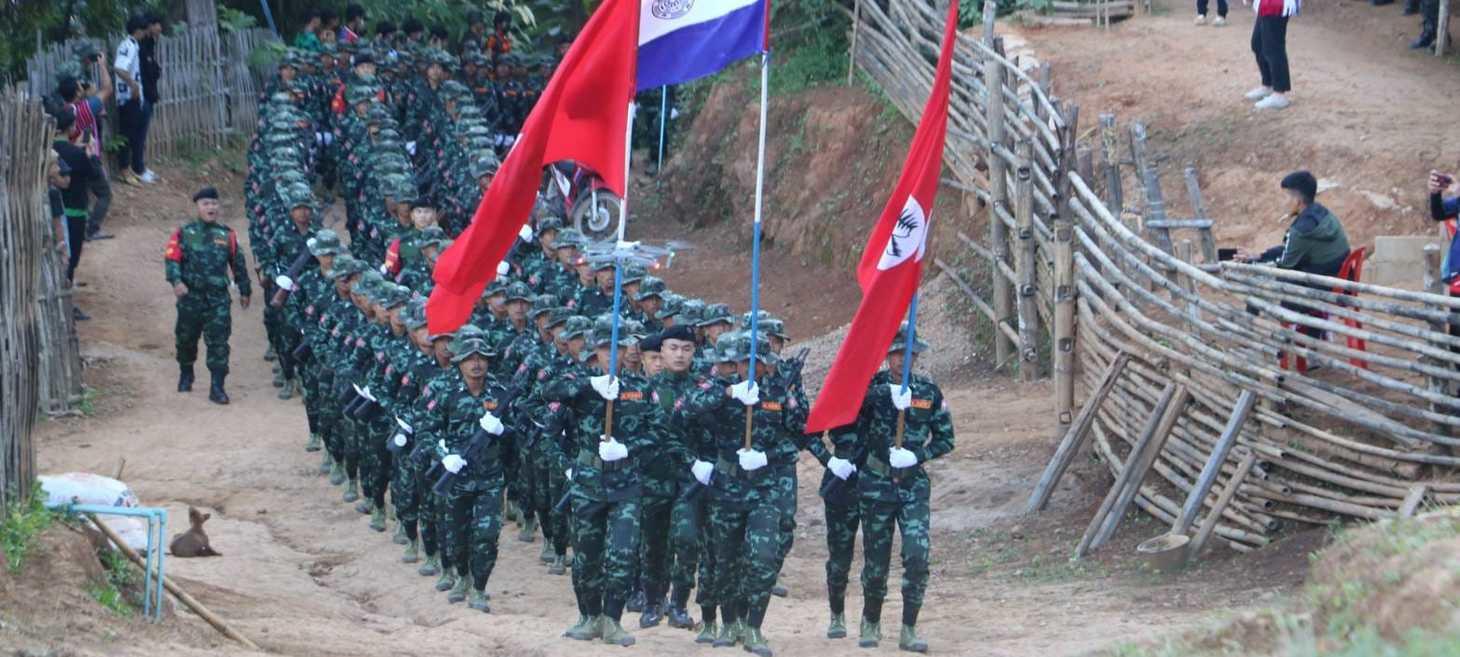
Karenni organisation says no word received after quitting resistance advisory council
The Karen National Union (KNU) and Karenni National Progressive Party (KNPP) announced a provisional withdrawal from the National Unity Consultative Council (NUCC) on November 17. Yet, KNPP leadership reports that the council has failed to contact them despite promising to form a negotiating committee. KNPP Secretary Aung San Myint explained that the group stepped back to pursue stronger political strategies and "bottom-up" federalism, asserting that current resistance bodies like the NUG and CRPH require structural reform due to slow operations and complex representation mechanisms. Observers suggest this move aligns with changing resistance politics and further strains the NUCC, which has previously suffered from the withdrawal of the National League for Democracy (NLD) and a weakening Federal Democracy Charter.
myanmar-now.org
Foreign Affairs

Rights groups slam US move to end protected status for Myanmar nationals
Rights advocates and political observers are condemning the US Department of Homeland Security’s decision to end Temporary Protected Status (TPS) for approximately 4,000 Myanmar nationals, a move based on Secretary Kristi Noem's controversial claim that the country has achieved "notable progress in governance and stability". Critics describe the decision as "dangerous and cruel," warning that the administration is ignoring daily reports of airstrikes, forced conscription, and civil war to send refugees back to potential imprisonment, torture, and death,. While the military junta has used the announcement to validate its upcoming elections—widely dismissed as a sham—the decision contradicts the State Department's own continued warnings against travel to Myanmar due to ongoing conflict and rights abuses.
bnionline.net

Belarus’ Ambassador took part in Space Museum opening in Myanmar
On November 30th, Vladimir Borovikov, the Belarusian Ambassador accredited to Myanmar, joined Acting President Min Aung Hlaing and diplomats from Russia, China, and India to solemnly open the Space Museum in Yangon. During the event, Ambassador Borovikov held a brief conversation with Myanmar's leader to reaffirm Belarus's dedication to implementing agreements settled during President Aleksandr Lukashenko’s official visit on November 27th–28th. Following the interaction, the Ambassador recorded an entry in the museum's honoured guests book.
sb.by

Belarusian President Lukashenko Begins First Official Visit to Myanmar
Belarusian President Alexander Lukashenko arrived in Myanmar for his first official visit to solidify an alliance deepened by both nations' isolation from the West and mutual "pariah status". The leaders intend to sign a cooperation roadmap for 2026-28, expanding their relationship beyond established arms sales to include trade, agriculture, and a mutual visa waiver. Crucially, the visit aims to bolster the legitimacy of Myanmar’s controversial upcoming election, which Belarusian officials are expected to observe and endorse.
thediplomat.com
Governance & Rule of Law
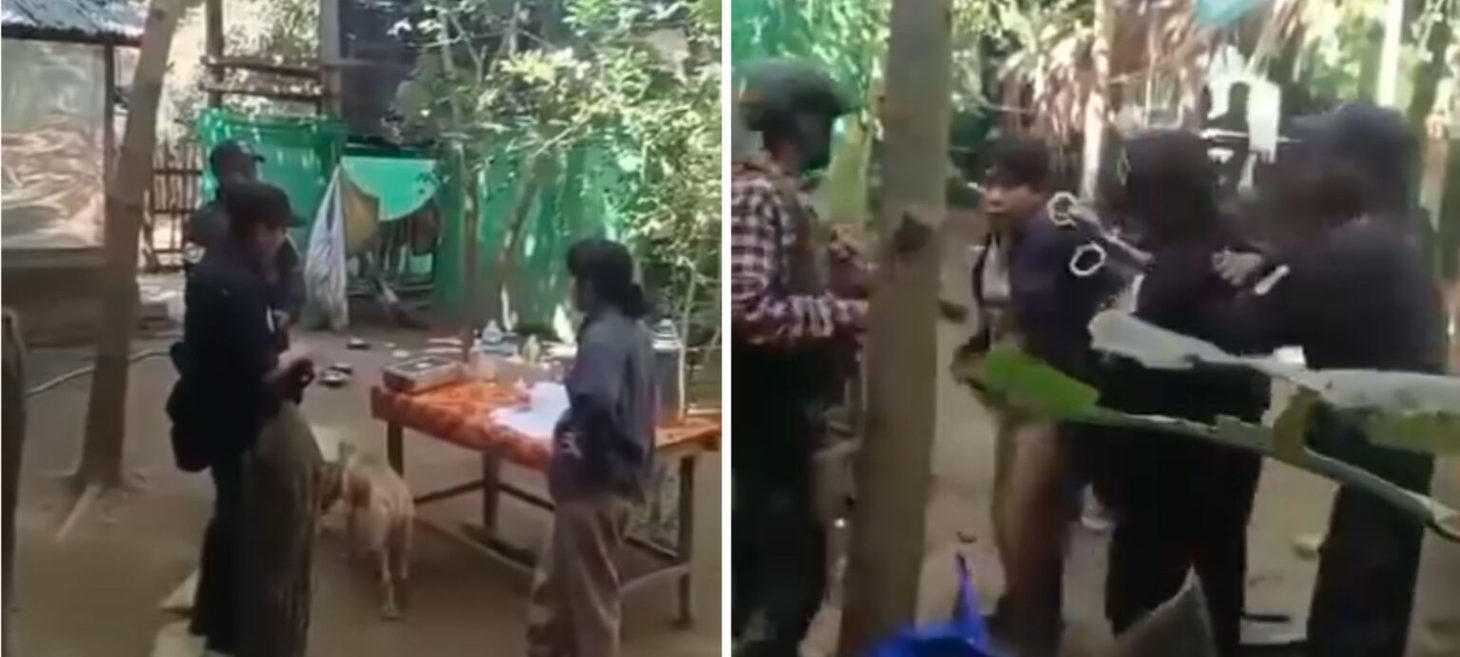
CDM doctor detained over misconduct in Sagaing’s Mingin Township
Dr. Khin Thu Thu Lwin, a former NUG official and CDM doctor, was detained by the Mingin Township People’s Security Organization following allegations of misconduct regarding taxes and unreturned weapons, as well as her failure to answer multiple summons. The incident has sparked widespread criticism concerning lawful procedure after video footage showed male officers attempting to handcuff her without a female officer present, violating standard protocols for arresting women. While NUG spokespersons defended the arrest as necessary due to her noncompliance, they confirmed the CDM Success Committee is overseeing the case to ensure it proceeds through the proper legal and prosecution channels.
myanmar-now.org
Humanitarian
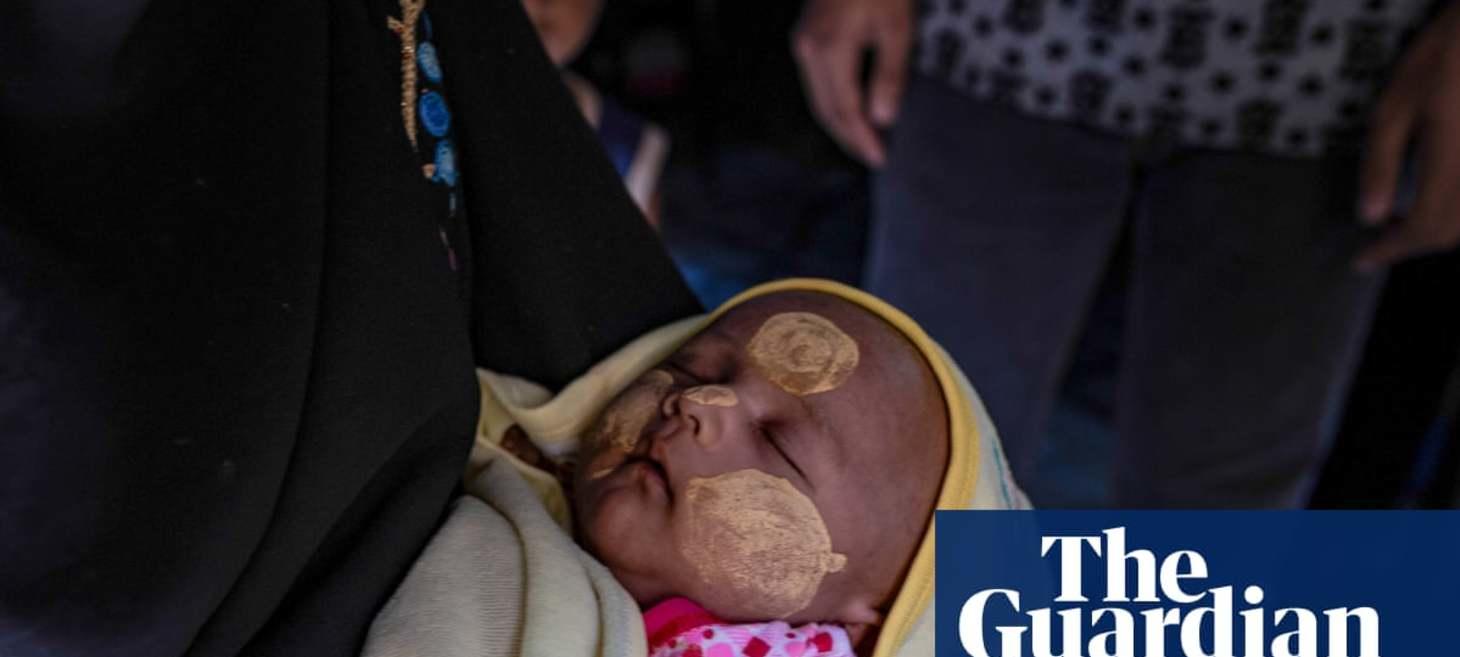
No soap, no tents, no food: Rohingya families fight for survival as aid plummets
Over 1.1 million Rohingya refugees from Myanmar are currently living in Cox's Bazar, Bangladesh, where the population continues to surge despite strict government restrictions prohibiting them from working or receiving formal education. A severe 63% humanitarian funding deficit has forced the closure of dozens of health facilities and drastic ration cuts, causing acute malnutrition rates among children to rise as mothers struggle to feed their families. Without legal recognition or means of self-sufficiency, the refugees remain entirely dependent on aid, prompting medical officials to warn that funding for life-saving interventions could run out by mid-2026.
theguardian.com