Introduction & Analysis
This collection of open-source English-language news articles published over the past week highlights significant events and issues concerning Myanmar. They present a snapshot of the country's safety and security landscape.
- Conflict and Political Transition: Myanmar is experiencing significant territorial shifts due to ongoing civil conflict, including the Arakan Army's dominant offensive in northern Rakhine State, which makes the AA the de facto authority and undermines the viability of Rohingya repatriation frameworks; simultaneously, other resistance forces, such as the Chin Brotherhood Alliance, have regained strategic bases while the junta conducts aerial attacks against civilian areas in regions like Sagaing and Chin State.
- Criminality and Human Trafficking: Myanmar authorities, driven by global pressure from countries like China and the US, are cracking down on major cyber scam and illegal gambling hubs like KK Park and Shwe Kokko, which are linked to human trafficking, torture, and the forcible detention of foreign workers lured by fake job offers.
- Resource Exploitation and Economic Instability: Economic and environmental crises are linked to resource exploitation, as Chinese-backed heavy rare earth mining in states like Kachin utilizes toxic chemical processes that severely contaminate water and soil and extend pollution into neighboring countries; internally, the Central Bank of Myanmar has warned citizens to avoid volatile, unauthorized crypto assets often used for illicit finance.
- International Status and Disputed Legitimacy: Politically, the junta is proceeding with controversial elections despite the ongoing civil war and criticism from international bodies, while the US ended Temporary Protected Status for approximately 4,000 Myanmar nationals based on the government's highly disputed claims of achieving stability.

Conflict
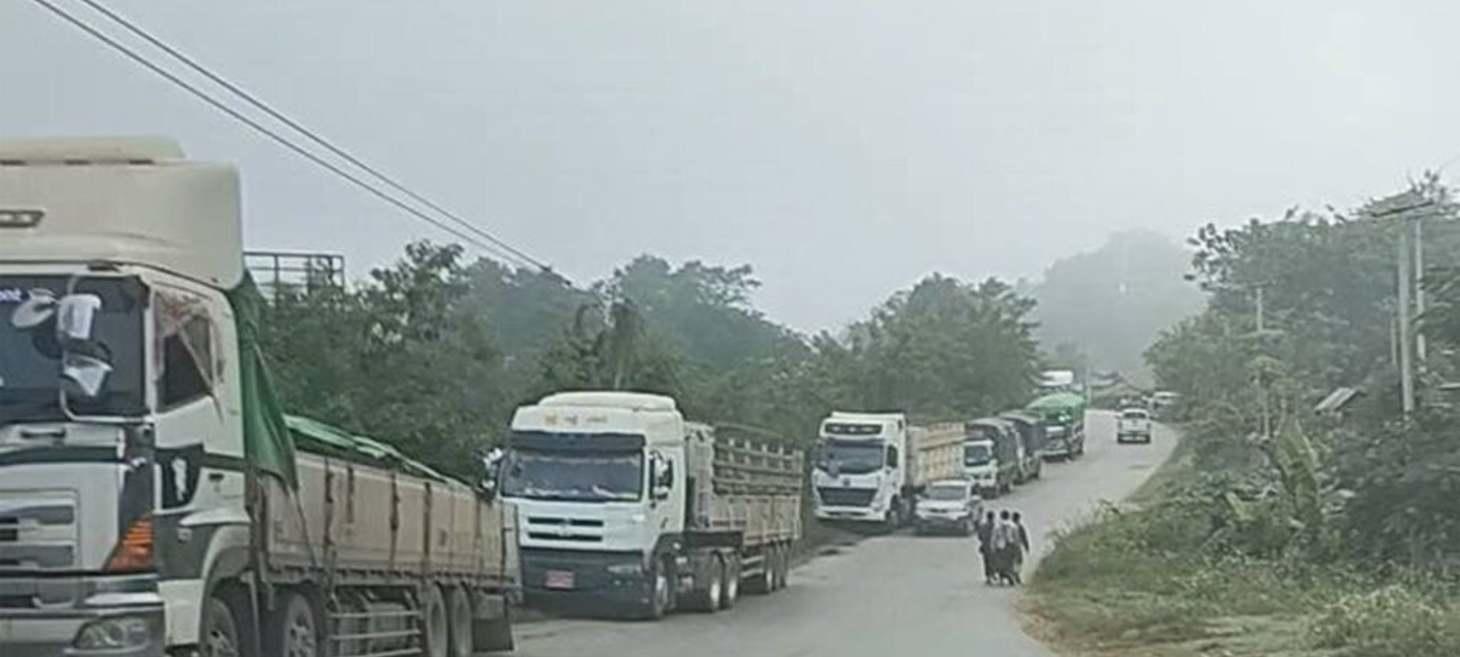
Road Blockades Deepen Junta–MNDAA Standoff
Renewed tensions have erupted between the Myanmar National Democratic Alliance Army (MNDAA) and the military regime after the junta pressured the group to withdraw from areas between Lashio and Hsipaw, resulting in a severe standoff. Following the failure of discussions, this escalation led to mutual road blockades, including the closure of the Hsipaw Bridge by junta forces since November 14, rendering the Union Highway between Hsipaw and Lashio unusable for all traffic. These widespread closures severely disrupt public travel and the flow of goods, forcing travelers to take lengthy, costly detours and raising concerns among locals about rising commodity prices.
shannews.org
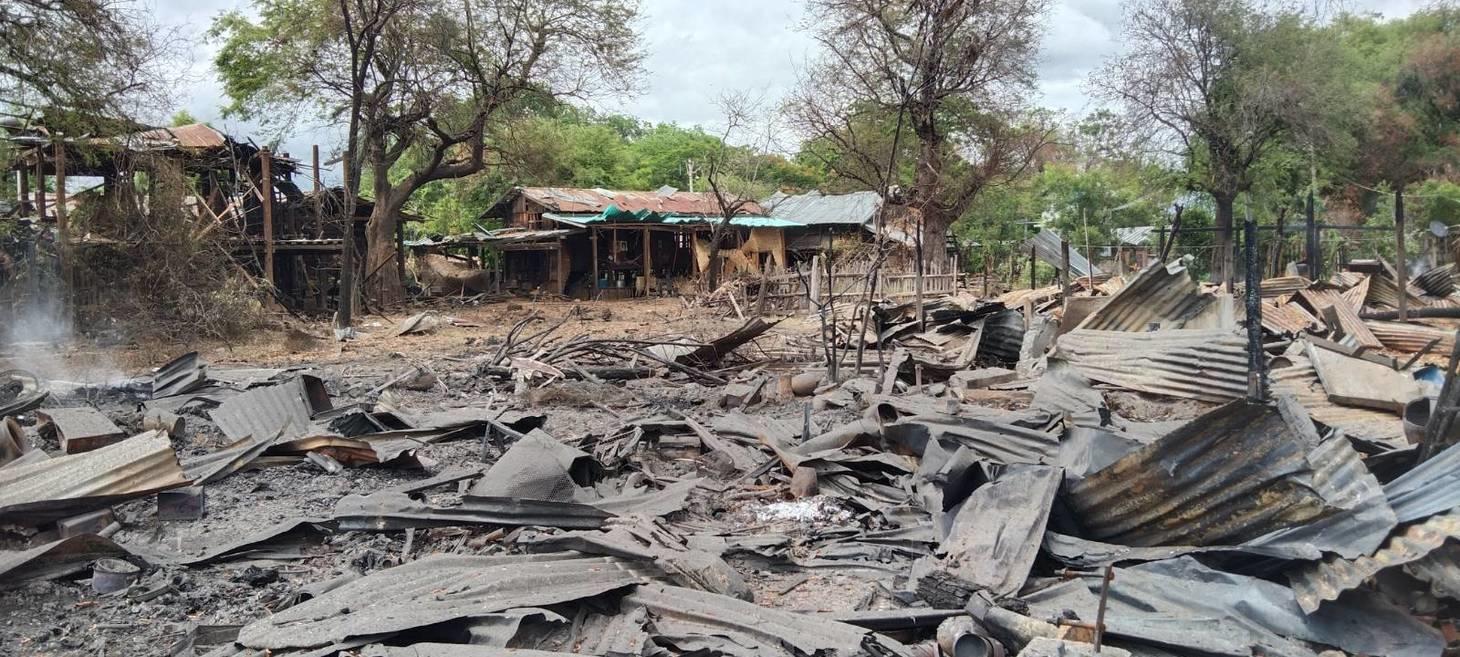
Eight civilians killed in junta airstrikes on Sagaing’s Taze and Pale Townships
Eight civilians were killed in junta airstrikes targeting Taze and Pale Townships within Myanmar's Sagaing Region, which involved debris and collapsed structures hitting a village in Pale Township. These bombings represent the latest in a series of strikes where junta aircraft have repeatedly targeted populated areas and transport corridors throughout the Sagaing Region. The source, published on November 25, 2025, also underscores the urgent need to support independent journalism in Myanmar, noting that independent media is currently under attack.
myanmar-now.org
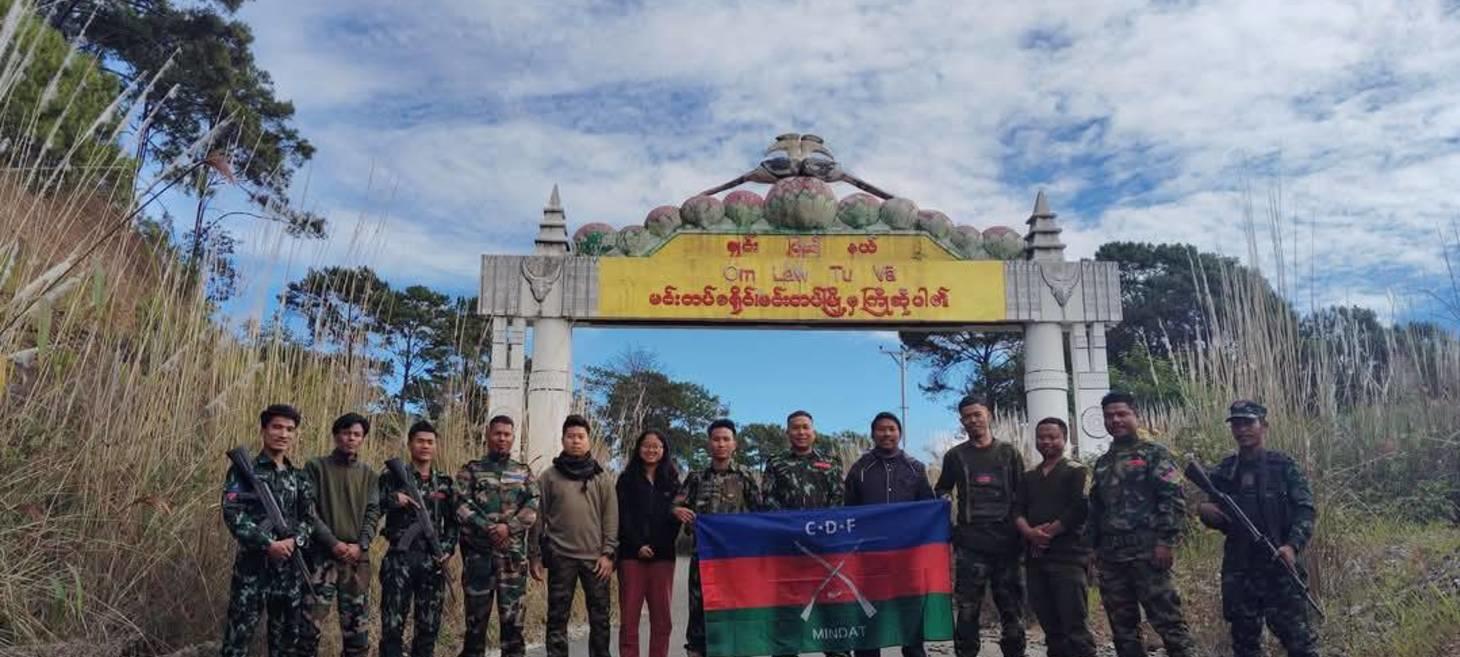
Chin Brotherhood Alliance retakes Kanedi Mountain base in Tedim Township from Myanmar junta
The Chin Brotherhood Alliance forces successfully regained control of the strategic Kanedi Mountain base (also known as Kennedy Peak) in Tedim Township, Chin State, on November 18, 2025, according to the local resistance group People's Defence Force–Zoland (PDF–Zoland). The almost 8,000-foot-high base is a strategic communications point linking Tedim and Kale townships, and the recapture, documented in video footage, led to the seizure of enemy weapons and ammunition after the Chin Brotherhood forces temporarily withdrew following a junta offensive that had allowed the junta to regain the mountaintop on November 5. This operation, conducted jointly by groups including the Chin National Defence Force (CNDF) and PDF–Zoland, is taking place amidst continuous fighting along major routes and countering junta operations reportedly intended to secure townships like Tedim ahead of the first phase of elections planned for December 28.
bnionline.net
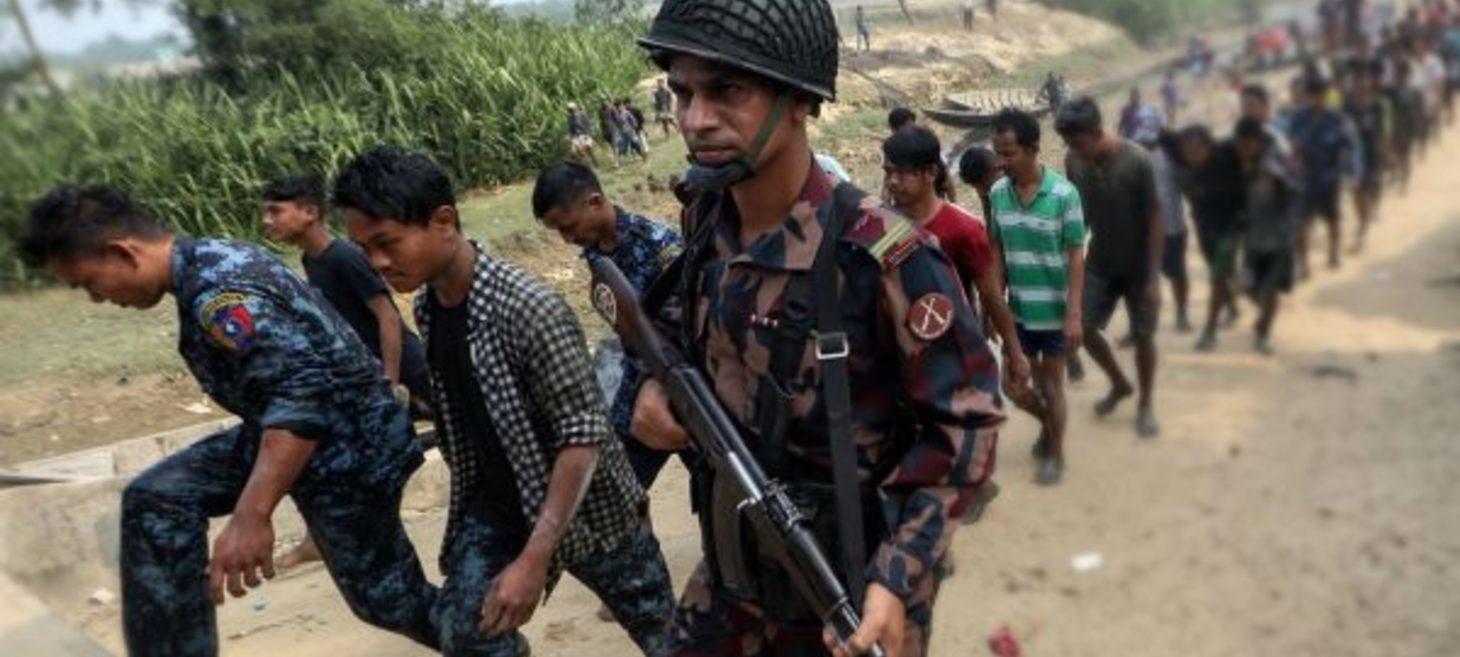
Arakan Army’s offensive reshapes Rakhine-and pushes the Rohingya toward an irreversible crisis
A sweeping new offensive by the Arakan Army (AA) across northern Rakhine State has dramatically shifted the political and military landscape, allowing the AA to consolidate power and become the dominant authority and de facto government in key townships that formed the heartland of Rohingya life. This structural shift poses an irreversible crisis for Rohingya refugees because the AA, which now holds the land essential for resettlement, consistently refuses to recognize the Rohingya as a distinct people, thereby collapsing the foundational assumption that repatriation could be negotiated with the central Myanmar government. With key aid routes cut and communication blackouts intensifying humanitarian suffering, Bangladesh is now forced to strategically recalibrate its policy, while the accelerating crisis is largely unfolding with little international scrutiny.
weeklyblitz.net
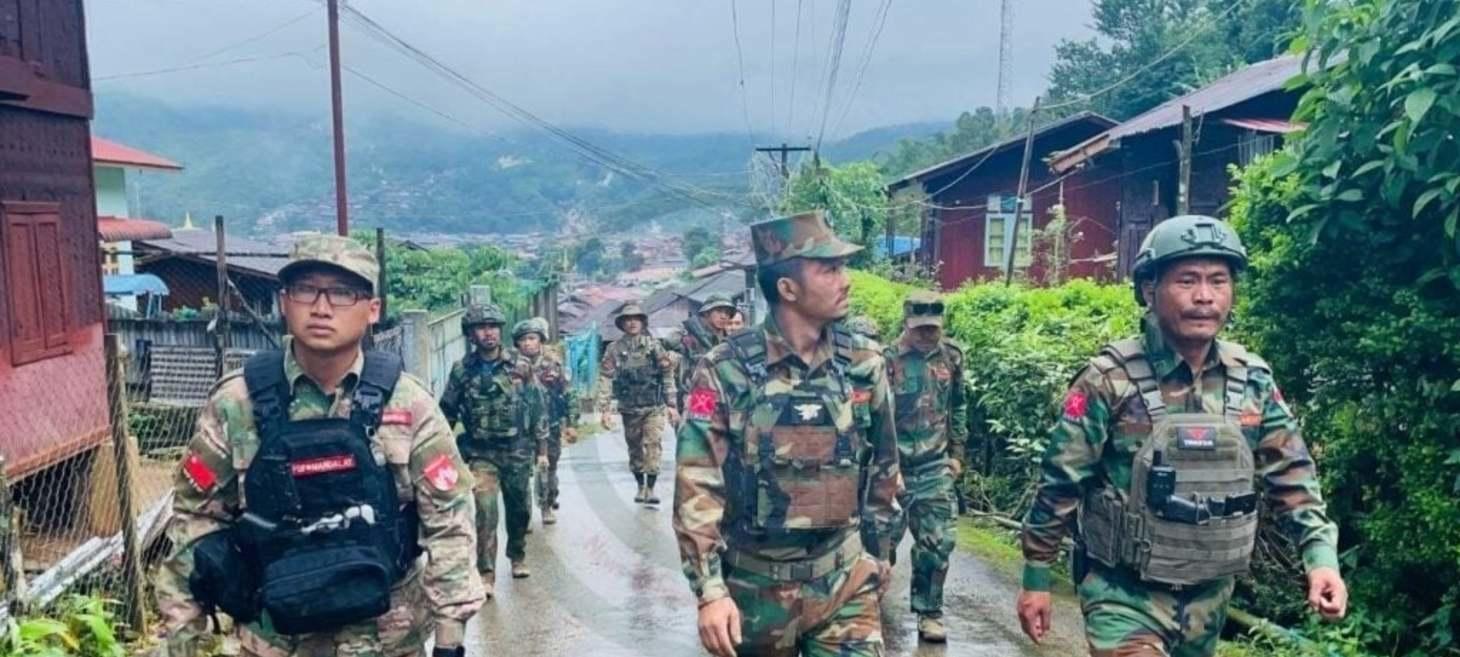
TNLA and Junta Hold Meeting in Lashio to Discuss Withdrawal from Mongkut and Mongmit
The Ta’ang National Liberation Army (TNLA) and the military council held a follow-up meeting in Lashio on November 12 to discuss arrangements for the TNLA's withdrawal from Mongkut (Mogok) and Mongmit (Momeik), which is intended to implement a previous ceasefire agreement signed in Kunming, China. A liaison office has been established between the TNLA and the junta to coordinate the military's re-entry after the withdrawal. However, resistance forces, including the Mandalay-PDF, announced they would resist the return of junta troops to the areas under their control. Residents are fearful of potential repression, such as arrests and house sealing, if the military returns, and some believe that bringing in the military could cause the alliance between the TNLA and other revolutionary forces to collapse.
shannews.org
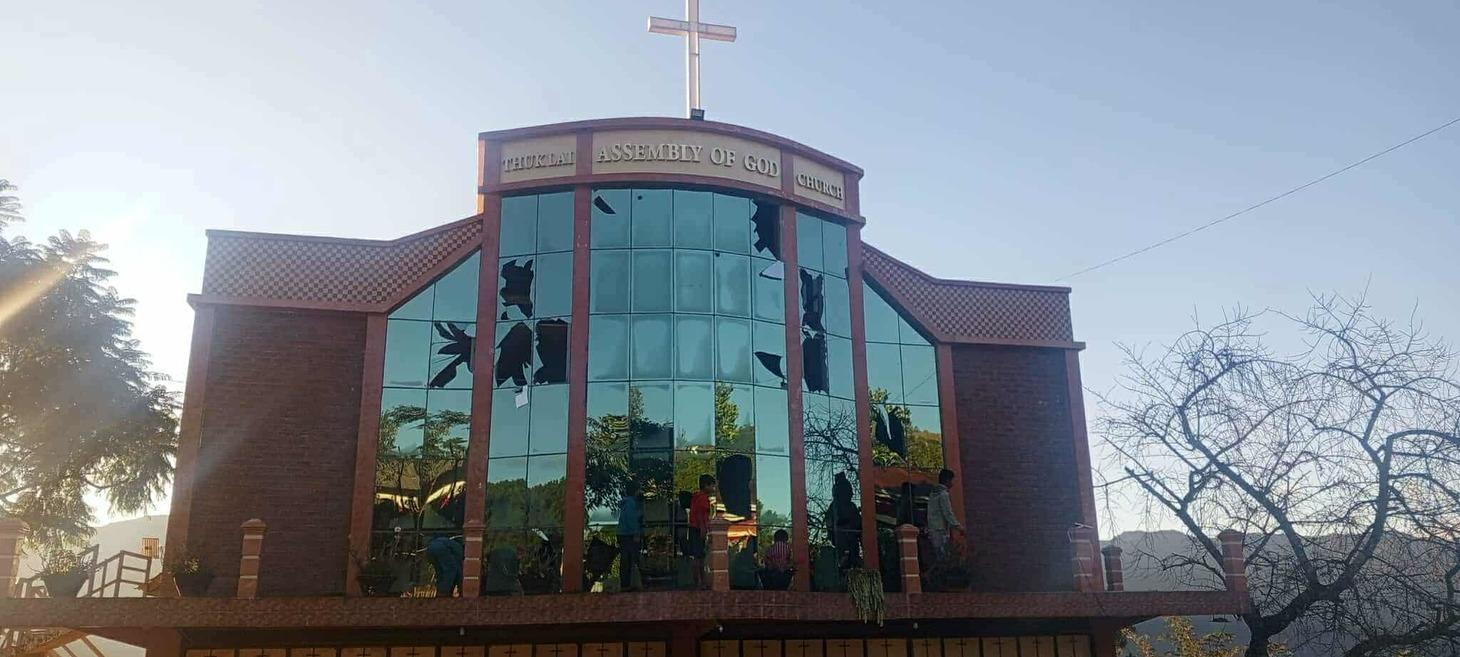
Junta airstrike damages buildings in Tedim Township village
Junta aircraft bombed Thuklai (Htuklai) Village in Tedim Township, Chin State, around 12:21 am on November 20, destroying multiple buildings. The two bombs dropped by the junta damaged structures in the village’s historic High School compound—including the dormitory, cafeteria, and main bathroom—as well as the village church and nearby religious buildings. Although several houses in the long-established village sustained damage from the force of the explosions, locals reported that no villagers were injured in the airstrike.
bnionline.net
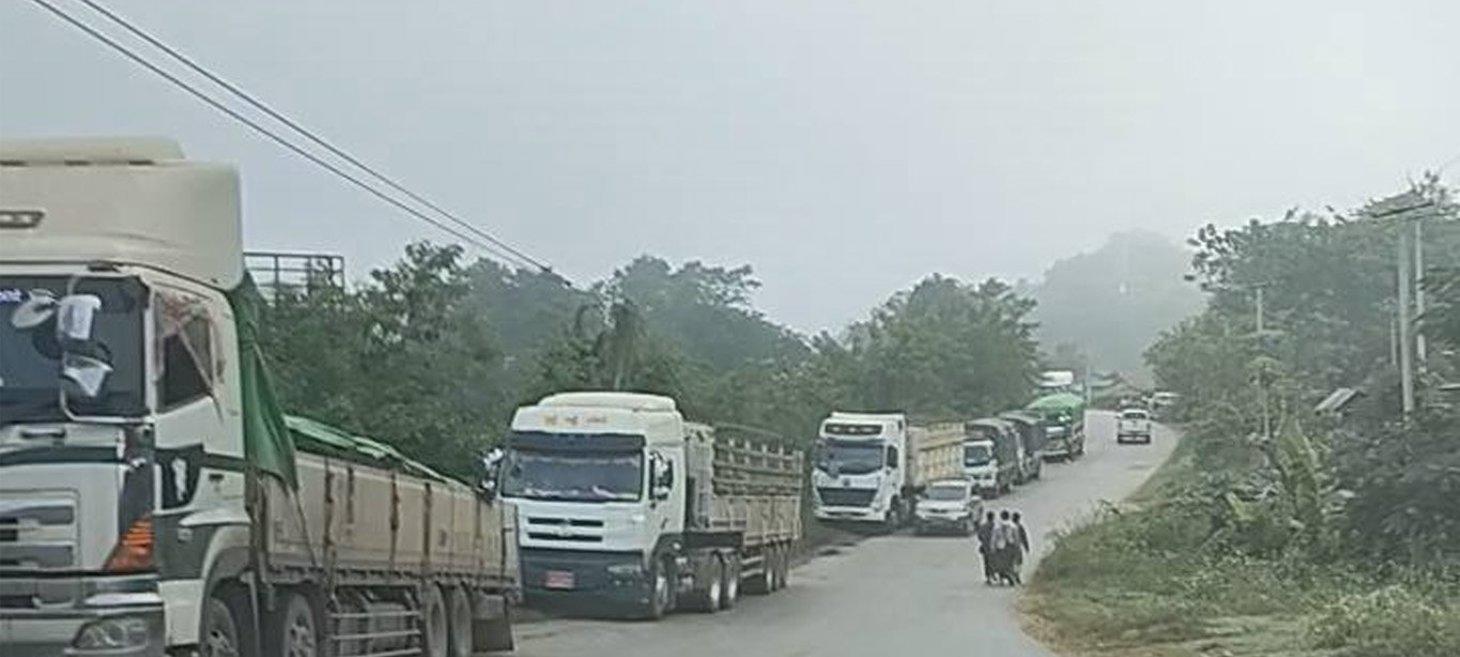
Dual roadblocks drive northern Shan State residents into growing hardship
Tensions have escalated in northern Shan State after the junta demanded the withdrawal of Myanmar National Democratic Alliance Army (MNDAA) troops from the area between Lashio City and Thibaw (Hsipaw) Town, a demand made after the junta retook Thibaw from the MNDAA’s ally, the Ta’ang National Liberation Army (TNLA). In response, both the junta and the MNDAA have enforced dual roadblocks, specifically blocking the Thibaw Bridge on the Union Highway between Thibaw and Lashio, severely restricting movement. This situation is driving local residents into growing hardship, forcing travelers to take alternative routes like the Tarlong-Narmahkaw Road, which necessitates crossing the Namtu River by ferry, resulting in delays, exhaustion, and higher costs for formerly short journeys.
bnionline.net
Corruption
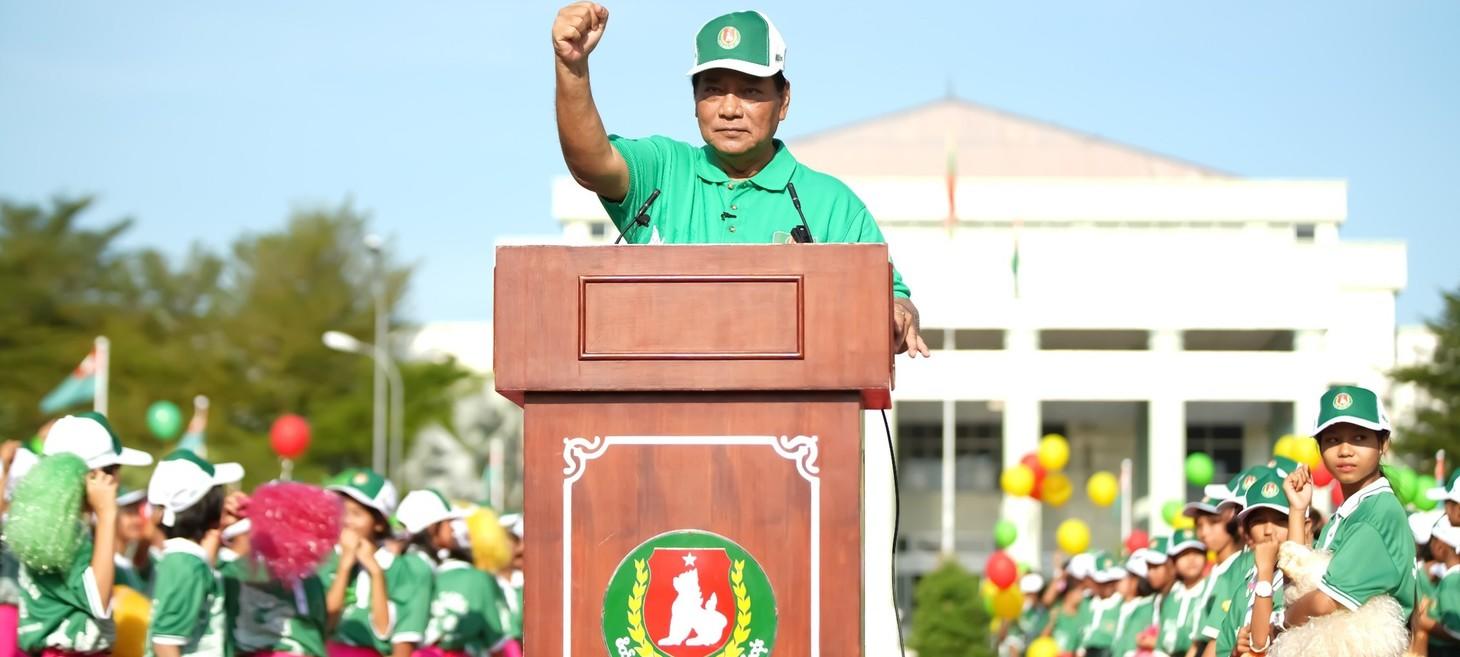
Khin Yi’s conflict of interest
Following the earthquake that devastated central Myanmar in March, the military’s proxy Union Solidarity and Development Party (USDP) is paying billions of kyat to reconstruct its headquarters in Naypyitaw. This significant sum is being paid to a company that the USDP chairman’s own son directs. The arrangement involving USDP Chairman Khin Yi and the use of party funds for reconstruction services provided by his son’s company has been documented as a conflict of interest.
myanmar-now.org
Cybersecurity & Cybercrime
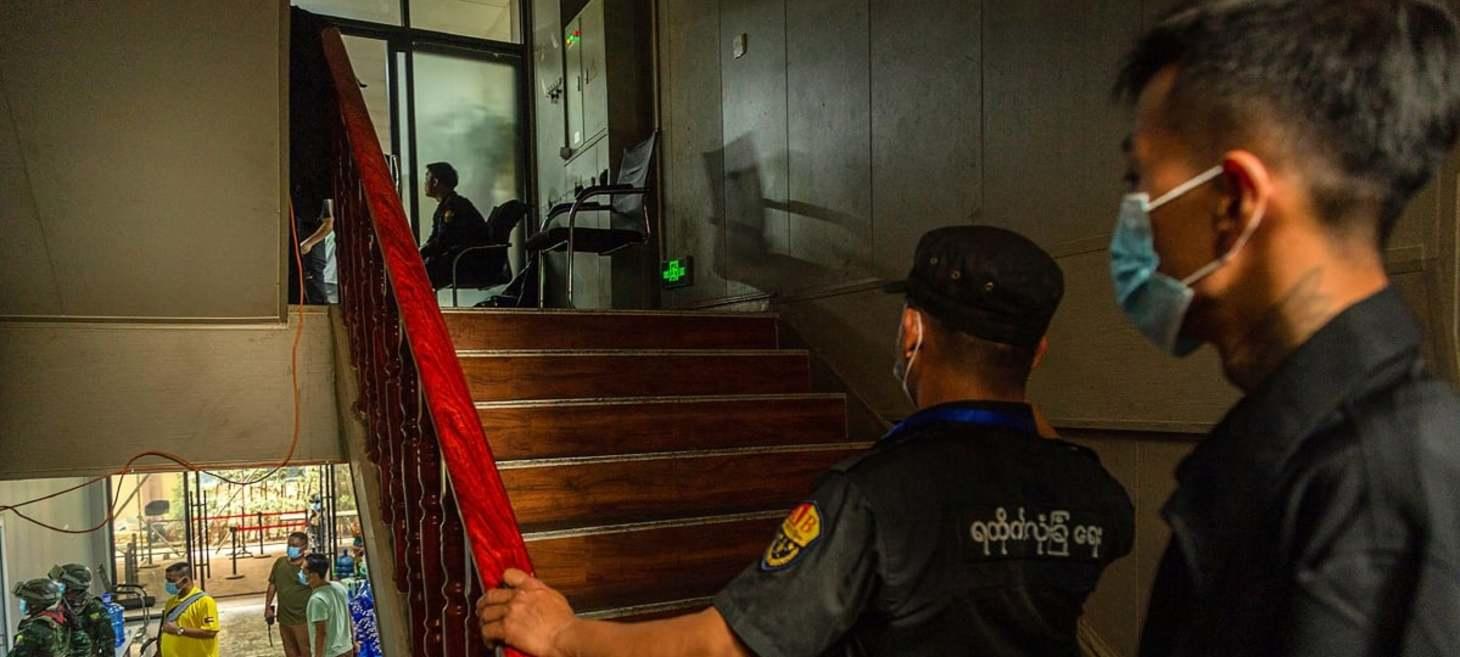
Global pressure forces Myanmar to crack down on scam centres
Myanmar's junta, responding to growing global pressure and concern over a new US government "Strike Force," ordered an immediate and aggressive crackdown on the burgeoning online scam centers along the Thai-Myanmar border to prevent further damage to the country's international reputation. These operations are part of Southeast Asian criminal networks that generate billions of dollars annually by defrauding people across the world, often involving human trafficking victims, with compounds like Shwe Kokko expanding rapidly during the Covid-19 pandemic. The instructions came directly from junta chief Min Aung Hlaing to military officers, who then met with members of the Karen National Army (KNA)—a powerful local militia sanctioned by the US for facilitating cyber scams—and the KNA later claimed it led the operation.
nst.com.my
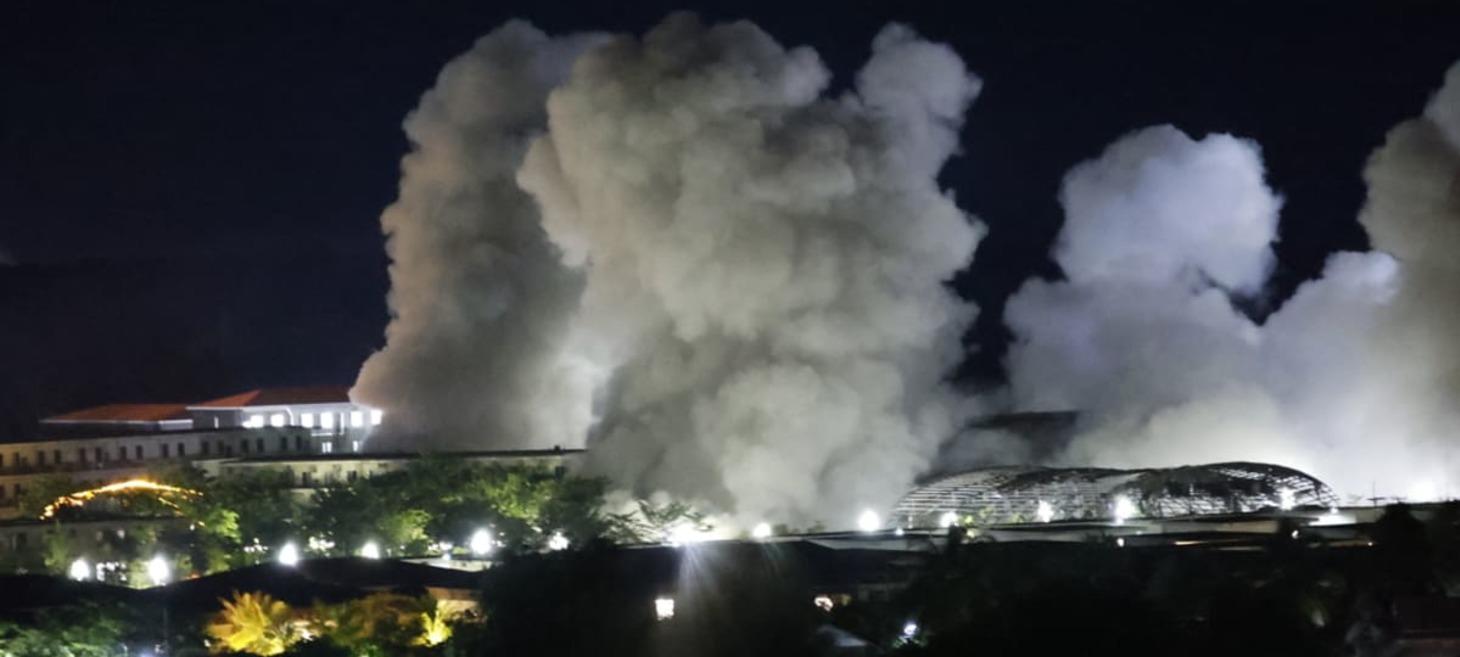
Myanmar junta says raided online scam centre, arrested over 300
Myanmar's military junta announced that it raided an internet scam hub, identified as Shwe Kokko, on the Thai border, leading to the arrest of 346 foreign nationals and the seizure of nearly ten thousand mobile phones used in online gambling operations. These sprawling fraud factories have grown significantly in Myanmar's loosely governed border regions since the 2021 coup, engaging in scams—including romance and business cons—that are worth tens of billions of dollars annually. The recent operation is part of a highly publicized crackdown against these black market compounds, conducted after lobbying from key military backer China, given that scam victims in Southeast and East Asia alone were conned out of up to US$37 billion in 2023.
channelnewsasia.com

Myanmar Junta Announces Raids on Second Major Online Scamming Hub
The Myanmar military government announced raids on Shwe Kokko, a significant online scamming settlement near the Thai border facilitated by the military-aligned Karen National Army (KNA/BGF), resulting in the detention of 611 foreign nationals and the seizure of substantial equipment, including over 2,600 computers and nearly 20,000 mobile phones. Shwe Kokko is a node in a network of online cyber-fraud operations that have proliferated since the COVID-19 pandemic, in which tens of thousands are effectively imprisoned and forced to perpetrate scams globally. Although the junta claims to be prioritizing the elimination of this fraud, many observers remain skeptical, citing that past crackdowns have failed to destroy the syndicates, and local sources suggest that the criminal "kingpins" were evacuated by the KNA/BGF ahead of the operation, allowing the schemes to merely relocate.
thediplomat.com

Myanmar Steps Up Crackdown on Telecom Fraud and Illegal Gambling in KK Park and Shwe Kokko
Myanmar has launched a fierce crackdown against online telecom fraud and illegal gambling dens in the Myawady-Maehtawthalay area, focusing on KK Park and the Shwe Kokko development project, signaling the government's commitment to combating these fraud rings as a threat to regional stability and international security. These comprehensive suppression efforts have led to the destruction of 170 buildings linked to fraud in KK Park and the detention of hundreds of foreign nationals from countries including China, Malaysia, and Thailand, along with the seizure of extensive operational equipment, such as thousands of computers and mobile phones. The operations target illicit activities, including online fraud, money laundering, and human trafficking. They are supported by coordinated multi-agency and cross-border collaboration to dismantle these exploitative networks and prevent the re-establishment of crime hubs.
igamingtoday.com

Electric Shocks, Torture, 17-Hour Work: The Brutality Karnataka Men Faced At Myanmar’s Cyber Slavery
Two men from Karnataka recounted their harrowing experiences after being lured by fake job offers promising high salaries in Thailand and Myanmar, often contacted through social media or Telegram. Upon arrival, the men were illegally trafficked, sold to Chinese operators at KK Park for sums like $5,000, and subjected to brutal cyber slavery involving 17-hour workdays, torture, electric shocks, and high ransom demands. Their ordeal, which included witnessing threats related to the sale of body parts, finally ended after one victim escaped during a military operation and subsequent rescue coordination by the Indian Embassy, the Indian Air Force, and the Indian Army.
timesnownews.com
Economy
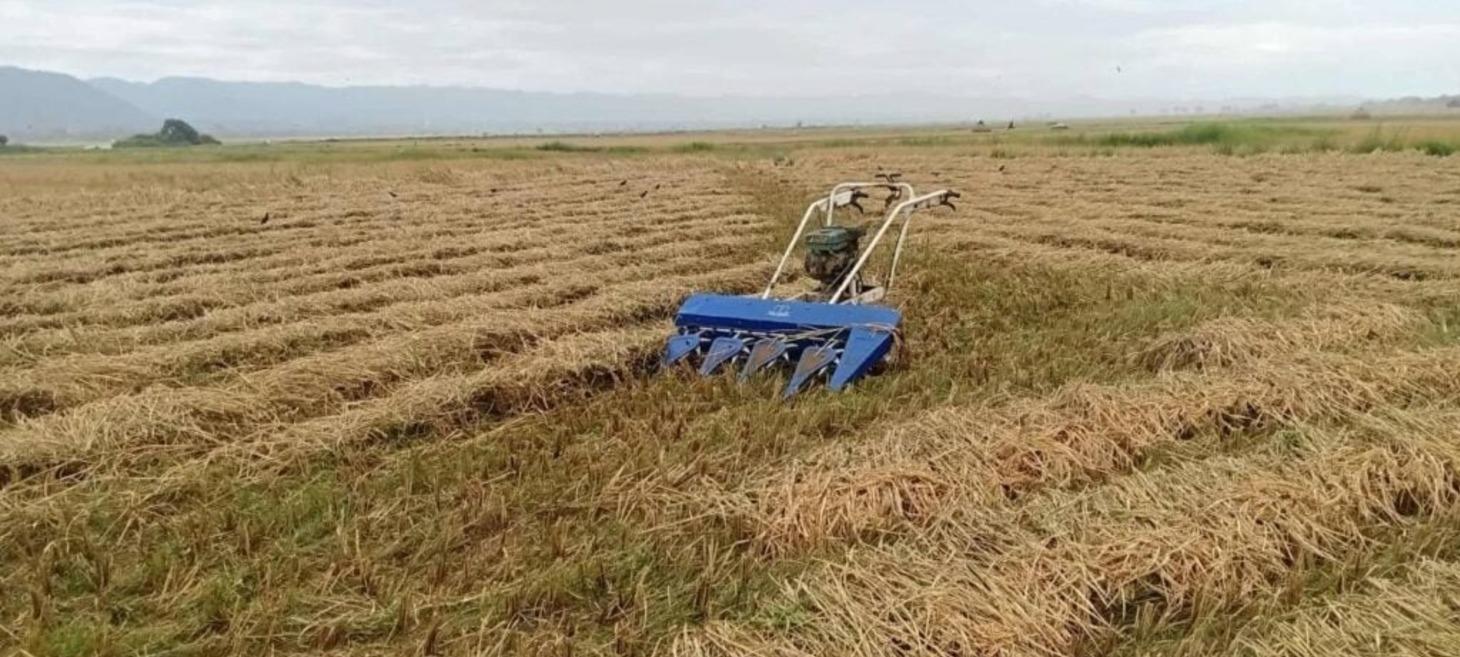
Tightened Trade Controls Push Mong Nai’s Rice Sector to the Brink
Rice farmers in Mong Nai Township, Southern Shan State, are experiencing severe financial hardship during the 2025 harvest season because *military regime restrictions on interstate transport and on the sale of rice and paddy have caused prices to plummet and buyers to nearly disappear. * Mill owners are refusing to purchase the newly harvested paddy because junta restrictions, including harsh vehicle inspections and a ban on transporting goods into central Myanmar, prevent them from selling their existing stock, a situation intensified by tightened trade controls at the Tachileik border gate. Facing potential ruin if they cannot sell their crop, farmers are desperate even as the regime has reportedly reauthorized rice exports, planning to ship 3 million tons of rice and broken rice for the fiscal year, in an attempt to push local prices back up.
shannews.org

Central Bank of Myanmar says unauthorised trading, transfer, storage, and hoarding of crypto assets should be avoided
The Central Bank of Myanmar (CBM) has prohibited the public and financial institutions from engaging in the unauthorized trading, transfer, storage, or hoarding of crypto assets, as it does not consider digital currencies to be legal tender. The CBM advises the public to use only legal currency transfers through banks, warning that the crypto market is extremely volatile, lacks regulatory oversight, and carries high risks of security breaches, hacking, and loss of personal funds. Despite these prohibitions, the CBM has observed the public collecting and trading crypto assets, which has facilitated illegal activities such as money laundering, drug trafficking, and tax evasion, even as the CBM conducts research on developing its own Central Bank Digital Currency (CBDC).
asianews.network
Education
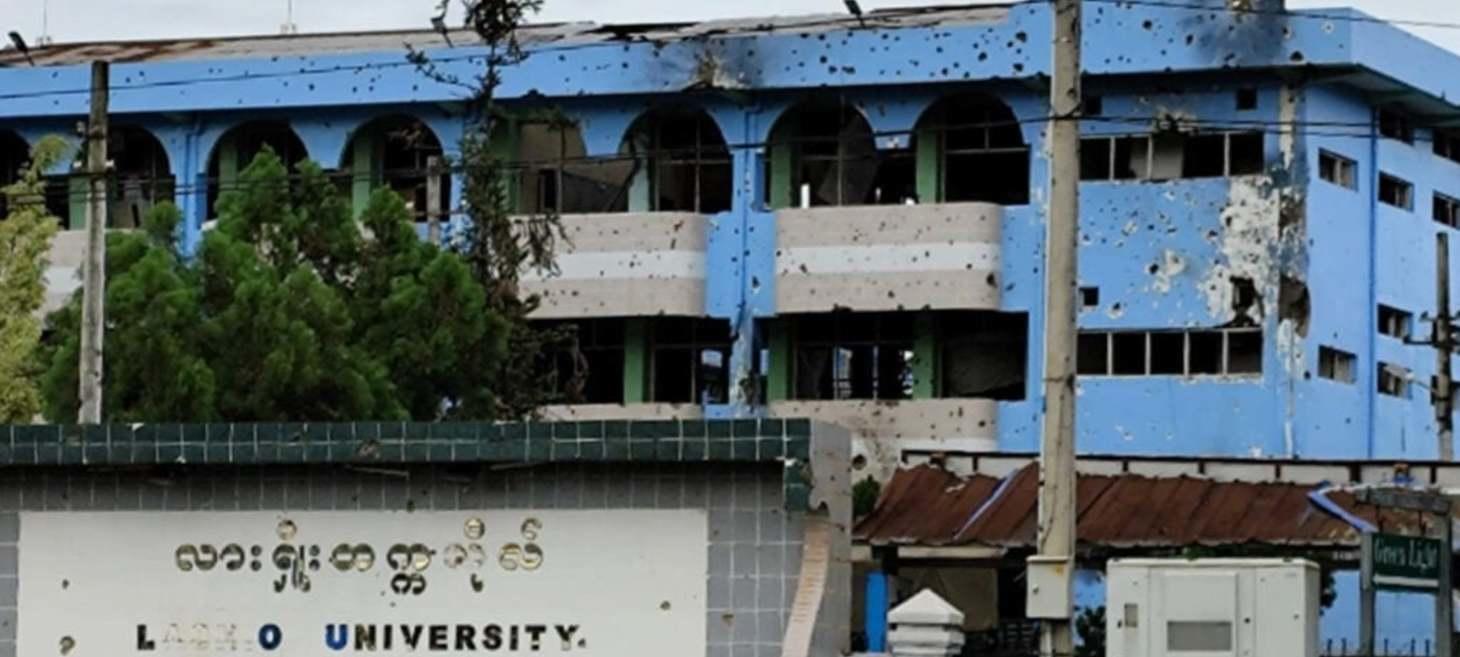
Lashio University Reopens Amid Ongoing Instability, Students Voice Safety Concerns
Junta-controlled authorities are preparing to reopen Lashio University for regular day-class students on November 24, 2025, following a two-year closure due to intense fighting in Northern Shan State. The campus, which sustained damage from gunfire and heavy weapons that caused casualties inside the university compound, is not fully ready, as only a few buildings have been repaired. Other educational institutions in MNDAA-controlled areas remain closed. Students returning face concerns about road safety, rising living costs, and ongoing tensions, in addition to fears that they may be pressured to cast advance votes in the junta’s planned election, while many former students have chosen not to return because they are now working or running businesses.
shannews.org
Elections

Three young protesters sentenced to over 40 years for opposing junta elections
Three young protesters were each sentenced to over 40 years in prison on November 20, 2025, for opposing the military junta’s planned elections in Myanmar. They were convicted on multiple counts of breaking a specific law enacted by the junta to criminalize the disruption of the elections the regime intends to hold in the coming two months. This sentencing highlights the political tensions in the country, occurring alongside numerous other conflicts, including reports of junta airstrikes killing civilians, clashes resulting in deaths of militia and junta security personnel, and continued violence like the burning of villages.
myanmar-now.org
Ethnic Issues

SHAN NEW YEAR 2120: Shan unity and TNLA overtures
The Shan New Year 2120 celebration saw political activity among major Shan groups, including the Restoration Council of Shan State/Shan State Army (RCSS/SSA) and the Shan State Progress Party/Shan State Army (SSPP/SSA), with RCSS leader General Yawd Serk urging Shan citizens to uphold the ownership of their land, protect their cultural heritage, and preserve Shan State’s sovereignty. Positive developments in Shan unity were noted as SSPP leaders attended the festive celebration in Mongla, and increased interaction between the groups, such as the coming together of RCSS and SSPP in Larng Khur, was considered a step toward forging unity despite the ongoing nationwide armed conflict. Most significantly, the Palaung State Liberation Front/Ta’ang National Liberation Army (PSLF/TNLA) sent a surprising well-wishing message to the Shan/Tai people, welcoming the New Year, wishing to restore old harmonious friendships, and encouraging all to put aside differences and suspicions to work together to find solutions to crises.
shannews.org
Foreign Affairs
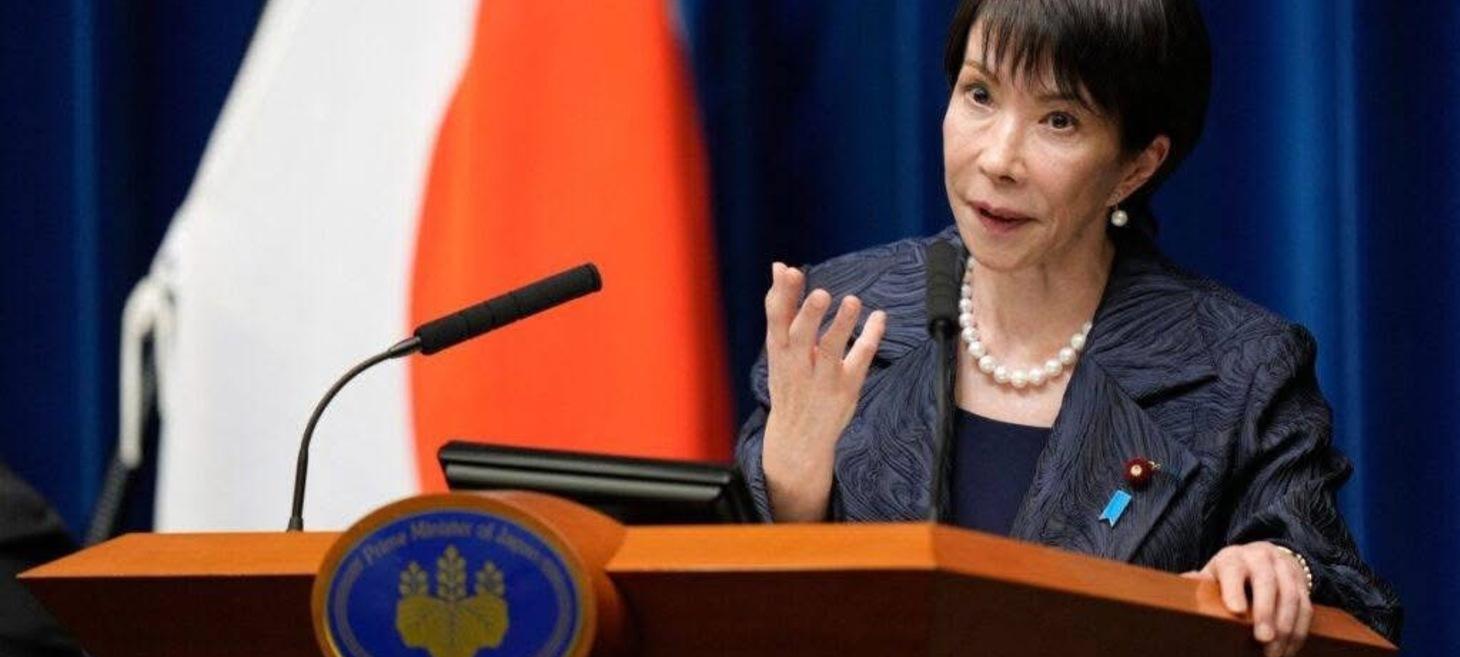
Myanmar reaffirms firm support for China’s territorial integrity and One China Policy
Myanmar has firmly reaffirmed its consistent support for China’s territorial integrity, sovereignty, and the One China Policy, as stated by Maj-Gen Zaw Min Tun, spokesperson for the National Defence and Security Council. This public reaffirmation was made in response to media inquiries about comments by Japanese Prime Minister Mrs. Takaichi on the Taiwan issue, underscoring that Myanmar respects these principles, in line with the first point of the Five Principles of Peaceful Coexistence. Furthermore, Myanmar highly values its relationship with China as a close neighbor, good friend, and strategic partner, with Acting President Senior General Min Aung Hlaing having repeatedly pledged Myanmar’s strong support for the One China Policy during meetings with Chinese leaders.
elevenmyanmar.com
Humanitarian

Trump ends US protected status for Myanmar nationals
The Trump administration announced the end of Temporary Protected Status (TPS)—which shields its holders from deportation and allows them to work—for around 4,000 nationals from Myanmar, based on Homeland Security Secretary Kristi Noem's decision following a review of conditions in the country. Noem defended the withdrawal by citing improvements in "governance and stability" at the national and local levels, noting the lifting of a state of emergency and the forthcoming announcement of "free and fair elections". This decision drew fierce criticism from advocacy groups like Human Rights Watch and the UN High Commissioner for Human Rights, who disputed claims of stability, arguing that the state of emergency was immediately replaced with martial law and that legitimate elections are "unfathomable" given the ongoing civil war and years of military suppression.
myanmar-now.org
Natural Resources
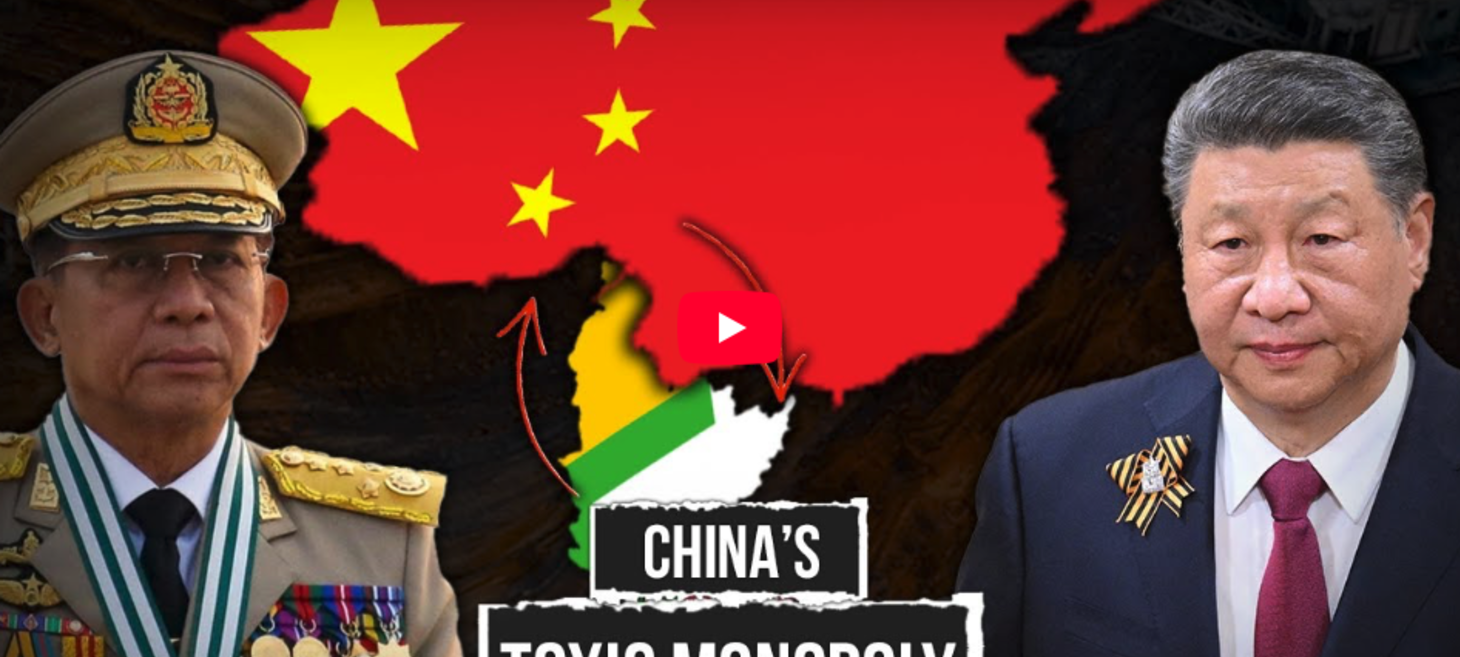
Inside China’s Rare Earth Empire: The Hidden Costs in Myanmar
China dominates the global supply chain for rare earths—17 critical heavy metals necessary for modern technology, clean energy, and military applications—controlling approximately 85% of the world's processing capacity and leveraging this near-monopoly for geopolitical advantage. Due to rising domestic environmental concerns, China has increasingly moved its rare earth mining operations, particularly for heavy rare earths, across the border into Myanmar, where Chinese-backed extraction has surged since the 2021 coup, making Myanmar the most significant foreign source of these raw materials for China. These largely unregulated mining operations in Myanmar use destructive in situ leaching techniques, inflicting massive environmental devastation by releasing toxic heavy metals that poison local ecosystems and spread transboundary pollution into major rivers, including the Mekong, posing a regional environmental crisis.
thediplomat.com
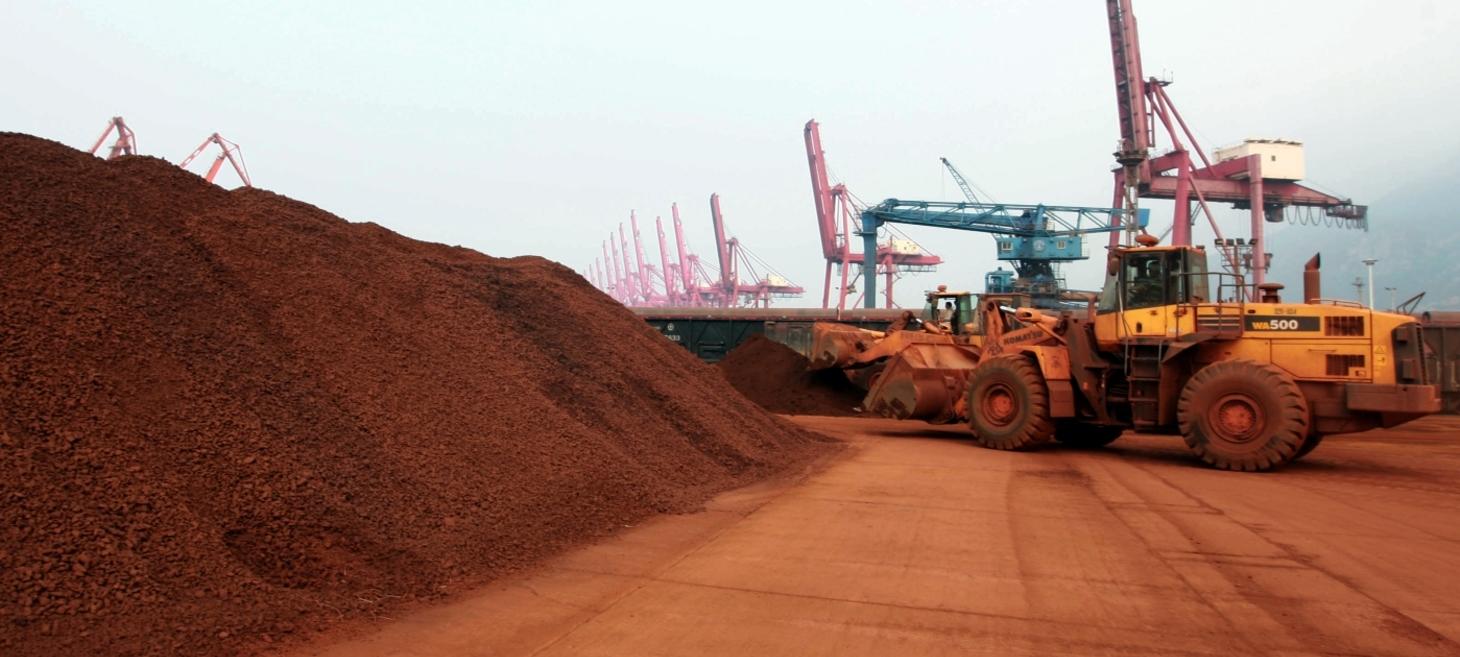
Rare earths: Federal backing and tech advances aim to help the U.S. catch up to China
Although rare earth elements are vital for modern technology, including electric vehicle motors and military aircraft, the U.S. faces a significant dependency on China, which controls nearly 90% of the global processing and refining output—the real "choke point" in the supply chain. China gained this market dominance starting in the 1980s partly because traditional refining methods are complex and produce environmentally sensitive, toxic byproducts, which hampered U.S. operations like the Mountain Pass mine. To counter this reliance, the federal government is providing substantial backing through loans and investments via agencies like the Office of Strategic Capital (OSC), supporting companies such as ReElement Technologies, which is developing more efficient and environmentally friendly processing and recycling methods using chromatography.
npr.org