Introduction & Analysis
This collection of open-source English-language news articles published over the past week highlights significant events and issues concerning Myanmar. They present a snapshot of the country's safety and security landscape.
- Myanmar's military junta is proceeding with phased general elections starting December 28, 2025, despite widespread international and domestic condemnation labeling the vote a "sham" intended only to legitimize military rule. The military-aligned Union Solidarity and Development Party (USDP) is expected to win after the dissolution of opposition parties like the NLD, and the regime is using new laws and propaganda films to suppress dissent and coerce public participation.
- To maintain control and fill depleted units, the regime has intensified forced conscription, oppression, and military operations in contested regions like Mon State and Sagaing. In contrast, resistance forces intensify counterattacks and capture strategic towns. The regime's efforts to regain control of key areas, such as the Ye-Thanbyuzayat Road in Mon State, are prioritized ahead of the planned phased voting.
- Under increasing pressure from nations including the US and China, the junta and its allied Karen Border Guard Force (BGF) have launched raids against telecom scam hubs, known as Zhapian gangs, operating along the Thai-Myanmar border. However, analysts suggest these actions may be staged. The BGF, which is alleged to profit from these scam centers and share revenue with the regime, has vowed a "final war" on operations in areas like Shwe Kokko and KK Park.
- While foreign direct investment has dropped drastically since the coup, the junta continues to strengthen strategic military and economic ties with Russia and China, including holding joint maritime security exercises. This alignment helps the junta generate essential foreign currency through oil and gas exports and secure political support amidst international condemnation.

Conflict
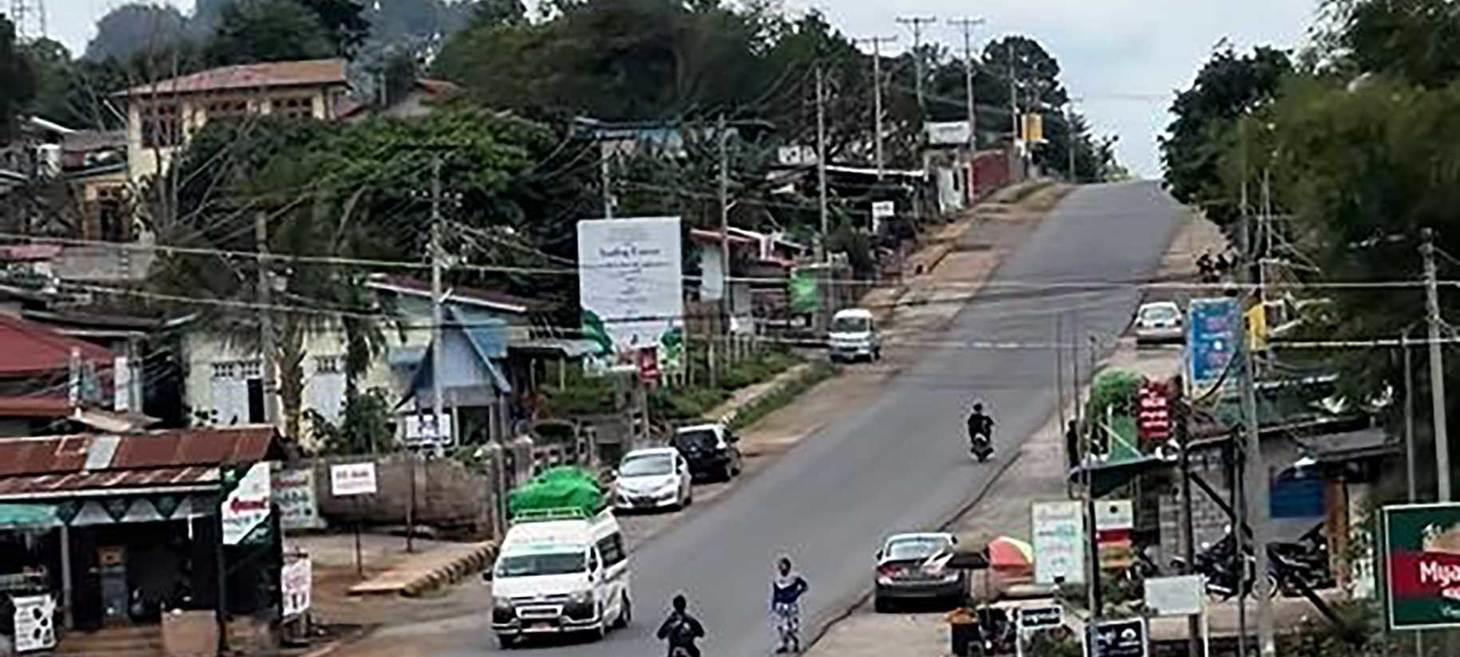
Tensions Rise in Ywangan as Junta Increases Raids, Arrests Civilians
The military commission has intensified operations in Ywangan Township, Southern Shan State, leading to rising tensions and frequent, unexplained arrests of civilians, including four men detained on November 15 who remain unreachable, adding to seven others arrested in mid-October and early November who also remain detained. Following the October 28 killing of a Village Administrator and a civilian in Kyauk Pi Zat Village Tract, junta troops are currently stationed in areas such as Kyauk Nget and Ya Nay, where they are blocking entrances and conducting strict inspections while targeting villages near the forest edge for resistance forces. Separately, households in various village tracts are being required to pay conscription fees for Military Service Batch 19, ranging from 5,000 to 10,000 kyats, though some local Ward and Village Administrators collecting the fees are reportedly profiting illegally by charging more than the ordered amount.
shannews.org
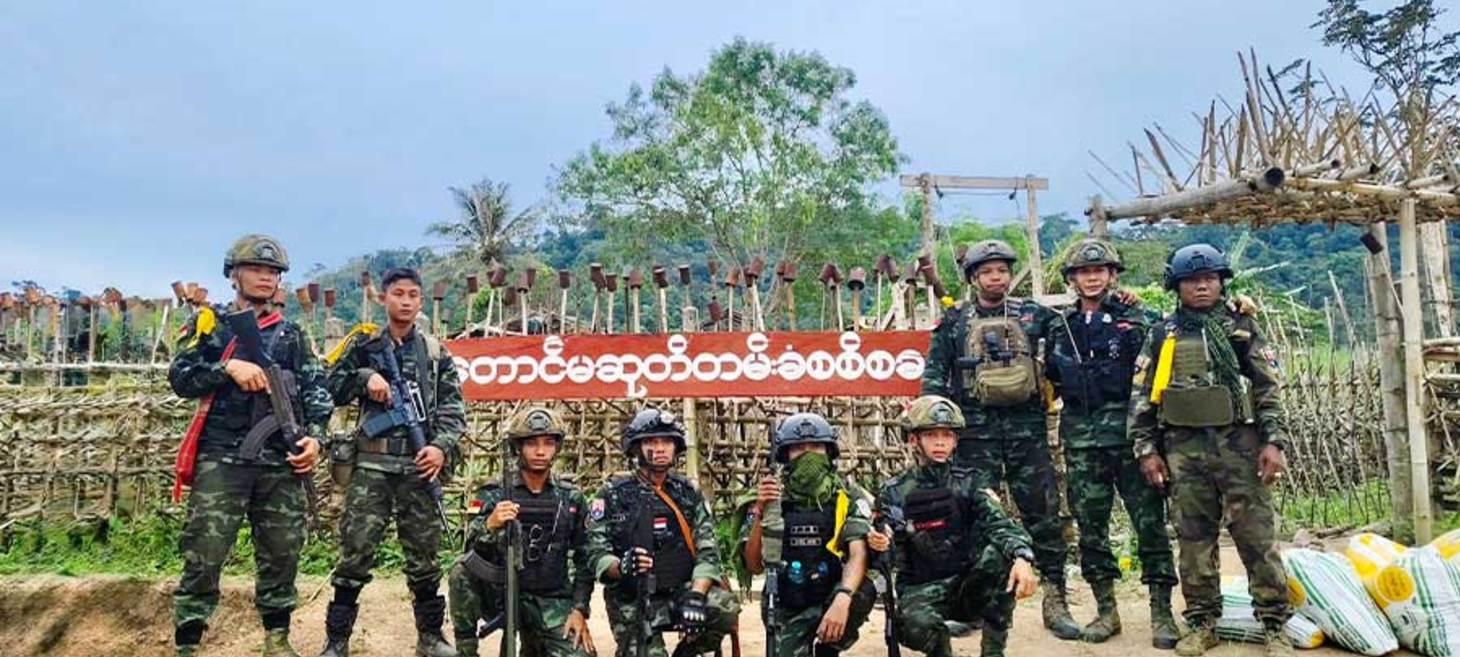
Resistance forces intensify attacks, directly challenging junta offensives
Resistance forces have intensified their attacks nationwide, directly challenging the junta's efforts to reclaim lost territories, resulting in significant gains, such as the capture of Mawdaung Town by a coalition led by the Karen National Liberation Army (KNLA) following a siege. This success highlighted the regime's vulnerability and complacency, reinforcing the strategic advice for anti-regime forces to target junta positions with weak communications and fragile supply lines to ensure decisive advantages and capture towns with minimal casualties. Despite heavy junta offensives, the resistance continues to inflict significant losses, capturing more than 40 soldiers during the Mawdaung clashes, and analysts predict that a major general offensive led by the National Unity Government (NUG) in mainland Myanmar, supported by ethnic allies, could clearly shift the overall military balance.
bnionline.net
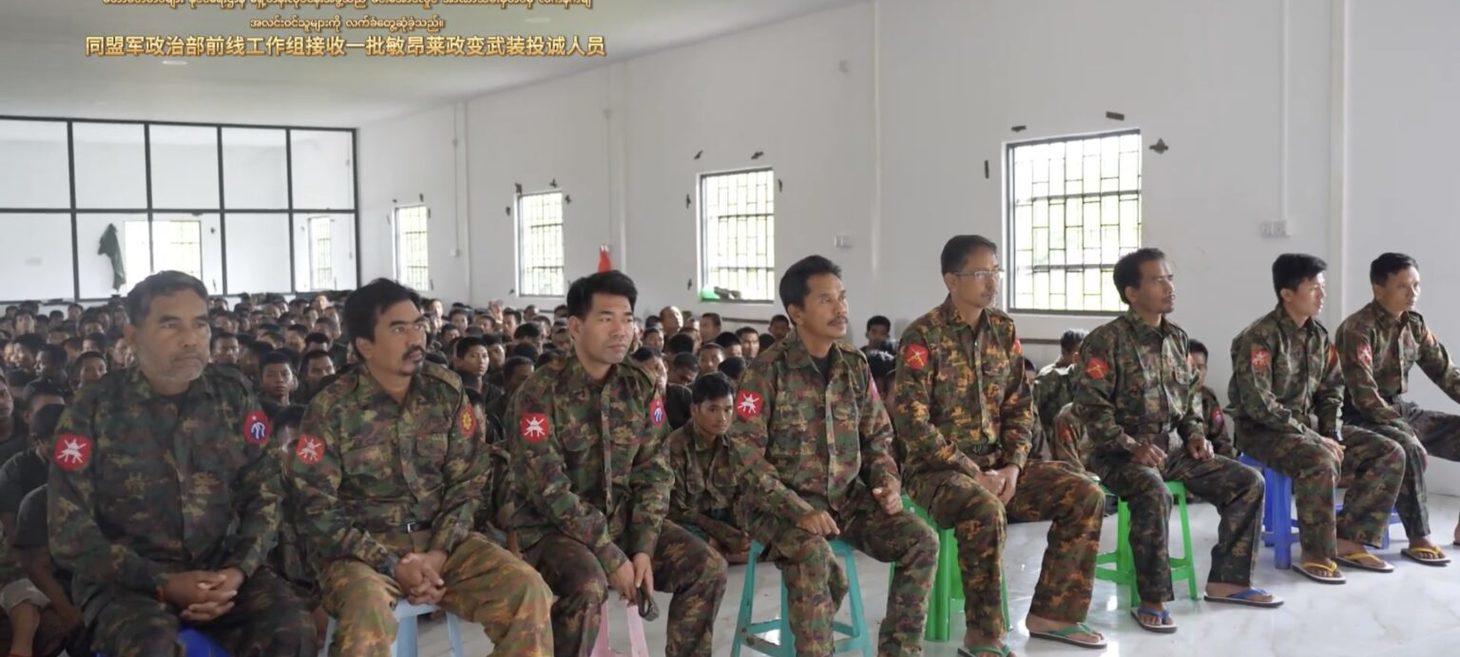
MNDAA releases more than 200 prisoners of war in Lashio
The MNDAA (Myanmar National Democratic Alliance Army) released more than 200 prisoners of war in Lashio, an event dated November 17, 2025. This specific release follows the MNDAA’s 2024 takeover of Lashio, an operation that had resulted in the detention of over 4,000 junta soldiers and their families. The fighting in northern Shan State saw other significant surrenders, including a junta lieutenant colonel and 316 other personnel who yielded to the MNDAA on July 21, 2024.
myanmar-now.org
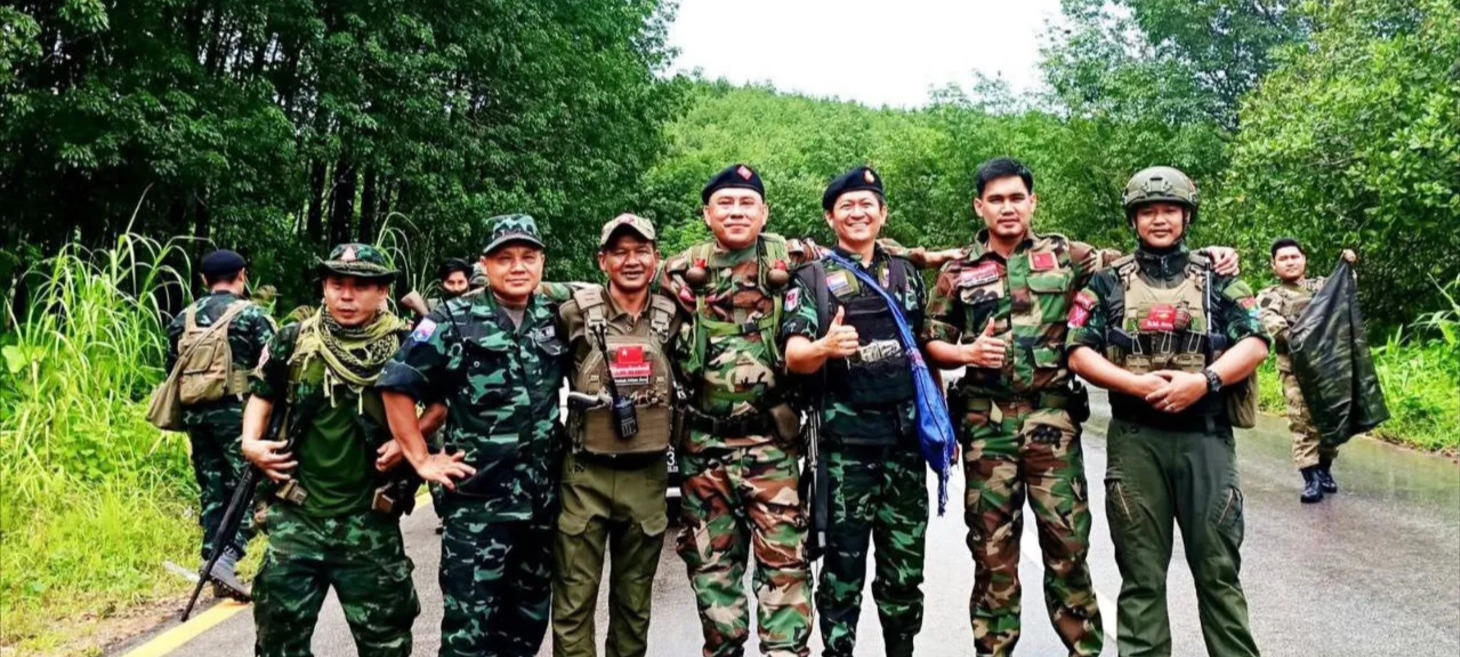
How will resistance forces repel junta’s offensive in southern Mon State?
The junta has launched military operations along the Ye-Thanbyuzayat section of Union Highway 8 in southern Mon State, aiming to dismantle resistance control over the key road ahead of the Phase 2 election voting scheduled for January 11, 2026. Reclaiming this stretch of road, which fell under Mon and Karen resistance control about a year after the 2021 coup, is considered vital for the junta politically, economically, and militarily, and the regime has about 50 days left to regain full control before the polls in Ye and Thanbyuzayat townships. Resistance forces, including the Mon State Federal Council (MSFC) and the Ye People’s Defence Force (YPDF), plan to use every means to stop the election, while preparing for inevitable major offensives by employing defensive operations and effective use of guerrilla tactics.
bnionline.net
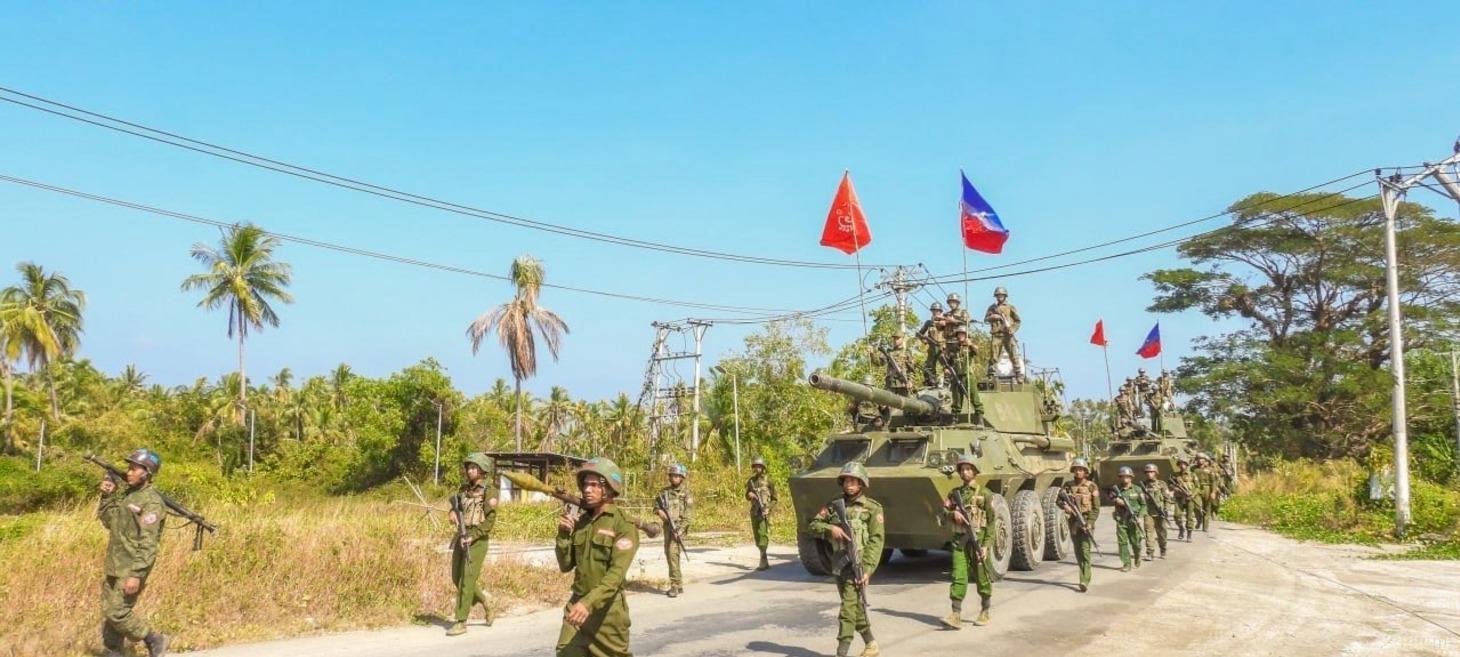
Clashes erupt as Myanmar military attempts to exert full control in Kyaukphyu Township
Clashes have erupted as the Myanmar military regime attempts to exert full control in Kyaukphyu Township. The military is trying to maintain security in this town, one of the few areas it still controls in Rakhine State, specifically ahead of upcoming elections planned for December. This situation unfolds amidst other conflict-related events across Myanmar, such as raids displacing tens of thousands in northern Magway Region, the Sagaing resistance naming an interim chief, and the MNDAA releasing more than 200 prisoners of war in Lashio.
myanmar-now.org
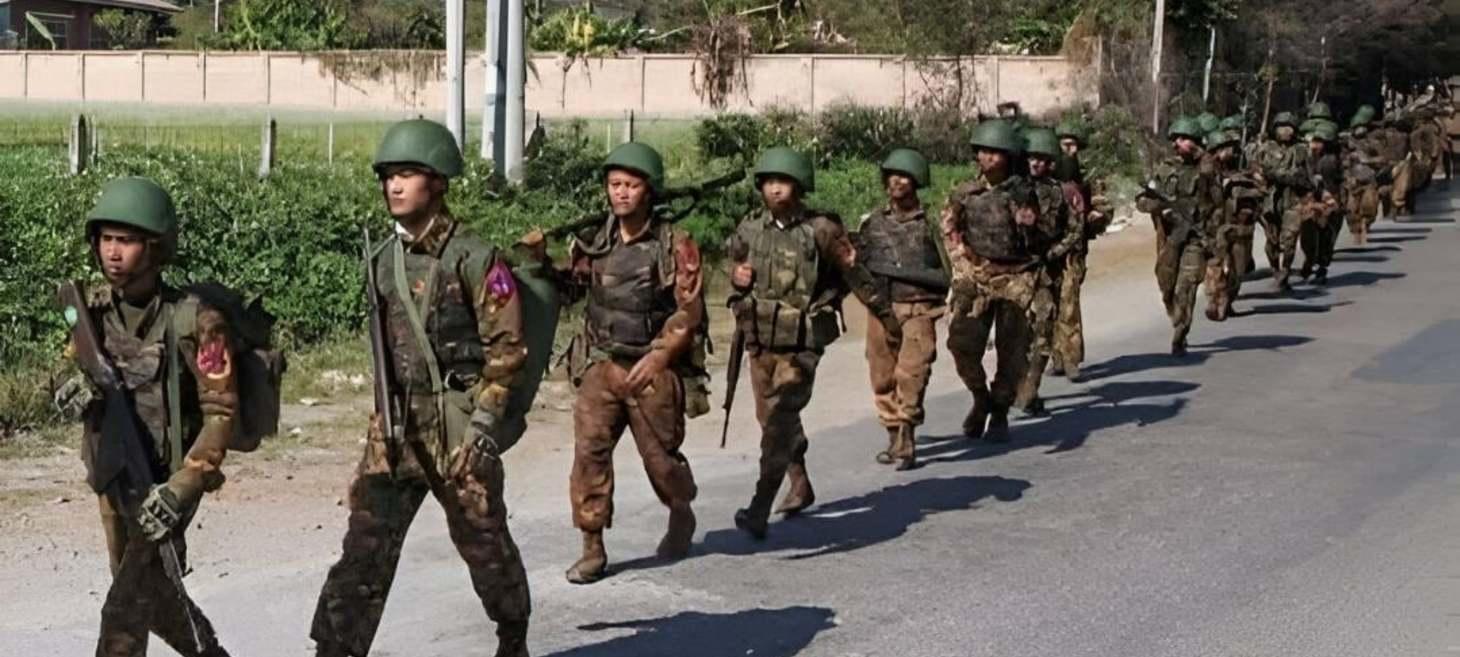
Ywangan Residents Remain Missing Weeks After Military Arrests
Seven residents arrested by junta troops in Ywangan Township, southern Shan State, remain in detention with no information about their whereabouts or the reason for their capture, according to local sources. The detainees, all believed to be in their 40s, include five men arrested around mid-October and two more in early November; their families, such as those in Ta Pin Pyaw village, have received no updates since the arrests and believe the men were just ordinary people not involved in politics. This situation unfolds in an environment where junta troops are stationed and conduct daily patrols, imposing strict movement controls on residents following the recent assassinations of village administrators, while other armed groups like the PNO militia, the DSNDA, and local PDF units are also active in the township.
shannews.org
Conscription
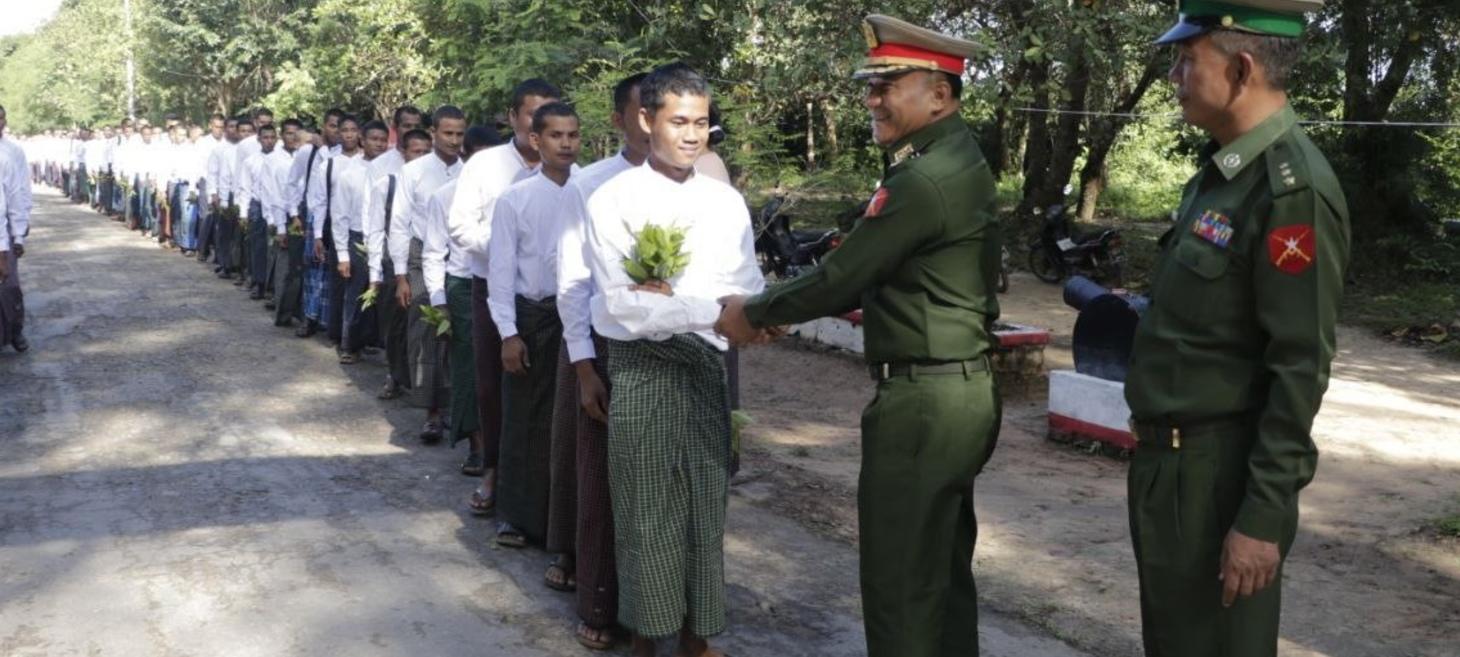
Forced conscription sweeps Shwebo as junta hunts recruits across Sagaing
The Myanmar military is reportedly ratcheting up its forced conscription operations across Shwebo, Sagaing Region, in recent weeks to address gaps in military personnel across active conflict areas. Residents report that soldiers are sweeping the city in both private and military vehicles, detaining youth at checkpoints as the regime expands its draft to fill depleted frontline units. These conscription sweeps are taking place amid continuous conflict and political changes, including raids by junta troops that have displaced tens of thousands in the northern Magway Region and the formation of a parallel government by the Sagaing resistance.
myanmar-now.org
Cybersecurity & Cybercrime
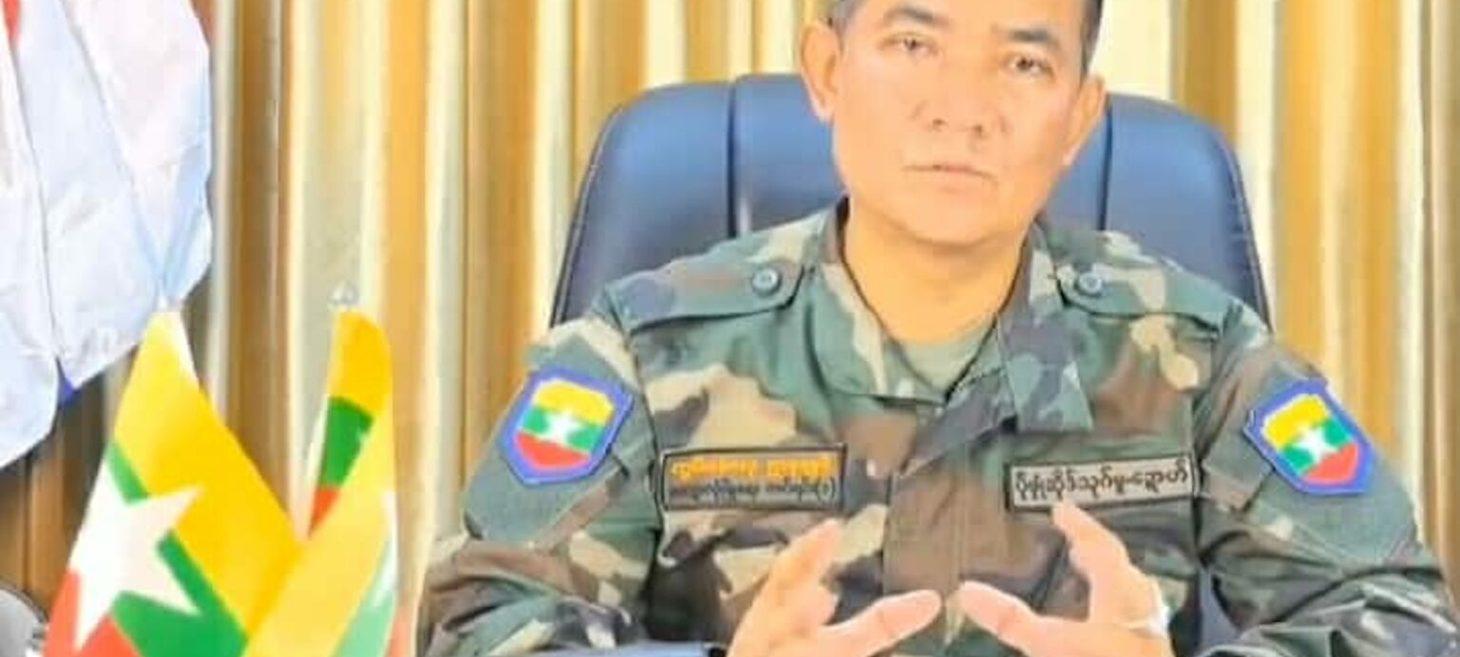
BGF declares war on telecom scam gangs
The Karen Border Guard Force (BGF), a junta-aligned Karen armed group, has declared war on telecom scam businesses, locally known as Zhapian gangs, operating along the Thai-Myanmar border in Myawaddy Township, Karen State, including the notorious Shwe Kokko Town. BGF spokesperson Lieutenant Colonel Naing Maung Zaw announced that this fight, managed by the national government (junta), must result in the quick, complete elimination of Zhapian to uphold the reputation of their country, state, ethnicity, organization, and leader. In addition to inviting neighboring countries and other nations to join the BGF's anti-scam efforts, the BGF reports that 9,075 foreign Zhapian operatives have been handed over to their home countries since March, with 1,267 still awaiting repatriation.
bnionline.net
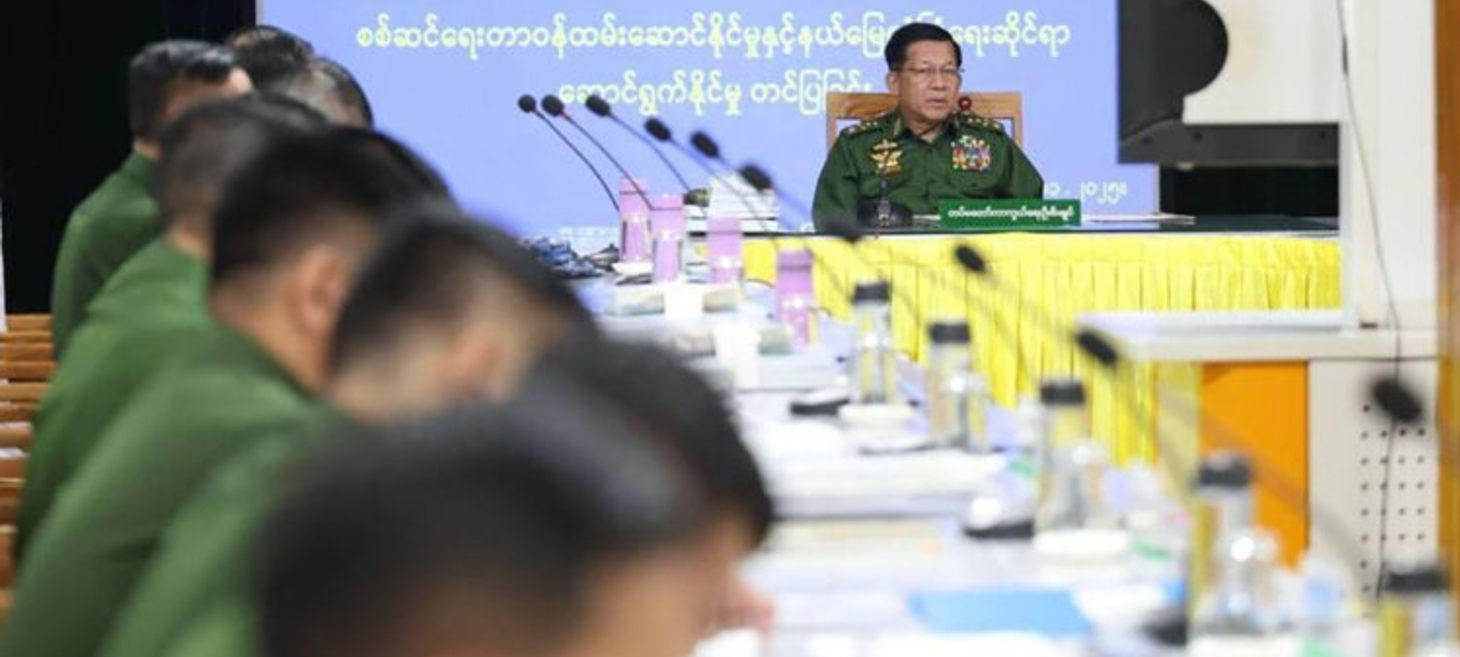
Myanmar Junta Boss Vows to ‘Eliminate’ Scam Centers Amid Rising Global Pressure
Myanmar Junta Boss Min Aung Hlaing vowed to completely “eliminate” online scam operations along the Myanmar-Thailand border, declaring it a "national duty" during a rare visit to Karen State, which occurred as China and the US intensified pressure on transnational scam syndicates operating in Southeast Asia. This pledge followed recent international efforts, including Thai repatriation of arrested foreigners, Bangkok’s handover of scam kingpin She Zhijiang to Beijing, and US sanctions against leaders of the Democratic Karen Benevolent Army (DKBA) for allegedly supporting scam centers. Analysts suggest Min Aung Hlaing’s sudden focus on the issue is a reaction to Washington's increased attention to Myanmar's role in the global scam industry. Still, while he emphasized the demolition of the notorious KK Park, he avoided mentioning scam hubs elsewhere in Karen controlled by allied militias, suggesting the rhetoric is part of an attempt to deflect blame or signal a willingness to sacrifice certain allies.
irrawaddy.com

Cracking Southeast Asia’s Scam Economy
**Southeast Asia has become the command center of a global cyber-scam economy that has generated billions of dollars annually by defrauding victims worldwide and relies heavily on trafficked and coerced labor. This illicit industry is deeply woven into the region’s political and economic structures, arising from the convergence of entrenched systems of rent extraction, a surge of Chinese gray capital, and the rapid expansion of digital and crypto-based finance, allowing officials in countries like Cambodia, Laos, and Myanmar to license, protect, and profit from the networks they are supposed to police. Recent, unprecedented coordinated actions by the U.S. and U.K. have targeted the financial architecture of these groups—such as sanctioning Cambodia's Prince Group and seizing $14 billion worth of cryptocurrency—demonstrating that sustained international coordination and regulation of global financial channels are necessary to prevent the problem from simply shifting elsewhere.
thediplomat.com
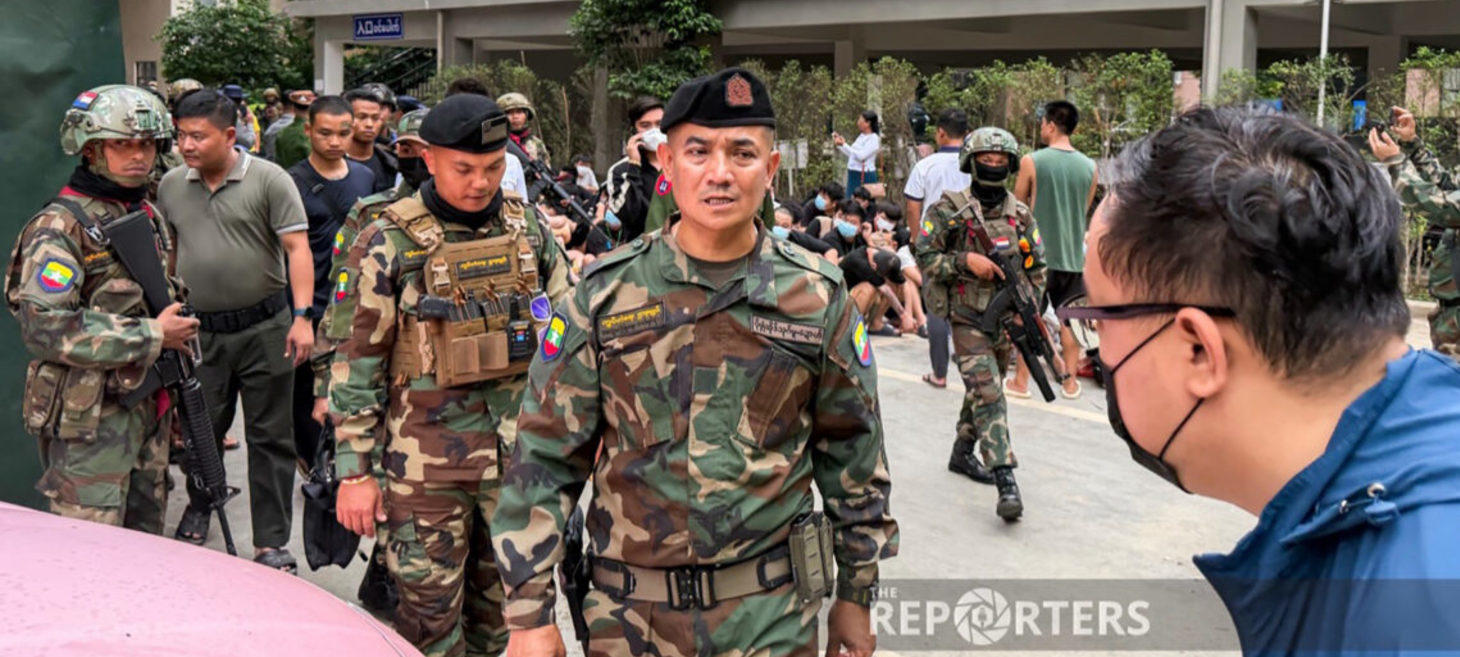
Scam Workers Flee as BGF Vows ‘Final War’ on Shwe Kokko Scam Hub
The Myanmar junta-allied Karen State Border Guard Force (BGF) and regime forces raided the notorious Shwe Kokko scam hub, arresting over 300 foreign nationals, mostly believed to be Chinese citizens, following the BGF's announcement of a "final war" against the operations in Karen State. Despite the raids, thousands of Chinese nationals working in the scam centers had already fled the "scam city" after being tipped off in advance by the BGF, which, along with the regime, is known to financially benefit from the protection of the hub. This joint move coincided with rising international pressure, including the US government forming the Scam Center Strike Force to crack down on transnational crime networks and the Myanmar junta boss vowing to eliminate scam centers on the Myanmar-Thailand border.
irrawaddy.com
Economy

Myanmar’s Power Crisis and Energy Politics in the Dark
Myanmar has faced a severe electricity crisis since the 2021 military coup, resulting in widespread blackouts due to political volatility, the collapse of foreign financing that shut down LNG plants, and the cancellation of dozens of solar power projects, leaving major cities with only around 8 hours of daily access. The military junta's core energy strategy prioritizes generating foreign currency—with offshore natural gas exports accounting for approximately 50 percent of the regime’s foreign exchange earnings via MOGE—and this revenue source sustains the regime despite the withdrawal of major international companies since 2021. Focusing on political and strategic goals rather than domestic supply, the junta is seeking deeper technological and diplomatic ties with Russia and China, pursuing agreements for oil and gas exploration and nuclear cooperation. In contrast, the development of renewable energy needed for rapid domestic improvement remains stalled.
thediplomat.com
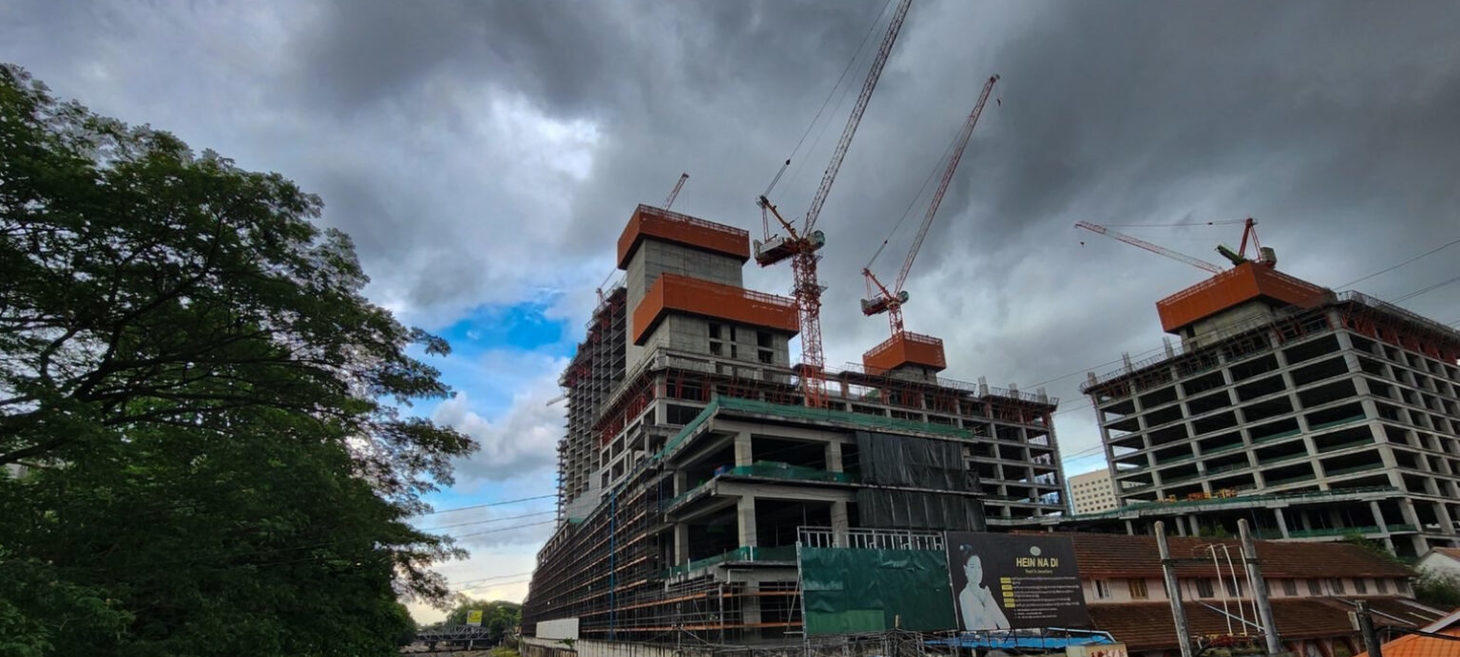
Foreign direct investment in Myanmar has dropped off drastically since coup
Foreign direct investment (FDI) in Myanmar has dropped off drastically since the elected National League for Democracy government’s ouster. This significant decline affects inflows from all countries investing in Myanmar. While overall investment has decreased substantially, China and Singapore remain the largest investors in the country.
myanmar-now.org
Elections
Myanmar Junta Parades Poll Protesters in Handcuffs as Vote Approaches
Ahead of a military-orchestrated vote scheduled for December and January, Myanmar’s regime has ramped up its crackdown on election dissent using the Election Protection Law, which carries penalties ranging from one year in jail to the death sentence. The total number of arrests since the law’s introduction in July has reached 125, including 31 people charged in just 12 days in November, with instances such as the junta parading four men in handcuffs on November 14 for allegedly destroying posters of the army-backed Union Solidarity and Development Party (USDP) and other parties. The election, which will only take place in 202 of 330 townships due to resistance control and conflict, is widely regarded as a fraud intended to entrench military rule and has been denounced as a sham by Western governments, Myanmar’s civilian National Unity Government, and resistance groups.
irrawaddy.com

Myanmar Military’s Election Propaganda Reignites Boycott Campaign
The Myanmar military junta, preparing for its heavily criticized "multiparty democracy general election" starting December 28, released a major propaganda film titled Khit Thamine Ko Done Saing Myi Thu Myar to promote the vote and assert that the election is the only way to resolve the country's issues. The film attempts to sow division by portraying protesters using selectively edited footage, justifying the choice of those who stayed in their jobs despite the Civil Disobedience Movement, and mocking armed resistance members as foolish "clown" characters or manipulated bombers seeking to "destroy the fake election". Despite the junta's long tradition of using propaganda and threatening punishment against critics, this specific film backfired on social media, instead triggering renewed public outrage, boycott campaigns against the participating actors, and renewed motivation among resistance groups.
thediplomat.com
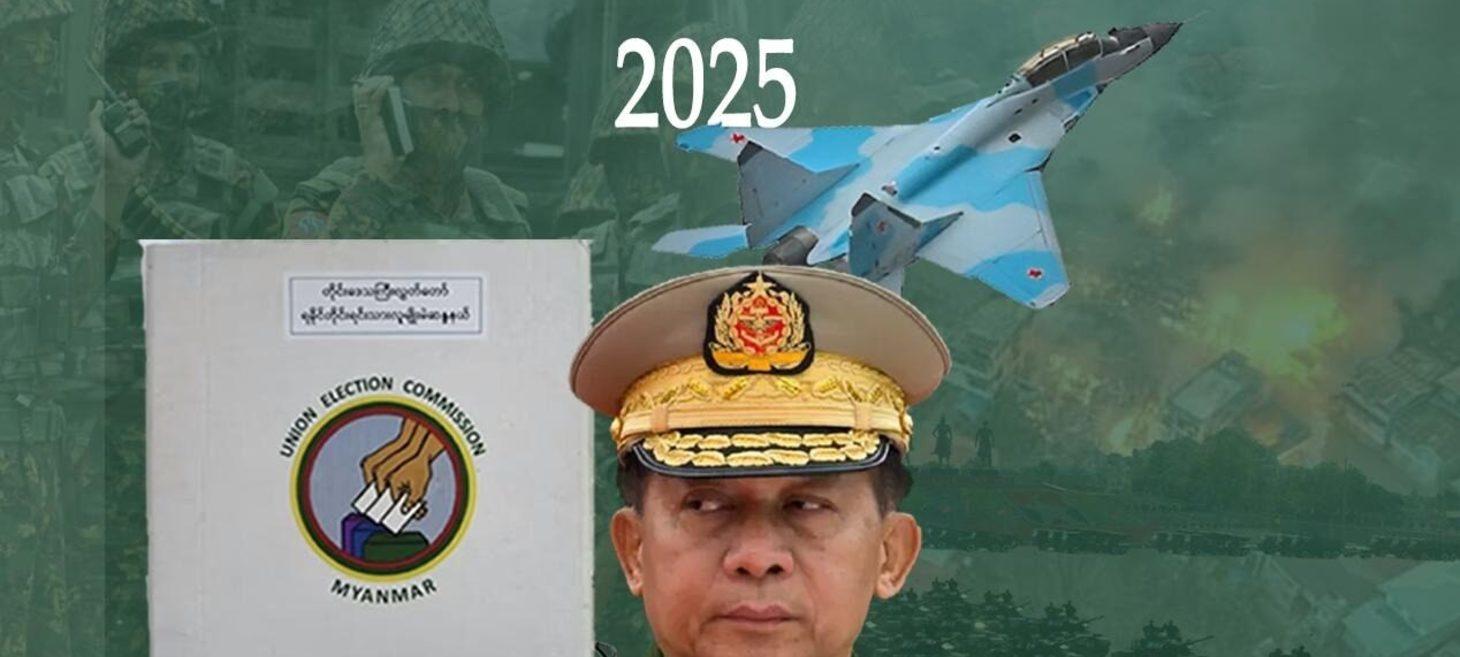
“The Military Regime Will Use Laws and Violence to Oppress the Public”: Election Observer
The military regime in Myanmar has announced a staged, three-phase "sham election" beginning on December 28, 2025, which is planned to involve more than 5,000 candidates from 57 political parties and numerous independents. Despite a survey indicating 96 percent of respondents would not vote, the regime is employing both violence and laws—such as the Cyber Security Law—to oppress the public, exert pressure to force participation, and detain critics, although no direct law punishes people for not voting. Furthermore, the use of electronic voting machines and a data monitoring system, coupled with a lack of transparency regarding the handling of sensitive data, creates immediate security risks and allows the regime to link and monitor public data for long-term intelligence surveillance.
shannews.org
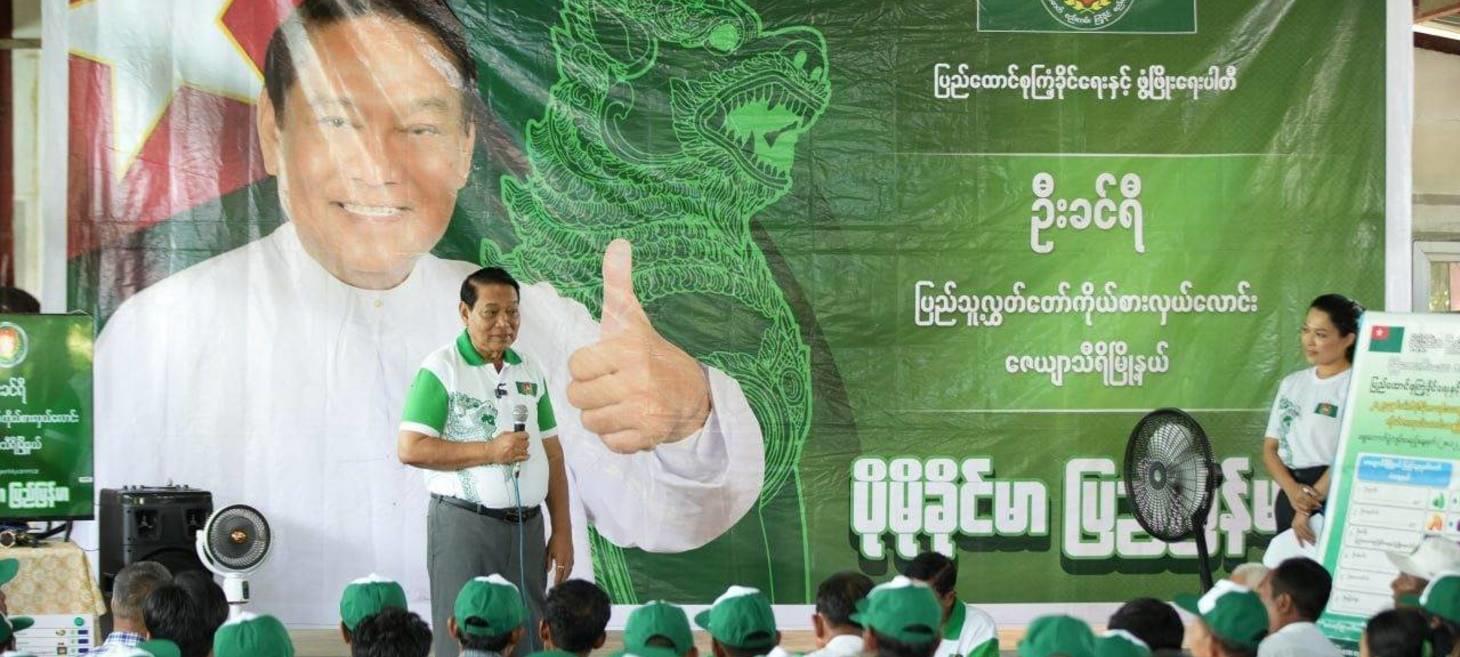
MYANMAR MILITARY’S SHAM ELECTIONS: USDP programmed to win but nationwide armed conflict will definitely continue
The Myanmar military junta, or State Security and Peace Commission (SSPC), is proceeding with planned general elections for December 2025, utilizing the Union Solidarity and Development Party (USDP), which has evolved from a proxy into the military’s own political party, to secure a victory following the disbandment of major opposition groups like the NLD. The junta is employing a multifaceted strategy, including intense military operations, legislative manipulation, and suppression of dissent, in an effort to create an illusion of legitimacy and solidify its power through a controlled exercise in democracy. However, the elections are broadly viewed by the international community and UN officials as a "sham" that is neither free nor fair, with survey findings showing an overwhelming rejection of the electoral process by the Myanmar population, 96% of whom declared they will not vote.
shannews.org
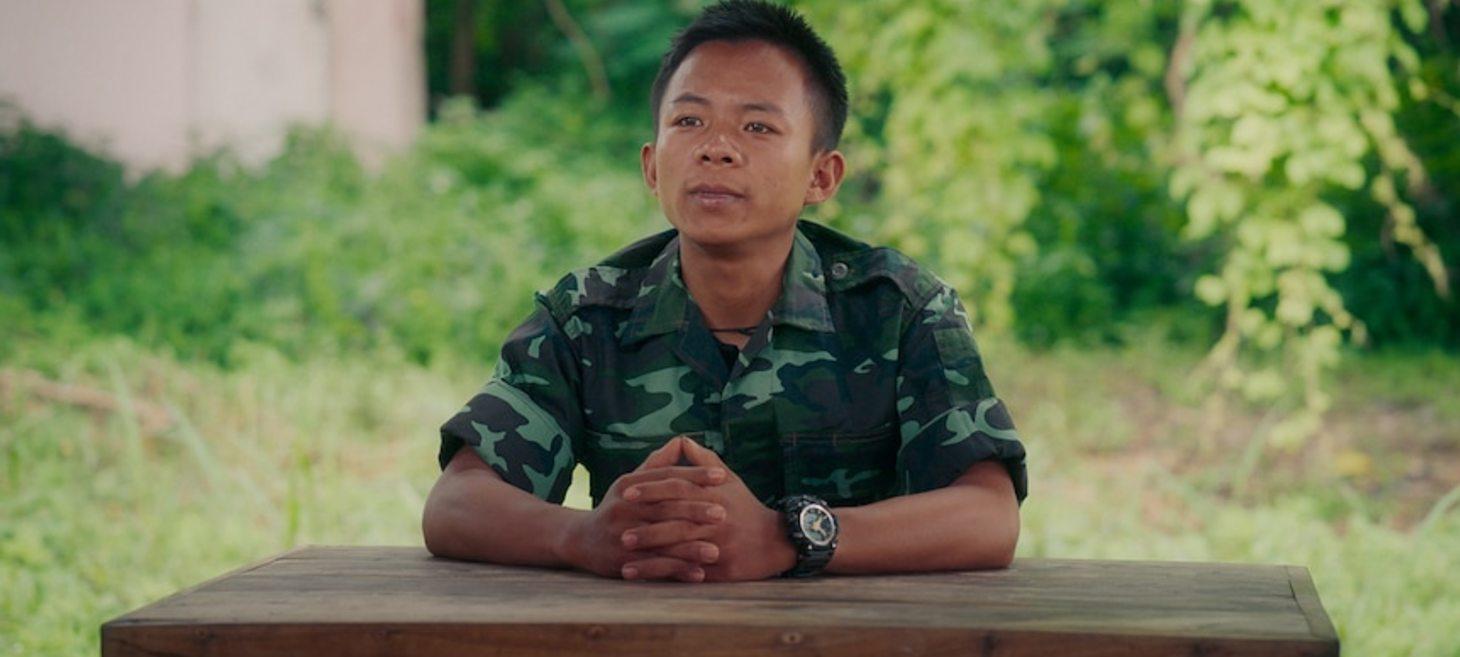
Calls to reject Myanmar's "sham" election as evidence revealed of torture by the Junta
The ABC Radio National program Late Night Live focused on calls to reject Myanmar's forthcoming "sham" election, which is taking place as the military junta continues to rule with brute force after taking over in 2021. A new documentary series by Al Jazeera’s Investigative Unit, featuring guest Fiona Macgregor, revealed horrific measures used by security forces to maintain control, including forced conscription and the operation of interrogation centers where detainees are allegedly tortured to death. These repressive tactics are causing people to flee Myanmar, and simultaneously, the number of soldiers deserting the army is increasing, with many joining the rebel forces.
abc.net.au
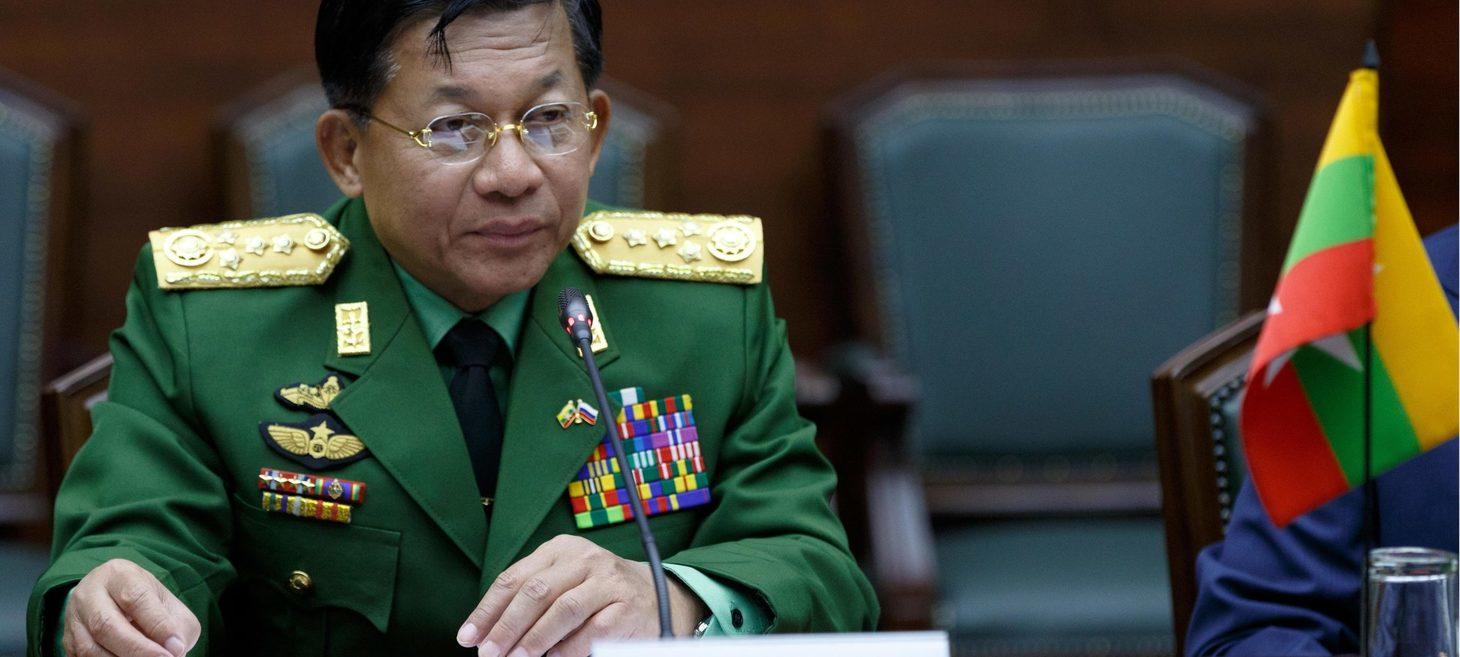
Myanmar Looks To Elections Amidst Civil War
Myanmar is facing a severe civil war following the military coup in 2021, and the upcoming December 28th elections, which the military-backed U.S.D.P. is poised to win, lack credibility because the junta has disbanded major opposition parties like the N.L.D. and limited voting to only 202 of the 330 townships. This continuous conflict has resulted in a dire humanitarian disaster, killing over 75,000 people and displacing millions. At the same time, the military maintains a technological advantage in the fighting through ongoing shipments of weapons from allies such as China and Russia. To encourage de-escalation and potentially force the junta to negotiate or step down, the international community must take concerted action to discourage these arms shipments, thereby diminishing the military’s technological advantage and paving the way for the reestablishment of civilian rule.
theowp.org
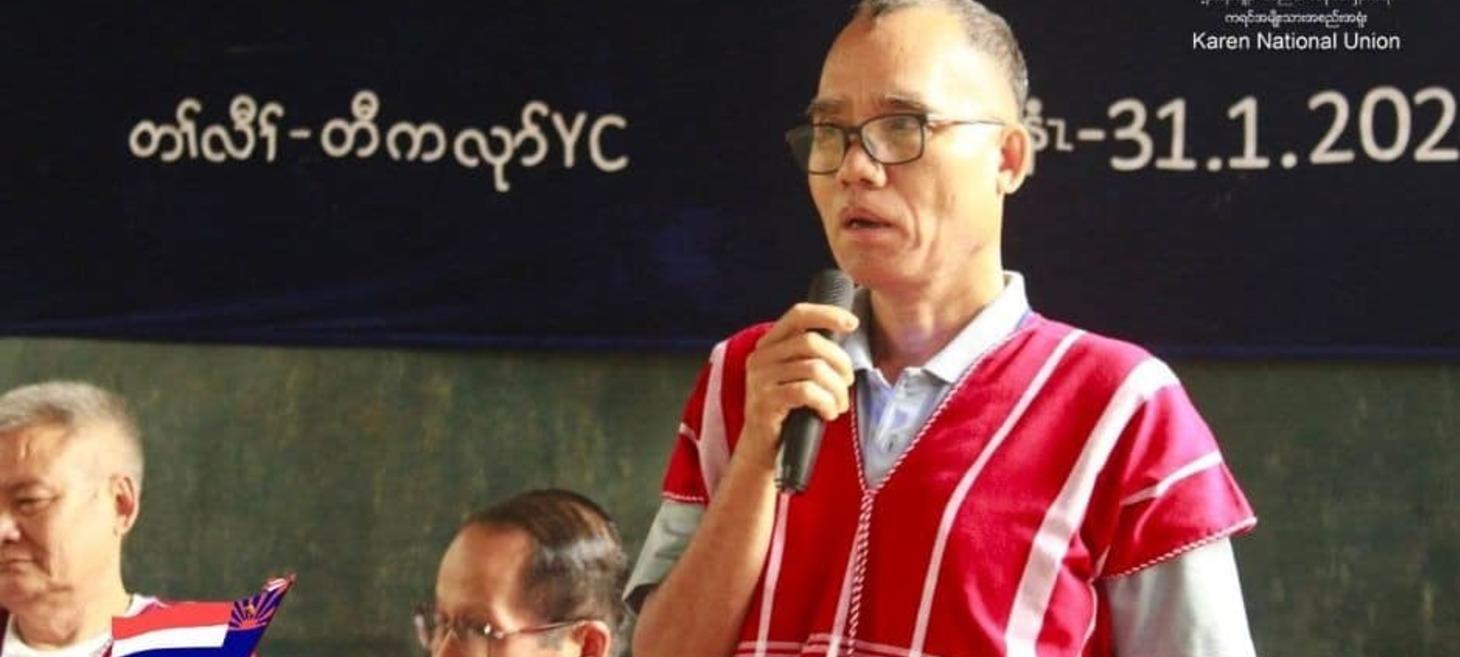
Junta charges Karen leader and other opposition figures under new election laws
The Myanmar junta is using harsh, new election laws to file charges against a wide range of individuals—including opposition figures and civilians—in a widening crackdown designed to criminalize criticism, suppress resistance, and legitimize a vote analysts see as orchestrated to entrench military rule. The targeted individuals include officials from the Karen National Union (KNU), such as Thaton District chairman Padoh Saw Soe Myint and Chair Padoh Saw Kwe Htoo Win, along with resistance members, journalists, activists, and at least five people from the entertainment industry, all arrested for offenses like obstructing the electoral process or spreading misleading content. Specific actions leading to charges include opposing the election, criticizing a junta short film, distributing anti-election materials, and tearing down candidate signboards, demonstrating an effort to intimidate the public into participation.
myanmar-now.org
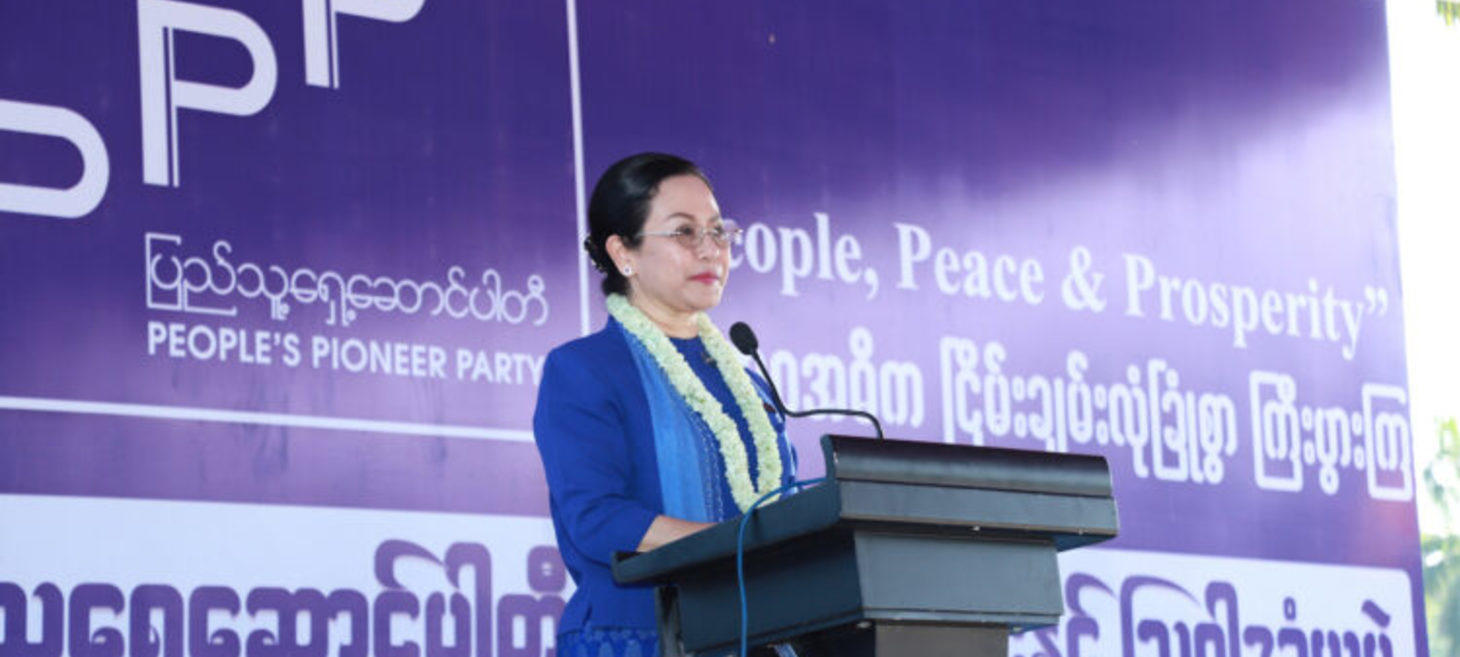
Myanmar Junta Boots PPP Chief Out of Election After Rejecting Appeal
The Myanmar junta’s Union Election Commission (UEC) rejected the appeal of Thet Thet Khine, chair of the People’s Pioneer Party (PPP) and a former junta minister, thereby upholding her disqualification from the upcoming election. She was disqualified under Section 8(d) of the Election Law—which bars candidates with unresolved liabilities to the state or public—because she reportedly owes nearly 100 billion kyats (about $47.6 million) to Kanbawza Bank over a failed Yangon housing project. Analysts suggest this provision, added to the law only after the election schedule was announced and enforced only against her thus far, may indicate the regime is preparing ways to expel candidates it no longer trusts, including Thet Thet Khine, who was purged from the junta administration earlier this year.
irrawaddy.com
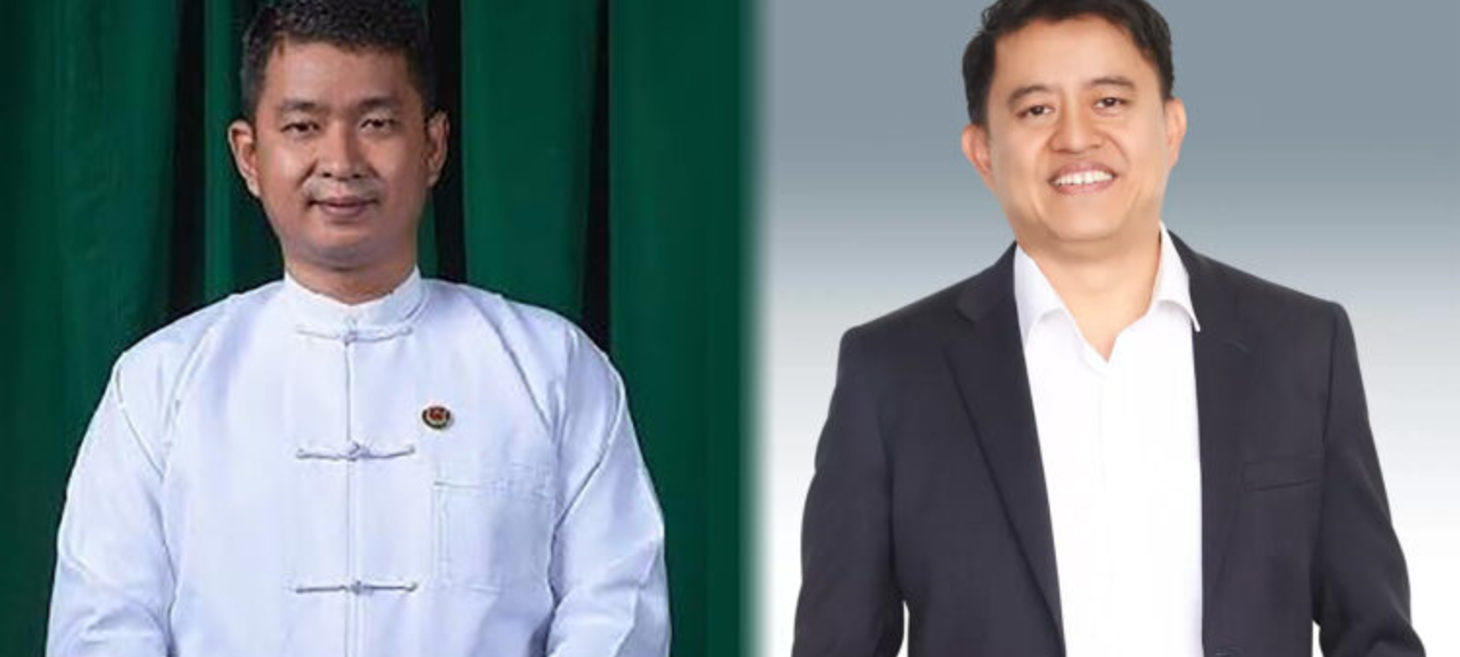
Sons of Two Ex-Generals to Contest Election Under USDP Banner
The sons of two former high-profile figures from the previous quasi-civilian administration, Dr. Htoo Char Aung and Aye Chan, are scheduled to contest the junta’s upcoming election as candidates for the military-proxy Union Solidarity and Development Party (USDP). Aye Chan, the son of ex-admiral Soe Thane, will run for a Lower House seat in Yangon, having previously defended the military's 2021 coup and criticized independent journalists, while Dr. Htoo Char Aung, the son of ex-general Aung Min, will contest a regional parliament seat in Bago Region. The current regime plans to hold this election in phases starting December 28th. Still, anti-regime revolutionary groups, ethnic armed organizations, and Western democratic nations have condemned the process as a sham.
irrawaddy.com
Ethnic Issues
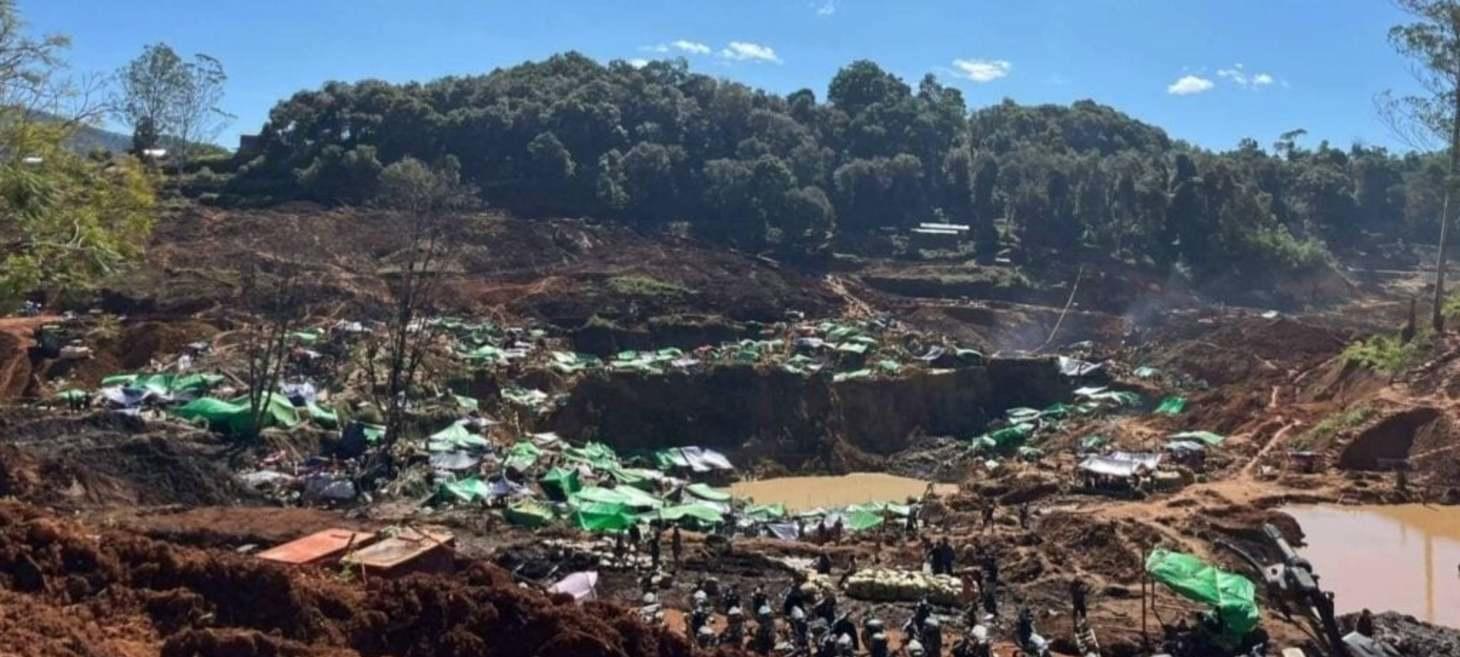
TNLA Allocates Mining Plots to Residents in Mongkut Prior to Withdrawal
The Ta’ang National Liberation Army (TNLA) began allocating gemstone-mining plots to local residents in the Mongkut Golf Course area in early November 2025, just ahead of the group's rumored withdrawal from the town by November 20. This distribution marks a shift from the initial policy implemented after the TNLA seized the town in September 2024, when only major mining operators and companies were granted extraction rights, and now plots are being demarcated for small-scale local miners. While locals are actively digging, they are reportedly required to pay taxes to the TNLA, potentially up to two-thirds of the value of any gemstones found, amidst reports that people have died in mining landslides.
shannews.org
Foreign Affairs
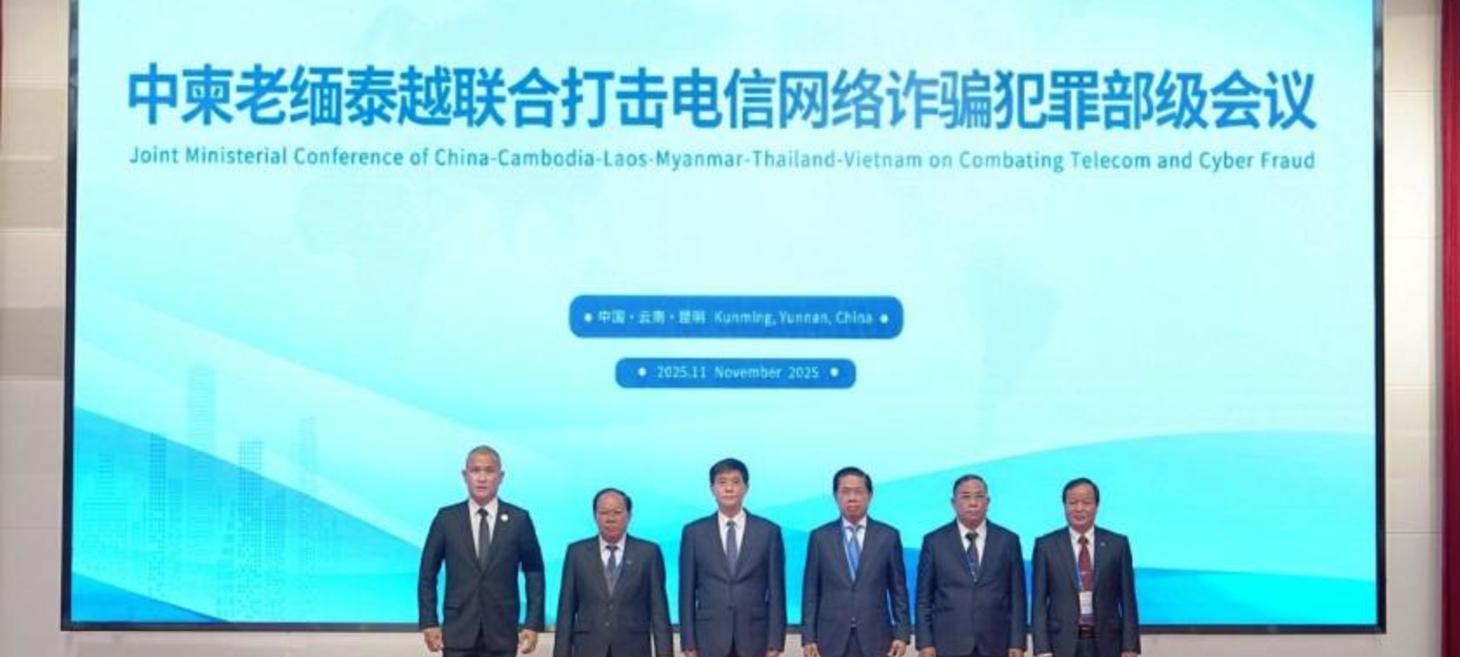
China, Myanmar, Thailand, Cambodia, Laos and Vietnam hold first ministerial meeting on joint efforts to combat online fraud
China, Myanmar, Thailand, Cambodia, Laos, and Vietnam held their first ministerial-level meeting on November 14 in Kunming, China, to coordinate efforts against online fraud. The meeting, chaired by China’s Assistant Minister for Public Security, Mr. Liu Zhongyi, focused on three key areas: jointly establishing an international alliance, increasing and eliminating the deportation of online fraud sites, and jointly controlling key online fraud sites. Participating countries, such as Myanmar, committed to stepping up regional cooperation and resolutely dismantling fraud networks, while observers from the UN Office on Drugs and Crime (UNODC), INTERPOL’s Singapore Regional Office, and the Lancang–Mekong Law Enforcement and Security Cooperation Centre (LMLECC) were also in attendance.
elevenmyanmar.com
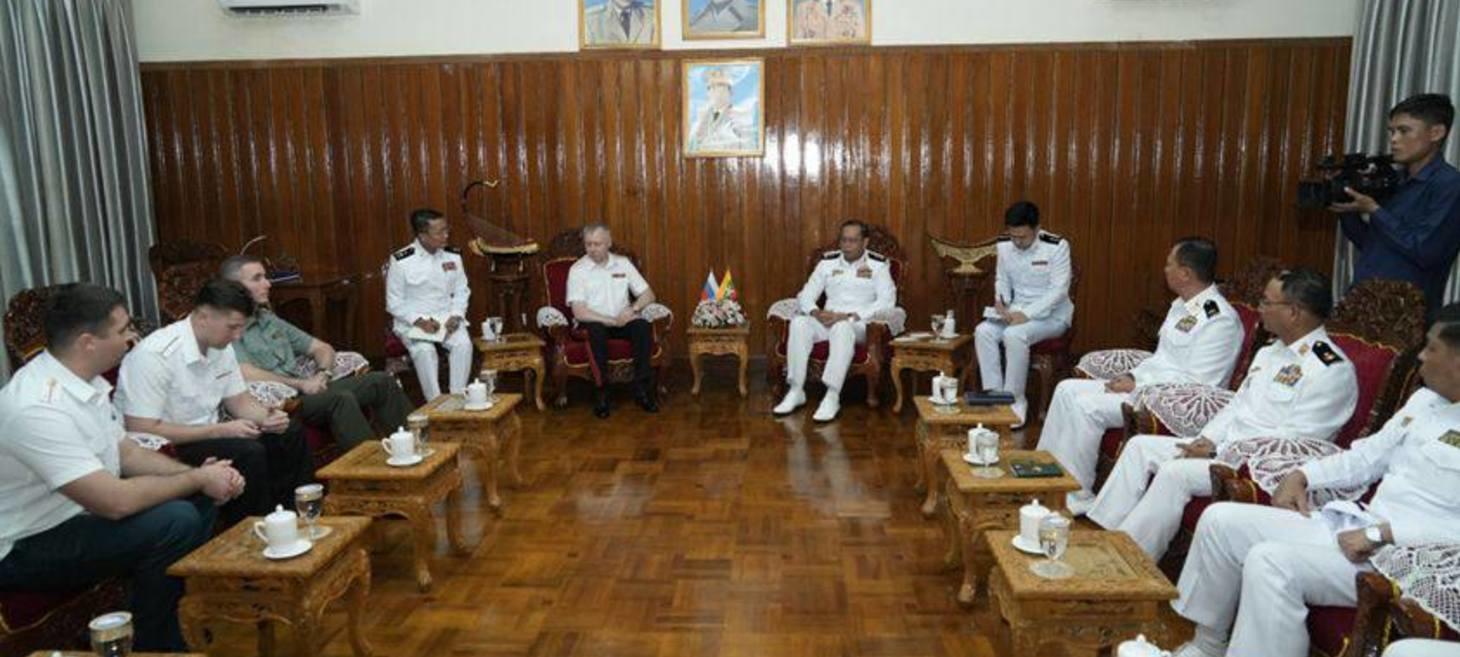
Myanmar, Russia warships reportedly hold joint maritime security exercises at sea
Myanmar and Russian warships conducted their third joint practical maritime security exercises at sea and a goodwill visit in November 2025, involving three warships from the Russian Pacific Fleet and vessels from the Tatmadaw (Navy). During the visit, high-ranking officers, including Vice Admiral Aleksei Anatolievich Kilashko and Vice Admiral Aye Min Htwe, discussed issues like mutual relations, warship visits, maritime security information exchange, and training, and held an opening ceremony attended by military attachés from numerous Asian nations. The activities, which spanned from the arrival of the Russian ships on November 10 until their departure on November 14, also included friendly sports matches, cultural visits in Yangon, and a port-based exercise component.
elevenmyanmar.com
Telecommunications

Elon Musk's Starlink, used by Myanmar scam centres, sees decline in usage: Report | World News
Elon Musk's Starlink became Myanmar's most popular internet service provider on June 26, 2025, reaching a peak this summer where up to 14 percent of the country's internet users connected using the service, before dropping to fourth place by November 9. Starlink's usage has plummeted since the end of September, falling to less than seven percent by November 10, following revelations from an AFP investigation concerning the use of its receivers at Myanmar scam centers controlled by Chinese criminal groups and militias. Following the investigation, Starlink's parent company SpaceX announced it had deactivated more than 2,500 internet receivers "in the vicinity of suspected 'scam centres'" in Myanmar, coinciding with an ongoing US Congressional investigation into the company's role since late July.
hindustantimes.com