Introduction & Analysis
This collection of open-source English-language news articles published over the past week highlights significant events and issues concerning Myanmar. They present a snapshot of the country's safety and security landscape.
- International efforts against cybercrime focused on Myanmar's borderlands, involving the extradition of Chinese gambling kingpin She Zhijiang from Thailand and China's death sentencing of high-profile Kokang cyber scam leaders, yet raids on scam hubs like KK Park are often viewed by experts as choreographed "PR stunts" by the military junta designed to alleviate external pressure without truly stopping the profitable illicit operations.
- The conflict in Myanmar features severe human rights abuses, including the military's intensified campaign against Christian and other minority religious communities, which has resulted in the destruction of over 220 churches and the killing of at least 85 clerics, alongside ongoing indiscriminate violence against civilians by regime forces, forced recruitment or financial extortion by militias, and fatalities caused by uncleared unexploded ordnance in conflict-affected areas.
- The Myanmar military regime is insisting that its planned election will proceed starting late December despite international rejection and internal condemnation of the vote as a "sham", with the USDP launching campaigns in areas like Mandalay while users in major cities report unusually slow internet speeds, leading to accusations that authorities are deliberately throttling connections to suppress communication ahead of the poll.
- The country is simultaneously grappling with geopolitical and economic strains, including a steep 40 percent US tariff that is crippling Myanmar’s garment sector and leading to factory closures, while the Arakan Army (AA) remains the only member of the Three Brotherhood Alliance sticking to armed struggle and expanding its military and political influence beyond Rakhine State, amidst accusations that China's extensive involvement in frontier mineral extraction is the primary driver of arsenic contamination in border rivers, shifting blame away from local ethnic armed organizations.

Conflict
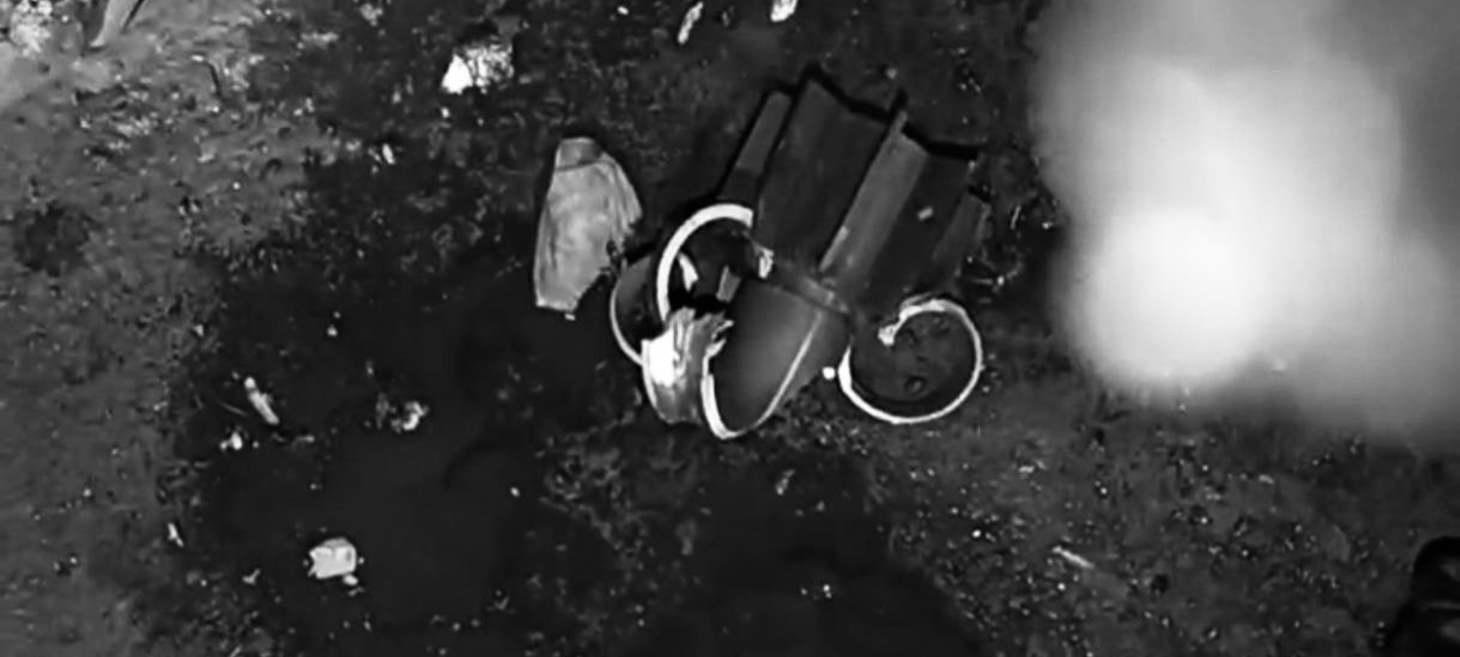
Two Men Killed While Extracting Gunpowder from an Unexploded Shell in Kutkai
Two middle-aged men in Namphakka village, Kutkai Township, Northern Shan State, were killed instantly around 5:30 p.m. on November 2, 2025, when a $\textbf{60 mm unexploded heavy-weapon shell detonated}$ as they attempted to smash it open to extract the gunpowder. One of the men who died was a soldier from a local defense force affiliated with the Kachin Independence Army (KIA), and he had brought the shell to the house in Ward 5 where the explosion occurred. This tragedy is part of a recurring pattern in Northern Shan State, stemming from uncleared unexploded ordnance (UXO) in areas like Kutkai where clearance remains incomplete following operations like “Operation 1027,” combined with severe job scarcity that drives some locals to dangerously scavenge and sell military remnants.
shannews.org
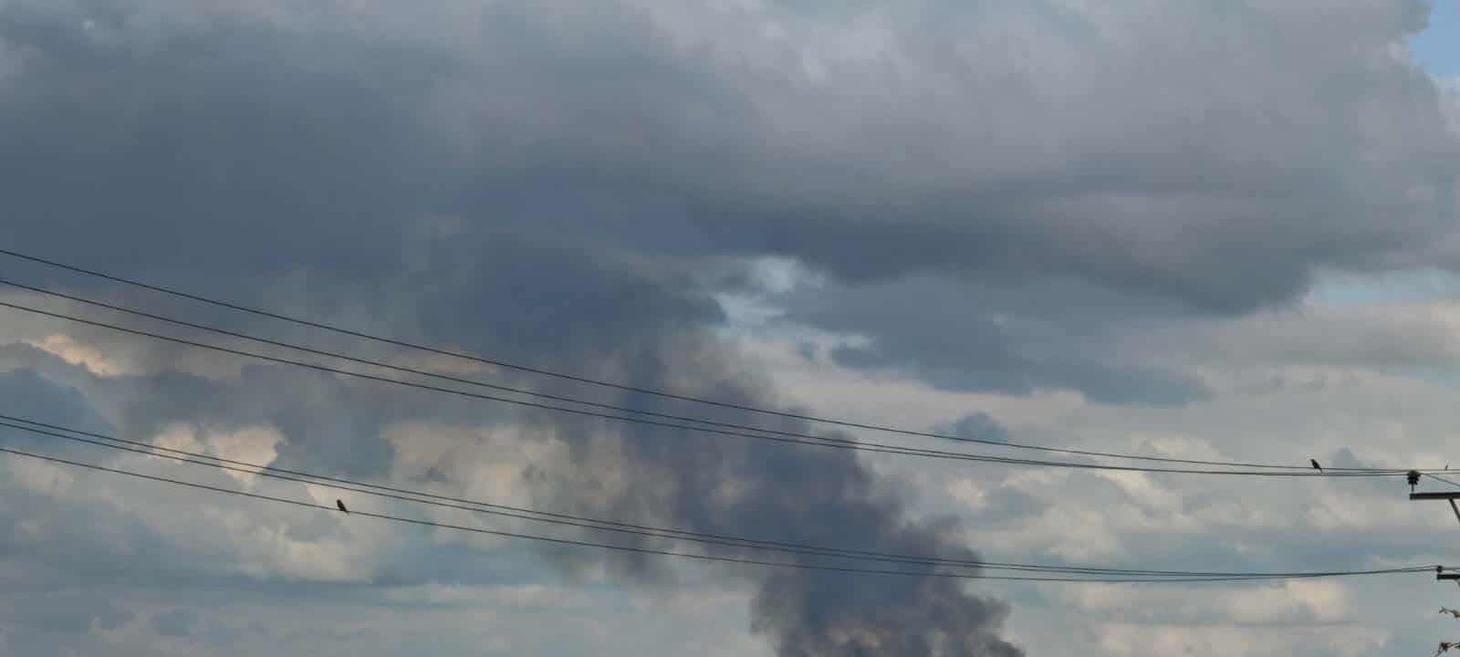
Civilian shot dead by junta troops in Wetlet Township
A civilian farmer was shot dead by regime troops in Sagaing Region’s Wetlet Township while irrigating his field early Wednesday morning, an incident that occurred as reinforcement columns advanced through the area. The advancing junta columns, which have established strongholds along the Shwebo-Mandalay road, have also been reported to raid villages, set them on fire, and take residents captive or force them to act as guides. These ongoing military operations, part of a broader strategy to expand junta control over key routes and regions, have resulted in the displacement of many villagers in southern Wetlet Township, creating an urgent need for humanitarian aid, including food, medicine, and shelter.
myanmar-now.org
Crime & Narcotics

Murder Case Involving PPP Candidate Raises Doubts Over Junta Sham Election
**People’s Pioneer Party (PPP) parliamentary candidate Sai Shwe Htee and his son, Sai Kyaw Soe Moe, were arrested in Taunggyi Township on November 5 for allegedly beating their neighbor, Sai Tun Sar, to death and now face charges of homicide and abetment of homicide. Although military-run media reported the killing occurred during the Tazaungdaing festival over a purported attempt to steal a chicken, local residents claimed the pair attacked the victim—who was an old friend of the son—after shouting "Thief! Thief!" as he returned home. Because the arrest occurred after the submission deadline, Sai Shwe Htee's candidacy for the Shan State parliament is forfeited, and this incident has amplified public fear and criticism regarding the credibility of the military regime’s planned December elections.
shannews.org
Cybersecurity & Cybercrime
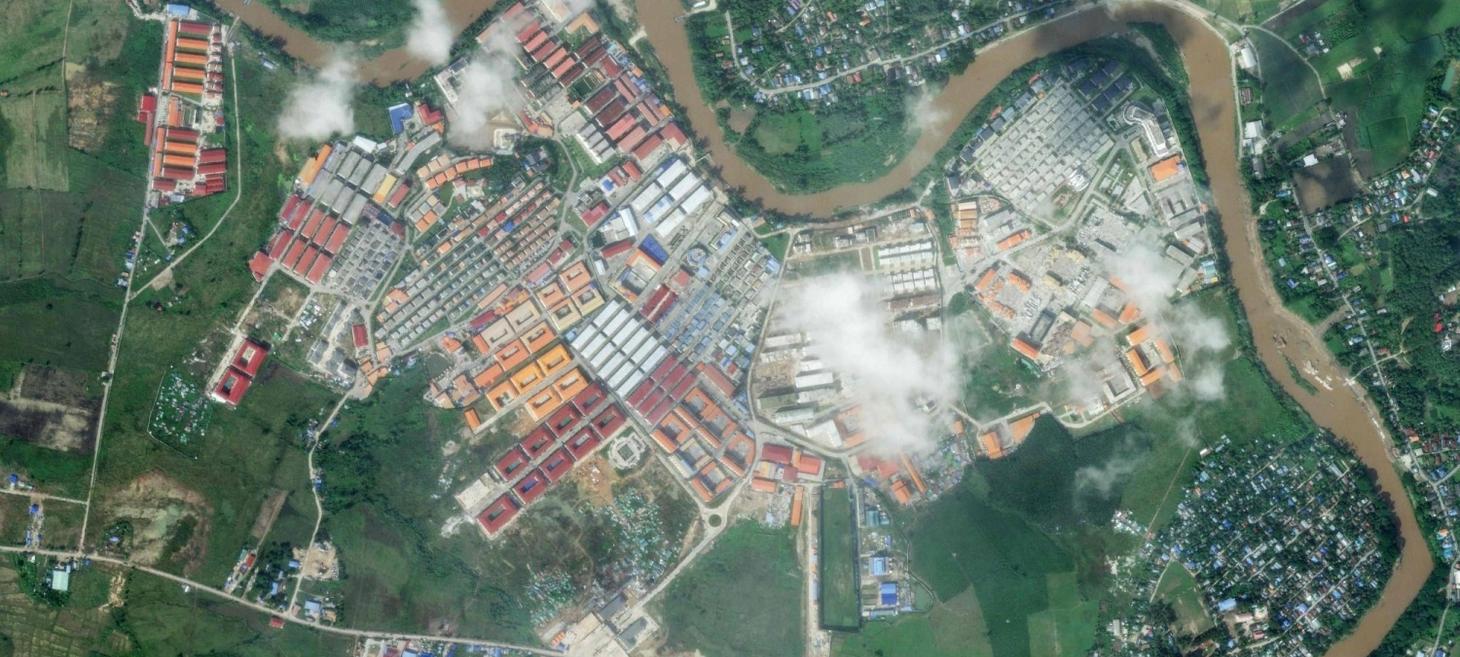
Images show Myanmar scam hub largely standing despite crackdown
Despite a declared military crackdown and state newspaper claims that all buildings were being demolished at Myanmar’s major scam compound, KK Park, satellite images taken up to Sunday revealed that most of the complex’s buildings were still standing. Analysis of the imagery showed recent damage to about 100 buildings—including 22 destroyed—which amounted to only about a quarter of the complex, with no destruction apparent in the extensively developed central section. Experts suggest the limited military raids were a "PR stunt" designed to create the illusion of meaningful action while preserving the hugely profitable illicit industry, leading to the conclusion that claims of dismantling scam syndicates are entirely false.
japantimes.co.jp
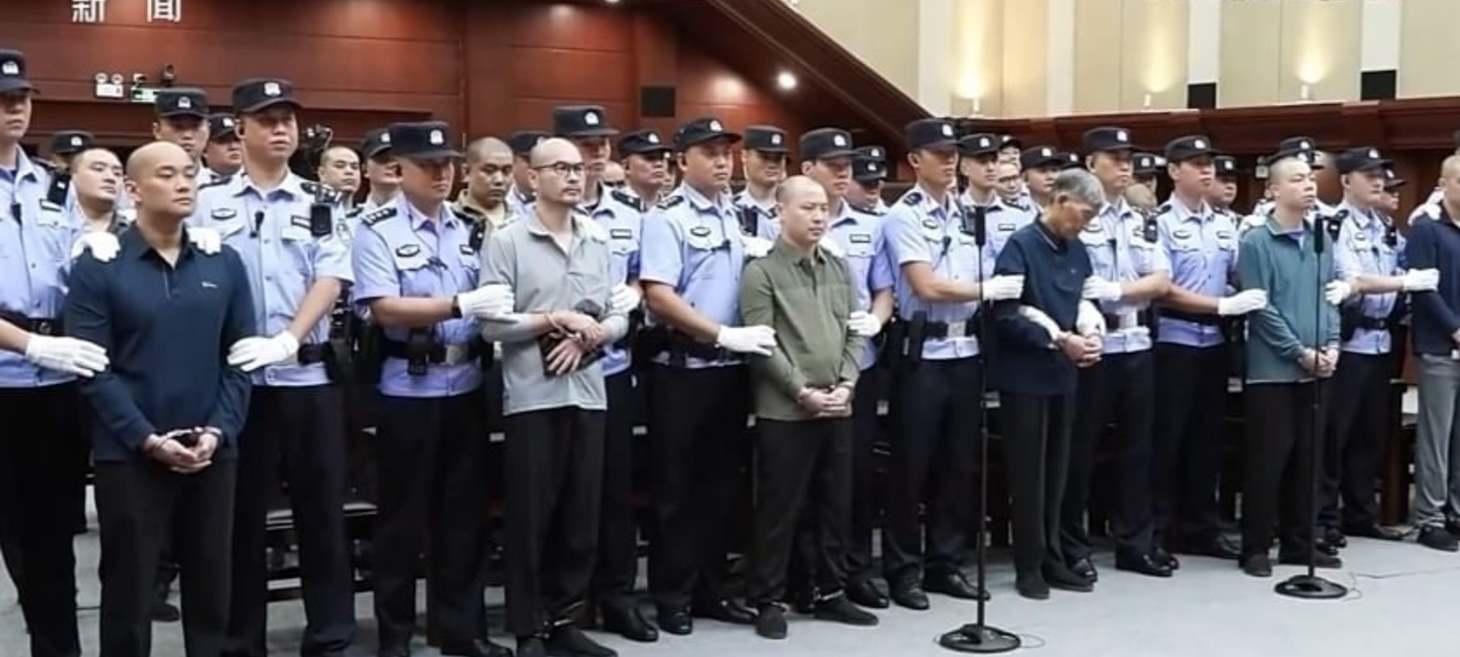
China Sentences Kokang Leaders to Death Over Cyber Scam Crimes
The Shenzhen Municipal Court in China handed down severe punishments, including multiple death sentences, to former Kokang leaders, such as U Bai Suocheng and his son Bai Yingcang, for operating a massive online cyber scam network in northern Shan State. The Bai family-led criminal enterprise used political influence to dominate Kokang and protect 41 cyber scam compounds, facilitating 12 major crimes, including organized fraud, human trafficking, kidnapping, and intentional homicide, which led to losses exceeding 29 billion yuan (USD 4.1 billion) across over 30,000 online fraud cases. These sentences, which also included death penalties with reprieves, life imprisonment, and long prison terms for other defendants, followed the handover of the key figures by the Myanmar junta and occurred amid military campaigns targeting cross-border cyber scam syndicates associated with politically allied clans.
shannews.org
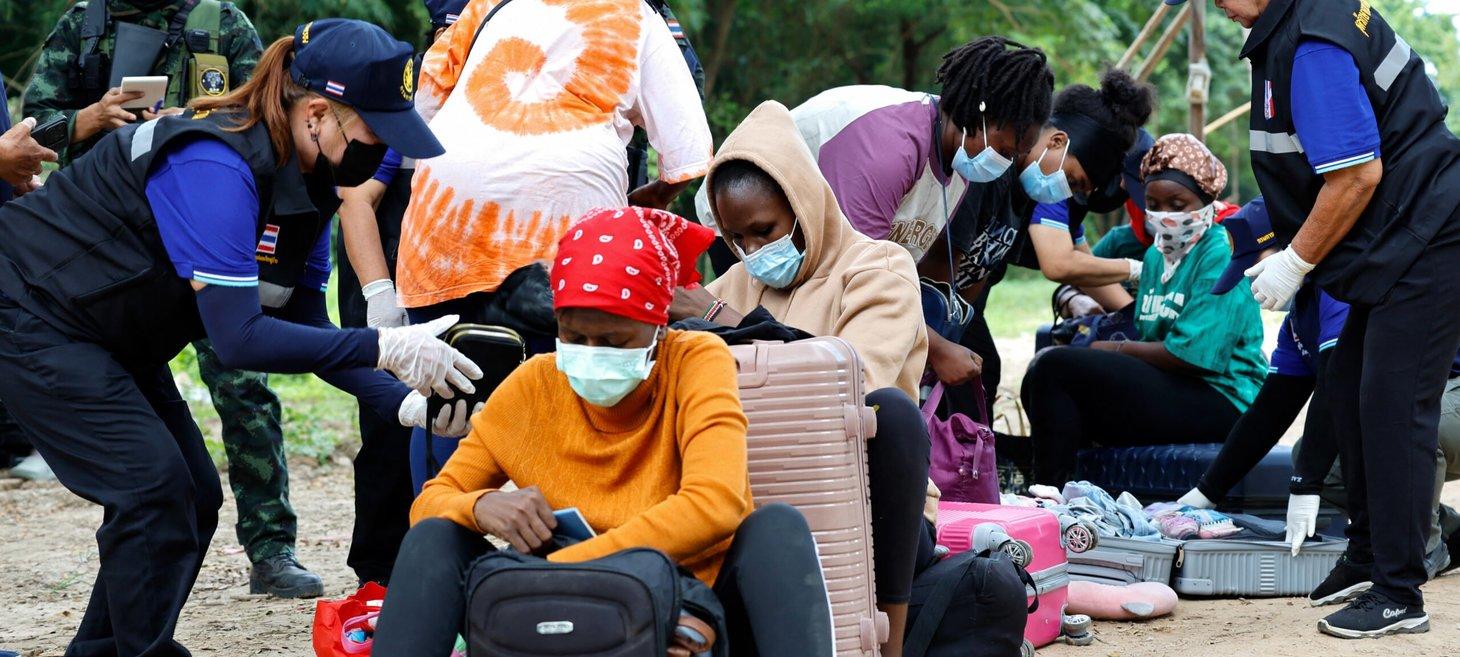
PR ploy: Junta scam centre raid changes little
The Myanmar military conducted a high-profile raid on the KK Park cyber fraud compound in October 2025, arresting thousands and seizing equipment; however, analysts overwhelmingly viewed this operation as a "staged spectacle" and a "PR-oriented" move intended to deflect mounting international criticism regarding the regime's inability or unwillingness to address the significant cybercrime problem. Despite the raid and the subsequent demolition of buildings, experts believe the impact is piecemeal because the profitable scam industry is continuing uninterrupted elsewhere in Myawaddy, with criminal syndicates adapting to crackdowns and potentially drawing the military into new illicit revenue streams through deeper involvement in the centers. Workers, many of whom were forced into online fraud or chose the job due to the inability to find comparable work amidst the country's political instability and civil war, often receive high pay (over 17,000 baht a month) for 16-hour shifts under strict quotas, reflecting the desperation driving participation in Myawaddy’s criminal hub.
frontiermyanmar.net
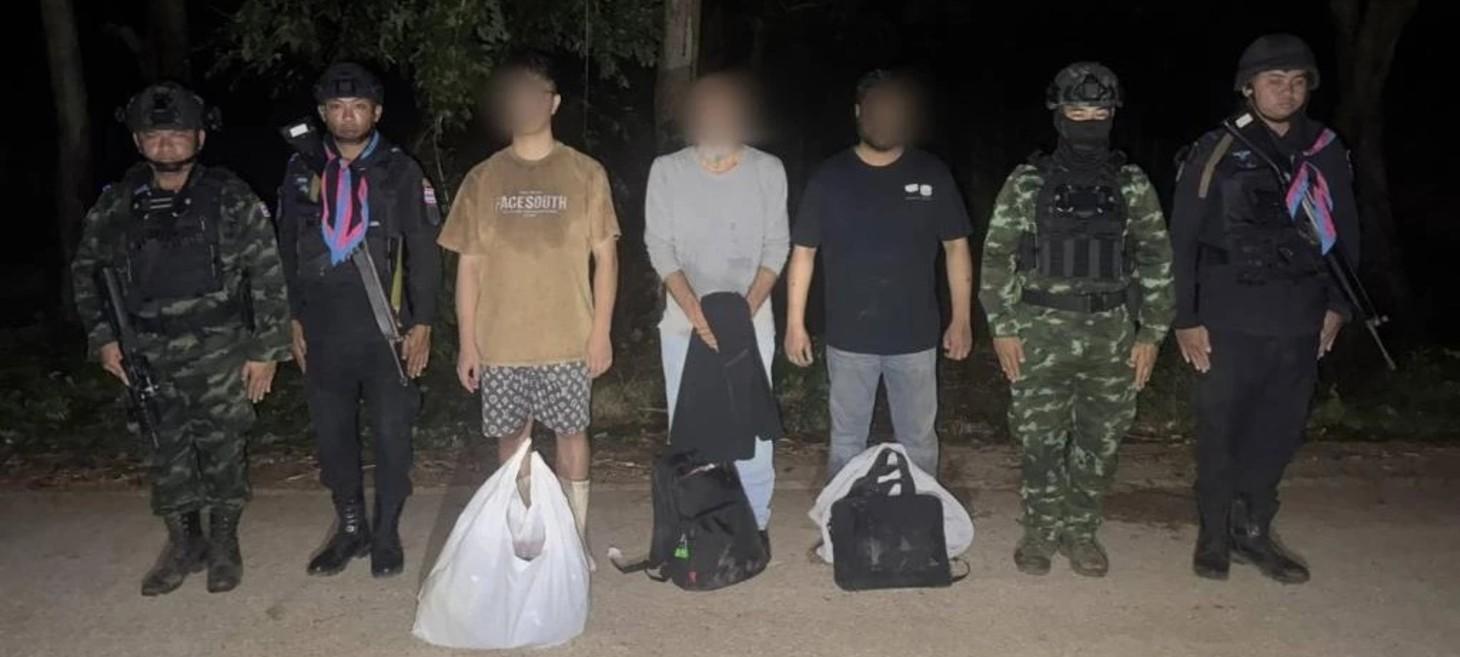
Thai Police Bust Three Foreigners Smuggling 1,000 SIM Cards for Scam Network in Myanmar
Thai border authorities arrested three foreign nationals—a Chinese national, an American, and an Indian—on November 9, 2025, after they illegally crossed from Poipet, Cambodia, into Thailand without travel documents. During questioning, officers discovered around 1,000 mobile SIM cards in the Chinese suspect's luggage; he admitted he was smuggling them for a Chinese boss in Myawaddy, Myanmar, a location known as a hub for scam operations. Although the investigation is ongoing, authorities believe the SIM cards were destined for a transnational cybercrime network that uses Thailand as a transit point for scam-related communication tools.
laotiantimes.com
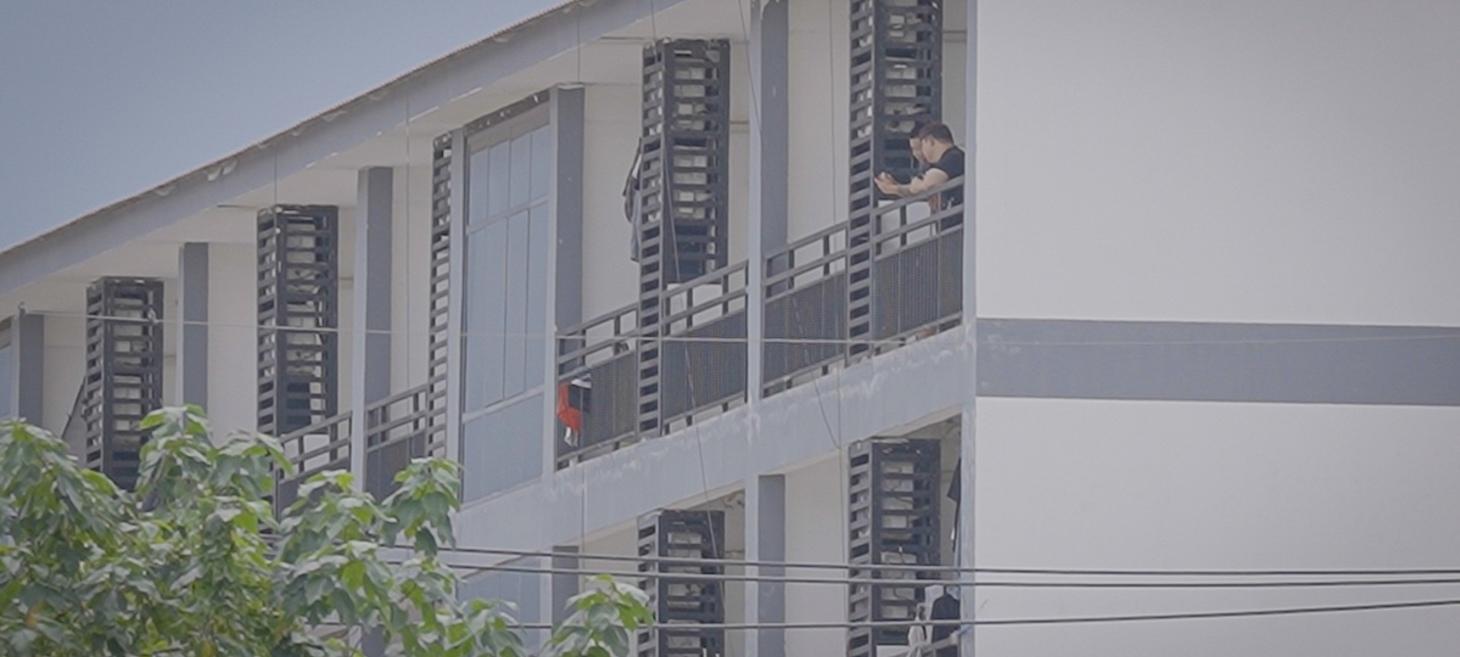
Myanmar junta says demolishing 150 scam hub buildings
**Myanmar’s military junta is currently demolishing nearly 150 buildings, including a four-floor hospital and a two-story karaoke complex, as part of a highly publicized crackdown on notorious, multi-billion dollar internet scam compounds like KK Park operating in war-torn border regions. These sprawling fraud factories—often furnished with luxury amenities and staffed by both trafficked and willing workers targeting unsuspecting internet users—have prompted significant international pressure, especially from key backer China, whose citizens are often targeted. Analysts suggest the highly visible raids are likely limited and choreographed efforts designed to alleviate international demands without severely eroding the substantial profits that enrich the militias the junta relies on as key allies in the ongoing civil war.
myanmar-now.org

India repatriates 197 Indians who fled to Thailand from Myanmar scam centre
India successfully repatriated a second batch of 197 nationals from Thailand on Monday using two special flights operated by the Indian Air Force. These individuals had fled the notorious KK Park cybercrime hub in Myawaddy, Myanmar, where they were allegedly forced to work in transnational cyber scams, and were detained in the Thai border town of Mae Sot for violating Thai immigration laws by entering the country illegally. The repatriation effort was facilitated by the Indian embassy and coordinated with Thai authorities, who reaffirmed their shared commitment to combating transnational crimes such as cyber scams and human trafficking in the region.
economictimes.com

Thailand to extradite gambling kingpin She Zhijiang to China
A Thai court of appeal has upheld the extradition order against Chinese gambling kingpin She Zhijiang, concluding a legal battle lasting over three years since his arrest in August 2022. She will be extradited to China to stand trial for operating illegal casinos and is accused of founding and running 239 gambling websites with circulating capital of over 12.63 trillion baht. Thai government agencies have 90 days to coordinate his extradition, though She continues to deny any wrongdoing, stating his case is politically motivated.
bangkokpost.com
Economy

Tariffs pushing Myanmar's RMG sector to the brink?
Myanmar’s garment industry is reeling due to a steep 40 per cent tariff imposed by the US, which has made its exports far less competitive than those from countries like Bangladesh, Cambodia, and Indonesia, triggering a sharp decline in US orders. This new tariff acts as a hammer blow, compounding existing difficulties such as political instability, sanctions, poor infrastructure, limited financing, and growing international condemnation over labor rights and corporate governance, with Europe also moving to exclude Myanmar-made products. Consequently, the resulting notable reduction in fresh orders is forcing factories to downsize, lay off thousands of workers—predominantly women—and shutter operations entirely, making Myanmar’s path back to economic recovery increasingly difficult.
fibre2fashion.com
Elections
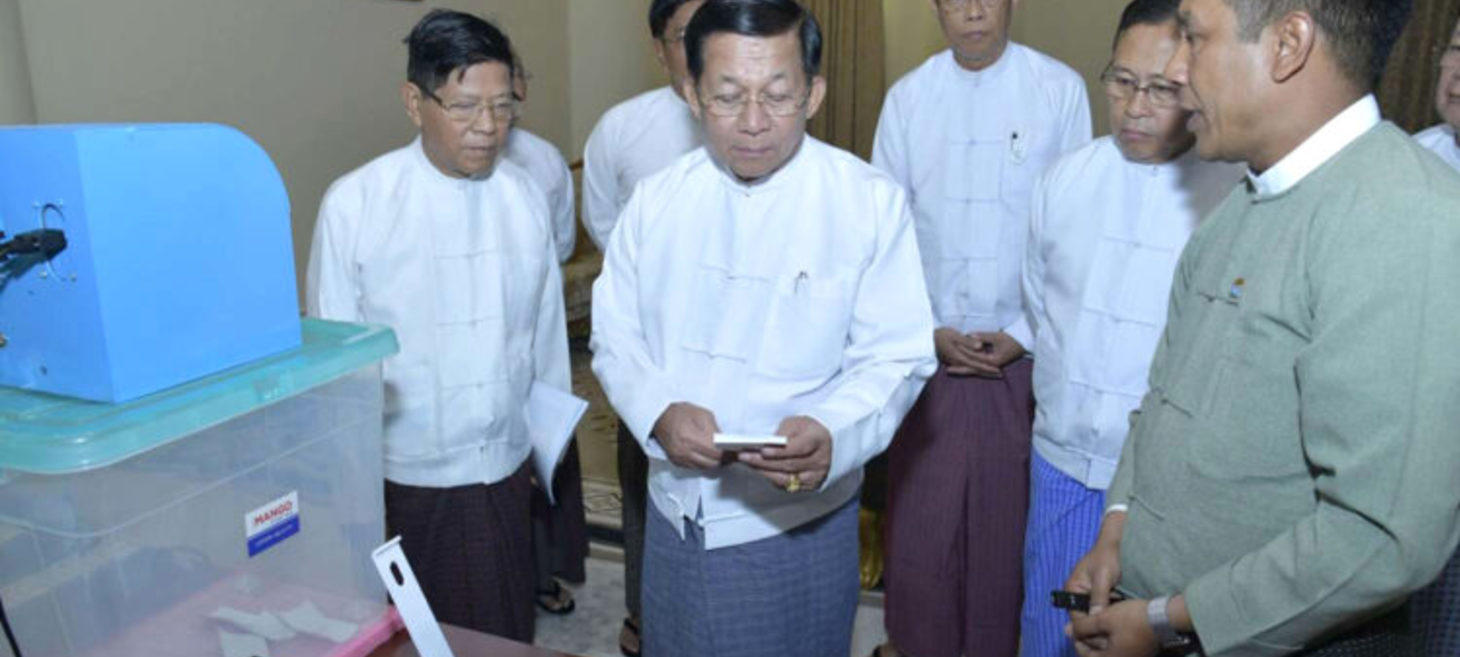
Myanmar Junta Insists Election to Go Ahead Despite International Rejection
The Myanmar military regime insists on proceeding with its planned election despite growing international rejection and widespread condemnation of the vote as a sham, citing the imprisonment of democratically elected leaders and the exclusion of major parties. The junta, through a spokesman, declared that the poll is an internal matter and that foreign interference would not derail their plans, even though a recent survey found 98 percent of Myanmar citizens have no trust in the election and 96 percent said they would not vote. Furthermore, the regime has dissolved rival political parties and arrested citizens criticizing the poll, a strategy analysts believe is designed to purge rivals of the junta’s proxy, the Union Solidarity and Development Party (USDP), which is currently dominating the candidate registrations.
irrawaddy.com

Myanmar election: Exiled activist warns of junta's 'sham' vote
Myanmar's military leaders are planning to hold a general election starting late December, which they claim is a required step toward returning to civilian rule following the 2021 coup. Exiled pro-democracy activist Khin Ohmar, however, strongly views this vote as a "sham election" intended only to help the military "change into civilian uniform" and gain global legitimacy, especially given that most participating political parties have close ties to the junta. Khin Ohmar highlights ongoing repression—such as the arrest of dozens of people for indirect commentary—and urges the international community, including Japan, to renounce the results and side with Myanmar's pro-democracy movement to prevent escalating violence and human tragedy.
nhk.or.jp
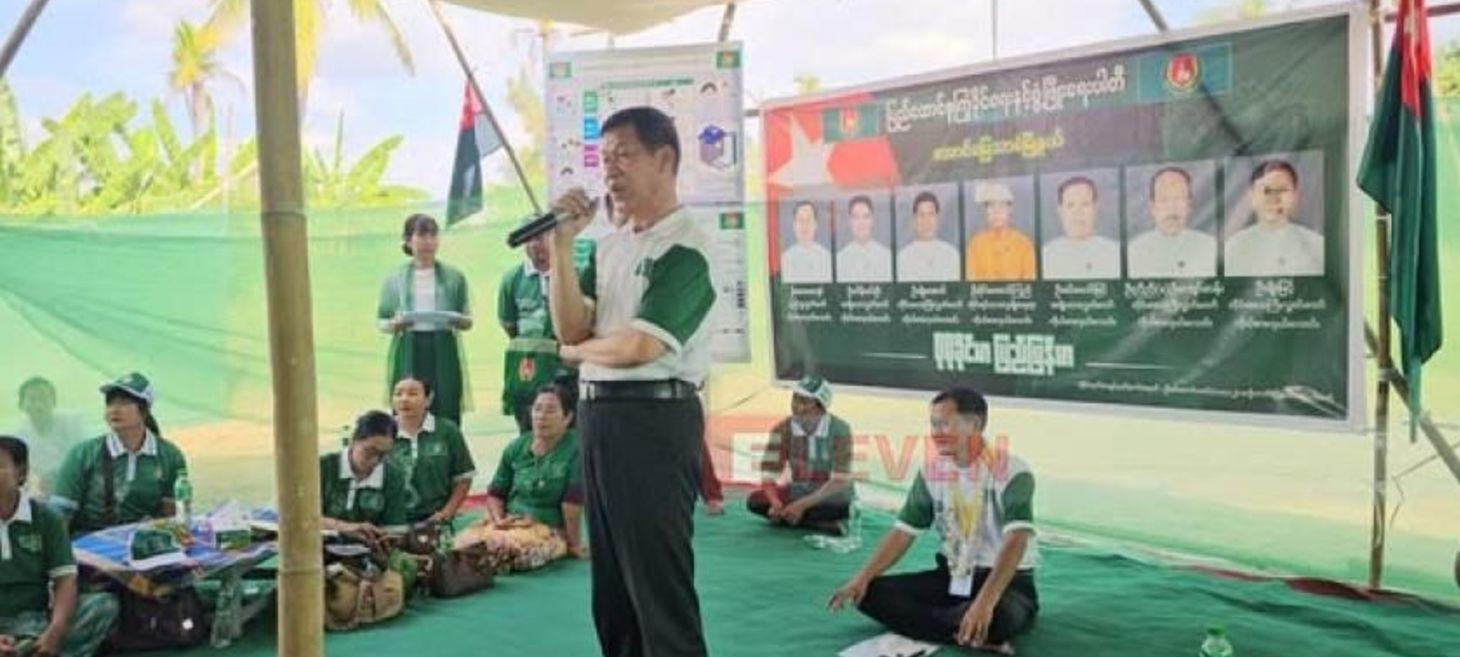
USDP candidates launch Myanmar election campaign in Mandalay
The Union Solidarity and Development Party (USDP) candidates, including former Major General (retired) Teza Kyaw and Mandalay Region Chief Minister U Myo Aung, launched their election campaign rally in Mandalay Region's Aungmyaythazan Township on Sunday (Nov 10). Former Major General Teza Kyaw is running for the Pyithu Hluttaw (lower house) and U Myo Aung is contesting for the Region Hluttaw; they, along with U Khin Maung Myint and U Myo Myint, met with local residents to introduce the party’s policies, platform, and planned pledges. During the campaign, Chief Minister U Myo Aung promised voters that he and his team would continue to meet and listen to problems after the election, assuring the public that he would prove his commitment to Mandalay through action rather than just making grand promises.
thestar.com.my
Ethnic Issues
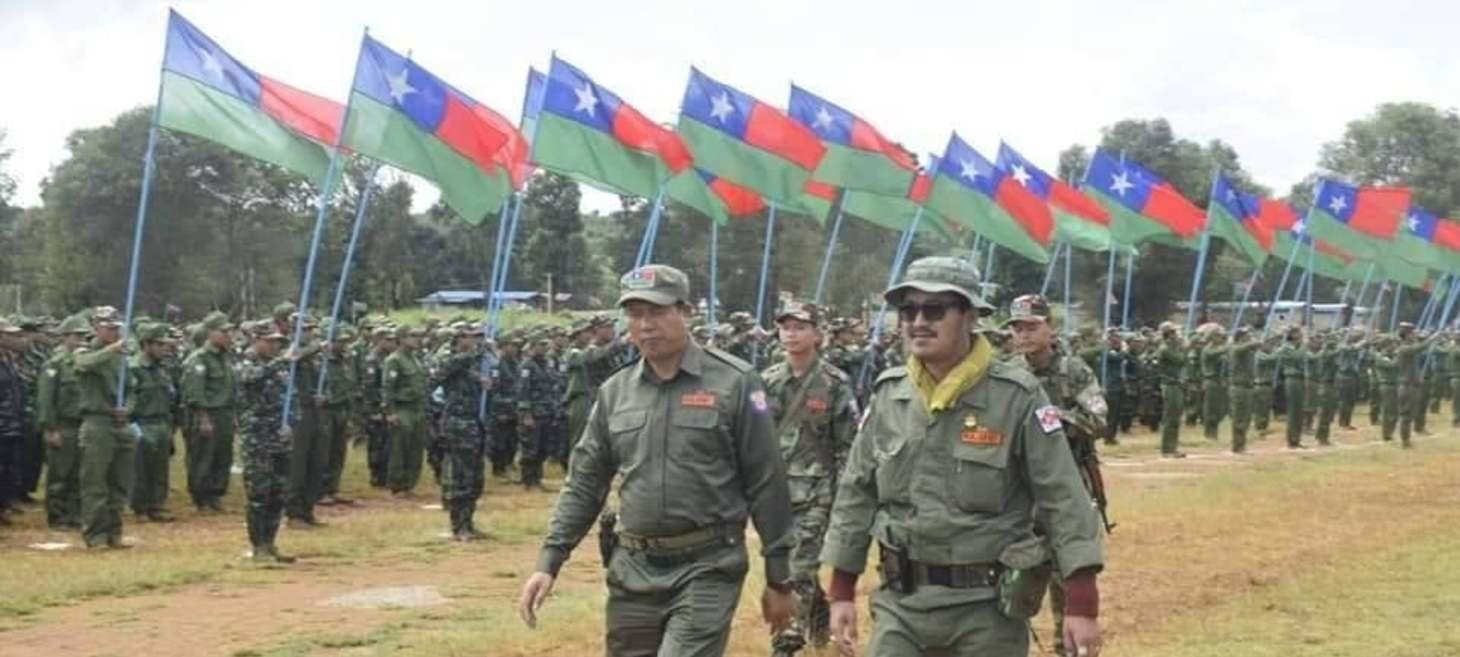
Militia Demands Cash or Military Service, Inle Residents Tell SHAN
The Pa-O National Organization (PNO) militia is accused by residents of the Inle region in southern Shan State of demanding monthly payments of 500,000 Kyats, while those unable to pay are allegedly forced to join the militia and serve on the frontline. Additional reports detail that PNO troops have also compelled villagers to deliver food supplies, confiscated local motorboats for military use, and were allegedly involved in an incident where Ko Aung Myo Win was detained and later died after his family was asked to pay 10 million Kyats for his release. In response to these claims of extortion and forced recruitment, Major Khun San Aung of the PNO strongly denied the allegations, stating that people join the militia voluntarily out of awareness to defend their region and that the organization is not collecting any money.
shannews.org

THE TALE OF THREE BROTHERHOOD ALLIANCE: Two gave up the struggle while AA sticks to its gun
The analysis centers on the divergence within the Three Brotherhood Alliance (3BHA), concluding that the Arakan Army (AA) is the only organization currently "sticking to its gun" against the military regime, following the reports that the Myanmar National Democratic Alliance Army (MNDAA) and the Ta’ang National Liberation Army (TNLA) bowed to Chinese pressure for a ceasefire. Although TNLA General Secretary Tah Phone Kyaw insisted that unity and armed struggle are essential to overthrow Min Aung Hlaing, the TNLA agreed to a Chinese-mediated ceasefire in October 2025, exchanging the withdrawal of troops from Mogok and Mongmit for a cessation of military air and ground attacks in their controlled areas. The AA has solidified its position as one of the most powerful ethnic armed organizations (EAOs) in Myanmar, controlling nearly all of Rakhine state, and has expanded its military and political reach into neighboring regions like Ayeyawaddy, Bago, and Magwe during 2025 as it works toward its long-term goal of the "Arakan Dream".
shannews.org
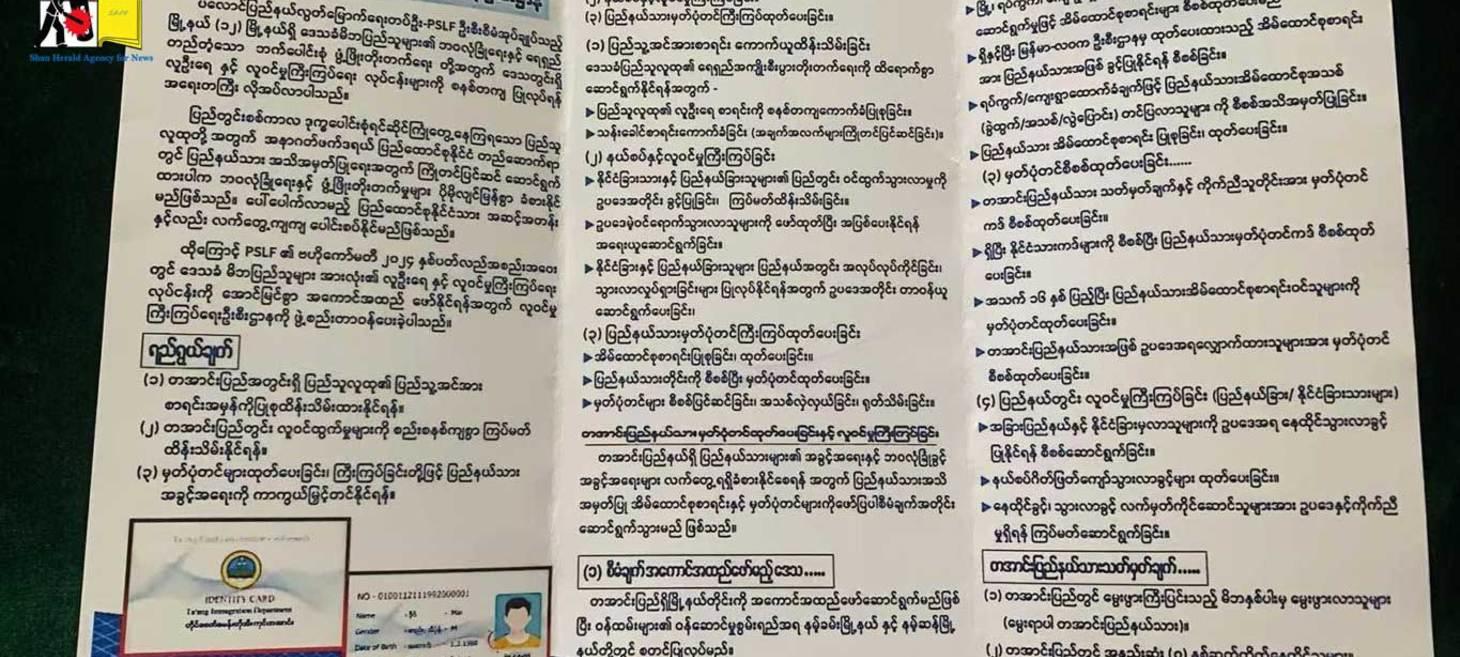
TNLA Warns Unregistered Residents Will Be Blocked at Namkham Checkpoints
The Ta’ang National Liberation Army (TNLA), which controls Namkham Town in northern Shan State, has warned that residents must register and obtain identification cards, conducting household censuses since late October 2025 and threatening to block unregistered individuals from passing through their checkpoints. This registration process contributes to residents' financial burdens, requiring fees for the census (10,000 MMK per household) and identification cards, and also mandates that Chinese citizens acquire temporary residence cards to travel freely in TNLA-controlled areas. Although the TNLA stated the reform determines population, monitors movement, and promotes civil rights, residents are concerned about travel restrictions, particularly those commuting to the Chinese side of the border, and fear they risk arrest and extortion by junta forces if found carrying these cards outside TNLA-controlled territory.
shannews.org
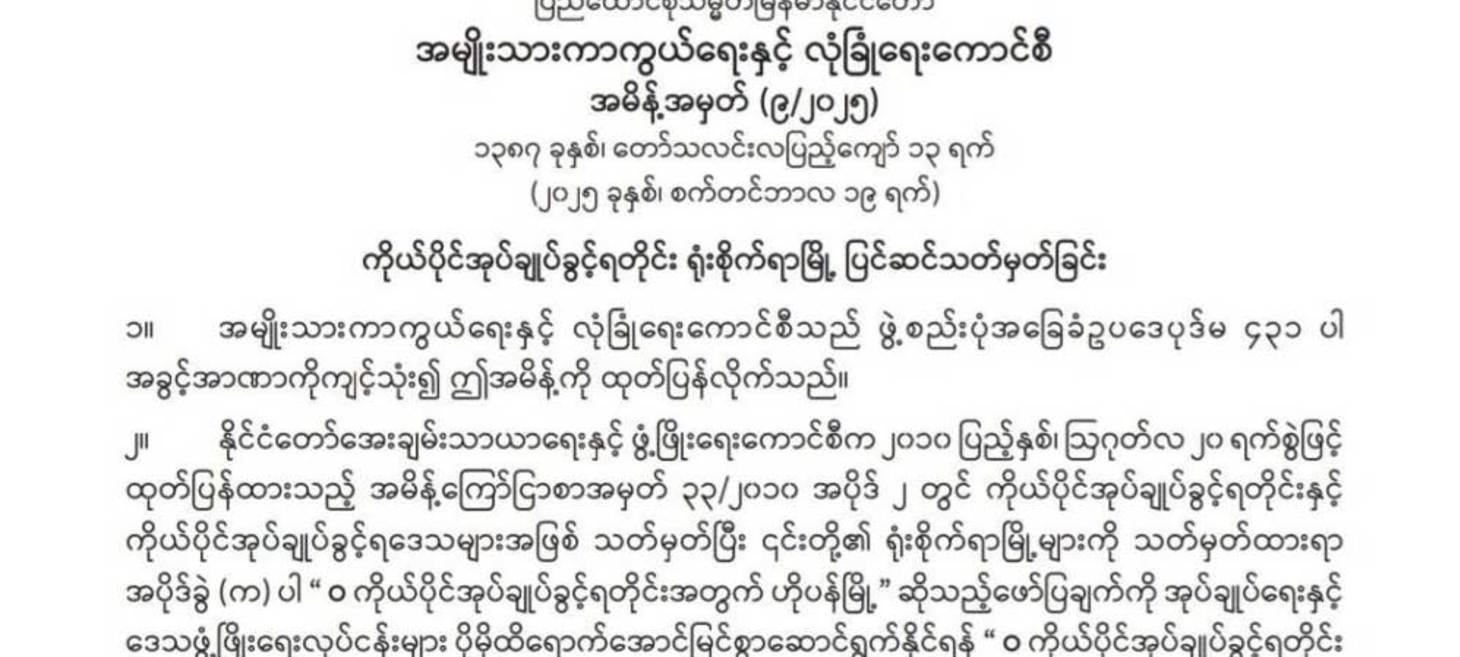
Junta Shifts Wa Administrative Capital from Hopang to Matman
The military regime officially designated Matman as the new principal town for the “Wa” region in Shan State, replacing Hopang, a decision formalized under Order No. (9/2025) on September 19 and signed on October 31, 2025, to carry out administrative and regional development activities more effectively. This principal town relocation followed significant territorial gains by the United Wa State Army (UWSA), which took control of Hopang and Pan Lon in early January 2024, subsequently reorganizing the area as Hopang District and introducing its own administrative system. The “Wa” region is officially recognized as the Wa Self-Administered Division, comprising six townships, and the Union Election Commission announced that the Wa National Party (WNP) submitted a single, unopposed candidate for the military-organized 2025 election in the area.
shannews.org

TNLA Bans Starlink Internet in Namtu Township, Confiscates Devices and Detains Users
The Ta’ang (Palaung) National Liberation Army (TNLA) has imposed a ban on Starlink internet in Namtu Township, northern Shan State, inspecting villages and wards since mid-October to confiscate devices and detain users. This restriction was put in place despite Starlink serving as the only means of communication with the outside world for residents, who have been without access to traditional phone networks, fixed internet, or electricity for over a year, and the TNLA previously ordered the dismantling of devices citing concerns that the signal could lead to aerial attacks by the military junta. As a result of the ban, TNLA troops are detaining individuals, including a man over 60 years old and a Civil Disobedience Movement (CDM) education staff member, and seizing their phones, which they reportedly stated would be returned only "when the country gets better".
shannews.org
General News
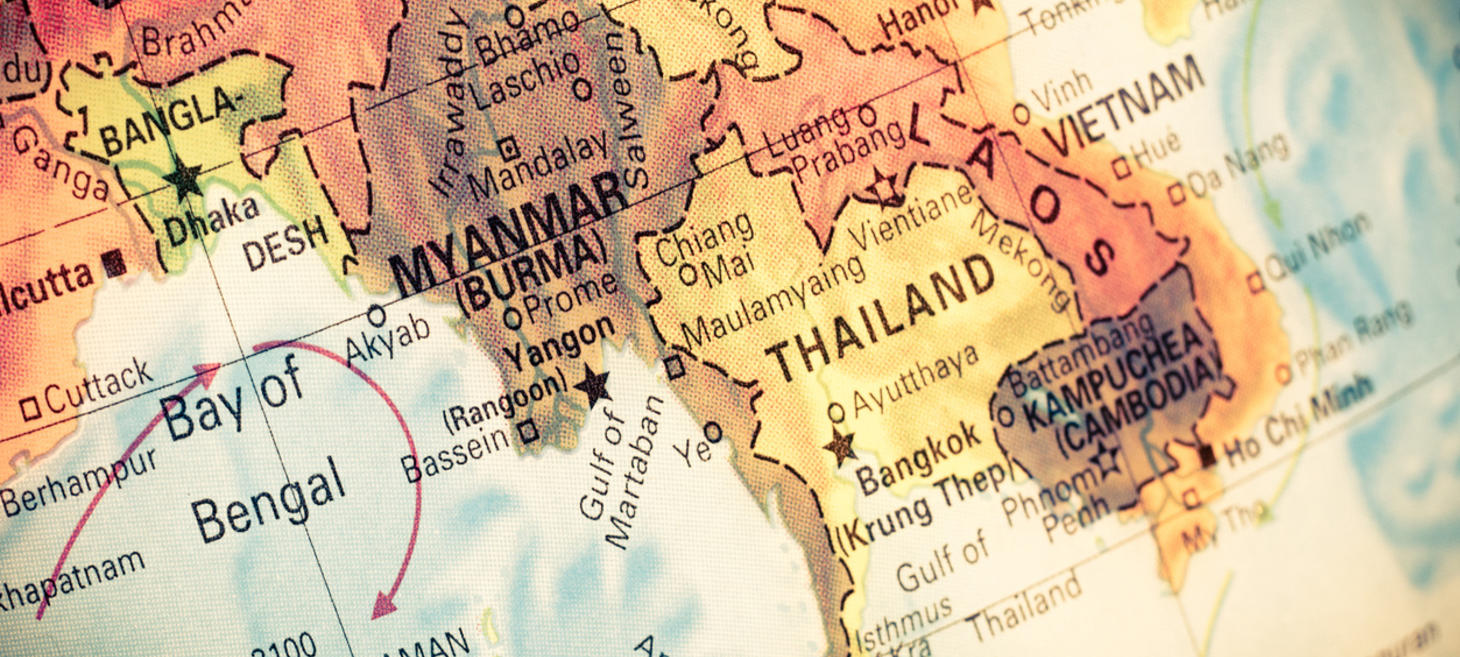
Christians in Myanmar face worsening persecution as churches destroyed and clergy targeted
Christian Solidarity Worldwide (CSW) reports that since the February 2021 coup, Myanmar's military has intensified its campaign against Christian and other minority religious communities, resulting in the deliberate destruction of over 220 churches and the deaths of at least 85 clerics, primarily through shelling and airstrikes. This persecution involves a "scorched-earth" strategy in Christian-majority Chin State, the use of a February 2024 conscription law to forcibly recruit Rohingya Muslims as human shields, and discriminatory administrative orders that restrict the rebuilding of damaged churches and mosques. CSW is urgently calling for international action, including applying targeted sanctions on the supply of jet fuel to the military, ending all indiscriminate airstrikes on civilian targets, and supporting international accountability mechanisms to investigate these assaults as potential war crimes and crimes against humanity.
christiantoday.com
Government Media Sources
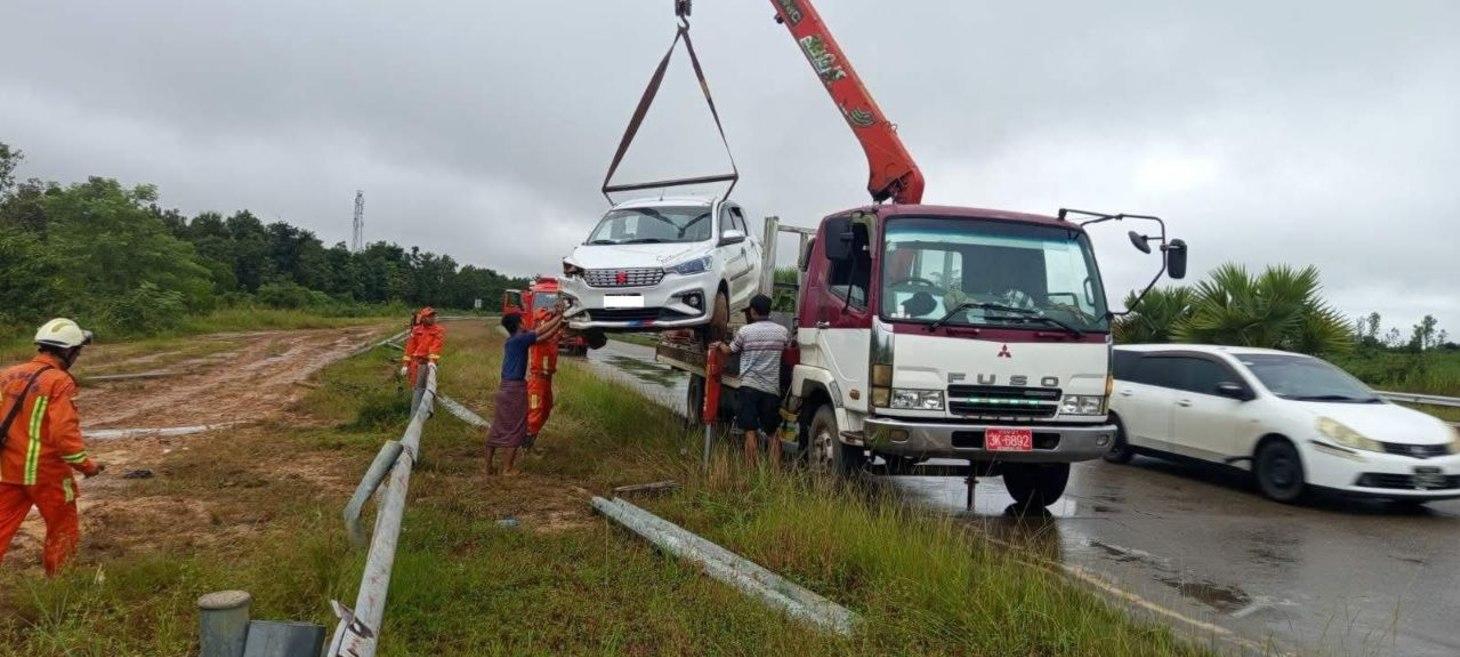
One dead as a private car crashes into guardrail on Yangon-Mandalay Expressway
A fatal crash occurred on the Yangon-Mandalay Expressway at 06:55 on November 10, 2025, when a white SUZUKI ERTIGA carrying six passengers, including three males, two females, and one male child, crashed into a roadside guard rail between mile markers (101/7) and (102/0) after its front tire burst, resulting in the death of the male child passenger. Fire service personnel from the 115 Mile Station conducted search and rescue operations, transporting the deceased child to Pyu Public Hospital, on the 587-kilometre-long expressway that connects Yangon, the economic capital, and Mandalay, the second-largest city. This incident occurred in the context of recent statistics showing that, despite 123 traffic accidents, 38 deaths, and 252 injuries recorded on the expressway between January and August 2025, the number of accidents and fatalities has decreased compared to the 128 accidents and 63 fatalities reported during the same period in the previous year.
gnlm.com.mm
National Unity Government
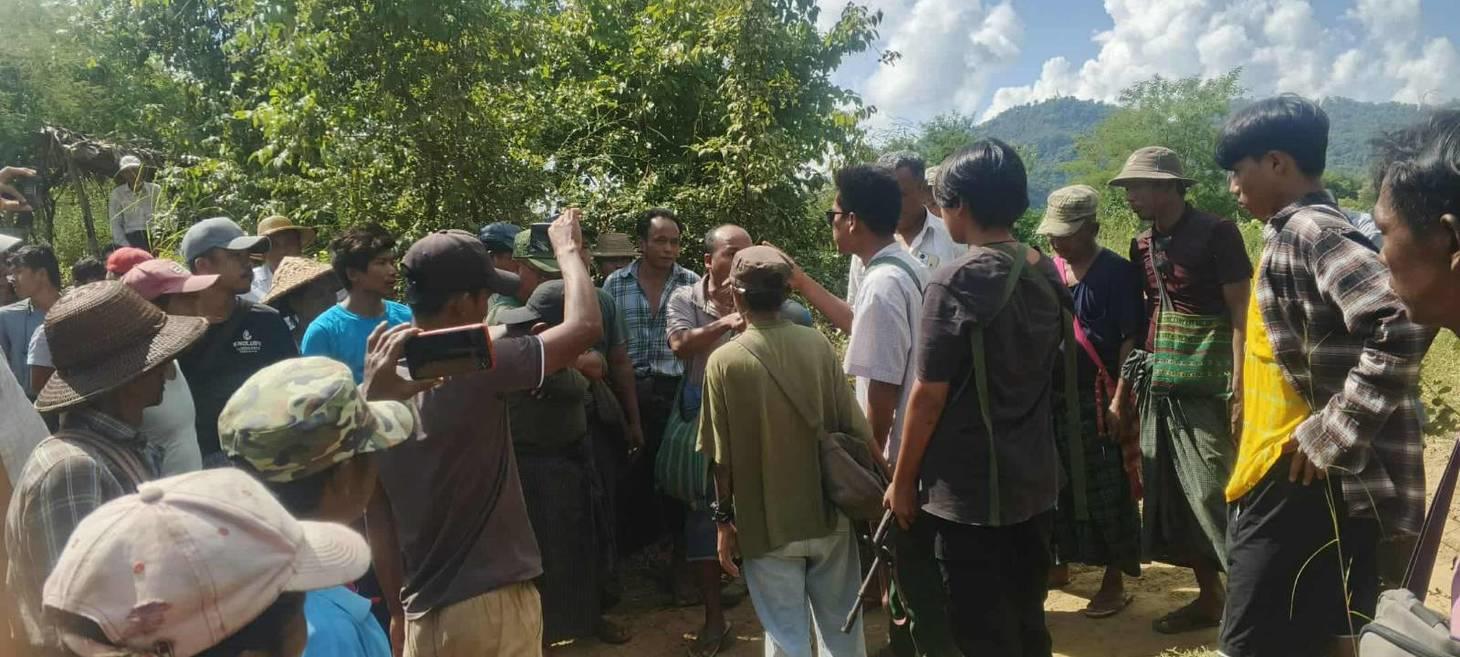
Six PLA members arrested for abusing NUG official in Sagaing’s Pale Township
Six members of the People's Liberation Army (PLA) were arrested in Sagaing’s Pale Township following accusations that they abused a 65-year-old official of the National Unity Government (NUG), specifically a village administrator. The men are accused of punching the administrator in the face. This alleged physical assault occurred after the NUG official instructed the PLA members to stop inspecting vehicles**.
myanmar-now.org
Natural Resources
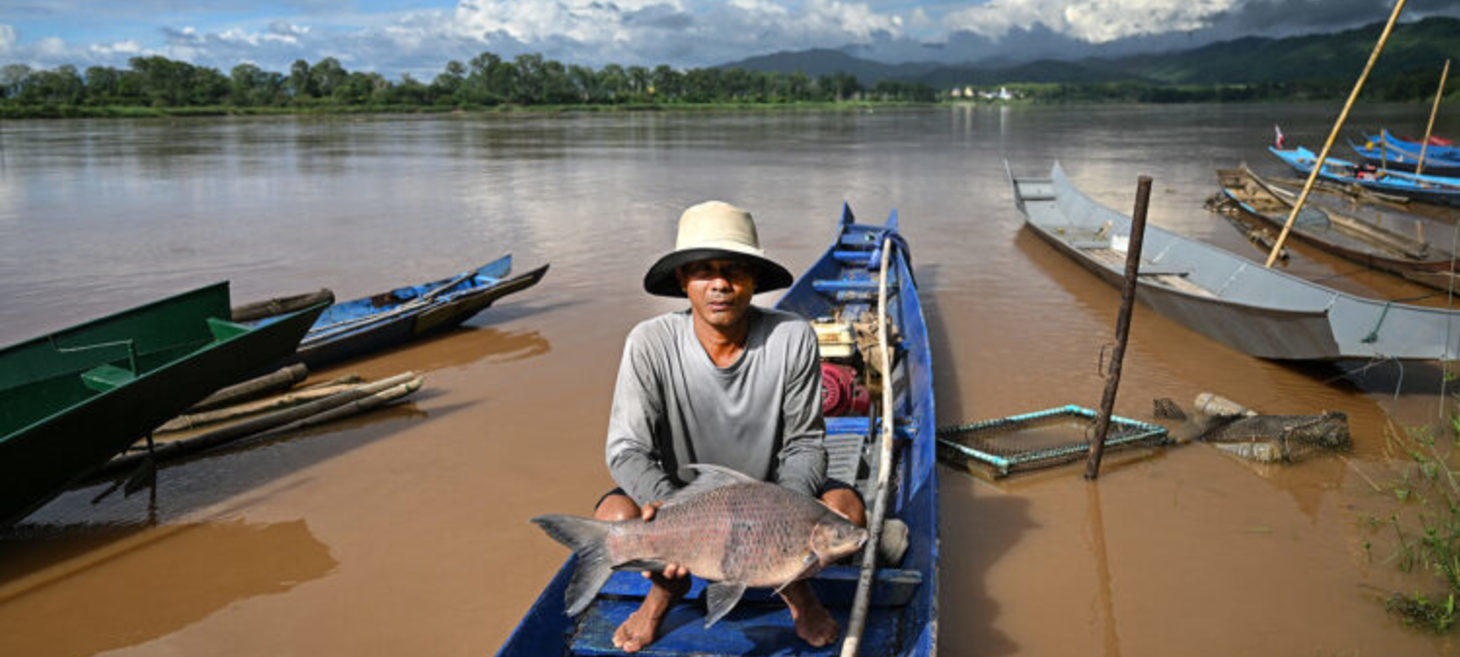
Scapegoating Myanmar’s Ethnic Armies Over Mining Misses the Real Culprit: China
The detection of arsenic contamination in the Salween River has led to a narrative in some Thai policy and media circles that Myanmar’s Ethnic Armed Organizations (EAOs), particularly those believed to be running operations in Karenni State, are the culprits behind the cross-border pollution. This focus on EAOs is criticized as scapegoating, as it deflects scrutiny from the real structural driver of ecological degradation: China’s vast economic penetration through mining concessions, financing, and supplying capital and machinery for industrial extraction across Myanmar’s frontier zones. Attributing contamination solely to localized EAO activity is analytically unsound given the Salween River's complex 2,800 km geography—which flows through China’s Yunnan province and multiple jurisdictions—making this a transnational story where confronting China’s influence is politically challenging but necessary to protect the rivers.
irrawaddy.com
Telecommunications
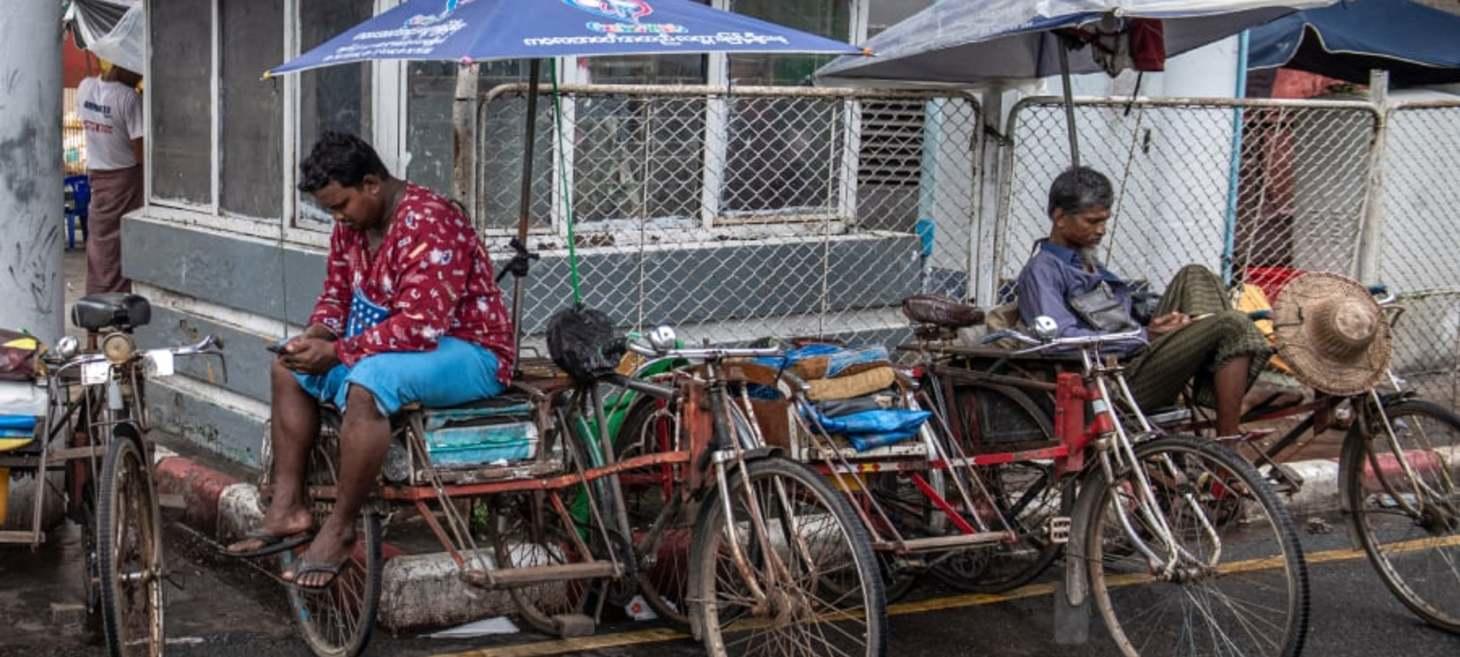
Slow wi-fi before the Myanmar junta’s sham election
Over the past week leading up to the Myanmar junta's "sham election," social media users, especially those in Yangon, Mandalay, and Mawlamyine, have been complaining about unusually slow Wi-Fi and mobile data speeds. This observation is substantiated by data showing significant degradation, as users shared screenshots of speeds dropping from 20–30 Mbps to under 5 Mbps, and reports indicating Yangon’s average Wi-Fi download speed dropped from approximately 25 Mbps to under 10 Mbps in October 2025. Consequently, posts linking the slowdown to deliberate throttling by authorities to suppress communication and independent reporting have gone viral, raising concerns about wider censorship and causing difficulties accessing essential services like VPNs and online banking.
mizzima.com