Introduction & Analysis
This collection of open-source English-language news articles published over the past week highlights significant events and issues concerning Myanmar. They present a snapshot of the country's safety and security landscape.
The following is a four-sentence bulleted summary of the provided sources:
- The Myanmar military regime is actively preparing for a widely condemned "sham" election scheduled for late 2025 and early 2026, arresting at least 88 critics, including film directors, under a draconian new law, while the military-backed Union Solidarity and Development Party (USDP) dominates the visible campaign activities.
- China has employed "bullying diplomacy" to exert intense pressure on ethnic armed groups, leading the Ta’ang National Liberation Army (TNLA) to sign a ceasefire and agree to return the liberated towns of Mogoke and Mongmit to the regime, even as fierce conflict continues elsewhere, particularly between the Arakan Army (AA) and the junta in Kyaukphyu.
- The junta's access to vital foreign currency is supported by two companies registered in UK overseas territories (Bermuda and Cayman Islands) which transport gas and have generated hundreds of millions of dollars for the junta-controlled MOGE, raising concerns over potential sanctions breaches.
- Meanwhile, the UN Independent Investigative Mechanism for Myanmar warned that violence is worsening and its evidence collection is imperiled by funding shortfalls, while over 1,500 foreign nationals linked to scam hubs fled Myanmar's KK Park into Thailand amid military operations, and Rohingya refugees in Bangladesh face severe environmental dangers compounded by significant cuts in international aid.

Conflict
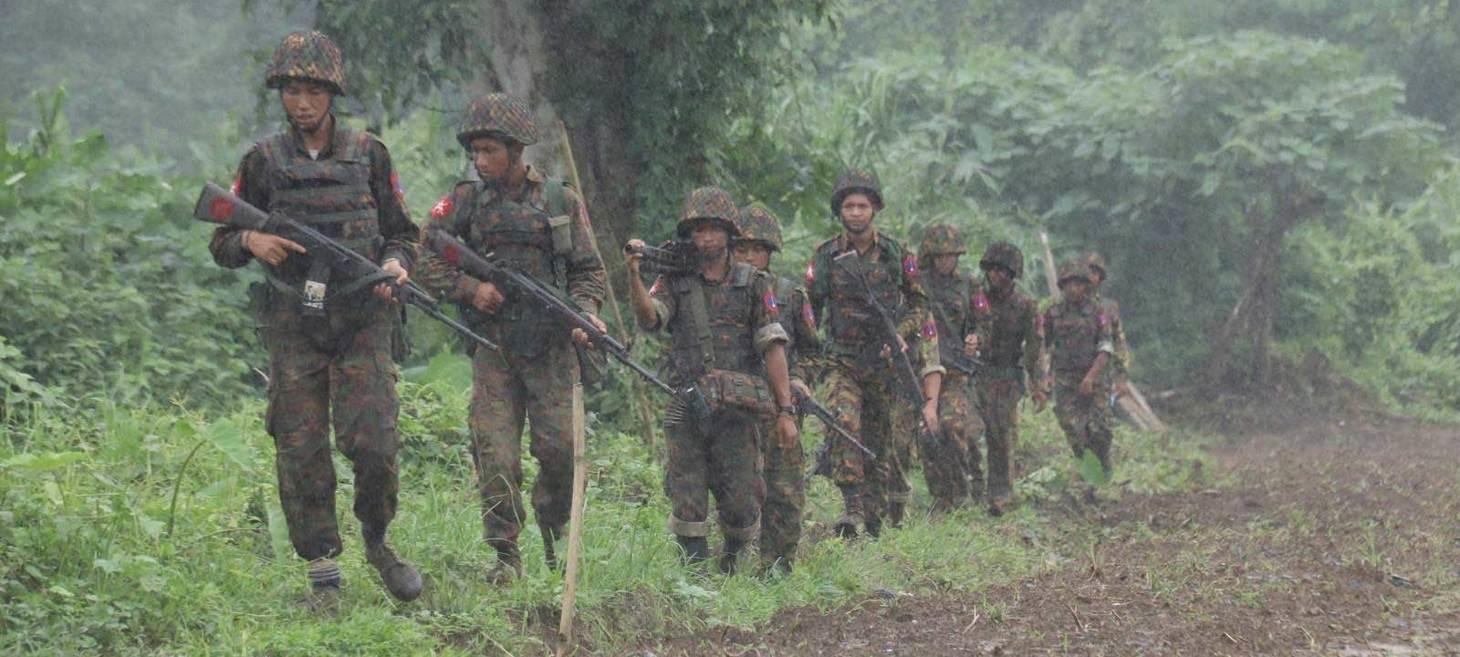
Village Head, Civilian Killed in Ywangan Township Amid Rising Political Violence
On October 28, 2025, an unidentified armed group in Kyauk Pizat village, Ywangan Township, Southern Shan State, shot and killed the village head, U Tint Wai (who was known for his ties to the military), and a civilian named Nyi Htut, marking the latest in a wave of targeted attacks on local officials. These repeated assassinations have escalated political violence, leaving many administrative positions vacant and causing those who serve as village heads to live in constant fear of being caught between fear of both sides. Following this incident and an October 30 ambush by the Danu State National Defense Army (DSNDA) that killed two soldiers, the military council has intensified its offensives and imposed strict security inspections on civilians throughout Ywangan Township.
shannews.org
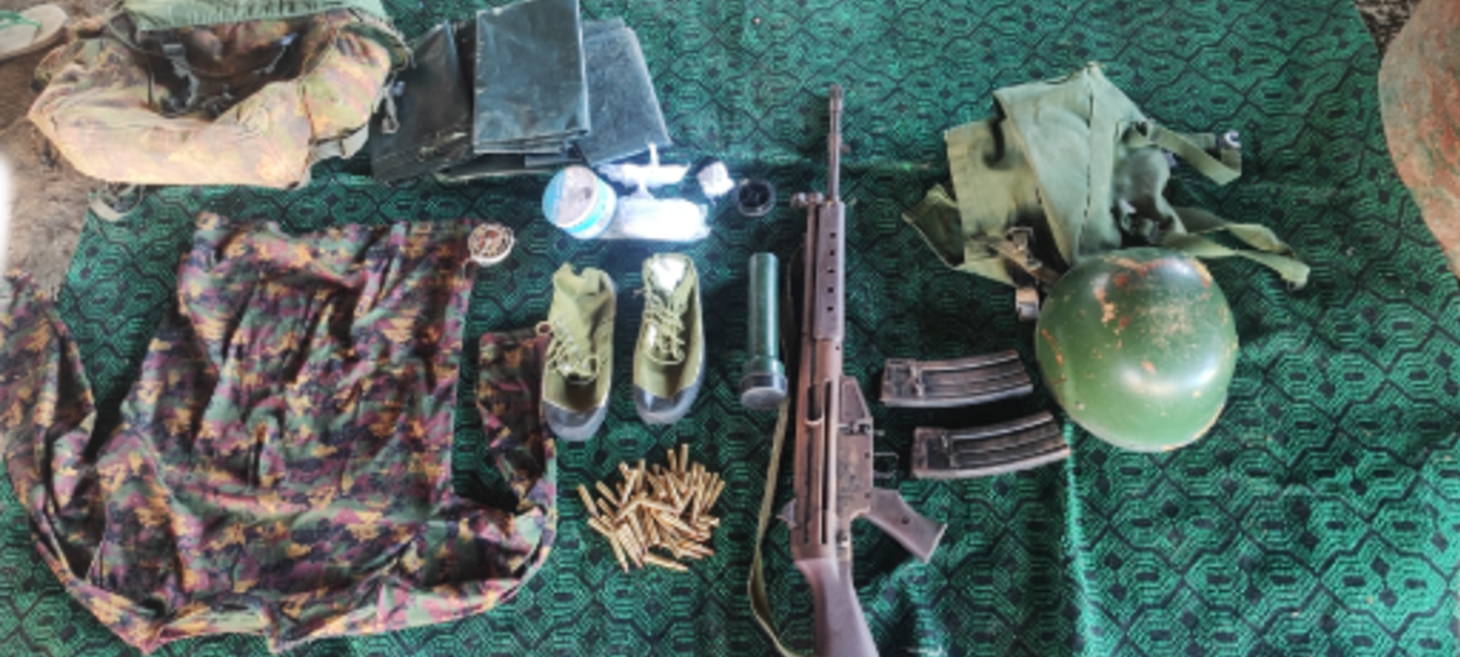
Myanmar resistance forces rescue four hostages in Sagaing’s Wetlet Township
Myanmar resistance forces, specifically the Shwebo District People’s Defence Force (PDF) Battalion 1 (also known as the Nway Oo Aung Pwe group), successfully rescued four civilian hostages in Kyaukkone village, Wetlet Township, Sagaing Region, following days of fierce fighting against a column of around 100 junta troops and members of the pro-regime Pyu Saw Htee militia. The conflict commenced two days after the October 19 raid, during which junta forces captured residents near the Mu River and kept them as human shields, continuing until the regime forces withdrew on October 25, allowing the resistance to find the villagers, who were beaten and tortured but not in life-threatening condition. This latest incursion, reportedly carried out for the purpose of looting food and other supplies from civilians, has currently prevented residents from returning to their homes because landmines planted by the junta troops are still being removed.
myanmar-now.org
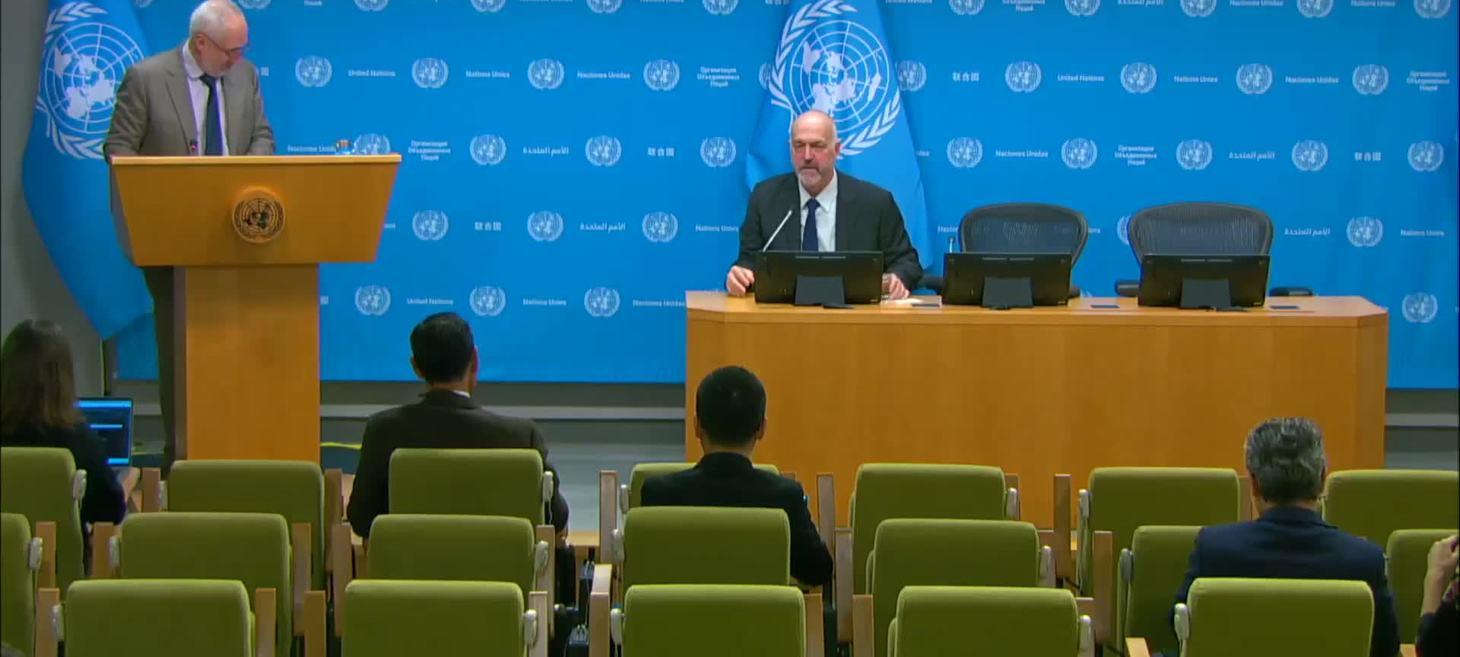
U.N. investigator warns Myanmar violence is expanding, cites funding shortfalls at evidence unit
Nicholas Koumjian, head of the Independent Investigative Mechanism for Myanmar, warned reporters that the situation in Myanmar is unfortunately only getting worse, noting that the 2021 military coup has greatly expanded the scope of crimes his office must investigate beyond the 2017 crisis that forced hundreds of thousands of Rohingya into Bangladesh. The mechanism collects and preserves evidence of the most serious international crimes for potential national or international prosecutions, sharing this material with ongoing processes, including the International Criminal Court and proceedings at the International Court of Justice. Crucially, Koumjian warned that the mechanism faces significant financial constraints that imperil its investigative capacity, stating that without more extra-budgetary funding, they could lose their open-source team by April and up to a third of their staff by early next year.
citizenportal.ai
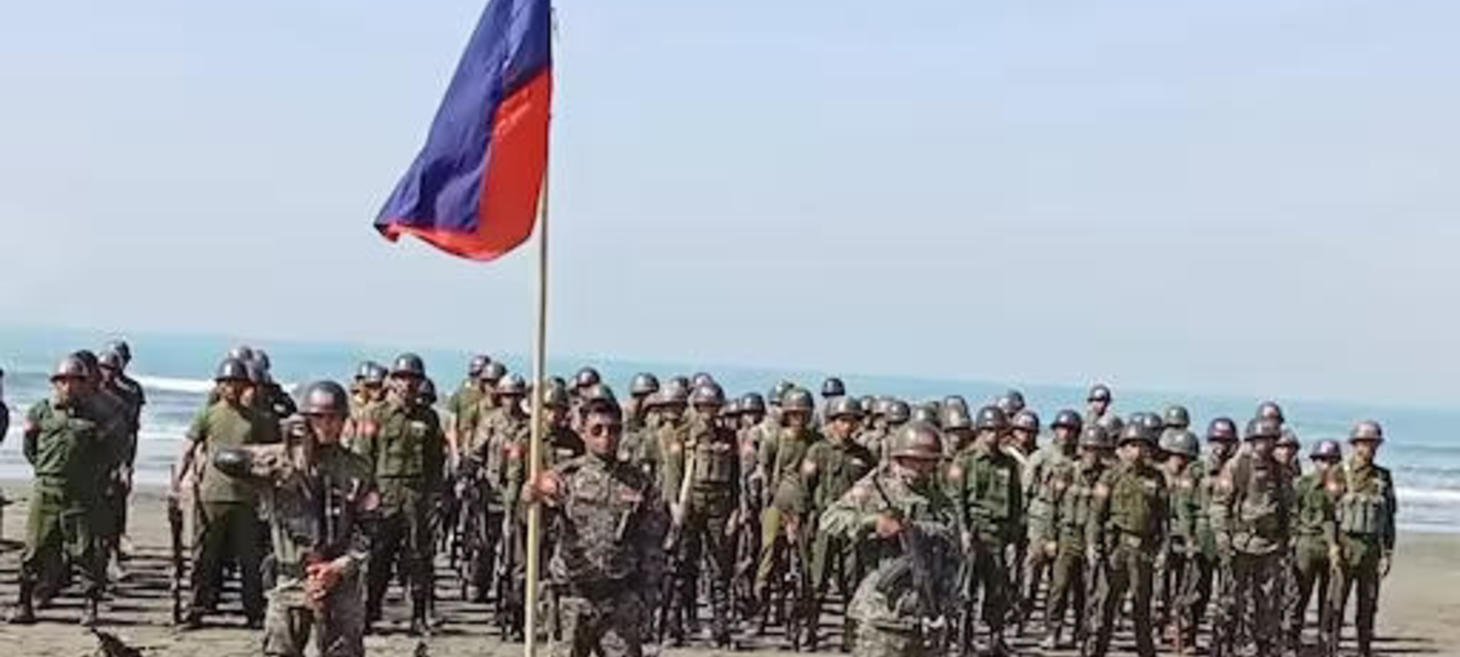
In battle of Kyaukphyu, Myanmar junta army fiercely attacks AA, utilizing land, sea, and air forces with high casualties, unable to advance
The Myanmar junta army is launching a fierce, combined assault against the Arakan Army (AA) in Kyaukphyu Township—the hub of Chinese projects—utilizing land, sea, and air forces, including advanced military technology like jets, drones, and missiles, in an effort to reclaim AA-controlled areas. The AA has mounted a robust and efficient defense, employing guerrilla tactics and shifting its military approach to drawing the army into a "killing field," resulting in the complete destruction of a military column of over 100 soldiers and forcing units to withdraw with significant losses. Due to these heavy casualties and obstructing losses incurred by the junta, they have thus far been unable to advance their ground offensive and are restricted to carrying out airstrikes.
bnionline.net
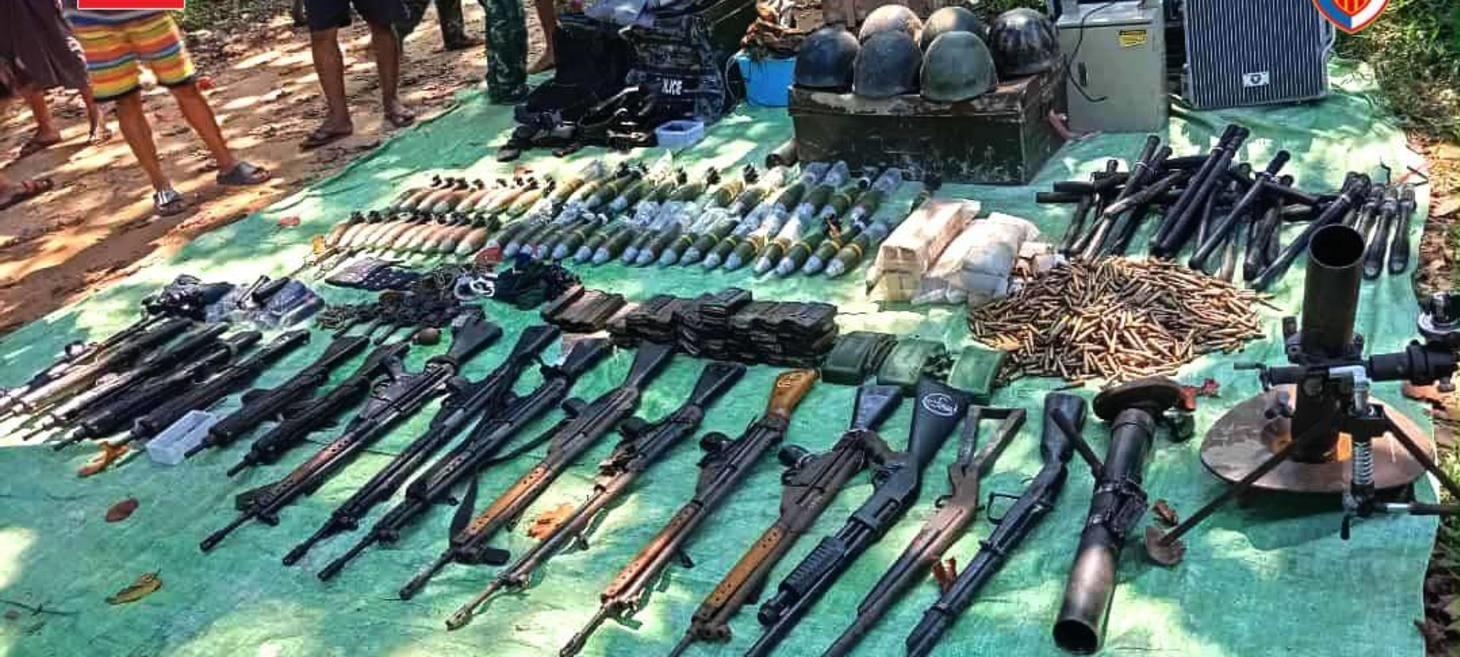
Clashes reported across Tanintharyi Region, in Myanmar’s far south
Clashes have intensified across Myanmar's Tanintharyi Region, with resistance forces capturing a police station in the town of Maungmagan, located about eight miles northwest of Dawei, on October 26 and seizing weapons and ammunition. Fighting is reported in at least five locations, including around the Dawei Special Economic Zone and along the Tanintharyi-Mawdaung road, where the regime deployed around 500 troops and carried out multiple airstrikes that destroyed homes and displaced civilians. While experts suggest major town-capture battles are still distant because groups like the KNU primarily focus on guerrilla warfare, the conflict has already negatively impacted the local economy by significantly increasing transportation costs and commodity prices due to additional checkpoints and gate fees.
myanmar-now.org
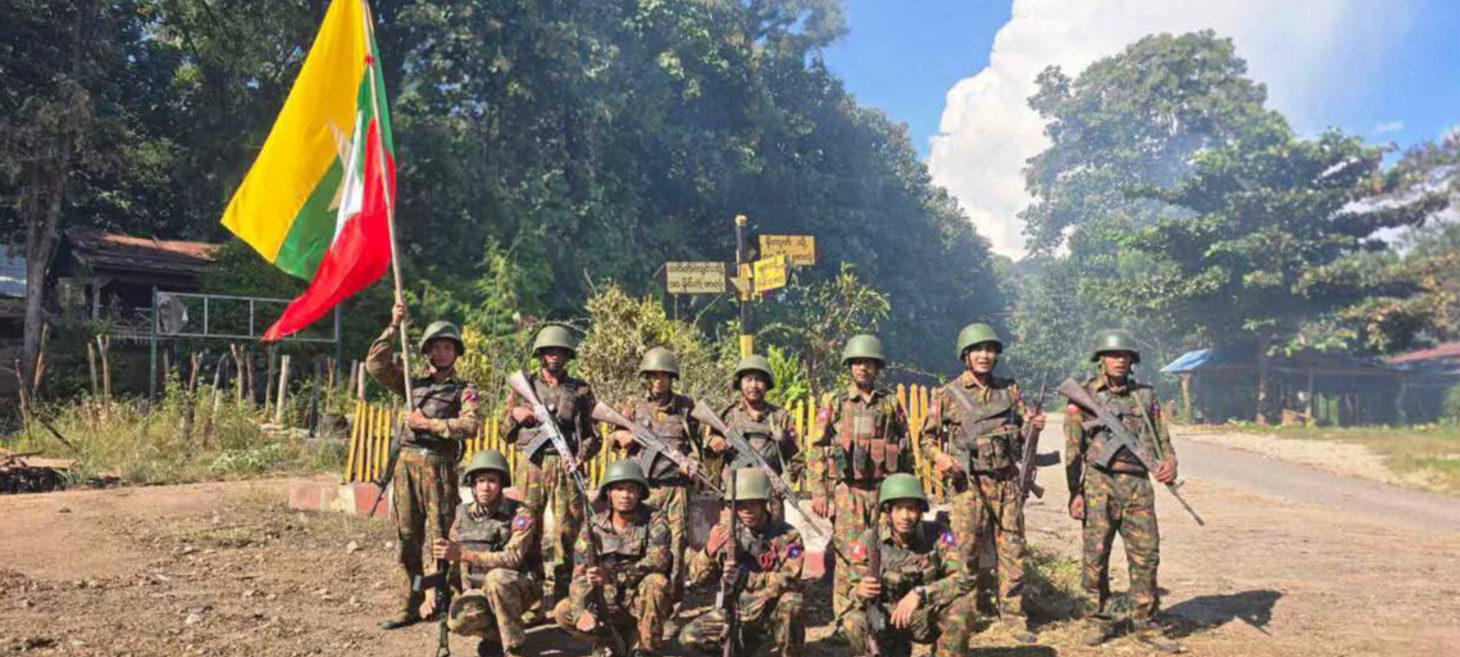
Myanmar Junta Advances on Gold Mines After Retaking Mandalay Crossroads
Myanmar junta troops are advancing toward resistance-held gold mines in Zayat Kwin, Thabeikkyin Township, after successfully retaking the strategic Phawtaw Junction in northern Mandalay on October 14. The regime is simultaneously attempting a pincer attack involving columns from the junction and Shwebo to limit resistance maneuverability in Singu Township, with analysts suggesting the offensive aims to regain control of Thabeikkyin to potentially enable elections there. This offensive has been marked by daily junta airstrikes that have killed civilians, including children, and forced hundreds to flee their homes, placing the resistance's crucial supply route linking central Myanmar with northern Shan State at significant risk.
irrawaddy.com
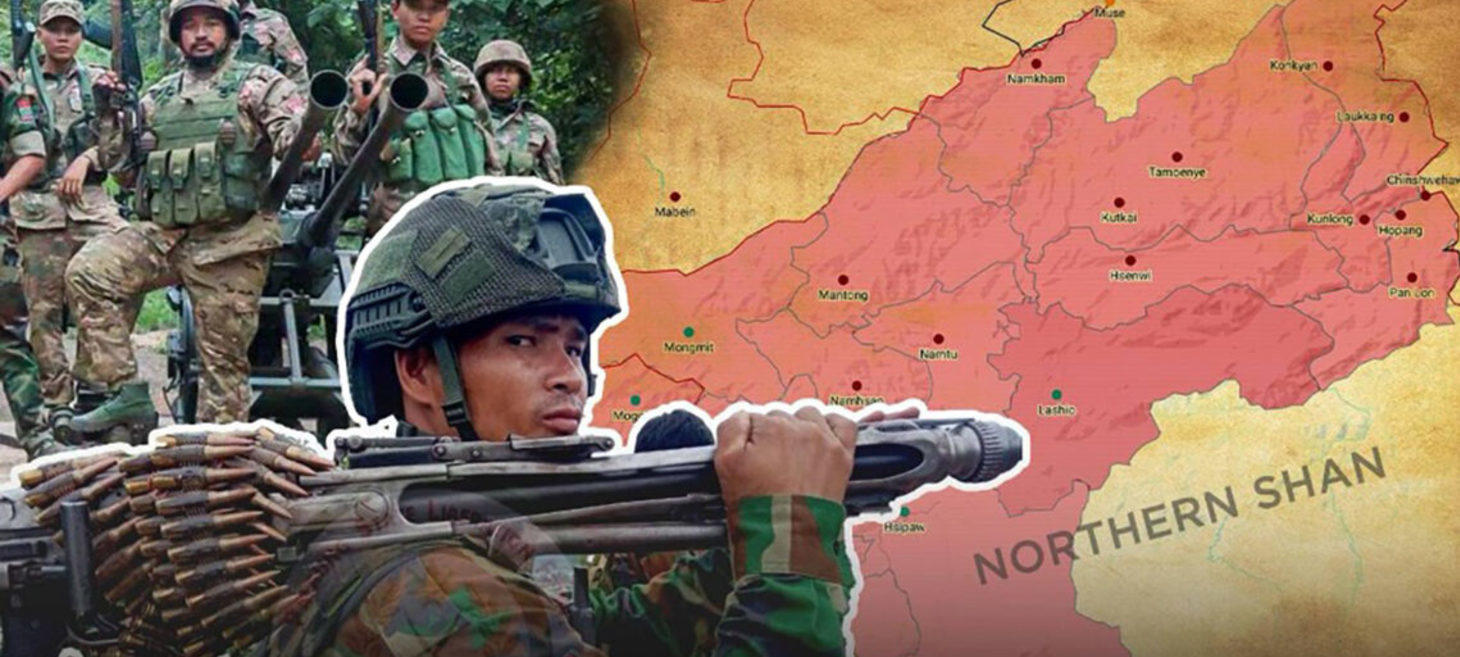
TNLA Signs Truce With Myanmar Junta, Agrees to Return Mogoke, Mongmit
The Ta’ang National Liberation Army (TNLA) signed a China-brokered ceasefire agreement with Myanmar’s military regime in Kunming, Yunnan Province, on October 27 and 28, 2025, following intense pressure from Beijing. Under the terms of this deal, the ethnic army agreed to return the liberated towns of Mogoke and Mongmit to the regime, which in turn agreed not to launch further offensives or airstrikes on the territory remaining under TNLA control. This truce came after months of near-daily airstrikes by the regime and a sustained pressure campaign by China—involving measures like border closures and the seizure of assets—to force the TNLA and its allies to stop fighting the junta.
irrawaddy.com
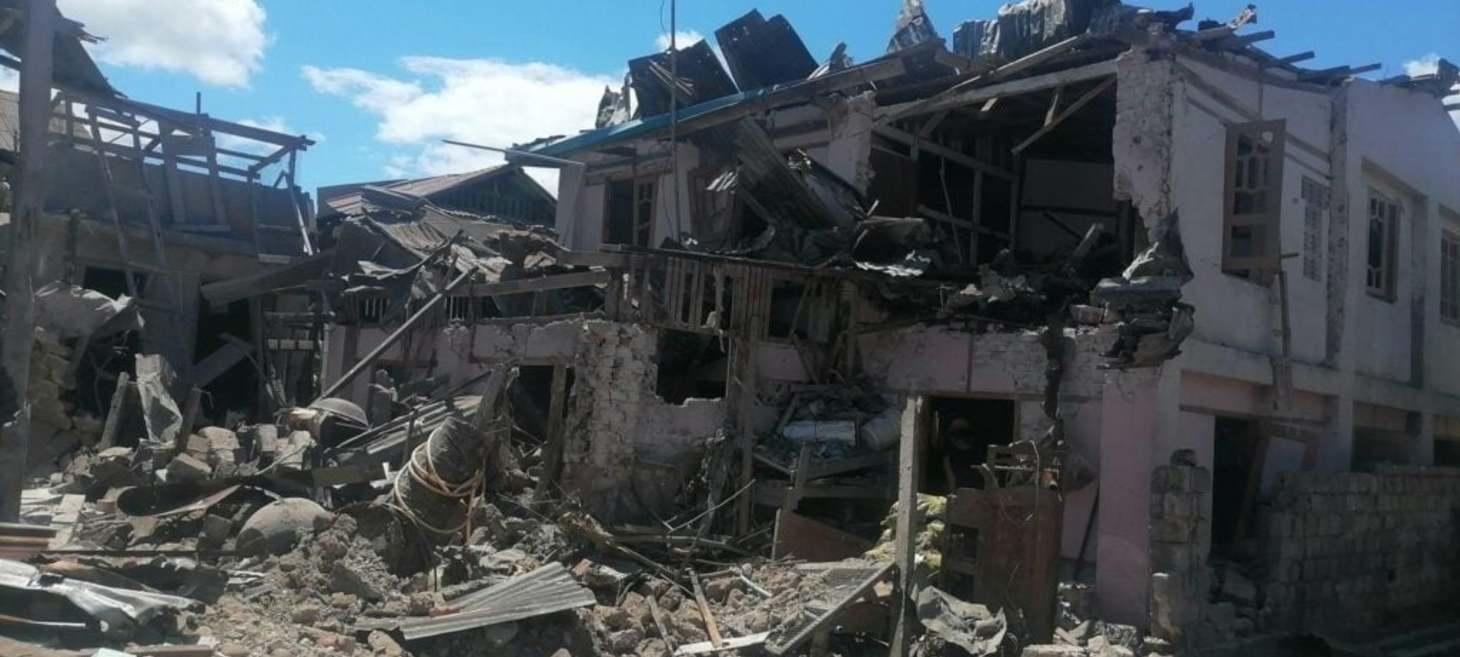
IDPs Remain Unable to Return Home After Military Recaptures Townships
Following heavy fighting initiated by "Operation 1027" in October 2023, the Myanmar military regained control of several townships in northern Shan State, including Nawnghkio, Kyaukme, and Hsipaw, by October 2025. However, most internally displaced persons (IDPs) remain unable to return home because of widespread property destruction and the continued threat posed by uncleared landmines and unexploded ordnance (UXO). Residents report that the mine risk is serious, leading to casualties, and while state-run media reports ongoing clearance and the reopening of schools and government offices, civilian homes have received no assistance or compensation for reconstruction.
shannews.org
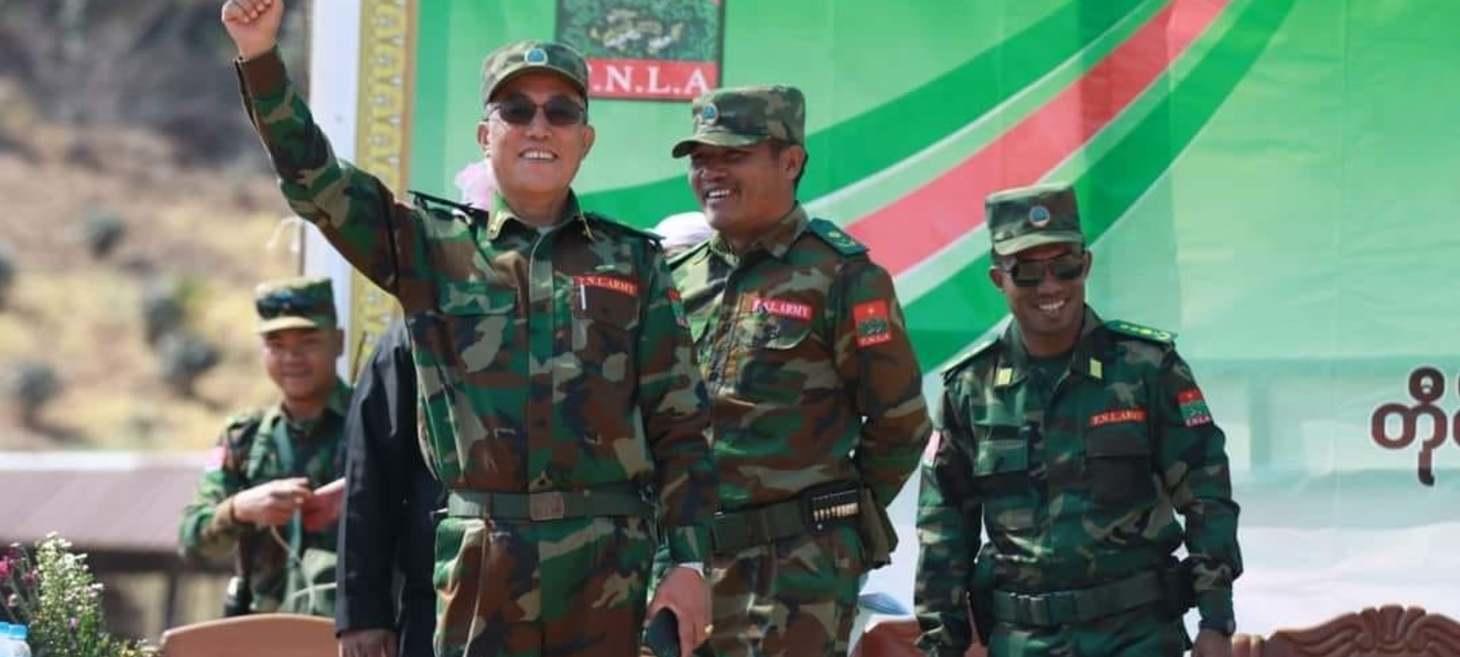
TNLA SIGNED CEASEFIRE: Is it just truce or the beginning of total capitulation?
The Ta’ang National Liberation Army (TNLA) signed a ceasefire agreement with the military junta (SSPC) on October 29, 2025, in Kunming, China, following months of speculation and ultimately bowing to Chinese mediation, which included pressure such as the cutting off of ammunition supply and continuous heavy artillery and airstrikes. Through this 9th ceasefire talk, the TNLA agreed to withdraw its forces from Mogok and Mongmit townships within an agreed period in exchange for the military not bombing or attacking the Ta’ang region, an action that led to questions about whether the TNLA was merely preserving its survival or starting a total capitulation. Despite the setback and potential downhearted morale for anti-junta forces, the Mandalay People’s Defense Force (PDF) and the Mogok Strategy PDF immediately pledged to continue their revolutionary struggle against the military dictatorship, ensuring that the civil war is expected to carry on.
shannews.org
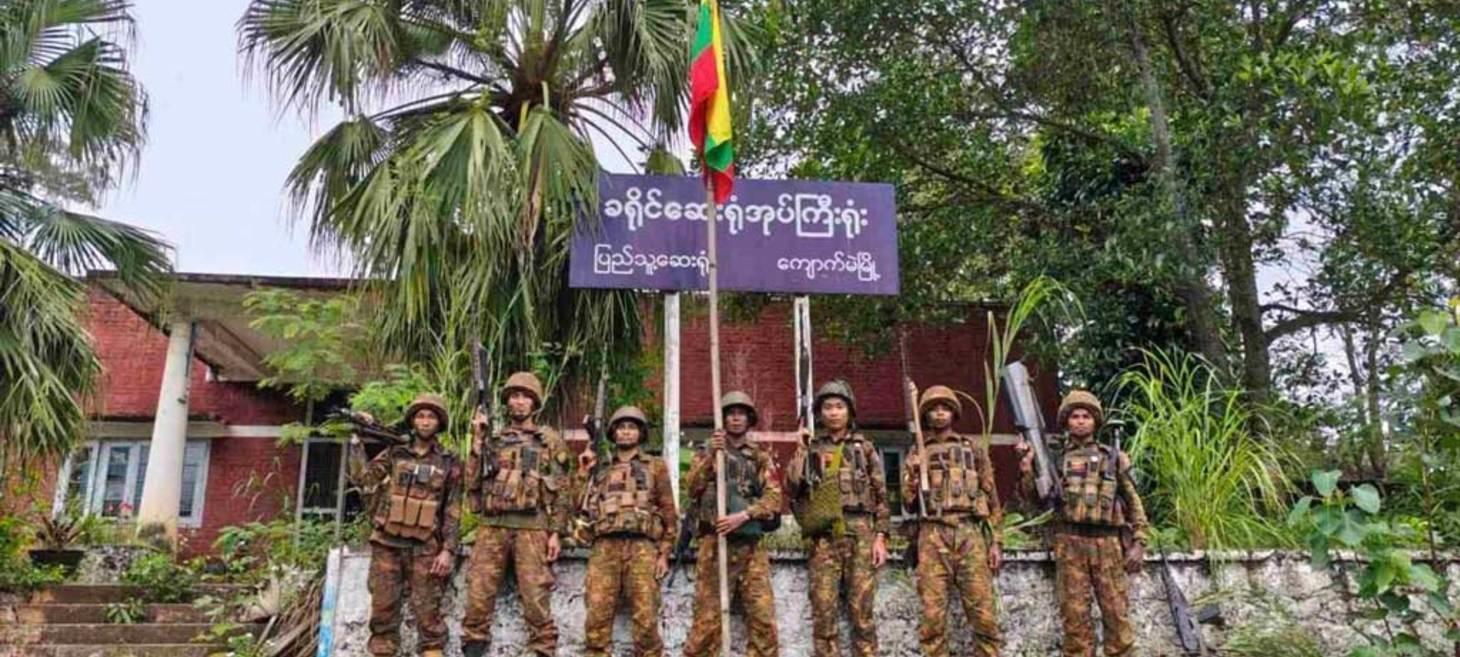
Junta Arrests Suspected TNLA Affiliates, Seizes Homes in Kyaukme
Junta troops in Kyaukme Town, Shan State, have intensified arrests of individuals suspected of collaborating with the Ta’ang National Liberation Army (TNLA) since recapturing the town on October 1, subsequently seizing homes and shops belonging to those detained and posting notices declaring the properties confiscated. This repression primarily targets alleged former TNLA collaborators, ward administrators appointed under the TNLA, and those with suspected ties to the National Unity Government (NUG), with properties like the Zay Thit tea shop and the One Love Hotel specifically being seized in Kyaukme. This pattern of arrests and seizures is consistent with actions taken in other northern Shan State towns previously controlled by the TNLA, such as Nawnghkio, where the junta seized property from alleged supporters of the TNLA and the Danu People’s Liberation Army (DPLA) and detained displaced youths returning to their villages.
shannews.org
Cybersecurity & Cybercrime
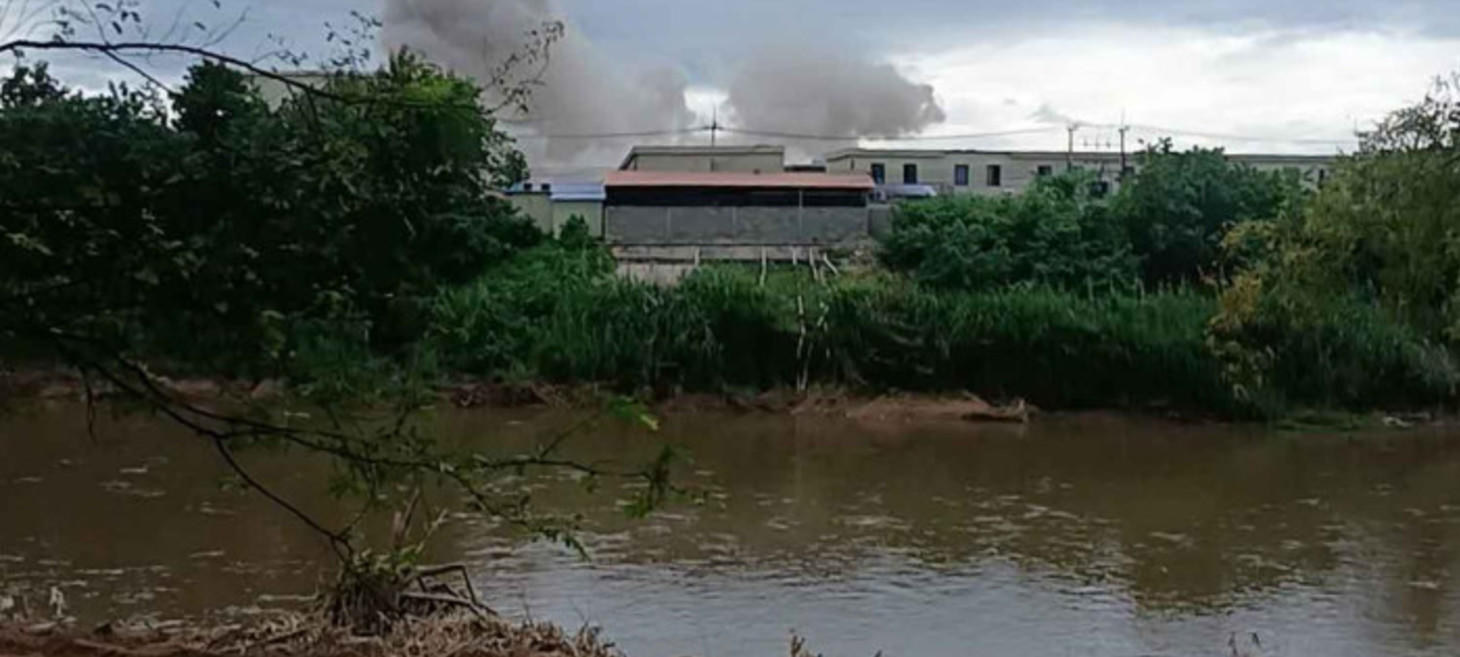
Thai army watching Myanmar border amid scammer exodus
Following the reported takeover of the KK Park special economic zone in Myawaddy by Myanmar military forces, over 1,500 foreign nationals—including 1,595 individuals from more than 20 countries, predominantly Indians, Filipinos, and Chinese—fled the area and crossed the border into Thailand. In response, the Royal Thai Army's (RTA) Naresuan Force and its Ratchamanu Task Force intensified patrols and surveillance along the Thai–Myanmar border in Mae Sot district. They lodged a protest urging Myanmar authorities to exercise caution during the demolition of buildings within KK Park. Thai authorities screened all individuals under security and public health protocols, resulting in the prosecution of 680 foreign nationals (439 were fined and deported, and 241 were jailed). At the same time, 23 people were also referred to the National Referral Mechanism (NRM) to identify potential victims of trafficking.
bangkokpost.com
Economy

ANA stops accepting Myanmar-issued credit cards on its website from October 30
**Japan’s All Nippon Airways (ANA) officially stopped accepting credit cards issued in Myanmar on its website, effective October 30. The carrier did not disclose the reason for this decision regarding the Myanmar-issued credit cards. This action follows the earlier suspension of ANA's Tokyo/Narita–Yangon route, which saw its last special flight operated in 2022.
traicy.com
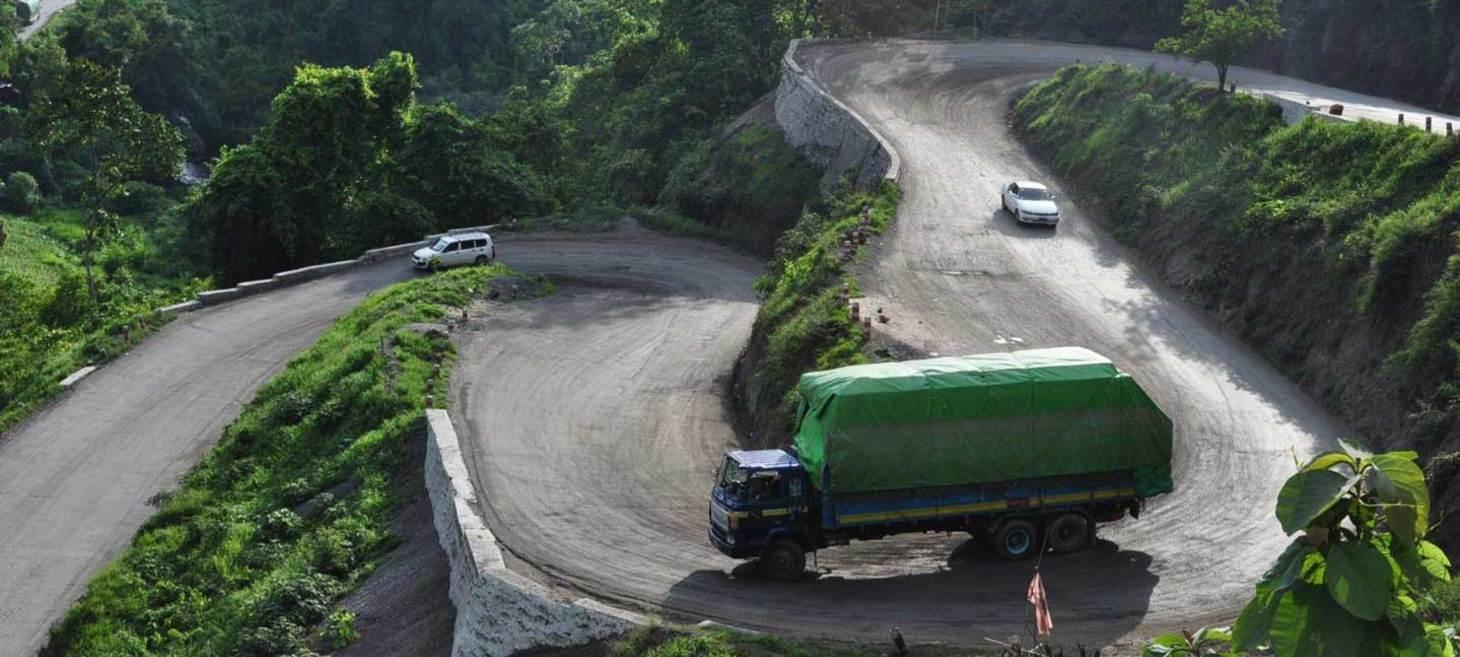
Will the Junta Succeed in Reopening Northern Shan State’s Trade Networks?
The Myanmar military has reopened the crucial Mandalay–Lashio Road after retaking control of several towns, allowing travel to resume following a nearly two-year closure that began during Operation 1027, though only small passenger cars can currently use the road because key bridges like the Kyinthi and Goketwin bridges remain damaged. While the route has eased travel logistics and reduced passenger fares—for example, the Mandalay–Muse fare dropped from 200,000 kyat to 150,000 kyat—drivers now face delays up to 10 hours due to more than 20 military and police checkpoints, where high taxes have significantly increased the cost of transporting goods. Control over northern Shan State’s multi-billion dollar trade gates remains fragmented, with the military prioritizing routes like Mandalay–Lashio–Chinshwehaw, while the Three Brotherhood Alliance and the MNDAA still control or jointly operate several major border gates, even as China has declined the junta’s request for help in regaining full control.
shannews.org
Elections
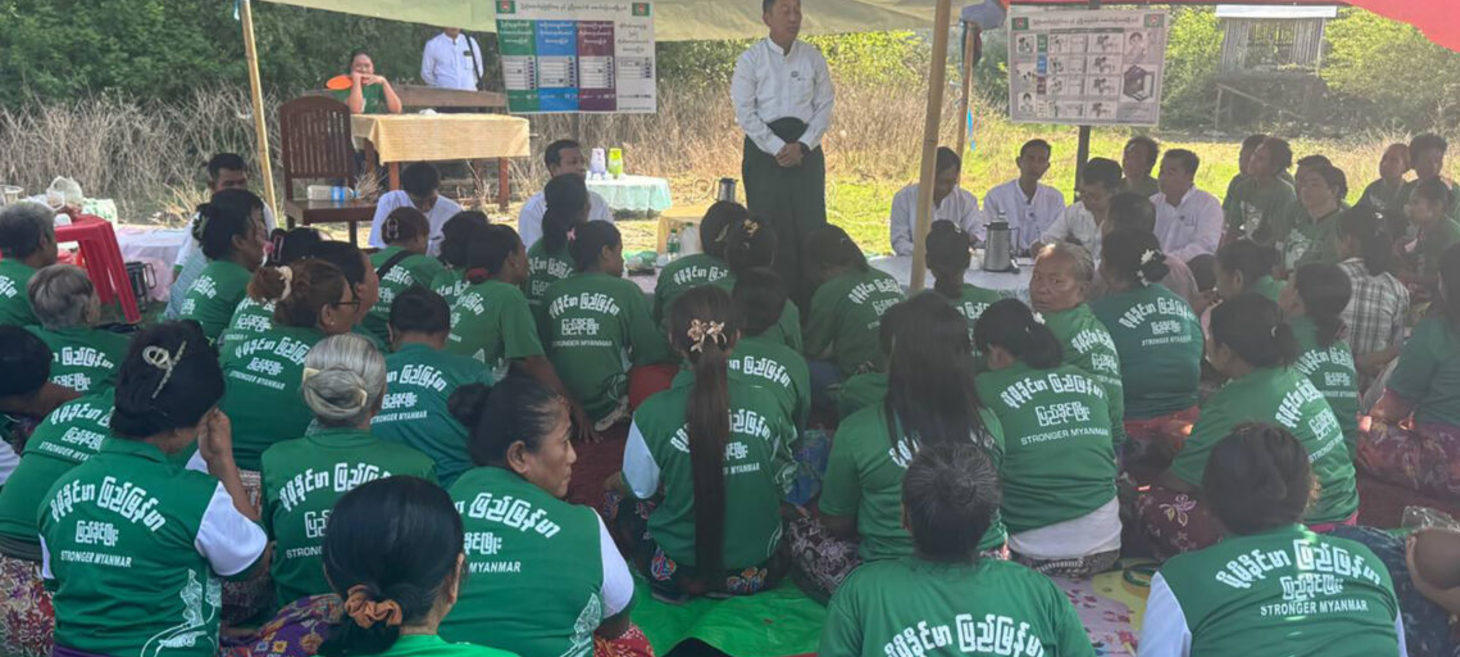
As Myanmar Launches Election Campaigning, Only Junta-Backed USDP is Visible
Despite the start of the 60-day campaign period on October 28, only the military-backed Union Solidarity and Development Party (USDP) is visibly holding campaign events on the ground, often in small, controlled gatherings, while other participating parties are restricted to quiet engagement with selected business groups or online campaigning due to security concerns. The junta’s Union Election Commission (UEC) heavily restricts the process by banning large rallies and requiring police permission for events, contributing to a widespread local sentiment in places like Mandalay that the public has no interest and the USDP is guaranteed to win. The election is widely denounced by resistance forces, including Myanmar’s parallel National Unity Government (NUG), and international voices like the UN Rights Envoy, as a "sham" intended solely to legitimize military rule, especially given that the UEC has banned voting in 121 townships for security reasons.
irrawaddy.com
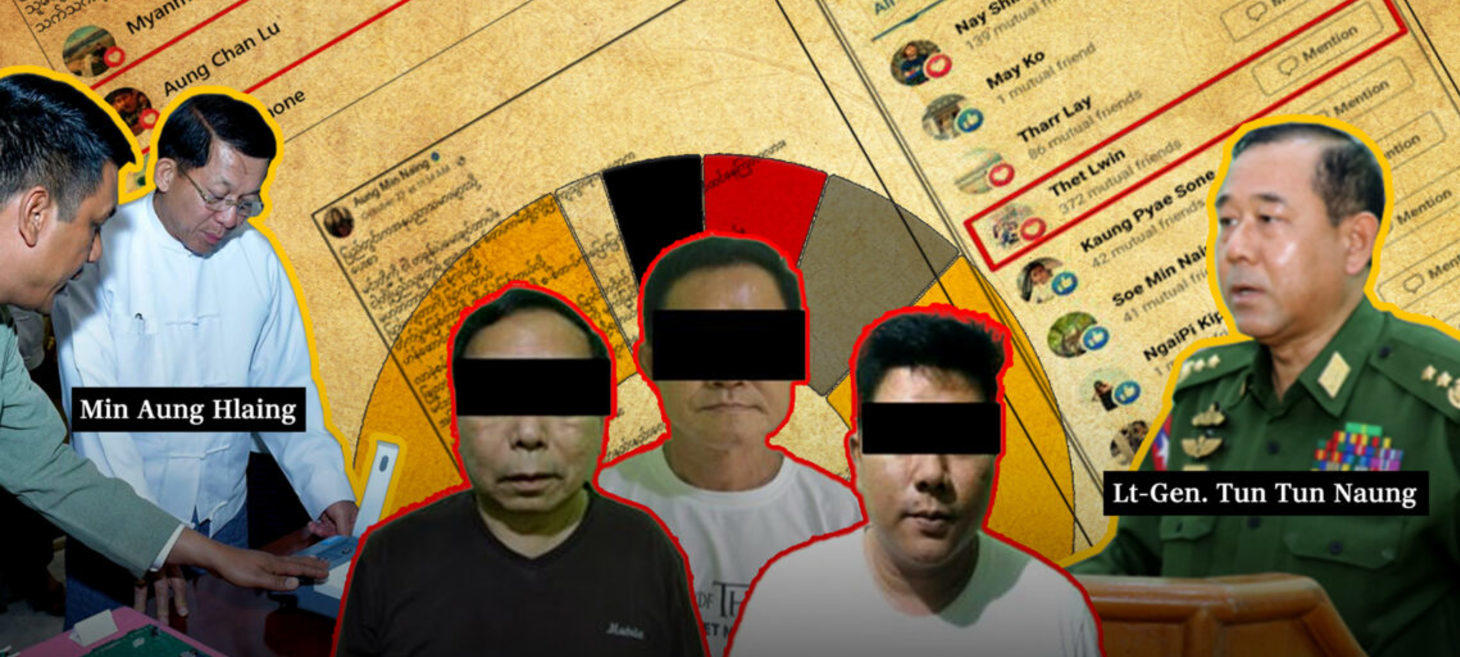
Myanmar Junta Silences Election Criticism With Mass Arrests
Myanmar’s military regime has arrested at least 88 people—comprising 83 men and five women—for criticizing its planned election under a harsh new Election Protection Law enacted just three months ago. Passed on July 29, this law drives an escalating crackdown by imposing severe penalties ranging from three years in prison up to the death penalty for any election-related criticism or complaints. This suppression involves monitoring citizens, leading to the detention of individuals like film directors and actors for actions as minor as "liking" critical Facebook posts, as the regime counts down to a vote widely condemned as a sham intended solely to legitimize military rule.
irrawaddy.com
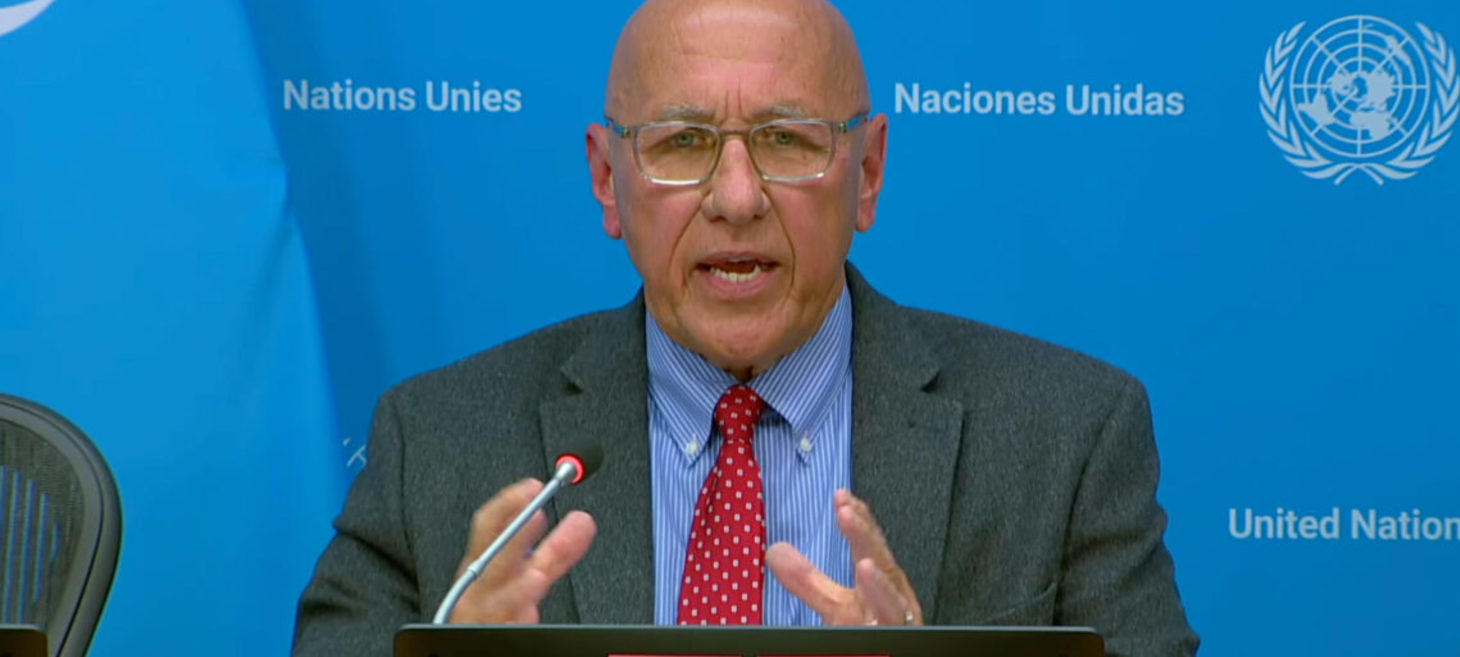
UN Rights Envoy Urges Global Rejection of Myanmar’s ‘Sham’ Election
**UN Special Rapporteur Tom Andrews urged UN member states to issue clear statements rejecting Myanmar's planned elections, calling them a "sham and a fraud" after presenting his report on human rights in Myanmar. Andrews emphasized that a free and fair election is impossible. At the same time, thousands of political prisoners—including Daw Aung San Suu Kyi—remain detained, rival parties such as the National League for Democracy (NLD) have been forcibly disbanded, and freedom of expression is restricted. He warned against sending observers, which would only bolster the junta's efforts to build a sense of legitimacy, as the regime proceeds with the scheduling of the first phase of elections for December 28 across 102 townships.
irrawaddy.com
Myanmar Launches Electronic Voting Amid Political Tensions
Myanmar is making a pivotal shift by introducing electronic voting (e-voting) for its upcoming multiparty democratic general election scheduled for December 28, 2025, using secure Electronic Voting Machines (EVMs) to improve accuracy, speed, and overall transparency compared to the traditional paper ballot system. The Union Election Commission has emphasized a multi-layered security approach, protecting the EVMs with robust encryption and ensuring they operate without an internet connection to prevent online hacking, while also promising benefits like faster tallying, reduced paper usage, and easier accessibility for remote voters. However, this modernization effort is proceeding amid political tensions, highlighted by the October 29, 2025, arrests of two directors accused of supporting critics and posting false criticisms under a new law designed to protect the election from disruption, which has raised concerns that such measures could be used to stifle dissent.
evrimagaci.org
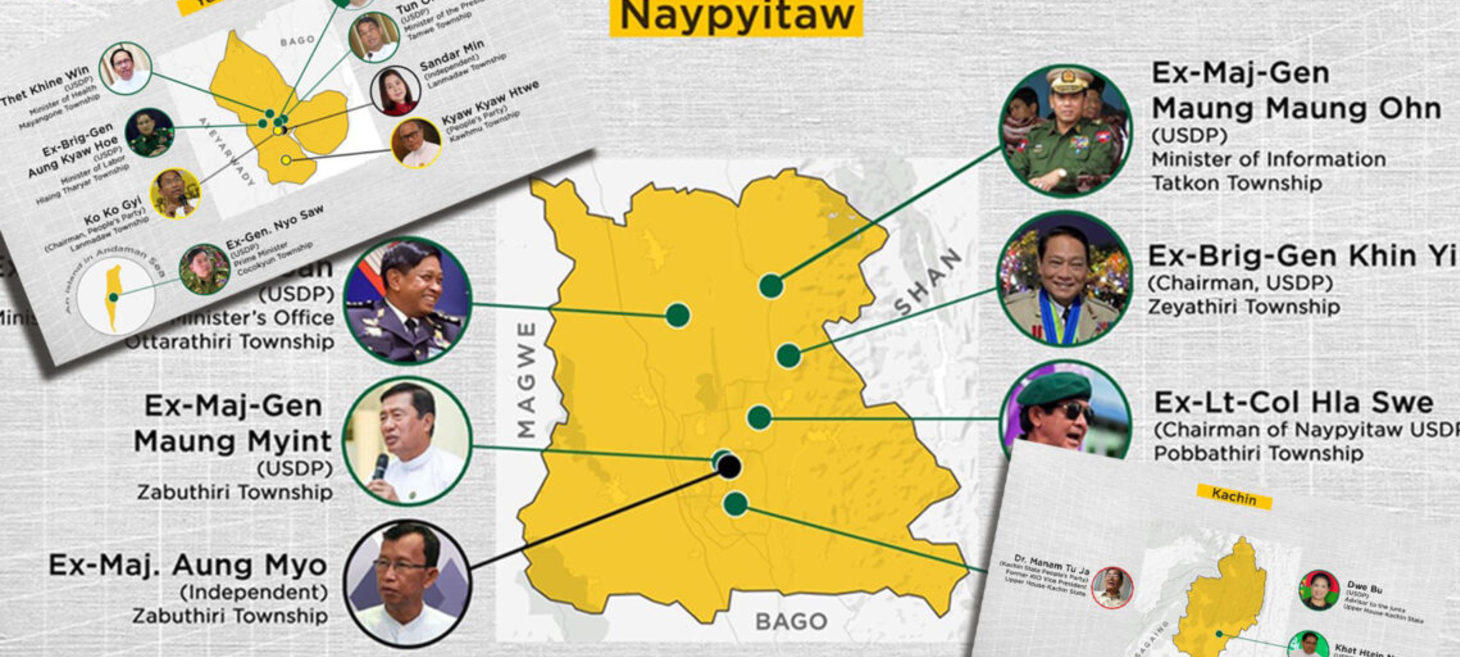
Generals, Regime Ministers Fill the Ballot in Myanmar Junta’s Sham Election
Myanmar’s December 28 election is widely viewed as a "sham" and a "performance staged by the junta to entrench its rule," especially since genuine competition was eliminated through the dissolution of the popular National League for Democracy (NLD) and other opposition parties. The military-backed Union Solidarity and Development Party (USDP) dominates the ballot with 1,018 candidates, including incumbent and former generals, junta Prime Minister Nyo Saw, 10 Union ministers, and four regional and state chief ministers. Although 57 parties are competing, the USDP faces no real challenge, as the remaining ethnic and political groups are largely seen as token competitors who lack the strength or public support to rival the military’s proxy party.
irrawaddy.com
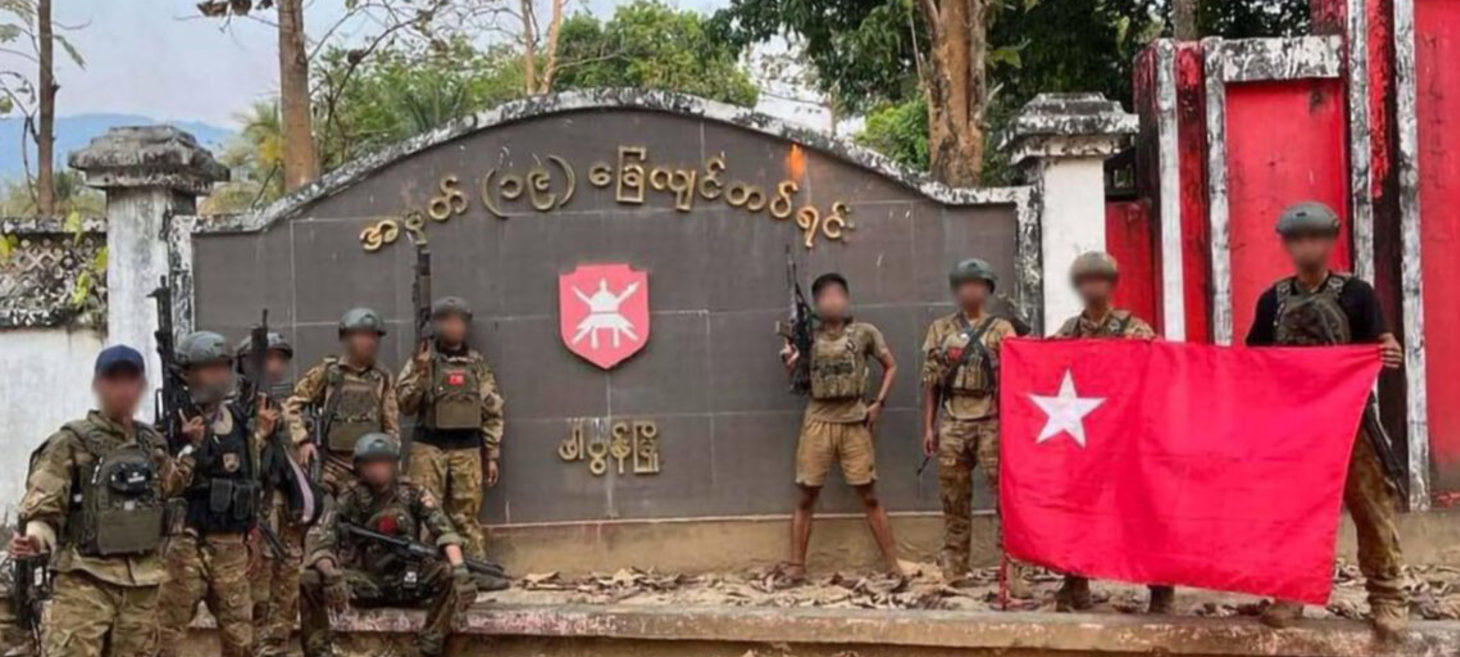
Myanmar Junta Announces Elections in Karen State Conflict Zone
The Myanmar military regime announced elections in the conflict zone of Papun township, Karen State, scheduled for January 11, 2026, despite being encircled by resistance forces who control 34 of the township's 35 village tracts. Joint forces of the Karen National Liberation Army (KNLA) and People’s Defense Force (PDF) seized Papun town and military outposts in 2024, forcing junta troops to retreat and reinforce the town of Kamarmaung, from which they launch counterattacks backed by allied Border Guard Force (BGF) and Democratic Karen Benevolent Army (DKBA) battalions. Due to the intensity of fighting, the resulting displacement of most of the 40,000 residents, and the collapse of the junta administration, KNU resistance leaders maintain that holding elections is virtually impossible, suggesting that any attempt at polling will be confined solely to the heavily guarded town of Kamarmaung.
irrawaddy.com
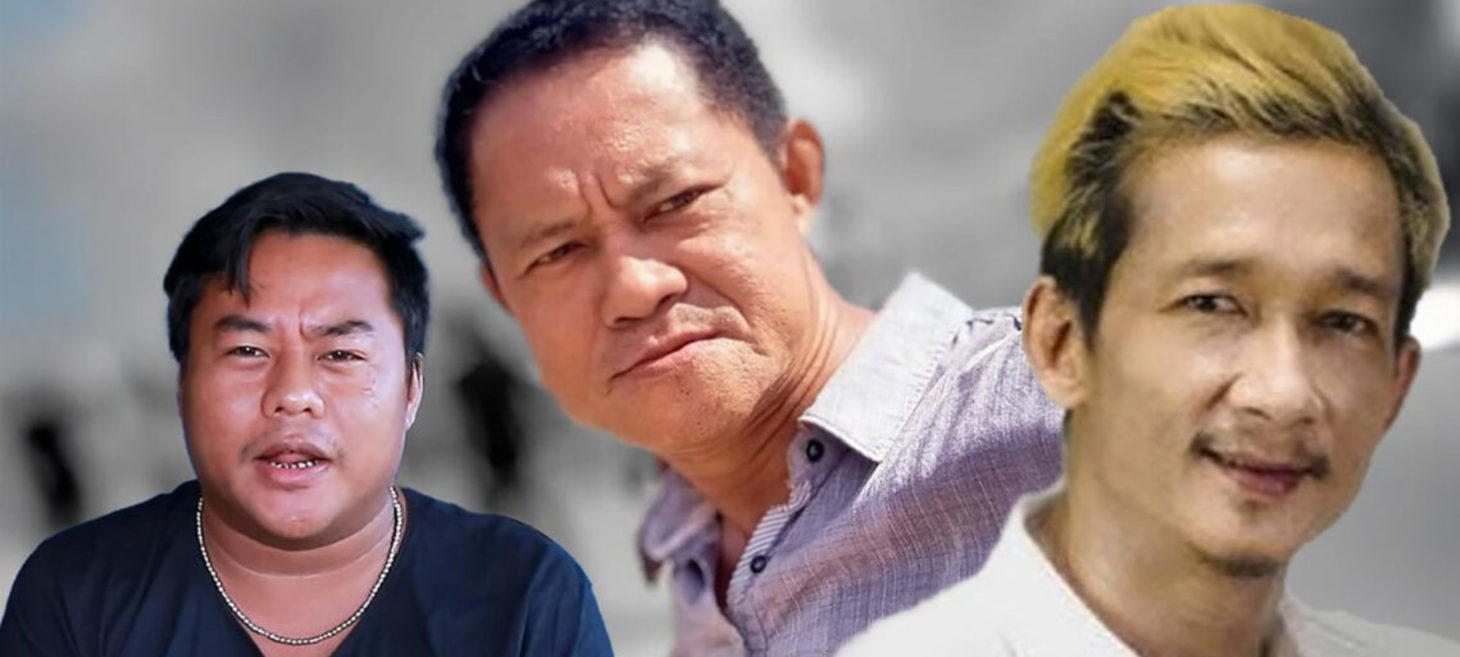
Movie Director, Actors Arrested for Scoffing at Election Propaganda Film
Movie Director Mike Tee, supporting stalwart Kyaw Win Htut, and comedian Ohn Daing were arrested on October 27 and charged under the draconian Election Protection Law for scoffing at a 36-minute propaganda film titled “Khit Ko Done Saing Myi Thu Myar,” which promoted the upcoming election. The junta specifically accused the detainees of having previously joined anti-regime protests, failing to contribute their artistic expertise toward the election’s success, and spreading information intended to undermine public trust in the planned election. These arrests are part of the paranoid junta's efforts to silence critics ahead of the polls, utilizing the severe Election Protection Law—which carries penalties up to execution—to restrict free expression against those who widely denounce the election as a sham.
irrawaddy.com
Foreign Affairs
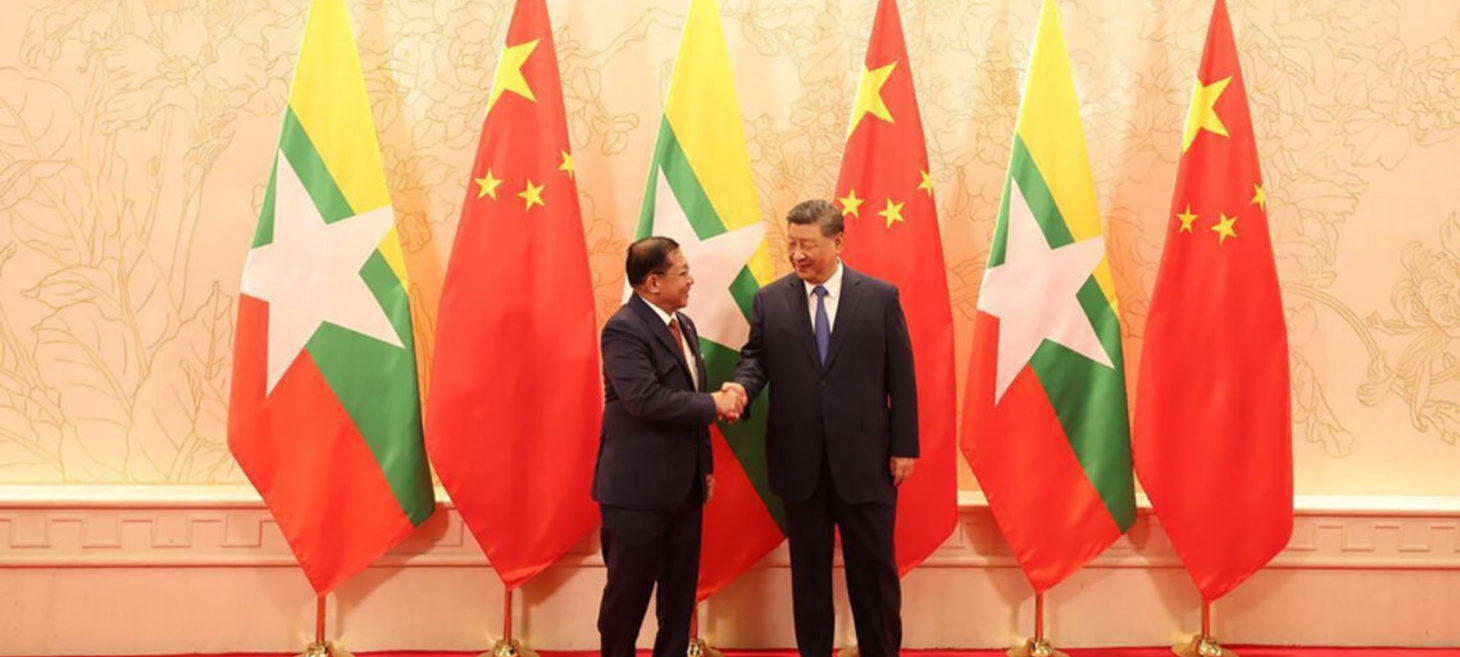
China’s Bullying Diplomacy: How Beijing Sabotaged Myanmar’s Revolution
Following the successful launch of the anti-regime military offensive Operation 1027 in 2024, which saw the Brotherhood Alliance capture Lashio and bring the resistance movement close to seizing key cities, many believed the Spring Revolution was nearing victory as the Myanmar military regime was crumbling and demoralized. However, at the height of this momentum, China intervened, employing "bullying diplomacy" and coercion—including threats to cut off support using a "four-cuts" anti-insurgency strategy—to pressure resistance forces like the MNDAA and TNLA into ceasefire talks, halting their advances, and returning liberated territories to the junta. This intervention represents a shift in China's policy from its earlier distance from Min Aung Hlaing's regime; China decided to align with the junta because pragmatic ties and economic incentives, such as guaranteed access to resources, ultimately prevailed over principles, effectively reviving and strengthening the dictatorship.
irrawaddy.com
Humanitarian
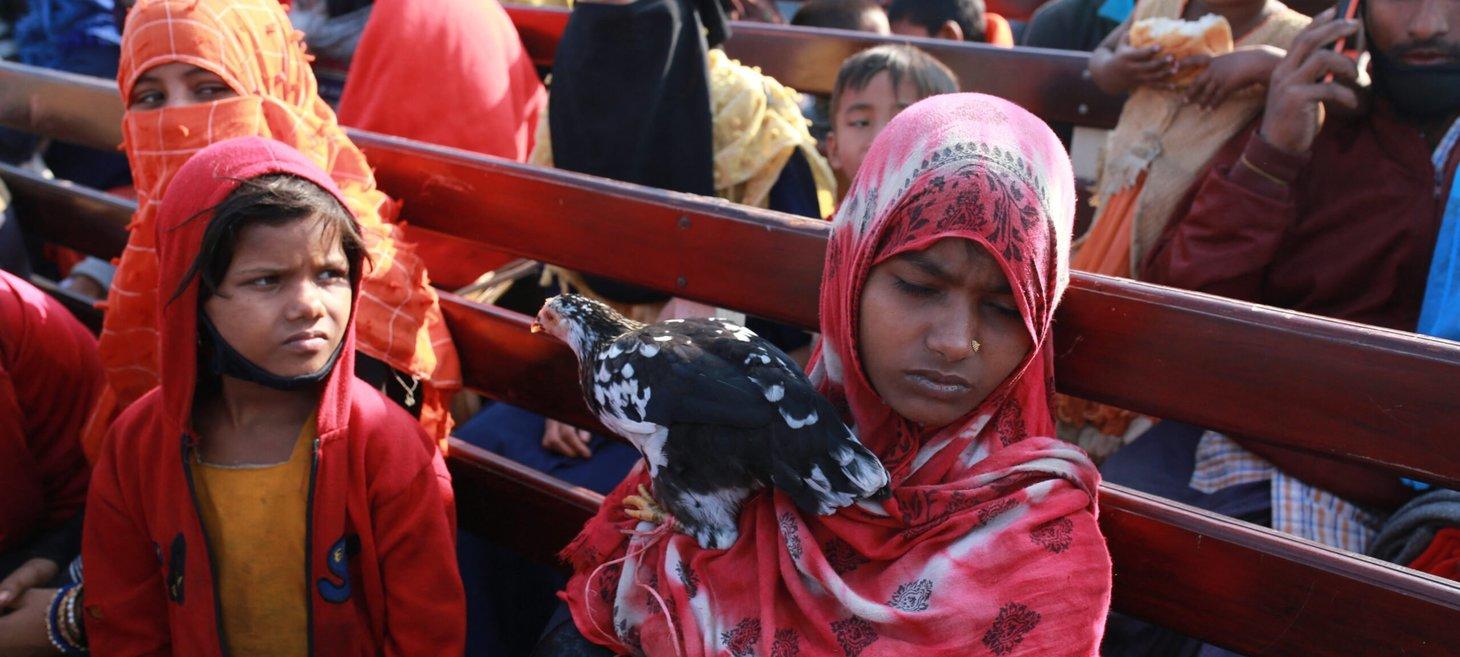
‘Living in fear of the sky’: Rohingya refugees in Bangladesh battle environmental crisis
The densely packed Rohingya refugee camps in Cox’s Bazar, home to over 1.1 million refugees who fled atrocities in Myanmar, are facing a severe environmental crisis marked by deforestation, landslides, flooding, and devastating fires. This precarious situation is exacerbated by sharp cuts in international aid, which have reduced humanitarian partners' capacity to fund essential efforts such as slope stabilization, drainage improvements, and emergency response, despite appeals for hundreds of millions of dollars. As refugees are forced to live in flimsy shelters of bamboo and tarpaulin due to restrictions on building permanent structures, they face constant danger, prompting some Rohingya youth to organize self-help initiatives while desperately appealing for reinforced housing and proper infrastructure to escape the fear of living unprotected.
frontiermyanmar.net
Military
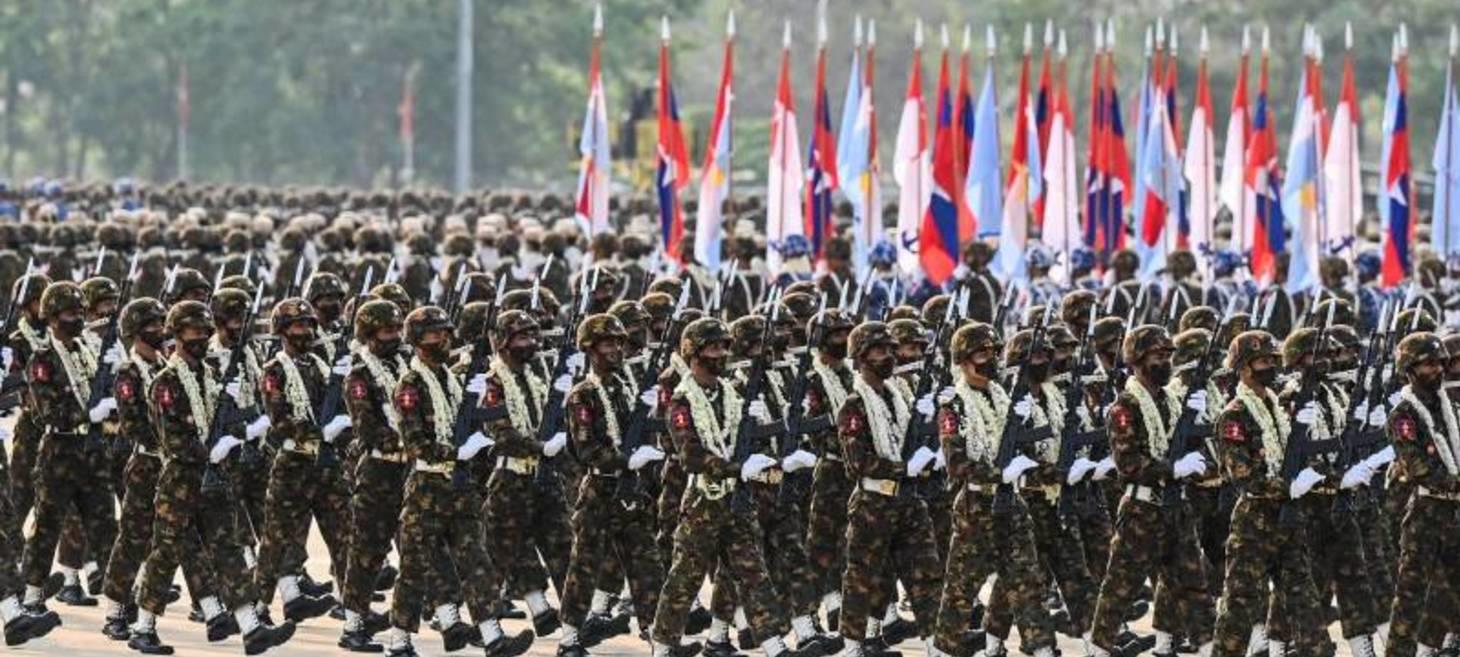
Myanmar junta reshuffles Tanintharyi Region Security and Border Affairs Minister amid rising conflict
The Myanmar junta has reshuffled the Security and Border Affairs Minister for Tanintharyi Region, replacing Colonel Min Min Latt with Colonel Thein Zaw Myint in a move that analysts say reflects the increasingly volatile situation due to intensified clashes with resistance forces who are now using strategic guerrilla tactics. The escalating conflict, which has prompted the junta to launch ground operations and increase aerial bombardments and artillery shelling in townships like Tanintharyi, Thayetchaung, and Launglon, has resulted in the displacement of 80,800 civilians by the end of September. Furthermore, the outgoing minister is transitioning into a civilian role to contest the junta-organized election for the Union Solidarity and Development Party (USDP), which is seen as part of the junta’s “two-faced tactic” where perhaps as many as 500 officers have left the army to be nominated as political candidates across the country.
bnionline.net
Natural Resources
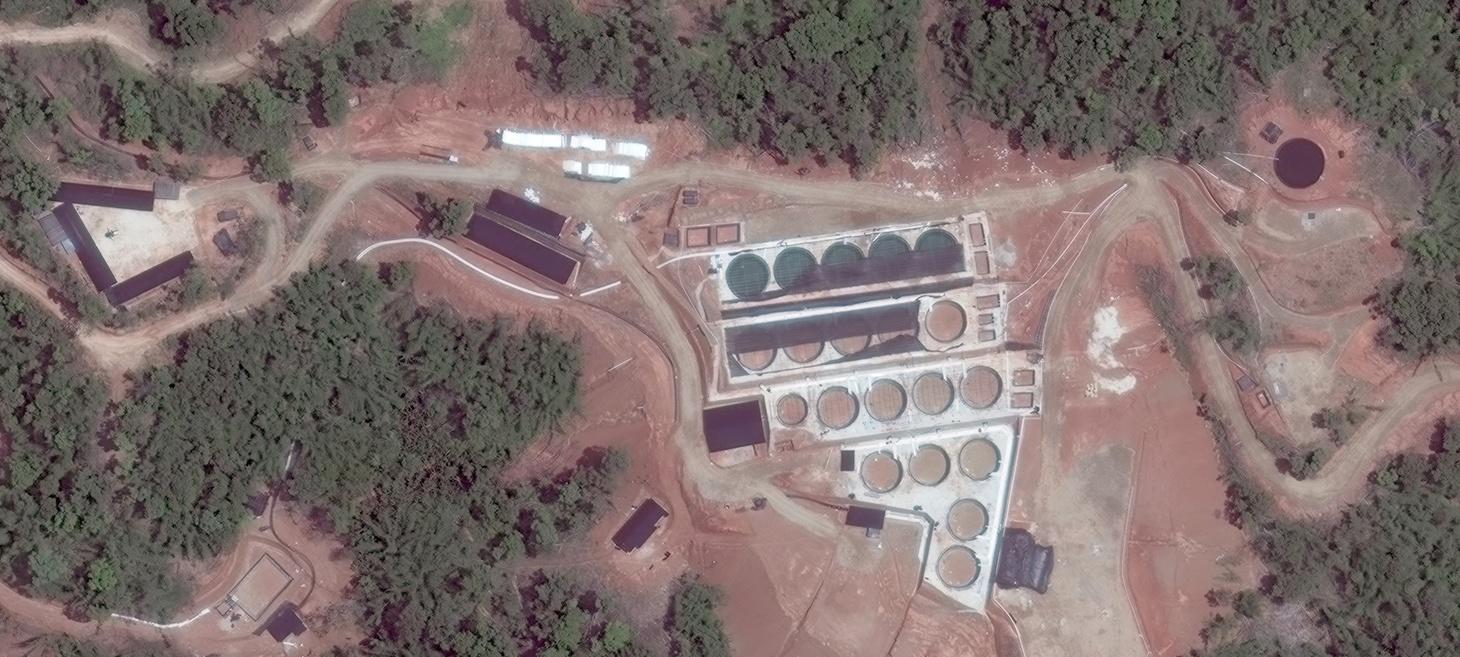
Chinese company behind expanding gold, rare-earth mining in eastern Shan State: report
A report released by the Shan Human Rights Foundation (SHRF) details the rapid, unregulated expansion of gold and rare-earth mining in eastern Shan State’s Mong Hsat Township by the China Investment Mining Company, which operates in an area along the Kok River jointly controlled by Myanmar’s junta and the United Wa State Army (UWSA). These environmentally damaging activities, which include in-situ leaching and the use of large quantities of chemicals like sodium cyanide, cause heavy metal runoff and chemical waste to drain directly into the Kok River, resulting in severe flooding and pollution that has registered arsenic and lead concentrations exceeding safety standards on the Thai side of the border. This growth is part of a larger trend since around 2011 where Chinese-backed companies shifted operations to Myanmar due to China tightening domestic controls on rare-earth mining, leveraging the region's weak oversight and conflict conditions to operate without constraint.
myanmar-now.org
Sanctions
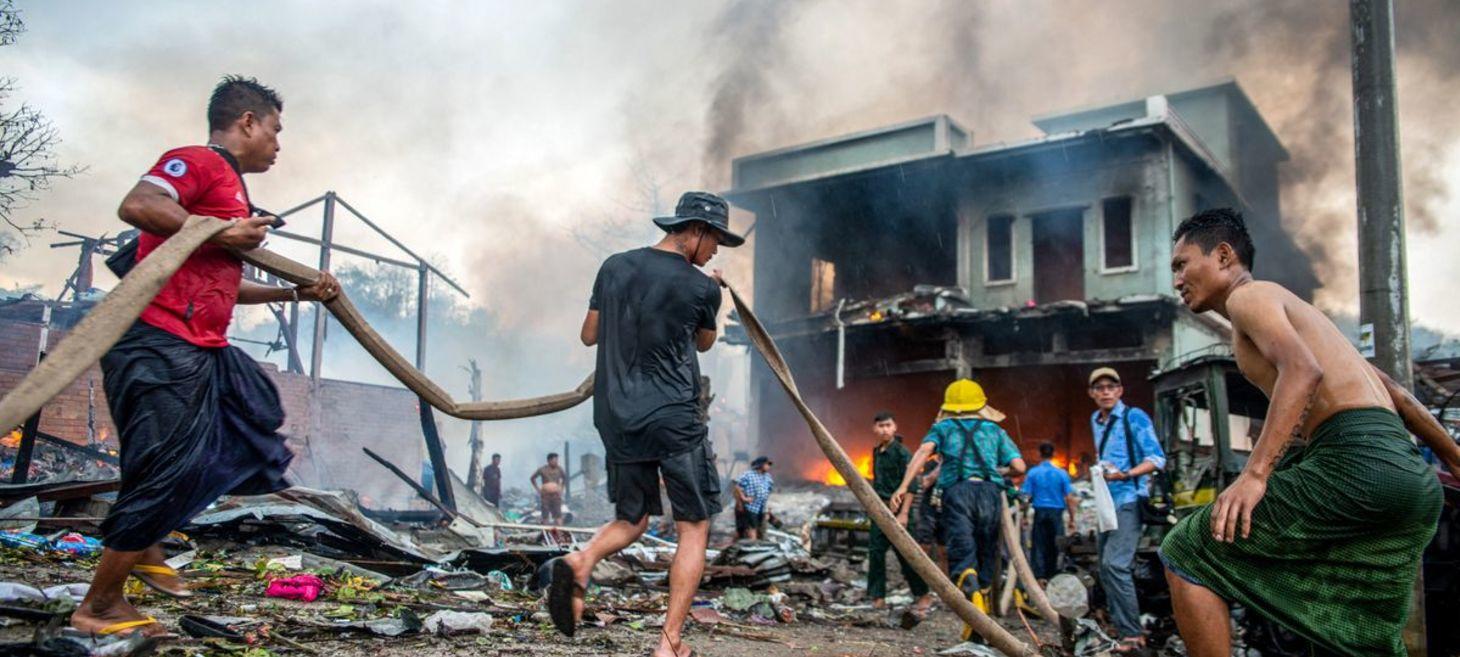
Companies registered in UK's overseas territories generating huge revenues for Myanmar military regime
Companies registered in Britain’s overseas territories, specifically Bermuda and the Cayman Islands, are generating hundreds of millions of dollars in revenue for the Myanmar military regime through two joint venture pipeline operators that transport gas in partnership with the junta-controlled state energy company, Myanma Oil & Gas Enterprise (MOGE). Analysis indicates that the pipeline operations generated more than $754 million in pipeline fee revenues for PTT and MOGE between 2021 and 2024, providing the cash-strapped military with a vital source of foreign currency that could be used to import weapons. Legal experts believe this situation could constitute a breach of UK sanctions against the junta. Yet, the UK's failure to directly sanction MOGE has created a "quagmire of confusion" regarding enforcement, leading activists to demand that authorities in the overseas territories and the UK urgently investigate and close these financial loopholes.
financeuncovered.org