Introduction & Analysis
This collection of open-source English-language news articles published over the past week highlights significant events and issues concerning Myanmar. They present a snapshot of the country's safety and security landscape.
- The Myanmar military junta is proceeding with a planned election on December 28, 2025, which international bodies and over 300 organizations have denounced as an "illegal, cynical ploy" and a "sham" intended solely to manufacture a veneer of legitimacy for military rule amid mass repression and civil war.
- Despite international pressure, including the fact that ASEAN leaders rejected the junta's invitation to send official election observers and emphasized that inclusive political dialogue and a cessation of violence must precede any credible polls, the military regime remains highly intransigent, confident in the backing it receives from external powers like China and Russia.
- The civil war continues to inflict severe humanitarian damage, marked by gruesome atrocities like torture and beheadings, a significant escalation in the junta’s deadly airstrikes on civilian targets, and the forced displacement of millions, leading to a refugee crisis and citizens being coerced or pressured to return to insecure areas like Loikaw to register to vote.
- Myanmar's instability is a huge destabilizing factor in Southeast Asia, creating fertile ground for the boom in transnational crime, including sophisticated cyber scam networks that operate by trafficking and enslaving over 120,000 people;. However, the junta conducted high-profile raids; these actions are widely viewed as "cosmetic" attempts to appease international scrutiny from countries like the US and China during the recent ASEAN Summit.

ASEAN
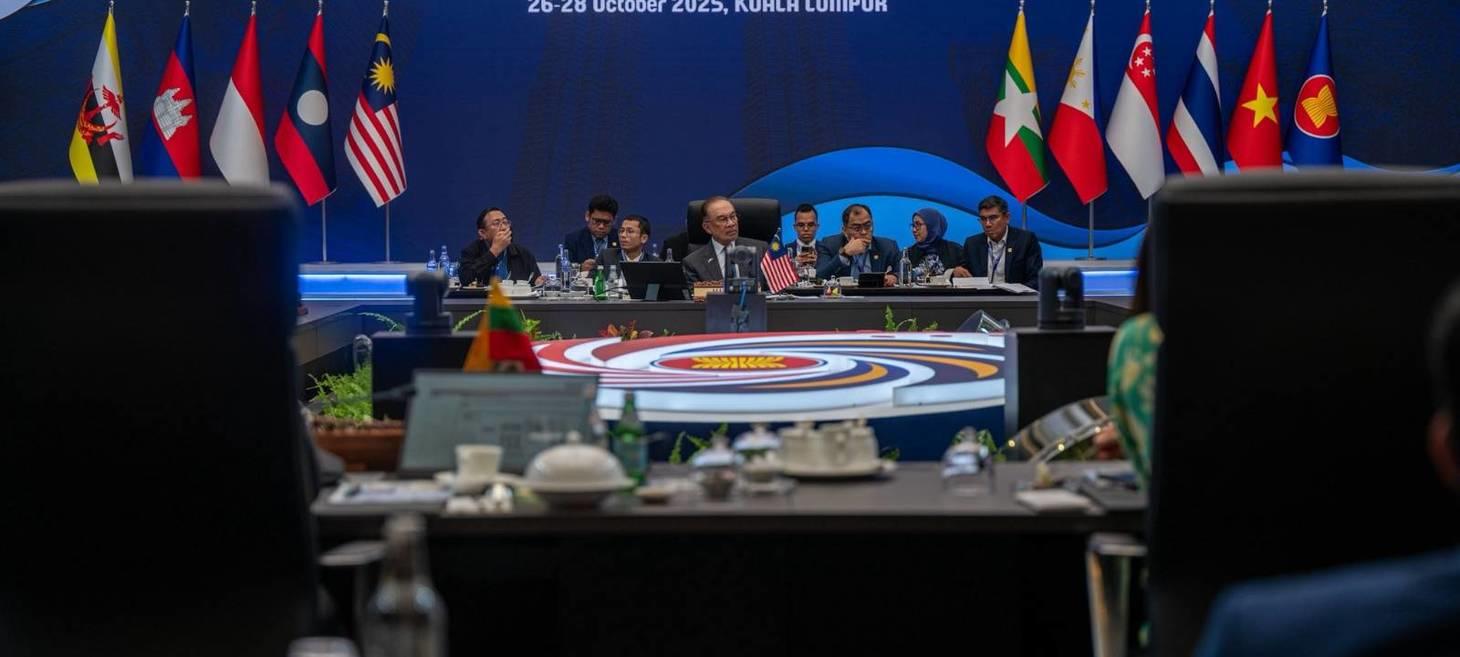
47th ASEAN SUMMIT: Is the 5PC in tune with the SSPC’s elections?
The 47th ASEAN Summit, chaired by Prime Minister Anwar Ibrahim, took place in Kuala Lumpur, Malaysia, in October 2025, where leaders critically reviewed the implementation of the Five-Point Consensus (5PC), the roadmap designed to resolve Myanmar’s political and humanitarian crisis. Concerns centered on the Myanmar military junta's (SSPC) planned December 2025 elections, which over 300 international and ASEAN organizations urged ASEAN to unequivocally reject, leading ASEAN leaders to emphasize that a cessation of violence and inclusive political dialogue must precede any credible electoral process. The resolution effectively rejected the junta's timeline and resulted in ASEAN deciding not to send an official monitoring team, even as the summit marked other milestones, such as signing the Declaration on Timor-Leste’s Admission as the 11th member and Finland becoming an ASEAN dialogue partner.
shannews.org
Conflict

Myanmar resistance forces attack Chinese-backed mine in Sagaing’s Salingyi Township
Myanmar resistance forces initiated an assault on troops who were stationed at the Chinese-backed Wanbao copper mine located in Sagaing Region’s Salingyi Township, an event reported on October 27, 2025. According to local sources, this attack on the troops came shortly after regime forces had conducted raids over several days, resulting in the deaths of multiple civilians. The broader context of conflict reflected in the sources includes concurrent reports about campaigning for the junta-run election, ASEAN not sending monitors to the polls, continued deadly airstrikes, and partnerships between the Myanmar junta and Chinese firms regarding infrastructure projects.
myanmar-now.org
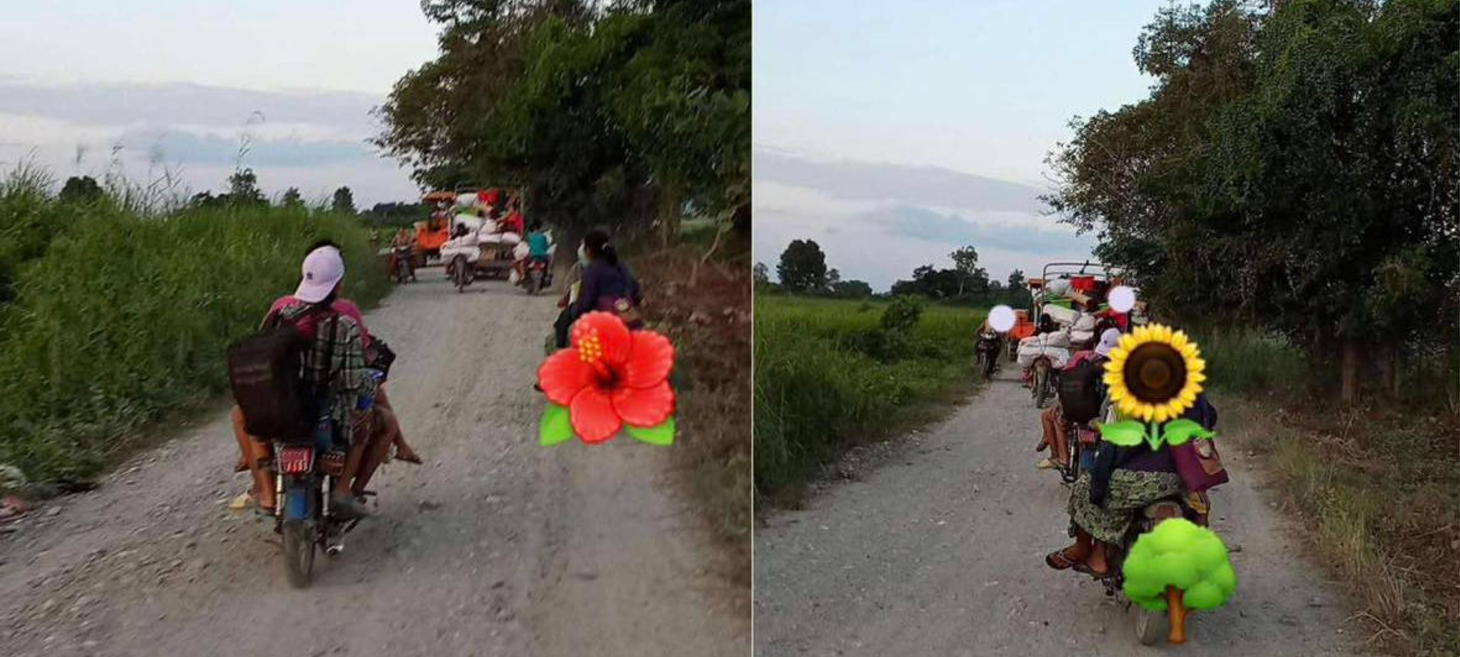
Thousands flee as junta launches major offensive along Kale-Gangaw Road
The junta launched a major offensive using massive forces along the Kale-Gangaw Highway in Kale (Kalay) Township, southern Sagaing Region, beginning October 27, 2025, with troops moving in a convoy of 15 to 20 trucks, some towing artillery, in what appears to be an operation to clear the route from Kale to Gangaw. This large-scale operation caused thousands of locals to flee for safety, particularly after junta soldiers, who emerged from Kale Technological University in three columns, entered Kyunchaung Village on October 27 and reportedly burned down houses. This offensive along the Kale-Gangaw Road is part of simultaneous efforts to reclaim resistance-held areas, which began after the junta airlifted a large number of troops into Kale Town on October 16, subsequently launching offensives both south toward Gangaw and north along the Kale-Tamu Road.
bnionline.net
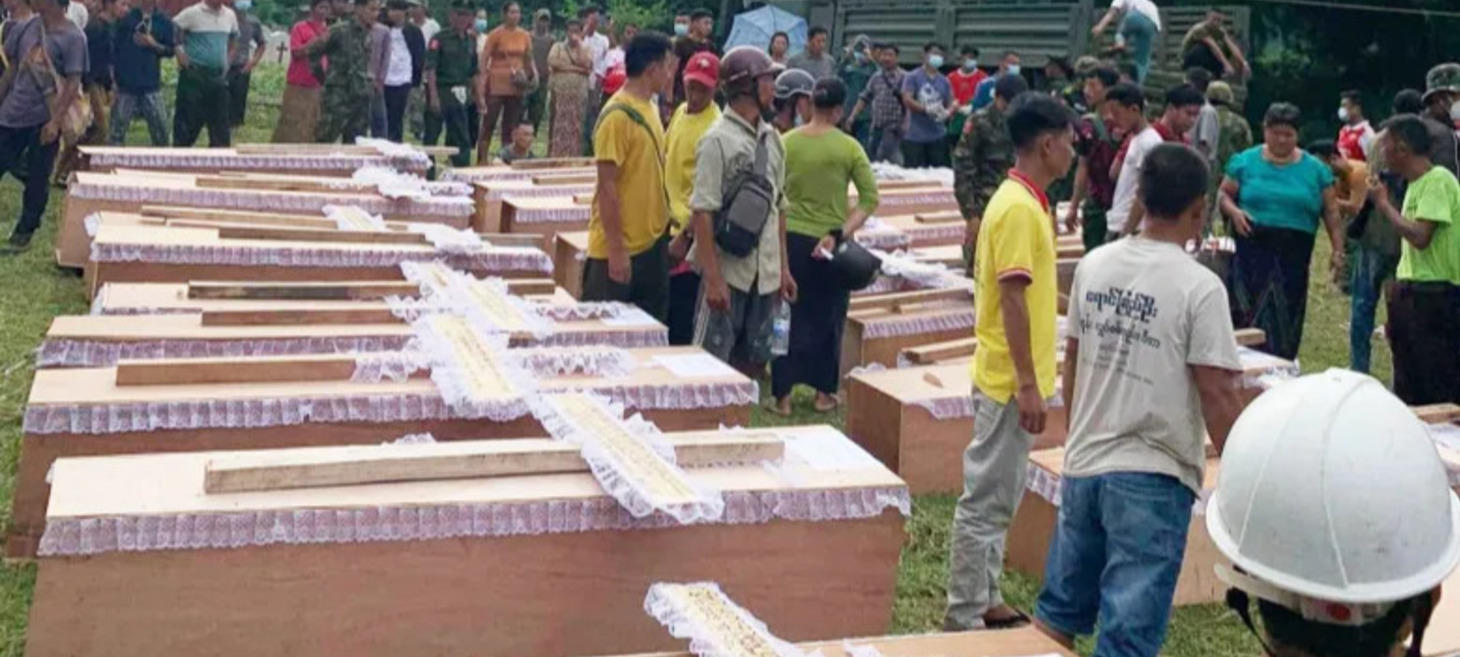
October: Junta’s chosen month for killing sprees in Kachin State
Following the coup, October has become known as the darkest and deadliest month in Kachin State, characterized by a clear pattern of brutal junta airstrikes that tend to peak during this time. Two key tragedies include the October 23, 2022, nighttime air raid on A Nang Pa, which killed 69 people gathered for a commemorative ceremony and concert, and the October 9, 2023, airstrike on the Mong Lai Khet refugee camp, which killed 29 internally displaced people (IDPs). These incidents demonstrate the junta’s merciless brutality and deliberate targeting of civilians to create bloodbaths and scare the populace, leaving survivors and the wider Kachin community suffering from profound and lasting trauma.
bnionline.net
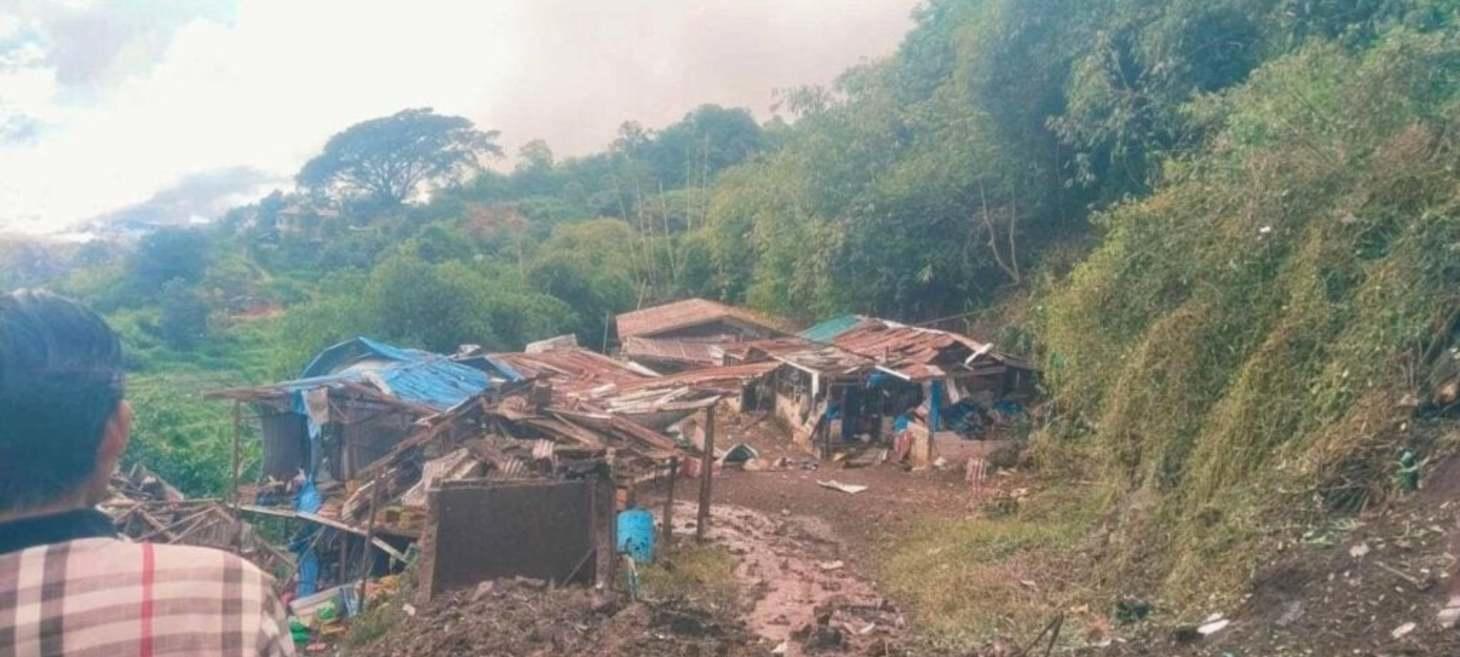
Junta Airstrikes Kill Civilians Across Four TNLA-Controlled Towns
The military junta has intensified airstrikes across multiple towns controlled by the Ta’ang National Liberation Army (TNLA), including Mongkut, Namhsan, Mantong, and Mong Ngaw, launching more than 30 attacks across TNLA territories since regaining control of Kyaukme and Hsipaw towns earlier in October. These airstrikes have caused significant civilian casualties and destruction, resulting in the deaths of at least 41 civilians—including eight children, 19 women, and two monks—injuring nearly 50 others, and destroying 138 homes, three schools, and three monasteries. As residents face constant fear, loud aircraft, and inability to flee due to blocked roads, the TNLA Secretary-General Major General Tar Phone Kyaw issued a warning that the group is carefully documenting those responsible for targeting civilians.
shannews.org
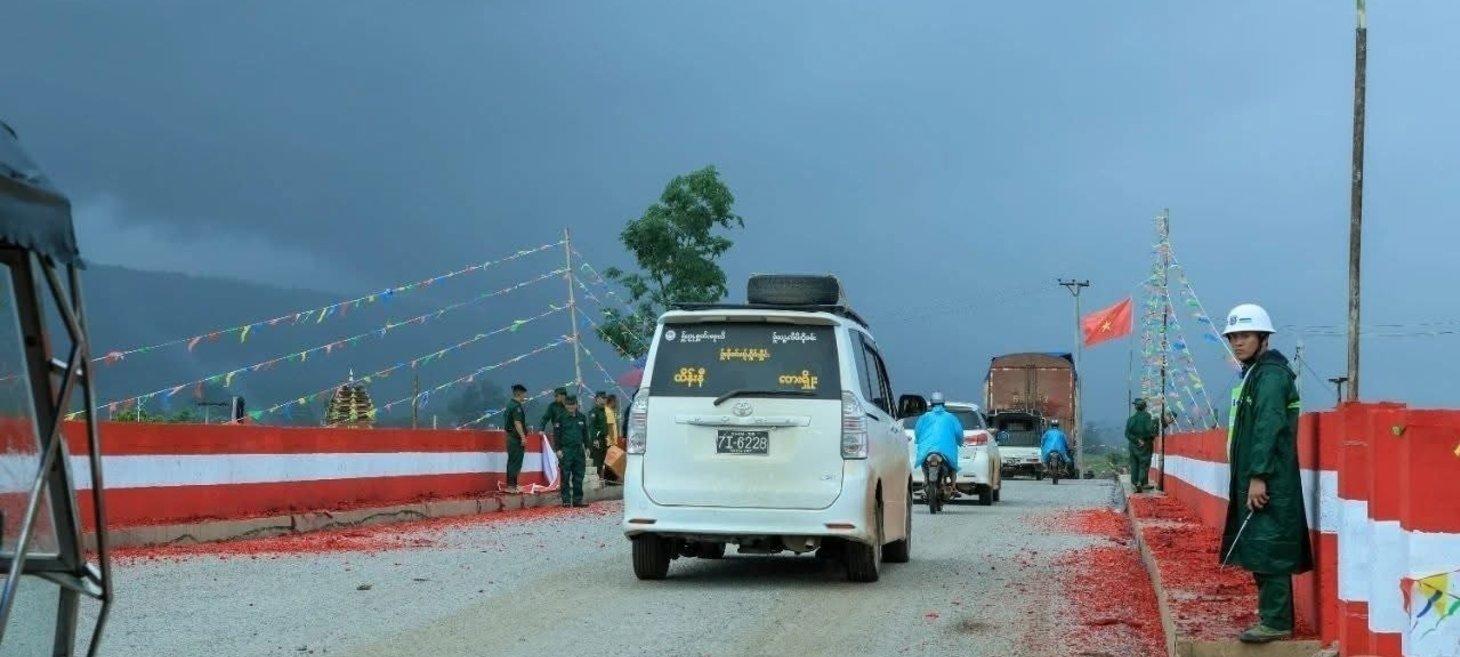
Hsenwi After Operation 1027: A Town Caught Between Powers
Hsenwi became a contested crossroads of strategic and symbolic importance after Operation 1027, serving as a critical logistics hub and an unofficial border between the military junta and the Myanmar National Democratic Alliance Army (MNDAA). This location is vital for controlling Myanmar-China trade routes—the "lifeblood" of Myanmar’s economy—and is a "strategic cornerstone" for China, which has pushed for a stable governing authority due to vested interests in the Belt and Road Initiative. For returning locals like Nang Nguen, the peace remains "as unstable as a water bubble," as they grapple with overwhelming military checkpoints, the loss of traditional farmland to commercial crops, and a profound transformation of the town center characterized by the dominance of Chinese influence, language, gambling, and economic upheaval.
shannews.org
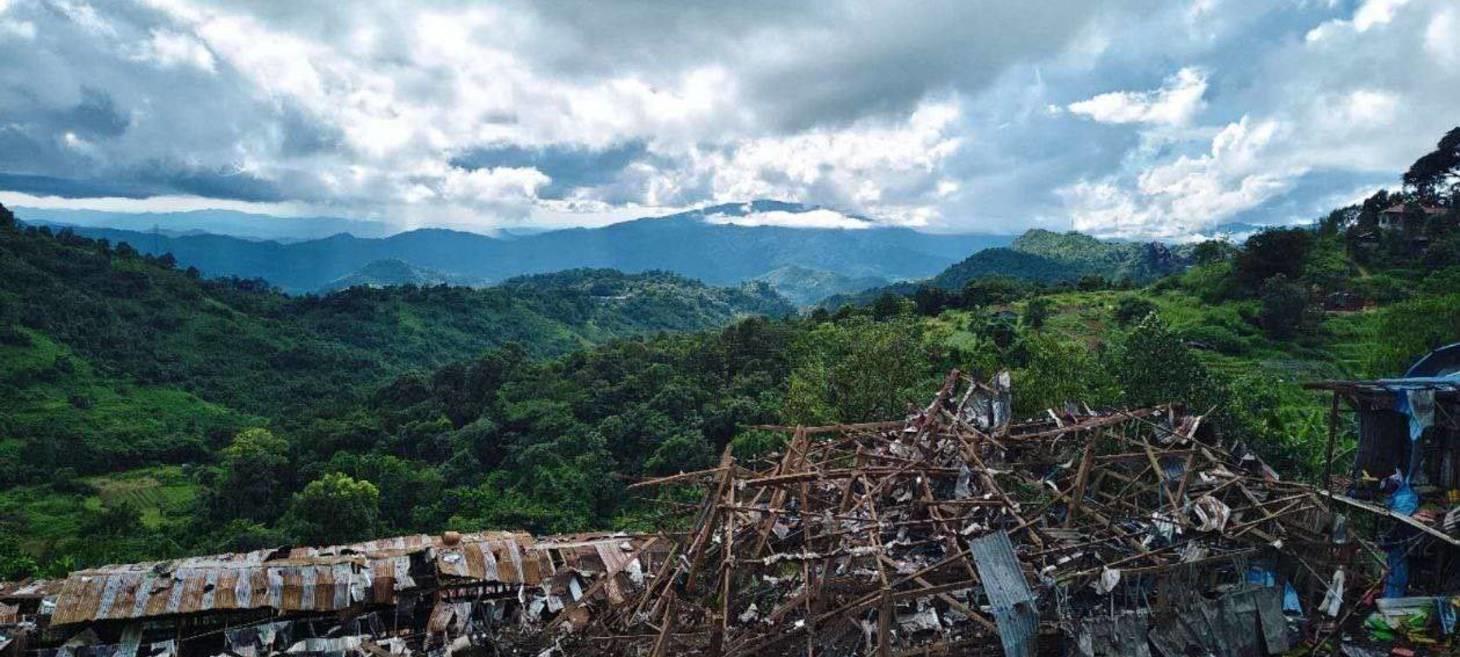
Junta airstrikes kill dozens over 20 day span in Northern Shan
Junta airstrikes in Northern Shan State have killed dozens of people since early October 2025, devastating buildings in territory controlled by the Ta’ang National Liberation Army (TNLA). The military has stepped up these aerial attacks, striking civilian areas as it seeks to consolidate control over key trade routes. This violence is set against a backdrop of wider political turmoil and conflict in Myanmar, which includes the arrest of a former NLD candidate, deadly gunfire erupting during a funeral for airstrike victims in Chin State, and the commencement of campaigning for the junta-run election.
myanmar-now.org
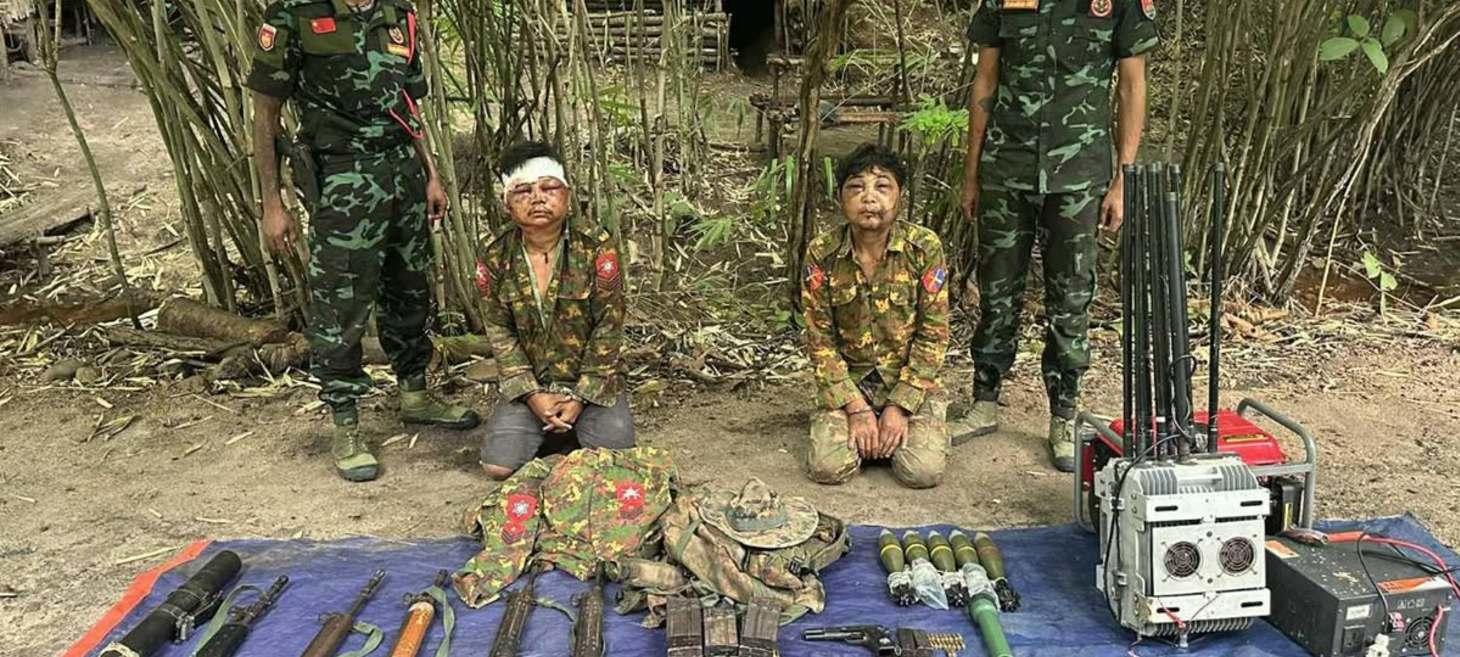
Junta lieutenant colonel among 15 killed in resistance attack on Bago Region base
Resistance forces successfully attacked a regime outpost located in Ywar Thit village in the Swar Ywar Ma village tract of Bago Region’s Yedashe Township, which resulted in 15 junta fatalities, including a lieutenant colonel. According to a resistance statement, the forces captured two prisoners and seized ammunition from the base located on the east bank of the Sittaung River. This military action was reported on October 22, 2025, amidst other significant developments in Myanmar, including ongoing resistance activities, the start of campaigning for the junta-run election, and arrests of former NLD candidates.
myanmar-now.org

Hundreds flee junta airstrikes in Bago Region’s Yedashe Township
More than 500 people fled villages along the Sittaung River in Bago Region’s Yedashe Township due to renewed fighting between junta troops and KNU-allied resistance forces, with the conflict being characterized by junta airstrikes. This wider environment of violence includes reports of brutal executions by the military, ongoing military losses for the junta against anti-junta forces in northern Shan State, and other deadly incidents such as the killing of three civilians sheltering in a monastery in Rakhine State due to junta airstrikes, and two deaths occurring when gunfire erupted at a funeral for airstrike victims in Chin State. Amidst this escalating violence and a reported "quiet crisis consuming Yangon", campaigning has begun for Myanmar’s junta-run election, even though ASEAN sources indicate they will not be sending monitors to the polls.
myanmar-now.org
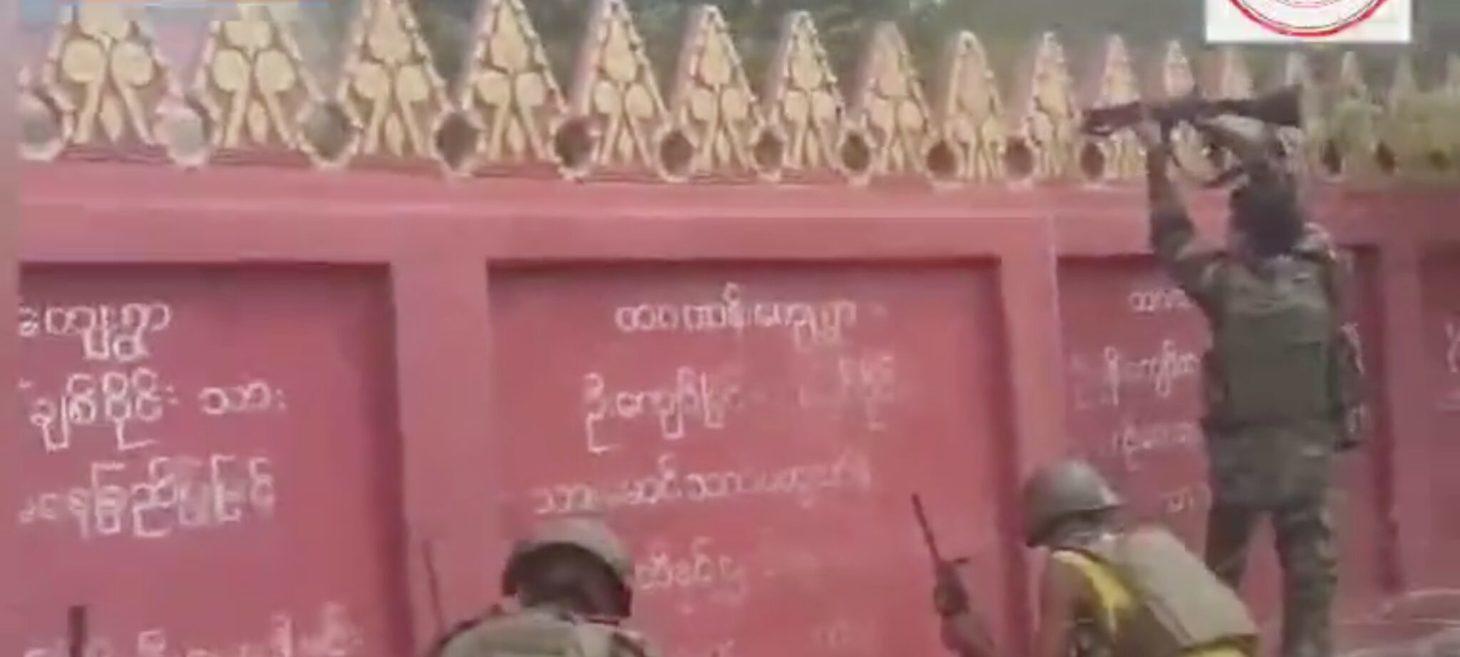
Junta raids near Shwebo leave one resistance fighter dead, several civilians injured
The core news report details that junta raids near Shwebo resulted in the death of one resistance fighter and left several civilians injured. These events near Shwebo are part of repeated clashes between regime and resistance forces in the area since the start of the month, with resistance forces notably clashing with junta troops near Ta Ga Nan village (about a mile south of Shwebo) on October 2. More broadly, the sources provide an overview of the ongoing crisis in Myanmar, highlighting related incidents such as the arrests of NLD candidates, campaigning for a junta-run election, persistent power shortages, and continuous reports of violence and crises spanning from 2023 to late October 2025.
myanmar-now.org
Crime & Narcotics

Covert Drugging: A Growing Threat to Women’s Safety
Toh Say is a disturbing form of covert drugging emerging as a growing threat to women’s safety in Shan State, Myanmar, particularly in the capital city of Taunggyi. This criminal practice involves secretly exposing vulnerable victims, often young women and the elderly, to psychoactive dissociative drugs such as ketamine or phencyclidine, frequently resulting in symptoms like numbness, confusion, or physical paralysis. Incidents of Toh Say, which leave victims susceptible to robbery, exploitation, sexual assault, or abduction, have reportedly increased since the 2021 military coup due to the deterioration of public security and weakening rule of law, compounded by the fact that victims often receive no help from the police.
shannews.org
Cybersecurity & Cybercrime
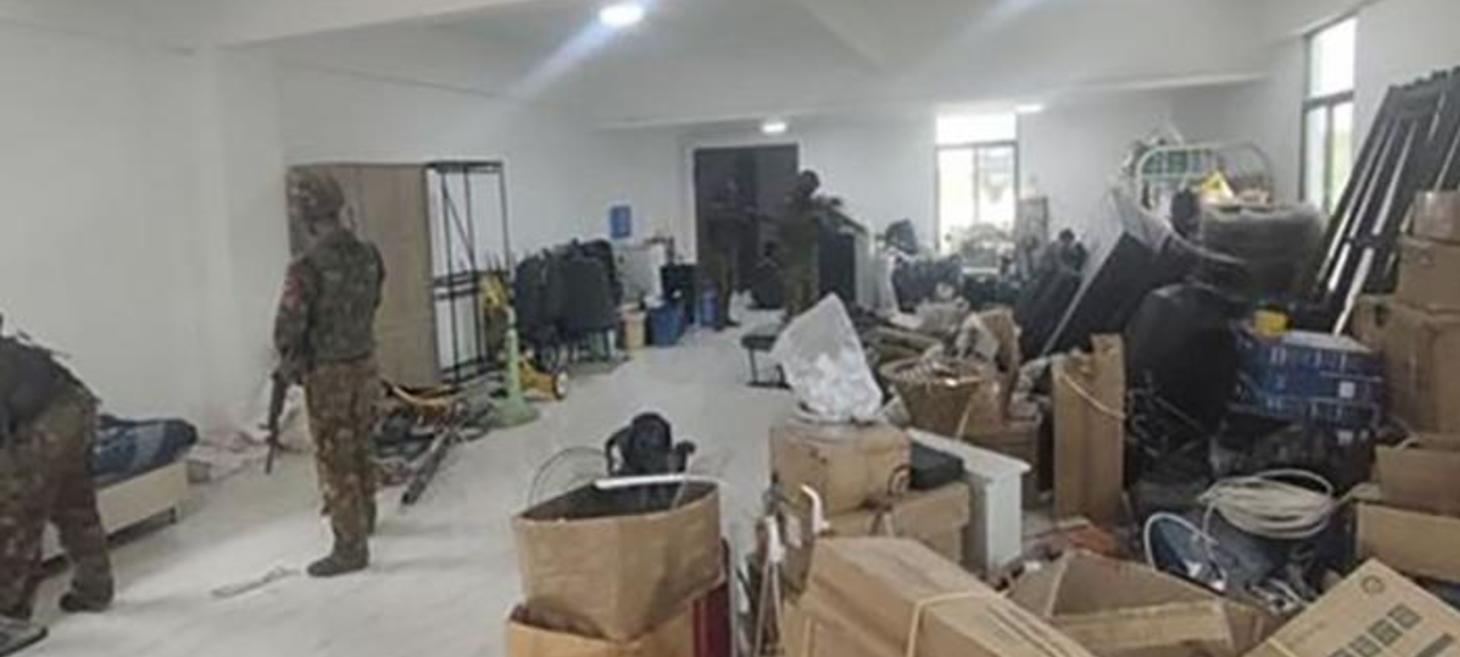
The dismantling of online scam centres by Myanmar’s military was a sham
The Myanmar military carried out a high-profile operation against large-scale cyber scam centers, particularly at KK Park near the Thai border, which was conducted after increased international pressure, including criticism and threats of sanctions expressed by US President Donald Trump at the ASEAN Summit. Following the operation, which included blowing up buildings, over a thousand people—many believed to be trafficked workers or "new slaves" from countries like India, China, and Vietnam—fled the complex and crossed into Thailand. Despite the military’s claims of dismantling the operations, local observers and victims largely viewed the raid as a "sham" orchestrated for show, as deep-rooted criminal networks backed by Chinese syndicates and local militias remain entrenched and other nearby scam centers continue to be fully operational.
asianews.it
IACAT leads repatriation of 222 trafficked Filipinos from Myanmar
The Inter-Agency Council Against Trafficking (IACAT) is leading the repatriation efforts for 222 Filipinos from Myanmar who were reportedly victims of human trafficking, mobilizing member agencies like the Department of Foreign Affairs (DFA), the Department of Migrant Workers (DMW), and the Overseas Workers Welfare Administration (OWWA) to provide assistance and coordinate with authorities in Myanmar and Thailand. IACAT has assured that the repatriated victims will receive legal, psychosocial, and financial assistance through the Department of Social Welfare and Development (DSWD), while the Department of Justice (DOJ) and IACAT law enforcement units are pursuing investigations and prosecution against the illegal recruiters and traffickers involved in online scamming and cyber fraud operations in the region. Justice Undersecretary and IACAT Chairperson Nicholas Felix L. Ty affirmed the government’s commitment to strengthening coordination, cooperation, and information-sharing with Southeast Asian counterparts to combat these schemes, which include recruitment for fake jobs and alleged cryptocurrency scam hubs.
tribune.net.ph
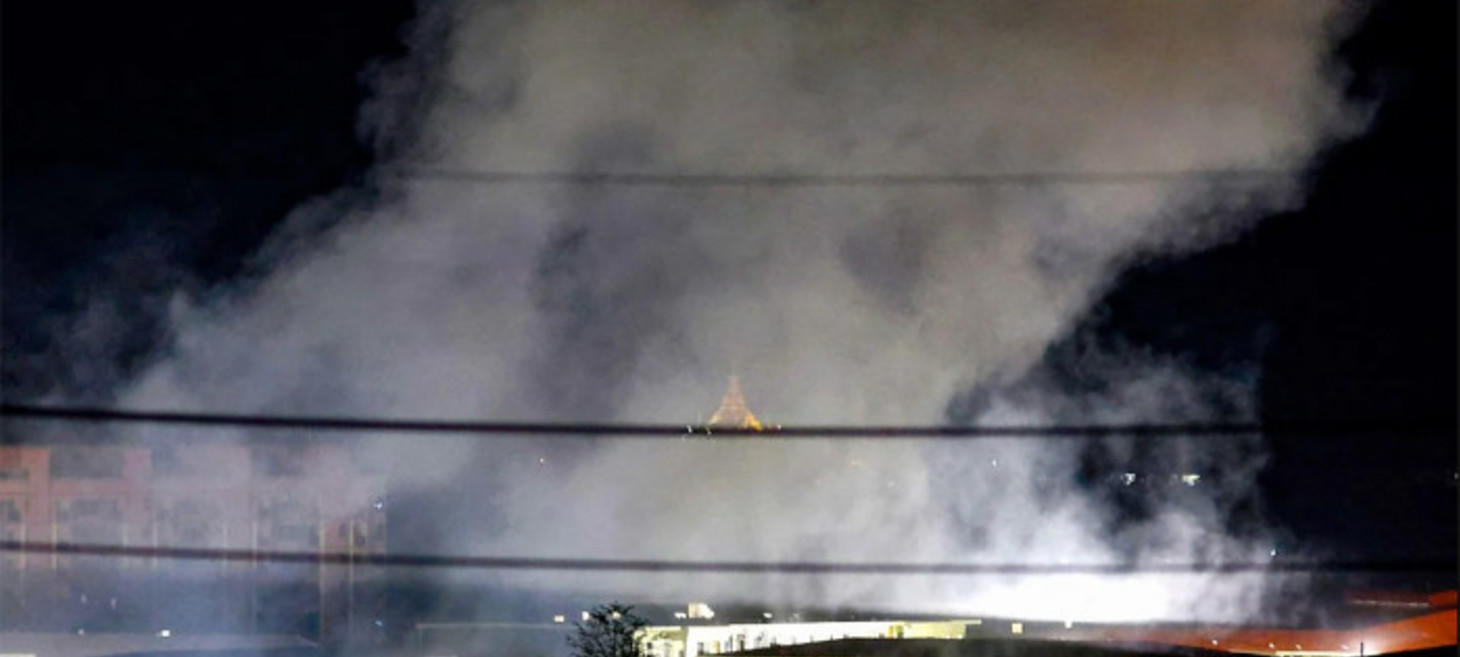
Myanmar detains over 10,000 foreigners in scam centre crackdown
Myanmar’s military government has detained over 10,000 foreign nationals over the past nine months for allegedly being involved in online scams, with approximately 9,340 of the 10,119 detained individuals already repatriated in a joint crackdown with China and Thailand. This action addresses international pressure to dismantle billion-dollar scam networks run by sophisticated transnational syndicates that operate industrial-scale cyber-fraud centers in the region, where detainees are often trafficked and subject to physical punishment if they fail their work quotas. Despite raids on major scam compounds like KK Park, critics suggest the operation is "largely cosmetic" and timed to coincide with the Asean summit, warning that the crackdown might just cause the highly lucrative business to move to new sites rather than solving the problem.
bangkokpost.com

Southeast Asian scam networks are booming. Governments are starting to take action
Southeast Asian scam networks are booming, rivaling the global drug trade in gross profits and becoming the top form of financial crime impacting people worldwide, including Americans who reportedly lost $10 billion last year. The U.S. Justice Department and the U.K. responded by seizing approximately $15 billion in bitcoin and announcing sanctions against the massive Prince Holding Group in Cambodia, whose globally sprawling operations were connected to high-ranking members of the country's elite patronage system, including its indicted Chinese-born chairman, Chen Zhi. As the growing problem takes the spotlight during the Association of Southeast Asian Nations meeting in Kuala Lumpur, regional action includes the resignation of Thailand's deputy finance minister over alleged links to these operations and SpaceX disabling 2,500 Starlink terminals previously used by cyber scam centers in Myanmar.
npr.org
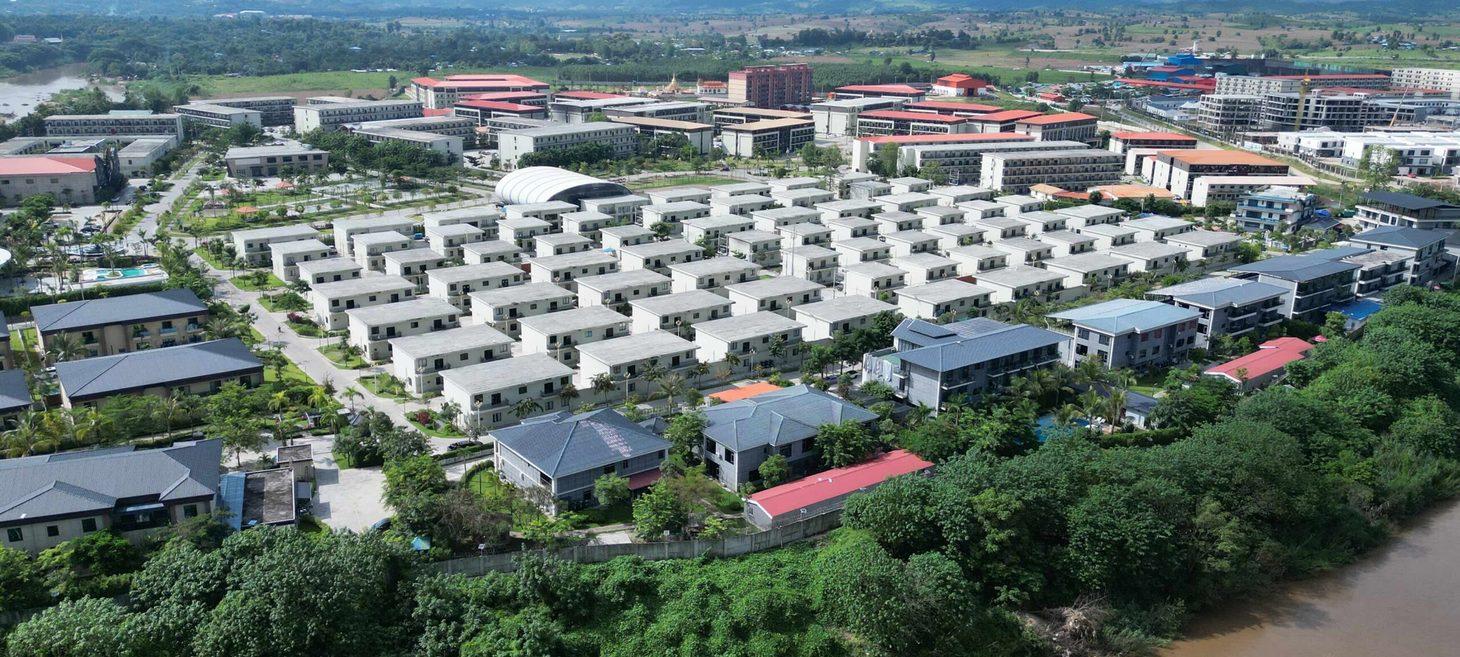
How Myanmar’s junta is shifting blame for massive scam centres away from its allies
The provided source excerpts detail how Myanmar’s junta is deliberately shifting the blame for massive scam centers, such as the notorious KK Park complex located in Karen State’s Myawaddy Township, away from its own allies. Specifically, the regime is distorting the truth in an effort to cast the KNU (Karen National Union) as the culprits behind the notorious operations. The broader source material illustrates the turbulent context in Myanmar, mentioning related events like the arrests of former NLD candidates, ongoing campaigning for junta-run elections, and calls from Thai officials urging the regime to crack down on fraud and trafficking gangs along the border.
myanmar-now.org
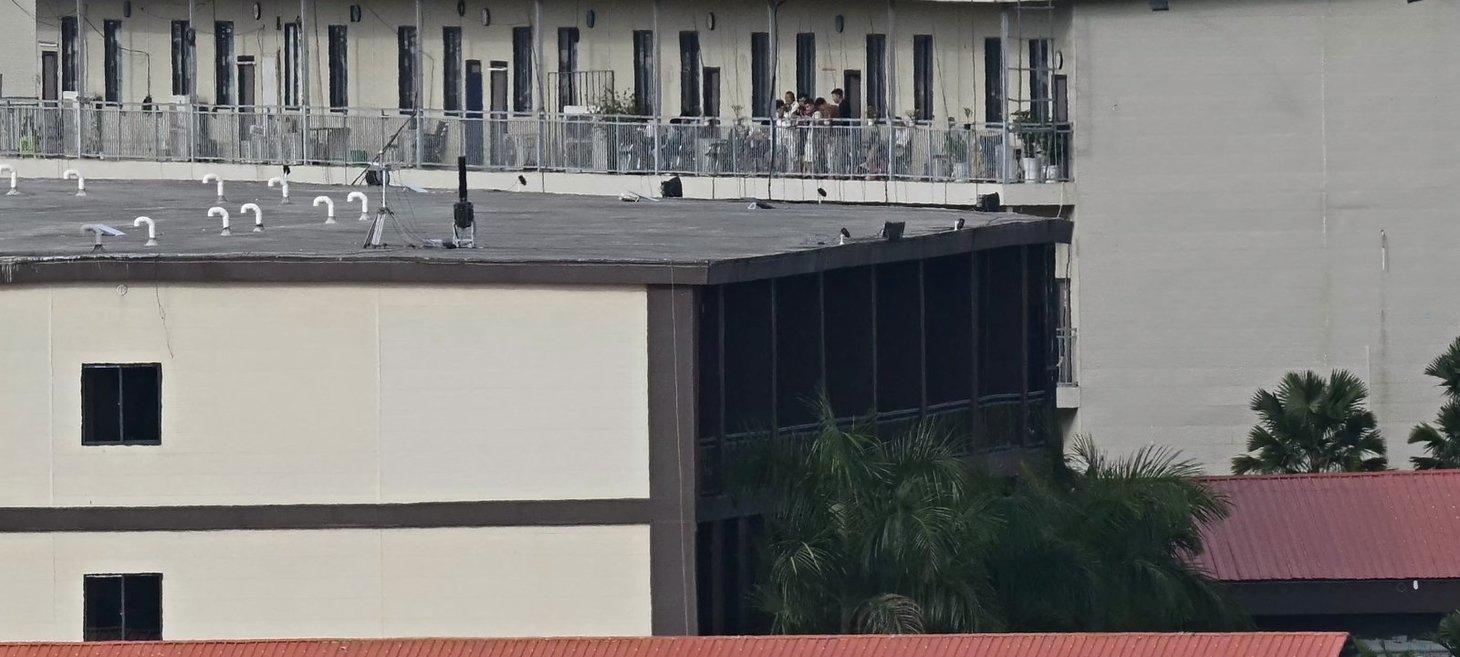
SpaceX cuts off 2,500 Starlink devices at Myanmar scam centres
SpaceX disabled service to over 2,500 Starlink devices in the vicinity of suspected "scam centers" in Myanmar, an action taken after Agence France-Presse revealed the massive installation and use of the Elon Musk-owned satellite internet network in the illicit industry. These sprawling compounds, located primarily in Myanmar’s border regions with Thailand and China, have thrived during the country's civil war, contributing to a booming online scam industry across Southeast Asia that conned victims out of up to US$37 billion in 2023. While Myanmar's junta reported raiding notorious sites like KK Park—leading to workers "leaving in chaos"—analysts believe the military is performing a "balancing act" to appease China by "tokenistically" taking action, with critics noting that the closure of one site is merely "a small portion" of the worldwide cybercrime operation.
frontiermyanmar.net
Economy
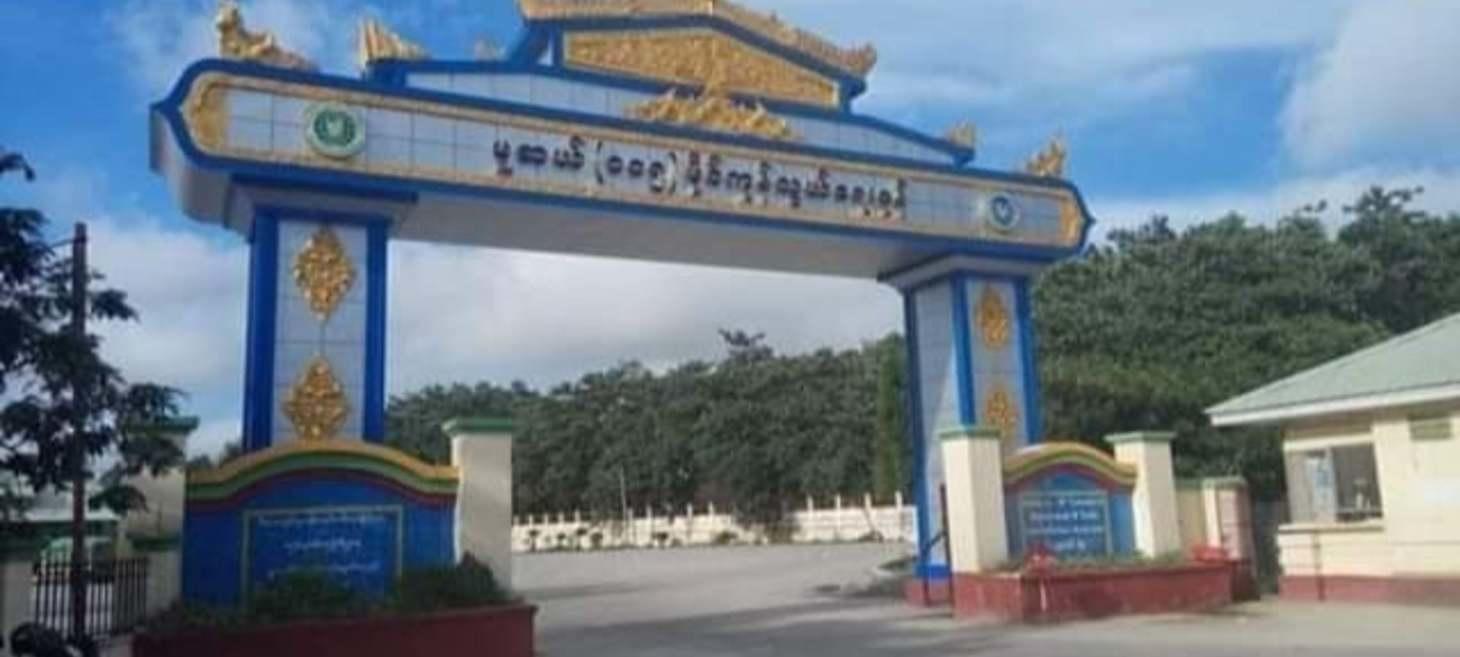
Will the junta succeed in reopening northern Shan State’s trade networks?
Following Operation 1027, which halted cross-border trade in northern Shan State, the junta reopened the key Mandalay-Lashio Road on October 18 after retaking control of several towns, including Naungcho, Kyaukme, and Thibaw. While the route makes travel easier for small passenger cars, heavy trucks are currently blocked due to unrepaired damage to bridges, and trips now take around 10 hours because of frequent inspections at over 20 checkpoints. The reopening presents significant challenges for commerce, as traders must now pay two to three times the previous taxes and spend between 200,000 and 700,000 MMK per truck to pass checkpoints, while control of major border gates remains split between the junta and ethnic armed groups like the MNDAA.
bnionline.net
Elections
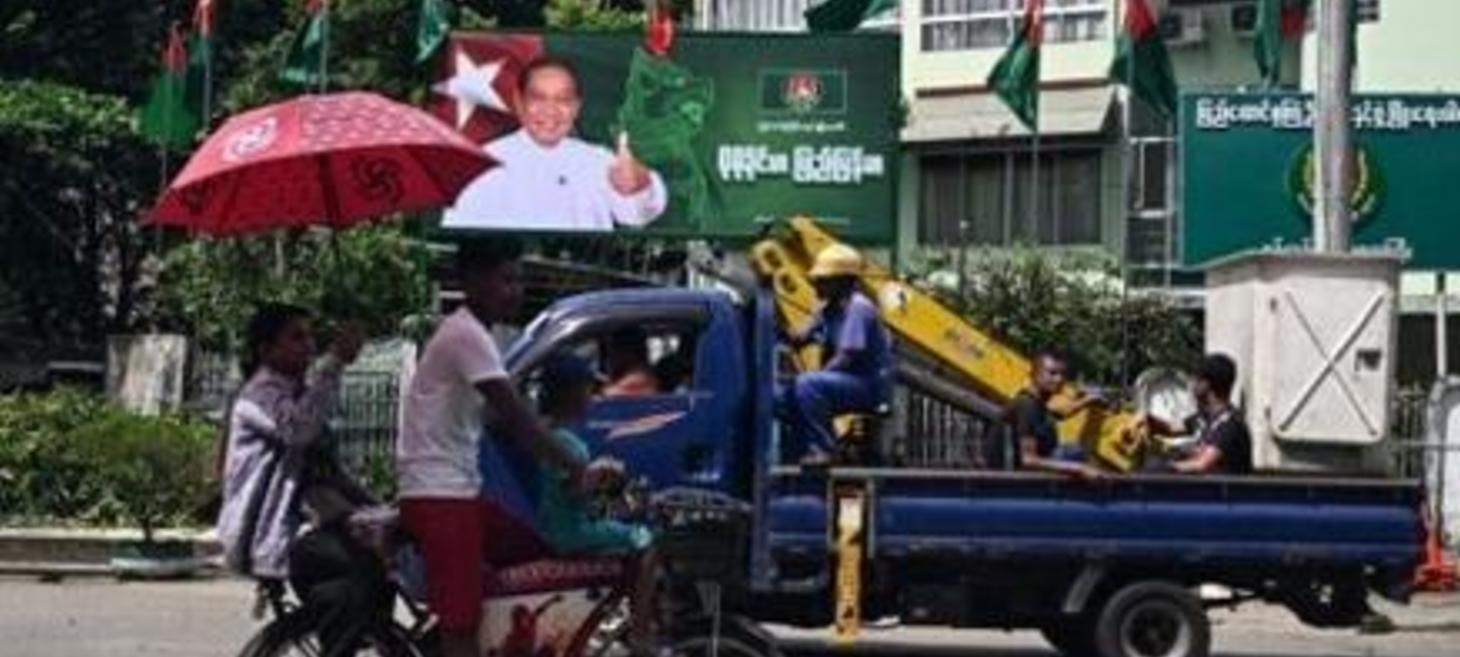
Campaigning begins in Myanmar's junta-run election
Campaigning has begun for Myanmar's junta-organized elections, which the military government has touted as a path to reconciliation following the 2021 coup that consumed the country in a civil war, though the poll is widely shunned at home and abroad as a ploy to legitimize military rule. The election, which will feature 57 parties on the ballot when polls begin in phases starting December 28, faces major resistance as rebels have pledged to boycott the vote in enclaves they control, and the National League for Democracy (NLD), which won the last election by wide margins, was dissolved by the junta and will not participate. Campaigning, which started with the pro-military Union Solidarity and Development Party (USDP) unveiling election billboards and holding low-key events in secure areas, is expected to be generally modest with high security, especially since the military has conceded that elections will not take place in one in seven national parliament constituencies which are active war zones.
keybiscayneportal.com

Junta Pressures Loikaw IDPs to Return Ahead of Election
The Myanmar military is attempting to pressure internally displaced persons (IDPs) from Loikaw Township to return ahead of the planned national election by warning that the homes of those who fail to return before December will be sealed. Displaced residents believe the junta's primary motivation for this forced return is to ensure voter participation in the election, scheduled for December 28, with authorities instructing returnees to register on voter lists. However, many IDPs are unwilling to go back due to safety concerns, family obligations, restricted movement, difficult transportation, scarce job opportunities, and soaring commodity prices, which include low-grade rice costing up to 100,000 Kyats per sack.
shannews.org
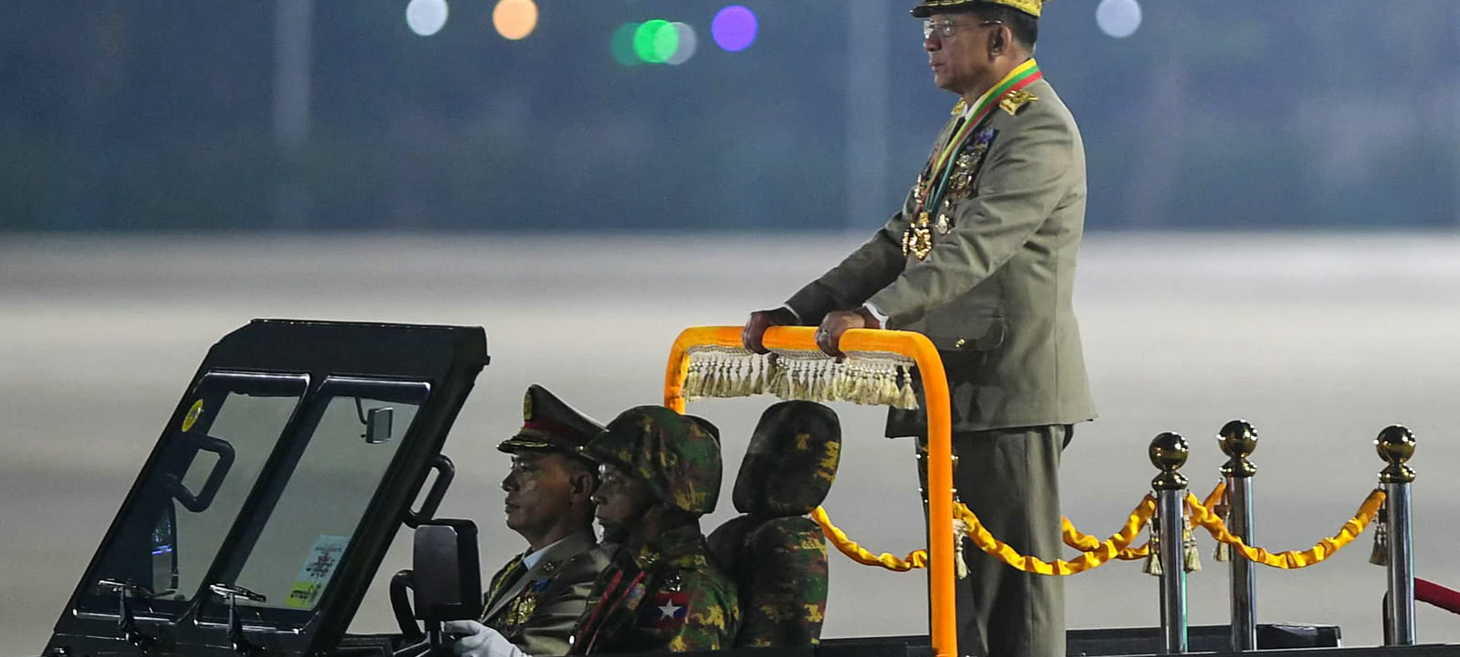
A sham election offers no end to Myanmar’s suffering
Myanmar is engulfed in a devastating civil war following the 2021 military coup staged by junta leader Min Aung Hlaing, which has resulted in thousands of civilian lives lost due to deadly airstrikes, sent thousands fleeing to neighboring countries, and left 179,400 Myanmar refugees sheltering in Malaysia alone. To gain a veneer of legitimacy and allow business to continue, the junta is planning elections on December 28, 2025, which human rights activists and opposition leaders have dismissed as a sham, especially since the military has ignored ASEAN’s "five-point consensus" and remains confident due to the backing it receives from China, Russia, and India. This unchecked political chaos is a huge destabilizing factor for Southeast Asia, contributing to horrific human rights violations, a surge in narcotics and illegal weapons, and the proliferation of lawless scam centers where over 120,000 people have been trafficked and enslaved.
lowyinstitute.org

ASEAN Must Unequivocally Reject Myanmar Junta’s Sham Election during the Summit
Trade unions, civil society, and human rights organizations issued an urgent joint statement demanding that ASEAN unequivocally reject the Myanmar military junta’s planned election on December 28, 2025, characterizing the process as an "illegal, cynical ploy" to manufacture a façade of legitimacy for a "rule of terror". The organizations argue that a genuine election cannot take place amid mass killings and repression, noting that the international democratic community—including the European Union, parliamentarians from several countries, and electoral monitoring bodies like International IDEA and ANFREL—has already taken a firm stand rejecting the proposed poll. Failure to reject this electoral charade would render ASEAN "complicit in the junta’s crimes against humanity" and prolong suffering, requiring ASEAN leaders, especially Malaysia as the 2025 Chair, to issue a clear and unified statement refusing to recognize the outcome.
burmacampaign.org.uk
Ethnic Issues
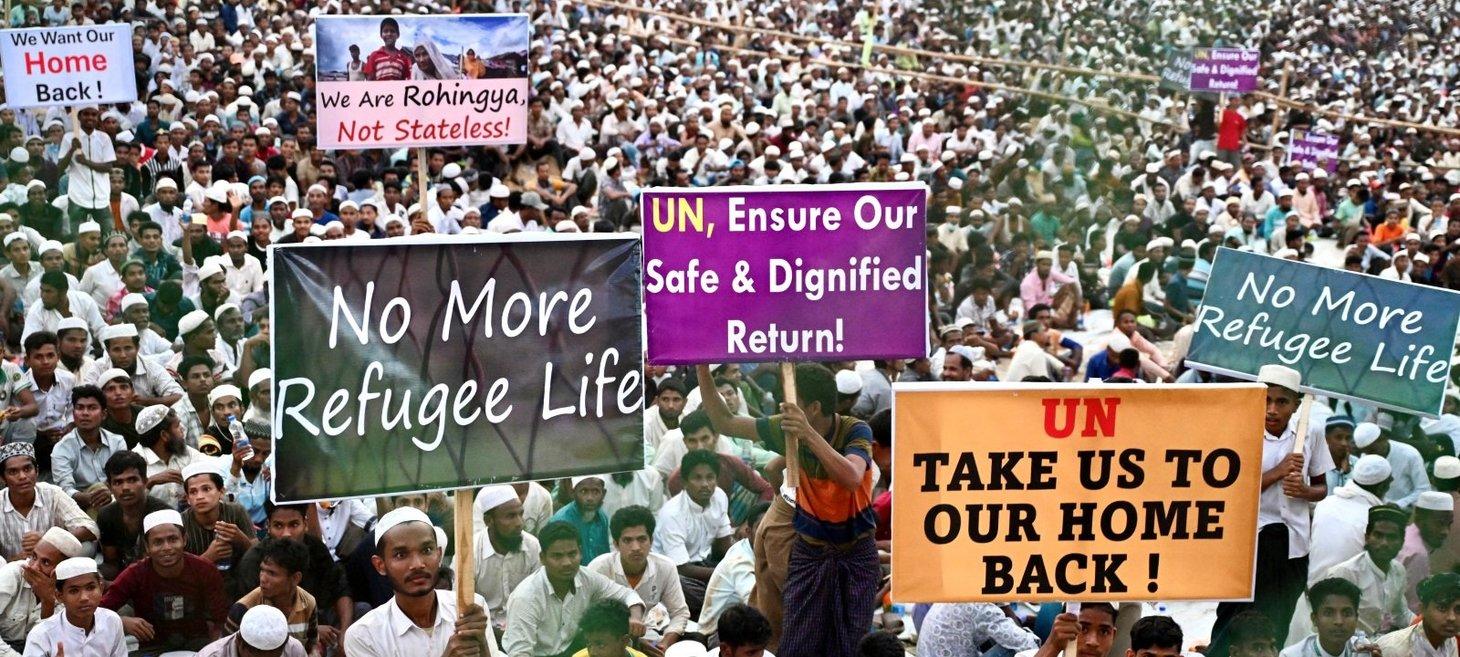
Searching for solutions for the Rohingya
A recent high-level conference held at the United Nations on September 30, 2025, failed to produce a negotiated outcome or a clear path to solve the Rohingya crisis, emphasizing the acute need for international commitment and recognition that the immediate return of refugees is currently unsuitable due to the ongoing bloody war in Rakhine State. Although Bangladesh has been praised for hosting around 1.1 million Rohingya refugees, its government has implemented an exclusion policy that bans refugees from employment and official education, disappointing many at the UN conference and standing in the way of much-needed sustainable solutions. Finding comprehensive solutions must acknowledge the global reality of 2.8 million Rohingya who may need varying approaches (such as integration in countries like Saudi Arabia and Pakistan), address the crucial and complex question of Myanmar citizenship, and involve developing a comprehensive plan for Rakhine State focused on security, economics, development, and human rights.
frontiermyanmar.net
Foreign Affairs
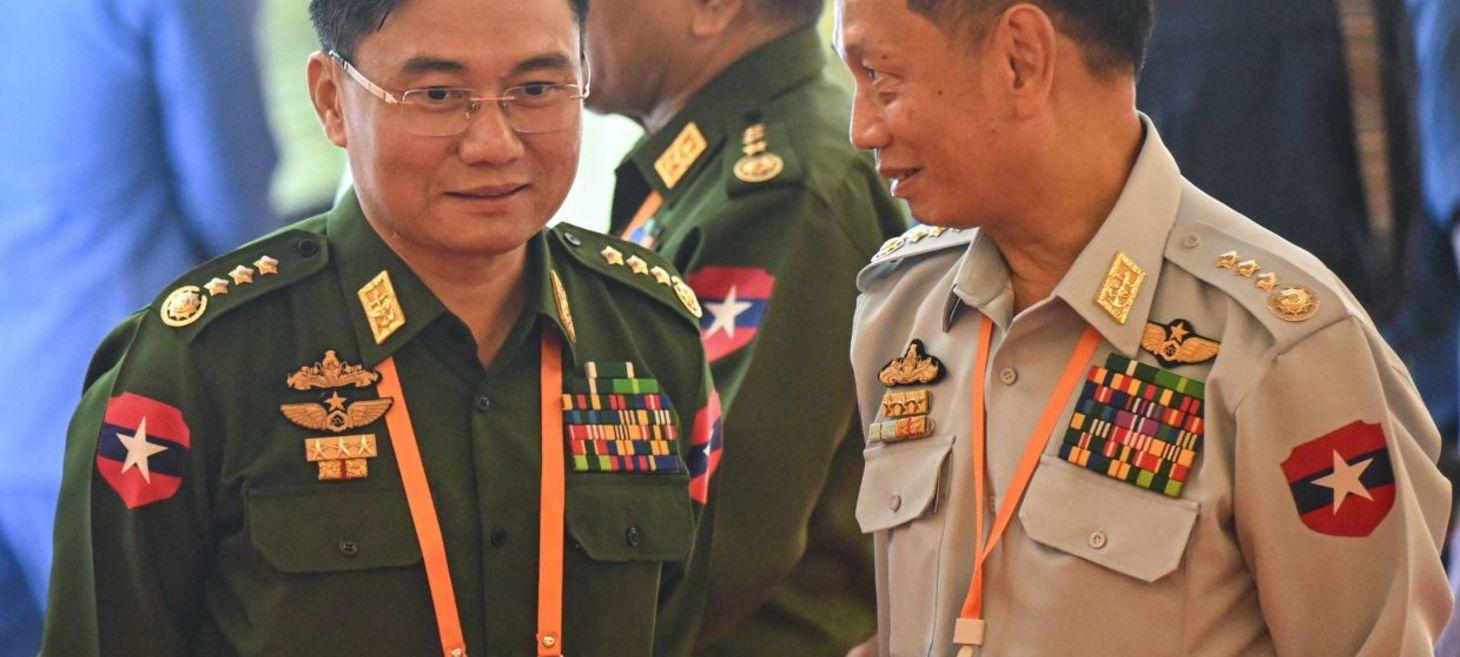
Rubio says US is concerned about Myanmar junta, would like to work with regional partners
The U.S. Secretary of State, Marco Rubio, conveyed the United States' "real concerns" about Myanmar’s junta and the specific actions they have undertaken. Rubio further expressed the desire for the US to collaborate with regional partners to formulate a cohesive policy regarding the junta. This commitment was mentioned en route to Asean meetings, which the US considers useful for partnering on the issue, amid related news of Myanmar's junta inviting foreign media coverage for an upcoming election.
thestar.com.my
Humanitarian
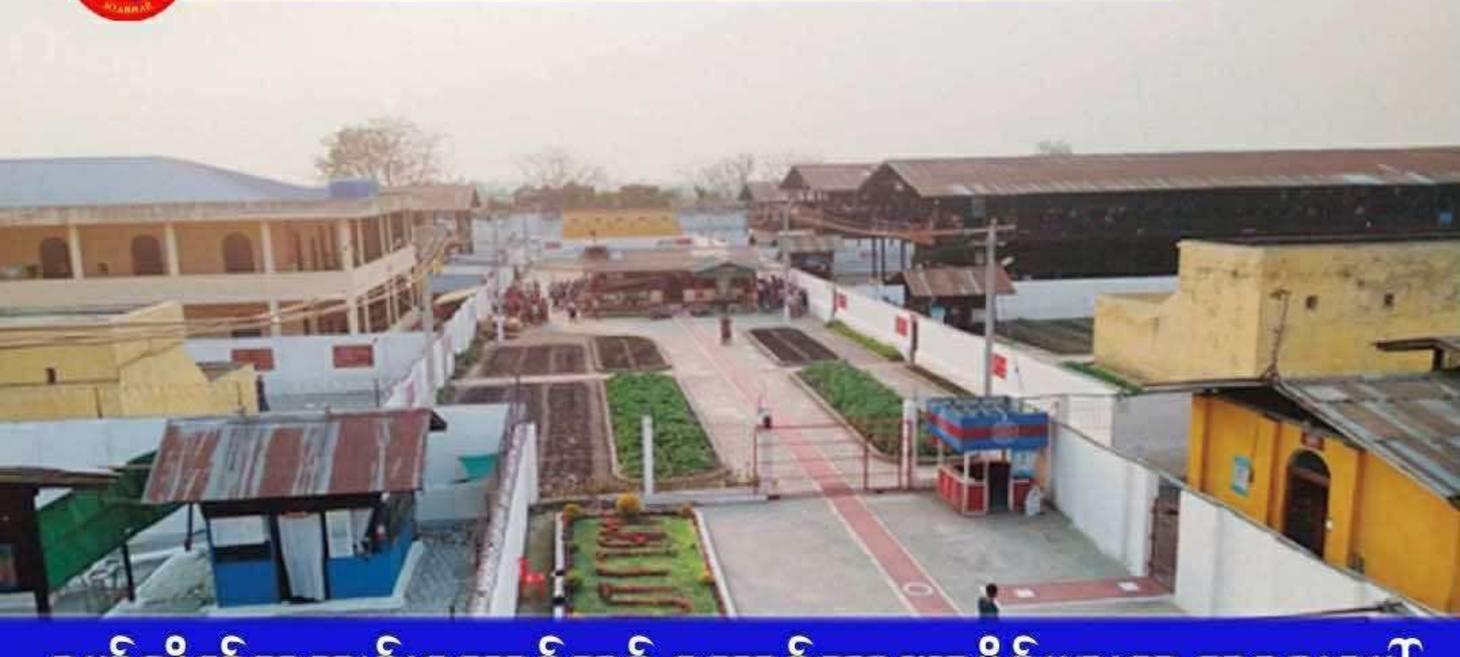
Inmates at Kale Prison forced to pay bribes for emergency medical treatment
Inmates, including political prisoners, at Mawlaikkalay Prison in Kale Township, Sagaing Region, are reportedly forced to pay bribes ranging from 500,000 to 2 million MMK to prison authorities to secure permission for emergency medical treatment outside the facility. The denial of timely urgent medical care has led to severe consequences, with some prisoners suffering lasting neurological issues and paralysis, and the Political Prisoners Network – Myanmar (PPNM) reported that 28 political prisoners died between the start of 2025 and October due to this lack of treatment. The PPNM condemned this system as oppressive and a violation of human dignity, while noting that the Prison Department typically responds to reports of mistreatment by releasing staged photos depicting inmates receiving healthcare.
bnionline.net