Introduction & Analysis
This collection of open-source English-language news articles published over the past week highlights significant events and issues concerning Myanmar. They present a snapshot of the country's safety and security landscape.
- Military Conflict and Political Repression The conflict continues with the junta intensifying its military presence, including naval operations in Arakan (Rakhine) and heavy air support to regain strategic towns like Mongkut and Hsipaw from resistance groups such as the Arakan Army (AA) and the Ta’ang National Liberation Army (TNLA), while also engaging in severe political repression such as handing draconian prison sentences to NLD members and arresting a family for allegedly funding the NUG.
- Humanitarian Crisis and Civilian Harm Junta forces, often operating with allied militias, are responsible for numerous human rights violations, including intense airstrikes that have killed dozens of civilians and children, the burning of villages resulting in thousands displaced, and the use of forced conscription, which contributes to a widespread humanitarian crisis where women in war zones face extreme limitations on travel due and security fears, alongside significantly lower wages compared to men.
- Illicit Economies and Global Supply Chains Myanmar has been designated a state sponsor of human trafficking due to cyber scam centers—which rely on forced labor and are guarded by junta-affiliated militias—thriving along the border and using Elon Musk’s unlicensed Starlink satellite internet service, leading to an investigation by the US Congress; simultaneously, ethnic armed groups like the KIA are resuming rare earth mining, reinforcing China’s market dominance while causing significant environmental damage and social injustice.
- Electoral System and International Response The military regime plans to hold elections in December which are dismissed as a "sham," particularly as the military's electoral arm, the Union Solidarity and Development Party (USDP), benefits from early campaigning and the appointment of local administrators to coerce votes; internationally, the UK government has been slow to impose new sanctions on the Burmese military, even as the 10th anniversary of the Nationwide Ceasefire Agreement (NCA) was marked by boycotts. China reaffirmed its support for the junta.

Conflict
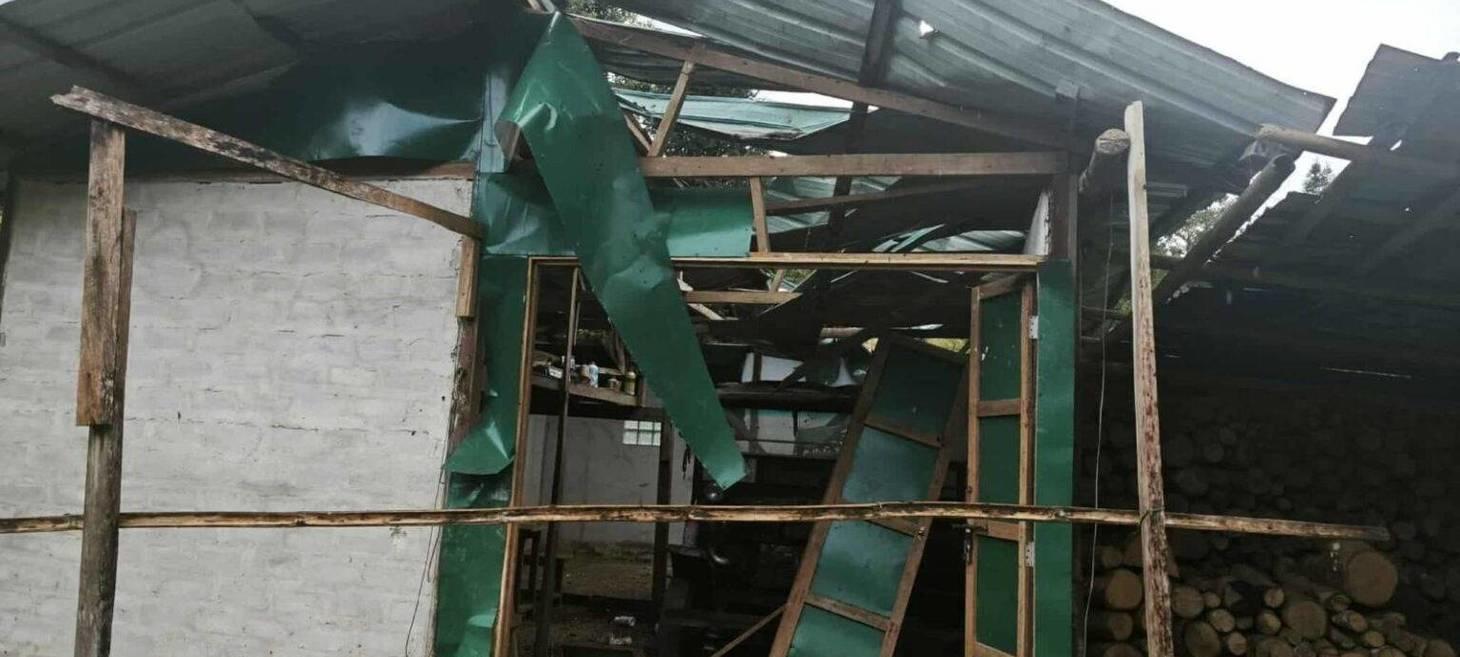
Junta Launches Airstrikes to Retake Mongkut from TNLA
The Myanmar military junta is conducting continuous airstrikes and a large-scale ground offensive in an effort to retake control of Mongkut (Mogok) town from the Ta’ang National Liberation Army (TNLA), with bombings damaging homes in villages such as Upper Nyaung Kone. These aerial bombardments have extended to several other townships, including Mong Lon, Namtu, and Manton, causing panic, particularly near Namkham along the China–Myanmar border. Military observers suggest the junta is determined to seize Mongkut to reclaim strategic highways vital for cross-border trade with China, following the recapture of Nawnghkio and Kyaukme, and is continuing intense offensives ahead of the December 28 elections.
shannews.org
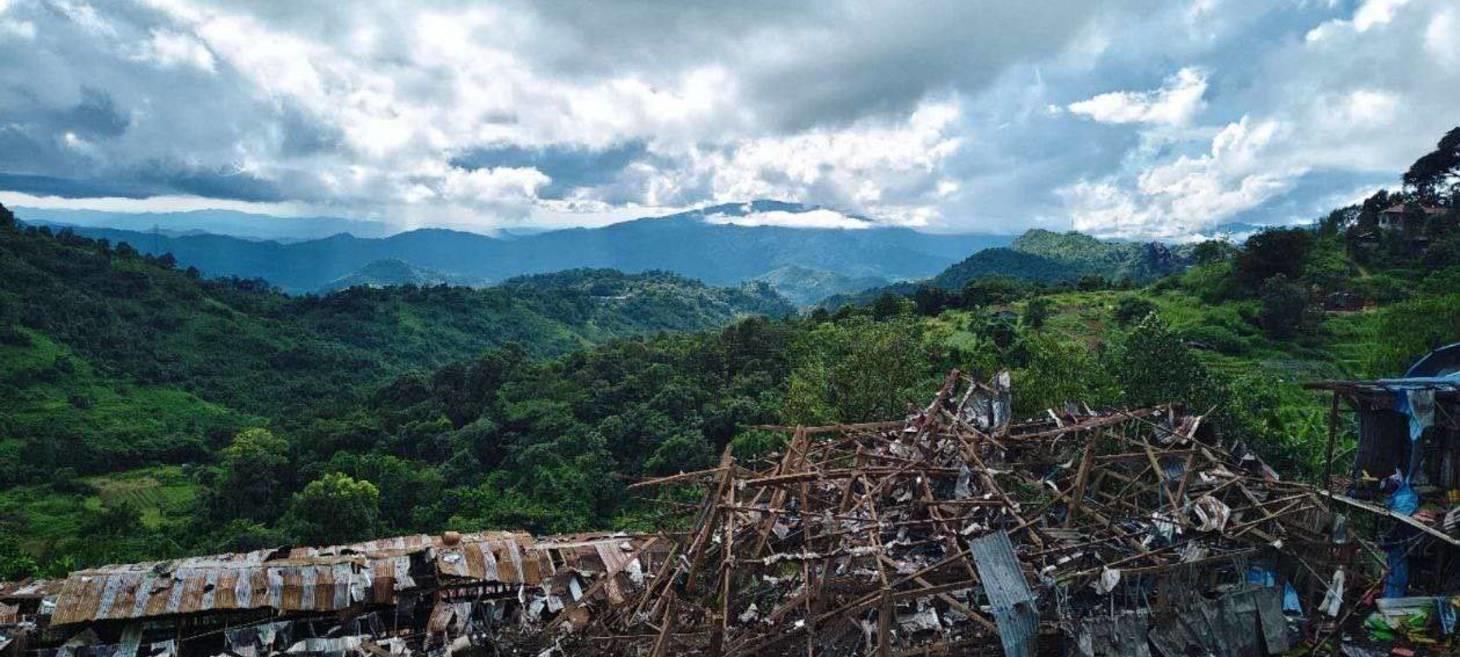
Junta airstrikes kill dozens over 20 day span in Northern Shan
Junta airstrikes killed dozens of people over a 20-day period in Northern Shan State, severely devastating buildings and striking civilian areas within territory controlled by the Ta’ang National Liberation Army (TNLA). The military has intensified these aerial attacks as part of a strategic effort to consolidate control over key trade routes, alongside other recent military advances, including the use of air support and artillery to move into northern Madaya Township and the entry of junta troops into Hsipaw, which was a blow to the TNLA. This lethal campaign aligns with a broader pattern of violence against non-combatants detailed in related reports, such as a junta paramotor strike that killed four in a Mandalay Region village and previous airstrikes that killed three civilians sheltering in a Rakhine State monastery.
myanmar-now.org
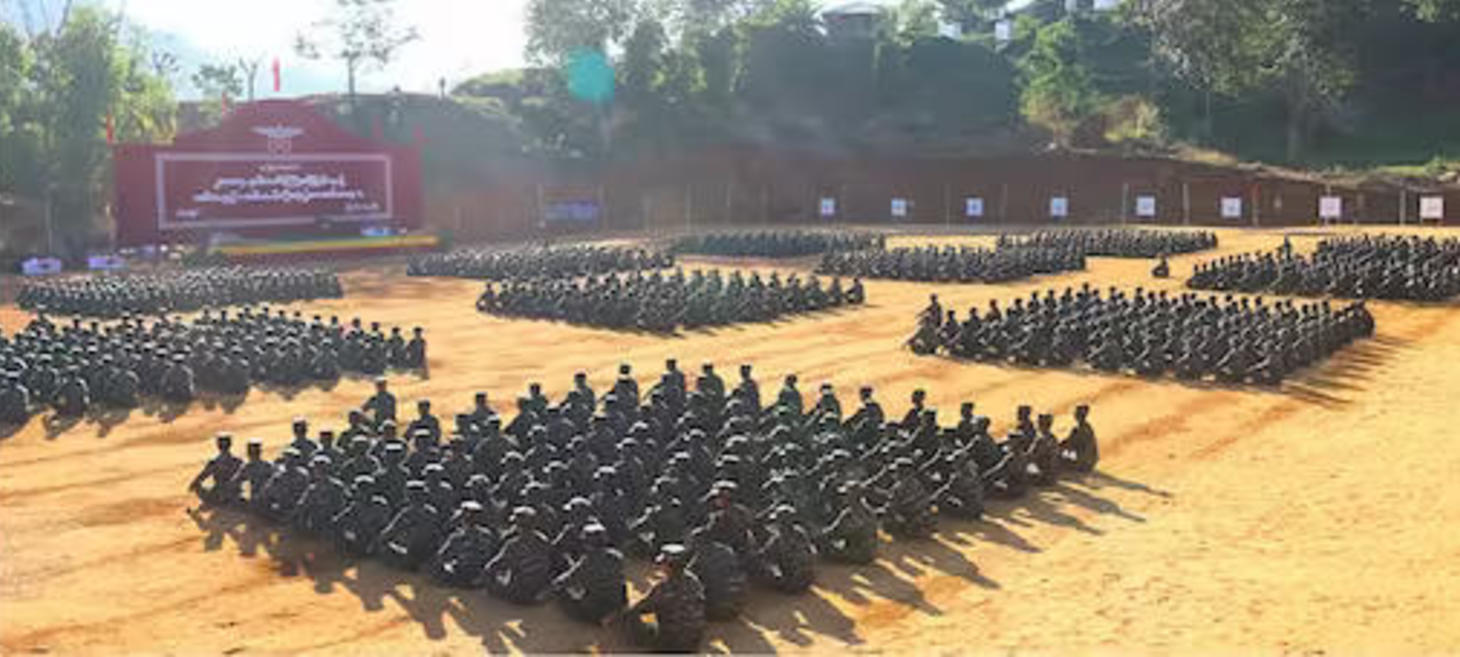
AA issues military alert as Myanmar army increases its military presence in Arakan, targeting specific towns
The Arakan Army (AA) issued a military alert and a "Notice and Prohibition Order" on October 19 due to the Myanmar army increasing its military presence in Arakan (Rakhine) with the aim of seizing towns currently held by the AA. The military government is enhancing its power via naval forces, specifically targeting cities like Sittwe and Kyaukpyu, and increasing naval activities and surveillance flights over AA-controlled areas, including Thandwe and Gwa. Consequently, the AA has indefinitely banned nighttime fishing (6 p.m. to 6 a.m.) in the waters near Thandwe and Gwa, effective October 19, to prevent junta warships from firing upon innocent fishing boats and to protect fishermen, who are also advised to avoid fishing far from the coast during daylight hours.
bnionline.net
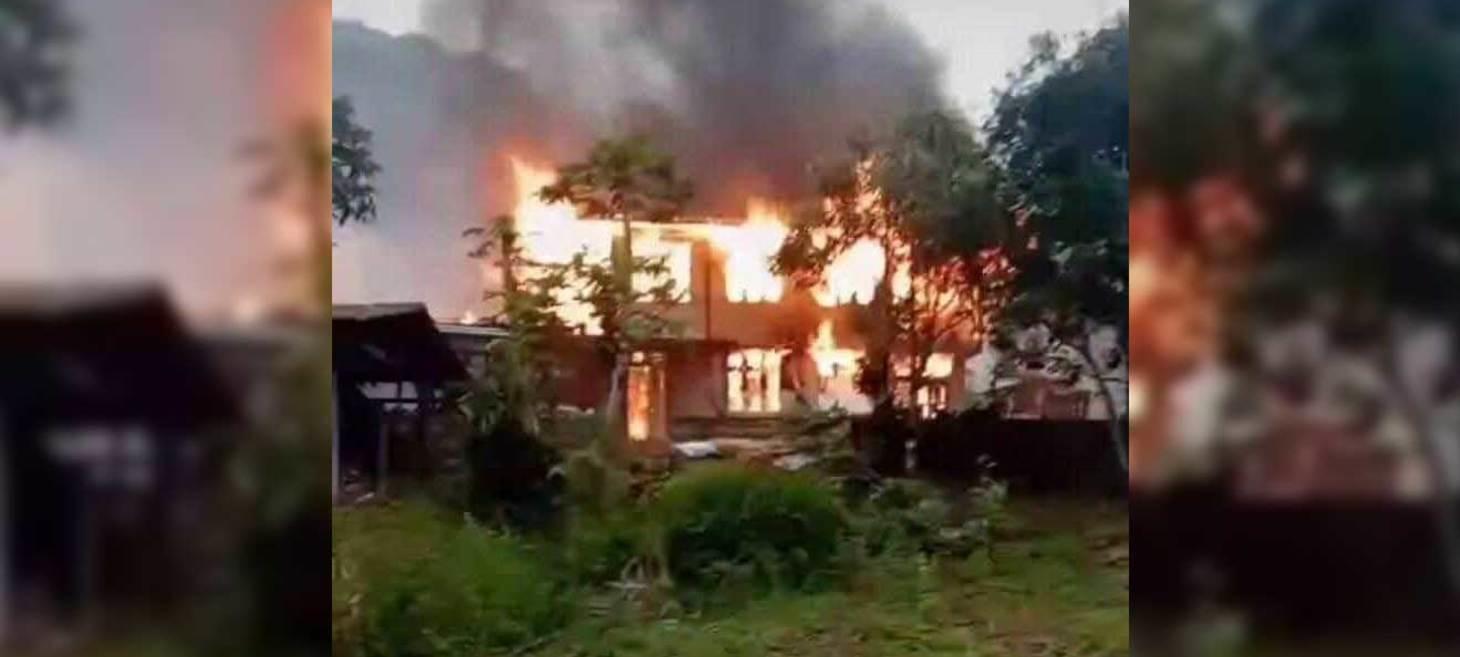
Combined Junta–PNO Forces Set Fire to Village in Southern Shan State
Combined junta troops and members of the Pa-O National Organization (PNO) militia launched an offensive on October 13, 2025, in Pai Khun Township, southern Shan State, jointly setting fire to Baw Yan village shortly after clashing with Karenni revolutionary groups nearby. This attack completely reduced at least 30 houses to ashes and forced nearly all of the village’s estimated 1,000 residents to flee, contributing to the estimated 4,000 civilians recently displaced by junta and PNO offensives along the Pai Khun borders. In related incidents during the first week of October, joint forces also reportedly burned homes in Myauk Sa Lone village, and a PNO soldier allegedly shot and killed a 60-year-old villager in Nawng Htaw village, leading PNO forces to warn locals that any village supporting resistance groups would face collective punishment.
shannews.org
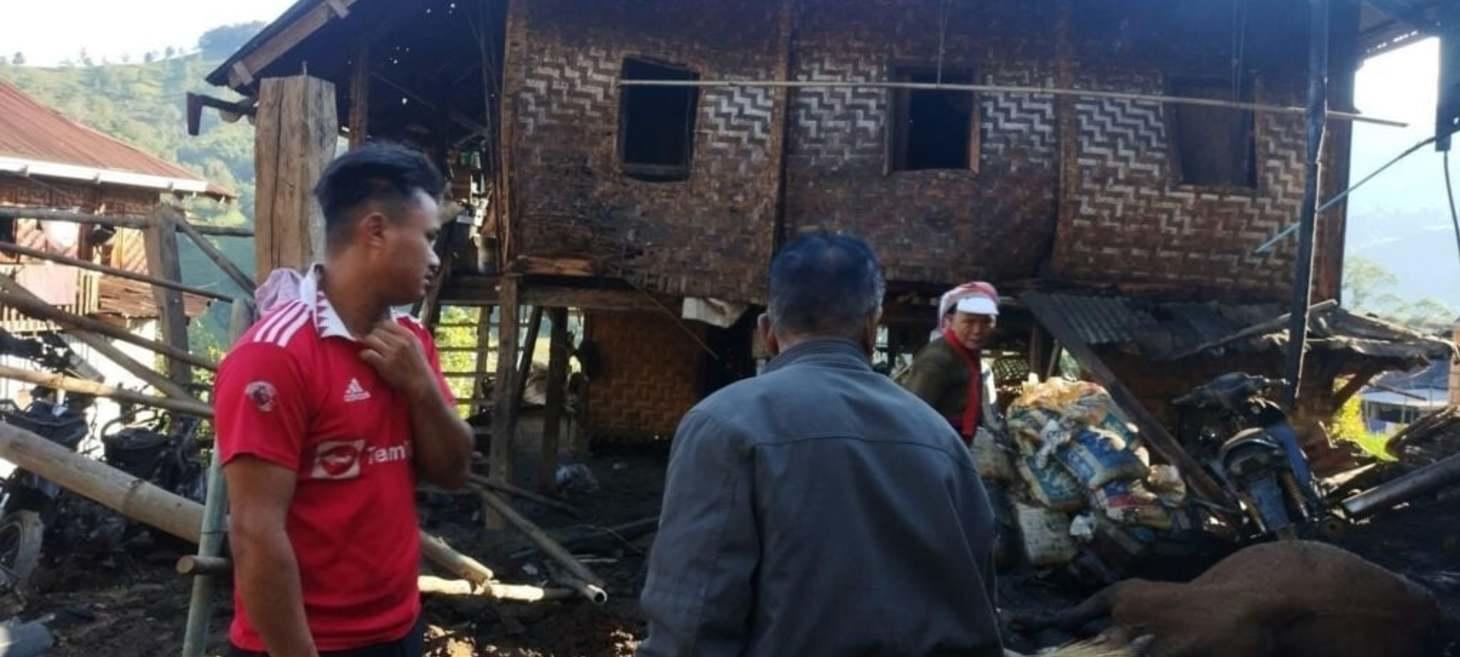
Airstrike on Namhsan Township Leaves One Teen Dead, One Injured
A junta airstrike on Oum Ma Swam village in Namhsan Township, southern Shan State, on October 14 killed a 17-year-old teenage girl and injured a 15-year-old, damaging a house as the military intensified aerial assaults on Ta’ang National Liberation Army (TNLA)–controlled areas. This incident occurred a day after the military dropped six 250-pound bombs on Kayar Gyi village in the same township, injuring a man and damaging two school buildings and six civilian houses, following earlier strikes near Mongkut and Mong Lon. The military council has been stepping up these air assaults on TNLA-held areas, including Namhsan, Mong Lon, and Namtu, while advancing toward Hsipaw after retaking Kyaukme town, leading to a sharp rise in civilian casualties.
shannews.org
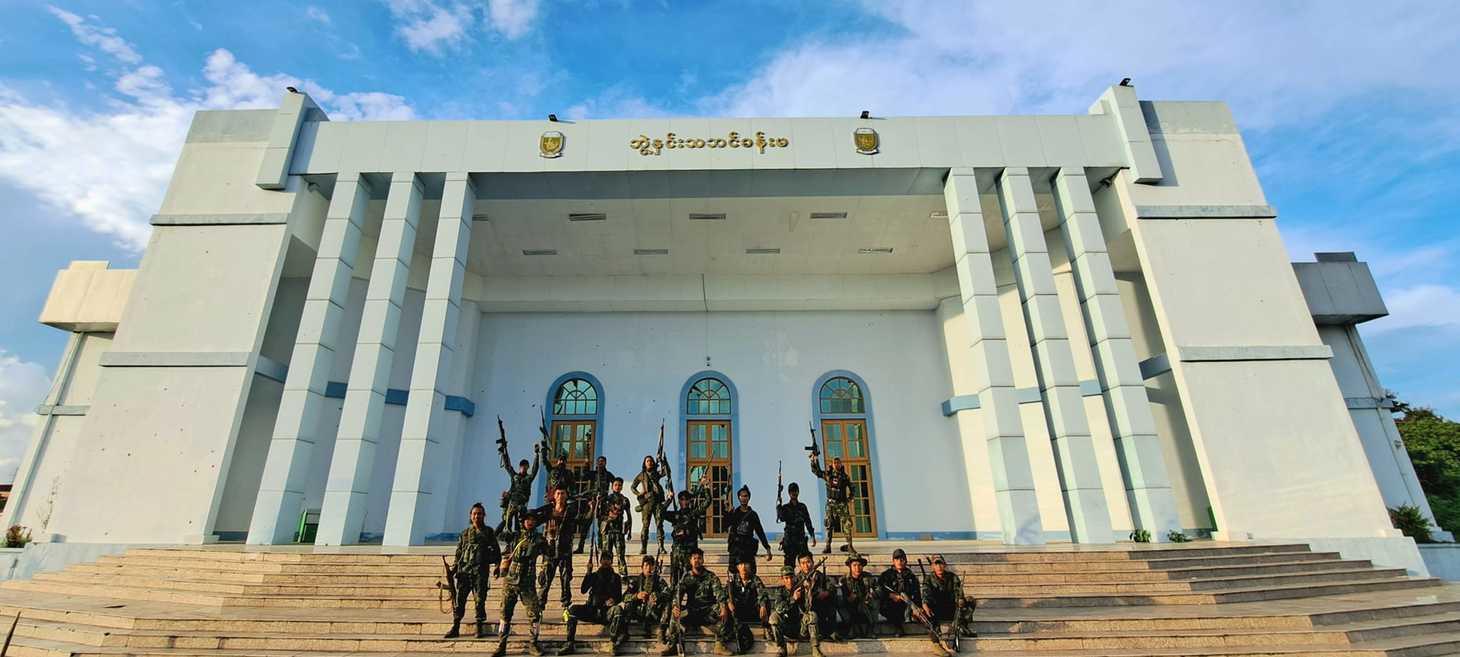
Myanmar regime makes pre-election attempt to lure students back to Loikaw
The Myanmar regime is making a pre-election attempt to entice students back to Loikaw, raising concerns that the returning students could be coerced into fighting for the junta during its ongoing offensive in Karenni State. This move is set against a backdrop of widespread conflict and violence, evidenced by numerous related reports detailing brutal actions by junta forces, including airstrikes that have killed dozens of people in Northern Shan State and instances of rape and execution. Amidst this pervasive violence and reports of the military losing ground to anti-junta forces in areas like northern Shan State, resistance groups like the Karenni Nationalities Defence Force (KNDF) have previously taken control of Loikaw University, although the junta leader insists elections will still proceed.
myanmar-now.org
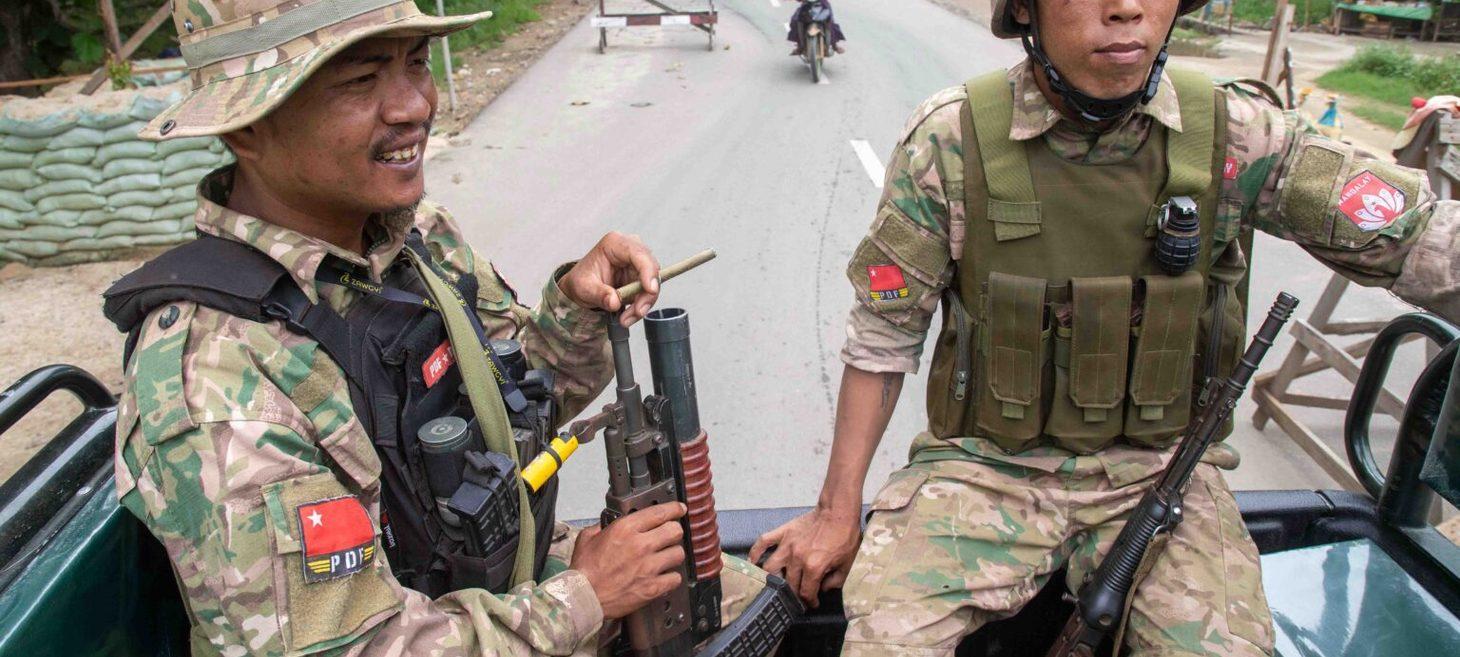
Air support, artillery allow junta advance into northern Madaya Township
Junta forces, heavily supported by air power and artillery, have been advancing steadily in Mandalay Region and northern Shan State, appearing poised to recapture territory previously seized by resistance and anti-junta ethnic armed groups. This military pressure is evident in developments like the junta troops entering Hsipaw, and the conflict continues to be marked by extreme violence, including reports of paramotor strikes and airstrikes that have killed dozens of civilians over brief periods in areas like Northern Shan. Beyond direct combat, related incidents detailed in the sources include reported atrocities by soldiers, resistance forces restricting Starlink access, which draws civilian backlash, and ongoing struggles over resources and land in areas like Mandalay.
myanmar-now.org
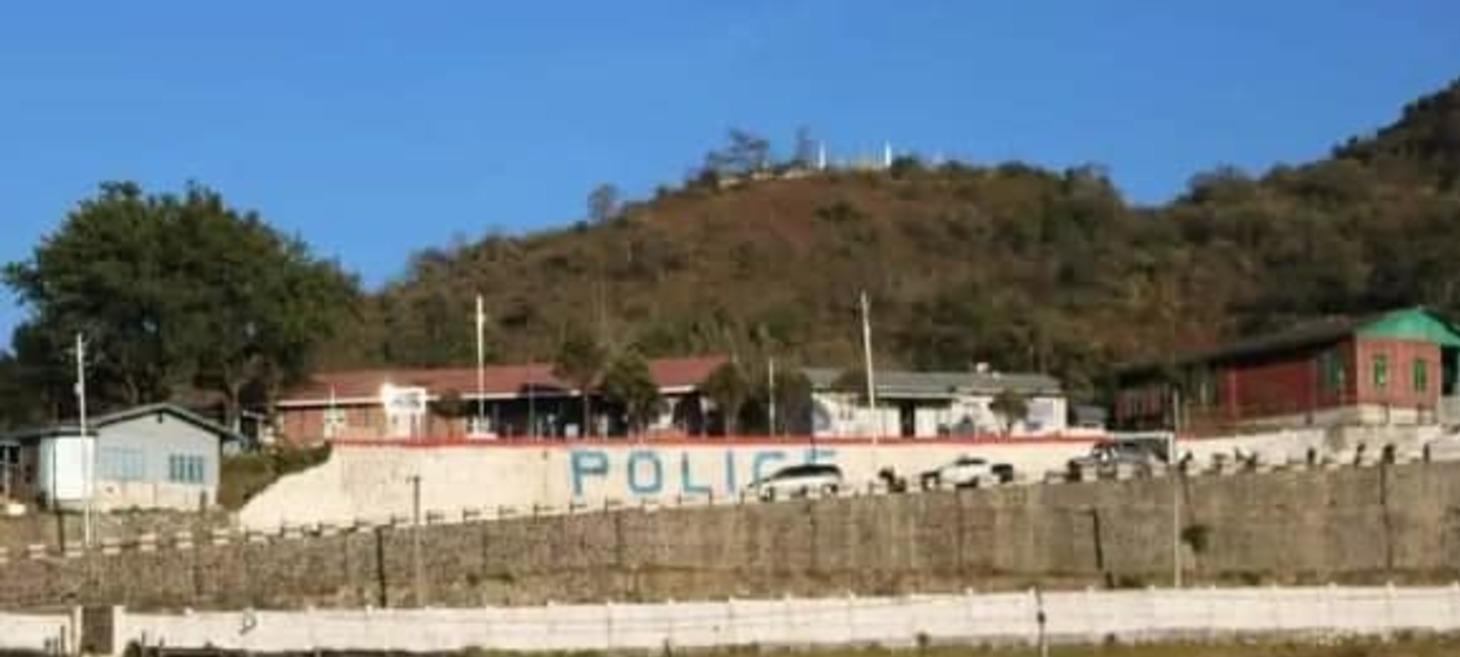
Chin resistance coalition raids Hakha police station, frees 15 prisoners
The Chin resistance coalition, led by the Chinland Defence Force – Hakha (CDF-Hakha) and allied forces, stormed the Myoma Police Station in Hakha, the capital of Chin State, during a pre-dawn raid around 3:00 am on October 16. The attack successfully met its objectives by rescuing 15 prisoners and seizing weapons, resulting in the deaths of five junta soldiers, though the resistance lost one comrade. This recent operation follows a previous raid by CDF-Hakha in July 2024 that freed 62 prisoners from the same location, and occurred just days after the junta launched an airstrike on a local school in Hakha Township, killing two children.
bnionline.net
Crime & Narcotics

Police and Pa-O Militia Allegedly Arrest Drug Users for Military Recruitment in Shan State
Since the 2021 military coup, the use and trafficking of methamphetamine (WY) have surged in southern Shan State, with drug dealers reportedly operating in collusion with junta police, soldiers, and members of the Pa-O National Organization (PNO) militia, enabling them to distribute drugs openly and even offer them for free to initiate addiction in young people. Authorities are arresting drug users for forced military conscription, demanding large bribes (such as 7 million Kyats per person) for their release, and sending those who cannot pay into the army. Conversely, drug dealers—including confirmed PNO militia members—are frequently released after paying even higher sums as bribes, such as 8 million or 25 million Kyats, leading locals to conclude that arrests and legal actions are merely for show while drug trading occurs in broad daylight.
shannews.org
Two paths to the bottom: When states become sponsors of human trafficking
The United States has designated Myanmar and Cambodia as state sponsors of human trafficking—an ignominious classification based on evidence that their governments exhibit "policies or patterns" of actively profiting from, protecting, and perpetuating systems of human exploitation, thereby making trafficking a feature of governance. While Cambodia's consolidated regime utilizes stability to protect massive cyber scam compounds and illicit operations linked to political elites, Myanmar's military junta exploits chaos and territorial collapse to fund its war economy through similar compounds and regime-aligned militias. This fusion of state machinery with illicit profits demands structural remedies that alter incentives, such as sanctioning the financial networks and elites sustaining these operations, rather than relying on traditional diplomatic engagement or symbolic gestures.
frontiermyanmar.net
Cybersecurity & Cybercrime
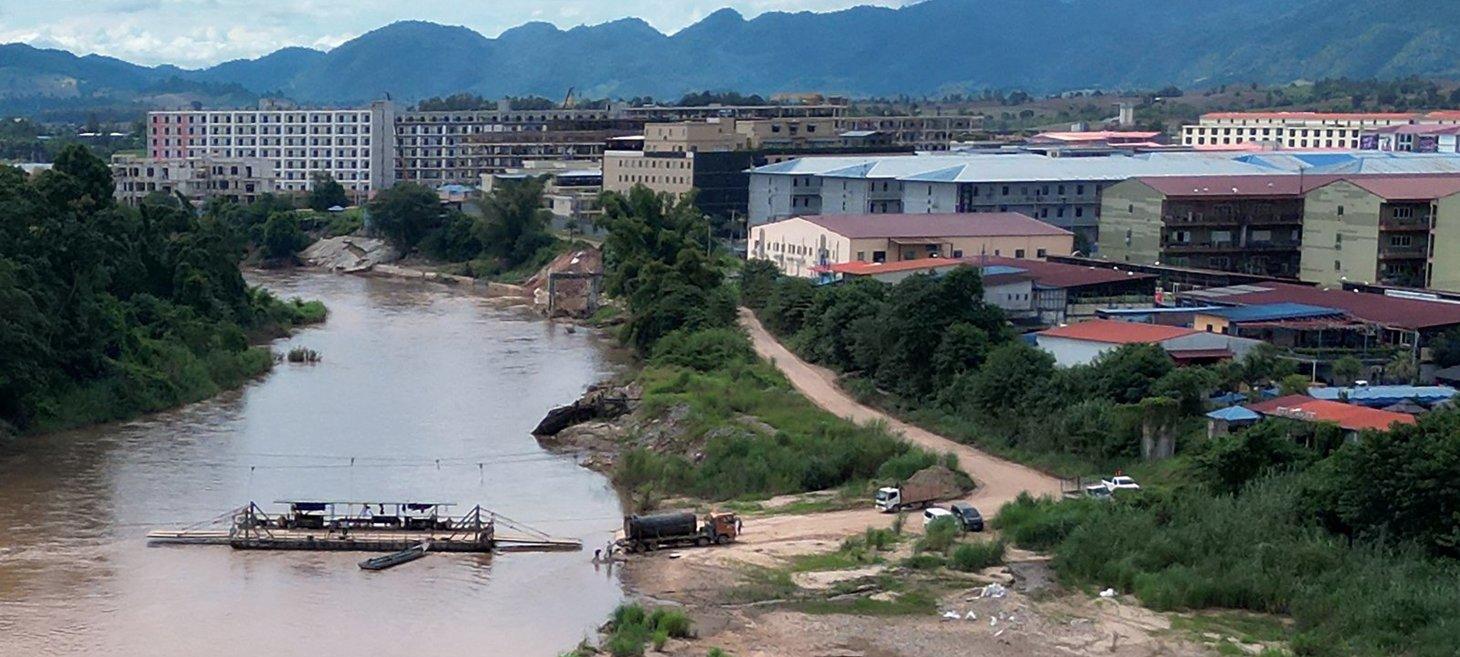
Myanmar junta says raided scam compound, seized 30 Starlink receivers
Myanmar’s junta announced it raided KK Park, one of the country's most notorious cyberscam centers near the Myanmar-Thai border, seizing 30 sets of Starlink satellite internet receivers and accessories while detaining 15 "Chinese scammers" involved in fraud and other criminal activities. These internet sweatshops, which utilize workers forced or willing to perpetrate romance or business scams on unsuspecting foreigners, have flourished in Myanmar's lawless border regions, contributing to Southeast Asian scam operations that conned people out of an estimated US$37 billion in 2023. The seizure followed an Agence France-Presse investigation that revealed rapid new construction at scam sites and a significant increase in the use of the unlicensed Starlink service, which topped Myanmar's internet traffic rankings from July until October despite international pressure for a crackdown.
frontiermyanmar.net
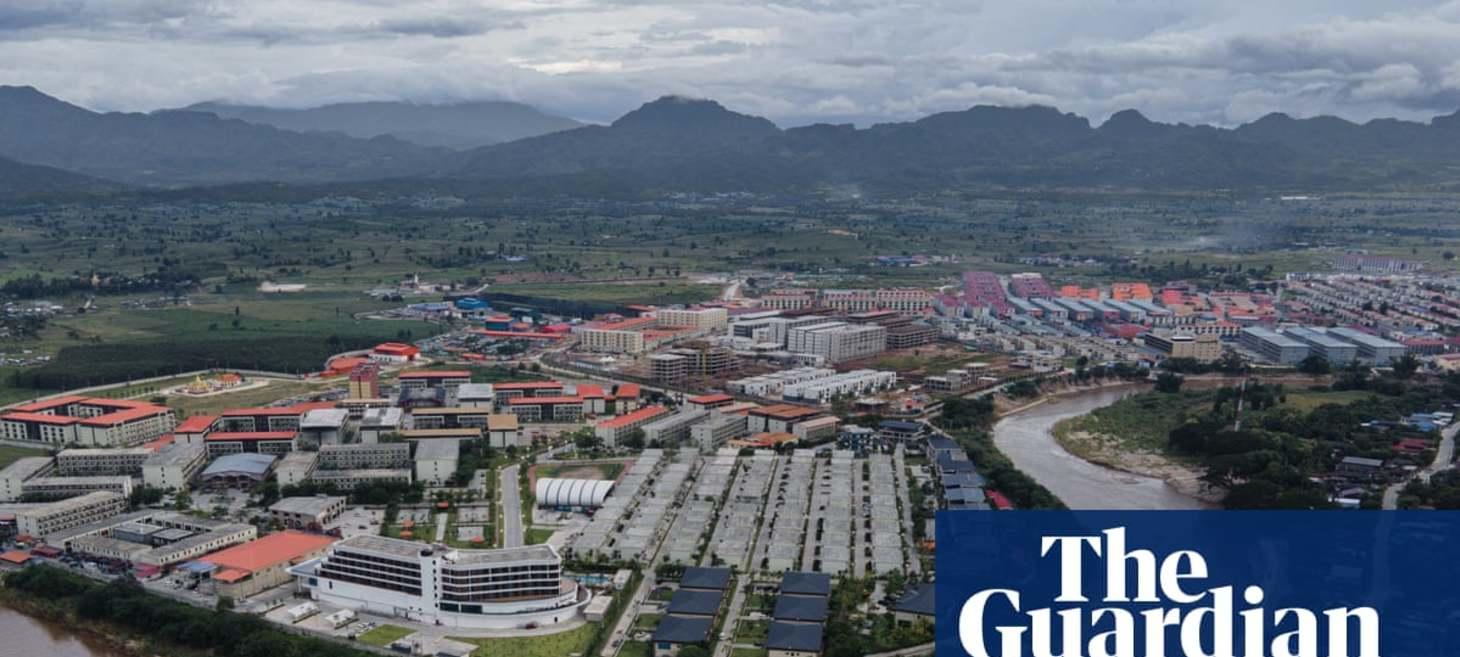
US Congress committee investigating Musk-owned Starlink over Myanmar scam centres
A powerful bipartisan committee in the US Congress has begun an investigation into Elon Musk’s Starlink business for its alleged involvement in providing internet access to Myanmar scam centers, which are blamed for swindling billions from victims across the world. Starlink has rapidly become the war-torn country’s biggest internet provider in three months, and large numbers of Starlink dishes began appearing on scam-center roofs around the time a crackdown was supposed to eradicate these compounds. Senator Maggie Hassan, the leading Democrat on the US congressional committee, has called on Musk to block Starlink service to these "fraud factories," which rely on forced labor to perpetrate telephone, internet, and social media cons and have caused Americans to lose an estimated $10 billion in the last year.
theguardian.com

Who are Chen Zhi and the Prince Group, accused by the US and UK of large-scale scam operations?
The UK and the United States have sanctioned Chinese-born Cambodian tycoon Chen Zhi, the founder and chairman of the Cambodia-based Prince Holding Group, who is accused of being the alleged mastermind behind a sprawling cybercrime empire in south-east Asia. Chen Zhi, also known as “Vincent,” was charged with wire fraud conspiracy and money laundering conspiracy for allegedly directing the Prince Group’s operation of forced labor scam compounds, where individuals were forcibly detained and made to engage in schemes like romance scams that stole billions of dollars from victims worldwide. This action, described as the largest ever taken in South-East Asia by the US Treasury Department, involved sanctioning 146 people and over 100 business entities connected to the group and resulted in the seizure of $15 billion in bitcoin and the freezing of substantial assets in London.
theguardian.com
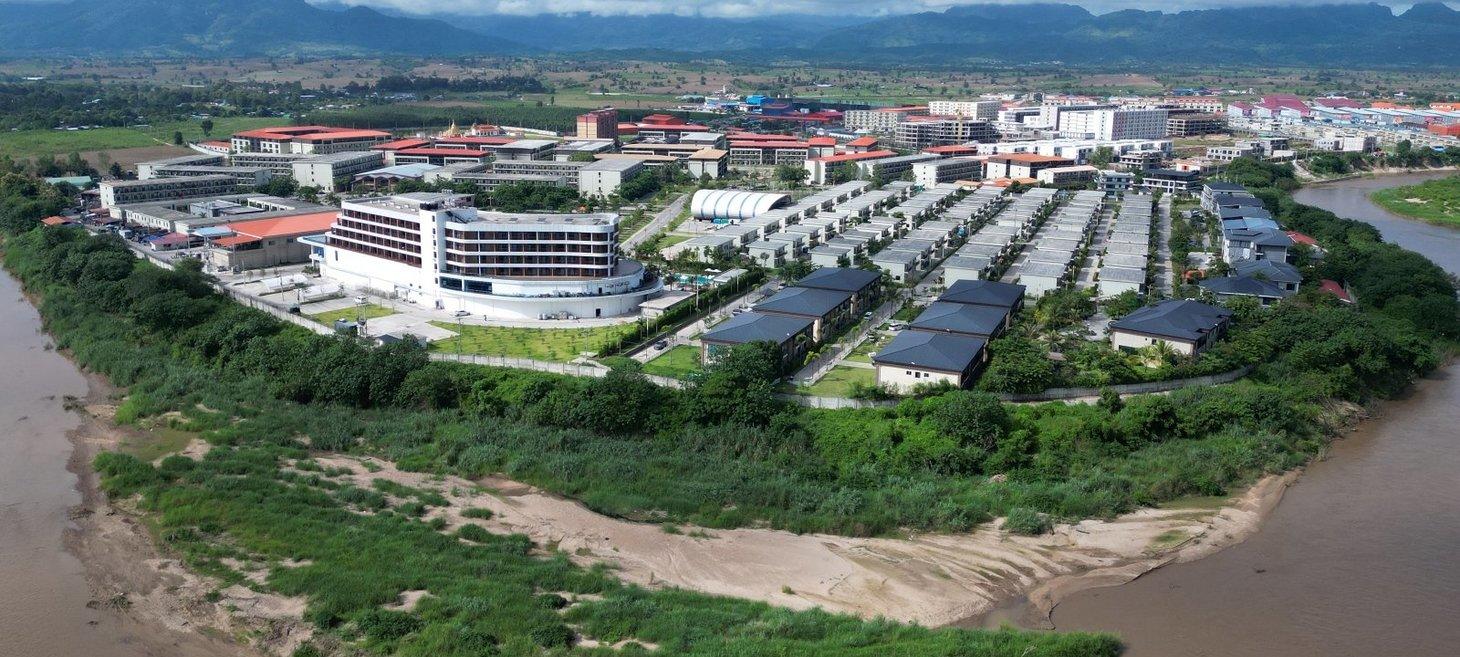
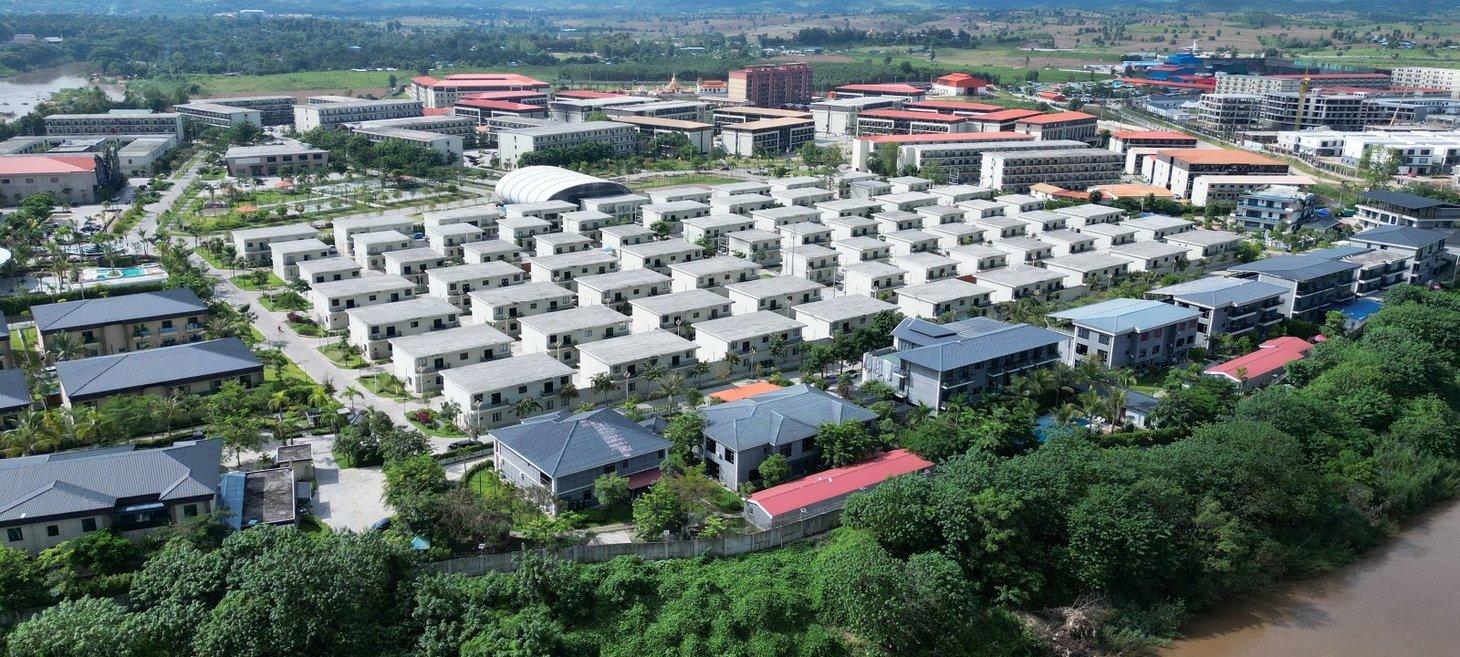
Myanmar scam cities booming despite crackdown – using Musk’s Starlink
Myanmar’s scam cities are booming and expanding despite official crackdowns, with rapid construction visible around Myawaddy town in Kayin State, fueled by organized crime syndicates and local militias. These centers, notorious for brutal conditions and human trafficking that force tens of thousands of workers to perpetrate schemes like “pig butchering,” rely heavily on illicit technology, specifically using Elon Musk’s unlicensed Starlink satellite internet service to maintain connectivity after authorities cut traditional power and internet. The widespread scam operations target victims globally, including Americans who lost an estimated $10 billion last year, leading to mounting pressure from US and Thai politicians and prompting a US Congress investigation into Starlink’s involvement.
frontiermyanmar.net
Economy
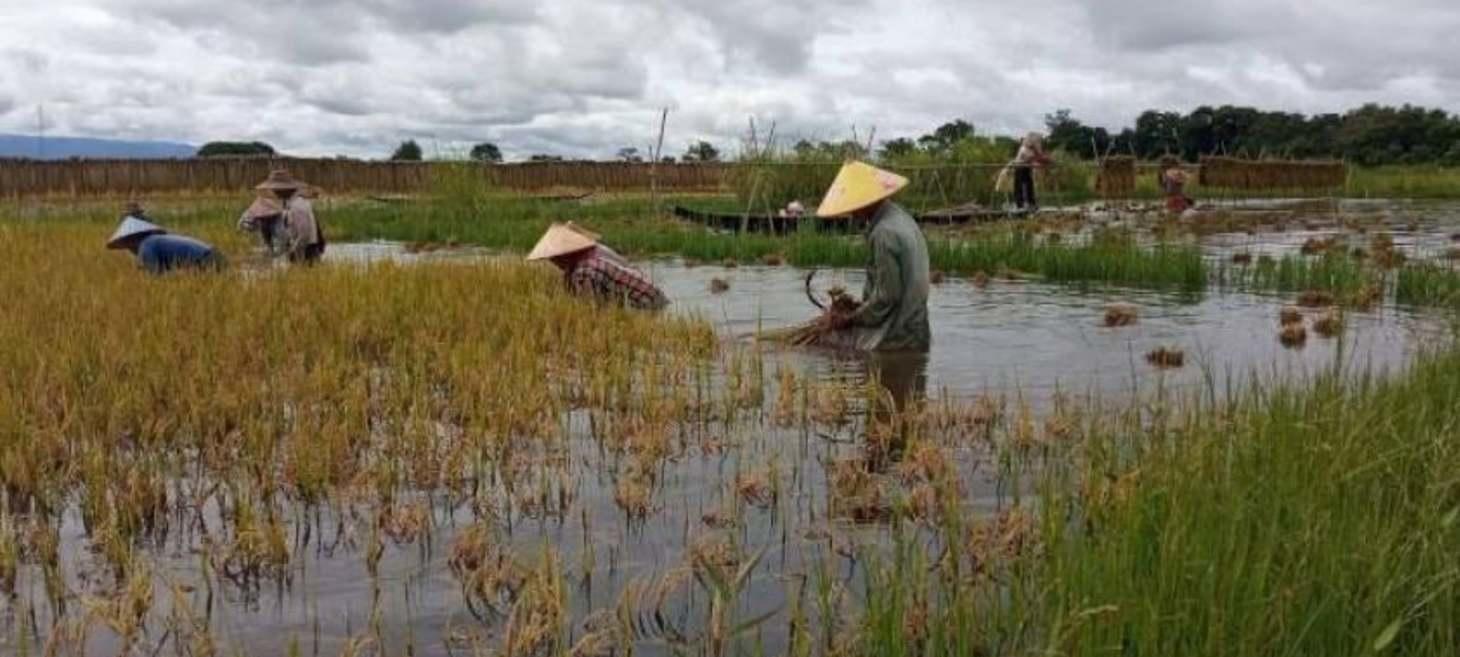
Floods and Forced Payments Push Shan State Rice Farmers to the Brink
Farmers in southern Shan State are facing mounting losses and are being pushed to the brink of collapse due to consecutive years of flooding, including significant crop destruction caused by Cyclone Wifha, combined with sharply falling rice prices that prevent them from recovering their planting costs. Economic pressures are severe, as the current paddy price of around 1,600 kyats per viss is far below the estimated break-even price of 2,500 kyats per viss, a situation worsened by increased costs for inputs like fuel, fertilizer, and machinery that have risen since the 2021 coup. Adding significantly to their hardship, farmers who often took out loans to replant their crops are also being forced to pay mandatory "security" fees to both the Pa-O National Army (PNA) and the military council.
shannews.org
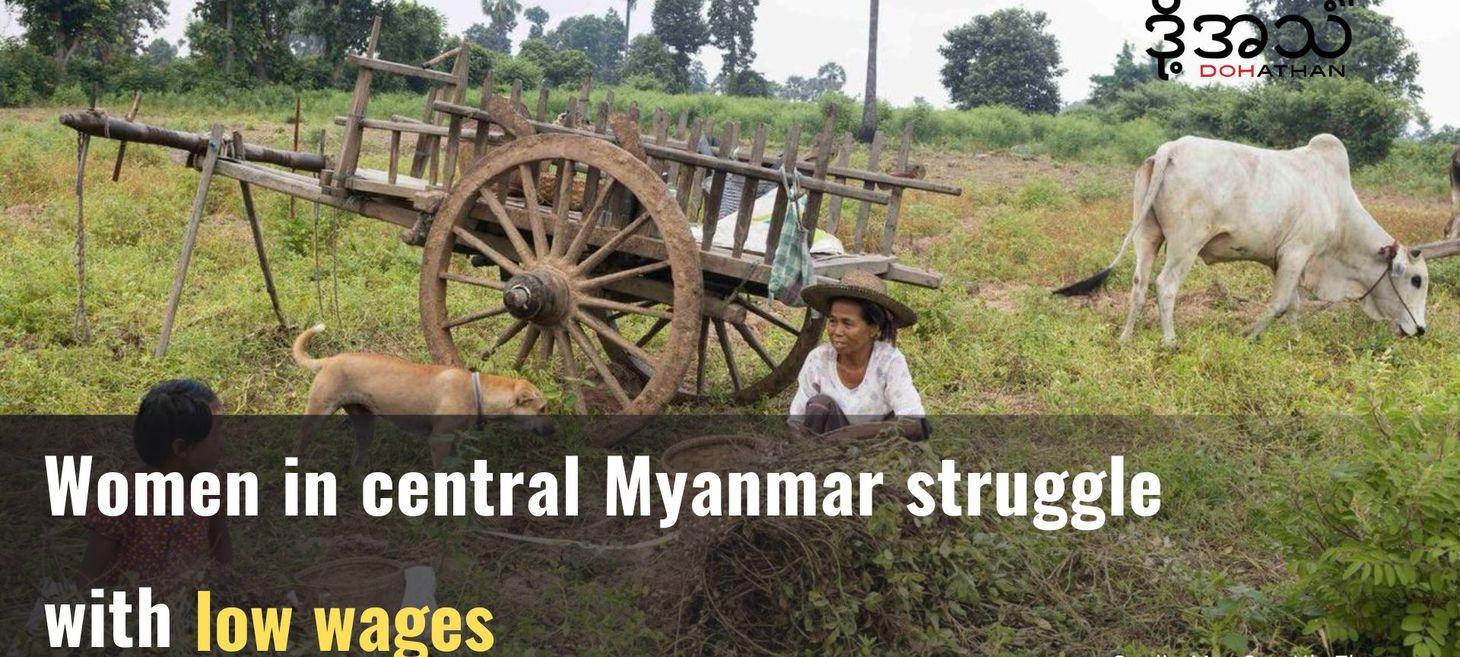
Women in central Myanmar struggle with low wages
Due to the ongoing post-coup civil war, women in Myanmar's central dry zone face severe restrictions on movement, as fears of arrest, danger, and rising sexual violence prevent them from safely traveling outside their villages for work. Consequently, job opportunities are scarce, and women who find local employment face extreme economic hardship, earning wages significantly lower than men. For example, they might earn 4,500 to 7,000 chats per day for farm work, compared to men earning no less than 10,000 chats for the same labor, which does not meet the official minimum wage. This severe pay gap persists because workplaces divide tasks based on perceived physical strength and, crucially, because there is an oversupply of female workers relative to available jobs ("Too many women, too little walk"), leading activists to assert that the coup has caused women's opportunities to regress by four or five decades.
frontiermyanmar.net
Elections
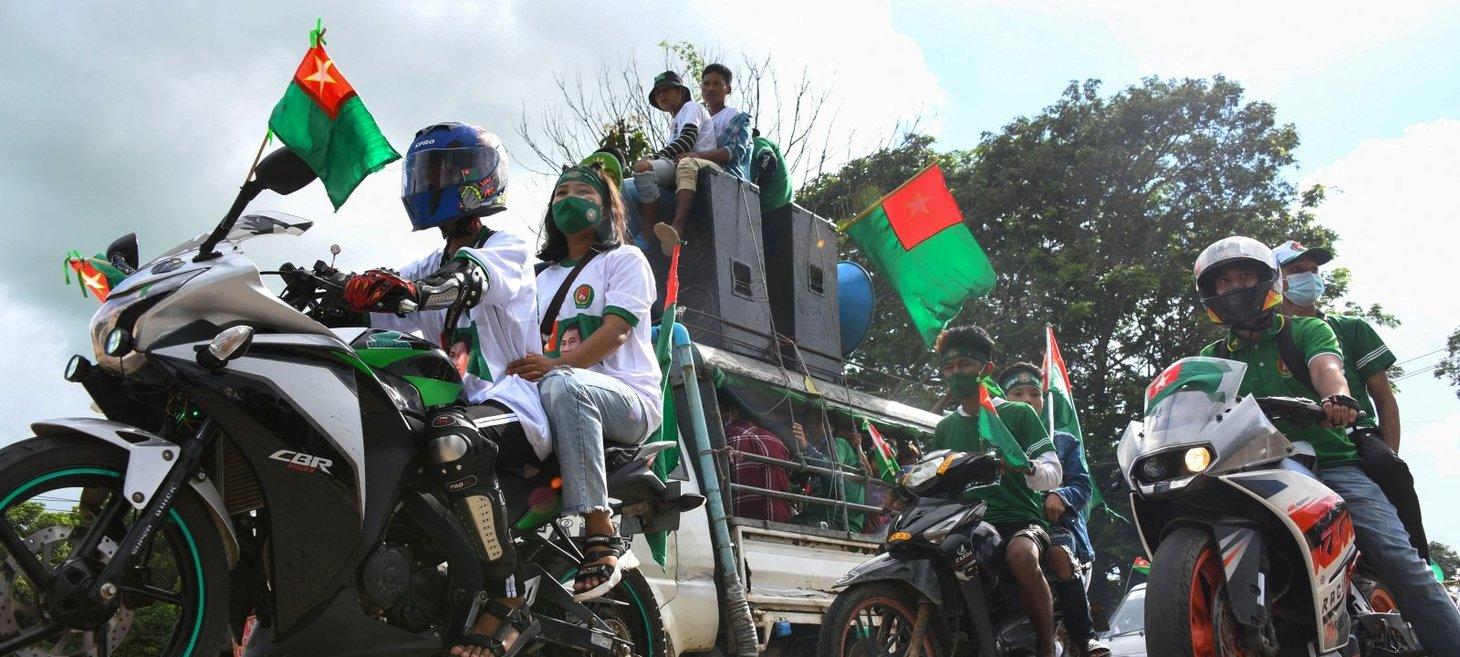
‘The ending is already known’: USDP gets head start on election campaign
The Union Solidarity and Development Party (USDP) has secured a significant head start on campaigning for Myanmar's upcoming election, openly engaging in public activities like making donations in poor neighborhoods for months despite the official campaign period starting later, while the Union Election Commission (UEC) has seemingly turned a blind eye to these actions. This unfair advantage is magnified by the USDP leveraging its military connections to appoint its members as ward and village administrators post-coup, who are now actively promoting a USDP victory and using tactics like threats related to conscription to pressure residents into voting. Consequently, the election is widely viewed as illegitimate or a sham, with low public interest exacerbated by the dissolution of opposition parties like the National Democratic Force (NDF), leading analysts to believe that the USDP's victory is the prewritten ending.
frontiermyanmar.net
Ethnic Issues
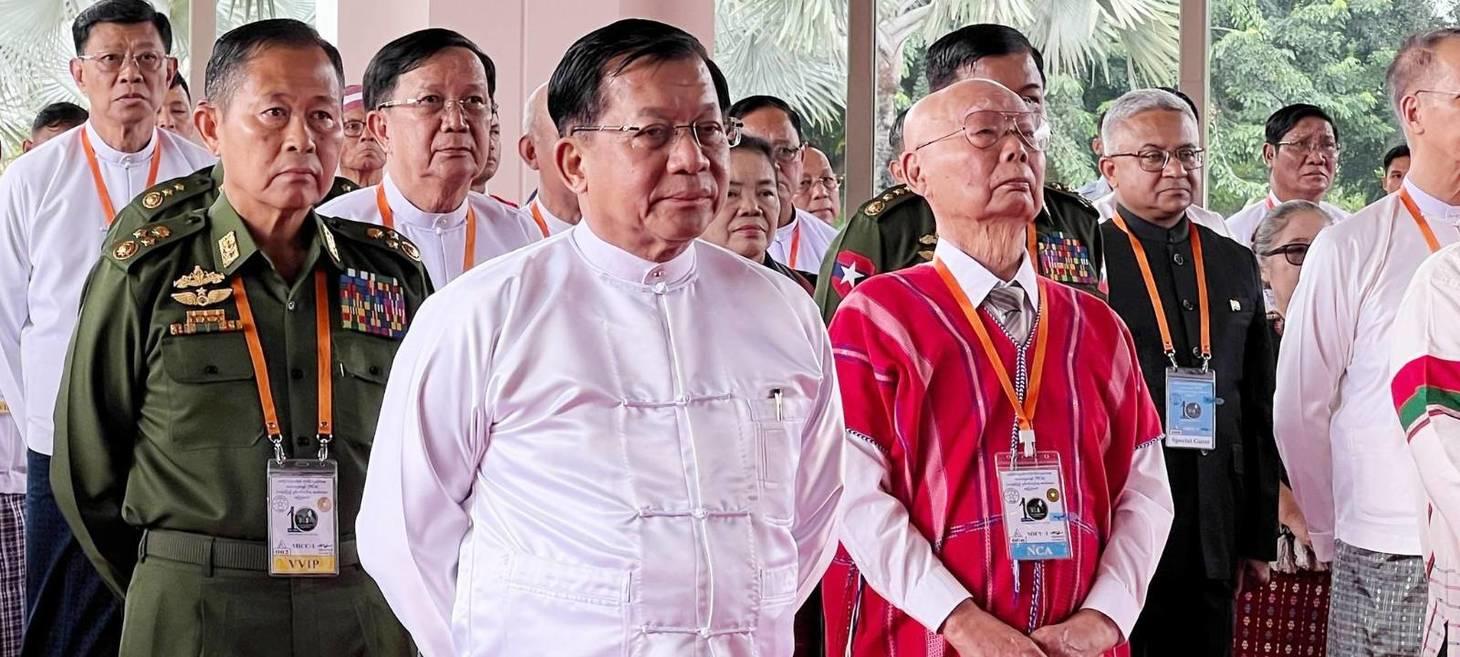
NCA BLUES – Nationwide ceasefire isn’t nationwide any more
The 10th anniversary of Myanmar’s Nationwide Ceasefire Agreement (NCA) was commemorated by the military regime on October 15, 2025. Still, the agreement was widely criticized as largely ineffective and "null and void" following the 2021 military coup and ongoing violence. While some ethnic armed groups and diplomats from China and India attended the Naypyitaw event, six original signatories boycotted the ceremony, condemning the military’s brutality and accusing the regime of seeking international legitimacy while conducting airstrikes across the country. The conflict continues unabated, with anti-junta forces controlling over 60 percent of the territory, leading to mass displacement and humanitarian crises; the outlook suggests a prolonged conflict, complicated by the junta leader’s non-equalitarian stance and China’s sustained support.
shannews.org
Governance & Rule of Law

Myanmar junta court hands draconian prison sentences to five NLD women
A Myanmar junta court delivered draconian prison sentences to five women who were members of the disbanded pro-democracy party, the National League for Democracy (NLD), based on terrorism charges. These severe penalties resulted in jail terms for the five NLD women ranging dramatically between seven and 37 years. This judicial action is contextualized by ongoing turmoil in Myanmar, which includes recent reports of junta airstrikes killing dozens over a 20-day span in Northern Shan, resistance forces restricting access to Starlink, and the NLD asserting that the junta bears sole responsibility for the health of detained leader Suu Kyi.
myanmar-now.org
Humanitarian

Refugees facing starvation in war-torn Myanmar – Northeast Bylines
Aid agencies are urgently warning that Rakhine State in war-torn Myanmar is facing the imminent threat of starvation, prompting the World Food Programme (WFP) to appeal for more donations to prevent a "full-blown disaster". Zoya Phan of Burma Campaign UK (BCUK) emphasized that international donors must immediately reverse long-term aid cuts to Rohingya refugee camps in Bangladesh and significantly increase funding for both those refugees and internally displaced civilians in Rakhine State. To facilitate this, Phan also urged Bangladesh to lift restrictions on cross-border aid delivery for Rohingya, Rakhine, and other civilians who cannot be reached from central Burma, stressing that world leaders must not ignore the impending famine.
burmacampaign.org.uk
National Unity Government

Family arrested upon illegally re-entering Myanmar for allegedly funding NUG
A family consisting of Thuzar Maung (aka) Rashidah Binti Abdul Azeez, her husband Saw Than Tin Win, and their three children were arrested upon illegally re-entering Myanmar. Arrest warrants had been issued against them in 2023, initiating a case under Anti-Terrorism Law Section 52(a), for allegedly providing financial support and fundraising assistance to the National Unity Government (NUG) group while they were residing abroad. Investigation findings suggest that Thuzar Maung, who formed the Myanmar Muslim Refugee Community (MMRC) while in Kuala Lumpur, Malaysia, fraudulently used financial profits and support secured from UNHCR and other NGO/INGO organizations to benefit her family and make donations to the NUG and its subordinate organizations.
elevenmyanmar.com
Natural Resources
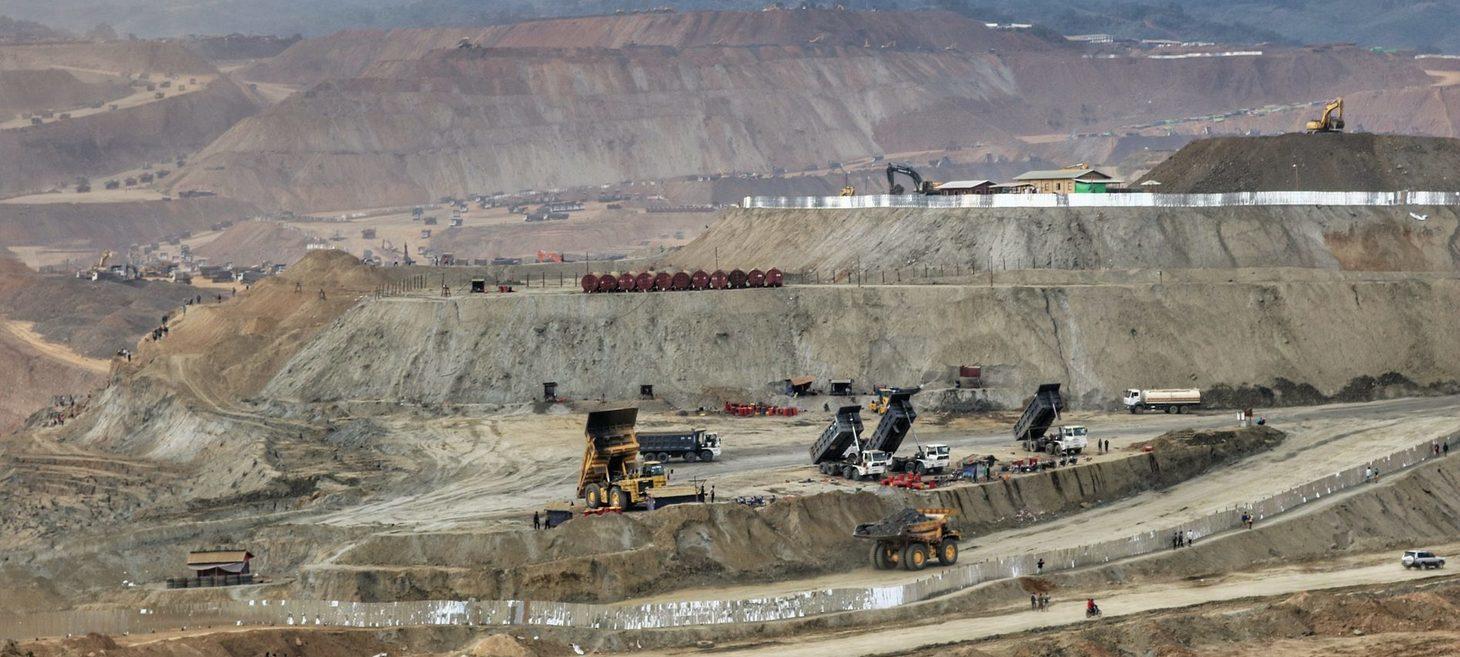
Amid China’s Export Ban, Don’t Forget the Human Costs of Myanmar’s Rare Earths
Global demand for rare earth elements, essential for the green energy transition, has intensified interest in Myanmar as a potential supplier, especially following China's tightening of export restrictions and the surge in Myanmar's exports to China since the 2021 military coup. This rapid expansion of rare earth mining, concentrated in Kachin and Shan States, relies on highly polluting methods that have resulted in severe human and environmental costs, including the outsourcing of toxic waste and the perpetuation of multilayered injustices affecting vulnerable communities. Strategies to diversify the rare earth supply chain through Myanmar will only exacerbate these ethical problems unless international stakeholders prioritize pressuring the military junta to reinstate democratic governance and establish robust ethical oversight to ensure transparency, accountability, and a "just transition".
thediplomat.com
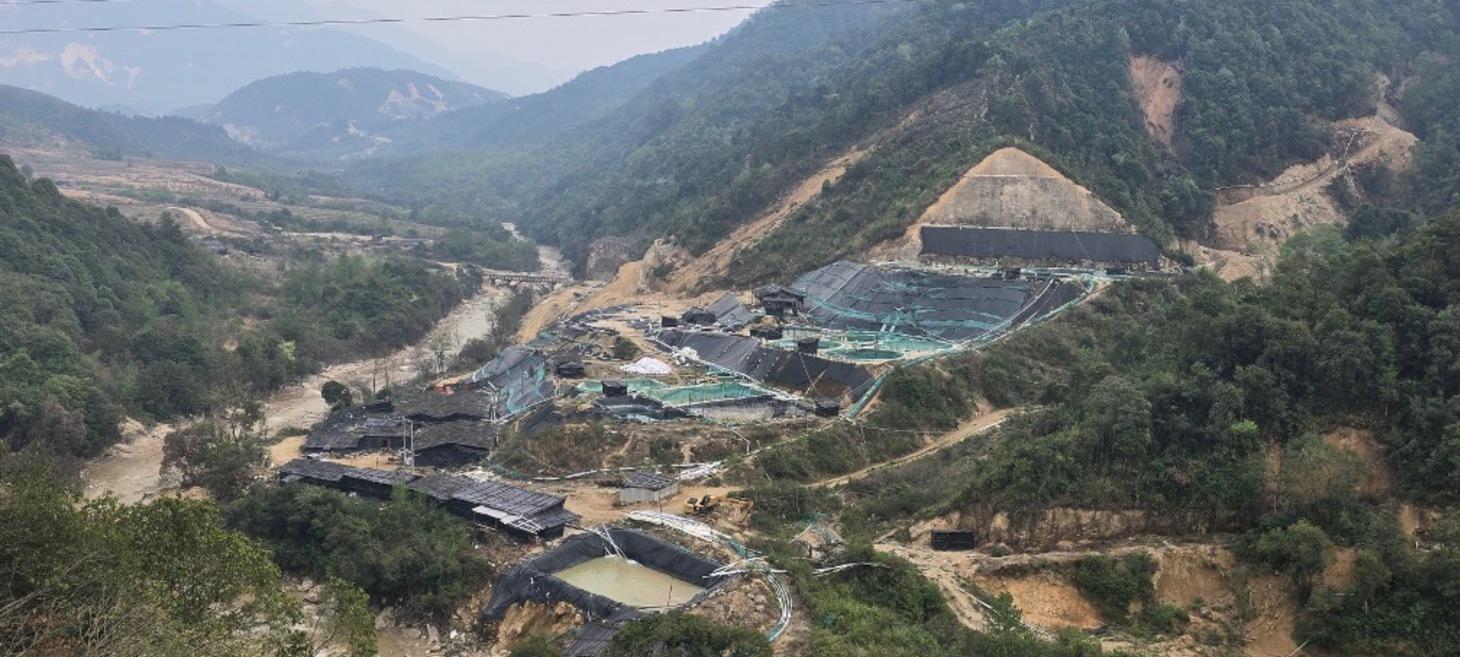
KIA set to fully resume rare earth mining in captured ‘special region’
The KIA is set to fully resume rare earth mining operations in a captured "special region," with a specific mining site noted to be in Kachin State. This action is significant because it coincides with the continuing intensification of global competition for rare earth minerals, which are considered vital for the production of high-tech goods. The resumption of mining takes place amidst extensive ongoing conflict in Myanmar, highlighted by reports of junta airstrikes that killed dozens, the Myanmar resistance's restriction of Starlink access drawing backlash, and the Myanmar military continuing to lose ground to anti-junta forces in northern Shan State.
myanmar-now.org
Sanctions
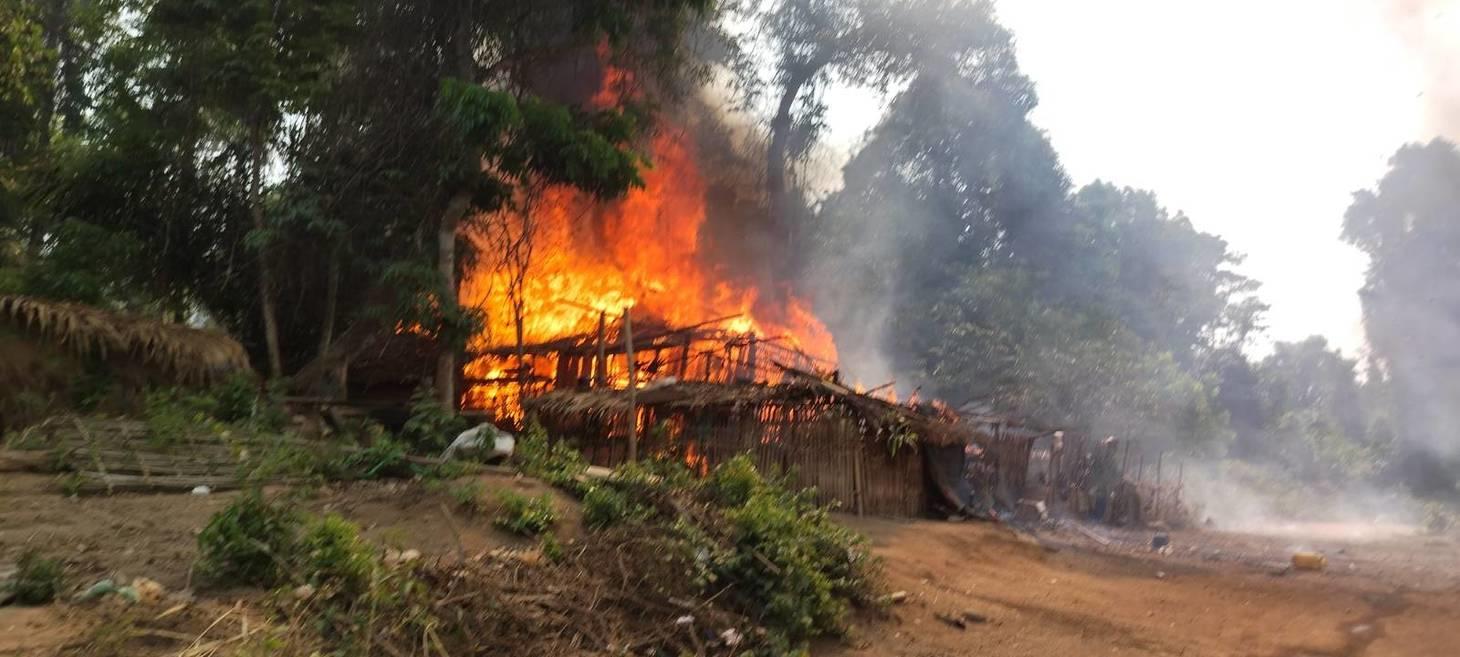
British government must resume sanctioning the Burmese military
Burma Campaign UK is calling on the British government to immediately resume imposing regular targeted sanctions aimed at cutting off revenue, arms, and equipment to the Burmese military, noting that it has been almost a year since the last sanctions were imposed. While Britain initially led the world in adopting coordinated sanctions following the 2021 military coup, the pace has slowed to a standstill, leaving the UK lagging behind allies such as the USA, EU, Canada, and Australia. The failure to continue imposing sanctions risks encouraging the Burmese military as they escalate attacks ahead of planned sham elections, emphasizing that sanctions must be imposed on an ongoing basis across a wide range of targets to be effective.
burmacampaign.org.uk