Introduction & Analysis
This collection of open-source English-language news articles published over the past week highlights significant events and issues concerning Myanmar. They present a snapshot of the country's safety and security landscape.
- The ongoing crisis in Myanmar centers on the military junta’s drive for legitimacy through a planned year-end election, despite widespread opposition and international skepticism; while the junta extended an invitation for ASEAN observers, the collective stance of the bloc, according to Malaysian Foreign Minister Mohamad Hasan, is anticipated to be a rejection, stressing that any credible election must be free, fair, and transparent with the participation of all stakeholders.
- Concurrently, the military regime has significantly escalated its violence and counter-offensives ahead of the polls, employing intensive airstrikes and paramotor attacks on civilian gatherings, schools, and monasteries across regions like Sagaing and Shan State, resulting in numerous deaths and injuries, while also reportedly obstructing aid to survivors.
- This widespread conflict is fueling a devastating humanitarian crisis, severely compounded by significant US aid cuts which have led to the cessation of food assistance for millions, causing hunger, malnutrition, and even death, particularly among vulnerable populations such as Rohingya children in internment camps.
- The opposition forces face internal challenges, as key anti-junta stakeholders are urged to overcome factional differences and form a united front to combat the military’s momentum, while internal conflicts, such as the split among Chin revolutionary groups, are politicizing aid distribution and intensifying the hardship for displaced persons along the border.

ASEAN

ASEAN’s Last Chance on Myanmar
The Special Advisory Council for Myanmar (SAC-M) calls upon ASEAN to execute a complete strategic reset on Myanmar at its upcoming 47th Summit, asserting that previous efforts, including the dead-on-arrival Five-Point Consensus (5PC), have totally failed the people, abandoned thousands of civilians to slaughter, and allowed the junta to outmaneuver the bloc. This necessary reset demands that ASEAN unequivocally reject the junta’s planned December 28, 2025, sham election—which fails minimum benchmarks for a credible process—and tighten the screws by implementing graduated punitive steps, beginning with expanding the ban on all junta representatives from every level of ASEAN engagement. Finally, ASEAN must champion a new strategy toward a democratic outcome, which includes intensifying diplomatic efforts for an immediate end to attacks and the release of all political prisoners, expanding coordination with key stakeholders like the National Unity Government (NUG), and supporting accountability for international crimes committed in Myanmar.
specialadvisorycouncil.org
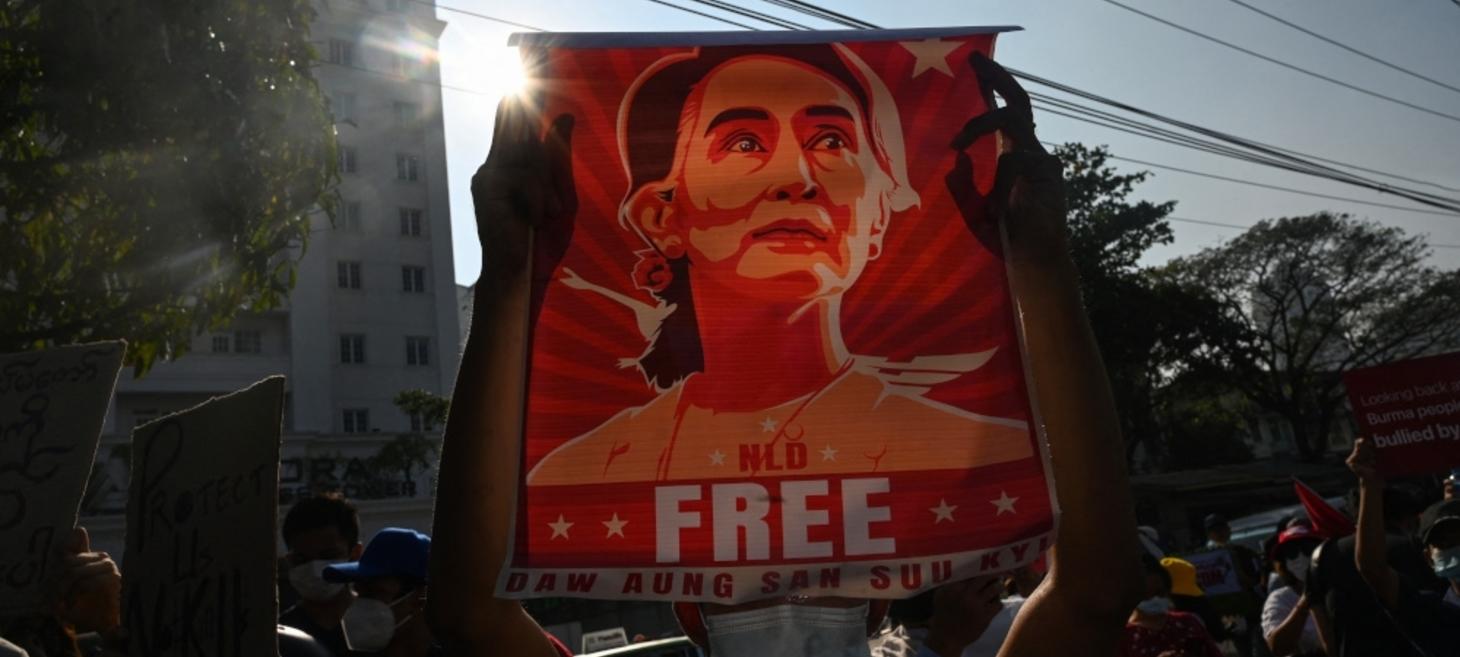
No to military rule: Asean stakeholders call Myanmar elections a threat to regional stability
Asean stakeholders jointly rejected Myanmar’s planned military-run elections, calling them illegitimate and a direct violation of the bloc’s Five-Point Consensus following meetings led by Malaysia in its role as Asean Chair. Participants, including representatives from the National Unity Government (NUG) and Ethnic Resistance Organisations (EROs), condemned the junta’s continued violence and stressed that any election held under military rule would only entrench authoritarian control and further destabilize the region. Consequently, the group called for Asean to take urgent, time-bound action to end violence, protect civilians, and hold the junta accountable, emphasizing that peace and a federal democratic future require inclusive dialogue rather than processes that legitimize military rule.
malaymail.com

Myanmar junta invites Asean to observe election
Myanmar’s junta has invited the Association of Southeast Asian Nations (Asean) to send observers for its planned year-end general election, which is set to be held in phases starting on December 28. This invitation, which was extended to all member states following talks between the junta chief and Malaysia’s Foreign Minister, will be discussed by Asean during its regional summit later this month, despite Asean ministers previously urging the junta to prioritize dialogue and an end to fighting over holding an election. Critics and Western nations widely view the upcoming election as a "sham exercise designed to legitimise the military’s rule" following the 2021 coup, as it is taking place amid a civil war with key opposition groups banned and new electoral laws favoring military-backed parties.
bangkokpost.com
Conflict
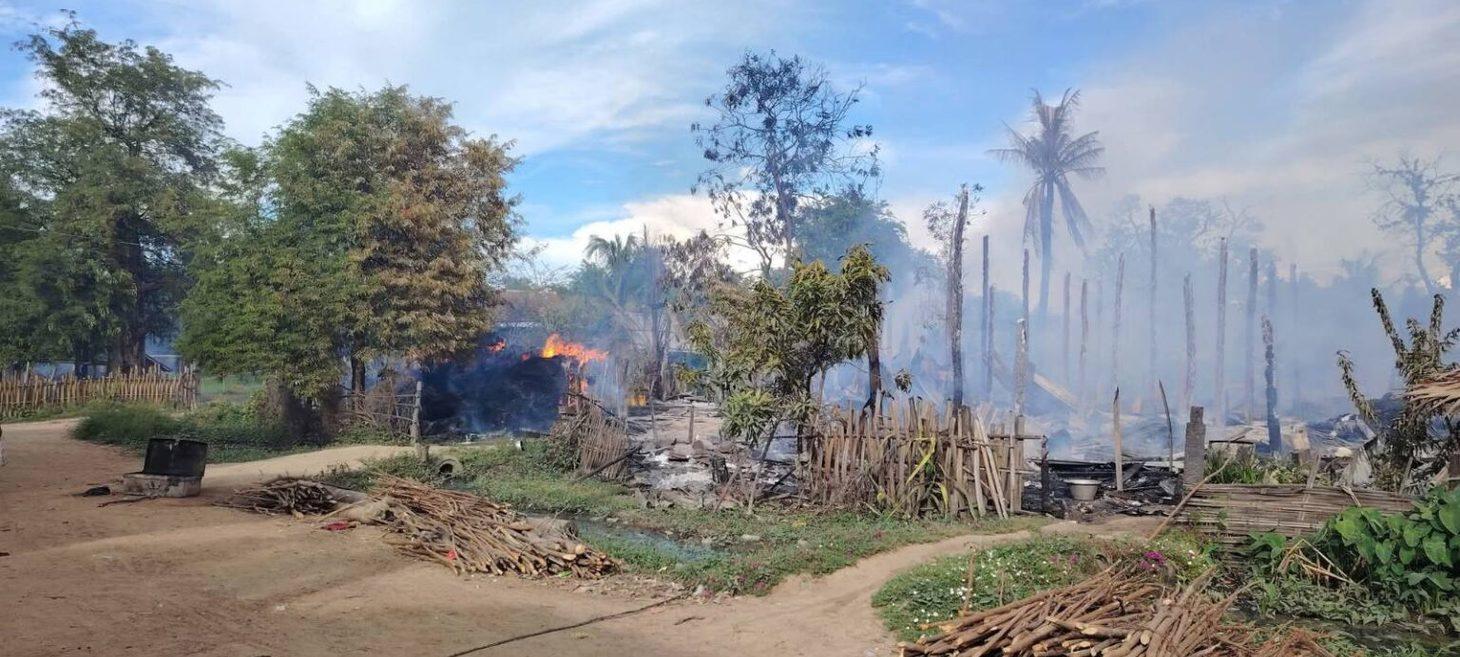
Junta troops torch over 130 homes in Kanbalu raid
Approximately 80 junta soldiers and pro-military militia members stormed Htantapin village in Sagaing’s Kanbalu Township on October 9, 2025, resulting in the killing of one man and the detention of 30 residents. During this attack on Htantapin village, the soldiers and pro-junta militia members caused widespread destruction by torching more than 130 houses. This raid is presented within the context of ongoing violence in Myanmar, evidenced by concurrent headlines detailing incidents such as junta airstrikes killing children in Mon State and Mongmit, troops looting and torching villages near Old Bagan, and allegations of involuntary service recruitment by the KIA in Hpakant Township.
myanmar-now.org
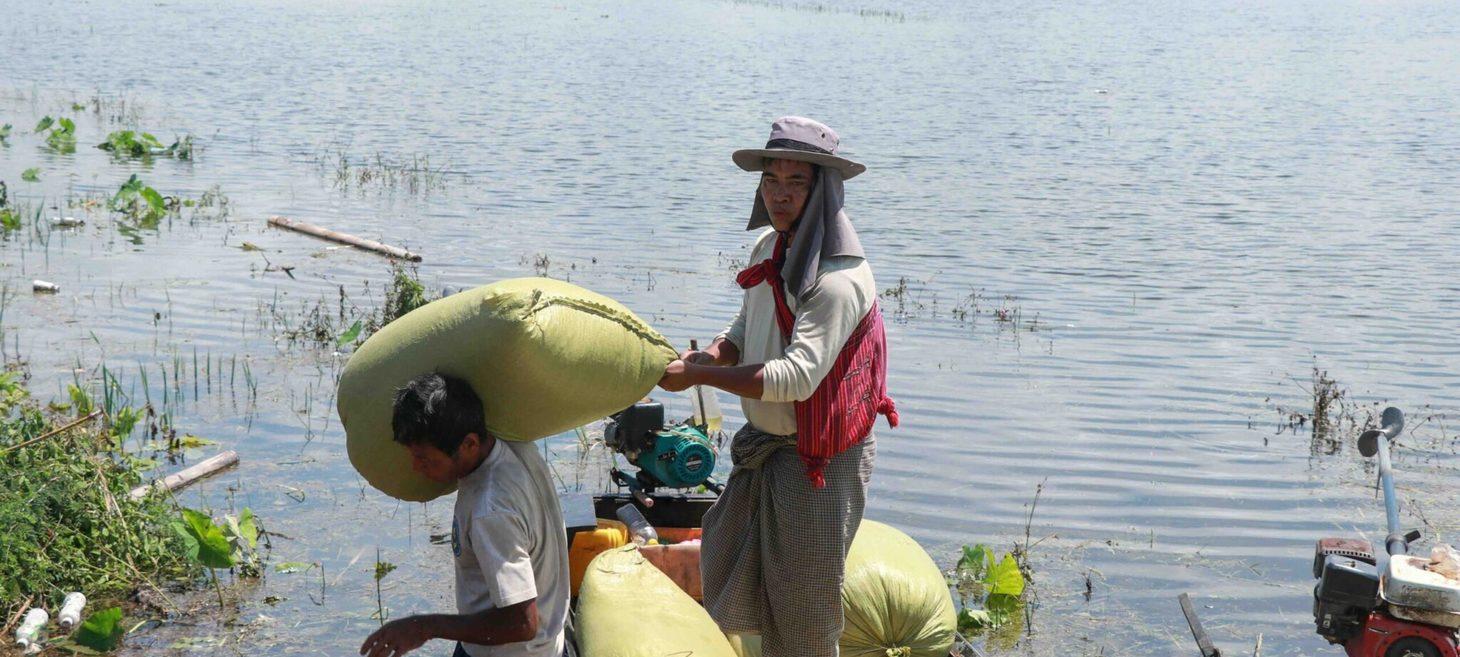
Junta’s counteroffensive worsens displaced people’s hardship in Karenni, southern Shan states
The Myanmar junta’s counteroffensive has severely worsened the hardship faced by displaced people in Karenni and southern Shan states. Scarcity of food and supplies in the Karenni area is intensifying due to the growing numbers of displaced individuals, the military’s recent seizure of critical supply routes, and local cultivation being halted by the persistent danger of shelling and airstrikes. The broader context of the conflict includes reports of brutal acts, such as deadly junta airstrikes that have killed civilians and children, the looting and torching of villages by junta troops, and allegations of involuntary service recruitment by other groups like the KIA.
myanmar-now.org
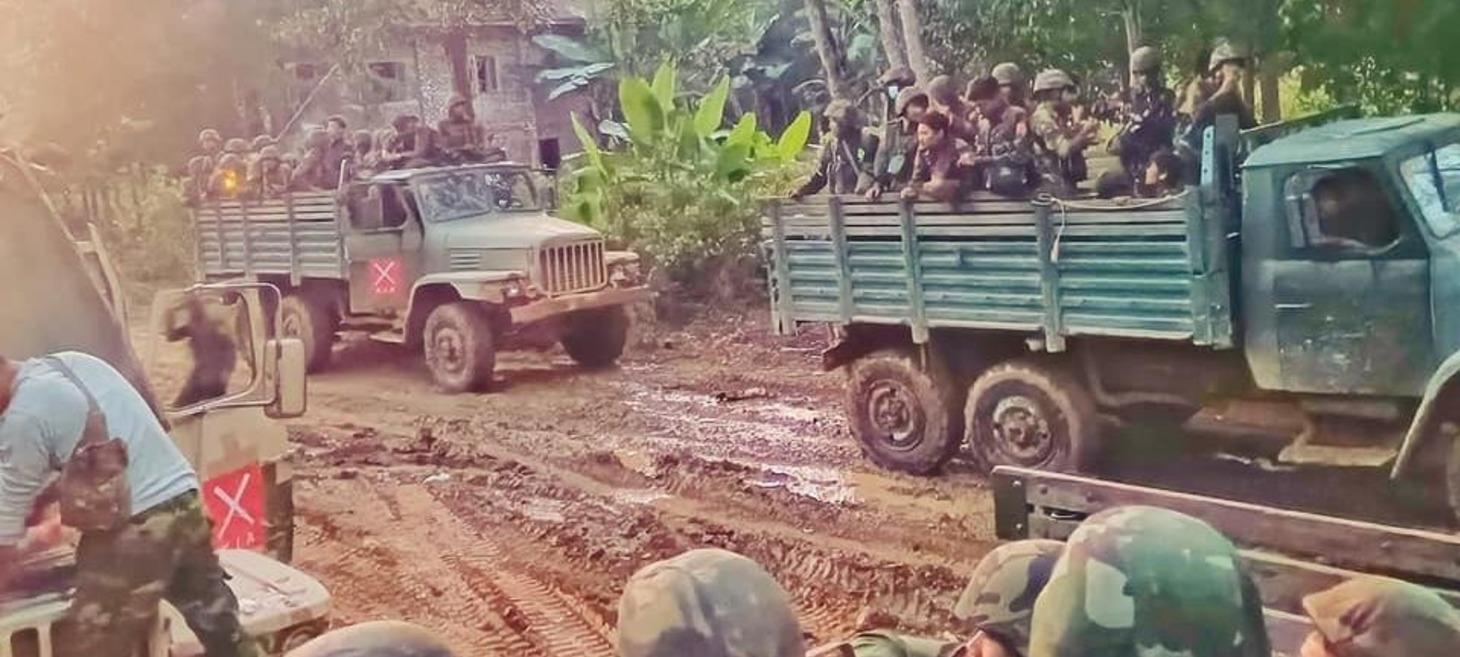
KIA seizes army, militia bases in Waingmaw Township
The ongoing conflict in Myanmar features significant action by the Kachin Independence Army (KIA) and its allies, who seized army and militia bases in Waingmaw Township and have held most of the territory captured from the military since 2024, despite facing a countrywide junta counteroffensive. However, the KIA also faces allegations of pressing young people into involuntary service in Hpakant Township. The Myanmar junta has been responsible for multiple brutal actions, including airstrikes that killed children and other civilians in Mon State, Mongmit, and Rakhine State, alongside troops looting and torching numerous villages, such as burning over 130 homes during a raid in Kanbalu. Amid reports of the Myanmar military continuing to lose ground to anti-junta forces in northern Shan State, the junta leader stated that elections would proceed despite the escalating violence, while the regime has simultaneously pursued economic activities like partnering with a Chinese firm to build a natural gas terminal.
myanmar-now.org
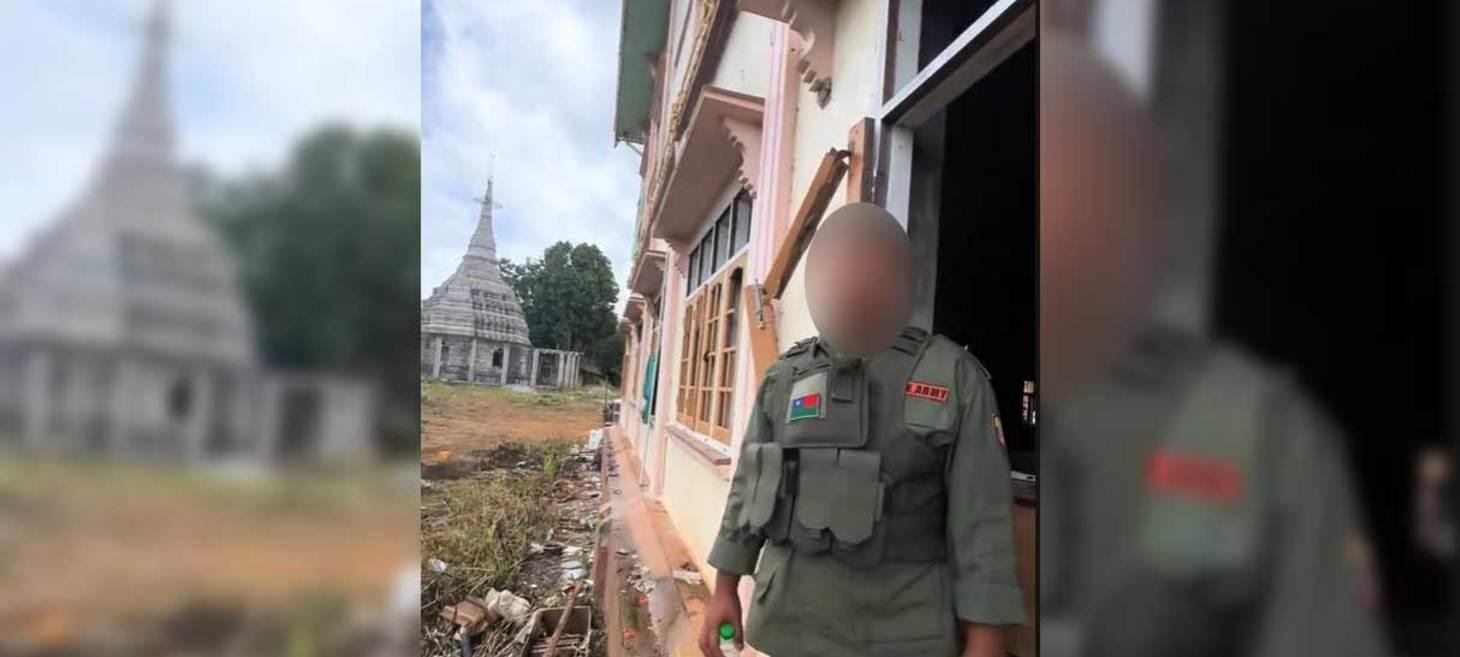
Renewed Fighting in Southern Shan State Deepens Hardship for Long-Displaced Families
**Fierce clashes involving the military council’s troops, the PNO/PNA, and the Karenni Revolutionary Coalition forces renewed in Tawng Me Thin village, southern Shan State, between October 7 and 9, 2025, further devastating an area previously hit by heavy fighting. More than 3,000 villagers displaced by the earlier 2023 conflict have yet to return home and have faced a worsening livelihood crisis lasting over two years, relying on daily labor or borrowed food for survival. This long-term displacement has caused severe economic hardship, resulting in high school dropout rates as children are forced into labor, while the military and PNO forces who dominate the area plan to intensify ground offensives ahead of a planned December 28 election.
shannews.org
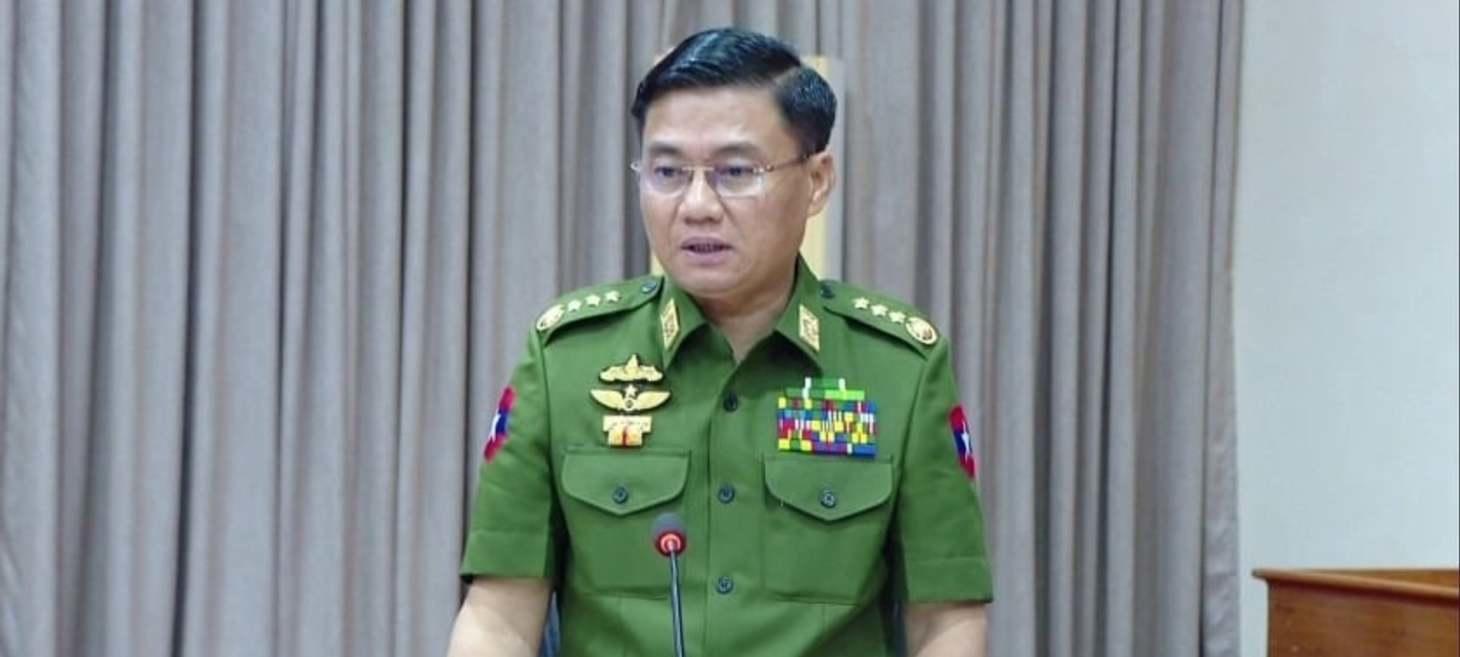
ENACT UNITY OR FACE ANNIHILATION: “United we stand, divided we fall” rings louder for the opposition as military junta gains military offensive momentum
The military junta (SSPC) is gaining offensive momentum, having recaptured ten towns, and has decided to significantly step up ground operations and double air strikes as it enters the open dry season, with General Kyaw Swar Lin leading joint operational meetings to quickly retake territory before the election. This escalated use of air power has resulted in widespread bombardment of civilian targets, including schools, hospitals, monasteries, and displacement camps, while the junta pursues a strategy to boost its election credibility by attracting voters to junta-controlled areas ahead of the stage-managed December election. Given the military’s recent success and the warning that resistance groups face annihilation if they fight individually, there is an urgent call for anti-junta forces to form a united front, though this effort is hindered by disputes over power-sharing, differing ideologies, and the complexity of prioritizing unity over settling internal ethnic conflicts.
shannews.org
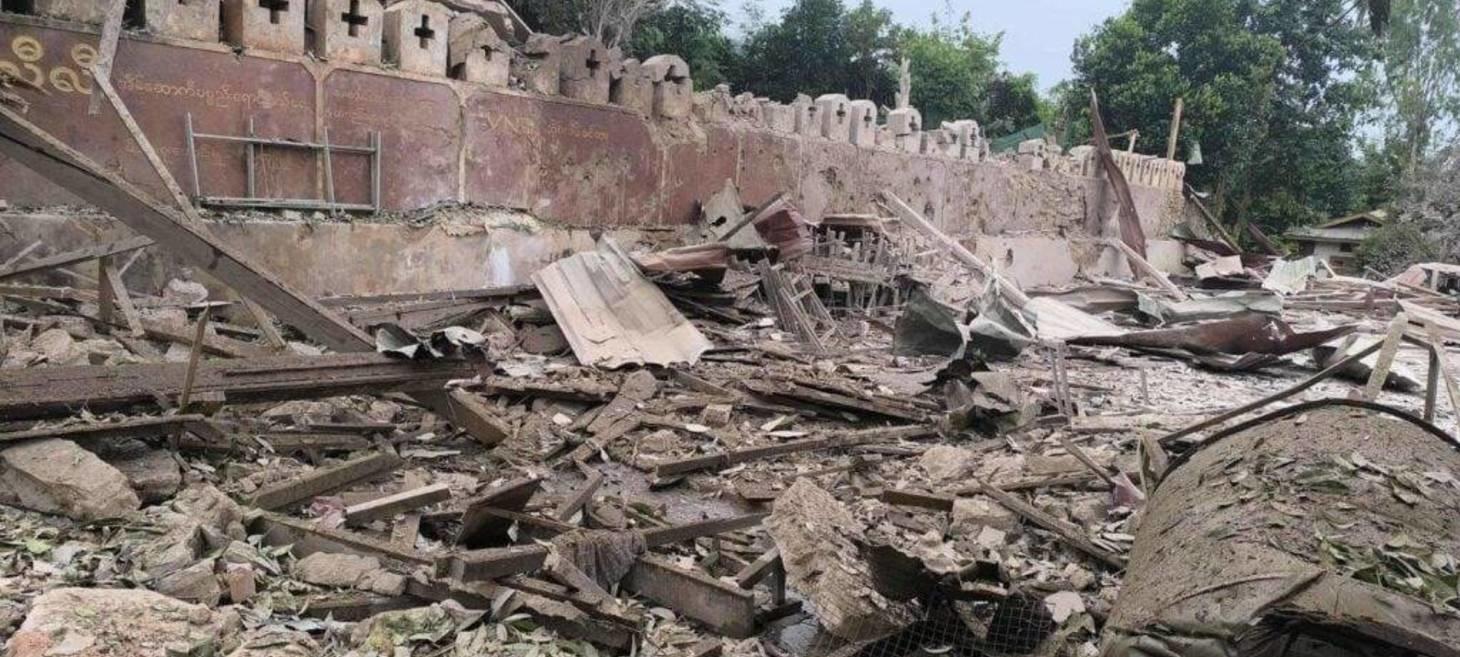
Junta Airstrike Damages Monastery in Namtu as Fighting Escalates Across Shan State
The Myanmar military launched a new round of daily airstrikes in northern Shan State from late September through early October, targeting at least five townships, including Namtu and Hsipaw, resulting in widespread destruction and an increasing number of civilian casualties. These attacks targeted both religious and civilian sites, such as the Pubba Yone Pali Dhamma Shwe Kyin Monastery in Namtu, which was reportedly destroyed by bombs dropped on October 7 in an area under Ta’ang (Palaung) National Liberation Army (TNLA) control. Furthermore, a series of bombings on October 4 in Hsipaw damaged Basic Education High School (2), Banda Monastery, and 13 homes, while previous strikes in the same area had killed displaced persons who had fled earlier fighting in Kyaukme Township.
shannews.org

Myanmar junta blocking aid to survivors of deadly Chaung-U airstrikes
The Myanmar junta is reportedly blocking aid intended for survivors of a deadly airstrike that occurred on October 6, 2025, in Bonto village, Chaung-U Township, Sagaing Region. The attack resulted in significant civilian casualties, with at least 40 people injured, and critically, more than half of the victims were under the age of 18. This incident is part of a broader pattern of violence documented in related articles, including junta airstrikes that killed five children in a Mon State village and two children in Mongmit, alongside reports of junta troops looting and torching over 130 homes in multiple raids.
myanmar-now.org
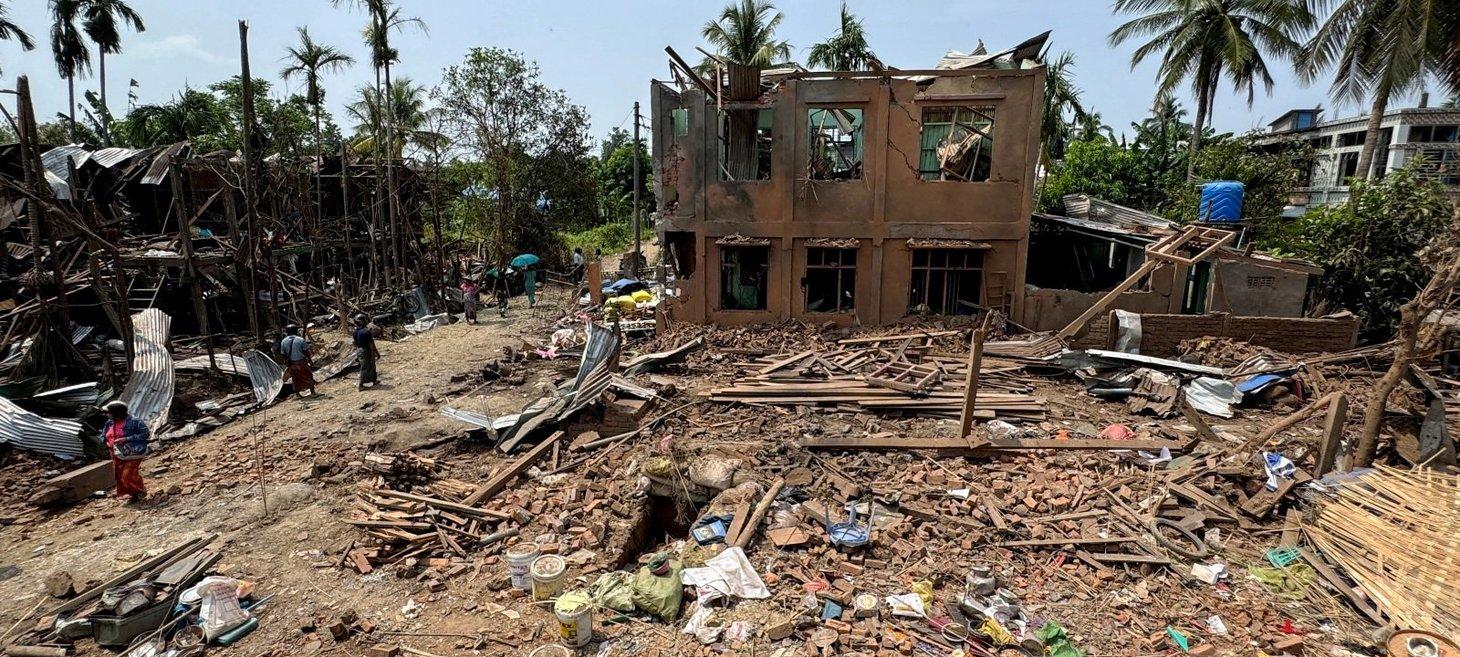
Myanmar junta strike kills dozens at festival protest: residents
A Myanmar regime airstrike targeted a crowd gathered for the Thadingyut full moon festival and an anti-junta demonstration in Sagaing Region’s Chaung-U Township, resulting in the deaths of 40 people, including children, and wounding about 80 others. The attack was executed by motor-powered paragliders that dropped bombs on the center of the crowd, with witnesses describing the aftermath as horrific, including children being "completely torn apart" and people rushing to collect body parts from the ground. Human rights watchdog Amnesty International stated that the nighttime attack demonstrated the military was “intensifying an already brutal campaign against pockets of resistance” and committing war crimes with impunity, especially while the junta promotes elections that a United Nations expert has dismissed as a “fraud”.
frontiermyanmar.net
Cybersecurity & Cybercrime
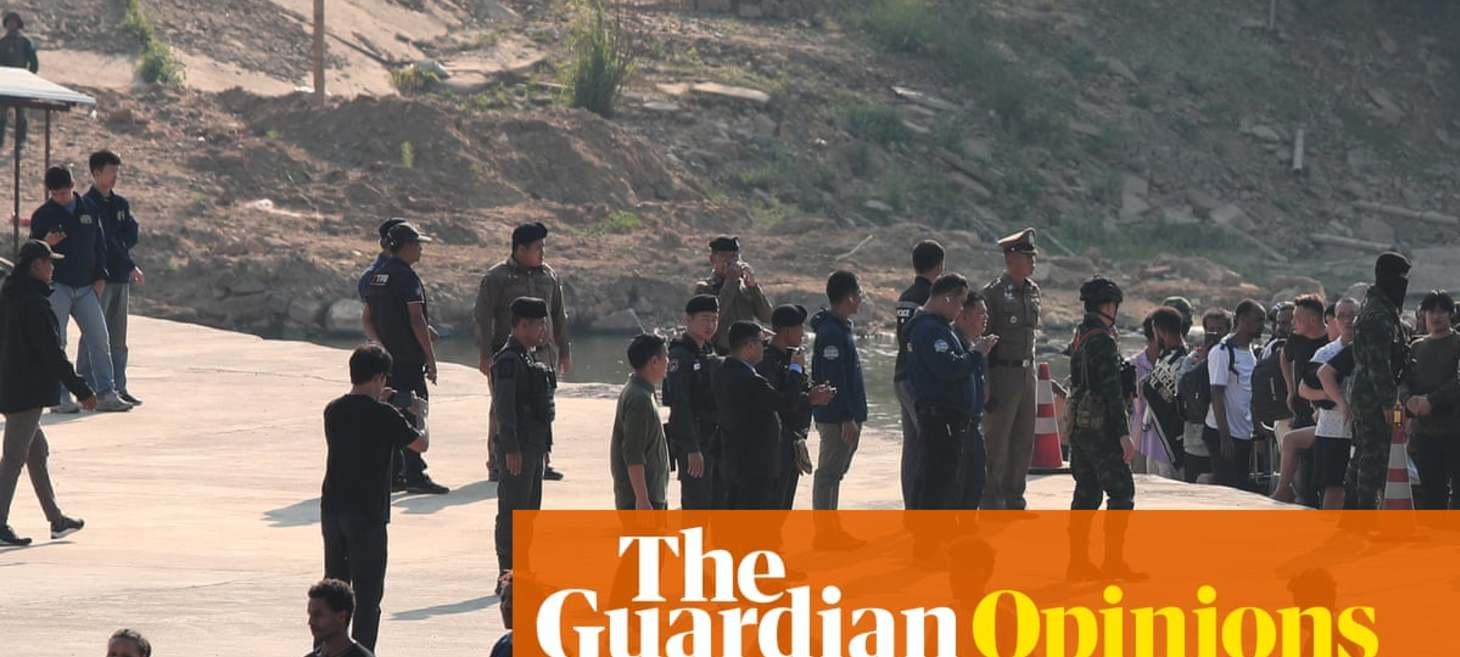
The Guardian view on the online scam industry: authorities must not forget that perpetrators are often victims too | Editorial
The online scam industry is a noxious, multibillion-dollar sector that devastates the lives of two sets of victims, spreading rapidly from centers in Southeast Asia, such as Myanmar and Cambodia, to other regions worldwide. This criminal sector forces trafficked workers into heavily guarded, prison-like compounds to cheat others—often through "pig-butchering" schemes—while enduring routine abuse, torture, and conditions amounting to modern slavery. Authorities fighting these transnational syndicates must share intelligence, combat corrupt officials who allow these enterprises to thrive, and above all, ensure that these traumatized victims are not punished as if they were the perpetrators.
theguardian.com

China shut down cyber scam centres on its borders. For India, the pressure will only grow
China successfully addressed the crisis of cyber scam centers in Laukkaing, Myanmar, by activating the Three Brotherhood Alliance (Operation 1027), which led to the capture of the operating "four main families" and the subsequent shutdown of scam operations near China's border, easing pressure related to the thousands of Chinese youth held in "cyber slavery". Following this crackdown, the criminal syndicates shifted their operations to enormous, heavily guarded, self-sufficient complexes in Myawaddy, south-eastern Myanmar, which is separated from Thailand by the Moei River. They continue to engage in activities like trafficking and telecom scams that now impact other nations. This shift, coupled with active recruitment often initiated via Telegram, has resulted in thousands of people being trafficked, including 549 Indians rescued in March 2025, significantly contributing to an estimated 200 percent increase in financial fraud and losses exceeding Rs 22,000 crore in India between 2023 and 2024, which is expected to build pressure on New Delhi.
theprint.in
Education
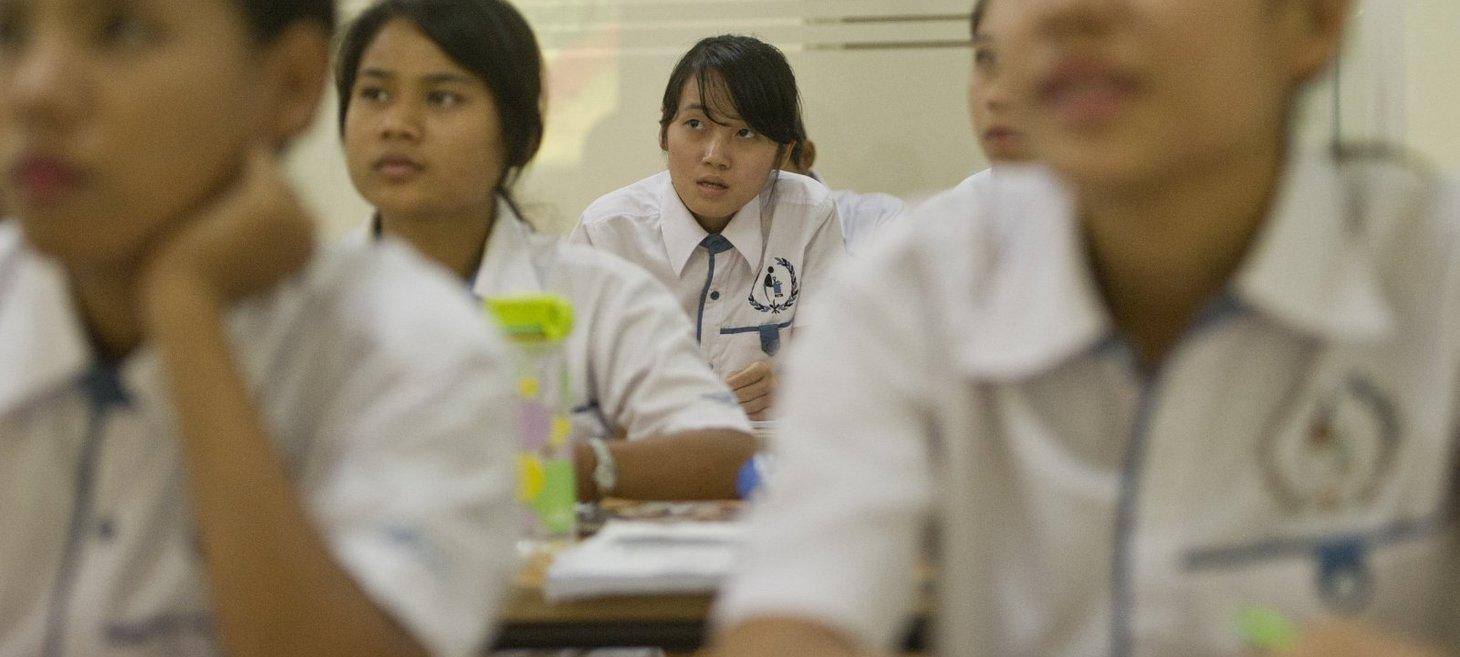
‘I don’t know what comes next’: US visa ban quashes Myanmar students’ dreams
The United States imposed a sweeping visa ban on Myanmar citizens starting in June 2025 via a presidential proclamation by President Donald Trump, derailing the educational plans of many students who were already far along the rigorous application process. This sudden policy caused havoc, crushing the dreams of genuine students who had secured admissions and forcing those who lost scholarships to either defer their admission or spend additional time and money (between $5,000 and $25,000) seeking alternatives in other countries. The ban was justified by the US citing Myanmar's 42 percent visa overstay rate among student and exchange visa holders—the highest among the 12 banned countries—and the ruling junta’s lack of cooperation in accepting deported nationals, which makes this version harder to challenge legally than prior travel restrictions.
frontiermyanmar.net
Elections
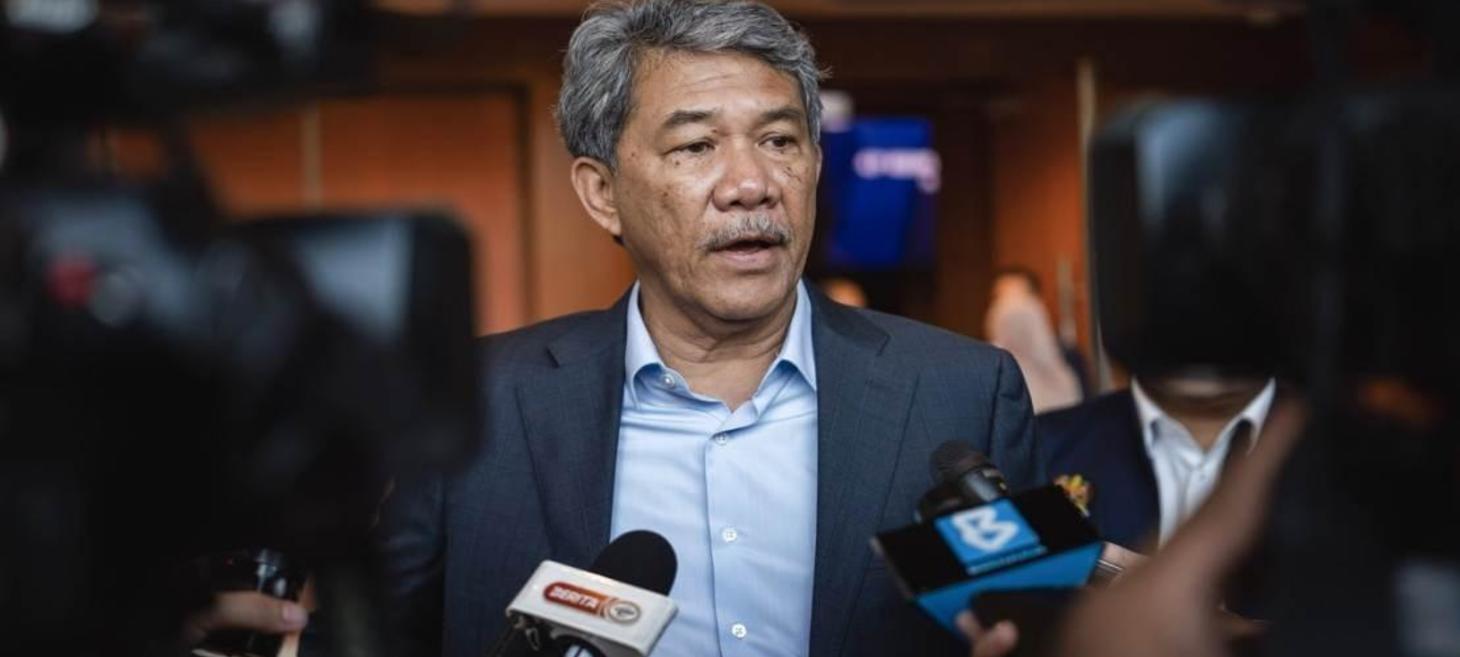
ASEAN To Decide Collectively On Deployment Of Election Observers To Myanmar – Mohamad - ASEAN - BERNAMA
Foreign Minister Datuk Seri Mohamad Hasan stated that ASEAN member states will collectively decide the bloc's stance on Myanmar’s planned elections and its invitation for member countries to send election observers, stressing that this crucial matter will be brought to the ASEAN Foreign Ministers’ Meeting for a decision rather than being decided unilaterally. Mohamad Hasan anticipates that ASEAN is unlikely to agree to the deployment of observers, and Malaysia requires that Myanmar’s upcoming elections must be conducted freely, fairly, transparently, and credibly, with the necessary participation of all political parties and stakeholders across the country. This diplomatic position was conveyed during his working visit to Nay Pyi Taw, addressing the backdrop of a prolonged political and humanitarian crisis since the military overthrew the legitimately elected democratic government, the National Unity Government (NUG), on February 1, 2021.
bernama.com
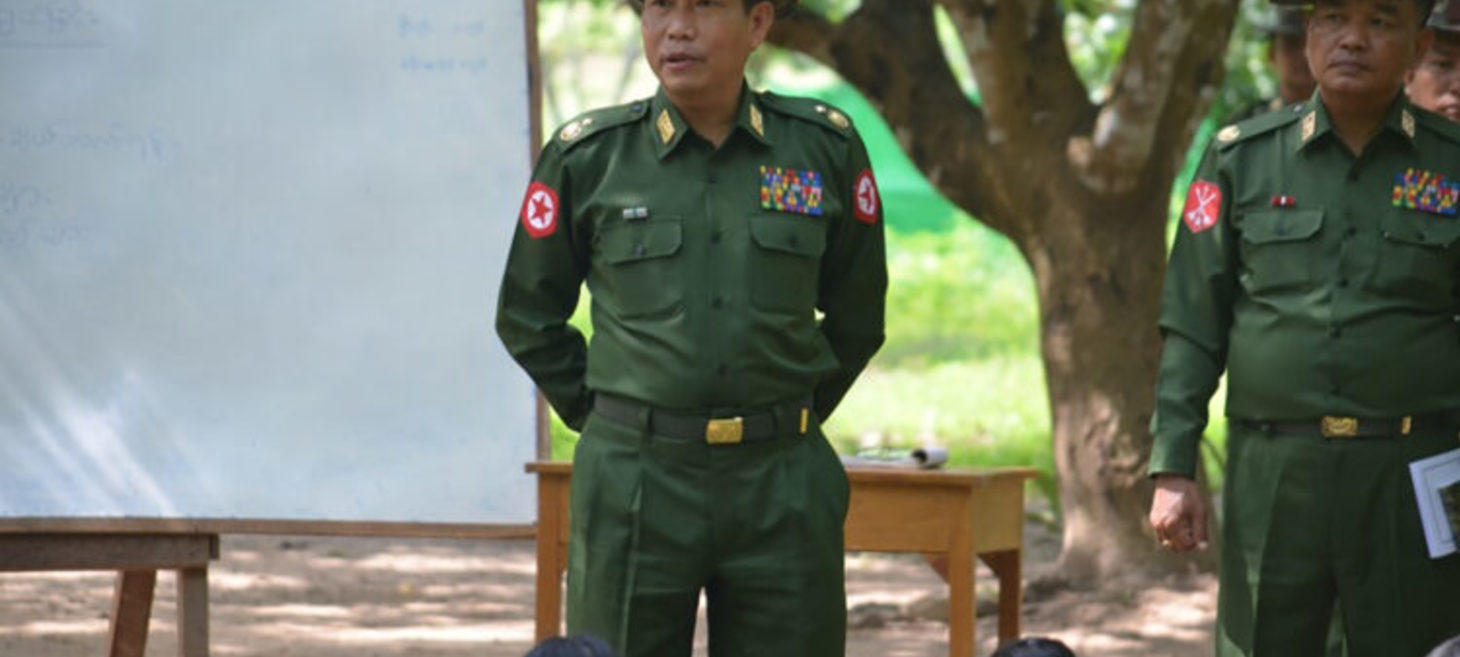
Ex-General Behind Yangon Crackdown Eyes Reward in Myanmar Junta Election
The military junta in Myanmar is rewarding former high-ranking officers by fielding them as candidates for the Union Solidarity and Development Party (USDP) in upcoming elections, a group that includes former Lieutenant General Thet Pon, who led the bloody crackdown on anti-coup protesters in Yangon in 2021 and was subsequently sanctioned by the European Union. Other recently retired generals running as USDP candidates include Kan Myint Than, who oversaw the production of munitions including internationally banned cluster munitions, and Phone Myat, who was responsible for arming pro-junta Pyu Saw Htee militias. The USDP’s candidates greatly outnumber those of its rivals in the election, scheduled to begin on December 28, which has been denounced by anti-regime groups and western countries as a sham aimed at cementing military rule following the dissolution of the National League for Democracy.
irrawaddy.com
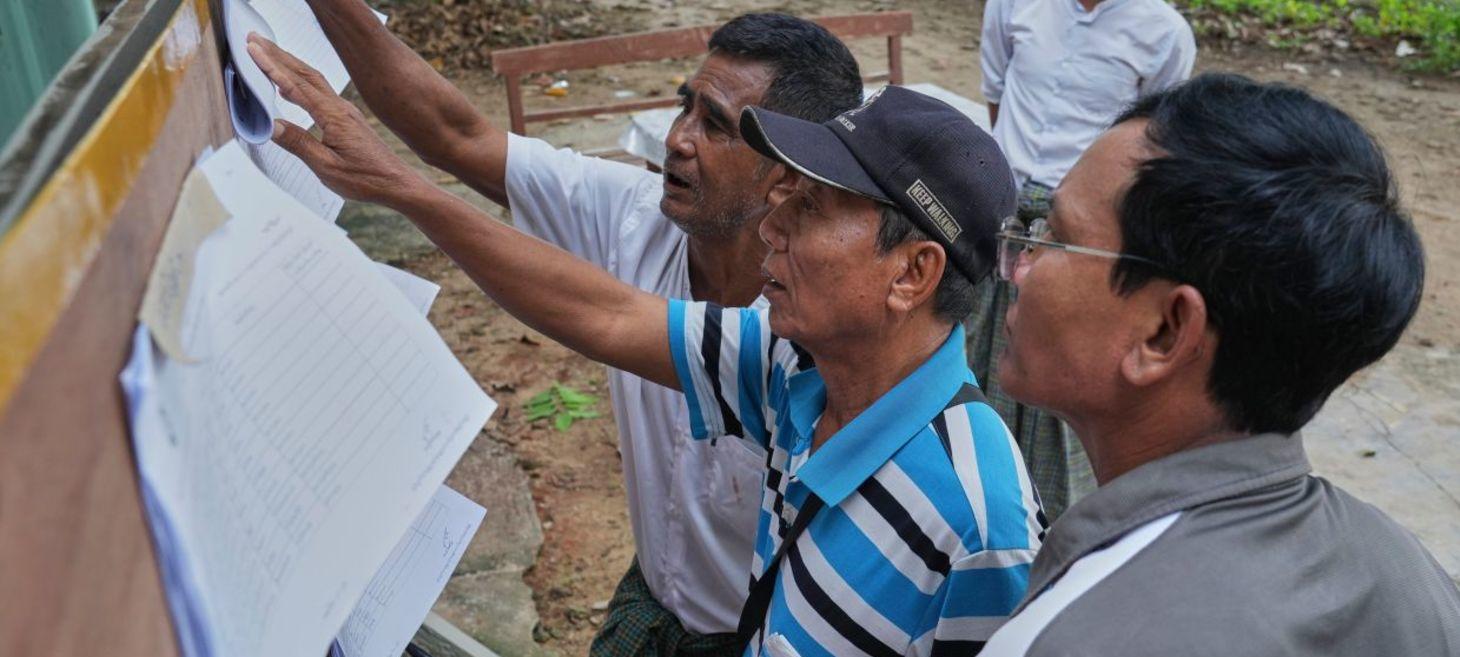
Myanmar Minister says first round of voter registrations showed incomplete voter lists, discrepancies in data, deficiencies
The first round of voter list publication in Myanmar, which began in townships on September 30, revealed issues such as incomplete voter lists, discrepancies in data, and some minor deficiencies, as stated by U Myint Kyaing, the Union Minister for Immigration and Population and Chairman of the Central Committee on Field Census Supervision. These gaps and discrepancies are partly attributed to departmental employees and those who have migrated for various reasons failing to enter the household population list of their new residence. In response, relevant officials must encourage citizens to check the announced lists and fill in forms specified in the Election Law, while field census supervision committees are tasked with strict scrutiny to ensure all eligible voters are included accurately before the second voter list is compiled and published.
thestar.com.my
Ethnic Issues
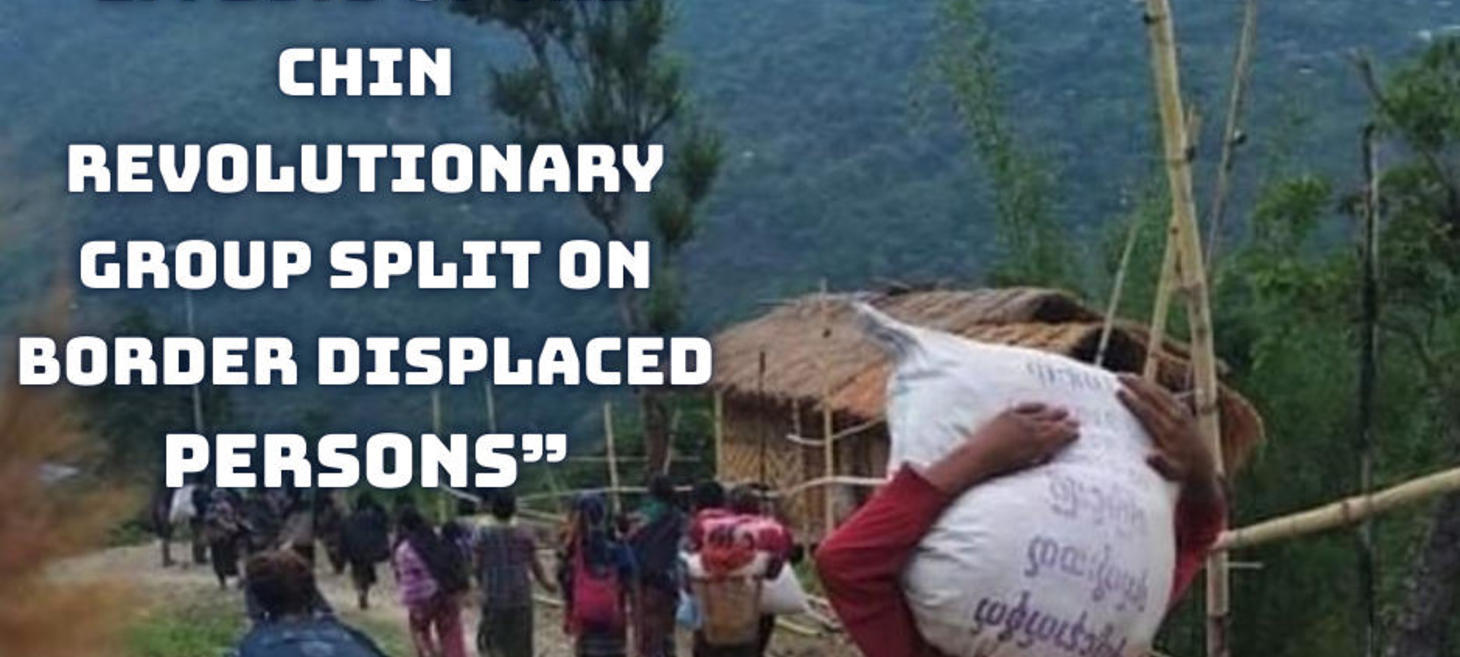
The Ripple Effects of the Chin Revolutionary Group Split on Border Displaced Persons
The split within the Chin revolutionary movement, specifically between groups like the Interim Chin National Consultative Council (ICNCC)/Chin Brotherhood (CB) and the Chinland Council (CC), has caused severe consequences for internally displaced persons (IDPs) and refugees along the border by leading to the highly politicized distribution and frequent cessation of humanitarian and educational aid. Camps affiliated with the Chin Brotherhood, for instance, are experiencing a complete stop in support—receiving minimal supplies while facing reduced foreign assistance overall—which has deepened the crisis since 2024 and impacted essential services like healthcare and schooling for thousands of displaced individuals. This internal conflict also obstructs the delivery of basic needs and hinders repatriation efforts, prompting appeals from CDM health workers to the revolutionary groups to cease infighting and resolve disputes through dialogue to prevent further suffering.
bnionline.net
Foreign Affairs

The junta chief’s autocratic globetrotting and political survival
The leader of Myanmar’s military regime, Senior General Min Aung Hlaing, is increasingly seeking political support from some of the world’s most repressive states, having survived nearly five years of internal armed resistance, unsuccessful neighboring diplomacy, and ineffectual pressure from the West. This autocratic globetrotting takes place amid persistent domestic conflict, with reports detailing severe violence such as the killing of children in junta airstrikes, the looting and torching of villages by junta troops, and continuing military losses to anti-junta forces. Further complexities in Myanmar include ongoing economic instability, affecting factories and farmers through power shortages and land grabs, alongside political maneuvers like the junta’s insistence on proceeding with elections despite the escalating violence.
myanmar-now.org
Governance & Rule of Law

Aung San Suu Kyi’s son calls for the immediate release of his mother during Prague conference
**Kim Aris called for the immediate release of his mother, Aung San Suu Kyi, and all political prisoners in Myanmar during the 29th Forum 2000 Conference held in Prague, Czech Republic, from October 12-14, 2025. Addressing participants via an online video call, Mr. Aris referenced Aung San Suu Kyi’s profound connection to the event, noting that she was a friend of Forum 2000 founder Václav Havel and currently serves as an advisor on its Advisory Board. He appealed to global democrats to uphold their collective responsibility to support the Burmese people, secure the release of his mother and thousands of others, and facilitate the restoration of democracy in Burma following their struggle against the brutal military junta.
mizzima.com
Humanitarian
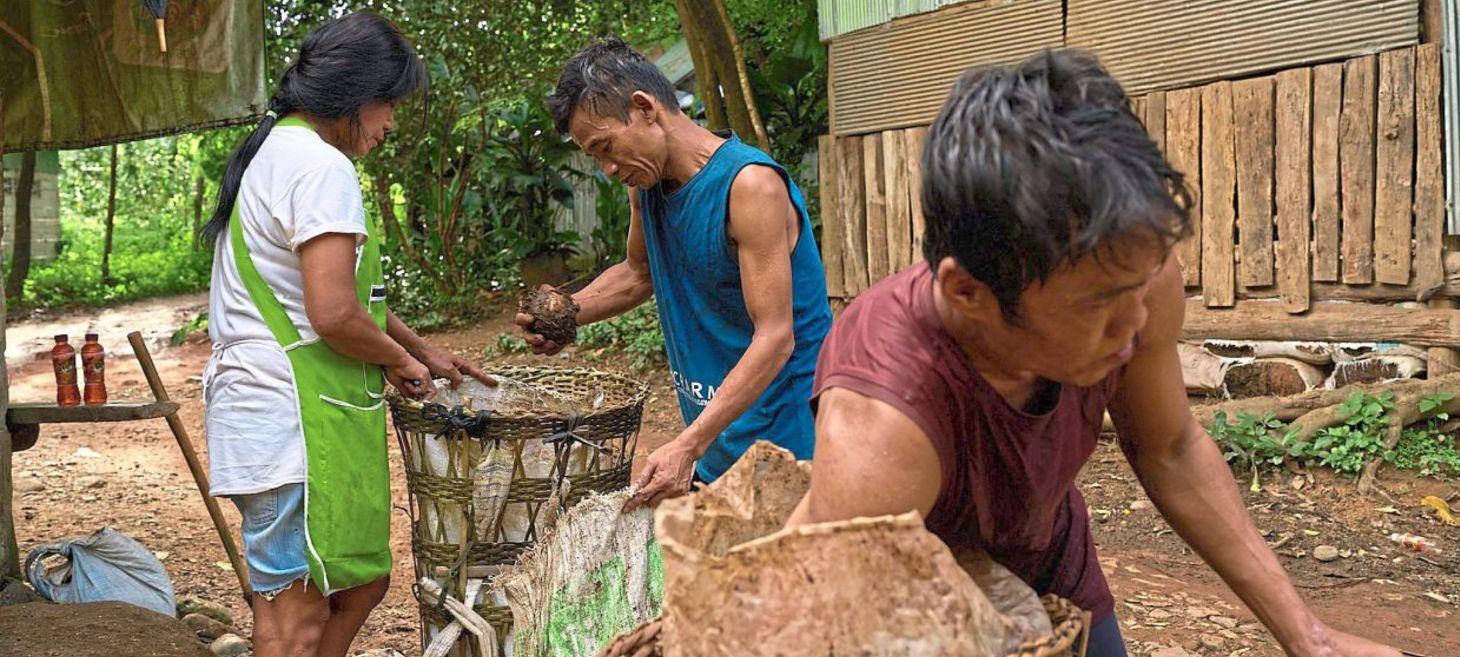
US aid cuts unleash devastation and death across Myanmar
The gutting of the United States’ foreign aid program, stemming from President Donald Trump’s dismantling of the US Agency for International Development (USAID), has caused severe and deadly suffering across Myanmar and in refugee camps along its borders. Due to the resulting funding cuts, the UN’s World Food Programme (WFP) severed assistance to one million people across Myanmar, leading to widespread devastation, including children screaming for food and dying helplessly from hunger, malnutrition, and lack of medical treatment. Despite direct evidence from refugees like Mohammed Taher, who lost his two-year-old son Mohammed Hashim after food rations stopped, US Secretary of State Marco Rubio insisted before Congress that "No one has died" and "No children are dying on my watch" because of the government's decision.
thestar.com.my
United Nations
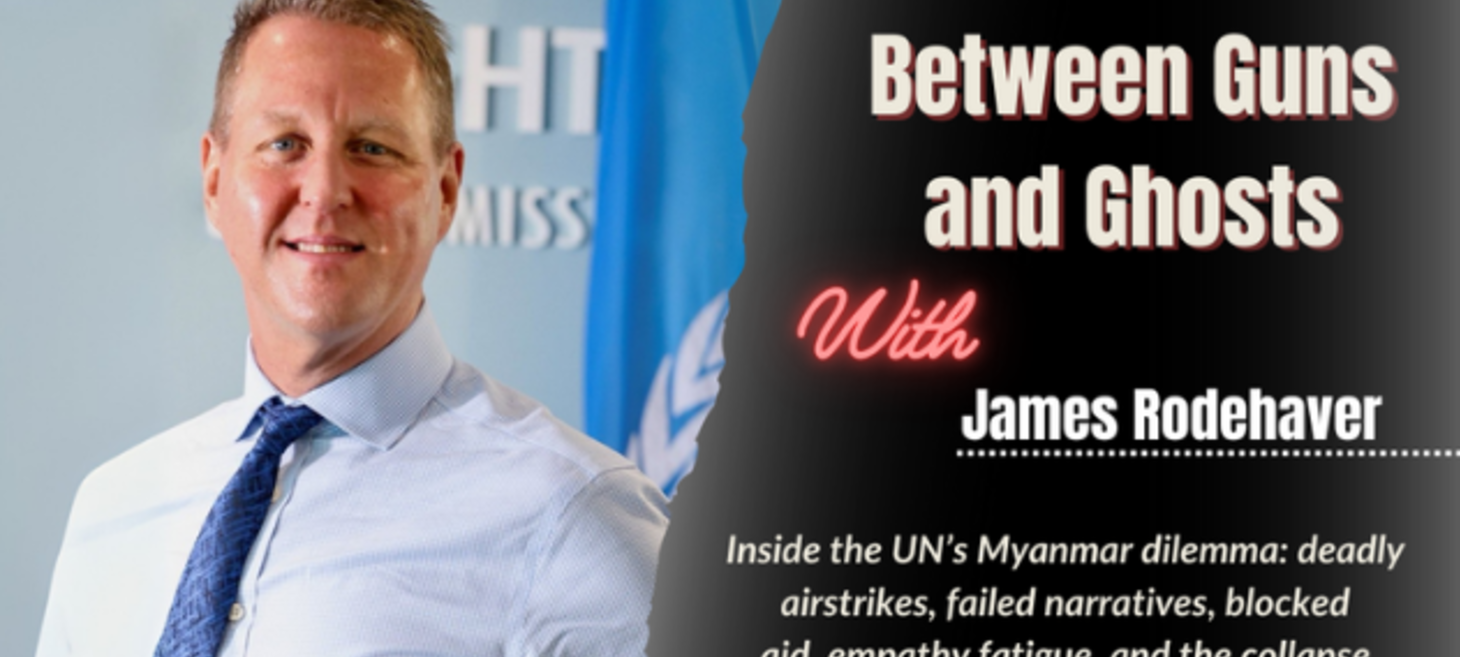
Myanmar: Between Guns and Ghosts
James Rodehaver, head of the UN Human Rights Office on Myanmar, described the emotional burden of bearing witness to mass atrocity as "quite heavy", especially since his team must monitor ongoing human rights violations and assist civil society from across the border, as the regime does not allow them access inside Myanmar. While Rodehaver initially hoped to oversee post-conflict work such as transitional justice, the 2021 coup shattered that reality, forcing his team instead to document the escalating atrocities, focusing on violations of International Humanitarian Law (IHL), the targeting of civilians, and the legal and institutional collapse. Rodehaver characterizes Myanmar as highly fractured and having parallels with the Assad regime in Syria, though its situation is complicated further by ethnic fault lines and the betrayal of democratic hopes, which leads to understandable public frustration over some UN agencies choosing to engage with the military to secure access for humanitarian operations.
mizzima.com