Introduction & Analysis
This collection of open-source English-language news articles published over the past week highlights significant events and issues concerning Myanmar. They present a snapshot of the country's safety and security landscape.
- The Tatmadaw continues its widespread violence, including torture, mass killings, and genocide, and has recently intensified airstrikes across numerous townships, frequently cutting off communication access in affected areas like Shan State and Sagaing Region, significantly increasing civilian vulnerability.
- While preparing for the upcoming December 28 elections, the junta is crushing any criticism through an Election Protection Law, which has led to the prosecution of 64 people, even as a USDP politician admitted that the preliminary voter rolls are riddled with errors and appear to be recycled from previous lists.
- The regime systematically abuses legal mechanisms, such as the Counter-Terrorism Law, to immediately re-arrest political prisoners after they complete their sentences, and junta-aligned Pyu Saw Htee militias are reportedly engaging in the forced conscription of young men, holding them for ransom.
- Despite international calls for accountability concerning alleged atrocities, including genocide against the Rohingya, the junta has achieved a diplomatic and military comeback, securing vital support and trade relationships with major powers like China, Russia, and India, even as domestic trade restrictions cause severe commodity shortages and soaring prices.

Conflict
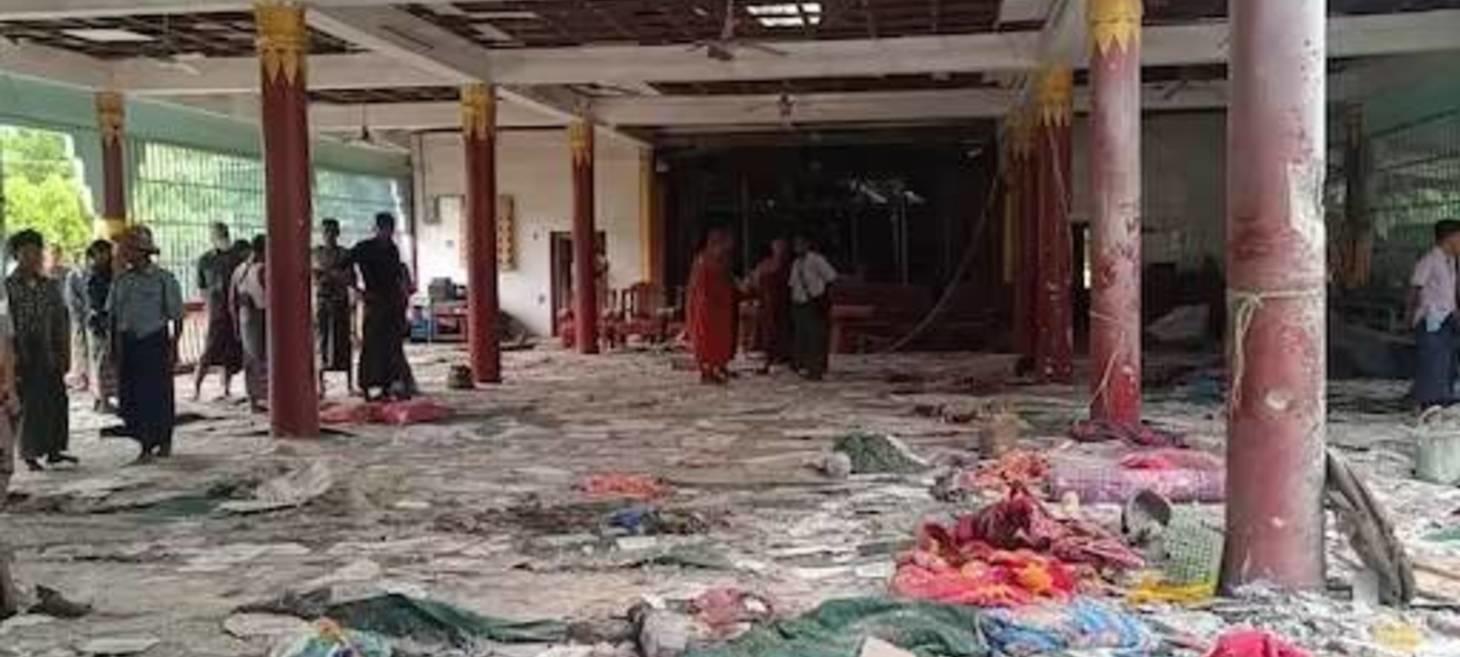
Myanmar airstrikes and internet blackouts hit 123 townships, leaving civilians vulnerable
According to the Myanmar Internet Project (MIP) report, the Myanmar junta carried out 645 airstrikes across 123 townships between February and July 2025, with approximately 93.5 percent (115 townships) of the targeted areas experiencing communication blackouts. This disruption significantly heightened civilian vulnerability, as at least 1,000 civilians were killed, and over 96 percent of those deaths occurred in areas where communication, including internet access, was cut off. Beyond the casualties, which were concentrated in areas like Sagaing Region, Shan State, and Rakhine State, the airstrikes destroyed thousands of civilian homes and damaged numerous religious buildings, schools, hospitals, and clinics, prompting MIP to urge international organizations to provide communication equipment and pressure the military regime to end these disruptions.
mizzima.com
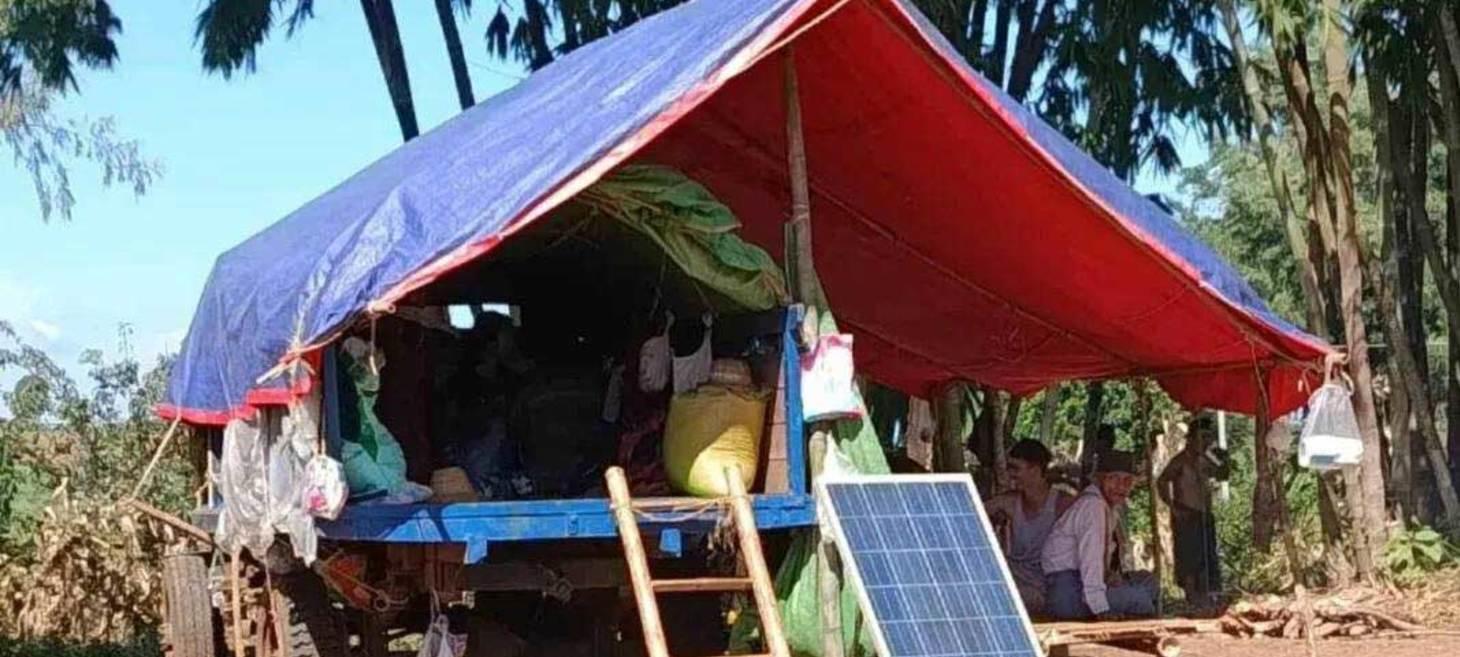
Civilians Caught in Crossfire as Junta Advances Toward Kyaukme
The conflict in northern Shan State intensified as the military junta advanced toward Kyaukme from Nawnghkio, placing the key SSPP/SSA-controlled connector village of Nawng Ping under continuous drone and artillery attack, drawing civilians into the crossfire. This assault involved multiple drone attacks and shells, and a devastating military council airstrike on the Mizzima Rama Ah Lel Kyaung monastery in Nawng Ping tract killed over 10 displaced people, forcing the entire community to flee. Currently, more than 10,000 people have been displaced along the Union Highway, facing critical hardships including severe food and medicine shortages, psychological trauma, and the impossibility of returning home due to landmines and extensive looting.
shannews.org
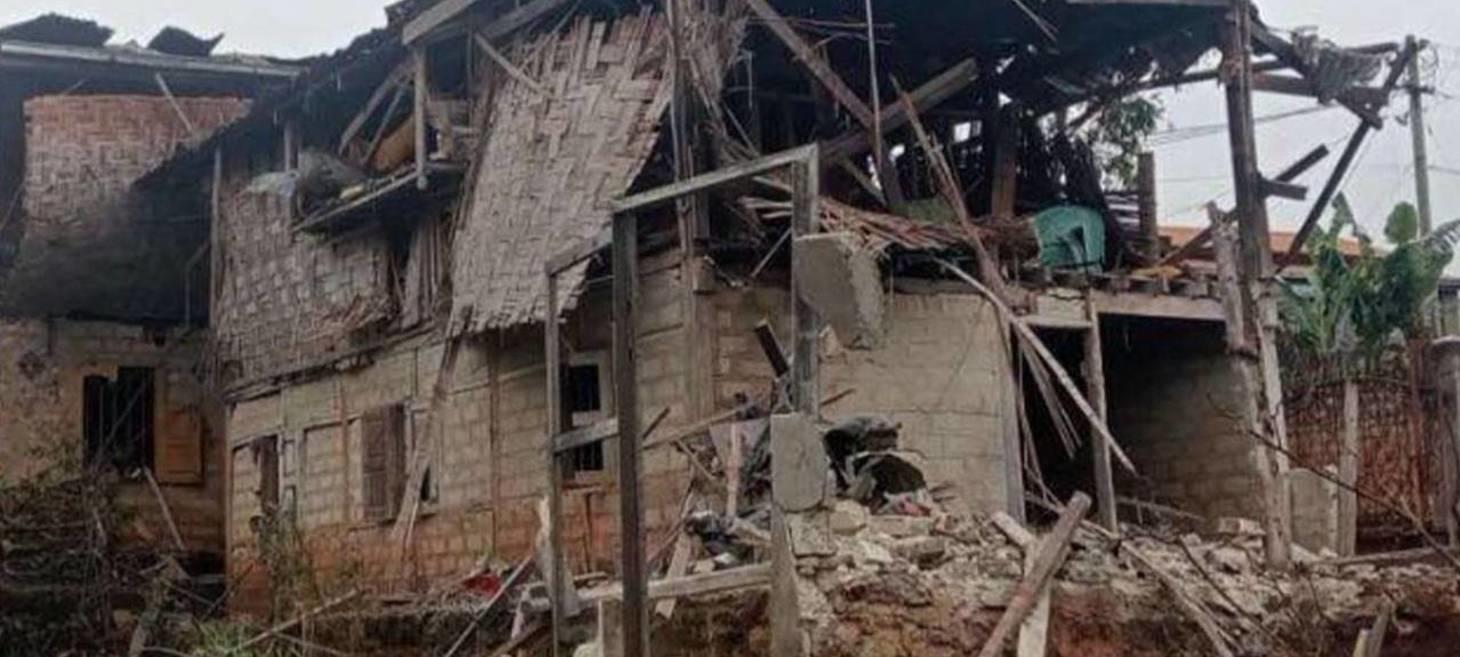
Junta Intensifies Airstrikes Across Shan, Hitting Four Townships in First Week of October
The Myanmar military junta escalated its aerial attacks across Shan State during the first week of October 2025, carrying out airstrikes on at least four townships, including Mongkut (Mogok), Namtu, Hsipaw, Mantong, and Namhsan. These strikes led to significant civilian casualties and widespread damage, notably killing four displaced persons in Namtu and two children in Namhsan, while also striking schools, monasteries, and homes in various locations. Observers noted that this recent wave of concentrated air and ground offensives, considered one of the most intense since Operation 1027, appears to be tied to the junta’s plan to regain control of key towns before the planned elections on December 28.
shannews.org
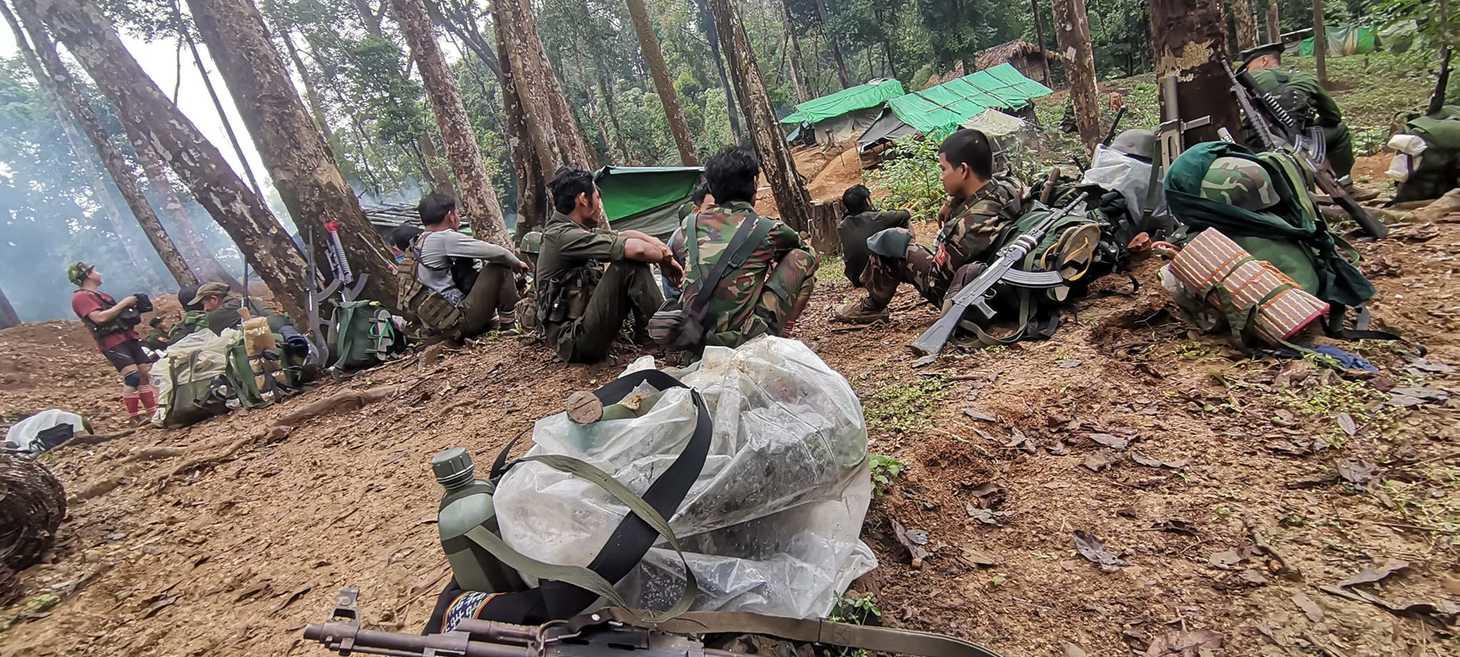
Myanmar military fighting to retake outposts seized by Kachin forces in Bhamo
The Myanmar military is actively fighting to retake several security outposts in Bhamo, located near the Kachin Baptist Convention on the east side, after these positions were seized by fighters led by the Kachin Independence Army (KIA), who have been fighting alongside PDF fighters in the Kachin State offensive. This fighting coincides with other intense conflicts across the country, including the killing of three novice monks by shelling outside Shwebo and the Myanmar junta intensifying efforts both to defend a key base on the Magway-Rakhine border and to intensify assaults in central Sagaing, all reported around early October 2025. Broader issues detailed in the sources include the junta re-arresting political prisoners after release, facing consistent losses of ground to anti-junta forces in northern Shan State, and dealing with significant domestic concerns such as land grabs, power shortages, and forced currency exchanges on export earnings.
myanmar-now.org
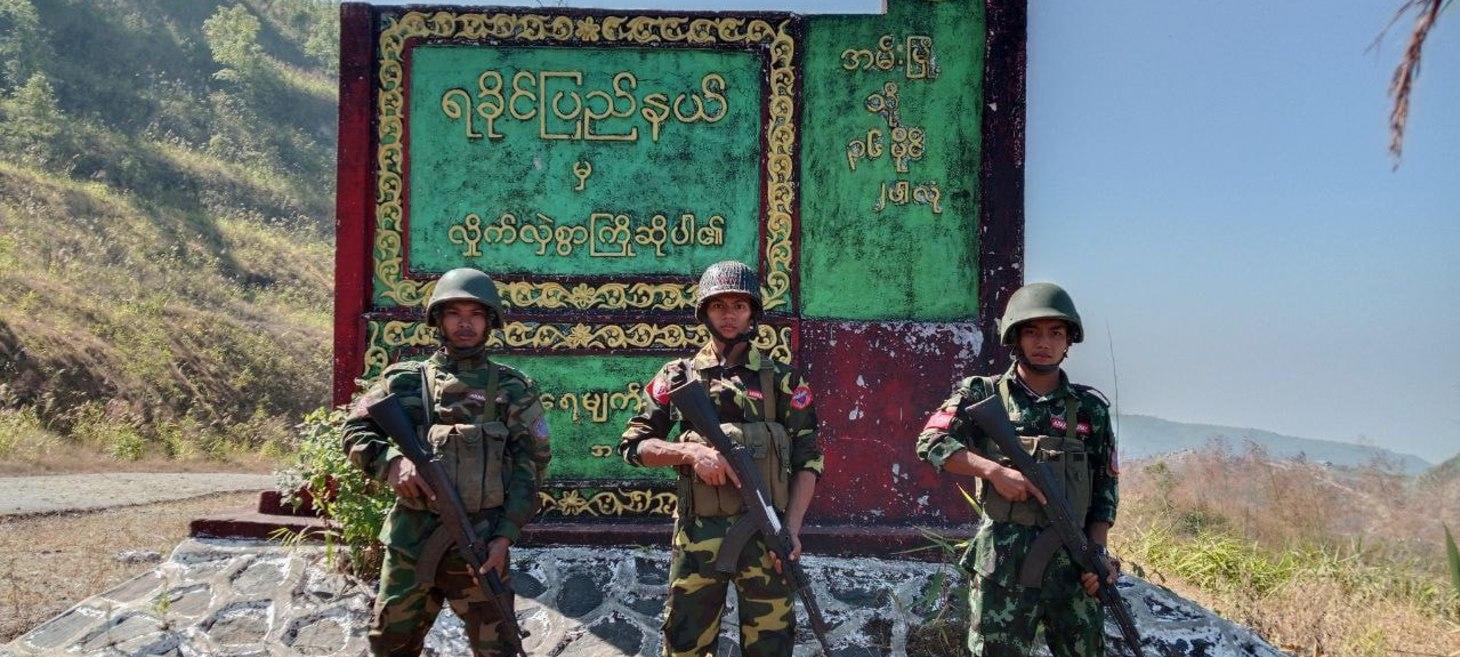
Myanmar junta intensifies efforts to defend key base on Magway-Rakhine border
The Myanmar junta is intensifying efforts to defend a crucial base located on the Magway-Rakhine border. Specifically, the regime has stepped up its defense of the Nat Yay Kan air defence base following the recent capture of a nearby village by resistance forces. This news, reported on October 3, 2025, appears in proximity to coverage of other conflict-related events occurring in the region during early October 2025, such as shelling outside Shwebo, fighting in Bhamo, and the re-arrest of political prisoners.
myanmar-now.org
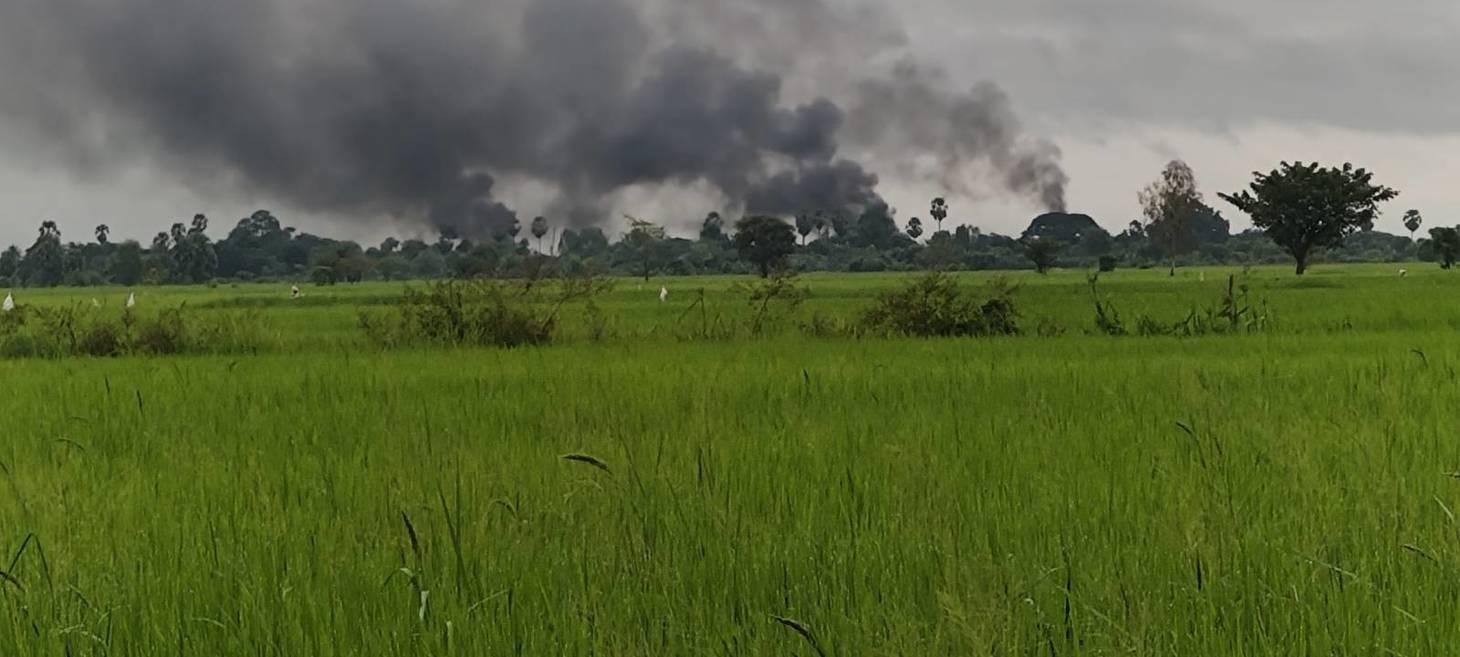
Myanmar junta intensifies assaults as it pushes into resistance stronghold in central Sagaing
The Myanmar junta is currently intensifying assaults in central Sagaing, pushing into a resistance stronghold by focusing recent attacks on villages along the main road linking Taze and Ye-U townships, areas largely under resistance control. This military action is part of a broader conflict context which includes the junta defending key bases and fighting to retake outposts seized by forces like the Kachin, instances where the military is reportedly losing ground to anti-junta forces in northern Shan State, and severe incidents such as the killing of three novice monks by shelling outside Shwebo. The source material further highlights the devastating human and political toll of the violence, referencing events like junta airstrikes killing civilians, reports of brutal executions, and the immediate re-arrest of political prisoners after their release.
myanmar-now.org
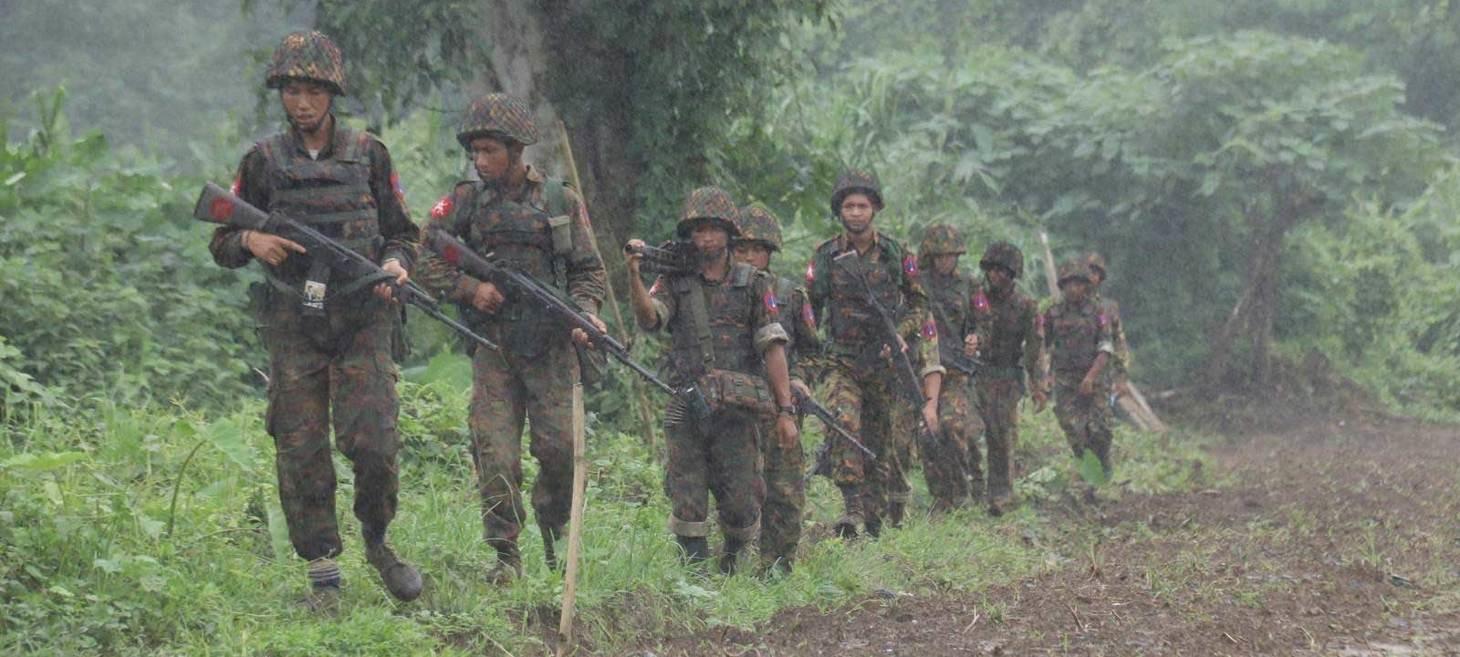
Junta Forces Villagers to Act as Guides and Perform Forced Labour
Junta forces, comprising over 200 military commission troops, are conducting daily operations in northern Ywangan Township, Shan State, reportedly forcing local villagers to serve as guides, human shields, and laborers to perform odd jobs like clearing paths. These ongoing operations have included the detention of numerous residents, such as ten villagers arrested on September 21 with seven still missing, and ten people detained from Ah Lel Chaung village on September 14, with some detainees reportedly being held at a stationed monastery. The military council is also confiscating vehicles from nearby villages, often leaving them damaged or completely wrecked, which, combined with the troop presence, has left villagers fearful of visiting their farms and limited them to tending gardens near their homes.
shannews.org
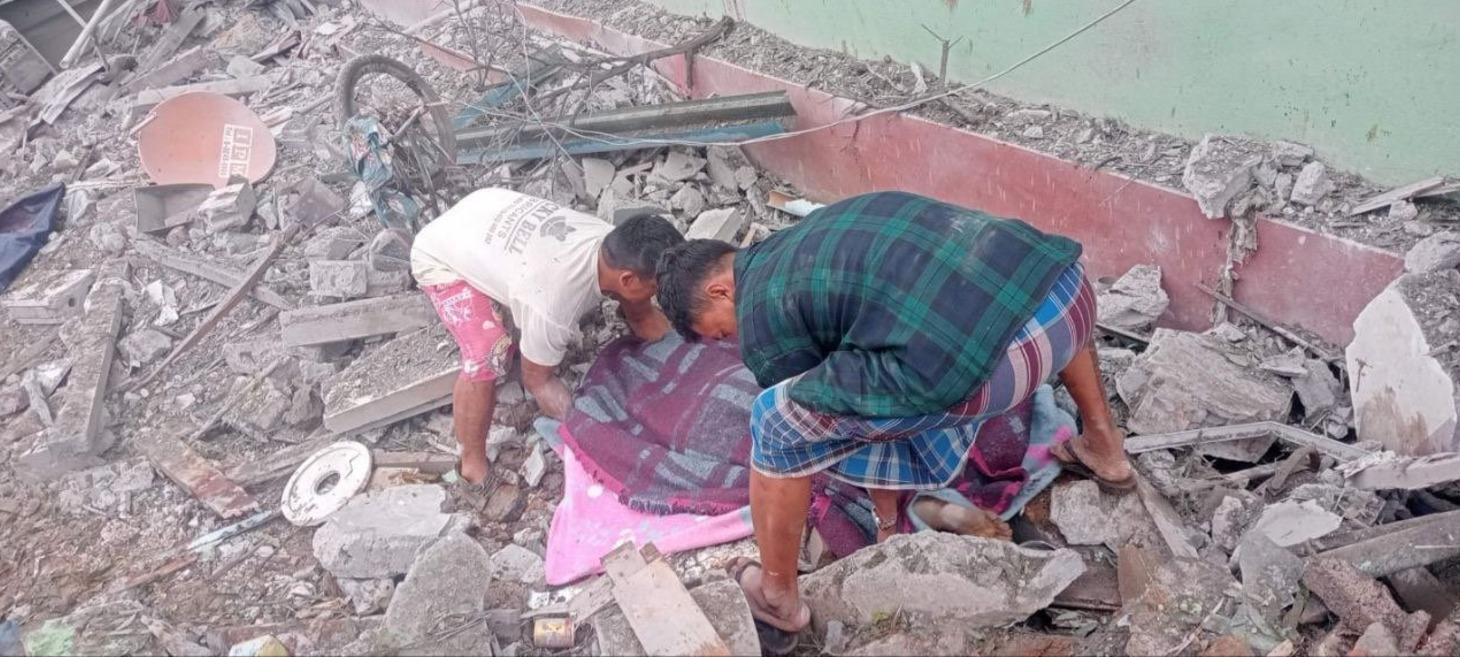
After retaking Kyaukme, Myanmar military bombs Namtu, Manton
Following the recapture of Nawnghkio town, the military junta (so-called State Security and Peace Commission troops) began attempting to seize Kyaukme further along the Mandalay-Lashio Union Highway, resulting in continuous drone and artillery attacks on Nawng Ping village, a key connector controlled by the SSPP/SSA. A significant consequence of this advance was a military council airstrike on the Mizzima Rama Ah Lel Kyaung monastery, which killed over 10 displaced people, terrifying residents and prompting the flight of more than 10,000 civilians along the Union Highway toward townships like Kyaukme, Hsipaw, and Lashio. Although the fighting in Nawng Ping has subsided, the IDPs—who include over 700 children under 10—face critical hardships, including severe shortages of food and medicine, psychological trauma, and the danger of stepping on landmines and finding their homes looted, making a safe return impossible.
myanmar-now.org
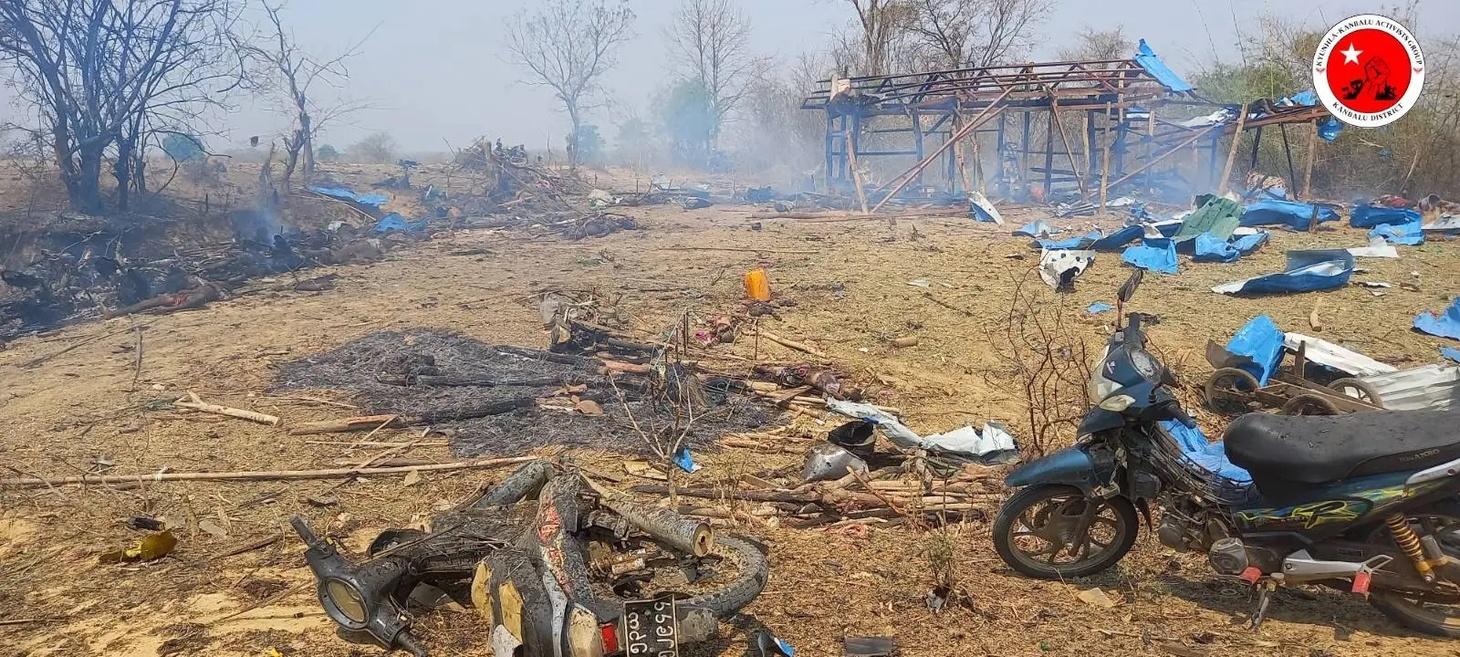
Genocide and massacres in Myanmar: The case for accountability has never been stronger
The sources primarily center on the severe crisis in Myanmar, emphasizing that overwhelming evidence of genocide, massacres, and atrocities committed by the country’s military demands action from the international community. This crisis is characterized by widespread conflict, detailing brutal events such as the airstrike that killed more than 150 people in Pa Zi Gyi village, the killing of novice monks by shelling, brutal executions, and continuous fighting as the junta struggles to defend key bases and maintain ground against anti-junta forces. Beyond the battlefield, Myanmar suffers from socio-political instability, including the junta’s attempts to proceed with elections despite escalating violence, the re-arrest of political prisoners, and significant economic issues such as persistent power shortages, land grabs, and unfavorable regulations imposed on businesses.
myanmar-now.org
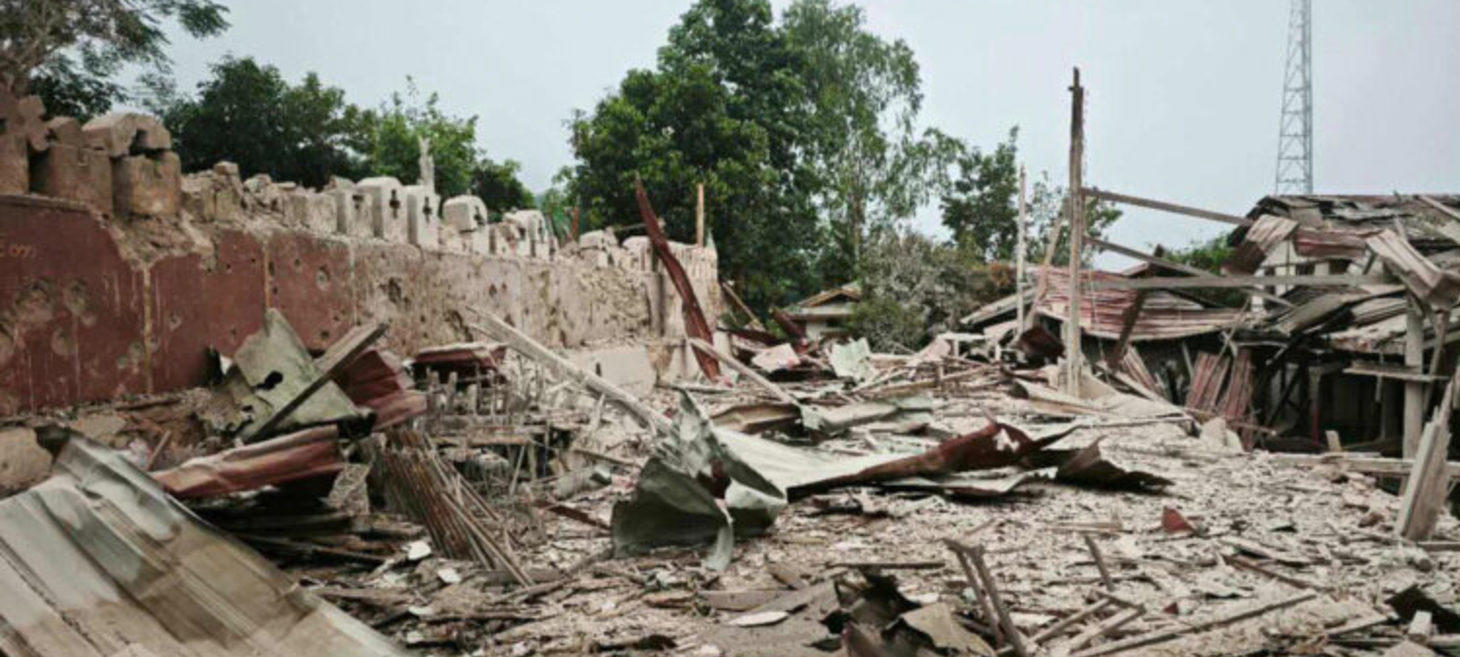
Junta Warplanes Bomb TNLA-Held Shan Towns on Buddhist Holiday
The Myanmar military regime conducted airstrikes on Monday morning, October 6, 2025, the major Buddhist holiday Full Moon Day of Thadingyut, striking the Ta’ang National Liberation Army (TNLA)-held towns of Namtu and Hsipaw in northern Shan State. These strikes deliberately targeted busy civilian areas, such as Namtu’s central market, injuring multiple civilians, including a 1-year-old child, and destroying several houses. Residents interpreted the bombing as an act of intimidation intended to make people feel unsafe in TNLA territory, especially as the junta, supported by its ally China, pressured the TNLA to relinquish control of towns along a critical border trade route.
irrawaddy.com
Conscription
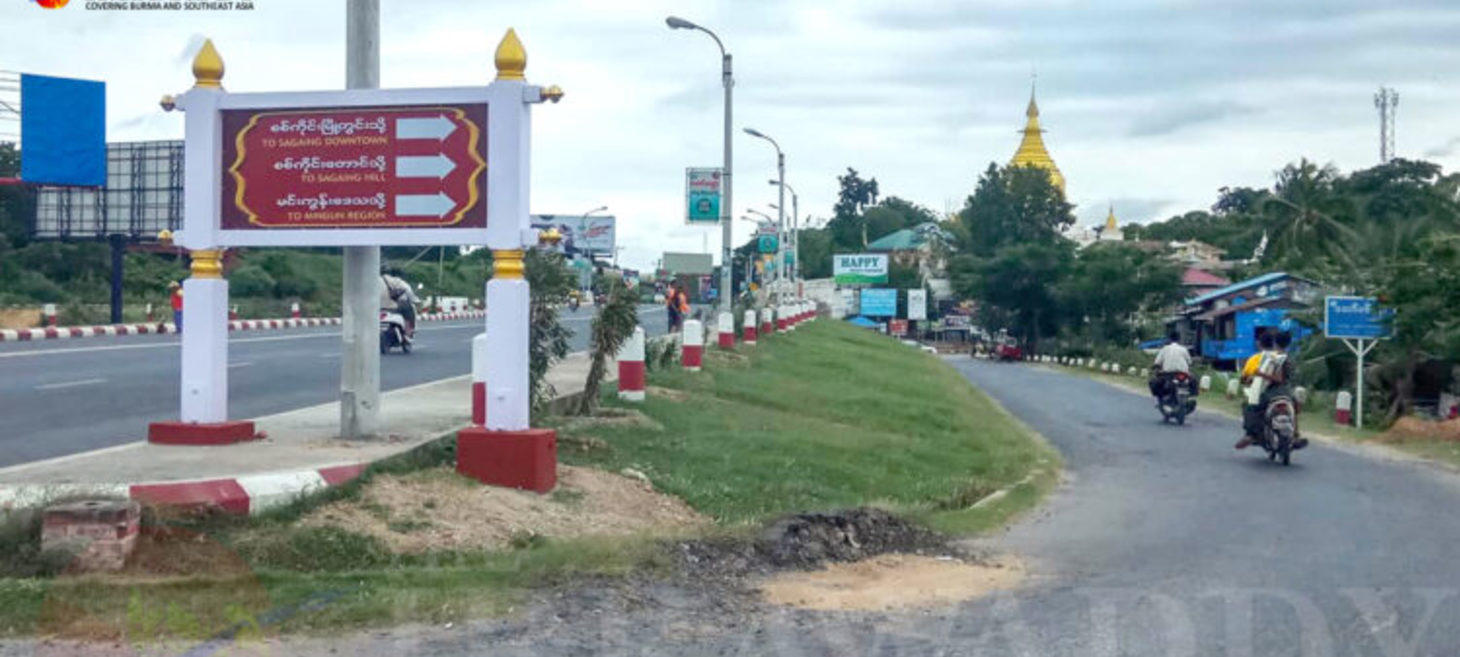
Buddhist Monk Accused of Kidnapping Men for Myanmar Military Service - The Irrawaddy
A Buddhist monk named U Waiponla is accused of leading a junta-aligned Pyu Saw Htee militia unit in the Sagaing Hills, collaborating with junta troops and his disciple, Saw Pyae Chan Thar, to forcibly abduct young men for military service. The abducted youths, including internally displaced people (IDPs), are taken to Waiponla Monastery (which functions as a fortified Pyu Saw Htee base) where ransoms of at least 5 to 6 million kyat (US$ 2,400-2,850) are demanded; if families cannot pay, the youths are sent "straight to the army," an operation described by residents as "literally selling people". Residents estimate that over 50 young men were seized in the last week of September alone, while U Waiponla himself faces accusations concerning his religious credentials, keeping a mistress, and past involvement in illegal activities such as gambling and smuggling restricted goods before the coup.
irrawaddy.com
Economy
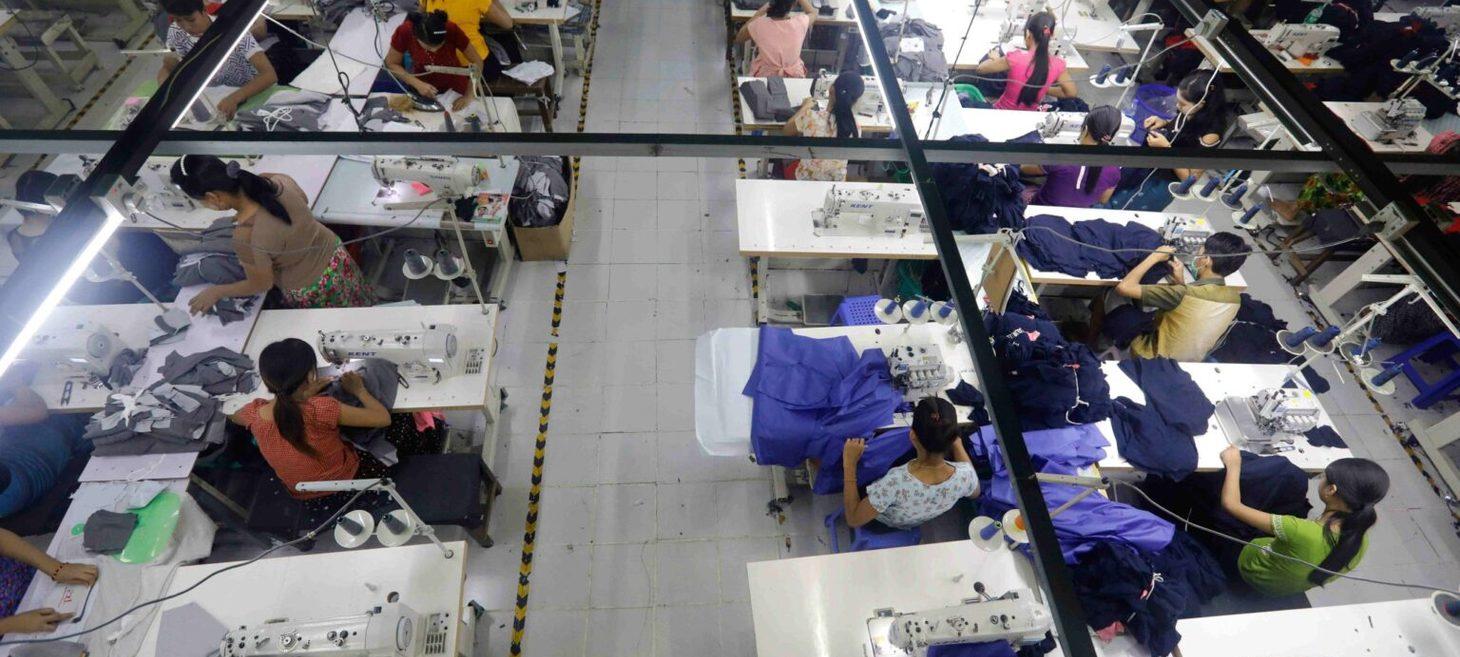
Tariffs imposed by Trump administration hit Myanmar’s garment sector hard
The garment sector in Myanmar has been severely hit by tariffs that were imposed by the Trump administration. Sources indicate that in the two months following the imposition of these tariffs, a number of factories were closed within Yangon’s industrial zones. This challenging economic environment for garment makers is further complicated by business difficulties in Myanmar, including manufacturers being forced to exchange their export earnings at a rate imposed by the junta.
myanmar-now.org
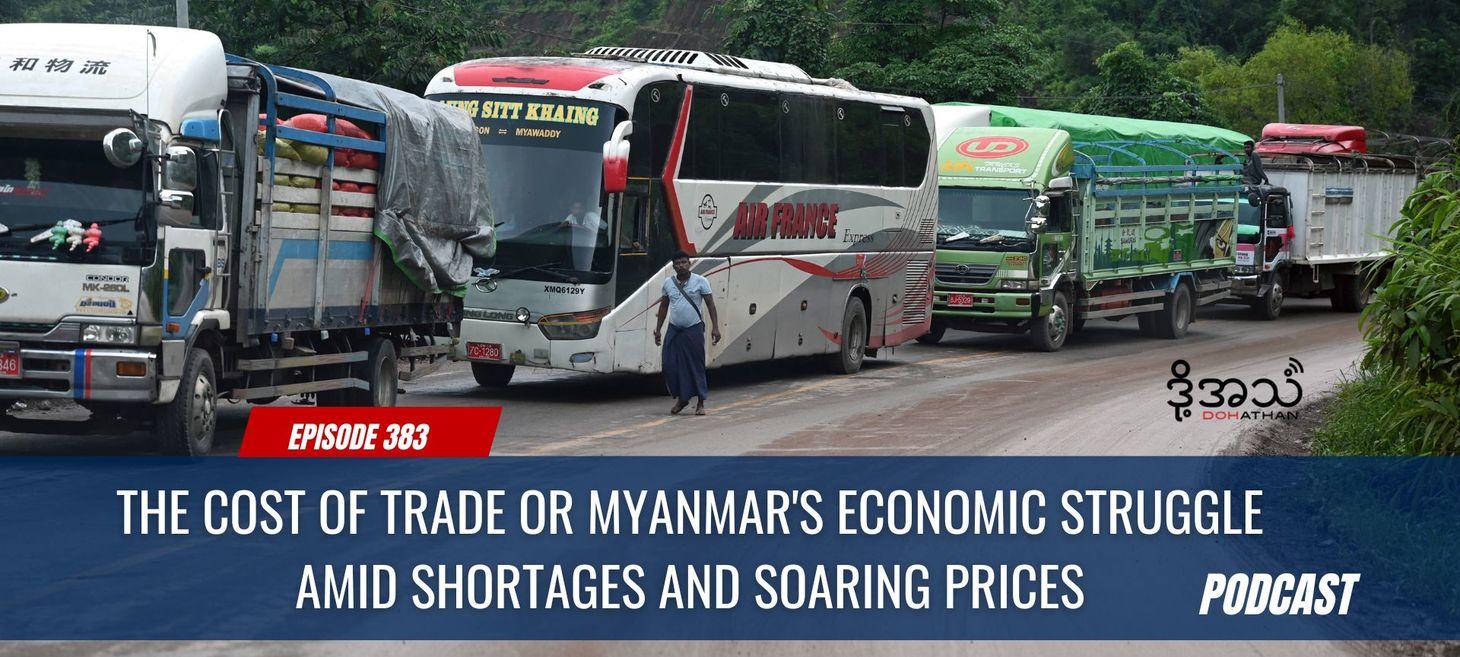
The cost of trade or Myanmar’s economic struggle amid shortages and soaring prices
**Myanmar is grappling with severe shortages and soaring prices for essential and imported goods, resulting from the Junta's imposition of tight restrictions, including the closure of key border crossings like the Miri Mesa Friendship Bridge number two, and new rules on air freight and commercial imports without proper licenses. These restrictions have led to significant public hardship, causing items to run out, prompting supermarkets to ration high-demand goods, and forcing small-scale traders and online retailers to suspend business, even though the Junta defends the measures as necessary to combat illegal trade and prevent extortion by armed insurgents. However, economic analysts criticize the government's strategy of blocking essential imports rather than legalizing them, arguing that this policy is responsible for driving up costs and may impoverish the country by hindering the import of necessary raw materials, despite the reported trade surplus achieved through reduced imports.
frontiermyanmar.net
Elections
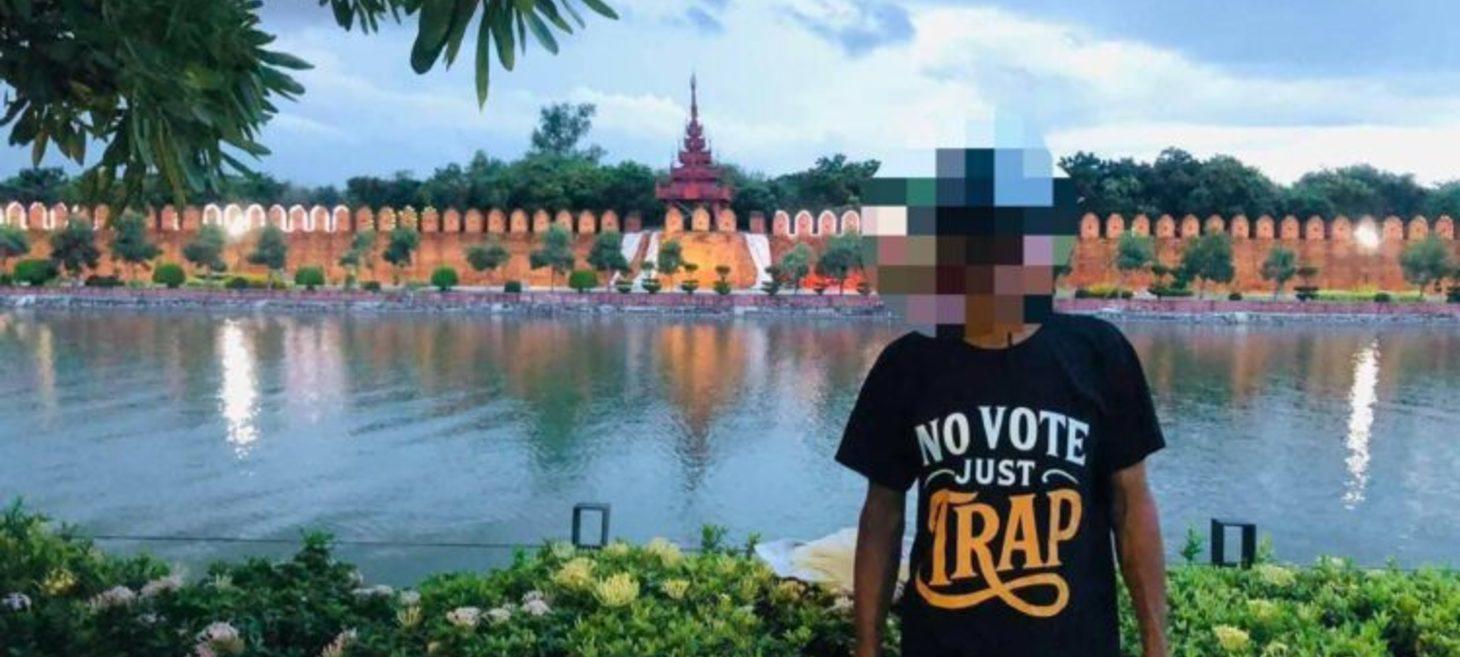
Myanmar Junta Crushes Election Criticism With Wave of Arrests - The Irrawaddy
The Myanmar regime is intensifying its crackdown on opponents of its election, prosecuting 64 people since the "Election Protection Law" was enacted on July 29, with penalties for opposition ranging from three years in prison to the death sentence. The law criminalizes various actions, including disrupting the election through public speech, activism, or disseminating information, which has led to severe sentences, such as seven years with hard labor for one individual who criticized the poll on social media. This process is condemned by Western nations and Myanmar’s pro-democracy movement as a sham intended to cement military rule, especially since large parts of the country remain active conflict zones outside of regime control where the December 28 elections are scheduled.
irrawaddy.com
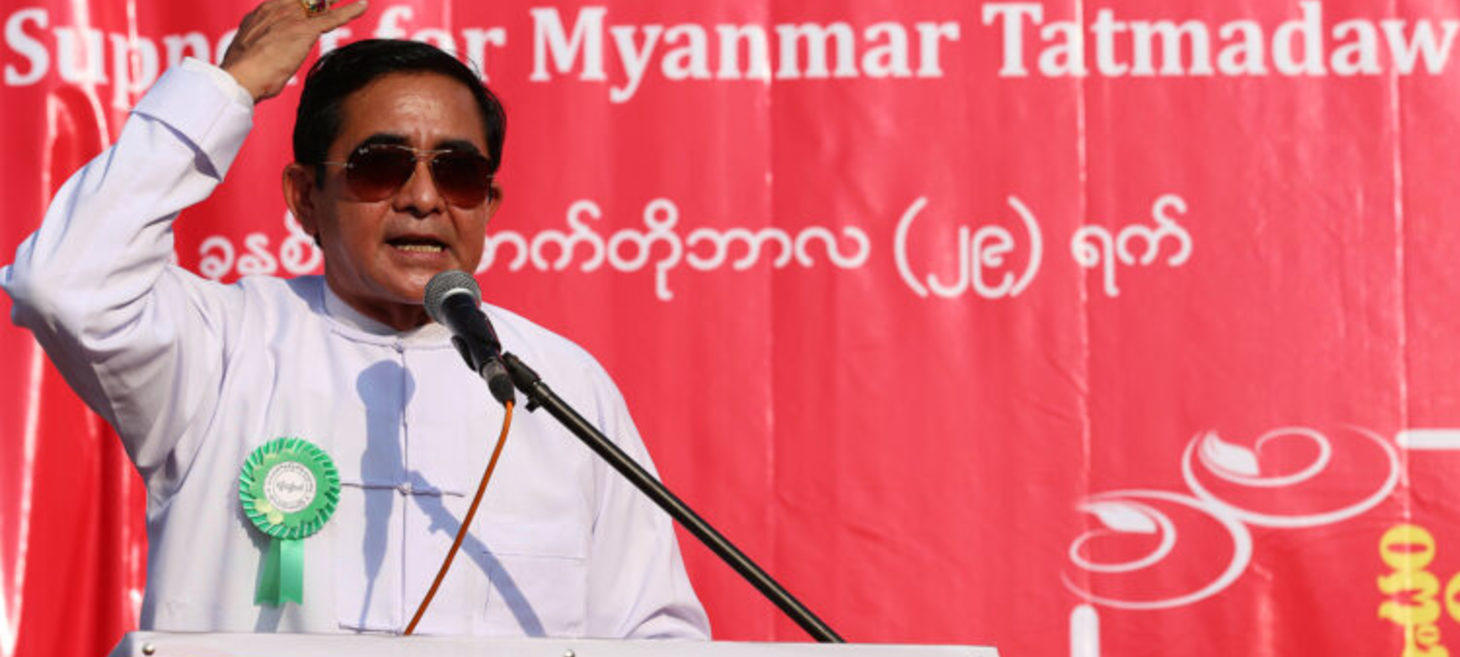
Notorious Junta-Allied Politician ‘Bullet’ Hla Swe Says Voter Rolls Riddled With Errors - The Irrawaddy
Notorious junta-allied politician Hla Swe, nicknamed "Bullet," publicly revealed that preliminary voter rolls for the upcoming December 28 elections are riddled with errors, stating that they appear to be recycled from the 2020 lists and include names of deceased people, while omitting the names of current residents. Hla Swe, the Union Solidarity and Development Party (USDP)’s Naypyitaw chairman, detailed that up to 300 out of 500 names he reviewed were erroneous, leading critics to argue that such glaring flaws in Naypyitaw (where the Union Election Commission is headquartered) suggest the situation in other states and regions is likely far worse. Although the junta previously claimed the 2020 election was fraudulent by citing alleged flaws in voter lists, Hla Swe's video clip nonetheless sparked criticism of the junta’s election body and led him to remove the clip due to the potential risk of facing action under the Election Protection Law.
irrawaddy.com
Foreign Affairs
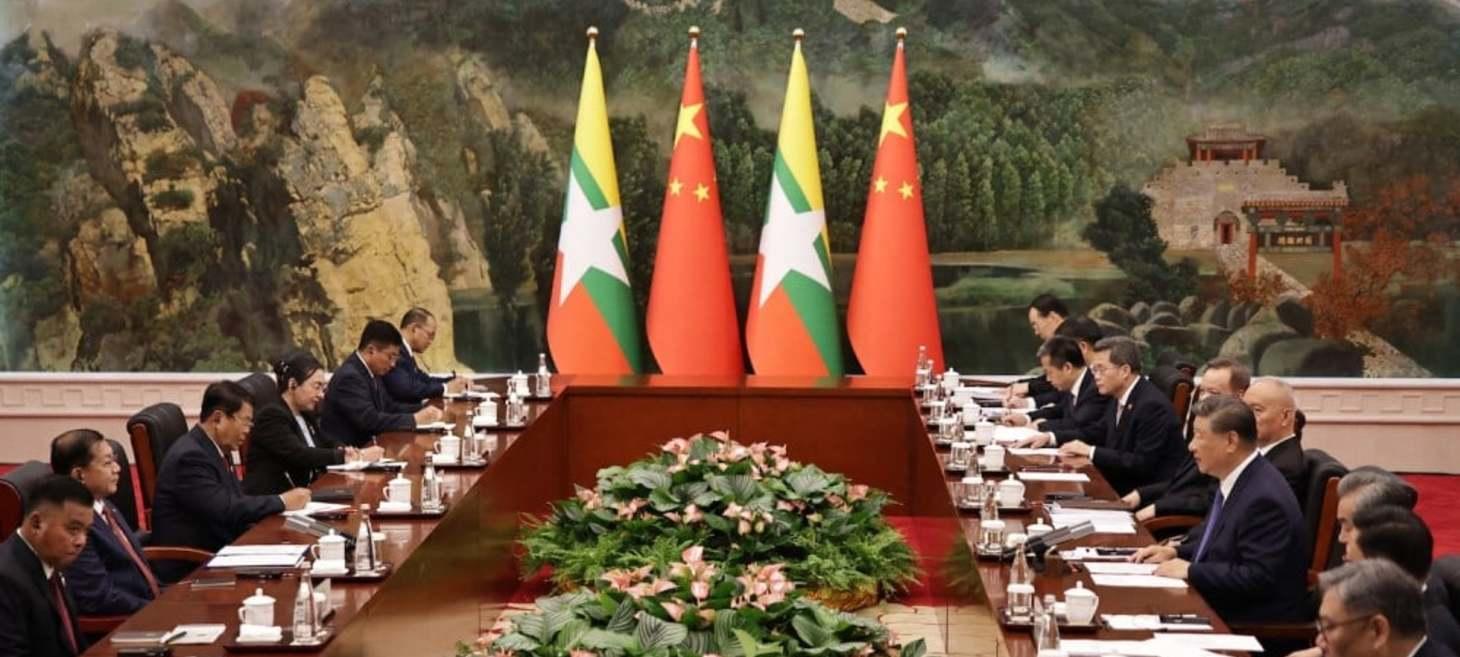
The Myanmar Junta Is Making Powerful Friends
The Myanmar junta is currently staging a grinding partial military and diplomatic comeback, successfully recapturing strategically located towns such as Kyaukme from the Ta’ang National Liberation Army (TNLA). This resurgence is significantly aided by China, which has strengthened ties by pledging $3 billion in aid, supplying weapons—particularly drones—and pushing the junta’s opponents to return territory, thereby helping the junta exit diplomatic isolation. Major global powers, including China, India, and the United States, are wooing Myanmar's military due to strategic interests, such as border security and the desire for access to Myanmar’s rare earths, leading to a public warming of ties with India and challenging the diplomatic isolation strategy previously pursued by ASEAN.
foreignpolicy.com
Governance & Rule of Law
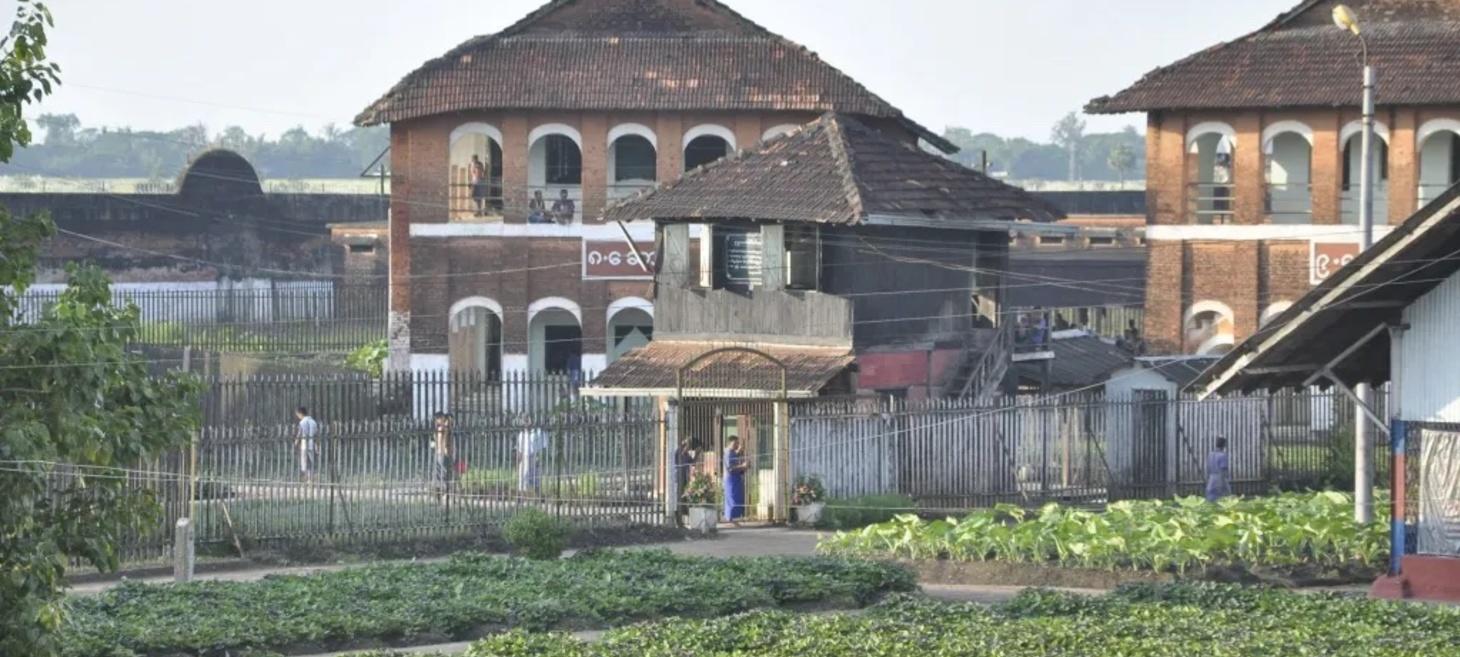
Junta re-arrests political prisoners moments after release
Five political prisoners, including Tin Soe (Nat Soe) and his wife May Myat Thu, were immediately re-arrested by the junta police after being released from Tharyarwaddy Prison in Myanmar’s Bago region this week, preventing them from seeing their waiting families. These individuals were taken back into custody under the sweeping Counter-Terrorism Law, which the military has toughened and uses to criminalize online criticism and impose severe penalties, often relying on Sections 52(a) and 52(b) to extend sentences rather than lesser charges. The recurrent use of immediate re-arrests, which was sharply condemned by the Political Prisoners Network Myanmar (PPNM), has caused extreme anxiety among remaining inmates, who are now "shaking with fear" that they will be seized at the prison gate on their own release day.
myanmar-now.org
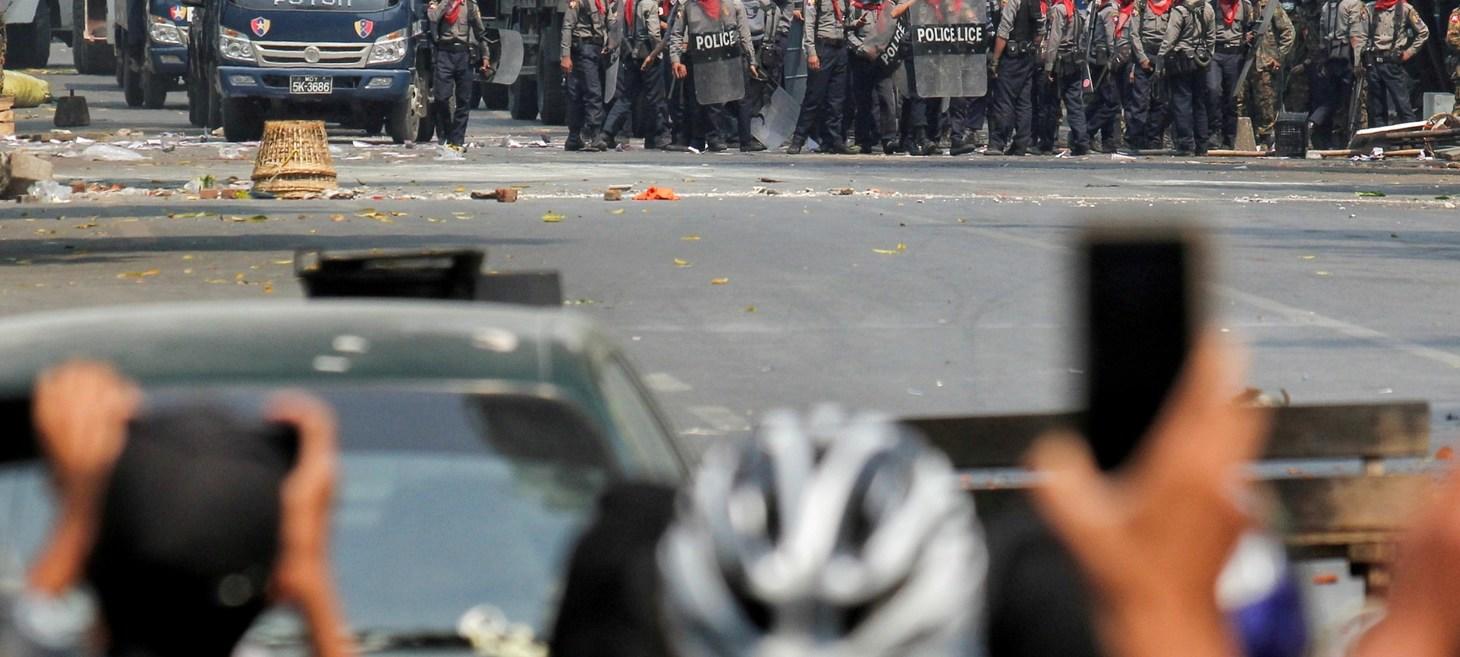
Myanmar activists to sue Norway’s Telenor for handing data to military
A group of civil society organizations in Myanmar plans to take legal action against Norwegian telecoms firm Telenor, accusing it of passing customer data to the country’s military government for use in repression following the 2021 coup. The claimants allege that the disclosed data was used to trace and target anti-coup activists, resulting in violence, torture, and executions, leaving one claimant "terribly disturbed and shocked" and another feeling "betrayed". Telenor, which ultimately sold its business in 2021, asserts it was trapped in a "terrible and tragic situation" with “no good options,” claiming it was legally required to provide traffic data to the authorities and that disobeying orders would have put employees in direct danger.
aljazeera.com
Humanitarian
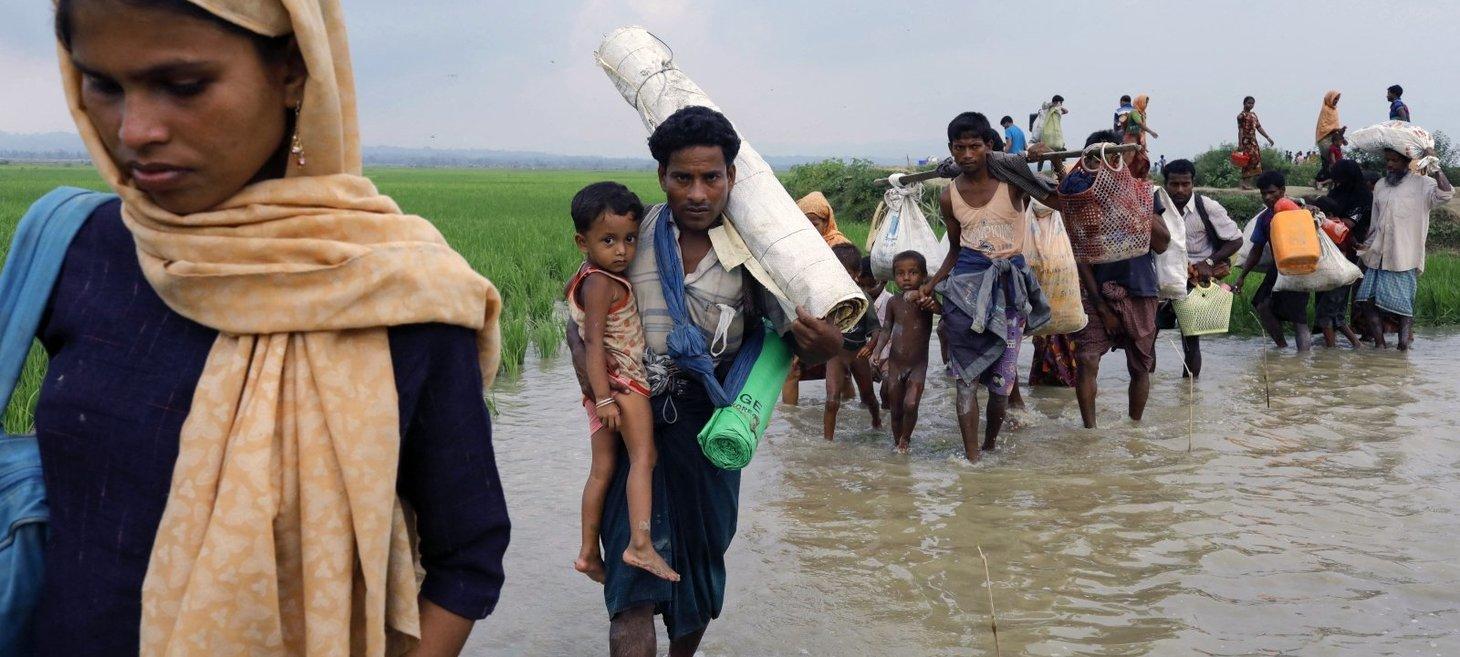
Rohingya tell UN of Myanmar bloodshed, suffering
The mostly Muslim Rohingya, persecuted for decades and exiled following a 2017 military onslaught, are currently caught in intensified fighting in their homeland of Rakhine State, which involves the Myanmar military (junta) and the Arakan Army (AA). Rohingya are subjected to systematic oppression, forced recruitment, and blocked aid by the junta, while simultaneously being targeted by the AA—an ethnic armed group whose reported tactics, including massacre, sexual violence, and torture, mirror those of the junta, demonstrated by a fatal drone attack on civilians in August 2024. Their unique plight is exacerbated by the humanitarian crisis facing 1.2 million refugees in Bangladesh due to drastic cuts in international aid, making the ongoing bloody fighting an insurmountable barrier to their goal of safely returning to their homeland with rights.
frontiermyanmar.net
Military
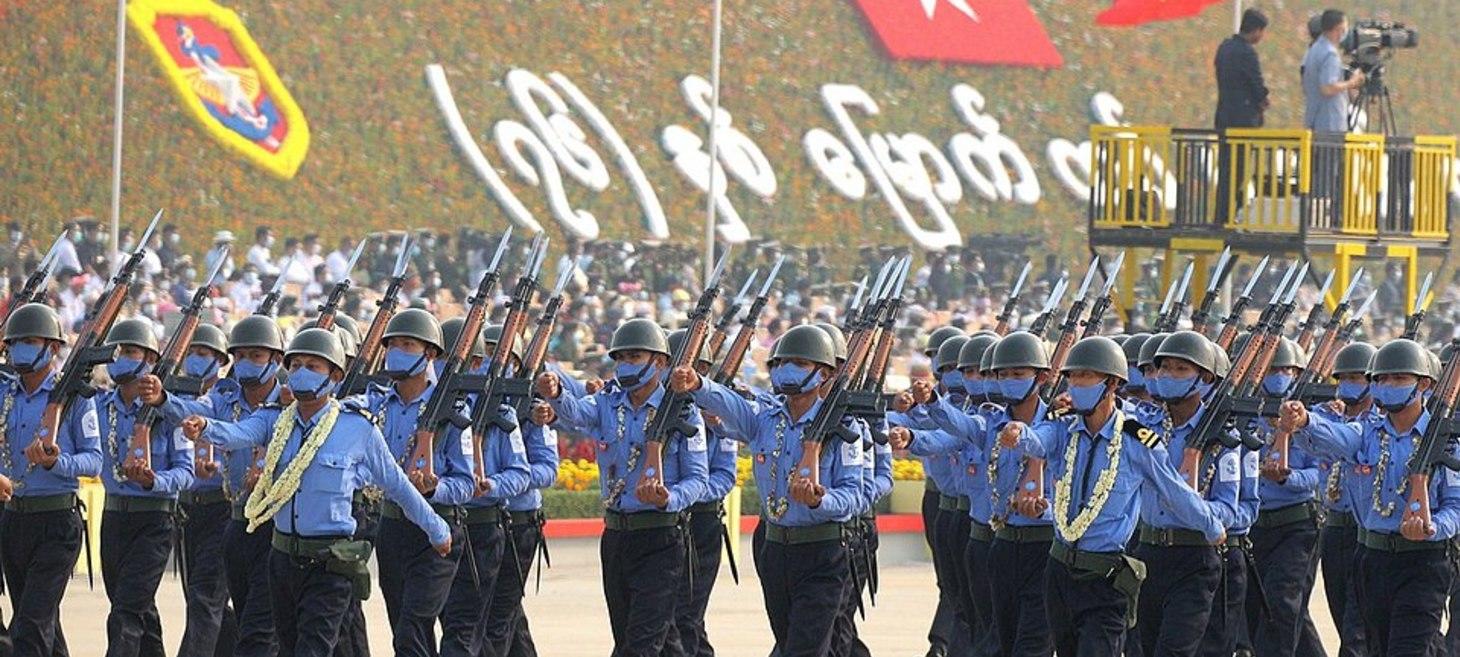
Authoritarian Legacy: Myanmar’s Military and the Failure of Professionalization
The Myanmar military, known as the Tatmadaw, has remained deeply embedded in the country's political, economic, and social landscape since independence, operating as an ultranationalist, self-serving authoritarian entity notorious for brutality, including bombings, torture, and genocide, and has consistently rejected the principle of a politically neutral military subordinate to civilian authority. The military’s fundamentally autocratic and extremely militarized "DNA" was embedded during its formative years through oppressive political indoctrination received from the Imperial Japanese Army, allowing leaders like Ne Win to institutionalize authoritarian rule, promote Bamar Buddhism through "saffron washing," suppress minorities via discriminatory laws (like the 1982 citizenship law), and secure continued dominance by entrenching control over key institutions in the 2008 Constitution. Recognizing that historical international and regional efforts to encourage democratization have been undermined by the Tatmadaw’s refusal to reform and its systemic violence, the only viable path forward is to dismantle the institution entirely, strengthen sanctions against military-owned businesses, support international justice efforts, and replace the Tatmadaw with a new, professional defense force grounded in democratic values and civilian oversight.
smallwarsjournal.com
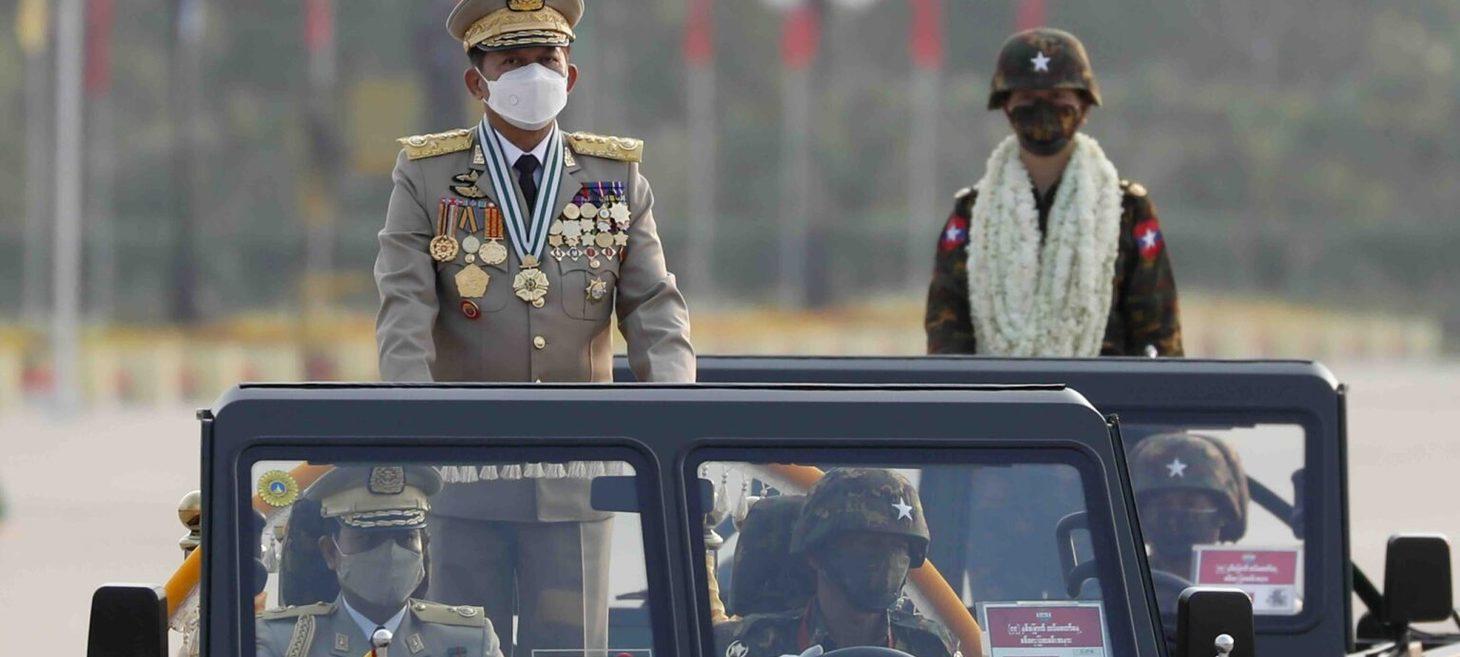
The Myanmar junta’s mystical warfare
The Myanmar junta is utilizing methods described as "mystical warfare," which include charms, astrology, and self-serving invocations of religious texts, in an effort to legitimize and fortify its current rule. These non-conventional approaches are used in addition to the junta's already considerable advantages, such as its control of armaments factories, air supremacy, and support from major powers. A specific example of this practice was observed on March 27, 2024, at the Armed Forces Day ceremony, where a “24 conditional relations” or Paṭṭhāna protective circle symbol was affixed to the front windscreen of the car carrying junta chief Senior-General Min Aung Hlaing.
myanmar-now.org
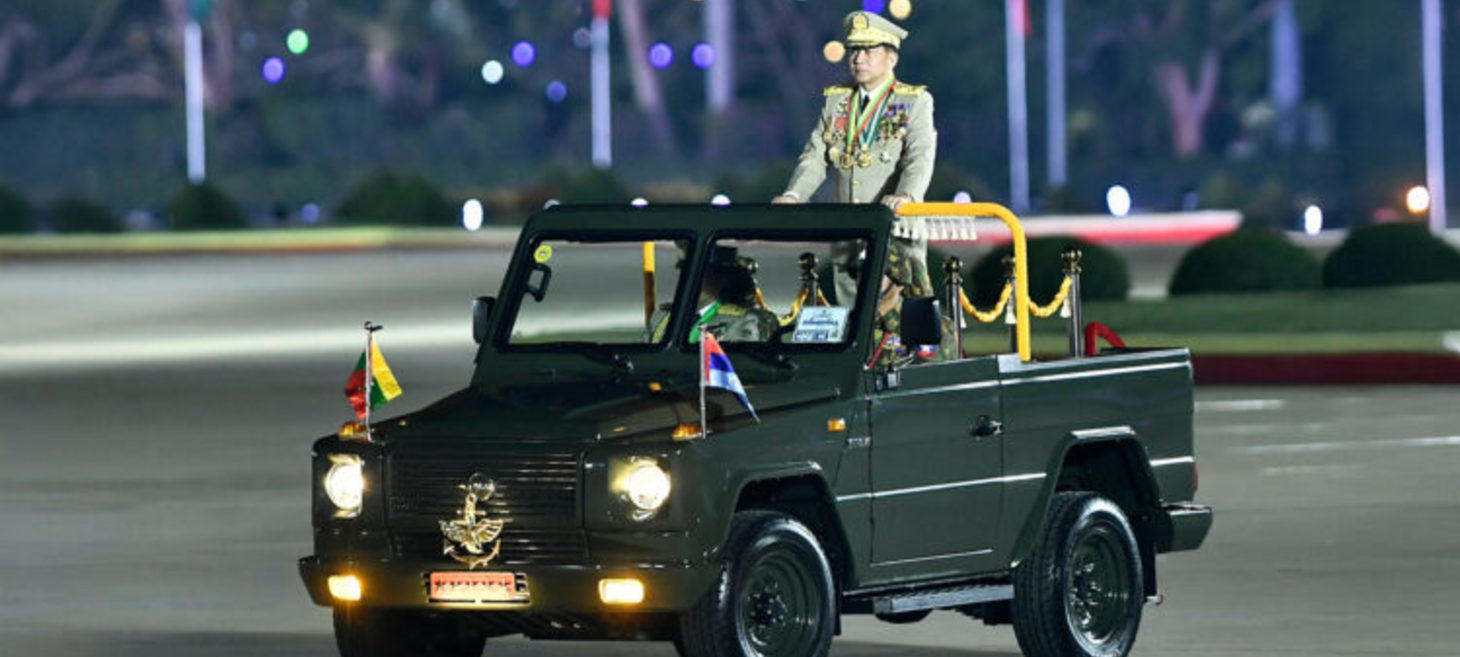
Myanmar Junta Boss Promotes Personal Aide to Head Anti-Terrorism Directorate
Myanmar junta chief Min Aung Hlaing promoted his former aide-de-camp, Colonel Sein Maung Lin, a graduate of the Officer Training School (OTS)’s 28th intake, to lead the Directorate of Anti-Terrorism, a unit tasked with protecting senior military leaders and coordinating operations with Military Intelligence. Analysts view this appointment, following the recent elevation of another close aide to head the Directorate of Defense Industries (DDI), as signaling the junta boss’s preference for loyalty and personal protégés over officers with necessary technical qualifications. This pattern reflects a broader trend of appointing several OTS graduates to senior military positions, highlighting the embattled junta chief’s reliance on these close ties while his forces lose control of large areas due to the nationwide armed uprising.
irrawaddy.com