Introduction & Analysis
This collection of open-source English-language news articles published over the past week highlights significant events and issues concerning Myanmar. They present a snapshot of the country's safety and security landscape.
- Ongoing conflict and regime violence continue to affect Myanmar civilians and combatants. This includes reports of junta soldiers committing rape and summary execution in northern Shan State and using airstrikes that killed civilians in multiple townships, while some anti-junta fighters have defected to the military regime.
- The military junta is proceeding with its December 2025 election despite widespread rejection by the National Unity Government (NUG) and numerous ethnic armed organizations (EAOs). The junta is leveraging diplomatic relationships to bolster its position, securing Russian support for a nuclear energy program and accommodation from China and India regarding the election, even as the US sanctioned a Myanmar network for facilitating arms deals between the junta and North Korea.
- Concurrently, ethnic armed groups display varied governance tactics and abuses, such as the MNDAA conducting public executions in Hsenwi Township and imposing mandatory household registration in Mong Yai Township. Meanwhile, the junta-aligned Pa-O National Organization (PNO) militia is reportedly forcing villagers into guard duty and extorting money amidst the displacement crisis in Shan State.
- The humanitarian and economic situation is dire due to conflict, as trade restrictions disrupt supply lines leading to high prices, and over 10,000 internally displaced persons in northern Shan State face urgent shortages of food and medicine. Adding to the repression, leaked documents reveal China supplied the junta with surveillance technology used to monitor communications and track dissidents, which reportedly facilitated arrests and executions.

ASEAN
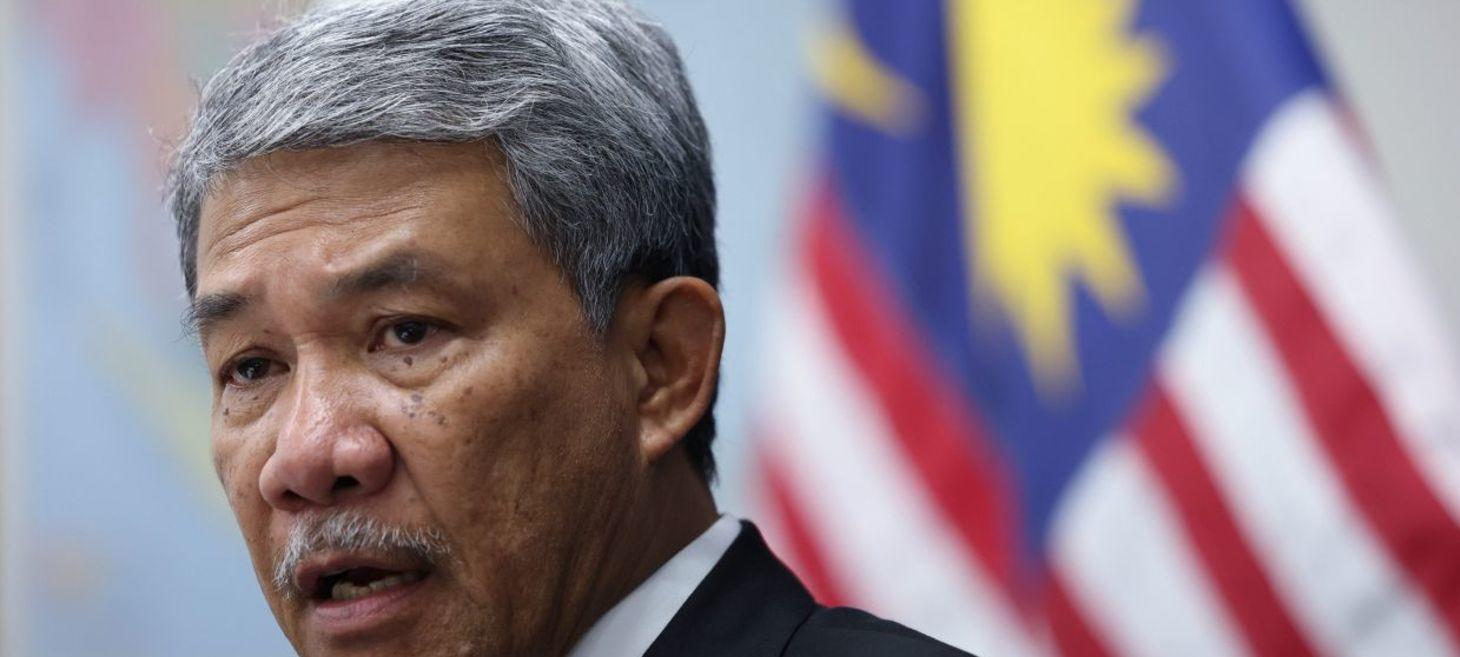
Asean must restore Myanmar peace, says Tok Mat
Malaysian Foreign Minister Datuk Seri Mohamad Hasan, known as Tok Mat, urged Asean to continue efforts to restore credibility to the Five-Point Consensus and cultivate security and stability in Myanmar, expressing deep disappointment over agreed ceasefires being broken and ongoing violence. Mohamad highlighted Asean's broader role in ensuring regional peace and strengthening security, noting that Malaysia, as Asean Chair, had successfully intervened to implement and actively monitor a ceasefire between neighbors, while also stressing that the South China Sea must not be used as leverage in strategic competition. Speaking at the United Nations General Assembly, Mohamad also emphasized that Malaysia will continue to champion the rights and needs of the Global South, asserting that these nations, despite constituting the world’s majority, face unequal economic policies, staggering financing gaps for sustainable development, and remain under-represented in global governance.
thestar.com.my
Conflict
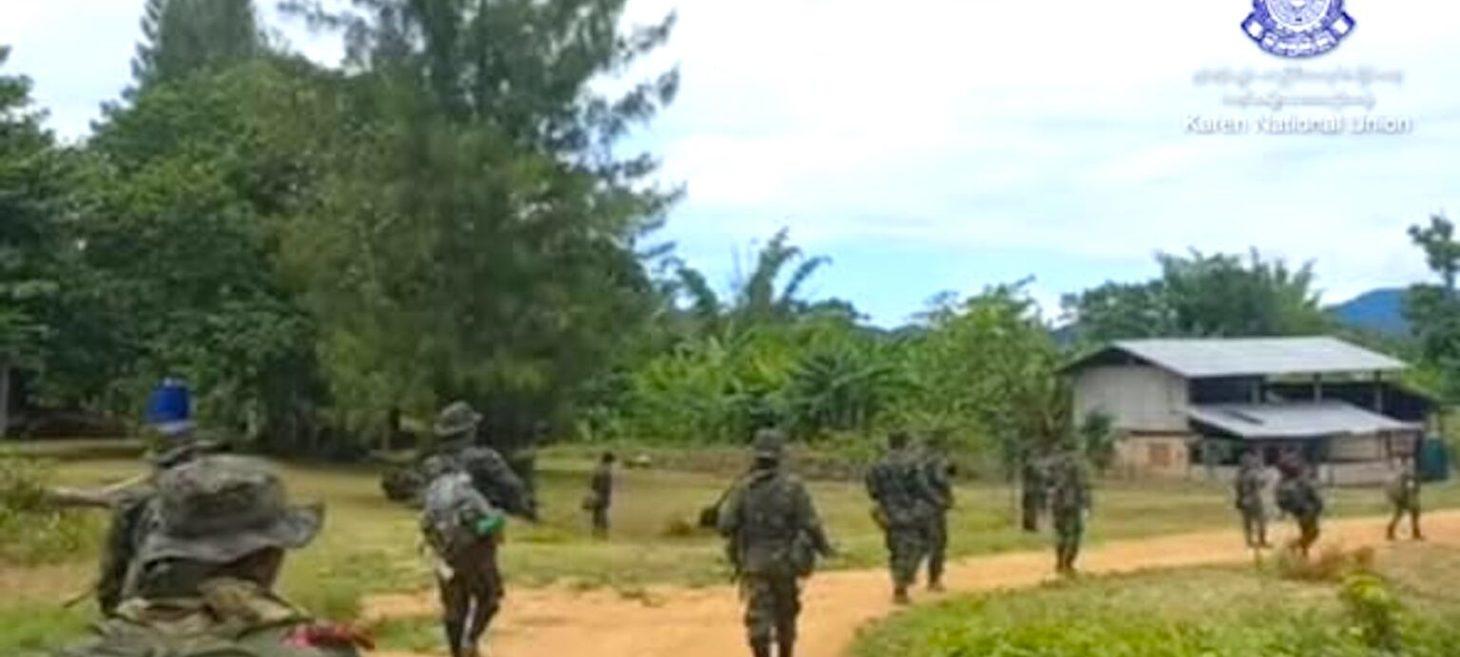
Clashes stall junta’s attempt to secure Tanintharyi Region border trade route - Burma News International
A junta column attempting to secure the Thailand–Myanmar border trade route near Mawdaung Town in Tanintharyi Region has been halted near Theinkhun Village amid intense clashes with local joint resistance forces. Led by Military Operations Command 13 (MOC-13) and reinforced by additional battalions, the junta column, which includes infantry, artillery, and drone units, has resorted to using continuous airstrikes with 500-pound bombs after suffering setbacks in the fighting. Although no civilians were harmed by the bombs near Theinkhun Village, resistance forces sustained injuries, and locals from Theinkhun and nearby villages have fled their homes, unable to return due to fear of overhead planes and facing difficult conditions during the rainy season.
bnionline.net
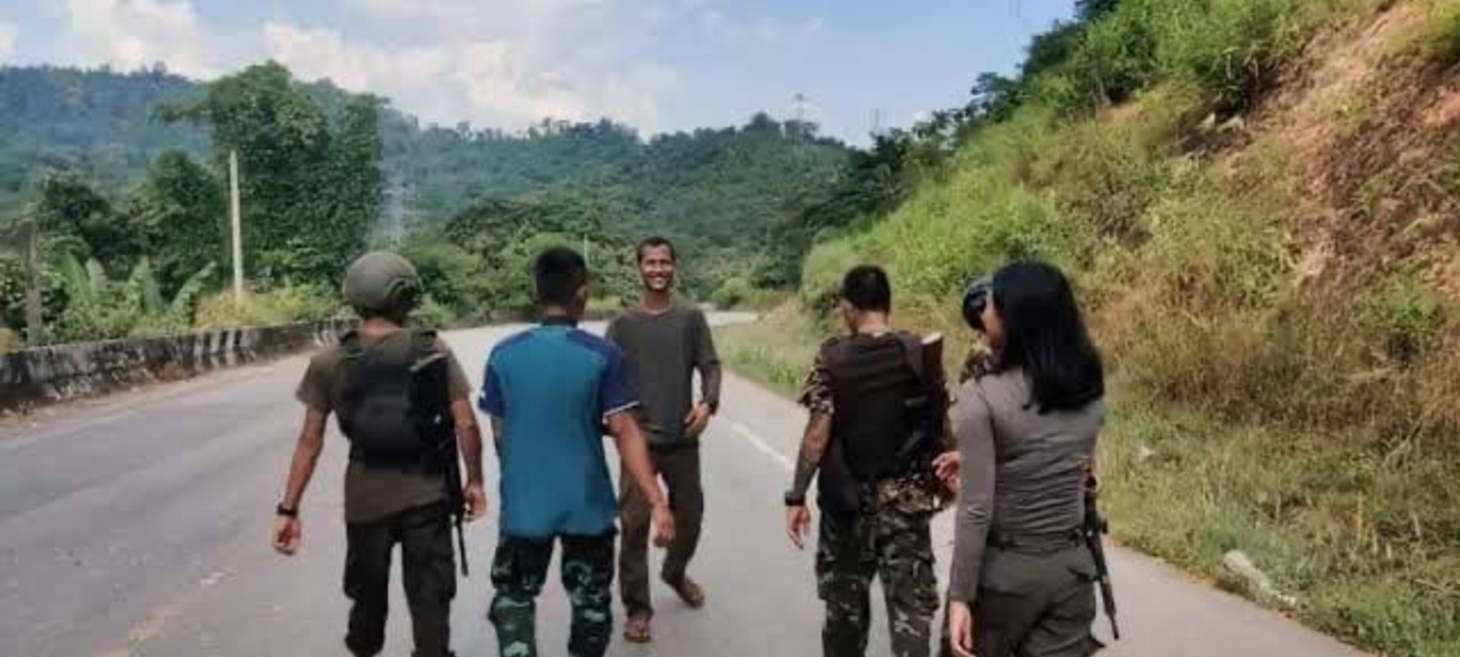
Myanmar junta regains Asia Highway in Myawaddy but blocks civilian travel
Myanmar’s military junta successfully regained control of the Asia Highway—a key trade route linking Myawaddy and Kawkareik in Karen State—in the first week of September 2025, taking back the road and battalion camps, including the Thin Gan Nyi Naung command post, after they had been controlled by the Karen National Liberation Army (KNLA) and allied resistance groups for over 18 months. Despite the junta repairing damaged bridges and road sections, civilian travel remains blocked nearly three weeks after the takeover, forcing locals and truck drivers to use alternative routes that take approximately four hours instead of the usual two. This continued closure, along with reported high taxes and seizures of goods, has caused food staples and other items in Myawaddy to become nearly twice as expensive as they are in towns deeper inside the country.
bnionline.net
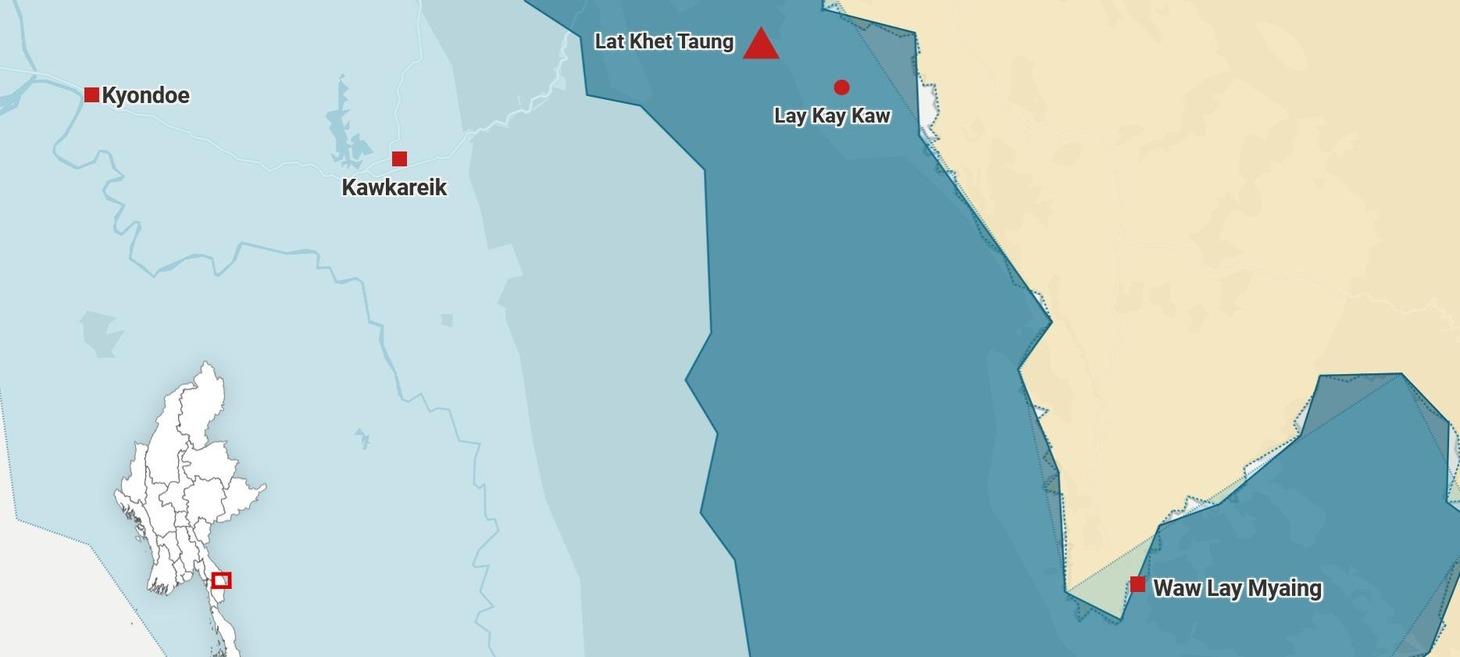
Military clashes with Karen forces while advancing near Thailand-Myanmar border
Military clashes are currently occurring between junta forces and Karen forces near the Thailand-Myanmar border, as reports indicate that junta forces have been regaining ground in Karen State. Despite these advances by the military regime, anti-junta forces assert that they are still fending off assaults on the newly developed town of Lay Kay Kaw and maintaining control of the road connecting Myawaddy and Waw Lay Myaing. This specific conflict takes place amid a broader wave of violence in Myanmar, evidenced by related news items such as a junta airstrike killing eight people in Sagaing’s Taze Township, the reported defection of anti-junta fighters to the regime, and accusations that junta soldiers committed rape and summary execution in northern Shan State.
myanmar-now.org
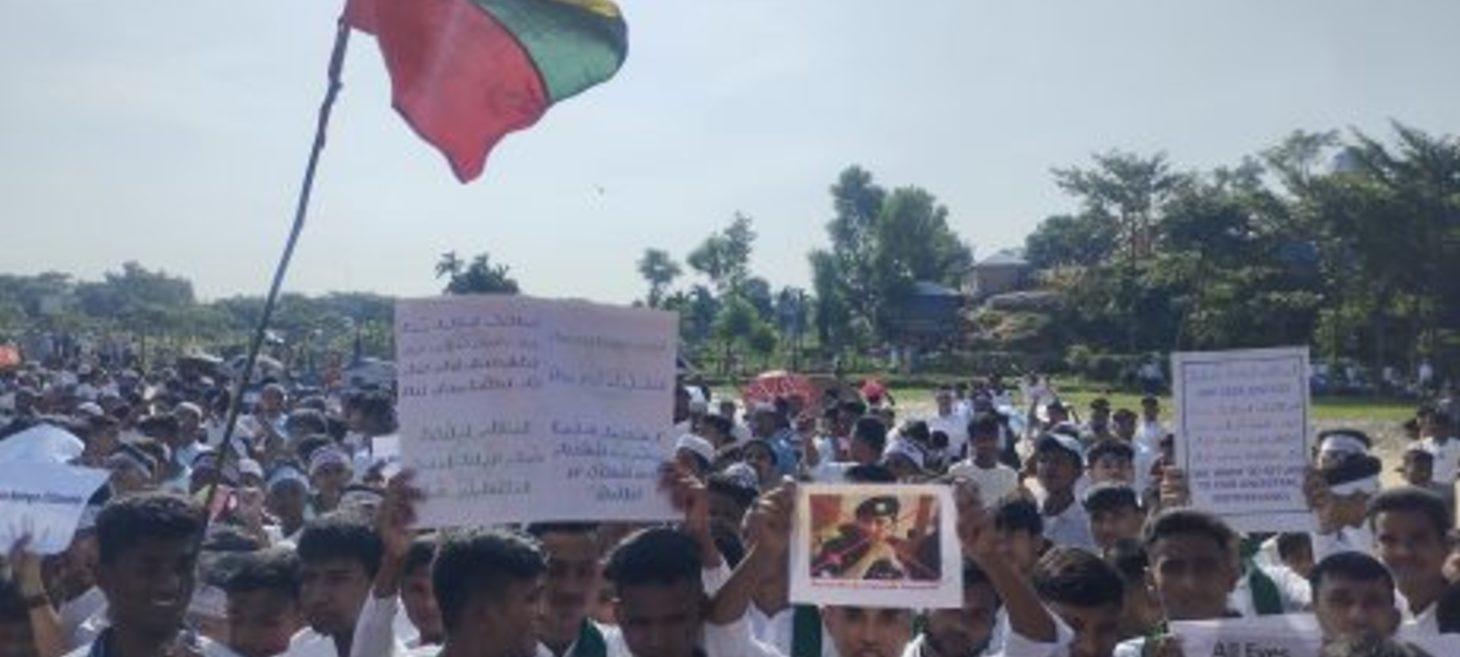
Myanmar Risks Repeating History With the Arakan Army
The source warns that Myanmar risks repeating a cycle of oppression by overlooking the Arakan Army’s (AA) abuses, citing the precedent set in 2017 when the country tolerated the military's brutal campaign against the Rohingya and subsequently suffered nationwide after the 2021 coup, demonstrating that injustice tolerated against one group eventually spreads to all. Despite the AA achieving notable military victories against the Tatmadaw, the group has fostered fear through documented human rights abuses—including killings, rapes, forced recruitment, and displacement—against various civilians, including Rohingya, Chakma, and Barua communities, while choosing to prioritize its own political ambitions over joining the inclusive national democracy movement. For Myanmar to secure a future built on genuine change, citizens must reject narrow nationalism, ensure accountability, and dismantle systems of exclusion by building unity based on empathy and justice for all communities, rather than securing its future by simply exchanging one oppressor for another.
thediplomat.com

Shanni fighters captured during clashes north of Banmauk
Resistance forces captured two members of the Shanni Nationalities Army (SNA) on September 23 during clashes occurring north of Banmauk, according to a report dated September 26, 2025. The SNA is characterized as an ethnic armed group that is aligned with Myanmar’s military, which is also referred to as the junta. As a result of these confrontations, the SNA lost control of the town of Banmauk, which is located in northern Sagaing Region, during the preceding weekend.
myanmar-now.org
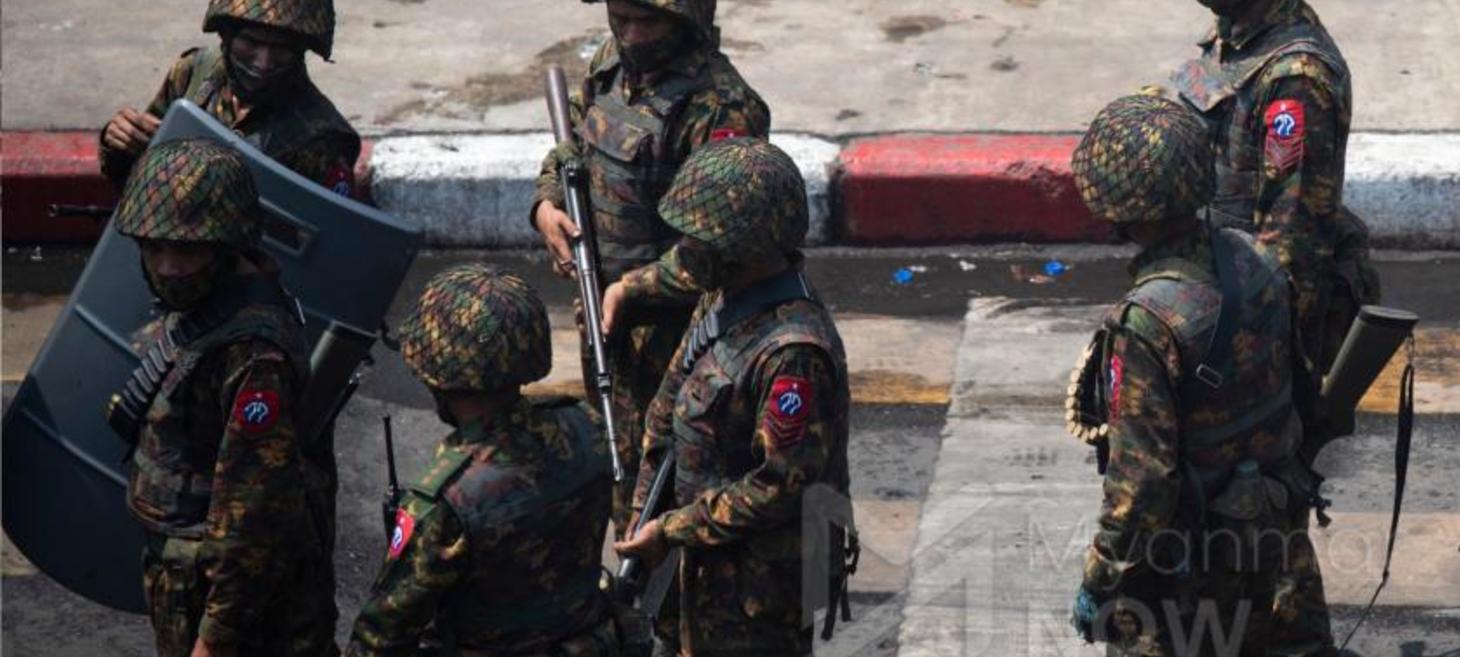
Junta soldiers accused of rape, summary execution in northern Shan State village
Junta soldiers are accused of committing acts of rape and summary execution in a village located in northern Shan State, according to a report from Myanmar Now published on September 26, 2025. Accounts from villagers who discovered the bodies indicate that the soldiers fatally shot a monk who had remained behind in the mostly evacuated area. Furthermore, the soldiers killed a mother and her two children whom they found sheltering on the outskirts of the village.
myanmar-now.org
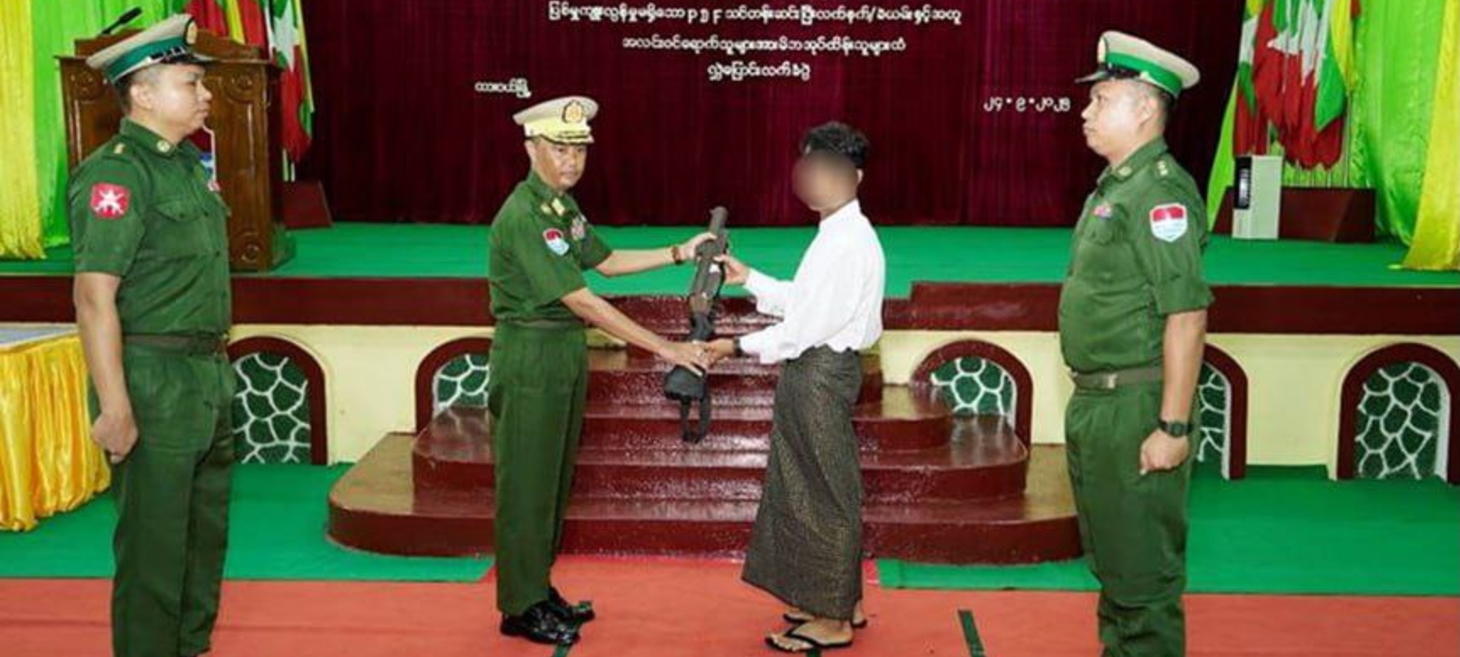
Anti-junta fighters defect to Myanmar military regime
Anti-junta fighters have defected to the Myanmar military regime, a significant event reported on September 26, 2025. Members of the Karen National Liberation Army and the People’s Defence Team, both operating under the command of the National Unity Government, are among those who changed sides during this month. Photographs depicting the defectors at the Coastal Region Command were released on September 24.
myanmar-now.org
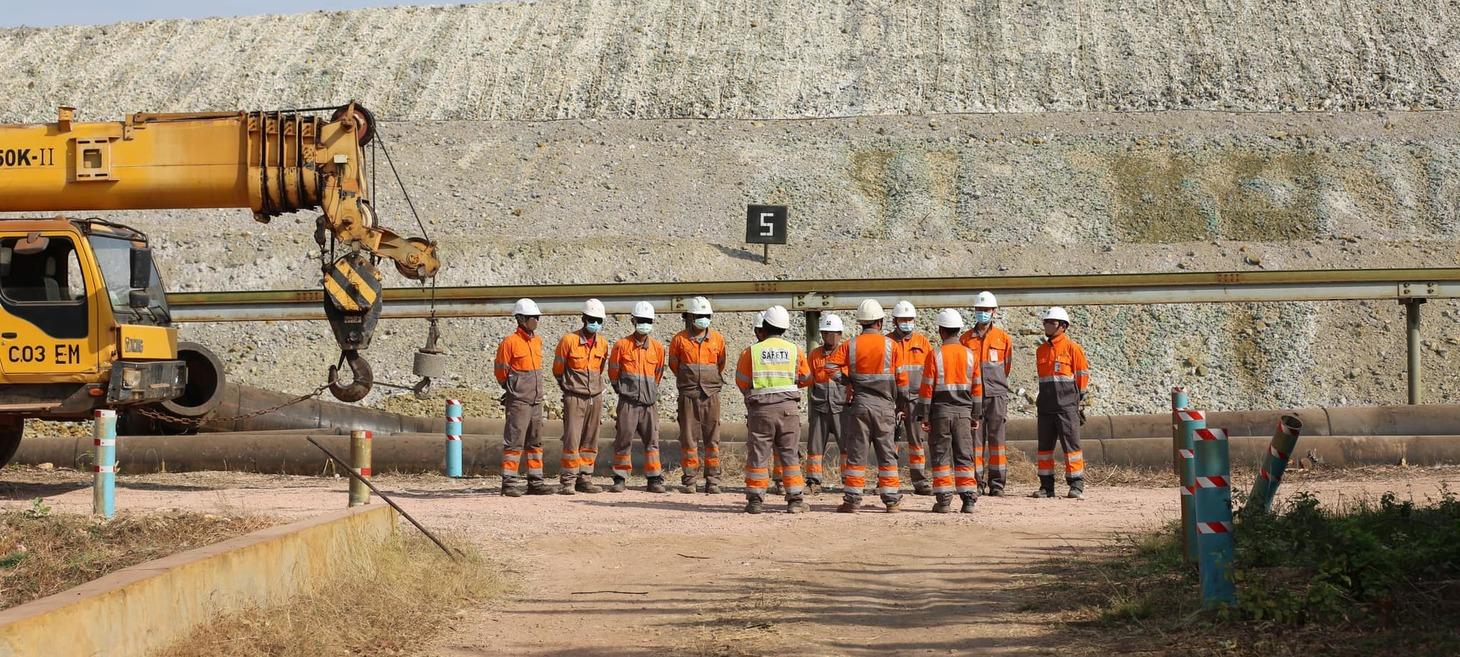
Chinese-backed copper mining project attacked in Sagaing Region
A Chinese-backed copper mining project in Salingyi Township, Sagaing Region, was attacked on September 29, 2025. No injuries were reported in the incident, which occurred while the company operating the project was pushing to resume its full operations. This attack took place amid broader reports of conflict and instability across Myanmar, including fatal junta airstrikes, tightening military regime trade restrictions, and military losses to anti-junta forces.
myanmar-now.org
Cybersecurity & Cybercrime

China sentences 16 Myanmar-linked gang members to death
A Chinese court, the Wenzhou Intermediate People's Court, sentenced 16 members of a family-run criminal gang to death on Monday (Sep 29) for establishing deadly scam centers and committing other crimes in Myanmar's Kokang region on the border with China. Operating since 2015, the organization relied on "armed force" to engage in cyber fraud, drug trafficking, organizing prostitution, and setting up casinos, and they were responsible for killing 14 people, including 10 involved in fraud who had tried to escape or disobeyed management. This criminal enterprise, which involved more than 10 billion yuan (US$1.4 billion) and contributed to a multibillion-dollar illicit industry, reflects the ongoing efforts by Beijing to step up cooperation with Southeast Asian nations to crack down on scam compounds in Myanmar's lawless borderlands.
channelnewsasia.com
Economy
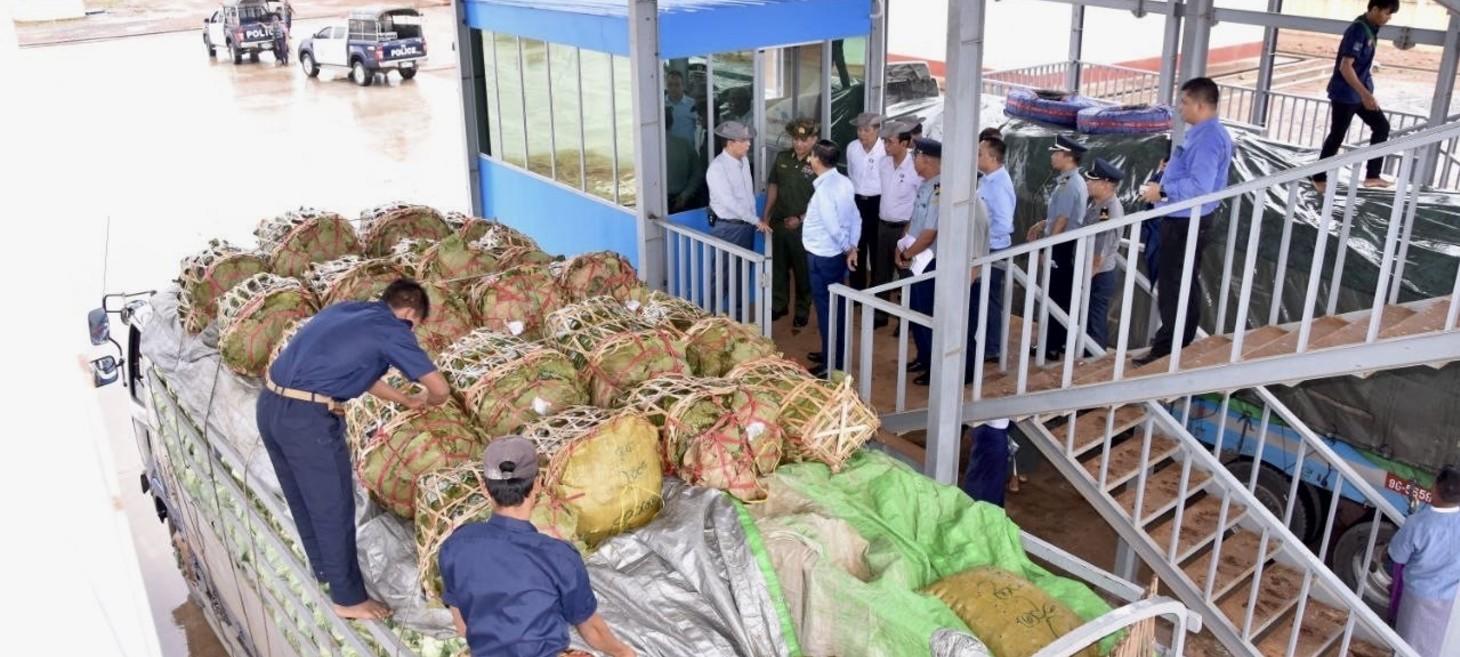
Myanmar’s military regime tightens trade restrictions, disrupting supply lines
The military regime in Myanmar has tightened trade restrictions, resulting in the disruption of supply lines. The primary consequences of these restrictions include high prices and shortages of many essential goods in Yangon and other major centers. This situation, reported on September 29, 2025, provides context through a reference to Bago Region’s junta-appointed chief minister and other officials observed at the Nyaung Khar Shey checkpoint on July 17.
myanmar-now.org
Elections
ANFREL to launch assessment report on junta-planned election in Myanmar - Asian Network for Free Elections
The Asian Network for Free Elections (ANFREL) is scheduled to launch the findings of its independent assessment report on the upcoming junta-planned elections in Myanmar on September 30, 2025. This review, which is based on extensive monitoring and dozens of consultations with diverse stakeholders, addresses the context where the military staged a coup in 2021 and subsequently announced elections for December 28, 2025, amidst civil unrest and a humanitarian crisis. Interested participants can join the online launch, which is set to stream via ANFREL's social media pages and Zoom from 10:30 to 11:30 a.m. Bangkok time.
anfrel.org
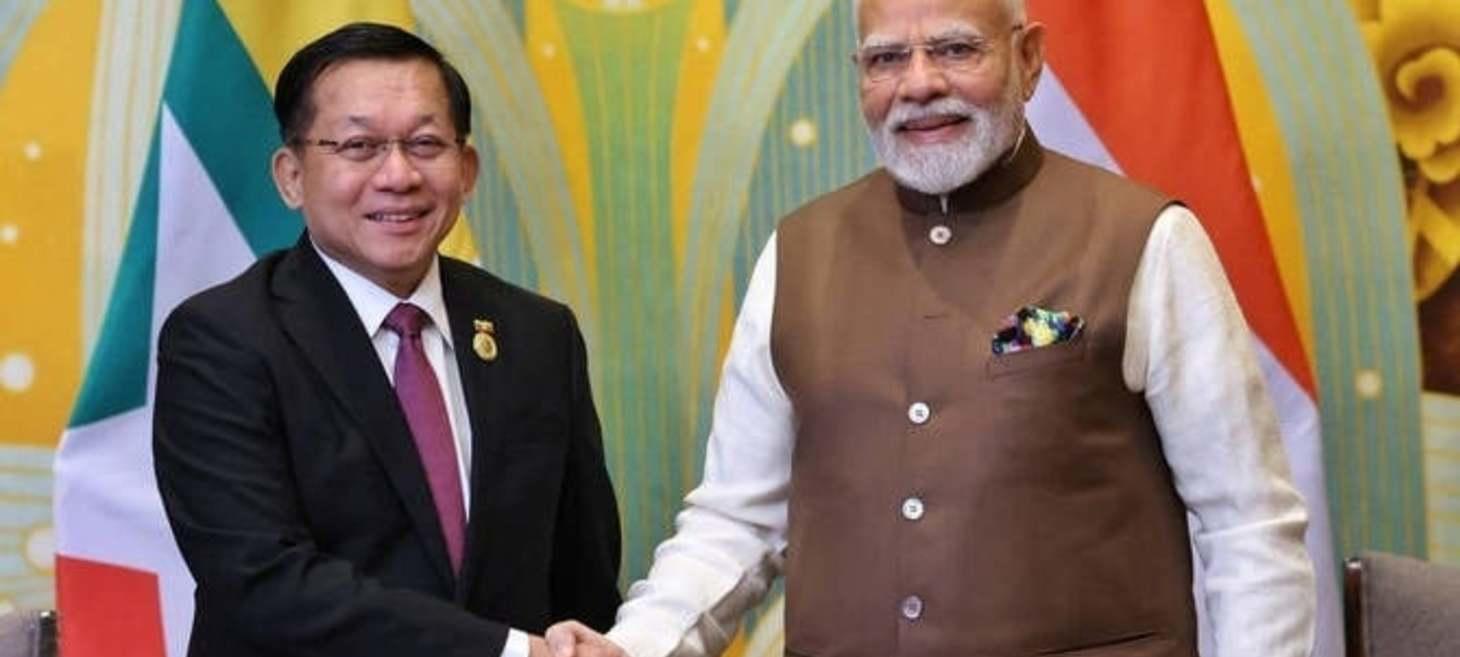
MILITARY JUNTA’S PRE-ELECTION HEATS UP: Majority of EAOs and anti-junta forces against the election
The military junta, now styled as the State Security and Peace Commission (SSPC) and led by General Min Aung Hlaing, is proceeding with a multi-phase general election starting on December 28, 2025, despite widespread condemnation that the process is a sham intended to legitimize its rule and create a USDP-dominated government by barring major opposition groups such as the NLD and powerful ethnic parties. The election is widely rejected by anti-junta forces, including the National Unity Government and a majority of prominent Ethnic Armed Organizations (EAOs)—such as the AA, KNU, and TNLA—who argue the junta is using the election irrationally to cement its power and face immense logistical difficulties because large areas of the country are under rebel control. Internationally, China is the most active supporter, endorsing the vote and providing practical assistance due to strategic interests like the CMEC, while Russia has also signaled support; conversely, ASEAN remains divided, and most Western powers are expected to reject the outcome as neither free nor fair.
shannews.org
Ethnic Issues
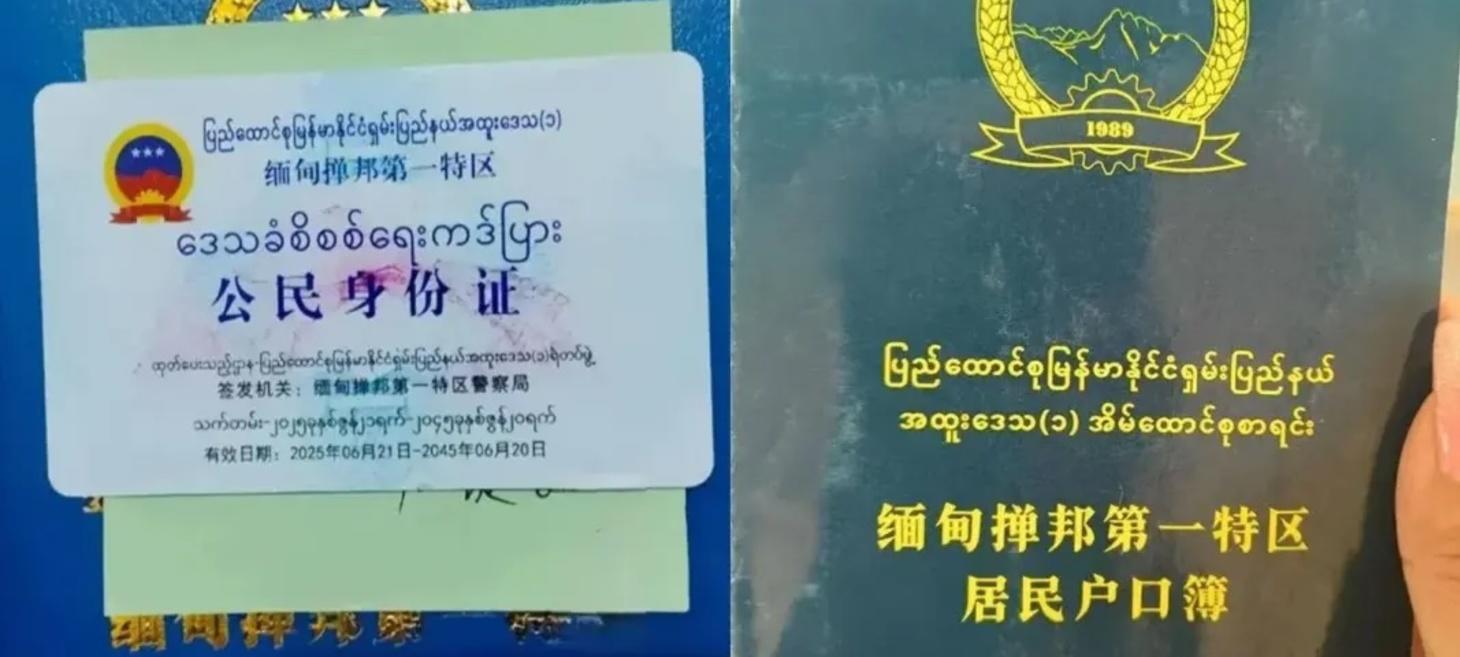
MNDAA Collects Household Data, Plans to Issue Local ID Cards in Mong Yai
The Myanmar National Democratic Alliance Army (MNDAA) is collecting household registration information and planning to issue local identity cards across 16 villages in Mong Yai Township, Shan State, initiating the process in September 2025 by compiling lists after summoning local leaders. Residents are required to pay fees—6,000 Kyat for household registration and 18,000 Kyat per person for the ID card—while facing warnings that refusal to comply will result in them being designated as "guests" or outsiders, a measure viewed by some locals as a heartbreaking form of indirect oppression. This administrative move takes place while Mong Yai remains a contested area; yet, many residents comply, registering over 500 people in the initial phase (approximately 80% compliance), often feeling compelled to do so to obtain proof of local status and avoid external pressures.
shannews.org
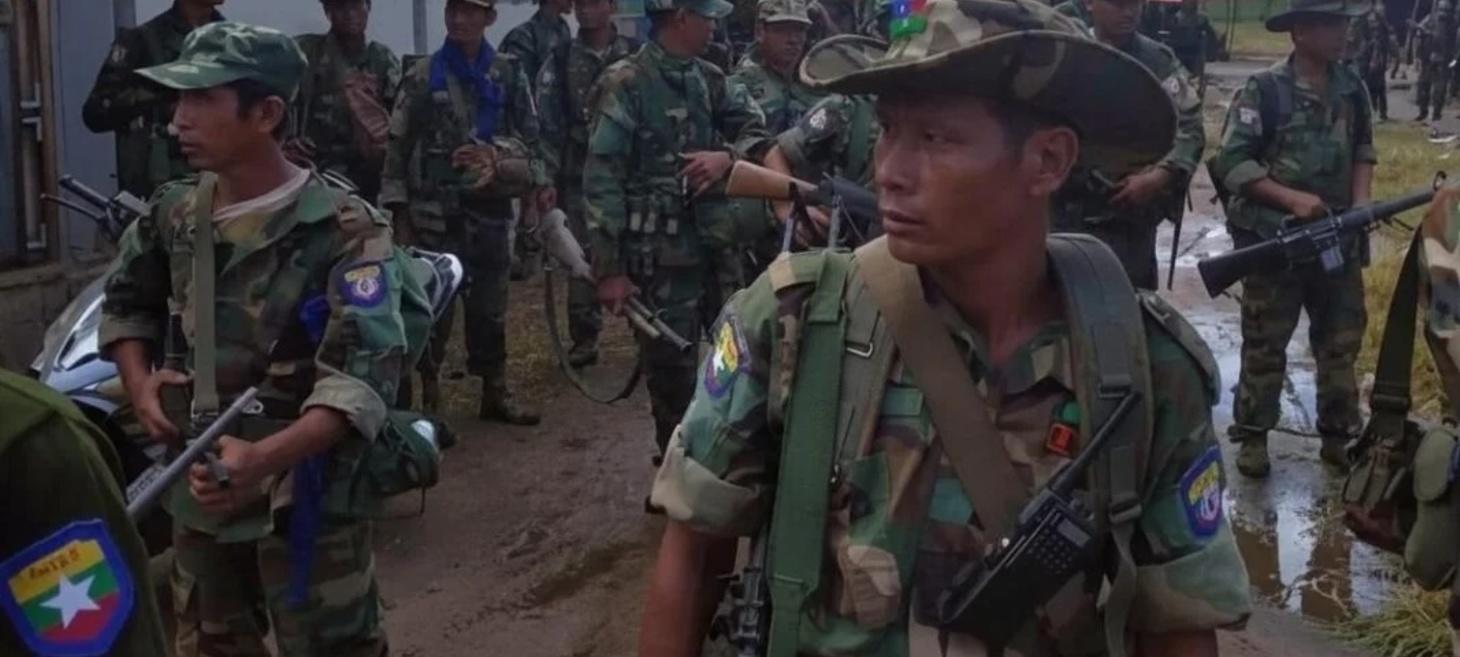
Villagers in Shan State Face Extortion and Forced Conscription by Pa-O Militia
Residents of the Samkar region in Yawnghwe (Nyaungshwe) Township, Shan State, are reportedly facing widespread hardship due to the Pa-O National Organization (PNO/PNA) militia demanding 500,000 kyats (about USD 114) from each household for extortion and forcing villagers into rotating guard duty every 10 days. Already suffering from recent floods, earthquakes, and displacement, locals are compelled to comply, with villagers being forced to wear PNO uniforms and carry weapons without training, restricted from farming or trading, and mandated to deliver food to PNO troops, sometimes in remote, unsafe areas. The situation has worsened since residents returned in August after fleeing military council shelling in February to find their homes looted, and it has turned deadly, exemplified by the September 2 case where Ko Aung Myo Win died after being arrested by PNO troops who demanded a 10 million kyats ransom.
shannews.org

Public Executions Carried Out by MNDAA in Hsenwi Township
The Myanmar National Democratic Alliance Army (MNDAA), or Kokang Army, publicly executed seven convicted criminals at the Pang Lawt market in Hsenwi Township on September 26, 2025. The individuals executed were found guilty of severe offenses, including the rape and murder of a Chinese schoolteacher, multiple other murders (such as robbing and killing a grandfather and grandson), armed robbery, and kidnapping for ransom; notably, one of the executed individuals was an MNDAA soldier sentenced for committing premeditated murder. These latest executions follow the MNDAA's prior use of public death sentences in places like Lashio and Laukkai, and they occurred amidst rumors that the MNDAA might soon be required to return control of Hsenwi town to the military council.
shannews.org
Foreign Affairs
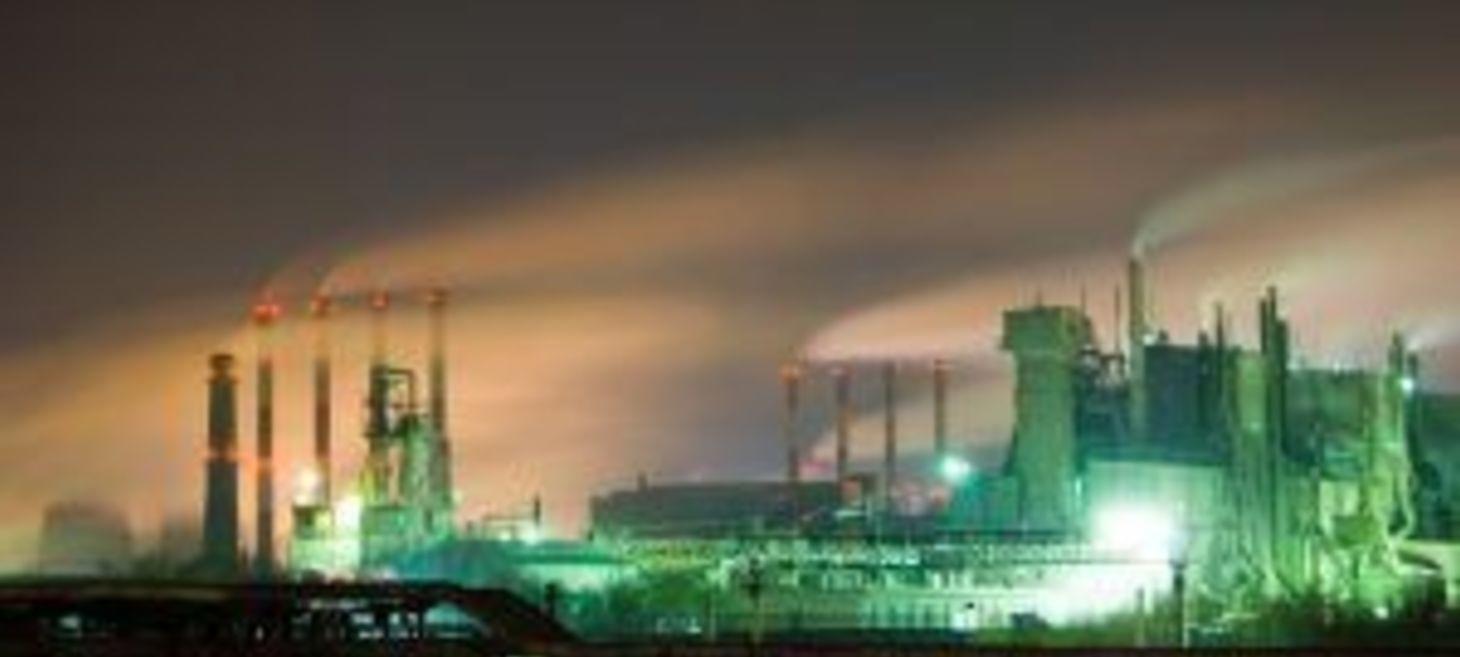
Myanmar leaps into Russian-backed nuclear energy programme to power economic growth
Myanmar is solidifying plans to pursue civil nuclear energy, tapping Russian expertise to build its first reactor, following a deal signed with Russia's nuclear energy giant Rosatom in March this year to construct a small modular nuclear power plant. This initiative is considered pivotal for strengthening energy security, addressing a critical situation in which nearly half the population lacks reliable access to electricity, and the power sector faces severe supply constraints due to structural challenges, conflict, and macroeconomic conditions. Rosatom will assist in constructing an onshore nuclear power plant with an initial capacity of 110 megawatts, expandable to 330 megawatts, which is anticipated to serve as a strong catalyst for economic growth, creating thousands of jobs and developing a highly skilled workforce.
thestar.com.my
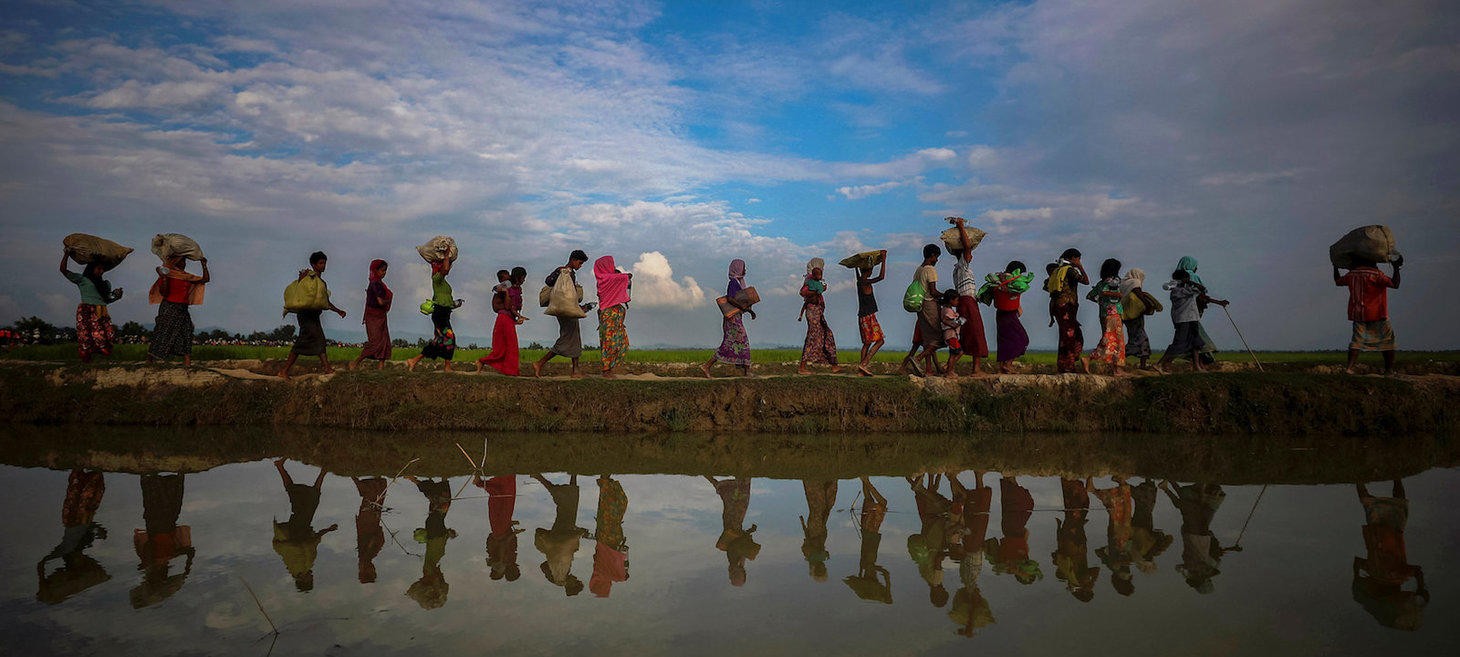
Trump provides new fuel for Myanmar’s Rohingya genocide
US President Donald Trump’s speech at the UN General Assembly, which rallied against the "globalist migration agenda" and warned that migrants could "ruin" or "destroy" countries, provided a powerful signal suggesting that major powers might tolerate or tacitly endorse exclusionary nationalism. This language was interpreted by Myanmar’s military generals, who have long denied citizenship to the Rohingya and conducted systemic violence branded as "genocide," as validation and "external affirmation," emboldening them and reducing their fear of international accountability. Consequently, the authors warn that Trump’s rhetoric normalizes "chauvinistic expulsion as national self-preservation," risking the erosion of international norms and contributing to a global climate where scapegoating vulnerable minorities is politically defensible.
asiatimes.com
General News
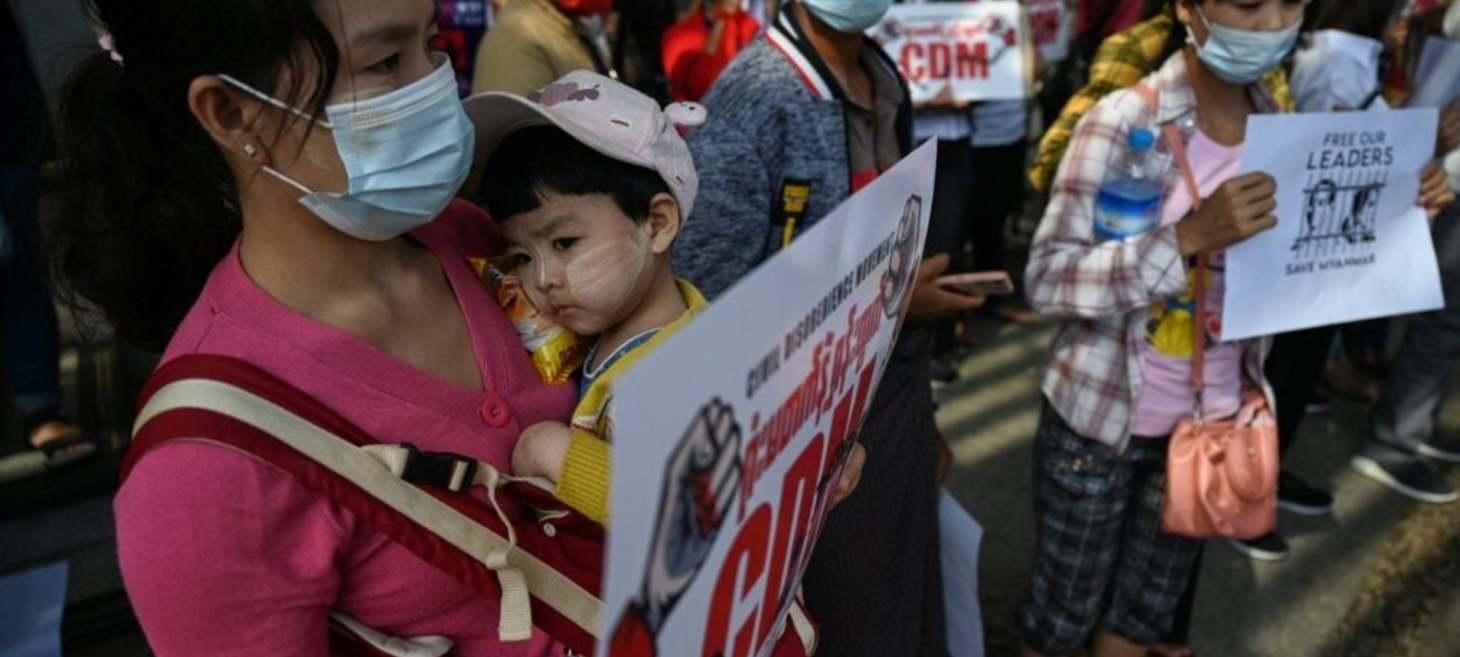
Seeking solidarity for Myanmar in a cruel world
The pro-democracy movement in Myanmar urgently needs to innovate and fundamentally restructure its approach to promoting rights and cultivating solidarity, as long-standing methods have failed to stir meaningful international pressure against the regime in an increasingly disordered world where old tools like "naming and shaming" and prioritizing retreating global systems are no longer effective. Current activism is often criticized, contrasting fundamentalists who selectively apply rights norms with populists who engage in tiresome formulism, while realists understand these limitations but are frustrated by a lack of innovation and the same staid calls for foreign pressure. The necessary evolution of strategy must be both principled and pragmatic, reorienting rights promotion toward genuine social change and reforms in "rebel governance" and liberated zones while expanding international linkages, especially with the Global South, under the leadership of a new generation of activists.
frontiermyanmar.net
Humanitarian
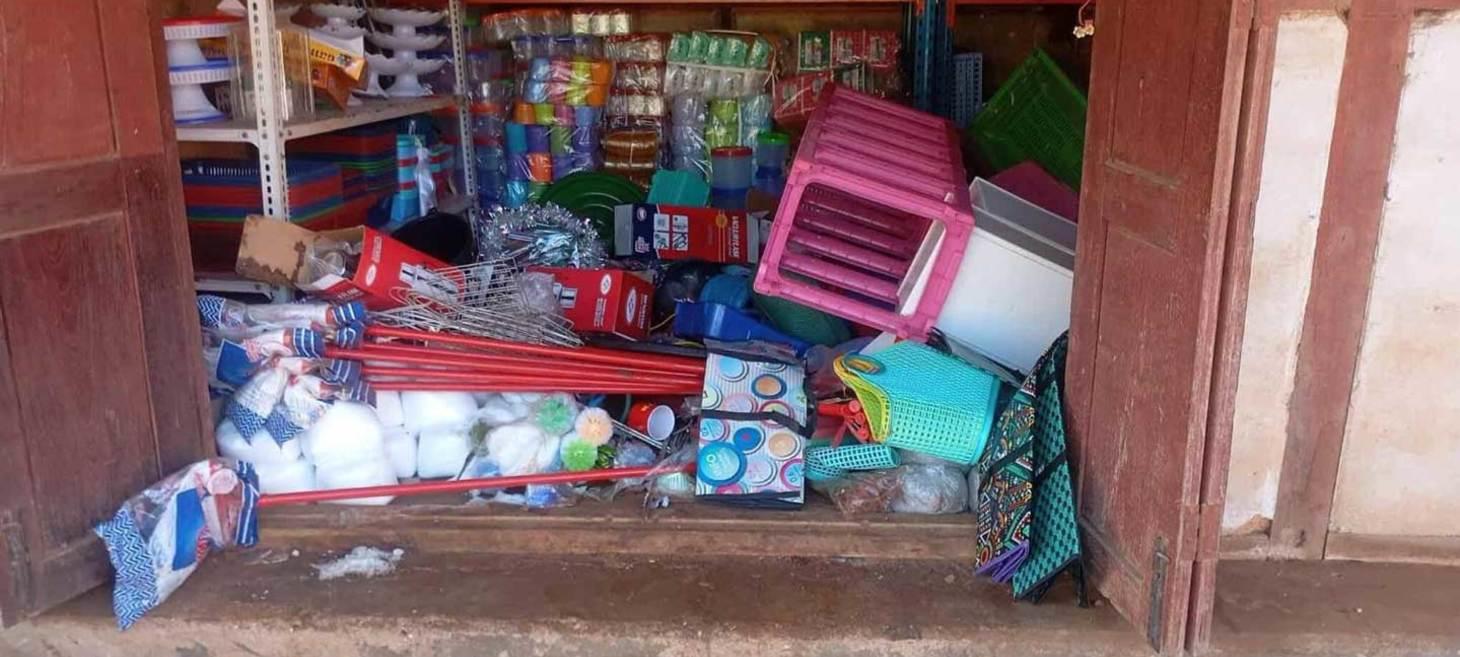
Over 10,000 IDPs in Kyaukme and Hsipaw Face Food and Medicine Shortages Amid Ongoing Clashes
More than 10,000 internally displaced persons (IDPs) in Kyaukme and Hsipaw townships, northern Shan State, are facing urgent shortages of food, medicine, rice, and other essentials after being displaced for over a month by ongoing clashes between the Ta’ang National Liberation Army (TNLA) and junta troops. Those displaced, primarily from the Nawng Ping village tract, are sheltering across more than 40 camps in Kyaukme (over 9,000 people) and in nine temporary camps in Hsipaw (more than 2,000 people), but they cannot return home because many houses have been broken into and looted since the junta regained control, and the area remains dangerous, evidenced by landmine casualties. The humanitarian crisis is worsening as fighting continues—with junta troops firing heavy weapons and advancing toward other villages—and travel routes remain blocked, meaning local charities and Buddhist monks leading relief efforts are quickly running out of supplies.
shannews.org
National Unity Government

The Tortoise and the Hare: A Tale of the Myanmar Military and the National Unity Government
The National Unity Government (NUG), Myanmar's opposition shadow government, is currently facing significant public criticism and urgent internal calls for reform, particularly regarding issues like corruption and the abuse of authority within its local administrative, security, and defense units (the "Three Pas"). Despite starting with a considerable political advantage, the NUG is struggling in the diplomatic race in 2025, marked by the military junta gaining diplomatic victories, including securing international support for its planned December election at the SCO summit, increased Chinese involvement in the conflict, and perceived recognition setbacks with countries like India, Timor-Leste, and the US. The article uses the classic fable of the Tortoise and the Hare to suggest the NUG needs to stop being overconfident and immediately implement proactive and structural reforms—such as reducing bureaucracy, listening to voices from the ground for "bottom-up federalism," and streamlining its ministerial structure—to ensure its survival against the slow-moving military and retain the support of the Myanmar people.
thediplomat.com
Natural Resources

India’s Myanmar Minerals Gamble: Rare Earths, Rebels, and the China Challenge
India is currently assessing a partnership with Myanmar’s armed rebel Kachin Independence Army (KIA) to secure heavy rare-earth elements (REEs), such as dysprosium and terbium, because these metals are vital for advanced defense equipment, EV motors, and wind turbines. India seeks to reduce its vulnerability stemming from its approximately 80 percent dependence on China for rare earth imports. China currently dominates the global rare earth industry, holding approximately 90 percent of separation and refining capacity, and New Delhi’s effort to secure these elements fits into the pattern of transactional relations with militias and signals the importance India places on improving its control over REEs amidst competition with Beijing. This shift, however, is fraught with risks, as many KIA sites rely on Chinese processing know-how and capital, supply routes to India are rugged and insecure, and the process raises sharp concerns regarding environmental destruction and human rights abuses associated with in-situ leaching in conflict zones.
thediplomat.com
Sanctions
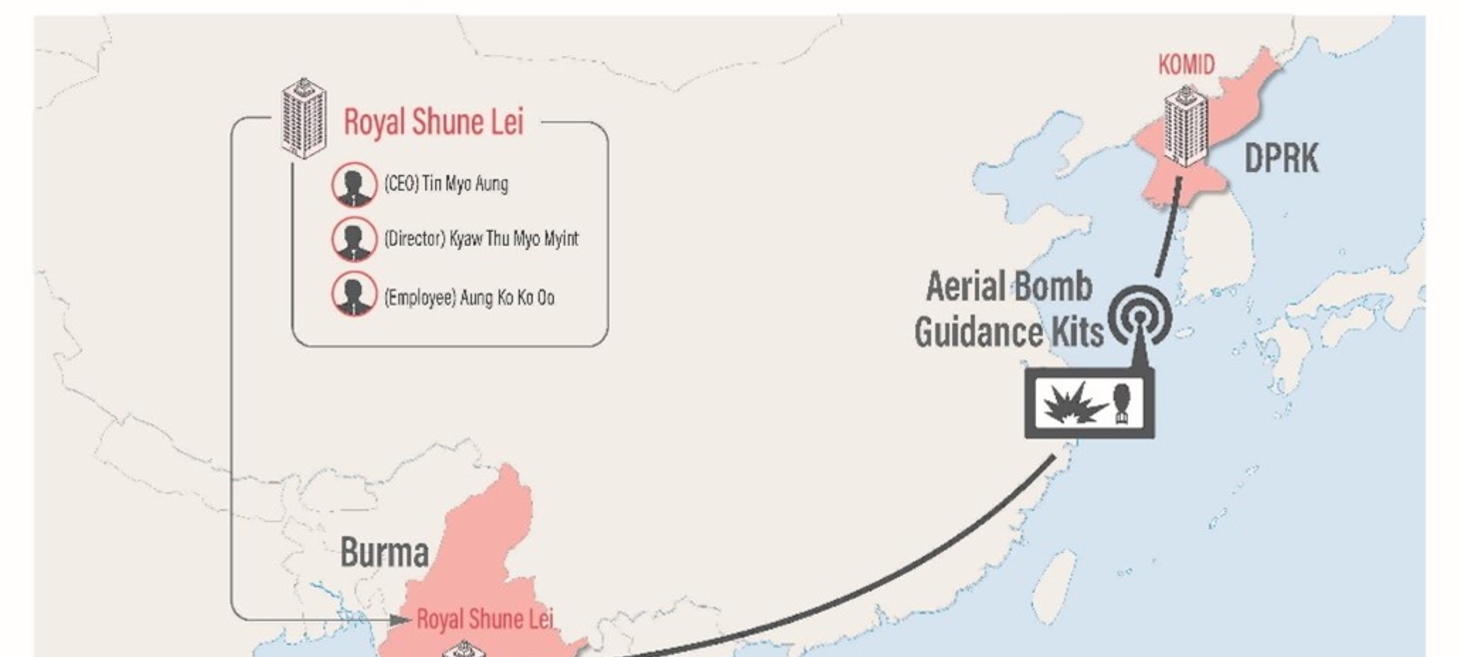
US sanctions Myanmar arms broker linked to North Korea weapons network
The United States imposed sanctions on Royal Shune Lei, a Myanmar arms broker, based on its connection to a North Korea weapons network. This action followed previous accusations in 2022 that Royal Shune Lei had facilitated arms transfers from North Korea, thereby violating UN sanctions. The company's ties were specifically documented by a map produced by the US Treasury Department, which showed Royal Shune Lei Company’s links to the North Korean arms manufacturer KOMID.
myanmar-now.org
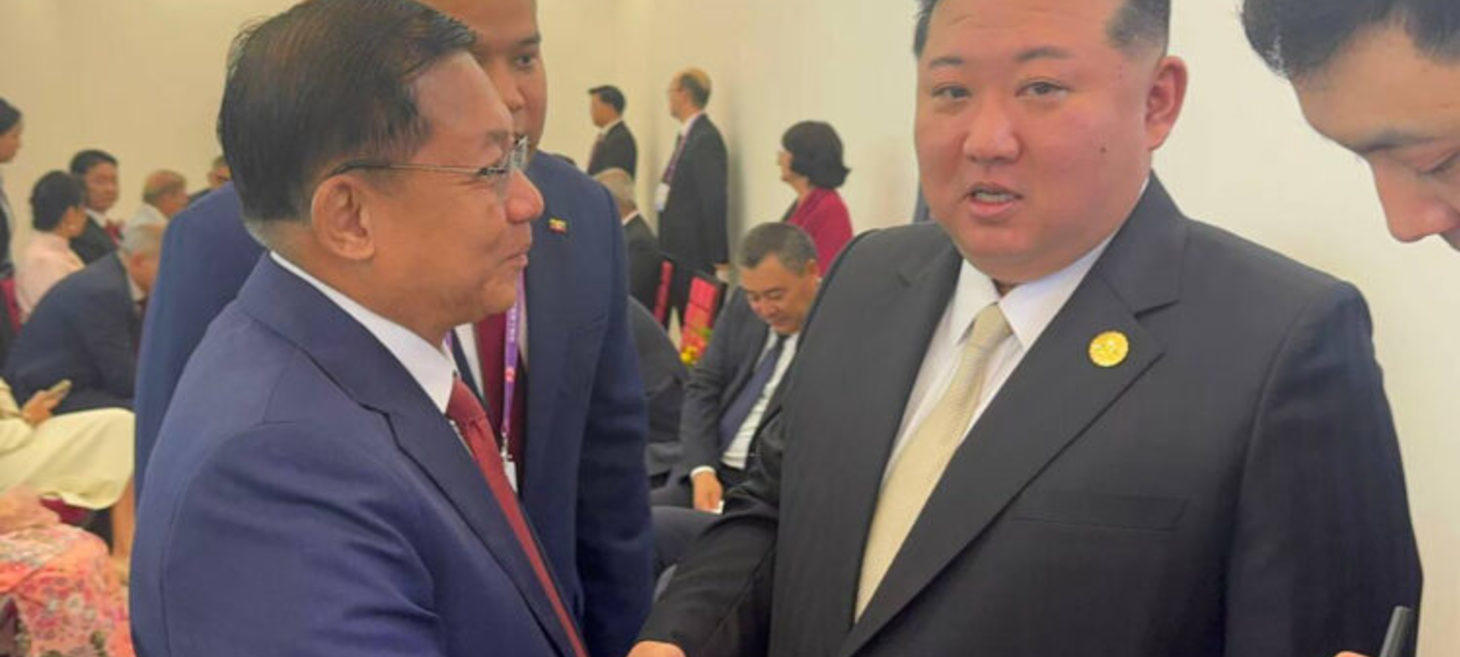
US Sanctions Myanmar-N. Korea Arms Procurement Network
The US Treasury Department announced sanctions against what it described as a "Myanmar arms procurement network," comprising Royal Shune Lei Co. Ltd, three of its local staff, and a North Korean individual associated with the sanctioned entity Korea Mining Development Trading Corporation (KOMID), for facilitating illicit weapons deals between the Myanmar military junta and North Korea. This network, which highlights the robust and opaque defense cooperation between Myanmar and North Korea dating back to the early 2000s, facilitated the sale of equipment such as aerial bomb guidance kits, bombs, and airborne monitoring equipment to the junta's Myanmar Air Force. The purpose of these actions is to disrupt ongoing weapons sales to Myanmar and cut off a vital funding stream supporting the North Korean government’s weapons of mass destruction and ballistic missile programs.
irrawaddy.com
Telecommunications

Leaked Files Reveal China’s Role in Aiding Myanmar Junta Surveillance
Leaked documents suggest that Beijing has been supplying Myanmar’s military junta with sophisticated surveillance technology, primarily through the Chinese company Geedge Networks, which provided hardware and expertise enabling authorities to monitor communications, track locations, block VPNs, and intercept Viber calls. The deployment of these systems has facilitated severe human rights abuses, resulting in Myanmar being ranked among the world’s most repressive information environments and contributing to nearly 1,500 arrests for online posts and the capture and execution of democracy activists. Consequently, reports accuse Beijing of helping the junta build a “Great Firewall” and urge international sanctions against Geedge Networks and its leadership due to the company's potential complicity in crimes against humanity.
hklabourrights.org
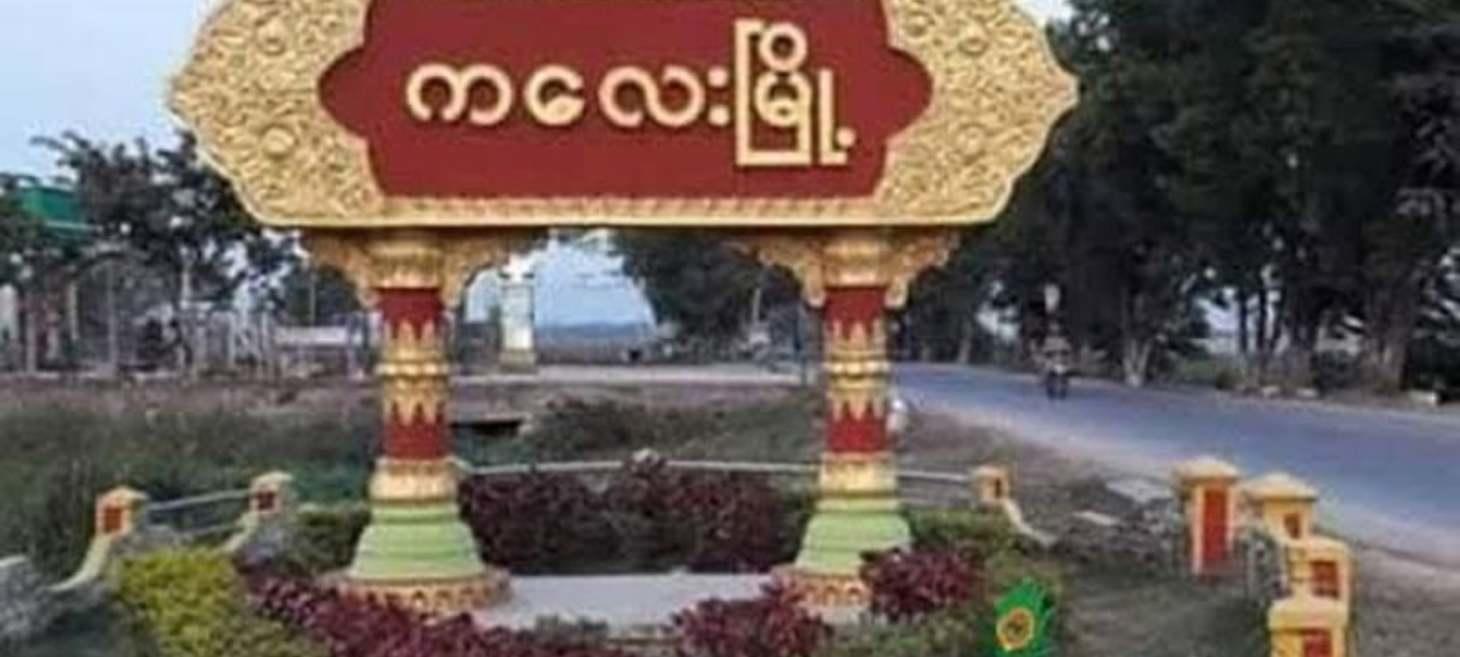
Residents struggle with phone and internet blackout for nearly two weeks in Myanmar’s Kalay Township
Residents of Kalay Township, Sagaing Region, are struggling with severe disruptions to their daily lives—including challenges in healthcare, business, and obtaining necessities—due to phone and internet outages that began on September 13, causing phone calls to connect without audible voices and text messages to cease functioning. The communication blackout, which has left U9 Myanmar (formerly Ooredoo) and MPT networks down, comes amid intense fighting in the northern part of the township, leading locals to suspect the military may have cut communication lines to restrict news access. In contrast, others claim the disruption resulted from a damaged Ooredoo and MPT cable along the Kalaywa–Ye-U road. Adding to these difficulties, which include long waits for overcrowded money transfer services and limited covert Starlink access, the situation highlights that Myanmar ranks as the world’s second-most affected country for internet shutdowns, a practice the National Unity Government (NUG) condemns as a weapon to deny citizens access to information and freedom of expression.
mizzima.com