Introduction & Analysis
This collection of open-source English-language news articles published over the past week highlights significant events and issues concerning Myanmar. They present a snapshot of the country's safety and security landscape.
- The Myanmar junta is leveraging its diminished territorial control to tighten its grip on power by strategically loosening political party requirements for its controversial upcoming elections, while simultaneously enacting severe laws—including the possibility of the death penalty—to suppress dissent and charge those, including minors, who attempt to disrupt the polls.
- The country faces a profound humanitarian and economic collapse characterized by a massive surge in poverty, unemployment, and begging, coupled with a hunger crisis affecting millions, which is exacerbated by the junta’s import restrictions driving soaring commodity prices and threatened by large US aid cuts projected to cause up to 200,000 excess deaths.
- Internal conflict remains intense, marked by relentless junta atrocities—including systematic aerial bombings, ground offensives, and targeted attacks on civilian locations and resistance forces—as well as complex geopolitical violence along the Bangladesh border, where the Arakan Army (AA) accuses Bangladeshi officials of inciting attacks by Rohingya insurgent groups like ARSA and RSO against AA bases.
- While strengthening military and strategic cooperation with Russia (e.g., Min Aung Hlaing attending the World Atomic Week Forum) and China (including a naval delegation visit), the regime is also dealing with large-scale transnational criminality, evidenced by the public trial of the Bai family criminal group in China and reports detailing widespread human trafficking into Myanmar scam centers facilitated by alleged collusion from foreign airport officials.

Conflict
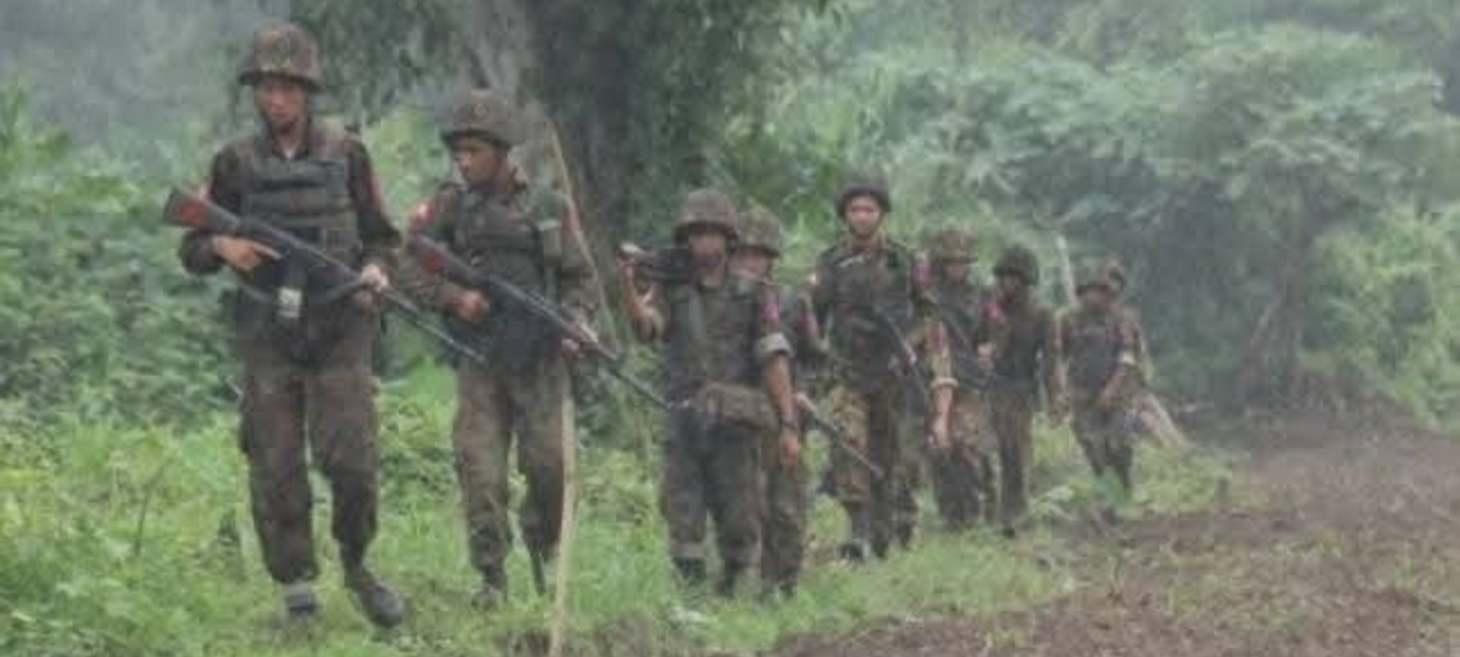
Junta Troops Stationed in Ywangan, Beatings and Property Seizures Reported
Since September 12, approximately 100 troops from the Myanmar Military Commission have been operating in the Kyauk Nget and Ah Lel Chaung village tracts of Ywangan Township, southern Shan State, where they are reportedly beating, interrogating, threatening villagers, seizing property, and forcing locals to provide food and supplies. These daily operations include using pro-junta Pyusawhtee militia for forest patrols, raising safety concerns for over 200 displaced people in Min Plaung village, and arresting eight men and two women in Ah Lel Chaung village on September 14 as a means to pressure families of revolutionary forces. Such repression occurs amidst frequent clashes between the military and local forces, which follows earlier incidents in August when airstrikes on nearby villages destroyed homes and displaced over 800 locals.
shannews.org
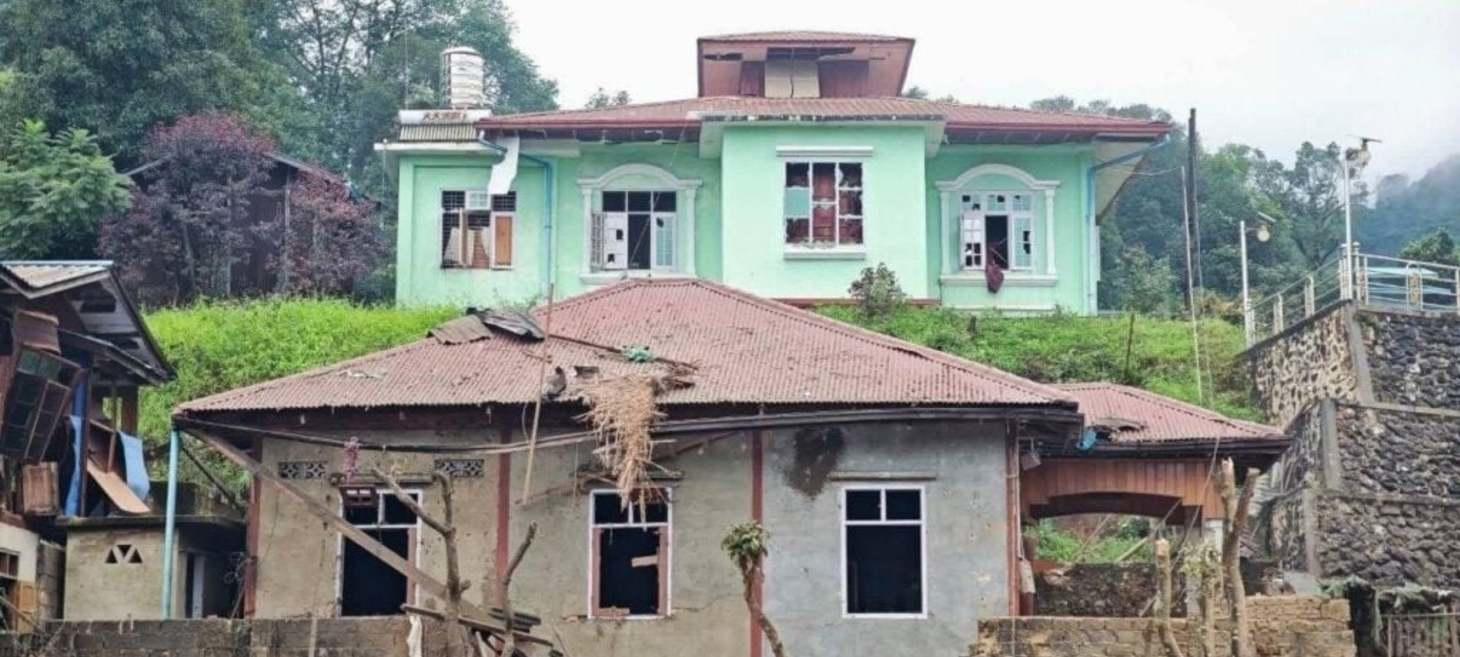
Myanmar Military Conducts Airstrikes on TNLA-Held Mongkut, Damaging Homes
The Myanmar military conducted airstrikes on September 16, 2025, targeting the Ta’ang National Liberation Army (TNLA)-controlled Mongkut town in Shan State, where the dropping of two 250-pound bombs damaged at least five homes and injured one woman. These strikes are part of a reported increase in airstrikes in TNLA-controlled areas—including Mongkut, Kyaukme, and Hsipaw—since military leader Min Aung Hlaing returned from China, following a prior bombing on August 14 in the same neighborhood that killed 20 civilians, including 16 women and several children. Analysts suggest that the military may be attempting to retake TNLA-controlled areas along the Namhkam–Mongkut road before the December polls, despite Mongkut being excluded from constituencies scheduled for the upcoming elections, unlike Kyaukme and Hsipaw.
shannews.org

Myanmar bishop says civilians suffering as civil war continues
Bishop Peter Tin Wai of Myanmar’s Rakhine state has drawn attention to the struggles and suffering of civilians as the ongoing civil war wreaks havoc and claims lives across his diocese, which covers nearly the entire territory of the state in western Myanmar. The intense fighting between the Burmese regular army and the Arakan Army (AA)—an ethnic armed group controlling 14 of 17 municipalities—has included recent tragedies such as a September 12 airstrike by the Burmese army that targeted two private schools in Kyauktaw, killing 20 young people between the ages of 15 and 21. With the Burmese army resorting to aerial bombings that hit civilian homes, the resulting crisis involves displacement, a severe shortage of rice, lack of education and health care, communication cutoffs, and an education system in crisis, leading people to be "just trying to survive".
cathnews.com
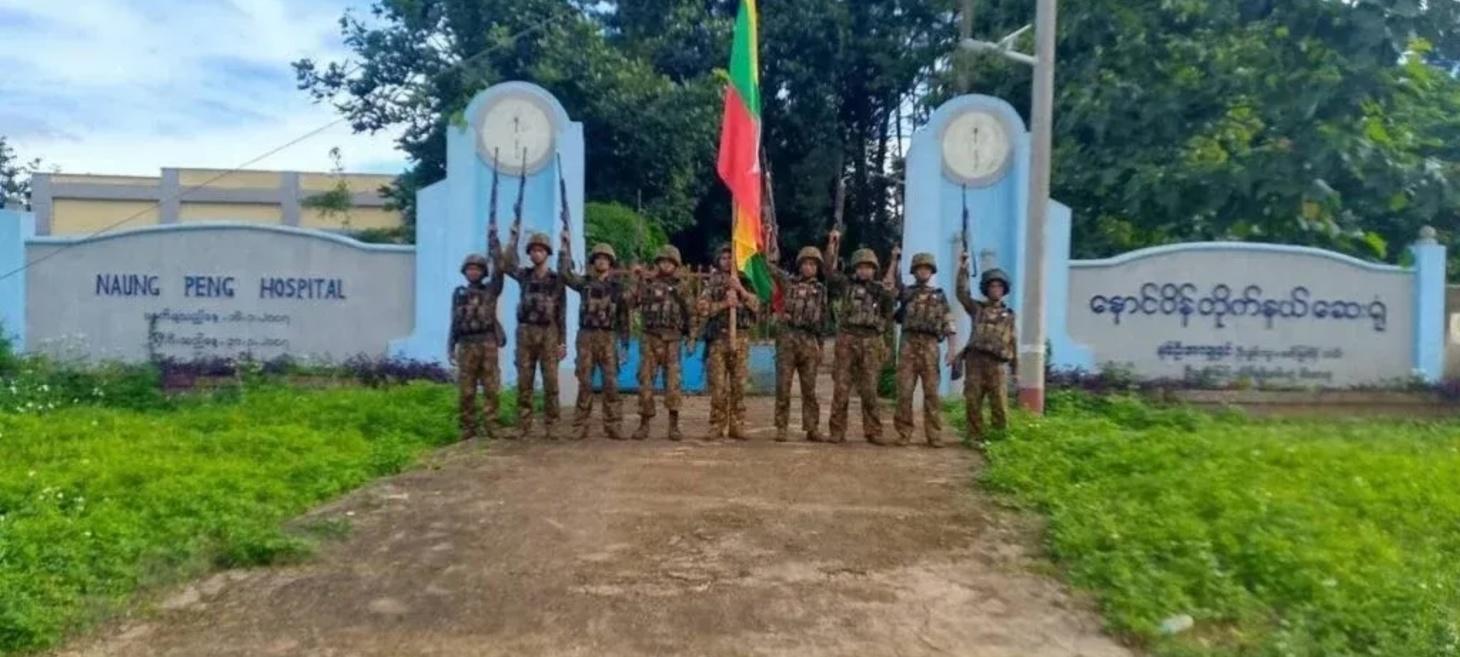
Junta Troops Beat Civilian, Loot Homes, and Block IDPs in Nawng Ping
Junta forces have reinforced their positions in Nawng Ping village, Kyaukme Township, utilizing a temporary Bailey bridge built after the Gote Hteik Bridge was destroyed to enable troop movements toward a planned major ground offensive on Kyaukme town. Amid these operations, locals report that troops from Light Infantry Division 11 have engaged in atrocities, including looting homes of valuables such as refrigerators and motorbike parts, and brutally assaulting a man who tried to retrieve his belongings. Consequently, displaced villagers are strictly prohibited from returning to Nawng Ping, compounding the widespread violence in Kyaukme Township that led to 29 civilian deaths, 66 injuries, and over 8,600 displacements between August 18 and 30.
shannews.org
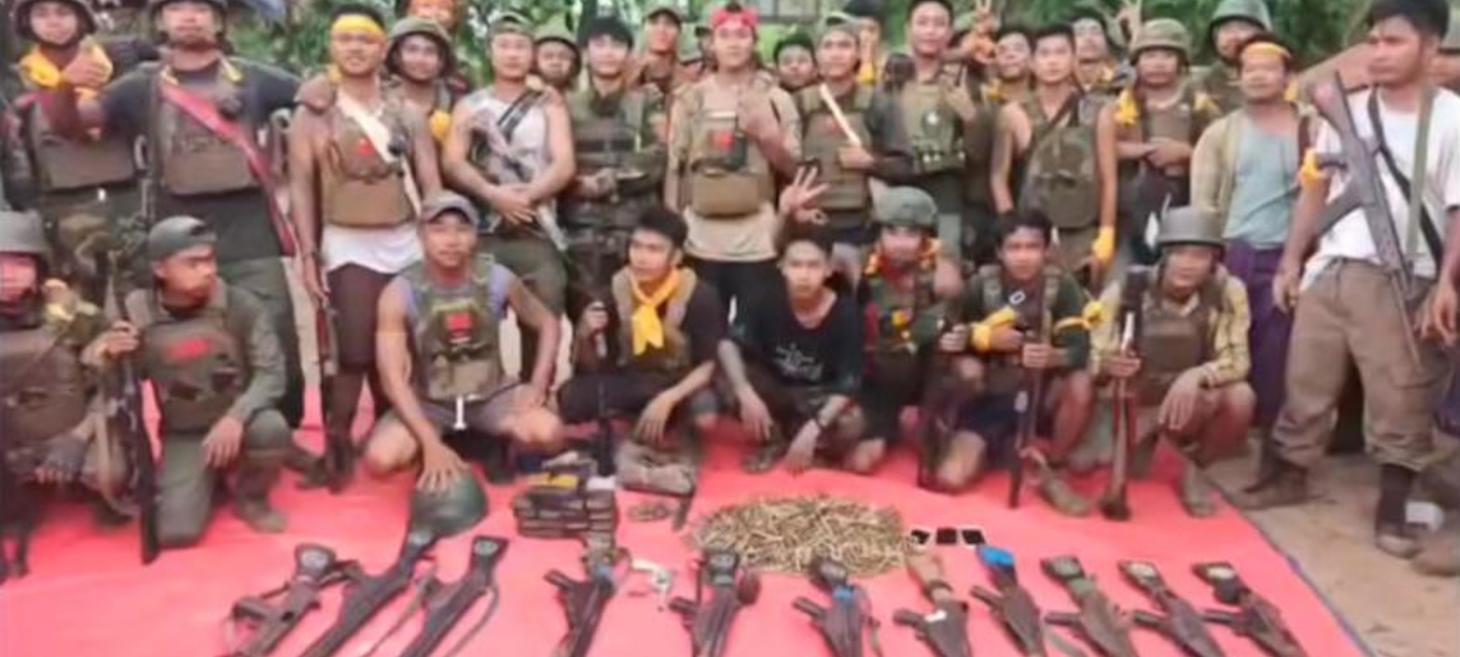
Six Myanmar junta soldiers and police killed in raid on Zigon police station
A surprise guerrilla operation raided the Zigon police station in Kanbalu Township, Sagaing Region, on September 17, resulting in the deaths of six Myanmar junta soldiers and police officers and the seizure of twelve firearms, according to the Sagaing Region People’s Defence Organization. During the approximately 30-minute clash, the People's Defence Organization also captured eleven people alive, including three prisoners, four soldiers/sergeant majors, and the wives and children of soldiers, while police station calls for reinforcements were not answered in time. Following the raid, activist groups urged residents to remain vigilant and monitor military movements closely, warning that troops arriving later might launch arson attacks, carry out arrests, and commit killings against the local population.
bnionline.net
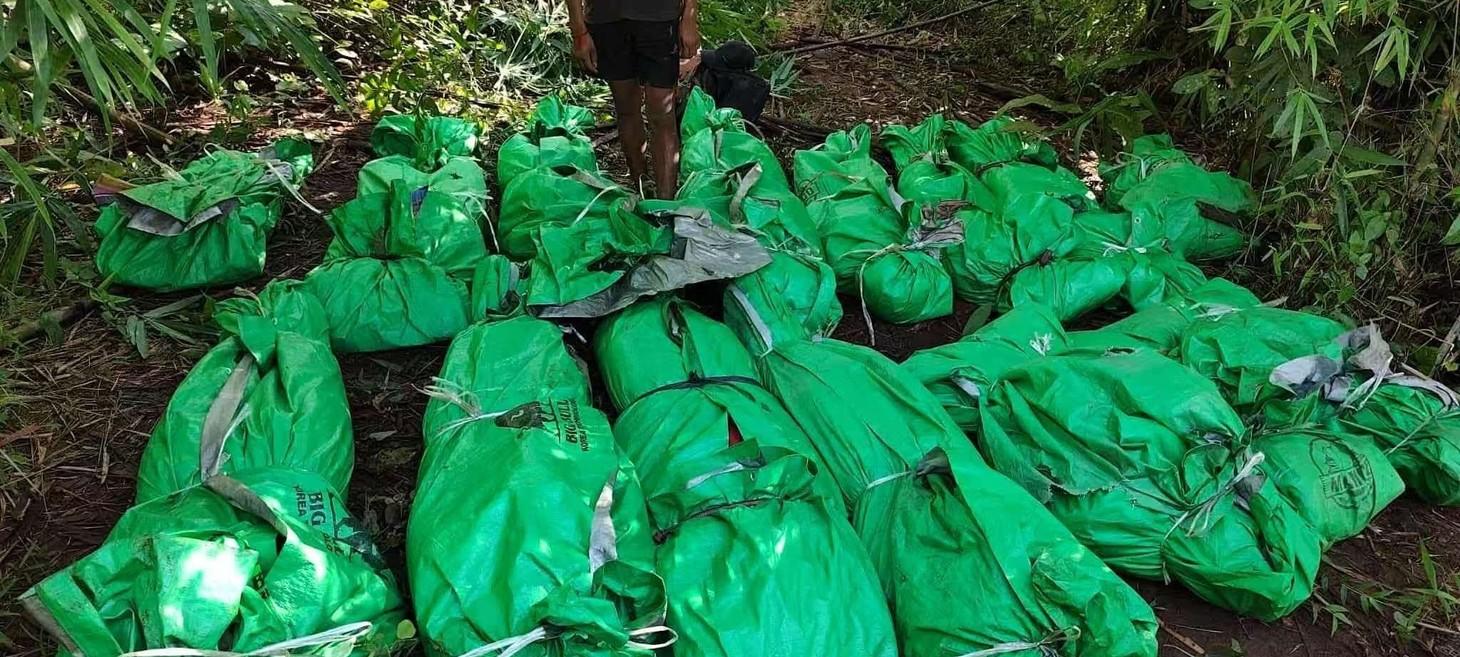
Regime informants suspected in deadly attack on KIA camp
A deadly attack occurred on a KIA camp in Kachin State’s Shwegu Township on September 17, resulting in the deaths of at least 20 KIA recruits due to junta airstrikes. Sources indicated that regime informants are suspected in this deadly attack on the camp. This suspicion arose because the precision of the airstrikes strongly suggests that the military had knowledge of the camp’s exact location.
myanmar-now.org
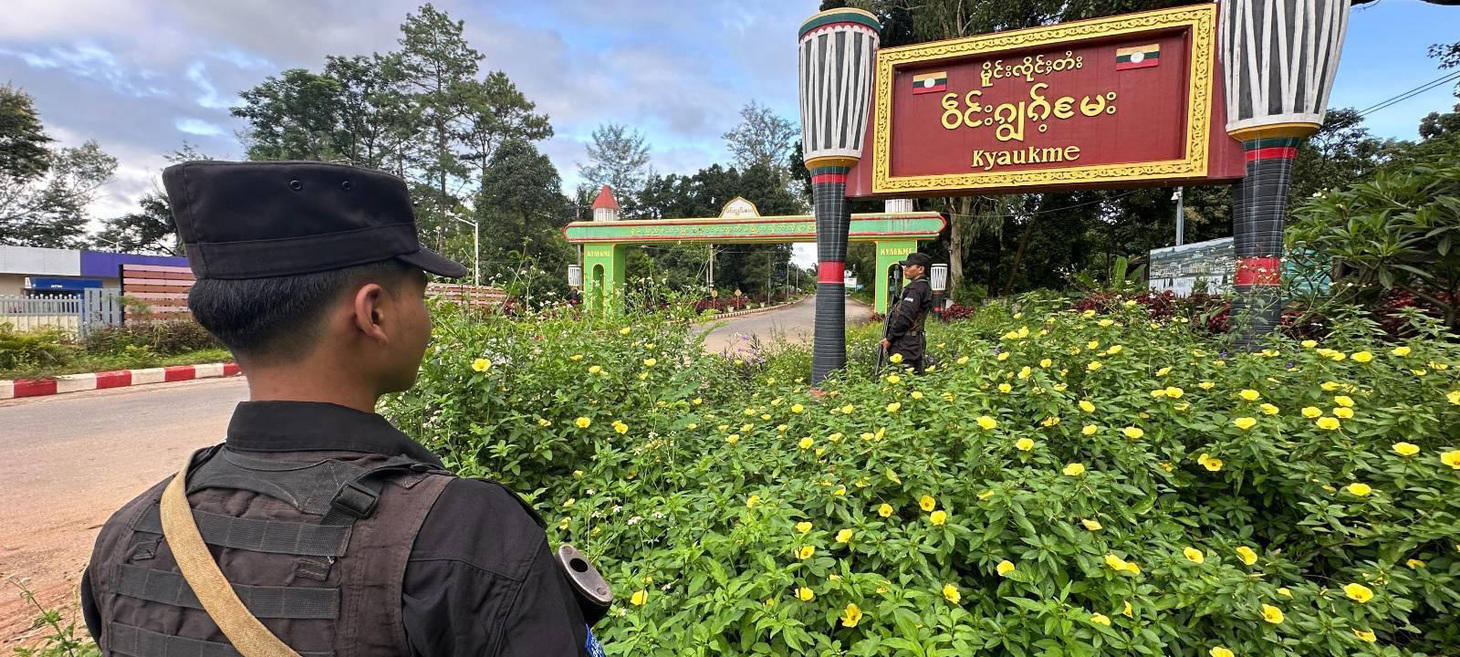
Junta troops push toward Kyaukme amid heavy clashes with TNLA
Junta troops are currently pushing toward Kyaukme in northern Shan State, facing heavy clashes with resistance forces, including the Ta’ang National Liberation Army (TNLA). Resistance forces are trading ground with these advancing troops, and the conflict has resulted in civilians being killed and wounded due to the use of drone strikes, air raids, and landmines. This report, written by Kyaw Zin Win and published on September 23, 2025, provides crucial coverage of the ongoing situation in northern Shan State.
myanmar-now.org
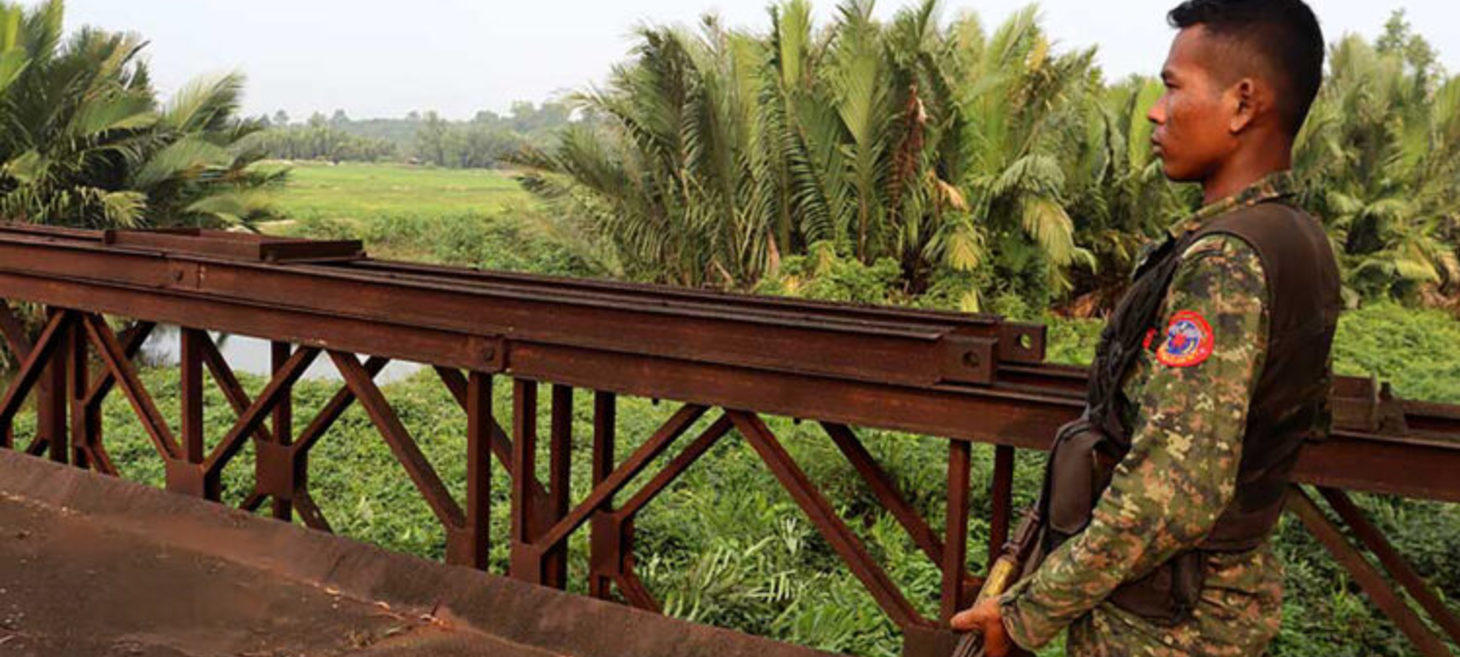
AA Chief Accuses Bangladesh Officials of Inciting Rohingya Insurgent Attacks
AA C**Arakan Army (AA) Commander-in-Chief Major General Tun Myat Naing accused elements within Bangladesh’s border security forces of backing coordinated insurgent attacks launched by fighters from the Arakan Rohingya Salvation Army (ARSA) and the Rohingya Solidarity Organization (RSO) against an AA base in Maungdaw Township on September 18. The AA chief claimed that Bangladeshi officials directly instructed these Muslim militants to attack AA positions near the border, such as Taungpyo, despite the AA controlling nearly all of Rakhine State, including the entire 271 km border with Bangladesh. The AA stated that ARSA and RSO exploit the long, porous border to infiltrate Maungdaw where they allegedly kill civilians, abduct non-Muslim locals for ransom, and spread misinformation, while both groups have reportedly been fighting alongside the Myanmar junta against the AA.
irrawaddy.com
Cybersecurity & Cybercrime
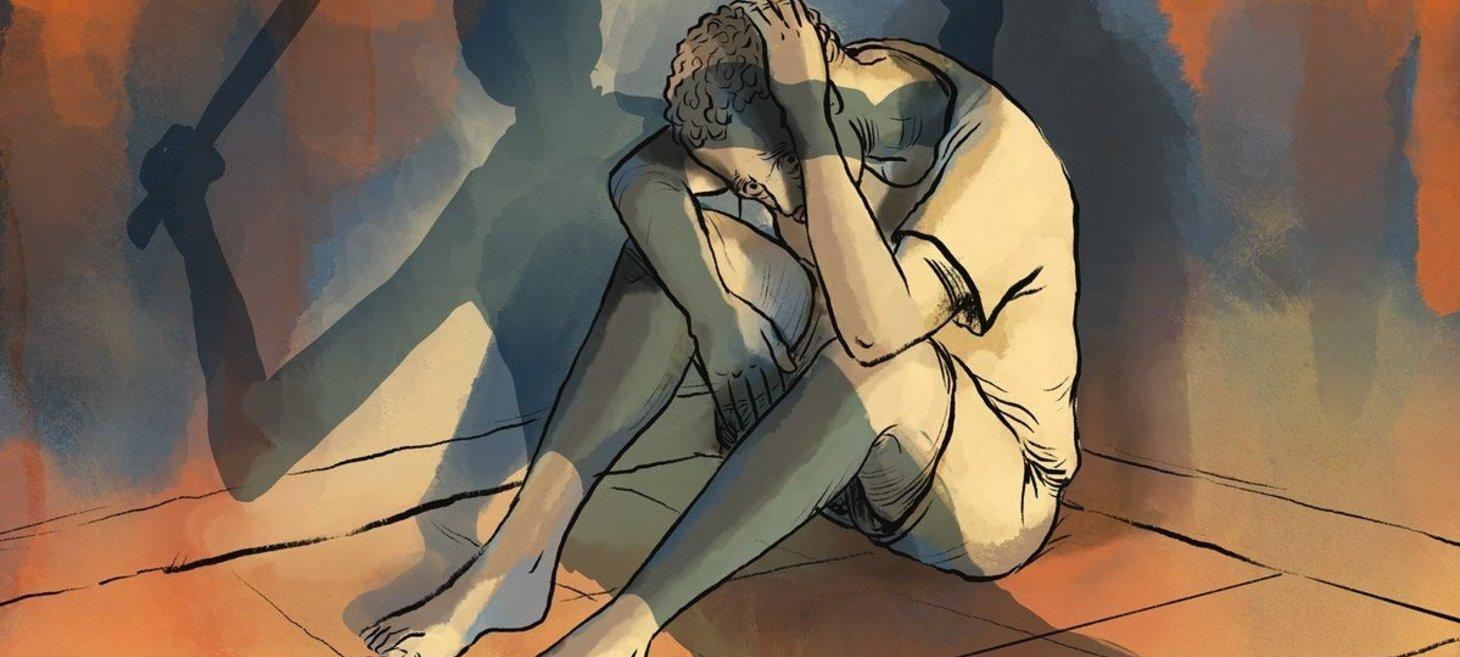
A look at life in online scam compounds run by Chinese gangs on the Myanmar-Thai border
A multibillion-dollar fraud industry has emerged across Southeast Asia, operating primarily from compounds like Myanmar's KK Park run by Chinese criminal gangs, which relies on victims of trafficking often routed through Thailand with the alleged involvement of purported immigration officials, as demonstrated by the experience of I.T. consultant Oly. Once confined behind high walls and barbed wire, thousands of trafficked individuals are forced to work long hours—up to 17 to 20 hours per day—impersonating characters online to lure strangers into fake investment schemes, facing brutal punishments like electric shocks, isolation, and beatings if they fail to meet high financial targets. Although a crackdown prompted the release of some workers, including Oly, who spent time in unsanitary, militia-run "rescue camps," thousands of people remain in the fraud centers in Myanmar, while those who are repatriated often return home having lost their jobs and struggling with the aftermath.
reuters.com

Wave Money warns of AI-fake transfer receipts
Wave Money issued a warning on September 23, 2025, advising customers to be aware of scams utilizing fake money transfer receipts and transaction screenshots generated with the help of AI tools. To avoid these scams and protect their funds, Wave Money emphasized that customers should always check their transaction history immediately after receiving a money transfer to verify its authenticity. If customers suspect money fraud or encounter a threat, they are urged to report the incident to their respective banks or mobile money service centers, or call the Wave Money call center at 09 790009000 (or dial 900 for Atom phone numbers).
gnlm.com.mm
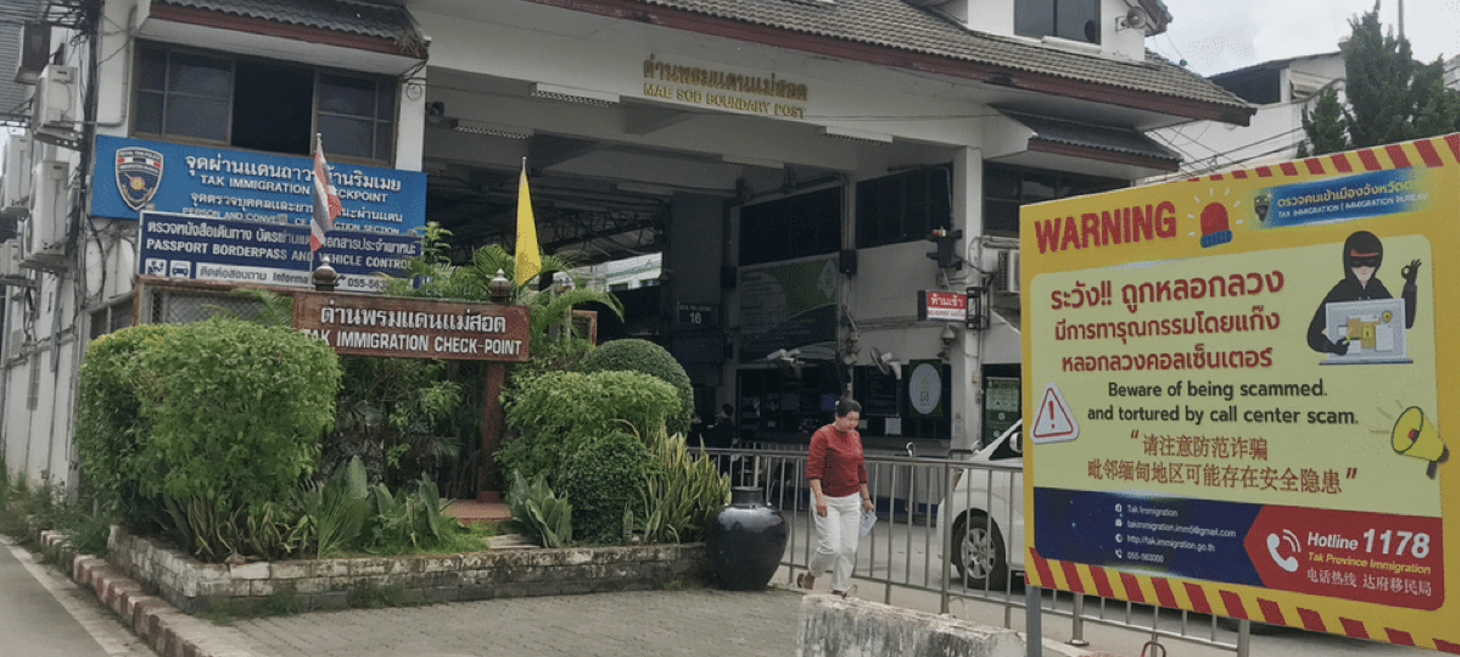
Myanmar scam centers set daily $50,000 goal – Malaysia humanitarian org
Scam centers in Myanmar are subjecting their "employees" to severe exploitation, demanding they achieve daily targets of up to US$50,000, a significant increase from the previous target of about US$5,000, according to the Malaysia International Humanitarian Organization (MHO). To reach these numbers, victims must scam dozens of people daily, and those who fail to meet their goals face severe punishments, including being beaten up or zapped with Tasers. These abuses appear to be done to instill fear and prevent the victims from attempting to escape or contacting their families or friends for help, as the MHO currently manages about 30 cases involving trapped Malaysians alone.
inquirer.net
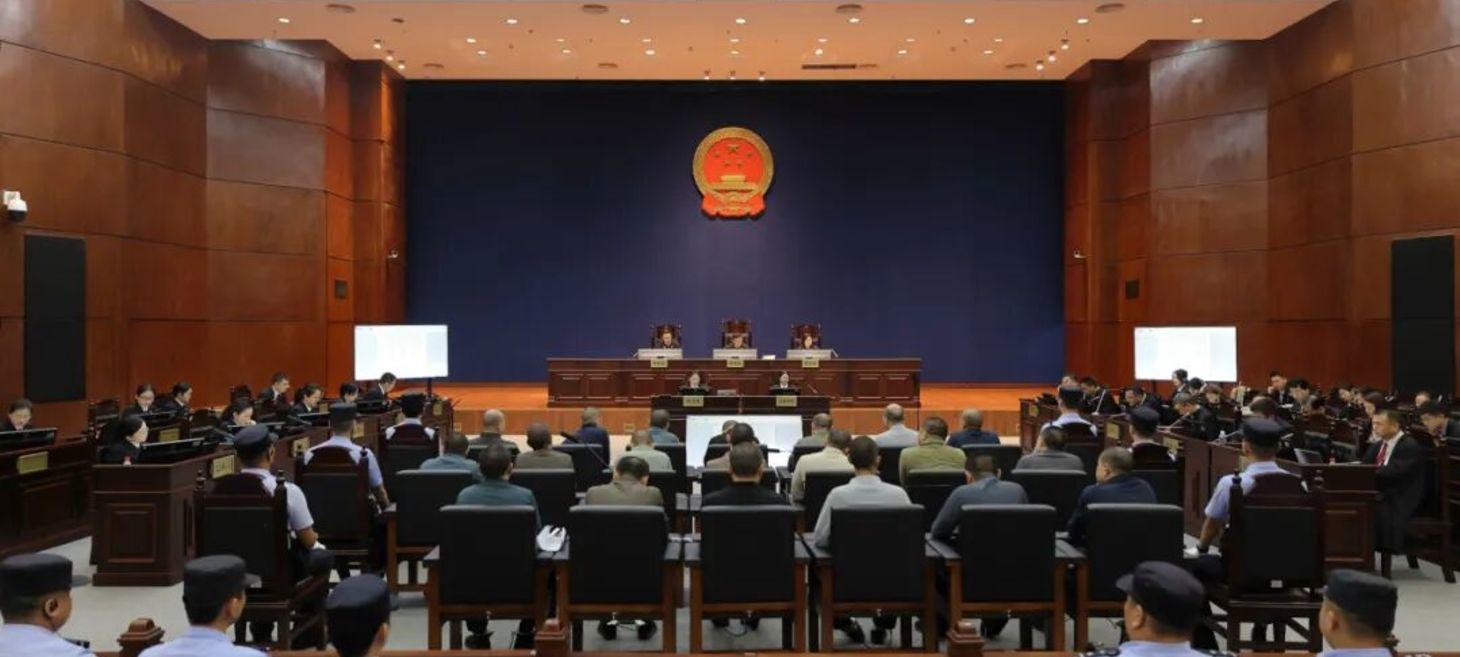
First trial held for Bai family criminal group in Northern Myanmar: report
The Shenzhen Intermediate People's Court in South China’s Guangdong Province held the first public trial from September 19 to 22 for 21 defendants of the Bai family criminal group, including key members Bai Suocheng and Bai Yingcang, who faced 12 charges such as fraud, intentional homicide, and manufacturing approximately 11 tons of methamphetamine. Since August 2009, this criminal group exploited its influence and armed forces in the Kokang region of Myanmar to establish 41 facilities, engaging in criminal activities, including telecommunications network fraud and gambling involving over 20 billion yuan ($2.81 billion), leading to the deaths of six Chinese nationals. After the prosecution and defense presented their arguments and the defendants made their final statements, the court announced a recess and stated that a verdict would be delivered at another date.
globaltimes.cn
Economy
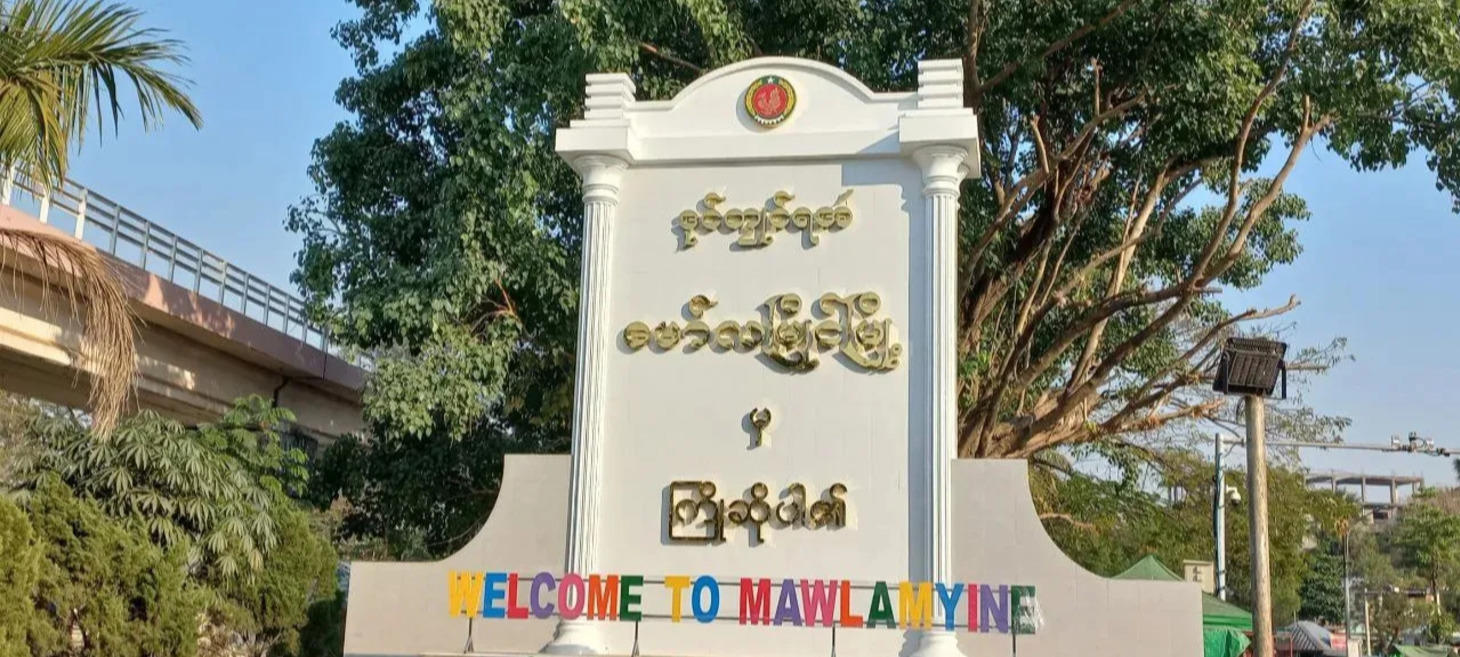
Beggars surge in Mawlamyine
The number of beggars in Mawlamyine, the capital of Mon State, has risen significantly nearly five years after the coup, with children constituting the largest proportion, though middle-aged and elderly individuals are also found begging at busy intersections, markets, and crowded streets. Residents have reported the number reaching an unprecedented level, expressing shock at seeing "neat and tidy people" who seemed unlikely to be beggars now resorting to approaching others, pleading for money, and sharing their hardships. This surge is attributed to increasingly difficult living conditions since the coup, including skyrocketing commodity prices, rising unemployment, and a lack of job opportunities, coinciding with a period where the junta has prioritized military spending over public welfare, leading to around 16.7 million people in Myanmar facing a hunger crisis.
bnionline.net
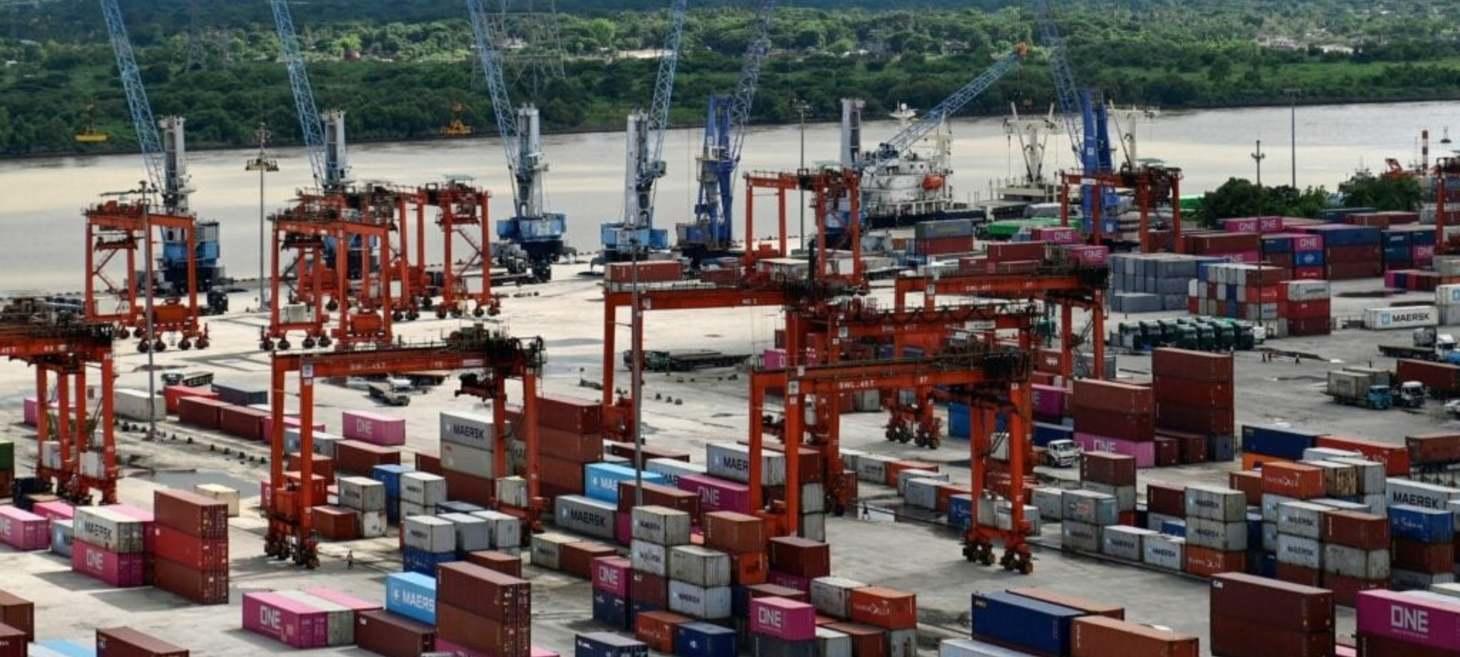
Q&A: ‘Policies will have to change’
The Myanmar junta implemented additional restrictions on imports, domestic cargo transport, express delivery, and air freight services in August 2025, leading to severe shortages of goods and causing sharp price increases for ordinary consumers. These limitations, viewed as an attempt to cut off supplies to resistance groups, have contributed to disruptions along traditional land routes and spurred a shift toward maritime trade, while also causing goods shortages that drive up consumer prices despite a relatively stable market exchange rate for the dollar. Economic analysts emphasize that the current restrictive policies cannot be sustained and must be reformed by the next civilian government, which will need to focus on restoring free trade and implementing practical measures to boost foreign currency inflows, such as facilitating remittances from workers abroad.
frontiermyanmar.net

For Myanmar’s Garment Sector, Tariffs are a Setback, not a Knockout Blow
The Trump administration announced steep revised “reciprocal” tariffs in late July, setting Myanmar’s rate at 40 percent—among the highest in the world—which presents a significant challenge to the garment sector that accounts for most of the country’s US exports and will likely lead to some order cancellations and factory closures. Despite these tariffs, the near-term pain for the garment sector will probably be limited, largely because the industry has long focused on EU and Asian markets, and its exports to the US had already declined significantly in recent years, falling from US$820 million in 2022 to just US$488 million in 2024. Due to factors like ultra-low wages, unused industrial capacity, and duty-free access to the EU market, the new US tariffs are viewed as potentially more of a setback than a knockout blow, though the sector also faces serious complexities stemming from political instability and concerns over labor rights.
fulcrum.sg
Elections

Myanmar Military Loosens Political Party Requirements Ahead of Contentious Election
Myanmar’s military administration has loosened requirements for political parties competing in its controversial upcoming election by amending Section 12(a) of the Political Parties Registration Law to lower the mandatory participation threshold from half of all legislative seats to a quarter. This change is a telling concession to the ongoing conflict and the difficulty of holding a “nationwide” election, as anti-regime groups have seized large swathes of territory, demonstrated by the fact that a recent census could only be completed in 145 of the country’s 330 townships. As the junta prepares for phased elections in December and January, it has simultaneously prepared a legal framework designed to prevent the polls from veering off script, including enacting a law that imposes severe punishments, such as the death penalty, for anyone opposing or disrupting the elections.
thediplomat.com
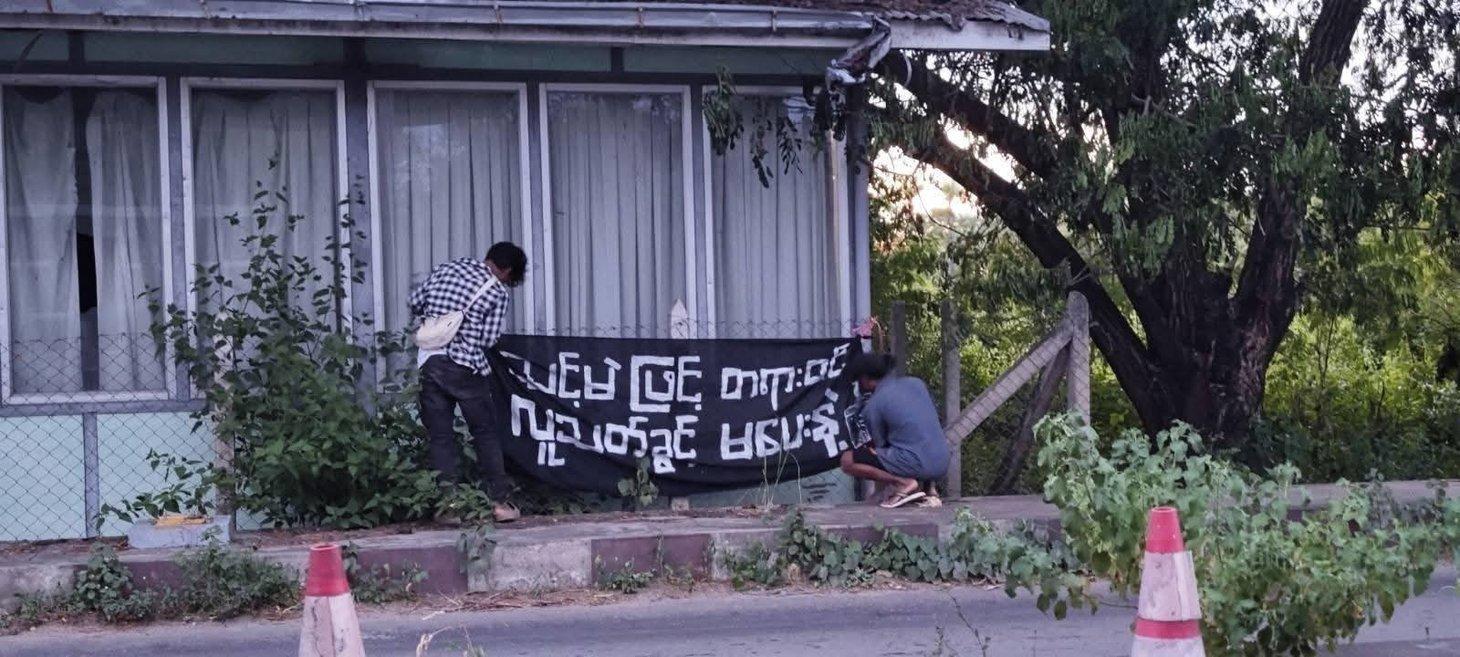
Myanmar junta charges nine people, including 14-year-old, for alleged election disruption
The Myanmar junta arrested and charged nine residents from Loikaw and Yangon, including a 14-year-old boy, on September 23, accusing them of attempting to disrupt the upcoming election by organizing protests, writing letters, and posting opposing messages on social media and in public spaces. The detainees include minors Htun Nay Oo Hlaing (14), Phyo Paing Zay Aung (16), and Aung Naing Lin (17) from Loikaw, Karenni State, while those arrested in Yangon face charges under Section 23(a) of the Law on the Protection of Multiparty Democratic Elections from Obstruction, Disruption and Destruction. Section 23(a), which was enacted in late July and under which three cases were filed by early September, carries potential penalties of three to seven years in prison and a fine, with the death penalty possible if disruption results in fatalities, and the maximum seven-year sentence has already been imposed on one resident for criticizing the planned election.
bnionline.net
Ethnic Issues
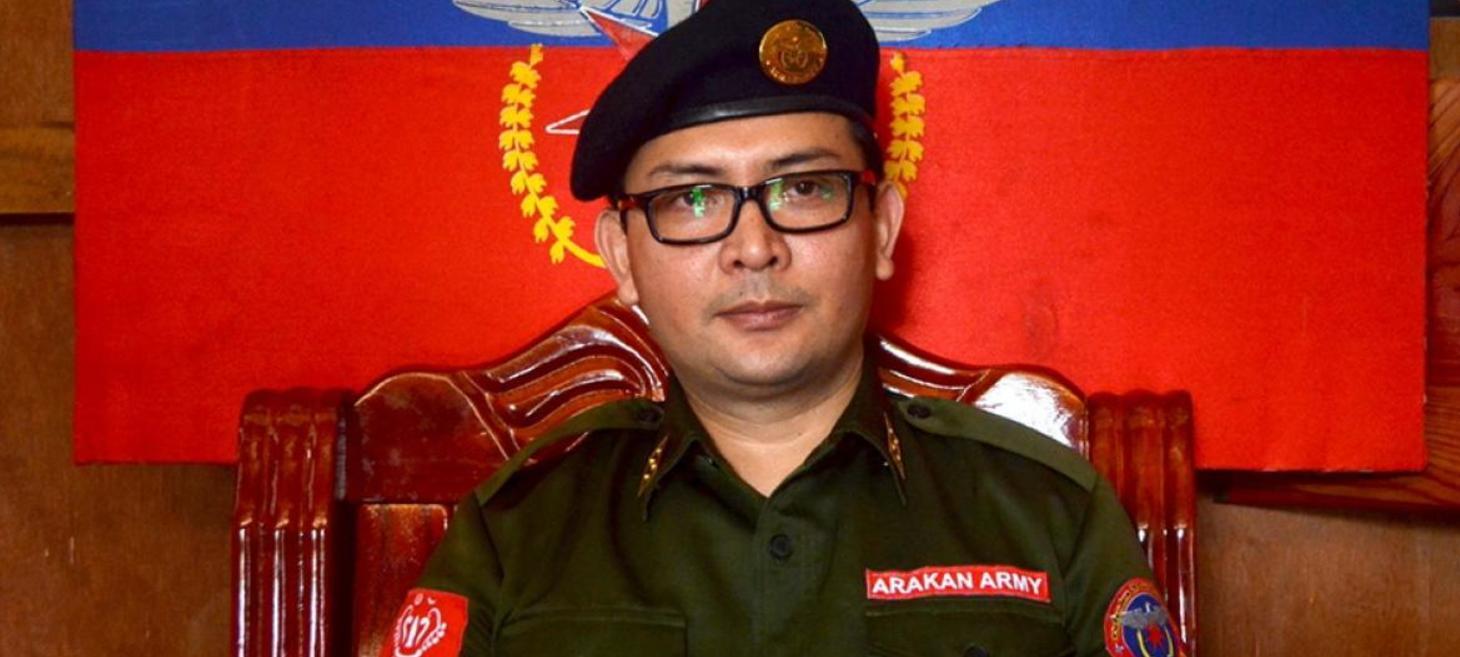
GENERAL TUN MYAT NAING’S HOMECOMING: Loads of challenges await the Rakhine leader
General Tun Myat Naing, the ULA/AA leader, returned to his homeland, Rakhine or Arakan State, on June 6, 2025, marking what he called a "big turning point" in their revolutionary journey which required years of preparation and training of special forces. Upon his homecoming, General Tun Myat Naing identified his organization’s most daunting challenges as achieving racial harmony, fighting Muslim fundamentalist groups like the Arakan Rohingya Salvation Army (ARSA) and the Rohingya Solidarity Organization (RSO) along the border, and managing the repatriation of the Rohingya, all while the Rakhine population faces dire hardship and fierce battles during the ongoing civil war. Currently, the AA is fighting the Burmese military junta and Islamic extremist groups who are allegedly backed by the Bangladesh Border Guard, simultaneously navigating accusations of drug trafficking and facing "lawfare" in the form of false narratives about human rights violations, while high hopes are placed upon him to lead the countrywide people’s revolution and potentially become a national leader.
shannews.org
Foreign Affairs
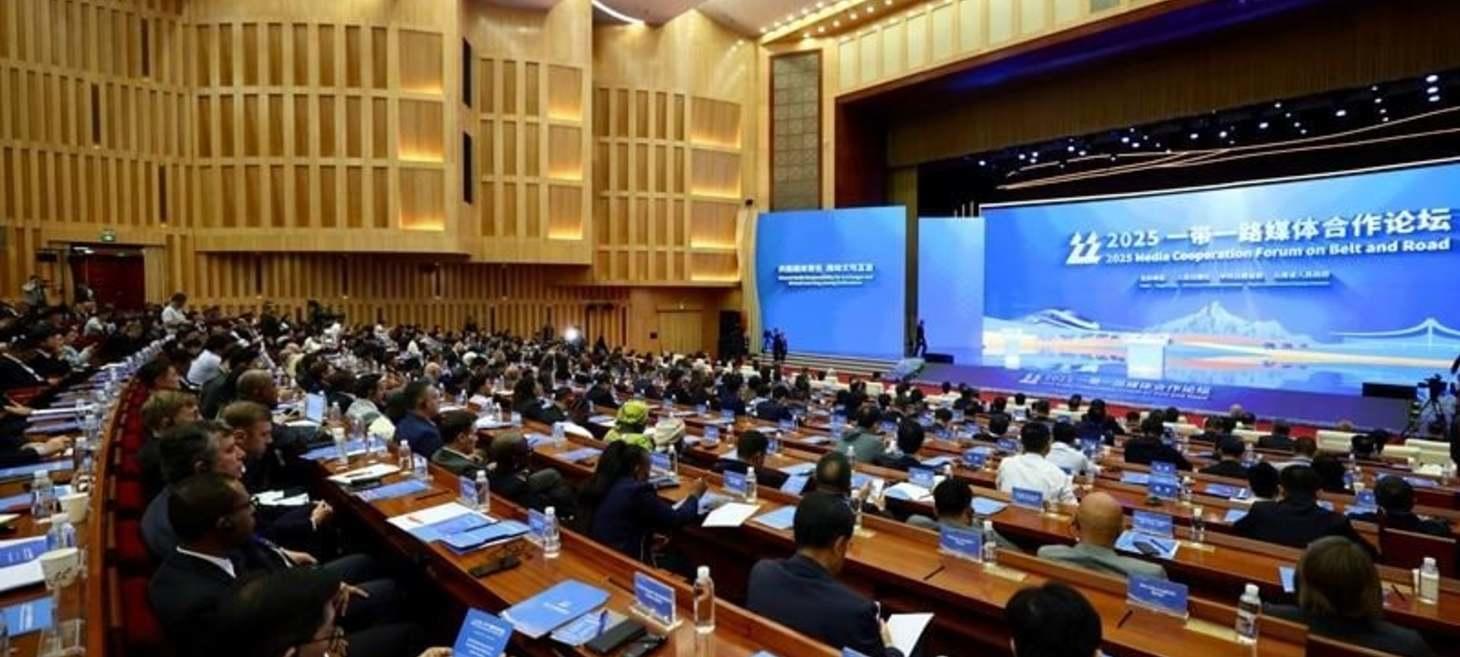
China Hosts Media Forum in Yunnan, Draws Criticism in Myanmar
China hosted the 2025 Media Cooperation Forum on the Belt and Road Initiative (BRI) in Kunming, Yunnan Province, drawing over 200 representatives, including Myanmar social media personalities Dr. Sein Phyo Hlaing and Yi Yi Pwint Phyu, whose attendance sparked immediate criticism inside Myanmar. Critics argue that the participation of these online influencers risks legitimizing Beijing’s BRI projects, which are opposed in Myanmar due to widespread concerns over environmental damage, land confiscation, and ongoing conflict in areas slated for development, such as northern Shan State. Their involvement, which followed junta leader Min Aung Hlaing’s recent signing of infrastructure and trade Memorandums of Understanding (MoUs) with China—including for the controversial Mandalay–Muse railway—fueled speculation about possible business interests tied to the China-Myanmar Economic Corridor (CMEC).
shannews.org
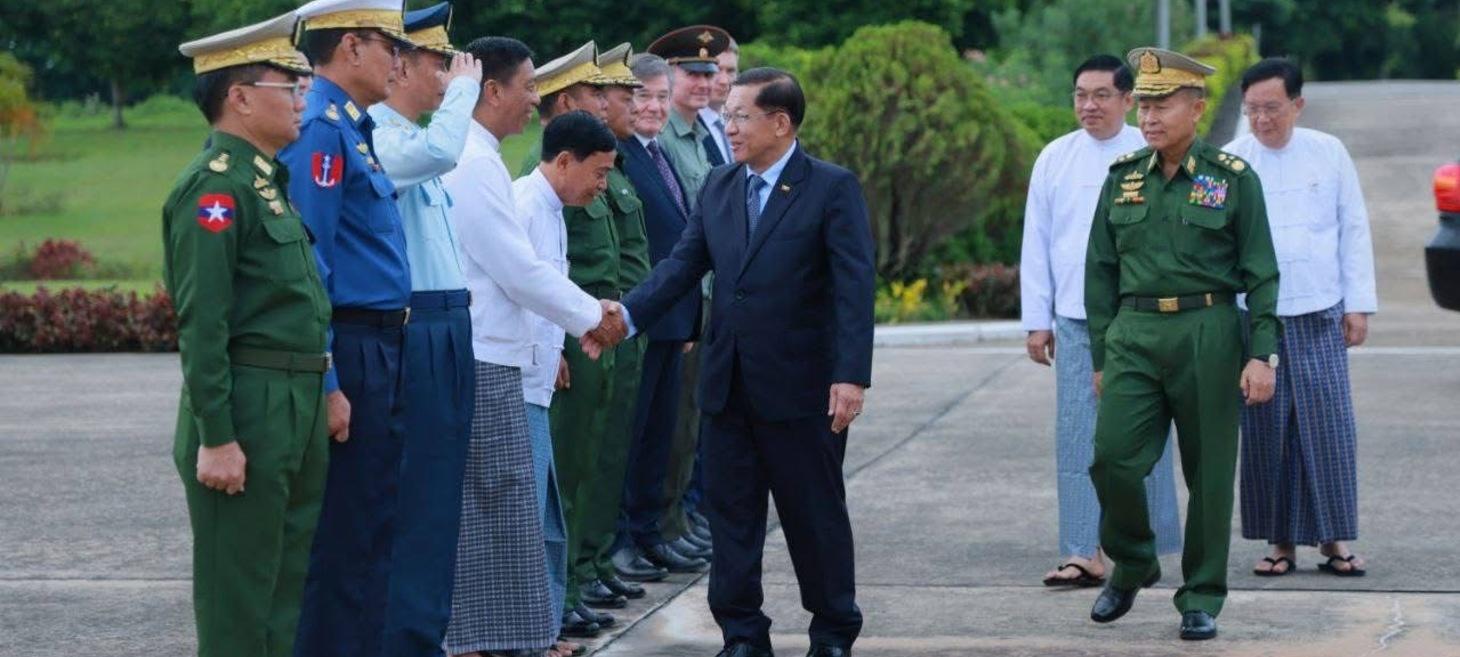
Myanmar's SSPC Chairman begins working visit to Russia for World Atomic Forum
Senior General Min Aung Hlaing, the Acting President and Chairman of the State Security and Peace Commission of Myanmar, departed on September 24, 2025, for a working visit to the Russian Federation to attend the World Atomic Week 2025 Forum in Moscow. This visit was made at the invitation of H.E. Mr. Vladimir Putin, the President of Russia, and includes plans for Senior General Min Aung Hlaing to meet and hold discussions with Russian officials, including President Putin. The aim of the trip is to further strengthen the comprehensive strategic cooperation between the two nations and peoples, enhancing friendship and advancing collaboration in security, economic, and various other sectors.
elevenmyanmar.com
Governance & Rule of Law
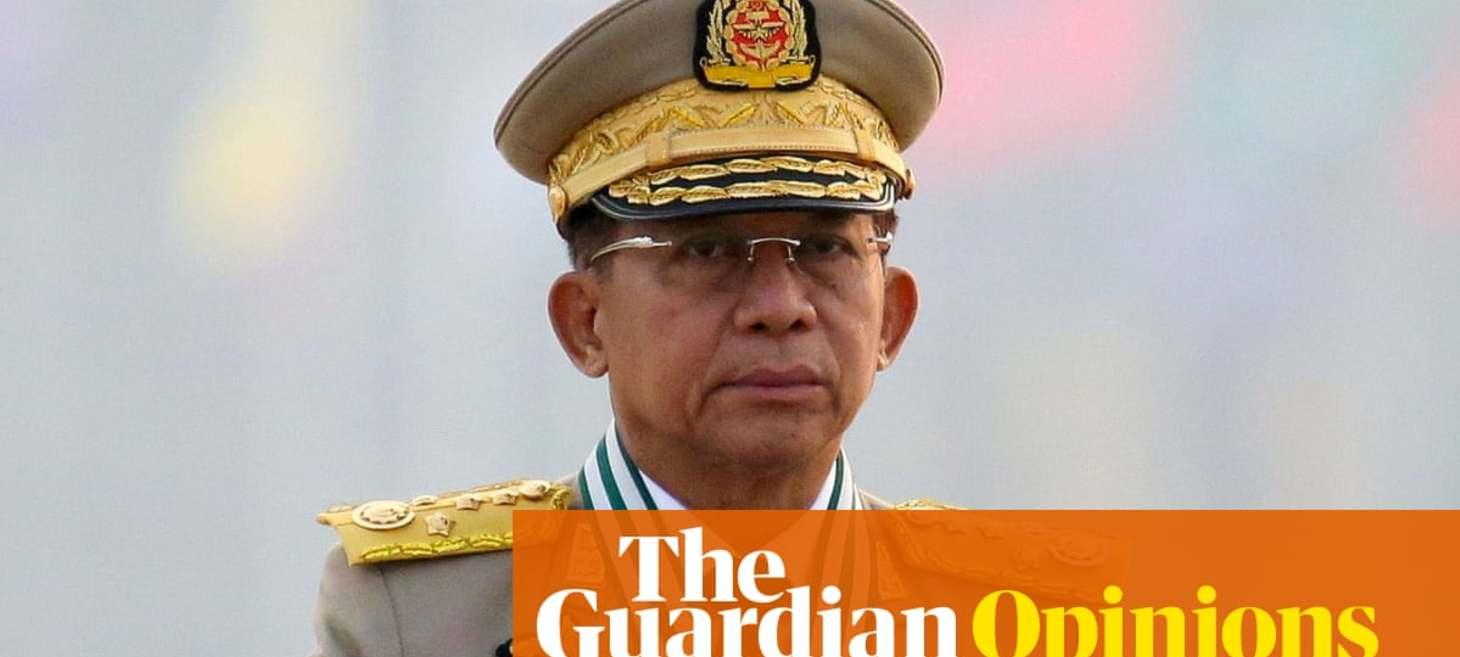
Look to Myanmar for a terrifying vision of a world where authoritarians have unfettered power
Myanmar, where civil war has raged since the army overthrew the elected government in 2021, is currently ruled by an illegitimate junta led by Min Aung Hlaing, which has committed appalling atrocities, including bombing civilians like children at a boarding school, and systematic torture and summary executions of detainees. This violence-wracked nation is considered a microcosm of today's fractured world, highlighting the miserable failure of the UN-led system and great powers to maintain order and uphold shared values amidst rising conflict, human rights abuses, and humanitarian emergencies, with up to 4 million people displaced since the coup. The survival of the junta is secured by support from neighboring China, which prefers "strongman" rule, and arms supplies from Russia, while growing US ambivalence fuels suspicion that Myanmar is a terrifying pointer to a repressive, post-democratic world that awaits if the West fails to intervene effectively.
theguardian.com
Humanitarian
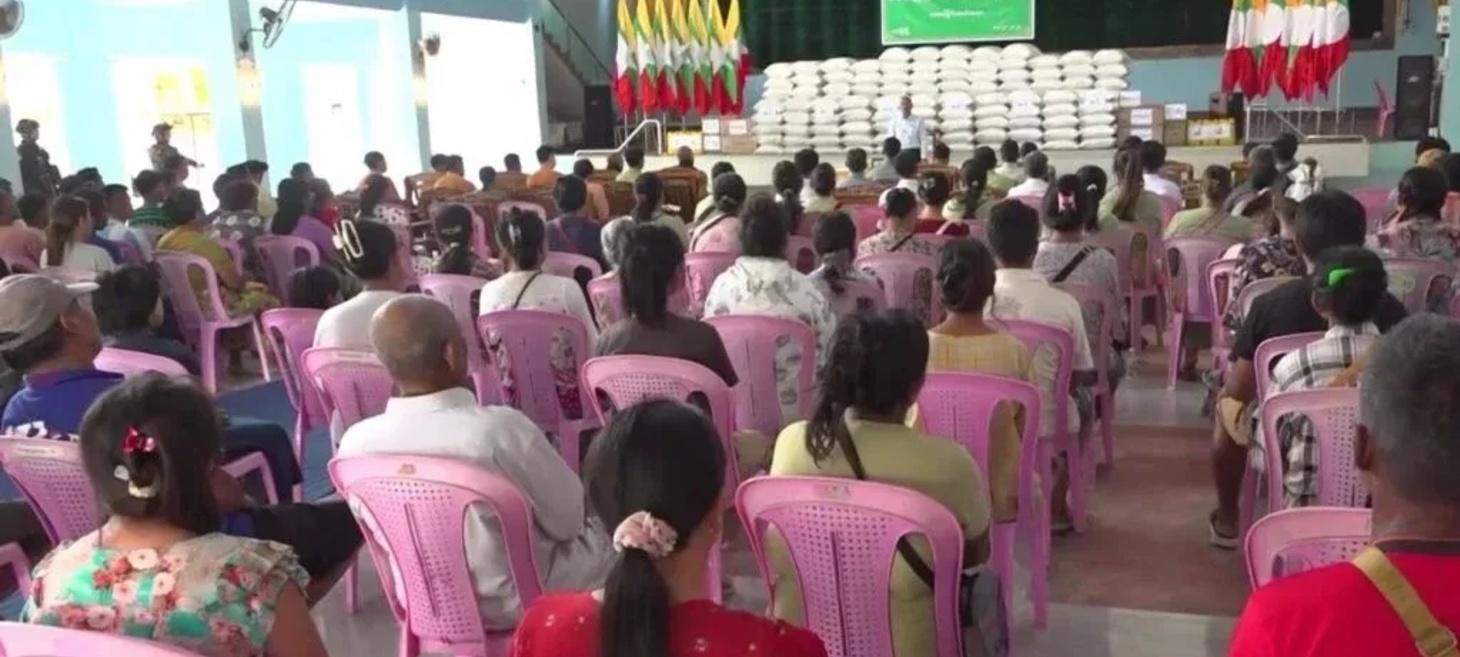
Junta Seizes Majority of Food Aid Donated to Lashio IDPs
Departments under the Military Junta, known as the State Security and Peace Commission, seized the majority of food aid—including rice and cooking oil—that the Junta-appointed Shan State Chief Minister U Aung Aung had publicly donated to internally displaced persons (IDPs) in Lashio, Shan State. Although 140 sacks of rice were publicly distributed on September 10, officials returned on September 16 and removed 120 sacks, leaving only 20, and even took back empty cooking oil bottles after IDPs were instructed not to use the donated items following the initial show of aid. This seizure impacted over 1,000 IDPs sheltering in Lashio due to ongoing clashes and fears of airstrikes, causing aid workers to report an urgent need for food and essential supplies.
shannews.org
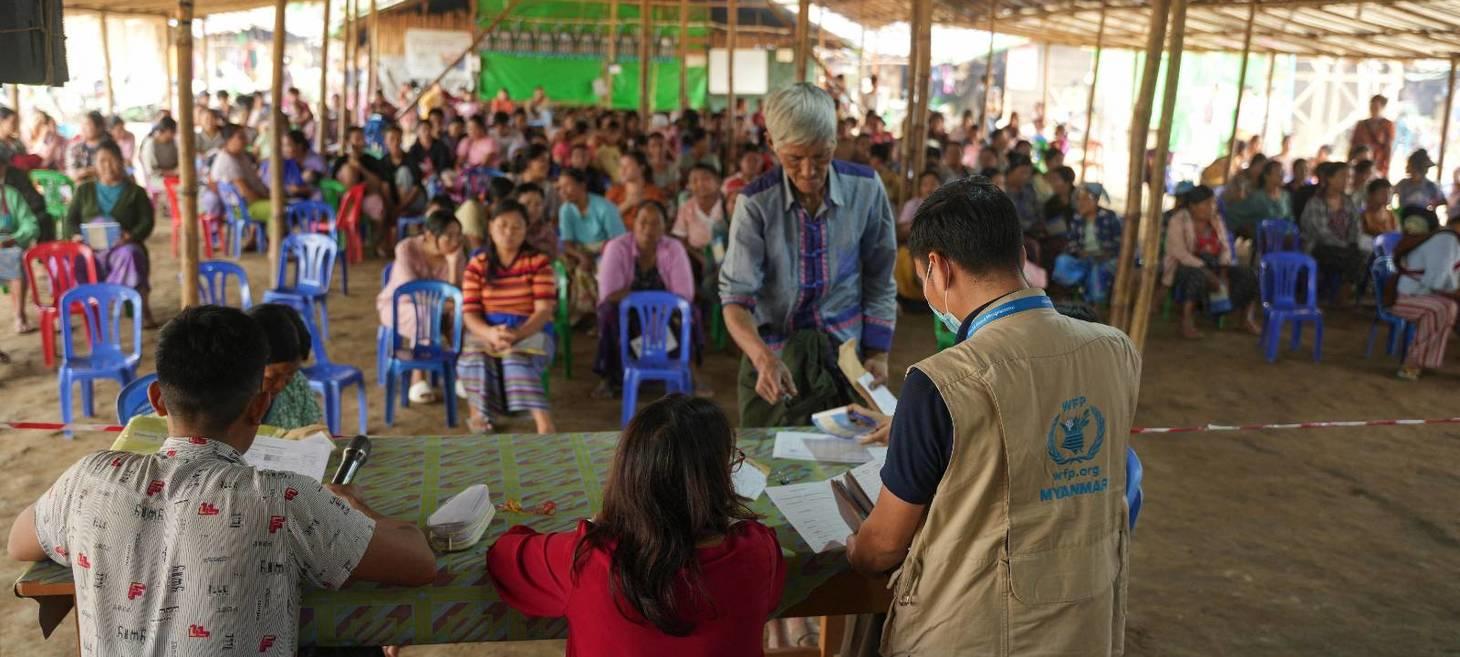
Rights group warns US aid cuts could kill 200,000 in Myanmar
A new report from Human Rights Myanmar warns that President Donald Trump’s 20 January executive order, which canceled over 80 percent of USAID’s global programs—including $1.1 billion earmarked for Myanmar—could result in up to 200,000 excess deaths by 2030, halting essential support for vaccinations, HIV, and malnutrition programs. The rights group contends that this deliberate withdrawal of life-saving aid, despite internal US government warnings, could fit the definition of “extermination” or “other inhumane acts” under the Rome Statute governing crimes against humanity, with the six-year toll disproportionately affecting children, the elderly, and displaced families. Although the group characterizes the action as an "inhumane policy decision executed with full awareness of its consequences," the report concludes that existing international law lacks an enforceable mechanism to hold the donor state criminally liable, exposing a critical gap in international law.
mizzima.com
Military
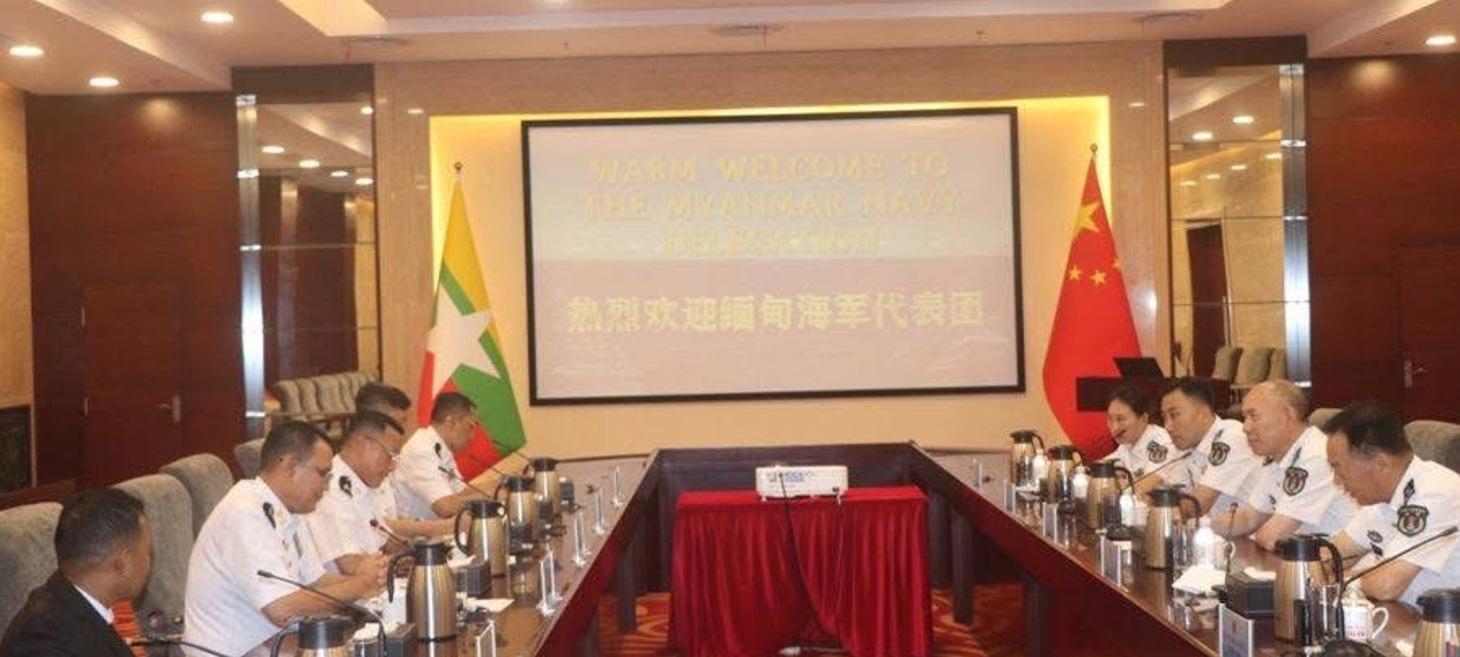
Myanmar Navy delegation visits China to strengthen naval cooperation
A Myanmar Navy delegation, led by Admiral Htein Win, Commander-in-Chief (Navy), paid a goodwill visit to China from September 14 to 20 at the invitation of Vice Admiral Cui Yuzhong of the People’s Liberation Army Navy (PLAN) to enhance bilateral naval friendship and cooperation. During the trip, the delegation held discussions on expanding cooperation and training exchanges at the PLAN Headquarters in Beijing and toured various naval facilities, including the destroyer Xining of the North Sea Fleet, the PLAN Navy Submarine Academy, and the Hudong-Zhonghua Shipyard in Shanghai. The delegation also visited cultural landmarks such as the Great Wall and Lingguang Temple before returning to Yangon on September 20, where they were received by senior Myanmar military officials and representatives from the Chinese Embassy.
elevenmyanmar.com

Junta Chief Promotes Personal Aide to Head Myanmar’s Weapons Industry
Junta Chief Min Aung Hlaing appointed his personal aide, Major General Moe Myint Swe, to head the strategically vital Directorate of Defense Industries (DDI) as part of a pre-election reshuffle of the military leadership. Moe Myint Swe's ascent is considered unusual because, as an Officer Training School (OTS) graduate, he was chosen for this role overseeing weapons production over technically qualified officers, suggesting that loyalty apparently matters more than qualifications to the junta leader. This reorganization also involved the retirement of the former DDI chief, Lieutenant General Kan Myint Than, and various other changes impacting key roles, including the Chief of Military Training, Chief of Military Appointments, and several positions within the Bureau of Special Operations.
irrawaddy.com