Introduction & Analysis
This collection of open-source English-language news articles published over the past week highlights significant events and issues concerning Myanmar. They present a snapshot of the country's safety and security landscape.
- The Myanmar junta is employing brutal military tactics, including airstrikes, shelling, and sophisticated drone attacks, resulting in significant civilian casualties, widespread displacement, and forced labor in various states like Rakhine, Karenni, and Kachin.
- Despite strong internal opposition and international condemnation, the junta is pushing forward with widely disputed national elections in late 2025, while simultaneously enacting repressive laws that criminalize dissent, dissolve political parties, and limit free speech to solidify its authoritarian rule.
- China's extensive economic and strategic involvement in Myanmar, including significant rare earth imports from rebel-controlled areas, support for the junta, and the Belt and Road Initiative, has fueled growing anti-China sentiment among anti-junta stakeholders, while India is seeking to bypass Chinese dominance by directly engaging rebel groups like the Kachin Independence Army (KIA) for rare earth supplies.
- Internally, Myanmar faces severe challenges, including the military's repression of religious heritage and destruction of sacred sites, arrests for alleged religious defamation, and a thriving black market for arms and narcotics exacerbated by the civil war and regional interference.

Conflict

Junta attacks Chin resistance-held village in southern Kale
Since September 5, 2025, Kyanthar Village, a location controlled by Chin resistance forces on the Kale-Gangaw Highway in Sagaing Region, has been under a "full-scale offensive" by 200 junta troops and allied Pyu-Saw-Htee militias. This intense fighting follows a coordinated offensive in February 2025 by Chin resistance joint forces and other revolutionary groups, which successfully captured several junta encampments and Pyu-Saw-Htee-controlled villages between Kale and Gangaw. Political and military analysts suggest that the junta's deployment of large forces aims to regain full control of the strategically vital Kale-Gangaw Road in anticipation of an upcoming election.
bnionline.net
Junta and militia coerce locals to serve as porters in Kawnglanghpu
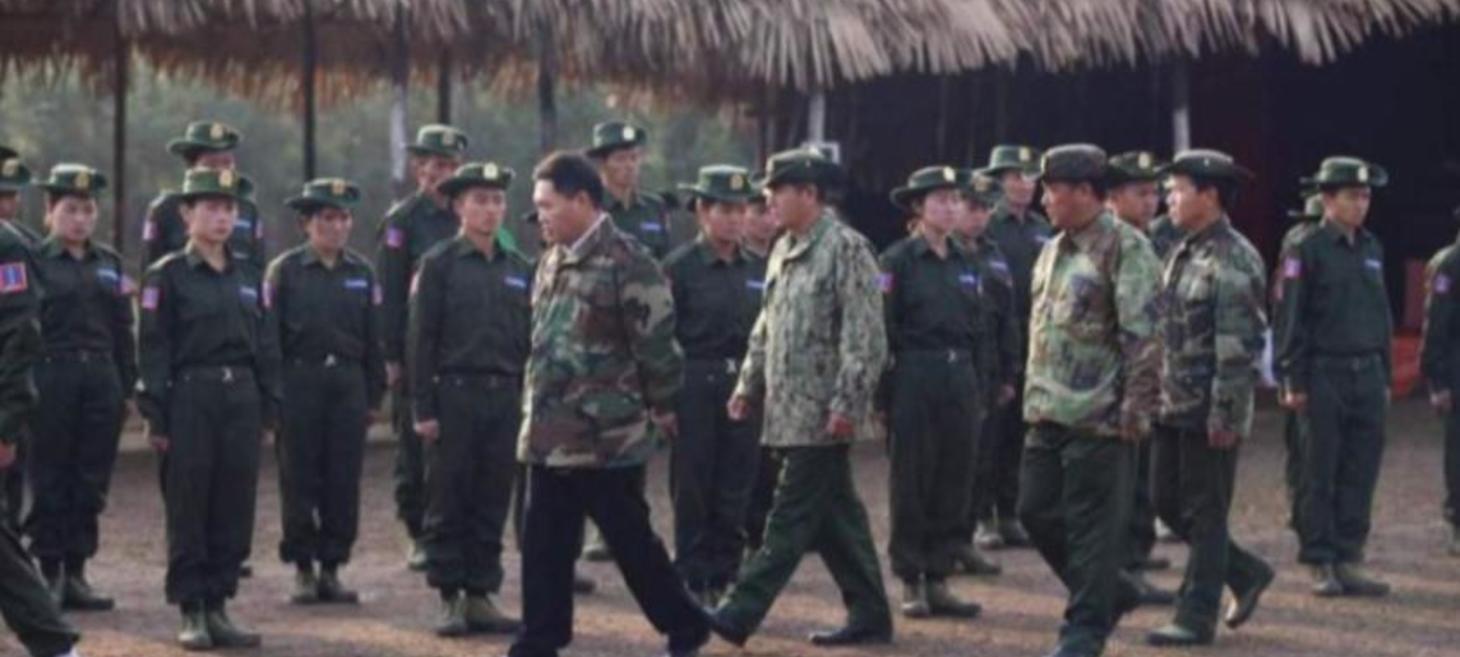
In Kawnglanghpu Township, Kachin State, the junta and allied Tang Gu Tan militia are coercing locals to serve as porters, transporting weapons and supplies, under the pretext of retaking Lanse Village from the Kachin Independence Army (KIA). This practice began in early September 2025, with villagers, including 20 from Chihtuhpan Village Tract, being summoned on September 11 and threatened with arrest if they fail to comply. Locals are strongly against being sent to the frontlines unarmed, condemning it as a brutal act, especially since Lanse Village is targeted for its rich gold reserves.
bnionline.net
Myanmar armed forces regain control of military bases and neighbourhoods in the north from insurgents
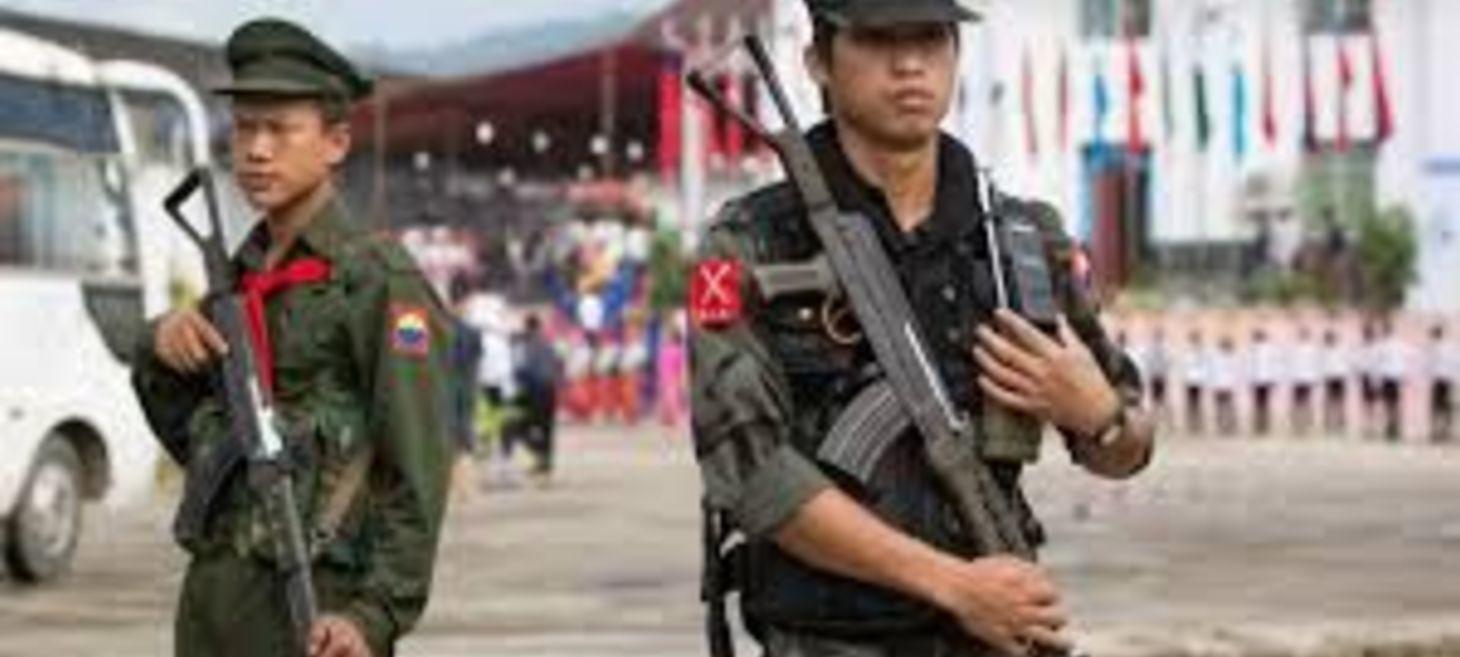
Myanmar's armed forces successfully regained control of military bases, camps, and villages around Bhamo from insurgent groups, including the Kachin Independence Army (KIA), Arakan Army (AA), and People's Defence Force (PDF), between August 4 and September 11, 2025. This operation followed an intense period of conflict from December 2024 to July 2025, during which insurgents had attacked military positions, temporarily controlled important border trade routes, and attempted to completely capture Bhamo, causing locals to flee and creating supply difficulties. The counter-offensive involved reinforcements and several columns of troops, leading to significant casualties among the insurgents and the armed forces re-establishing control over critical areas.
thestar.com.my
Junta drones: A grave danger for Karenni people
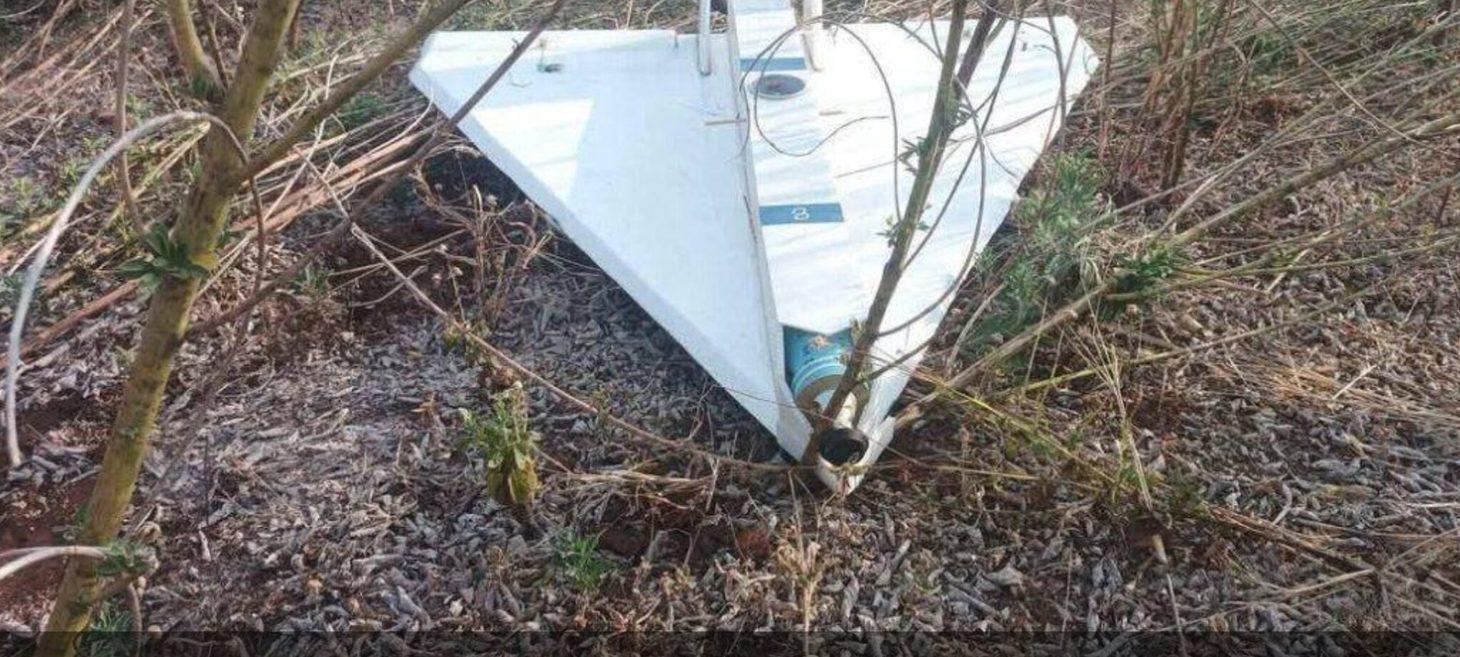
The Burmese junta is increasingly employing advanced drone warfare, including multi-rotor, fixed-wing hybrid VTOL, and suicide drones, not only to gain military advantage over resistance forces but also to intimidate and instill fear among Karenni civilians. These drones are used to precisely target both military positions and civilian areas, resulting in civilian casualties and displacement, particularly when the junta faces military setbacks. The junta's drone capabilities have become more sophisticated, forcing some resistance forces to abandon controlled towns and villages, and civilians are advised to seek cover immediately upon hearing an approaching drone.
bnionline.net
Junta airstrike on Rakhine school kills at least 22, mostly students
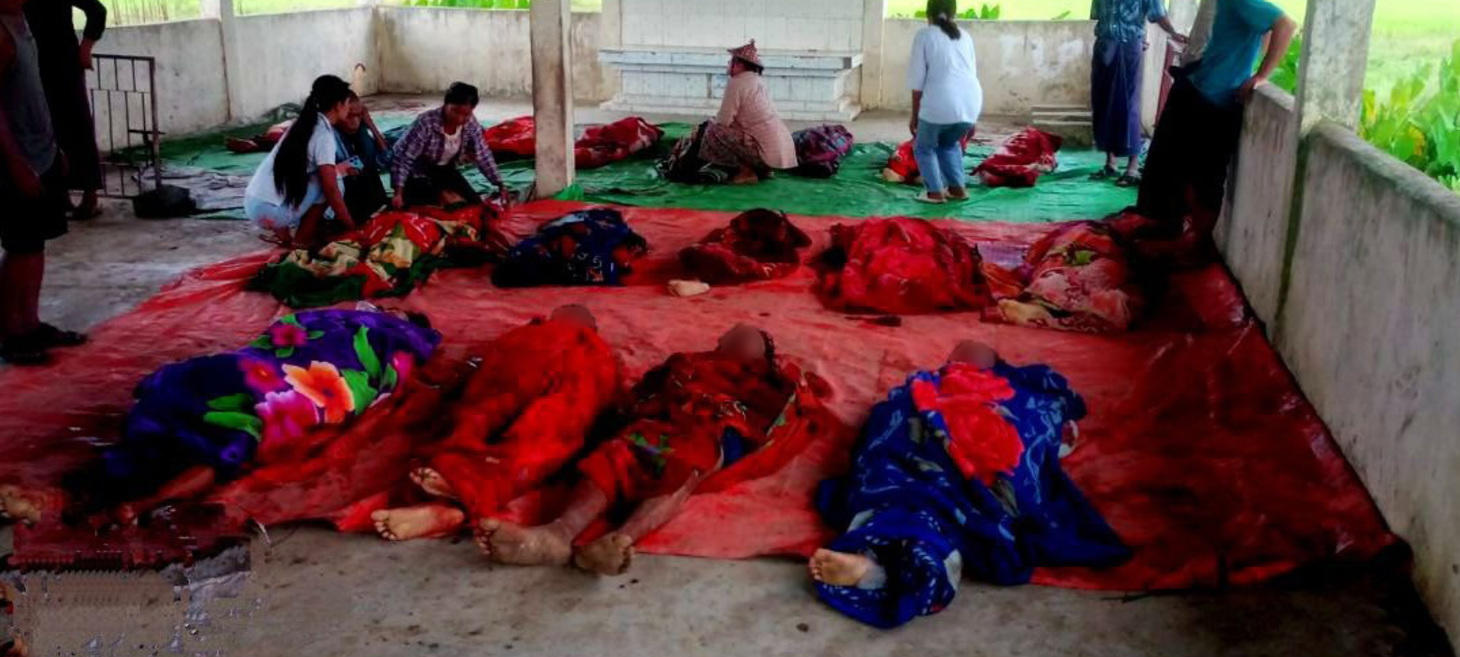
A junta airstrike on a high school in Kyauktaw Township, Rakhine State, killed at least 22 people, predominantly students, when a warplane dropped two 500-pound bombs on the civilian area where students were sleeping. This incident occurred on September 12, 2025, and is described as part of a wider campaign of air raids by the junta across Rakhine State. The sources also list other recent news regarding Myanmar's military actions, political situations, and social issues.
myanmar-now.org
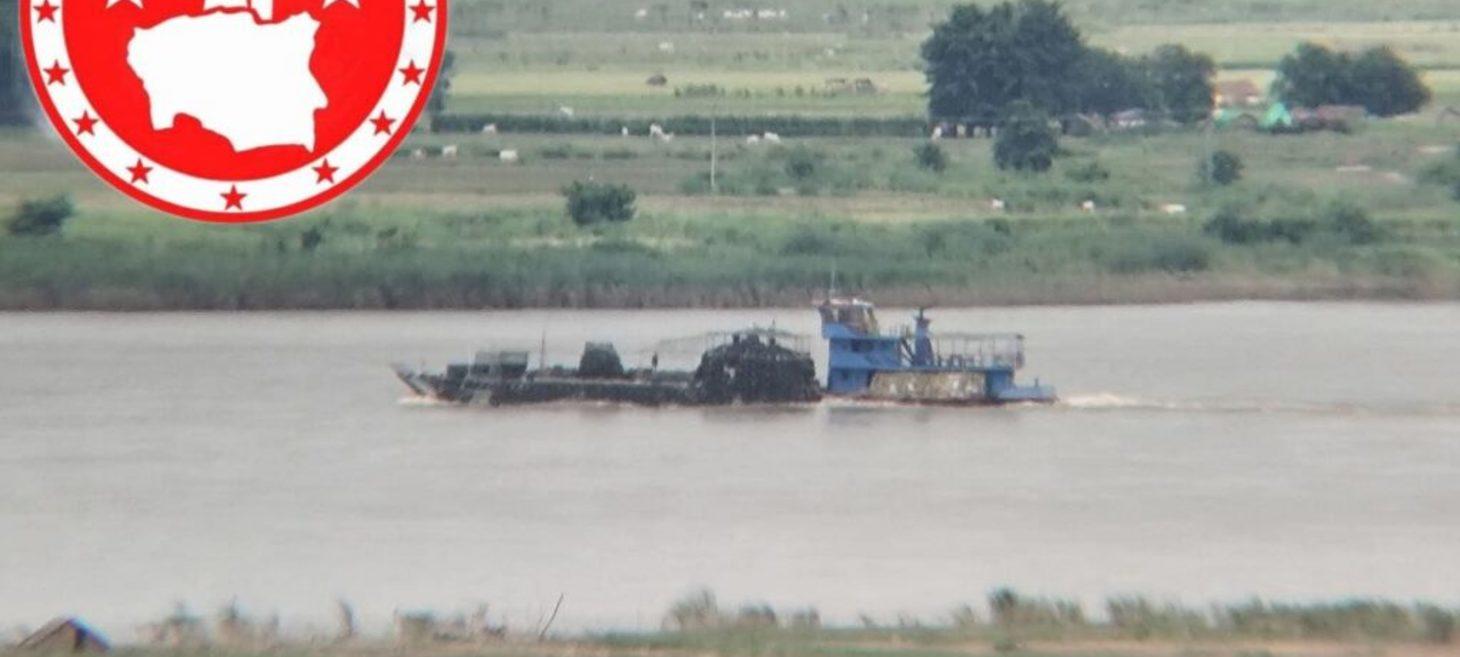
16 civilians killed as Myanmar junta fleet makes its way down the Ayeyarwady
On September 11, 2025, sixteen civilians were killed in Myanmar as a junta military fleet navigated down the Ayeyarwady River. The casualties were a direct result of airstrikes and shelling carried out by the junta, intended to provide cover for its flotilla. This fleet was returning to Mandalay from Bhamo in southern Kachin State when the incident occurred.
myanmar-now.org
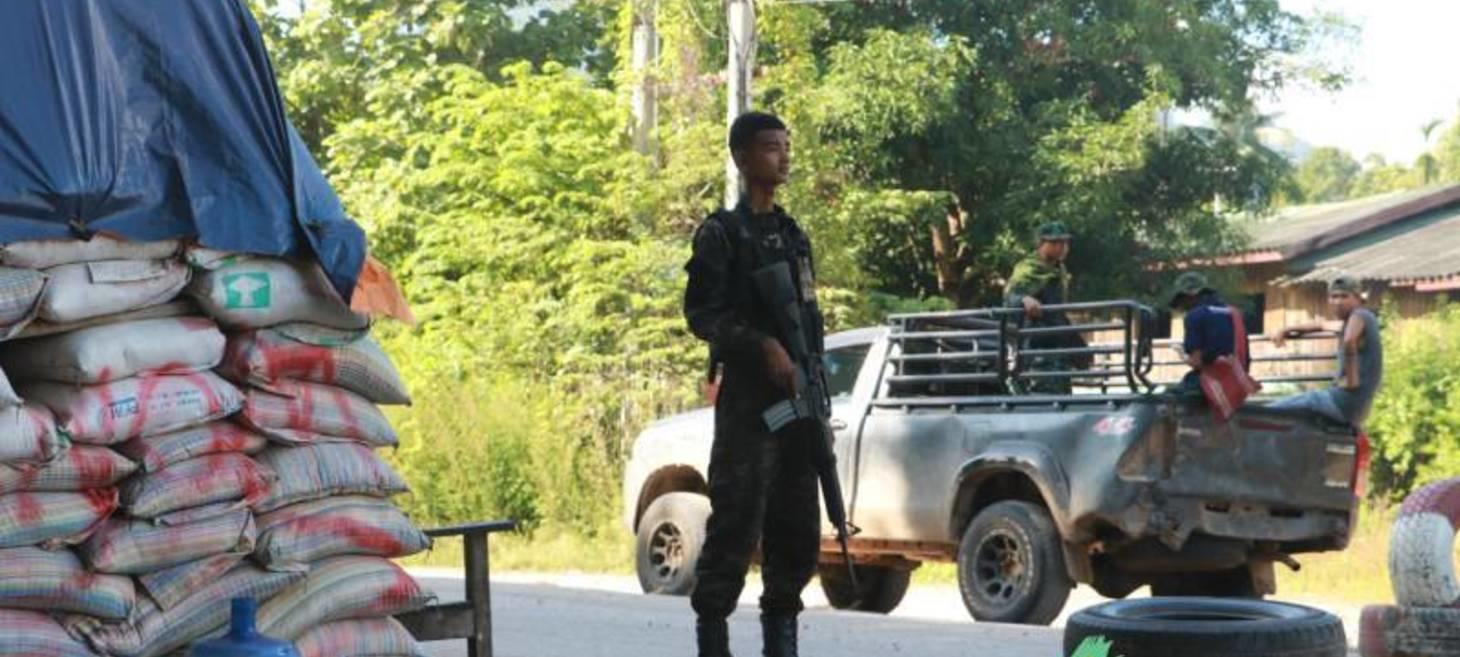
Myanmar junta and BGF prepare joint offensive on Lay Kay Kaw after retaking Lat Khat Taung camp - eng.mizzima.com
The Myanmar junta and the Karen Border Guard Force (BGF) are preparing a joint offensive on Lay Kay Kaw Myothit, south of Myawaddy in Karen State, after regaining control of Lat Khat Taung camp on September 9, 2025. This renewed offensive follows a major operation that began on August 28, 2025, which saw the junta, aided by the BGF, force revolutionary groups to withdraw from Thingannyinaung town and several strategic camps. Consequently, intensified air assaults and the threat of military action have caused residents from Lay Kay Kaw and at least eight nearby villages to flee their homes, fearing looting and further advances.
mizzima.com
Crime & Narcotics
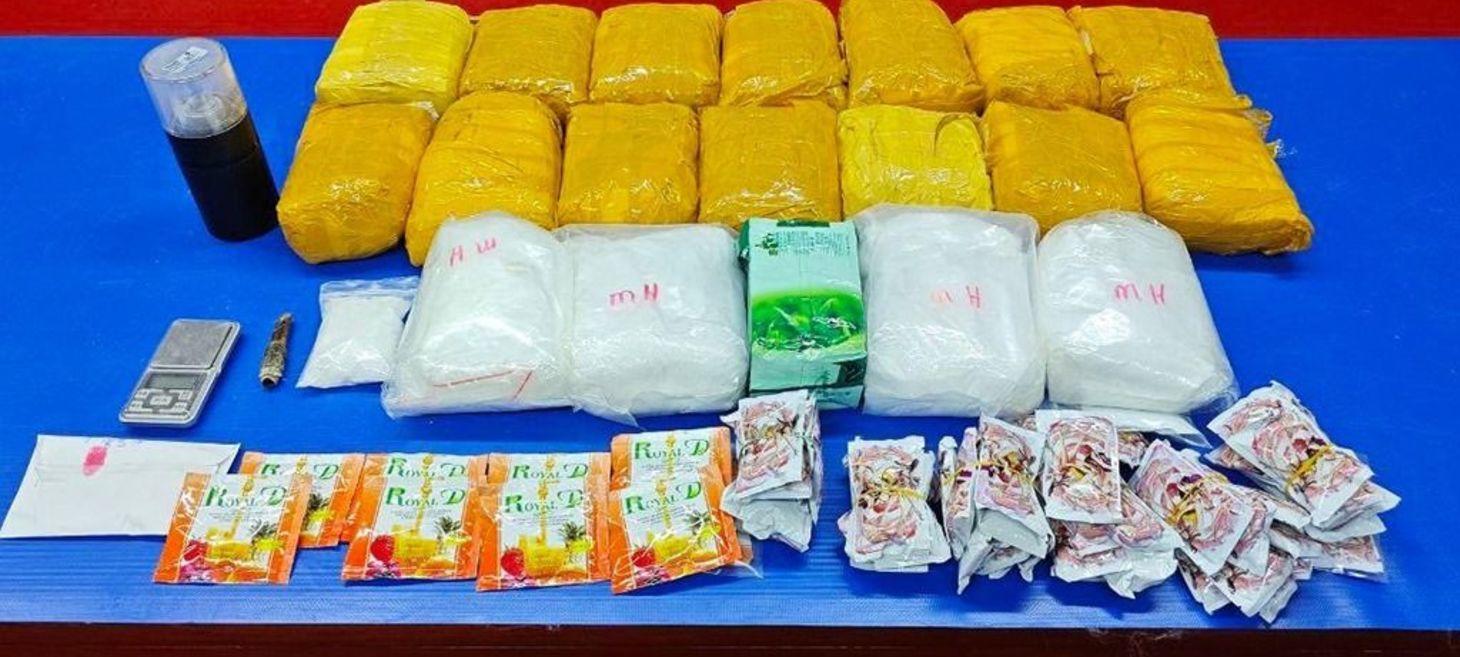
Large haul of narcotics seized in Myanmar's Yangon
Myanmar authorities have seized a significant haul of narcotics in the Yangon region, including 4,440 kg of ICE (methamphetamine), 1,100 kg of ketamine, 4 million stimulant tablets, and 14 kg of heroin powder. This confiscation occurred between September 5 and 7 in Shwepyitha, North Okkalapa, and Thaketa townships, leading to the arrest of 16 suspects. The narcotics originated from Shan state and were reportedly intended for trafficking to Malaysia, with the suspects now charged under the country's laws as further investigations continue.
thestar.com.my

Police probe possible Malaysian links to Myanmar drug syndicate after major seizure
Malaysian police are investigating potential connections between local trafficking groups and a Myanmar-based international drug syndicate, following a major drug seizure in Myanmar where narcotics were reportedly bound for Malaysia. During an operation on September 5, Myanmar authorities arrested six suspects and seized 1,840 kilograms of methamphetamine, four million stimulant pills, and 14 kilograms of heroin, with the drugs believed to be sourced from Shan State and intended for Malaysia, among other destinations. Malaysian authorities have pledged full cooperation with regional counterparts to trace any local links and prevent the infiltration of international narcotics, also noting a separate August seizure by Myanmar police worth an estimated RM300 million.
thevibes.com
Economy
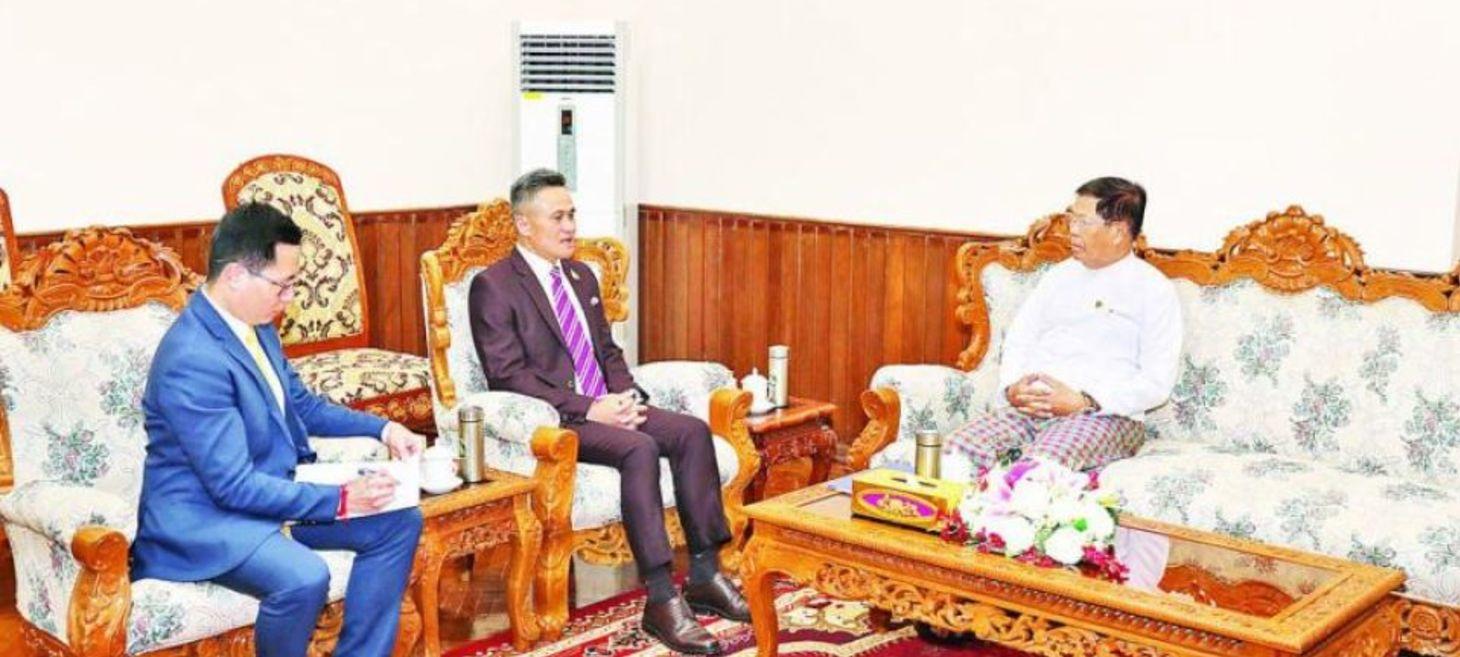
Myanmar Foreign Affairs Minister, Thai ambassador to Myanmar meet to discuss border trade - Asia News Network
On September 8, Union Minister for Foreign Affairs U Than Swe of Myanmar met with Thai Ambassador to Myanmar Mr. Mongkol Wisitsan (also referred to as Mr. Monk Khun Wisitsan) at the Ministry of Foreign Affairs in Naypyidaw. During their meeting, they specifically discussed methods to smooth border trade between the two countries. Additionally, the officials talked about strengthening the existing friendship and partnership, promoting mutually beneficial cooperation, particularly in trade and investment sectors, and generally facilitating border trade.
asianews.network
Elections

Myanmar Election, Military Junta Declares Election Not To Be Held In 56 Regions
The Myanmar military junta has declared that general elections, scheduled for late 2025, will not be held in 56 lower house and nine upper house electoral districts. This decision is primarily due to the junta facing various rebel forces who oppose the election, amidst a civil war that commenced after the 2021 military coup. Critics and monitors view the election as a tactic to legitimize continued military rule, while it faces boycotts from ousted parliamentarians and armed opposition groups.
voi.id
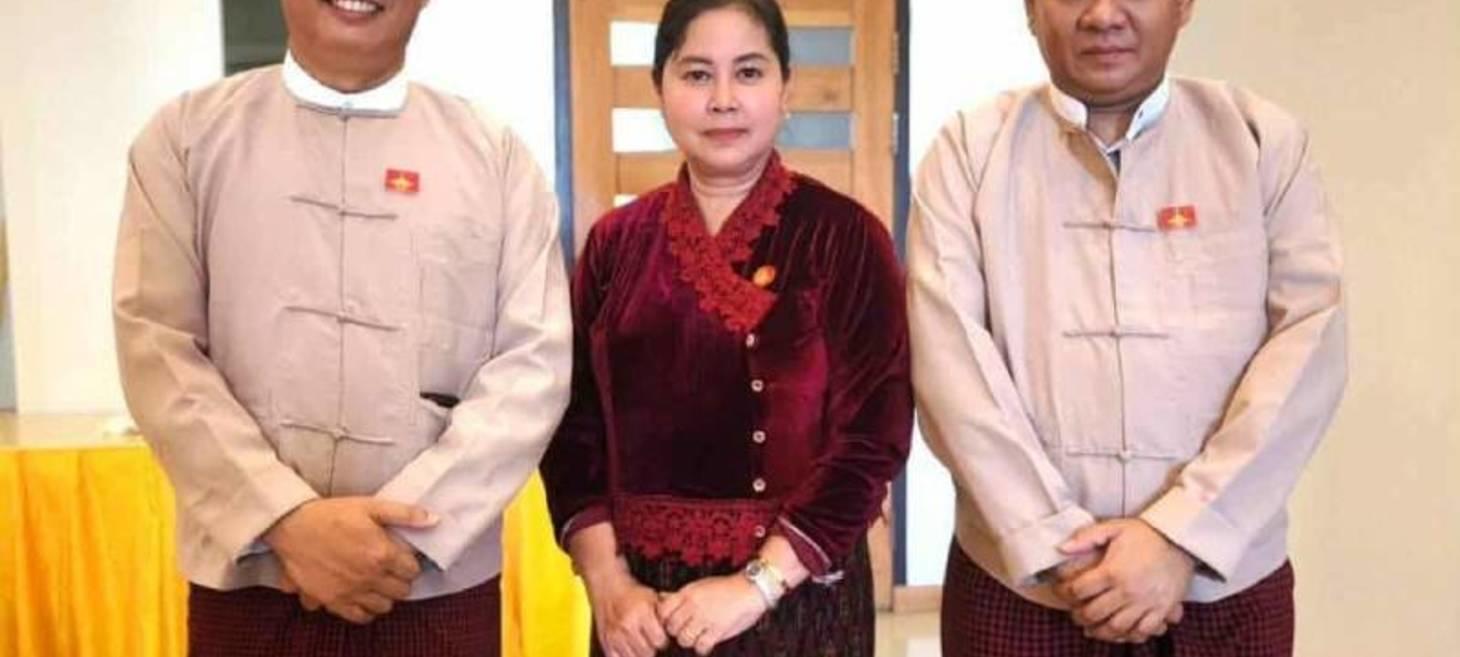
Myanmar junta election body dissolves four political parties including Sandar Min’s NDF
Myanmar's junta-controlled Union Election Commission (UEC) announced the dissolution of four political parties, including the National Democratic Force (NDF), on September 9, 2025. The NDF, where Daw Sandar Min serves as vice-chairwoman, was disbanded for failing to meet required membership numbers, while the other three parties were dissolved for not establishing the minimum number of mandated offices. This decision, which leaves only 59 parties remaining out of 63 registered since the 2021 coup, was described by an NDF official as "like a slap in the face".
mizzima.com
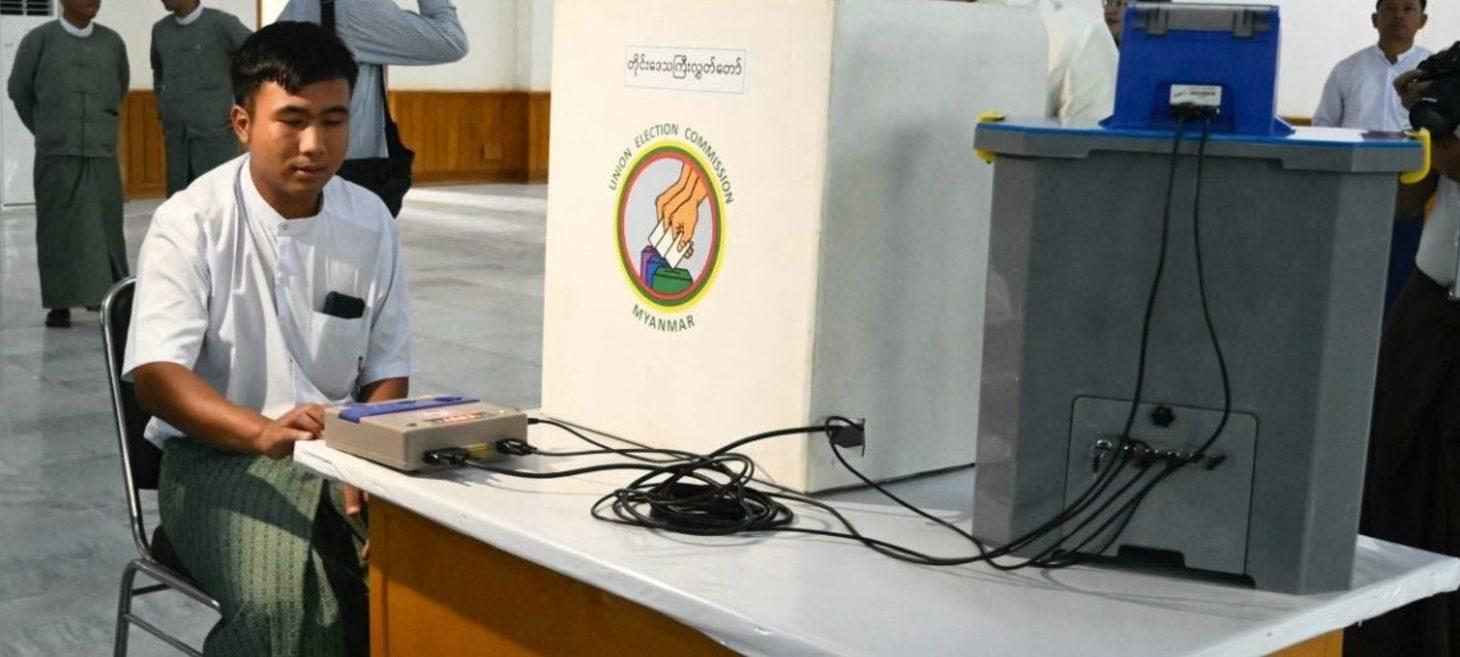
Myanmar’s Fake Election Is a Trap, Not a Transition
Myanmar's military junta, rebranded as the State Security and Peace Commission (SSPC), has announced elections for December 2025, which are intended to solidify its grip on power and suffocate dissent rather than facilitate a genuine political transition. The SSPC has strategically "gamed the system" by implementing repressive legal frameworks, such as SAC Law No. 48/2025 and the Cyber Security Law, to criminalize opposition and surveil citizens, while ensuring the Union Election Commission remains a rubber-stamp body. This effectively traps the opposition, including the National Unity Government (NUG), between the risk of irrelevance if silent and persecution if active, while posing a significant challenge to ASEAN to uphold democratic values by not endorsing these flawed elections.
fulcrum.sg
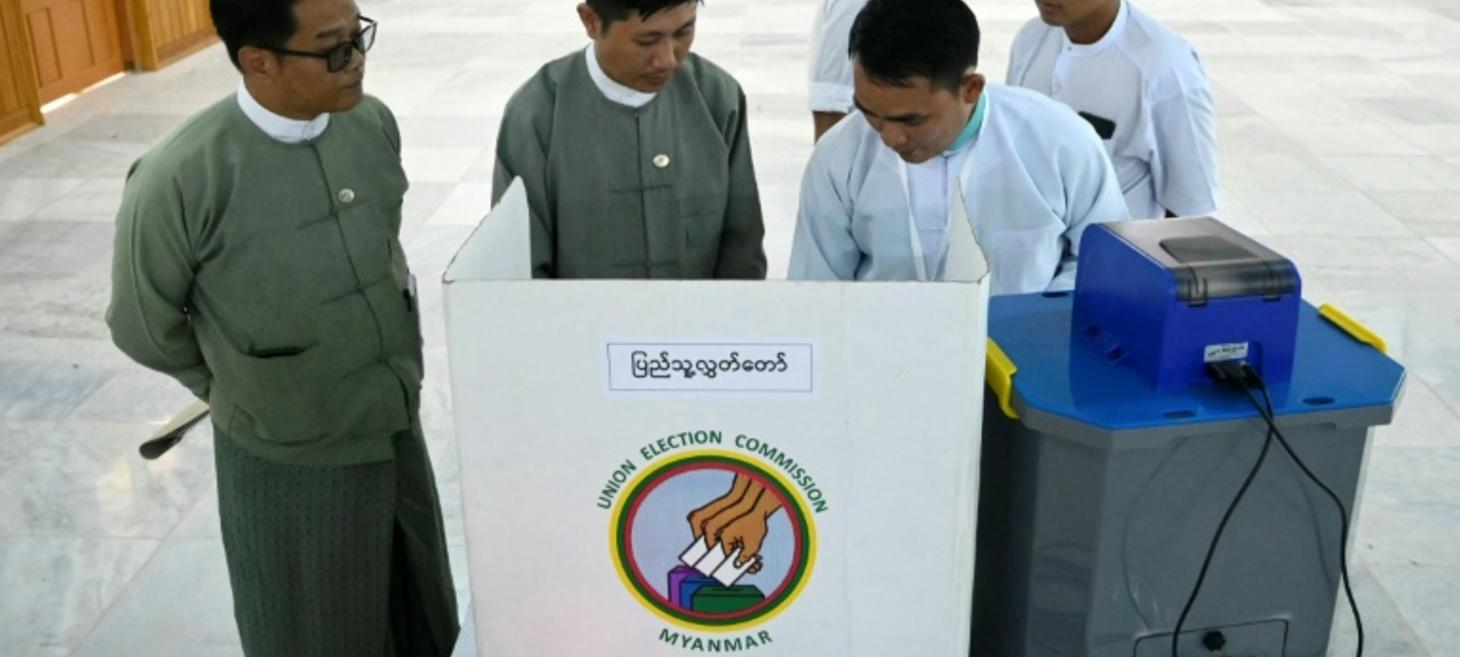
Myanmar junta says no voting in dozens of constituencies
Myanmar's junta has announced that its long-promised election, set to begin on December 28, will not be held in approximately one in seven national parliament constituencies due to an ongoing civil war and resistance from rebel forces. Specifically, 56 lower house and nine upper house constituencies were deemed "not conducive to holding free and fair elections," largely because they are battlegrounds or areas where the military has lost control to pro-democracy guerrillas and ethnic minority armed organizations. This decision, which affects nearly 15 percent of the total 440 constituencies, is seen by monitors as an attempt to legitimize continuing military rule amidst boycotts and blockades by opposition groups, further highlighted by a significant shortfall in the recent election census.
digitaljournal.com
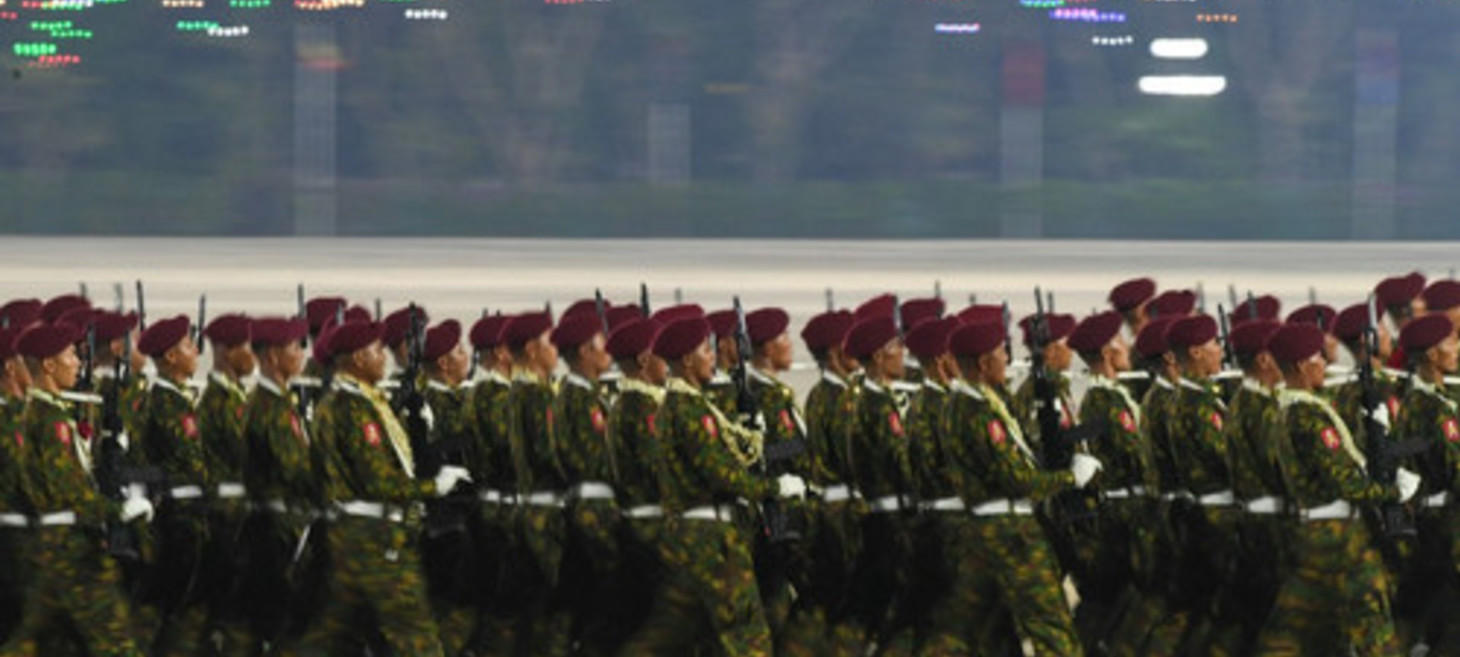
Myanmar: Global Unions denounce military junta elections
On International Democracy Day, Global Union Federations (GUFs), including the International Federation of Journalists (IFJ), have unequivocally condemned the Myanmar military junta's illegal and illegitimate elections scheduled for December 28, calling them a dangerous mockery of democracy and a ploy to entrench military rule. These elections are taking place amidst a systematic campaign of terror and repression, with thousands killed, tens of thousands detained, millions displaced, and a relentless targeting of media workers, including 49 journalists still imprisoned. The GUFs urge all governments and multilateral institutions to reject these sham elections and their outcomes, and to continue enforcing sanctions against the illegitimate regime to prevent further suffering for the people of Myanmar.
ifj.org
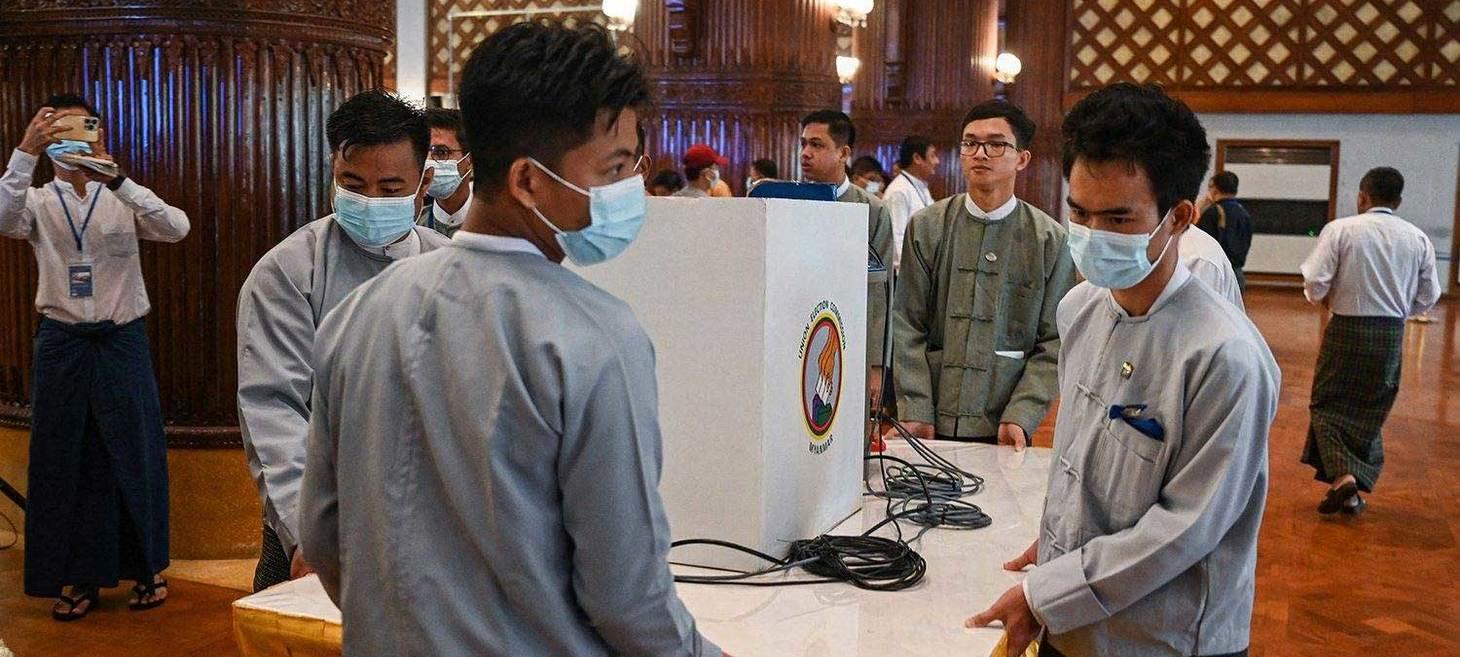
First Conviction Under Election Disruption Law: Displaced Man Sentenced in Taunggyi
A displaced man named Ko Nay Thwey has been sentenced to seven years in prison with hard labor under Myanmar's newly enacted election disruption law, marking the first conviction under this legislation. He was convicted on September 9, 2025, for allegedly sharing a Facebook post about a car hijacking and adding his own criticism of the military and the upcoming election. The Law on Protecting Elections from Disruption and Destruction, enacted on July 29, 2025, criminalizes speeches, statements, organizing, protests, or online posts that aim to disrupt the electoral process, with sentences ranging from three to seven years.
shannews.org
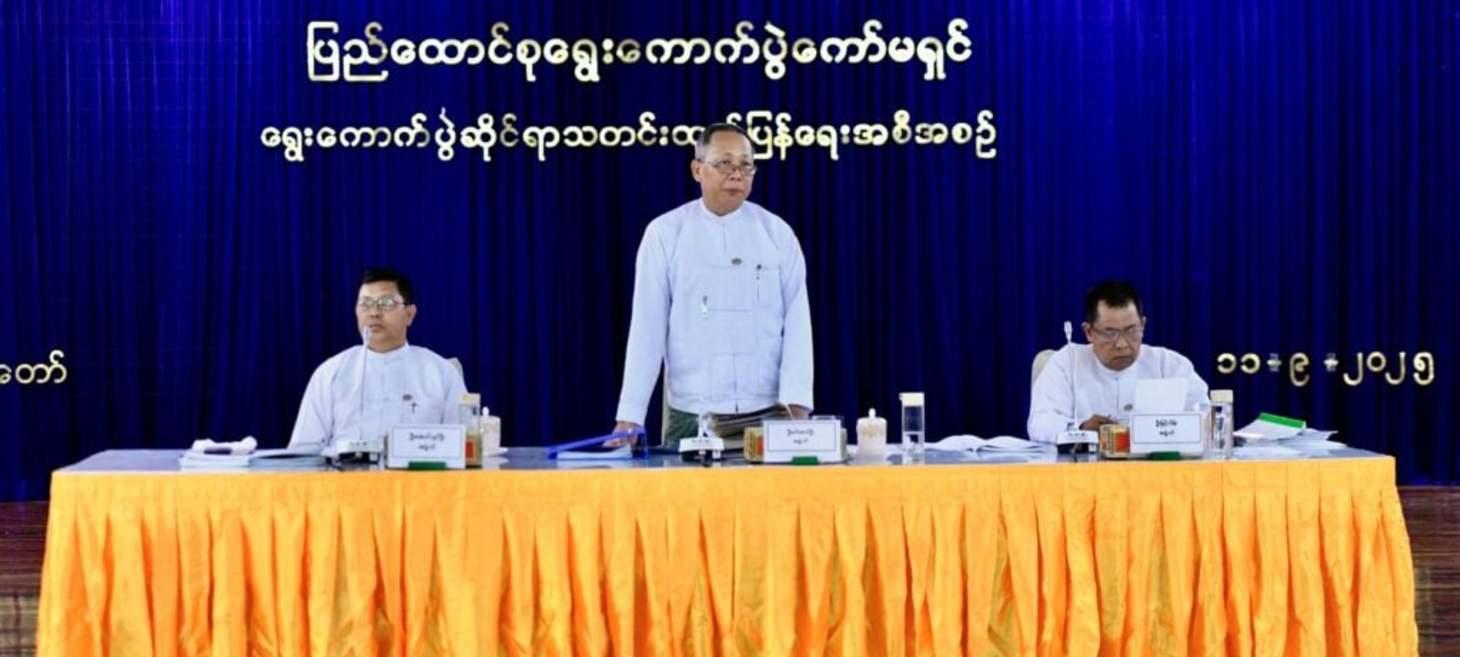
Myanmar junta’s poll result due end of January: election official
Myanmar's military junta is organizing a widely disputed national poll, with phased voting set to begin on December 28 and last approximately a month, with results anticipated by the end of January next year. This election is occurring amidst a civil war that erupted after the military deposed Daw Aung San Suu Kyi's democratic government in February 2021. While the junta presents it as a resolution to the conflict, international monitors describe it as a ploy to disguise continued military rule, with Aung San Suu Kyi jailed and her party unmentioned. The vote faces significant challenges, including security risks in 63 places, large areas beyond military control, and opposition pledges to block polls, which contributed to a census failing to collect data from 19 million people and predictions of increased violence.
frontiermyanmar.net
Ethnic Issues
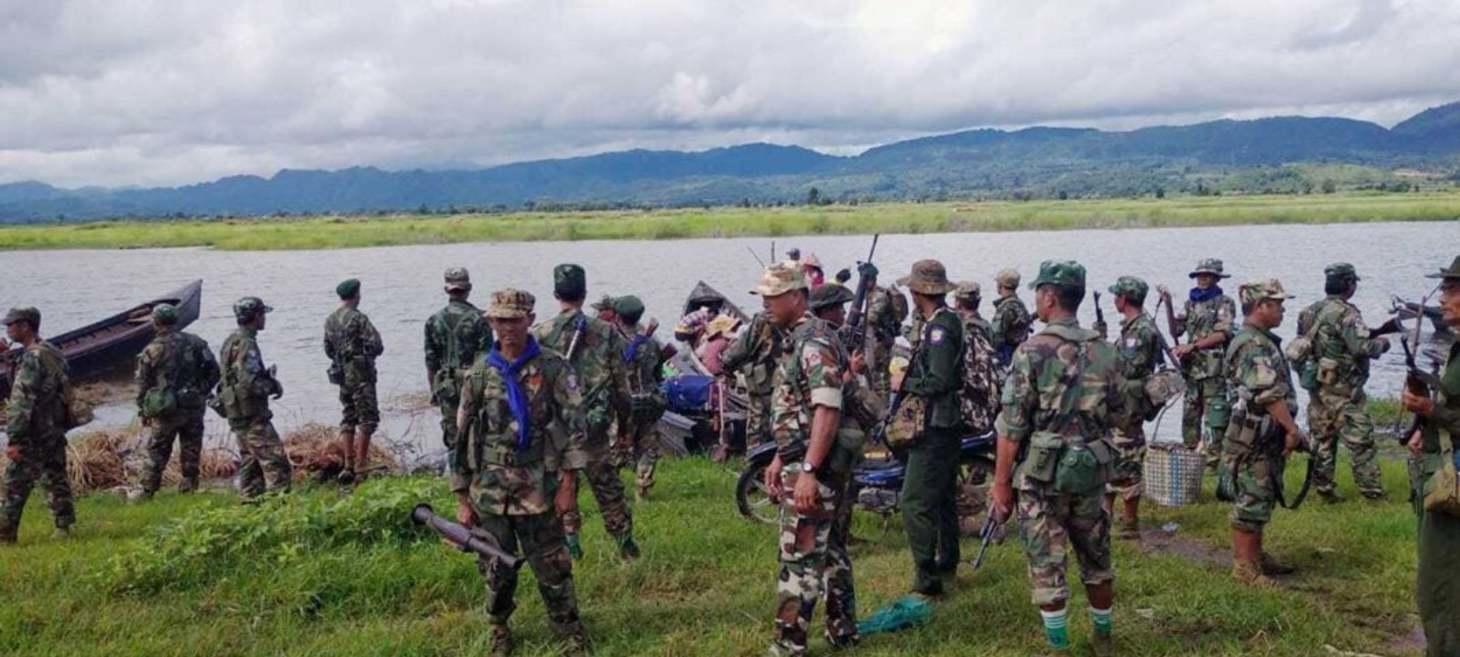
PNO Militia Allegedly Tortures Villager to Death in Inle Lake Area
A villager named Ko Aung Myo Win was allegedly tortured to death by troops from the Pa-O National Organization (PNO) militia, which is aligned with the Myanmar military, in Ma Gyi Seik village, Shan State, after being detained and having a ransom demanded for his release. His family paid an initial sum, only to find him severely wounded with stab wounds and cut tendons, leading to his death shortly after reaching the hospital. This killing has sparked fears of ethnic tension in the Inle Lake area, as PNO troops are also reported to regularly patrol villages at night, making arrests, and collecting money and food.
shannews.org
Foreign Affairs

The Sources of Anti-Burmese Sentiment in American Politics: What Shapes the Image of Myanmar in the US
Washington struggles to formulate a coherent policy toward Myanmar due to a general lack of specialists, a complex internal landscape, and an ideological shift in American foreign policy from pragmatism to "democracy jihad". American public opinion is largely shaped by opposition media, which promotes one-sided narratives, denies the military's democratic potential and reforms, and demonizes the Tatmadaw, often overlooking the NLD's undemocratic practices. Furthermore, US policy misinterprets China's ambivalent strategy in Myanmar and is influenced by lobbies like the Karen diaspora, underscoring the critical need for an independent and unbiased expert community in Burmese studies to provide an accurate picture of the situation.
moderndiplomacy.eu
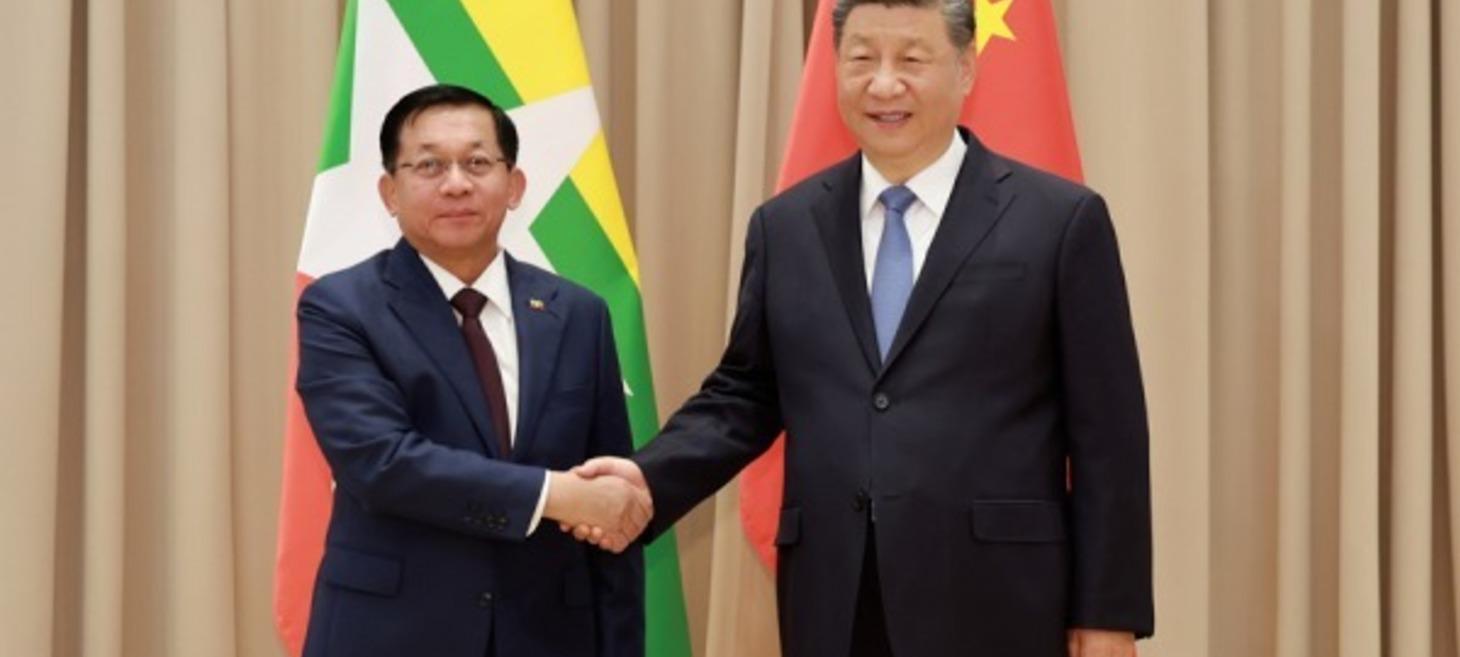
ANTI-CHINA TENDENCY BREWING: Myanmar’s majority stakeholders and people against China’s endorsement of the military junta may be hard to contain
Anti-China sentiment in Myanmar is rapidly intensifying due to Beijing's open endorsement, political legitimacy, and military and economic support for the military junta, which is widely perceived as betraying the will of the Burmese people and enabling the regime's actions. This includes China backing the junta's planned elections, advancing the China-Myanmar Economic Corridor (CMEC) and Belt and Road Initiative (BRI) projects, and interfering in internal conflicts by pressuring ethnic armed organizations, leading many stakeholders to believe China prioritizes its strategic interests and seeks an authoritarian client state. Consequently, there is widespread disapproval of China's policies, with anti-junta resistance groups increasingly targeting Chinese infrastructure projects as a direct response, posing significant threats to China's investments in the country.
shannews.org
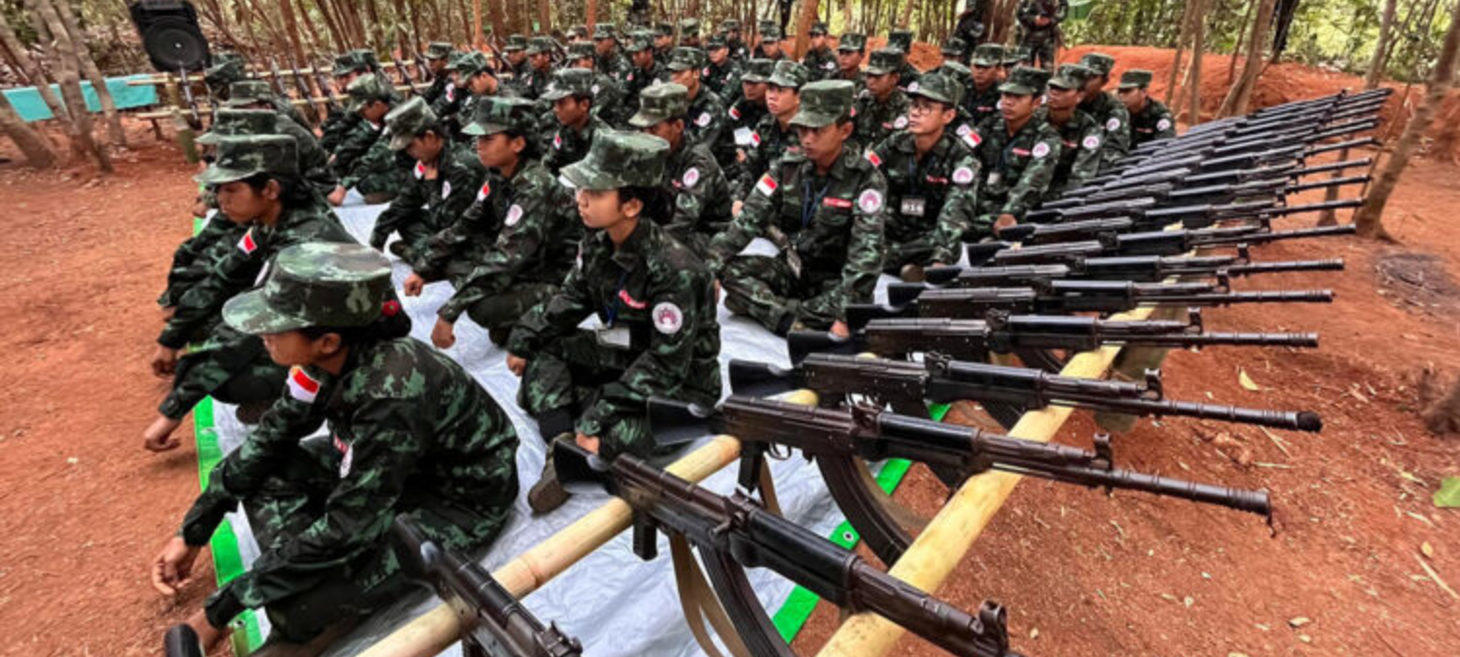
China’s Arms Squeeze Strengthens Myanmar’s Black Market War Economy
Myanmar's armed struggle against military dictatorship faces a severe shortage of weapons and ammunition, a crisis compounded by China's reported pressure on the United Wa State Army (UWSA) to halt arms support to allies. This scarcity has led to the flourishing of a sprawling and highly profitable black market, now considered one of the world's largest and most expensive, where an automatic rifle can cost US$4,500-6,800, and demand is so intense that even military families reportedly sell bullets. The illicit trade, fueled by decades of flawed governance, systemic corruption, and the involvement of Chinese criminal syndicates, is expected to continue thriving despite supply restrictions because the crisis is fundamentally political and the black market profits from the regime's corrupt bureaucracy.
irrawaddy.com
Foreign Investment
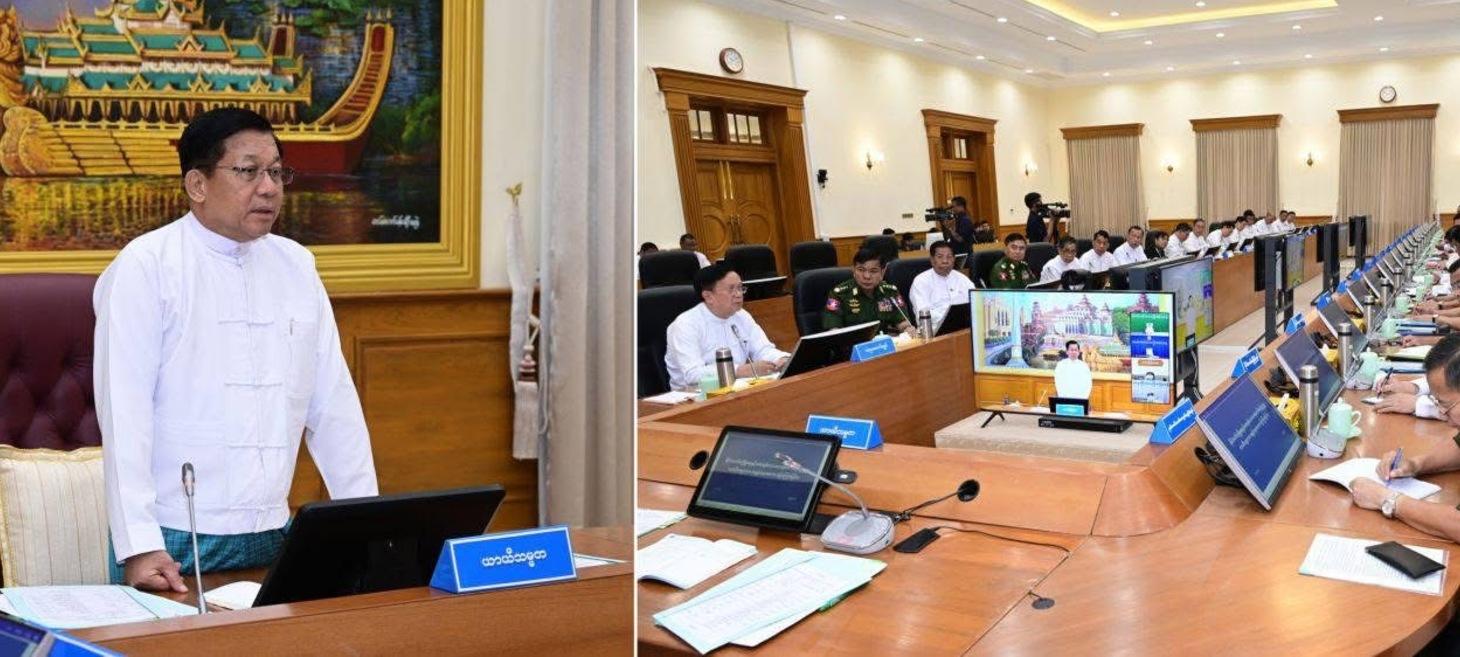
Myanmar plans to allow Chinese yuan for investments
Myanmar's State Security and Peace Commission Chairman, Senior General Min Aung Hlaing, announced plans to quickly allow Chinese investments to be made in yuan, noting that many Chinese investors prefer this currency and it would expand opportunities and benefit the economy. Myanmar already facilitates some trade settlements directly in yuan and kyat, and the move is intended to boost investment, particularly in agriculture and manufacturing, and increase foreign exchange earnings. The Senior General urged ministries to prioritize investment promotion, establish a Myanmar-China trade and investment association, and expand agricultural exports to strengthen trade and support national development.
elevenmyanmar.com
General News
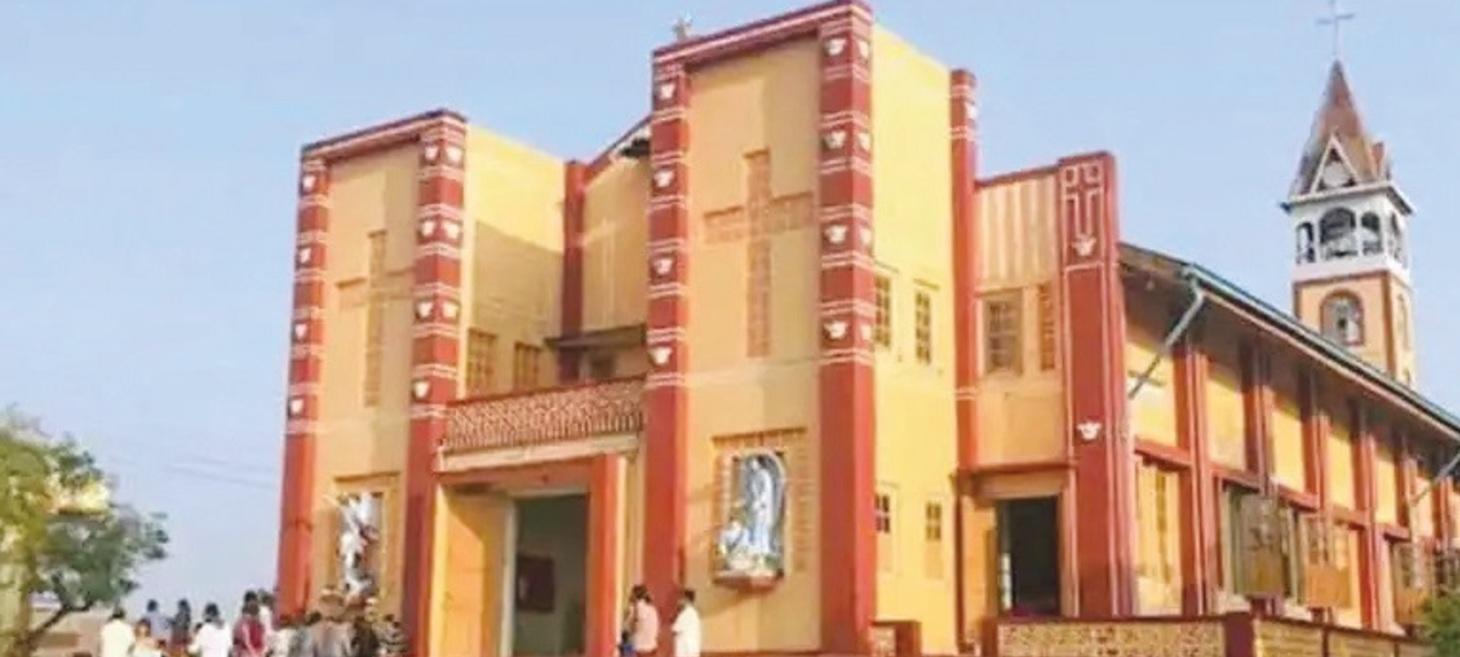
Myanmar plans demolition of historic cathedral
Myanmar’s military junta, the State Peace and Security Commission, plans to demolish the historic Catholic Sacred Heart Cathedral and at least 19 other Buddhist religious sites in Taungoo (Taungngu), sparking dismay among religious communities. This order is part of an intensified pattern of intimidation and violence against religious institutions since the February 2021 coup, ostensibly for the expansion of archaeological excavations in the ancient city of Ketumati. For Taungoo Catholics and other religious communities, this demolition represents a profound loss of spiritual refuge, a rupture in faith life, and adds to a growing sense of fear and displacement nationwide.
heraldmalaysia.com
Governance & Rule of Law

DJ among five arrested for alleged religious defamation by Myanmar military
The Myanmar military regime has detained five individuals, including 24-year-old DJ Violet, for alleged religious defamation. These arrests, which took place on September 16, 2025, in Yangon, were made under Section 505a of the Penal Code. The detentions were a direct response to demands from online ultranationalists.
myanmar-now.org
Natural Resources
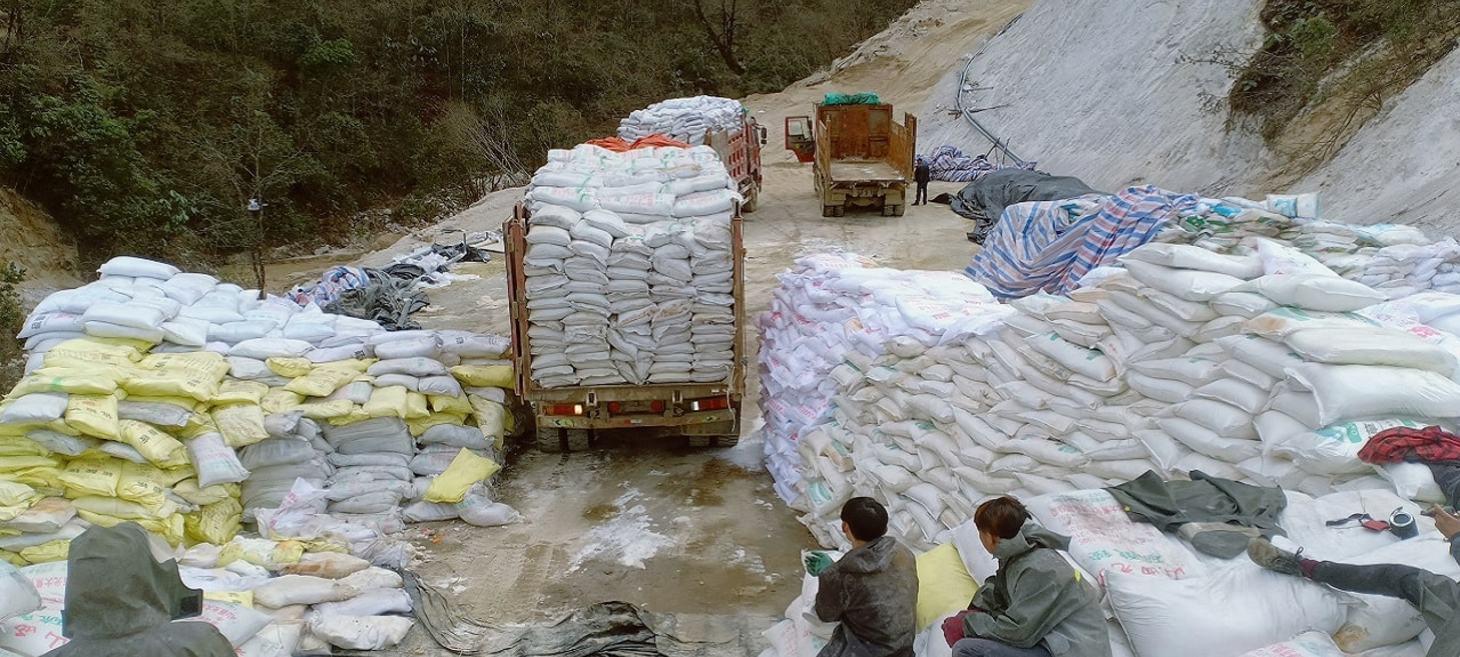
China’s rare earth imports from Myanmar raise concerns as rebel groups tighten grip on mines
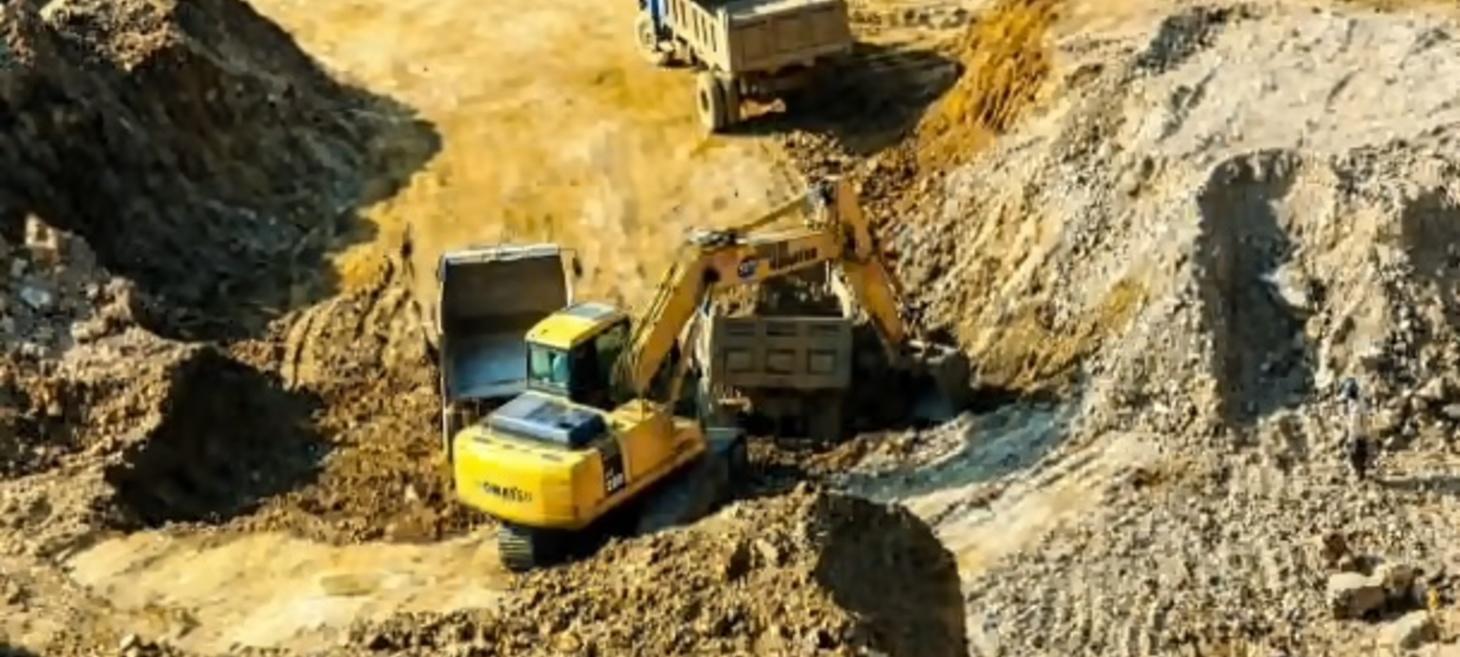
Since 2021, China has imported approximately 170,000 tons of rare earths from Myanmar, sourcing these critical materials—essential for electric vehicles and wind turbines—from unregulated mines predominantly located in rebel-held Kachin state. These mining operations, often facilitated through secret agreements between Chinese companies and militant groups like the Kachin Independence Organisation (KIO), provide Beijing with leverage in trade diplomacy. However, the KIA, KIO’s armed wing, is also exploring potential bulk exports to India. However, this extensive extraction of rare earths has incurred a "terrible cost to the environment and local communities," with mining practices devastating landscapes and contaminating waterways.
moneycontrol.com
India Turns To Myanmar Rebel Group For Rare-Earth Supplies Amid Chinese Control: Report - Swarajya
India is exploring alternative rare-earth mineral sources in Myanmar with the support of the Kachin Independence Army (KIA), a powerful rebel group controlling key mining areas, as Beijing tightens its control over critical mineral supplies. The KIA, which controls areas with rich deposits of heavy rare earths like dysprosium and terbium, has begun collecting samples for India's domestic evaluation. This initiative marks a rare instance of India working with a non-state armed group for strategic resources, though significant logistical hurdles and challenges in scaling processing capabilities remain.
swarajyamag.com
Telecommunications
Ooredoo Myanmar rebrands as U9
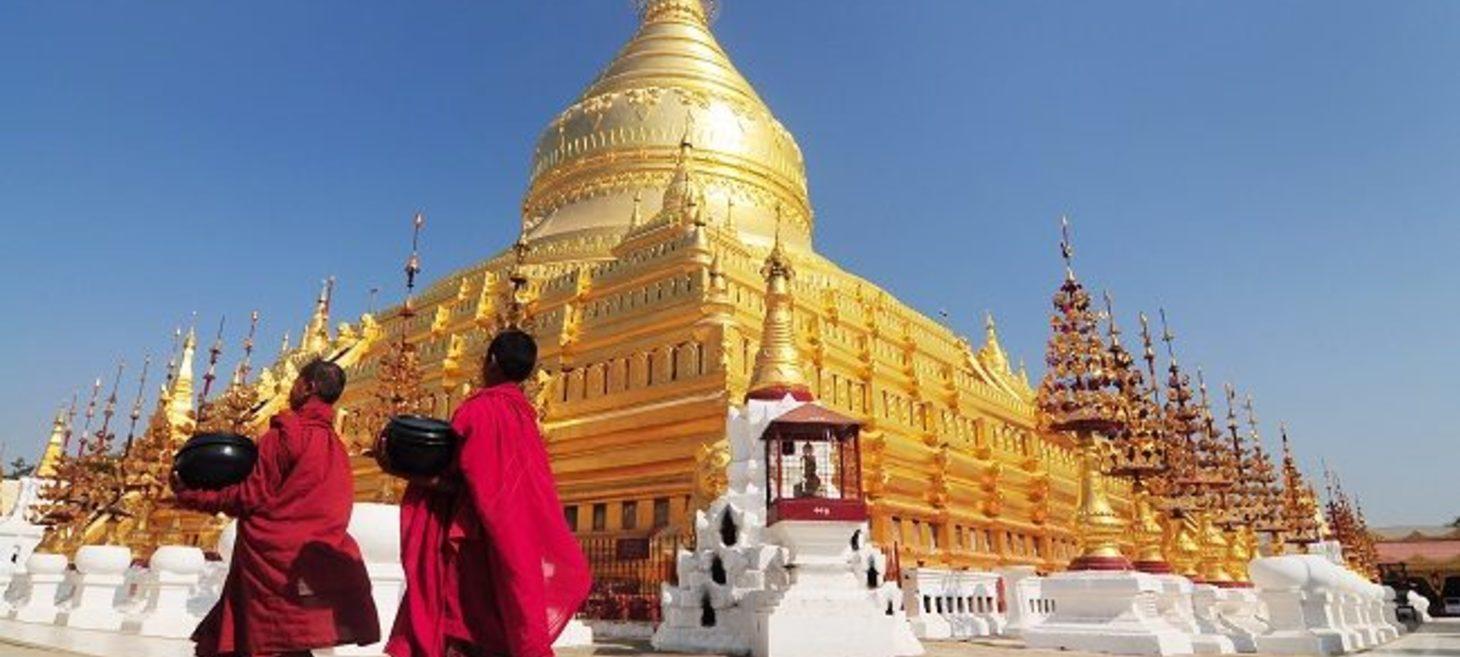
Ooredoo Myanmar has rebranded as U9, with the new identity set to be introduced across its retail stores, offices, and digital platforms starting September 20. This rebranding follows the Ooredoo Group's sale of its share in the unit to Singapore-headquartered Nine Communications for an estimated $576 million in September 2022. At the time of its rebranding, Ooredoo Myanmar held 8.5 million mobile connections, trailing behind MPT and Atom in the market.
mobileworldlive.com