Introduction & Analysis
This collection of open-source English-language news articles published over the past week highlights significant events and issues concerning Myanmar. They present a snapshot of the country's safety and security landscape.
- Myanmar's military junta is actively seeking international legitimacy and support, particularly from China, Russia, and India, through high-level visits and their endorsement of the planned December 2025 elections, which are largely viewed as a sham by opposition forces.
- The country continues to experience widespread civil conflict, leading to mass displacement, the junta's forced conscription of over 50 men in areas like Kale for military service, and extensive landmine contamination in regions such as Maungdaw Township, where groups like the Arakan Army are undertaking mine-clearing operations to facilitate civilian return.
- Myanmar has become a significant hub for a multibillion-dollar cyber scam industry and human trafficking, with numerous heavily fortified scam centers operating along its borders with Thailand and other regions, often run by criminal syndicates in close collaboration with the military junta and allied militias, who subject tens of thousands of trafficked individuals to forced labor and violence.
- Concerns are escalating over the deteriorating health of detained democracy leader Daw Aung San Suu Kyi, with her family and international observers appealing for urgent medical attention and release. At the same time, Myanmar's abundant heavy rare earth element deposits, primarily controlled by insurgent groups but critical to China's global processing monopoly, highlight the country's strategic importance in resource geopolitics.

Conflict
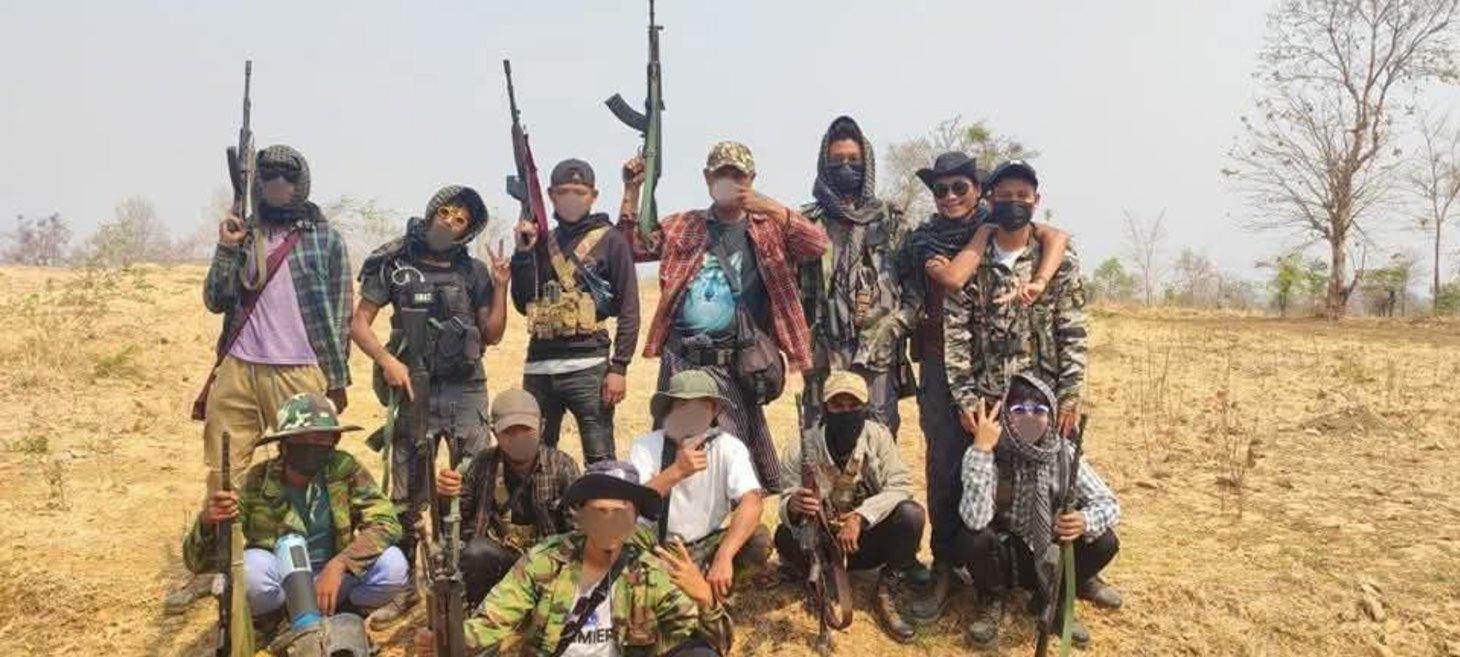
Junta-trained militia members killed in resistance assault in Magway Region
An alliance of local resistance forces carried out a coordinated attack on a village held by a pro-regime militia in Magway Region, resulting in the deaths of junta-trained militia members. This assault followed military raids and airstrikes that occurred outside Natmauk Township. The report on this event was published on September 5, 2025.
myanmar-now.org
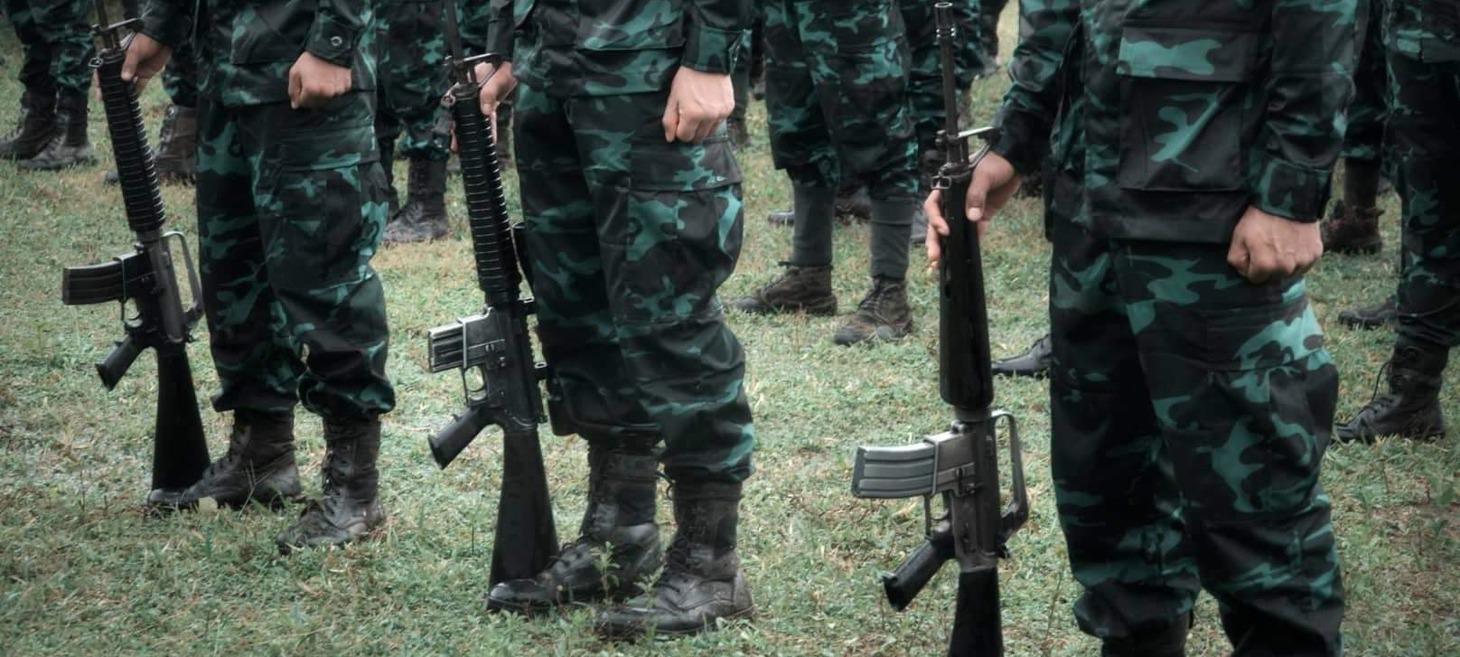
Myanmar and the perils of prediction
The post-coup conflict in Myanmar has repeatedly confounded bold predictions, initially leaning towards the military crushing the opposition, then shifting to forecasts of the regime's imminent collapse after early opposition victories. However, these optimistic predictions were premature and often based on inaccurate data, as the Tatmadaw has since restored its numbers, recovered territory, and is beginning to gain international tolerance, including from China. Serious observers now suggest a "strategic stalemate," with the junta expected to survive and its sham elections in December 2025 likely to receive recognition from neighboring states and others, while the National Unity Government (NUG) struggles with internal divisions and a closing window of opportunity, pointing towards continued conflict and suffering.
newmandala.org
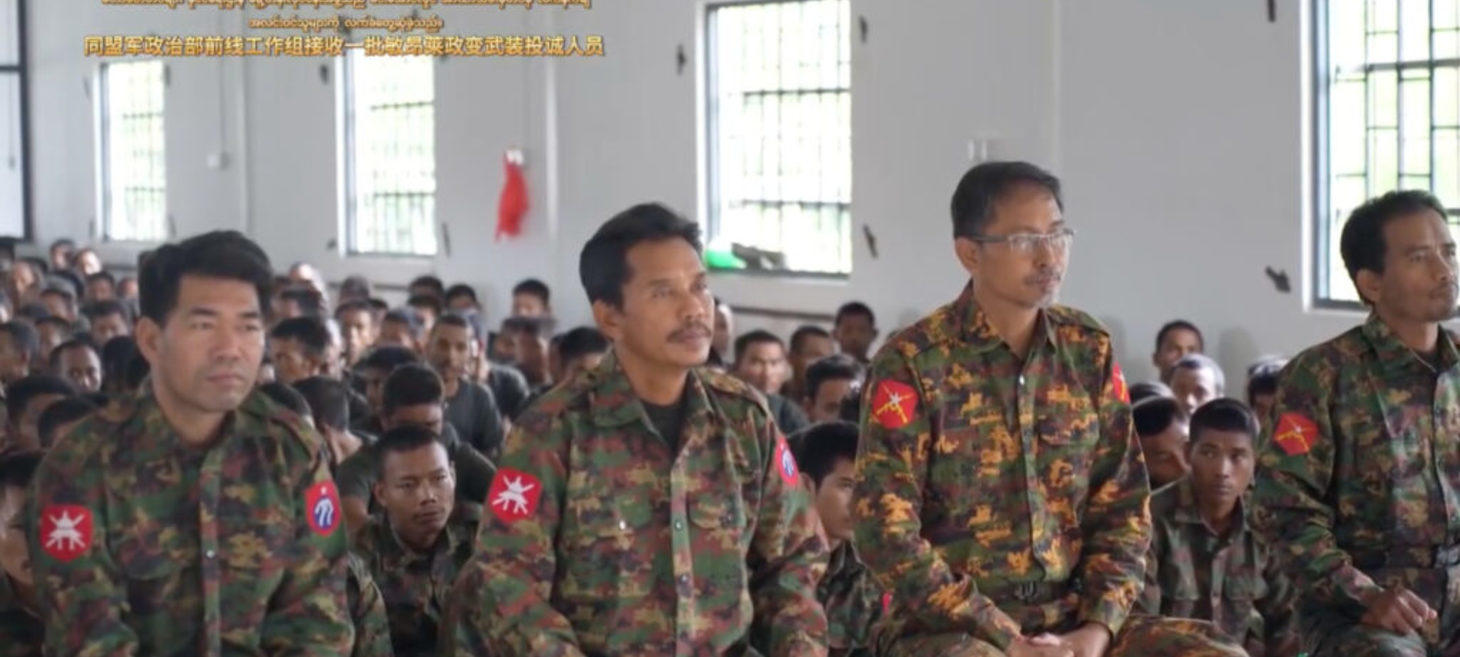
MNDAA presses junta to stop interrogating former allies in Lashio
The Myanmar National Democratic Alliance Army (MNDAA) has warned the junta against targeting its former associates in Lashio during recent talks. This warning is a key aspect of a fragile ceasefire that is being shaped by China's influence. The article, published on September 4, 2025, also references a July 2024 MNDAA press event where the surrender of 317 junta troops, including senior officers, on the Lashio front was announced.
myanmar-now.org
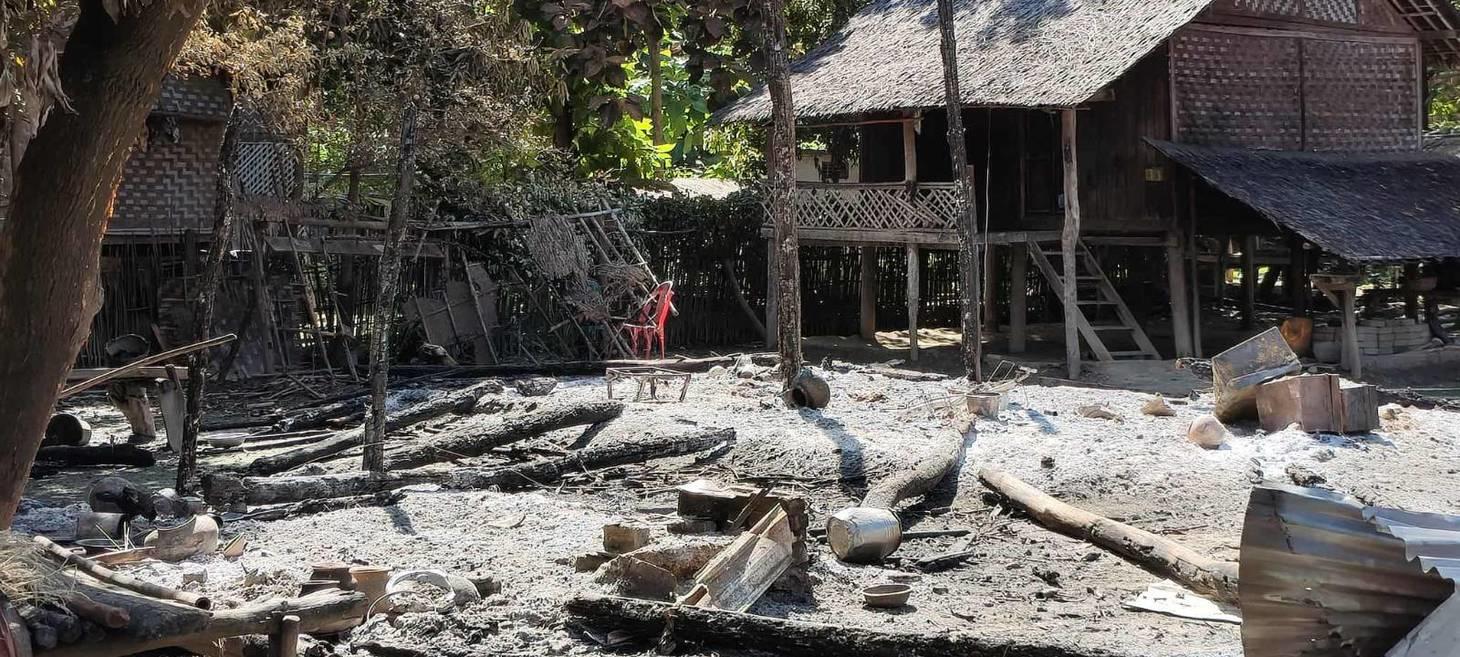
Myanmar junta troops kill at least nine civilians, including human shields, in Magway Region
Myanmar junta troops killed at least nine civilians, including human shields, in Magway Region's Pwintbyu Township. Most of these victims died from injuries sustained after being forced to walk across a minefield on a Saturday. This incident is part of a broader pattern of violence by the Myanmar junta, which has also involved airstrikes, killings, and other actions against civilians in various regions of the country.
myanmar-now.org
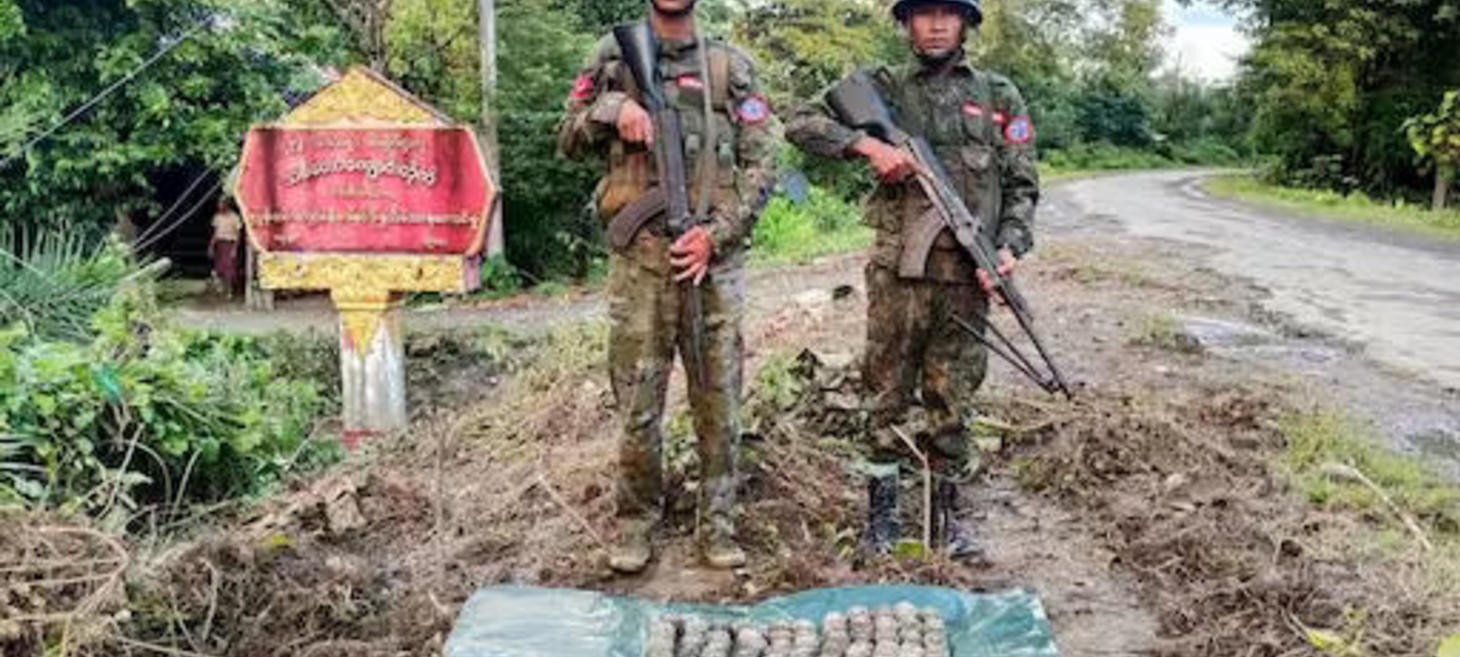
AA removes more than 120 landmines in Maungdaw Township - Burma News International
The Arakan Army (AA) removed 128 landmines planted by the junta army in Maungdaw Township on September 5 and 6, 2025, during mine clearing activities. Specifically, 85 landmines were removed near Thiktaw Village and 43 along the road in 4 Mile Village. This effort is aimed at making it easier for returning civilians to live and move around in the Muslim-majority township, with the AA also distributing mine awareness pamphlets and conducting educational courses.
bnionline.net
Conscription
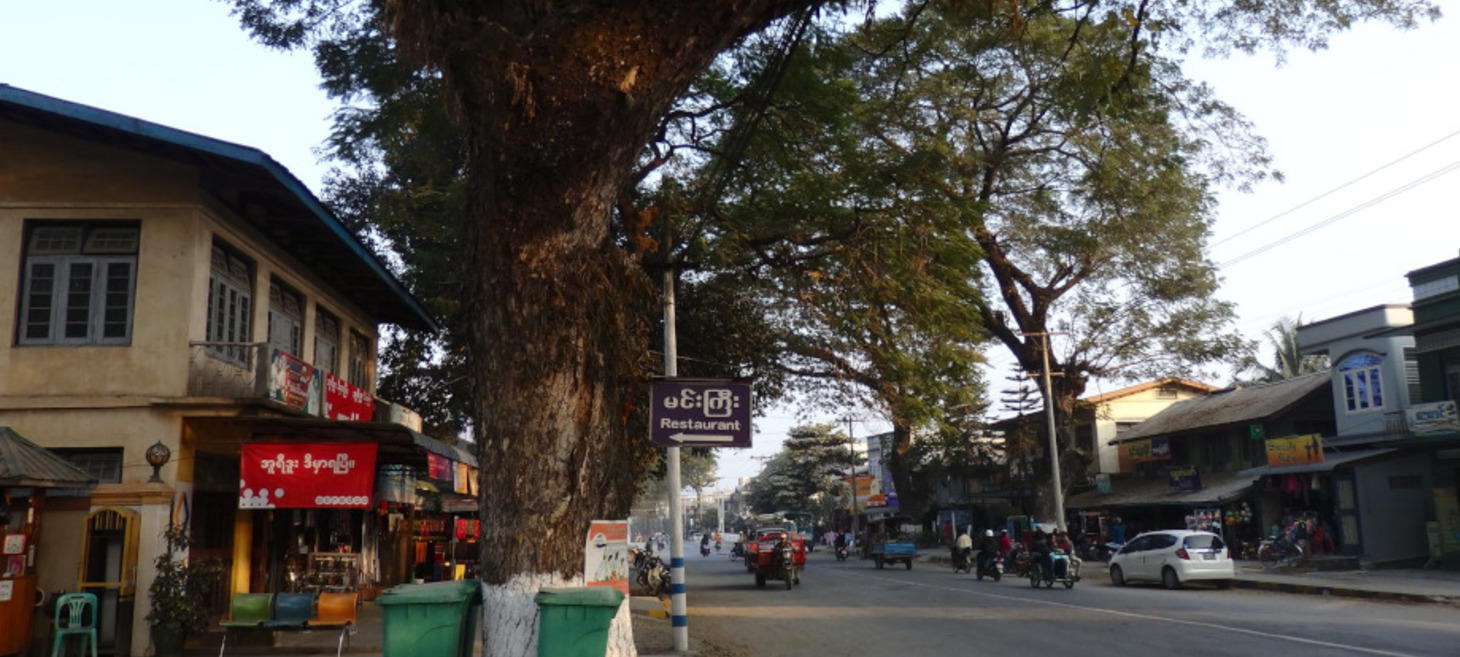
Junta abducts over 50 men in Kale for conscription since mid-August
Since mid-August, the junta, along with allied Pyu-Saw-Htee militia and police personnel, has abducted over 50 men from Kale Town, Kale Township, Sagaing Region, with locals estimating the actual number could be much higher. These house-to-house abductions are part of the junta's intensified nationwide conscription for batch 16, forcing abducted individuals to risk their lives on battlefields. The taken men are temporarily held before being sent to Military Training Depot 10 for short-term military training, after which they are deployed to frontline battlefields, and some families have reportedly been contacted with demands for 5 million MMK and a replacement for their release.
bnionline.net
Cybersecurity & Cybercrime
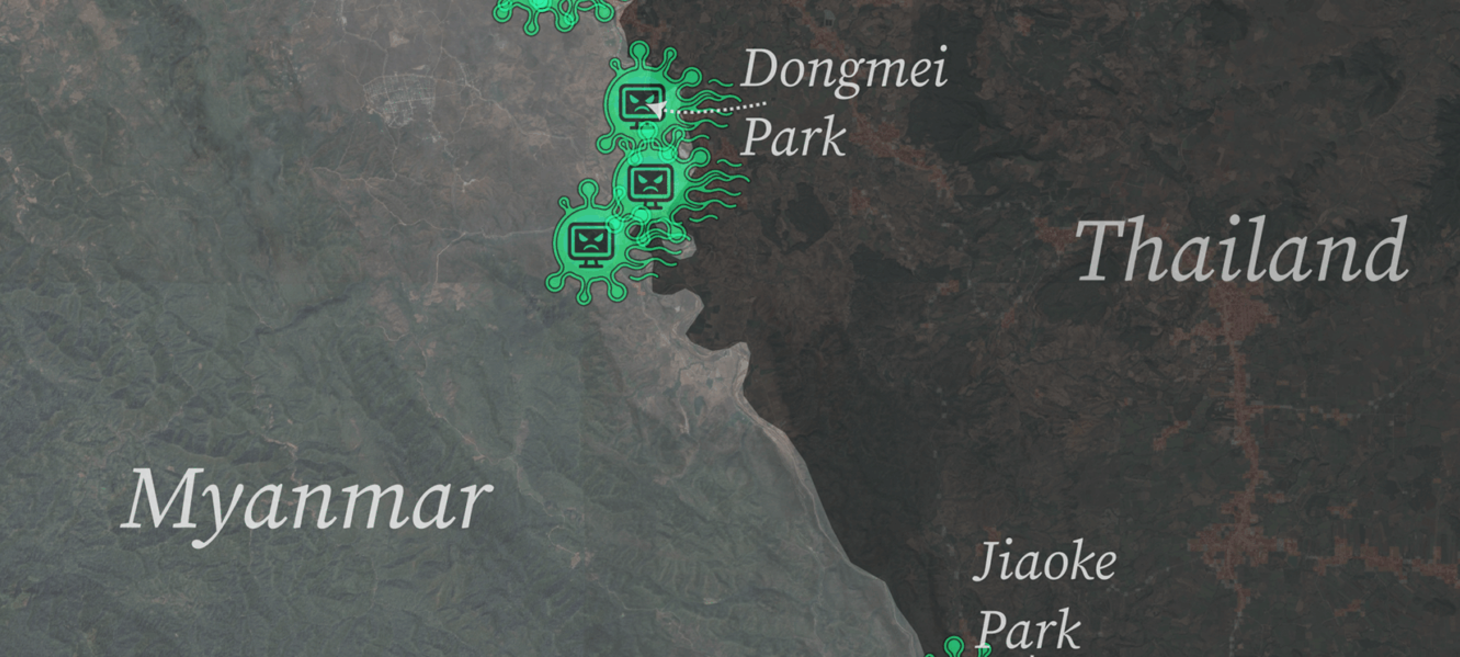
Scamland Myanmar: how conflict and crime syndicates built a global fraud industry
Myanmar has emerged as a significant haven for transnational organized crime, where large and complex scam centers (Kyar Phyant) engage in rapidly evolving fraud, money laundering, and human trafficking, posing an international threat. This industry's expansion is driven by the rise of digital business, available real estate, and the permissive environment following the 2021 coup, with the ruling junta actively facilitating these scams to enrich military allies and secure the loyalty of affiliated militias. Due to the involvement of multiple actors, including the junta, its allied non-state groups, and Chinese criminal syndicates, conventional bilateral negotiations are insufficient; instead, removing the permissive law enforcement environment created by the Burmese junta is the only reliable and sustainable mechanism to control these operations.
aspi.org.au
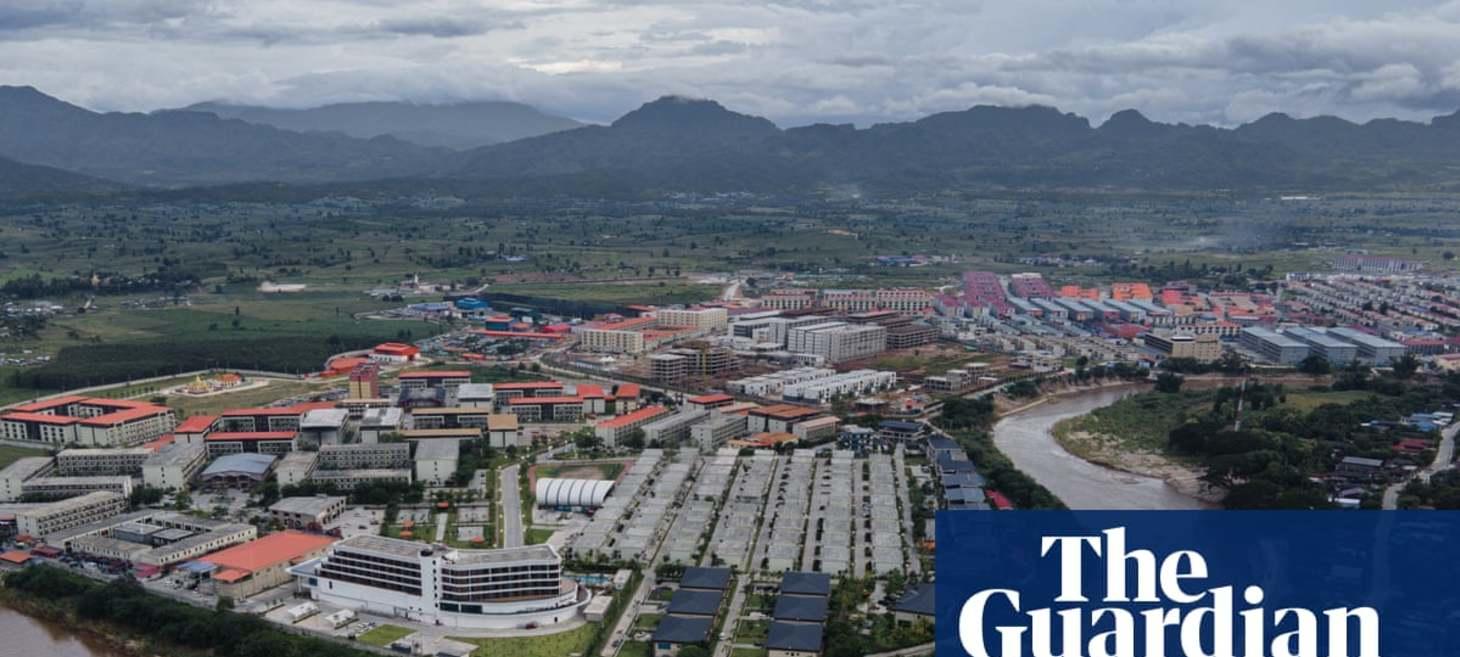
Revealed: the huge growth of Myanmar scam centres that may hold 100,000 trafficked people
Vast, heavily guarded scam centers, such as KK Park along the Thai-Myanmar border, have proliferated, doubling in number since Myanmar's military coup in 2021 and potentially holding up to 100,000 trafficked individuals. These complexes, operated by transnational crime syndicates, force enslaved workers to conduct online fraud, subjecting them to extreme violence, torture, and severe physical punishments. The growth of this multibillion-dollar criminal industry is fostered by Myanmar's military junta, which now considers it an "existential necessity" for its conflict economy.
theguardian.com

US sanctions billion-dollar cyber scam networks in Myanmar and Cambodia - The Edge Malaysia
The U.S. has imposed sanctions on billion-dollar cyber scam networks in Myanmar and Cambodia, which reportedly stole tens of billions from Americans last year and subject thousands to modern slavery. These criminal networks traffic people into scam compounds, forcing them into debt bondage, violence, and online fraud, including money laundering, illegal gambling, and fraudulent investments. Sanctioned entities include nine companies and individuals in Shwe Kokko, Myanmar, and ten in Cambodia, with the sanctions aiming to cut off funds to these networks that have expanded rapidly, particularly in Myanmar since a 2021 military coup.
theedgemalaysia.com
Economy
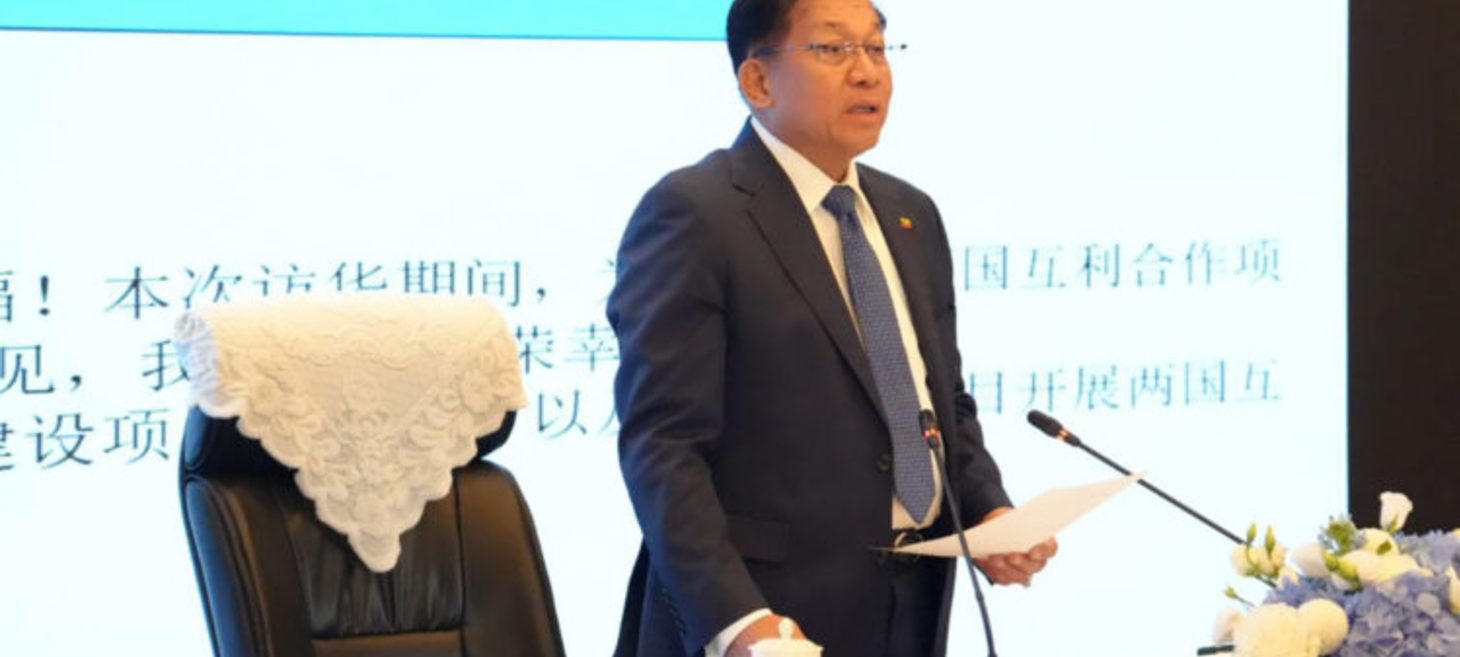
Doubts Cast on Myanmar Junta Boss’s Pledges to Chinese Investors
Despite his regime's faltering control over Myanmar, junta leader Min Aung Hlaing actively courted Chinese investors during a recent trip, highlighting Myanmar's strategic location and potential as a vital link between South Asia, Southeast Asia, and China, and touting projects like the Kyaukphyu-Kunming Railway as part of the China-Myanmar Economic Corridor. He promised enhanced trade, political stability after planned elections, and access to Myanmar's natural resources and human capital for joint ventures, even enacting a law allowing Chinese private security firms to protect their interests. However, analysts remain skeptical due to the regime's inability to secure key trade routes and border crossings, many of which are under the control of ethnic armed groups, casting serious doubt on its capacity to safeguard Chinese investments and implement the CMEC.
irrawaddy.com
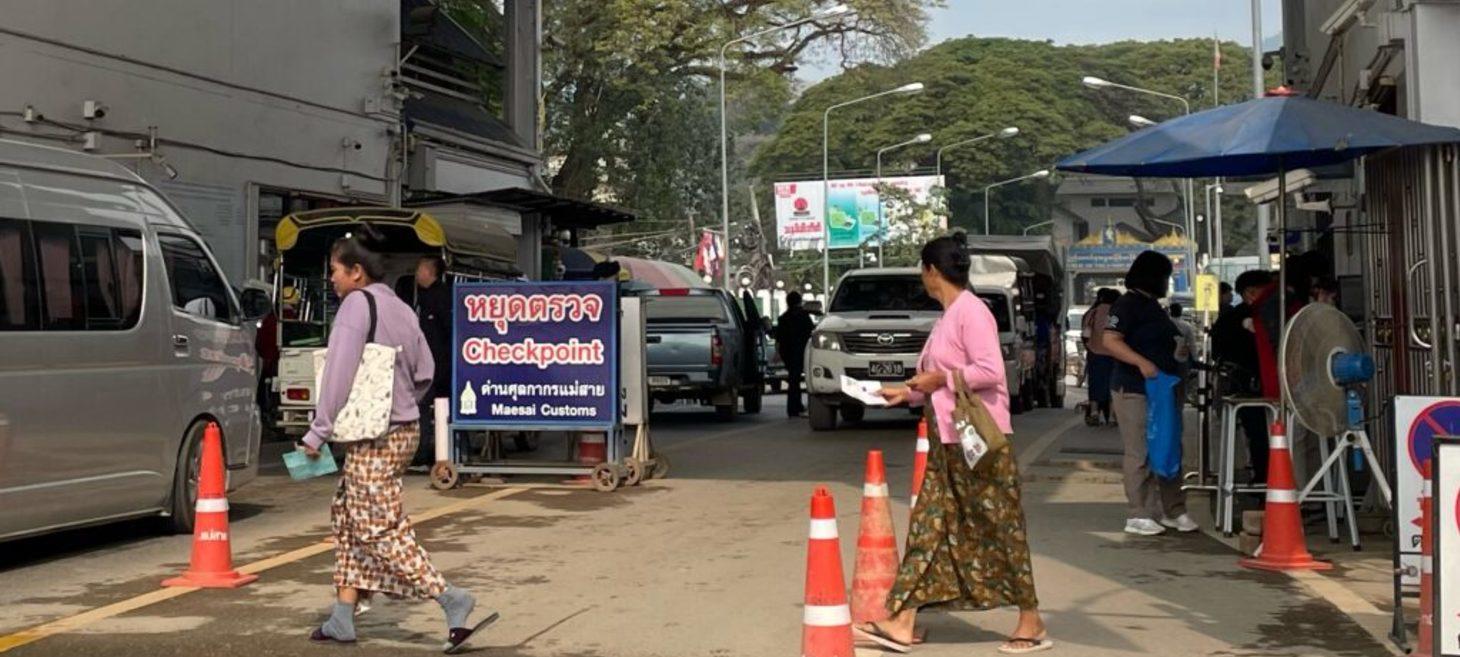
Myanmar regime tells Thais to change routes for border trade
The Myanmar junta has instructed Thai officials to change routes for border trade, two weeks after it severed trade through the active Myawaddy-Mae Sot border crossing. This move aims to redirect the flow of goods to less utilized trade routes. The article, dated September 3, 2025, also mentions various related articles concerning ongoing conflicts, displacements, and political issues within Myanmar.
myanmar-now.org
Elections
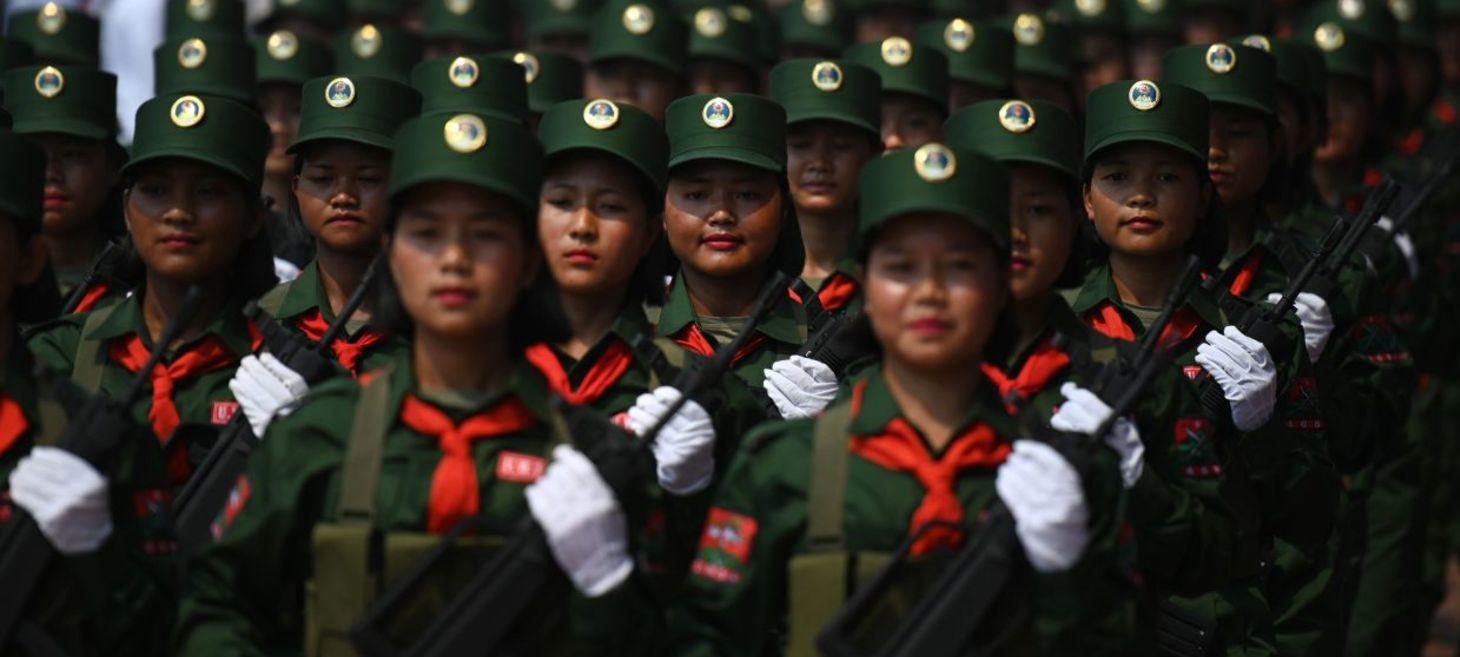
Wa self-administered areas in Myanmar warn against election-related mobilisation, campaigning
Wa self-administered areas in Myanmar have issued warnings against election-related public mobilization and campaigning in towns like Hopan and Panglong, where complaints can be filed against such activities. Residents were informed that only the United Wa State Party (UWSP) is allowed in areas under Wa rule, prohibiting other parties from organizing voter registration or campaigning for money. Despite repeated requests from the government to hold elections in some UWSA/UWSP-controlled areas, which have been refused, the Shan State government recently discussed election-related issues with Wa leaders, and a new law was enacted to prevent election obstruction.
thestar.com.my
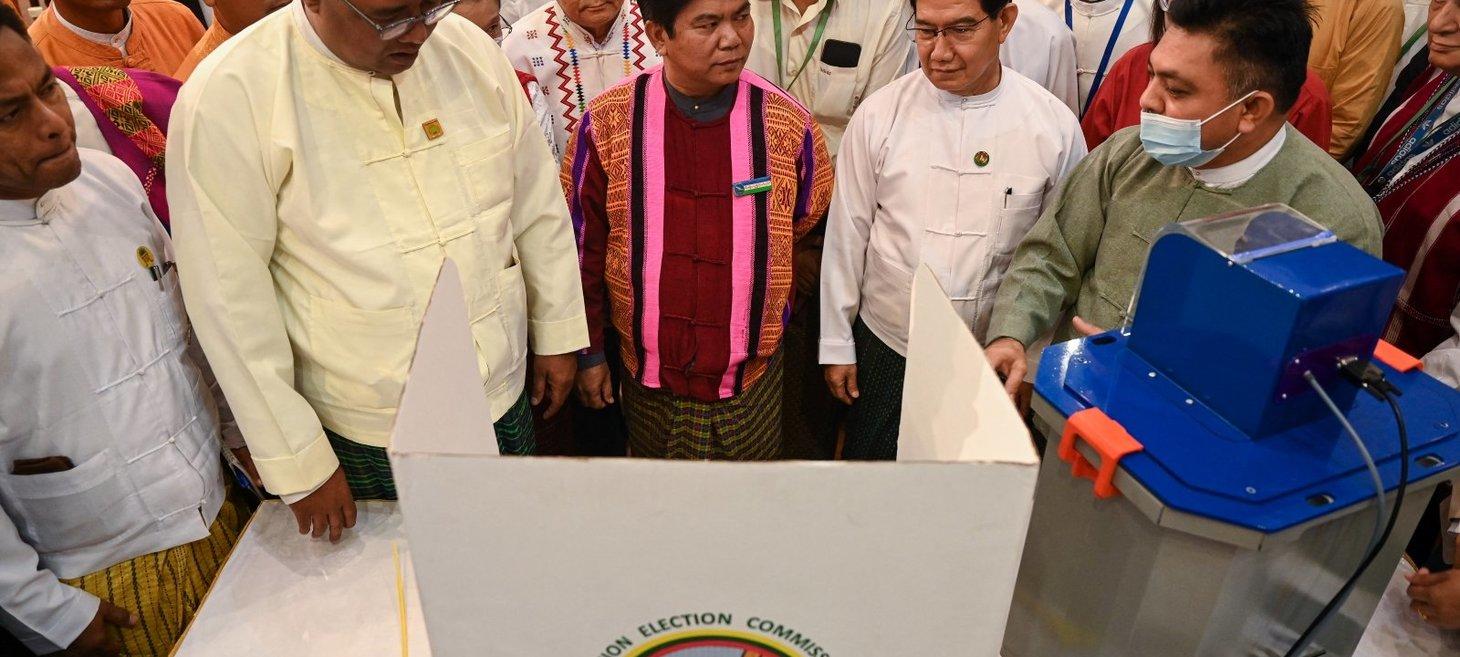
Fear and voting in Myanmar: Junta election heralds more violence
Myanmar's military junta is planning a phased election starting December 28, 2025, which is widely regarded as a sham designed to maintain the military's grip on power and is condemned by numerous resistance groups, including the National Unity Government. These resistance forces are actively working to disrupt the poll through warnings, arrests of civil servants, and attacks on election-related activities, creating a violent environment and widespread fear among those involved. Consequently, civilians forced to serve as poll workers, such as teachers, and members of participating political parties are deeply anxious about their safety, fearing attacks from resistance groups or reprisals from the regime.
frontiermyanmar.net
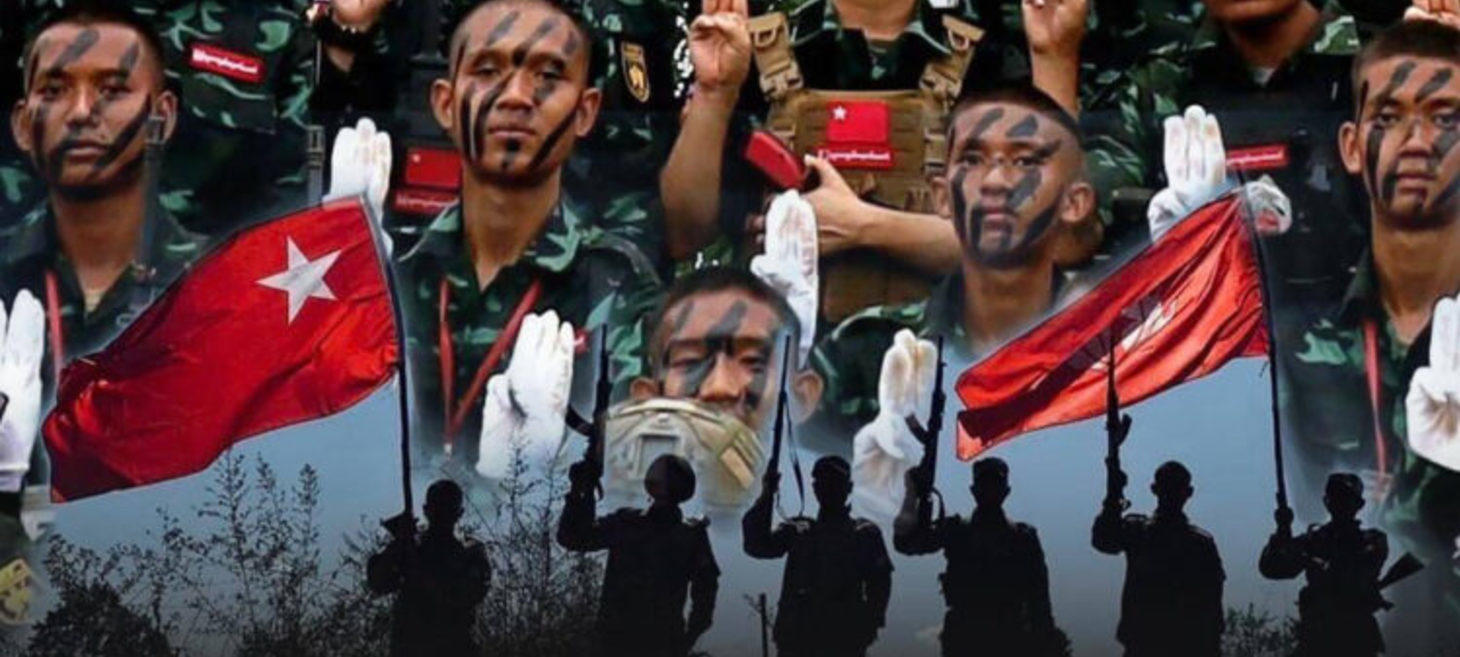
Myanmar’s NUG Says Junta Election Will Spur Revolution - The Irrawaddy
Myanmar's civilian National Unity Government (NUG) asserts that the junta's planned election, scheduled to begin on December 28 in 102 townships, is a "sham election" designed to legitimize the military's rule and prolong its grip on power through the military-backed Union Solidarity and Development Party. Despite this, the NUG believes the election will only serve to consolidate revolutionary forces further and intensify the armed struggle, as they plan to respond with guerrilla, mobile, and positional warfare, including large-scale coordinated offensives. However, the NUG admits it faces challenges in providing weapons, ammunition, rations, and military training, and struggles on the diplomatic front due to powerful neighboring countries, like China, India, and Thailand, supporting the junta or pressuring ethnic armed organizations to halt operations.
irrawaddy.com
Ethnic Issues
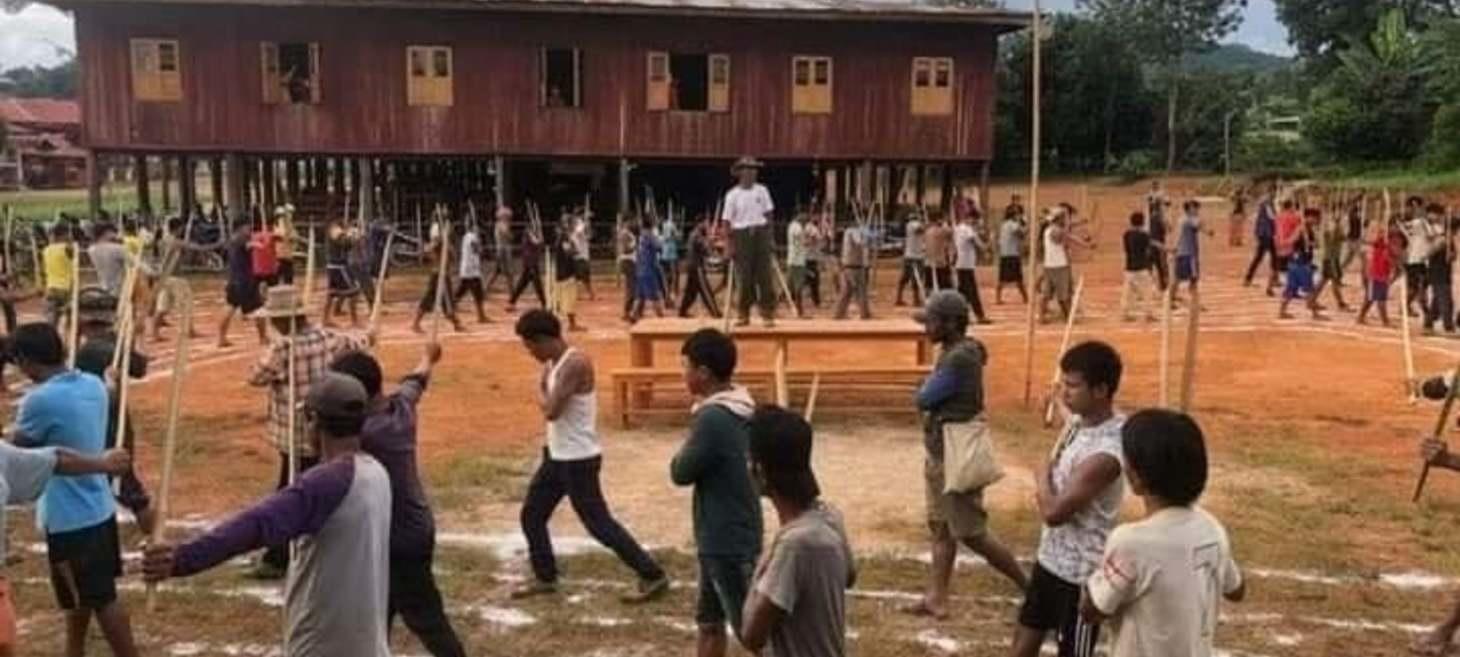
Pa-O National Organization Imposes Military Duty and Payments on Locals
The Pa-O National Organization/Army (PNO/PNA) is imposing mandatory military service and various financial payments on local residents in southern Shan State's Nawng Lai, Sanphu, and Sangaw village tracts. Men aged 18 to 35 are being rostered for rotational military training, typically lasting 15 days, with requirements ranging from two to five people per village, though students are currently exempt. Villagers face compulsory payments including 400,000 kyat for those living abroad who are on the military service roster, a separate military service fee, and a monthly 50,000 kyat contribution for PNA ammunition costs, leaving residents feeling they have no choice but to comply.
shannews.org
Foreign Affairs
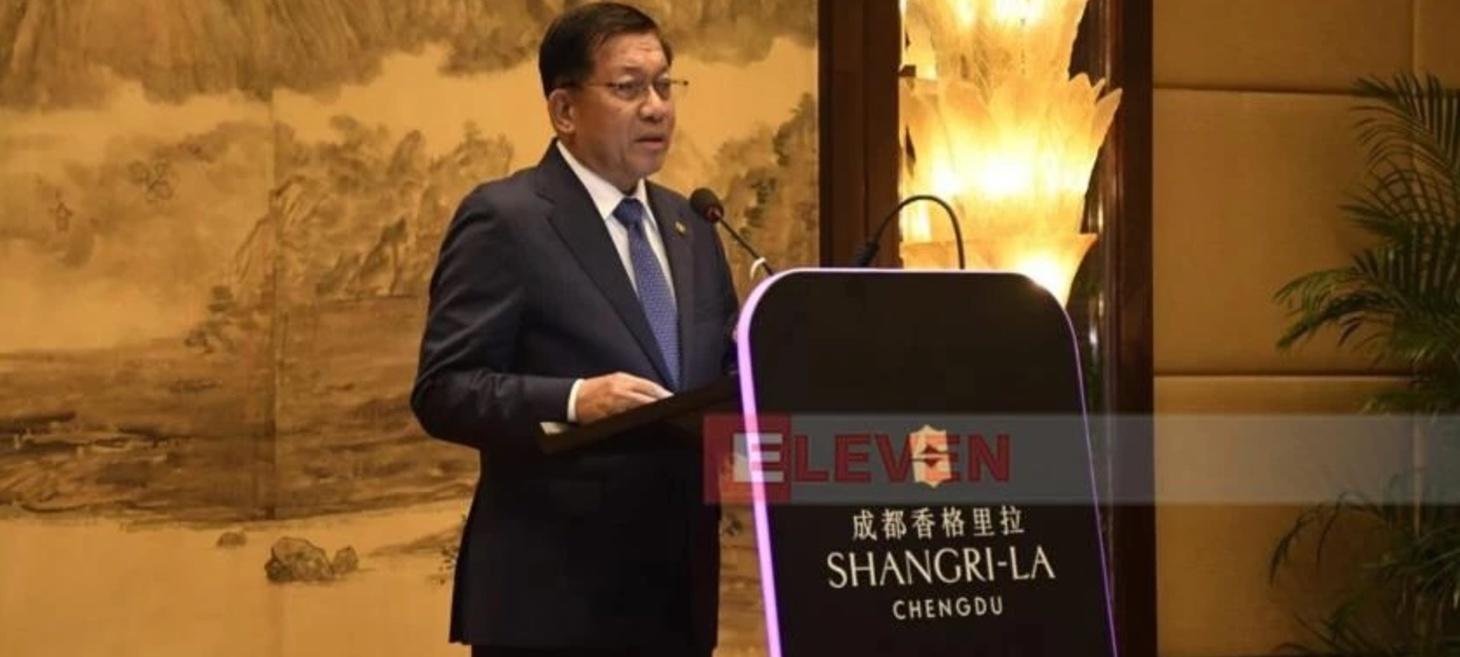
Myanmar’s Acting President says nation faces pressure from major powers, vows to further strengthen ties with China - Nation Thailand
Myanmar’s Acting President, Senior General Min Aung Hlaing, stated that the nation is facing financial, political, and economic pressures from powerful countries, citing US sanctions on China as an example. During his week-long official visit to China, concluding on September 6 in Chengdu, Sichuan Province, he vowed to further strengthen Myanmar-China ties, describing them as "family-like neighbours" and strategic partners. He expressed interest in adopting China’s green development policies through collaboration and welcomed Chinese President Xi Jinping’s Global Governance Initiative.
nationthailand.com
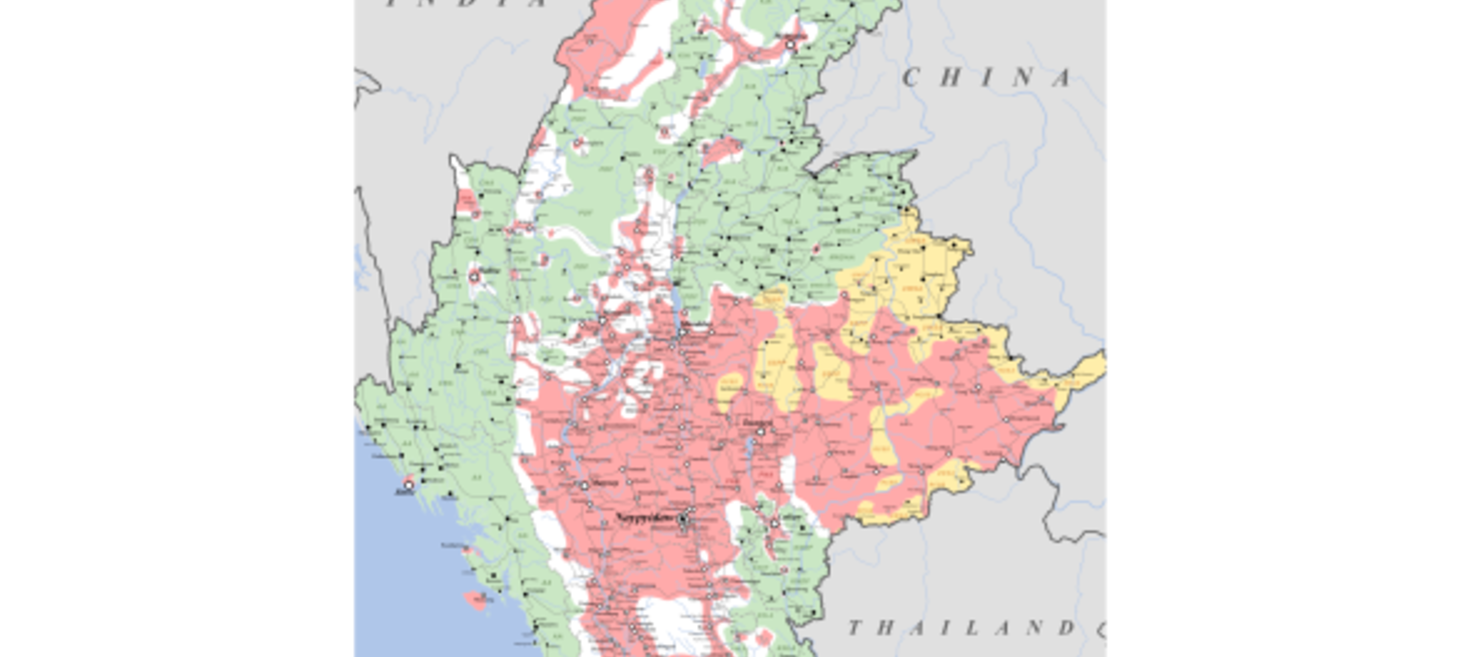
China turns to help Myanmar military
China is actively supporting Myanmar's military regime, welcoming its ruler to international summits and approving its plan for an election, which cannot be fair or democratic. This support includes China pushing for a "settlement" in Myanmar where resistance forces cease fighting, de facto borders are established, and the military regime gains international recognition while the National Unity Government is sidelined. This shift by China creates a significant risk of the military regime consolidating its power in core areas, potentially leading to increased repression of workers' unions and student organizations.
workersliberty.org

NUG warns China that hosting the junta leader could strain relations with Myanmar’s people
The National Unity Government (NUG) sent a letter to the Chinese government on September 1, 2025, urging it to suspend recognition of Myanmar's military regime, reject its planned elections, and refrain from calling Min Aung Hlaing "acting president," warning that hosting him could strain relations with the people of Myanmar. Despite this, Chinese officials referred to Min Aung Hlaing as Myanmar’s “acting president” during his August 30 visit to Beijing, where he met with Xi Jinping. The NUG emphasized its broad public support for resisting the junta and building a federal democracy, accusing the military of atrocities and economic devastation.
mizzima.com
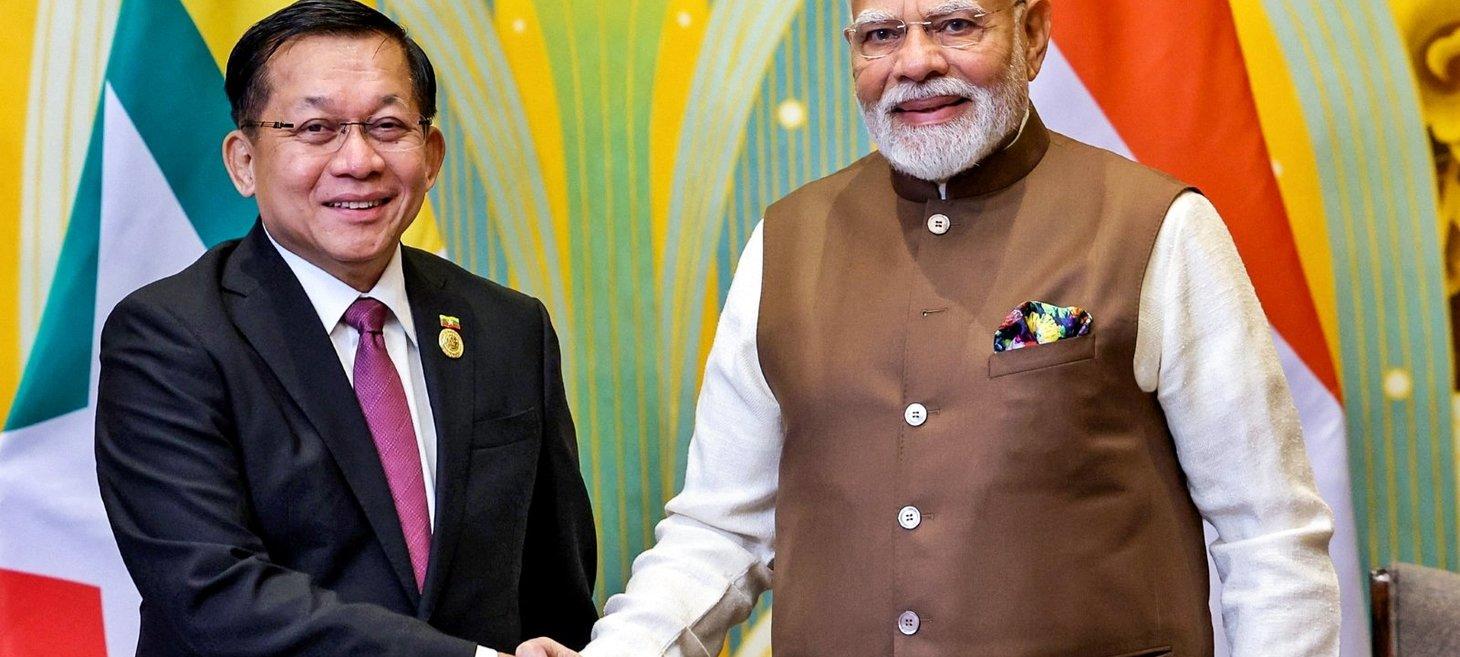
The junta positions itself in the new world order
Myanmar's junta, led by Senior General Min Aung Hlaing, is opportunistically aligning with rising autocratic forces in the Global South to gain legitimacy amidst a transforming international order and a decline in American leadership. This involves attending high-profile events like the Shanghai Cooperation Organization (SCO) summit, meeting with leaders such as China's Xi Jinping, India's Narendra Modi, and Russia's Vladimir Putin, and seeking support for its planned elections and investment. The regime's foreign policy realignment suggests it views Washington, D.C. as a place for business, not criticism, while critics argue this "whitewashed endorsement" is not true legitimacy and highlights a broader retreat of international justice and human rights.
frontiermyanmar.net
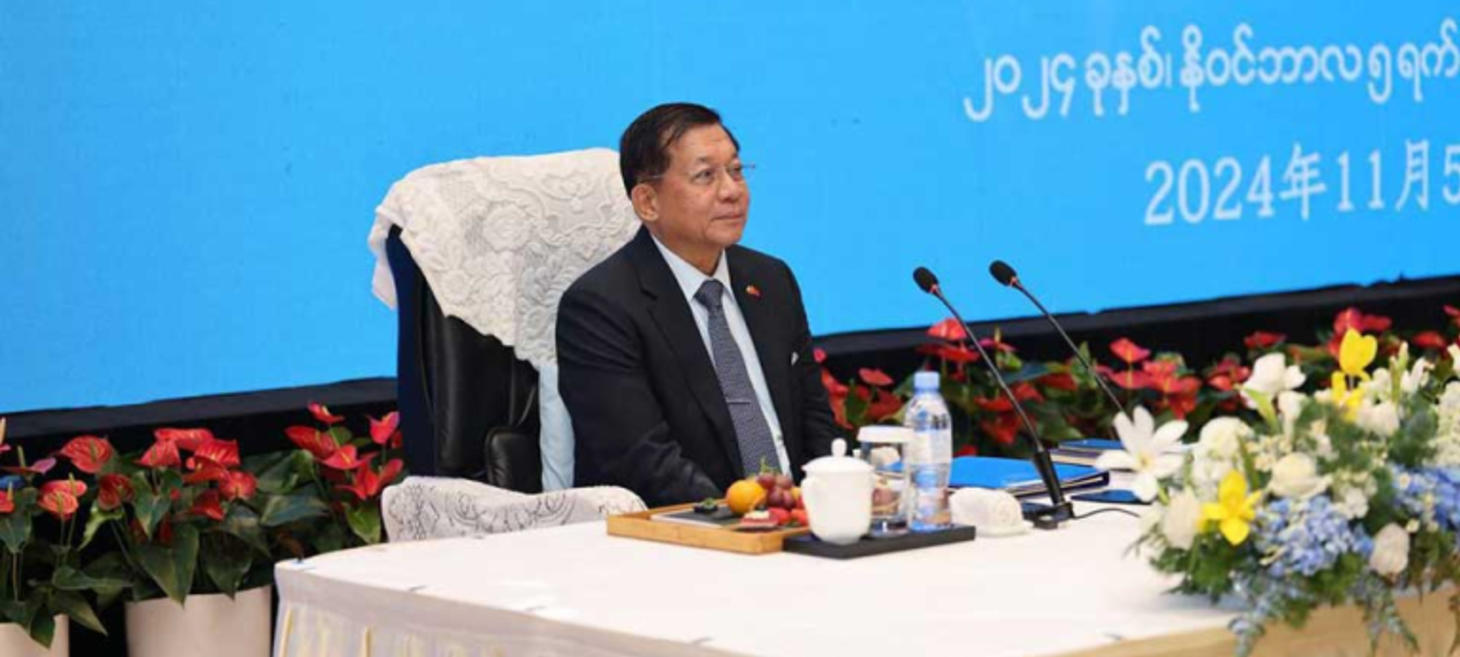
China Wins Myanmar’s Nod for Xi’s Global Plan, Seeks Closer Ties
Myanmar's military leader, Senior General Min Aung Hlaing, has expressed strong support for China's Global Governance Initiative (GGI) and pledged to deepen cooperation, urging the reopening of borders and increased trade. He described China as a "family-like neighbour" and strategic partner, noting their extensive shared border and 75 years of diplomatic relations, particularly as Myanmar faces political and economic pressure from major powers. This development aligns with China's broader efforts to expand its influence and economic ties across the Global South through initiatives like the Belt and Road.
chinaglobalsouth.com
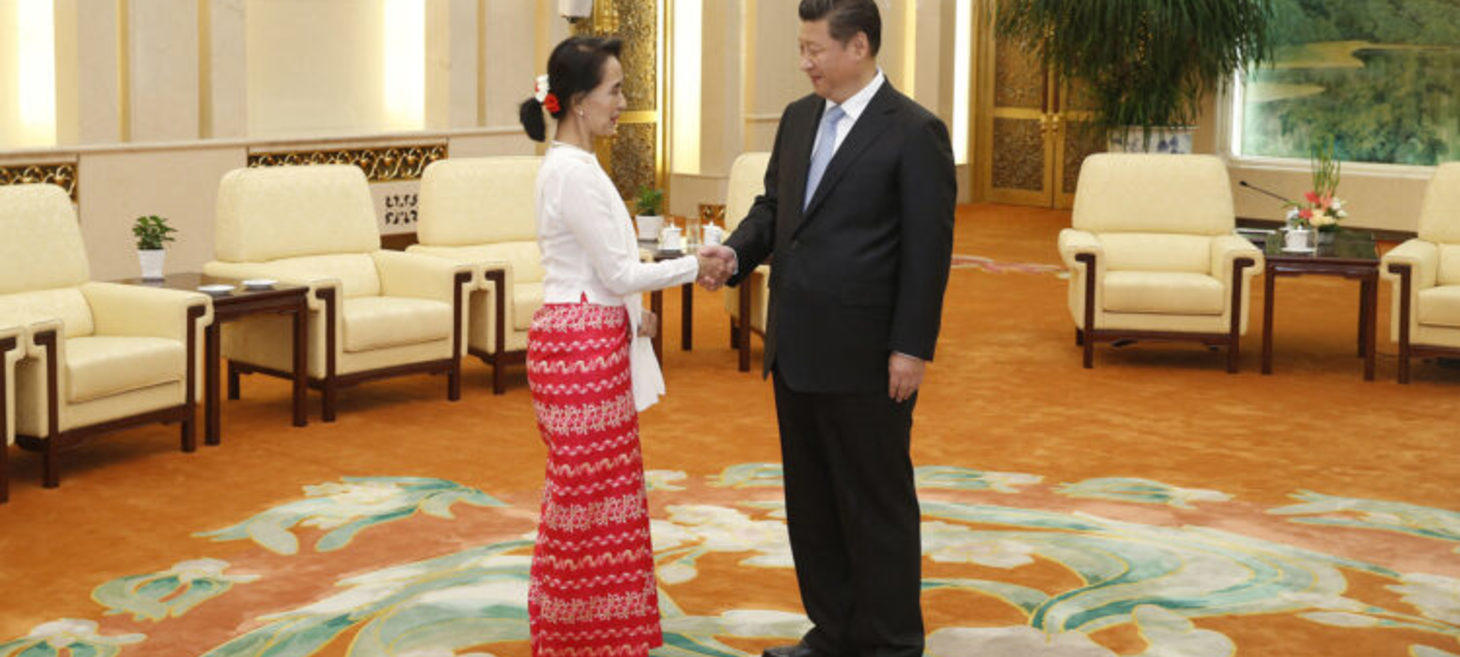
Beijing Officials Split Over Daw Aung San Suu Kyi’s Medical Care
Beijing officials are divided on how to address the deteriorating health of detained Myanmar democracy leader Daw Aung San Suu Kyi, who is suffering from worsening heart problems at 80 years old and requires urgent medical attention in the junta’s custody. While one group in Beijing advocates for her treatment in the Chinese capital, another prefers to avoid involvement. Myanmar's National Unity Government (NUG) has expressed appreciation for China's concerns and urged it to pressure the junta for humane treatment and medical care for Daw Aung San Suu Kyi.
irrawaddy.com
General News
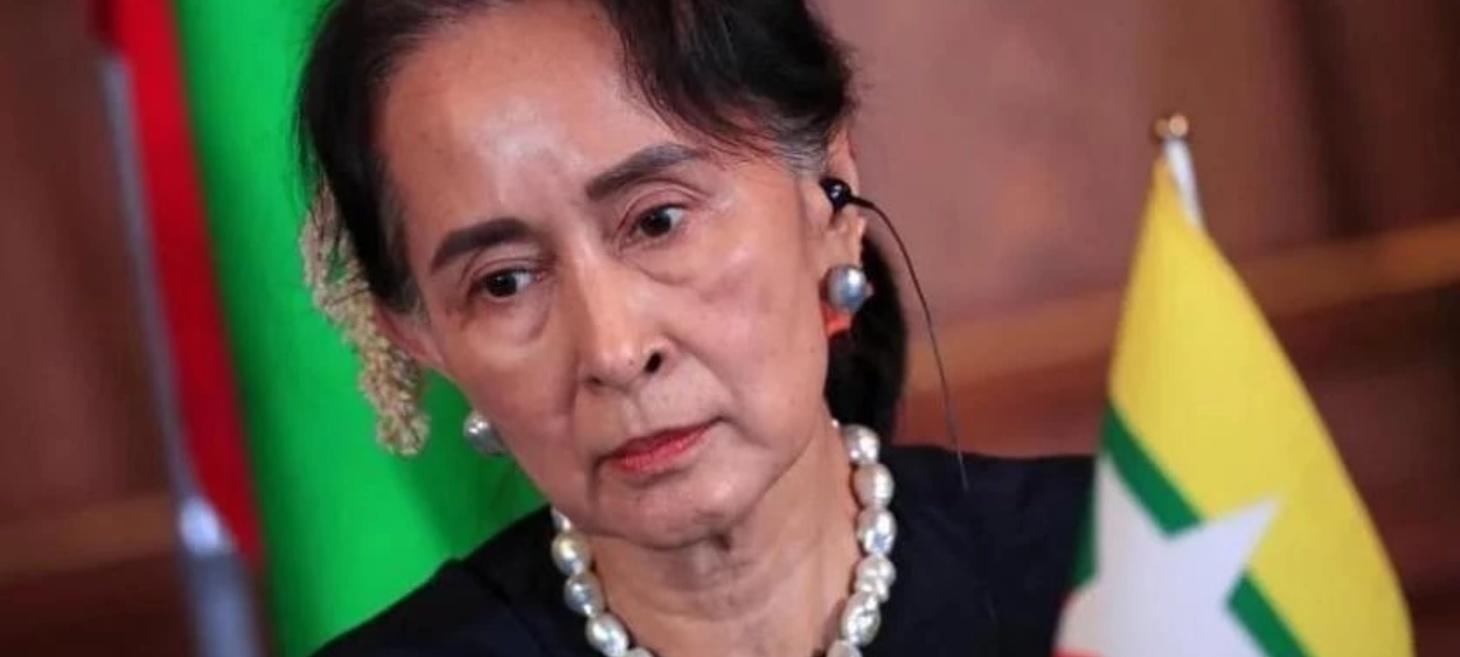
Maj-Gen Zaw Min Tun denies Daw Aung San Suu Kyi’s health rumors, says she is in good health - Nation Thailand
Maj Gen Zaw Min Tun, head of the National Defence and Security Council information team, denied recent reports about Daw Aung San Suu Kyi’s health as “fabricated and false,” stating she is in good condition. These rumors emerged while a delegation, led by Acting President and State Security and Peace Commission (SSPC) Chairman Senior Gen Min Aung Hlaing, was on a working visit to China. Zaw Min Tun asserted that the fabricated news was deliberately spread to overshadow coverage of Myanmar's participation in an SCO meeting and 80th-anniversary celebration, and to discredit the SSPC Chairman’s visit to China by those who oppose progress.
nationthailand.com
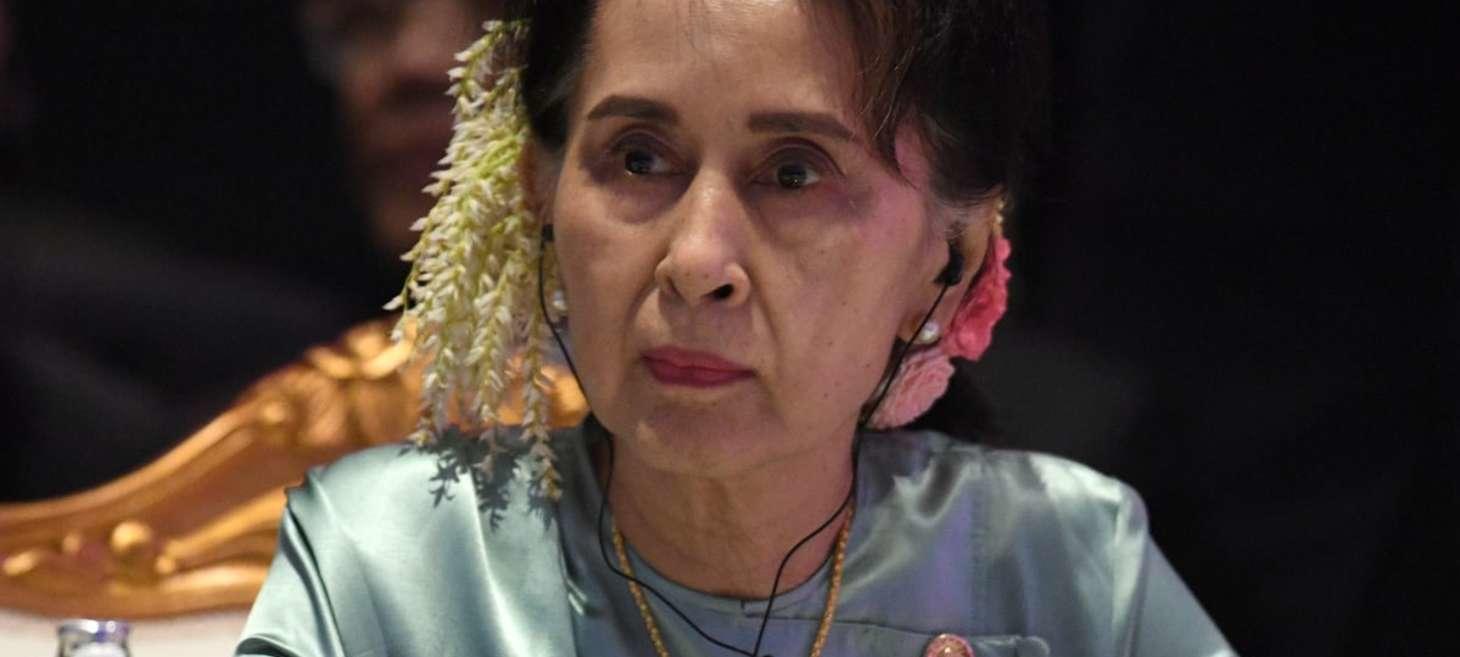
Myanmar’s Suu Kyi faces worsening health in military custody, son says
Aung San Suu Kyi's son, Kim Aris, has stated that his 80-year-old mother is facing worsening health in military custody, requiring urgent attention for heart issues, and also suffering from bone and gum problems, with concerns she may have been injured in a March earthquake. Conversely, Myanmar military spokesman Zaw Min Tun claims her health is "good" and that reports to the contrary are fabricated to distract from the military chief's visit to China. Suu Kyi, a Nobel Peace Prize laureate, has been imprisoned since the February 2021 coup, serving a 27-year sentence, and her current location is often unclear.
rfa.org
Natural Resources
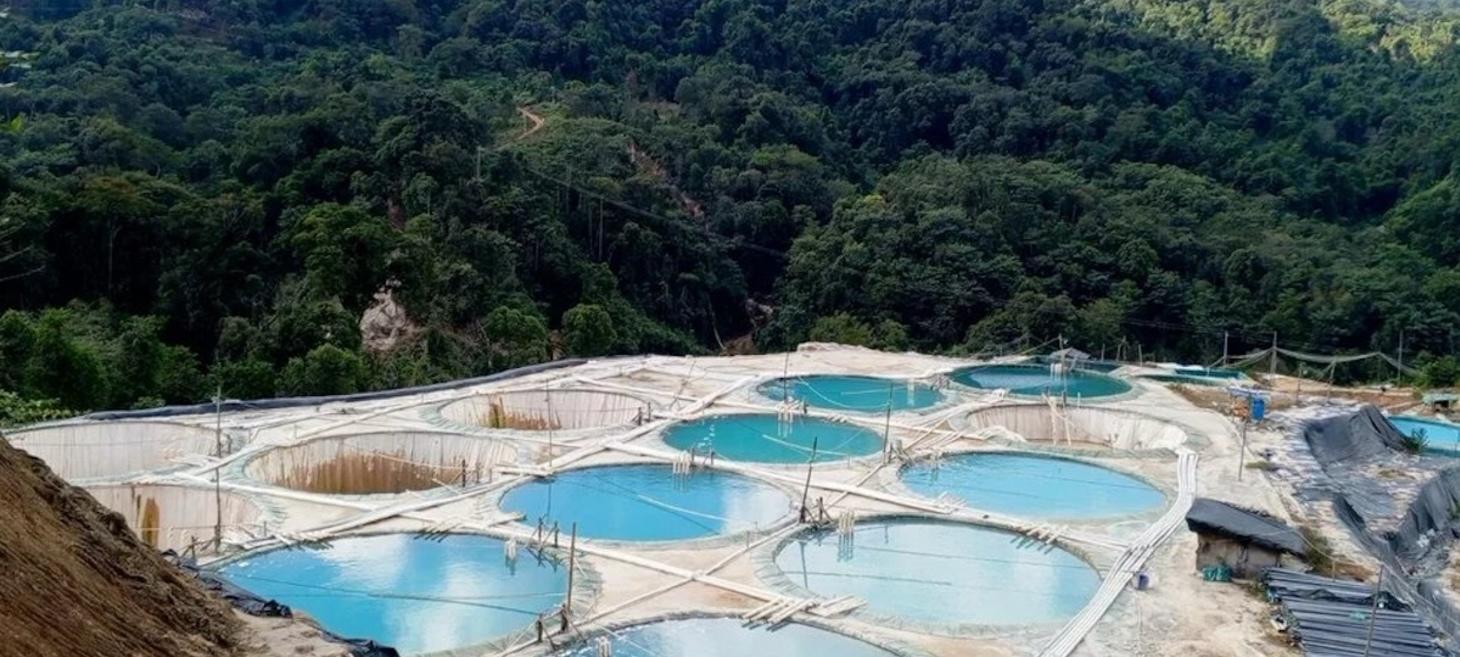
Trump’s rare earth push hits a Chinese wall in Myanmar
President Trump has expressed concern over China's near-monopoly in processing rare earths, particularly strategic-use magnets crucial for US high-tech weaponry and aerospace industries, which leaves the US vulnerable to supply chain disruptions. China processes 90% of the world’s rare earth elements and sources a significant portion of heavy rare earths like dysprosium and terbium from Myanmar, where valuable mines are increasingly controlled by ethnic insurgent groups such as the Kachin Independence Army (KIA). The US is currently locked out of Myanmar’s raw rare earth supplies, and while there have been diplomatic overtures and a softening of the US stance towards the Myanmar junta, securing access would involve complex dealings with both the rebels and the ruling military, compounded by problematic transport routes and China's established influence.
asiatimes.com