Introduction & Analysis
This collection of open-source English-language news articles published over the past week highlights significant events and issues concerning Myanmar. They present a snapshot of the country's safety and security landscape.
- Myanmar continues to grapple with a severe civil war, marked by widespread internal displacement, forced military conscription, and intense violence, including airstrikes and ground offensives, which have created a dire humanitarian crisis reminiscent of 2017 atrocities and pushed thousands into precarious labor situations in neighboring countries like Thailand.
- To legitimize its rule, the Myanmar military government, now operating as the State Security and Peace Commission, is proceeding with what critics call "sham elections" on December 28, 2025, while simultaneously suppressing dissent through new laws against election disruption and cracking down on labor movements advocating for fair wages amidst rising inflation and economic hardship. This internal turmoil also fosters illicit economies, with drug trafficking networks increasingly using the Indo-Burma border as a critical corridor due to weakened governance.
- Regionally, China has emerged as a crucial international backer for Myanmar's junta, providing affordable and comprehensive military systems without political conditions, and increasingly influencing ethnic groups to cease fighting, while the United States, under the Trump administration, appears to be shifting its policy from promoting democracy and human rights to pursuing strategic economic interests, particularly in Myanmar's rare earth resources.
- The escalating crisis in Myanmar has significant regional ramifications, leading to a substantial increase in refugees seeking asylum in neighboring Thailand, where many face exploitation in toxic orange orchards with meager wages and limited legal protection, despite recent policy changes aiming to grant some long-term refugees legal work rights. Additionally, international corporations like Telenor face police complaints for allegedly transferring surveillance technology to the military, raising concerns about corporate complicity in human rights abuses.

Conflict
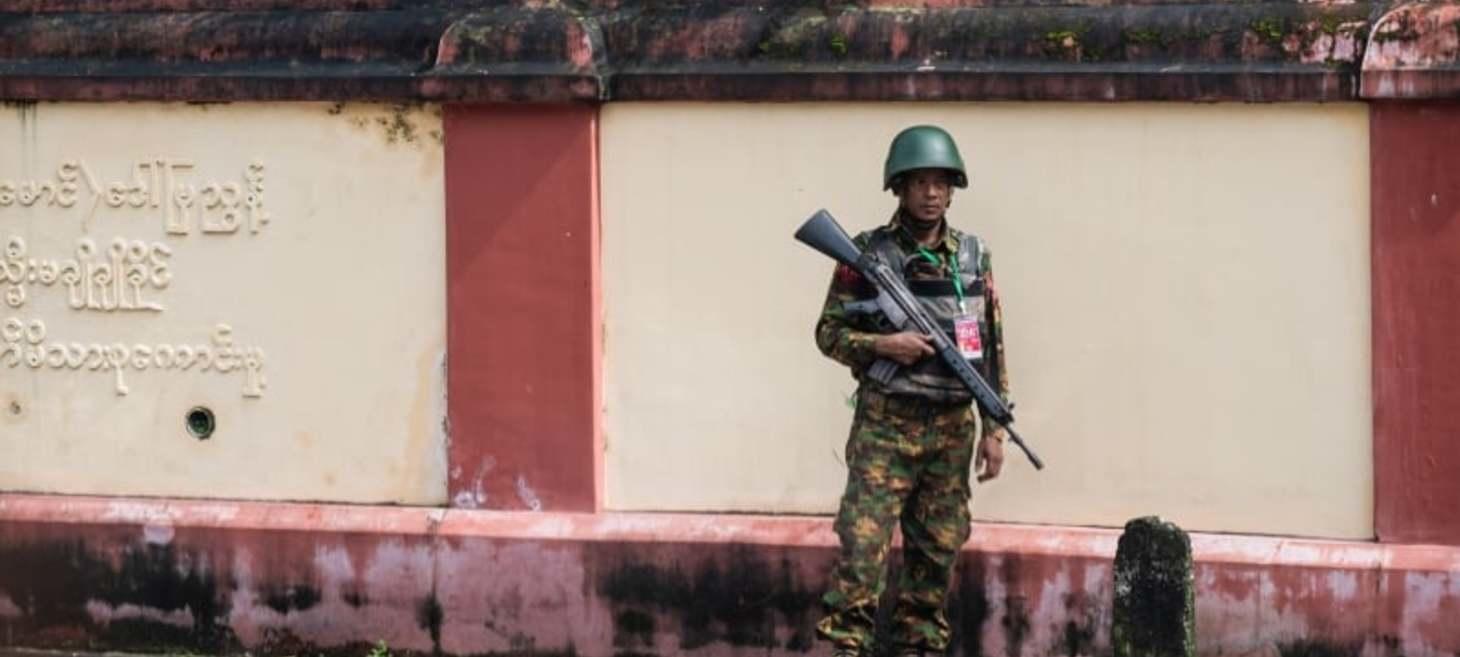
Myanmar Conflict Continues to have Regional Ramifications
Myanmar's civil war is well into its fifth year, intensifying and causing a deterioration in regional security, notably impacting India's northeastern border with refugees and an illicit economy. The dynamics are shifting with China taking a pro-junta position, increasing government ties, pressuring ethnic groups, and providing weapons, which has contributed to modest battlefield gains for the Tatmadaw, while the Myanmar military has rebranded its ruling council and repealed the State of Emergency to facilitate end-of-year elections. This ongoing instability jeopardizes crucial regional projects like China's Belt and Road initiative and India's Kaladan Multi-Modal Transit Transport Project in Rakhine State, and has led to a severe humanitarian emergency with nearly 22 million people needing assistance and over 3.5 million displaced.
mizzima.com
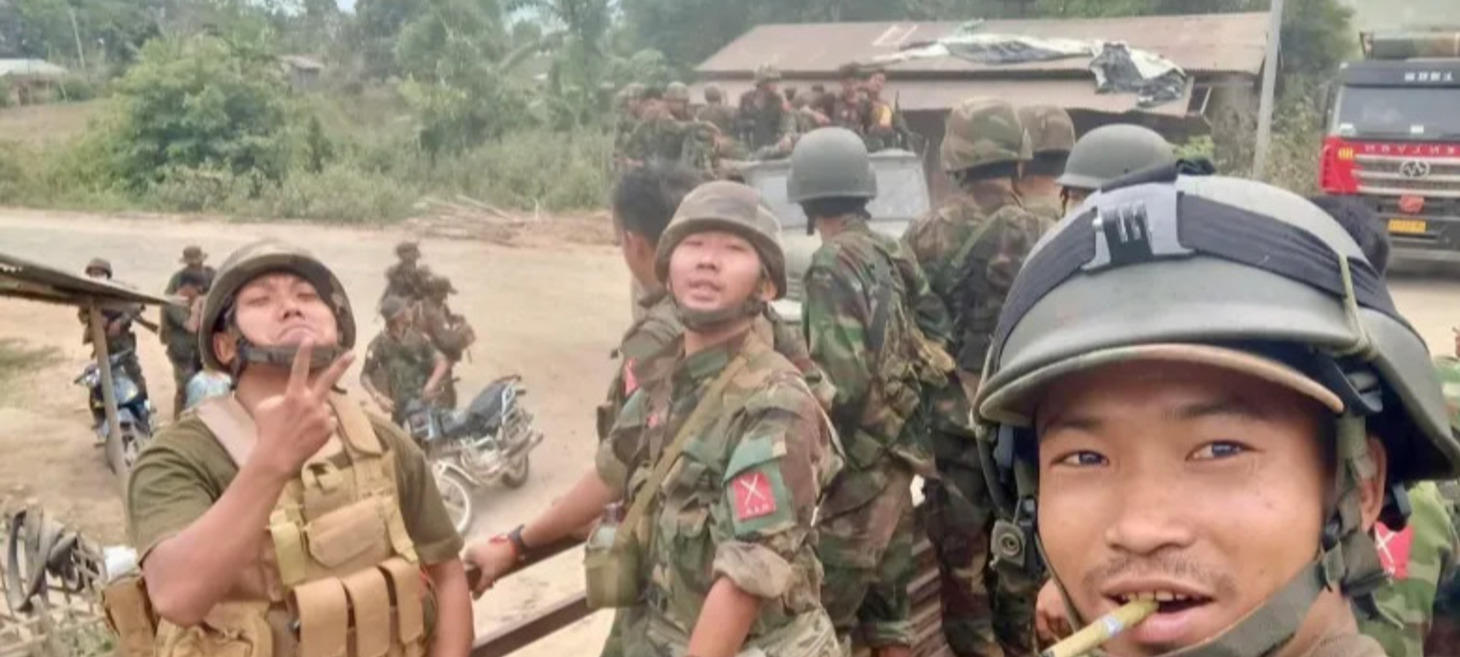
KIA claims it neutralized junta column in Bhamo
The Kachin Independence Army (KIA) and allied forces reportedly neutralized a junta column in Bhamo Township, Kachin State, ambushing and splitting a large contingent of junta troops from Armored Battalion 5014. One column was completely wiped out after two days of heavy fighting, with no survivors, while another was pursued and forced to retreat to Military Operations Command 21 (MOC 21). Amid ongoing efforts by the KIA to capture Bhamo Town, the junta has resorted to air and drone strikes for defense, and clashes have intensified since early August following the arrival of junta reinforcements.
bnionline.net
Myanmar's military government declares Karen ethnic rebels a terrorist group as elections loom
Myanmar’s military government has declared the Karen National Union (KNU) a terrorist organization, making any activities and third-party contact with the major ethnic rebel group illegal. This designation comes as the military plans national elections on December 28, which the KNU and other opposition groups have vowed to disrupt, leading to warnings of severe punishment from the government. The KNU, which has fought for greater autonomy since 1948, became allies with pro-democracy militias after the 2021 military takeover and offers refuge and training to opponents of the military government, further escalating the country's civil war.
thespec.com
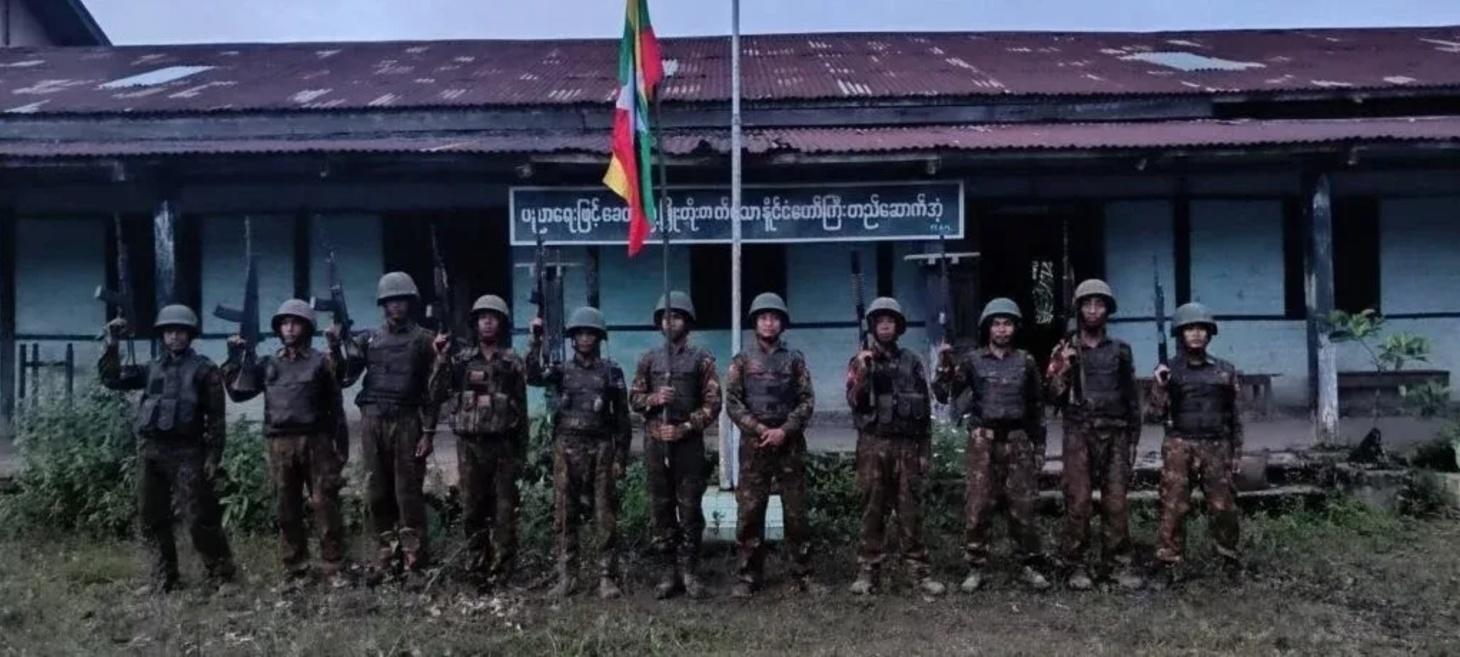
Midnight Raids in Nawnghkio Target Young Male Residents
Myanmar's military is conducting midnight census checks and arresting young men in Nawnghkio (Naung Cho) Township, Shan State, leading to fears of forced conscription. These arrests, which began since mid-August and intensified after the junta recaptured Nawnghkio town in July, target returnee Internally Displaced Persons (IDPs) and men accused of supporting anti-junta forces. The detentions, concentrated in Danu villages, have seen over 30 young men previously held, with families sometimes paying for their release, while military operations continue nearby.
shannews.org
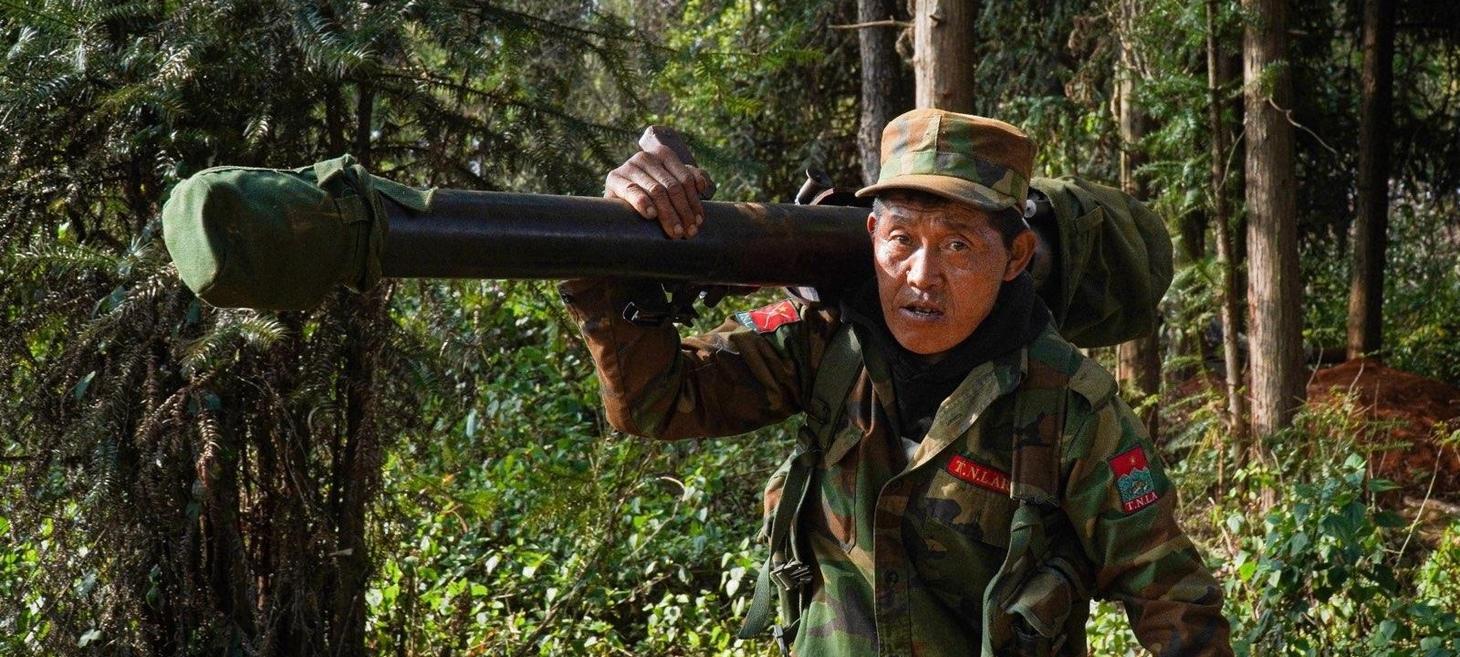
Kunming talks collapse as Myanmar junta demands return of all TNLA-captured towns
Kunming talks between the Myanmar junta and the ethnic Ta’ang armed group (TNLA) have collapsed, signaling a continuation of fighting. The regime rejected the TNLA's offer to withdraw from two key towns, instead demanding the return of all towns captured by the TNLA. This breakdown occurs amidst escalating violence across Myanmar, including reports of junta airstrikes killing civilians, thousands fleeing offensives in northern Shan State, and the junta chief acknowledging China's pressure on ethnic armed groups.
myanmar-now.org

Myanmar junta’s counteroffensive continues with deadly airstrike on Wetlet
The Myanmar junta's counteroffensive includes deadly airstrikes, exemplified by an attack in Wetlet where rescue efforts were hampered by an artillery barrage. These attacks have led to civilian casualties, including elderly individuals and families, with the UN warning that the scenes in Myanmar mirror 2017 atrocities. The ongoing conflict also sees thousands fleeing, the military losing ground to anti-junta forces, persistent power shortages, and the junta addressing issues like fraud and trafficking while planning for elections.
myanmar-now.org
Conscription
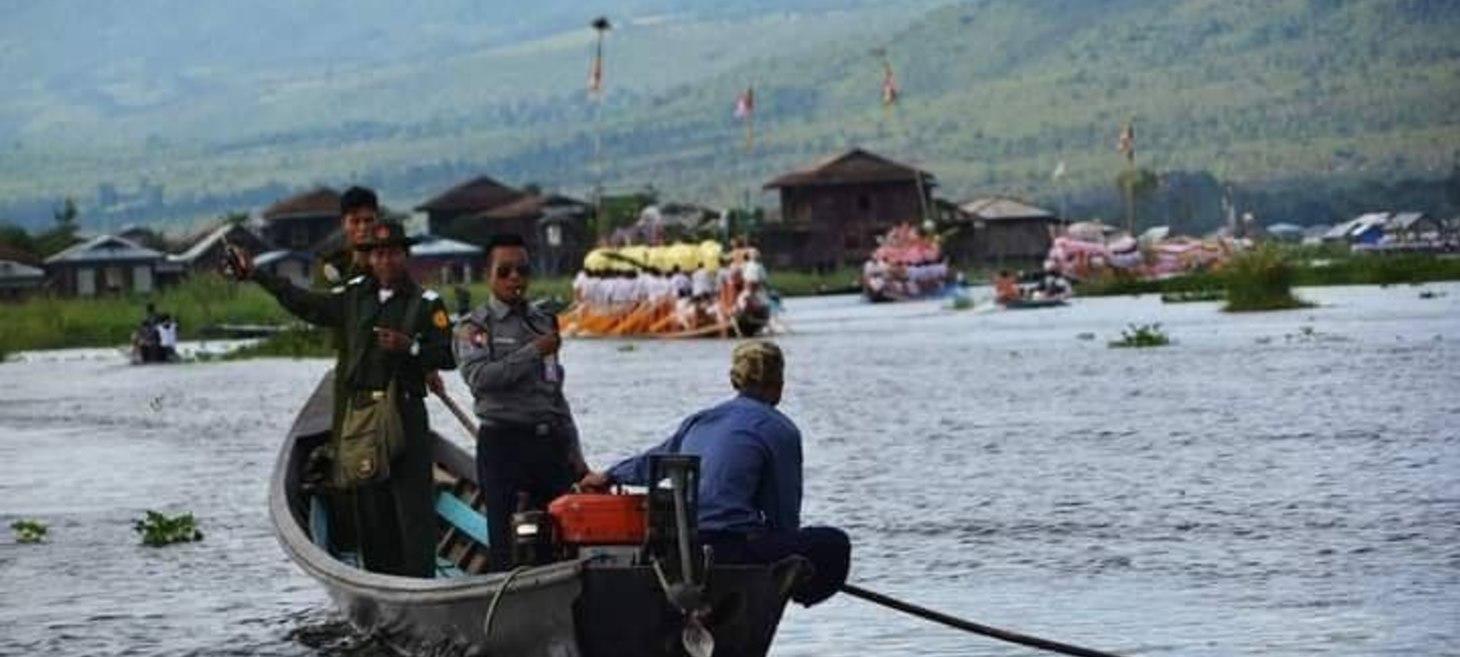
Junta drafts conscripts in villages around Inle Lake - Burma News International
The junta is strictly enforcing conscription for batch 17 in the 34 village tracts around Inle Lake, Nyaungshwe Township, southern Shan State, demanding two conscripts from each tract by the end of August. Local authorities are drafting individuals without medical examinations, including married people and minors who are legally exempt, and are also misleading young people with false promises of exemption while collecting 15,000 MMK from each person for military funding. This current conscription drive is notably more stringent than previous batches, where officials sometimes allowed exemptions for relatives or those who paid bribes.
bnionline.net
Crime & Narcotics
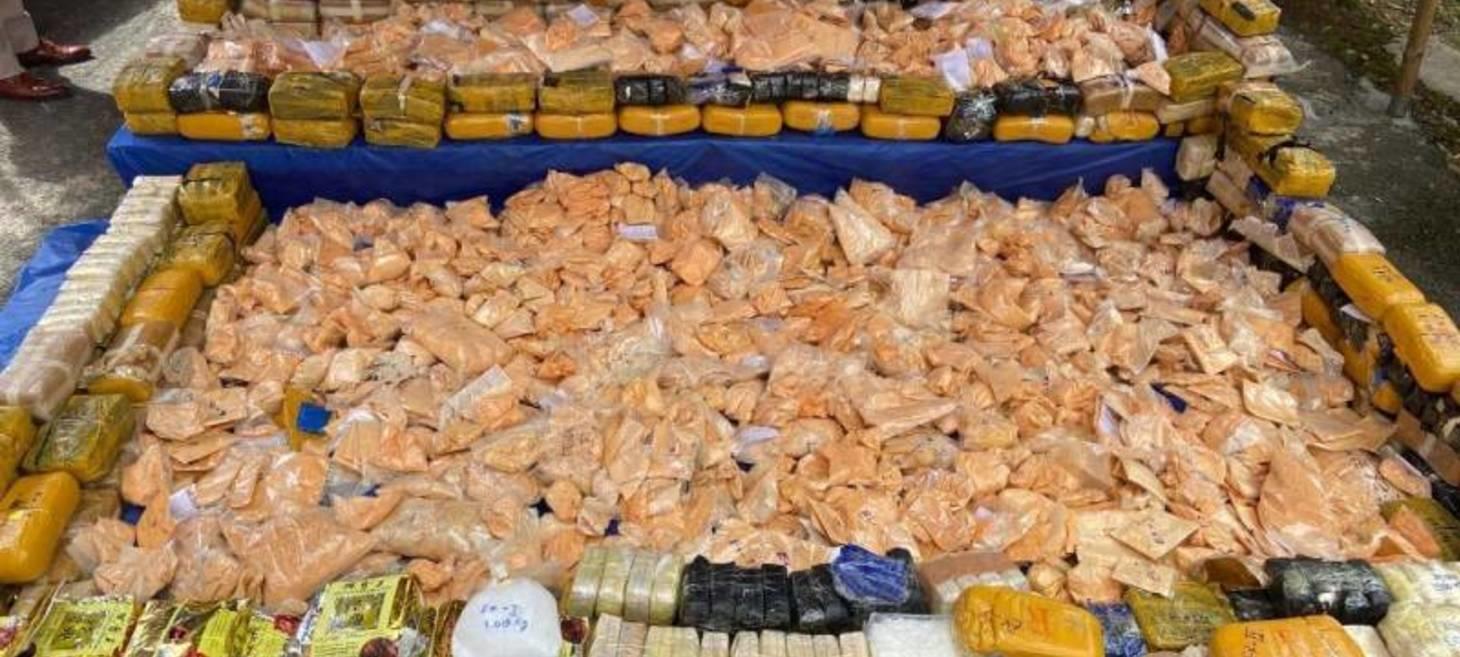
Myanmar drug trafficking networks shift to Indo-Burma border, CCPR warns
Myanmar's drug trafficking networks are increasingly shifting to the Indo-Burma border, particularly through Chin State, driven by conflict and weakened governance in Myanmar, which has now surpassed Afghanistan as the world's leading opium producer. The Chin Centre for Peace and Reconciliation (CCPR) reported an 89% surge in trafficking cases in 2024, with Champhai District in India and Falam Township in Myanmar serving as major entry and transit points for an estimated 2.7 tons of heroin and methamphetamine valued at USD 171 million seized between 2022 and mid-2025. Given the growing sophistication of these transnational networks, which often involve armed groups, the CCPR urges immediate intelligence-led cooperation between Indian agencies and Chin State authorities to address this unprecedented challenge.
mizzima.com
Cybersecurity & Cybercrime
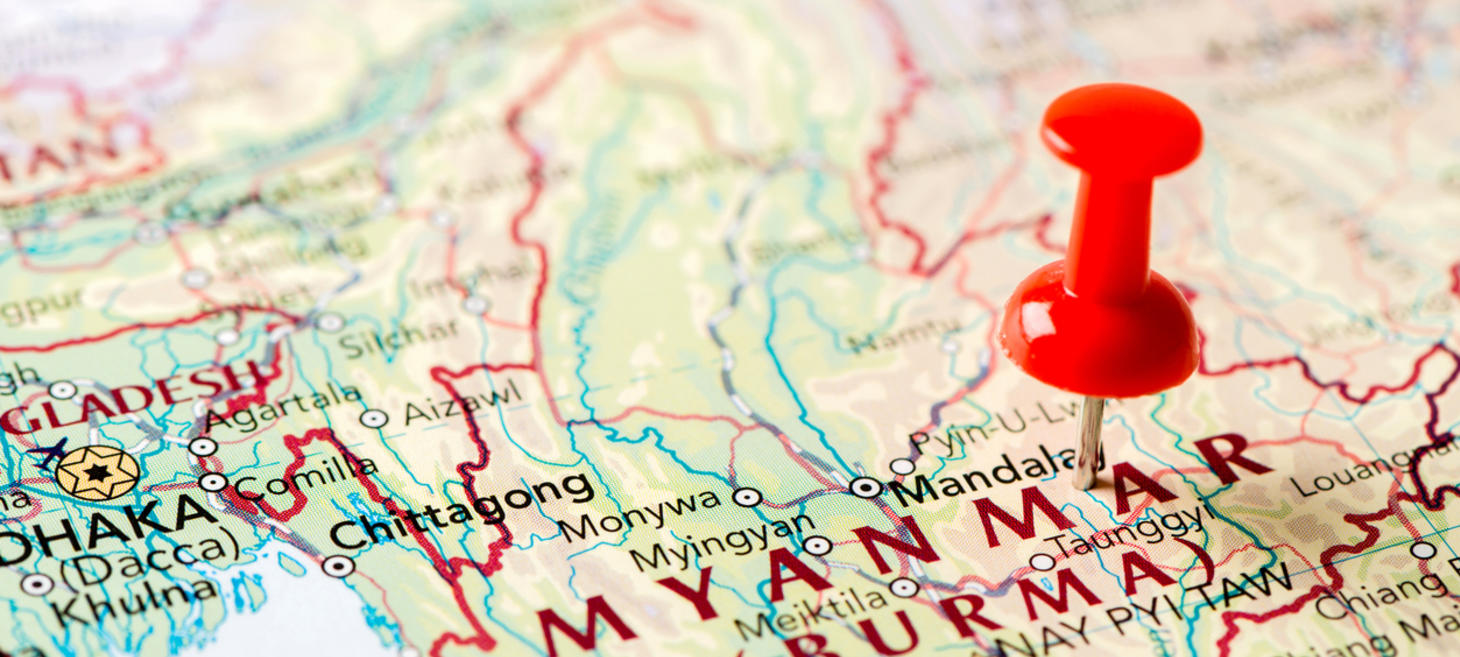
Philippine Embassy warns Filipinos against illegal job offers in Myanmar amid deployment ban
The Philippine Embassy in Myanmar has issued a warning to Filipinos regarding illegal job offers in the country, emphasizing that a deployment ban remains in effect. Despite this ban, there's been an increase in Filipinos entering Myanmar under the pretense of working as "customer service representatives," often on a 70-day business visa. These individuals, recruited through platforms like WhatsApp, Facebook, and Telegram, are frequently forced into online scamming activities upon arrival, with several victims having sought assistance after falling prey to these human trafficking schemes.
filipinotimes.net
Economy
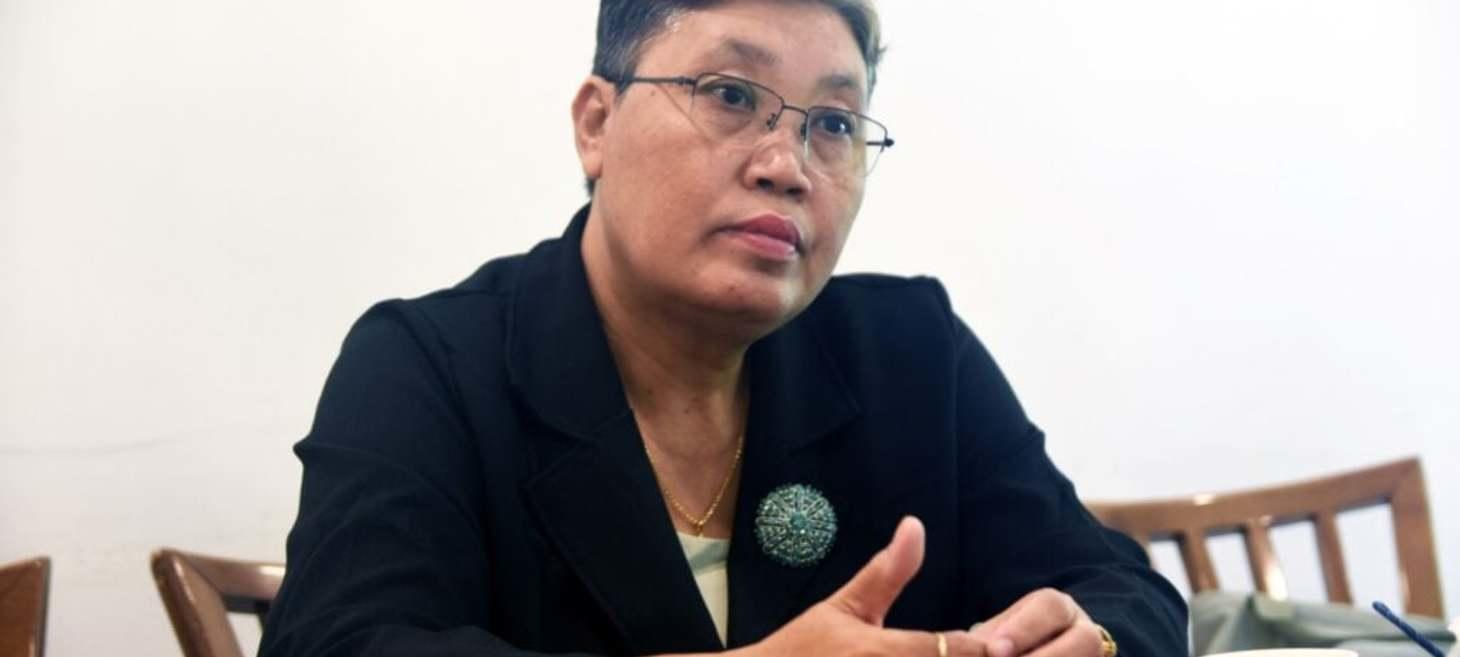
‘We have nothing’: A Myanmar trade unionist speaks
A wave of labor strikes re-emerged in Myanmar in 2024, largely driven by workers demanding higher wages due to rising inflation and commodity prices, leading to victories such as an increase to K12,000 daily wage at the Tsang Yih footwear factory. The Solidarity Trade Union of Myanmar (STUM), despite being an unregistered organization, was instrumental in advising workers, organizing these strikes, and conducting wage research, even while facing challenges like military intimidation, threats from thugs, and union-busting by employers. STUM's president, Daw Myo Myo Aye, presciently anticipated her arrest for disrupting "public peace and tranquility," highlighting the severe risks and lack of protection for labor leaders and activists in post-coup Myanmar.
frontiermyanmar.net
Elections
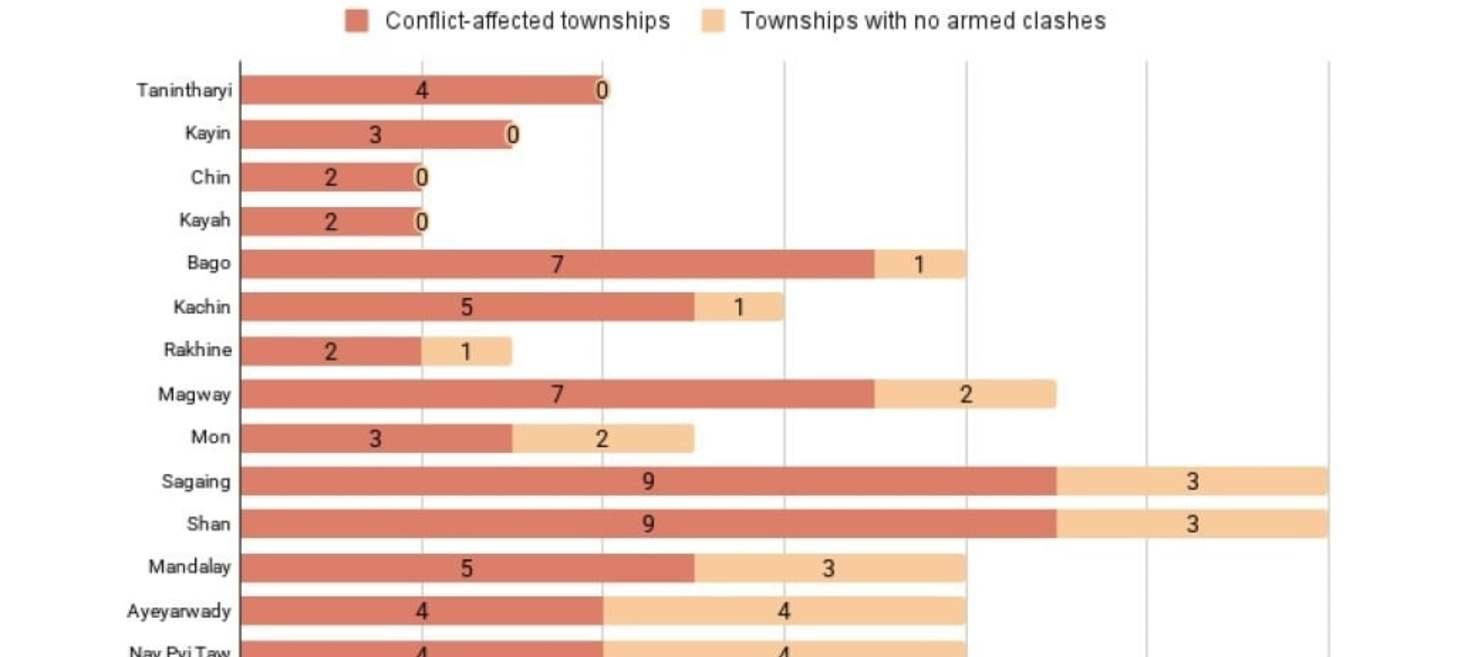
Junta’s New Registrations in Muse Seen as Vote-Rigging Tactic Before December Poll
The Shan Herald Agency for News (SHAN News) reports on the ongoing humanitarian crisis in Myanmar, including the displacement of thousands due to conflict, while also seeking donations for its survival. A major focus is the Myanmar junta's push for "sham" December 28 elections, with new household registrations issued in Muse, including to displaced persons, migrant workers, and even Chinese nationals, being viewed as a vote-rigging tactic. These registrations have sparked concerns among locals that their ethnic group will be overwhelmed by outsiders, especially since 12 townships in Shan State, nine of which are conflict-affected, are included in the first phase of these elections.
shannews.org
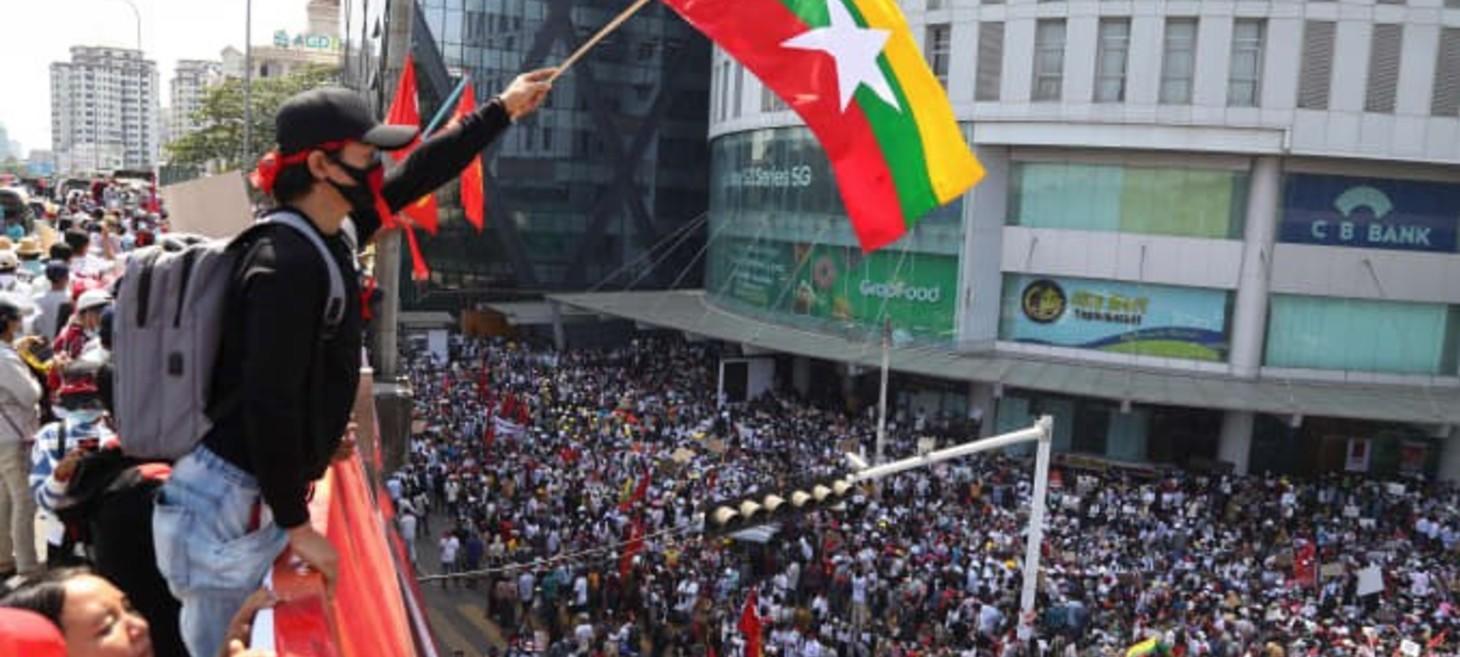
Myanmar’s Sham Elections: A Military Blueprint for Permanent Control
Myanmar's upcoming December 28, 2025 elections are described as a "sham" by Alyson Chadwick, meticulously designed by the military to cement its power and establish "military rule in civilian clothes" rather than restoring genuine civilian rule or democracy. This is achieved through rigged rules, including reserved military seats in both houses and vacant constituencies in ethnic minority areas, alongside strict economic controls and military expansion, all indicating the regime's intent to deepen its entrenchment. While Western governments are unlikely to recognize these elections, Myanmar's neighbors may offer legitimacy, posing a significant challenge for the international community to resist playing along with this process and to continue standing with those fighting for genuine democracy.
dailykos.com
Foreign Affairs
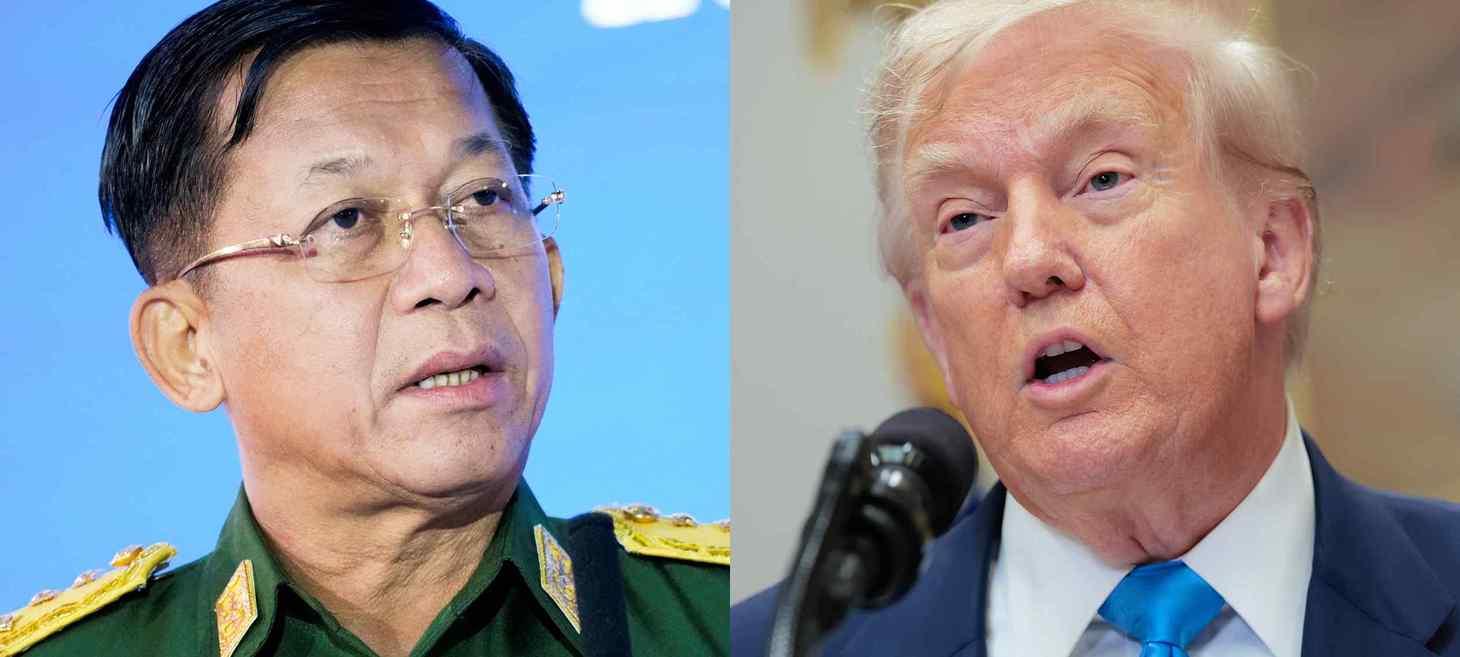
Why Trump has been soft on Myanmar's military regime
The Trump administration appears to be shifting its approach to Myanmar's military regime, moving from democratic idealism to potential economic gains. This change is evidenced by President Trump's letter to military leader Min Aung Hlaing using the honorific "His Excellency" and reducing tariffs, as well as the U.S. Treasury Department lifting sanctions on military-linked "cronies". Such actions, along with a new State Department policy on foreign election commentary, suggest a growing U.S. tolerance or potential legitimization of Myanmar's authoritarian government, possibly driven by interests like securing access to the country's rare earth resources.
nikkei.com
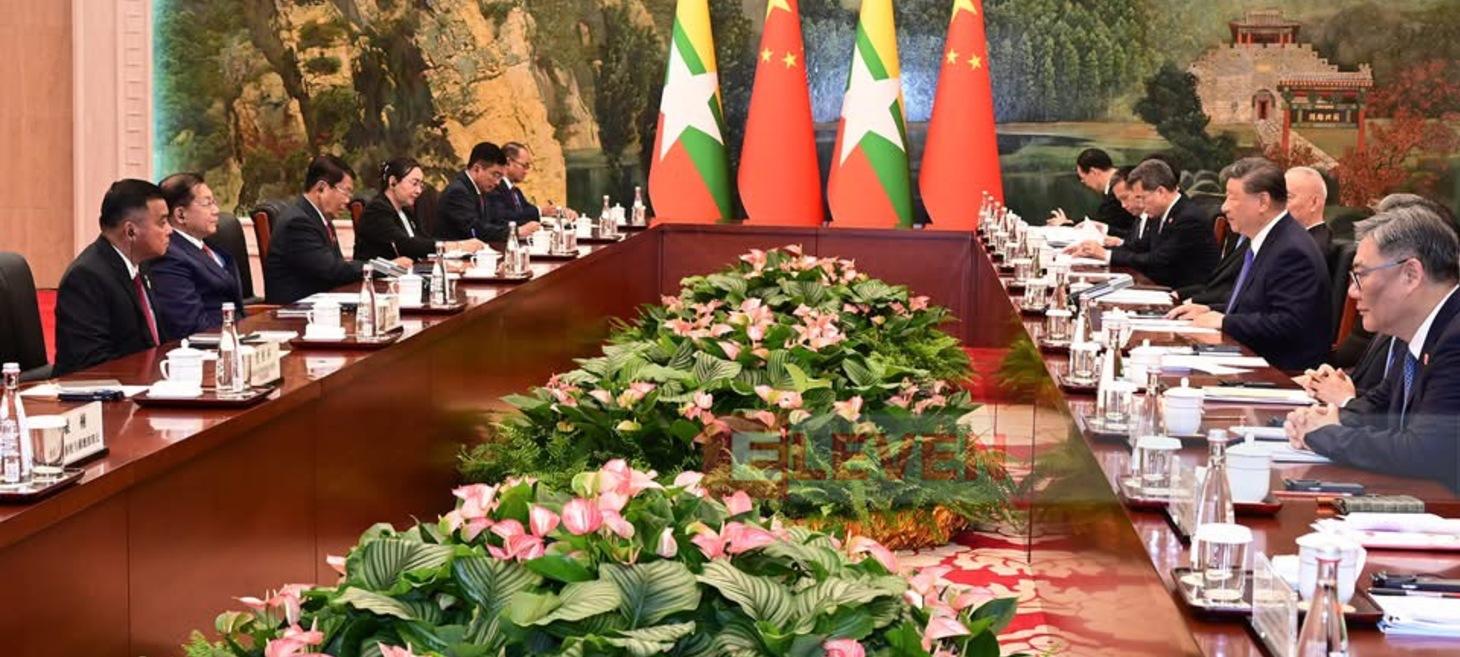
Chinese President says China will continue to support Myanmar’s development, stability, and political progress
On August 30, 2025, Chinese President Xi Jinping met with Myanmar’s Acting President, Senior General Min Aung Hlaing, in Tianjin, China, during an official visit at Xi’s invitation. President Xi expressed China's continued support for Myanmar’s development, stability, and political progress, including its upcoming multi-party general election and its aspiration for full Shanghai Cooperation Organization (SCO) membership, and reiterated opposition to foreign interference in Myanmar’s politics. Discussions also covered strengthening bilateral cooperation, peace efforts in Myanmar, enhancing trade, cooperation under the Belt and Road Initiative and the China-Myanmar Economic Corridor, and commemorating the 80th anniversary of the victory in the War of Resistance against Japan and World Anti-Fascist War.
elevenmyanmar.com
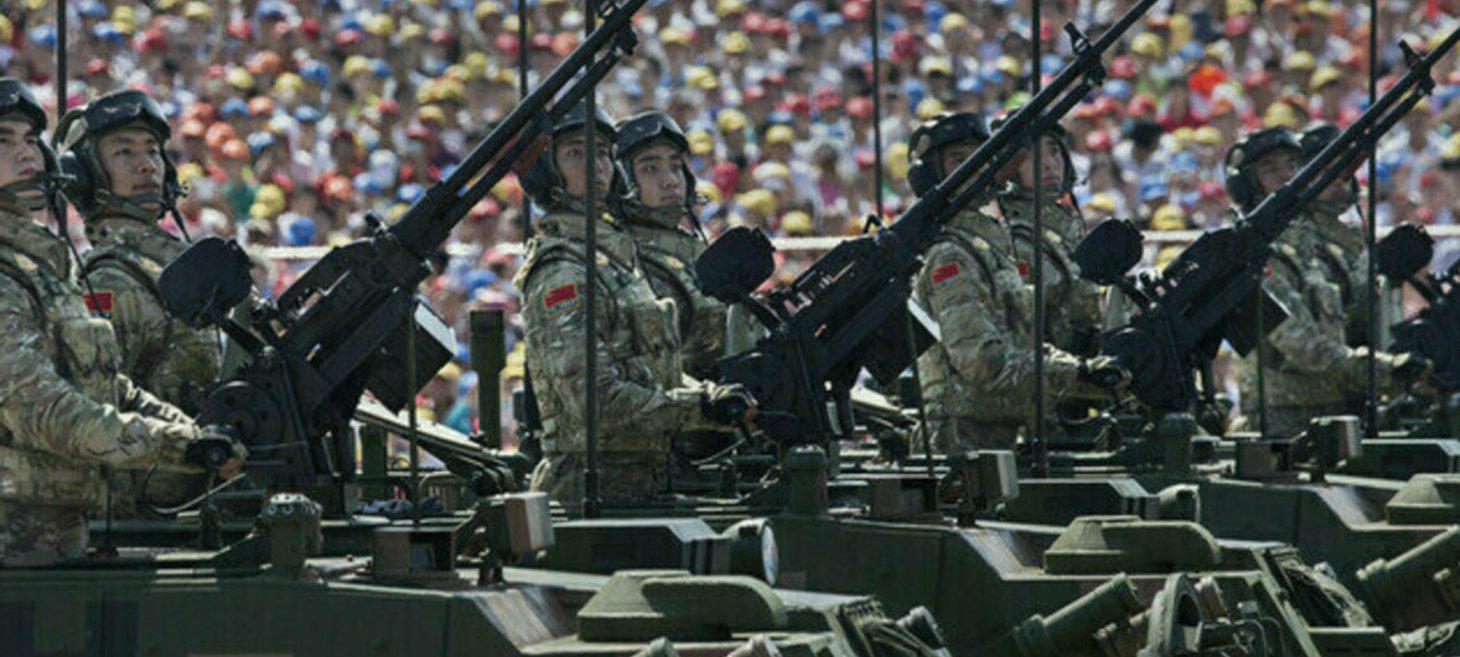
Why everybody wants Chinese weapons
China is subtly reshaping the global arms trade by offering affordable, accessible, and partnership-driven defense solutions, particularly to the Global South, despite holding a modest 5.9% share of the global arms market. Its appeal stems from lower costs, faster delivery, and a lack of political conditions or end-use restrictions, alongside a comprehensive catalogue of conventional military systems like UAVs, advanced fighters, and heavy armor, with Pakistan receiving nearly two-thirds of its exports. While facing obstacles such as interoperability challenges with Western systems and reliance on traditional partners, Beijing's strategy aims to empower nations with sovereign choices rather than simply overtaking Washington in sales.
myanmarnews.net
Governance & Rule of Law
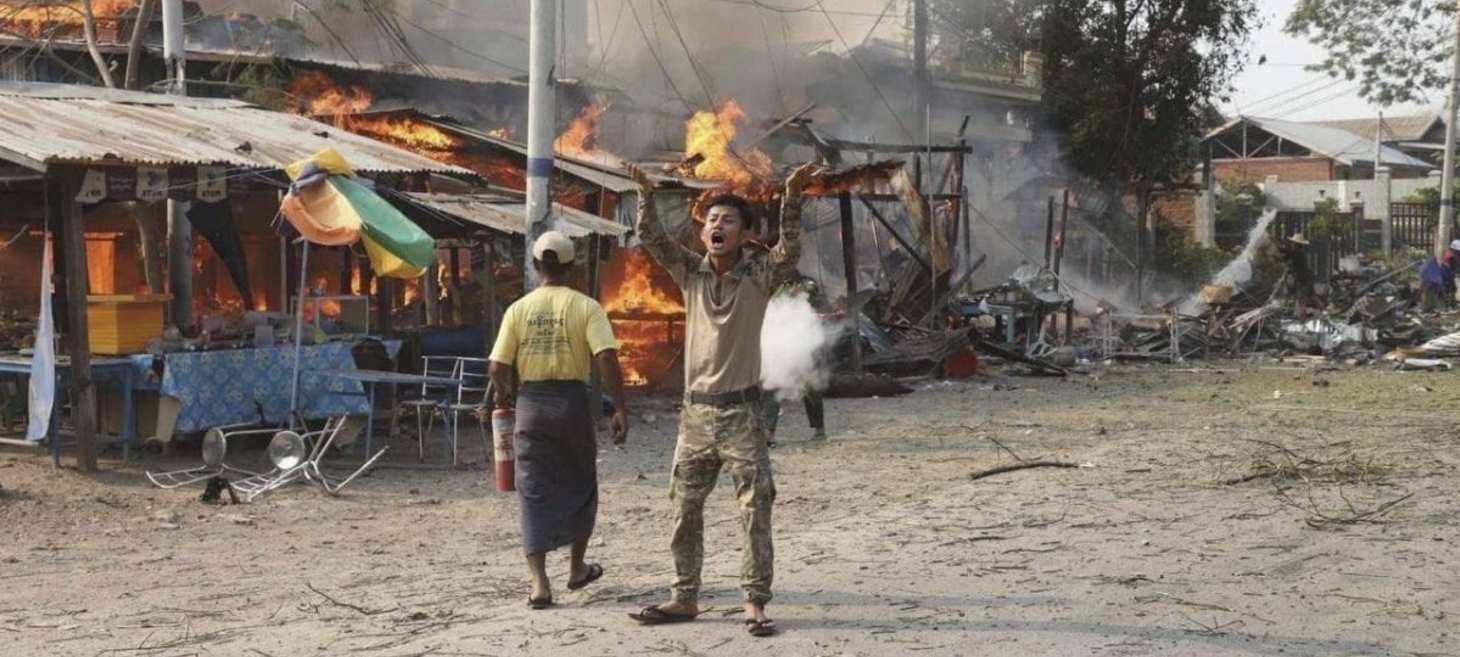
Myanmar in freefall: A democratic dawn moving towards a failed state
Myanmar is depicted as a nation in freefall, moving from a democratic dawn towards a failed state, following the military's February 2021 coup that overthrew the democratically elected National League for Democracy (NLD) government and detained its leaders, including Aung San Suu Kyi. This military takeover, coupled with pre-existing issues like the Rohingya crisis and natural disasters, has plunged the country into multiple crises, resulting in 3.6 million internally displaced people, 1.5 million refugees, and 19.9 million people needing humanitarian assistance. Four-and-a-half years later, the junta controls only 21 percent of the territory, while the country faces collapsed infrastructure, economy, education, and health systems, widespread human rights abuses, and a bleak future with ineffective international intervention.
firstpost.com
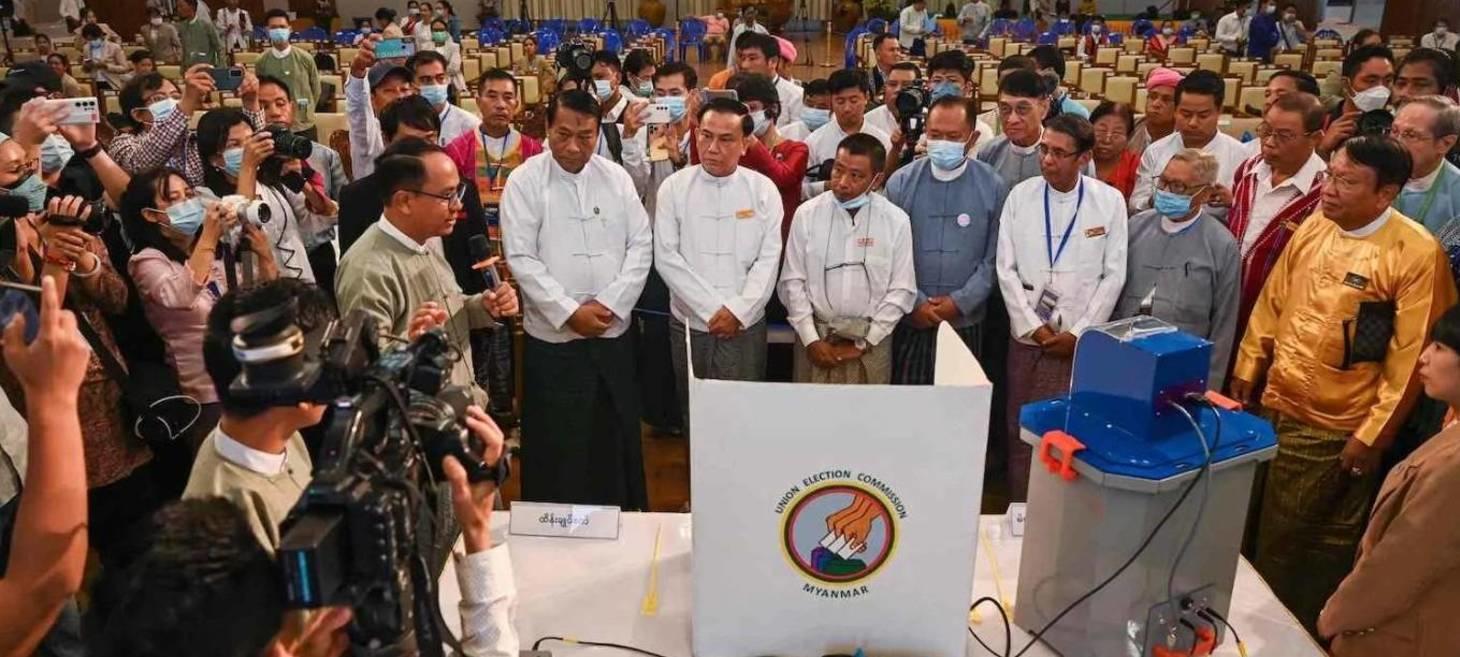
IDP in Taunggyi Becomes First Charged Under Junta’s Election Disruption Law
Ko Nay Thwey, a displaced man living in Taunggyi, has become the first person charged under the Myanmar military junta’s newly enacted Law on Protecting Elections from Disruption and Destruction. He was arrested for allegedly operating a Facebook account called “Lashio Baegyi” and posting content critical of the election process, specifically comments on a shooting and car theft incident in Lashio. Charged under Section 23(a), which prohibits online posts deemed to disrupt elections and carries penalties of three to seven years in prison, his arrest followed calls for action from pro-military Telegram channels.
shannews.org
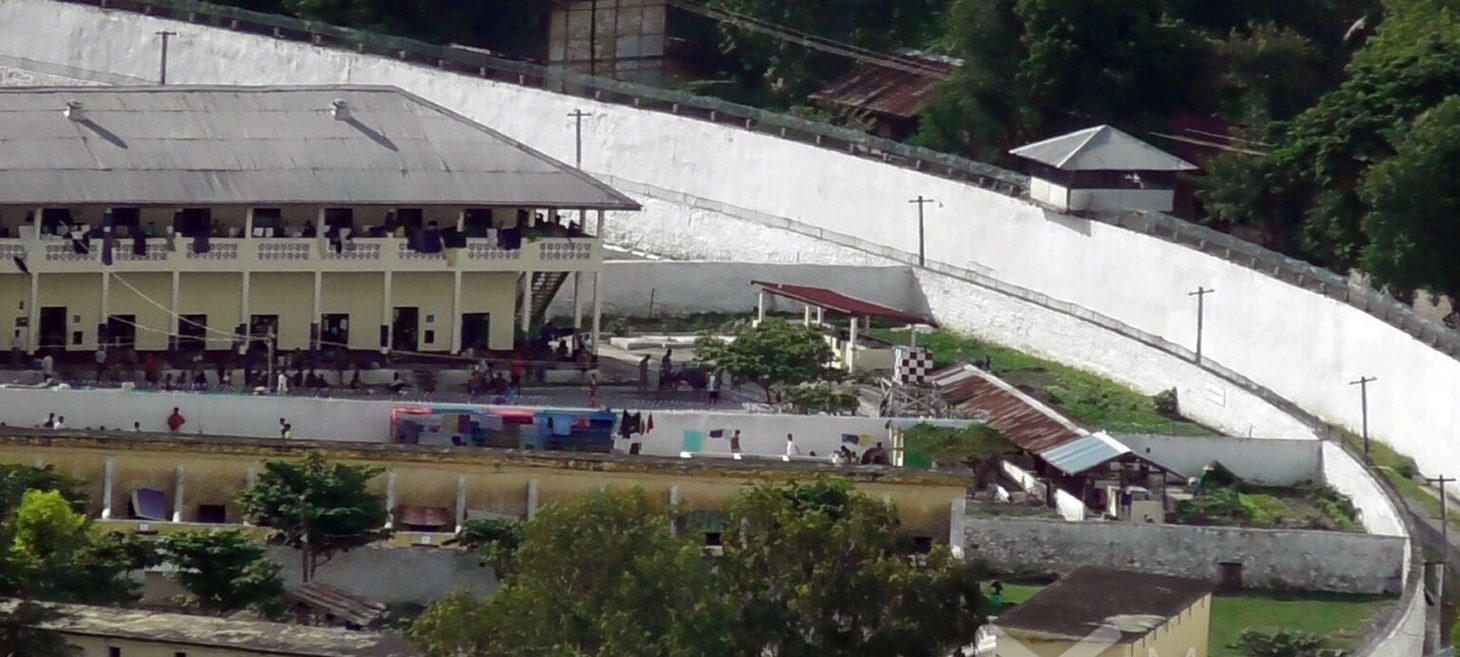
Five NLD members held in Mandalay’s Obo Prison on terror charges
Five women, identified as National League for Democracy (NLD) members, are currently imprisoned in Mandalay’s Obo Prison, facing terror charges. They had disappeared shortly before a deadly earthquake struck central Myanmar in March. This report, published by Nay Min Ni on August 28, 2025, appears alongside other articles from Myanmar Now, which cover a range of pressing issues in the country, including junta airstrikes, civilian casualties, displacement, economic challenges, and political conflicts.
myanmar-now.org
Healthcare
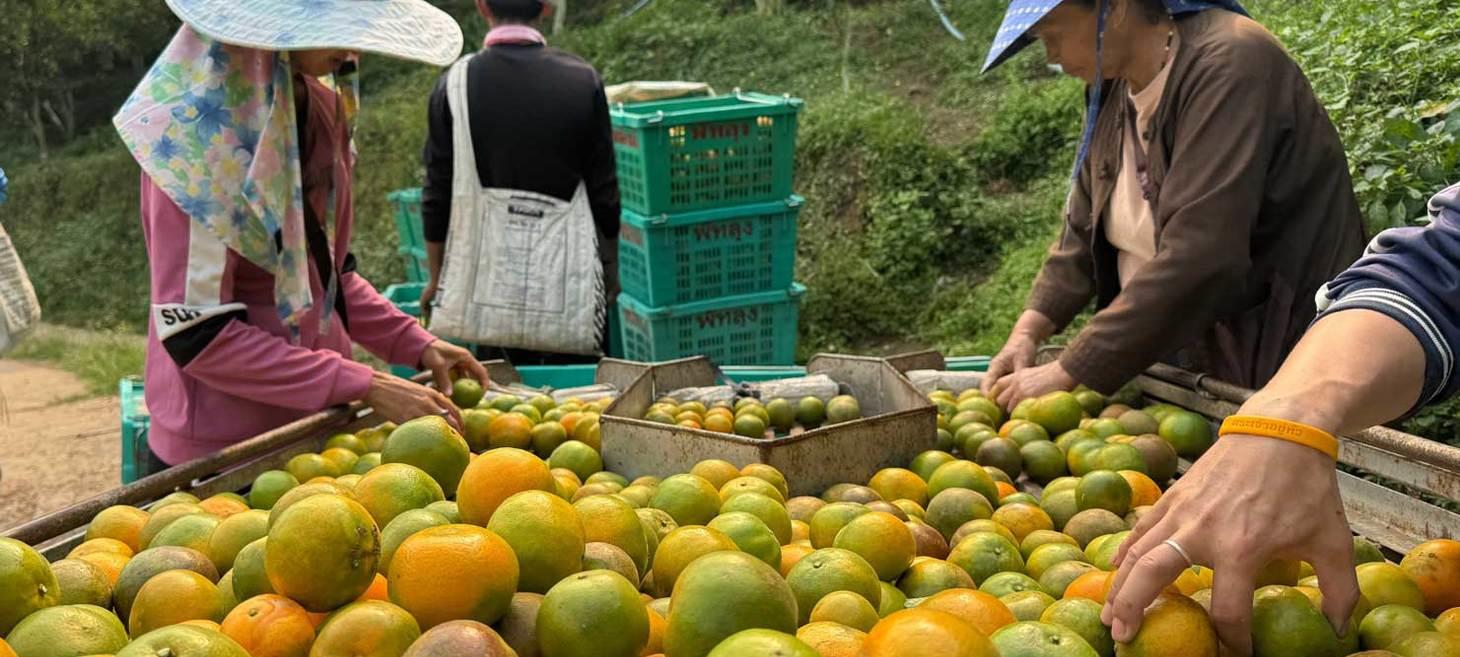
Myanmar’s war refugees flee conflict, face toxic orange orchards
War refugees from Myanmar's Shan State are forced into labor in northern Thailand's orange orchards, enduring toxic pesticide exposure, especially from emamectin benzoate, and meager wages significantly below the country's legal minimum. These undocumented workers, many of whom are young, lack legal protection, access to healthcare, and awareness of their rights, making them vulnerable to exploitation. Consequently, they face severe health risks like kidney disease and cancer from chronic chemical exposure, chronic poverty, and insecurity, with little hope of escape or legal recourse.
shannews.org
Humanitarian
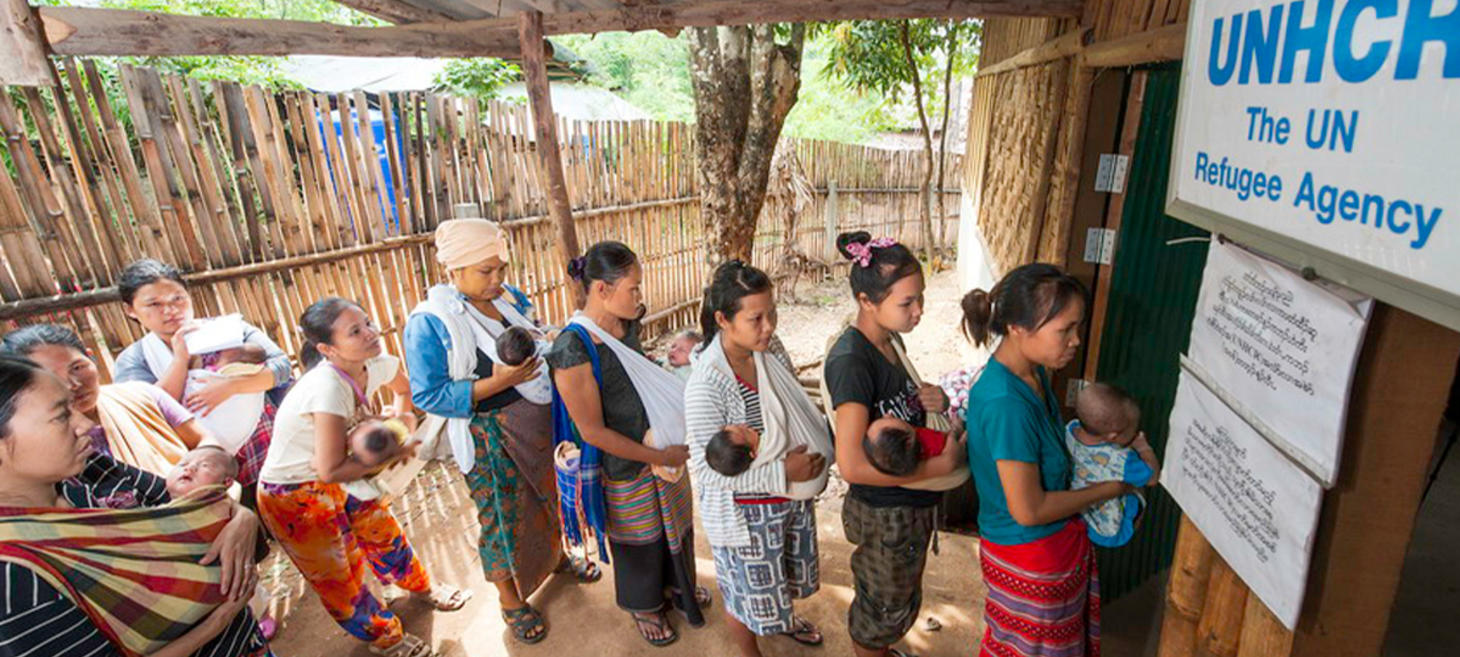
Thailand Grants Myanmar Refugees Legal Right to Work
Thailand's Cabinet approved measures on August 26, 2025, granting registered long-term Myanmar refugees living in border camps the legal right to work. This initiative addresses both humanitarian concerns for the over 100,000 refugees, many of whom have been displaced for decades, and Thailand's critical labor market shortages. The move is expected to support economic growth, boost local consumption, create jobs, and strengthen GDP, while also easing the state's burden and safeguarding human rights.
laotiantimes.com
Politics
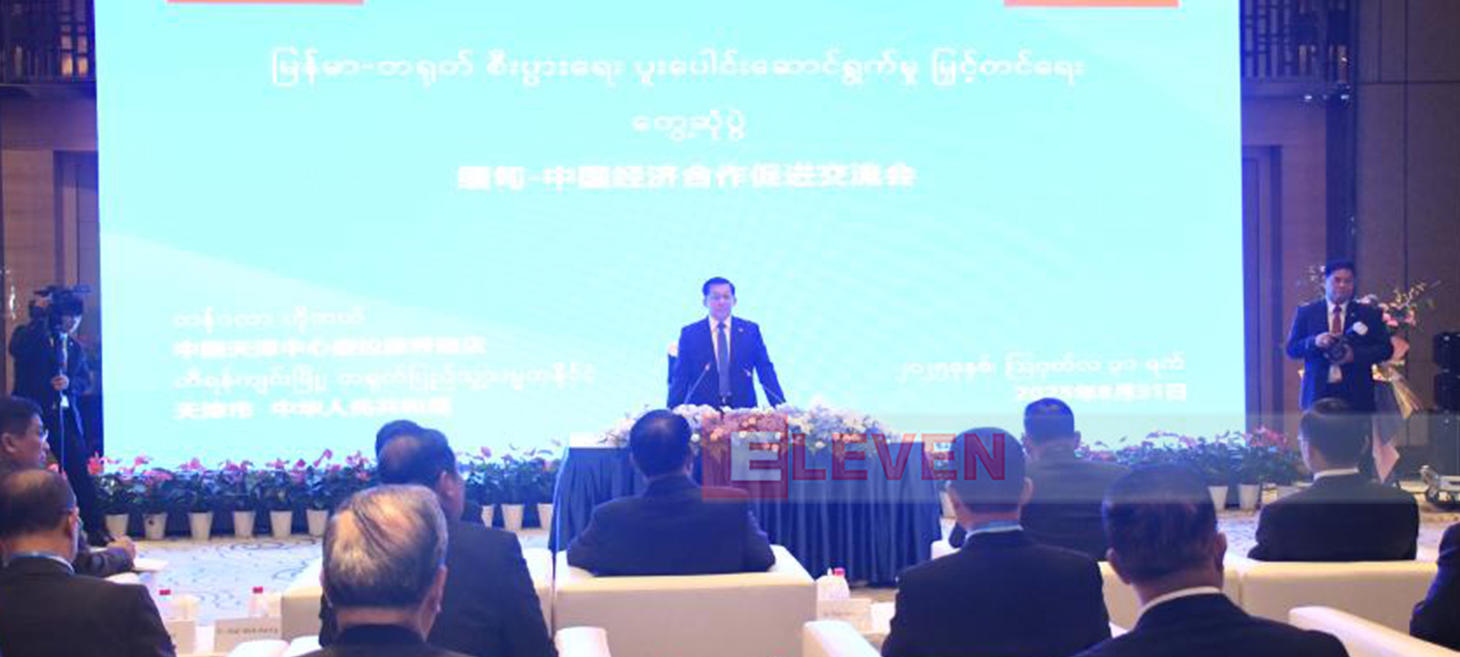
SSPC Chairman meets Chinese-Myanmar businessmen and economists
The Acting President and Chairman of the State Security and Peace Commission (SSPC), Senior General Min Aung Hlaing, met with Chinese and Myanmar businessmen and economists on August 31, 2025. This meeting occurred at the Tangla Hotel in Tianjin, China, during his working visit to Tianjin at the invitation of President Xi Jinping. Accompanying him were high-level officials, including Commission Secretary General Ye Win Oo and Union Ministers, while approximately 100 Chinese businesspeople also attended.
elevenmyanmar.com
Telecommunications
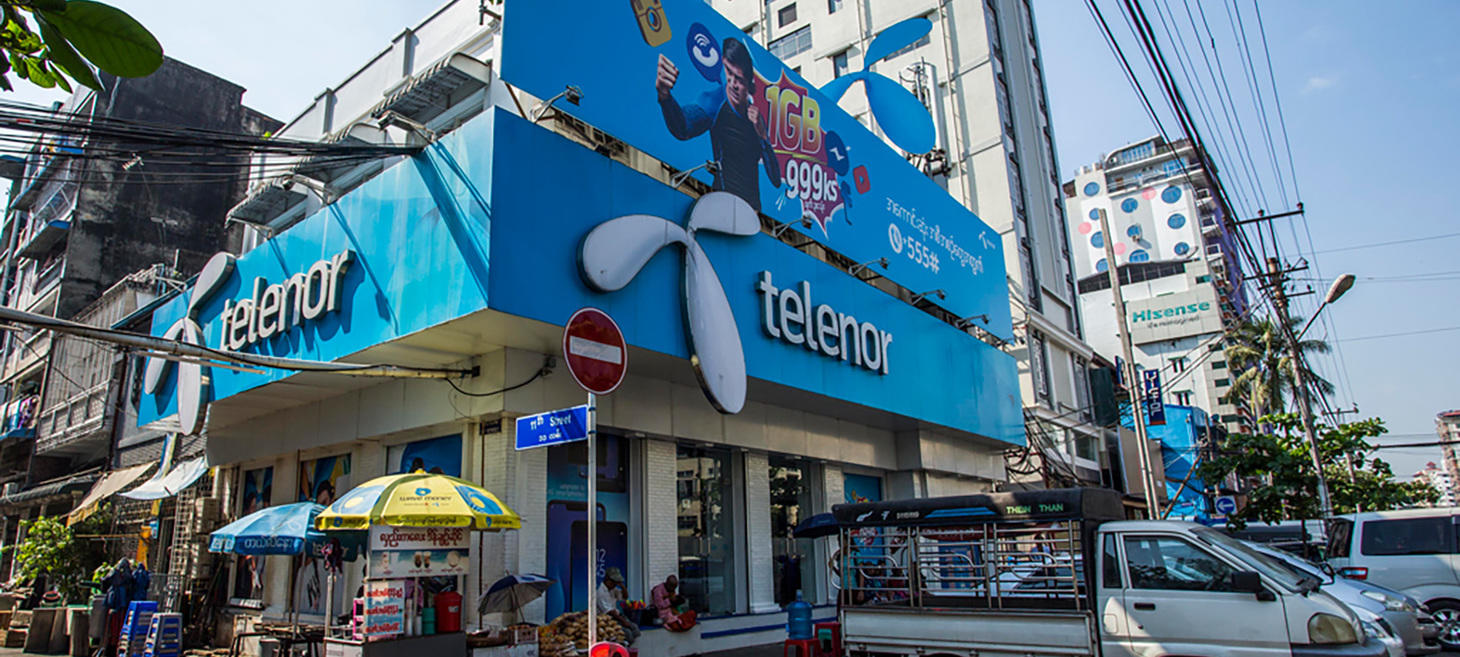
Norwegian rights groups file police complaint against Telenor over Myanmar operations
Two Norwegian human rights groups, Justice for Myanmar (JFM) and ICJ Norway, have filed a police complaint against telecom giant Telenor and its former management for allegedly violating Norwegian sanctions during its operations in Myanmar from 2018 to 2022. The groups accuse Telenor of installing and maintaining surveillance equipment, including Lawful Interception Gateway systems, for Myanmar's state surveillance center, which came under military control after the 2021 coup, and transferring this technology along with sensitive customer data when it sold its subsidiary in March 2022. Critics argue these actions enabled the junta to monitor citizens' communications, aided "crimes against humanity," and potentially contributed to the arrests and executions of opposition figures.
scandasia.com
United Nations
OHCHR / MYANMAR REPORT
The UN Human Rights Office (OHCHR) released a new report on Myanmar on September 2, 2025, detailing a worsening human rights crisis with atrocities committed by the military, particularly in Rakhine State, reminiscent of 2017, involving increased killings, torture, and the razing of villages. This has led to the displacement of hundreds of thousands more people, with an estimated 150,000 Rohingya fleeing to Bangladesh since November 2023, joining nearly one million already seeking refuge there, while the military and Arakan Army act with near complete impunity. In light of these ongoing violations, the High Commissioner reiterates calls for a full referral of the Myanmar situation to the International Criminal Court by the Security Council, as the situation continues to worsen with increased airstrikes and ground operations, necessitating urgent humanitarian funding.
un.org